
Animals
L.A. County Adopts ‘Socially Conscious’ Animal Shelter Practices
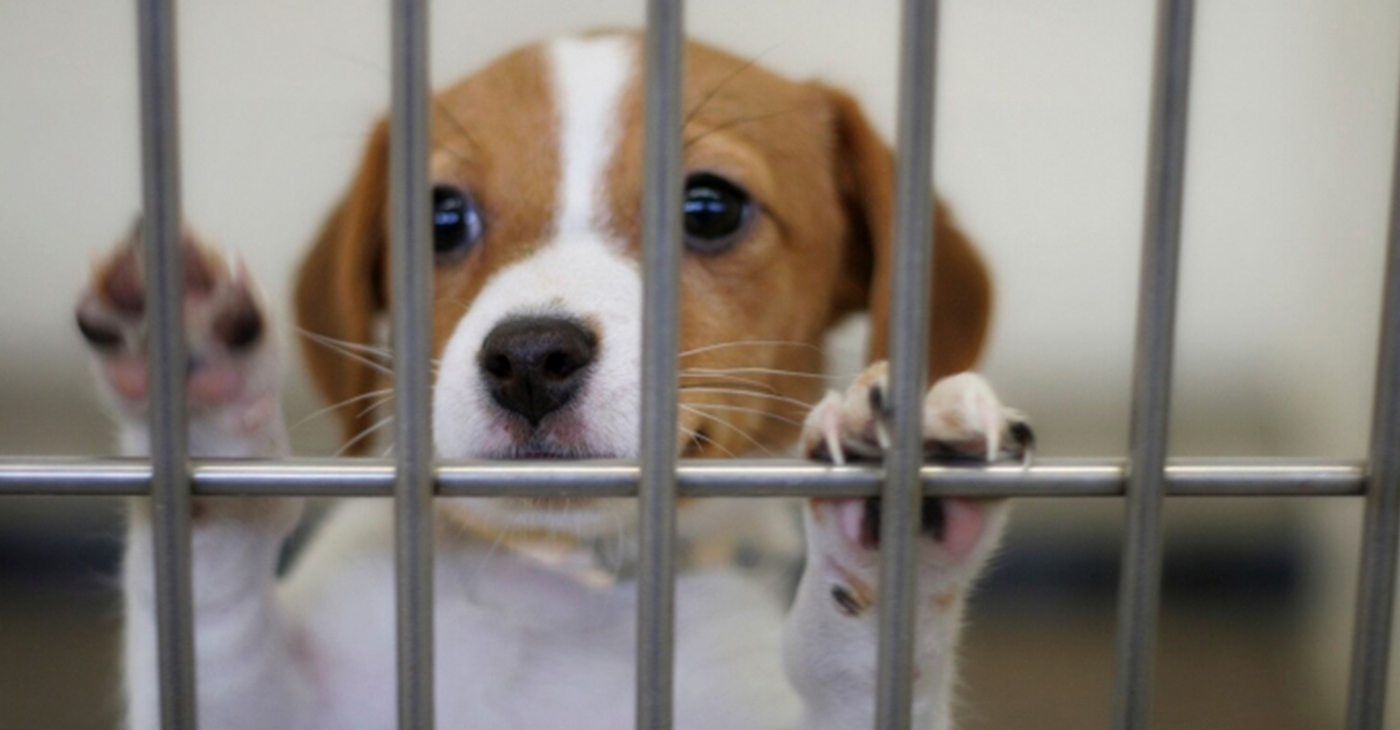
LOS ANGELES SENTINEL — Animal rights activists praised Los Angeles County’s decision to adopt “socially conscious” operating practices for its animal shelter, warning that alternative “no-kill” policies often result in unsafe, overcrowded facilities and dangerous dogs on the street.









#BuyBlack
Buying vs. Starting a Veterinary Practice: Key Financial Differences
NNPA NEWSWIRE — Buying an existing practice typically involves a larger upfront purchase price, but it also comes with immediate revenue. Established clinics already have a client base, staff, equipment, and operational systems in place; this means income can begin right away, which can help offset loan payments and operating costs.

By Shikha D
Some differences between buying and opening a veterinary practice come from operating costs, financing structures, risk, and long-term financial potential.
In 2025, there were 133,475 veterinarians in the United States, with around 75,000 of them having a companion animal practice, according to the American Veterinary Medical Association.
When you get out of veterinary school, you are probably ready to start a vet practice right away. Before you do so, it’s important to think about whether you want to buy a vet business that’s already running or if you wish to open a brand new business.
Even though it’s a good business to open, there are definitely pros and cons to both sides. Understanding these distinctions helps veterinarians choose the route that best aligns with their goals, resources, and risk tolerance.
Buying a Veterinary Practice
Buying an existing practice typically involves a larger upfront purchase price, but it also comes with immediate revenue. Established clinics already have a client base, staff, equipment, and operational systems in place; this means income can begin right away, which can help offset loan payments and operating costs.
If you are looking to borrow money for your practice, then lenders are more open to giving money to a practice that’s already running and has an established paying clientele.
Starting a Veterinary Practice
Starting a veterinary practice from the ground up often requires a lower initial purchase price but involves significant startup expenses. Costs include:
- Leasing or buying property
- Renovating the space
- Purchasing equipment
- Hiring staff
- Investing in marketing
Even though these expenses can add up quickly, at least when you open your own practice, you have a say in how things are set up from the get-go. You can design the clinic layout, choose modern equipment, and build a brand that reflects your vision.
Here’s a great guide on opening a veterinary practice in 2026.
Some Differences Between the Two
As you can see, there are definitely pros and cons to both sides of the equation. Here are some more factors to consider:
Operating Costs
Existing practices may have established supplier relationships, negotiated rates, and experienced staff, which can help control expenses; however, they could have outdated equipment or inefficient processes. All of this will require time and resources to update and bring up to par.
New practices, on the other hand, can implement efficient systems from the start but may initially face higher costs due to smaller purchasing volumes and less favorable supplier terms.
Financing Structures
Loans for purchasing an existing practice are often based on the clinic’s historical performance, while startup loans rely more heavily on the owner’s personal financial profile and business plan.
Financing a startup can be more challenging, particularly for those without significant savings or a strong credit history. It might be a good idea for you to get a family member to sign on the loan with you so that you can get a better interest rate.
Risk
Buying an established practice generally carries less uncertainty because there is a proven business model and customer base. It also means inheriting any existing issues, such as declining client numbers or outdated systems. You will want to carefully look through all the numbers in advance before signing on the dotted line.
Starting a new practice involves greater uncertainty but offers the opportunity to build a business tailored to current market demands and personal preferences. Any mistakes or successes in the business will be completely yours, which means that you can improve on them as you desire.
Long-Term Financial Potential
An established practice may provide steady income and gradual growth, while a startup has the potential for higher returns if it scales successfully. Of course, this isn’t always the case. If you don’t have good business sense, you could have a startup that stutters and falls to the ground soon after.
Owners who build a practice from the ground up may also benefit from increased equity as the business grows in value.
The point here is that neither way is better than the other. You have to look at your own circumstances and figure out which fits your lifestyle, skill set, and situation better.
Frequently Asked Questions
What Are Some Business Skills that a Vet Should Have?
Even though vet school does have a bit of a curriculum around business skills, it still isn’t enough. A lot of your business acumen will come on the job, as you navigate the day-to-day of the vet practice.
Some skills you should think about developing over time are:
- Communication skills
- Negotiation skills
- Financial acumen
- Accounting skills
- Marketing skills
If you aren’t good at any of these or you feel like someone else would do better, don’t balk at hiring an expert, especially for SEO marketing and Google local ads.
How to Create Buzz Around Your Veterinary Practice?
One of the biggest ways your vet practice will have people excited about becoming your clients is when you use social media to create a social media sensation. You can use TikTok videos or Instagram reels to speak more about the office staff or your culture.
Do funny videos or share images of the pets you’ve treated (with permission, of course) to bring more people to your door. As you get the buzz going, people will start sharing information about your vet practice with friends and family, and you will have an influx of great customers banging down your door.
That’s the ideal situation, but it will take time to get there. A lot of effort on your end is crucial.
A Vet Practice Is a Good Business to Open
Don’t feel anxious about opening a veterinary practice now that you’ve read all the pros and cons. Even though there are key financial differences between the two, one way isn’t better than the other. You will have to gauge for yourself which path works best.
Purchasing an existing clinic offers immediate income and lower initial risk but requires a higher upfront investment. Starting a new practice provides flexibility and control but demands careful planning and patience to achieve profitability.
Please check out related articles on our website for more interesting content.
Marin and all other California counties to be eligible for assistance
Courtesy of Marin County
As California and the West Coast enter their third year of drought, Marin County and the state’s other 57 counties have been declared primary disaster areas by the U.S. Department of Agriculture. The dry conditions are bad news for Marin’s farmers and ranchers, but the disaster designation status makes available emergency loans for agricultural businesses.
Additionally, the Small Business Administration (SBA) is offering Economic Injury Disaster Loans to non-farm small businesses that do business directly with farmers and ranchers, such as truckers and suppliers of agricultural equipment or services. Eligible businesses may apply for disaster loans through Dec. 8, 2022.
Farmers and ranchers interested in a disaster loan can apply on the USDA website. Small, non-farm businesses, small agricultural cooperatives, and most private nonprofits can apply for the loans by contacting the SBA at 1 (800) 659-2955 or by email. Hearing impaired individuals may call 1 (800) 877-8339.
“We want to raise awareness of the financial opportunities this drought designation provides because it may help some of these small businesses hampered by our continuing severe drought conditions,” said Marin County Agricultural Commissioner Stefan Parnay.
The federal commitment to assist businesses because of drought-related hardship extends to 23 other western states in addition to California. Small non-farm businesses, small agricultural cooperatives, and most private nonprofits of any size may qualify for SBA Economic Injury Disaster Loans to help meet financial obligations and operating expenses that could have been met had the drought not occurred.
In July 2021, the State of California added Marin to its list of counties falling under its state of emergency for drought and record-breaking high temperatures statewide. Governor Gavin Newsom made the drought official in 50 of the state’s 58 counties. Since then, state agencies partnered with local water suppliers to promote conservation tips through the Save Our Water campaign.
The Marin County Board of Supervisors voted unanimously May 18, 2021, to declare a local emergency and acknowledge the imminent threat of disaster and the severe effect on dairies and ranchers in West Marin. It also made the County eligible for California Disaster Assistance and other forms of state funding and resources. The local declaration cleared the way for state authorities to aid response and recovery efforts available to the County, water suppliers, farmers, impacted businesses and residents.
Marin Water, the municipal water district serving the majority of water customers in the county, and the Novato-based North Marin Water District (NMWD) are staying in contact with the County about drought conditions. Both water districts have declared water shortage emergencies and enacted mandatory conservation measures. Marin Water serves more than 191,000 customers in central and southern Marin. NWMD serves a customer base of about 64,000 in and around Novato and parts of coastal West Marin. For localized details, see the water rules webpages for Marin Water and NMWD.
Marin residents have been asked to support local agricultural producers who have been affected by the drought right on the heels of the COVID-19 pandemic. In 2021 numerous Marin ranchers had to import water by truck to keep their animals alive while also reducing their herds. With far less vegetation for grazing because of the ongoing drought, animals are eating imported feed shipped from other states at extremely high costs to the ranchers. Additionally, a few Marin crop producers had to import water by truck to keep crops alive and fallowed approximately 150 acres, or about 50% of the 300 crop acres in the county.
“As the region enters its third year of drought, this season is going to take a significant toll on our agricultural industry,” Parnay said.
The Board of Supervisors last year approved $150,000 in drought relief funds for the agricultural industry and another $250,000 for general drought relief needs to augment other state and federal aid.
The post Emergency Federal Drought Relief Available first appeared on Post News Group. This article originally appeared in Post News Group.
Animals
Norwalk approves plan to manage coyotes
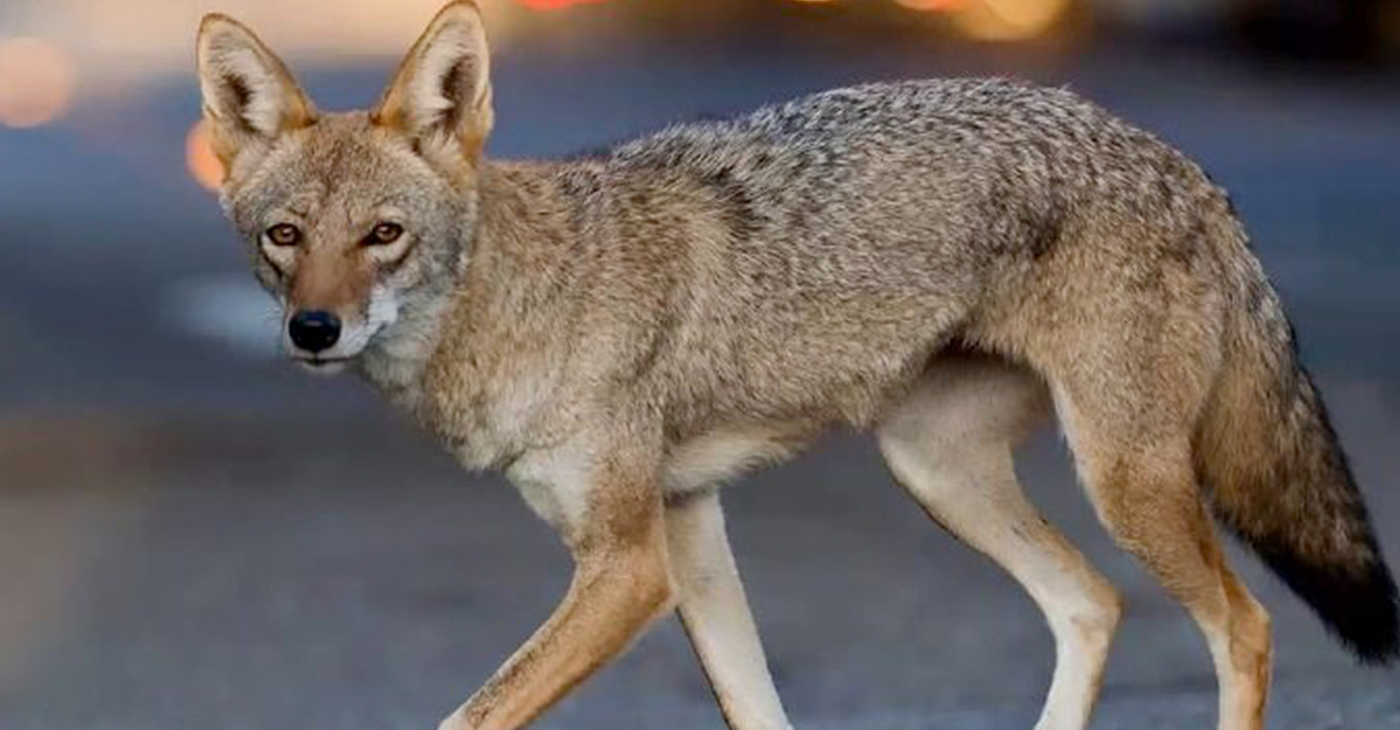
WAVE NEWSPAPERS — Although it’s legal to kill a coyote under certain circumstances, the city will take a more humane approach with a “coexistence and management” plan, approved on a 5-0 vote by the City Council Oct. 1. Public Safety Director Grissel Chavez said a coyote may be killed if it is attacking a person or pet and under state law anyone can hire a licensed hunter to kill the animals.

By Arnold Adler
NORWALK — Although it’s legal to kill a coyote under certain circumstances, the city will take a more humane approach with a “coexistence and management” plan, approved on a 5-0 vote by the City Council Oct. 1.
Public Safety Director Grissel Chavez said a coyote may be killed if it is attacking a person or pet and under state law anyone can hire a licensed hunter to kill the animals.
But a report by Chavez and Management Analyst Amanda Moreno stated that Humane Society studies indicate killing or relocating animals doesn’t work as the dead animal is soon replaced and an animal taken from the area to another location often finds its way back.
Instead, the city Management and Coexistence Plan aims at educating the public and urging residents to call and report coyote sightings to the Public Safety Department at (562) 929-5732.
City staff will form a wildlife watch, using data from residents to chart actions of coyotes.
Maps will be made for citywide distribution showing where large numbers of coyotes may be found, Moreno said.
“The management plan is to discourage the habituation of coyotes in an urban environment by using education, behavior modification and development of a tiered response to aggressive coyote behavior,” the report states.
This plan is guided by the following basic principles, Moreno said in an oral report.
• Human safety is a priority in managing human-coyote interactions.
• Understanding that coyotes serve an important role in the ecosystem by helping to control the population of rodents, rabbits and other urban mammals.
• Preventive practices such as reduction and removal of food attractants, habitat modification and responding appropriately when interacting with wildlife are key to minimizing potential interactions with coyotes.
• Solutions for coyote conflicts must address both problematic coyote behaviors (such as aggression towards people and attacks on pets) and the problematic human behaviors (intentionally or unintentionally feeding coyotes and letting pets outside unattended) that contribute to conflicts.
“A community-wide program that involves residents is necessary for achieving coexistence among people, coyotes and pets,” Chavez and Moreno said in the report.
“Recommended actions in this plan are designed to increase knowledge and understanding of how coyotes behave and to make clear how such behavior can be managed or reduced to eliminate human conflicts with coyotes. The ultimate goal of coyote behavior modification is to encourage the natural relocation of coyotes to their native environment.”
“This plan is a step in the right direction. We have received many complaints from residents.”
“This plan will show that we are addressing the problem,” Mayor Margarita Rios said.
Moreno told the Council that city staff has worked with other communities and the California Department of Fish and Wildlife on how to respond to the recent influx of coyotes in urban areas.
Historically, coyotes have existed for years in Norwalk and Los Angeles County, finding safe haven in areas within the city where dense brush is prominent, the report said. These areas provide suitable locations where coyotes can safely build dens and reproduce
Wildlife experts say the prolonged drought has limited potential food sources for the coyotes and has drawn the coyotes to residential neighborhoods in search of food and water.
Coyotes primarily eat small mammals, such as rabbits, ground squirrels and mice. They tend to prefer fresh meat but will eat significant amounts of fruits and vegetables during the autumn and winter months when their prey is scarce.
The report said coyotes will adapt their diet to what is available. A lack of prey and closer proximity to residents has led the coyotes to seek alternative food sources, including small pets, pet food and fallen fruits and vegetables in the backyards of homes.
In answer to a question by Councilman Leonard Shryock, Moreno said coyotes will enter a yard looking for food if they are hungry enough.
Generally, coyotes are reclusive animals who avoid human contact. As coyotes have become urbanized, however, they have realized there are few real threats in suburban environments. This has resulted in coyotes approaching people and even feeling safe visiting yards when people are present, the report stated.
In response to coyote activity in neighborhoods, the city relies on its residents to report encounters but more importantly, to follow the recommended action plan when they encounter coyotes.
In Norwalk, the Downey-based Southeast Area Animal Control Authority will handle coyote issues such as disposal of sick, injured or dead animals. SEAACA can be reached at (562) 803-3301,
If a coyote is posing an immediate threat, residents are advised to call 911.
This article originally appeared in the Wave Newspapers.
Animals
County urging boaters to watch out for manatees
DAYTONA TIMES — The number of manatees killed by boat strikes is on the rise in Florida. According to the Florida Fish and Wildlife Commission, 93 manatee deaths, including 10 in Volusia County, were caused by watercraft collisions from Jan. 1 through July 19. The staff of Volusia County’s Manatee Protection Program urges boaters to be on the lookout for manatees as they travel in the St. Johns River and Halifax/Indian River. When struck by boats, these slow-moving marine mammals can incur deep wounds and internal damage.
By The Daytona Times
The number of manatees killed by boat strikes is on the rise in Florida. According to the Florida Fish and Wildlife Commission, 93 manatee deaths, including 10 in Volusia County, were caused by watercraft collisions from Jan. 1 through July 19.
The staff of Volusia County’s Manatee Protection Program urges boaters to be on the lookout for manatees as they travel in the St. Johns River and Halifax/Indian River. When struck by boats, these slow-moving marine mammals can incur deep wounds and internal damage.
Because manatees are often difficult to see, Debbie Wright, Volusia County’s manatee protection program manager, urges boaters to follow these guidelines:
- Obey posted speed limits.
- Wear polarized sunglasses to eliminate the sun’s glare and see below the water’s surface.
- Avoid boating over seagrass beds and shallow areas where manatees might be feeding. Be aware that manatees also use deep-water channels when traveling.
- Look for a snout, back, tail or flipper breaking the water’s surface.
- Watch for “manatee footprints,” swirls or flat spots on the water created by a manatee’s tail when it dives or swims.
- Remain at least 50 feet away from a manatee when operating a powerboat.
- If you plan to jet-ski, water-ski or participate in other high-speed watersports, choose areas that manatees cannot frequent, such as land-locked lakes or waters well offshore.
- If you see a manatee that is sick, injured, dead or orphaned, call the Florida Fish and Wildlife Conservation Commission at 888-404-3922.
This article originally appeared in the Daytona Times.
Animals
South Carolina Statewide Adoption Event’s Goal Is 1,500 Adoptions
CHARLESTON CHRONICLE — Pick Me! SC is coming back bigger and better than ever July 12 – 14. More shelters around the state and more Petco locations than ever before are getting involved in this amazing statewide adoption event. The statewide adoption event is sponsored by the Petco Foundation, in partnership with BOBS from Skechers, and organized by No Kill South Carolina (NKSC). The goal is to save 1,500 lives through adoptions in just one weekend. Most shelters and adoption centers are offering “no-fee” or “low-fee” adoptions as part of this life saving event. NKSC is a program of Charleston Animal Society.

By The Charleston Chronicle
Pick Me! SC is coming back bigger and better than ever July 12 – 14. More shelters around the state and more Petco locations than ever before are getting involved in this amazing statewide adoption event.
The statewide adoption event is sponsored by the Petco Foundation, in partnership with BOBS from Skechers, and organized by No Kill South Carolina (NKSC). The goal is to save 1,500 lives through adoptions in just one weekend. Most shelters and adoption centers are offering “no-fee” or “low-fee” adoptions as part of this life saving event. NKSC is a program of Charleston Animal Society.
“People saw how successful the event was last year and we are so excited to bring it back,” said the Director of NKSC Abigail Kamleiter. NKSC brings all of South Carolina’s shelters together – to work together – through projects like Pick Me! SC. “Saving every healthy and treatable pet is a goal that is within our reach if we all work together!” said Kamleiter.
Petco Taking Part
Petco stores will host shelters and rescues to reach even more potential adopters. “All 25 nearby Petco locations across South Carolina are participating, including some along the border in North Carolina,” said Petco District Leader, Robert Tuttle. “Petco and the Petco Foundation are proud to take part in this event. When we all work together, there is no limit to what we can do for pets in need!”
Long-Term Impact of Pick Me! SC
Many people who adopted at Pick Me! SC last year, shared that they had never visited their local shelter before the Pick Me! SC weekend. Organizers hope people will continue to see the value that shelters bring to their individual communities. As part of the Pick Me! SC project, 100 dogs and cats will be spayed and neutered at rural shelters around the state, thanks to the Petco Foundation.
If you are adopting, please remember to bring a leash for dogs or a carrier for cats. Some of the locations may have these items for sale but be sure to check in advance. For more information, visit PickMeSC.com.
This article originally appeared in the Charleston Chronicle.
Animals
Milwaukee County Zoo Hosted its Annual Party for the Planet
MILWAUKEE COURIER — As of right now, it’s not too late to save our planet but that’s only if we all come together. Saving the planet can be fun and that’s the angle the Milwaukee County Zoo is taking. This previous Saturday and Sunday, the Zoo hosted its annual Party for the Planet which is sponsored by American Transmission Co. (ATC).
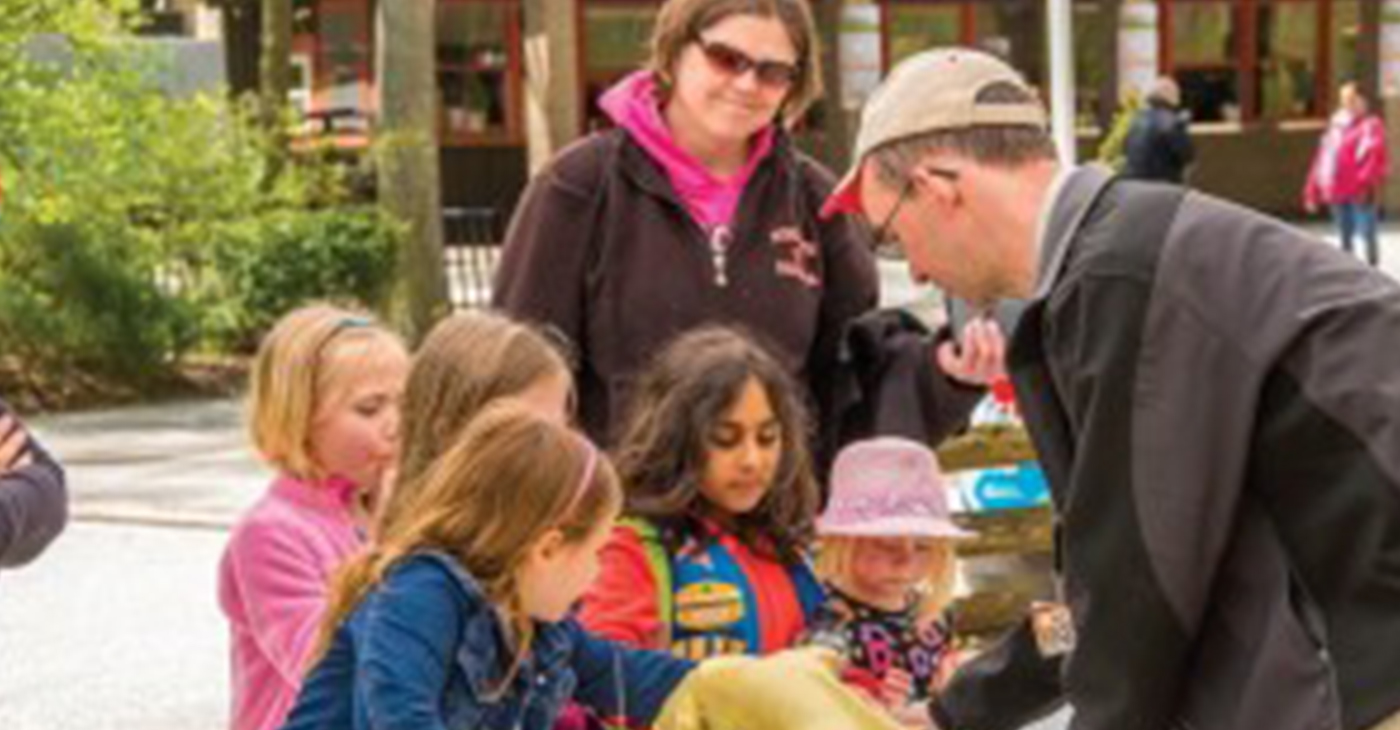
By Nyesha Stone
Our planet is on fire according to Bill Nye the Science Guy and he’s right. Each day, we all take a part in destroying our planet whether it’s from using too many plastic products or littering our own neighborhoods, we are the planet’s worst enemy.
As of right now, it’s not too late to save our planet but that’s only if we all come together. Saving the planet can be fun and that’s the angle the Milwaukee County Zoo is taking. This previous Saturday and Sunday, the Zoo hosted its annual Party for the Planet which is sponsored by American Transmission Co. (ATC).
According to Milwaukee County Zoo Special Events and Marketing Coordinator Emily Salentine, the Zoo’s annual party has been going on for 10 years with the goal of educating and encouraging City residents to do a little more for the nature around them.
“We teach our guest about wildlife and nature,” said Salentine. “We’re teaching our guest really tangible things.”
During this celebration, guest are taught about a variety things such as palm oil which is derived from orangutan habitats. They teach the guest the importance of buying farm-produced palm oil because it helps the orangutans go unbothered from humans destroying their habitats for palm oil.
Salentine says she hopes guest feel “inspired to care about nature and wildlife by doing day to day things… it’s very simple to do.”
Kids were taught about trees and then had the option to take their own tree to plant somewhere in their neighborhood. They were also allowed to climb certain trees with the help of professionals.
This event has seen up to 5,000 people, according to Salentine.
ATC wasn’t just a sponsor, they also had a booth in the farm area to teach guest about the importance of planting for pollinators. Through their Grow Smart planting guide, ATC had a small garden to show guest what to grow to attract pollinators.
“It’s important for visitors to come and understand aspects about animals, Milwaukee County Zoo Hosted its Annual Party for the Planet nature and plants,” said ATC Corporate Communications, Alissa Braatz. “We help educate people about the right type of vegetation in the right way.”
Pollinators like bees help keep a lot of plants going, which in turns helps life keep going so it’s important we pay attention to what we grow and how we grow it.
For more educational facts about nature and animals, visit https://www.milwaukeezoo.org/.
This article originally appeared in the Milwaukee Courier.


CBCF’s ALC 55 Recap | September 2026

The Washington Informer Celebrates 62 Years | Recap

Heated Seats & Sliding Window: Ultimate Truck Comfort #shorts

Test Subaru’s 11.6-Inch Screen in REAL Daylight #shorts

EV Range Anxiety? Your Daily Commute Needs Just One Overnight Charge #shorts

Headline: FAMU Homecoming Injuries, Discarded Ballots & Rising Holiday Costs 📱

Headline: FAMU Homecoming Injuries, Discarded Ballots & Rising Holiday Costs

OTR @ Par 365

OTR w LeBrent Speed

OTR w Terresa Moses @ Black Garnett Books

OP-ED: Haiti TPS: Have We Lost Sense of Humanity?

Remembering Chauncey Bailey as Student Journalists Face Threats to Truth-Telling

All Skinfolk Ain’t Kinfolk

Poll: Becerra Widens His Lead Over Hilton; Californians Split on Wealth Tax

Rulings Leave Questions Lingering in Nolan Wells Case

Latinas Deserve Equal Pay. Unions Help Make It Happen.

Zakiya Jendayi Arrested, Locked Out of Home by Sheriff’s Deputies

Why Black Artists Struggle to Sell Tours

COMMENTARY: The Audacity of Joyce Beatty

A $2.1 Trillion Wellness Industry Never Built a Daily Practice for Black Children. So This Atlanta Family Did.
CBCF’s ALC 55 Recap | September 2026
The Washington Informer Celebrates 62 Years | Recap
Heated Seats & Sliding Window: Ultimate Truck Comfort #shorts
Test Subaru’s 11.6-Inch Screen in REAL Daylight #shorts
EV Range Anxiety? Your Daily Commute Needs Just One Overnight Charge #shorts
Headline: FAMU Homecoming Injuries, Discarded Ballots & Rising Holiday Costs 📱
Headline: FAMU Homecoming Injuries, Discarded Ballots & Rising Holiday Costs
OTR @ Par 365
OTR w LeBrent Speed
OTR w Terresa Moses @ Black Garnett Books
-

 Black History1 week ago
OP-ED: The Black Church Writes AI’s Next Chapter
-

 Featured6 days ago
Tamiko Armstead | 2026 Lifetime Achiever in Education
-

 Black History1 week ago
Practitioners of African Traditional Spirituality Offer Ancestral Reverence Ritual Oct. 31
-

 Art1 week ago
Kickstarter CEO Everette Taylor Shares Tips on Creating and Growing a Business
-

 Black History1 week ago
Columbus’s Oldest Businesses Still Open: 10 That Have Lasted 75+ Years
-

 Black History1 week ago
COMMENTARY: BIG MAMA SAID: Don’t Throw Away the Gift Just Because It Came Wrapped Wrong
