
Community
Greenetrack wins major victory for gaming in Greene County by recent decision of the Alabama Tax Tribunal
GREENE COUNTY DEMOCRAT — On August 29, 2019, Jeff Patterson, Chief Judge for the Alabama Tax Tribunal rendered a decision voiding over $75 million in sales taxes and $746.292 in consumer use taxes claimed by the State of Alabama against Greenetrack, Inc. These taxes and interest were imposed by the State of Alabama after an audit for the period January 2004 to December 2008 and related solely to bingo operations at the taxpayer’s facility – Greenetrack.


By John Zippert
On August 29, 2019, Jeff Patterson, Chief Judge for the Alabama Tax Tribunal rendered a decision voiding over $75 million in sales taxes and $746.292 in consumer use taxes claimed by the State of Alabama against Greenetrack, Inc.
These taxes and interest were imposed by the State of Alabama after an audit for the period January 2004 to December 2008 and related solely to bingo operations at the taxpayer’s facility – Greenetrack.
Luther ‘Nat’ Winn, CEO of Greenetrack, in an interview with this reporter, said, “We are pleased that the Tax Tribunal, headed by a judge, appointed by Governor Kay Ivey, took an objective view of this matter and gave us a fair hearing on the law and the merits of our case.” |
“This matter has been going on for over a decade and we are pleased to see it ended in our favor. Gov. Bob Riley conducted the original tax audit as part of his efforts to closedown Greenetrack and electronic bingo in Greene County,” added Winn
The thirteen page analysis and decision of the Alabama Tax Tribunal reviews the history of Greenetrack’s exemption from sales tax on gaming, starting with dog racing and continuing to include simulcasting of dog and horse races as well as gaming through electronic bingo, which was the subject of the tax liability that was in dispute.
The original legislation, Act 1975-376, allowing dog racing at Greenetrack imposed various license fees and taxes by the Greene County Racing Commission, also included Section 16, which stated “the license fees, commissions and excise taxes imposed herein shall be in lieu of all license, excise and occupational taxes to the State of Alabama.”
Greenetrack relied on the exemption specified in Section 16 to cover all gaming activities including bingo, which has grown to be the largest part of its revenues.The Tax Tribunal also cites later tax legislation, passed by the Alabama Legislature in 1986, which imposed sales taxes on merchandise, food and beverages sold at dog racetracks within the state. This legislation imposed other occupational, income and ad valorem property taxes on dog tracks but specifically exempted sales tax on admissions and the wagering handle at these facilities.
The Tax Tribunal in its decision voiding the sales taxes imposed on bingo gaming in Greene County said that it was not a legislative body and could not “displace the legislature by amending statutes to make them express what we think the legislature should have done.”
At the end of his decision, Jeff Patterson, chief Judge of the Alabama Tax Tribunal, gives the State of Alabama thirty (30) days to appeal its decision to the Circuit Court. When asked if he expected the State of Alabama to appeal, Winn said, “I cannot speak for the State but I hope they will not appeal and have confidence in the decision of their Department of Revenue administrative judges.”
Knowledgeable observers of the bingo battles between the State of Alabama, Greenetrack and other bingo operators feel this is a great victory that could have imposed retroactive sales taxes on gaming in Greene County that would have closed down this tourist industry, which is providing jobs and fee revenues to government agencies, municipalities, education, healthcare and other services in the county.
This article originally appeared in The Greene County Democrat.













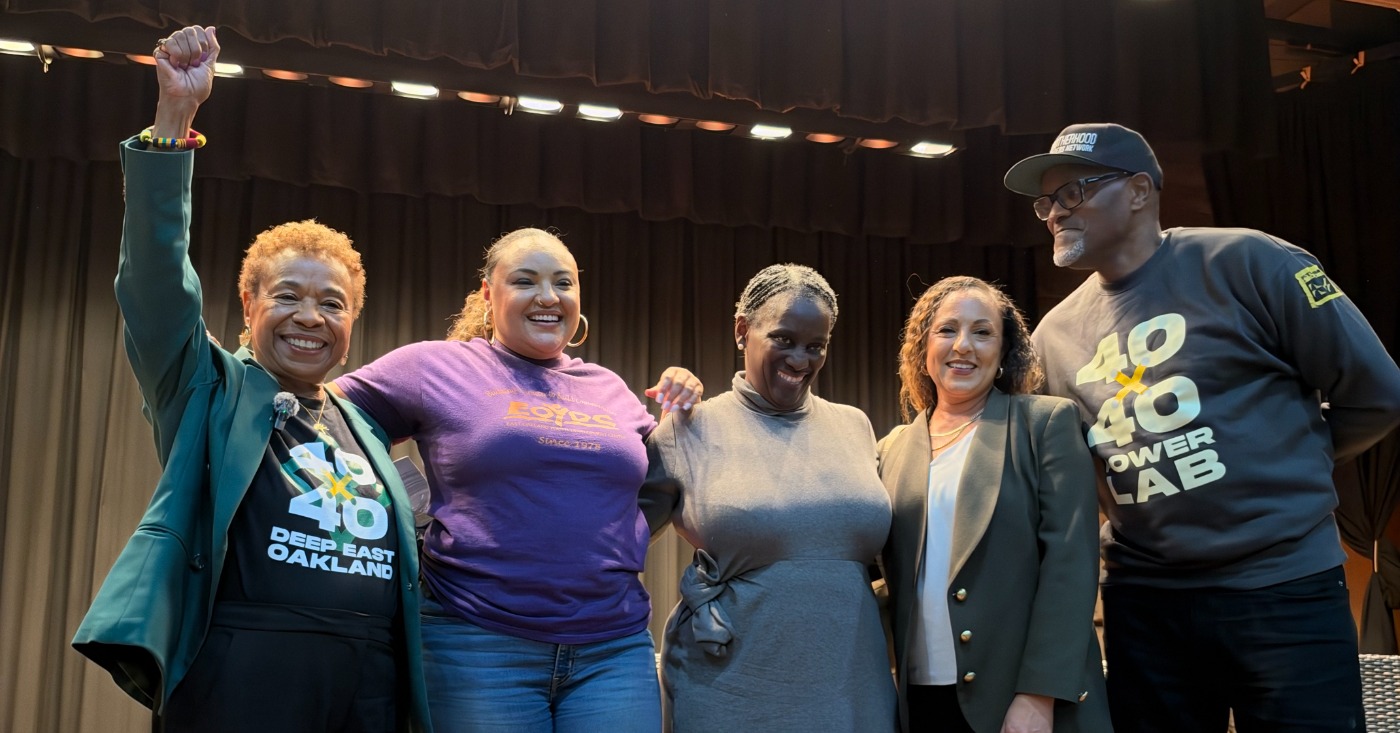
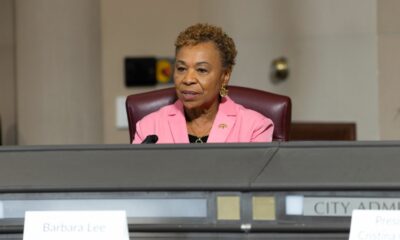
In partnership with Rise East and the 40×40 Council, Oakland Mayor Barbara Lee held a special 2026 State of the City East Oakland community conversation on Oct. 14.
The purpose of bringing a State of the City address directly to the community was to celebrate East Oakland, highlight the work underway, and look ahead to what neighbors, local businesses, youth, funders, community organizations, and partners can accomplish together.
Held at the Roots Community Health/Parker Elementary School Campus at 7929 Ney Ave., the event was emceed by special guest Mark Curry, Oakland native, comedian, and actor.
Lee shared how Rise East and the 40×40 Council have brought together the knowledge, relationships, and resources of people and organizations committed to East Oakland.
Residents bring lived experience, community organizations bring trusted relationships and philanthropy, and businesses bring resources and opportunity, she said, then turned to the government’s role: public investment, services and policy.
But, Lee intoned, City Hall has a responsibility to help connect those efforts.
“I am committed to listening to residents, working across departments and sectors, and helping open doors to opportunity. We must connect neighborhood priorities to the decisions we make about housing, economic development, safety, health and our young people.
City Hall “must be accountable for the results,” Lee said. “The measure of success is what families experience: greater stability, more opportunity and a stronger sense that they belong and have a future here.
“Tonight is an opportunity to listen to the leaders doing this work, learn what is making a difference and identify where we can do more together,” the mayor said.
Lee went on to moderate a ‘fireside chat’ on the theme: Building Oakland’s Future Together — From Neighborhood Investment to Community Empowerment with:
- Selena Wilson, CEO, East Oakland Youth Development Center
- Greg Hodge, CEO, Brotherhood of Elders
- Carolyn “CJ” Johnson, CEO, Black Cultural Zone
- Dr. Noha Aboelata, CEO, Roots Health Center
Mayor Barbara Lee’s media relations department provided this report.
Black History
Practitioners of African Traditional Spirituality Offer Ancestral Reverence Ritual Oct. 31
The Council for Global Ancestral Reverence will host “Ancestral Souls Rising” from Oct. 31 to Nov. 2, featuring a three-day gathering of prayer and discussion. Led by elders and priests across the African diaspora, the seventh annual ritual honors those lost without traditional rites while addressing current social challenges. This year’s event connects ancestral wisdom with contemporary issues, including a two-day conversation inspired by Afro-Beat music focused on Black community solidarity and the sacred importance of voting. Read more for details on the ritual schedule and participants.

The Council for Global Ancestral Reverence (C4GAR), a group of elders who practice African traditional spirituality, will lead a three-day gathering of prayer and discussion from Oct. 31-Nov. 2.
Called ‘Ancestral Souls Rising,’ the council members and 21 priests will lead the prayers from many parts of the African diaspora: Africa, Portugal, and across the U.S. from Maryland to the Bay Area.
Now in its seventh year, the annual ritual began during the 2020 pandemic when hundreds of thousands of people died alone and were buried in mass graves without rites and rituals according to loved ones’ traditions.
This prayer event was and is intended to give peace to the departed and comfort for the living who still mourn. Each year, we gather names of new ancestors from living elders to elevate them into the “Great Hall of the Titans.”
In ensuing years, C4GAR added themes to the prayer gathering that referenced current events. In 2024, before the consequential presidential election, C4GAR called on people to vote, invoking the memory of Civil Rights Movement heroes and heroines like John Lewis, who urged “Good Trouble,” and Fannie Lou Hamer, who famously declared that she was “sick and tired of being sick and tired.”
The day of global Prayer on Oct. 31 will be followed by a two-day conversation inspired by “The Blueprint,” an Afro-Beat song by UyiosaEl, to write our new blueprint that supports solidarity and action in the Black community.
“Our elders have, for many generations, known the power of prayer, ritual and breath,” the council said in a statement.
It was and is their intention, then, to use the cultural wisdom, the gift of prayer “and the most sacred thing we have, our breath, to send energy into the world that invokes and honors our ancestors,” the council statement continued.
“Doing this creates a vibration that protects us and employs their ancient wisdom for the well-being of our communities,” the elders said.
The councilmembers, all over the age of 60, recognize that what is now history for so many was once their lived experience. And that history, those joys and sorrows, are now in their bodies.
To them, the uttered prayer and the sacred breath are oaths to an unfolding future that people can still shape.
The council members are Dr. Iyabeji Cathy Royal, Iyalocha Jennifer Dillard, Manbo Charlene Desir (Florida), Nana Sula Spirit (Louisiana), Baba Obafemi Feyemi, Ohen Nedra T. Williams, and Iyalocha Wanda Ravernell-Stewart Emeritus (Oakland).
This year, they also encourage everyone within their reach to VOTE because it is not only a secular and political act, but a sacred one. Remember, the ancestors were denied that right and died for it.
For tickets, go to:
Black Press
It’s Time to Lose Weight Before the Holidays
Licensed internist Dr. H. Geoffrey Watson has joined gastroenterologist Dr. Ralph Peterson at Oakland’s MacArthur GI to address the rising obesity epidemic. With U.S. obesity rates reaching 42.4%, the clinic offers supervised weight-loss programs and screenings for fatty liver disease. Treatments include dietary counseling and various medications, such as GLP-1 receptor agonists, which regulate digestion and appetite. As certain populations continue to be disproportionately affected by chronic health conditions, medical experts are highlighting new tools available to help patients reach their goals before the holiday season. Read more.
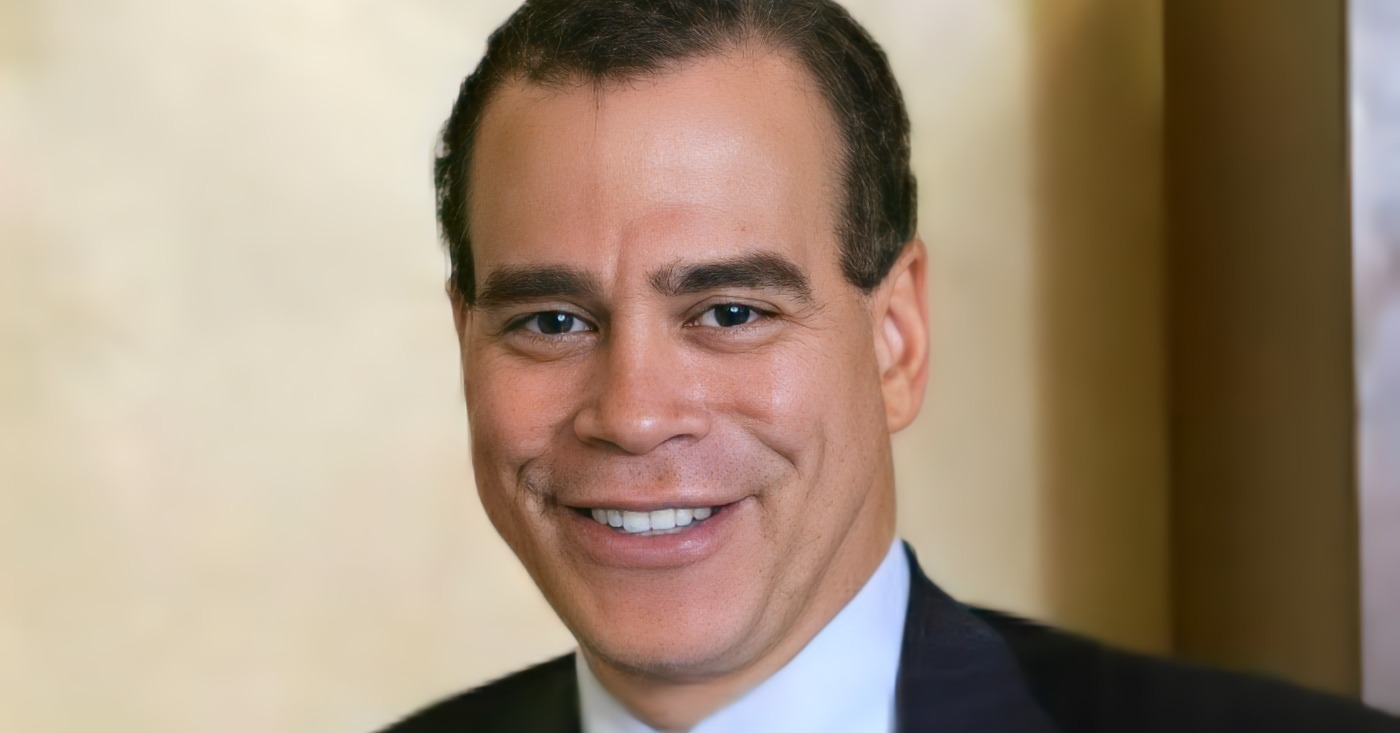
Dr. H. Geoffrey Watson, a licensed internist, has joined renowned gastroenterologist Dr. Ralph Peterson at MacArthur GI in Oakland to address obesity, provide supervised weight-loss programs including GLP-1 therapy, and screen for and treat fatty liver disease.
The Obesity Epidemic
Obesity is associated with numerous chronic health problems, including hypertension, diabetes, heart disease, sleep apnea, asthma, depression, joint disorders, fatty liver disease, and high cholesterol. Its causes include genetics, environment, stress, medication side effects, hormonal imbalances, and other factors.
Since 1999, the prevalence of obesity in the United States has risen from 30.5% to 42.4%. Childhood obesity rates are also climbing, with approximately 19.3% of children and adolescents now affected.
Measuring Obesity: Body Mass Index
Obesity is measured using a formula called the Body Mass Index (BMI). You can calculate your own BMI on most smartphones by searching “BMI calculator” and entering your height and weight. A BMI of 25 to 29.9 is classified as overweight, and a BMI of 30 or greater is classified as obese.
Populations Disproportionately Affected
Obesity affects certain populations at higher rates. Among U.S. adults, obesity prevalence is 49.9% in Black adults, 45.6% in Hispanic adults, 41.4% in White adults, and 16.1% in Asian adults.
Treatment Options
A variety of treatments are available for obesity, including dietary counseling, exercise programs, bariatric surgery, and anti-obesity medications.
Common oral medications include:
• Adipex (phentermine): A stimulant that works by suppressing appetite.
• Contrave (bupropion/naltrexone): A combination of an antidepressant and an anti-addiction medication that helps control appetite and cravings.
• Qsymia (phentermine/topiramate): A combination of a stimulant and an anti-seizure medication that reduces appetite and cravings.
GLP-1 Receptor Agonist Therapy
Glucagon-like peptide-1 (GLP-1) receptor agonists were originally approved to treat type 2 diabetes. GLP-1 is a hormone produced naturally by the body that regulates digestion, blood sugar, and appetite by communicating with GLP-1 receptor cells throughout the digestive tract. These medications reduce cravings, appetite, and food intake by influencing the hunger hormones ghrelin, which stimulates hunger, and leptin, which signals fullness.
What We Offer
Drs. Peterson and Watson provide FDA-approved tirzepatide injections, a GLP-1 receptor agonist medication indicated for weight management. Each patient receives a comprehensive history and physical examination to ensure the safety and appropriateness of the medication as part of an overall weight-loss protocol. Dr. Peterson also offers ultrasound screening for fatty liver disease.
We look forward to helping you reach your weight-loss goals and feel your best this holiday season.
H. Geoffrey Watson, M.D., runs the MacArthur GI Clinic at 10520 MacArthur Blvd., Oakland, CA. He can be reached at (510) 562-7467.
Black Press
Trader Vic’s Returns to Its Oakland Roots
Trader Vic’s, the internationally recognized brand and birthplace of the original Mai Tai, has officially returned to its roots in Oakland. Originally founded in 1934 on San Pablo Avenue before moving to Emeryville, the hospitality giant has launched Trader Vic’s Outpost at Oakland International Airport’s Terminal 2. The new full-service location offers travelers breakfast, lunch, dinner, and cocktails in a 108-seat space designed to celebrate the city’s status as a top national food destination. Visit the website to read more.
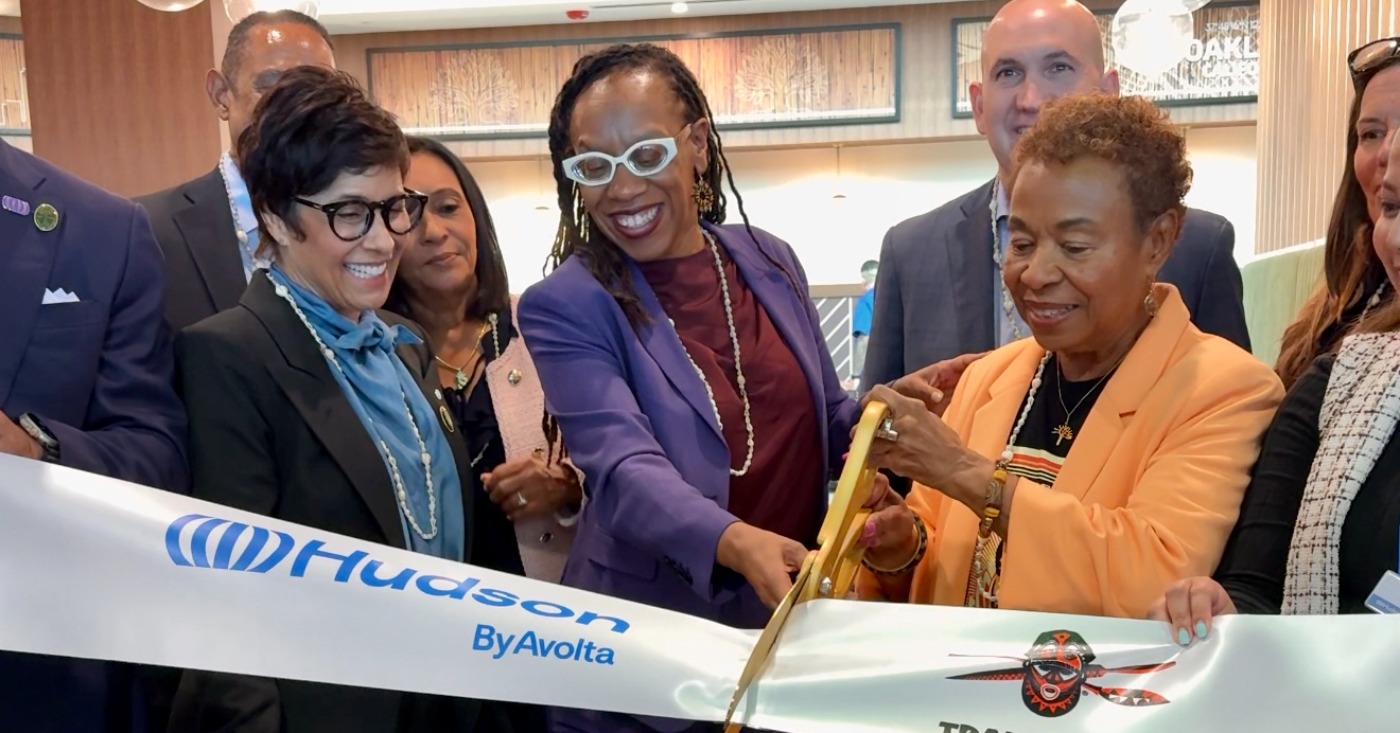
Oakland has always been a city of innovators, entrepreneurs, visionaries, and world-class hospitality. Trader Vic’s—the birthplace of the original Mai Tai – first opened in Oakland back in 1934 on San Pablo Avenue, long before becoming an internationally recognized global brand.
More than 50 years after it moved to Emeryville, Trader Vic’s is returning to its roots. Oakland Mayor Barbara Lee touts the return as another victory for Oakland.
“My administration is deeply committed to backing businesses like Trader Vic’s and Plum Market—partners who invest in our city, uplift our local workforce, and support thousands of local jobs,” Lee said.
The latest Trader Vic’s – called Trader Vic’s Outpost – is located at the Oakland International Airport in Terminal 2 near Gate 25 and had a soft opening in August.
With 108 dining seats, 28 bar seats and a counter for standing-room customers, travelers from around the world can have a full-service restaurant and bar experience or take-out for those with planes to catch.
Open from 6 a.m. to 10 p.m., breakfast, lunch, dinner, cocktails will be served.
Trader Vic’s returning to its roots confirms Condé Nast’s decision to name Oakland the #1 Food City in America two years in a row, and just earlier this month, ranked Oakland #6 on their list of Best Cities in the U.S.!
“The opening at OAK is incredibly meaningful for us,” said Rhett Rosen, CEO of Trader Vic’s Hospitality Group, according to the company website. “Trader Vic’s was born in the Bay Area, and this new location gives us the chance to welcome travelers with a taste of that original spirit before they take off. It brings together everything people love about Trader Vic’s — great cocktails, flavorful food, warm hospitality and a little sense of escape — in a place that connects Oakland to the world.”
Trader Vic’s is an Oakland institution and one of the region’s most recognizable hospitality brands, said Port of Oakland Director of Aviation Craig Simon on the web site.
“Travelers are increasingly seeking dining options that are memorable, locally rooted, and uniquely representative of the communities they are visiting. Trader Vic’s delivers all of that while providing a high-quality food and beverage experience for our guests. We are proud to welcome this hometown favorite to Terminal 2,”
The original Trader Vic’s in Oakland:
In 1934, with an investment of $500, Bergeron opened his initially small restaurant at 65th Avenue and San Pablo, serving comfort foods for lunch and dinner and beers and whiskeys. As his clientele grew, so did his restaurant, expanding space and menu options. After visiting this establishment, famed San Francisco Chronicle columnist Herb Caen proclaimed that the “best restaurant in San Francisco is in Oakland.”
There were as many as 25 franchises worldwide, including the U.S. Trader Vic’s is now headquartered in Martinez.
Black Press
Oakland Coal Terminal Backed by Trump Would Be Bigger, Dirtier Than Promised, Says Report
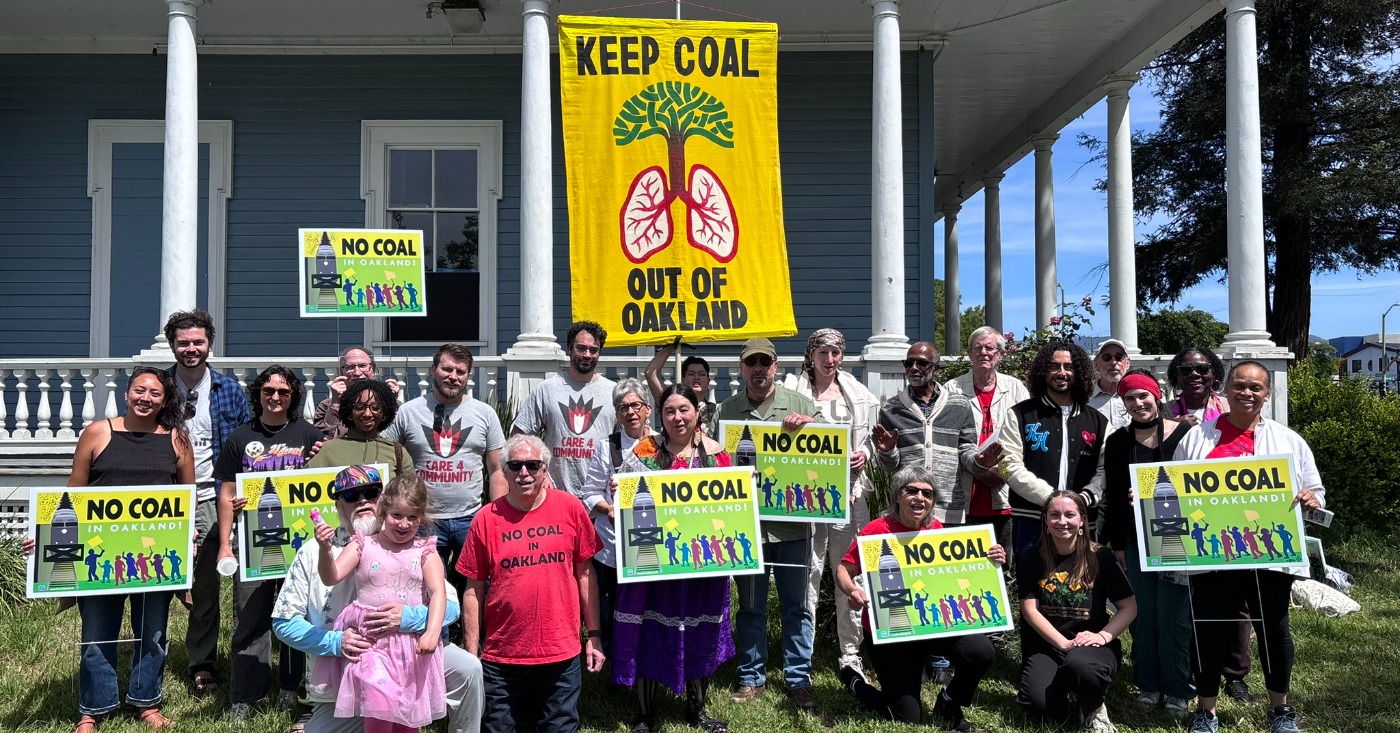
A recent feasibility study commissioned by potential investors says an Oakland coal terminal backed by President Donald Trump could export 13 million tons a year — three times the amount estimated in an earlier environmental review.
Surprisingly, the report also contradicts developers’ and project advocates’ repeated pledges that the coal would be stored in a covered terminal. Instead, the millions of tons of coal shipped annually from inland states to the West Gateway terminal in Oakland would be stored in “two open-air bunkers,” with about 150,000 tons of coal per stockpile, before being sent overseas, according to the recent report cited by the L.A. Times. (https://ruic.utah.gov/wp-content/uploads/2026/09/Port-Study-RUIC-Bulk-Commodity-Ocean-Terminals-Study.pdf)
Residents and clean air advocates have long expressed concerns that coal dust would worsen pollution in West Oakland and throughout the East Bay.
The proposed site of the Oakland Bulk and Oversized Terminal (OBOT) is located at the former Army base near the Port of Oakland, which developer Phil Tagami has been trying for years to turn into a shipping terminal despite determined community opposition.
Trump announced a $75-million investment in the project in June, about a third of its estimated cost. The new terminal would be the largest coal export site on the West Coast, transporting coal to Japan, South Korea, Taiwan, Vietnam and Malaysia, according to the Trump administration.
Opponents say a new terminal would undermine years of progress cleaning up the air in West Oakland, which has a history of disproportionate pollution and high asthma rates due to its proximity to the port and other industry.
According to No Coal in Oakland organizer Ted Franklin, who has been active for 11 years in the fight to stop the coal terminal, the report indicates that investors may be looking for a cheaper way to build the terminal.
“We were shocked but not surprised” by the report, Franklin said. “Basically, it seems that the plan now is to store open piles of coal, which is a less expensive project than creating a completely enclosed facility.”
The threats that the project poses are real, but it faces a lot of economic and legal hurdles, he said.
Coal production is in permanent decline worldwide, he said, wondering who was going to “invest money in an industry that has no future.”
Further, the project has not yet attracted big investors. “There’s no bank, no financing, no financial institution backing this,” he continued.
A major legal hurdle facing the project is the passage of Assemblymember Mia Bonta’s bill, AB 40, the Community-First Coal Review Act, signed into law by Gov. Gavin Newsom on Sept. 30.
The law requires developers of large-volume bulk coal facilities to complete a full Environmental Impact Report (EIR) under the California Environmental Quality Act (CEQA) before they can operate.
The law was specifically designed to block or delay the coal terminal project.
The report to potential developers was produced by consulting groups Norda Stelo and Wood Mackenzie in July and released this month. It was commissioned by the Rural Utah Infrastructure Coalition, made up of eight Utah counties that are considering investing about $43 million into the terminal to receive Utah coal.
The consultants produced their findings after visiting Oakland, examining engineering documents and holding discussions with Savage Cos., a Utah-based transport and logistics company selected to operate the facility
Research has shown that coal terminal operations can be dangerous to public health. The ports of Los Angeles and Long Beach moved away from open-air coal and petroleum coke storage three decades ago.
The report says that the site could process 12 million metric tons, or 13.2 million tons, of coal each year, three times more than the terminal’s approved environmental impact report from 2002 and its 2012 addendum. Neither document mentions coal specifically, but rather bulk commodities.
The coal arriving in Oakland could also be dirtier then had been previously stated, according to the report. Project officials previously said the terminal would handle only high-grade western bituminous coal from Utah, but the recent report says it will also handle Powder River Basin coal from Wyoming and Montana, known to be much dustier.
Nor does the report mention plans to cover the rail cars to prevent pollution, though project officials previously promised they would only utilize coal transported in covered rail cars.
“It appears the developers want to build something much bigger and more polluting than anything they previously revealed, either in court or to the West Oakland community,” said Colin O’Brien, deputy managing attorney at the nonprofit Earthjustice, speaking to the L.A. Times.
The report indicates that the project may be much more expensive and take longer to complete than anticipated. The Energy Department estimates the terminal will cost about $231 million, but the report places the price at between $430 million and $625 million.
The terminal will take 53 months to complete according to the report, significantly longer than Trump’s promise of exports beginning in 2028.
Ted Franklin’s column, “Utah Study Blesses Investment in Oakland Coal Terminal but Leaves Key Questions Unanswered” is available at https://nocoalinoakland.info/utah-study-blesses-investment-in-oakland/
Black History
COMMENTARY: BIG MAMA SAID: Don’t Throw Away the Gift Just Because It Came Wrapped Wrong
TEXAS METRO NEWS — Journalist and mentor Terry Allen reflects on the profound wisdom of his grandmother, Lucille “Big Mama” Allen, who believed that a person’s mistakes do not represent their total identity. Allen argues that many behavioral issues seen in young men are actually symptoms of undeveloped gifts that have been applied to the wrong environments.

Big Mama had a way of seeing something in you before you could see it in yourself.
My grandmother, Lucille “Big Mama” Allen, came from a generation that believed in correction. I grew up in a household where somebody might tell you, “Go get me a switch.” You knew what that meant.
But age has taught me something: correction without direction can stop behavior, but it doesn’t always develop the person.
Sometimes what we call a young man’s problem is really an undeveloped gift.
ADVERTISEMENT
I learned that through mentoring.
I once worked with a young man who was gambling and running numbers. Now, I wasn’t going to celebrate the behavior. Wrong is wrong. But I also refused to believe his mistakes represented the totality of who he was.
I looked underneath the behavior.
This young brother understood numbers. He understood money, calculation and risk. His gift wasn’t gambling. His gift was his mind. So I introduced him to another image: Mansa Musa, the legendary African ruler whose name became synonymous with extraordinary wealth, commerce and economic power. to The message was simple: You already have something inside you. Now what are you going to do with it? That young man redirected his abilities. What had been operating in the wrong environment found purpose through education, accounting and legitimate business. Today, he has built a leading Bookkeeping firm in California’s East Bay.
That is what mentoring can do. It is also why I created programs like City MenTor and why, for 25 years, City Men Cook has celebrated fathers, mentors and men who show up. Mentoring isn’t creating somebody in our image. It is helping somebody recognize what God already placed inside them. I thnaks GOd for allys ike Pastor Keith Lofton who helpe me keep the programs grunded in Faith.
ADVERTISEMENT
Scripture tells us to “fan into flame the gift of God.” — 2 Timothy 1:6.
Somebody reading this has a gift that survived mistakes, disappointment, rejection, bad decisions and maybe even your own attempts to bury it.
But it survived.Now comes the question Big Mama might ask
Baby, if God restored your gift, who are you using it to restore?
Don’t just celebrate your comeback. Reach back. Find somebody whose gift came wrapped wrong—and help them unwrap it.
ADVERTISEMENT
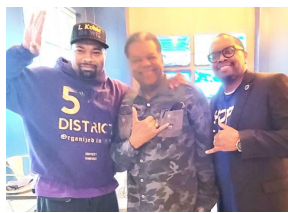
Big Mama said: Don’t throw away the gift. Redirect it. Develop it. Then give it away.
Terry Allen is an NABJ award-winning Journalist, DEI expert, PR professional, and – Vice President at FocusPR, founder of the charity City Men Cook, and Dallas Chapter President of NBPRS.org
Based on reporting by Texas Metro News.


Jack Yates vs Sterling

Unlock Your ‘Why’: Build and Attract Success #shorts

Never Discuss Monthly Payments Before Asking This #shorts

Community Parks: Building Excitement and Maintaining Spaces #shorts

Congo Week on the Joy Reid Show

Stacey Abrams Talks Democracy, Voting and Leadership at Harris Stowe State University

Brett Buckner on North Commons and Community | Blacklight on Sports

From Ministry Mistakes to a Resonant Message #shorts

LaBrent Speed on Building B3 and Serve Before You Sell | On The Radar | MSR

LaBrent Speed on Building B3, Serve Before You Sell and The Transformation Code | On The Radar | MSR

The Youngest American Killed in the Vietnam War

Passing for White, Fighting for Black America: The Courage of Walter White

OP-ED: Haiti TPS: Have We Lost Sense of Humanity?

Remembering Chauncey Bailey as Student Journalists Face Threats to Truth-Telling

Peter Magubane: a Camera Against Apartheid

OP-ED: How Head Start Also Helps Parents

All Skinfolk Ain’t Kinfolk

Poll: Becerra Widens His Lead Over Hilton; Californians Split on Wealth Tax

Rulings Leave Questions Lingering in Nolan Wells Case

Latinas Deserve Equal Pay. Unions Help Make It Happen.
Jack Yates vs Sterling
Unlock Your ‘Why’: Build and Attract Success #shorts
Never Discuss Monthly Payments Before Asking This #shorts
Community Parks: Building Excitement and Maintaining Spaces #shorts
Congo Week on the Joy Reid Show
Stacey Abrams Talks Democracy, Voting and Leadership at Harris Stowe State University
Brett Buckner on North Commons and Community | Blacklight on Sports
From Ministry Mistakes to a Resonant Message #shorts
LaBrent Speed on Building B3 and Serve Before You Sell | On The Radar | MSR
LaBrent Speed on Building B3, Serve Before You Sell and The Transformation Code | On The Radar | MSR
-
 Black Press1 week ago
All Skinfolk Ain’t Kinfolk
-

 Black Press1 week ago
Oakland Awarded More than $14 Million in State Funding
-

 African American News and Issues1 week ago
Black History: Gladys West Mathematics Helped Make GPS Possible
-

 Black Press1 week ago
Jendayi Arrest Raises Community Concerns Regarding Sheriff’s Chain of Command
-

 Black History4 days ago
OP-ED: The Black Church Writes AI’s Next Chapter
-
 Black Press1 week ago
Democrats, Community Groups Back Measure EE to Change How Oakland Is Governed
