
National
Friends Try to Correct Record on UVa Rape Story


In this image taken from video, Saturday, Dec. 13, 2014, University of Virginia student Alex Stock talks during an interview with The Associated Press in Charlottsville, Va. Stock, and two other friends of an alleged victim of a gang rape at a U.Va. fraternity, challenged details in a Rolling Stone article that used the woman’s attack to paint a picture of a culture of sexual violence on the campus was wrong on a number of key points: most important that they didn’t encourage her to report the attack and that they were more concerned about their reputations than her well-being. (AP Photo)
MATT STROUD, Associated Press
CHARLOTTESVILLE, Va. (AP) — Three friends of an alleged victim of gang rape at a University of Virginia frat house say a magazine article wrongly portrayed them as uncaring students who were more concerned about their reputations than her well-being.
Almost a month after the scathing Rolling Stone article was published, Kathryn Hendley, Alex Stock, and Ryan Duffin are still trying to set the record straight.
The friends told The Associated Press that the article about an alleged gang rape at a University of Virginia frat house was wrong on a number of key points, especially its assertion that they urged the victim to not report the attack.
Their alleged indifference was woven into a narrative that used the alleged attack to paint a picture of a culture of sexual violence on college campuses in the United States. The article set off an intense debate about sexual violence, alcohol, fraternities and journalism ethics.
Duffin, a 20-year-old, third-year student referred to as “Randall” in the Rolling Stone article, told the AP that not only did he encourage the alleged victim to go to police, but he started to dial 9-1-1 on his cellphone until she begged off saying she just wanted to go back to her dorm and go to sleep.
“I couldn’t help but notice that everything that the article said about me was incorrect,” Duffin said.
The AP also spoke with the other two friends portrayed in the article: third-year, 20-year-old U.Va. students Hendley and Stock, known as “Cindy” and “Andy” in the article. None of the three friends was contacted by Rolling Stone’s reporter, Sabrina Rubin Erdely, before the article was published; each of them rejected multiple assertions made in the article, for which Rolling Stone has since apologized for and noted discrepancies.
All three say Erdely has since reached out to them, and that she has told them she is re-reporting the story. Hendley told the AP that Erdely apologized to her for portraying her the way she did.
Erdely and Rolling Stone Managing Editor Will Dana did not respond to an email from The Associated Press on Sunday morning seeking comment.
The three friends say they continue to work on correcting the record about what happened that night, and at least one, Duffin, wonders to what extent he believes the victim’s own version of what happened — or whether any discrepancies in her story matter.
“People at U.Va. want answers just as much as I do,” Duffin says. “But if anything, the takeaway from all this is that I still don’t really care if what’s presented in this article is true or not because I think it’s far more important that people focus on the issue of sexual assault as a whole.”
Other news media have also interviewed the friends, but this is the first time Duffin has allowed his full name to be used. A lawyer representing the victim, who has been identified only as “Jackie,” has declined several requests by the AP to interview Jackie and did not immediately respond to a request for comment for this article. The AP does not typically name alleged victims of sexual assault.
The Rolling Stone article, published last month, described a culture of sexual violence hiding in plain sight at U.Va. The article has roiled the campus and caused a huge backlash, with U.Va. suspending fraternity activities until January, the Board of Visitors appointing an independent investigator to look into the allegations and the university handing the case over to the Charlottesville police.
The main focus of the piece is an alleged gang rape that Jackie said happened on Sept. 28, 2012, during her first semester on campus. In the article, she said she had gone out on a date with a classmate named “Drew,” who later that night lured her into a secluded room at a frat house. Once inside the room, she said, she was raped by a group of seven fraternity brothers while her date and one other man watched.
As described in the Rolling Stone article, a distraught Jackie met her three friends at a picnic table about a 20-minute walk from the frat house and tearfully told them what had happened.
While the article said Duffin suggested they take her to the hospital, it described Stock and Hendley as carrying on a debate about what would happen to her reputation and theirs should word get out.
“The three friends launched into a heated discussion about the social price of reporting Jackie’s rape, while Jackie stood beside them, mute in her bloody dress, wishing only to go back to her dorm room and fall into a deep, forgetful sleep,” the article said. “Detached, Jackie listened as Cindy prevailed over the group: ‘She’s gonna be the girl who cried rape, and we’ll never be allowed into any frat party again.'”
However, Hendley told the AP that not only did she not say any of that, she had arrived with Stock to the picnic table only to have Jackie say she didn’t want her to be part of the conversation. She said she watched from afar while Stock and Duffin talked with Jackie.
Stock confirmed this account.
As described by Duffin to the AP, this is what happened: He had returned home from a party when he got a call from Jackie. He left to meet her and she was sitting on the top of a picnic table outside U.Va.’s Fitzhugh dorm. She was shaking and “it looked like she had been crying,” Duffin said. “Her lip was quivering, her eyes were darting around. And right then, I put two and two together. I knew she had been on this date and people don’t usually look like that after a date.”
Jackie eventually told Duffin and Stock her version of what happened that night: that she was forced to perform oral sex on five men at the frat house.
“My first reaction was, ‘We need to go to police,'” he said. “I wanted to go to police immediately. I was really forceful on that, actually. And I almost took it to calling (the police) right there.” He said he had his phone out, prepared to call 9-1-1, “but she didn’t want to and,” he remembers thinking, “‘I can’t do that if she doesn’t want to do it.'”
Stock corroborated this version of events.
“Jackie’s response was, ‘I don’t want to,'” Stock said. “‘I don’t want to do that right now. I just want to go to bed.'”
Feeling hamstrung by Jackie’s refusal to go to authorities, Duffin said that days later he sought advice from his dorm’s resident assistant. Careful not to mention Jackie by name, so the RA wouldn’t be obligated to contact police, he said he asked if he should call police even though Jackie didn’t want him to. Duffin said the RA told him that he should encourage Jackie to talk with police, but that Duffin couldn’t force her to do so.
Copyright 2014 The Associated Press. All rights reserved. This material may not be published, broadcast, rewritten or redistributed.




Black Press
How the Sandwich Generation Can Help Protect Aging Parents’ Finances
One in four American adults now belongs to the “sandwich generation,” balancing the demands of raising children while supporting aging parents. Women frequently bear a disproportionate share of this responsibility, facing significant physical and financial strain. With November designated as Chase Fraud & Scam Prevention Month, caregivers are encouraged to initiate vital conversations regarding financial snapshots and long-term goals. Establishing a proactive plan and building a support system can help secure a family’s legacy while defending against common predatory tactics, and you can read more here.

Planning and scam prevention tips for caregivers balancing kids and parents
If you’re raising children while also supporting an older parent, you’re likely managing schedules, healthcare needs, day-to-day decisions and even finances. People in this group are often called the“sandwich generation,” which now encompasses one in four adults in the U.S.
Women also often carry a disproportionate share of this responsibility: three in five family caregivers are women. Women are more likely to report physical, emotional and financial strain from caregiving, which can make it harder to protect their own well-being and long-term financial security.
For the sandwich generation, the holidays can be a natural time to talk with parents about money, including how to protect their finances from scams. November is Chase Fraud & Scam Prevention Month – designed to help people recognize common scams, avoid in-the-moment mistakes and better protect their money and personal information.
Here are some tips to keep in mind.
Check In and Make a Plan
Finances can be incredibly personal, and many parents worry that accepting help means losing independence. Start by framing the conversation around peace of mind and organization – not control.
Check in on your finances and long-term plan, too. You’ll be better equipped to care for others when your own financial foundation is secure.
Also consider helping your parents create a “financial snapshot.” J.P. Morgan Wealth Management’s guide for supporting aging parents outlines a few considerations:
- Location of key accounts: banking, investments, retirement, credit cards, insurance
- How bills and recurring expenses are paid
- Whether beneficiaries are up to date
- Where important documents are stored and who has access
Then ask what goals matter most in the years ahead: staying in their home, supporting family, traveling, planning for healthcare or leaving a legacy. Goals can evolve, so revisit them periodically. Planning tools can help – like J.P. Morgan Wealth Plan, a free digital money coach in the Chase Mobile® app or at chase.com.
A financial advisor can help create a plan tailored to you and your parents’ needs. An estate planning attorney can document your parents’ wishes, including who may act if they cannot make decisions themselves.
Understand Common Scams
Scammers often use urgency, fear, secrecy or affection to pressure people into acting quickly. Recognizing these tactics can help you and your family spot red flags sooner. Common scams include:
- Investment scams: Promises of high or “guaranteed” returns with little risk.
- Tech support scams: Requests for payment or remote device access.
- Impersonation scams: Messages impersonating trusted organizations or loved ones, asking for money, passwords, account details or other personal information.
- Romance scams: Online relationships that lead to requests for money.
Chase hosts more than 1,000 free fraud and scam prevention workshops annually, including hundreds across all lower 48 states throughout November.
Stay Proactive and Vigilant
If you or a loved one suspects a scam, slow down and stop communicating with the individual immediately. Contact your bank through a trusted channel to review recent transactions and report the incident to appropriate authorities.
Also consider a few simple steps for protection:
- “Trusted Contact Person”: Designate a trusted adult who may be notified about certain online wire activity.
- Tech tips: Use unique passwords, multifactor authentication and account alerts, keep devices updated and monitor accounts regularly for unusual activity.
- Behavior changes: Watch for secrecy around finances, unusual transactions, unexpected changes to financial documents or pressure from new acquaintances.
You’re Not Alone
Caregiving is demanding, and it shouldn’t be a solo effort. Build a support system – which can include family, friends and professionals such as healthcare providers, attorneys and financial advisors. A thoughtful conversation now can help your parents stay organized and protected in the future.
For free educational resources on planning for yourself and loved ones, visit chase.com/theknow
For more information and practical tips about fraud and scam prevention, visit chase.com/security
The views, opinions, estimates and strategies expressed herein constitutes the author’s judgment based on current market conditions and are subject to change without notice and may differ from those expressed by other areas of J.P. Morgan.
This information in no way constitutes J.P. Morgan Research and should not be treated as such. You should carefully consider your needs and objectives before making any decisions. For additional guidance on how this information should be applied to your situation, you should consult your advisor.
JPMorgan Chase & Co., its affiliates, and employees do not provide tax, legal or accounting advice. You should consult your own tax, legal and accounting advisors before engaging in any financial transaction.
J.P. Morgan Wealth Management is a business of JPMorgan Chase & Co., which offers investment products and services through J.P. Morgan Securities LLC (JPMS), a registered broker-dealer and investment adviser, member FINRA and SIPC.
Black Press
As Progressive Democrats Celebrate ‘Blue Tsunami,’ Oakland Counts Victories
As national Democrats celebrate a significant shift in the midterm elections, local leaders in Oakland are tracking early results from the Alameda County Registrar of Voters. While Mayor Barbara Lee and several City Council incumbents have secured decisive victories, attention remains fixed on high-stakes school board contests. Progressive candidates currently face strong challenges from opponents backed by corporate funding and local political organizations. With many ballots still uncounted, the final composition of the board and several regional transit measures remain in the balance. Read more.
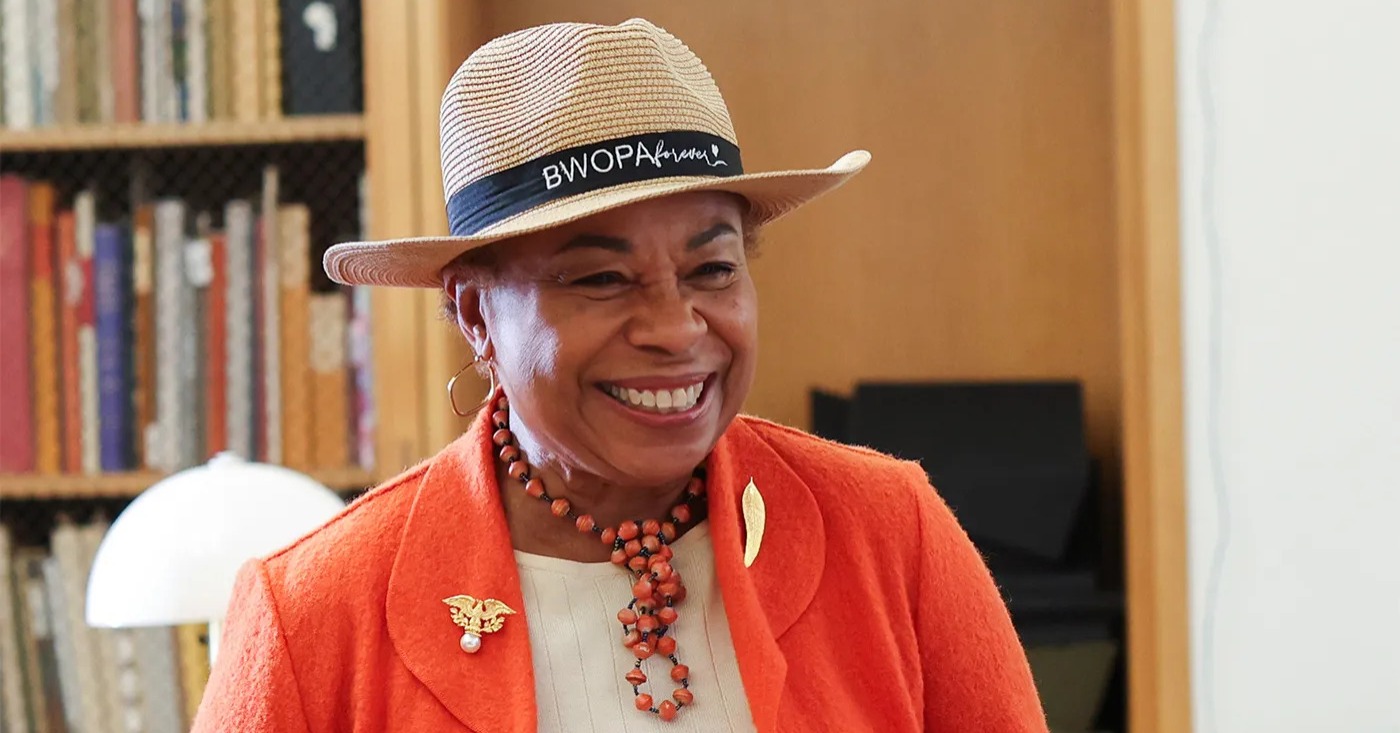
Concerns remain over school board races as ‘moderates’ lead progressives
The Alameda County Registrar of Voters has released the first round of election results, though many ballots remain uncounted and results are still incomplete.
Nationally, Democrats, liberals and progressives celebrated Tuesday evening as President Donald Trump was dealt a devastating blow in the midterm election. The Republican Party lost control of the Senate and the House as “Maga” candidates were swept away not just by a ‘blue wave,’ but a ‘blue tsunami.’
In Oakland, incumbent Mayor Barbara Lee, who served two years and ran for a full four-year term, won decisively.
A proposal backed by Lee, Measure EE, also won. The Charter amendment will create a strong mayor system of government while providing the City Council with new checks and balances on mayoral power.
District 2 Councilmember Charlene Wang is leading with 65.62% of the vote. Opponent Nate Adams trails with 34.38%.
District 4 Councilmember Janani Ramachandran, ran unopposed for reelection, receiving 14,029 votes.
District 6 Councilmember Kevin Jenkins bested opponent Nancy Sidebotham and District 2’s Charlene Wang also won reelection.
City Auditor Michael Houston is running unopposed for reelection and won 60,773 votes.
Progressive school board members, Jennifer Brouhard (D2) and Valarie Bachelor (D6), supported by teachers and school activists, face serious challenges from candidates backed by pro-corporate funders and the political organization, Empower Oakland.
Arielle Fleisher leads Brouhard 53.49% to 46.51%.
In District 6 with three contending candidates, Alexandra Williams leads with 38.06% of the vote. Incumbent Bachelor has 36.89%, and Leana Powell is trailing with 25.04%.
In District 4, incumbent Mike Hutchinson is narrowly leading a field of three candidates. He received 40.87% of the vote, while Kathryn Camp has 39.92%, and Sylvia Pfeiffer Williams has 19.21%.
In the races for AC Transit Board, Director Joel Young (Ward 3) leads with 53.11% of the vote, Sarah Syed (Ward 4) is ahead with 78.37% of the vote, and Murphy McCalley (Ward 5) leads with 63.07%.
Regional Transit Measure RTM, which would increase sales taxes in five Bay Area counties to shore up BART and other regional transit, was leading in five counties by a combined 62% of the vote.
Black Press
Golden State Valkyries Become Bay Area Legends Winning WNBA Championship on Halloween Night
In only their second year as a franchise, the Golden State Valkyries captured the 2026 WNBA Championship with a 68-63 victory over the Atlanta Dream. Playing before a sold-out crowd at Chase Center on Halloween night, Gabby Williams delivered a historic 30-point performance to earn Finals MVP honors. The victory marks a rapid rise for the expansion team, which has already set league attendance records and surpassed a $1 billion valuation. Fans gathered by the hundreds of thousands this week to celebrate the new Bay Area legends, read more.

In only their second year as a franchise, the Golden State Valkyries became the WBNA 2026 Champions, with Gabby Williams named WNBA Finals MVP. A Halloween night movie of magic and there was no surprise that the game was sold out, with more than 18,000 fans inside Chase Center while thousands more packed the open space at Thrive Center from hours preceding the game through the final buzzer.
In the decisive Game 7, Williams delivered a legendary performance, scoring 30 points to lead the Golden State Valkyries to a 68-63 championship victory over the Atlanta Dream. Remarkably, 28 of her 30 points came in the second half, setting a WNBA postseason record for points in a half and earning her Finals MVP honors.
The team celebrated its victory on Wednesday with a rally in Oakland followed by a ferry ride to San Francisco’s Embarcadero and then a two-mile parade that drew about 400,000 fans.
Williams has become a symbol of the Bay Area’s impact on the team. Although born in Nevada, Williams has deep family roots in Oakland and has often said the city’s culture, community, and basketball traditions shaped her identity and playing style.
After signing with the Valkyries, she began calling the city home and noting that “there’s no Golden State without Oakland.”
The Valkyries have several ballers who made an impact on winning this series, including Veronica Burton, Tiffany ‘Tip’ Hayes, Kayla Thornton, Kaila Charles, and Cecilia Zandalasini.
Veteran center Kiah Stokes brought championship experience and defensive leadership when she signed a multi-year free-agent contract with the franchise on April 13. A former first-round draft pick out of UConn and a three-time WNBA champion with the Las Vegas Aces before joining Golden State, Stokes was recruited by head coach Natalie Nakae, with whom she had previously worked in Las Vegas.
Known as one of the league’s premier rim protectors and rebounders, Stokes quickly became a defensive anchor for the expansion franchise and played a major role in leading the Valkyries to their historic championship run.
The Valkyries have accomplished something extraordinary, proving that a new franchise can make an immediate impact both on and off the court. In their first year, the Valkyries became the first WNBA expansion team to reach the playoffs in its inaugural season and set all-time league attendance records. The franchise sold out all home games, reporting 18,064 attendees per game in both seasons — the highest attendance figures in WNBA history. The Valkyries’ success has also translated into extraordinary franchise value. After entering the league by paying a $50 million expansion fee, the organization generated record revenues and rapidly became one of the most valuable franchises in women’s sports, valued at over $! billion.
The WNBA Finals’ deciding game averaged 3.3 million viewers, making it the most-watched WNBA playoff game in league history and the most-watched finals game since 1999.
The record audience reflects the league’s growing popularity and has major implications for its future, including higher media rights value, increased advertising revenue, stronger sponsorship opportunities, rising merchandise sales, and greater ticket demand.
The Finals also featured sold-out arenas and record postseason viewership, demonstrating that the WNBA is expanding its commercial reach, attracting new fans, and strengthening its position as a major professional sports league.
Black History
IN MEMORIAM: Marcia Ann Gillespie, Editor of Essence and Ms. Magazines, Dies at 82
Marcia Ann Gillespie, the trailblazing journalist who served as the first editor-in-chief of Essence magazine, has died at age 82. After joining the publication at its inception in 1970, Gillespie spent a decade elevating the beauty and voices of Black women during a pivotal era of self-love and cultural revolution. She later broke barriers as the first Black woman to lead Ms. magazine, further solidifying her status as a titan of the publishing industry. Her expansive career also included authorship and teaching, leaving a profound impact on American media. Read more.
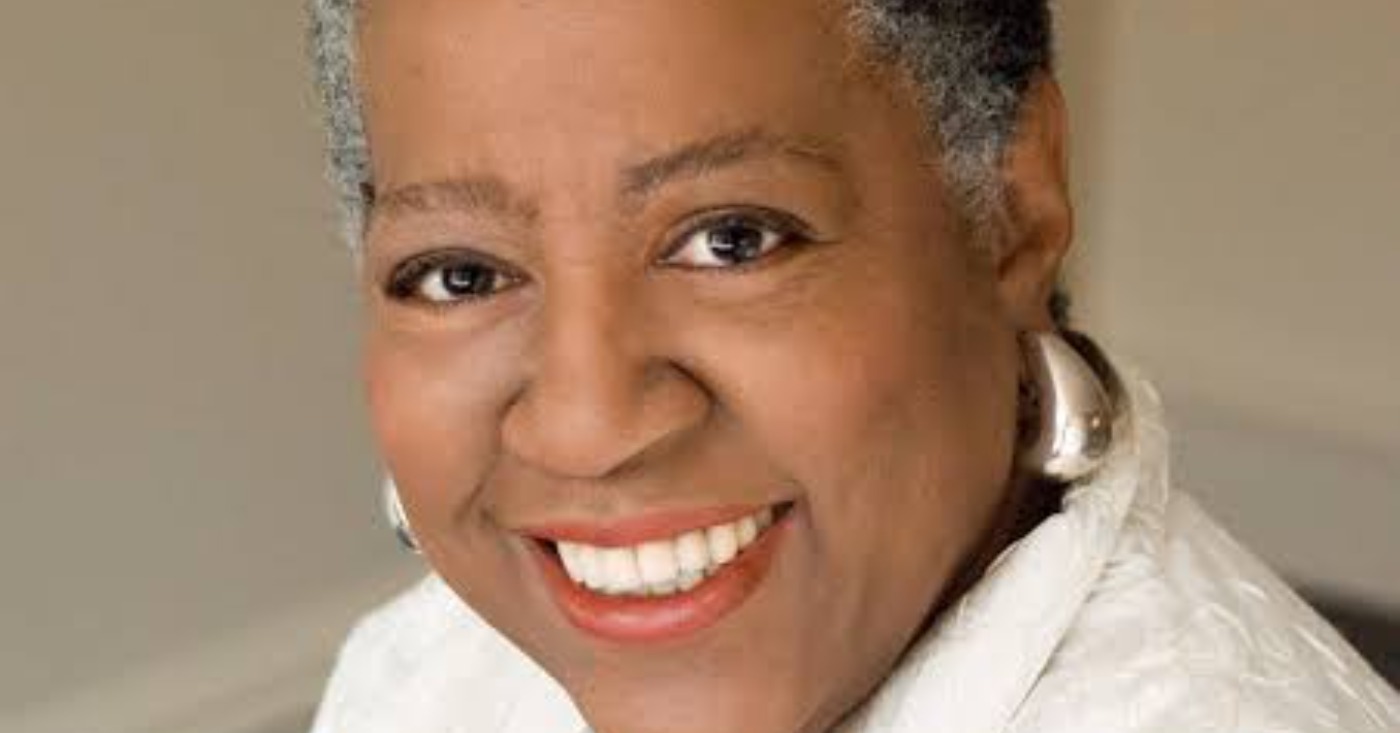
Marcia Anna Gillespie, the first editor in chief of Essence magazine, has died. She was 82.
Born in Rockville Centre, New York, in 1944. The daughter of a church sexton/small business owner and domestic worker/caterer, Gillespie parlayed her degree in American studies from Illinois’s Lake Forest College into a research job at Time-Life Books, Inc. in New York.
There she advocated for fairness and inclusion of Black life in its publications. When the owners of the standard bearer of Black life, Ebony magazine, ventured into creating a special publication for young, Black women, Gillespie was hired as managing editor in 1970, and became editor-in-chief a year later at the young age of 26.
At the time, the venture by the Johnson family – the owners of Ebony magazine and Jet – into creating a publication for young Black women met the growing revolution of self-love in the Black community.
In other words, the battle cry of the late 1960s, “Black is Beautiful,” had a place to be seen and not just heard.
Thousands of young women who had already abandoned straightening combs and European aesthetics learned more ways to wear their natural hair from Afros to cornrows. Young Black designers got a place in the spotlight not just in clothing but jewelry that expressed neo-African ideals. But one of the most important impacts was the magazine’s unapologetic elevation of the beauty of the dark-skinned Black female to the status she deserved.
Under Gillepie’s tenure, Essence championed storytelling that celebrated Black women’s identities, experiences, and contributions at a time when their voices were often overlooked in mainstream media,” Essence wrote in a statement posted to Instagram
For 10 years she steered the fledgling publication before joining Ms. Magazine as a contributor in 1980 later becoming the first Black woman to edit a mainstream American magazine when she took charge in 1992.
In 1998, she helped secure the publication’s future through a women-led ownership group. She stayed at Ms. In various capacities until 2001, during which time the magazine had the most diverse readership in its history.
She also mentored future Essence editor Susan L. Taylor and taught young journalists at SUNY Old Westbury.
Emmy-winning actor Sheryl Lee Ralph took to social media to honor Gillespie’s life.
“Rest in peace, dear Marcia Gillespie,” she wrote on Threads. “Your voice, your brilliance, and your commitment to lifting up Black women leaves a legacy that will continue to inspire me and so many others.”
A professor at SUNY Old Westbury and Bennett College, she also co-authored the authorized biography “Maya Angelou: A Glorious Celebration” in 2008.
According to Wikipedia, she also served on various boards as a director or advisor, including: “…the Arthur Ashe Institute of Urban Health, the Black & Jewish Women of New York, the Violence Policy Center in Washington, D.C., Aspen Institute, …and the Studio Museum of Harlem. Gillespie is a member of the National Council of Negro Women and the American Association of Magazine Editors.”
She was the recipient of several awards, including: the Lake Forest College Outstanding Alumni Award (1973), the New York Women in Communications Matrix Award (1978); a Lifetime Achievement Award from the New York Association of Black Journalists for print journalism (1982); a ‘Top Ten Outstanding Women in Magazine Publishing’ recognition by the March of Dimes.
In later years she was inducted into the American Society of Magazine Editors’ Hall of Fame (2002); the NAACP President’s Award (2006) and the Barbara Graves Legacy Award at the Black Enterprise Women of Power Summit in 2017.
The conclusion for her online obituary reads: “She leaves behind a legacy written not just in the pages she edited, but in every editor, journalist, and reader who found themselves — finally — in the stories she chose to tell.”
Online sources for this report include “The History Makers,” The Washington Informer, Wikipedia, Essence magazine, Ms. Magazine and her obituary.
Black History
U.S. Rep. John Garamendi Honors local ‘Women of the Year’ at Annual Awards Ceremony
Congressman John Garamendi recently honored 52 remarkable women during his 13th annual Women of the Year ceremony in Benicia. The event recognized leaders from California’s 8th District for their significant contributions to public service, education, business, and community life. The honorees, including 16 women from West Contra Costa County, were officially commemorated in the Congressional Record for their dedication to the region. The diverse group includes veterans, educators, and community advocates who have shaped the local landscape through decades of service. Read more about these influential leaders.
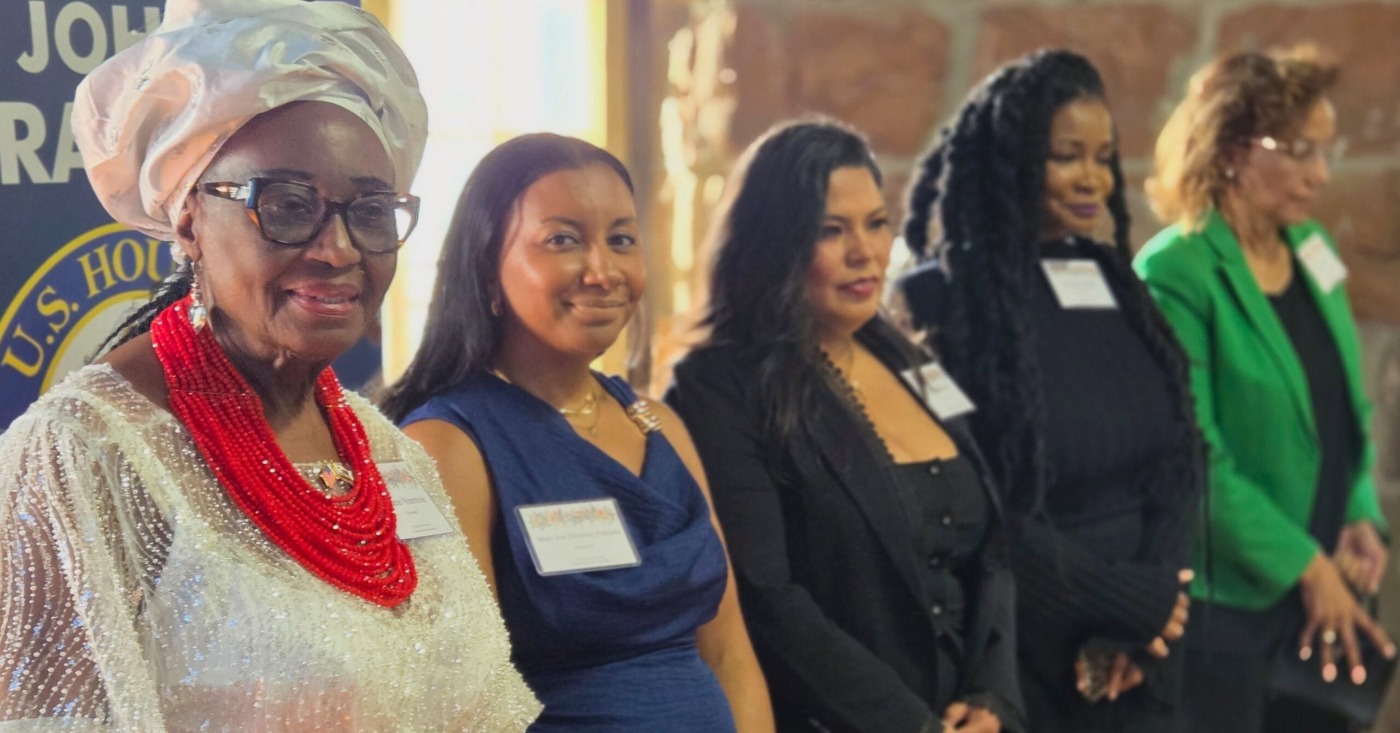
Sixteen women from West Contra Costa County were among 52 honorees recognized by Congressman John Garamendi (D-CA-08) at his 13th annual Women of the Year ceremony in Benicia on Oct. 23.
The 2026 honorees from Solano and Contra Costa counties were recognized for contributions to public service, education, business and community life.
“Every year, I’m honored to recognize the remarkable women of California’s Eighth District who serve as the backbone of our community,” Garamendi said.
Their contributions were also recognized in the Congressional Record. The following profiles summarize the ceremony remarks and supporting biographies.
Richmond
King-Meredith was honored for six decades of community service. An engineer and project manager whose professional career included defense-industry work, she has served organizations including the North Richmond Municipal Advisory Council and Shields-Reid Neighborhood Council. Her contributions also include environmental justice advocacy and artwork addressing social injustice.
Bolds was recognized for supporting Richmond youth and families and organizing community events. She established the annual “Put the Guns Down” event about 20 years ago in response to neighborhood violence. Through her organization, Visions of Hope, she brings together families, service providers, community leaders and public safety partners to address bullying and violence prevention.
Martinez Luna was honored for her work supporting businesses and families along Richmond’s 23rd Street corridor. Born in Guadalajara, Mexico, she became the first person in her family to graduate from high school. A longtime Rigo’s Auto Sales employee and secretary of the 23rd Street Merchants Association, she helps organize community events, supports immigration information forums and works with local partners on neighborhood concerns.
Dawkins-Padigela was recognized for her professional and community leadership. A U.S. Air Force veteran who served seven years as an aircraft mechanic, she later pursued graduate studies in marriage and family therapy and professional clinical counseling. As president of East Bay CAMFT, she supports professional education, networking and collaboration among mental health practitioners.
Padilla, a dean at Contra Costa College, was honored for advancing educational equity and student success. A Richmond High School graduate, she began her higher education at Contra Costa College before earning a bachelor’s degree in applied physics from UC Davis and a doctorate in neuroscience from UC Berkeley. She later returned to CCC to lead initiatives expanding opportunities for students pursuing STEM careers.
Milam was recognized for a public service career that began as a teenager with the East Bay Public Safety Corridor Partnership. As crime prevention manager for the Richmond Police Department, she has worked with government and community partners on violence prevention and homelessness response. Her congressional tribute credits her with helping secure nearly $30 million for outreach, shelter, treatment, encampment resolution and pathways to housing.
Nmereole was honored for supporting immigrant communities, young people and elderly residents throughout Contra Costa County and the greater Bay Area. Her volunteer work includes GED tutoring, vocational nursing exam preparation, computer instruction and youth mentorship. She also helps immigrants navigate services and assists elderly residents with transportation, prescriptions and groceries.
Curl was recognized for more than two decades of service to Richmond, beginning with the city’s redevelopment agency. She became interim city manager in November 2021 and permanent city manager in April 2022 before retiring in 2026. Garamendi credited her with helping secure more than $300 million in grants for infrastructure, housing and education, strengthening city finances and helping Richmond exit the state auditor’s high-risk designation.
Black Press
Richmond Neighbors Put Pantry Power on the Map
Richmond Area Mutual Aid has released a new digital map identifying Little Free Food Pantries across the city to help residents combat rising grocery costs. These neighborhood outposts operate on a mutual aid model, encouraging community members to leave shelf-stable goods and fresh produce for those in need. While some locations began as small pandemic-era projects, they have evolved into essential hubs supported by local families, retirees, and nonprofit organizations. Organizers are now seeking new hosts to expand this autonomous network further. Read more.
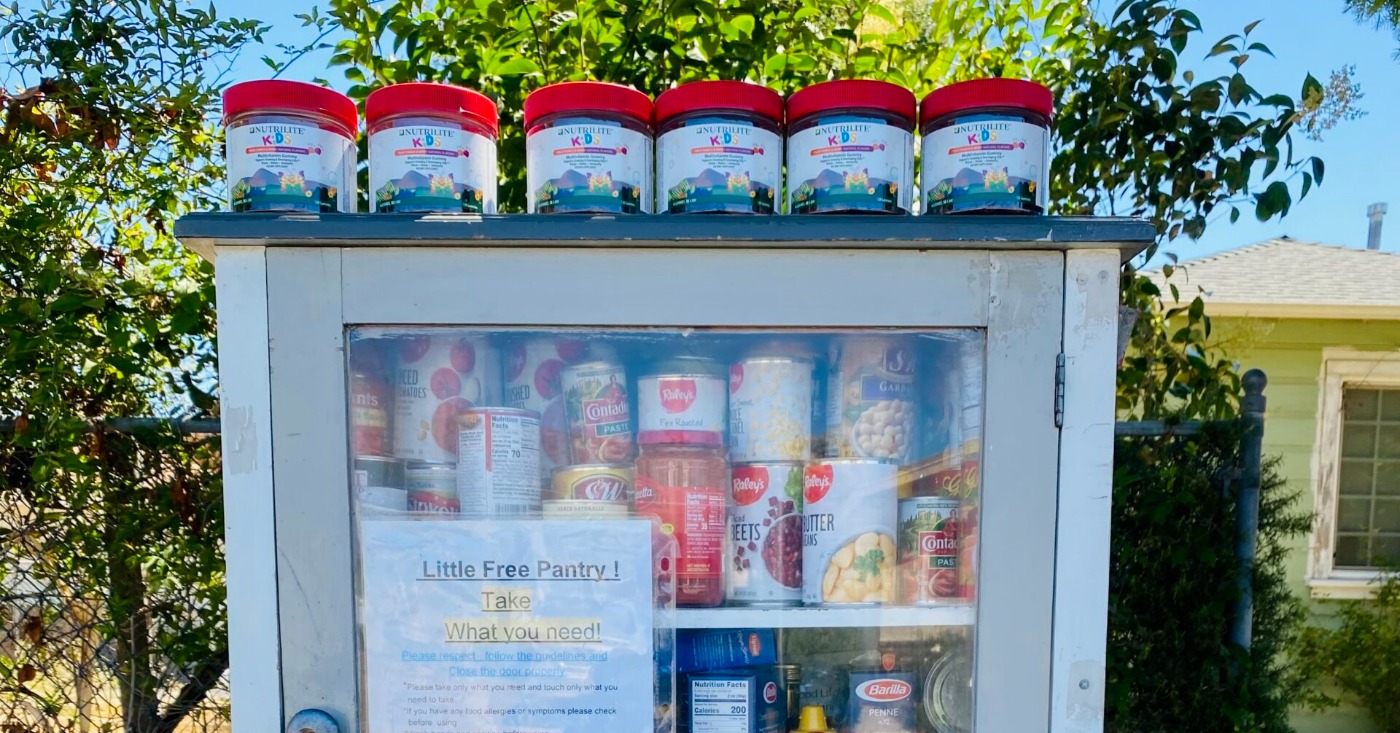
In Richmond, a small cabinet can carry a big message: dinner is here, no questions asked. Richmond Area Mutual Aid (RAMA) has created a map of current Little Free Food Pantries across the city. The neighborhood outposts encourage anyone to take what they need and leave what they can.
The map connects residents with pantries that may be as simple as a shelf, box or cabinet outside a home or business. According to RAMA’s website, the spaces can hold shelf-stable groceries and fresh produce that can safely spend some time outside refrigeration. The operating principle is as clear as the group’s motto: “Give what you can, take what you need.”
One of the map’s sites is near 34th Street and Roosevelt Avenue, where Achala Jayagoda and her family host a pantry that began as a Little Free Food Table during the pandemic. Her son, Eagle, founded it. The pantry has since grown into a lasting neighborhood resource. Amid the high cost of food, Jayagoda said supplies can disappear with startling speed.
“It continues to serve the community with everyone’s support,” Jayagoda toldTthe Richmond Standard. She said the people who contribute are not only nearby neighbors, but donors from elsewhere in Richmond and, at times, beyond the city. A few nonprofit organizations pitch in, too.
Jayagoda has also heard from retirees who collect end-of-day giveaways from grocery stores and bakeries and bring them to the pantry. Sometimes the deliveries include fresh food. At first concerned about leaving perishables out, she said it turns out those items move quickly. It’s a sign, in her view, of how urgently people need the help.
In fact, the pantry can be emptied within hours. Then the same community that uses it swings back into action. “Thankfully, the community helps restock it as quickly as possible so people can continue getting food,” Jayagoda said. As the holidays approach, she hopes that circle of giving will widen to reach more families.
RAMA describes itself on its website as a group of neighbors from Richmond and nearby communities working toward a place that is “safe, joyful and thriving.” The pantry project turns that broad aim into something concrete: a can of beans, a bag of rice, a loaf of bread—and a nearby place to share it.
Keeping each pantry going takes more than a sturdy box. RAMA’s website says every location needs an individual or organization willing to place the pantry on its property, and a team of stewards who can stock and clean it. A host may also serve as a steward. That local team is the point: RAMA wants each pantry to become an autonomous neighborhood hub supported over time by people who live nearby.
For residents ready to start one, RAMA says it can guide or support pantry construction and installation, share reclaimed food and help hosts adapt shelving or other materials into a workable setup. RAMA has announced free pantry build days Nov. 14 and Dec. 12; residents can email [email protected] for details.
Check out the Richmond pantry map below and get more information from RAMA at https://www.wegotusrichmond.org/pantries/. Visit RAMA on Instagram at @RichmondAreaMutualAid.


Why the Sports Community Deserves Respect and Support #shorts

Tired Business Owner? How the Gym Helps Me Recharge #shorts

Federal EV Tax Credits Are Gone—But Buyers Can Still Save #shorts

Media Diversity: Why Every Community Deserves a Voice #shorts

EV Incentives End—but Savings and Community Opportunities Remain #shorts

Compare Insurance Quotes Every Year and Save #shorts

The Vicious Cycle of Poverty Explained

Congressional Leadership’s Priorities: Prices, Healthcare, and Trump Oversight

From The Desk of The Editor 11/04/26

Why a Hall of Fame Sports Writer Keeps Knocking #shorts

All Skinfolk Ain’t Kinfolk

Practitioners of African Traditional Spirituality Offer Ancestral Reverence Ritual Oct. 31

Tamiko Armstead | 2026 Lifetime Achiever in Education

Oakland Awarded More than $14 Million in State Funding

OP-ED: The Black Church Writes AI’s Next Chapter

Inside 820 S. Michigan: New Book Captures the Lost World of Ebony and Jet

2026 Voting Guide: Every Candidate and Proposition Explained!

Jendayi Arrest Raises Community Concerns Regarding Sheriff’s Chain of Command

HISTORY MADE: Keisha Lance Bottoms Becomes First Black Woman Elected Governor in American History

OP-ED: If the ‘Cornell 7’ Were Black Men at an HBCU — America Wouldn’t Be This Sympathetic
Why the Sports Community Deserves Respect and Support #shorts
Tired Business Owner? How the Gym Helps Me Recharge #shorts
Federal EV Tax Credits Are Gone—But Buyers Can Still Save #shorts
Media Diversity: Why Every Community Deserves a Voice #shorts
EV Incentives End—but Savings and Community Opportunities Remain #shorts
Compare Insurance Quotes Every Year and Save #shorts
The Vicious Cycle of Poverty Explained
Congressional Leadership’s Priorities: Prices, Healthcare, and Trump Oversight
From The Desk of The Editor 11/04/26
Why a Hall of Fame Sports Writer Keeps Knocking #shorts
-
 Black History3 days ago
HISTORY MADE: Keisha Lance Bottoms Becomes First Black Woman Elected Governor in American History
-

 Featured5 days ago
Multi-Faith Leaders Representing 10 Million People Launch National Anti-Authoritarian Initiative
-
 Black History4 days ago
Michael Shiner: The Enslaved Man Who Wrote His Way into American History
-

 Black History4 days ago
Five Hospitals Said No! Who Will Help Annette Henry Recover?
-
 Black History4 days ago
Christianity’s Racial History
-

 Featured1 week ago
Young Black voters in Houston defy labels
