
Advice
Explore Promising Careers in Trades Jobs Today
NNPA NEWSWIRE — Several trades offer relatively fast entry points, especially those with shorter training programs or opportunities to start as an apprentice. Fields like painting, basic carpentry, drywall installation, and landscaping can often be learned within a few months of hands-on experience. Appliance repair and flooring installation also provide quicker paths, especially for those willing to learn on the job.

By Billie Pollisotto
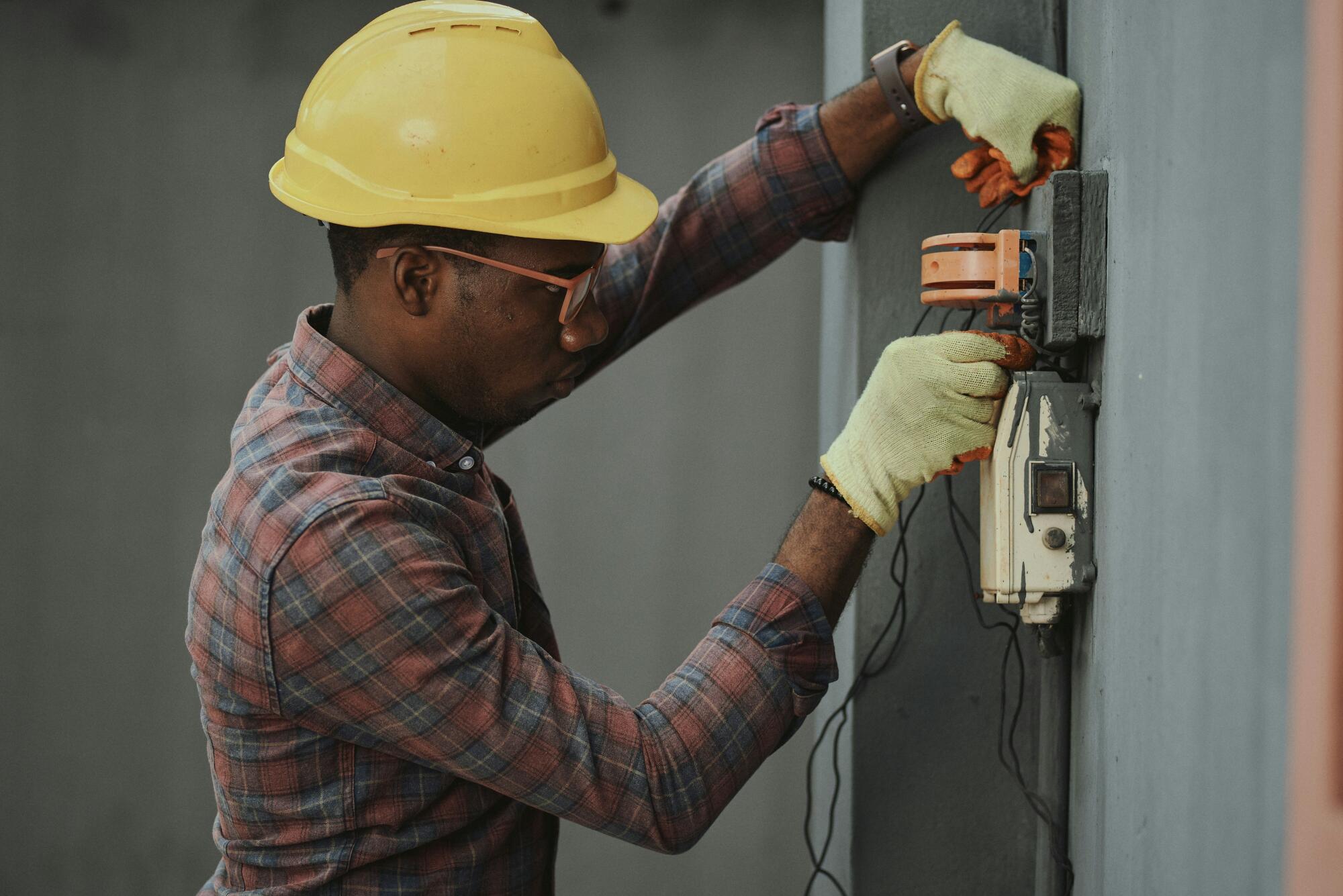
Trades jobs offer stable income, hands-on work, and strong long-term demand, making them one of the most practical career paths available today. From electrical and plumbing to HVAC and construction, these roles combine skill development with real earning potential without the need for a traditional four-year degree.
A high school graduate watches friends take on student debt while they step into an apprenticeship, earning from day one and building a career that feels tangible and in demand. That decision reflects a larger shift, with 34.7 million people working in the trades across the United States.
Demand continues to grow as industries face labor shortages, creating real opportunity for those ready to learn a skill, get certified, and start working sooner rather than later.
What Makes Electricians A Strong Career Choice?
Electricians stand out because their work connects directly to how people live and work every day. Power systems, lighting, and evolving technology all depend on skilled electrical work, and that need continues to grow as buildings become more advanced and energy systems shift.
How to become an electrician in California? It’s a structured process that combines formal instruction with real job experience, followed by meeting state licensing requirements. This approach allows new workers to build skills while earning, which makes the transition into a full-time career feel more accessible.
Earning potential improves steadily as experience builds. Electricians who take on complex projects or develop expertise in specific areas often see higher pay over time. Some move into leadership roles on job sites, while others branch out on their own and take control of their workload and income.
Each project brings a new set of challenges, and problem-solving is part of the daily routine. For people who prefer staying active and working with their hands, this trade offers a career that feels practical, engaging, and far from repetitive.
Why Is Plumbing Still One Of The Most Reliable Trades?
Plumbing continues to stand out as one of the most dependable trades because it supports systems that people cannot go without. Clean water, drainage, and sanitation are essential in every space, which keeps demand steady in both strong and uncertain economic conditions.
Pipes age, and unexpected issues still happen, which means work does not depend solely on new construction. Plumbers often find consistent opportunities in:
- Service calls
- Upgrades
- Long-term system improvements
- Pipe replacements in older homes
- Commercial maintenance contracts
The career path also offers stability over time. As experienced professionals retire, there is a growing need for new workers to step in, which helps with career advancement in trades. Those who gain experience can move into more complex projects or take on leadership roles, while others choose to work independently and build their own client base.
Daily work brings variety without feeling unpredictable. One job might involve troubleshooting a leak, while another focuses on installing new systems in a renovation.
Skilled Trades Opportunities: HVAC
HVAC offers in-demand trade careers that move with how buildings are evolving. Systems today focus heavily on energy efficiency and indoor comfort, so technicians are often improving performance instead of only fixing breakdowns.
There is also room to move into more focused areas over time. Some technicians transition into commercial refrigeration, while others work with large-scale building systems or specialize in indoor air quality. These paths introduce new challenges and often come with stronger earning potential as experience grows.
The structure of the work adds to its appeal. Certain days involve working through a service issue from start to finish, while other projects place technicians on installation jobs that take shape over a longer timeline.
How Do You Choose The Right Trade For You?
Picking the right trade comes down to matching your strengths with the kind of work that keeps you engaged over time. Some roles lean heavily on precision and technical thinking, while others reward speed or physical skill. Paying attention to what you naturally do well can point you in the right direction.
Certain trades follow a consistent rhythm with similar tasks each day, while others shift constantly based on the project. Choosing a pace that fits your personality can make a big difference.
Some trades offer gradual increases as experience builds, while others can scale more quickly with specialization or project-based work. Understanding how earnings grow can help you set realistic expectations.
Look at how competitive the training programs are, how quickly you can get started, and how much support is available along the way. A path that feels realistic from day one is more likely to lead to success.
Frequently Asked Questions
What Are Some Low-Stress Trades Jobs?
Some trades come with a steadier pace and fewer urgent calls. The following often follow predictable schedules without constant pressure:
- Painting
- Tile setting
- Cabinetry
- Landscaping
Appliance repair, shop-based welding, and fabrication work can also feel more controlled, especially outside of emergency service roles. The key is choosing a path with consistent hours and minimal on-call demands, which keeps the work manageable day to day.
Is 25 Too Old To Start a Trade?
Twenty-five is not too late at all to start a trade. Many people enter skilled trades in their mid-twenties or later, often bringing useful work experience, maturity, and a clearer sense of what they want from a career. Employers and apprenticeship programs typically value reliability and commitment just as much as technical ability.
Starting at this age can actually be an advantage. You are still early in your working life, with plenty of time to build skills and grow into higher-paying roles or even business ownership. Trades reward consistency and experience over time, so beginning at 25 can still lead to a long, stable, and rewarding career path.
What Trade Can I Learn Quickly?
Several trades offer relatively fast entry points, especially those with shorter training programs or opportunities to start as an apprentice.
Fields like painting, basic carpentry, drywall installation, and landscaping can often be learned within a few months of hands-on experience. Appliance repair and flooring installation also provide quicker paths, especially for those willing to learn on the job.
Find Trades Jobs Today
With this guide, you should be able to find the right trades jobs for you in no time.
Do you want more help planning your career? Explore some of our other posts.




Advice
Outdoor activities keep you active, but UV exposure can accelerate chronic eye conditions
BLACKPRESSUSA NEWSWIRE — Never underestimate signs of eye problems because if left unaddressed, they can lead to vision impairment or vision loss. Some symptoms should even prompt you to get immediate professional help, as they may indicate emergency sight-threatening conditions.

Outdoor activities, if done for prolonged periods without adequate ultraviolet (UV) protection, can accelerate eye conditions like cataracts and age-related macular degeneration (AMD). Eye/eyelid cancers are other solar radiation risks of unprotected outdoor time.
You’d want to implement the above UV vision protection strategies more than ever, as the number of days with high ultraviolet index values is on the rise. The World Meteorological Organization notes that measurements show a significant uptick in the number of days with high UV indices over the past decades.
What Are Some Common Eye Conditions?
Refractive errors are among the most common eye conditions that result from the eyes being unable to bend (refract) light correctly. They can occur due to certain physical traits, including:
- The eyeball either being too short or too long
- The cornea’s shape either being too flat or too steep
- The flexibility of the lens inside the eye changing as a result of getting older (e.g., the lens becomes stiff due to advancing age)
Refractive errors are so common they impact over 150 million people in the U.S., per the NEI (National Eye Institute). Some have nearsightedness, also called myopia, while others have farsightedness, also known as hyperopia. In older people, presbyopia, which makes close-up things look blurry, is also prevalent.
Astigmatism is another common refractive error that causes blurriness with both near and far vision. It results from the eyes having an irregular shape (egg or oval shape instead of round). Some people may also have this alongside another refractive error.
What Are the Signs of Serious Eye Problems?
Never underestimate signs of eye problems because if left unaddressed, they can lead to vision impairment or vision loss. Some symptoms should even prompt you to get immediate professional help, as they may indicate emergency sight-threatening conditions.
If you, a family member, or a friend ever experiences any of the following, please seek the help of an emergency optometrist, ophthalmologist, or eye hospital right away.
- Partial or total loss of sight
- Sudden double vision
- A dark curtain, veil, or shadow that moves across the vision
- A sudden, unexplained increase in eye floaters and flashes
- Intense pain in and around the eyes
- Severe redness and inflammation
- Extreme light sensitivity
- Physical trauma to the eyes, particularly deep punctures, cuts, or chemical splashes
What Chronic Eye Conditions Can Unprotected Outdoor UV Exposure Cause or Accelerate?
Spending time in nature doing outdoor activities has become more popular among folks in the U.S., with participation rates increasing over the years.
A new report from the Outdoor Industry Association (OIA), for instance, shows that in 2025, 183.2 million Americans got outside. It represents nearly six in ten people aged 6 and older and reflects an increase of 30 million from 2019’s total participants.
Nature time and outdoor activities have undeniable health benefits, from lowering stress to supporting better heart health. They can, however, still pose safety risks, particularly if people ignore basic precautions, such as those for outdoor lens safety, skin protection, and dehydration prevention.
Without proper preparation and long-term ocular protection, your eyes can take a hit from UV overexposure, as this can increase the risk of or accelerate the following eye conditions.
Cataracts
Prolonged or consistent exposure to UV rays without any protection can trigger oxidative stress in the eyes. Over time, the sun’s UV light can damage the protein inside your eyes’ lenses. The damage breaks down the proteins and causes them to clump up and form cataracts.
Cataracts are highly common, with the risk increasing with age. The longer they go untreated, the more vision loss they can cause and may even lead to blindness.
Age-Related Macular Degeneration
The oxidative stress caused by unprotected UV exposure can contribute to the development or acceleration of AMD. It’s a progressive disease that damages the eyes’ macula (central part of the retina at the back of the eye), blurring central, straight-ahead vision.
Developing AMD can put you at risk of experiencing difficulty:
- Reading
- Recognizing faces
- Driving
- Completing focus tasks
Eye/Eyelid Cancers
Prolonged exposure to the sun’s potent UV rays can harm the sensitive areas of the eyes, including the delicate tissues in and around the eyelids. In some cases, this damage can trigger the development of certain cancers.
How to Safeguard Your Vision From Harmful UV Rays
Making it a habit to wear sunglasses whose label states “100% UV protection” or “UV400” should be one of your top priorities to protect your eyes from the sun’s UV rays. If you’re not keen on having to switch from prescription specs to sunglasses, don’t worry, as you can get specialty glasses.
You can, for example, fit stylish designer pieces, whether it’s Gucci, Prada, or Versace eyeglasses, with prescription sun care, UV-protective tinted lenses. There are also photochromic (transition) lenses that automatically darken when exposed to UV.
Wear a wide-brimmed hat to maximize sun protection, too. It can safeguard not just your eyes but also your face and even neck from direct sunlight.
Frequently Asked Questions
Can You Reverse UV-Related Eye Conditions?
Some UV-related eye conditions are reversible, such as eye dryness and surface irritation caused by an isolated incident of overexposure to the sun’s rays. Another is photokeratitis, which is similar to a sunburn, except it affects the eyes.
Resting (moving to a dimmer area) and applying cool, damp compresses to the eyes can help relieve these conditions’ temporary symptoms.
Many other UV-related eye conditions, however, are chronic or permanent. Cataracts and AMD, for instance, are non-reversible. They are, however, treatable. There’s surgery for cataracts, while AMD’s management often involves injections or laser therapies.
What Is the Most Common Degenerative Eye Disease?
AMD is the most common degenerative eye disease.
The latest statistics cited by the American Macular Degeneration Foundation put the number of Americans 40 years and older diagnosed with some form of macular degeneration at 20 million. It further notes that close to 1.5 million people have late-stage, vision-threatening AMD.
Don’t Let UV Rays Ruin Your Eyesight
UV radiation can contribute to or accelerate various eye conditions, some of which could be permanent, such as cataracts and AMD. It should be enough reason for you to always wear sunglasses with a UV400 or 100% UV protection rating.
Find more health and lifestyle guides or the latest events and news impacting the Black community by checking out the rest of our platform.
Advice
The cost of living is becoming a stronger magnet for smaller cities
BLACKPRESSUSA NEWSWIRE — It can be devastating to move to a town because it’s cheap now, only for costs to rise significantly after just a few years. Find out what experts think of the population trends. Areas that have many new job opportunities and plenty of building activity are likely to have a higher cost of living soon.

By Rob McManus
Choosing to live in a smaller city with a lower cost of living isn’t always an easy decision. You’ll feel more confident if you see how much you’ll save on food and transport. Never ignore such costs since they add up quickly and can make you spend more even if your rent is affordable.
According to the US Bureau of Labor Statistics, consumer prices went up by 3.5% in the last 12 months before June 2026. You might start searching for the most affordable states after feeling like your bills are becoming harder to keep up with each month.
How Do I Live on Very Little Money?
Set aside money for the most important bills instead of denying yourself everything you like. You might have money to spend on other things if you:
- Find a cheap place to live and share it with someone else
- Buy used furniture
- Set a budget that you can follow
List what you absolutely need and what you can do without. It will make creating a family budget feel much easier.
Many people sign up for things using their credit cards to get free trials. You can easily forget to cancel for months.
Review your bills and check whether you’re paying for unnecessary things. Canceling these helps you avoid wasting money without knowing it. You should also try to make food using what you already have in your house instead of buying groceries every time.
Is $2,000 a Month Enough To Live On?
It depends on how much you pay for rent and the number of people who depend on your income. Living in a region like Hawaii can be quite costly because it’s the most expensive state when it comes to rent. People are having to pay an average of $2,399 a month, according to the World Population Review.
Earning $2000 while spending most of it on rent is stressful. You might not be able to save any money for emergencies. Look for affordable places to live based on your income.
Comparing Expenses Before Moving To Adjust to the Cost of Living
Once you find a cheaper place to live, you’ll be excited. It’s easy to overlook some things, thinking they won’t have a huge impact on your budget.
Never move before you estimate how much the decision will truly cost.
Transportation and Vehicle Shipping
Spending a lot of money on transportation eventually starts canceling out the amount you’re saving on housing. Estimate the fuel you’ll be using to go to:
- School
- Shop for groceries
- Work
- Doctor’s appointments
- Run errands related to your business
Add up the cost of fuel and parking too.
Driving your car when moving to an entirely new state is tiring. The cost can also be quite high. Once you find a good vehicle shipping agent, they’ll bring the car to your driveway.
Consider such convenient services instead of fueling several cars to move them to your new home.
Housing
Focusing on the cost of rent only can cause you to feel frustrated when you have to pay bills you didn’t plan for at first. Use home budget tools to avoid mistakes. Always factor in:
- Renters insurance
- Property taxes if you choose to buy a home
- Mortgage payments
- Homeowners association fees
You might need to spend more money on closing a home and fixing it up when you move. Ask yourself if you’d rather rent instead.
Buying a newer home or one that’s well maintained will be a good option in case you plan to live there for years.
Food
Food prices will affect your budget even after you find a cheaper home. Walk through the local grocery shops to have a rough idea of how much food costs there. Check if there’s a huge difference in the prices of the items you use regularly in your home.
The household costs of two families living in the same area can look quite different. It all depends on their habits. If you often eat out, it’s good to know how much your favorite meals cost.
You can ask a few restaurants to send you their menus and use them to budget.
Frequently Asked Questions
Can Remote Work Make a Smaller City More Affordable?
Yes. If your employer offers remote work options, consider these when moving to a smaller city.
You might be able to earn a good salary while living somewhere with lower everyday prices. Thinking about these factors helps you decide:
- How state taxes affect your income if you’re moving to a different one
- If you’ll be able to keep up with the working hours
- The costs of the items you need to start working from home
How Does Population Growth Affect Future Housing Costs?
The costs might go up when the demand for housing increases.
It can be devastating to move to a town because it’s cheap now, only for costs to rise significantly after just a few years. Find out what experts think of the population trends. Areas that have many new job opportunities and plenty of building activity are likely to have a higher cost of living soon.
How Can Weather Change Your Monthly Budget?
You might have to pay more for heating or cooling. When you move to an area that’s prone to severe storms, insurance costs often rise. You also need to set aside enough money for repairs.
Look for homes built to withstand the local weather to avoid recurring repairs after harsh seasons. A property with good insulation can lower your energy bills too.
Adapting to the Rising Cost of Living
Start enjoying a lower cost of living by moving into cities with cheaper housing. Ensure you also look at the bigger picture. When you factor in things like the fuel you’ll use and the cost of food, you’ll be able to make a better decision.
Hiring an agency to move your car instead of driving it lets you save on gas during a long-distance move. Only work with companies people trust.
It’s also important to ask yourself if the cost of living in the new location will change much in a few years. Get more money-saving tips on our page.
#BuyBlack
What Insurance Adjusters Don’t Want You to Do After a Car Accident
BLACKPRESSUSA NEWSWIRE — YouGov Data shows that 50% of U.S. vehicle owners have made at least one car insurance claim. Additionally, the YouGov data indicates that those individuals who drive more often are more likely to submit a claim. As stated earlier, this clearly illustrates how frequent motor vehicle accidents and subsequent auto claims occur.

Small errors can cost you big after a car accident. Know the steps insurance adjusters hope you’ll skip so you can preserve evidence and maximize your claim.
By Amy Kang
You want to protect yourself and your claim when you’ve been involved in a car accident. Insurance adjusters will typically never ask you to preserve evidence, seek medical attention, or delay accepting a settlement. Taking the right steps will allow you to receive fair compensation for damages related to your car accident and could prevent you from making costly mistakes.
YouGov Data shows that 50% of U.S. vehicle owners have made at least one car insurance claim. Additionally, the YouGov data indicates that those individuals who drive more often are more likely to submit a claim. As stated earlier, this clearly illustrates how frequent motor vehicle accidents and subsequent auto claims occur.
Therefore, since motor vehicle collisions occur frequently, all drivers should understand the proper procedures to perform immediately following such events. Your actions over the next few hours and days following the accident can impact your health, financial status, and ultimately, your ability to collect on an insurance claim.
Understanding the correct processes and avoiding common errors can assist you in protecting your rights.
What Should You Do Immediately After an Automobile Accident?
Determine whether anyone has been injured. If anyone has been injured, call 911. If possible, relocate to a secure location and contact local law enforcement to prepare a formal police report.
Seek medical attention regardless of how you feel. Even though many individuals believe they are unharmed from an automobile accident injury, there are times when such injuries may not present themselves until later.
Receiving medical treatment early will create documentation of your injuries, which can be used in establishing liability for your car accident injury claim.
How Long Must You Wait Before Filing an Auto Insurance Claim?
The statute of limitations varies by state and the automobile insurance contract. Typically, it is advisable to notify your insurance carrier as soon as possible after the accident.
If you are uncertain regarding statutes of limitation relating to filing an automobile claim with your insurance provider, consult with them and/or lawyers for auto accidents. Acting promptly will assist in safeguarding your rights.
Preserving Important Evidence Helps Protect Your Auto Accident Injury Claim
Following a serious automobile collision, emergency services personnel typically respond to assist those with injuries and document significant elements related to the collision. The response team documents the area where the incident occurred and assesses injuries sustained during the collision. You can even expect them to collect data based on standardized protocols.
Therefore, it is recommended that evidence gathering occur through trained professionals. The trained professionals are people or entities like emergency services and police officers. Do this rather than solely relying on the insurance company to gather accurate, unbiased records.
Don’t Disassemble/Repair Damaged Items Before You Adequately Document Them
Injuries suffered during a car accident, whether physical or otherwise, can cause significant property damage. Don’t dispose of anything until all of the damage has been documented. This includes:
- Vehicle damage photos
- Repair quotes
- Towing receipt/document
- Photographs of damaged personal items
These types of documents can aid in substantiating an individual’s request for financial compensation.
Keep Your Medical Records Up to Date and Accurate
The medical records you accumulate from seeing doctors can help to show the causal relationship between your injuries and the car accident. Your personal injury lawyer will need them to effectively illustrate the severity of the damages caused by the wreck.
If you are experiencing persistent symptoms, you need to act quickly. For instance, some people ask, “How long does neck pain last after a car accident?” The answer to this question may enable you to determine whether continuing treatment and documentation will help to support your claim.
Beware of Statements and Decisions That Can Reduce Your Payment
Here are some things to consider when deciding whether to give a recorded statement:
- Only talk about the things you know.
- You cannot speculate on any part of the accident.
- Look over anything given to you by the other parties involved prior to answering their questions.
- If there is something you do not know, ask them to explain it again.
A good auto accident attorney can guide you as to what to expect from your rights while giving a recorded statement.
Think Thoroughly Before Agreeing to Settle
There is no need to agree to a settlement right away. Many accidents have long-term consequences that may take several weeks or even months to show up. This includes medical bills, lost wages, and future treatment costs.
Frequently Asked Questions
Can Weather Impact How Your Insurance Company Handles Your Claim?
Yes. Rainy weather, poor lighting in foggy conditions, or poor driving on an icy road can impact who is at fault.
What Happens If the Other Driver Is Not Insured?
You could have assistance through your own Insurance. “Uninsured motorist protection” can pay for damages and injuries due to another driver who does not carry liability Insurance.
Will What You Said to Your Friends Help Your Case?
Yes. What passengers tell about the wreck (how fast the cars were going or whether or not either car made a stop sign/stop light) can provide evidence supporting your account of what occurred.
Can Posts and Pictures on Facebook or Twitter Harm Your Case?
Yes. Photographs and comments on social media can both be used against you when determining if you suffered injuries from the crash.
Why Do Insurance Companies Ask So Many Questions on Claim Forms?
They do it to gather information and compare the data provided. Small discrepancies within the information provided could potentially cause issues.
Can You Seek Compensation for Injuries You Developed After the Accident?
Yes. There are instances where injuries do not develop immediately after being involved in an accident.
Protect Your Right to Fair Compensation After a Car Accident
Being involved in a car accident is traumatic enough on its own. But luckily, there are many things you can do to ensure that the process goes as smoothly as possible. Each of these steps will help to protect your claim for money damages and increase the likelihood that you receive what you deserve.
Support trusted reporting that will help Black drivers and families learn about their rights related to accident incidents and other important consumer protection issues.
#BuyBlack
Cashless Payment Systems are the Boring Move Every Black Shop Needs
BLACKPRESSUSA NEWSWIRE — If your business only uses cash, it is very hard for you to receive loans from moneylenders. Cashless payment systems allow lenders to verify the sales history of your enterprise. This can help them decide to allow or reject your loan request.

By Amy Kang
Silently guard your small shop’s revenue with the understated cashless payment systems. Do not let that card-and-phone sale miss your counter. If you want to grow your black-owned business, this clean record really matters compared to any flashy storefront feature.
Customers are changing their habits as time progresses. Federal Reserve research found that Americans averaged 48 payments a month in 2024 and used cash for only seven of them, leaving credit and debit cards far ahead. Most shoppers who use cash payments would rather use their cards.
If your business only takes cash payments, then you’re losing sales because your customers would rather go buy somewhere easier. This doesn’t mean you should go buy every new device or turn away cash. You should have a system that allows you to easily tap a card or phone and file the numbers automatically.
This system, when done right, gives you a clean record of every sale. Cashless payment systems are not glamorous, but they recover lost transactions, document cash flow, and build the records Black businesses need to grow.
What Cashless Payment Systems Actually Do for a Small Shop?
A modern setup can turn each of your sales into a dated, searchable entry, not just reading cards. This does not leave you guessing at the end of each month. This visibility is the actual product.
A connected system handles these tasks at once:
- Accepts cards, taps, and phone wallets at the counter
- Logs each sale with a time, date, and amount
- Tracks which items move and which sit
- Flags refunds, voids, and tips on their own
These actions reduce the friction that chases buyers away. Smooth payment processing keeps that line moving.
Why Cash-Only Quietly Costs a Neighborhood Business
Going cash-only feels safe, but it narrows your pool of shoppers and sends them to other retailers. Completely dropping the use of cash can also be costly since there are people who solely rely on it. FDIC data shows that two-thirds of unbanked households rely entirely on cash, and Black households are more than five times as likely to be unbanked as white households.
The smartest move is to adapt to both forms of payment. This balance has modernized black-owned businesses and leaves no buyer out. Cards allow shoppers to leave a deposit for a service, tip on the screen, or order ahead for pickup.
How Digital Records Open Doors To Credit and Growth
If your business only uses cash, it is very hard for you to receive loans from moneylenders. Cashless payment systems allow lenders to verify the sales history of your enterprise. This can help them decide to allow or reject your loan request.
Many business owners struggle to get capital. A Federal Reserve analysis noted that credit availability is a challenge for more than a quarter of small businesses, and lenders lean on documented, steady revenue when they decide.
Steady digital records help an owner do more than borrow. They;
- Build a credit profile that lenders trust.
- Spot best sellers and slow weeks
- Prove income for leases and suppliers
- File cleaner, faster taxes each year
None of this is possible when your earnings are in a cash box. These records also help you receive grants, relief programs, and get a lease for your shop.
Choosing Payment Hardware That Fits a Small Storefront
A proper small business payment hardware matches the foot traffic, the counter, and the budget.
When weighing point of sale systems, a few questions cut through the noise:
- Does it take cards, taps, and phone wallets
- Are the fees flat and easy to predict
- Will it keep working if the internet drops
- Can it grow with a second register?
Answering these keeps you from paying for features your small shop will never use. Tools built for accepting cashless payment at a small storefront keep checkout quick and the data clean. For everything to flow, choose a system you can run without a manual.
Frequently Asked Questions
Are Cashless Payment Systems Safe From Fraud?
Modern systems encrypt card data and flag odd transactions before they clear, which lowers a shop’s exposure to chargebacks and theft. Owners should still use strong passwords and keep their software updated. Most reputable providers also build in protections that a manual cash process simply cannot match.
How Long Does It Take to Set Up?
Many card readers connect in an afternoon, especially the plug-and-play models made for small counters. Set up usually means linking a bank account, downloading an app, and running one test sale. Point of sale systems with full inventory tools take longer, but rarely more than a few days.
What Does It Cost to Accept Cards?
Most providers charge a small percentage of each sale, often around two to three percent, plus the price of the reader. Flat, predictable pricing is far easier to budget than tiered plans with hidden add-ons. Many shops find that the sales recovered from card-paying customers outweigh the fees.
Will Customers Spend More with Cards?
Shoppers are not capped by the cash in their pocket when they pay by card, which often nudges the average sale a little higher. Card and phone checkout also makes impulse add-ons easier to ring up at the register. The effect varies by shop, but few owners see card payers spend less.
Can It Work Without Reliable Internet?
Many systems store sales offline and sync once the connection returns, so a short outage does not stop checkout. This is significant for pop-ups, outdoor markets, and shops in spots with weak service. Owners should confirm offline mode before buying if their location loses signal often.
A Small Move With Lasting Returns
When running a business, this is the part that is rarely talked about. The reward of using cashless payment systems is quiet and slow — its reliability can take any Black-owned business to the next level.
An enterprise that captures every customer and documents every dollar holds a stronger case for a loan or a second location than one that does not. This unglamorous choice, made early, is often what makes the next move possible. Follow us for more trusted business insights and the stories shaping our community.
Advice
Understanding Pedestrian Accidents: Key Facts and Prevention
BLACKPRESSUSA NEWSWIRE — The consequences for hitting a pedestrian depend on who is at fault in the accident, as well as the severity of the injuries. If the pedestrian accident is your first offense and there aren’t any serious injuries, you will likely have to pay a traffic fine.

By Haley Crim
As a driver, you should always be concerned about the potential of a pedestrian accident. Some of the main causes of pedestrian accidents include pedestrian jaywalking, limited visibility on the driver’s part, and more. To avoid these types of collisions, reduce your distractions and always be aware of your surroundings.
All it takes is a glance at your phone screen or simply moving your head in the opposite direction. Suddenly, a person appears in the middle of the street, but you are unable to stop quickly enough.
Pedestrian accidents are sadly common in the United States. The CDC reports that over 8,000 pedestrians died in vehicle accidents in 2022, highlighting a major problem that shows no signs of slowing down.
What Is the Meaning of a Pedestrian Accident?
A pedestrian accident refers to any type of collision that involves a motor vehicle and an individual who is on foot (a pedestrian). Pedestrian accidents are much more dangerous than vehicle-to-vehicle collisions, because unlike drivers, pedestrians do not have the protection of a car.
As a result, a single hit can lead to serious or even fatal injuries.
What Is the Punishment for Hitting a Pedestrian?
The consequences for hitting a pedestrian depend on who is at fault in the accident, as well as the severity of the injuries. If the pedestrian accident is your first offense and there aren’t any serious injuries, you will likely have to pay a traffic fine.
Victim compensation is also common in these cases for expenses such as:
- Medical bills
- Lost wages
- Pain and suffering
However, you could face severe consequences if you were under the influence or engaging in distracted driving when the accident occurred. A judge may determine that a traffic fine isn’t harsh enough and might sentence you to probation or jail time as punishment.
Causes of Pedestrian Accidents
What exactly causes pedestrian accidents? Here are some of the main reasons why they occur, even when everyone involved tries to be careful.
Jaywalking
Jaywalking involves pedestrians crossing the street in areas that aren’t designated crosswalks. Therefore, cars do not have an obligation to stop and often don’t see pedestrians until it is too late.
Distracted Driving
Looking down at your phone to respond to a quick text might not seem like a big deal in the moment. However, all it takes is a split second to hit a pedestrian.
Driving Under the Influence
Even if your blood alcohol level is under the legal limit, you can still be considered intoxicated or driving under the influence. Substances such as marijuana or prescription medications can cause similar issues.
Alcohol in particular slows reaction times, and when you are about to hit someone in the road, milliseconds are precious.
Poor Visibility
Weather events, such as storms and fog, can create incredibly dangerous driving conditions. They lead to limited visibility, making it even more difficult to spot pedestrians.
Failure to Yield
In most cases, drivers must yield to pedestrians. Failure to yield when the pedestrian believes that they have the right of way could lead to a major collision.
A good rule of thumb is to yield wherever an intersection exists, even if there isn’t any direct signage.
Unsafe Road Design
When roads aren’t updated, they cannot just wreak havoc on your car but can also be deadly. Features such as blind turns make it harder to spot pedestrians as you drive around sharp corners.
Accident Prevention Strategies
How can you prevent pedestrian accidents from happening? Here are some failsafe tips to drive safely and responsibly around those on foot.
Always Be Aware of Your Surroundings
Constantly scan your surroundings. Drivers have a tendency to go into “autopilot” mode when driving familiar routes, such as to and from work.
Keep your head on a swivel and look for any pedestrians in the road or on nearby sidewalks.
When In Doubt, Yield to Pedestrians
Although pedestrians don’t always have the right of way, it is best to yield to them to avoid issues. Slow down or stop if you see a pedestrian crossing illegally or struggling to get out of the road, and it is safe to do so.
Reduce Distractions
Put your phone in “Do Not Disturb” mode and wait to respond to notifications until you arrive at your destination. Use features like voice-to-text so you do not have to move your hands from the steering wheel or constantly look at your phone.
Frequently Asked Questions
In What Area Are Pedestrian Accidents the Most Common?
While pedestrian accidents can happen anywhere, they are most common in dense city streets and downtown neighborhoods. The higher rate of accidents in urban areas is due to factors such as:
- High foot traffic
- Closer vehicles
- Smaller roads
- Tricky parking situations
- More vehicles
The National Safety Council points out that a staggering 83% of pedestrian accidents occur in urban settings.
What Is the Typical Payout for a Pedestrian Accident?
The payout for a pedestrian accident depends on the features of the case, such as:
- The accident location
- The types of injuries sustained
- Whether the pedestrian had the right of way.
Find a good law firm, such as the Jordan Law Center, to help you navigate the legal process.
Am I Always at Fault if I Hit a Pedestrian?
No. There are many cases where the driver isn’t at fault for hitting a pedestrian.
Pedestrian negligence is a common cause of accidents. When a pedestrian walks into the street while distracted or intoxicated, the driver doesn’t always have enough time to stop safely.
Even in places with right-of-way laws, pedestrians still need to understand where they have the right of way.
Pedestrian safety tips include:
- Look both ways before crossing the street
- Don’t walk after drinking or using harmful substances
- Always be aware of your surroundings
- Know where you have the right of way
Avoid a Pedestrian Accident
A pedestrian accident could cause serious injuries and a legal mess for both the pedestrian and the driver. Use this guide to know the consequences of a pedestrian accident and understand how you can prevent one from occurring.
Would you like to learn more about safe driving tips? Explore our website today for the latest updates.
#BuyBlack
More Buyers Want Lakefront Property, but They’re Looking for More Than a View
BLACKPRESSUSA NEWSWIRE — Owning a lakefront property often comes with something many buyers cannot find elsewhere: direct access to the water without crowds, restrictions, or a drive to the nearest marina or public launch. Private waterfront access can make it easier to enjoy activities such as boating, kayaking, paddleboarding, fishing, and swimming whenever the opportunity arises. For families, it can also create a gathering place where outdoor recreation becomes part of everyday life rather than an occasional outing.

By Alison Green
More buyers want lakefront property, but many are prioritizing water access, usability, connectivity, and long-term livability just as much as the view.
What comes to mind when you picture a lakefront property?
Like many people, you probably visualize a beautiful view across the water, with a dock, a boat, and a peaceful setting to complete the picture. Yet the features attracting attention today extend far beyond the scenery.
A growing number of buyers are evaluating how a waterfront property fits into their daily lives. They want easy water access, functional outdoor spaces, reliable infrastructure, and amenities that support recreation, entertaining, and long-term enjoyment. Waterfront buyers are asking different questions than they did a decade ago.
Does a Lake View Increase Property Value?
A lake view has long been considered one of the most desirable features in residential real estate. Homes overlooking the water often attract more buyer interest and can command higher prices than comparable properties located farther inland.
Research suggests that proximity to water can have a measurable impact on value. One review of lakefront housing studies published on CW33.com found that homes with lake views carry a premium of 36%. The number suggests that seeing the water has value, but getting to use it often matters even more.
Why Do Buyers Want Private Waterfront Access?
Owning a lakefront property often comes with something many buyers cannot find elsewhere: direct access to the water without crowds, restrictions, or a drive to the nearest marina or public launch.
Private waterfront access can make it easier to enjoy activities such as boating, kayaking, paddleboarding, fishing, and swimming whenever the opportunity arises. For families, it can also create a gathering place where outdoor recreation becomes part of everyday life rather than an occasional outing.
The focus on usability has also increased interest in waterfront infrastructure. Buyers often pay close attention to docks, boat access, and shoreline features, with some specifically exploring options such as CAT5 premium Wahoo dock systems designed to support long-term waterfront enjoyment.
Room for Family and Guests Still Matters
Lakefront properties often become gathering places. Weekends, holidays, and summer vacations can bring a steady stream of family members and friends, making space an important consideration for many buyers.
Features attracting attention include:
- Additional bedrooms and guest suites
- Open living and dining areas
- Large decks and patios
- Flexible spaces for entertaining
- Ample parking
You don’t want to spend a holiday weekend figuring out where everyone is going to sleep.
Outdoor Living Has Become Part of the Lakefront Property Appeal
Lakefront living is not just about what happens on the water. Many buyers are placing equal value on the spaces that surround it.
Features attracting attention include:
- Covered patios and decks
- Outdoor kitchens
- Fire pits
- Seating areas overlooking the water
- Multi-level entertainment spaces
- Easy access between indoor and outdoor living areas
A waterfront property that sits empty between trips to the lake is one thing. A property that encourages people to spend the entire day outdoors offers a very different experience.
Energy-Efficient Features Are Moving Up the Priority List
A waterfront property may offer stunning scenery, but buyers are also paying attention to what it costs to own and operate the home throughout the year. Energy efficiency has become part of that evaluation.
Features attracting interest include:
- High-performance windows and doors
- Modern insulation systems
- Energy-efficient heating and cooling equipment
- Smart thermostats and home automation tools
- LED lighting
- Energy-saving appliances
Monthly utility costs can add up quickly, particularly in larger homes or properties used throughout the year. Many buyers see energy-efficient features as a way to improve comfort while helping manage long-term ownership costs.
High-Speed Internet Access Has Become Essential
A lakefront setting may feel far removed from the demands of daily life, but most buyers still expect reliable connectivity. Remote work, video meetings, streaming services, smart home technology, and online learning have turned high-speed internet into a necessity rather than a luxury.
This expectation can create challenges in some waterfront markets, where homes may be located far from major population centers. A property with stunning views and private shoreline access can quickly lose appeal if internet service is unreliable or unavailable.
Protection From Environmental Risks
Living near the water comes with unique benefits, but it also introduces considerations that buyers cannot afford to overlook. Environmental factors can influence maintenance requirements, insurance costs, and long-term property value.
Before purchasing a lakefront home, many buyers take a closer look at:
- Shoreline erosion risks
- Flood exposure and drainage conditions
- Storm impacts and wind damage potential
- Local water level fluctuations
- Tree health and vegetation management
- Waterfront regulations and permitting requirements
Calm conditions during a showing do not always tell the full story. Water levels, storms, and shoreline changes can shape the ownership experience long after closing day.
Frequently Asked Questions
Are Lakefront Homes Harder to Insure?
Insurance costs can vary depending on the property’s location, exposure to weather events, and local risk factors. Buyers often review insurance requirements early in the purchasing process to avoid unexpected expenses.
Do Lakefront Properties Require More Maintenance?
Many waterfront homes require additional upkeep compared to inland properties. Moisture, weather exposure, docks, shoreline features, and outdoor recreational equipment can all contribute to ongoing maintenance needs.
Do Water Levels Affect Lakefront Property?
They can. Seasonal fluctuations may influence shoreline conditions, dock accessibility, recreational activities, and certain maintenance requirements. Buyers often research local water patterns before purchasing waterfront property.
What Should Buyers Know About Local Waterfront Regulations?
Rules can vary significantly from one area to another. Restrictions related to docks, shoreline modifications, environmental protection, and construction projects may affect how a property can be used.
Is Privacy a Major Factor in Lakefront Real Estate?
Privacy is often an important consideration, particularly for buyers seeking a quieter environment. Lot size, shoreline configuration, neighboring properties, and vegetation can all influence how private a lakefront property feels.
More Than a View
A beautiful lake view may be what draws buyers in, but it is rarely the only factor shaping a purchasing decision. Buyers want lakefront property that supports recreation, everyday living, and years of enjoyment on and around the water.
Explore more coverage on real estate, homeownership, wealth building, and the issues that matter most to Black Americans.


Tamra Nicole redefines dress for successDefender Network

What’s On Your News Feed? How to Spot Election Misinformation

Yolanda Green Barnes – You’re Not Starting Over

Serve First: B3’s Founding Principle for Success #shorts

Rakim at City Winery STL

Minneapolis Community Demands Better: A Call to Action #shorts

Terresa Hardaway-Blackbird Revolt, Black Garnet Books-Putting Black Liberation Into Daily Practice

Terresa Hardaway on Blackbird Revolt, Black Garnet Books and Design Justice | On The Radar | MSR

Can You See Clearly in Bright Sunlight? Check These 2 Reflections #shorts

Master Your State: 5 Keys to Well-being #shorts

The Youngest American Killed in the Vietnam War

OP-ED: Haiti TPS: Have We Lost Sense of Humanity?

Remembering Chauncey Bailey as Student Journalists Face Threats to Truth-Telling

Peter Magubane: a Camera Against Apartheid

All Skinfolk Ain’t Kinfolk

Rulings Leave Questions Lingering in Nolan Wells Case

Poll: Becerra Widens His Lead Over Hilton; Californians Split on Wealth Tax

Latinas Deserve Equal Pay. Unions Help Make It Happen.

Zakiya Jendayi Arrested, Locked Out of Home by Sheriff’s Deputies

HBCU Leaders, Corporate Partners Convene in D.C. to Strengthen Support for Black Colleges’ Athletic Programs
Tamra Nicole redefines dress for successDefender Network
What’s On Your News Feed? How to Spot Election Misinformation
Yolanda Green Barnes – You’re Not Starting Over
Serve First: B3’s Founding Principle for Success #shorts
Rakim at City Winery STL
Minneapolis Community Demands Better: A Call to Action #shorts
Terresa Hardaway-Blackbird Revolt, Black Garnet Books-Putting Black Liberation Into Daily Practice
Terresa Hardaway on Blackbird Revolt, Black Garnet Books and Design Justice | On The Radar | MSR
Can You See Clearly in Bright Sunlight? Check These 2 Reflections #shorts
Master Your State: 5 Keys to Well-being #shorts
-

 Black Press1 week ago
Oakland Awarded More than $14 Million in State Funding
-

 Black Press1 week ago
Jendayi Arrest Raises Community Concerns Regarding Sheriff’s Chain of Command
-
 African American News and Issues1 week ago
Black History: Gladys West Mathematics Helped Make GPS Possible
-

 Black History5 days ago
OP-ED: The Black Church Writes AI’s Next Chapter
-

 Featured3 days ago
Tamiko Armstead | 2026 Lifetime Achiever in Education
-

 Black Press1 week ago
Democrats, Community Groups Back Measure EE to Change How Oakland Is Governed
