
Education
Detroit Almighty contest aims to empower DPSCD youth to create
MICHIGAN CHRONICLE — The winning students will have a once-in-a-lifetime opportunity.


Detroit Vs. Everybody (DVE) founder Tommey Walker was a student within the Detroit Public Schools Community District (DPSCD) all his life. He attended Chrysler Elementary, Burton International and Cass Technical High School. Now he is giving current DPSCD students the opportunity to follow in his footsteps with the launch of the “Detroit Almighty” contest.
DPSCD elementary, middle and high school students will have the opportunity to design a DVE item that best represents Detroit through their own eyes. Winning items from each grade level will be sold on the DVE website and inside its flagship store located in Eastern Market. The student with the most sales wins $2,500 for themselves and another $2,500 for their school.
“The whole scheme of this project is to let the kids of Detroit Public Schools know how feasible it is to have a career in fashion design,” said Walker, who founded DVE in 2012. “I want them to see the process from A-Z and get a feel for what it’s like to view financial reports…and see how their work is being accepted by the customers.”
Participants will have to pitch their designs to the DVE team, explaining why they chose their design. The winning students will have a once-in-a-lifetime opportunity to engage with Walker, who will walk them through the entire process of design, manufacturing, shipping and retail of their respective item. Winners will also participate in the store display of their item and receive weekly sales reports.
“We have this platform and are able to open doors for others,” said Walker. “I want the kids to see that it is very real for them to have an idea of theirs materialize and actually make money [from] it. Once they see that, they will know that things are more obtainable for them.”
Walker credits his educational upbringing in DPSCD as well as the fact that his mother has been an advocate and educator for his success to this day. As a student at Cass Tech in 2002, someone offered him the opportunity to break into the world of graphic design, which propelled him to start his international DVE brand a decade later. The next best Detroit brand could be waiting in the wings through the “Detroit Almighty” contest.
“When you have some type of success, it’s kind of your duty to give back and lift up others,” added Walker. “But I didn’t want to do that in a cliché way. I wanted to give them something that they can remember. I wanted to give them the money so that they can spend it the way they want. This is a project that I would have wanted to do as a DPS student.”
All artwork submissions for elementary, middle and high school students are due June 21. The pitch stage begins June 22, with finalists announced June 25. Customers will be able to purchase the shirts July 1 until September 6 when the contest ends. The grand prize winner will be announced September 10.
Detroit Public Schools (DPS) was established in 1842 with the first high school (Central) opening in 1858. DPSCD replaced the original DPS in 2016. It is comprised of 106 schools and more than 50,000 students
This article originally appeared in the Michigan Chronicle.










Black Press
U.S. Rep. Simon Secures More Than $1 Million for Public Safety at Mills College at Northeastern University Oakland, Surrounding Neighborhood
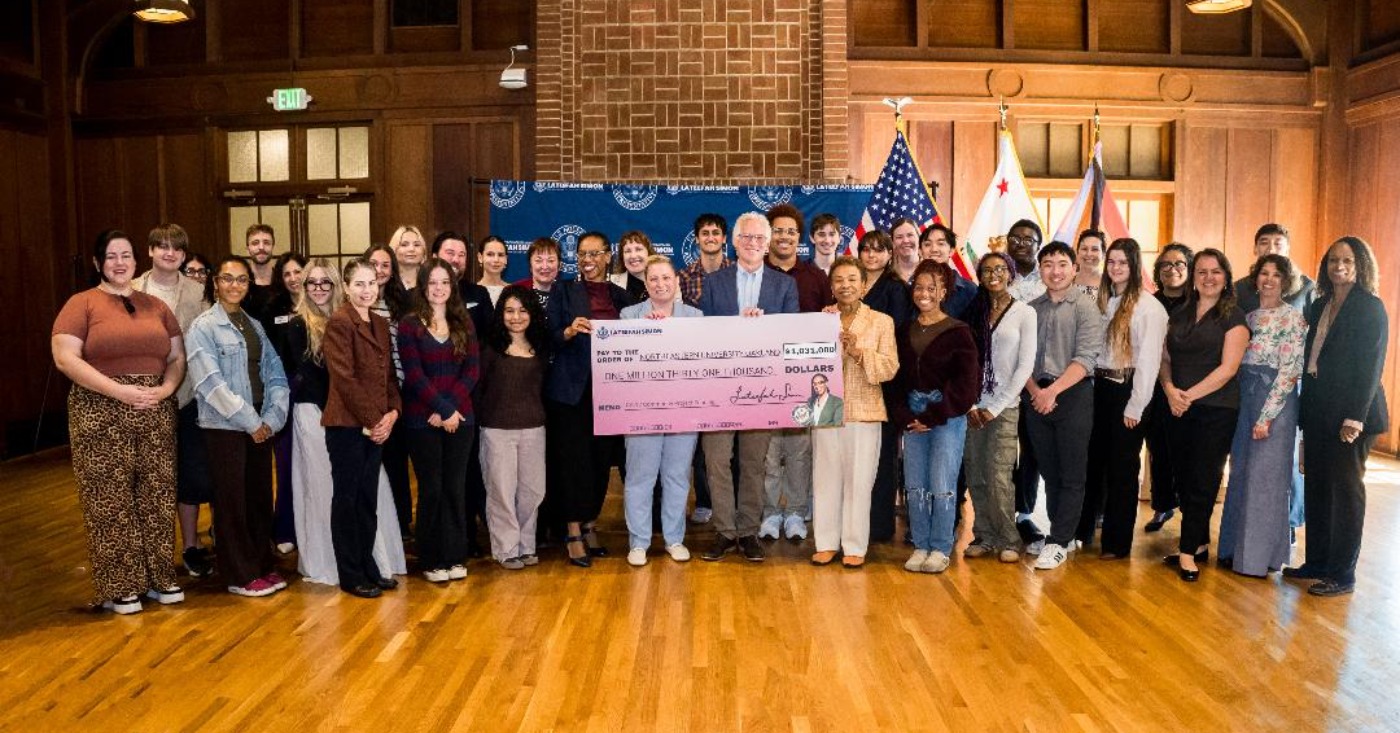
This week, Congresswoman Lateefah Simon (CA-12) announced $1,031,000 in Community Project Funding (CPF) for Mills College at Northeastern University Oakland (MCNUO). This federal funding will be used to purchase new emergency blue-light phone towers and security cameras that will help to improve public safety on campus and in the surrounding community.
Simon announced the funding alongside Oakland Mayor Barbara Lee, Dean of Northeastern University Oakland Dan Sachs, Associated Vice President for Global Site Security Regina Coppa, and other Northeastern University leadership. This federal investment is part of Simon’s commitment to bringing federal resources back to the East Bay and supporting students, educators, and educational institutions who are creating the next generation of leaders in the East Bay.
This Community Project Funding (CPF) is a part of the $11.2 million that Simon secured for 15 projects across the East Bay in Fiscal Year 2026. Each fiscal year, members of Congress can submit Community Project Funding requests for consideration with the House Committee on Appropriations.
“Mills College at Northeastern University is one of the jewels of Oakland. I came to this campus as a student and young, single mother and walked these paths with my child. I know this campus is home to far more than a university.
“It is home to the little ones at the preschool, the girls at Julia Morgan, the neighbors who swim in the pool and walk the trail, and the faculty and workers who keep it all running,” Simon said. “This funding invests in every one of them and in the simple things that make a place safe: light, open paths, updated equipment like call booths.
“NE’s leadership is committed to a campus that takes responsibility for its neighbors as much as its own. Safety is a public good, and that is exactly the kind of investment Oakland deserves. Thank you to Mayor Barbara Lee for her partnership on this funding.”
“This campus changed my life when I came here as a single mother on public assistance, and this million-dollar investment continues that legacy of support by keeping our students, families, and neighbors safe,” said Mayor Barbara Lee. “Before leaving Congress, I requested federal funding for this project, and I am deeply grateful to Congresswoman Lateefah Simon for carrying it forward so we can build the safe, thriving community Oakland deserves.”
“We’re grateful to Congresswoman Lateefah Simon for her leadership in securing this funding for our Oakland campus,” said Renee Jadushlever, vice president for Campus Administration and Strategic Initiatives at Northeastern University. “It’s a place where students learn, do research, build community, and gain real-world experience with our industry partners across the region. This investment will help maintain the safety of our campus community while we continue to welcome our neighbors and deepen our connections across Oakland.”
U.S. Rep. Lateefah Simon’s media relations office is the source of this story.
Black Press
COMMENTARY: Valarie Bachelor and Jennfier Brouhard are Excellent School Board Members and Deserve to Be Reelected
The Oakland Unified School District recently achieved a major milestone by escaping 22 years of state control and opening the school year with a teacher in every classroom. Incumbents Jennifer Brouhard and Valarie Bachelor are seeking reelection to the school board after overseeing balanced budgets, averting labor strikes, and reversing previous decisions to close local elementary schools. While the board now focuses on student-centered programs and school-based health facilities, a new wave of opposition candidates backed by wealthy tech donors has emerged. Read more about the shifting dynamics in this local election.
The Oakland schools have excellent leadership right now. I know it’s hard to believe – because there is so much wrong with the national education picture. But sometimes good things do happen locally.
This school year:
- The Oakland Unified School District escaped from state control after 22 years.
- Every classroom had a teacher at the beginning of the year, unlike past years when many classes started the year with day-to-day substitute teachers.
- Dr. Denise Saddler, an African American woman, is leading the district as superintendent now. She was an excellent choice with vast understanding of Oakland, of schools, and of educational systems locally and nationally.
- The school board and teachers managed to avert a teachers’ strike by some strategizing, listening and compromising.
- The school board does not plan to close more schools. For the first time in decades, those in charge of the district were not discussing closures.
The two women leading the school board are excellent educators themselves.
Board President Jennifer Brouhard (District 2) served as an Oakland teacher and was awarded a Fulbright Distinguished Award in Teaching and the U.C. Berkeley Social Science Project Teacher of the Year Award.
When Brouhard joined the board four years ago, she voted to reverse the decision of the previous board which had planned to close Brookfield, Carl B. Munck, Grass Valley, Fred T. Korematsu Discovery Academy and Horace Mann elementary. Half the students at Carl Munck and at least a third of the students at several others were African American.
In refusing to close schools, she pointed out that in Oakland and other districts it has been Black and Brown students who have been most affected and that closing schools does not save money.
Then, she focused funding on classrooms rather than paying outside consultants. For that, she and her colleagues have incurred the wrath of real estate developers and school privatizers who want to get their hands on public property.
Board Vice President Valerie Bachelor (District 6) has worked on important facilities projects. She helped to set up the first school-based dental project at Frick United Academy of Language, an Oakland middle school. She championed the Melrose Leadership Academy groundbreaking and the Skyline dining facilities.
Bachelor facilitated a balanced budget, which was pivotal in helping the district finally end state control. She also worked to direct funding toward student-centered programs like the Black Thriving Community Schools Program, instead of spending money on the never-ending. highly paid outside consultants.
The people financing the opposition candidates are Ryan Graciano, co-founder of Credit Karma, which made $ 2.7 billion last year; and Gagan Biyani, who says he became a millionaire at age 25.
The literature produced on behalf of the opposition supports closing schools, which harms students, and advocates expenditures that would put OUSD back under state control.
To read more, go to Education Week, “The Harm of School Closures Can Last a Lifetime, New Research Shows” (2024), www.edweek.org/leadership/the-harm-of-school-closures-can-last-a-lifetime-new-research-shows/2024/06
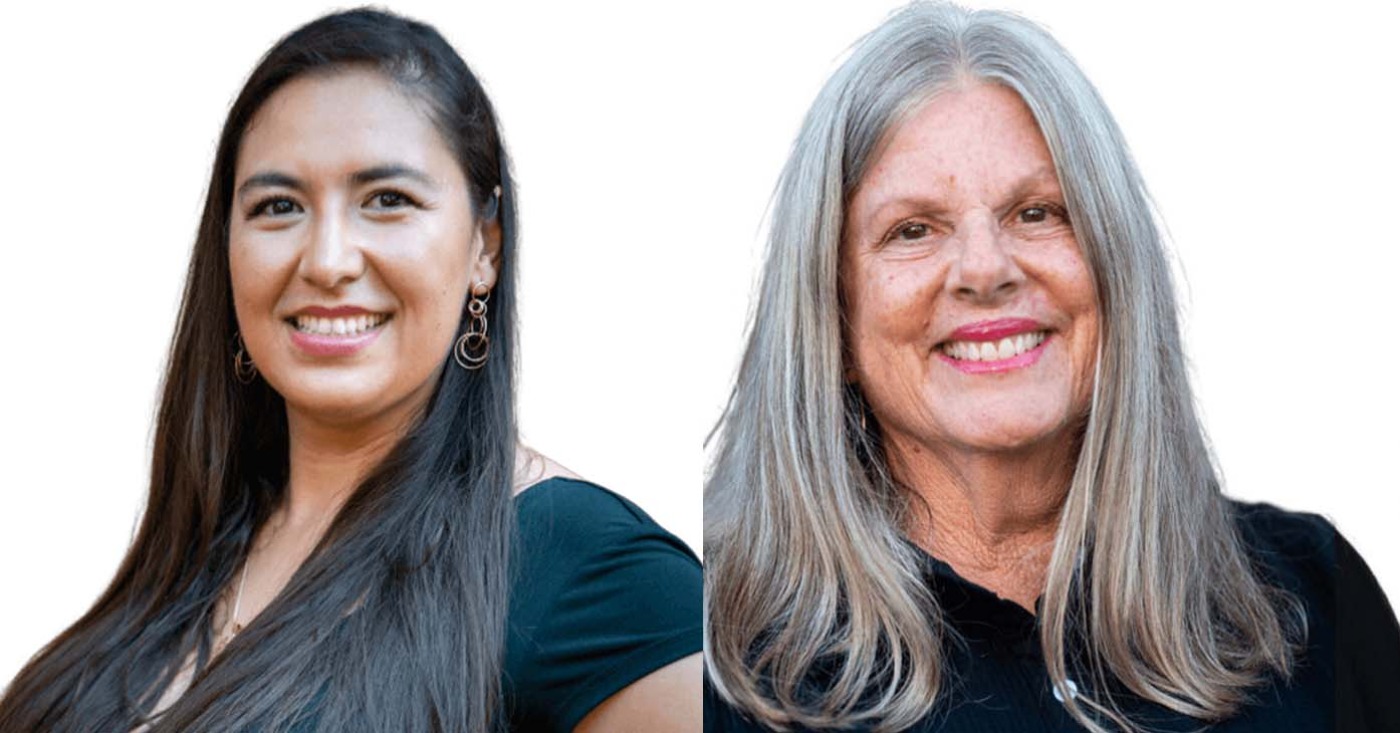
Dr. Kitty Kelly is a Professor of Education and Urban Studies. Dr. Kimberly Mayfield is Dean at Kalmanovitz School of Education, Saint Mary’s College of California.
Art
OP-ED: Is Creativity a Superpower in Early Education?
BLACKPRESSUSA NEWSWIRE — “This is not anything new, knowing that play is so critical to children, whether it’s dramatic play, building play, creative arts play or physical play,” said Hoisington, a STEM expert who taught preschool for decades. “But as soon as they hit kindergarten and first grade, there’s this dichotomy that sets in. Play is something you get to do after you do the learning when, in fact, we know that play is an incredible vehicle for learning.”
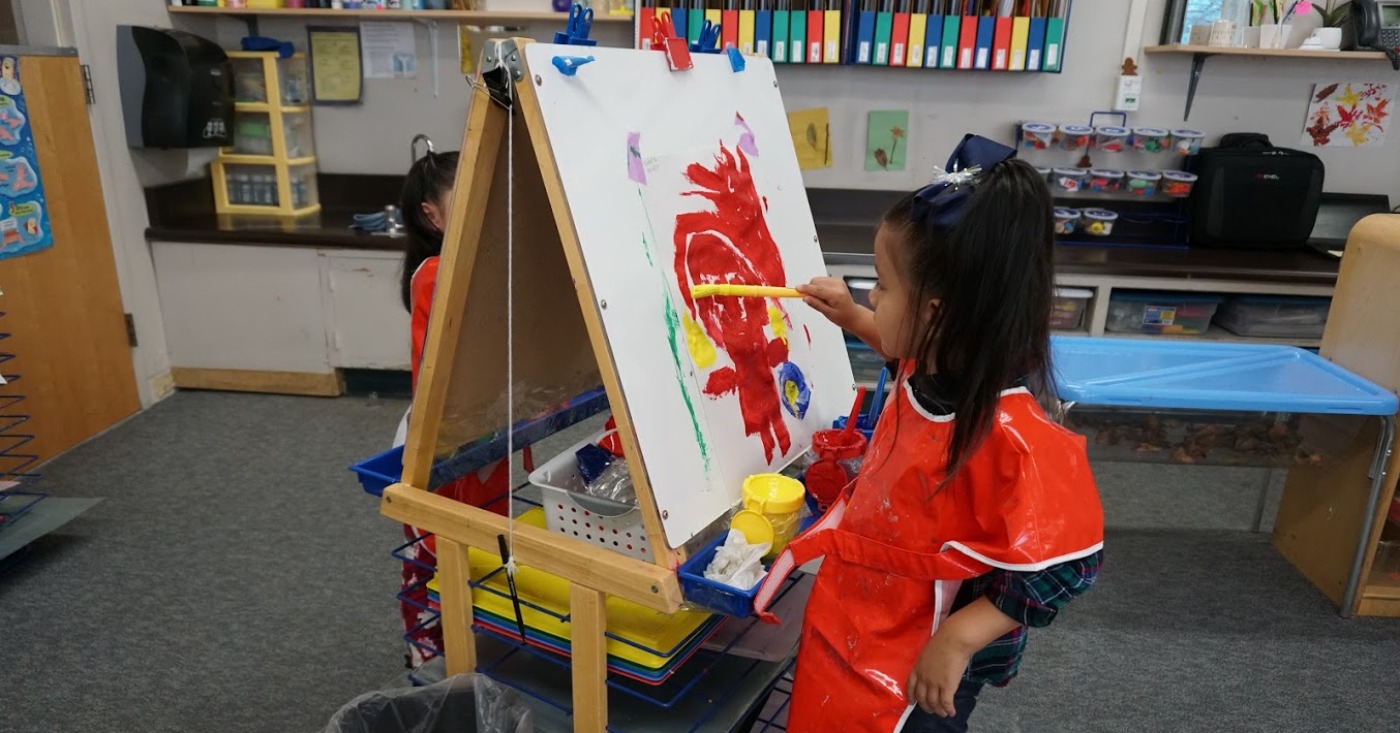
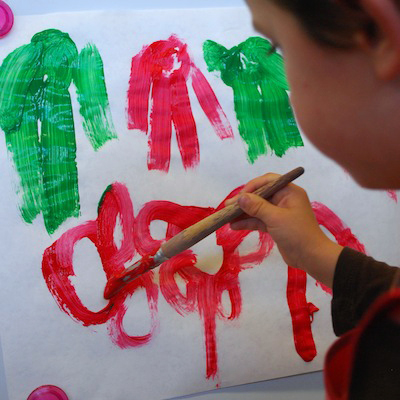
Singing the ABC song. Learning the days of the week from a nursery rhyme. Making a finger-painted collage of little handprints.
Arts education has always been center stage in early education because little children are naturally creative, filled with wonder and the burning desire to express themselves. Arts and crafts not only help nurture a child’s natural imagination, they also boost small motor skills, sharpen hand-eye coordination and feed the insatiable need to play.
“Children don’t just play, they learn fundamental skills through play,” said Daniel Mendoza, a California visual artist and specialist in early childhood education art practices. “Children are in a creative mindset all the time.”
While this may well be as true for teenagers as it is for toddlers, there is far more time and space allotted for playfulness in the early grades, when the crucial role of play in particular and creativity in general has long been a matter of common sense.
“Really, I’m just a common-sense professor, and somehow it became rogue,” said Kathryn Hirsh-Pasek, a professor of psychology at Temple University and an expert in the key role of play in learning. “What if we taught children the way we know the brain learns?”
Bringing joy back into the classroom is also what motivates Cindy Hoisington, an early childhood expert who specializes in reaching out to children from historically marginalized communities at the Education Development Center (EDC), a national education nonprofit.
“This is not anything new, knowing that play is so critical to children, whether it’s dramatic play, building play, creative arts play or physical play,” said Hoisington, a STEM expert who taught preschool for decades. “But as soon as they hit kindergarten and first grade, there’s this dichotomy that sets in. Play is something you get to do after you do the learning when, in fact, we know that play is an incredible vehicle for learning.”
Play, some experts suggest, may be the superpower of the young. A growing body of research suggests that play may even be a way to help close achievement gaps. One report, analyzing 26 studies from 18 countries, found that in communities from Rwanda to Ethiopia, children got higher learning boosts in literacy, motor skills and social-emotional development when attending child care centers that use a mix of instruction and free play as opposed to those focused solely on academics.
“Children are so naturally, intuitively ready with their curiosity, their motivation to explore the world and everything in it, to the point where that’s why the twos are so terrible, because you’re constantly chasing after them,” said Hoisington, who helps evaluate digital media for PBS. “Science, for instance, tends to have a bad rap as this dry body of knowledge that we have to learn, but really it’s a process of exploration that is very much integral with play.”
Tapping into that spirit of discovery with hands-on experiences is often best, experts say. Curiosity burns brightest in the early years, so letting kids loose to investigate the world is part of building a rich, play-based learning environment.
“Where young children are free to investigate by observing, touching and acting on the objects in their world,” said Deborah Stipek, an expert in early childhood at Stanford University. “This is how they learn about the world — for example, that some objects float and some sink. Through their own experimentation and observation, they may even arrive at hypotheses about the qualities that differentiate the two.”
From “The Wheels on the Bus” to “Baby Shark,” kiddos love to sing and love to learn, so why not teach through music? Singing the “Old MacDonald had a Farm” song can be educational, experts say, as well as a ritual for community building. Children can take turns deciding on which animal to pick, which builds vocabulary as well as sharing skills.
“Young children learn best by doing,” said Stipek. “Counting objects is better than counting dots on a worksheet because they can move the objects to help them keep track of how many they have counted. Worksheets are not all bad. They can provide opportunities to practice and consolidate skills. But children don’t develop new skills doing worksheets, and they are typically not nearly as engaging and fun.”
Tracing the alphabet in shaving cream or making tin-foil sculptures may seem like basic exercises, but they often teach sophisticated concepts. Playing make-believe games can teach numerous skills at once. Pretend restaurants need someone to write a menu, calculate a bill and greet diners, fostering literacy, numeracy and special-emotional learning all in one game, Hoisington notes.
Songs are a clever way to remember stuff because they make memorization easy and fun for little ones. Melodies and rhymes make the most of our limited working memory to help children embed basic facts into their long-term memory, bolstering depth of cognition.
“I still sing the ABC song in my head sometimes, if I want to know which letter comes before which letter,” admits Hoisington.
What’s often missed in the discussion of the role of play is that older children also need time for creativity and free play, as well as the arts. While there is much talk about the need to engage students, there is little focus on low-hanging fruit like increasing time for arts, sports and recess. Putting too much emphasis on academic skills in isolation undercuts the love of learning, some warn.
“Kids try to buck it, but certainly by first grade we’ve started to ruin them,” said Hirsh-Pasek. “We pound the curiosity right out of kids.”
Mendoza firmly believes teachers should be guides to adventure instead of taskmasters.
“You don’t have to be a dictator,” as he puts it, “you can be a Sherpa.”
So, why doesn’t the role of play get more respect in education? Why do we emphasize test scores over deep learning?
“We got to this place because people are scared,” said Hirsh-Pasek. “They’re feeling like they’re losing control, and they want to make sure their kid is ahead. We push it younger and younger and younger, and as we do that, we’re creating a situation where our kids are anxious wrecks and the parents are anxious wrecks.”
Some experts suggest that children need more time for play and creativity in the wake of the pandemic, not less. Credit: Lillian Mongeau / EdSource
Too few teachers and parents are aware that play helps build the architecture of the growing brain, experts say.
“Play is not frivolous; it enhances brain structure and function and promotes executive function (i.e., the process of learning, rather than the content), which allow us to pursue goals and ignore distractions,” as an American Academy of Pediatrics report put it. “When play and safe, stable, nurturing relationships are missing in a child’s life, toxic stress can disrupt the development of executive function and the learning of prosocial behavior; in the presence of childhood adversity, play becomes even more important.”
Some experts fear that the laser focus on falling test scores in recent years has led to a decrease in playful learning. They suggest that children need more time for play in the wake of the pandemic, not less. Amid the crisis of chronic absenteeism, engaging students on a compelling level may be more vital than ever.
Creativity is the secret formula, experts say, in a world where machines will always compute faster than humans. Drill and kill won’t help children master high-level intellectual inquiry and conceptual analysis.
“You have to ask yourself, what’s it going to take to outsmart the robots?” as Hirsh-Pasek put it. “We need kids who don’t just memorize and take tests well, which AI will do better than our kids ever will. We need kids to be explorers and problem solvers.”
Black History
COMMENTARY: BIG MAMA SAID: Don’t Throw Away the Gift Just Because It Came Wrapped Wrong
TEXAS METRO NEWS — Journalist and mentor Terry Allen reflects on the profound wisdom of his grandmother, Lucille “Big Mama” Allen, who believed that a person’s mistakes do not represent their total identity. Allen argues that many behavioral issues seen in young men are actually symptoms of undeveloped gifts that have been applied to the wrong environments.
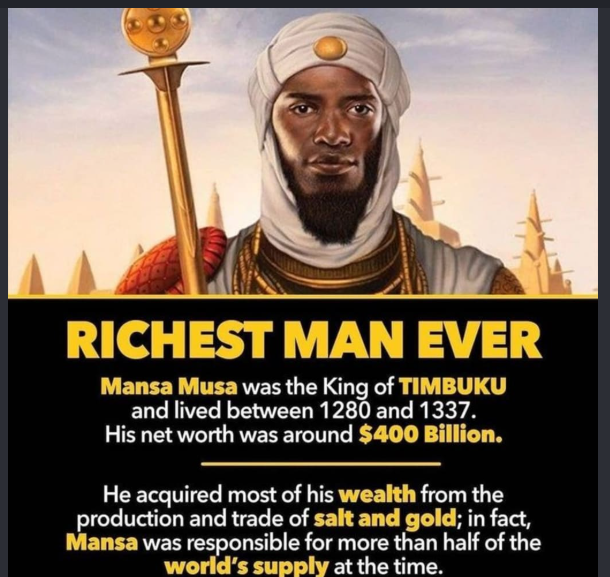
Big Mama had a way of seeing something in you before you could see it in yourself.
My grandmother, Lucille “Big Mama” Allen, came from a generation that believed in correction. I grew up in a household where somebody might tell you, “Go get me a switch.” You knew what that meant.
But age has taught me something: correction without direction can stop behavior, but it doesn’t always develop the person.
Sometimes what we call a young man’s problem is really an undeveloped gift.
ADVERTISEMENT
I learned that through mentoring.
I once worked with a young man who was gambling and running numbers. Now, I wasn’t going to celebrate the behavior. Wrong is wrong. But I also refused to believe his mistakes represented the totality of who he was.
I looked underneath the behavior.
This young brother understood numbers. He understood money, calculation and risk. His gift wasn’t gambling. His gift was his mind. So I introduced him to another image: Mansa Musa, the legendary African ruler whose name became synonymous with extraordinary wealth, commerce and economic power. to The message was simple: You already have something inside you. Now what are you going to do with it? That young man redirected his abilities. What had been operating in the wrong environment found purpose through education, accounting and legitimate business. Today, he has built a leading Bookkeeping firm in California’s East Bay.
That is what mentoring can do. It is also why I created programs like City MenTor and why, for 25 years, City Men Cook has celebrated fathers, mentors and men who show up. Mentoring isn’t creating somebody in our image. It is helping somebody recognize what God already placed inside them. I thnaks GOd for allys ike Pastor Keith Lofton who helpe me keep the programs grunded in Faith.
ADVERTISEMENT
Scripture tells us to “fan into flame the gift of God.” — 2 Timothy 1:6.
Somebody reading this has a gift that survived mistakes, disappointment, rejection, bad decisions and maybe even your own attempts to bury it.
But it survived.Now comes the question Big Mama might ask
Baby, if God restored your gift, who are you using it to restore?
Don’t just celebrate your comeback. Reach back. Find somebody whose gift came wrapped wrong—and help them unwrap it.
ADVERTISEMENT
Big Mama said: Don’t throw away the gift. Redirect it. Develop it. Then give it away.
Terry Allen is an NABJ award-winning Journalist, DEI expert, PR professional, and – Vice President at FocusPR, founder of the charity City Men Cook, and Dallas Chapter President of NBPRS.org
Based on reporting by Texas Metro News.
Black Press
Ancestral Responsibility: Young Native Voters Fight Political Invisibility
NORTH DALLAS GAZETTE — Native American communities are mobilizing ahead of the November election to challenge long-standing systemic barriers and political invisibility. Recent data from the First Nations Development Institute refutes media narratives regarding Native voting patterns, showing that a majority of self-identified Native voters supported Kamala Harris in the 2024 election.
A mobilization is unfolding across tribal nations ahead of the November election. Driven by real data and a rising wave of young organizers, Native American voters are challenging systemic barriers to political power.
For generations, Native Americans have been treated as an invisible constituency in public life. Michael Roberts, president and CEO of the First Nations Development Institute, said that misrepresentations about native voters have clouded media narratives over recent years. Following the 2024 presidential election, relying on flawed national exit poll data, media placed some blame on Native Americans for the political shift.
“So while the media was trying to find a brown boogeyman on why Mr. Trump was in office … we had real data to show just the opposite,” noted Roberts.
A First Nations sample of 500 to 1,000 self-identified native voters revealed that 57 percent voted for Kamala Harris.
Roberts said the data showed attitudes reflective of the general public. Native voters are deeply concerned with inflation, the economy, affordability, and housing access. Yet they are also uniquely driven by tribal sovereignty, native languages, and cultural traditions. These cultural issues often drive them to the polls more than everyday pocketbook concerns.
Politically, Native Americans are not a monolith. With 475 tribes spread across 38 states and territories, traditional party lines are difficult to find. Roberts noted that analysts cannot view native voters through a simple black-and-white, Republican-or-Democrat lens.
Despite their potential to swing critical regions like Michigan and Alaska, native communities are largely ignored by major campaigns. First Nations data indicates that 50 percent or more of native voters have never been contacted by election campaigns. And nonprofit groups representing these communities remain severely underfunded.
Systemic barriers compound the neglect. Melissa Rogers, a professor of politics and policy at Claremont Graduate University, said upwards of 50 percent of native populations live within 20 miles of tribal homelands, debunking the myth of a sharp urban-rural Indian divide. Yet sadly, voting costs and distance barriers remain high on tribal lands.
Many reservations are so rural that residents must travel to distant county seats to collect mail or to register and vote. In Nevada, Duck Valley Reservation residents historically faced a 100-mile one-way drive to the Elko County seat just to cast a ballot or register in person.
Rogers noted that academic research shows tribal voting surges when registration and polling places are established directly on tribal lands.
Alternative options like mail-in voting face severe trust issues due to recent political attacks. Additionally, strict voter identification laws disproportionately disenfranchise native voters who often lack traditional physical addresses or state driver’s licenses.
In North Dakota, where the native vote is vital to a current Senate race, the state abruptly disallowed non-traditional addresses and post office boxes. Rogers warned that restrictive ballot deadlines, such as Arizona’s requirement that ballots arrive by election night, threaten to disenfranchise voters on the Navajo Nation due to slow rural mail delivery.
A historical skepticism remains, tied to past trauma. Rogers said federal government workers knocking on doors historically meant taking children, land, and resources from native households. The distrust extends to the census, which has long undercounted reservation populations.
A new crisis unfolds as federal proposals threaten to eliminate the American Indian and Alaska Native racial designations from official counts. Policy and funding decisions rely on these figures. Rogers warned that excluding native counts would devastate federal tribes.
In response, Native Organizers Alliance Executive Director Judith LeBlanc, a citizen of the Caddo Tribe of Oklahoma, said a national survey of 16,000 native people showed a fierce commitment to cultural continuity and essential human services.
When Congress pushed to try to make Big Cyprus into a wilderness area, which would have destroyed 11 traditional villages, burial grounds and medicine collection areas, her organization stood up for the rights of natives.
They also stood up for the rights of nature, and with the help of environmental groups, were able to document and mitigate the damage done by Alligator Alcatraz.
The organization’s surveys are fueling a new urgency among young voters. In Maine, Sage Phillips, co-coordinator of the Wabanaki Policy Youth Initiative, is leading youth to register voters, educate elders, and lobby the state house.
Wabanaki youth are pressuring candidates in gubernatorial, congressional, and local races to amend the 1980 Maine Indian Land Claims Settlement Act, which currently blocks local tribes from accessing beneficial federal laws.
Activists say the movement is about fulfilling an ancestral responsibility to protect sovereignty, lands, and future generations. But, the final hurdle rests on the integrity of the polling places themselves.
Over the last decade, targeted attacks on the voting system have made access significantly harder, Rogers said.
For information regarding local polling place availability, hours of operation, and rules ensuring a secure voting environment, citizens should check with official county election authorities and state election boards.
Ensuring that future elections remain open, equitable, and free of intimidation is critical for all citizens—especially American Indian voters.
The post Ancestral Responsibility: Young Native Voters Fight Political Invisibility appeared first on North Dallas Gazette.
Based on reporting by North Dallas Gazette.
Art
Kickstarter CEO Everette Taylor Shares Tips on Creating and Growing a Business
HOWARD UNIVERSITY NEWS SERVICE — Everette Taylor, the CEO of the global crowdfunding platform Kickstarter, recently visited Howard University to serve as the inaugural guest for the Cathy Hughes School of Communications’ new speaker series. Addressing students at the Founders Library, Taylor emphasized that the future of business belongs to those who are bold enough to take risks.
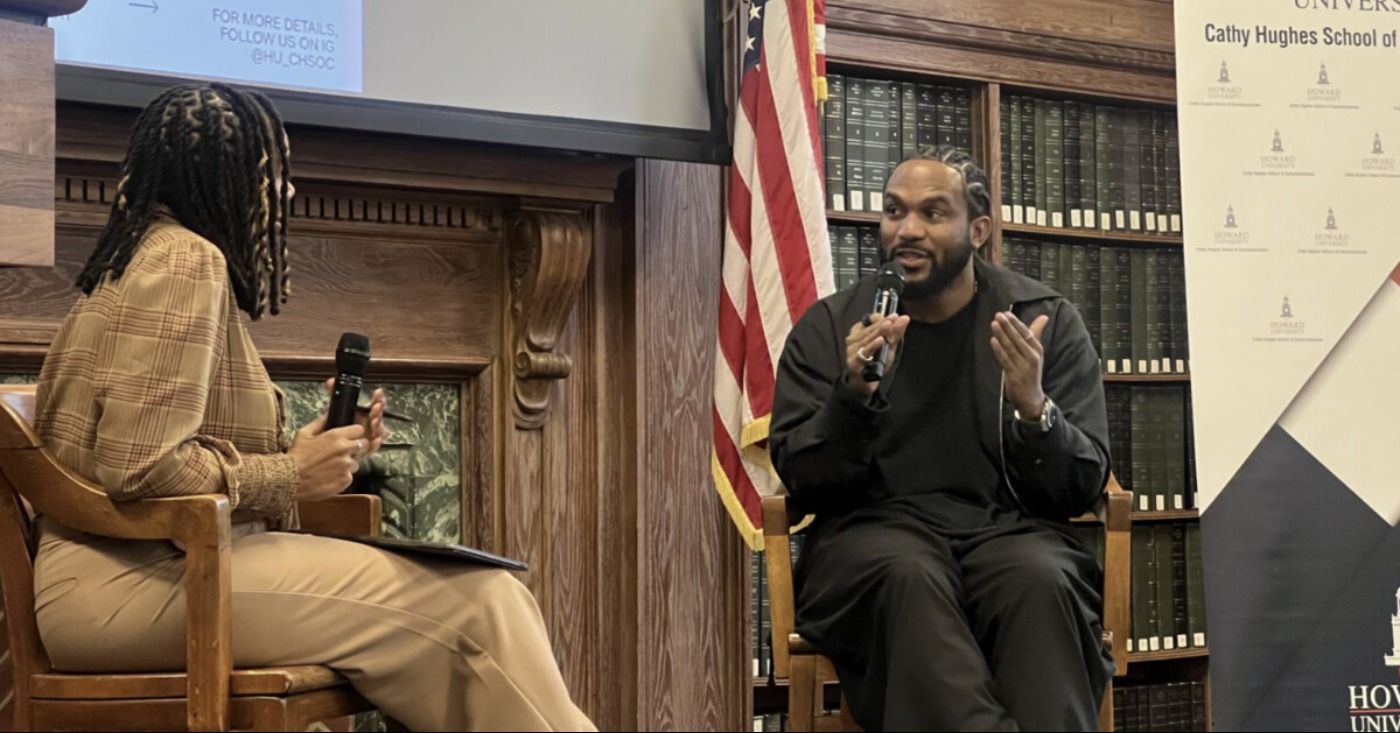
WASHINGTON (HUNS) — “The future belongs to creators who are bold,” Everette Taylor, CEO of crowdfunding platform Kickstarter, told students at Howard University during a recent visit.
As Taylor discussed his journey, he tested the boldness of students by inviting them to share their ideas during an impromptu pitch session at the Cathy Hughes School of Communications’ new speaker series in the Browsing Room of Founders Library. The inaugural speaker then shocked one group of students by pledging to invest in their thesis film, paying forward the opportunities that have lifted him as he struggled to pursue his dreams.
Taylor grew up in a low-income neighborhood in Richmond, Virginia, where he frequently encountered gang violence and drug dealing amid periods of homelessness.
Not feeling as if he conformed to conventional ideas of success, he eventually found inspiration in Jay-Z who balanced being an artist and an entrepreneur. Similarly, Taylor carved his own route, launching and growing various businesses.
He gained enough recognition to land on the 2018 Forbes’ 30 Under 30 list in marketing and advertising. In 2022, Forbes also named him as one of the top 50 most entrepreneurial CMOs when he was chief marketing officer of Artsy, an online art gallery and marketplace. That same year he took over Kickstarter, and the company reported a year-over-year revenue increase of 50% in the first quarter of 2026.
Taylor encouraged the audience through his story, but he also gave practical advice to help students who share his zeal to create and grow their business.
He explained that his mentor, Artsy CEO Mike Steib, helped him make the transition from being a CMO to becoming CEO at Kickstarter.
“These opportunities I don’t take for granted,” Taylor said, adding that Steib was “the first leader I had to take me under his wing.”
When he began his position at Kickstarter, Taylor said, “I had zero imposter syndrome, because I felt like I was ready for it, and it was because this person invested in me over the past few years.”
“A lot of my journey was me just hustling and being bold enough to ask for what I want, but I also need people to give me an opportunity.”
This idea of giving people opportunity impacts his business philosophy, as Taylor estimates that the number of African American employees grew exponentially since he’s been in leadership.
“Kickstarter was I think less than 2% Black, and at our peak I had gotten it to 20-something percent Black,” Taylor said.
Even then, Taylor also saw a need for representing other perspectives. “We still serve people globally, so we need people from different countries and cultures,” he said. “If you’re building a global company, it’s important to build a diverse base of people.”
“I always want to impact more lives, and that always leads to more results.”
Everette Taylor, CEO of Kickstarter
With the success Taylor had after becoming CEO of Kickstarter, he also found a need to prioritize his health.
“This is the first year that I’ve started the year with zero business goals,” he said. “For the first time, my goals have been centered around my health.”
He cites the illness of a friend who appeared to be healthy. Seeing his friend, who is also a successful entrepreneur, endure illness pushed him to prioritize his health.
“Business, I can do that in my sleep, but for me right now I’m so much more focused on setting goals for myself, and I know that’s going to impact the work that I do by feeling healthier and being a better version of myself.”
Samantha Housen, a sophomore public relations major and interior design minor from Harlem, attended the event to gain knowledge to grow her non-profit and for-profit businesses.
“I’m here because I want to explore more of the details of entrepreneurship from an actual professional,” Housen said, and to “see how his mindset could help me in my entrepreneurship.”
“My biggest takeaway is that I’m bold, and it’s OK to be bold,” she said. “I very much have the authority to do whatever I seek to do.”
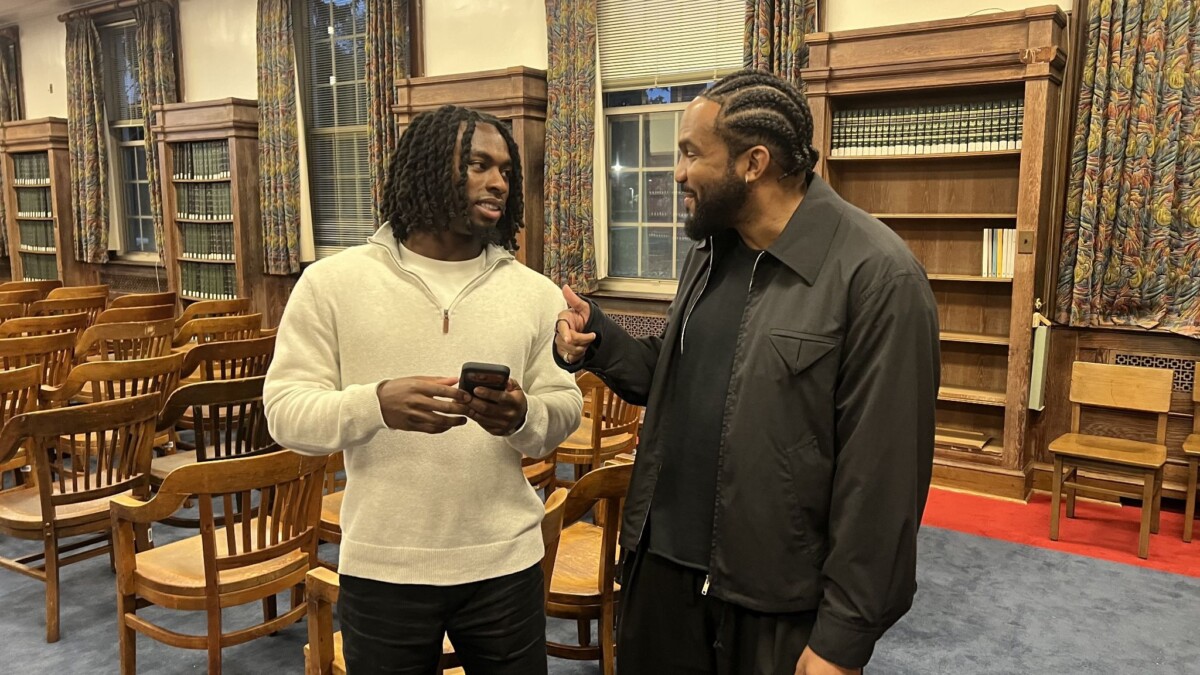
Kimberly Moffitt, Ph.D., dean of the Cathy Hughes School of Communications and host of the event, said she was excited about the speaker series.
“It’s because of students,” Moffitt said. “They felt like they weren’t hearing enough from people who are already post-graduation and successful. They wanted to hear those voices. So, this is an opportunity for me to bring folks to campus so they could reach out, talk and interact with folks that they aspire to be like or will be inspired by.”
Moffitt was excited for students to see someone who looked like them and carried themselves authentically in a position of high acclaim.
“He is showing you a different path, and letting you know that it’s OK to be who you are and show up in that space and not have to apologize,” Moffitt said of Taylor.
Moffitt also wants to encourage students to make the most of the speaker series. She gives details on upcoming speakers and the importance of hearing these people tell their stories.
“Those of you who want to be in TV and film, those jobs are different now,” she said. “You have to hustle in a different way.”
“I need our students to think about entrepreneurship in all that they do,” Moffitt added. “I want students to leave with that so that they have it in their back pocket should they need to draw on it.”
After the event. Taylor explained why boldness is essential to his success at Kickstarter.
“It’s for the grind and the ambition — not settling for status quo and mediocrity, and really going for it,” he said. “I always want to impact more lives, and that always leads to more results.”
Solomon Goins is a reporter for HUNewsService.com.
Based on reporting by Howard University News Service.


Test Subaru’s 11.6-Inch Screen in REAL Daylight #shorts

EV Range Anxiety? Your Daily Commute Needs Just One Overnight Charge #shorts

Headline: FAMU Homecoming Injuries, Discarded Ballots & Rising Holiday Costs 📱

Headline: FAMU Homecoming Injuries, Discarded Ballots & Rising Holiday Costs

OTR @ Par 365

OTR w LeBrent Speed

OTR w Terresa Moses @ Black Garnett Books

Stay Focused: Make Your Vote Count This Election

Confused by Your Ballot? Joy Reid’s Tips for Houston Voters

Confused by Your Ballot? Joy Reid’s Tips for Houston Voters

OP-ED: Haiti TPS: Have We Lost Sense of Humanity?

Remembering Chauncey Bailey as Student Journalists Face Threats to Truth-Telling

All Skinfolk Ain’t Kinfolk

Poll: Becerra Widens His Lead Over Hilton; Californians Split on Wealth Tax

Rulings Leave Questions Lingering in Nolan Wells Case

Latinas Deserve Equal Pay. Unions Help Make It Happen.

Zakiya Jendayi Arrested, Locked Out of Home by Sheriff’s Deputies

Why Black Artists Struggle to Sell Tours

COMMENTARY: The Audacity of Joyce Beatty

A $2.1 Trillion Wellness Industry Never Built a Daily Practice for Black Children. So This Atlanta Family Did.
Test Subaru’s 11.6-Inch Screen in REAL Daylight #shorts
EV Range Anxiety? Your Daily Commute Needs Just One Overnight Charge #shorts
Headline: FAMU Homecoming Injuries, Discarded Ballots & Rising Holiday Costs 📱
Headline: FAMU Homecoming Injuries, Discarded Ballots & Rising Holiday Costs
OTR @ Par 365
OTR w LeBrent Speed
OTR w Terresa Moses @ Black Garnett Books
Stay Focused: Make Your Vote Count This Election
Confused by Your Ballot? Joy Reid’s Tips for Houston Voters
Confused by Your Ballot? Joy Reid’s Tips for Houston Voters
-

 Black History1 week ago
OP-ED: The Black Church Writes AI’s Next Chapter
-
 Featured6 days ago
Tamiko Armstead | 2026 Lifetime Achiever in Education
-
 Black History1 week ago
Practitioners of African Traditional Spirituality Offer Ancestral Reverence Ritual Oct. 31
-
 Art1 week ago
Kickstarter CEO Everette Taylor Shares Tips on Creating and Growing a Business
-

 Black History1 week ago
Columbus’s Oldest Businesses Still Open: 10 That Have Lasted 75+ Years
-

 Black History1 week ago
Federal Agents Search Ilhan Omar’s Home Just 22 Days Before Election
