
Health
Concussions: A Greater Problem for Black Youth



Dr. Gary Harris hopes to improve the way the Howard University Bison football team combats concussion, using this “Lilypad” Arduino chip to measure impact during games. (Photo courtesy of Howard University)
By Jazelle Hunt
Washington Correspondent
WASHINGTON (NNPA) – Despite the flurry of news about NFL lawsuits over concussions, the problem affects far more athletes at the high school and junior high school level, according to the federal government statistics.
In 2009 alone, nearly 250,000 youth age 19 or younger were treated in emergency rooms for sports and recreation-related injuries that included concussions, according to the Centers for Disease Control and Prevention. Between 2001 and 2009, the rate of such visits rose 57 percent.
Concussions occur when the brain is shaken violently against the skull. Although concussions are the most common brain injury, widespread awareness and concern about this issue in the world of student athletics is fairly recent.
But it is especially relevant for Black communities, particularly young men most likely to die from traumatic brain injuries, according to the CDC. And according to data from research nonprofit, Child Trends, 50 to 60 percent of Black American high schoolers were on a sports team in 2011.
In severe or untreated cases, they can cause brain damage, seizures, emotional distress, and death—in fact the CDC estimates that 5.3 million U.S. citizens are living with disability as a result of a traumatic brain injury (or TBI, an umbrella term that includes concussions).
“From an athletic trainer perspective concussions have always been a big concern. Coaches seemed to think that injuries increased because [athletic trainers] were there, but really it’s that awareness is increased,” says Jennifer Rheeling, a veteran athletic trainer in D.C. Public Schools and chair of the Sports Medicine Advisory Committee for the D.C. State Athletic Association.
“In the last five years particularly with the NFL starting to talk about it, and the lawsuits, has helped immensely now that people get it on a mainstream level. What they thought was just getting their bell rung was really a concussion.”
On the most diligent and well-resourced student teams, players take baseline tests—a battery of motor skill drills and survey questions to record their individual peak cognitive health—and have athletic trainers who check for signs of decline. If a concussion is suspected, a player does another test to compare those results to his or her baseline. The ImPACT Concussion Management program is currently the program of record for these tests among school athletic programs.
But according to Dr. Vernon Williams, neurologist and medical director of the Sports Concussion Institute, a lack of access to care compounds the (now fading) problem of awareness. ImPACT, for example, costs a minimum of $400 per year for 100 baseline tests and 15 post-injury tests for one school. Meanwhile, many schools and school districts, largely populated by Black and brown children, routinely have to make cuts to balance their budget.
“We have coaches who understand the need, but they have different resources. For example, we know baseline testing for people in contact collision sports can help evaluate when people get injured,” Dr. Williams explains. “But it’s uncommon for people to have access to state-of-the-art baseline testing. Players, school systems, and parents don’t have access to those funds. But we can still implement treatment using creative measures.”
Currently, Dr. Gary Harris, who specializes in computer engineering and serves as associate provost for Research and Graduate Studies at Howard University, is working with engineering students and the Bison football team to devise an inexpensive concussion monitoring system, using an open source platform.
(“Open source” is a tech industry term that means the equipment and information to create this system is public as opposed to proprietary, so as to encourage others to innovate and improve on the idea).
The project uses a computer chip attached inside the helmet that measures impact up to 100 gs of force. For reference: a sneeze is about 2 or 3 gs of force on the human body; an F-16 fighter jet barrel roll exerts 7 to 9 gs; a car crash at 45 mph is about 60 gs. Concussions usually happen with collisions between 80 and 120 gs.
The chip records the force of impact for every collision—it can be programed to transmit this information wirelessly, say, to a cell phone app. Or, it can be downloaded from the helmet using a USB cable. It can also be programed to send an alert when a hit exceeds a certain threshold.
“You can have an entire team’s list where you know all their shock, trauma, and incidents on file,” says Dr. Harris. “We still don’t know the threshold of force for brain damage, we don’t know how many hits it takes, but the first thing we have to do is collect the data.”
Each of these chips costs approximately $30.
Technology is also being used to improve care and outcomes the aftermath of serious concussion cases. Interactive Metronome, a health tech company that creates neurological research-based brain training programs and activities, is one example. The activities are designed around “brain timing”—the ability to clap to a beat, for example. As users play games and do activities that test their reaction time, those brain cell connections are repaired and strengthened. Originally (and primarily) used to improve motor skills and cognitive function in children with ADD/ADHD, the program is beginning to see success with TBI rehabilitation.
“We fit into concussions in a new way, which is helping out when those [post-concussion] symptoms don’t dissipate,” says Nick Etten, vice president of Strategy and Business Development at Interactive Metronome. “There’s a lot of emphasis on technology these days—it’s really important in the world of concussions and cognitive rehab. We’re starting to understand that there was a big void in information.”
Technology has helped improve identifying and treating concussions; on the prevention front, sports health care professionals now have the backing of the law. In all 50 states, a student athlete must be immediately removed from play if a concussion is suspected, and cannot return to practice or play without medical clearance. Some states also mandate that a student must remain free of symptoms or remain on the injured list for a set period of time, even if they gain medical clearance immediately.
But there are still holes in preventing these injuries.
“There’s clearly benefits to legislation in terms of drawing attention to the issue of concussions and having some foundation across the board with how they should be managed,” says Dr. Williams. “I think there are some variables…related to who should be allowed to clear players.”
He and Rheeling have both seen athletes on under-resourced teams get clearance from an emergency room resident, for example, in contrast with athletes who take a concussion test against their baseline with their team’s athletic trainer. They’ve also seen instances of students underreporting their symptoms, coaches resisting care recommendations, and parents being lax in monitoring their child’s rest after a concussion.
Emerging laws are attempting to add another layer of protection by regulating the number of weekly practices involving rough contact drills, thus reducing exposure to collisions and risk of concussion. Trainers, coaches, parents, and athletes can also receive guidance through resources such as the American Academy of Neurology online Sports Concussion Toolkit, and organizations such as the Sports Legacy Network.
“We’re at the end of the beginning as relates to concussion management. We’re learning more every day and the process will continue to evolve,” says Dr. Williams. “We’re out of the phase of explaining what a concussion is, identifying symptoms…. It’s no longer an unrecognized epidemic, we’re aware of the issues and that [a concussion] has to be managed effectively.”
###





Black Press
Lawmakers Back Push Against Military Sexual Assault
CHICAGO CRUSADER — Illinois lawmakers and Cook County officials are pledging support for a Chicago-area veterans advocate seeking stronger protections for service members who experience sexual assault. State Rep. La Shawn K.
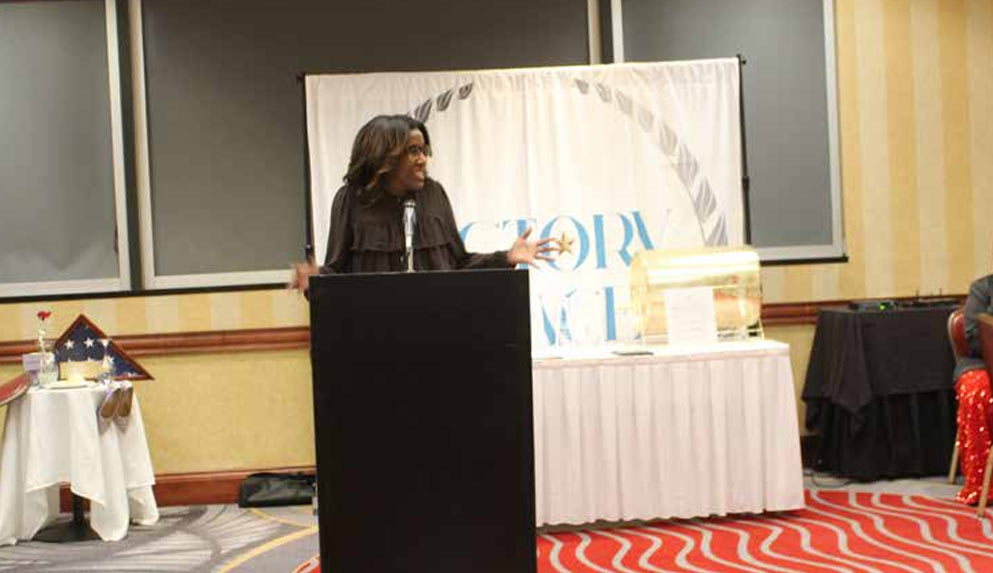
Illinois lawmakers are pledging support for a Chicago-area veterans advocate seeking stronger protections and accountability for service members who experience sexual assault, as new Pentagon data shows declines in estimated assaults but advocates warn that fear of reporting remains a serious concern.
State Rep. La Shawn K. Ford (D-8th), U.S. Reps. Danny K. Davis (D-7th) and Jonathan Jackson (D-1st), and Cook County Commissioner Donna Miller (6th) have expressed support for Dr. Renee Dickerson, an Air Force veteran, sexual assault survivor and founder and CEO of Victory Place, NFP.
Dickerson is a co-national organizer of the Million Women Veterans March on Washington, which she said is scheduled for October 27, 2027. The effort, known as “Dishonored Valor,” is being organized by National Women Veterans United, the International Association of Military Women of Color and Victory Place. Its policy priorities include military sexual trauma prevention, justice and accountability, mental health care, housing, economic equity and institutional transparency.
Ford and Miller were among veterans and supporters who attended a recent Victory Place fundraiser at the DoubleTree by Hilton in Alsip. Miller, whose father served in Vietnam, chairs the Cook County Board’s Veterans Committee.
“Sexual assault in the military is not a problem of the past. It is still happening to women and men who volunteered to serve our country,” Ford said. “Too many survivors carry that trauma home with them without the care and justice they deserve.”
Ford said he plans to help convene veterans, behavioral health professionals, educators and community partners in Illinois before the Washington march to identify state policies that could complement federal reforms.
“Those who served deserve to be safe while serving and supported when they come home,” Ford said.
Davis said he is committed to working with Dickerson’s group. He also urged voters concerned about federal policy to participate in the November 3 election.
“If people want change in this country, if they want progressive thought and progressive ideas to be actualized, then every chance that they get to put the more progressive people in decision-making places, that is the most effective way to do it,” Davis said.
Dickerson’s campaign comes as the military continues to confront sexual assault and questions about whether survivors trust the reporting system.
The Pentagon’s Fiscal Year 2025 Annual Report on Sexual Assault in the Military estimated that 20,492 active-duty service members experienced unwanted sexual contact, down from 29,061 in fiscal 2023. The estimated rate among active-duty women fell from 6.8% to 4.3%, while the rate among men declined from 1.3% to 1.0%. The Pentagon also estimated that 33% of affected service members reported an assault to military authorities, up from 25% in 2023.
Protect Our Defenders, a national advocacy organization focused on military sexual assault and harassment, cautioned that the lower estimates should not end scrutiny of the system. The organization said it continues to hear concerns from service members about fear of reporting and access to survivor protections and has criticized changes to prevention and response programs.
One case cited by the organization involves Army Maj. Blaine McGraw, an obstetrician-gynecologist facing a general court-martial at Fort Hood, Texas. According to the Army, McGraw pleaded not guilty in August to nine charges encompassing 272 specifications involving 93 alleged victims. The allegations include sexual assault and abusive sexual contact, indecent recording, assault consummated by battery and other offenses. He is presumed innocent unless proven guilty. His trial is scheduled to begin March 30, 2027.
Dickerson said her advocacy is rooted in her own experience with military sexual trauma. She said the superior who raped her was never charged, an experience that has fueled her work with veterans and their families dealing with trauma.
Through Victory Place and the Million Women Veterans March, Dickerson said she intends to press for policy changes and greater accountability for survivors who believe military systems failed them.
“I am proud to stand with Dr. Dickerson and the Million Women Veterans March,” Ford said.
Based on reporting by Chicago Crusader.
Black Press
Message from the Associate Editor: Blindness, Hurts, Cops
HOUSTON DEFENDER — Reports regarding Philadelphia Eagles quarterback Jalen Hurts have raised serious concerns about the treatment of Black athletes after it was revealed he played through a medical emergency. According to team reports, Hurts was hospitalized until 4 a.m. with a blood clot prior to a Week 5 game in London, yet he was allowed to play the entire game and endure international flights.

The Jalen Hurts saga hurts
The disturbing reports surrounding Philadelphia Eagles quarterback, Houston-born Jalen Hurts, raise a troubling question: How much is a Black athlete’s life worth when winning is on the line? According to reports, the Eagles knew Hurts had a blood clot after he was hospitalized until 4 a.m. before the team’s Week 5 game against Jacksonville in London. Nevertheless, he played the entire game and endured international flights before doctors discovered the clot had progressed to deep vein thrombosis and bilateral pulmonary emboli. He was placed on blood thinners and injured reserve (out for the season). Sports medicine physician Jesse Morse warned that migrating clots could cause a fatal pulmonary blockage, heart attack, or stroke. Pulmonologist Matthew Gordon acknowledged that blood clots can be catastrophic or fatal. Beyond the medical questions, this episode reflects a disturbing American tradition: Treating Black bodies as expendable commodities. From slavery to exploitative labor practices and generations of dangerous sports, Black people have repeatedly been expected to sacrifice their well-being for others’ profits. The NFL’s predominantly Black workforce is literally “fieldhands” making their wealthy “owners” wealthier, giving serious plantation vibes. What’s crazy is, Hurts could have died. And if he had, the Eagles would have simply put another Black body to work and kept it moving.
Blind by choice
Recently, a Black woman conservative social media influencer was physically removed from a Ken Paxton voter event. And as she fought back tears, after being “dog-walked” out of the building, she kept asking, “Why?” She told her followers that she has been a faithful supporter of Donald Trump and the entire Republican ticket. She said she not only voted for Trump and crew, but also organized and volunteered for them on various campaigns. Before she got to the event, she went live on social media, bubbling with excitement about supporting Paxton, which is crazy, because no one is excited about supporting Paxton. But her MAGA-fest was abruptly ended as her live-stream followers saw her suddenly teary-eyed, being led out of the event space. “And there’s no one I can talk to about this,” she asked her exit escort, dumbfounded. She then shared with her MAGA followers, “Someone just came up to me and said Ken Paxton’s campaign manager wanted me to leave… I drove two hours to get here, and I have done nothing but support everyone on the Republican side. And this is how I get treated? I cannot believe the disrespect that I was just given.” Blackfolk in the comments section couldn’t believe that soul sister couldn’t understand what was happening. But you, if she’s been willing to play blind and support one of the most anti-Black regimes in history, and organize for a party that has gone out of its way to disrespect every ounce of Black existence, then I can understand why she couldn’t see their disrespect of her Blackness. But since she’s already given her soul to anti-Blackness, you best believe she’s still voting for Paxton. In fact, she literally said so.
Mecklenburg racist police competitions
It’s old news by now that several Charlotte-Mecklenburg cops sent text messages to each other, degrading Black people with the N-word and racist jokes, celebrating their open competition to see which racist-ass officer could pull over, harass, and even inflict the most bodily harm on Black motorists. Their Klan-ish fun and games had zero to do with Black people breaking the law. It was just white cops making a sport out of terrorizing Black people, using the authority of the state and their literal license to kill to torture Black people emotionally and physically. And they used Flock cameras to help them with their fun and games. But what’s older news is the fact that these are the very actions Blackfolk have been pointing out from cops for centuries. These six cops got caught via text messages. But police in every city and state routinely take this same approach to law enforcement.
Based on reporting by Houston Defender.
Black Press
A Legacy of Service, a Future of Hope: North Carolina Juvenile Services Association Commemorates 60 Years of Empowering Youth
THE CAROLINIAN — The North Carolina Juvenile Services Association (NCJSA) recently celebrated its 60th anniversary at a diamond anniversary conference in Greensboro, marking six decades of transformation in the state’s approach to youth justice. Founded in 1966, the organization was established by dedicated practitioners who sought to move juvenile rehabilitation away from the adult correction system.
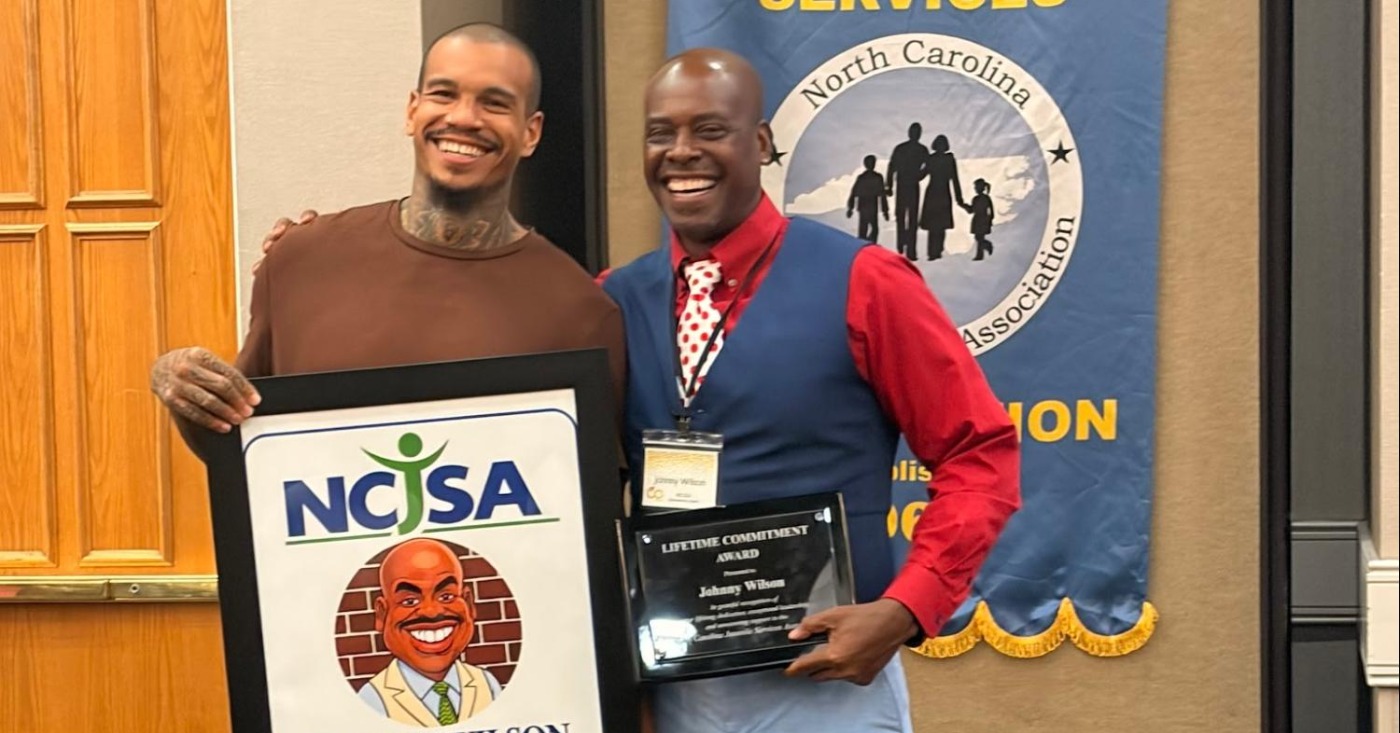
Greensboro, NC — When the North Carolina Juvenile Services Association (NCJSA) first organized in 1966, juvenile rehabilitation was largely indistinguishable from adult correction. Young offenders were often held in adult facilities, supervised by adult parole officers, and met with rigid punitive measures rather than developmental care. Six decades later, hundreds of frontline practitioners, community advocates, and statewide leaders gathered at the Embassy Suites in Greensboro from October 14–16, 2026, to celebrate sixty years of groundbreaking advocacy, service, and youth empowerment under the banner: “A Legacy of Service, A Future of Hope.”
The three-day diamond anniversary conference reflected both the historic evolution of juvenile justice across North Carolina and the urgent, modern challenges we face today. From youth mental health and social media exploitation to adult court transfer laws and systemic racial disparities, this important conference created a safe space for essential conversations.
Opening the historical retrospective, longtime leaders Pamela Stokes, Eastern Area Manager for the N.C. Department of Public Safety (NCDPS) Division of Juvenile Justice and Delinquency Prevention (DJJDP), and Johnny Wilson, President and CEO of Fayetteville Urban Ministry, walked attendees through the timeline of change.
Stokes detailed how juvenile justice advocates broke away from the adult probation system in 1966 to build specialized juvenile training, establish community youth homes, and eliminate the warehouse penal approach for minors. By 1997, NCJSA formally received its 501(c)(3) nonprofit status, continually expanding its network from court counselors to include clinicians, educators, and grassroots diversion specialists. “Rather than a single founding figure, the NCJSA was a group of dedicated people who collectively formed together to ask: What are we going to do to help our children?” Stokes noted, emphasizing that early pioneers recognized children needed rehabilitation, family support, and genuine guidance rather than adult incarceration.
The dialogue throughout the opening sessions remained uncompromisingly honest. Johnny Wilson challenged the room to recognize that what society often labels as “badness” in a child is frequently untreated trauma. Wilson, drawing on decades of community intervention, urged attendees to confront the blind spots in youth service, “Who is mentoring your child when the adults aren’t looking? Mentorship is repetition and consistent relationship. When one child is impacted by the justice system, the entire family is impacted. We have to be the voice for the voiceless and hope for the hopeless.”
Wilson pointed out that while nearly two-thirds of high school students report having an adult at school they can talk to, too many youth still feel unsafe at home and in their communities, leading them toward risky street influences and firearm possession as a misguided shield. He stressed that authentic diversion must bridge safety, accountability, and development before a child ever reaches a courtroom desk.
This protective sentiment was further echoed in a critical digital safety session on internet crimes against children. Law enforcement presenters highlighted the explosion of digital exploitation, online grooming, extortion, and non-consensual artificial intelligence imagery targeting minors, noting a 1,000% statewide increase in related investigations since 2019. Law enforcement and child protection experts urged workers to act swiftly in preserving evidence, report via the National Center for Missing & Exploited Children via MissingKids.org, CyberTipline, and the SBI, and remember above all else: “The child is the victim, not the offender.”
Another powerful keynote on policy and data briefing by Deputy Secretary William “Billy” Lassiter of the NCDPS Division of Juvenile Justice shared vital metrics shaping the state’s current juvenile justice landscape, alongside a recorded welcome address from Governor Josh Stein. Lassiter delivered welcome news: overall juvenile crime complaints across North Carolina experienced a significant decline over the past year—marking nearly 2,000 fewer youth entering the system. However, Lassiter and state analysts pointed to complex systemic dynamics beneath the topline numbers: There has been disproportionate minority contact. Deep racial disparities persist across North Carolina’s system. While African American youth make up approximately 21% of the state’s juvenile population, they accounted for over 21,000 of the complaints filed last year, compared to roughly 8,000 for white youth. Lassiter emphasized that disparities are most severe at the system’s entry and exit points (referrals and secure detention), urging practitioners and lawmakers to directly address these inequities with targeted community resources.
A major concern is the adult transfer burden. Following the implementation of recent statutory changes, including House Bill 834, which directs 16- and 17-year-olds facing Class A through E felonies into adult court, juvenile detention centers are increasingly filled with adult-transferred youth awaiting trial. Lassiter reported that these youths now make up 60% to 70% of daily detention beds, with an average length of stay reaching 276 days, compared to just 25 days for youth under juvenile jurisdiction. Strikingly, approximately 60% of transferred homicide/murder charges against juveniles are eventually dismissed due to accessory or bystander involvement rather than principal culpability.
As we know as a community, there are intensive mental health needs. More than 99% of youth held in Youth Development Centers (YDCs) have at least one mental health diagnosis, averaging nearly five distinct diagnoses per child. In response, NCDPS recently broke ground on a specialized, 10-bed juvenile crisis unit in partnership with New Hope Treatment Centers, set to open on November 1 to provide intensive stabilization and eliminate long, draining emergency room waits.
Finally, Lassiter highlighted North Carolina’s upcoming $451 million settlement from Meta, structured in $45 million annual distributions over nine years, intended to curb screen addiction, fund crisis lines like 988, and expand outdoor and community-based Juvenile Crime Prevention Council (JCPC) programs.
Celebration was central to the diamond anniversary and the overall mood of the conference. Despite such a serious subject matter, there was also a solid focus on fun and celebration. The association paid tribute to its founding and lifetime members, including pioneers like Jane Steinberg, Renee Walker, and Judy Juliet, whose early service paved the path for today’s statewide continuum.
NCJSA presented several prestigious awards. In a special tribute, the NCJSA Board and Fayetteville Urban Ministry surprised Johnny Wilson with lifetime honors for his steadfast leadership, faith-driven advocacy, and deep commitment to North Carolina’s children and families since joining the association in 2006.
The conference closed with a resounding call to sustain both youth and the professionals who care for them. Keynote reflections framed the transition from mere bureaucratic compliance to genuine human connection, urging attendees to practice self-care and mutual support. Using the metaphor of an airplane’s oxygen mask, speakers reminded caseworkers, court counselors, and facility staff not to leave their own oxygen masks on the floor while rushing to save others, “We cannot serve our children and families effectively if we are operating on empty. To reach year 61 and beyond, we must see each other, celebrate our small victories, heal our own spirits, and remember our ‘why.’”
As attendees stood with linked arms across the ballroom, the message of NCJSA’s 60th anniversary was unmistakable: the past six decades prove that prevention, compassion, and community-centered intervention work. For North Carolina’s youth, the next sixty years will depend on sustaining the people and programs who refuse to give up on their promise.
Based on reporting by The Carolinian.
BlackPressUSA
Mathew Knowles Shares Breast Cancer Survival Story at Houston’s Inaugural Pearl’s Pink Promise Gala
Breast cancer survivor Dr. Mathew Knowles shared his journey of early detection and self-advocacy at Houston’s inaugural Pearl’s Pink Promise Gala, hosted by Dr. Ashley LaRue to honor her grandmother and raise awareness about breast cancer.


On Friday, October 16, Houston-based therapist and television personality Dr. Ashley LaRue hosted the inaugural Pearl’s Pink Promise Gala at the Omni Hotel—turning personal grief into an urgent public health movement.
The gala honored the memory of LaRue’s grandmother, Pearline, who passed away from breast cancer in 2025. What began as a granddaughter’s tribute became an all-pink, curated experience with a pink-carpet arrival, a cocktail reception, and a room packed with advocates, survivors, and civic leaders.

Dr. LaRue, founder of Pearl’s Pink Promise Photo: TotallyRandie

Pink Promise Event. Photo: TotallyRandie
Throughout the evening, 15 distinguished honorees were recognized for their resilience and service. But the night’s emotional centerpiece was the guest of honor: global music executive, author, and breast cancer survivor Dr. Mathew Knowles.
In 2019, Dr. Knowles publicly revealed his diagnosis, shattering cultural taboos around male breast cancer. During an intimate 30-minute fireside chat moderated by Dr. LaRue, Knowles delivered a candid, masterclass-level lesson on self-advocacy. He recounted the exact moment he knew something was wrong after noticing blood on his shirt—a warning sign that prompted him to immediately request comprehensive testing.
Knowles reflected on the difficult conversations that followed with his daughters and family, emphasizing that early detection and understanding personal genetic risk saved his life. The conversation quickly shifted into an open exchange with the room, leaving several attendees moved to tears as audience members shared their own experiences with diagnosis and caregiving.
“This experience has made me so proud, and my heart is filled with joy,” Dr. LaRue shared.
For LaRue, Pearl’s Pink Promise isn’t a one-and-done October event. Moving forward, she plans to expand the initiative to include year-round safe spaces, community resources, and educational programs tailored to both men and women navigating complex medical diagnoses.
To learn more about Pearls Pink Promise, visit: https://www.pearlspinkpromise.com
Black Press
It’s Time to Lose Weight Before the Holidays
Licensed internist Dr. H. Geoffrey Watson has joined gastroenterologist Dr. Ralph Peterson at Oakland’s MacArthur GI to address the rising obesity epidemic. With U.S. obesity rates reaching 42.4%, the clinic offers supervised weight-loss programs and screenings for fatty liver disease. Treatments include dietary counseling and various medications, such as GLP-1 receptor agonists, which regulate digestion and appetite. As certain populations continue to be disproportionately affected by chronic health conditions, medical experts are highlighting new tools available to help patients reach their goals before the holiday season. Read more.
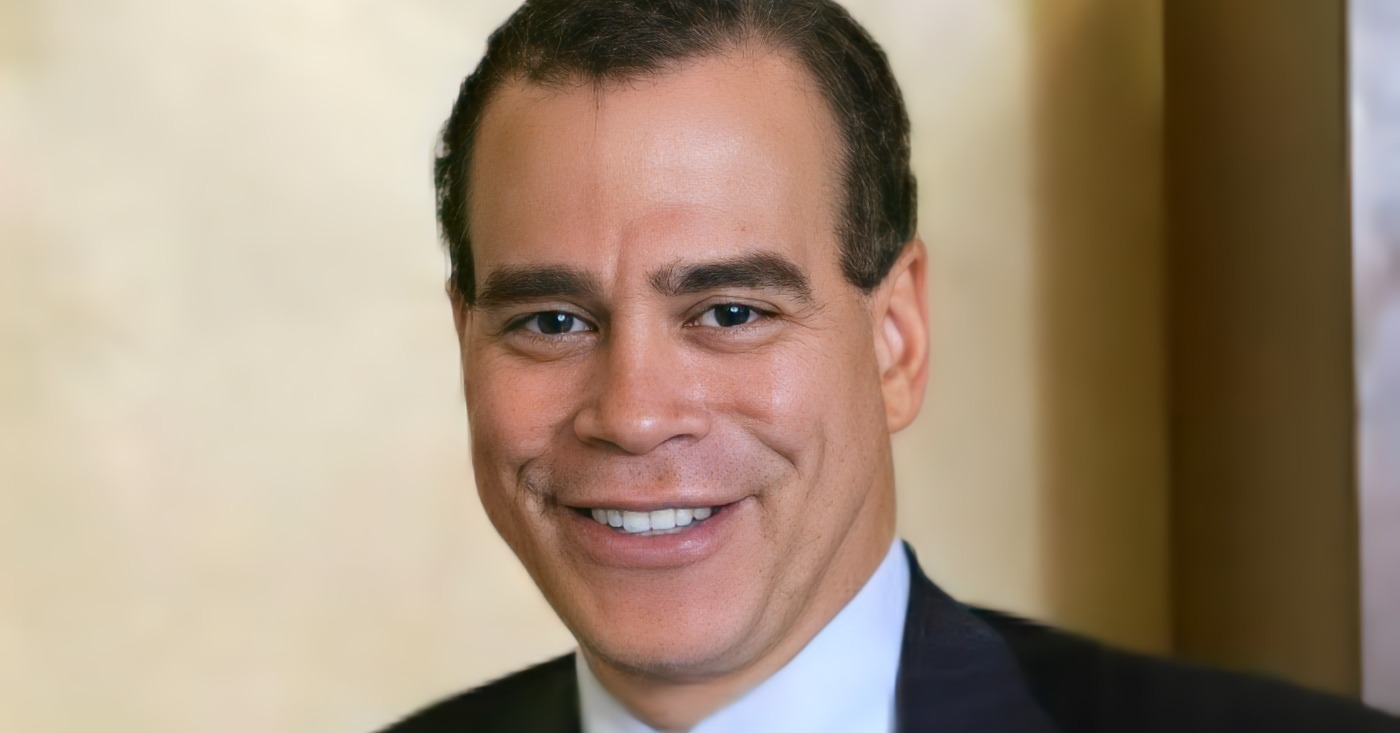
Dr. H. Geoffrey Watson, a licensed internist, has joined renowned gastroenterologist Dr. Ralph Peterson at MacArthur GI in Oakland to address obesity, provide supervised weight-loss programs including GLP-1 therapy, and screen for and treat fatty liver disease.
The Obesity Epidemic
Obesity is associated with numerous chronic health problems, including hypertension, diabetes, heart disease, sleep apnea, asthma, depression, joint disorders, fatty liver disease, and high cholesterol. Its causes include genetics, environment, stress, medication side effects, hormonal imbalances, and other factors.
Since 1999, the prevalence of obesity in the United States has risen from 30.5% to 42.4%. Childhood obesity rates are also climbing, with approximately 19.3% of children and adolescents now affected.
Measuring Obesity: Body Mass Index
Obesity is measured using a formula called the Body Mass Index (BMI). You can calculate your own BMI on most smartphones by searching “BMI calculator” and entering your height and weight. A BMI of 25 to 29.9 is classified as overweight, and a BMI of 30 or greater is classified as obese.
Populations Disproportionately Affected
Obesity affects certain populations at higher rates. Among U.S. adults, obesity prevalence is 49.9% in Black adults, 45.6% in Hispanic adults, 41.4% in White adults, and 16.1% in Asian adults.
Treatment Options
A variety of treatments are available for obesity, including dietary counseling, exercise programs, bariatric surgery, and anti-obesity medications.
Common oral medications include:
• Adipex (phentermine): A stimulant that works by suppressing appetite.
• Contrave (bupropion/naltrexone): A combination of an antidepressant and an anti-addiction medication that helps control appetite and cravings.
• Qsymia (phentermine/topiramate): A combination of a stimulant and an anti-seizure medication that reduces appetite and cravings.
GLP-1 Receptor Agonist Therapy
Glucagon-like peptide-1 (GLP-1) receptor agonists were originally approved to treat type 2 diabetes. GLP-1 is a hormone produced naturally by the body that regulates digestion, blood sugar, and appetite by communicating with GLP-1 receptor cells throughout the digestive tract. These medications reduce cravings, appetite, and food intake by influencing the hunger hormones ghrelin, which stimulates hunger, and leptin, which signals fullness.
What We Offer
Drs. Peterson and Watson provide FDA-approved tirzepatide injections, a GLP-1 receptor agonist medication indicated for weight management. Each patient receives a comprehensive history and physical examination to ensure the safety and appropriateness of the medication as part of an overall weight-loss protocol. Dr. Peterson also offers ultrasound screening for fatty liver disease.
We look forward to helping you reach your weight-loss goals and feel your best this holiday season.
H. Geoffrey Watson, M.D., runs the MacArthur GI Clinic at 10520 MacArthur Blvd., Oakland, CA. He can be reached at (510) 562-7467.
Black Press
OP-ED: She’s Not Non-Compliant, She’s Hungry: Addressing Food Justice to Improve Breast Cancer Outcomes
CHICAGO DEFENDER — Food insecurity in Chicago’s South Side and surrounding suburbs disproportionately affects Black women with breast cancer, impacting their treatment and recovery.
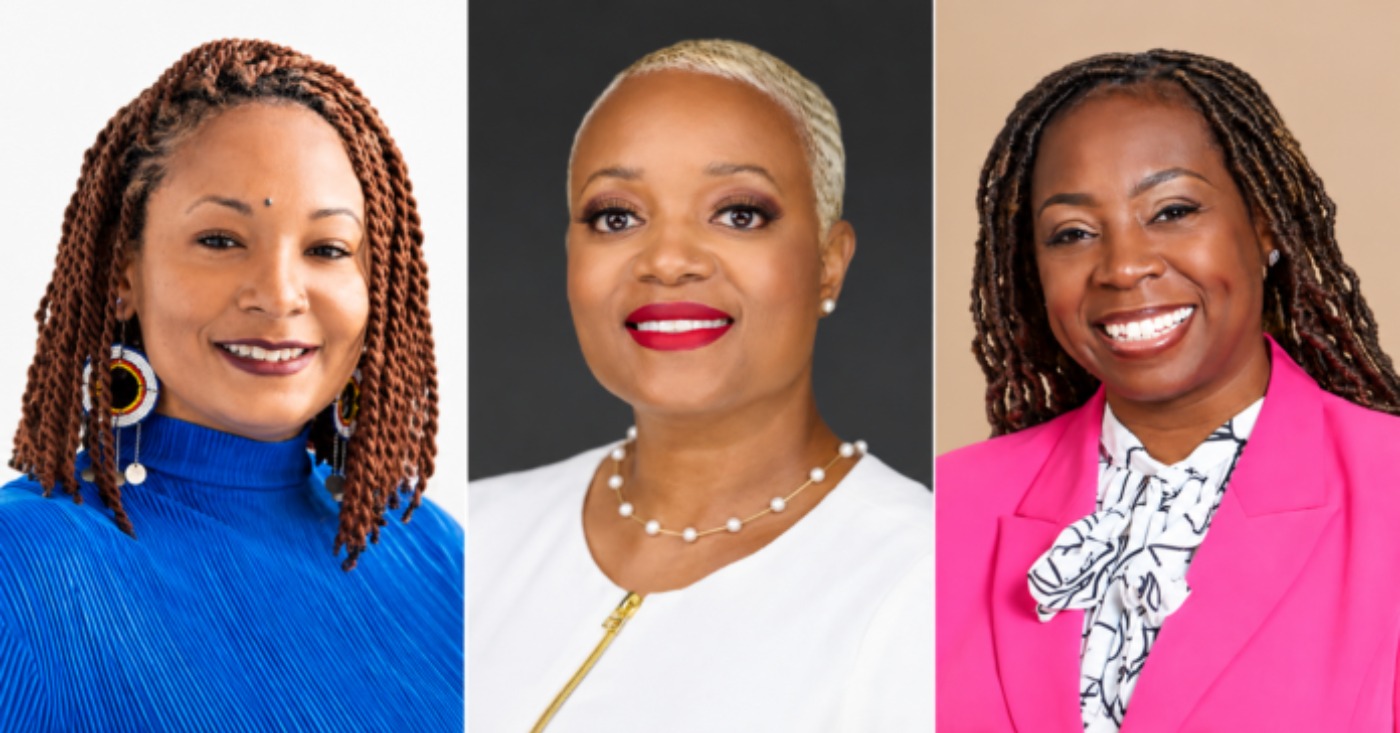
Here’s a transformational idea: everyone should have access to safe, healthy and affordable food.
If this idea doesn’t feel radical to you, then perhaps you haven’t spent much time in the Southside of Chicago and its adjoining suburbs.
Food insecurity is rampant in our neighborhoods. If you live in Washington Heights, you are practically guaranteed to experience lower food access than the average Chicagoan – with similar circumstances in the South Shore, West Englewood or West Pullman.
It has been clearly documented that “Food is Medicine.” In fact, according to countless scientific studies, good nutrition is critical during cancer treatment. It empowers your body to maintain muscle, rebuild damaged tissues and better withstand aggressive radiation or chemotherapy. A patient with access to nutritious food will experience fewer side effects, like fatigue and nausea, and will have less need for extra medicines. In short, good food improves a patient’s daily life.
Instead, though, a Black woman with breast cancer in our South Side neighborhoods or suburbs has the opposite experience. In fact, if “food is medicine,” then we are inarguably in a crisis, and it is disproportionately affecting Black women with breast cancer.
As co-authors of the Pinkprint and members of the Chicago Better Together Breast Cancer Disparities Think Tank, an initiative launched to address the disproportionate impact of breast cancer mortality on Black women in Chicago’s South Side and South Suburbs, we know that by combining data-informed strategies with community-driven advocacy and leadership, we will create equitable, sustainable outcomes for those most affected by breast cancer and the lack of access to nutritious foods in their communities.
Solutions start as local initiatives. We must pilot community-driven solutions in areas with the highest breast cancer mortality rates and limited access to nutritious food.
Existing local programs – food pantries, community fridges and even hospital-run delivery systems – are a critical piece of this local infrastructure. They are just a component, though, of the robust nutrition infrastructure the South Side lacks. In the long-term, our neighborhoods need clean, well-stocked grocery stores – and we must demand that our elected officials do everything they can to attract and retain these food corporations to invest in our communities.
This is just one item on their to-do list. Long-term solutions will include policy changes and targeted incentives at the city, state and federal levels. Just this spring, over 150,000 people in Illinois lost SNAP benefits, a devastating cut with ripple effects across families into entire neighborhoods. These cuts disproportionately affect people in the South Side of Chicago – not to mention, overwhelm food banks and other centers that serve as part of our social safety net. The Families Receiving Emergency Support for Hunger (FRESH) program in Illinois provides a one-time, automatic $400 cash payment per eligible household member to residents who lost their SNAP food benefits. This will help ease the immediate negative effects of these cuts and is much appreciated. But it is not a long-term solution.
When we started conversations in work groups about this project, we started with the idea that Black women deserve equitable access to quality breast cancer care. Any conversation about breast cancer care and goals for improved outcomes, must include a conversation about nutrition justice.
Nutrition justice is not just a transformational ideal: it is an idea that will literally transform our neighborhoods and the quality of life of every single person living in them. It will put grocery stores in empty storefronts; it will deliver food to a breast cancer patient going through chemotherapy.
Nutrition justice will help improve breast cancer outcomes for Black women on Chicago’s South Side. And Black women should not have to wait.
This op-ed is the second in a series focusing on eliminating breast cancer mortality in Black women on Chicago’s Southside. The authors are part of the Chicago Better Together Breast Cancer Disparities Think Tank, an initiative launched to address the disproportionate impact of breast cancer mortality on Black women in Chicago’s Southside and South Suburbs. Together with other community leaders, they have co-authored the Pinkprint, a strategic multistep plan and call-to-action on this critical issue.
The post She’s Not Non-compliant, She’s Hungry: Addressing Food Justice to Improve Breast Cancer Outcomes appeared first on Chicago Defender.
Based on reporting by Chicago Defender.


Lawmakers Back Push Against Military Sexual Assault

Virginia State Dominates Shaw 76-13 Behind Explosive Second-Quarter Surge

Message from the Associate Editor: Blindness, Hurts, Cops

Capturing Black Life’s Beauty

A Legacy of Service, a Future of Hope: North Carolina Juvenile Services Association Commemorates 60 Years of Empowering Youth

Roland Martin Brings Black Votes Matter to Tallahassee

When Your Faith Is Put to the Test

2027 Buick Enclave Sport Touring worth $66,550?

2027 Buick Enclave Sport Touring Interior 360 Video

FAMU Shooting Arrest, New Trump and ICE Activity Near Florida Polling Site 📱

OP-ED: Haiti TPS: Have We Lost Sense of Humanity?

Remembering Chauncey Bailey as Student Journalists Face Threats to Truth-Telling

All Skinfolk Ain’t Kinfolk

Poll: Becerra Widens His Lead Over Hilton; Californians Split on Wealth Tax

Rulings Leave Questions Lingering in Nolan Wells Case

Latinas Deserve Equal Pay. Unions Help Make It Happen.

Zakiya Jendayi Arrested, Locked Out of Home by Sheriff’s Deputies

Why Black Artists Struggle to Sell Tours

COMMENTARY: The Audacity of Joyce Beatty

A $2.1 Trillion Wellness Industry Never Built a Daily Practice for Black Children. So This Atlanta Family Did.
2027 Buick Enclave Sport Touring worth $66,550?
2027 Buick Enclave Sport Touring Interior 360 Video

FAMU Shooting Arrest, New Trump and ICE Activity Near Florida Polling Site
FAMU Shooting Arrest, New Trump and ICE Activity Near Florida Polling Site 📱

Buying a Subaru WRX? Get the FULL Price Before You Sign #shorts

Houston Screenwriter Shannan E. Johnson on Making It in Hollywood

Golf Opportunities Beyond the Pros: Mentors, Scholarships & Mental Health #shorts

This Election Is Critical: Potecting Our Freedoms

Passion for Gopher Sports: The Podcast Origin Story! #shorts

Super Cruise: Hands-Free Driving on Your Routes #shorts
-

 Black History1 week ago
OP-ED: The Black Church Writes AI’s Next Chapter
-

 Featured1 week ago
Tamiko Armstead | 2026 Lifetime Achiever in Education
-

 Black History1 week ago
Practitioners of African Traditional Spirituality Offer Ancestral Reverence Ritual Oct. 31
-
 Art1 week ago
Kickstarter CEO Everette Taylor Shares Tips on Creating and Growing a Business
-

 Black History1 week ago
Columbus’s Oldest Businesses Still Open: 10 That Have Lasted 75+ Years
-

 Black History1 week ago
COMMENTARY: BIG MAMA SAID: Don’t Throw Away the Gift Just Because It Came Wrapped Wrong
