
Bill Fletcher Jr.
COMMENTARY: The danger of the “ethno-nationalist” state
NNPA NEWSWIRE — Ethnic regimes were largely ignored in the mainstream media of the global North until the early 1990s, even when troubling events, such as genocide in Burundi, were unfolding. It was only with the disintegration of the former Yugoslavia in the early 1990s and the Rwanda genocide (1994) that it became more than apparent that another wave of ethnic cleansing and ethno-nationalist regimes were unfolding.
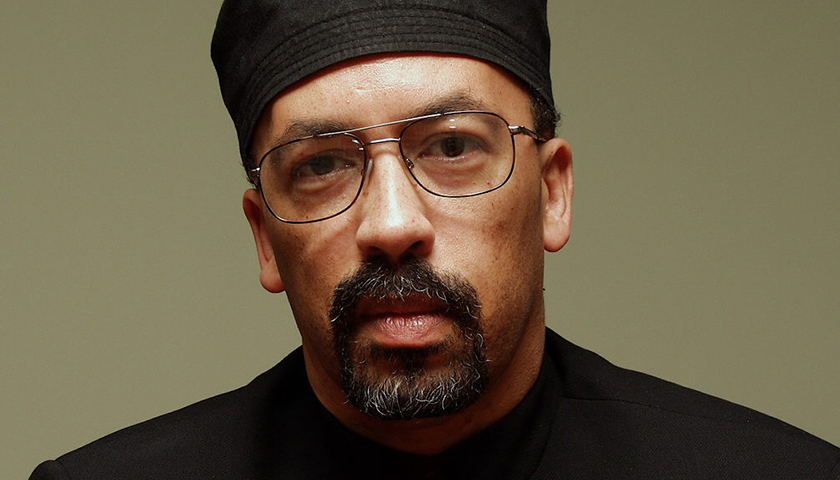
By Bill Fletcher, Jr., NNPA Newswire Contributor
One of the most common features of right-wing populist and fascist movements is the demand for ethnic and/or racial purity. During the course of the 20th century we saw it in its most egregious forms in colonial and white minority regimes in the global South, and in the Nazi-led persecution and, later, Holocaust against the Jews.
Ethnic regimes were largely ignored in the mainstream media of the global North until the early 1990s, even when troubling events, such as genocide in Burundi, were unfolding. It was only with the disintegration of the former Yugoslavia in the early 1990s and the Rwanda genocide (1994) that it became more than apparent that another wave of ethnic cleansing and ethno-nationalist regimes were unfolding.
What are ethno-nationalist regimes? They are political systems that quite openly privilege the alleged rights of a given ethnic or so-called racial group. Apartheid South Africa was certainly an example of a long-running such regime. But the Rwanda genocide when right-wing Hutus went to war to openly eliminate Tutsis (and those Hutus who allied with Tutsis) using the pretext of a civil war, was yet another example.
Right-wing populist leaders such as Donald Trump in the USA, Benjamin Netanyahu in Israel and Narenda Modi in India are quintessential examples of leaders who promote ethno-nationalist regimes. Contrary to early 20th century fascists and 19th century “scientific racists,” they do not rely on the rhetoric of racial superiority or inferiority in justifying their politics. Rather they argue either the incompatibility of different racial/ethnic groups and/or that the specific racial/ethnic group which they claim to represent has been, allegedly, aggrieved over the years.
The situation in India at this very moment is illustrating the evolving and serious dangers of ethno-nationalist regimes. The political forces around Modi and his political party—the BJP—have been promoting anti-Muslim rhetoric and practices for years. Their objective is nothing short of eliminating the secular basis of India and replacing it with a Hindu ethno-nationalist state. The recent legislation advanced by Modi and passed in Parliament that offers citizenship to refugees from neighboring countries UNLESS they happen to be Muslim demonstrates the depths of depravity of such regimes. It is, therefore, not surprising that India is exploding.
Netanyahu is a close cousin—politically speaking—of Modi’s. He and his party—the Likud—have always aimed to eliminate the Palestinian presence from not only the occupied Palestinian territories, but from Israel itself. But it is not only the Palestinians that Netanyahu, et.al. wish to eliminate. The language of the regime when it comes to other alleged outsiders is particularly provocative and echoes that of Hindu fascists in India in describing undocumented immigrants, in the case of Israel, as “infiltrators.”
Right-wing populism and ethno-nationalism have become major parts of the global political landscape. It is not only the appearance of Donald Trump; nor is it just Britain’s Boris Johnson. It has emerged, like chicken pox, in numerous places. And, if one is not careful, it can emerge even within the ranks of the oppressed when, in desperation, we sometimes seek to distinguish ourselves from some “Other.”
Bill Fletcher, Jr. is the executive editor of globalafricanworker.com and the former president of TransAfrica Forum.









Bill Fletcher Jr.
Charlie Sifford Broke Golf’s Color Lines; His Son Fondly Recalls the Challenges and Triumphs During Centennial Celebration
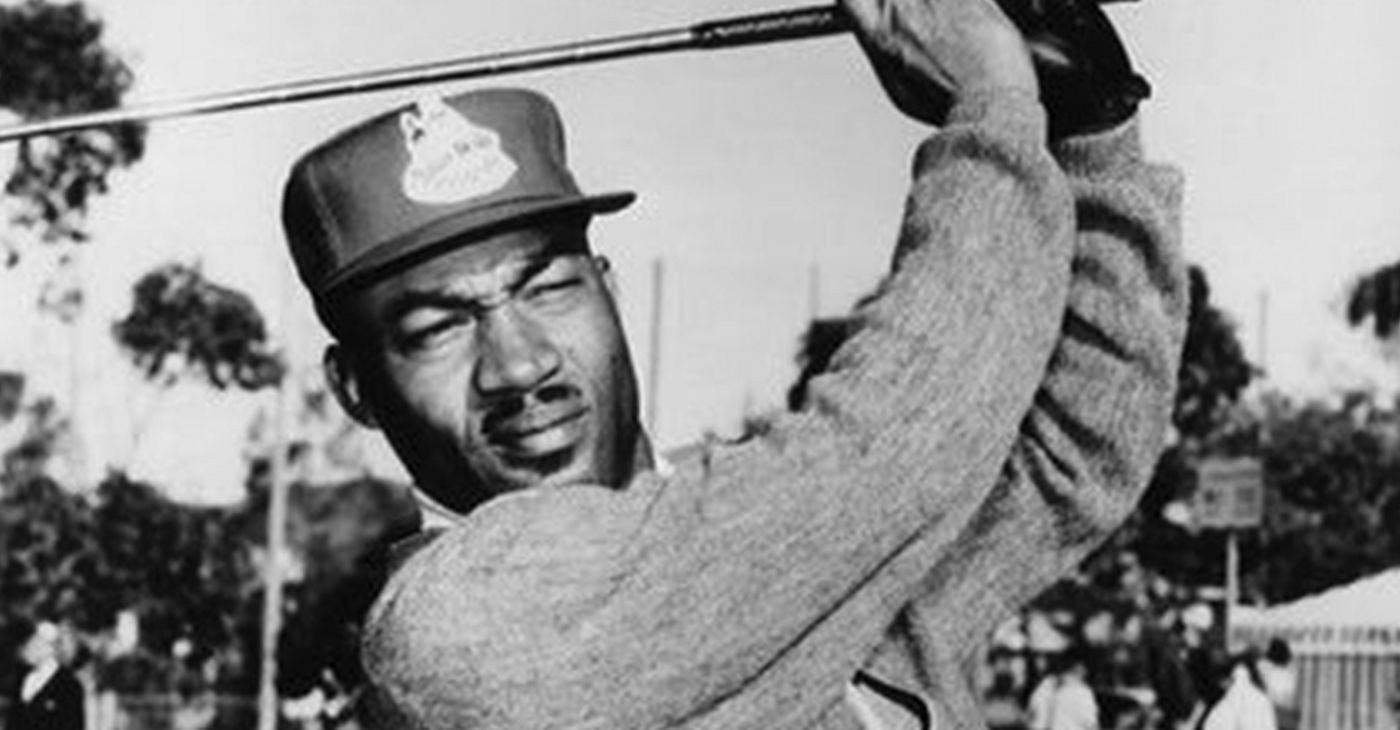
NNPA NEWSWIRE — Sitting inside an office at PGA TOUR headquarters in Ponte Verde, Florida, and preparing to remember what would have been his father’s 100th birthday on June 2, Charlie Sifford recounted how much his late father, Dr. Charlie Sifford Jr., loved golf. He also remembered his father’s challenges trying to break into the sport during segregation and the Jim Crow era.

By Stacy M. Brown, NNPA Newswire Senior National Correspondent
@StacyBrownMedia
Charlie Sifford didn’t hesitate to explain why his late father, Dr. Charlie Sifford Jr., remains his hero.
Sitting inside an office at PGA TOUR headquarters in Ponte Verde, Florida, and preparing to remember what would have been his father’s 100th birthday on June 2, Sifford recounted how much his dad loved golf.
He also remembered his father’s challenges trying to break into the sport during segregation and the Jim Crow era.
“In pursuing the game he loved so much, he endured enormous challenges as an African American golfer,” Sifford Jr. recalled.
Born in Charlotte, North Carolina, in 1922, Dr. Sifford, the first Black golfer on the PGA TOUR, began caddying at a nearby country club to earn money.
“Back then, in the 1920s and 1930s, there were very few places where young kids could go to make some money,” Sifford Jr. related.
“He caddied until he was 17, but by the time he was 13, he was considered the top caddie at the course, and many good players asked for him.”
According to Sifford Jr., a byproduct of his father’s outstanding ability to caddie earned him more money than other kids.
“He developed a love for the game. He learned by watching,” Sifford Jr. remarked.
Because African Americans weren’t allowed to play at country clubs, Sifford Jr. said his father would sneak in a few holes when he wasn’t caddying.
“He said he had a short backswing because he had to play in a hurry and get as many holes in as possible,” Sifford remarked.
“He had one nine-to-five job his whole life, when he worked at Nabisco in Philadelphia when he was 17. He worked there for three years but decided that he wanted to be outside playing golf, and he was determined to succeed.”
In addition to marking what would have been Dr. Sifford’s 100th birthday, The PGA TOUR also will host The Sifford Centennial 2022.
The Sifford Centennial project features several highlight events throughout the year and special merchandise available to the public, including the Just Let Me Play Centennial Collection and Sifford Centennial Cigars.
Further, the Presidents Cup organizers announced the creation of the Charlie Sifford Centennial Cup, a one-day team match-play event featuring top golf teams from historically Black colleges and universities.
The Centennial Cup takes place on August 29 at Quail Hollow in Charlotte, this year’s Presidents Cup site.
All will participate in the top four HBCU Division 1 program, the top HBCU Division II program, and the host school Johnson C. Smith University of Charlotte.
The six schools will send their top four players, broken into two separate teams of 12, with the college teammates staying together in pods.
The Golfstat ranking will determine the programs at the end of this 2022 season.
Sifford Jr. declared that all tributes and events would have meant a lot to his father.
“What he had to go through early in his career, being rejected for certain tournaments, and being treated unfairly because of the color of his skin and now to be recognized from coast-to-coast, by white people, Black people, Asians, and everyone else would make him feel like the job he did turned out positive,” Sifford Jr. asserted.
“He’d be very proud of this.”
A Philadelphia native, Sifford Jr. said his father began playing golf professionally in 1948, two years after his friend, Jackie Robinson, broke Major League Baseball’s color line.
“One year after Jackie Robinson, my father told Jackie that he would do the same in golf,” Sifford Jr. noted.
“Before he went on tour, he talked to Jackie, who asked him was he a quitter and if he was, he shouldn’t worry about trying to go on tour because they’re going to make you wish you weren’t out there,” Sifford Jr. continued.
“It would be harder for him because he’d be out there by himself. Jackie had a team and an owner who supported him. My father would be out there alone.
“But my father had stubbornness, grit, and he was determined that he was going to play golf and nothing or no one was going to stop him.”
The first time Dr. Sifford attempted to join the PGA TOUR, racism prevailed.
He played with an all-Black group led by boxing champion Joe Louis.
However, when the group reached the first hole, they found excrement there, attempting to discourage them from playing.
Sifford Jr. learned about some of his father’s struggles by reading Dr. Sifford’s book, “Just Let Me Play: The Story of Charlie Sifford, the First Black PGA Golfer.”
“Some things surprised me in the book. He didn’t bring a lot of [the incidents] home,” Sifford Jr. recalled.
“I asked him about it when the book came out, and he said all of that really happened. In North Carolina, the first time he went back to the south to play, he stayed with friends that lived close to the golf course because no hotel would let him stay.
“The first day, he was leading the tournament, and then he received a call at his friend’s house, and someone made death threats. So, they told him if he showed up, something would happen.
“Being stubborn, he said, ‘you gonna do what you gonna do, and I will do what I have to do, and I will be there for my tee time.’”
Although he didn’t fare well on the second day, Dr. Sifford finished in the top five and earned a berth into the next tournament.
“It showed me that he had a determination,” Sifford Jr. said. “People threatened his life, but it showed the kind of person he was. He helped me to understand many things, including not judging a person by their origins but how they treat you and if they respect your wishes and treat you fairly.”
In addition to breaking golf’s color line, Dr. Sifford won six Negro National Open titles, earned honors as one of the top 100 people in the First Century of Golf, and earned more than $1.2 million on the PGA TOUR and the Senior Tour.
In 2004, Dr. Sifford became the first Black golfer inducted into the World Golf Hall of Fame. In 2006, the University of St. Andrews awarded Dr. Sifford an honorary degree, and in 2014, President Barack Obama bestowed the Presidential Medal of Freedom on Dr. Sifford.
“It was really exciting because my dad never thought he’d see a Black President, and frankly, I never thought I’d see one,” Sifford Jr. said.
“It was ironic, the first Black PGA member and the first Black President. The two hit it off. President Obama and Vice President Biden were golfers, and during the ceremony, Obama asked my father for golf tips. My father told Biden that he could probably help him but turned to Obama and said, ‘I don’t know what I can do for you because you hit from the wrong side.’”
Obama is left-handed.
“It was a fun-filled time,” Sifford Jr. stated.
Bill Fletcher Jr.
COMMENTARY: Trying to Rewrite the January 6th Coup Attempt
NNPA NEWSWIRE — It is important to note that both Antifa and the Black Lives Matter movement are networks, at best. There is no one organization called “Antifa,” for instance, and there are many organizations that operate under the banner of Black Lives Matter. Therefore, the right-wing assertions of an Antifa and BLM conspiracy would not make sense in the best of all possible worlds. But more importantly, there is no evidence to back up such assertions!
By Bill Fletcher, Jr., NNPA Newswire Contributor
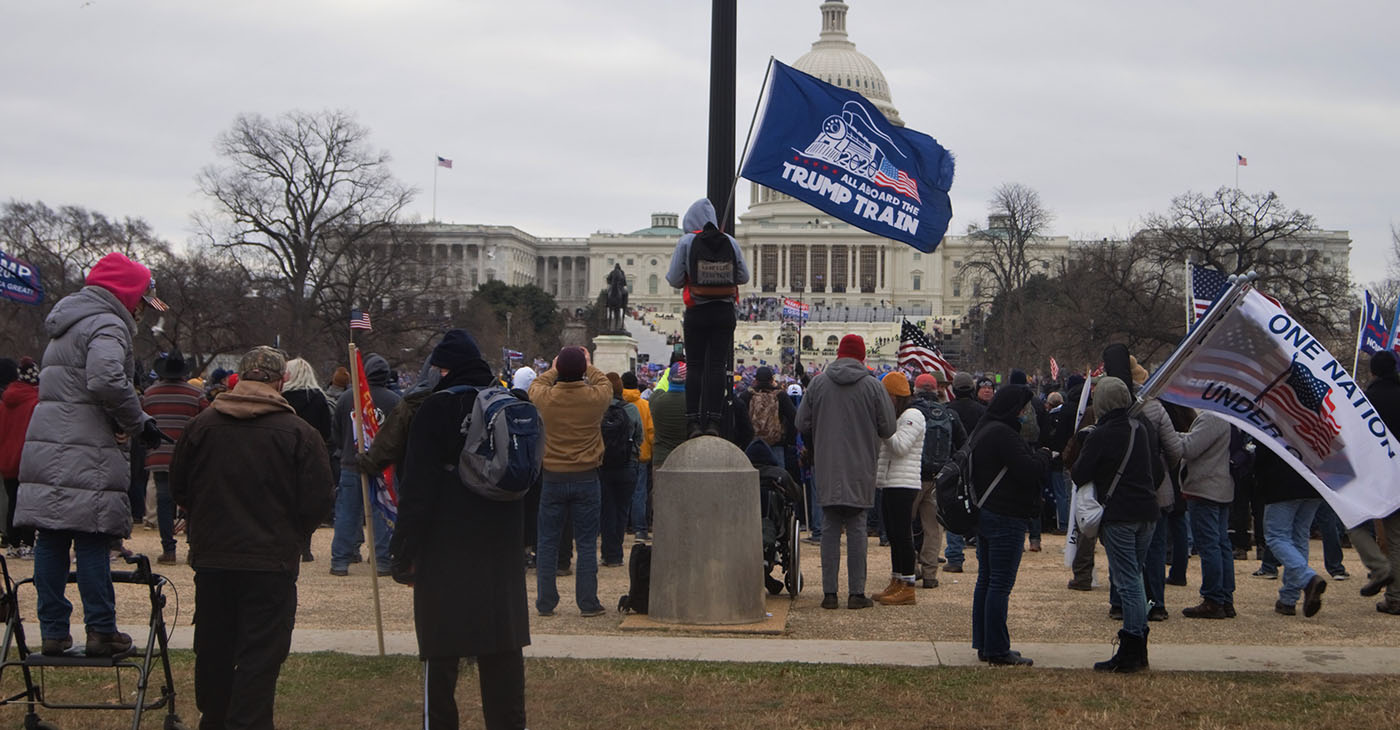
There is something amazing going on in Republican Party circles. If I did not know better, I would assume that I was watching a television comedy. Segments of the Republican Party are attempting to tell us that the January 6th coup attempt did not actually happen. Instead, they argue, what we SAW on television was allegedly orchestrated by Antifa and the Black Lives Matter movement.
There are certain noteworthy things about this argument, the most important being that it is not based on any facts. None. The second is that this line of argument started as soon as the coup attempt had ended. Right-wingers claimed that it was a so-called false flag operation that was conducted by the political Left in order to delegitimize the political Right. There are many problems with this line of thinking, not the least being that many of the alleged perpetrators of the 1/6 coup attempt were avowed right-wingers who conducted this operation in the full view of video.
So, what is going on? Simply put, the pro-fascist elements in the Republican Party are attempting to convince a critical mass of the public that what they saw…they did not really see. This is not even equivalent to a magician’s trick with the sleight of hand. They are going one step further and asserting that what all of us saw on television or the web, for which many people have been arrested and charged, did not happen or, if it did, it was really conducted by the political Left.
It is important to note that both Antifa and the Black Lives Matter movement are networks, at best. There is no one organization called “Antifa,” for instance, and there are many organizations that operate under the banner of Black Lives Matter. Therefore, the right-wing assertions of an Antifa and BLM conspiracy would not make sense in the best of all possible worlds. But more importantly, there is no evidence to back up such assertions!
The pro-fascist element within the Republican Party is attempting several things at the same time. First, to lay the basis for further repression of anti-fascist and anti-racist forces. This is part of the motivation behind an increase in anti-terrorism legislation in various states when the government already has the authority to prosecute terrorists.
Second, the pro-fascist element in the Republican Party is trying to obscure both the reality of January 6th but also the antics of Trump. They are simply trying to deny that there was a coup attempt where people were injured and/or lost their lives.
There is a famous term for what the pro-fascist element is doing. It comes from an iconic film. The term is “gas lighting,” i.e., to lead people to believe that what they are actually experiencing or seeing is not really happening.
We cannot afford to ignore this. Precisely for these reasons, the fascists and their collaborators need to be prosecuted to the full extent of the law, thereby demonstrating the danger that they pose to any democratic political system. This is no comedy.
Bill Fletcher, Jr. is a past president of TransAfrica Forum and a longtime trade unionist and writer.
Bill Fletcher Jr.
COMMENTARY: Foreign Policy Reset Under Biden?
NNPA NEWSWIRE — Biden is cut from a different cloth. Much like Obama, he has been very consistent in supporting the expansion of global capitalism and particularly what came to be known as economic neo-liberalism. But his approach prioritized a working relationship with other major capitalist powers, though with the operating assumption that the USA would serve as ‘chairperson of the board’ among the global powers. This approach certainly did not advance peace; in fact, various wars were either initiated or continued under this banner. But it was more predictable.

By Bill Fletcher, Jr., NNPA Newswire Contributor
Among the subjects that have been the source of speculation regarding the incoming Biden/Harris administration is the matter of foreign policy. Trump went much further than previous presidents, including George W. Bush, in advancing a unilateralist approach towards the role of the United States overseas. What should we expect under Biden/Harris?
The first thing to be clear on is, ironically, the essence of Trump’s foreign policy. Trump has been repeatedly called an isolationist, leading many people to believe that he wanted the USA to withdraw from the world. Nothing could have been further from the truth. What he wanted was for the USA to not be constrained by any international agreements such that it could do whatever it wanted, whenever it wanted. This, by the way, is the essence of “isolationism” in the USA.
Biden is cut from a different cloth. Much like Obama, he has been very consistent in supporting the expansion of global capitalism and particularly what came to be known as economic neo-liberalism. But his approach prioritized a working relationship with other major capitalist powers, though with the operating assumption that the USA would serve as ‘chairperson of the board’ among the global powers. This approach certainly did not advance peace; in fact, various wars were either initiated or continued under this banner. But it was more predictable.
Biden ran for the Presidency under the banner of restoring sanity and respectability within the USA. While most of us are in favor of both, the Biden/Harris tendency will be to see sanity and respectability as a return to past foreign policies. This will, more than likely, include uncritical support of Israel (and, in this case, politely ignoring the Palestinians); continued contention with China and Russia; a possible restoration of US participation in the Iran nuclear accord; an insistence on US as the gate keeper of the Western Hemisphere; and more reliable international agreements. It may, also, involve a renewal of free trade agreements. In other words, a very mixed bag and, overall, not one that, on its own, will strengthen a tendency towards justice, even where there are positive elements.
There is much more, of course, but the long and the short of it is that a peaceful and just future cannot be found in the past. It cannot be found in more subtle and ‘rational’ attempts at US global dominance, nor with the US being part of the global oligarchy dominating the planet. A radical reshaping of US foreign policy must be undertaken not only for the future of the USA, but the future of the planet. We live in a world where the slightest mistake can set off regional conflicts, not to mention thermo-nuclear war.
For these reasons, not only can we not afford to remain passive about matters of foreign policy. We must take an active approach in pressing the Biden/Harris for something dramatically different. We need, in a nutshell, a foreign policy that de-militarizes; that abandons spheres of influence; that repudiates free trade agreements that undermine the ability of countries in the global South to economically develop; and that emphasizes international cooperation in order to address the environmental catastrophe.
I realize that many of us think that discussions of foreign policy are a luxury. I think that is dead wrong: it is a necessity if humanity wishes to survive the 21st century.
Bill Fletcher, Jr. is the executive editor of globalafricanworker.com and a past president of TransAfrica Forum.
Bill Fletcher Jr.
COMMENTARY: Israel, Settler Colonialism and Religion
NNPA NEWSWIRE — That the Zionist movement, established in Europe during the 19th century as a secular response to the persecution of European Jews is frequently ignored. What is also ignored was the search, by the leadership of the Zionist movement, for a European colonial-imperial ally with the aim of establishing a Jewish state somewhere in the world (within the sphere of that colonial empire!). This included overtures toward the major colonial empires of the time such as Britain, Russia, and Turkey.
By Bill Fletcher, Jr., NNPA Newswire Contributor
On a regular basis those of us who demonstrate our support for Palestinian self-determination and freedom are demonized as being anti-Semitic or otherwise insensitive to the religious persecution that has been perpetrated against Jewish people.
Such allegations are nothing more than sophistry and aim at deflecting the criticisms of the expropriation of the Palestinian land by Zionists settlers and the establishment of a neo-apartheid state by the Israeli political establishment. But it is useful to turn to the question of religion for a moment.
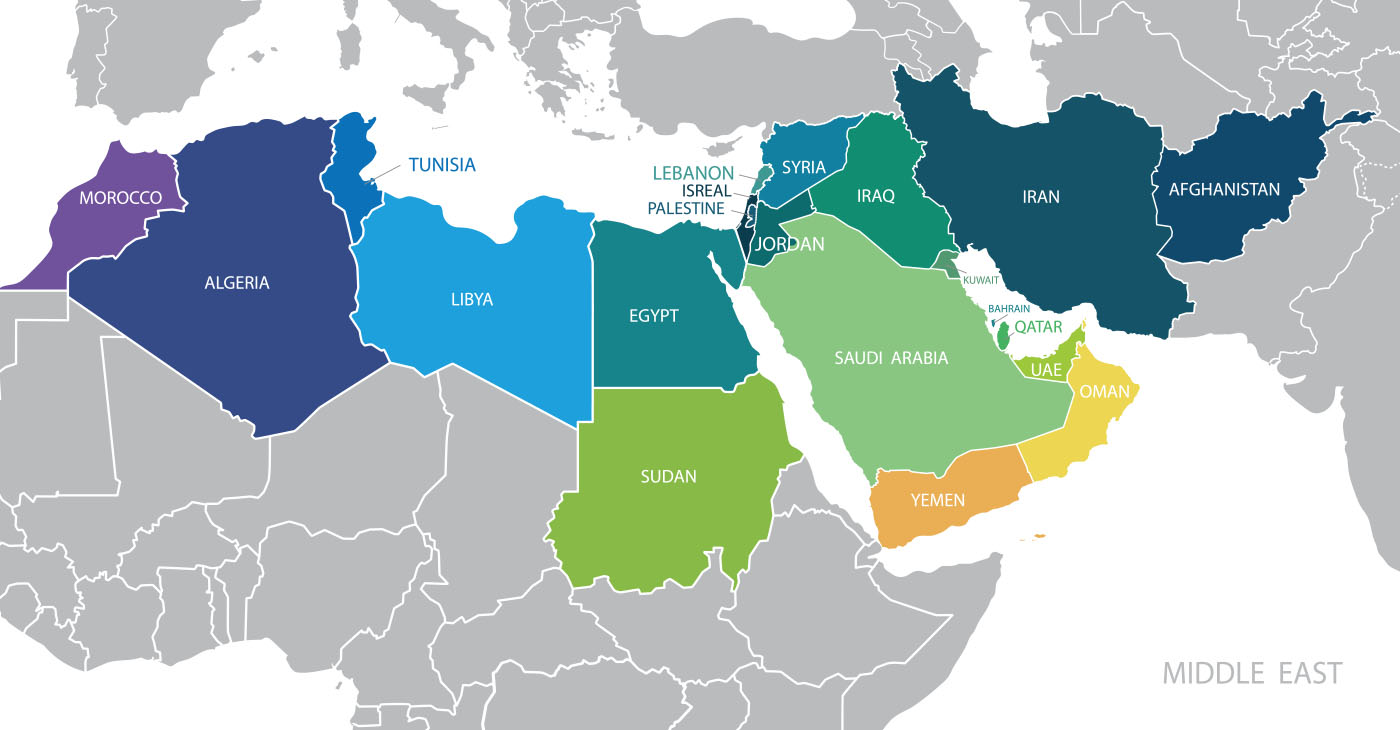
The religious argument for the establishment of Israel is based on a particular interpretation of the Bible. That the Zionist movement, established in Europe during the 19th century as a secular response to the persecution of European Jews is frequently ignored. What is also ignored was the search, by the leadership of the Zionist movement, for a European colonial-imperial ally with the aim of establishing a Jewish state somewhere in the world (within the sphere of that colonial empire!). This included overtures toward the major colonial empires of the time such as Britain, Russia, and Turkey. The fact that the Zionist movement saw itself as having shared interests with colonial powers that were dividing up Africa, Asia and, in a different manner, Latin America, should tell us something about the motive of the movement. It is also worth noting that the proposed Jewish state was not located exclusively in what is today Palestine. Uganda and Madagascar were two of several other locations that were explored.
Once it is clear that multiple locations were explored—only one of which had any relationship to the Bible—and that this exploration was viewed in the context of the European division of the world, it becomes clear that the ultimate establishment of the state of Israel had little to do with a fair treatment of the Bible. It had to do with power and the aim of Europeans to establish a settler-colony in the Middle East.
Yet here is another interesting part of this saga. It turns out that nearly every settler colony, if not every settler colony, associated itself with religion. Whether one is discussing the British colonization of Ireland, the British colonization of North America (and the ultimate founding of the USA), or the Boer/Afrikaner invasion of southern Africa, religion was used by the colonizers as a justification. In each case the colonizers claimed that God instructed them to go forth and seize the land from those who had been occupying it. This religious justification became central in the atrocities carried out against the indigenous peoples—in each case—and the lack of any degree of empathy with those who had originally inhabited the land.
Thus, the establishment of Israel was neither unique nor otherwise unusual. It just happened to be the last in a long line of European settler colonial experiments carried out at the expense of those who had inhabited the land, in each case using a religious explanation as the rationale.
Bill Fletcher, Jr. is the executive editor of globalafricanworker.com and a past president of TransAfrica Forum.
Barrington Salmon
Domestic Terror Arrests in Michigan Heighten Alarm of Rightwing Violence
NNPA NEWSWIRE — “My greatest fear is what’s different now than when I was working these cases in 1990s, there was no rhetoric coming from the White House supporting White supremacy and law enforcement is failing to properly react to that violence that occurs,” said Mike German, a retired FBI agent and a fellow at the Brennan Centre’s National Security Program. “This makes these groups and individuals feel that they have a greenlight.”
By Barrington M. Salmon, NNPA Newswire Contributor
In recent months, FBI Director Christopher Wray, Chad Wolf, Acting Secretary of Homeland Security, and several lower-level Trump administration officials had been warning about the danger posed by homegrown domestic terrorists. Those concerns escalated throughout the summer after clashes between protestors who were marching to remonstrate against the police-involved murder of George Floyd in May and white nationalist Trump supporters.
Those fears were realized last week when the agents from the Federal Bureau of Investigation, working with Michigan Attorney General Dana Nessel, her staff and Michigan state law enforcement, apprehended 13 men tied to two militia groups who are charged with hatching a plot to kidnap, try and murder Gov. Gretchen Whitmer, kill those in law enforcement, kick off a civil war and overthrow the government.
Whitmer, Nessel and other critics argue that white extremists in Michigan and elsewhere are animated by dangerous racist and inflammatory rhetoric from President Donald Trump. They have castigated his embrace of white nationalist militias, his unwillingness to condemn their violence and intimidation tactics and his complicity in the recent rise of rightwing violence.
“My greatest fear is what’s different now than when I was working these cases in 1990s, there was no rhetoric coming from the White House supporting White supremacy and law enforcement is failing to properly react to that violence that occurs,” said Mike German, a retired FBI agent and a fellow at the Brennan Centre’s National Security Program. “This makes these groups and individuals feel that they have a greenlight.”
German, a writer, author and scholar, has been monitoring and studying white identity extremists, white nationalists and other domestic terror groups for a number of years. This follows his time in the FBI in the 1990s working undercover and infiltrating white supremacist and right-wing militant groups.
He said he’s deeply concerned about the increase in violence perpetrated by far-right individuals and groups over the past three years. Of equal concern, he said, is that these groups have been allowed to operate with very little response from the Department of Justice, the FBI and local law enforcement and with the sympathy of the White House.
In September 17, 2020 testimony before the House Homeland Security Committee, Wray said “many of these violent extremists, both domestic and international, are motivated and inspired by a mix of ideological, sociopolitical, and personal grievances against their targets, which recently have more and more included large public gatherings, houses of worship, and retail locations.”
“Lone actors, who by definition are not likely to conspire with others regarding their plans, are increasingly choosing these soft, familiar targets for their attacks, limiting law enforcement opportunities for detection and disruption ahead of their action,” Wray continued. “Domestic violent extremists (DVEs) pose a steady and evolving threat of violence and economic harm to the United States.”
The FBI director said trends may shift, but the underlying drivers for domestic violent extremism – such as perceptions of government or law enforcement overreach, sociopolitical conditions, racism, anti-Semitism, Islamophobia, misogyny, and reactions to legislative actions – remain constant. He said the FBI is most concerned about lone offender attacks, primarily shootings, as they have served as the dominant lethal mode for domestic violent extremist attacks.
But the rise of groups like the Proud Boys, the Three Percenters, the Hell Shaking Street Preachers, the G416 Patriots, Odinsvakt Kindred, Stormfront and others belies the FBI analysis and narrative of the lone wolf domestic terrorist.
German and Wray said more deaths were caused by DVEs than international terrorists in recent years. For example, 2019 was the deadliest year for domestic extremist violence since the Oklahoma City bombing in 1995. Wray added that the top threat America faces from domestic violent extremists stems from those in law enforcement has identified as racially/ethnically motivated violent extremists (RMVE). RMVEs were the primary source of ideologically motivated lethal incidents and violence in 2018 and 2019 and have been considered the most lethal of all domestic extremists since 2001.
“Of note, the last three DVE attacks, however, were perpetrated by anti-government violent extremists,” Wray said.
Experts who monitor White nationalist extremist groups have watched with increasing alarm at the rash of violent clashes, the shootings, use of vehicles to injure protestors and brawls that have broken out between the Proud Boys and other far-right, neo-fascist, armed and unarmed militia groups and protestors seeking social and racial justice.
Yet, to the consternation of many, Trump, Attorney General William Barr, the Department of Justice and the Federal Bureau of Investigation have been spending their time and effort since Trump came into office targeting Black Lives Matter activists, the broad coalition of multiracial social justice advocates involved in protests and members of Antifa, all while ignoring the real threat that confronts this country.
In response to massive social justice protests, Mr. Trump and top officials such as Attorney General William Barr, have emphasized the threat posed by leftist groups like Antifa, but rarely mentioned or blamed far-right groups involved in the majority of the violence. Mr. Trump himself has regularly downplayed the threat of White supremacist violence during his presidency and has recently described Black Lives Matter as “a symbol of hate.”
“This administration is not unique for not prosecuting right-wing violence. The fact that the murderers involved in the Greensboro massacre in 1979 were never caught illustrates that,” said DC-based talk show co-host and longtime social justice activist Jacqui Luqman. “The Klan was openly communing with law enforcement. The danger now is the danger that has always been allowed to exist. We’ve already seen it.”
“There is a long history of violence these groups have waged against Black people and their allies who have shown up to confront this anti-Black racism. Recently, they have attacked people with cars and other vehicles and there have been several shootings with one person killed. There have been assaults of protestors committed by far-right wing people armed with baseball bats and other weapons. They have shown their willingness to commit violence because time-and-time again, the police has not stopped them. Officers are very slow to apprehend them if they have done so at all. They know they can be violent because the police are on their side and Donald Trump and Barr have sanctioned what they’re doing.”
An FBI affidavit points out that the plotters seemed to be motivated at least in part by their belief that state governments, including Michigan’s, were violating the Constitution. Militia members were and are opposed to stay-at-home orders, limitations of public movement and other restrictions, and in response, the plotters talked about targeting police officers in their homes, blowing up Whitmer’s country home and kidnapping her.
“There has been a disturbing increase in anti-government rhetoric and the re-emergence of groups that embrace extremist ideologies,” said Nessel in a statement announcing the charges. “These groups often seek to recruit new members by seizing on a moment of civil unrest and using it to advance their agenda of self-reliance and armed resistance. This is more than just political disagreement or passionate advocacy, some of these groups’ mission is simply to create chaos and inflict harm upon others.”
In a news conference after the arrests, Whitmer reiterated that she had made “tough choices to keep our state safe.” And she placed the problem squarely on Trump.
“When our leaders speak, their words matter. They carry weight,” she said. “When our leaders meet with, encourage, or fraternize with domestic terrorists, they legitimize their actions, and they are complicit.” Trump, she said, “refused to condemn white supremacists and hate groups like these two Michigan militia groups” and told one far-right group to “stand back and stand by.”
With less than a month before the presidential election, federal and local law enforcement officials are watching closely and are ready to stamp out any flare up of politically motivated violence by domestic terrorists.
Dr. Wilmer Leon, told Black Press USA that no one should be surprised with the Trump administration’s positions and white nationalist agenda “because this is what White supremacists do.”
“They’re trying to find the best way to present the obvious and very well known in a manner that is palatable to mainstream America. I’ll say that most mainstream Americans don’t realize it (the rise and danger of far-right militants),” said Dr. Leon, a political commentator, talk show host and author. “There’s a difference between knowing something and realizing it. There are a lot of White people who know about White supremacy and White privilege in their lives, but (what White extremists are doing) is not blatantly in front of them. That’s what made George Floyd’s murder so impactful.”
The broader American public watched cops kill George Floyd and that has triggered a racial reckoning, a summer of sustained protests and a realization among White people that the current racial paradigm is untenable and unsustainable, said Dr. Leon. But while that has led to marches, protests and demonstrations by a multiracial coalition of Americans, there has been a right-wing conservative backlash politically, socially in some quarters, and on the streets. Meanwhile, administration critics see negative and inaccurate FBI designations of the Black Lives Matter movement and ANTIFA as a way for the government to criminalize broad-based grassroots movements and organizations seeking fairness and justice for Blacks and the civil rights and liberties supposedly guaranteed to Americans.
Bill Fletcher, Jr., said white extremist violence is being driven by white men who feel marginalized in the country they regard as their own. Trump, he said, is the national White nationalist cheerleader used by right-wing forces to move their long-term agenda which is to ensure that power in America remains in the hands of a White minority. The fear and apprehension White people feel has intensified and the violence being perpetrated by far-right militias and gangs illustrates that desperation.
“This hardened right-wing party is very aware of the coming environmental catastrophe and economic fragility and they are trying to secure power before the catastrophe. They are less concerned with the pretense of democracy,” said Fletcher, a talk show host, racial justice, labor and international activist and author. “People need to understand something very fundamental about this administration: They don’t give a damn what you and I think. They only care about base.”
“Their attitude is they’re trying to put in place a neo-apartheid regime. They’re quite comfortable to have core of the base and supporters who make up the rest. So when people read stuff like this, or the latest in terms of Trump having known about the extent of Covid-19 and lied, or his attack on veterans, he doesn’t give a damn about our outrage. His greatest concern is how does it play on Fox? And who did it play with his base? His supporters are all he cares about. The first thing we must do is vote like hell in November and vote him out,” Fletcher argued.
Bill Fletcher Jr.
COMMENTARY: The illness of King Donald, or why progressives cannot concede any ground to a sympathy vote for Trump
NNPA NEWSWIRE — Donald Trump ridiculed natural science. He encouraged his followers to discount all scientific recommendations regarding how to lessen the impact of the pandemic. Through public displays of contempt for mask-wearing and social distancing, Trump, in typical masculinist mode, attempted to display that his own strength and arrogance were sufficient to defeat the Covid19 plague.
By Bill Fletcher, Jr., NNPA Newswire Contributor
When word broke of the President and First Lady testing positive for Covid19, an image flashed into my mind. The image was from the 1980s series St. Elsewhere, about a hospital and its staff in Boston. A major character, played by Mark Harmon, was a promiscuous doctor who regularly engaged in unprotected sex, regardless of the warnings. Ultimately, and to his great shock, the Harmon character tested positive for HIV/AIDS.
Why the surprise, one might ask?
The same question can and should be posed to not only the Trump family but to the Republican deniers who have ignored—flaunted—all the scientific warnings regarding the danger inherent in the Covid19 crisis.
I start here because there will be the tendency among some people to express sympathy and understanding to the Trump family for this tragedy. Such expressions of sympathy, while understandable, can lead one to misunderstand the nature of the current crisis and to also misunderstand the importance of voting Trump out on November 3rd.
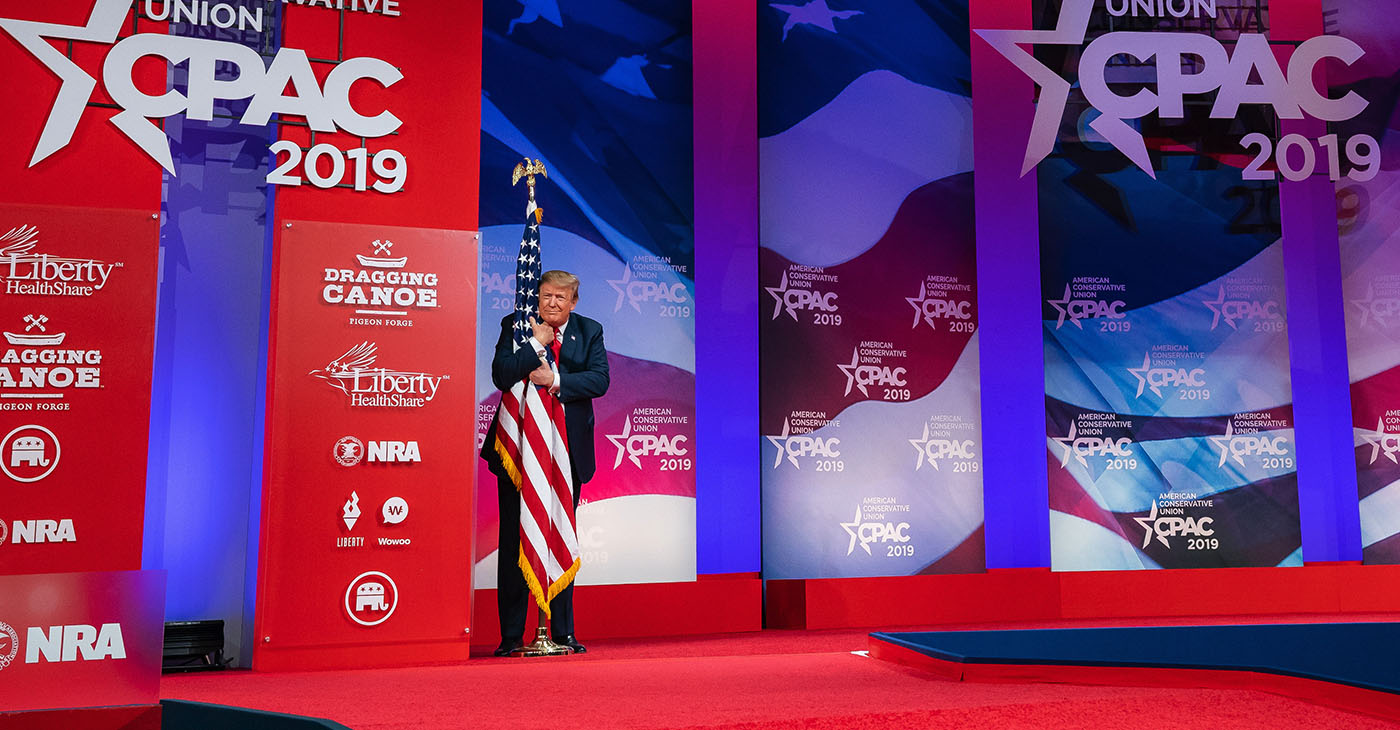
Donald Trump ridiculed natural science. He encouraged his followers to discount all scientific recommendations regarding how to lessen the impact of the pandemic. Through public displays of contempt for mask-wearing and social distancing, Trump, in typical masculinist mode, attempted to display that his own strength and arrogance were sufficient to defeat the Covid19 plague.
It turned out that he was wrong.
As a result, the White House is currently in nothing short of panic, at least according to most media reports. They do not have a framework in order to understand what has been happening. After months of repeating and practicing the mantra that Dr. Fauci’s warnings were allegedly irrelevant, they now have the President, First Lady, and many other senior officials, plus several members of the Senate and House infected with the ‘bug.’ And the White House has no way of explaining it and, worse yet, no recommendations as to what to do since any reasonable recommendation would run contrary to the irrationalist rhetoric of King Donald.
As noted, in this moment there will be a tendency by some voters to feel genuine sympathy for the President and his family. Those same voters may wish to vote for him as an expression of support for him in this time of crisis. This would be a tragic mistake.
The sympathy which anyone should feel is towards the 209,000+ who have died from the Covid19 pandemic. 209,000+ people who might not have died had Trump not engaged in public denial of the nature and extent of the plague. 209,000+ people and their families who suffered, died, watched someone dying, or for those who survived, remembering their lost ones. Those and the millions of others who have been infected, often painfully suffering from the pandemic, should be the targets of our sympathy, not Donald Trump.
Though Trump did not create the Covid19 crisis, his actions accentuated the crisis. While he may seek to blame China, which is as stupid as if the world blamed the USA for the 1918-1919 flu pandemic (which is where it originated!), the real blame goes to Trump and his administration for its thoroughly incompetent and cavalier approach towards the pandemic. By actively encouraging millions of people to believe that Covid19 was nothing worse than a bad flu and that it was something that would go away on its own—in the absence of masks, social distancing, and, eventually a vaccine—Trump brought about more deaths in the last few months than the USA suffered in the entirety of the Vietnam War.
There is no amount of sympathy that I could ever muster to justify a vote for someone who refused to protect the people of this country and, ultimately and stupidly, refused to protect himself.
Bill Fletcher, Jr. is the executive editor of globalafricanworker.com and a past president of TransAfrica Forum.


Defender Daily Life: Does It Fit YOUR Routine? #shorts

James Talarico at TSU

Minimum Viable Product: Grow Your Business Without Burning Out #shorts

Minnesota Sports Talk: Vince Wright’s “Sports Done Wright” Podcast #shorts

November 3 Election: A Test Run for 2028

Tre and Shawn Lemons – A Community Service Love Story

Defender Coach of the Week – Tre Perro

Defender Athlete of the Week – Larry Dorsey.

Start Small: The Entrepreneur’s Guide to a Minimum Viable Product #shorts

Big Ten Goes Coast-to-Coast: Is This INSANE? #shorts

OP-ED: Haiti TPS: Have We Lost Sense of Humanity?

Remembering Chauncey Bailey as Student Journalists Face Threats to Truth-Telling

All Skinfolk Ain’t Kinfolk

Rulings Leave Questions Lingering in Nolan Wells Case

Poll: Becerra Widens His Lead Over Hilton; Californians Split on Wealth Tax

Latinas Deserve Equal Pay. Unions Help Make It Happen.

Zakiya Jendayi Arrested, Locked Out of Home by Sheriff’s Deputies

COMMENTARY: The Audacity of Joyce Beatty

Why Black Artists Struggle to Sell Tours

A $2.1 Trillion Wellness Industry Never Built a Daily Practice for Black Children. So This Atlanta Family Did.
Defender Daily Life: Does It Fit YOUR Routine? #shorts
James Talarico at TSU
Minimum Viable Product: Grow Your Business Without Burning Out #shorts
Minnesota Sports Talk: Vince Wright’s “Sports Done Wright” Podcast #shorts
November 3 Election: A Test Run for 2028
Tre and Shawn Lemons – A Community Service Love Story
Defender Coach of the Week – Tre Perro
Defender Athlete of the Week – Larry Dorsey.
Start Small: The Entrepreneur’s Guide to a Minimum Viable Product #shorts
Big Ten Goes Coast-to-Coast: Is This INSANE? #shorts
-

 Black History7 days ago
OP-ED: The Black Church Writes AI’s Next Chapter
-

 African American News and Issues1 week ago
Black History: Gladys West Mathematics Helped Make GPS Possible
-

 Featured5 days ago
Tamiko Armstead | 2026 Lifetime Achiever in Education
-

 Art1 week ago
Inside 820 S. Michigan: New Book Captures the Lost World of Ebony and Jet
-

 Black Press1 week ago
While Black Families Pay More for Power, Some Attorneys General Fight to Save High-Cost Coal
-
 Black History6 days ago
Practitioners of African Traditional Spirituality Offer Ancestral Reverence Ritual Oct. 31
