
Commentary
COMMENTARY: Forget the Adversity Score, Just Dump the SAT
NNPA NEWSWIRE — Robert Schaffer, Public Education Director of Fair Test says, “Schools do not need the SAT or ACT – with or without ‘adversity scores’ – to make high-quality, admissions decisions that promote equity and excellence.” In fact, more than 1000 colleges and universities, including half for the top 100 liberal arts colleges, do not use the SAT to evaluate applicants.

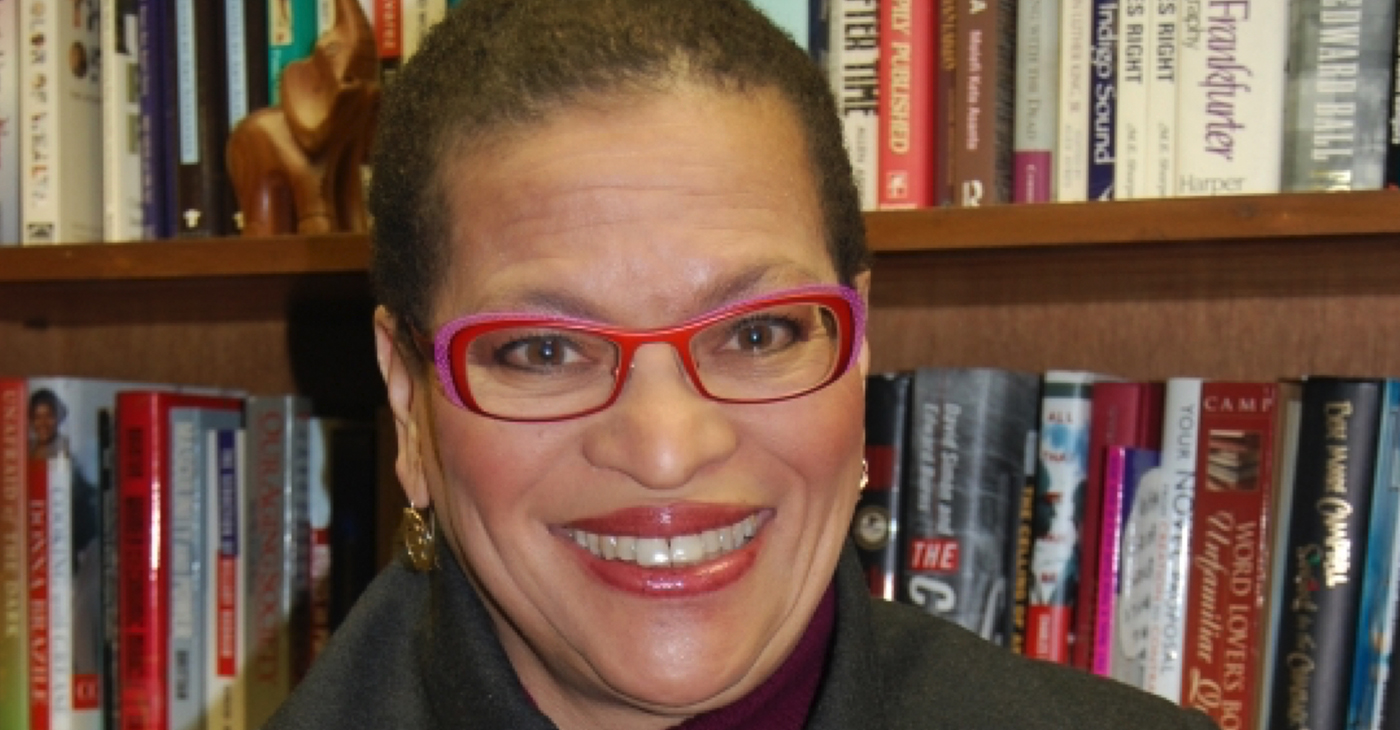
By Julianne Malveaux, NNPA Newswire Contributor
The College Board, the organization that develops and administers the SAT test, has developed a new “adversity score” to augment the widely used college admissions examination. The fact that the College Board has had to create an “adversity score” is reason enough to discard the badly flawed SAT test, a test that many consider racially biased, and that only measures the likelihood of first-year college success. In other words, it measures the accumulated advantages that some students have over others because of the quality of their high schools, their family wealth, and other factors. The “adversity score” seeks to measure the disadvantages that some students experience. Interestingly, the “adversity score” does not measure race, although racial discrimination is alive and well in our nation.
Indeed, the development of an adversity score that does not account for race is a capitulation to the anti-affirmative action forces, some directed by this administration’s Justice Department that have brought lawsuits against Harvard and other universities because of “anti-Asian” bias. It is also a bow to the argument that a white student from a poor family is more disadvantaged than a black child whose family is upper-middle-class when there is plenty of evidence that this is not necessarily so. Structural racism is so woven into our national consciousness that a child of middle-class black folks is likely to do worse than their parents did. Our nation is in race denial, and this adversity score, which does not consider race, is part of the denial.
The pilot testing of the adversity score seems to indicate that using it may create more diverse admissions, but there are precious few details about the score (and it won’t even be shared with students and their parents). But the very existence of an adversity score raises questions about the efficacy of the SAT. This is perhaps why.
This is an interesting time for the adversity score to be rolled out. Robert Schaffer, Public Education Director of Fair Test (the National Center for Fair and Open Testing) says the adversity scores are a way for the College Board to defend itself against its critics. He said, “Schools do not need the SAT or ACT – with or without ‘adversity scores’ – to make high-quality, admissions decisions that promote equity and excellence.” In fact, more than 1000 colleges and universities, including half for the top 100 liberal arts colleges, do not use the SAT to evaluate applicants.
What should colleges use, instead, to evaluate students? How about high school grades? Some will argue that the quality of high schools varies. Well, that ought to be an impetus for improving the quality of some high schools, especially those in inner cities. How about class rank? The University of Texas uses class rank to admit some students, which ensures a diverse class given the segregation that remains in our nation’s high schools. The adversity score will purportedly reflect differences in high school quality.
Eliminating the use of the SAT would do much the same, allowing college admissions counselors to make better decisions. The College Board says it is a nonprofit organization, but let’s follow the money. It makes so much money that its President, David Coleman, earns more than a million dollars a year, more than the President of Harvard University. The organization is making megabucks on the backs of our students, and it is reinforcing biases along the way. Some see the adversity score as a step in the right direction toward modifying the SAT. I see it as a defensive move to shore up a flawed test and an even more flawed organization.
This fall, more than 150 colleges will use the adversity-enhanced SAT in their admissions process. Based on those results, more colleges will use the score to measure adversity. I know lots of folks who consider the development of an adversity score good news. It would be much better news if colleges and universities simply decided to stop using the SAT. It measures privilege, not knowledge, and it is demonstrably biased. Fixing a corrupt system instead of changing it only serves to reinforce the status quo.
Julianne Malveaux is an author and economist. Her latest project MALVEAUX! On UDCTV is available on youtube.com. For booking, wholesale inquiries or for more info visit www.juliannemalveaux.com.




BlackPressUSA
OP-ED: Three Reasons Florida Is Ready For A Change Election Next Week
BLACKPRESSUSA NEWSWIRE — These acts of solidarity mean something to the men, women and children in our communities who often feel like no one cares about them and the issues that affect them. By locking arms and walking together with other organizations, we show not only that we care, but that we have a plan to fight against injustice. And once the people see a plan and results, the hunger for justice grows.
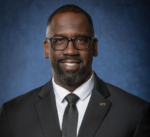
For the last month, I have been crisscrossing my home state of Florida, connecting with families, communities, and voters about the November elections. Are people scared? Yes. Are they worried? No doubt. But most importantly, the primary feeling in the streets and homes of Floridians is that people are fed up and they want change.
They have had enough of the attacks on education, the skyrocketing cost of living, the scapegoating of minorities, the lies, the grifting and greed. The status quo is no longer acceptable, and when voters go to the ballot box, they will be voting for change. Why am I so confident? Because I’ve seen this before—we all have. In 2008, America was frustrated with a vastly unpopular president, caught in an equally unpopular war while presiding over a shrinking economy and rising prices. The result? America turned the page with the historic election of Barack Obama, ushering in an era of prosperity and peace.And Florida is ready for this moment, as I believe it sits at the epicenter of three converging factors that will be the path to victory.
First, and perhaps most crucially, labor unions have embraced their duty to protect the rights of workers in the state. That may seem obvious, but when you consider the state’s anti-union legislation—namely Florida’s Senate Bill 256, which creates new and restrictive challenges to unions’ bargaining powers—you understand the scope of the issue. When you attack workers’ rights to advocate for their wages, working conditions and benefits, you send a message that their voices don’t matter. That’s why unions like ours, the Florida Education Association, United Teachers of Dade and countless others, have not folded in the face of adversity; we have stood 10 toes down in our ongoing fight for workers’ rights. We have maintained our infrastructure, our membership networks and, most importantly, our alliances with others.
Those alliances are a second factor in the upcoming change election, because it is simply not enough to maintain democracy; we must continue to expand it, and that requires community. I saw that community-building firsthand when I joined the National Black Justice Coalition, civil rights attorney Ben Crump, and elected officials like state Reps. Fentrice Driskell and Dianne Hart at the state capitol to push back against Gov. Ron DeSantis’ plan to cancel the nation’s first Advanced Placement course focusing on Black culture.
My union also worked with the local NAACP to furnish 10,000 books for new Freedom Libraries in response to the governor’s “Stop WOKE” act, which marked Black stories and history as too “woke” and unfit for our kids.
These acts of solidarity mean something to the men, women and children in our communities who often feel like no one cares about them and the issues that affect them. By locking arms and walking together with other organizations, we show not only that we care, but that we have a plan to fight against injustice. And once the people see a plan and results, the hunger for justice grows. But while we will never stop fighting for American workers and their families, there is a limit to what unions can achieve on our own. Which is why, especially in our democracy, we look for trusted, competent leaders to represent, advocate for and legislate on behalf of the people—all the people.
That brings me to the third crucial element: candidates who can capitalize on the moment. As I said earlier this summer, “The true test of this political moment is whether we can capitalize on the localized excitement of the August Primary to fuel a historic turnout engine for the General Election.” It’s clear to me that the rampant illegality and incompetence of the Trump administration not only is a drag on Republican candidates (see how they run), but also has created a wide open lane for Democrats to use. But that opportunity is useless without leaders the people believe in. Thankfully, we have that in abundance across the board, including folks like David Jolly, Gwen Graham, Angie Nixon, Annette Taddeo and Jose Javier Rodriguez. I have stood next to many leaders—presidents, senators and more; I know greatness when I feel it, and I can tell the people feel it too. These candidates have both hands on the pulse of Florida and know that anyone NOT fighting for higher wages, better investment in public education and lowering healthcare costs is the wrong person for Florida. They are fearless, principled and dedicated to justice—the exact opposite of the current leadership Florida has watched wreck the state one institution at a time.
The stars have aligned. The stage has been set. And now, the last element, the only thing needed for change—the kind of change Florida has been begging for—is you. Closed mouths don’t get fed, so if you have any illusions about sitting this election out because you’re not convinced it will affect you, think about the last seven years in Florida and ask yourself if you would like to repeat them. If you are fine with the status quo, the rising costs, the attacks on education and culture, then perhaps change is not for you. But if you are like the thousands of people I have seen and talked to in the last month, you are ready to turn the page. That starts with your vote: Whether early, by mail or in person, NOW is the time to make your voice heard.
Black History
COMMENTARY: Bring on the Positive Calvary
SEATTLE MEDIUM — Dr. E. Faye Williams addresses the exhaustion many Americans feel following two years of political hostility, corruption, and systemic bigotry.

(Trice Edney Wire)—Like Amy Acton, candidate for Governor in Ohio and Dr. Abdul El-sayed for U.S. Senate in Michigan, the Positive Calvary really is coming soon! Aren’t we all tired of the negative past two years we’ve experienced in the U.S.? Aren’t we tired of the atrocious accusations being thrown around, the filthy language, lies, unending corruption, hatred, racism, sexism, Islamophobia, and bigotry of all kinds. This election season has been worse than ever! I’m sick and tired of women’s names being dragged through the mud—as mine, and others have been out of hate and jealousy. I’m tired of so many people being reluctant to support women. Let’s be the ones to stop this
I’m ready to hear in detail what candidates are ready to do to win the upcoming elections and give help to the people in need—and there are a lot of things from which to choose!
My prayer is that candidates will stop bickering and just tell us what they’re planning to do to help to bring us out of this abysmal situation we’re in now. Instead of spending so much time being shocked by what the highest elected man in the land is saying and doing, let’s concentrate on how to put up guard rails for him when we vote We already know more than enough about what he has said and done. Let’s pledge to elect leaders who’ve shown they care about the people they campaign to represent. There are a lot of good candidates out there who are being overshadowed by the bickering
Let’s not leave everything to elected leaders. As community activists, Get Out the Vote workers, religious leaders and all the good people around us. Show the way to a better nation to all around us. Let’s concentrate on what we are going to do to help people in need. Let’s work on plans to make their lives better. Let’s pledge to get along with our neighbors at home, and our neighbors in Canada, our friends in Ukraine and stop being led by someone who hangs out with those set on disrupting our system of democracy. Ignore the wrecking balls who are more interested in tearing down monuments and praising themselves, supporting evil with lies and unbelievable positions on good people, those who are destroying our military and using government and our taxes on evil things.
Let’s call out corruption, but don’t participate in it. Let us ignore lies about good candidates at all levels. Let’s support the left out. Jamie Davis, a Black man in Louisiana, is a leading candidate for the U.S. Senate. We don’t have to live in Louisiana or be a Democrat or a farmer to support him when you see how much trouble the person running against him is dealing with something people don’t want.
We can vote across party lines when that candidate has expressed the good things she/he will work for when elected. Never mind that in this case she has an R after her name. I know Monique Appeaning in Louisiana who worked in my campaign for Congress when she was a very young woman. I missed winning by a few votes to become the first Black woman to represent my home state in Congress. Forty years later, there has still been no Black woman in the Louisiana delegation. Monique has chosen to pick up the challenge and give my hope life so that other young Black women can have hope in refusing to allow any good thing to be beyond their reach
You know right from wrong, so don’t be afraid to vote for what’s right in a few days. Always promote good. Dr. Abdul El-Sayed and Amy Acton deserve your vote if you are in Ohio or Michigan. Yes, you know right from wrong, so do what’s right wherever you are.
Based on reporting by Seattle Medium.
Black Press
Message from the Associate Editor: Blindness, Hurts, Cops
HOUSTON DEFENDER — Reports regarding Philadelphia Eagles quarterback Jalen Hurts have raised serious concerns about the treatment of Black athletes after it was revealed he played through a medical emergency. According to team reports, Hurts was hospitalized until 4 a.m. with a blood clot prior to a Week 5 game in London, yet he was allowed to play the entire game and endure international flights.

The Jalen Hurts saga hurts
The disturbing reports surrounding Philadelphia Eagles quarterback, Houston-born Jalen Hurts, raise a troubling question: How much is a Black athlete’s life worth when winning is on the line? According to reports, the Eagles knew Hurts had a blood clot after he was hospitalized until 4 a.m. before the team’s Week 5 game against Jacksonville in London. Nevertheless, he played the entire game and endured international flights before doctors discovered the clot had progressed to deep vein thrombosis and bilateral pulmonary emboli. He was placed on blood thinners and injured reserve (out for the season). Sports medicine physician Jesse Morse warned that migrating clots could cause a fatal pulmonary blockage, heart attack, or stroke. Pulmonologist Matthew Gordon acknowledged that blood clots can be catastrophic or fatal. Beyond the medical questions, this episode reflects a disturbing American tradition: Treating Black bodies as expendable commodities. From slavery to exploitative labor practices and generations of dangerous sports, Black people have repeatedly been expected to sacrifice their well-being for others’ profits. The NFL’s predominantly Black workforce is literally “fieldhands” making their wealthy “owners” wealthier, giving serious plantation vibes. What’s crazy is, Hurts could have died. And if he had, the Eagles would have simply put another Black body to work and kept it moving.
Blind by choice
Recently, a Black woman conservative social media influencer was physically removed from a Ken Paxton voter event. And as she fought back tears, after being “dog-walked” out of the building, she kept asking, “Why?” She told her followers that she has been a faithful supporter of Donald Trump and the entire Republican ticket. She said she not only voted for Trump and crew, but also organized and volunteered for them on various campaigns. Before she got to the event, she went live on social media, bubbling with excitement about supporting Paxton, which is crazy, because no one is excited about supporting Paxton. But her MAGA-fest was abruptly ended as her live-stream followers saw her suddenly teary-eyed, being led out of the event space. “And there’s no one I can talk to about this,” she asked her exit escort, dumbfounded. She then shared with her MAGA followers, “Someone just came up to me and said Ken Paxton’s campaign manager wanted me to leave… I drove two hours to get here, and I have done nothing but support everyone on the Republican side. And this is how I get treated? I cannot believe the disrespect that I was just given.” Blackfolk in the comments section couldn’t believe that soul sister couldn’t understand what was happening. But you, if she’s been willing to play blind and support one of the most anti-Black regimes in history, and organize for a party that has gone out of its way to disrespect every ounce of Black existence, then I can understand why she couldn’t see their disrespect of her Blackness. But since she’s already given her soul to anti-Blackness, you best believe she’s still voting for Paxton. In fact, she literally said so.
Mecklenburg racist police competitions
It’s old news by now that several Charlotte-Mecklenburg cops sent text messages to each other, degrading Black people with the N-word and racist jokes, celebrating their open competition to see which racist-ass officer could pull over, harass, and even inflict the most bodily harm on Black motorists. Their Klan-ish fun and games had zero to do with Black people breaking the law. It was just white cops making a sport out of terrorizing Black people, using the authority of the state and their literal license to kill to torture Black people emotionally and physically. And they used Flock cameras to help them with their fun and games. But what’s older news is the fact that these are the very actions Blackfolk have been pointing out from cops for centuries. These six cops got caught via text messages. But police in every city and state routinely take this same approach to law enforcement.
Based on reporting by Houston Defender.
Black Press
When Your Faith Is Put to the Test
THE POSITIVE COMMUNITY — Reverend J. Loren Russell explores the profound challenges of maintaining faith during seasons of unexpected adversity through the biblical narrative of Job. Despite being a man of integrity who feared God, Job suffered the sudden loss of his wealth, his ten children, and his physical health.

Scripture: Job 1:20–22; Job 42:5 (NKJV)
Job 1:20–22: Then Job arose, tore his robe, and shaved his head; and he fell to the ground and worshiped. 21 And he said: “Naked I came from my mother’s womb, And naked shall I return there. The Lord gave, and the Lord has taken away; Blessed be the name of the Lord.” 22 In all this Job did not sin nor charge God with wrong.
Job 42:5: “I have heard of You by the hearing of the ear, but now my eye sees You.”
Have you ever experienced a season when everything seemed to go wrong, even though you were doing your best to live faithfully before God? Have you ever prayed, served, sacrificed, and trusted God, only to find yourself facing circumstances you could not understand? If so, you are not alone. The story of Job reminds us that faithfulness to God does not exempt us from adversity, but adversity does not have to destroy our faith.
Job was a man of integrity who feared God and turned away from evil. He was blessed with a large family, great wealth, and an excellent reputation. Yet, in a series of devastating events, he lost his possessions, his servants, and all ten of his children. Then his own health deteriorated, leaving him physically and emotionally broken.
How could such tragedy happen to a man who was faithful to God?
Job’s story challenges the assumption that good people will never experience hardship. Sometimes we mistakenly believe that if we pray enough, obey enough, and live right, we can avoid life’s painful seasons. But Scripture never promises that believers will be spared every trial.
Faith is not measured only by how loudly we praise God when life is good, but also by whether we continue to trust Him when life becomes difficult. Job grieved deeply. He tore his robe, shaved his head, and fell to the ground in worship. His grief did not cancel his faith, and his worship did not mean he was free from pain. He brought his brokenness before God while acknowledging God’s sovereignty.
We can learn from Job that faith does not require us to pretend we are not hurting. We can cry, ask questions, and seek understanding without abandoning our relationship with God.
Job’s friends made matters worse by assuming his suffering must have resulted from personal sin. Their mistake reminds us not to judge people by their circumstances. When others are hurting, they may need our compassion more than our explanations.
Eventually, God spoke to Job out of the whirlwind. God did not provide a detailed explanation for every tragedy Job had experienced. Instead, He revealed the greatness of His wisdom and the limitations of human understanding. Job responded, “I have heard of You by the hearing of the ear, but now my eye sees You” (Job 42:5).
His encounter with God changed his perspective. He came to recognize more deeply the greatness of the One he served. He was then prepared to pray for his friends and God promised He would answer.
Sometimes God changes our understanding before He changes our circumstances. We may not receive every answer we seek, but we can continue to grow in humility, trust, and compassion.
When your faith is tested, keep praying, keep trusting, keep serving, and remember that your suffering does not define the limits of God’s greatness.
Your faith may be tested by adversity, but you can continue trusting the God whose wisdom is greater than your understanding.
Be Blessed!
Rev. J. Loren Russell is an associate minister at Goodwill Baptist Church and is the clergy officiant of the Evangelical Church of God, all in the Bronx, President/CEO of The JLR Company for Church Financial & Strategic Consulting (718-328-8096), and hosts “Matters of Faith – The Radio Show” on Monday nights from 8:00–10:00 PM on Facebook Live. Be sure to Friend “Matters of Faith” on YouTube and email us at [email protected]. Order your copy of Matters of Faith: The eBook at www.smashwords.com/books/view/993177.
Based on reporting by The Positive Community.
Black Press
Oakland Probate Dispute Raises Questions About Court-Ordered Property Transfer and Missing Notice
A legal dispute over an Oakland property has intensified following a tentative ruling that favored occupant Zakiya Jendayi, who claimed she was not properly notified before a judge ordered the property transferred into an estate. After the ruling, the estate’s administrator successfully challenged the presiding judge and requested the case be returned to the judge who signed the original transfer order. The First District Court of Appeal has now intervened to review the disqualification process and recent changes to the court docket. Read more.

Opinion and documentary analysis | Part 2 of 2
A tentative ruling found that Oakland property occupant Zakiya Jendayi had not received notice before a judge ordered its transfer into an estate.
The ruling was not final. Attention shifted to the assigned judge.
The estate’s special administrator, Phillip Campbell, invoked California Code of Civil Procedure Section 170.6 to disqualify Judge Stephanie Sato. The trial court granted the challenge Sept. 9, 2026.
Five days later, Campbell requested reassignment specifically to Judge Sandra Bean, who had signed the property order Jendayi sought to overturn.
The sequence raises questions about procedural fairness.
A Challenge After an Unfavorable Ruling
Sato’s Sept. 8 tentative ruling concluded that California’s notice requirement protected Jendayi as an occupant, regardless of whether Jendayi held a valid ownership interest.
Her proposed decision would have vacated Bean’s Oct. 8, 2025, order.
Section 170.6 permits challenges under certain circumstances. Whether Campbell’s challenge was timely was disputed.
On Sept. 14, Campbell sought Bean’s reassignment, citing her familiarity with related trust litigation, judicial economy and consistency. Jendayi opposed the request the following day.
The timing invites serious public scrutiny but does not establish misconduct.
The Appellate Court Intervenes
In Kaiser Foundation Hospitals v. Superior Court (1987), a California appellate court examined the danger of allowing litigants to learn a judge’s likely decision before seeking disqualification.
The decision also recognized that changed assignments and insufficient notice can affect when a challenge is permissible.
On Sept. 17, 2026, the First District Court of Appeal stayed the order granting Campbell’s challenge and requested briefing addressing Kaiser.
That intervention did not vacate Bean’s property order, restore the invalidated trust or conclusively decide whether Campbell’s challenge was improper.
It did place the reassignment dispute under appellate review.
Questions in the Docket
Two versions of the court docket present another unresolved issue.
A printout preserved through Sept. 15 lacked reassignment entries that appeared in a later version. The later docket listed reassignment to Bean and a clerk’s notice under Sept. 9.
The difference warrants an explanation of when the entries were created, entered and made publicly accessible.
It does not establish deliberate backdating.
Accountability Beyond an Order
Judges generally enjoy immunity from damages claims arising from judicial acts, even when serious error is alleged. That protection does not make their decisions immune from review.
Appellate courts can correct legal errors; California’s Commission on Judicial Performance can investigate misconduct but cannot reverse judgments.
For Jendayi, the central concern remains practical: How much litigation must an occupant undertake to enforce a notice requirement intended to protect participation before property rights are adjudicated?
The U.S. Supreme Court’s decision in Mullane v. Central Hanover Bank & Trust Co. underscores the importance of meaningful notice and an opportunity to object.
The record establishes contested filings, a tentative ruling and appellate intervention, not anyone’s private motives.
The public deserves a transparent, documented explanation of this consequential judicial process.
A judge’s signature should resolve a lawful dispute, not silence legitimate questions about how the decision was reached.
The case is Estate of Laura Dean Head, Alameda County Superior Court case RP20066047. Records are available through the court’s eCourt Public Portal.
Black Press
Chase Launches Fraud & Scam Prevention Month
JPMorganChase is launching Chase Fraud & Scam Prevention Month this November to help consumers protect their personal information and finances. As the holiday season approaches, the nationwide initiative provides education on avoiding sophisticated tactics used by criminals, such as phishing and impersonation scams. The program features free workshops hosted by community managers across the lower 48 states and builds on existing financial wellness efforts that have reached over one million customers. Read more to learn how these new resources and technologies aim to stop financial crimes.

New initiative builds on Chase’s longstanding commitment to fraud and scam prevention education nationwide.
NEW YORK, Oct. 19, 2026 – Scams can happen to anyone. That’s why Chase is dedicating November to helping consumers protect themselves.
As consumers prepare for the holiday season, criminals are increasingly using sophisticated tactics to pressure people into sending money, sharing personal information and making decisions they’ll later regret.
This November, JPMorganChase is launching Chase Fraud & Scam Prevention Month, a nationwide consumer education initiative designed to help people recognize common scams, avoid in-the-moment mistakes and better protect their money and personal information during the holiday season.
The initiative builds on Chase’s longstanding efforts to help consumers navigate fraud and scams through education, awareness and community-based programming. Through its financial wellness initiatives, Chase has served more than 1 million customers and continues to host more than 1,000 fraud and scam prevention workshops annually across the country.
Throughout November, Chase Community Managers will host free educational workshops in all lower 48 states, as Chase continues to expand digital resources and consumer awareness efforts focused on helping people spot scams and take practical steps to protect themselves. Programming will address scams commonly seen during the holiday season, including impersonation scams, package delivery phishing attempts, gift card scams, fake online deals and fraudulent charity solicitations.
“Scammers are constantly adapting their tactics, making education and awareness more important than ever,” said Jennifer Roberts, CEO of Consumer Banking at Chase. “For years, JPMorganChase has invested in helping consumers recognize scams, understand warning signs and feel empowered to protect themselves. Chase Fraud & Scam Prevention Month builds on that commitment by providing practical guidance that can help people make safer decisions during the holiday season.”
Fraud and scam prevention remains a key component of Chase’s broader commitment to consumer financial wellness. Through educational workshops, local partnerships and community outreach, Chase helps communities build financial confidence and stay informed about evolving fraud and scam threats. The firm also works closely with law enforcement to share scam trends and insights and help drive more effective interventions as agencies work to combat financial crime.
Ongoing Fraud and Scam Prevention Efforts
Beyond consumer education, Chase continues to invest in technology, partnerships and customer protections designed to help prevent fraud and scams before they occur.
Scam prevention is embedded throughout the customer experience, from account opening and authentication to payments and customer service interactions. Chase continues to strengthen protections across the customer journey through targeted warnings, risk-based interventions, behavioral science-informed approaches and frontline employee training. These efforts help employees identify potential scams, recognize warning signs and better support customers who may be at risk of fraud or scams.
In addition, the firm continues to invest in next-generation security tools, including expanded use of passkeys and other authentication technologies designed to help defend against phishing, social engineering and account takeover attempts, as well as Trusted Contact Person, which allows customers to designate a trusted adult who may be notified of certain transactions to help guard against potential fraud or financial exploitation.
Earlier this year, JPMorganChase also announced nearly $14 million in philanthropic investments focused on consumer awareness, real-time prevention and victim support.
For more information about Chase’s fraud and scam prevention efforts and tips, visit Chase.com/security and attend a local fraud and scam prevention workshop.
About Chase
Chase is the U.S. consumer and commercial banking business of JPMorgan Chase & Co. (NYSE: JPM), a leading financial services firm based in the United States of America with operations worldwide, assets of $5 trillion and $375 billion in stockholders’ equity as of June 30, 2026. Chase serves more than 87 million consumers and 7.5 million small businesses with a broad range of financial services, including personal banking, credit cards, mortgages, auto financing, investment advice, small business loans and payment processing. Customers can choose how and where they want to bank: 5,100 branches in 48 states and the District of Columbia, 14,500 ATMs, mobile, online and by phone. For more information, go to chase.com.


What was hidden under the First Baptist Church of Williamsburg #history #facts #americanhistory

Young Black voters in Houston defy labels

Black Banks Can Compete: Honest Truth About Their Offers #shorts

The Conversation With Al McFarlane (10/29)

Chevy Silverado: Huge Ride for the Week! #shorts

Black Houston turns out as Harris County early voting surges
Let’s Talk – Entrepreneurship and Mental Health
AutoNetwork Live Stream

OP-ED: Three Reasons Florida Is Ready For A Change Election Next Week

Before You Buy This Enclave SUV, Test It on the HIGHWAY #shorts

OP-ED: Haiti TPS: Have We Lost Sense of Humanity?

All Skinfolk Ain’t Kinfolk

Latinas Deserve Equal Pay. Unions Help Make It Happen.

Why Black Artists Struggle to Sell Tours

Zakiya Jendayi Arrested, Locked Out of Home by Sheriff’s Deputies

A $2.1 Trillion Wellness Industry Never Built a Daily Practice for Black Children. So This Atlanta Family Did.

Oakland Awarded More than $14 Million in State Funding

OP-ED: Washington Has a Chance to Save Veterans’ Lives

Consumers and States Awarded $694 Million After Predatory Auto Lender Settles Lawsuit

From Ma Rainey to AI: New Technology Amplifies an Old Fight over Artist Control
What was hidden under the First Baptist Church of Williamsburg #history #facts #americanhistory
Young Black voters in Houston defy labels
Black Banks Can Compete: Honest Truth About Their Offers #shorts
The Conversation With Al McFarlane (10/29)
Chevy Silverado: Huge Ride for the Week! #shorts
Black Houston turns out as Harris County early voting surges
Before You Buy This Enclave SUV, Test It on the HIGHWAY #shorts

RESILIENCE Dance Company brings “Entry Points” to COCA

Test Drive With the Radio Off—and Check Those Tires #shorts

Loyalty Could Be COSTING You on Car Insurance—Compare Rates Every Year #shorts
-

 Featured1 week ago
Tamiko Armstead | 2026 Lifetime Achiever in Education
-
 Featured1 week ago
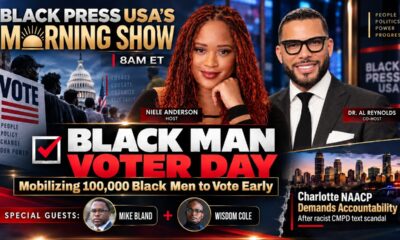
BLACK MEN VOTE: Mobilizing 100,000 Black Men Ahead of the Midterms 📱
-
 Black Press4 days ago
Secretary of State Shirley Weber Pushes Back Against DOJ Demands Over California Voter Rolls
-

 Black Press1 week ago
OP-ED: For Us It’s Feel-a-Nomics
-

 Art2 days ago
Capturing Black Life’s Beauty
-
 Featured1 week ago
Yoji Senna: Inside Brazil’s social safety net — free health, transport, and perks
