
Government
Assemblymember Holden’s Bill on Assurance of Voluntary Compliance Signed by Governor
PASADENA JOURNAL — Governor Newsom signed Assemblymember Chris Holden’s legislation, Assembly Bill 669, that authorizes the Attorney General to accept Assurances of Voluntary Compliance (AVC) when settling with companies that have violated consumer protection laws.


By The Pasadena Journal
Governor Newsom signed Assemblymember Chris Holden’s legislation, Assembly Bill 669, that authorizes the Attorney General to accept Assurances of Voluntary Compliance (AVC) when settling with companies that have violated consumer protection laws.
“This bill increases accountability by ensuring that AVCs entered into by the Attorney General have the same force and effect as a stipulated judgement,” said Assemblymember Chris Holden. “This bill expands the tools available while still holding private companies that defraud California residents accountable.”
AVCs are written documents that are subject to Court approval, and AB 669 will permit the Attorney General to use AVCs to resolve consumer protection actions. When agreeing to an AVC, the defendant is assuring the Attorney General that they will comply with the law and the terms of the settlement.
“AVCs are often used by our sister states to resolve multistate consumer protection investigations,” said Holden. “Allowing our Attorney General to also accept AVCs will enable him to work more effectively as part of multistate coalitions, thereby conserving time and resources.”
This article originally appeared in the Pasadena Journal.










Black History
Remembering Moses Newson and the Power of the Black Press During the Civil Rights Movement
ATLANTA DAILY WORLD — Moses J. Newson, a pioneering journalist who spent decades documenting the American Civil Rights Movement for the Black press, died on November 17 at his home in Baltimore at the age of 99. His daughter confirmed that he passed away from natural causes.

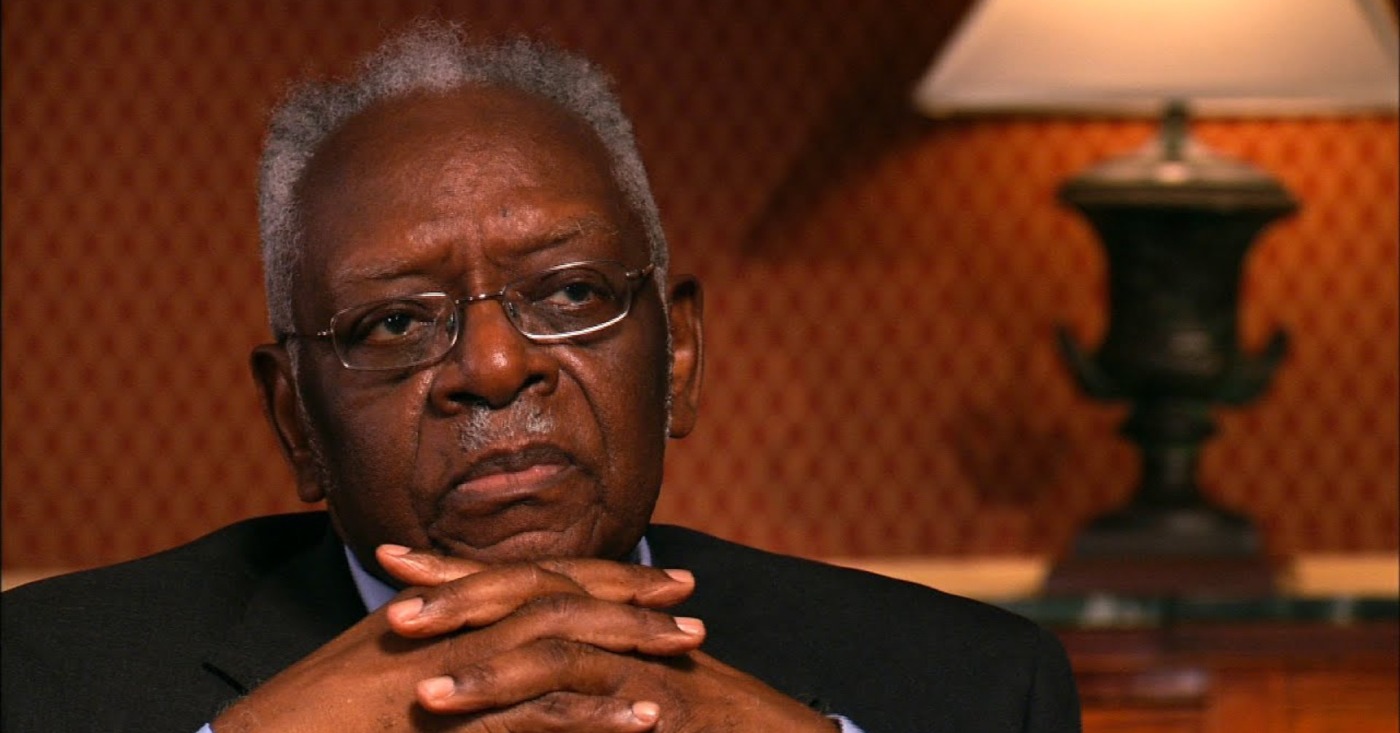
Moses J. Newson, a pioneering Black journalist whose reporting documented some of the most defining moments of the Civil Rights Movement, died November 17 at his Baltimore home. He was 99.
His daughter, Shawn Newson, confirmed to Journal-isms that he died of natural causes.
Throughout his career, Newson documented the struggle for racial equality from the front lines, bearing witness to events that challenged segregation and transformed American society. His work reflected the critical role of the Black press during an era when racial injustice frequently received inadequate coverage from mainstream news organizations.
Born February 5, 1927, in Fruitland Park, Florida, Newson pursued journalism after serving in the United States Navy. He studied at Storer College and Lincoln University in Missouri before beginning his newspaper career at the Tri-State Defender in Memphis in 1952.
His early assignments included coverage of school desegregation and the murder of Emmett Till in 1955, a case that helped galvanize the national Civil Rights Movement.
Newson joined the Baltimore Afro-American in 1957, covering the integration of Central High School in Little Rock, Arkansas, during his first assignment with the newspaper.
Four years later, he placed himself in considerable danger while covering the Freedom Rides, organized to challenge segregation in interstate transportation.
Newson survived the infamous attack on a Freedom Riders bus in Anniston, Alabama, in 1961. Despite the personal danger he encountered, he continued documenting the movement, providing readers with firsthand accounts of the resistance to racial integration.
His reporting also included the integration of the University of Mississippi in 1962 and the 1963 March on Washington. In 1968, he interviewed the Rev. Dr. Martin Luther King Jr. during preparations for the Poor People’s Campaign, shortly before King’s assassination.
Newson spent 21 years with the Baltimore Afro-American, rising from reporter to city editor and ultimately executive editor. He spent the final decade of his newspaper career overseeing editorial operations before transitioning into federal public affairs in 1978.
In 2014, the National Association of Black Journalists inducted Newson into its Hall of Fame, recognizing his contributions to journalism and his extraordinary record of civil rights coverage.
His experiences were also documented through the Civil Rights History Project, a collaboration between the Library of Congress and the Smithsonian Institution’s National Museum of African American History and Culture.
Newson’s family plans to honor his life with a private ceremony in February, when he would have celebrated his 100th birthday.
His death marks the loss of a journalist who witnessed history at extraordinary personal risk. His reporting remains part of the permanent record of America’s struggle for racial equality and a reminder of the indispensable role Black newspapers played in bringing that struggle to the nation’s attention.
The post Remembering Moses Newson and the Power of the Black Press During the Civil Rights Movement appeared first on Atlanta Daily World.
Based on reporting by Atlanta Daily World.
Black History
An HBCU Is Training Doulas to Help Combat Childbirth Risks
THE CAROLINIAN — North Carolina Central University is addressing the critical maternal health crisis in rural communities by training a new workforce of birth doulas. Through its Rural Health Hub in Enfield, the historically Black university is developing a network of trained birth workers to support mothers in Eastern North Carolina.
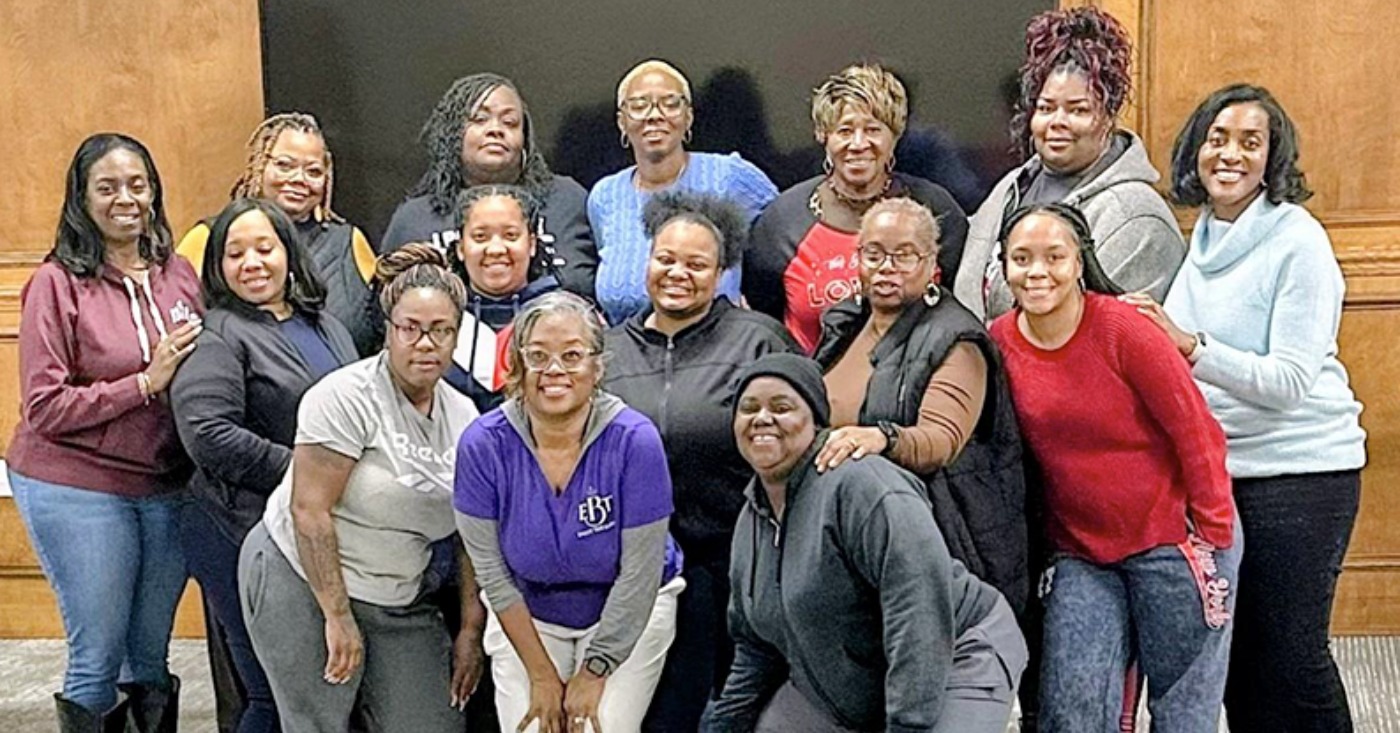
For many expectant mothers in rural communities, preparing for childbirth involves more than prenatal appointments and planning for a new baby. Limited access to maternity care, long travel distances, and unequal health outcomes can make pregnancy an especially difficult experience.
North Carolina Central University is working to address some of those challenges by training community-based birth doulas who can provide support to mothers before, during, and after childbirth.
Through its Rural Health Hub in Enfield, North Carolina, the historically Black university is developing a network of trained birth workers to improve maternal health outcomes in rural Eastern North Carolina, where access to maternity services remains limited.
The initiative comes at a time when Black women continue to experience disproportionately high rates of pregnancy-related deaths. According to North Carolina’s Maternal Mortality Review Committee, Black women in the state were 1.7 times more likely than white women to die from pregnancy-related causes between 2018 and 2021. The committee also found that nearly nine out of 10 pregnancy-related deaths reviewed were preventable.
The disparities are particularly concerning in rural communities, where some expectant mothers must travel an hour or more to reach hospitals offering labor and delivery services.
NCCU’s Community-Based Birth Doula Training Program, launched in December 2025, aims to address those gaps by preparing women who already live in underserved communities to support families navigating pregnancy and childbirth.
The program recruits participants from northeastern North Carolina counties, including Halifax, Northampton, Edgecombe, Nash, Bertie, Warren, and Martin.
Rather than bringing outside professionals into these communities, the university is investing in residents who understand the challenges families face and can build relationships with mothers in their own neighborhoods.
Dr. Undi Hoffler, director of the Community-Based Doula Program, emphasized the importance of developing a workforce rooted in the communities it serves.
“It’s important that our doulas come from these communities,” Hoffler said in an interview published by NCCU. “They’re building relationships with families they know. That’s how you build trust.”
The program’s first training cohort included 12 women who completed a three-day in-person training in December 2025. Participants received scholarships covering training, certification, and materials. The university also provides continued mentorship and assistance as trainees work toward professional certification through DONA International.
The initiative continued into 2026. A training workshop held in October brought together 14 women for three days of instruction at the Rural Health Hub in Enfield, according to NC Newsline’s Nov. 16 report.
During training, participants learn about pregnancy, anatomy, labor and delivery, postpartum recovery, and how to recognize situations that require medical attention. They also receive instruction on helping mothers communicate their concerns, understand available options, and advocate for themselves during medical appointments and childbirth.
A doula is a trained professional who provides emotional, physical, and informational support throughout pregnancy, labor, and the postpartum period. Unlike physicians, nurses, and midwives, doulas do not provide medical treatment or deliver babies. Instead, they serve as an additional source of support for mothers and their families.
That distinction is important in communities where mothers may have limited access to consistent support throughout their pregnancies.
For Rose Lewis, a member of the program’s first cohort, the decision to become a doula grew out of years of working with families and recognizing gaps in maternal support.
Lewis, a Nash County resident and community health worker, said she frequently encountered families who needed assistance accessing health services and other resources. Through that work, she began noticing how much support was available after a baby arrived compared with the resources offered during pregnancy.
“I kept seeing resources for after the baby gets here,” Lewis said in an interview with NCCU. “But what about the support leading up to birth?”
Her interest in the work also became personal after a woman connected to her extended family died during childbirth and her own daughter experienced a high-risk pregnancy.
Lewis now hopes to help other mothers feel informed and supported throughout their birthing experiences.
“When you’re informed, you can advocate for yourself,” she said.
Another trainee, Taya Partin of Edgecombe County, shared an experience involving a pregnant client who expressed fear that she might not survive childbirth. Partin recalled helping the woman manage her concerns and feel more prepared for the delivery process.
The experience illustrates the emotional support doulas can provide to mothers who may feel overwhelmed or uncertain during pregnancy.
Research has associated continuous labor support with positive childbirth outcomes, including fewer cesarean deliveries and improved birth experiences. However, doulas are not substitutes for medical professionals or emergency maternity care. Their role is to complement existing healthcare services by providing consistent support and helping mothers navigate the process.
For NCCU, the program represents an opportunity to connect higher education with a public health issue affecting communities throughout North Carolina.
The university’s Rural Health Hub is also working to strengthen relationships among healthcare providers, community organizations and local families. Its broader mission focuses on improving health access, workforce development and community-centered research in underserved areas.
The long-term vision for the doula initiative is to establish a stronger network of trained birth workers throughout rural Eastern North Carolina, helping ensure that mothers have access to support regardless of where they live.
As maternal health disparities continue to affect Black women across the state, NCCU’s work demonstrates how HBCUs can contribute to solutions beyond traditional classroom instruction.
Through community-based training, mentorship and partnerships, the university is preparing women to become advocates and support systems for mothers during one of the most important periods of their lives.
For the families these doulas serve, the goal is simple: no mother should have to navigate pregnancy and childbirth feeling alone, unheard or unsupported.
Based on reporting by The Carolinian.
Black Press
Attorney General Bonta Serves Investigative Subpoena on Nvidia
California Attorney General Rob Bonta has issued an investigative subpoena to Nvidia following reports regarding former CEO Jensen Huang’s relationship with an alleged Chinese spy. The California Department of Justice is investigating whether the company’s advanced chips or confidential information were improperly transferred to China. Authorities are also examining if Nvidia misled the public and investors about these potential security risks in violation of state law. Officials are currently evaluating the company’s conduct to determine if legal action is warranted. To learn more about this investigation, read more.
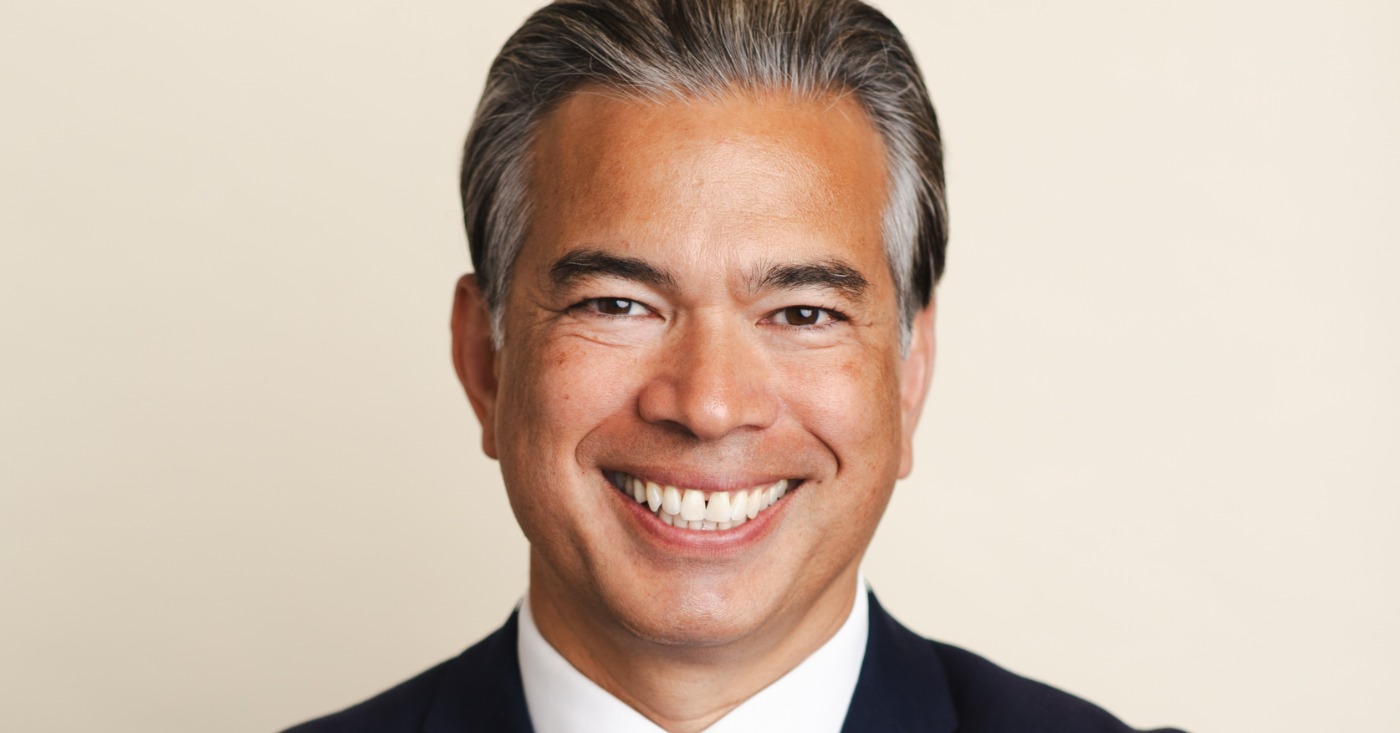
California Attorney General Rob Bonta served an investigative subpoena on Nvidia related to the news of former Nvidia CEO Jensen Huang’s affair with an alleged Chinese spy.
The California Department of Justice is asking Nvidia whether its advanced chips or confidential information may have gone to China and whether Nvidia misled investors and the public.
The information received through the subpoena will help the California Department of Justice evaluate whether Nvidia’s actions violated California law.
“The conduct of Nvidia and its former CEO raises bright red flags, including about the ways in which the company may have misled investors.
“My office is investigating whether Nvidia or Jensen Huang’s actions resulted in China obtaining advanced chips or confidential information — and if Nvidia misled investors and the public about this risk, in violation of the law,” said Attorney General Bonta in Thursday.
“Nvidia is in a messy, transnational situation but the underlying principle of our corporate securities law is clear: Companies cannot mislead their investors.”
The California Department of Justice is the source of this story.
Black Press
A Record 216 Firearms Collected at East Oakland Gun Buy-Back Event
The Oakland Police Department and community partners recently hosted the “Guns to Gardens” buyback event, collecting a record 216 firearms. This total marks the largest collection in more than a decade, surpassing the previous high of 130 guns set in 2022. Participants received a total of $18,000 in gift cards for surrendering weapons ranging from compact pistols to military-style assault rifles and ghost gun kits. Officials confirmed that every weapon collected will eventually be repurposed to serve a new community function. Read more.
Over the weekend, the Oakland Police Department (OPD) and community partners hosted “Guns to Gardens,” a gun buyback event with strong community participation. OPD collected a record 216 firearms, exceeding the previous high of more than 130 in 2022 and marking the largest collection in more than a decade.
“Thanks to the generosity of our faith-based coalition, the Kaiser Foundation, and local partners, we distributed $18,000 in gift cards to community members who turned in their firearms,” said Oakland Mayor Barbara Lee.
The buyback follows the graduation of the 197th academy of Oakland Police Department (OPD) cadets on Nov. 6. The nine cadets are already making their mark connecting with residents, honoring the department’s history, and supporting department events.
In their first month, the Cadets helped clean the Remember Them monument at Henry J. Kaiser Memorial Park. They learned about Oakland Police Officer John Grubensky, who died in the line of duty while guiding community members to safety during the Oakland Hills Fire and is honored on the monument.
The Cadets handed out candy at OPD’s annual Trunk or Treat celebration and helped with the 197th Police Academy graduation ceremony.
Most recently, the Cadets participated in an inspection and pinning ceremony, marking another milestone in their development and service to our community.
OPD thanks Kaiser Permanente and PG&E for their donations, which led to the reinstatement of the Cadet Program. This program offers young people ages 15½ to 20½ opportunities to engage with their community, gain experience, and explore careers in public safety.
But it was the veteran officers that handled the buyback at St. Benedict’s Catholic Church at 2245 82nd Ave.in East Oakland.
The weapons collected on Nov. 14 ranged from compact pistols to assault weapons. One participant also surrendered equipment used to create homemade firearms, commonly known as “ghost guns.”
“I was shocked to see the number of assault weapons, military-style firearms, and ghost guns turned in,” said Oakland Police Chief James Beere. “Every firearm removed from our streets is one less that could be used in a shooting or other act of violence. By choosing to turn in unwanted guns, we help protect our neighborhoods and ultimately save lives.”
OPD and Lee thanked the community partners, volunteers, and participants for their continued support in this effort.
“Every single gun collected will be transformed into garden tools and given back to the community at future events,” said Lee. “A huge thank you to everyone who participated, our dedicated partners, and OPD for making Oakland safer.”
Paul Chambers is the strategic communications manager for the Oakland Police Department.
Black Press
A Record 216 Firearms Collected at East Oakland Gun Buy-Back Event
The Oakland Police Department and community partners recently hosted the “Guns to Gardens” buyback event, collecting a record 216 firearms. This total marks the largest collection in more than a decade, surpassing the previous high of 130 guns set in 2022. Participants received a total of $18,000 in gift cards for surrendering weapons ranging from compact pistols to military-style assault rifles and ghost gun kits. Officials confirmed that every weapon collected will eventually be repurposed to serve a new community function. Read more.
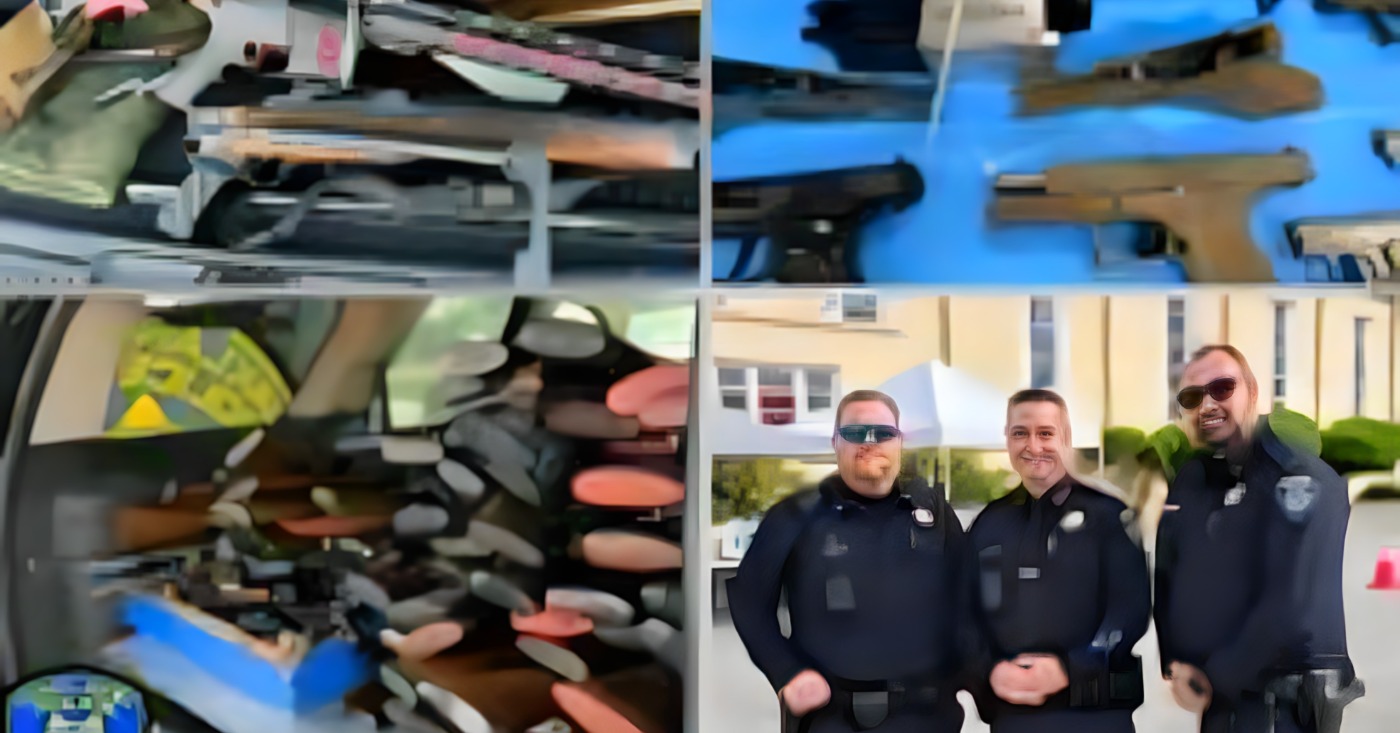
Over the weekend, the Oakland Police Department (OPD) and community partners hosted “Guns to Gardens,” a gun buyback event with strong community participation. OPD collected a record 216 firearms, exceeding the previous high of more than 130 in 2022 and marking the largest collection in more than a decade.
“Thanks to the generosity of our faith-based coalition, the Kaiser Foundation, and local partners, we distributed $18,000 in gift cards to community members who turned in their firearms,” said Oakland Mayor Barbara Lee.
The buyback follows the graduation of the 197th academy of Oakland Police Department (OPD) cadets on Nov. 6. The nine cadets are already making their mark connecting with residents, honoring the department’s history, and supporting department events.
In their first month, the Cadets helped clean the Remember Them monument at Henry J. Kaiser Memorial Park. They learned about Oakland Police Officer John Grubensky, who died in the line of duty while guiding community members to safety during the Oakland Hills Fire and is honored on the monument.
The Cadets handed out candy at OPD’s annual Trunk or Treat celebration and helped with the 197th Police Academy graduation ceremony.
Most recently, the Cadets participated in an inspection and pinning ceremony, marking another milestone in their development and service to our community.
OPD thanks Kaiser Permanente and PG&E for their donations, which led to the reinstatement of the Cadet Program. This program offers young people ages 15½ to 20½ opportunities to engage with their community, gain experience, and explore careers in public safety.
But it was the veteran officers that handled the buyback at St. Benedict’s Catholic Church at 2245 82nd Ave.in East Oakland.
The weapons collected on Nov. 14 ranged from compact pistols to assault weapons. One participant also surrendered equipment used to create homemade firearms, commonly known as “ghost guns.”
“I was shocked to see the number of assault weapons, military-style firearms, and ghost guns turned in,” said Oakland Police Chief James Beere. “Every firearm removed from our streets is one less that could be used in a shooting or other act of violence. By choosing to turn in unwanted guns, we help protect our neighborhoods and ultimately save lives.”
OPD and Lee thanked the community partners, volunteers, and participants for their continued support in this effort.
“Every single gun collected will be transformed into garden tools and given back to the community at future events,” said Lee. “A huge thank you to everyone who participated, our dedicated partners, and OPD for making Oakland safer.”
Paul Chambers is the strategic communications manager for the Oakland Police Department.
Black Press
City Council Hearing Shines a Light on Failures of City’s Prompt Payment Policy
Oakland’s Finance and Management Committee recently held a hearing to address systemic failures in the city’s Prompt Payment Policy, which mandates that vendors be paid within 20 business days. Despite official reports claiming a 96% success rate, local business leaders and Councilmember Janani Ramachandran argue the data ignores the struggles of small firms and nonprofits. Many contractors reported waiting months or even a year for compensation, forcing some to take out loans to survive. Community leaders are now demanding greater accountability for department heads to ensure the city’s business community remains viable. Read more.
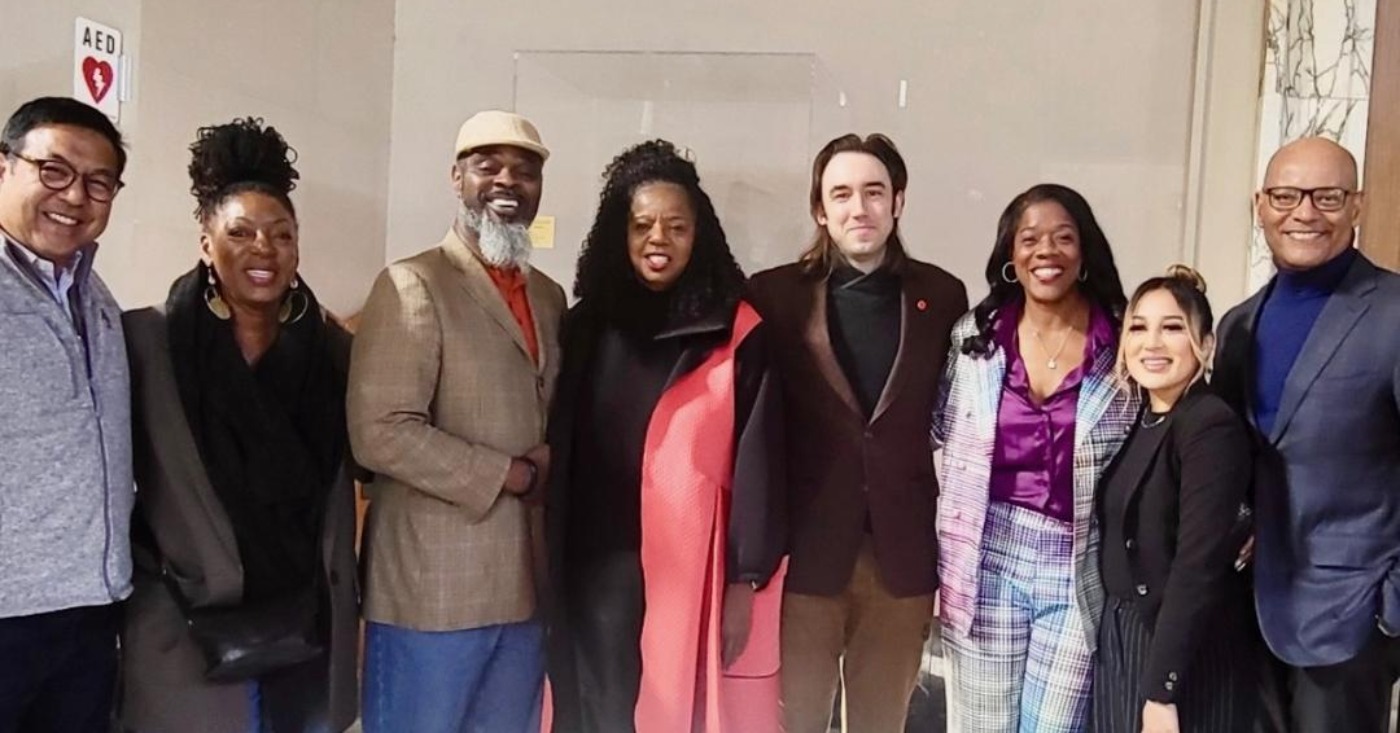
For years, many small businesses and nonprofits have not been paid on time
A City Council hearing this week shined a light on the shortcomings of the implementation of Oakland’s Prompt Payment Policy, which requires the city to pay vendors and consultants within 20 business days for work done for the city.
The hearing, led by Councilmember Janani Ramachandran at the City Council’s Finance and Management Committee on Tuesday, was a discussion of the track record of implementation of the Prompt Payment Policy, which was enacted in 2008 as part of the Oakland Municipal Code to ensure that local vendors are paid promptly and to “increase local business contracting opportunities with the city,” according to a city report.
In 2014, the ordinance was extended to cover local grant recipients.
Ensuring that this policy lives up to its promise is a crucial part of the city’s pledge in the wake of the findings of a Disparity Study in 2024 to end decades of discrimination preventing Black-owned, women-owned, and other small local businesses from obtaining contracts in their own hometown.
“Small businesses are the lifeblood of our city: timely payment is critical for small businesses and nonprofit organizations that provide direct services to our youth and young adults that are typically underfunded and rely on predictable cash flow to sustain operations,” said Ramachandran in a memo requesting a report from city staff on the implementation of the Prompt Payment Policy.
Many small businesses and nonprofits have complained loudly for years that they have not been paid on time. Though the city has produced a report that says over the past five years 96% of vendors were paid promptly, there are concerns that the report did not focus sufficiently on the treatment of small businesses and nonprofits.
In addition, the report did not cover whether subcontractors are paid promptly. A vast majority of the city’s contracts go to a handful of large “prime” contracts, and many small companies perform work as subcontractors of the larger firms.
Speakers at Tuesday’s hearing reported that small companies and nonprofits have not been paid for months or for as long as year, forcing them to take out loans or go out of business while waiting to be reimbursed for costs for employees and resources for work already completed.
City staff did acknowledge that at present the city does not track whether “prime” contactors pay their subcontractors on time.
Speaking at the hearing, Councilmember Ken Houston said that the failure to pay on time has been an issue in the city for at least 15 years.
Cathy Adams, president and CEO of the Oakland African American Chamber of Commerce and representing the Oakland Business Coalition and city’s multi-cultural chambers of commerce, said, “Our small businesses deserve to be paid on time for work they have already performed.”
“(The staff report) does not tell the whole story because the city does not track payment to subcontractors,” she said. “Our (small) businesses cannot operate on promises. They have employees to pay, insurance to maintain, suppliers to compensate, and families dependent on them. When payments are delayed, businesses suffer. Some may not survive.
“Accountability requires prime contractors to pay their subcontractors promptly with clear payment requirements written into every contract (with the city),” she said.
In a statement to the Oakland Post, Adams said, “The City must conduct a comprehensive audit of every department to identify operational failures, inadequate staffing performance, and breakdowns in management oversight.”
“Department heads must be held accountable, and employees who consistently fail to perform their responsibilities must face corrective action, including termination when warranted,” she continued. “Our businesses deserve to be paid promptly for work performed. We are not asking for special treatment; we are demanding fair treatment.”
“Under Mayor Barbara Lee’s leadership, Oakland is moving in the right direction, but we cannot allow bureaucratic failures to undermine our business community,” Adams said.


Playfessionals: Building Real Community for Twin Cities Professionals | MSR On the Radar

Minnesota Hip-Hop’s First First Avenue Shows in 1983 #shorts

Free Shipping at $85—Plus Big Plans for Wholesale and Expansion #shorts

Where Would You Charge Your EV: At Home or in Public? #shorts

Curtis Blow’s 1982 Rap Contest: The Win That Changed Everything #shorts

Stop Selling Jeans to Everyone—Find an Underserved Niche #shorts

AI Music Is Changing How We Discover Artists #shorts

Before You Rent Retail Space, Know Your Break-Even Sales #shorts

Buying Friction: The Hidden Cost Beyond the Price #shorts

Heated Steering Wheel & Seat Comfort: Find Your Perfect Driving Position #shorts

HISTORY MADE: Keisha Lance Bottoms Becomes First Black Woman Elected Governor in American History

Retirement Triggers Doctor to Pen Book for Young Audience

Multi-Faith Leaders Representing 10 Million People Launch National Anti-Authoritarian Initiative

Capturing Black Life’s Beauty

Christianity’s Racial History

Hundreds of Black Christian Leaders Arriving in Israel for Martin Luther King-Inspired Mission

Message from the Associate Editor: Blindness, Hurts, Cops

Michael Shiner: The Enslaved Man Who Wrote His Way into American History

Keisha Lance Bottoms to Govern State Where Her Great-Great-Grandfather Was Enslaved

Don’t Pass the Torch. Expand the Circle.
Playfessionals: Building Real Community for Twin Cities Professionals | MSR On the Radar
Minnesota Hip-Hop’s First First Avenue Shows in 1983 #shorts
Free Shipping at $85—Plus Big Plans for Wholesale and Expansion #shorts
Where Would You Charge Your EV: At Home or in Public? #shorts
Curtis Blow’s 1982 Rap Contest: The Win That Changed Everything #shorts
Stop Selling Jeans to Everyone—Find an Underserved Niche #shorts
AI Music Is Changing How We Discover Artists #shorts
Before You Rent Retail Space, Know Your Break-Even Sales #shorts
Buying Friction: The Hidden Cost Beyond the Price #shorts
Heated Steering Wheel & Seat Comfort: Find Your Perfect Driving Position #shorts
-

 Black Press1 week ago
COMMENTARY: Thank You, Trump, for Making America Great Again!
-

 Black Press1 week ago
Black Men Encouraged to Start Prostate Cancer Screening at 45
-

 Black History6 days ago
Black Barbershops Have Long Given Neighborhood Politics a Place to Unfold.
-

 Black Press1 week ago
Alonzo Mourning’s Affordable Senior Housing
-

 Black Press1 week ago
Computational Thinking and Young Children: It’s Not What You Might Think!
-
 Black History1 week ago
Debunking the Myth That Europeans Alone Plotted Africa
