
Featured
Ask Dr. Kevin: Understanding Sickle Cell Disease


Ask Dr. Kevin is a new feature brought to you by Pfizer Rare Disease in collaboration with the National Newspaper Publishers Association (NNPA) to increase understanding of sickle cell disease.
Dr. Kevin is currently the Chief Medical Officer for Rare Disease at Pfizer. He pursued medicine after being inspired by his father’s work as a general practitioner in his hometown of Baton Rouge. Dr. Kevin is passionate about raising awareness and increasing understanding of sickle cell disease in the African-American community.
In this article, Dr. Kevin answers common questions about sickle cell disease and its impact on the African-American community and provides tips for living with and supporting someone with the disease.
What is sickle cell disease?
Sickle cell disease (SCD) is an inherited genetic disease that affects hemoglobin, the oxygen-carrying protein within red blood cells (RBC). While normal RBCs are flexible and oval-shaped, individuals with SCD have sharp, crescent-shaped RBCs that have trouble passing through the body’s blood vessels, irritating the vessels’ lining. This irritation leads to the production of “sticky” proteins that cause RBCs to clump together, along with other cells in the blood, and creates blockages in blood flow. The reduced blood flow leads to severe pain and organ damage, like the heart, brain, eyes, liver, lungs, and spleen (causing the inability to fight certain infections).
How does someone get sickle cell disease?
SCD is passed from parent to child. Everyone has two hemoglobin genes, one from each parent, and both parents must carry and pass the sickle cell gene to their child. With each pregnancy, the child has a 25% chance of having SCD if both parents have the trait.
Is sickle cell disease contagious?
No. You can only inherit it if your parents carry the sickle cell gene and pass it to you. SCD is a serious, lifelong condition that a person has from birth. You do not “lose” or “outgrow” it over time.
Are African-Americans more likely to have sickle cell disease?
SCD is more common in certain ethnic groups, especially those of African descent. It is estimated that nearly one in 14 African-American individuals carries the sickle trait and SCD occurs in one out of every 500.
What is the most common symptom for people with sickle cell disease?
Pain is the most common and difficult symptom of SCD, as it can be sudden and so severe that people need to go to the emergency room (ER) or be admitted to the hospital. This type of pain is referred to as a “sickle pain crisis” or “vaso-occlusive crisis” (as it is due to blood vessel blockage). Pain can occur anywhere blood flows, but common sites are lower back, arms, chest, stomach, and legs. Certain triggers are known to cause a pain crisis, such as dehydration, extremely hot or cold temperatures, and stress.
How can patients with sickle cell disease prevent pain?
Although you may not prevent every pain episode, avoiding triggers may reduce the occurrence and/or severity of pain crises. It’s important to:
• Stay hydrated to prevent dehydration. Drinking water is best.
• Exercise regularly, but don’t overdo it.
• Avoid very hot or cold temperatures.
• Manage stress to your body and mind.
• Get plenty of rest.
It’s also important to go for regular health checkups and talk to your doctor about managing pain episodes.
Is it possible to die from sickle cell disease?
SCD can cause a lifetime of health issues and complications that may lead to early death. In developed countries, like the United States, people with SCD often live between 40 and 60 years of age. However, in developing countries, like some countries in Africa, 90% of babies born with SCD will die before age 5.
What is the impact of sickle cell disease on the African-American community?
Severe pain crises lead to frequent ER visits and hospitalizations, which stress the patient and family, as well as the health care system. Also, those living with SCD often face disease misperceptions. For example, people with SCD are frequently believed to be drug abusers, because they have a high tolerance for pain killers. Missed days at school and work interfere with productivity and may lead to the perception that people with SCD are lazy. Studies have also shown that school-age children have a lower IQ due to effects of SCD on their developing brains.
Are there support groups for sickle cell disease?
Yes. National support groups and advocacy organizations are a great way to connect with others living with the disease. There may also be local groups in your area.
What can someone with a friend or family member who has sickle cell disease do to help?
It is important to understand and support those individuals living with SCD. As a friend, be considerate and help direct their focus away from the pain. As a family member, encourage regular checkups and help them communicate their feelings and avoid triggers that lead to a pain crisis. A knowledgeable, compassionate community can help reduce the stigma related to SCD. Stand up for those living with SCD and, now that you know more about the disease, educate others!
Stay tuned for the next Ask Dr. Kevin article, which will appear in September. Meanwhile, here are resources to find more information about sickle cell disease or the collaboration between the NNPA and Pfizer Rare Disease.
About Dr. Kevin Williams
Dr. Kevin Williams is the Chief Medical Officer (CMO) for Pfizer Rare Disease. In this role, he leads a Medical Affairs organization of approximately 150 medical colleagues around the globe supporting Pfizer’s efforts and portfolio in Rare Disease. Dr. Kevin joined Pfizer in January 2004 as a Director, Regional Medical & Research Specialists working in the HIV disease area. After moving into a Team Leader position in July 2005, he has served in various leadership roles during his career at Pfizer, most recently as the Global Medical Affairs Vice President for Rare Disease in Pfizer’s Global Innovative Pharma business unit where he supervised a group of global colleagues providing medical leadership and strategic support for inline and pipeline assets in Endocrinology, Hematology, TTR-Amyloidosis, Gaucher’s Disease, and other rare diseases. Dr. Kevin moved into his current Rare Disease CMO position in May 2016.
Dr. Kevin received his medical degree from the UCLA School of Medicine and is board certified in Internal Medicine. Following a 2-year fellowship in Health Services Research at UCLA and a brief academic career as an Instructor of Medicine at the UCLA School of Medicine, he spent 8 years in private practice caring for HIV-positive patients while maintaining an academic appointment at the UCLA School of Medicine as an Assistant Clinical Professor of Medicine. In addition to his medical degree, Dr. Kevin has a Masters in Public Health from the UCLA School of Public Health and a Juris Doctorate from Harvard Law School.









Featured
NFN Live ON BEYOND IWDM50 PODCAST: FEATURING IMAM OMAR SHAKIR! Join us TONIGHT for Week 6
Join Imam Omar Shakir TONIGHT on the Beyond IWDM50 Podcast! Tune in for inspiring discussions on community building, education, and more.

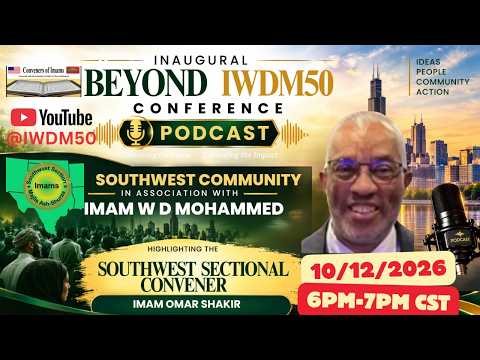
We are excited to spotlight Imam Omar Shakir, Southwest Sectional Convener, as he leads an inspiring conversation on “Sharing Best Practices and Developing Community Solutions.”
As part of the Inaugural Beyond IWDM50 Conference Podcast, this session continues the vision and expands the impact across key pillars:
👥 Community Building
💡 Education & Knowledge
🌱 Economic Empowerment
✅ Unity & Self-Determination
PNG
🗓️ Date: Monday, October 12, 2026
⏰ Time: 6:00 PM – 7:00 PM CST (7:00 PM – 8:00 PM EST)
📺 Where to Watch: YouTube @IWDM50
📻 Listen Live On: Facebook, YouTube & IWDM Community Radio
💬 Real Conversations. Lasting Impact.
👉 Register & Learn More: bit.ly/IWDM50forward & www.IWDMcommunity.com
#IWDM50 #ImamOmarShakir #BeyondIWDM50 #SouthwestCommunity #ImamWDMohammed #CommunityBuilding #LeadershipSpotlight
🎙️ New to streaming or looking to level up? Check out StreamYard and get $10 discount! 😍 https://streamyard.com/pal/d/4571578638008320
Featured
Uncle Luke Joins BlackPressUSA | Trump Responds to Nolan Wells Case 📱
Uncle Luke joins BlackPressUSA! Plus, Trump weighs in on the Nolan Wells case. Get the full story on today’s Morning Show.

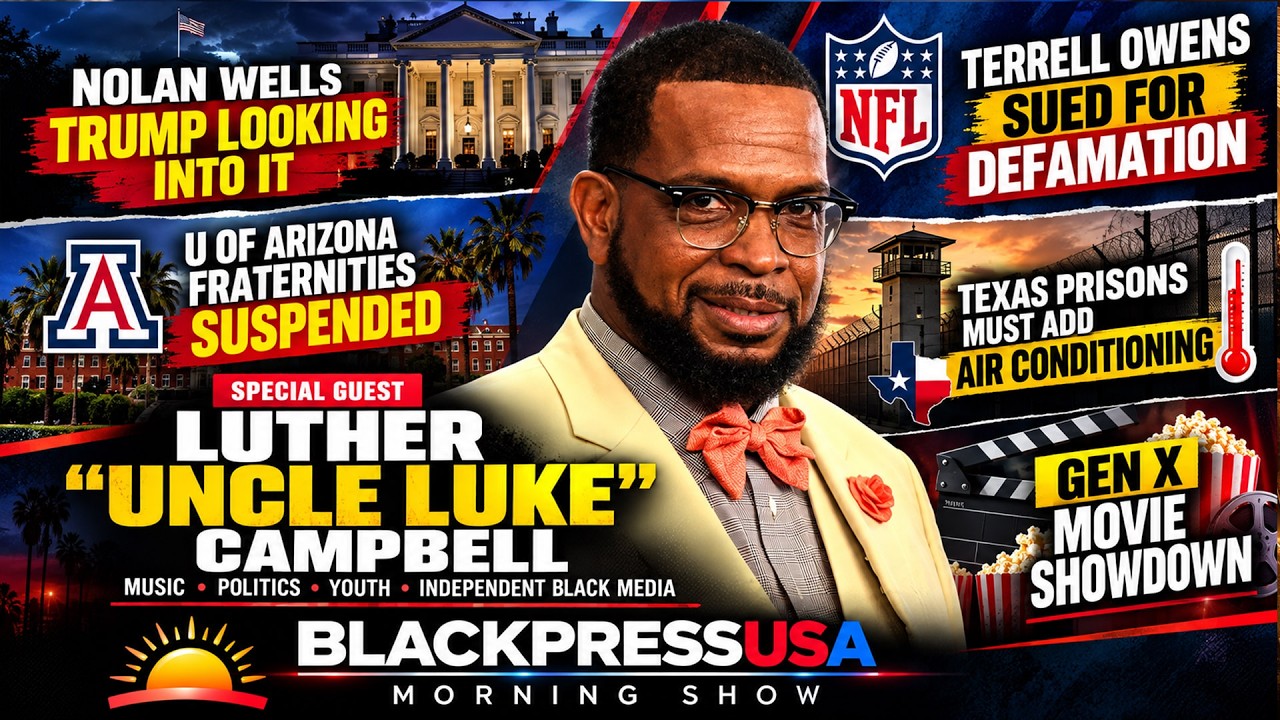
Today on Black Press USA’s Morning Show, we’re breaking down the stories driving the conversation.
Watch Black Press USA’s Morning Show for the headlines, the context, and the conversation behind the news.
#BlackPressUSA #MorningShow #BlackNews
Featured
Uncle Luke Joins BlackPressUSA | Trump Responds to Nolan Wells Case
Uncle Luke joins BlackPressUSA’s Morning Show to discuss hot topics. Plus, Trump weighs in on the Nolan Wells case.
Today on Black Press USA’s Morning Show, we’re breaking down the stories driving the conversation.
Watch Black Press USA’s Morning Show for the headlines, the context, and the conversation behind the news.
#BlackPressUSA #MorningShow #BlackNews
Featured
Planting seeds of economic mobility for St. Louis students
Could $5,000 and guidance change a teen’s future? St. Louis Junior Bonds is helping 300 students explore financial futures and achieve economic mobility.
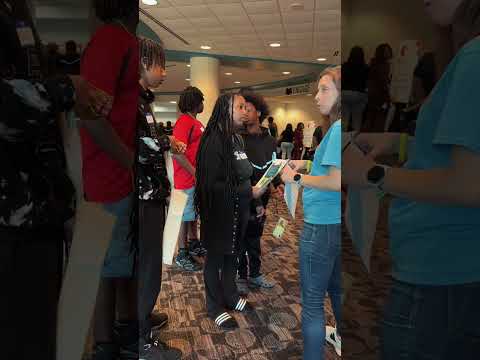
What could $5,000 and the right guidance mean for a teenager’s future? The St. Louis Junior Bonds program is helping nearly 300 students explore college, homeownership, entrepreneurship and investing, with families learning alongside them. Read how an open house organized by Ricky Hughes connected students with people who can help them take the next step.
https://www.stlamerican.com/business/planting-seeds-of-economic-mobility-for-st-louis-students/
🖊️ Lawrence Bryant
📷 Photos by Lawrence Bryant
#stlamerican #StLouis #FinancialLiteracy #EconomicMobility
Featured
Revitalizing Civics: Reclaiming Our Constitution
Understand your rights and reclaim the Constitution’s power. Watch the full episode to bring civics back into the conversation!
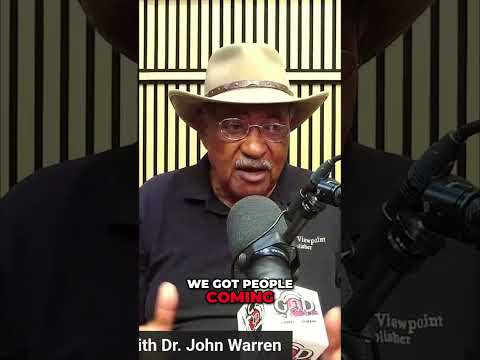
📜 The Constitution protects our rights, but how well do we understand them? It’s time to bring civics back into the conversation and recognize the power of being informed!
🎙️ Dive deeper into the discussion! Watch the full From The Desk of the Editor podcast episode on YouTube channel! ☝🏾
#KnowYourRights #CivicEngagement #FromTheDeskOfTheEditor #VoiceAndViewpoint
Featured
CeCe Winans and friends turn Chaifetz Arena into a house of praise
St. Louis’ Chaifetz Arena became a house of praise as CeCe Winans and friends led the Come Worship! Tour in a night of music, faith, and fellowship. Read how the concert brought the community together.
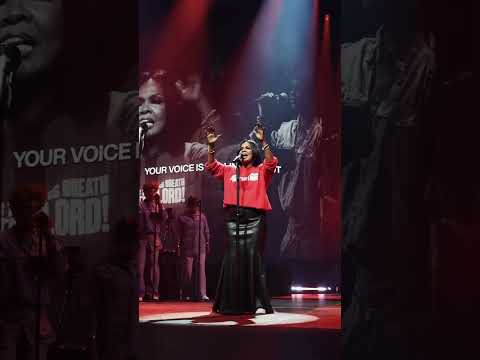
St. Louis came ready to praise!
CeCe Winans, Terrian, Red Worship and Charity Gayle filled Chaifetz Arena with more than three hours of music, faith and fellowship during the Come Worship! Tour. Read how the night brought the crowd together. 🙌🏾
🖊️ Kenya Vaughn
📸 Photos by Lawrence Bryant
Read the full story at https://www.stlamerican.com/arts-and-entertainment/cece-winans-and-friends-turn-chaifetz-arena-into-a-house-of-praise/
#stlamerican #CeCeWinans #ComeWorshipTour #StLouis


Resilience & Opportunity: Banking Explained Simply #shorts

Defender 130X: Your Ultimate Family Off-Road SUV? #shorts

NFN Live ON BEYOND IWDM50 PODCAST: FEATURING IMAM OMAR SHAKIR! Join us TONIGHT for Week 6

Uncle Luke Joins BlackPressUSA | Trump Responds to Nolan Wells Case 📱

Uncle Luke Joins BlackPressUSA | Trump Responds to Nolan Wells Case

Second Row Fold: Cargo Space Impact Explained #shorts

Planting seeds of economic mobility for St. Louis students

Revitalizing Civics: Reclaiming Our Constitution

FDIC Study: Minority Banks & Lending for Communities #shorts

Car Seat Access: Test Your Third Row Layout! #shorts

The Youngest American Killed in the Vietnam War

Latest Massacre in Haiti Reveals Cruelty U.S. Deportations

OPINION: Nolan Wells’ Death One of Several Signifying Racial Terror Lives on in U.S. South

Passing for White, Fighting for Black America: The Courage of Walter White

OP-ED: Haiti TPS: Have We Lost Sense of Humanity?

OP-ED: If AI Is the New Language of Power, Then NAN Wants Black Communities Fluent

OP-ED: How Does Your State Rank for Pre-K?

Henry O. Flipper: A Trailblazer at West Point and Beyond

NBA All-Star Damian Lillard Returns Home for 15th Annual Backpack Giveaway

Asm. Smallwood-Cuevas’s Bill Repealing ‘Racist’ CalWORKs ‘Man-in-the-House’ Rule Clears Legislature
Resilience & Opportunity: Banking Explained Simply #shorts
Defender 130X: Your Ultimate Family Off-Road SUV? #shorts
NFN Live ON BEYOND IWDM50 PODCAST: FEATURING IMAM OMAR SHAKIR! Join us TONIGHT for Week 6
Uncle Luke Joins BlackPressUSA | Trump Responds to Nolan Wells Case 📱
Uncle Luke Joins BlackPressUSA | Trump Responds to Nolan Wells Case
Second Row Fold: Cargo Space Impact Explained #shorts
Planting seeds of economic mobility for St. Louis students
Revitalizing Civics: Reclaiming Our Constitution
FDIC Study: Minority Banks & Lending for Communities #shorts
Car Seat Access: Test Your Third Row Layout! #shorts
-

 Black Press1 week ago
Zakiya Jendayi Arrested, Locked Out of Home by Sheriff’s Deputies
-
 Black Press6 days ago
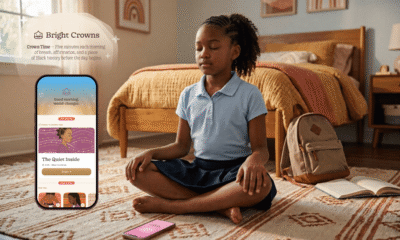
A $2.1 Trillion Wellness Industry Never Built a Daily Practice for Black Children. So This Atlanta Family Did.
-

 Art6 days ago
Montclair Brewery: Brewing Culture, Community, History
-
 BlackPressUSA4 days ago
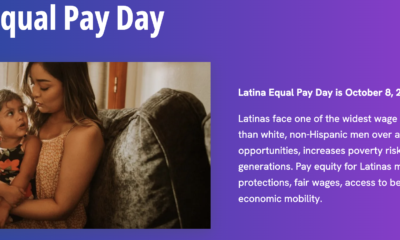
Latinas Deserve Equal Pay. Unions Help Make It Happen.
-

 Black History1 week ago
Listening as a Lifeline: A Doula’s Witness to Black Maternal Health
-

 Black Press6 days ago
COMMENTARY: But God!
