
Featured
Alan “AP” Powell, Checkered Flag Run Foundation to Host Community Policing Forum in Phoenix


By Stacy M. Brown NNPA Newswire Contributor
Law enforcement officials and community leaders will band together to host a solution seeking bridge forum with high school students in Phoenix, Arizona on Tuesday, November 14.
The theme of the forum, which will be held at South Mountain High School in Phoenix, is “Law Enforcement and Teens Learn how Living Together and Working Together Leads to Respect.”
It’s the brainchild of Alan “AP” Powell and his Checkered Flag Run Foundation, which provides diverse educational programs that help underserved students and veterans.
The foundation believes that access to quality educational opportunities ensures the investment of every student and veteran getting across the finish line.
“I was having breakfast with constituents and saw what happened in Baltimore and in St. Louis and wanted to come up with ideas to bridge the gap between police and the community,” Powell said, describing when and how he first came up with the idea for the bridge forum.
It’s the fifth such forum—others have been held in Scottsdale, Ariz., and Louisville, Ky.
“We came up with six different topics: community relations, community engagement, media relations, multicultural awareness, crisis management, and conflict management,” said Powell, a member of the Phoenix Aviation Advisory Board and the chairman of the Airport Subcommittee. “We thought those subjects would be perfect to create a conversation between law enforcement and stakeholders. The last bridge forum we did in Scottsdale resulted in that city’s police department making 27 policy changes.”
Born in the inner city of Louisville, Ky., a short walk from the home of the legendary boxing champ Muhammad Ali, Powell graduated from Missouri Valley College in Marshall, Mo., to become one of the country’s foremost authorities on multicultural content and leveraging brand connections with multicultural audiences.
Powell partnered with the local NAACP, the Greater Phoenix Urban League and the National Newspaper Publishers Association, whose president and CEO Dr. Benjamin F. Chavis, Jr. to coordinate the participation in the forum.
“It’s a great event that exhibits the NNPA working with NAACP, National Urban League, Bridge Phoenix, Arizona elected officials and law enforcement leaders to promote improving the quality of life of all people in America,” Chavis said. “In other words, this is a significant example of building civic unity and mutual cooperation in a manner that transcends the current partisan divide in the United States.”
Chavis continued: “Good civic engagement leads to better social equality and access to opportunities to help communities to become empowered.”
South Mountain High School’s senior class and the Teen Court, a problem-solving court within the juvenile justice system, will join the program to help seek solutions and best policing practices from top law enforcement professionals.
Also, local community leaders and parents of students that work with the Teen Court and parents of South Mountain High School students have been invited to participate in the forum.
During the forum, law enforcement officials from across metropolitan Phoenix will lead interactive dialogue sessions to gauge different perspectives, attitudes and beliefs about community policing and police etiquette, Powell said.
Feedback from participants will be recorded and used by Arizona’s police departments for additional research and curriculum training, and to better impact the community by using best policing practices, Powell said.
Other notable speakers will include Checkered Flag Run Foundation Board Member, Dennis E. Prince and State of Arizona and District 27 Representative Reginald Bolding.
Panelists will include Phoenix Police Chief Jeri Williams; Maricopa County Sheriff Paul Penzone; Scottsdale Police Chief Alan G. Rodbell; and Police Chief of Peoria, Roy W. Minter.
George Dean, the president of Greater Phoenix Urban League, has been selected to provide closing remarks.
“We have done several of these bridge forums in the past for stakeholders, and now we want to gear this event towards [high school students] to promote a better relationship between young adults and our law enforcement officials,” Powell said.








Featured
Par 365: Making Indoor Golf More Accessible in Minnesota #shorts
Par 365 is bridging Minnesota’s golf divide with accessible high-end simulators and an inclusive space for all skill levels. Experience the future of local golf.


Minnesota has a massive golf culture, but a significant divide remains between golfers and non-golfers. Par 365 is bridging this gap by combining high-end simulator technology with an inclusive bar and event space designed to be affordable and approachable for all skill levels. #GolfCulture #MinnesotaGolf #InclusiveSports #GolfTechnology #SmallBusiness
Featured
Honoring Clem Haskins: A Basketball Legend’s Legacy at UMN #shorts
Explore the complex legacy of Clem Haskins and his defining impact on University of Minnesota basketball history. A deep dive into a legendary collegiate career.
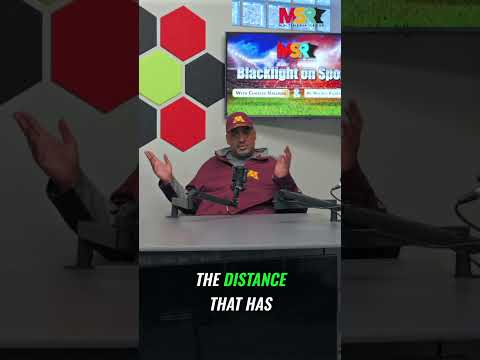
Examining the complex history between Clem Haskins and the University of Minnesota. A look back at the defining moments and the impact of their shared past on collegiate athletics. #ClemHaskins #MinnesotaGophers #CollegeBasketball #SportsHistory
Featured
Retrospectro Talks Viral Videos, Lean Squad, Music & More | Interview
Viral icon Niles Stewart breaks down his journey from LeanSquad meme fame to his latest transition into music. Discover how he shaped DMV media history.


Niles Stewart has been a notable figure in the DMV’s evolving media and internet culture scene for over a decade, creating viral videos with his friend group LeanSquad, while becoming a longtime recognizable meme across the internet.
In this interview, he reflects on the viral moments that helped shape his career, his impact on DMV media and culture, and his transition into music as he continues to build his creative career.
Video Producer: Demarco Rush
Visit Us: www.washingtoninformer.com
About The Washington Informer:
Founded in 1964 by Dr. Calvin W. Rolark, The Washington Informer is an African American, woman-owned newspaper providing positive coverage of the Black community in Washington, D.C.
Follow Us on Social Media:
📸 Instagram: @washinformer
📘 Facebook: Washington Informer
🐦 Twitter: @WashInformer
#WIN #BeInformed #blacknews #BlackOwnedMedia #SupportBlackJournalists#BlackVoicesMatter #BlackMediaExcellence #BlackStorytelling #blackpress #BlackJournalistsMatter #washingtoninformer #DMVNews #DCMedia #blackownedbusiness #LocalBlackMedia #DMVVoices #BlackMediaDC #BlackWriters #AmplifyBlackVoices #BlackCreators #CommunityJournalism #letstalk #blackpress #win #beinformed #washingtoninformer #washinformer
Featured
CBCF’s ALC 55 Recap | September 2026
Relive the highlights from CBCF’s 55th Annual Legislative Conference as leaders gathered in D.C. to discuss policy and the future of Black communities.
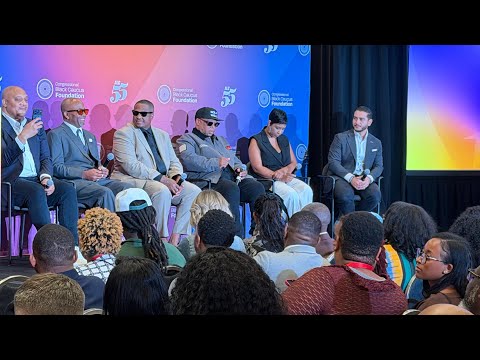
The 55th Annual Legislative Conference brought lawmakers, community leaders, advocates and professionals together at the Walter E. Washington Convention Center in Washington, D.C., this past week for discussions on policy, civic engagement, economic opportunity and issues affecting Black communities.
Video Producer: Demarco Rush
Visit Us: www.washingtoninformer.com
About The Washington Informer:
Founded in 1964 by Dr. Calvin W. Rolark, The Washington Informer is an African American, woman-owned newspaper providing positive coverage of the Black community in Washington, D.C.
Follow Us on Social Media:
📸 Instagram: @washinformer
📘 Facebook: Washington Informer
🐦 Twitter: @WashInformer
#WIN #BeInformed #blacknews #BlackOwnedMedia #SupportBlackJournalists#BlackVoicesMatter #BlackMediaExcellence #BlackStorytelling #blackpress #BlackJournalistsMatter #washingtoninformer #DMVNews #DCMedia #blackownedbusiness #LocalBlackMedia #DMVVoices #BlackMediaDC #BlackWriters #AmplifyBlackVoices #BlackCreators #CommunityJournalism #letstalk #blackpress #win #beinformed #washingtoninformer #washinformer
Featured
The Washington Informer Celebrates 62 Years | Recap
The Washington Informer celebrated 62 years of community storytelling with a special reception and photo exhibition at 11:Eleven Gallery. Watch the recap here.
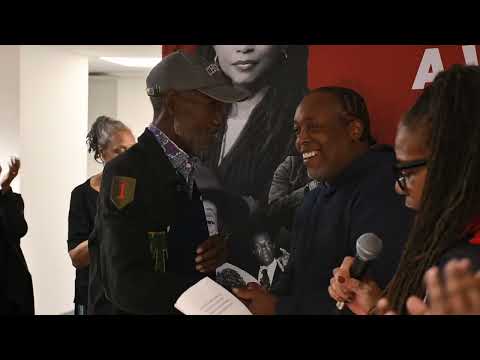
Local leaders, community members and soulful live music filled 11:Eleven Gallery on October 16 as The Washington Informer marked 62 years with a reception and photo exhibition highlighting more than six decades of covering District life and culture.
Video Producer: Demarco Rush
Visit Us: www.washingtoninformer.com
About The Washington Informer:
Founded in 1964 by Dr. Calvin W. Rolark, The Washington Informer is an African American, woman-owned newspaper providing positive coverage of the Black community in Washington, D.C.
Follow Us on Social Media:
📸 Instagram: @washinformer
📘 Facebook: Washington Informer
🐦 Twitter: @WashInformer
#WIN #BeInformed #blacknews #BlackOwnedMedia #SupportBlackJournalists#BlackVoicesMatter #BlackMediaExcellence #BlackStorytelling #blackpress #BlackJournalistsMatter #washingtoninformer #DMVNews #DCMedia #blackownedbusiness #LocalBlackMedia #DMVVoices #BlackMediaDC #BlackWriters #AmplifyBlackVoices #BlackCreators #CommunityJournalism #letstalk #blackpress #win #beinformed #washingtoninformer #washinformer
Featured
Headline: FAMU Homecoming Injuries, Discarded Ballots & Rising Holiday Costs 📱
A FAMU homecoming turns tragic, election ballots are found in a park, and inflation hits your holiday plans. Get the full story on Black Press USA’s Morning Show.
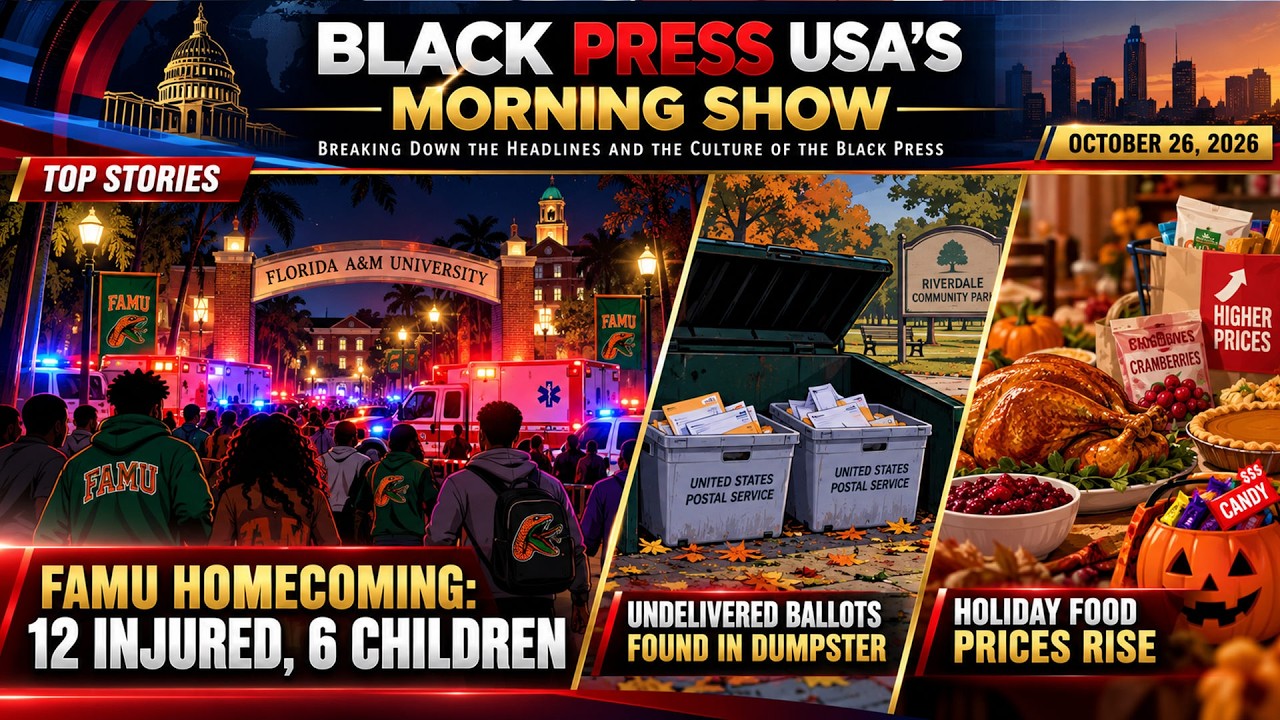
A FAMU homecoming celebration takes a troubling turn, with 12 people injured, including six children. Meanwhile, two bins of undelivered ballots are discovered in a Seattle park dumpster, raising questions about election security.
Plus, Thanksgiving dinner could cost families more this year, and soaring chocolate prices are putting a damper on Halloween candy sales.
From public safety and election integrity to the rising cost of everyday life, we’re breaking down the headlines and the stories impacting our communities.
Watch Black Press USA’s Morning Show for the headlines, the context, and the conversation behind the news.
#BlackPressUSA #MorningShow #BlackNews #FAMU #ElectionNews #CostOfLiving


Par 365: Making Indoor Golf More Accessible in Minnesota #shorts

Honoring Clem Haskins: A Basketball Legend’s Legacy at UMN #shorts
NFN live presents Beyond IWDM 50 Podcast
The Hidden Cost of Insurance Loyalty

Retrospectro Talks Viral Videos, Lean Squad, Music & More | Interview

CBCF’s ALC 55 Recap | September 2026

The Washington Informer Celebrates 62 Years | Recap

Heated Seats & Sliding Window: Ultimate Truck Comfort #shorts

Test Subaru’s 11.6-Inch Screen in REAL Daylight #shorts

EV Range Anxiety? Your Daily Commute Needs Just One Overnight Charge #shorts

OP-ED: Haiti TPS: Have We Lost Sense of Humanity?

Remembering Chauncey Bailey as Student Journalists Face Threats to Truth-Telling

All Skinfolk Ain’t Kinfolk

Poll: Becerra Widens His Lead Over Hilton; Californians Split on Wealth Tax

Rulings Leave Questions Lingering in Nolan Wells Case

Latinas Deserve Equal Pay. Unions Help Make It Happen.

Zakiya Jendayi Arrested, Locked Out of Home by Sheriff’s Deputies

COMMENTARY: The Audacity of Joyce Beatty

Why Black Artists Struggle to Sell Tours

A $2.1 Trillion Wellness Industry Never Built a Daily Practice for Black Children. So This Atlanta Family Did.
Par 365: Making Indoor Golf More Accessible in Minnesota #shorts
Honoring Clem Haskins: A Basketball Legend’s Legacy at UMN #shorts
Retrospectro Talks Viral Videos, Lean Squad, Music & More | Interview
CBCF’s ALC 55 Recap | September 2026
The Washington Informer Celebrates 62 Years | Recap
Heated Seats & Sliding Window: Ultimate Truck Comfort #shorts
Test Subaru’s 11.6-Inch Screen in REAL Daylight #shorts
EV Range Anxiety? Your Daily Commute Needs Just One Overnight Charge #shorts

Headline: FAMU Homecoming Injuries, Discarded Ballots & Rising Holiday Costs 📱

Headline: FAMU Homecoming Injuries, Discarded Ballots & Rising Holiday Costs
-

 Black History1 week ago
OP-ED: The Black Church Writes AI’s Next Chapter
-

 Featured6 days ago
Tamiko Armstead | 2026 Lifetime Achiever in Education
-

 Black History1 week ago
Practitioners of African Traditional Spirituality Offer Ancestral Reverence Ritual Oct. 31
-
 Art1 week ago
Kickstarter CEO Everette Taylor Shares Tips on Creating and Growing a Business
-
 Black History1 week ago
Columbus’s Oldest Businesses Still Open: 10 That Have Lasted 75+ Years
-
 Black History1 week ago
COMMENTARY: BIG MAMA SAID: Don’t Throw Away the Gift Just Because It Came Wrapped Wrong
