
Community
Activists return to Mississippi with Jay-Z and other celebs to close Parchman
ROLLING OUT — A little over a week ago, the activist group Until Freedom, traveled from New York City to Jackson, Mississippi, in an effort to seek justice for the inmates in the Mississippi State Penitentiary. They met with local organizations and officials, including; The Poor People’s Campaign, the Mississippi Prison Reform Project, the mayor of Jackson, and…
The post Activists return to Mississippi with Jay-Z and other celebs to close Parchman appeared first on Rolling Out.


By LERAE FUNDERBURG
A little over a week ago, the activist group Until Freedom, traveled from New York City to Jackson, Mississippi, in an effort to seek justice for the inmates in the Mississippi State Penitentiary. They met with local organizations and officials, including; The Poor People’s Campaign, the Mississippi Prison Reform Project, the mayor of Jackson, and attempted a meeting with the governor-elect. The organization also met with victims of the Mississippi Department of Corrections regarding the inhumane treatment of prison inmates.
Rolling out had an opportunity to talk to Ms. Denise Coleman, who served a 38-year sentence in MDOC for a crime she did not commit. Ms. Coleman was charged with a murder simply because she refused to snitch on the person who really committed it. And for 38 long years, she suffered at the hands of the MDOC. She told rolling out about the spoiled food that inmates were served and the significant amount of time spent in solitary confinement on a daily basis, even without having committed any offense warranting it.
We also had a chance to speak to the aunt of the young man who was found hanging in his jail cell for hours and later moved by other inmates (as opposed to prison personnel) who were tired of looking at the sight of a dead body. She learned of her nephew’s death from another inmate in the prison. Upon calling the warden and the prison, neither she nor her sister – the deceased inmate’s mother – were able to get any information about what actually occurred with their loved one for days. Questions went unanswered and calls were ignored. The family was completely shut out and to the best of their knowledge, no investigation is being conducted.
Until Freedom has decided enough is enough. They are returning to Mississippi and this time, they’re bringing back up. Jay-Z and Roc Nation are now involved in the fight to shut down Parchman Prison and improve conditions in the other state prisons.
Jay-Z, on behalf of at least 30 prisoners, already filed a lawsuit against the state of Mississippi due to the inhumane conditions suffered by the prisoners. Parchman’s superintendent along with the MDOC commissioner are named as defendants in the petition. He started with a letter demanding improved conditions, but when Jay-Z received no response, his lawyers promptly filed the lawsuit.
Rapper Yo-Gotti, is also involved in the movement. He, along with Until Freedom, Jay-Z and other celebrities who are sick of the injustices suffered by inmates and black Americans in prison systems worldwide, are in the process of organizing a rally in Mississippi next week.
This article originally appeared in RollingOut.







Black Press
SEIU Local 1000 and State of California Will Continue to Negotiate New Labor Contract
Thousands of California state employees represented by SEIU Local 1000 recently staged a one-day walkout to protest stalled contract negotiations with Governor Gavin Newsom’s administration. The union, which represents approximately 100,000 public workers, is demanding a 20% wage increase over three years and an end to mandatory four-day in-person work requirements. While the initial strike has concluded, union leadership warns that further demonstrations are likely if the state continues to reject their demands for better pay and telework flexibility. Negotiations are expected to continue as both sides seek a resolution. Read more.
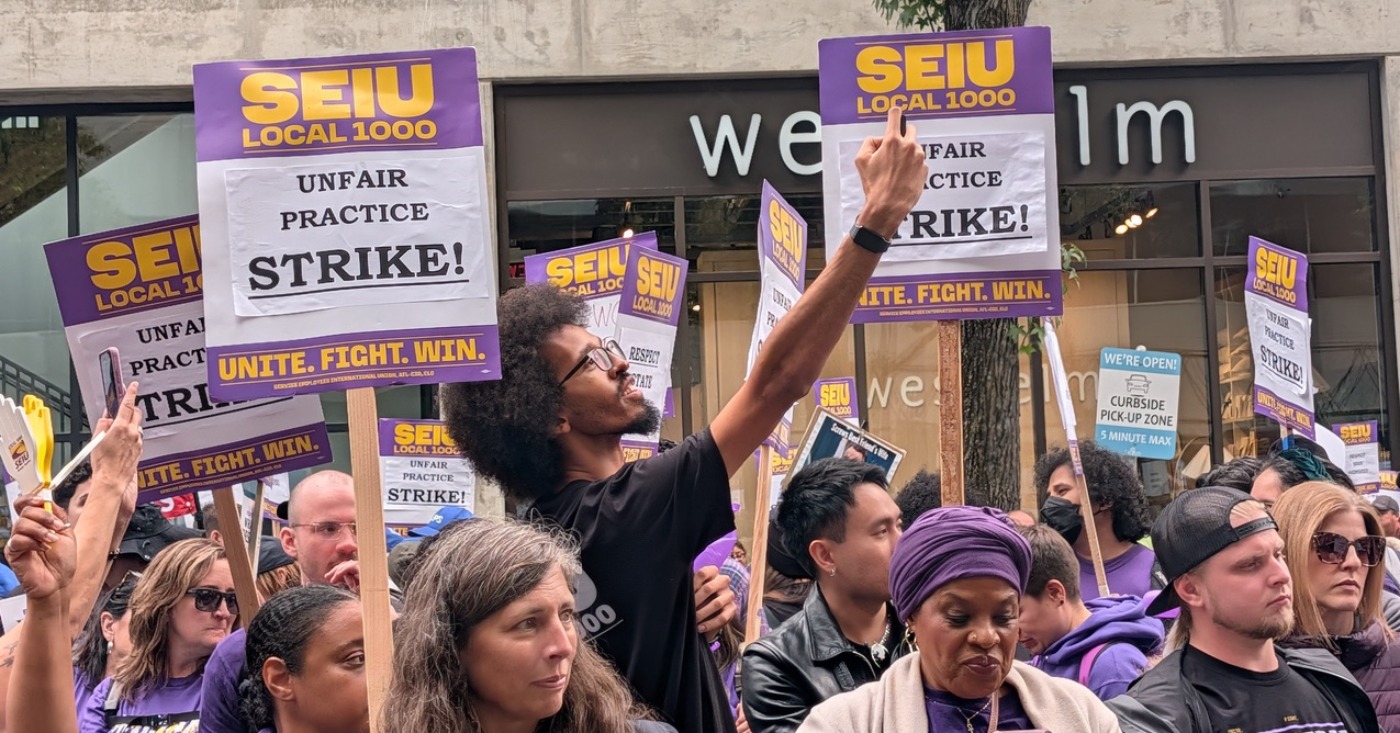
After the Service Employees International Union (SEIU) Local 1000 labor contract expired June 30 and talks with Gov. Gavin Newsom’s administration stalled, the union stepped up its efforts to secure a new agreement, saying its demands had gone unheeded.
On Oct. 21, thousands of state employees represented by SEIU Local 1000 staged a one-day walkout to protest alleged unfair labor practices during negotiations with Gov. Gavin Newsom’s administration.
Although the strike has ended, SEIU Local 1000 President Anica Walls said further demonstrations or an expanded strike are highly likely if contract negotiations remain stalled. The union represents approximately 100,000 public employees statewide.
“We are out here because our jobs matter,” Wells said. “If they continue to refuse to bargain with us in good faith, we are prepared to escalate.”
Sen. Lola Smallwood-Cuevas (D-Los Angeles) expressed support for SEIU Local 1000’s labor action in an Instagram post, emphasizing the importance of fair treatment for workers.
“I stand in complete solidarity with SEIU Local 1000,” Smallwood-Cuevas stated. “More than 100,000 state workers they represent are on strike today fighting for good-faith bargaining, fair treatment, and a contract that reflects the value of the essential public services they provide every day—all things that should be a given for the workers our state relies on the most.”
Smallwood-Cuevas, a member of the California Legislative Black Caucus (CLBC) added, “When California’s workers hold the line, the whole nation pays attention.”
According to union representatives, SEIU Local 1000 is seeking a contract that addresses rising living costs and provides greater workplace flexibility. The union is demanding a 20% wage increase over three years and an end to Gov. Gavin Newsom’s requirement that state employees work in person four days a week.
The union is also seeking increased state contributions toward employee health care benefits to reduce workers’ out-of-pocket costs.
On Sept. 18, Newsom vetoed Assembly Bill 1729, authored by Assemblymember Alex Lee (D-San Jose), which sought to expand telework opportunities for state employees.
The bill would have required state agencies to offer telework options or provide written justifications for requiring employees to work in person. Supporters argued that telework could save taxpayers approximately $225 million annually by reducing office space and parking costs while lowering vehicle emissions and improving employee retention.
Newsom said the legislation would limit state departments’ flexibility to manage their workforces and evaluate telework exemptions individually. He has also emphasized the benefits of in-person collaboration.
“I want people to come back to work, reengage, rediscover, collaborate, coordinate, develop relationships, friendships, and fall in love,” Newsom said in July. “You get three-day weekends. Four years ago, that would’ve been a triumph. Now it’s a burden.”
Union organizers described the Oct. 21 walkout as a one-day unfair labor practice strike, rather than an indefinite work stoppage. The action was intended to demonstrate solidarity and increase pressure on the state during negotiations.
SEIU Local 1000 has been without a contract since its previous three-year agreement expired June 30. Negotiations are expected to resume.
Responding to the statewide walkout, the California Department of Human Resources (CalHR) said it “remains focused on achieving a fair and responsible agreement with SEIU Local 1000 and continues to be available at the bargaining table.”
Black Press
21st Annual Taste of Soul: California’s Largest Black Street Festival Comes Alive With Culture, Music and Connections
The 21st annual Taste of Soul Family Festival drew over 300,000 attendees to South Los Angeles for a massive celebration of Black culture, food, and music. Spanning the Crenshaw Boulevard corridor, the free event featured roughly 350 vendors, offering everything from Southern cuisine to professional health services and job recruitment opportunities. While headlining musical acts performed across three stages, the festival also served as a vital platform for small business entrepreneurs to reach a vast audience. Organizers are now addressing reports regarding several incidents that occurred during the festivities. Read more.

The 21st annual Taste of Soul Family Festival brought hundreds of thousands to Crenshaw Boulevard in South Los Angeles on Oct. 17 for food, music and a celebration of Black culture. Visitors could shop with small businesses, enjoy live music performances, speak with health professionals and learn about job opportunities.
Presented by Bakewell Media and the Los Angeles Sentinel, the free festival stretched along the corridor from Stocker Street to Obama Boulevard. The Sentinel estimated attendance at more than 300,000. The day also marked founder Danny J. Bakewell Sr.’s 80th birthday.
“We call it a party with a purpose,” Pam Bakewell, the founder’s sister and a longtime festival organizer, told California Black Media (CBM).
The enticing aromas of barbecue, fried chicken and catfish filled the air as food vendors served up a tempting array of Southern favorites, including cobbler and other desserts. Vendors also offered clothing, jewelry, books and beauty products. About 350 vendors and sponsors participated, including approximately 80 food vendors, Bakewell said. Businesses came from across Southern California and as far away as Chicago and Atlanta.
“In one day, an entrepreneur has the opportunity to showcase their business to hundreds of thousands of people,” Danny J. Bakewell Jr., president of the Sentinel.
Chase offered vendors training in marketing and financial management, followed by a reception.
Experienced vendors also helped newcomers. Pam Bakewell cited Cobbler King, a longtime participant who shares lessons from his early festivals about preparing for crowds and building a business.
“We want everybody to be successful,” she said. “We can’t guarantee that, but we give you the crowd.”
Kaiser Permanente served as the festival’s main medical provider. St. John’s Community Health sponsored Children’s World, where children played games while families received preventive care and information about follow-up services.
St. John’s provided flu shots, fluoride treatments for children and clinic sign-ups for physical examinations. It also reported distributing more than 10,400 bags of diapers.
CBM hosted a booth as part of its California Black Health Journalism Project, a yearlong, solutions-oriented reporting initiative to advance health equity for Black Californians.
Dr. Deidra Beckles, who practices family and internal medicine, and Adriana Westby-Trent, Ph.D., a licensed clinical psychologist, held “Ask the Doc” conversations. Both are with Divinely Restored Health & Wellness. The booth drew steady traffic as they answered attendees’ health questions. Visitors received a “Your Wellness Matters” T-shirt.
The Sentinel promoted a developing jobs platform, inviting attendees to post resumes and connect with employers. Bakewell said about 350 people signed up along the boulevard.
Three stages offered music for different generations. The Bakewell Media Sounds of the Soul Stage featured Thelma Houston, Switch and headliner Midnight Star. Tony Cornelius, son of “Soul Train” creator Don Cornelius, introduced Midnight Star and appeared with eight veteran dancers from the television show.
The Radio Free KJLH Music Stage featured Lucky Daye, Alex Isley, Allen Stone and Terisa Griffin. On the Brenda Marsh-Mitchell Gospel Stage, MAJOR. served as host and performer. The lineup included Deitrick Haddon, local choirs and a youth performing arts ensemble.
During the festivities, ABC7 reported two stabbings and an hours long Los Angeles Police Department citywide tactical alert.
Pam Bakewell said police told organizers the incidents occurred outside the festival boundaries. She said organizers are reviewing safety measures with security personnel and police.
Black History
Loop Capital’s James Reynolds Keynotes the OAACC 23rd Annual Business Awards Luncheon
The Oakland African American Chamber of Commerce recently hosted its 23rd Annual Business Awards Luncheon, featuring James Reynolds Jr., founder and CEO of Loop Capital, as the keynote speaker. Addressing business and civic leaders, Reynolds discussed his firm’s partnership to redevelop the Oakland Coliseum site, a massive project expected to generate thousands of local jobs. The event also recognized four distinguished community leaders for their achievements in business, marketing, technology, and education. Discover the specific honors presented and the timeline for the upcoming Coliseum transformation by reading more.
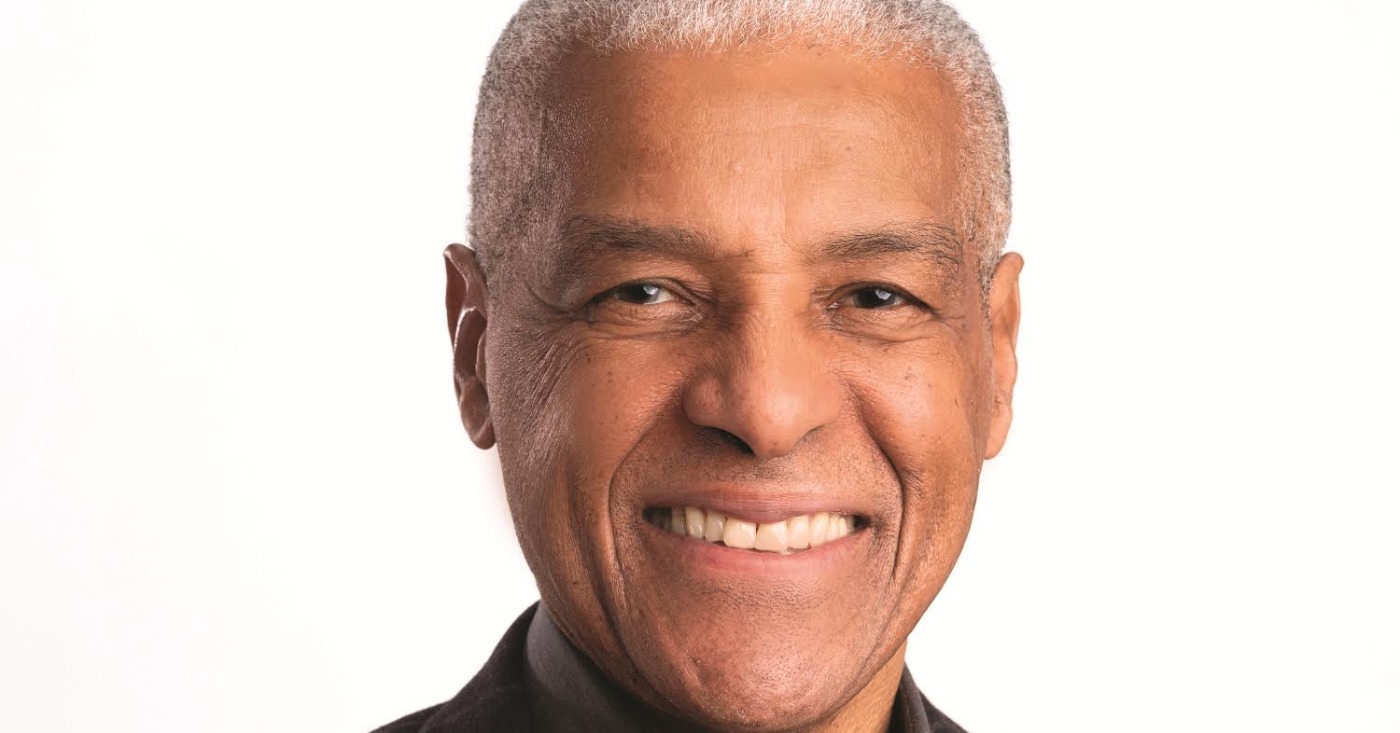
The Oakland African American Chamber of Commerce (OAACC) celebrated community and business leaders at the 23rd Annual Business Awards Luncheon on Thursday, Oct. 22 at Scott’s Seafood Restaurant in Jack London Square. Held under the theme “Building a Stronger Oakland Through Innovation, Technology, and AI,” the event brought together business owners, elected officials, and civic leaders.
Oakland Mayor Barbara lee and U.S. Rep. Lateefah Simon were also present.
Keynote speaker James “Jim” Reynolds, Jr., founder, chairman, and CEO of Loop Capital, enthusiastically addressed the audience. Reynolds’ firm is backing the AASEG (African American Sports and Entertainment Group) and partners with funding to redevelop the Oakland Coliseum site in East Oakland.
Reynolds spoke of plans to provide thousands of employment and contracting opportunities to Oakland’s resilient residents.
“We expect to completely close the deal by Dec. 31 and in January we will begin digging,” he said of the six-year acquisition process.
“I want all small businesses, entrepreneurs, and contractors to prepare themselves for these opportunities,” Reynolds explained in the green room.
Reynolds has successfully completed multiple billion-dollar developments and projects including Los Angeles International Airport, LaGuardia International Airport, John F. Kennedy Airport, and now Queens, New York.
AASEG President Ray Bobbitt said the Coliseum Project will be the largest development in the country. Bobbitt stressed that Reynolds and his team took a chance on Oakland at a time when companies were abandoning the city.
“Mr. Reynolds is committed to the project and transforming the area,” said Bobbitt. “Mr. Reynolds sees Oakland as a great city with untapped potential. We are very grateful he believes in us.”
In 1997, Reynolds founded the Chicago-based municipal bond firm, growing it into one of the nation’s leading minority-owned financial services companies and among the largest privately held investment banks in the country.
Reynolds said he was very impressed with Oakland’s business community. “This community is really ready for something new and we plan to deliver.”
During the luncheon, OAACC presented awards to four honorees.
Derreck Johnson received the Lifetime Achievement Award. Johnson founded Home of Chicken and Waffles in Jack London Square in 2003, creating jobs for the formerly incarcerated and young people from Oakland’s inner-city communities.
Celessa Baker, vice president of Marketing Partnerships at Sephora, received the Visionary Leadership Award. A marketing executive with more than 20 years of experience, Baker served as retail marketing lead for the global launch of Fenty Beauty by Rihanna.
Angela Johnson, director and head of Global Delivery Partnerships at Uber Technologies, received the Business Excellence Award. She previously served as Uber’s chief of staff and founded the Coalition of Black Excellence.
Dr. Denise Saddler, superintendent of the Oakland Unified School District, received the Educational Recognition Award. Saddler has spent more than 40 years in the city’s education system, working as a teacher, principal, and district leader before becoming superintendent in 2025.
Lee announced that Oakland is listed in the Top 10 as best destinations. “Oakland is on the move,” said Lee. In agreement with Lee, Simon vowed to continue fighting for the resources needed to keep Oakland moving forward.
“The chamber is committed to strengthening Oakland’s economy and uplifting its Black business community,” said Cathy Adams, president and CEO of OAACC.
Black Press
Post News Group Nov. 3 Election Endorsements
The Post Newspaper Group has announced its official endorsements for the upcoming November 3 election, offering recommendations for a wide range of political candidates, local propositions, and regional measures. The selections cover key races in Oakland and Berkeley, including mayoral contests and city council seats, as well as critical positions for the Peralta Community College Board and AC Transit. The group also evaluated state offices and several high-profile ballot initiatives. Check the full list to see which specific candidates and measures earned the publication’s support.

Nov. 3 Election Endorsements
The Post Newspaper Group endorse the following political candidates, propositions and measures.
Oakland
Mayor
- Barbara Lee
City Council
- District 2: Charlene Wang
- District 4: Janani Ramachandran
- District 6: Kevin E. Jenkins
- City Auditor: Michael Houston
OUSD School Board
- District 2: Jennifer Brouhard
- District 6: Valarie Bachelor
Measure EE: Yes
Measure FF: Yes
Berkeley
Berkeley City Council
- District 1: Laura Babbitt
- District 4: No endorsement
- District 7: Syrak Micael
- District 8: No endorsement
Peralta Community College Board of Trustees
- Area 5: Sandra Weese
East Bay Municipal Utility District
- District 3: Marguerite Young
Bay Area Rapid Transit
- District 4: Robert Raburn
AC Transit
- District 3: Joel Young
City of Richmond
- Mayor: Ahmad Anderson
State Offices
- Governor: Xavier Becerra
- Lt. Governor: Fiona Ma
- Secretary of State: Shirley N. Weber
- Controller: Malia M. Cohen
- Attorney General: Rob Bonta
- State Assembly, 14th District: Buffy Wicks
- State Assembly, 18th District: Mia Bonta
Federal Offices
- U.S. Congress, 10th District: Mark De Saulnier
- U.S. Congress, 12th District: Lateefah Simon
- U.S. Congress, 14th District: Aisha Wahab
State Measures:
- Prop 1: Yes
- Prop 2: Yes
- Prop 3: Yes
- Prop 4: Yes
- Prop 5: Yes
- Prop 37: Yes
- Prop 38: No
- Prop 39: No
- Prop 40: No
- Prop 41: No
- Prop 42: No
- Prop 43: No
- Prop 44: No
- Prop 45: No
District Measures
- Regional Transit Measure: Yes
Black Press
OPINION: OUSD Kids Are Eager to Learn. Our Board Is Holding Them Back
Oakland Unified School District students are facing a literacy crisis, with fewer than one in three reading at grade level. Despite receiving significant per-pupil funding, the district is struggling with what county officials describe as a decision-making problem rather than a lack of revenue. Oakland Parents for Quality Education and the local NAACP are now sounding the alarm over fiscal instability, alleging that board leadership has failed to identify necessary budget cuts while ignoring warnings from school principals. To understand how these leadership decisions are impacting campus resources and student equity, read more.
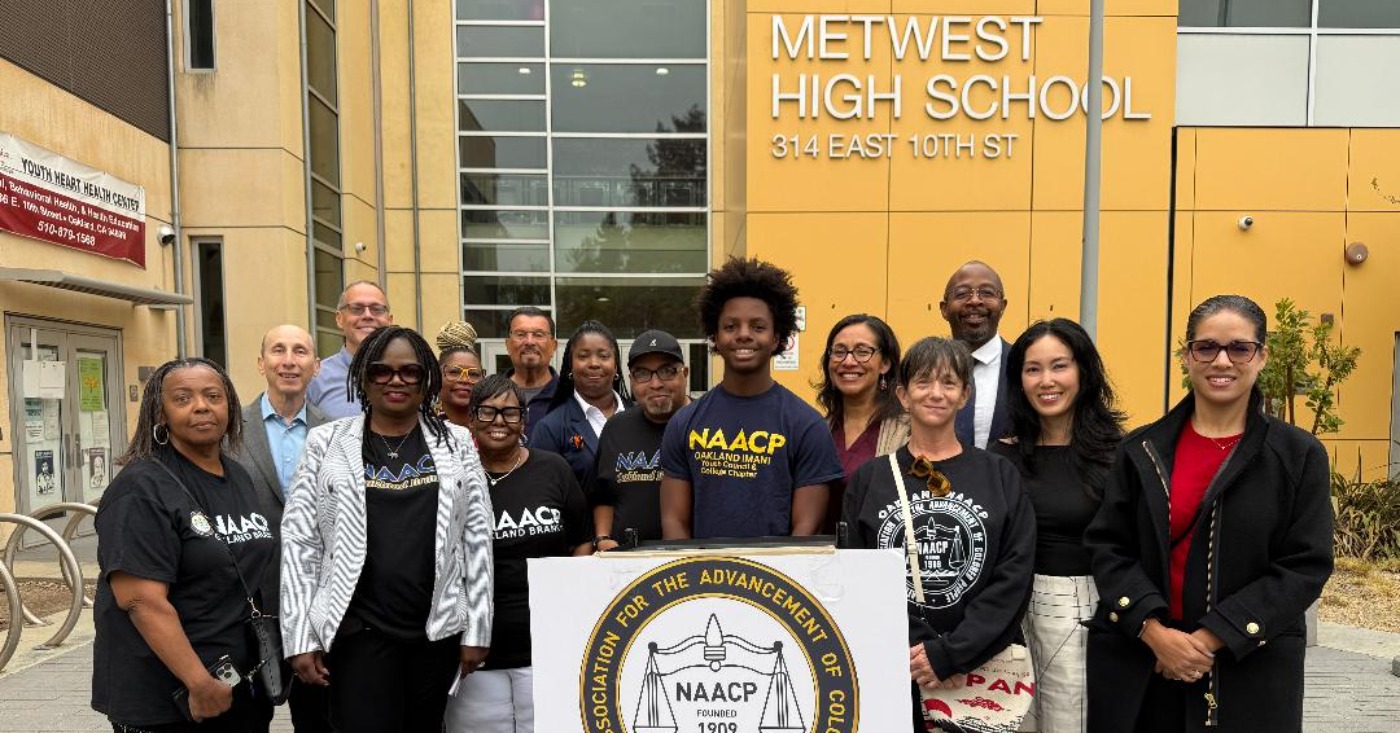
Oakland Unified students are falling behind: fewer than 1 in 3 read at grade level, and the numbers are worse for Black and Latino students. This is happening in a district that has received more per student than even the highest-funded states. As Alameda County Superintendent of Schools Alysse Castro has said, “OUSD’s biggest problem isn’t a revenue problem. It’s a decision-making problem.”
That is why Grace Park-Bradbury and I, two OUSD parents, started Oakland Parents for Quality Education, the ParentPAC. We believe our kids deserve a school board that faces hard decisions honestly. This board has not.
The county has warned them repeatedly. Earlier this year Castro said the new teachers’ contract “endangers” the district’s fiscal stability. That wasn’t because of the raises, but because the district was counting on cuts it had not identified.
Days later the board passed a budget that assumed $30 million in still-unnamed reductions. Board President Jennifer Brouhard and Vice President Valarie Bachelor voted yes. Director Mike Hutchinson voted no. The plan to name those cuts isn’t scheduled until mid-December, after the election.
The Oakland NAACP called for public forums and honest answers about the management of public funds. This fall Castro approved the budget only conditionally, noting that “a budget can be balanced but not be good for kids.”
Principals have spoken out as well. In January, 30 school leaders wrote that asking schools to do more with less “erodes the dignity of our profession” and “unconscionably compromises the quality of education our students receive.”
In April, 60 principals raised concerns that “have diminished our confidence in our current leadership,” warning that district decisions had produced “a structural deficit and cash-strapped schools.”
In June, all 15 high school principals objected to using voter-approved Measure N and H reserves for expenses already in the budget. The district did it anyway. The measures’ citizen oversight commission has demanded the money back. Auditors found the board had the legal authority, but as Castro observed, legality does not settle whether it was what voters thought they were approving.
Opponents claim we want to close schools. Our candidates do not all agree on consolidation. Hutchinson has fought closures for years, yet he also wrote the 3Rs proposal examining how many schools the district should operate.
What our candidates share is a willingness to weigh every option openly. This board told the superintendent not to even consider consolidation, and every school is being cut instead. As principals representing two-thirds of OUSD schools wrote, “the gradual starvation of our schools is also an equity issue.” Closures disrupt families, especially in Black and Brown neighborhoods. So does starving every campus.
You may have seen ads calling us a front for out-of-town billionaires. Every contribution is publicly reported, and 140 Oakland families have given. The people sounding the alarm are principals, citizen commissioners, the county superintendent, and the NAACP. None of them are billionaires. They are the people who see our schools up close.
Oakland schools are staffed by excellent principals and teachers. Our kids are like kids everywhere: eager to learn if given a real chance. They are being held back by a board that will not make hard choices.
In District 2, vote for Arielle Fleisher. In District 4, rank Kathryn Camp and Mike Hutchinson first and second. In District 6, rank Alexandra Williams and LeAna Powell first and second. Leave your third choice blank.
Vote like our children’s future depends on it. Because it does.
Edmund Chun co-founded Oakland Parents for Quality Education and is an OUSD parent.
Black History
Oakland Strong: Building Champions and Healthier Generations
Entrepreneur Mike Jenkins is revitalizing youth wellness in Oakland through Oakland Strong, a world-class strength-training facility in Jack London Square. After providing a decade of free training in Fruitvale, the program moved and rebranded while continuing to produce national and international weightlifting champions. Jenkins aims to counter community health challenges by teaching Olympic-style lifting and nutrition to children ages 8 to 18. As the program seeks new ways to sustain its free services, local partnerships are forming to support these elite young athletes. Read more.
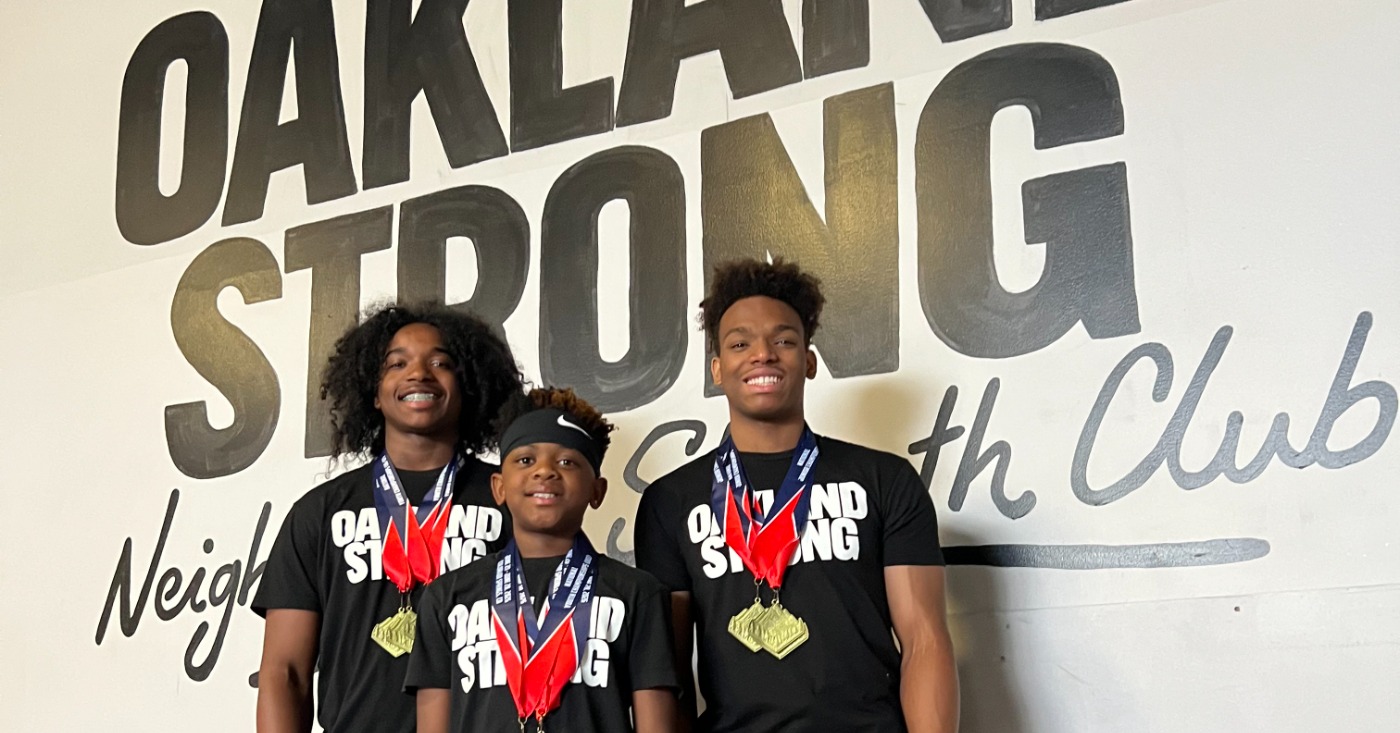
Mike Jenkins is a serial entrepreneur with a vision to make a lasting impact in Oakland.
Raised in a military family in the Pinole area, Jenkins played basketball at Merritt College before continuing his athletic career at Sacramento State.
His lifelong interest in health and wellness led him to consider a troubling reality: as members of the Black community age, health challenges often increase. Jenkins believes investing in health is an investment in wealth, and he has made it his mission to give Oakland’s youth a stronger foundation for life.
Years ago, Jenkins invested in young people by building Speed Power Strength, a world-class strength-training facility in the Fruitvale neighborhood. For 10 years, the facility served hundreds of children, providing training entirely free of charge. Displaced by gentrification, the program eventually found a new home in Jack London Square.
That move inspired a new name: Oakland Strong, reflecting both the program’s mission and its pride in the city it represents.
“When we found the new home, I needed to put a spotlight on what we were doing– producing the strongest kids in Oakland – so I named our new location Oakland Strong,” Jenkins explained. “We are known nationally and internationally, so when we compete, our city’s name is on our chest.”
Through Olympic weightlifting, governed nationally by USA Weightlifting, the program has developed an extraordinary record. Its athletes have earned 10 national championships, a team national championship, and international titles. Today, two Oakland Strong athletes are Olympic hopefuls.
This past summer, Oakland had three athletes at the Olympic Training Center in Colorado Springs at the same time. One was Olympic figure skating champion Alysa Liu. The other two were Oakland Strong’s Robert Whitlock and Rucker Johnson, there for a weightlifting camp for Olympic hopefuls.
Whitlock, an Oakland Technical High School student, began training at age 10. Now a three-time consecutive national champion, two-time Pan American champion, and Team USA representative, Whitlock also holds an American record while maintaining straight A’s in school.
“If Oakland can’t support these kinds of kids, then what are we doing?” Jenkins asks.
Oakland Strong continues offering free training in Jack London Square to young people ages 8-18. The program welcomes girls as well as boys, with approximately 12 kids currently participating with room for 20.
With limited city support for free youth programs, Jenkins must find other ways to sustain the work.
When Carlyle Chicken Wings opened nearby, he approached the owner with an idea connecting nutrition and community investment. Because Oakland Strong teaches healthy eating alongside athletic training, they developed the Oakland Strong Bowl, a protein-focused meal. Carlyle will contribute $2 from each bowl sold to support the program.
For Jenkins, the mission extends far beyond medals and records. He wants to create generational health by teaching young people habits they can carry into adulthood and share with their families.
The strongest legacy, he believes, is not simply producing champions, but building healthier generations who understand their worth, their potential, and the importance of investing in themselves.


SEIU Local 1000 and State of California Will Continue to Negotiate New Labor Contract

OPINION: We Can Restore Checks and Balances on Trump

AG Bonta Announces Action on Cryptocurrency, Sextortion Fraud – Increasingly Targeting Gen-Z

21st Annual Taste of Soul: California’s Largest Black Street Festival Comes Alive With Culture, Music and Connections

Michael Shiner: The Enslaved Man Who Wrote His Way into American History

COMMENTARY: Your California Living Trust Could Be Next: When Evidence Isn’t Enough

Loop Capital’s James Reynolds Keynotes the OAACC 23rd Annual Business Awards Luncheon

Post News Group Nov. 3 Election Endorsements

Oakland Latino Chamber of Commerce Hosts CHCC Convention, Generating $3 Million in Economic Impact

Maintenance As A Money Move

All Skinfolk Ain’t Kinfolk

Practitioners of African Traditional Spirituality Offer Ancestral Reverence Ritual Oct. 31

Latinas Deserve Equal Pay. Unions Help Make It Happen.

A $2.1 Trillion Wellness Industry Never Built a Daily Practice for Black Children. So This Atlanta Family Did.

Zakiya Jendayi Arrested, Locked Out of Home by Sheriff’s Deputies

Oakland Awarded More than $14 Million in State Funding

Tamiko Armstead | 2026 Lifetime Achiever in Education

Montclair Brewery: Brewing Culture, Community, History

Should You Have to Pay to Hear the Gospel?

Listening as a Lifeline: A Doula’s Witness to Black Maternal Health
Maintenance As A Money Move

Buick Enclave Safety Tech: What It Can—and Can’t—Do #shorts

ELECTION DAY 2026: Black Voter Turnout, Trump’s Clemency Controversy & a $495M Prison Deal 📱

ELECTION DAY 2026: Black Voter Turnout, Trump’s Clemency Controversy & a $495M Prison Deal

Trump as a Distraction…Focus on the Ballot and 2028

Kids Escape City Chaos for Camp Paradise #shorts

Don’t Name Things After Me If I Can’t Enjoy Them! #shorts

EVs Cost Less Than Half as Much to Fuel—Check Your Local Savings #shorts

Unity is Power: Building Success Against All Odds! #shorts

Cómo publicar su DBA en el condado de Kern o Los Ángeles desde su teléfono
-
 Black Press1 week ago
Secretary of State Shirley Weber Pushes Back Against DOJ Demands Over California Voter Rolls
-

 Art1 week ago
Capturing Black Life’s Beauty
-

 Black History7 days ago
Retirement Triggers Doctor to Pen Book for Young Audience
-

 Black History1 week ago
Oakland Honors 60 Years of the Black Panther Party at the All Power to the People Gala
-

 Black Press7 days ago
Fatigue, Bloating, and Inflammation: Spotting the Subtle Signs of MASLD
-

 Black Press1 week ago
When Your Faith Is Put to the Test
