
Community
Republican state legislators file bill to limit Community Oversight Board powers
NASHVILLE PRIDE — At the start of Black History month, Tennessee Republicans filed a bill that will limit the powers of Nashville’s Community Oversight Board.


By Pride Newsdesk
At the start of Black History month, Tennessee Republicans filed a bill that will limit the powers of Nashville’s Community Oversight Board (COB).
The bill, HB0658, sponsored by Rep. Michael Curcio and supported by Majority Leader William Lamberth, would remove subpoena powers from the board, reducing the ability of the board’s investigative role.
Nashville citizens supported the creation of the board, voting for it overwhelmingly in the August 6 election. The establishment of a Community Oversight Board had been pursued for years but received recent traction from the recent killings of unarmed Black men, Jocques Clemmons and Daniel Hambrick, by Nashville police.
Opponents of the bill say it unfairly discriminates against African Americans, other racial minorities, and low-income rural communities that envision healthy police-community relations as a public safety issue and that it “negates popular control and is averse to small government.”
“The bill filed by GOP legislators regarding our Community Oversight Board is state government overreach, plain and simple,” said state Rep. John Ray Clemmons (D-Nashville). “The residents of Nashville spoke loudly and clearly last November. We want transparency and accountability from our police department. Out-of-county lawmakers seem to have no interest in respecting the will of the voters.
This new bill is a direct assault on the expressed wishes of Nashville to ensure transparency and accountability for all of our families, and I’ll work to ensure that the Community Oversight Board is protected.”
Nashville Mayor Briley responded to the state legislature, by issuing the following statement:
“The members of the COB represent the diversity of our city, from three highly respected former law enforcement officers and a former state Attorney General to community activists and neighborhood advocates. Better yet, this body was approved by the Metro Council after a very competitive process. Each member of the 11-member COB has stepped forward to serve Nashville and help create a safer and more equitable criminal justice system.
“On Feb. 12, I will convene the first meeting of Nashville’s COB. I will continue to support the process as we move forward together, as a body and a city, to begin this important work.”
The group Community Oversight Now held a press conference announcing a new campaign in response to the legislative preemption.
The group’s ‘Don’t Play Where You’re Not Welcome’ campaign will target the top-ranked football and basketball high school athletes (classes of 2020 and 2021) encouraging them to withdraw their support from Tennessee’s colleges and universities.
“This includes the top 300 football players and top 100 basketball players in the country as designated by recruitment sites such as ESPN 300 and Rivals.com, as well as the first and second team all-state athletes in Tennessee and other Mid-South states. The withdrawal of support means we are making a vigorous effort to steer these athletes away from Tennessee institutions and to accept athletic scholarships elsewhere,” said group representatives.
“The recruitment of top-ranked athletes is the bread and butter of Tennessee’s sports economy. For example, the University of Tennessee football team brought in more money ($106 million) than the University of Alabama football program in 2017 and its basketball program is ranked #1 in the nation. Successful athletic programs and the revenue they generate spill over into local economies and impact small businesses. The loss of two or three football players (out of a 25-member recruitment class) can adversely impact a program for years.”
Community Oversight Now plans to nationalize the plan to inform out-of-state recruits “about Representatives Curcio and Lamberth’s efforts to make Tennessee an unsafe environment.” Educational institutions that have supported police accountability measures and 14th amendment equal protection claims, such as community colleges and historically black colleges and universities, will be exempted from the campaign.
“We are calling on Tennessee lawmakers to vote ‘no’ on HB 658,” said Community Oversight Now officials. “We are calling on the Governor, Lt. Governor, Senator Leadership, and people of good will to reject this discriminatory legislation. Additionally, we are exploring all legal options to prevent state preemption.”
This article originally appeared in the Nashville Pride.











Black Press
Native American Health Center Connects 140 Community Members to Career Opportunities During Native American Heritage Month
The Native American Health Center recently hosted its Career Connect job fair at the Flicker Building and Cultural Center in Oakland, welcoming 140 community members in honor of Native American Heritage Month. Organized through the federally funded Strong Native Workforce Program, the event aimed to promote economic stability by connecting American Indian, Alaska Native, and Native Hawaiian residents with local career pathways. A diverse group of employers from the healthcare, technology, and government sectors attended to provide attendees with information regarding job openings and professional training programs. Read more.
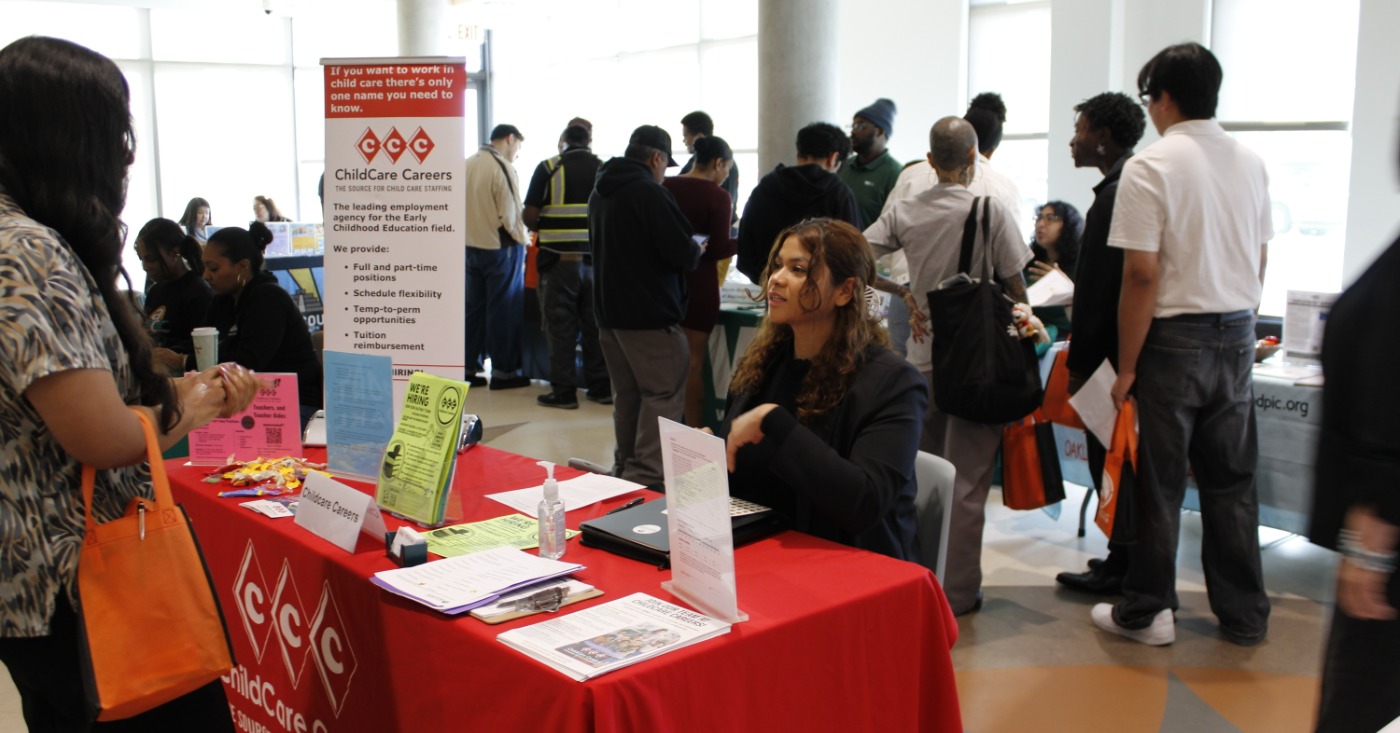
In celebration of Native American Heritage Month, the Native American Health Center (NAHC) welcomed 140 community members to its Career Connect: Community Job & Career Fair on Friday, Nov. 6.
Held at NAHC’s Flicker Building and Cultural Center in Oakland, the event connected American Indian, Alaska Native, Native Hawaiian, and other community members with employers, career pathways, workforce development programs, and family resources throughout the San Francisco Bay Area.
The event was organized through NAHC’s Strong Native Workforce Program, a federally funded initiative supported by the U.S. Department of Labor through the Workforce Innovation and Opportunity Act (WIOA). The program helps Native community members pursue meaningful employment and long-term economic stability through career counseling, job placement assistance, skills training, and supportive services.
The Career Connect Job Fair was coordinated with support from Gallo Advantage Consulting, a Native American woman-owned consulting firm specializing in strategic planning, community engagement, and workforce development. Working alongside NAHC, the firm supported employer outreach, event coordination, and partnerships with local businesses and community organizations.
“Native American Heritage Month is an opportunity to celebrate the strength, resilience, and contributions of our communities while investing in their future,” said Natalie Aguilera, CEO of NAHC. “Employment is an important part of health and well-being, providing economic stability, purpose, and opportunities for individuals and families to thrive. Through our Strong Native Workforce Program and events like Career Connect, we are helping community members build meaningful careers and create stronger futures for generations to come. We are grateful to the employers and community partners who joined us in this effort.”
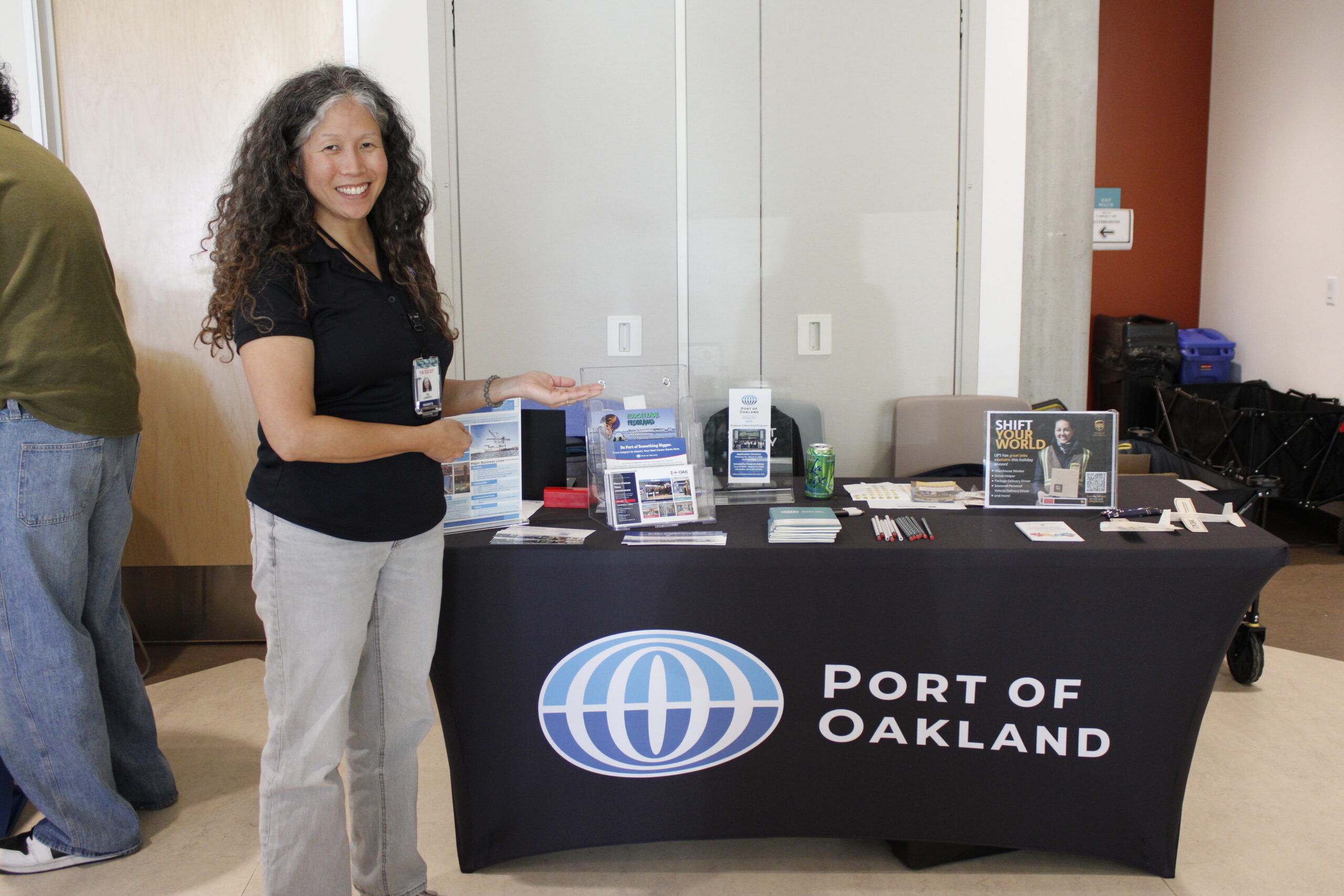
The job fair featured employers across healthcare, technology, government, transportation, education, and other industries. Participating organizations included Cisco Systems, the City of Oakland, East Bay Regional Park District, Kaiser Permanente, Port of Oakland, Sutter Health, Balance Staffing, MANOS Homecare, Inc., Childcare Careers, AC Transit, Samuel Merritt University, Waste Management of Alameda County, Inc., CareBuilders at Home – East Bay, East Bay Municipal Utility District, Patelco Credit Union, and Code Tenderloin.
Workforce development and community partners who shared their resources with participants included the Oakland Private Industry Council, Lao Family Community Development, The Unity Council, West Oakland Jobs Resource Center, Friendship House Association of American Indians of San Francisco, the Washoe Tribe of Nevada and California’s Alameda County Native TANF Program, as well as NAHC’s own Community Wellness Department.
Throughout the event, attendees connected with employers, explored job openings, and learned about apprenticeships, certification programs, training opportunities, and community resources.
Held during Native American Heritage Month, Career Connect highlighted the importance of investing in Native communities through education, employment, and economic opportunity. The event demonstrated the value of bringing employers and community organizations together to support career advancement and build a stronger Native workforce.
About Native American Health Center
Founded in 1972, the Native American Health Center (NAHC) is a nonprofit community health center serving American Indians, Alaska Natives, and surrounding communities throughout the San Francisco Bay Area. NAHC provides culturally responsive healthcare, behavioral health services, and community wellness programs, including workforce development initiatives that support employment and economic opportunity. All individuals are welcome at NAHC. NAHC provides care for 15,000 members annually. NAHC employs almost 300 staff across 17 sites in three counties: Alameda, San Francisco, Contra Costa.
For more information, visit www.nativehealth.org.
About Gallo Advantage Consulting
Gallo Advantage Consulting is a Native American woman-owned consulting firm specializing in strategic planning, community engagement, workforce development, and partnership development. The firm works with public agencies, nonprofits, and community organizations to strengthen programs, build partnerships, and expand opportunities for the communities they serve.
For more information, visit www.galloadvantage.com
Black Press
A Record 216 Firearms Collected at East Oakland Gun Buy-Back Event
The Oakland Police Department and community partners recently hosted the “Guns to Gardens” buyback event, collecting a record 216 firearms. This total marks the largest collection in more than a decade, surpassing the previous high of 130 guns set in 2022. Participants received a total of $18,000 in gift cards for surrendering weapons ranging from compact pistols to military-style assault rifles and ghost gun kits. Officials confirmed that every weapon collected will eventually be repurposed to serve a new community function. Read more.
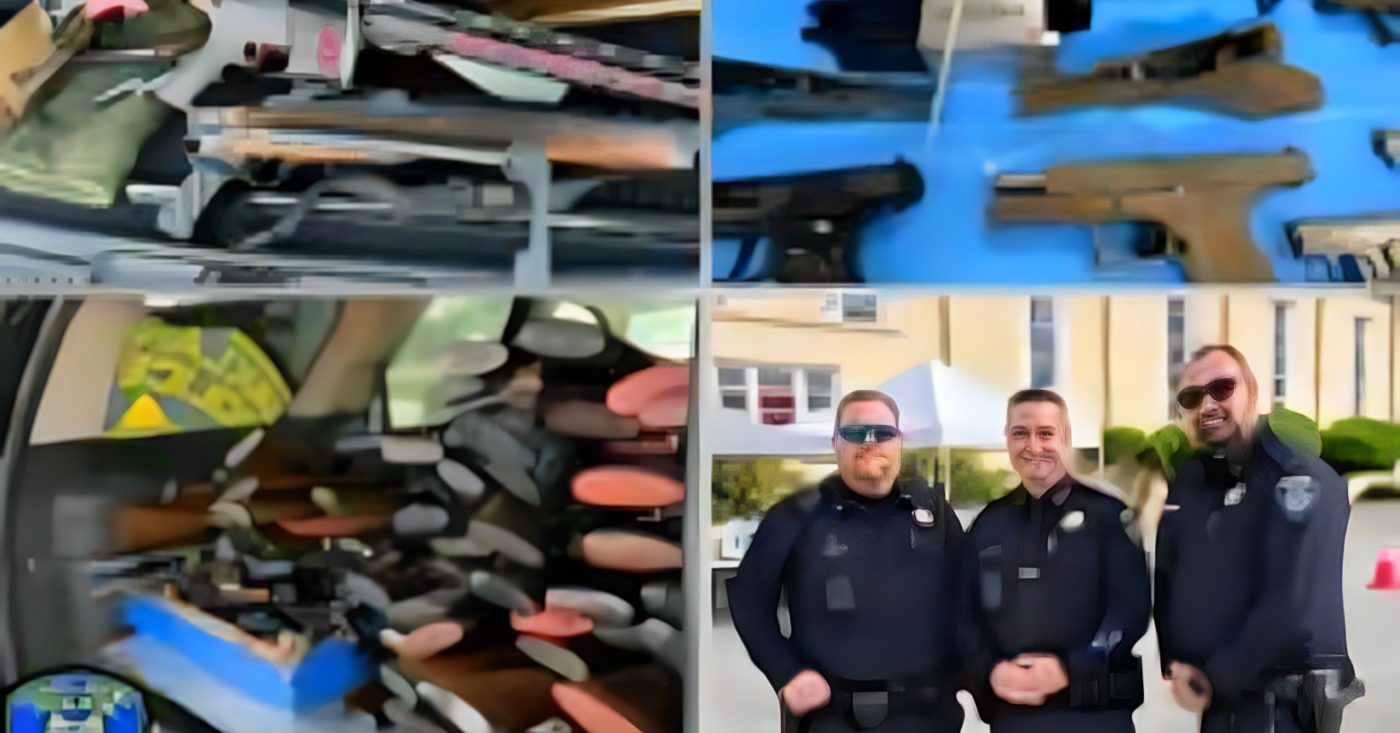
Over the weekend, the Oakland Police Department (OPD) and community partners hosted “Guns to Gardens,” a gun buyback event with strong community participation. OPD collected a record 216 firearms, exceeding the previous high of more than 130 in 2022 and marking the largest collection in more than a decade.
“Thanks to the generosity of our faith-based coalition, the Kaiser Foundation, and local partners, we distributed $18,000 in gift cards to community members who turned in their firearms,” said Oakland Mayor Barbara Lee.
The buyback follows the graduation of the 197th academy of Oakland Police Department (OPD) cadets on Nov. 6. The nine cadets are already making their mark connecting with residents, honoring the department’s history, and supporting department events.
In their first month, the Cadets helped clean the Remember Them monument at Henry J. Kaiser Memorial Park. They learned about Oakland Police Officer John Grubensky, who died in the line of duty while guiding community members to safety during the Oakland Hills Fire and is honored on the monument.
The Cadets handed out candy at OPD’s annual Trunk or Treat celebration and helped with the 197th Police Academy graduation ceremony.
Most recently, the Cadets participated in an inspection and pinning ceremony, marking another milestone in their development and service to our community.
OPD thanks Kaiser Permanente and PG&E for their donations, which led to the reinstatement of the Cadet Program. This program offers young people ages 15½ to 20½ opportunities to engage with their community, gain experience, and explore careers in public safety.
But it was the veteran officers that handled the buyback at St. Benedict’s Catholic Church at 2245 82nd Ave.in East Oakland.
The weapons collected on Nov. 14 ranged from compact pistols to assault weapons. One participant also surrendered equipment used to create homemade firearms, commonly known as “ghost guns.”
“I was shocked to see the number of assault weapons, military-style firearms, and ghost guns turned in,” said Oakland Police Chief James Beere. “Every firearm removed from our streets is one less that could be used in a shooting or other act of violence. By choosing to turn in unwanted guns, we help protect our neighborhoods and ultimately save lives.”
OPD and Lee thanked the community partners, volunteers, and participants for their continued support in this effort.
“Every single gun collected will be transformed into garden tools and given back to the community at future events,” said Lee. “A huge thank you to everyone who participated, our dedicated partners, and OPD for making Oakland safer.”
Paul Chambers is the strategic communications manager for the Oakland Police Department.
Black Press
A Record 216 Firearms Collected at East Oakland Gun Buy-Back Event
The Oakland Police Department and community partners recently hosted the “Guns to Gardens” buyback event, collecting a record 216 firearms. This total marks the largest collection in more than a decade, surpassing the previous high of 130 guns set in 2022. Participants received a total of $18,000 in gift cards for surrendering weapons ranging from compact pistols to military-style assault rifles and ghost gun kits. Officials confirmed that every weapon collected will eventually be repurposed to serve a new community function. Read more.
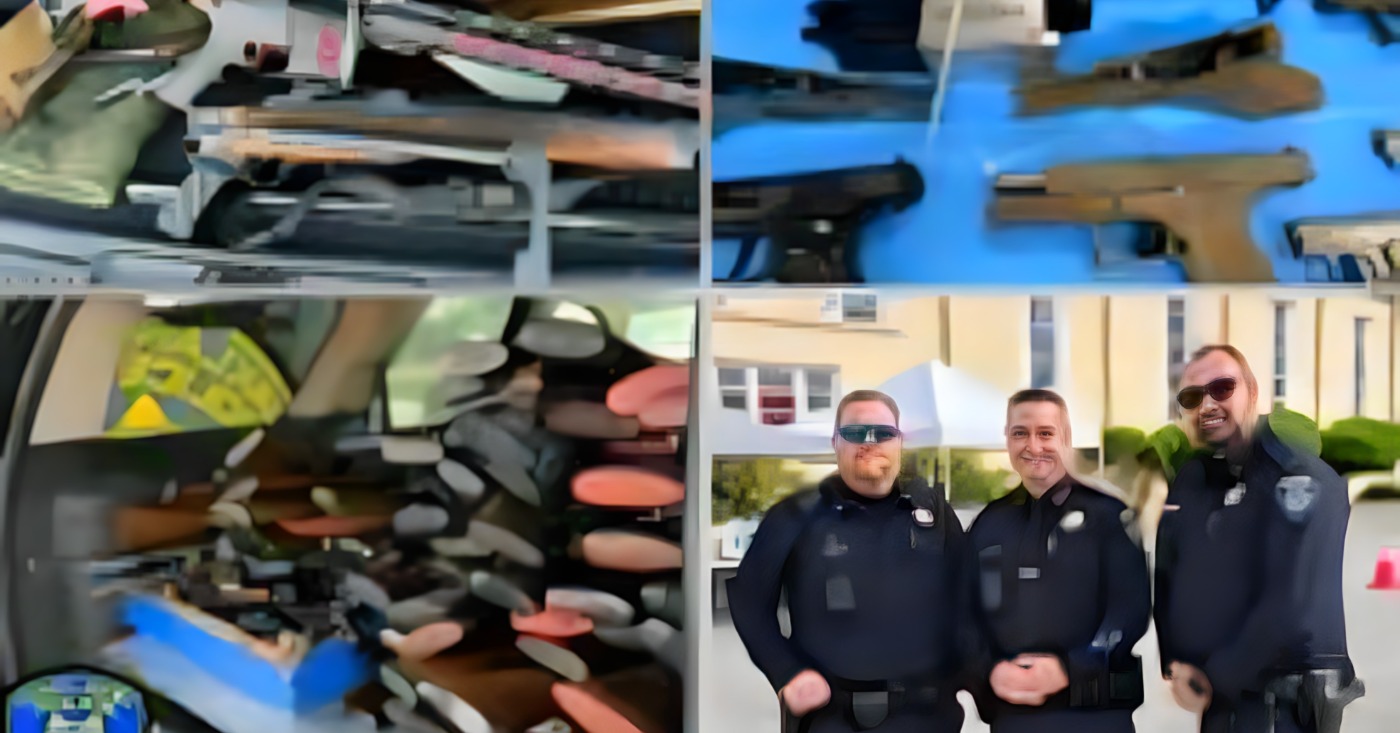
Over the weekend, the Oakland Police Department (OPD) and community partners hosted “Guns to Gardens,” a gun buyback event with strong community participation. OPD collected a record 216 firearms, exceeding the previous high of more than 130 in 2022 and marking the largest collection in more than a decade.
“Thanks to the generosity of our faith-based coalition, the Kaiser Foundation, and local partners, we distributed $18,000 in gift cards to community members who turned in their firearms,” said Oakland Mayor Barbara Lee.
The buyback follows the graduation of the 197th academy of Oakland Police Department (OPD) cadets on Nov. 6. The nine cadets are already making their mark connecting with residents, honoring the department’s history, and supporting department events.
In their first month, the Cadets helped clean the Remember Them monument at Henry J. Kaiser Memorial Park. They learned about Oakland Police Officer John Grubensky, who died in the line of duty while guiding community members to safety during the Oakland Hills Fire and is honored on the monument.
The Cadets handed out candy at OPD’s annual Trunk or Treat celebration and helped with the 197th Police Academy graduation ceremony.
Most recently, the Cadets participated in an inspection and pinning ceremony, marking another milestone in their development and service to our community.
OPD thanks Kaiser Permanente and PG&E for their donations, which led to the reinstatement of the Cadet Program. This program offers young people ages 15½ to 20½ opportunities to engage with their community, gain experience, and explore careers in public safety.
But it was the veteran officers that handled the buyback at St. Benedict’s Catholic Church at 2245 82nd Ave.in East Oakland.
The weapons collected on Nov. 14 ranged from compact pistols to assault weapons. One participant also surrendered equipment used to create homemade firearms, commonly known as “ghost guns.”
“I was shocked to see the number of assault weapons, military-style firearms, and ghost guns turned in,” said Oakland Police Chief James Beere. “Every firearm removed from our streets is one less that could be used in a shooting or other act of violence. By choosing to turn in unwanted guns, we help protect our neighborhoods and ultimately save lives.”
OPD and Lee thanked the community partners, volunteers, and participants for their continued support in this effort.
“Every single gun collected will be transformed into garden tools and given back to the community at future events,” said Lee. “A huge thank you to everyone who participated, our dedicated partners, and OPD for making Oakland safer.”
Paul Chambers is the strategic communications manager for the Oakland Police Department.
Black History
IN MEMORIAM: Claude T. Everhart, San Francisco’s First Black Deputy Mayor, Dies at 73
Claude T. Everhart, the first African American deputy mayor of San Francisco and a dedicated community advocate for five decades, passed away on October 27 at the age of 73. A former member of the Black Panther Party, Everhart rose from community organizing to serve as chief of staff for Mayor Art Agnos, where he helped lead the city through the aftermath of the 1989 Loma Prieta earthquake. His career spanned significant roles in youth development and municipal policy. Visit BlackPressUSA.com to read more.
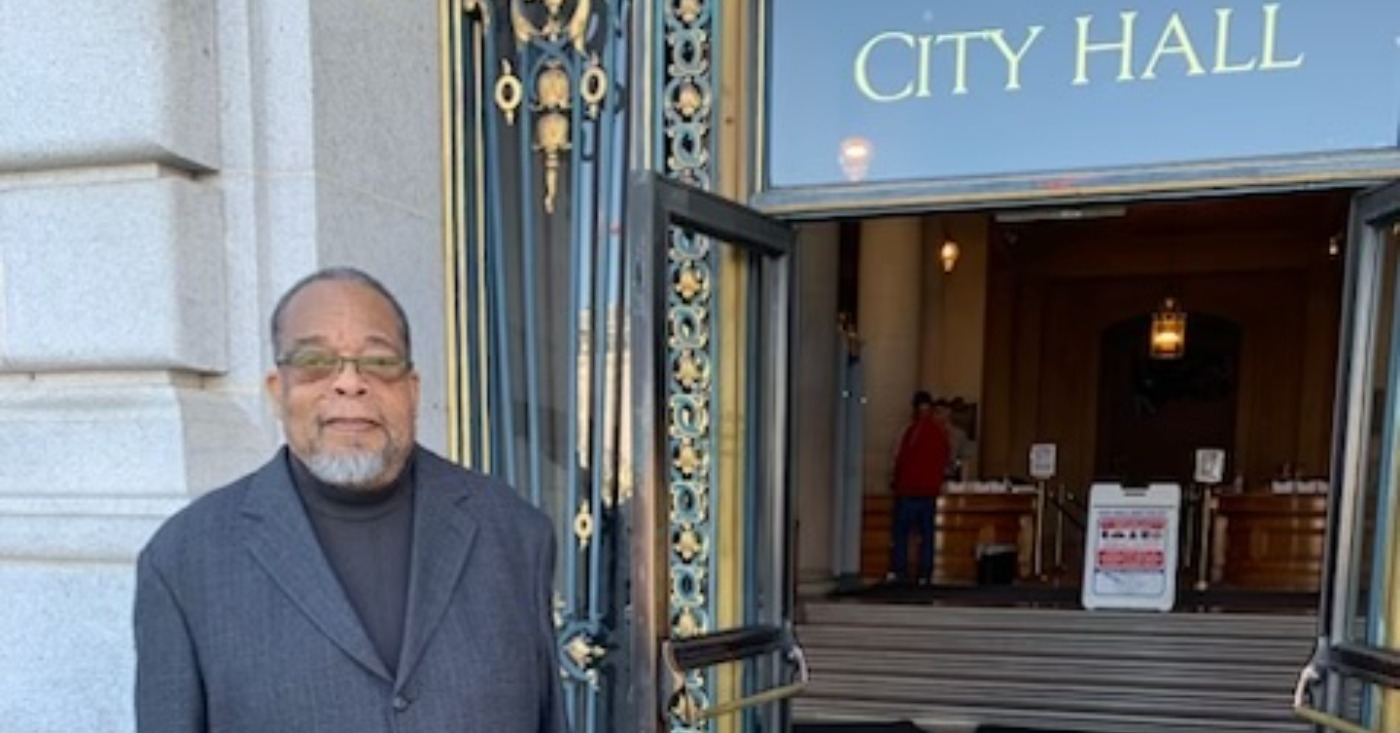
Claude T. Everhart, first African American deputy mayor and chief of staff to former San Francisco Mayor Art Agnos who served working families and communities of color for 50 years, died on Oct 27 in Oakland. He was 73.
“Claude Everhart was… He was the engine room of our administration’s most significant efforts to improve the lives of our city’s most underserved populations San Francisco has lost a true champion of the people, and I have lost a very dear friend and a trusted partner,” Agnos said in a statement.
Born in San Francisco in 1952, Everhart graduated from Lowell High in ’70. As a student, he was involved in the Black Panther Party, participating in various demonstrations, the San Francisco State College strike, and the Party’s Free Breakfast Program.
As a teen, he led the Oceanview–Merced–Ingleside Community Organization, created summer jobs for youth, and opened a group home as an alternative to incarceration.
In 1974, he became the first executive director of Young Community Developers (YCD) The program was founded by a group of young Black activists who pushed City Hall for funding to train residents for jobs at the Hunters Point Naval Shipyard.
More than 50 years later, YCD is still providing job readiness training, reentry services for formerly incarcerated adults, and youth programming, and Everhart remained on the board into recent years.
Everhart joined Agnos’ staff in 1976, became his chief of staff and then executive deputy mayor when Agnos was elected mayor in 1988.
In that role, he was part of the leadership team that led San Francisco through the October 17, 1989, Loma Prieta earthquake (the city’s worst since 1906). The administration rebuilt the damaged infrastructure and decided to take down the quake-damaged Embarcadero Freeway, thereby opening the waterfront. They would not move the unhoused people displaced from the damaged shelters until new housing was available, and they created “Beyond Shelter,” which became a nationally recognized network of multi-service centers for the unhoused.
He took a few unpopular stands on behalf of the disadvantaged. He fought against the homeporting of the USS Missouri at Hunters Point on grounds of gentrification, demanded a full clean-up of the yard, and pushed for investigations and redress in the wake of allegations of racial discrimination in both the Police and Fire Departments.
He was instrumental in setting up the Mayor’s Office of Youth and Children’s Services, helped to divest the city’s retirement system from South Africa, brought a supermarket to Hunters Point, and worked to increase city contracting with minority-owned businesses.
He later served as a VP at Waste Management of Alameda County and as a political consultant to several people, including former Oakland Mayor Elihu Harris and San Francisco Assessor Doris Ward.
His legacy lives on through Jelani House (the family recovery and counseling program named for his late son), of which he was a board member and at the Ella Hill Hutch Community Center in the Fillmore, a long-standing youth and community center with a mural on the building in his honor.
Everhart is predeceased by his son Jelani. He is survived by his wife of 51 years, Sandra, and daughter, Maisha.
A memorial service will be held on Nov 23 at 11 a.m. at Jones Memorial UMC, 1975 Post St., San Francisco, CA 94115. In lieu of flowers, the family asks that donations be made to Young Community Developers and Jelani House.
Darolyn Davis is the president and CEO of D&A Communications.

Black Press
UC Doctors, Nurses and Community Rally to Demand ICE Out of UC Hospitals
A coalition of University of California resident physicians and nurses rallied outside the Board of Regents meeting in San Francisco this week to demand the removal of immigration enforcement from UC hospitals. Supported by organizations including the California Nurses Association and SEIU, the protesters called for systemwide protocols to protect patient privacy and worker safety. Organizers argue that the presence of federal agents undermines medical trust and compromises care for vulnerable populations. The coalition is now urging university leadership to implement specific transparency measures and updated guidelines to read more.
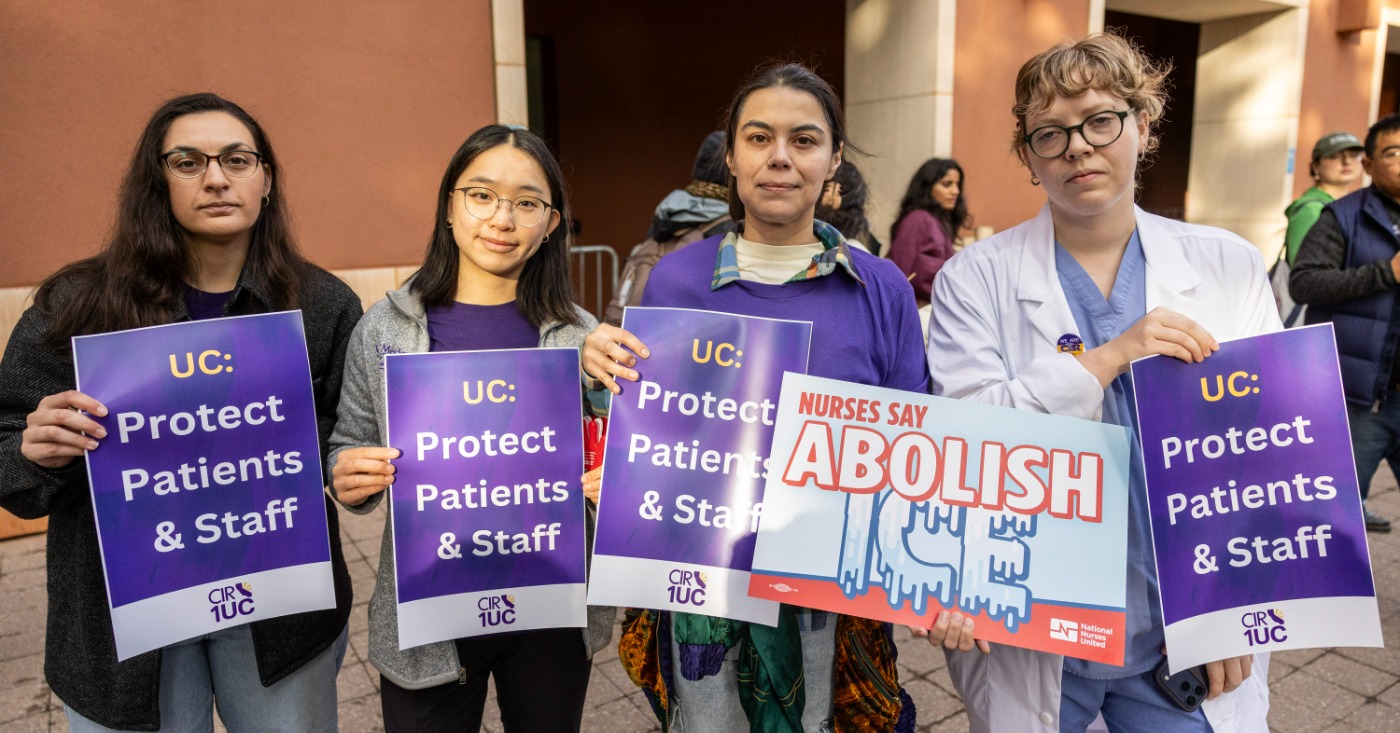
Alongside community members, a coalition of resident physicians and nurses from across the University of California rallied this week outside the Board of Regents meeting in San Francisco demanding that UC get ICE out of its hospitals and establish clear, systemwide protections for patients and healthcare workers.
Hundreds of emails have been sent to the Board of Regents and UC President James Milliken reiterating the need for a comprehensive policy and protocol. The email action is cosponsored by the Committee of Interns/Service Employees International Union (CIR/SEIU), the California Immigrant Policy Center, California Nurses Association, and United Auto Workers 4811, according to a press release issued by protest organizers.
These actions on Tuesday, Nov. 17, were part of a growing campaign to ensure UC hospitals remain places of healing, dignity, and confidential medical care for everyone, regardless of immigration or custody status, the press release said.
Currently, a lack of clear, consistent protocols and staff training for situations involving patients in immigration enforcement custody at UC Health facilities creates confusion, safety risks, and the potential for violations of patients’ rights. Healthcare workers need clear guidance to protect patient privacy, uphold legal rights, and provide appropriate medical care.
“As doctors, the well-being of the people we serve is our utmost priority. The presence of immigration enforcement in our hospitals undermines our ability to provide care and impedes patients from receiving proper, dignified treatment. UC must take action now to protect patients and staff,” said Dr. SatKartar Khalsa, CIR-SEIU regional vice president.
The presence of immigration enforcement officers in healthcare settings can interfere with medical examinations and treatment, compromise patient confidentiality, and undermine trust between patients and providers. Patients in immigration custody may face barriers to contacting family, accessing support services, and participating in decisions about their care. Healthcare workers also report fears of unsafe working conditions, racial profiling, and retaliation for advocating for their patients.
“Nurses demand that our hospitals must be places of healing and safety and completely off limits to any sort of ICE or federal immigration agent presence,” said Jamile Cabacungan, a medical-surgical-telemetry RN at UCSF Stanyan Hospital. “From the start of this cruel and unnecessary deportation program, nurses have been educating ourselves and our patients to know and exercise our rights, and we even sponsored state legislation to keep ICE out of our hospitals. Our employer UC must step up and proactively do everything possible to support us and our ability to provide safe care to our patients and communities.”
The coalition calls on UC leadership to:
- Protect patient privacy and dignity by limiting ICE access to patient care areas and safeguarding confidential patient communications.
- Uphold patients’ rights and continuity of care, including access to certified medical interpreters, family notification, surrogate decisionmakers, social services, legal support, and safe disposition planning.
- Protect healthcare workers from racial profiling and retaliation for advocating for immigrant patients.
- Establish clear protocols and staff training for responding to immigration enforcement activity in hospitals.
- Ensure transparency and accountability, including information about federal immigration agents’ visits to UC hospitals over the past year.
- Meet with union representatives to address healthcare workers’ concerns and develop effective protections.
The coalition is urging – at a minimum – for UC to adopt the updated California Attorney General guidelines, with stronger protections modeled on comprehensive immigrant rights policies. These protections must include practical protocols, staff training, clear lines of responsibility, and accountability for implementation.
Black Press
Hypertension and Heart Disease: Doctors, Advocates and Patients Are Tackling the Leading Cause of Death for Black Californians
Cardiovascular disease remains the leading cause of death for Black Californians, who experience stroke and hypertension at significantly higher rates than the state average. While personal lifestyle changes such as improved diet and exercise are vital, many patients find that individual efforts are not enough to manage the “silent killer.” Data from the 2026 California State of Public Health Report reveals that the cardiovascular death rate for Black residents is 1.6 times the statewide average, a disparity experts attribute to a combination of traditional risk factors and systemic medical challenges.
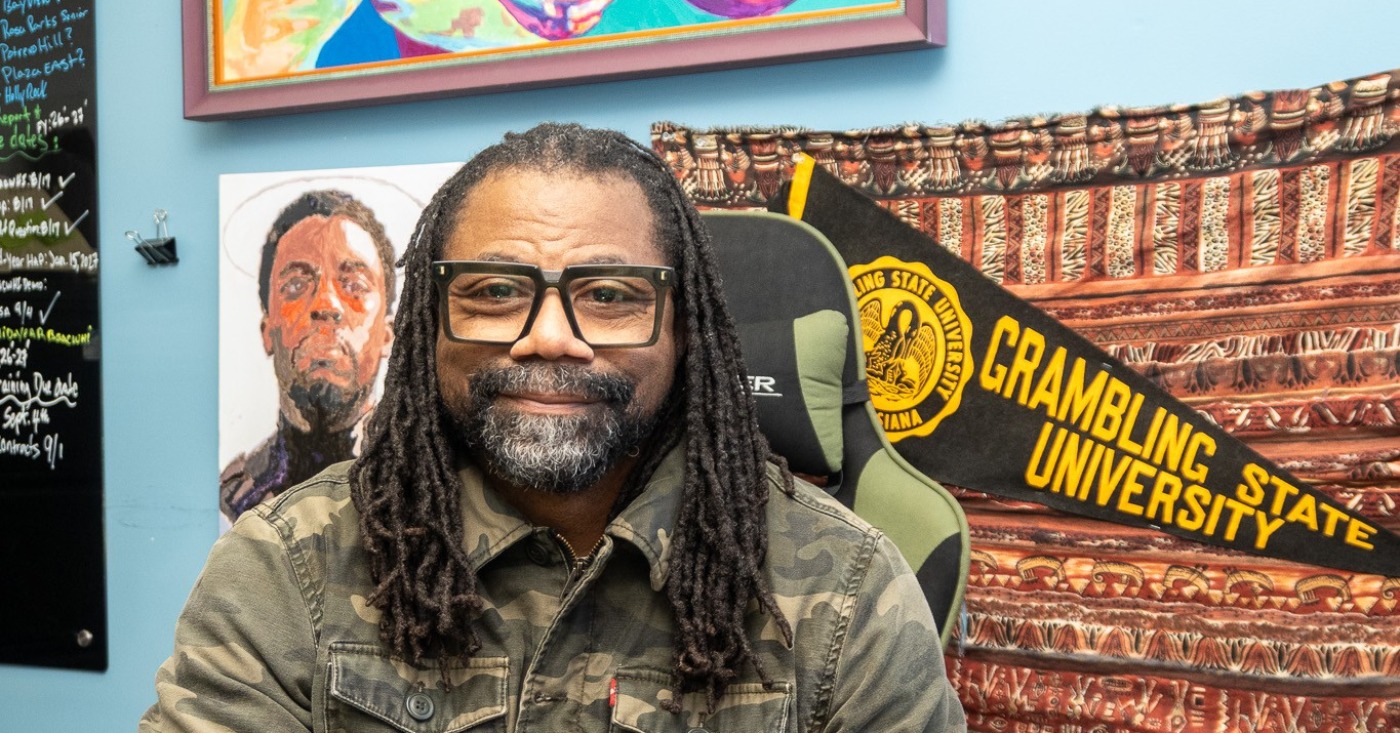
Andre Aikins, 55, serves as director of programs at the San Francisco-based Rafiki Coalition for Health and Wellness, an organization dedicated to improving health outcomes in the Black community.
For Aikins, that work is personal.
His father and older brother died from preventable illnesses in their late 50s, he said. So, when Aikins learned he had high blood pressure and borderline diabetes, the diagnosis came as a shock — especially since he took pride in his healthy and active lifestyle.
“For a while, I refused to believe it and tried to deal with it my own way,” recalled Aikins, a former math teacher and assistant principal. “After going to the doctor a couple of times, I was told it wasn’t getting better, so I had to take prescription drugs, and I had to eat differently.”
Those changes paid off, said Aikins.
“Blood pressure? Perfect. All my health indicators, including blood glucose, are below the range for diabetes.”
But for some Black Californians, taking medication and adopting healthier habits aren’t enough. Getting the right medical care can be just as critical.
Chris Goodloe, an Inland Empire resident, was doing everything right. He exercised, ate healthy foods and took his prescribed medications. Yet his blood pressure remained stubbornly high.
Frustrated with what he perceived as inadequate care at his local Kaiser Permanente facility, Goodloe sought help from a Black female doctor in Murrieta after experiencing a panic attack.
That decision, he said, made all the difference.
The doctor referred him to a specialist who prescribed a diuretic to help control his blood pressure. Goodloe credits that breakthrough to finding a physician who listened.
“I hate to make this about race, but if I hadn’t seen the Black lady in Murrieta I would have never gotten to a specialist,” he said.
Goodloe’s experience underscores how access to attentive, effective medical care can shape health outcomes, particularly for Black patients navigating a health care system in which disparities persist.
Those disparities are especially troubling when it comes to cardiovascular disease, a leading cause of death among Black Californians.
According to the2026 California State of Public Health Report, Black Californians have the highest reported stroke prevalence, and their cardiovascular disease death rate is 1.6 times the statewide average. Additionally, 2023 Centers for Disease Control and Prevention survey data show that Black Californians had the highest prevalence of hypertension among racial and ethnic groups in the state.
Dr. Powell Jose, a Northern California-based Sutter Health cardiologist and heart disease researcher, said high rates of hypertension remain a significant challenge in the Black community. A Sutter Health study found that Black patients under 50 had the highest rates of heart disease, stroke and heart failure compared with other groups, he said.
“When we dug into why that was the case, it was mostly related to traditional risk factors not being well controlled,” Jose explained.
Experts say those findings are particularly concerning because hypertension is a major contributor to cardiovascular disease. Left untreated, high blood pressure damages blood vessels over time, significantly increasing the risk of stroke, heart attack and heart failure.
Dr. Alexis Simpkins, a vascular neurologist at Cedars-Sinai Medical Center in Los Angeles who specializes in stroke care and cerebrovascular disease, said many people don’t know they have hypertension because they aren’t routinely screened.
“Hypertension is often called the ‘silent killer,’” she said. “High blood pressure is the number one preventable risk factor for heart disease and stroke. Hypertension is treatable. The goal is detecting it and managing it before a serious event happens.”
Aikins pointed to diet, lack of exercise and mental well-being as factors contributing to the disproportionate burden of cardiovascular disease among Black Californians. He also said reluctance to seek medical care can compound those risks.
“When you go to the doctor, most of the time we say, ‘I’m okay,’ unless we are on our deathbed,” Aikins said. “We don’t get regular checkups unless our arm is falling off.”
Simpkins, an American Heart Association (AHA) volunteer expert, said the exact cause of “essential hypertension” is unknown. Rather than focusing on a single cause, she encourages patients to follow the AHA’s Life’s Essential 8 framework, which emphasizes healthy eating, physical activity, quality sleep, avoiding tobacco, managing cholesterol and blood sugar, maintaining a healthy weight and controlling blood pressure.
But as Goodloe’s experience illustrates, personal responsibility is only part of the equation. How the health care system responds to patients with uncontrolled hypertension can be equally important.
Dr. Steven W. Chen, associate dean of clinical affairs and professor at the USC Mann School of Pharmacy and an AHA volunteer expert, said patients can struggle with uncontrolled hypertension and other chronic conditions even after months of visits with primary care providers.
Chen described a problem known as “treatment inertia,” in which patients repeatedly visit doctors with elevated blood pressure but leave without adjustments to their treatment.
“We have plenty of medications, all generic and inexpensive, widely available,” he said. “They’re just not being deployed well. That’s a fault of our system.”
To illustrate how more proactive care can improve outcomes, Chen pointed to a Los Angeles program led by the late Dr. Ronald Victor that brought pharmacists into Black barbershops to help patrons manage hypertension.
According to Chen, “About 90% of participants receiving the pharmacist-led intervention achieved blood pressure control, compared with 32% of those receiving usual care.”
Chen said Victor’s “secret sauce” was a poster featuring a patient’s photograph and testimonial that connected blood pressure management to personal goals and family milestones.
“It wasn’t medical,” Chen explained. “It was about things like, ‘I want to be there when my kids graduate from high school, when my daughter gets married. The things you don’t really think about so much, but when you start to put it together, it is what motivates you. That was remarkably effective at engaging participants.”
Other health systems are also exploring ways to improve hypertension treatment and eliminate gaps in care.
A March study led by the University of California, San Francisco, found that the UC health system’s use of the UC Way Hypertension Medication Algorithm helped thousands of patients achieve better blood pressure control.
Dr. Sandeep P. Kishore, an internist and associate professor of medicine at UCSF, said the program helped about 4,860 people control their blood pressure, with an estimated 72 strokes, 48 heart attacks and 38 deaths averted.
The tool provides clinicians with a step-by-step approach to medication adjustments and recommends closer patient follow-up. Between 2023 and 2025, blood pressure control among Black patients increased from 63.4% to 67.3%, while control across all patients rose from 68.5% to 73.9%.
“Nationally, we know Black patients are more likely to experience therapeutic inertia, where blood pressure stays high, but treatment isn’t intensified or changed,” Kishore said. “The UC algorithm gives clinicians a clear, science-backed next step and recommends faster follow-up, measurement, and clinical action, so patients reach their goals sooner.”
Jose said Sutter Health has expanded remote monitoring programs that equip patients with wireless blood pressure cuffs and connect them with pharmacists who review readings and can adjust medications remotely.
Another option for patients whose hypertension remains difficult to control is renal denervation, a procedure that targets nerves surrounding the arteries supplying the kidneys to help lower blood pressure.
“I’ve had Black patients go through this procedure successfully, cut back on their medications, and have better blood pressure control,” Jose said.
Jose also recommended that people have their lipoprotein(a), or Lp(a), levels checked at least once in their lifetime because elevated levels increase the risk of heart disease and stroke.
Simpkins emphasized that regular screening remains essential because patients cannot manage hypertension if they don’t know they have it.
“High blood pressure is one of the most important risk factors we can intervene on,” she said.
“Even if prevention isn’t possible, we know how to manage hypertension effectively. We need to make sure it doesn’t become a barrier to quality of life.”
At the community level, organizations such as the Rafiki Coalition are working to make prevention and early detection more accessible. The San Francisco nonprofit hosts events throughout the Bay Area to educate Black residents about health risks and encourage regular checkups.
This month, Aikins said, the organization plans to offer blood pressure screenings at a community event.
For Aikins, whose family history underscores the potentially devastating consequences of chronic illness, the message is simple: Take action before a health problem becomes a crisis.
“Don’t take your health for granted,” Aikins said. “Engage in preventive measures. When something doesn’t feel right, get it checked out. Don’t wait until you’re bedridden.”


Chevy Bolt Warranty Coverage, and EV Owner Benefits #shorts

Roots Cafe Shift Lead Jackeline Mejia on Building Credit Early | Youth Financial Education Series

5 Self-Care and Wellness Gift Ideas for the Women in Your Life

A Retail Space Won’t Bring Customers—Here’s What Will #shorts

MC Scat Cat Led to a Surprising Quincy Jones Moment #shorts

Native American Health Center Connects 140 Community Members to Career Opportunities During Native American Heritage Month

Oakland Chamber of Commerce Faces $42,000 Ethics Fine for Campaign Violation

Adrianna Willis on Mind the Crown, Boundaries and Choosing Yourself | On The Radar | MSR

Mind the Crown: Adrianna Willis on Rest, Boundaries and Choosing Yourself | On The Radar | MSR

Attorney General Bonta Serves Investigative Subpoena on Nvidia

HISTORY MADE: Keisha Lance Bottoms Becomes First Black Woman Elected Governor in American History

Secretary of State Shirley Weber Pushes Back Against DOJ Demands Over California Voter Rolls

Retirement Triggers Doctor to Pen Book for Young Audience

Capturing Black Life’s Beauty

Multi-Faith Leaders Representing 10 Million People Launch National Anti-Authoritarian Initiative

Christianity’s Racial History

Hundreds of Black Christian Leaders Arriving in Israel for Martin Luther King-Inspired Mission

Oakland Honors 60 Years of the Black Panther Party at the All Power to the People Gala

Message from the Associate Editor: Blindness, Hurts, Cops

Michael Shiner: The Enslaved Man Who Wrote His Way into American History
Chevy Bolt Warranty Coverage, and EV Owner Benefits #shorts
Roots Cafe Shift Lead Jackeline Mejia on Building Credit Early | Youth Financial Education Series
A Retail Space Won’t Bring Customers—Here’s What Will #shorts
MC Scat Cat Led to a Surprising Quincy Jones Moment #shorts
Adrianna Willis on Mind the Crown, Boundaries and Choosing Yourself | On The Radar | MSR
Mind the Crown: Adrianna Willis on Rest, Boundaries and Choosing Yourself | On The Radar | MSR

Delay Motherhood: What you need to know about egg freezing

Car Buying Tips: 5 Steps to Get a Better Deal #shorts

Massive Chevy Tahoe Interior Tour: The Cup Test Challenge #shorts

Scott Colom’s Nike Challenge Goes National, Freshman Democrats Get a Surprise 📱
-
 Black Press1 week ago
OP-ED: Closing the Next Digital Divide — Communities of Color Must Have a Voice in the AI Future
-

 Black Press1 week ago
COMMENTARY: Thank You, Trump, for Making America Great Again!
-

 Black History1 week ago
“Blue Tsunami” Sweeps Georgia, Bottoms Makes History
-

 Black Press6 days ago
Black Men Encouraged to Start Prostate Cancer Screening at 45
-

 Black Press1 week ago
OP-ED: And Then What?
-
 Black History1 week ago
Mississippi Congressman Bennie Thompson Congratulates Scott Colom on Historic Victory
