
Business
Tobacco Auction System is All but Snuffed Out


In this Nov. 18, 2014, photo, auctioneer Tripp Foy, at right, hands a tobacco purchase ticket to a buyer at an auction in Danville, Ky. Foy has been doing live tobacco auctions in Kentucky for four decades, and he is one of the last tobacco auctioneers in the country. (AP Photo/Dylan Lovan)
BRUCE SCHREINER, Associated Press
DANVILLE, Ky. (AP) — Tripp Foy’s sing-song chant rang out like a sentimental oldie for die-hard farmers clinging to the old way of selling tobacco, as a small procession of buyers shadowed him down long rows of reddish-brown leaf piled in bales.
Farmers who have spent their lives tending the aromatic crop in their fields find comfort in Foy’s rat-a-tat style, part of an auction system that’s been all but snuffed out by another way of selling tobacco after years of declining smoking rates.
“It’s kind of in our blood,” said tobacco farmer Walter Browning. “But I’m about bled out.”
This tobacco-belt tradition, once as much a part of Kentucky’s fabric as bourbon or horse racing, is fading away — and it’s taking the maestros like Foy with it.
“The chant of an auctioneer can sound as good as a song,” said Foy, 63, who has spent four decades auctioning tobacco in Kentucky — the nation’s top burley producer. “You can walk down a row and you can almost dance to the tune of the sale.”
Years ago, multiple auctioneers plied their trade in each of the state’s biggest burley markets as sales seasons typically stretched from late autumn until March. The competition for top auctioneers was fierce as warehouse operators looked for any edge to pull in more business from farmers.
Now, most burley is sold under contracts between farmers and tobacco companies. Contracting sprung up a decade ago after the demise of a federal program of price supports and production quotas that guaranteed minimum prices for most of the 20th century.
The new system cut out warehouse operators as middle men.
Tobacco companies typically don’t disclose how much contract leaf they purchase or for how much to avoid tipping their hand to competitors.
Excess world burley tobacco supplies and lower demand are driving down prices, said University of Kentucky agricultural economist Will Snell.
Last year’s crop averaged $2.06 per pound. Quality leaf sold under contract is still fetching prices in the $1.90s to $2 a pound this season, he said. But selling non-contract burley, especially lower-quality leaf, is “going to be a struggle,” he said.
Droves of farmers got out of tobacco as U.S. smoking rates declined. The number of U.S. tobacco farms dropped from 124,270 in 1992 to 16,234 during the last federal crop census in 2007. Burley, once a $1 billion crop in Kentucky, now generates about $300 million for the state’s remaining growers.
Despite the setbacks, a handful of auction markets have stubbornly hung on.
Supporters say they provide a necessary alternative for tobacco farmers unable or unwilling to sign contracts or unhappy with prices offered by the companies at contract receiving stations.
About 400,000 pounds of tobacco were available last month on the opening sales day at the Danville warehouse, where Foy presided as auctioneer. Jerry Rankin, the warehouse operator, plans twice-weekly auctions for larger supplies of non-contract leaf. Rankin bought up some of the burley when bidding by leaf dealers was too low. Rankin bought it on speculation, hoping to sell it to tobacco companies or dealers. He expects all the leaf to wind up in cigarettes.
Total output in burley-production states is forecast at 211 million pounds this year, with Kentucky accounting for an expected 161 million pounds.
Some Kentucky farmers found out in the spring they had been dropped from production contracts, after buying tobacco plants and preparing ground, Rankin said. They went ahead with the crop, putting millions more pounds of leaf in the auction system at a time when demand and prices are depressed.
“These growers grew it in good faith and did a good job doing it, and they’re spinning their wheels,” Rankin said. “Some of them are going to go under.”
Other than Foy’s familiar chant, little else resembled opening days from the era when every bit of leaf went through the auction system.
Grim-faced growers watched their burley sell for paltry amounts — generally $1.25 or $1.30 a pound.
“It’s a sad day,” said farmer Leland Turner. “I never thought I’d see the time when tobacco would be so cheap.”
Prices improved slightly in follow-up sales at the Danville warehouse, to an average of $1.35 to $1.44 per pound, Rankin said. But that’s not nearly enough to cover expenses for the crop, unless farmers and their families did all the work themselves.
Years ago, the auctions signaled the promise of money filtering through small towns and big cities alike.
For farmers, it was the anticipation of a big pay day. If early prices were good enough, the payoff came right before Christmas. Bankers and merchants kept tabs on how high the bidding went.
There was no festive mood as this year’s sales opened at the Danville warehouse. An ag credit lending agency supplied doughnuts for the few dozen people on hand. Rankin gave a short speech, thanking the farmers for their business.
For some of the growers looking on, the end of the line was coming into focus.
Browning said he already decided this year’s crop would be his last. He has a factory job and used his tobacco income to pay property taxes, but he wasn’t sure he would get enough to cover the bill this year.
“You spend a lot of time on it for what little I get,” he said. “Instead of going on vacations with my wife, I’m hauling tobacco.”
Foy’s own schedule has slowed considerably. Years ago, he presided over tobacco sales for nine months out of the year across the eastern U.S. Now, he auctions tobacco only at a handful of warehouses in Kentucky. He estimates only a couple of auctioneers besides him remain.
“I don’t know that I’m the last of the breed,” he said. “But unless the industry changes, the ones that are tobacco auctioneers now, when we’re all dead and gone, there won’t be any more.”
Copyright 2014 The Associated Press. All rights reserved. This material may not be published, broadcast, rewritten or redistributed.








Black Press
Early Childhood Nonprofit Celebrates a Century of Success
BLACKPRESSUSA NEWSWIRE — “Our work has never been more urgent,” said NAEYC CEO Michelle Kang. “We need systems that truly value children and the people who care for and educate them. Early childhood educators are the workforce behind the workforce—skilled, dedicated professionals whose impact reaches children, families, businesses, and communities nationwide. By recognizing these educators’ expertise, investing in their compensation, and elevating their contributions, we invest in our collectiv

The National Association for the Education of Young Children (NAEYC) commemorates its 100th anniversary this year, marking a century of advocacy, innovation, and leadership in early childhood education (ECE).
Founded in 1926 as the National Association for Nursery Education, NAEYC began with a simple but powerful belief: young children deserve better, and the people who care for them deserve a voice. Today, NAEYC stands as the nation’s largest early childhood education association, with tens of thousands of members, 50 affiliates in nearly every state, more than 5,800 accredited early learning programs serving over half a million children and nearly half a million families, and nearly 180 accredited higher education programs teaching the next generation of early childhood educators.
“Our work has never been more urgent,” said NAEYC CEO Michelle Kang. “We need systems that truly value children and the people who care for and educate them. Early childhood educators are the workforce behind the workforce—skilled, dedicated professionals whose impact reaches children, families, businesses, and communities nationwide. By recognizing these educators’ expertise, investing in their compensation, and elevating their contributions, we invest in our collective future.”
A Century of Progress
Over the past 100 years, NAEYC has created the foundational infrastructure of the early childhood education field. Key milestones include:
- Publishing the first professional standards in 1929
- Collaborating to develop the Child Development Associate (CDA) credential in the 1970s
- Launching the first voluntary national accreditation system in 1985
- Establishing Developmentally Appropriate Practice guidelines in 1987 to promote each child’s optimal development and learning
- Creating the field’s first Code of Ethics in 1989
More recently, NAEYC convened Power to the Profession (2017–2020), a national collaboration of 15 organizations and 11,000+ educators that developed the “Unifying Framework,” which defines shared career pathways, qualifications, and compensation recommendations for the early childhood workforce.
A Crisis of Today
While the science is clear that high-quality early childhood education changes trajectories for children, families, and communities, today’s early childhood educators remain undervalued and under-supported. Early childhood educators currently earn a median wage of $15.41 per hour, even as families pay an average of $13,128 per year for child care.
“Families can’t afford to pay more, educators can’t afford to earn less,” said Kang. “Our entire nation suffers as parents can’t find or afford the high-quality care they need, pulling themselves out of the workforce in the process.”
A Year of Reflections and Events
As the centerpiece of its centennial commemoration, NAEYC has launched A Year of Reflections, a storytelling initiative inviting educators, families, and advocates to share the moments, mentors, and milestones that have shaped their journeys in early childhood education. Monthly themes throughout 2026—from beginnings to workforce advocacy to a vision for the future—aim to not only surface important stories and storytellers in the field but will help inform NAEYC’s next chapter.
Black History
Together Building Back Better
AFRICAN-AMERICAN NEWS AND ISSUES – DALLAS — For more than 57 years, the SHAPE Community Center has served as a cornerstone of Houston’s Third Ward, providing essential programs based on principles of unity and collective responsibility. Known as “The United Nations of The ‘Hood,” the center recently faced its most difficult challenge following a devastating electrical fire at the Nia Becnel Family Center.
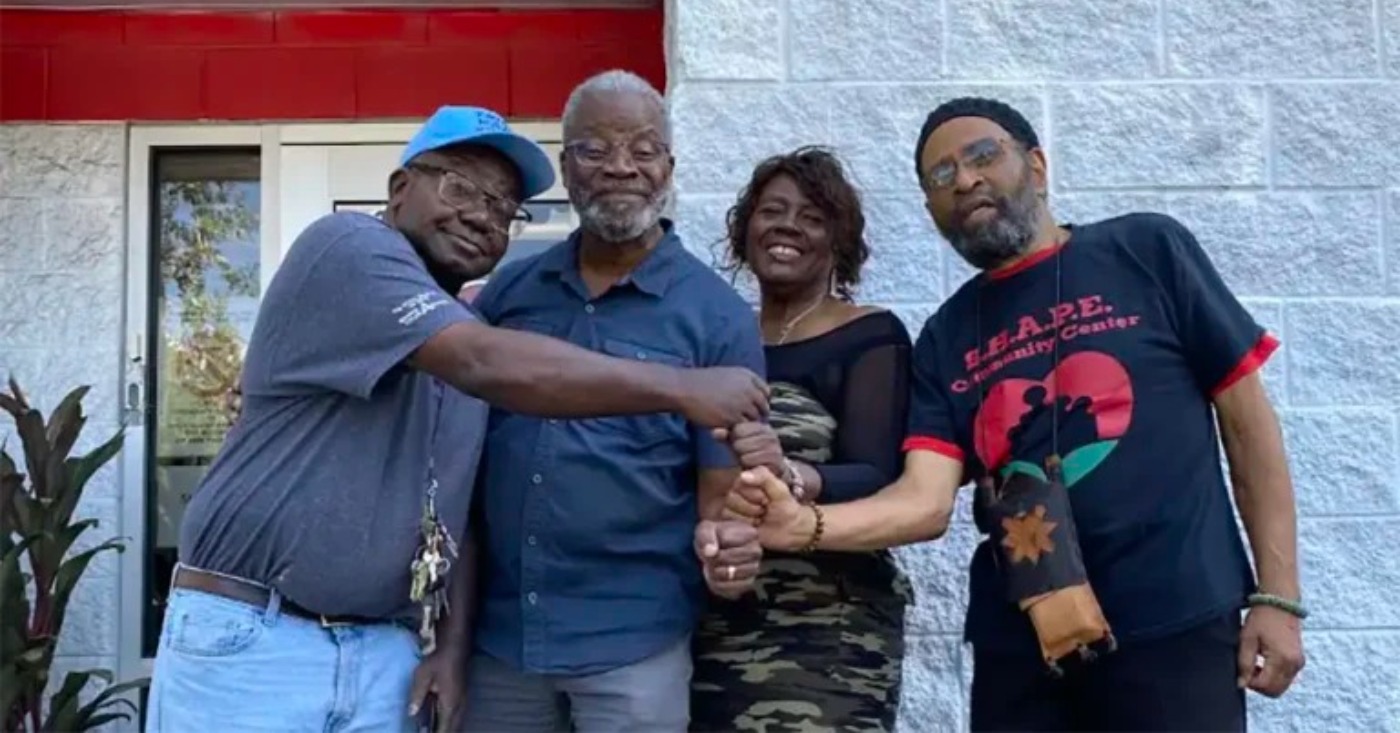
I’m going through the most challenging experience of my life with SHAPE,” said Deloyd Parker. He has served as the executive director of the historic SHAPE Community Center for over 57 years and is still energetic and driven by the love of serving the people. Known as “The United Nations of The ‘Hood,” SHAPE is a precious cornerstone of Houston’s Third Ward, serving generations of families through programs and activities, with emphasis on Unity, Self-Determination, Collective Work & Responsibility, Cooperative Economics, Purpose, Creativity, and Faith.
January 2027 will mark two years since a devastating electrical fire took place at SHAPE’s Nia Becnel Family Center, located at 3815 Live Oak. The building and priceless historical items were significantly damaged and lost. That included the “Wall of Fame” photo collection that adorned the interior walls. Nedzra Ward, President of the Board of Directors, shared how the fi rst few days aft er the fire were very trying for everyone who loved SHAPE and those who visited the sacred grounds were in shock and silence. “We knew we had to start working to get things back up,” said Ms. Ward who has been apart of SHAPE’s staff and board for decades. In the aftermath, Ms. Ward called the insurance company and then reached out to Charles Cave to be the lead project manager. They also reached out to engineers Brian Smith, Barbara Smith and Frank Brown, and other experts to formulate the group known as Together Building Back Better (TBBB).
The team met weekly at the Harambee Admin Building located at 3903 Almeda Rd. And to continue serving the people, Mr. Parker and team worked to get that building certified and operational, especially for the children. “Deloyd never stopped. He was the driving force for everything. He made sure that someone was taking care of licenses and that this place was being refigured. His whole goal was to have these kids back and in a safe environment,” said Ms. Ward. “We have served the people for 57 years and as a result of serving the people, the people are coming through,” said Mr. Parker. “It’s going to take more than a fi re to put us out.
Volunteers from the community stepped up to help at Harambee Admin Building. Many programs, events and activities have resumed including the weekly Elders Institute of Wisdom and enrollment is now open for the 2026-2027 After School Enrichment Program. Soft opening scheduled for November The desire was to reopen the gutted Live Oak location within a year but Ms. Ward and Mr. Cave described the many challenges SHAPE has faced in this rebuilding effort. The insurance did not cover everything that’s needed and tariffs
The post TOGETHER BUILDING BACK BETTER appeared first on African American News and Issues.
Based on reporting by African-American News and Issues – Dallas.
Black Press
Dallas Trinity FC Signs Kaiya Brewer to Academy Contract
THE DALLAS WEEKLY — Dallas Trinity FC has signed 15-year-old midfielder and forward Kaiya Brewer to an academy contract, allowing the Kansas City native to train and compete in the Gainbridge Super League while maintaining her collegiate eligibility. Brewer joins the professional club following a stint with Kansas City Current II and a successful youth career with the Utah Royals U19 ECNL.
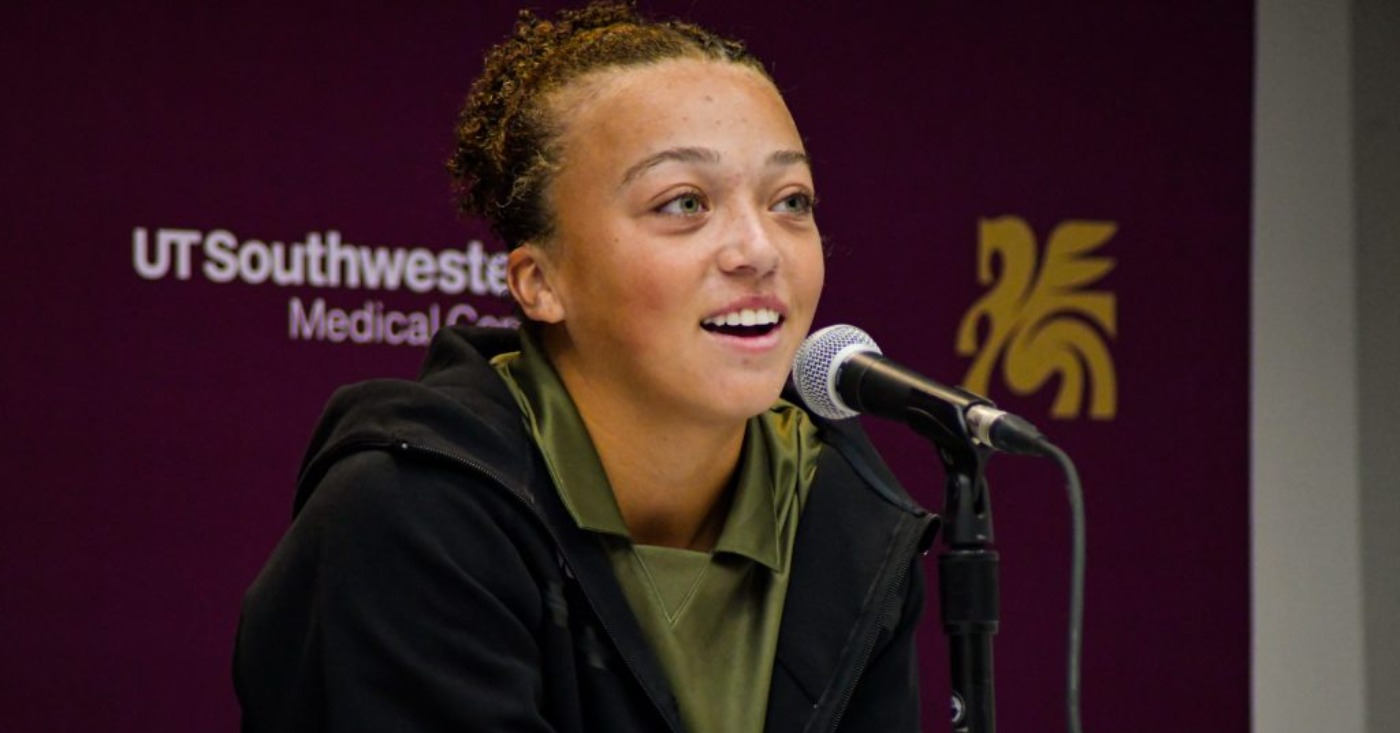
DALLAS (Oct. 21, 2026) – Dallas Trinity FC announced today that it has signed 15-year-old midfielder and forward Kaiya Brewer to an academy contract. The academy contract allows Brewer to train and compete with Dallas Trinity FC in the Gainbridge Super League while preserving her collegiate eligibility.
Brewer joins Dallas Trinity FC after competing with Kansas City Current II in the Women’s Premier Soccer League (WPSL). The Kansas City, Kansas, native also played for Utah Royals U19 ECNL, where she earned ECNL Midwest All-Conference First Team honors.
“Kaiya is an exciting young player with the opportunity to take an important next step in her development here in Dallas,” said Brian Corcoran, sporting director for Dallas Trinity FC. “Our academy pathway gives players the chance to challenge themselves in a professional environment while keeping their college options open. We look forward to supporting Kaiya as she grows within our club.”
Brewer made her first appearance for Dallas Trinity FC on Oct. 17, opening the scoring in the club’s 3-2 win over Chivas Femenil in the 2026 State Fair Clásico at Cotton Bowl Stadium. The international friendly did not count toward official league statistics.
“Kaiya brings pace, vision and a willingness to put pressure on opponents,” said Lee Nguyễn, first team manager and technical director for Dallas Trinity FC. “The Clásico was a great opportunity for her to test herself, and it was encouraging to see her take that chance and score. We’re excited to help her build on that experience and keep developing her game.”
Brewer joins her older sister, Dallas Trinity FC defender Meila Brewer, who signed with the club in September and is representing the United States at the 2026 FIFA U-17 Women’s World Cup in Morocco.
PLAYER BIO
Name: Kaiya Brewer
Pronunciation: KAY-uh BROO-er
Position: Attacker
Height: 5-7
Jersey Number: #26
Date of Birth: December 6, 2010 (15)
Hometown: Kansas City, Kansas
Nationality: United States
Previous Club: Kansas City Current II (WPSL)
TRANSACTION: Dallas Trinity FC signs midfielder and forward Kaiya Brewer to an academy contract. Terms of the transaction were not disclosed.
The post Dallas Trinity FC Signs Kaiya Brewer to Academy Contract appeared first on Dallas Weekly.
Based on reporting by The Dallas Weekly.
Black Press
Dallas Mavericks Unite Players, Legends and the Oak Cliff Community at 2026 Community Tip-Off
THE DALLAS WEEKLY — The Dallas Mavericks launched their 2026-27 season by bringing the annual Community Tip-Off directly to the residents of Southern Dallas. Held at Halperin Park in Oak Cliff, the free event attracted approximately 3,000 children and featured current stars alongside franchise legends.
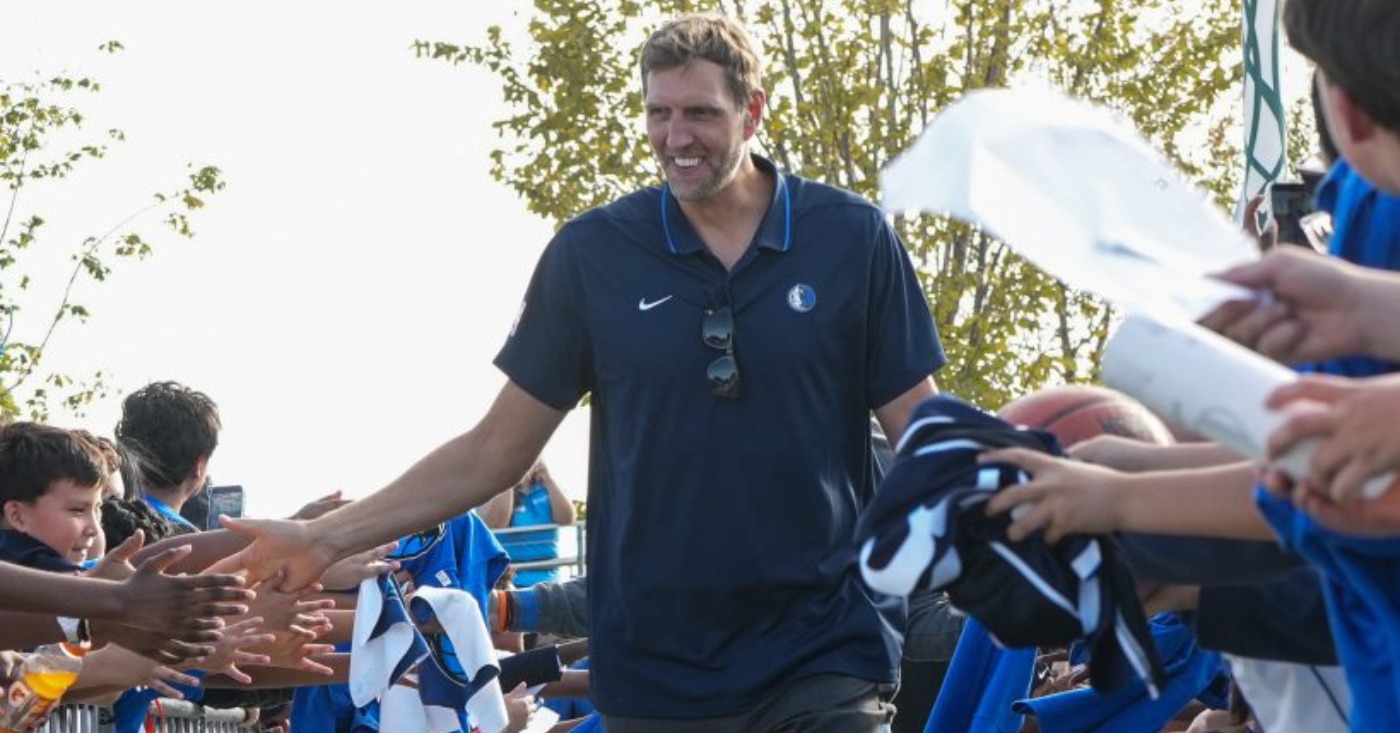
Dirk Nowitzki played 21 seasons for the Dallas Mavericks, becoming one of the most recognizable players in franchise history. However, some of the younger fans attending the team’s 2026 Community Tip-Off had a question for the Mavericks legend.
“I’m sure some of these kids didn’t know who I was because they asked,” Nowitzki said. “Some of them asked me, ‘Did you play for the Mavs?’ I think so, when your parents were around.”
It was one of many interactions that took place Monday afternoon as the Mavericks brought their 2026 Community Tip-Off directly to the people of Southern Dallas at Halperin Park in Oak Cliff.
Thousands of children had the opportunity to play basketball, enjoy festivities and spend time with their favorite Mavericks players and legends at the free community event, presented by Ticketmaster.

Mavericks president of business operations Ethan Casson spoke about the planning that went into bringing the celebration to Oak Cliff and the organization’s desire to create something different for the community.
“I think what we wanted to do for this season was really establish something that was about creating something more substantial, being very intentional with our efforts,” Casson said. “What if we showed up in a very grand way?”
That vision helped bring the Mavericks to Halperin Park, a bridge park constructed over Interstate 35E to reconnect Oak Cliff neighborhoods that had been separated by the highway for decades.
“We recognize what this park physically represents, which is connecting communities,” Casson said. “And when you’re able to visit, which we did with April and her team, the vision started to come to life.”
The park officially opened in May after years of planning, fundraising and community involvement. The Mavericks saw an opportunity to bring basketball and entertainment to a space created to strengthen relationships between neighborhoods.
April Allen, president and CEO of the Southern Gateway Public Green Foundation, appreciated the organization choosing Oak Cliff for its season-opening celebration.
“For the Mavs to come here to Oak Cliff, to spend the time, energy and resources that you see here is really a testament to their commitment to community,” Allen said. “We’re so grateful and honored that they chose us for this experience.”
The Mavs Foundation also presented a $50,000 grant to Halperin Park during the celebration, providing additional financial support for the community space.
Dallas City Manager Kimberly Bizor Tolbert attended the event and emphasized the importance of bringing celebrations and resources to Southern Dallas rather than leaving communities behind.
“We’ve got to continue to make sure that our community members are not left behind, and we’ve got to take things and be bold about going and being a part of community assets like Halperin Park,” Tolbert said.

(Roberto Hernandez/Dallas Mavericks)
The park represents an opportunity for neighborhoods to reconnect while creating a space where residents can gather and build relationships.
“I see that park as now a bridge that’s going to help us do that, even at a higher level,” Tolbert said.
Nowitzki also recognized the significance of the park and the investment that went into bringing the project to life.
“We all know what this park means to Dallas,” Nowitzki said. “Obviously, it’s been a project that’s been in the works for a long, long time.”
The Mavericks transformed Halperin Park into a gathering place filled with children playing basketball, visiting food vendors and interacting with players they had watched throughout the season.
Casson estimated approximately 3,000 children participated in the Community Tip-Off, including students from kindergarten through sixth-grade after-school programs.
Parents, teachers, local businesses and nonprofit organizations also attended, helping bring different parts of the Southern Dallas community together for the afternoon.
Approximately 200 Mavericks staff members helped organize the celebration, along with basketball operations personnel and corporate partners. Casson emphasized that bringing the entire organization together was an important part of making the event possible.
“When I say it was all hands on deck, it was all hands on deck,” Casson said. “It was really just one goal. How do we make it grand?”
Once the celebration began, the players had opportunities to interact with young fans and share messages about pursuing their dreams.
Mavericks forward Morez Johnson Jr. was among those who took the opportunity to encourage children to believe in themselves and work toward their goals.
“I think it means a lot, you know, to give these kids a lot to look up to,” Johnson said.
Johnson also reflected on messages shared with the children by his teammates, including P.J. Washington, Kyrie Irving and Cooper Flagg, about working hard and remaining focused on their dreams.
As one of the newer members of the Mavericks organization, Johnson appreciated the welcome he received and the chance to begin building relationships with the Dallas community.
“They welcomed me with open arms,” Johnson said. “I’m excited to get a chance to spend some time with these kids when I’m done with the interviews. I’m grateful to be here.”
For Casson, having players interact with children was one of the most meaningful parts of the celebration. He believes many athletes can relate to the experiences of young fans because of the coaches, teachers and mentors who helped shape their lives.
“To see your superheroes in person and know that those superheroes raised their hand and said they want to be here and be a part of it for this group is pretty special,” Casson said.
Nowitzki has experienced that relationship with Mavericks fans for more than two decades. Although some of the children were too young to remember his playing career, he appreciated the opportunity to connect with another generation.
“It’s cool to still get embraced by the city that I’ve played for for so long and now is my home,” Nowitzki said. “So definitely special. It means a lot.”
While the Community Tip-Off helped introduce the Mavericks to another generation of fans, the organization hopes to continue bringing similar celebrations to neighborhoods throughout Dallas.
Casson said the team plans to make the event an annual tradition, with future celebrations taking place in different communities.
“This is just the beginning,” Casson said. “This celebration we plan to bring to different communities, special communities throughout Dallas, year after year after year.”
The organization’s plans to visit other neighborhoods will not end its involvement in Southern Dallas. Casson emphasized that the Mavericks intend to continue supporting the community through additional programs, resources and investments.
Halperin Park was built to reconnect neighborhoods that had been separated for decades. On Monday, it also brought together generations of Mavericks fans, from those who watched Nowitzki throughout his career to children meeting him and the current team for the first time.
The Mavericks came to Oak Cliff to celebrate the beginning of the 2026-27 NBA season, but their goal extends beyond one afternoon of basketball and entertainment.
For Casson, the lasting impact of the celebration will depend on the organization’s willingness to continue showing up for the communities it serves.
“I think it’s important when you do any event, big or small, that it’s not a one-off,” Casson said. “This is about showing up again and again and again in different ways.”
The post Dallas Mavericks Unite Players, Legends and the Oak Cliff Community at 2026 Community Tip-Off appeared first on Dallas Weekly.
Based on reporting by The Dallas Weekly.
Black Press
Chase Launches Fraud & Scam Prevention Month
JPMorganChase is launching Chase Fraud & Scam Prevention Month this November to help consumers protect their personal information and finances. As the holiday season approaches, the nationwide initiative provides education on avoiding sophisticated tactics used by criminals, such as phishing and impersonation scams. The program features free workshops hosted by community managers across the lower 48 states and builds on existing financial wellness efforts that have reached over one million customers. Read more to learn how these new resources and technologies aim to stop financial crimes.

New initiative builds on Chase’s longstanding commitment to fraud and scam prevention education nationwide.
NEW YORK, Oct. 19, 2026 – Scams can happen to anyone. That’s why Chase is dedicating November to helping consumers protect themselves.
As consumers prepare for the holiday season, criminals are increasingly using sophisticated tactics to pressure people into sending money, sharing personal information and making decisions they’ll later regret.
This November, JPMorganChase is launching Chase Fraud & Scam Prevention Month, a nationwide consumer education initiative designed to help people recognize common scams, avoid in-the-moment mistakes and better protect their money and personal information during the holiday season.
The initiative builds on Chase’s longstanding efforts to help consumers navigate fraud and scams through education, awareness and community-based programming. Through its financial wellness initiatives, Chase has served more than 1 million customers and continues to host more than 1,000 fraud and scam prevention workshops annually across the country.
Throughout November, Chase Community Managers will host free educational workshops in all lower 48 states, as Chase continues to expand digital resources and consumer awareness efforts focused on helping people spot scams and take practical steps to protect themselves. Programming will address scams commonly seen during the holiday season, including impersonation scams, package delivery phishing attempts, gift card scams, fake online deals and fraudulent charity solicitations.
“Scammers are constantly adapting their tactics, making education and awareness more important than ever,” said Jennifer Roberts, CEO of Consumer Banking at Chase. “For years, JPMorganChase has invested in helping consumers recognize scams, understand warning signs and feel empowered to protect themselves. Chase Fraud & Scam Prevention Month builds on that commitment by providing practical guidance that can help people make safer decisions during the holiday season.”
Fraud and scam prevention remains a key component of Chase’s broader commitment to consumer financial wellness. Through educational workshops, local partnerships and community outreach, Chase helps communities build financial confidence and stay informed about evolving fraud and scam threats. The firm also works closely with law enforcement to share scam trends and insights and help drive more effective interventions as agencies work to combat financial crime.
Ongoing Fraud and Scam Prevention Efforts
Beyond consumer education, Chase continues to invest in technology, partnerships and customer protections designed to help prevent fraud and scams before they occur.
Scam prevention is embedded throughout the customer experience, from account opening and authentication to payments and customer service interactions. Chase continues to strengthen protections across the customer journey through targeted warnings, risk-based interventions, behavioral science-informed approaches and frontline employee training. These efforts help employees identify potential scams, recognize warning signs and better support customers who may be at risk of fraud or scams.
In addition, the firm continues to invest in next-generation security tools, including expanded use of passkeys and other authentication technologies designed to help defend against phishing, social engineering and account takeover attempts, as well as Trusted Contact Person, which allows customers to designate a trusted adult who may be notified of certain transactions to help guard against potential fraud or financial exploitation.
Earlier this year, JPMorganChase also announced nearly $14 million in philanthropic investments focused on consumer awareness, real-time prevention and victim support.
For more information about Chase’s fraud and scam prevention efforts and tips, visit Chase.com/security and attend a local fraud and scam prevention workshop.
About Chase
Chase is the U.S. consumer and commercial banking business of JPMorgan Chase & Co. (NYSE: JPM), a leading financial services firm based in the United States of America with operations worldwide, assets of $5 trillion and $375 billion in stockholders’ equity as of June 30, 2026. Chase serves more than 87 million consumers and 7.5 million small businesses with a broad range of financial services, including personal banking, credit cards, mortgages, auto financing, investment advice, small business loans and payment processing. Customers can choose how and where they want to bank: 5,100 branches in 48 states and the District of Columbia, 14,500 ATMs, mobile, online and by phone. For more information, go to chase.com.
Black Press
Fate of Bay Area Public Transit Hinges on Regional Transit Measure
Voters in five Bay Area counties will decide the fate of a regional sales tax measure on Nov. 3 that could determine the future of local public transportation. If approved, the Regional Transit Measure would implement new sales taxes in Alameda, Contra Costa, San Mateo, Santa Clara, and San Francisco counties starting in 2027. The funding aims to address massive financial deficits facing agencies like BART and Muni, providing nearly $1 billion annually to prevent station closures and service cuts. Read more.

On Nov. 3, voters in five Bay Area counties will vote on a regional sales tax measure that, if it fails, could prompt local transit agencies to close train stations and cut bus service.
If passed, the Regional Transit Measure, or RTM, will impose a half-cent sales tax in Alameda, Contra Costa, San Mateo, and Santa Clara counties as well as a one-cent sales tax in San Francisco starting April 2027.
The tax would raise an estimated $980 million annually for 14 years to fund the region’s public transit agencies, which are struggling with massive financial deficits. Revenue would go to BART, Muni, Caltrain, Alameda-Contra Costa Transit, the Santa Clara Valley Transportation Authority, the San Francisco Bay Ferry, Golden Gate Transit, and other transportation agencies operating in the five counties.
In California, a regional measure for a new sales tax would normally require a two-thirds majority approval if the state Legislature directly places it on a ballot. Transit advocates, however, chose to collect signatures to make the sales tax a citizen-initiated ballot measure that would lower the threshold to a simple majority of votes cast across the five counties.
The RTM received more than 241,000 signatures, exceeding the 186,000-signature threshold required to qualify for the ballot.


Park Board’s FIRST Funding Win: Unbelievably Fast! #shorts

Plan Fuel Costs and Master Subaru’s Driver-Assistance Features #shorts

The Green Book, Black Wall Street, and a Legacy America Forgot #shorts

Black Men’s Legacy Summit V

Love is Key for Community Growth: Wrap Up Show! #shorts

Test This WRX’s Cargo Space With Your Own Gear #shorts

Towing Features Explained: Hitch, Blind Zone, Brake Controller #shorts

Passing the Torch

Which Side Are You On?

Protecting Black Youth: Reclaiming Safe Community Spaces #shorts

All Skinfolk Ain’t Kinfolk

Latinas Deserve Equal Pay. Unions Help Make It Happen.

A $2.1 Trillion Wellness Industry Never Built a Daily Practice for Black Children. So This Atlanta Family Did.

Zakiya Jendayi Arrested, Locked Out of Home by Sheriff’s Deputies

Oakland Awarded More than $14 Million in State Funding

Practitioners of African Traditional Spirituality Offer Ancestral Reverence Ritual Oct. 31

Tamiko Armstead | 2026 Lifetime Achiever in Education

Montclair Brewery: Brewing Culture, Community, History

Listening as a Lifeline: A Doula’s Witness to Black Maternal Health

Master P Encourages Norwood Elementary Students to Dream Big, Work Hard
Park Board’s FIRST Funding Win: Unbelievably Fast! #shorts
Plan Fuel Costs and Master Subaru’s Driver-Assistance Features #shorts
The Green Book, Black Wall Street, and a Legacy America Forgot #shorts
Black Men’s Legacy Summit V
Love is Key for Community Growth: Wrap Up Show! #shorts
Test This WRX’s Cargo Space With Your Own Gear #shorts
Towing Features Explained: Hitch, Blind Zone, Brake Controller #shorts
Passing the Torch
Which Side Are You On?
Protecting Black Youth: Reclaiming Safe Community Spaces #shorts
-

 Featured1 week ago
BLACK MEN VOTE: Mobilizing 100,000 Black Men Ahead of the Midterms 📱
-
 Black Press6 days ago
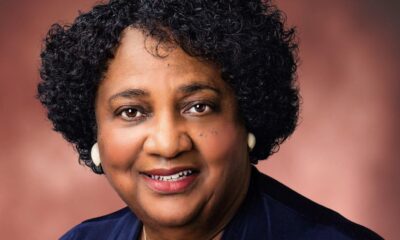
Secretary of State Shirley Weber Pushes Back Against DOJ Demands Over California Voter Rolls
-

 Art1 week ago
OP-ED: Is Creativity a Superpower in Early Education?
-

 Art4 days ago
Capturing Black Life’s Beauty
-

 Black Press1 week ago
OP-ED: For Us It’s Feel-a-Nomics
-

 Black History6 days ago
Oakland Honors 60 Years of the Black Panther Party at the All Power to the People Gala
