
Religion
The Religion Corner: Be, Do & Have Whatever You Want

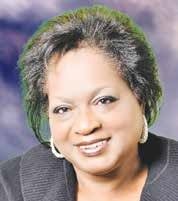
Lyndia Grant
by Lyndia Grant
Special to the NNPA from the Washington Informer
Thoughts are extremely powerful. You can think yourself into becoming whomever you wish, or you can think yourself into the failure you continue to keenly visualize in your mind’s eye.
When you begin to think that something good is happening in your life yet don’t really believe it, it’s a total waste of time. It’s called faith! “Now, faith is the substance of things hoped for, and it is the evidence of things not seen.”
How can you think positive thoughts without seeing, feeling and believing that it’s really true? If you fail to visualize what you want, you negate whatever you wish to take place. There must be an inner knowing that whatever you desire is already a reality; it’s only a matter of time.
When you visualize without that inner knowing, you are not a vibration match with what it is you believe. God – or if you prefer to call Him the Universe – knows your thoughts. There’s no way that you say empty words without belief and expect them to come true. God knows you don’t really believe that He has the ability to make your dreams and wishes come true.
Ever known someone who talked about doing something, and although it took longer than expected, one day you looked around and it had happened in that individual’s life? When we have good feelings in our heart, we change persons, places and things in the world that can cause good to come our way.
Many of you want to effect change, like make your new businesses grow, you want to increase membership in your groups, your church’s, social clubs, but in your heart, you don’t believe it will happen. Well it won’t as long as you continue to embrace that inner, negative thinking.
Let’s take a look at negatives versus positives. As I glanced through the newspaper, I saw ads that read: “Don’t forget to vote!” That’s not a positive statement. The best way to say that is “Remember to go vote today!”
Let’s take my own example: the bronze bust of the Rev. Jesse Jackson. During one of our fundraisers held at The Fox Trap Supper Club in Northwest, receptions took place upstairs. I booked the venue to help raise funds to pay for the bronze bust.
As I introduced Dr. Charlene Drew Jarvis, our guest speaker, I said to the audience, “Thank you for coming to help us raise funds for the bronze bust of the Rev. Jesse Jackson. Though the money is being raised bit by bit, the bronze bust will be unveiled!”
I remember how certain I felt about that project. I spoke with a resolute tone. I could see, feel and firmly believe that this project would definitely be completed. What would have happened had I not really believed? What if I had thought, “Well, I’m not sure this thing will ever get paid for. I’ve got to find a way. This crowd is so small, and it will never get paid for like this!”
If I had said that, the project would never have been completed, because I would have been invoking a negative, doubting feeling into the project. I wouldn’t have sounded confident; that inner knowing would not have been present.
We must begin from within. It doesn’t matter how you look on the outside, for who you really are is who you are from within.
Author Napoleon Hill penned in his book “Think and Grow Rich”: “Through some strange and powerful principle of mental chemistry, nature wraps up in the impulse [of a] strong desire that something which recognizes no such word as impossible and accepts no such reality as failure.”
Lyndia Grant is an author, inspirational and motivational speaker, radio talk show host and columnist; visit her new website atwww.lyndiagrant.com and call 202-518-3192. Tune in Fridays at 6 p.m. to the radio talk show, 1340 AM, WYCB, a Radio One Station.









Black History
Baptist Minister Says Black Church Champions for Civil Rights to Reign but Hesitates to Let Black Women Lead
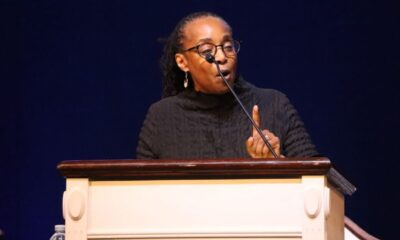
HOWARD UNIVERSITY NEWS SERVICE — During a recent service at Howard University’s Andrew Rankin Memorial Chapel, Rev. Judy Fentress-Williams called on the Black church to be more steadfast in elevating Black women to the pulpit. The renowned biblical scholar noted that while she experienced less pushback in her specific context, many women delay answering a call to ministry due to a lack of acceptance for women in leadership roles.
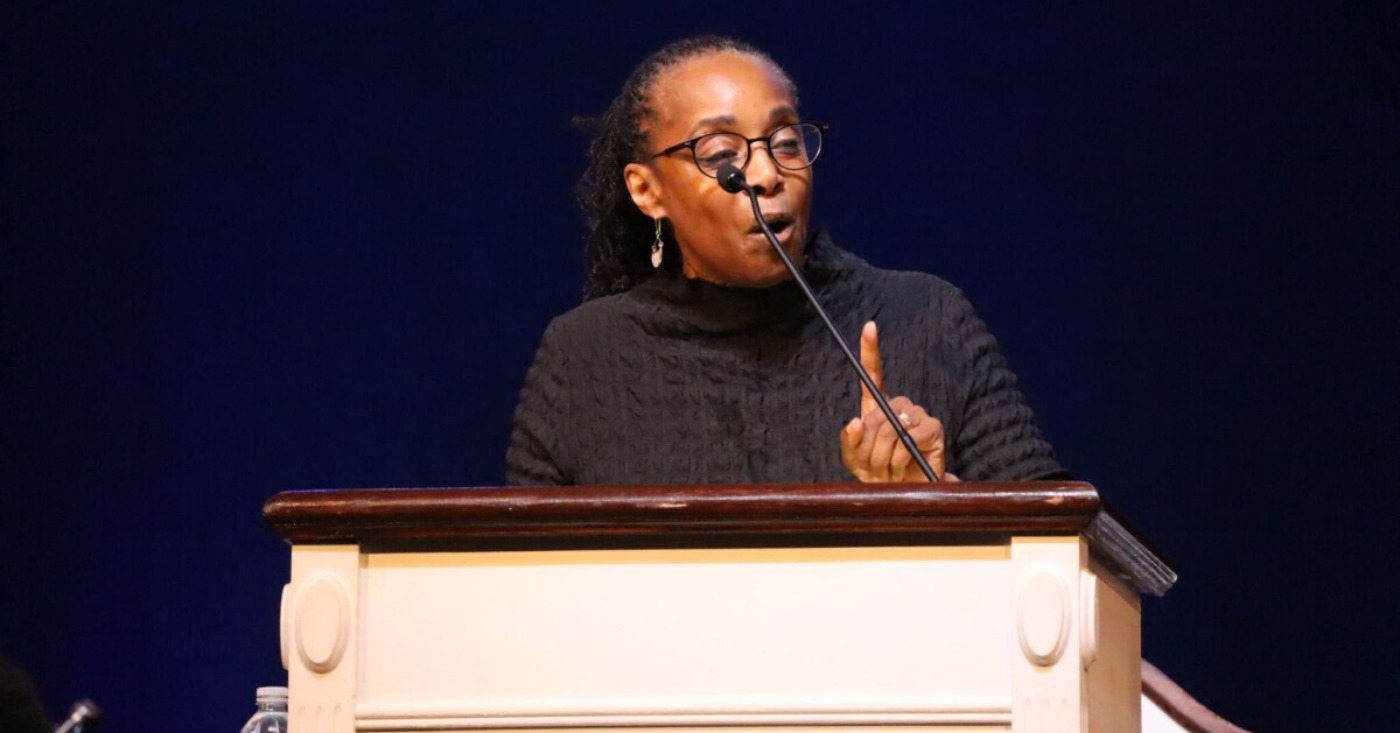
WASHINGTON (HUNS) – On the second Sunday service of the semester at the Andrew Rankin Memorial Chapel at Howard University, Rev. Judy Fentress-Williams, called on the Black church to be more steadfast in its efforts to elevate Black women to the pulpit.
On August 30, the renowned biblical scholar and senior teaching assistant of the Alfred Street Baptist Church in Alexandria, Virginia, spoke on the Biblical parable of the mustard seed with her sermon titled “Think Small”. Her sermon urged young people not to abandon their purpose in pursuit of accolades, but instead to pursue freedom and belonging without having to prove themselves. This sentiment is difficult for Black women who want to become senior leaders.
“Because of the unique context that was Alfred Street Baptist Church, I didn’t get pushback because I was a woman,” Rev. Fentress-Williams said. “What I will say is that I think I was slow to answer my call to ministry, and that’s typical for many women. Many women hear a call to ministry and say, no, that’s called a teacher.”
Despite teaching for 20 years, her journey into ministry illustrates the lack of acceptance for women to fully pursue their calling.
According to the Pew Research Center, 73% of Black adults identify as Christians (65% being Protestant, 4% being Catholics, and the other 4% associated with the Church of Jesus Christ of Latter-day Saints and Jehovah’s Witnesses). However, Black women who make up 64% of congregations within the Protestant faith only account for 1% of senior leadership.
The disparity highlights how the Black church remains patriarchal in its authority. Rev. Kelly U. Farrow, founder of the Circle of Sacred Fire, a non-profit initiative that connects the 1% and dismantles those patriarchal beliefs.
Since 2018, the organization has curated teachings in sermon design and sisterhood for Black women. The organization has 58 circles nationwide, including collegiate chapters.
“[It] is critical because representation matters. We need to see every diversity, every gift, every voice, every shade, every age group in leadership at this time. Without representation, we are only singing and sharing half the song.” Rev. Farrow said.
Representation remains critical for younger generations already experiencing the pushback. Andrea Pool, president of Howard’s Community Gospel Choir, says being a young woman holding the highest position in the organization has made others question her ability to lead.
“I think coming to D.C. definitely just exposed me to a lot because with me being raised by people who were in the church, with my mom being a minister,” Pool said. “I didn’t realize there was another world out there that didn’t appreciate having females in leadership.”
The choir forges an acceptance of many Christian beliefs amongst members to stand on biblical principles. However, Pool is adamant about leaning on women leaders, like her mother, to remind her that identity and relationships alone are not what will make her a great leader.
“I think women in leadership can take younger generations, honestly, everywhere. I think in [the] church it is important to understand that men aren’t the only people who can lead. They aren’t the only people who can bring people to Christ.” Pool said.
Based on reporting by Howard University News Service.
Black History
IN MEMORIAM: The Rev. Leon “Sonny” Clark, Longtime Orange County Pastor and Community Leader, Dies at 72
Rev. Leon William “Sonny” Clark, the longtime pastor of New Spirit Baptist Church in Santa Ana and a prominent faith and community leader in Orange County, passed away on September 9 at the age of 72. Born in Bennettsville, South Carolina, Clark was a U.S. Navy veteran who dedicated his life to service. He served various Southern California churches before leading New Spirit Baptist Church for over 22 years, extending his work into counseling, mentoring, and civic engagement, and supporting the African American community. To learn more about his life and contributions, read more.
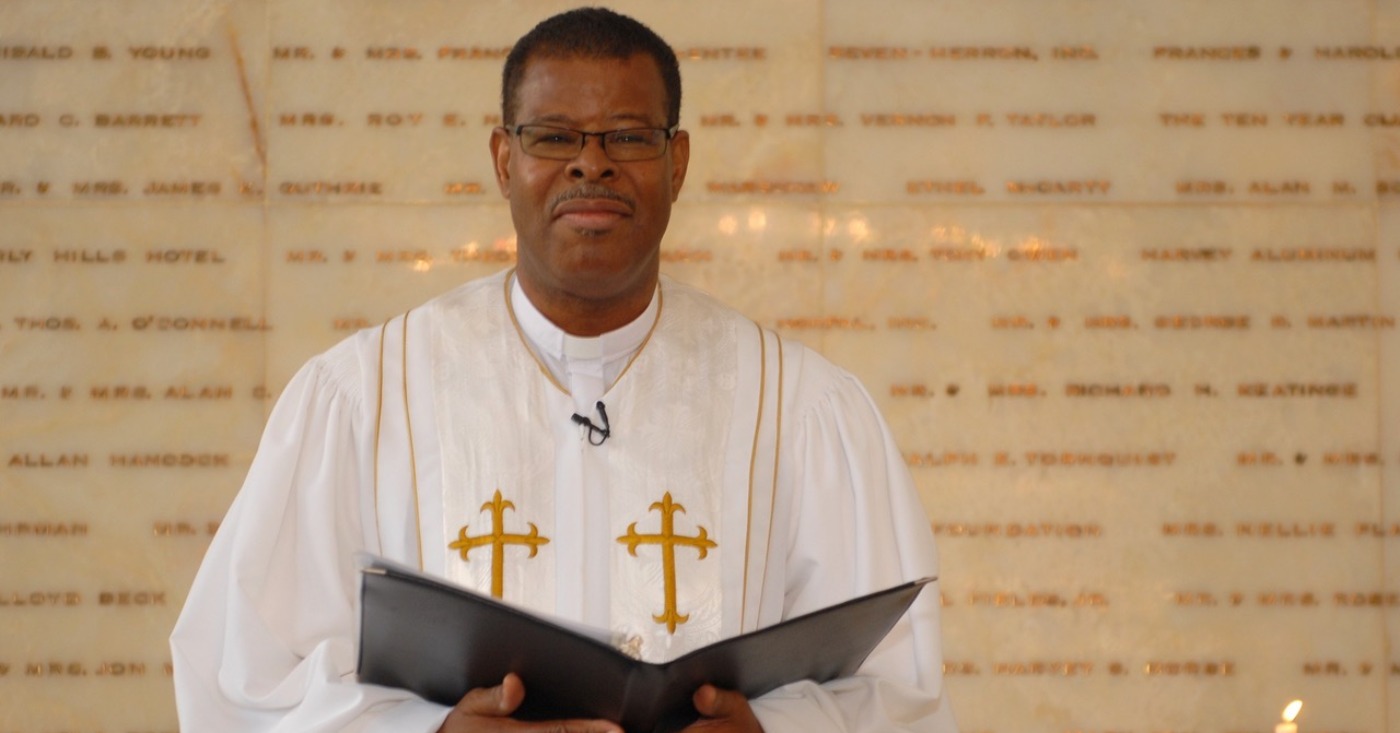
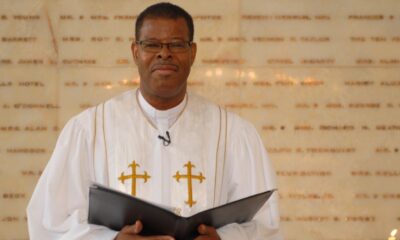
Rev. Leon William “Sonny” Clark, longtime pastor of New Spirit Baptist Church in Santa Ana and a respected faith and community leader in Orange County, died Sept. 9. He was 72.
Born Oct. 2, 1953, in Bennettsville, South Carolina, Clark was a U.S. Navy veteran who later built a life of service centered on family, faith, ministry, and community.
Clark began his formal ministry at Metropolitan Baptist Church in Altadena in 1978. After acknowledging his call to ministry in 1980, he preached his first sermon and went on to serve churches throughout Southern California, including Second Baptist Church in Riverside, Mount Vernon Baptist Church in Rubidoux, Antioch Missionary Baptist Church in Pomona, and Friendship Baptist Church in Yorba Linda.
In November 2003, Clark was called to lead New Spirit Baptist Church in Santa Ana, where he served as pastor for more than 22 years. His work extended beyond the pulpit through counseling, mentoring, civic engagement, and efforts to strengthen Orange County’s African American community.
Clark served on the Orange County Heritage Council and supported efforts to preserve and celebrate African American history and culture. He helped organize the Orange County Black History Parade and Unity Festival, served on the Interfaith Committee and the Orange County Transit Authority, and served as president of the Orange County Ministers Conference.
In 2024, the City of Santa Ana recognized Clark for his contributions to the community. He also received the Orange County Southern Baptist Association Hall of Faith Award and was previously honored as Pastor of the Year by the Orange County Heritage Council.
Clark is survived by his wife, Andrea Joyles Clark; six children, Shawn Williams, Le Ondra Clark Harvey, Kyla Coward, Joshua Clark, Marissa Clark and Ashley Clark; grandchildren and great-grandchildren; siblings; extended family; and the New Spirit Baptist Church congregation.
A wake will be held Thursday, Oct. 1, from 4 to 8 p.m. at New Spirit Baptist Church, 701 S. Sullivan St. in Santa Ana, with a remembrance service from 5 to 6:30 p.m.
A Celebration of Life will be held Friday, Oct. 2, at Friendship Baptist Church, 17145 Bastanchury Road in Yorba Linda. Viewing begins at noon, followed by the service at 1 p.m.
Burial will take place Monday, Oct. 5, at 10:15 a.m. at Riverside National Cemetery.
Clark often shared a guiding principle that shaped his ministry: “Start where you are. Use what you have. Do what you can.”
Black History
In Wake of Death on Doorstep, Williams Chapel Baptist Church Calls for Better Care, Funding for Unhoused
An unhoused individual was found deceased on the steps of Williams Chapel Baptist Church in East Oakland at approximately 6:30 a.m. Monday. The church, located at 1410 10th Ave., extended condolences to the individual’s family, noting the tragedy reflects a broader crisis. Williams Chapel Baptist Church provides shelter and referral services, working with West Side Missionary Baptist Church. They call for increased funding and collaboration to expand services for unhoused individuals. Read more to learn about the church’s efforts and the call for solutions.
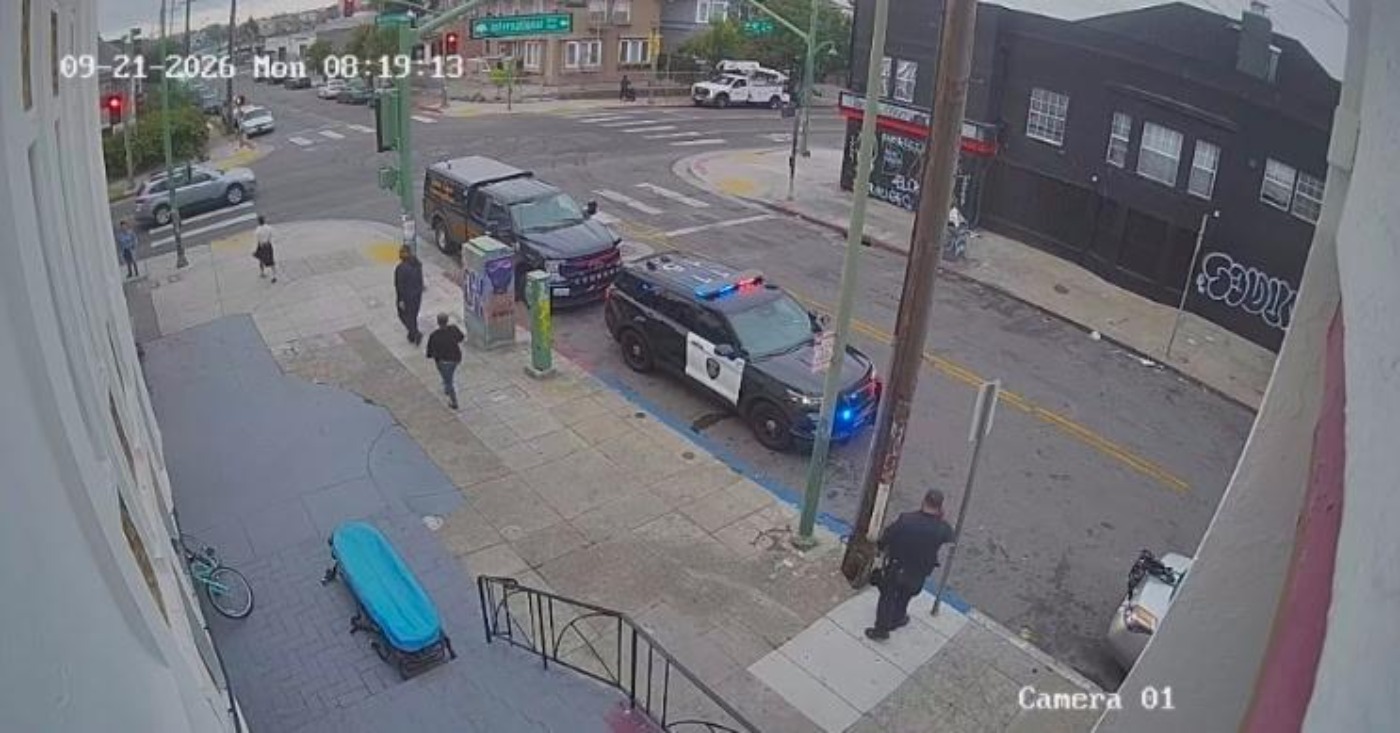
Church extends condolences to individual’s family and loved ones
At approximately 6:30 a.m. Monday, an unhoused individual was found deceased on the steps of Williams Chapel Baptist Church, located at 1410 10th Ave. on the corner of 10th and International in East Oakland.
The individual appears to have come to the church seeking safety and may have needed medical support. We extend our deepest condolences and prayers to the individual’s family and loved ones.
This tragedy reflects a broader crisis affecting unhoused individuals and families throughout the Bay Area. Too many people are living without reliable shelter or timely access to medical care, mental health support, and other essential services. Limited funding and insufficient resources continue to leave vulnerable people without the help they need.
Williams Chapel Baptist Church, a member of the Interfaith Council of Alameda County, works alongside West Side Missionary Baptist Church to provide safe-haven overnight parking, tiny-home emergency shelter, and wraparound referral services to the unhoused.
With funding, both East and West Oakland sites can increase to full capacity and extend to other congregations, creating more safe places for people living on the streets to seek shelter, support, and connection to services.
We invite government agencies, nonprofit organizations, interfaith communities, businesses, and neighbors to join us in this work. By working together with compassion and purpose, we can develop meaningful solutions and help more people experiencing homelessness receive care, stability, and dignity.
Black History
Nuna Phillips-McKee Celebrates 100 Years: ‘A Century of Faith, Family and God’s Amazing Grace!’
OAKLAND POST — Nuna’s life has been one of Christian service. A longtime member of Wings of Love Maranatha Ministries, now Incredible Church, she serves as director of Community Services and is actively involved in the church’s Food Ministries.

Nuna Phillips-McKee will reach an extraordinary milestone on Sept. 24 —her 100th
birthday, marking a century filled with faith, family, service, laughter and the amazing grace of God.
Born Sept. 14, 1926, in Oakland, Nuna has witnessed a world of change during her lifetime, yet the values that have guided her remain constant: a deep faith in God, devotion to family, a strong work ethic and a heart for serving others.
She enjoyed a distinguished career as a civil servant for more than 40 years, demonstrating the dedication, dependability and strength that have characterized so much of her life.
Nuna’s life has been one of Christian service. A longtime member of Wings of Love Maranatha Ministries, now Incredible Church, she serves as director of Community Services and is actively involved in the church’s Food Ministries.
Through the years, she has continued to help meet the needs of others—not merely with food, but with kindness, compassion and a genuine desire to serve. Her ministry reflects a simple principle by which she lives: when God blesses you, you bless others.
Nuna is the proud mother of one son, whose memory she carries in her heart, and the beloved grandmother of three grandchildren, as well as six great-grandchildren and one great-great-grandchild.
At 100, she has the rare blessing of seeing several generations of her family carrying forward a legacy that began long ago.
She remains the loving, intelligent, witty, and, when the occasion calls for it, delightfully sassy Nuna that her family and friends know so well. Her contagious laugh, quick wit and youthful spirit have endeared her to generations of relatives, church members and friends.
Nuna was born into the large and loving Phillips family of seven sisters and one brother, with bonds that formed in childhood and have remained precious throughout the decades. Their shared love, faith, and family traditions have continued to be a source of joy, strength and countless treasured memories.
As family and friends gather for this special occasion, they will celebrate far more than a number. They will celebrate 100 years of prayers prayed and answered; 100 years of lessons learned and wisdom shared; 100 years of family, faith, laughter and love; 100 years of serving God and serving others.
Most of all, they will celebrate a life that stands as a testimony to God’s faithfulness through every season.
Nuna’s century-long journey can be summed up in the words chosen to commemorate this remarkable occasion: “100 years of God’s amazing grace.”
Black History
PRESS ROOM: Faith & Works Launches ‘Road to Black November’ to Strengthen Black Voter Participation in Jefferson County
BLACKPRESSUSA NEWSWIRE — Road to Black November will bring together residents, volunteers, community leaders, civic and social justice organizations, local influencers and content creators around one shared goal: increasing Black voter participation in Jefferson County ahead of the November 3 General Election.

September 12 kickoff will unite residents, volunteers, community leaders, organizations, and local influencers for a 52-day nonpartisan Get Out the Vote initiative
BIRMINGHAM, Ala. — Faith & Works Collective presents ReVote Community Voter Project will launch Road to Black November, a 52-day nonpartisan voter-participation initiative, with a community kickoff on Saturday, September 12, from 10:00 a.m. until 2:00 p.m. at Creed63, located at 1601 Fifth Avenue North in downtown Birmingham.
Road to Black November will bring together residents, volunteers, community leaders, civic and social justice organizations, local influencers, and content creators around one shared goal: increasing Black voter participation in Jefferson County ahead of the November 3 General Election.
Faith & Works’ data identified more than 9,000 Black residents who are inactive or have been dropped from the voter files in the Jefferson County communities. The initiative is working to reach thousands of additional residents who may need to register or update their information. Road to Black November will help residents check their voter status, register to vote, and prepare to participate in democracy.
Road to Black November is not about telling people who to vote for or encouraging support for any candidate or political party. It is about increasing Black voter turnout by helping residents make sure they are registered, active on the voter file, informed, and prepared to vote.
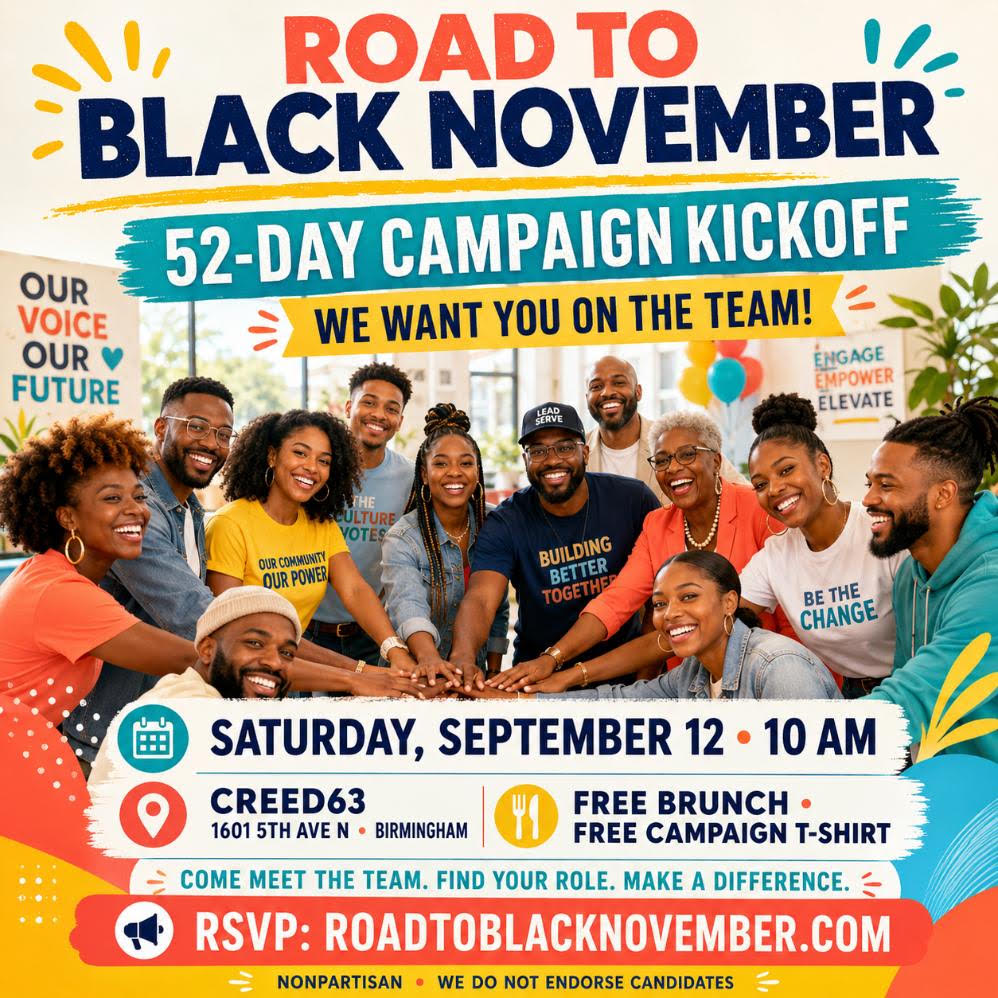
“More than 9,000 Black residents in the communities we are working to reach have been identified as inactive or dropped from the voter file. That means thousands of our neighbors may believe they are ready to vote when they are not,” said Cara McClure, founder and executive director of Faith & Works Statewide Collective. “Democracy requires all of us to participate—and all of us to put in the work. You may not want to canvass or phone bank, but you can still make a difference. We will train you in relational organizing and give you the language and tools to reach your family, friends, church members, and neighbors. Everyone has a role in helping our community get ready for Black November.”
The free kickoff will include food, fellowship, voter-engagement tools, and volunteer training. Participants can choose how they want to contribute through canvassing, phone banking, voter-registration outreach, voter- status checks, relational organizing, community events, or online engagement. The kickoff will also begin a Week of Action from September 12–20, during which participants will work together to reach Jefferson County residents and invite others to become involved in the voter-participation initiative.
Participants may RSVP through September 11 at www.RoadToBlackNovember.com. Beginning September 12, the same website will become the Your Voter Journey hub, providing voter information, resources, and opportunities to participate through Election Day.
Road to Black November is strictly nonpartisan. Faith & Works will not tell residents who to vote for and will not support or oppose any candidate, political party, or political committee through this initiative.
About Faith & Works
Faith & Works Statewide Civic Engagement Collective is a Black-led, community-centered organization working to expand civic participation, develop community leadership, and strengthen residents’ ability to influence decisions affecting their families and communities.
Media Contacts
Cara McClure Founder and Executive Director Faith & Works Collective, 205-427-8312 – [email protected]
Brandon McCray, Road to Black November Organizing Manager, 205-215-1330 – [email protected]
Black Press
Peer Support Brings Faith and Counseling to NC Prisons
THE CAROLINIAN — Incarcerated individuals in North Carolina prisons are increasingly finding guidance and support from “field ministers.” These are prisoners who earn a four-year bachelor’s degree in pastoral ministry while also receiving counseling training.

NC HEALTH NEWS – Inside North Carolina prisons, incarcerated people have long turned to fellow prisoners for guidance about faith, conflict, grief, addiction, and simply how to navigate life behind bars.
An increasing number of those people are “field ministers” — incarcerated men who have earned a four-year bachelor’s degree in pastoral ministry and received training in counseling and other skills.
After graduation, the field ministers — many serving life sentences — are deployed to prisons across the state in teams of three to six, where they work alongside prison chaplains and other staff.
The role comes with an unusual degree of trust and access. Field ministers can walk into a housing block and make rounds to check on people. They can sit with men struggling with grief, addiction, mental illness or the challenges of being separated from loved ones. They can visit men in solitary confinement, counsel peers, provide hospice care and teach classes.
Their work has made a difference, said Alpha Herring, an employee at Nash Correctional Institution who oversees programs there.
Ten years ago, when someone came to him with an issue, he might spend 30 minutes talking with them. Now, he doesn’t always have to be the one responding.
“We trust them enough that when a field minister just shows up at a block, no one questions them as to why they were there,” Herring said. “We trust them enough to know that they’re going to go forth, fulfill the vision and do the work that’s been assigned to their hands.
“They help us go home daily because they intervene in situations that we would never know about,” Herring continued.
The program launched at Nash Correctional in August 2017 in partnership with Judson College, a Wake Forest-based seminary, and the nonprofit Game Plan for Life, which describes itself as training men “to be influential leaders within their own faith tradition.” It’s modeled after a similar prison ministry program at Louisiana State Penitentiary, known as Angola.
Since then, more than 80 men have graduated — more than 60 of whom now are serving as field ministers at 16 prisons. Another 87 men are completing their education at Nash Correctional. The first cohort of 19 female field ministers is also earning degrees; the program launched at North Carolina Correctional Institution for Women in January 2024.
Nash Correctional Warden Talena Lee told NC Health News that she has seen the field ministers change prison culture, and they have challenged her and other prison officials to reconsider “what they can be and what they can do.”
“You cannot pour all the time and energy into every single person,” Lee explained, noting that the 654-bed prison has fewer than 12 case managers, including supervisors. “They come alongside and help us in our jobs. We consider [the field ministers] a tool in our toolbox — one that we use quite frequently, and it’s made the population here better.”
Creating a pipeline
Rocky Wright, director of prison programs at Judson College, said the North Carolina Field Minister Program is in high demand. Each year, he said more than 100 people apply for up to 30 slots.
Participants must have already earned a high school diploma or GED, completed at least one year without any infractions and have at least 10 years left to serve on their sentence. Wright said the program looks for people who demonstrate humility, compassion, and a willingness to serve.
“We’re looking for guys who have servant hearts, who want to serve others,” Wright said.
Students take a full college course load year-round, including coursework in liberal arts, biblical studies, and counseling.
After earning their degrees, field ministers are asked to serve for at least four years, though Wright said participation is voluntary.
How field ministers work can vary from prison to prison. Despite being unordained, some work alongside prison chaplains. Others work more closely with program staff. At intake facilities, field ministers help newly incarcerated people acclimate to the prison environment, and they serve as mentors during their first weeks. Many also teach classes, such as Thinking for a Change, a therapeutic approach to changing negative behaviors, and Father Accountability, which teaches positive parenting. They also lead Bible studies.
Wright said one field minister team at Harnett Correctional Institution even came up with a nonviolence initiative that lessened violence and fights at the facility.
Finding new purpose
Barry Mintz, 21 years into serving a life sentence without parole, was part of the field minister program’s first cohort. He said he originally joined for selfish reasons, thinking it would look good and help his chances of release.
But as he studied, Mintz said, his understanding of his faith changed, along with his understanding of himself and his purpose.
“My journey to this moment right now is a testament to the transformative power of faith and education,” he said during an Aug. 19 event at Nash Correctional that celebrated 10 years of the program.
Mintz said he’s helped countless people. Some days, that means lending an ear to someone who is in a mental health crisis or going through a wrenching life event.
He recalled one encounter that has stuck with him: an incarcerated man whose father died the day before he was released from prison. Based on his training, Mintz said he felt equipped to offer theological answers, grief counseling and simply a warm embrace.
“In that moment, I realized that we weren’t just equipped to think well, to read well, to write well and speak well — but we had been equipped to love well,” Mintz said.
‘Part of the community’
Field ministers lean into their own transformations and shared experiences to reach other incarcerated men.
“Our real effectiveness comes from being a part of the community,” said Timothy Johnson, another member of the first cohort of field ministers. “They know they can trust us with their problems because we’re living with the same problems. We don’t talk to them about how hard it is to be locked up and go home at the end of the day.”
Field ministers told NC Health News they often encounter men who want to change but don’t know how — and they can step in with guidance and support.
Jimmy Smith, a field minister at Caswell Correctional Center who graduated in the program’s second cohort, said he uses his own testimony to show how much change is possible.
“I’ve been incarcerated 31 years, so a lot of guys knew me when I was in my craziness, and they knew the transitions that I had made over the years and became the preacher,” Smith said. “I had to explain to them that I thought like a child, but then I became a man, and there are qualifications of being a man, and it’s responsibility, accountability, and reliability. Walking in that, it gives you parameters and things you won’t do anymore.”
William Singletary described getting support and mentorship from field ministers at Granville Correctional Institution.
“Their presence was not only uplifting but instrumental in my growth and development as an individual and a man of faith,” Singletary said. “Exposure to these ministers opened my eyes to the profound impact we can have on one another’s lives, even in the most unlikely of places. I watched as they poured their energy into helping others find peace, joy and purpose amidst their struggles.”
Singletary wanted to do the same. He’s studying to become a field minister himself.
Matthew Grant, a field minister student in his junior year, was sent to prison in 2004. He said he’s ready to draw on his own experiences to counsel others.
“I’ve lost family too,” he said. “I’ve been in the hole too. I’ve been depressed. I’ve been suicidal. I’ve been angry before. I’ve been in fights before. I’ve been to some of the most violent prisons in the state. I’ve done that. I’ve seen what that gets you, and I’ve been able to come out on the other side.”
Filling critical needs
The field ministers aren’t intended to replace prison chaplains or other staff, but to extend their reach.
Sarah Jobe, director of Chaplaincy Services at the N.C. Department of Adult Correction, said the department has about 47 chaplains serving across the state — about one-third of whom are community-funded through churches and other grants. That leaves some prisons without a chaplain.
“People’s critical needs for conversations around hard topics do not always happen when a chaplain is on site,” Jobe said. “The field ministers are right there to be called at any time, and can really step in and be a witness and a presence inside of the dorms in a way that the chaplain cannot.”
The N.C. Department of Adult Correction funded eight new chaplain positions last year, Jobe said. Prison leaders have been working toward having at least one chaplain in each state prison, she said, in recognition that spiritual care and religious accommodations can shape prison environments and culture.
Jobe helps determine which facilities get field ministers. The biggest factor, she said, is staff buy-in and their willingness to provide field ministers with the support and autonomy they need to best serve. She said she’s got more facilities that want field ministers than there are available graduates.
“They can be radical change agents for good and serve in caregiving professions well and under incredibly difficult circumstances,” Jobe said.
N.C. Department of Adult Correction Secretary Leslie Cooley Dismukes said she “hands down, without a doubt” views the field minister program as the program with the greatest impact on the department’s population of nearly 33,000.
“This program allows us to bring in partners from the outside to reach you, and then it allows you, when you earn your yellow shirt, to reach everyone,” she said. “You are credible messengers. You are the people who can change lives.”
Jobe agrees and said their impact will only grow as more field ministers are deployed to prisons across the state in the coming years.
The impact has been tremendous on Timothy Johnson, one of the prison system’s first graduates.
He went to prison in 2005, sentenced to life without the possibility of parole. For many years, he said, that sentence defined his life story. But his work as a field minister changed his perspective.
“I feel like my story changed from life without parole, and that’s what defined me, to a life of purpose,” Johnson said. “Every day I wake up knowing I’m going to have some conversation with somebody that needs a little bit of hope, some inspiration that can feed off my story.”
Based on reporting by The Carolinian.


Angel Reese Wins 2026 WNBA Defensive Player of the Year

What happens when purpose, leadership and resilience come together?

Car Dealer Add-Ons: What Protections Still STAND? #shorts

Defender Athlete Interview – John Rangel

Defender Athlete Interview – Elijah Eche

Inside a Century of Black Press Archives

The Defender Goes One on One with Congressman Christian Menefee

Demystifying the Retail Installment Sale Contract: Your Guide #shorts

CalAIM Helped Alfred Flores Rebuild His Life. Why Can’t More Californians Access Its Benefits?

Kia Seltos: Advanced Safety & Tech Features Explained #shorts

Latest Massacre in Haiti Reveals Cruelty U.S. Deportations

Black Americans Have Doubts About the U.S. Food System

When Praises Go Up: SUGC Nominated for Prestigious Stellar Award.

Booked and Unbound: The Legacy of Black Women’s Literary Circles

U.S. Sole Nation to Oppose U.N. Resolution Correcting Africa’s Size on World Maps

Prostate Cancer is Twice as Likely to Kill Black Men. Talking to Your Doctor Could Help Save Your Life

COMMENTARY: Big Mama Said ‘Don’t Let Grief Break the Bank’

Outnumbered: Elbert Cox’s Equation for Greatness

U.S. Open Influencers Spark Backlash over Ring Lights, Filming as Gauff and Osaka Speak Out

Passing for White, Fighting for Black America: The Courage of Walter White
What happens when purpose, leadership and resilience come together?
Car Dealer Add-Ons: What Protections Still STAND? #shorts
Defender Athlete Interview – John Rangel
Defender Athlete Interview – Elijah Eche
Inside a Century of Black Press Archives
The Defender Goes One on One with Congressman Christian Menefee
Demystifying the Retail Installment Sale Contract: Your Guide #shorts
Kia Seltos: Advanced Safety & Tech Features Explained #shorts

Carmen Meeks Turns Teachers’ Lessons Into a Legacy | 2026 Education Salute

2 Crucial Bolt EV Interior Details You MUST Inspect! #shorts
-
 Black History1 week ago
The Youngest American Killed in the Vietnam War
-
 Black History5 days ago
Remembering Chauncey Bailey as Student Journalists Face Threats to Truth-Telling
-

 Black Press2 days ago
OP-ED: Haiti TPS: Have We Lost Sense of Humanity?
-
 Art1 week ago
Peter Magubane: a Camera Against Apartheid
-

 Featured1 week ago
Headlines and Hotlines 📱
-

 Black Press5 days ago
Poll: Becerra Widens His Lead Over Hilton; Californians Split on Wealth Tax