
Entertainment
Black Films and Black Artists Shine at 2014 Toronto International Film Festival

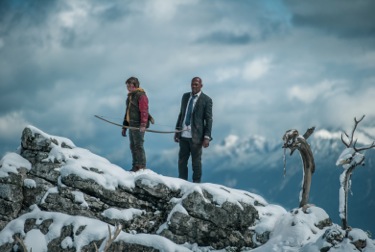
Samuel L. Jackson in the film “Big Game”
By Dwight Brown
NNPA Film Critic
TORONTO (NNPA) – Black films and artists were an integral part of the lineup at this year’s Toronto International Film Festival along with other world-premieres. Dramas, genre movies, comedies, romantic films and documentaries positioned themselves early for this year’s annual Oscar race. Audiences previewed big budget films and indie movies that will be released this fall and on into next year in theaters and VOD.
Black Films
Before the Lights (***) Quick Rihanna, check and see if someone stole your diary. This ode to chanteuses with personal demons feels like the story of her life. But in fact, it’s the brainchild of writer/director Gina Prince-Bythewood who knows her way around a romantic drama (Love & Basketball). Noni (Gugu Mbatha-Raw, Belle), a singer, has been drive to superstardom by her overbearing stage mother (Minnie Driver). She is knee deep into a nervous breakdown when a stoic cop (Nate Parker) saves the day. A sweet romance builds in the middle of the soul-eating, kinetic world of contemporary hip-hop world. This film should be released on Valentine’s Day; it’s that sweet.
Murder in Pacot (**) Raoul Peck made a name for himself with his superb direction of the classic historic political drama Lumumba. This endeavor stands in its shadow. A middle class couple (Alex Descas and Joy Olasunmibo Ogunmakin), whose villa is almost totaled by the 2010 earthquake, takes in borders to get money to pay for mandatory repairs. Their tenants, a white relief worker and his black girlfriend who have awfully loud sex, test their limits of convention. Peck captures the worn out malaise that shrouded the aftermath of that natural disaster. But the incessant brooding is off-putting, and the script gives the actors little to do except pout. Peck’s filmmaking never raises the stakes.
National Diploma (***) We take our right to an education for granted until we see how kids in other countries struggle for theirs. Such is the case in this inspiring documentary by director Dieudo Hamadi, who follows a group of teenagers in his hometown of Kisangani in the Democratic Republic of the Congo. His chief muse is Joël an orphan who works as a market porter. He and other students in a ramshackle school have trouble paying the teachers’ fees. The instructors refuse to teach and prepare them for state exams, which the kids know is the key to their future. They form a study collective to reach their goals. This film should be required viewing for every truant kid in the U.S.
Second Coming (***) Idris Elba and Nadine Marshall portray a couple in Britain in this very authentic drama about a surprise pregnancy. Their performance seems so natural and real, it’s almost as if director/writer Debbi Tucker Green only had to put the camera in front of them and stand out of the way. That’s the mark of strong understated direction, and her writing is solid, too. Cast and director apply their magic to a very romantic story that is beautiful because it is so ordinary in so many ways.
Top Five (**) Chris Rock, whose pay cable standup comedy performances are legendary for their wit and intelligence, leaves the smarts at home in this pandering comedy that feels more like a stretched-out TV skit turned into a vanity project, than a well-thought out movie. Rock plays a been-there-done-that comedian who’s tied up in a fake romance with a fiancée (Gabrielle Union) on a reality show. His attention drifts to a very svelte journalist (Rosario Dawson). There’s not much more to the dialogue-laden script. A string of cameos by Rock’s buds (Adam Sandler, Kevin Hart, Cedric the Entertainer) cause a nice diversion. There is one really funny bedroom scene involving a ménage-a-quatre, a pillow fight and makeshift sex toys – it’s hysterical. The film is so poorly edited you can see one of the women is wearing a skin tone body stocking when she’s suppose to be nude.
Timbuktu (****) We read or hear how Islamic fundamentalists are encroaching on the basic liberties of people in Africa and the Arab world. Leave it to veteran filmmaker Abderrahmane Sissako (Bamako) to boil complicated social phenomena down to a simple allegorical tale that is as educational and spiritual as a biblical passage. A sheepherder confronts a fisherman who has killed one of his cows. An Islamic tribunal decides his fate, after they have already stripped his village of the right to play music, participate in soccer games or associate freely with others. The scourge of developing countries comes into view in this modern, pastoral fable. Brilliant. It’s a masterwork from one of the world’s most perceptive artist. Sissako is a prophet.
Black Artists in Films
Big Game (**1/2) Sam Jackson plays the U.S. president on a trip to a NATO conference when Air Force One is shot down. He escapes into the hinterlands of Finland, pursued by terrorists. A 13-year-old boy (Onni Tommila) on a solo, rites-of-passage survival expedition tries to save him from Mother Nature and terrorists. The images of the president’s plane getting hit by a missile are very eerie. Jackson’s performance is on the same automatic control as the ill-fated plane. The production quality is just a step above a B-movie. Still, former commercial director turned writer/filmmaker Jalmari Helander makes the action sequences fun.
The Equalizer (**1/2) Last time they teamed up Denzel Washington and director Antoine Fuqua conjured Training Day. In this film adaptation and update of the TV series The Equalizer, Washington plays Robert McCall, a man with a secret past who works in a hardware store (think Home Depot). When he sees people being wronged, he secretly fixes their problems, often brutally. Even his power is tested when he goes up against the Russian mob. A one-note character, predictable script and a lack of originality make this a standard issue crime thriller. Training Day left you emotionally paralyzed. This formulaic film, though powerful when you watch it, has no after affect.
Men, Women & Children (**) Jason Reitman got so much right in his feature film Juno, but he can only bring flashes of that brilliance to this ode to online behavior run amuck. The ensemble cast seems gratuitous except for Kaitlin Dever (The Spectacular Now) and Ansel Elgort (The Fault in Our Stars) who play lost-soul teenagers in love; a surprisingly restrained Adam Sandler whose glum husband character is tormented; and Dennis Haysbert who has a fling with the glum husband’s wife. Not the smart social observance (Up in the Air) Reitman does so well – and it goes on far too long.
The Sound and The Fury (*1/2) Turning William Faulkner novels into viable films is a tough assignment and a dubious achievement at best. For an ADD artist like James Franco who, vacillates between acting, stage acting, PHD work, poetry and performance art like a pinball, it was too ambitious a task. Franco stars as Benjy, a developmentally challenged 30-something man in a White Southern clan that is losing its grip on power and reality. Told in bits and pieces, with more flashbacks than a Timothy Leary acid trip, it’s hard to find one strong element in this racist movie except Loretta Devine’s performance. Her acting is indestructible. Can’t say the same for Franco’s writing, direction or performance or the clunky cinematography.
St. Vincent (***1/2) Yes he can act, but when you hire Bill Murray to star in your comedy you always get Bill Murray the eccentric curmudgeon. Vincent (Murray) is an alcoholic who is down on his luck, with a wife who resides in a costly nursing home and has Alzheimer’s. He bets on horses, loses and owes a lot of money to greedy men (Terence Howard). He isn’t the obvious choice for a babysitter, but that’s a much-needed job when his desperate single mom neighbor (Melisa McCarthy) entrusts her weakling kid (Jaeden Lieberher) to his care. Think Silver Linings Playbook and add a couple of extra chuckles and heartwarming moments. Based on the experiences of the director Theodore Melfi. Perfect ensemble acting. Murray is disarming. The rest of the cast is charming.
Other Films of Note
The Drop (****) A laconic bartender (English actor Thomas Hardy) works in his cousin’s (James Gandolfini) Brooklyn pub, which had been taken over by Chechen mobsters and become a money drop, a place where money is laundered. The bar is robbed and the menacing Eastern European owners suspect the brothers. The excellent script, with perfect dialogue, character development and plotting, doesn’t put all its cards on the table at one time. Noomi Rapace (The Girl with the Dragon Tattoo) co-stars along with an adorable pit bull puppy that may just give that breed a good name. Tense crime/drama/thriller of the highest order (Michaël R. Roskam director) and Hardy’s laconic performance is genius.
Escobar Paradise Lost (***) Writer/director Andrea Di Stafano shines a light on the psychopathic behavior of Columbia drug lord Pablo Escobar (Benicio del Toro) in this fairly dramatic and tense accounting of a U.S. young man (Josh Hutcherson, The Hunger Games) who falls in love with Escobar’s favorite niece and plays into the demon’s hands. Yes the film reveals some of the evil eccentricities of Escobar’s personality, but the real reason to watch is to witness del Toro’s cold-blooded performance. He’s one of America’s finest actors and this role, spoken in English and Spanish, plays to all his strong suits.
Foxcatcher (**1/2) John du Pont (Steve Carell), an uber-wealthy du Pont heir, makes his reputation, infamous that it is, building a wrestling center on his vast estate for athletes preparing for the 1988 Olympics. He is particularly interested in championing Mark Schultz (Channing Tatum), a 1984 Gold Medal wrestler who is being trained by his brother Dave (Mark Ruffalo). Du Pont’s control issues and violent tendencies give the plotting an ominous edge. You know it’s building to either an ill-fated bromance or something deadly. Tatum gets under the skin of the wayward athlete on a downward spiral. The footage doesn’t make wrestling look exciting. That’s a surprise because director Bennett Miller made baseball look like magic with his sports epic Moneyball.
The Judge (**) A corporate lawyer (Robert Downey Jr.) with no conscience (is that redundant?) heads home to small town Indiana for his mom’s funeral straight into the home of his estranged father (Robert Duvall) and dysfunctional brothers. Dad, a judge, gets accused of a hit and run murder and the wayward smug son defends him in court. Duvall mines the gold in his character. Downey, an actor who rarely digs deep, does not. A decently paced courtroom drama and the plotting has its intriguing moments, just disregard the silly subplots (an old high school romance is rekindled). Director David Dobkin’s (Wedding Crashers) sensibilities aren’t the perfect fit.
Nightcrawler (***1/2) Lou (Jake Gyllenhaal) a psychopath sells sewage caps and wire fence to junkyards until he discovers that photographers who cover crime scenes. He buys a camera and police monitor, hires an intern (Riz Ahmed, The Reluctant Fundamentalist) and starts a business as a “nightcrawler” selling scuzzy footage to a TV producer (Rene Russo) with no conscience. Because he lacks morals, Lou is more than willing to step over the line to get what he wants. Screenwriter turned director Dan Gilroy (The Bourne Legacy) gets inside the creepy mind of the paparazzi and it’s not a pretty picture. Ahmed is perfect as the gullible victim/employee. Gyllenhaal is decent, but other actors could have been more convincing.
Award Winners
The prestigious Groslch People’s Choice Awards went to The Imitation Game, which is about a British cryptologist/computer scientist who led the charge to crack the German Enigma Code that helped the Allies win WWII. The first runner up is Learning to Drive and the second runner up is St. Vincent.
The films and artists on display at the 2014 Toronto International Film Festival were of the highest quality and/or noteworthy. Artists and films of African descent were an integral part of that mix.
Visit Dwight Brown at DwightBrownInk.com.







Black History
Why Black Artists Struggle to Sell Tours
HOUSTON DEFENDER — Recent industry reports and artist comments indicate that Black artists are struggling to sell concert tickets, highlighting a larger crisis in the touring business. This trend, dubbed “blue dot fever,” refers to empty seats at venues and has led to major touring acts canceling or postponing shows since spring 2026.
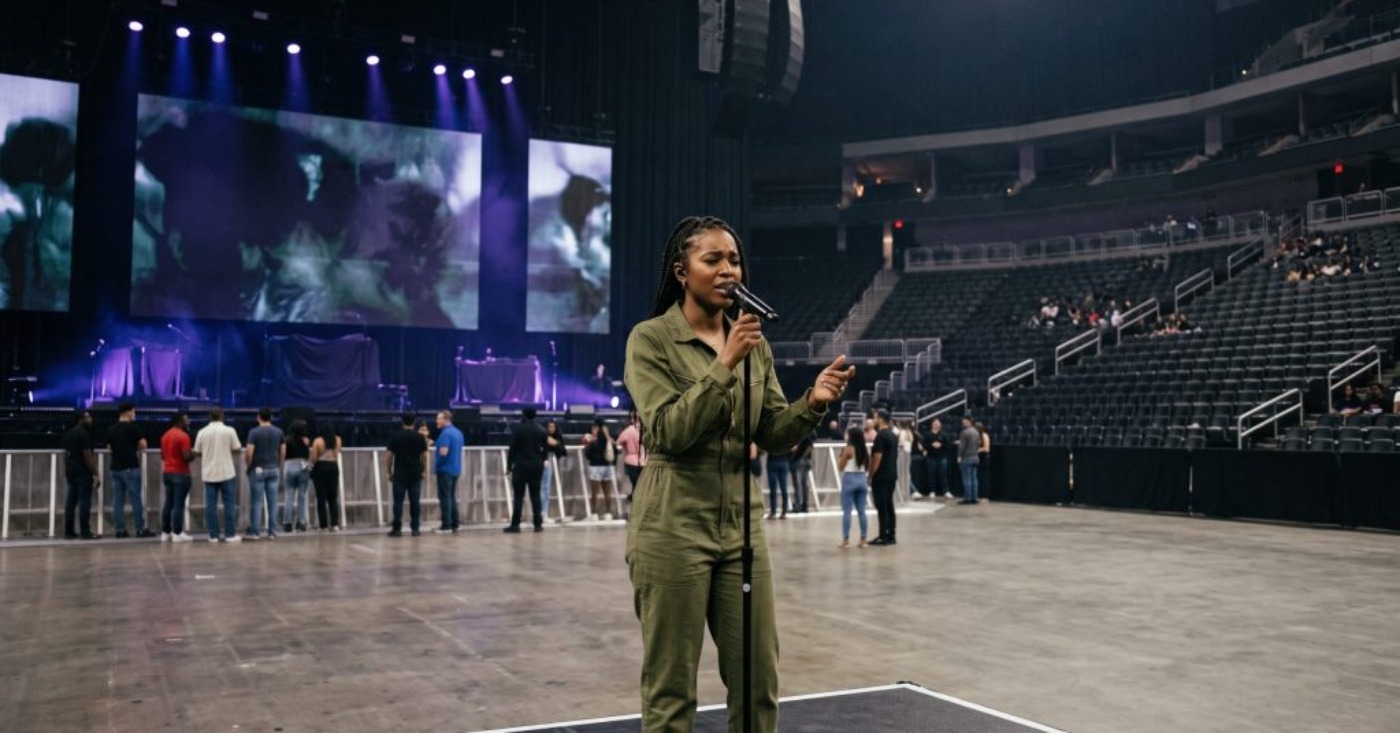
The internet chatter about Black artists struggling to sell concert tickets points to a much larger crisis reshaping the touring business, according to recent industry reporting and artists’ own comments.
Since spring 2026, a wave of major touring acts across genres have canceled or postponed shows due to sluggish ticket sales, a trend some in the industry have dubbed “blue dot fever,” a reference to the blue markers that indicate empty seats on Ticketmaster’s venue maps.
The phenomenon is not limited to Black performers, but several recent examples involving Black artists have fueled online conversation about whether Black touring acts face extra hurdles. For a market like Houston, home to a large hip-hop and R&B fan base and a steady stream of major tour stops, the debate carries added weight.
Here are five reasons the touring business has gotten tougher for artists trying to fill seats.
Blue dot fever is spreading industrywide
Black hip-hop megastars like Ludacris, T.I., Rick Ross, and BigXThaPlug felt the impact of Blue Dot Fever after struggling to sell tickets. Industry watchers say many artists are being booked into venues too large for their current draw, leaving sections visibly empty, discouraging last-minute buyers. The trend cuts across genres, but it has compounded challenges already facing some Black touring artists this year.
Fans keep comparing every artist to music’s biggest superstars
Grammy-winning singer Melanie Fiona recently weighed in on the online conversation about canceled shows and slow sales, explaining that most artists do not have the resources or reach of music’s top-tier headliners. The trade outlet Ticket News has made a similar point, noting that few artists can match the pricing structure or demand generated by superstar-level tours. When any artist falls short of that bar, fans and social media users are quick to call it a flop, even when the artist is still performing at a healthy level for their career stage.
Stadium bookings are outpacing actual demand
A hip-hop stadium concert set to take place in Louisville in October 2026, featuring Ludacris, T.I., Rick Ross, and BigXThaPlug, reportedly had nearly 47,000 seats still available as showtime approached. The example illustrates a broader booking problem. Venues sized for arena or stadium crowds do not always match the number of fans willing or able to buy tickets, regardless of an artist’s streaming numbers or name recognition. Some promoters are now facing pressure to book smaller, more intimate venues that better match an act’s current draw.
Rising costs are squeezing fans’ entertainment budgets
Housing, groceries, and everyday expenses have climbed for many households, and live music is often one of the first expenses fans cut. Older or legacy acts leaning on nostalgia appear to be hit hardest, since higher ticket and fee prices make attending a bigger financial decision than it once was. Newer or lower-profile Black artists competing for the same limited entertainment dollars face an uphill climb, especially when fans have to choose between one or two shows a year instead of several.
Social media shape who gets mainstream exposure
Does TikTok Dominate the music industry.
Black artists in hip-hop and R&B often compete for airplay and playlist placement within genre-specific categories rather than mainstream ones, which can limit the crossover exposure that turns streaming success into ticket sales. Artists working outside those two genres, including gospel, jazz, and Afrobeats-influenced acts, face a similar challenge in reaching audiences beyond their dedicated fan bases. Whether that structural gap is driving today’s sales slump remains an open question that industry analysts and artists are actively debating.
Based on reporting by Houston Defender.
Art
From Ma Rainey to AI: New Technology Amplifies an Old Fight over Artist Control
HOWARD UNIVERSITY NEWS SERVICE — August Wilson’s “Ma Rainey’s Black Bottom” explores Ma Rainey’s struggle for control over her music during a 1920s recording session, highlighting conflicts over art, money, and power dynamics between musicians and business interests. Round House Theatre’s production, running through October 18 in Bethesda, Maryland, stages this historical fight, drawing parallels to contemporary issues.

In August Wilson’s “Ma Rainey’s Black Bottom,” Ma Rainey fights to control what happens to her music once she enters the recording studio. Today, musicians are confronting a new question: What happens when artificial intelligence can profit from the identity attached to their music?
Round House Theatre’s production of “Ma Rainey’s Black Bottom,” which runs through Oct. 18 in Bethesda, Maryland, brings an older struggle over artistic control to the stage. Set during a recording session in 1920s Chicago, Wilson’s play follows Ma and her band as conflicts over art, money and control expose the imbalance between the musicians creating the work and the people conducting the business around it. That same question of who can profit from an artist’s value is now being tested in a very different setting nearly a century later.

Musicians Jason Isbell, David Lowery, Guy Forsyth and Eduardo Calle filed a class-action lawsuit on Aug. 31 against AI music company Suno. They allege that the company commercially exploits artists through an AI system capable of generating music imitating artists’ identities and styles without permission. Suno disputes the allegations.
The U.S. Copyright Office has also studied AI-generated digital replicas and recommended federal legislation to address gaps in protections against unauthorized replicas of a person’s voice or appearance. Its broader AI inquiry received more than 10,000 public comments.
For Nicole Michelle Haskins, who portrays Ma Rainey in the Round House production, the struggle over power begins with understanding Ma as more than a demanding recording star.
“She is the only advocate she has,” Haskins said. “The choices presented to her are to surrender or fight. Ma chooses to fight.”
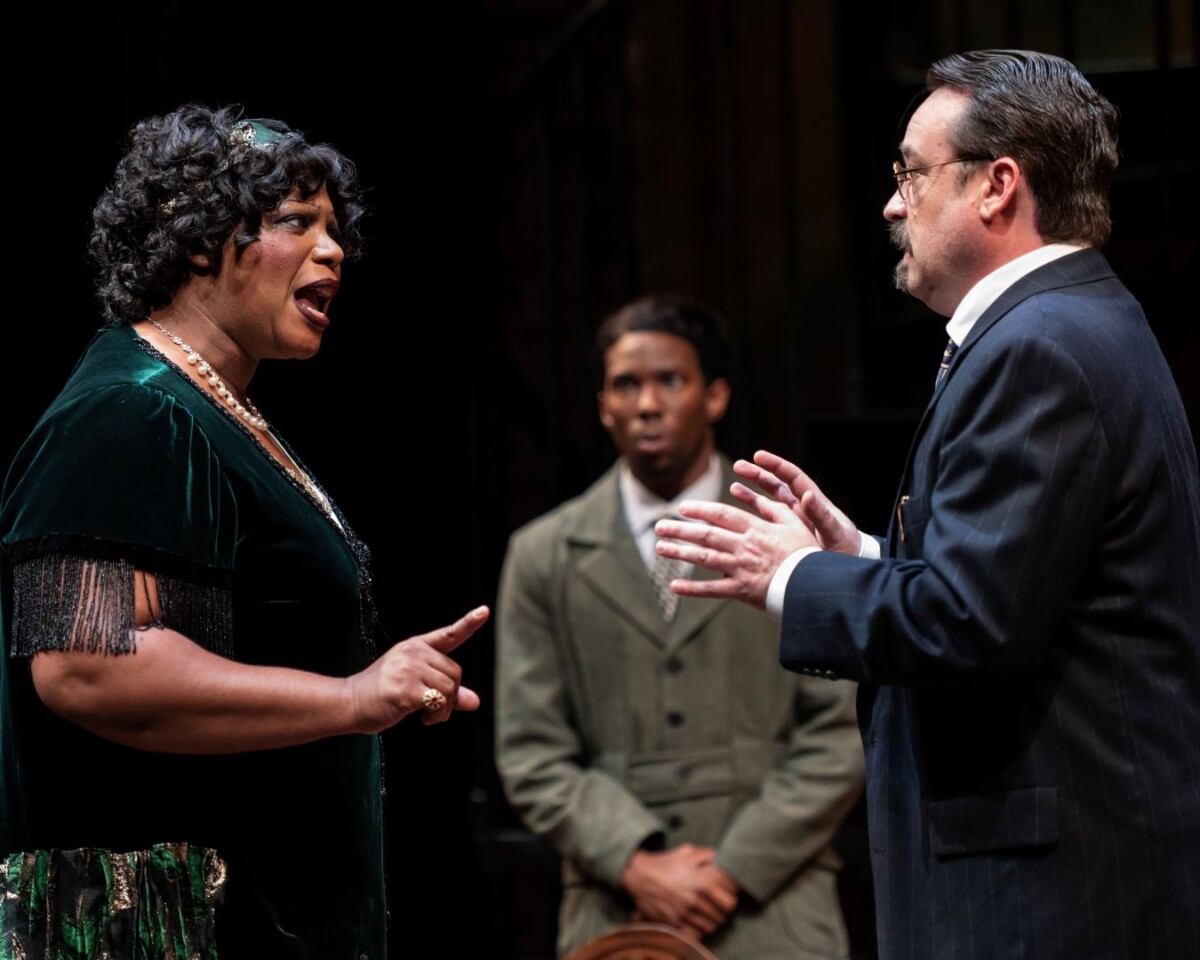
Haskins said Ma enters the recording studio knowing the value that she brings, even as the people around her repeatedly challenge her decisions. She exercises her leverage and pushes back when others attempt to dictate how the session will proceed.
The real Gertrude “Ma” Rainey was one of the earliest Black women to record blues commercially. Between 1923 and 1928, she made more than 100 recordings for Paramount Records, according to the Smithsonian.
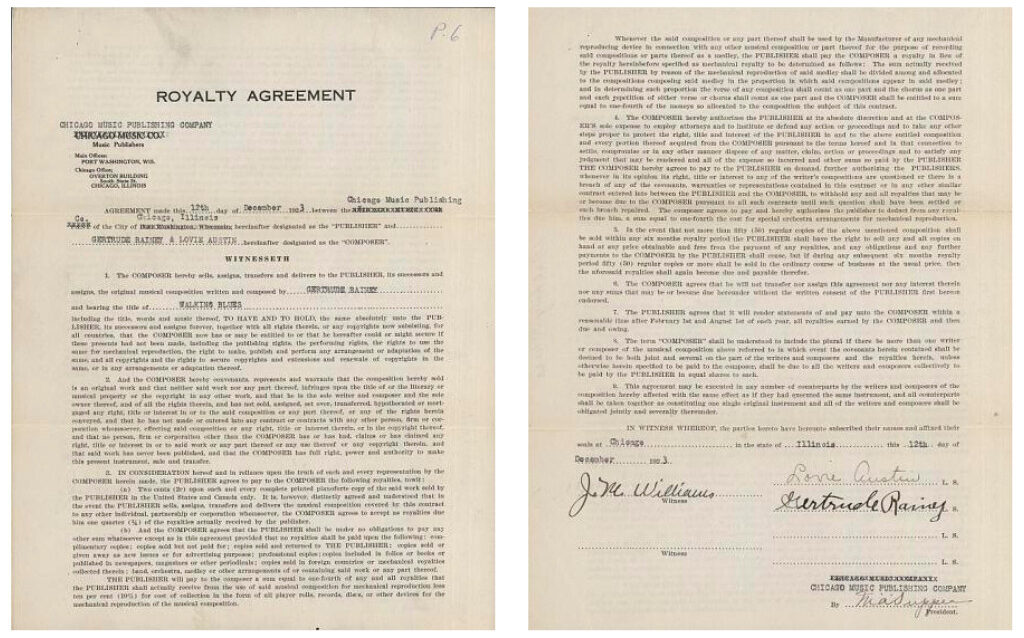
One surviving agreement shows how at least part of that business worked. A Dec. 12, 1923, royalty agreement for “Walking Blues,” signed by Rainey and composer Lovie Austin, provided them two cents for each printed piano copy sold in the United States and Canada. They were also entitled to one-fourth of the royalties the publisher received from mechanical reproductions, minus a 10% collection cost.
For Haskins, portraying a character negotiating those relationships does not feel entirely removed from being an artist today.
“The life that I live as an artist is not that dissimilar from the world that August Wilson has written,” Haskins said.
The technology surrounding artists, however, has changed dramatically.
The scale of AI-generated music has grown quickly. In July, streaming service Deezer said it was receiving about 90,000 fully AI-generated tracks a day, more than half of its daily uploads. Those tracks accounted for less than 3% of all streams.
The lawsuit against Suno is not primarily a traditional copyright case about whether an AI-generated song copied a particular recording. Instead, the musicians rely largely on state right-of-publicity laws, which concern the commercial use of a person’s identity.
According to the complaint, users can enter musicians’ names and use them as a retrieval key for AI-generated music drawing on characteristics associated with those artists. The plaintiffs argue that an output does not have to copy a specific song or perfectly reproduce an artist’s voice for the artist’s commercial identity to be exploited.
Suno disputes that characterization of its technology. The company has said it does not use artists’ names as training metadata and does not permit users to prompt its system for specific artists. Suno says references to artists are filtered and redirected toward descriptions of musical characteristics. Its own prompting guide, for example, encourages users to describe features such as tempo, vocals and instrumentation, using phrases like “bright pop track,” “110 BPM,” “female vocals” and a “big synth hook.”
The Suno dispute centers on more than ownership of a particular song or recording. It raises the question of whether an artist’s name, likeness and other identifying characteristics can be used commercially to generate new music without permission.
Haskins resists describing that underlying conflict as merely contemporary.
“I don’t think they feel contemporary,” Haskins said of Ma’s concerns. “I think they feel worldly.”
For Haskins, AI is one setting for a larger struggle over who has power over creative work. She said the problem of Black people being separated from control of things they created has existed far longer than the technology now raising those questions. The Library of Congress notes that early record companies sometimes used white performers to record music associated with Black artists rather than hire the Black performers themselves, while Black musicians remained rare on early commercial recordings.
“It just hasn’t stopped happening,” she said.
That interpretation shapes the way Haskins portrays Ma’s fight for control. She pointed to a brief moment in the second act when Ma’s manager attempts to steer her toward a different song. Ma refuses and proceeds with the recording she intends to make.
Haskins said the moment stands out precisely because Ma does not need a dramatic confrontation to establish who has the final say.
“She’s not demanding control. She’s not asserting control,” Haskins said. “She is simply positioning herself in correct order.”
La Tetra Metts-Owens is a reporter forHUNewsService.com. She covers Prince George’s County and theater.
Based on reporting by Howard University News Service.
Art
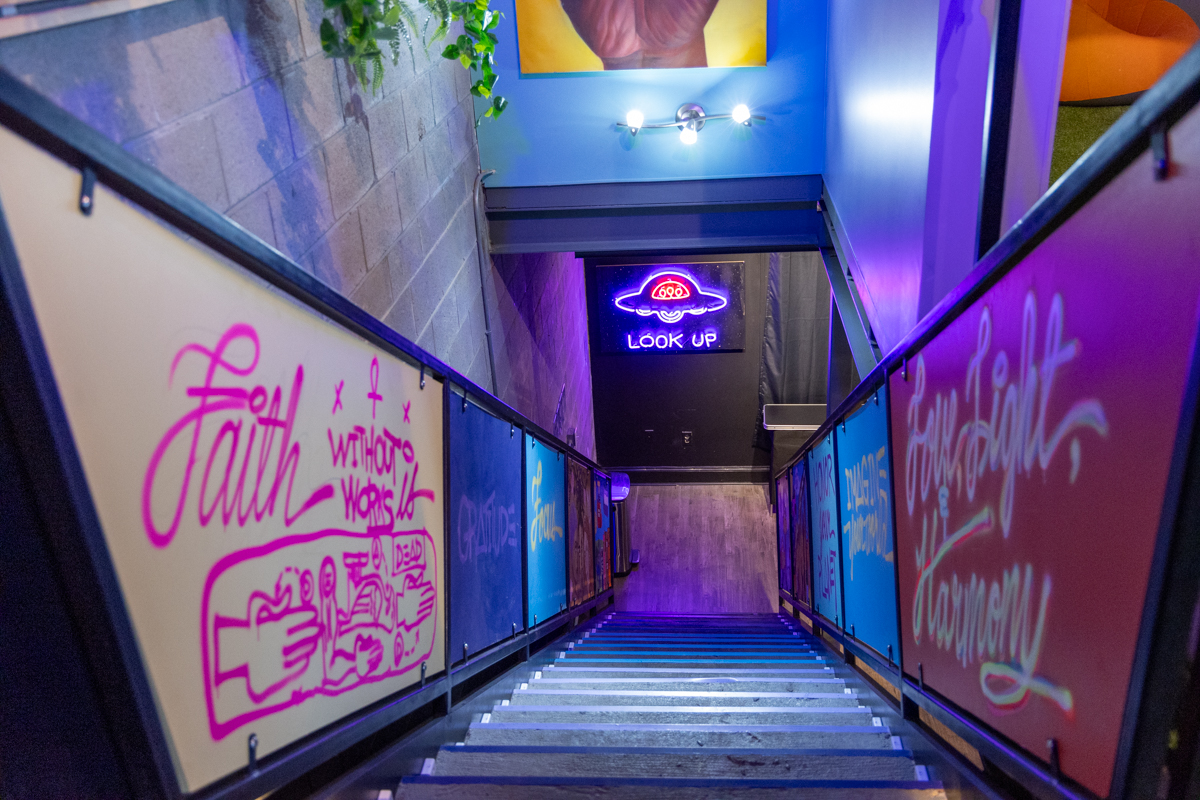
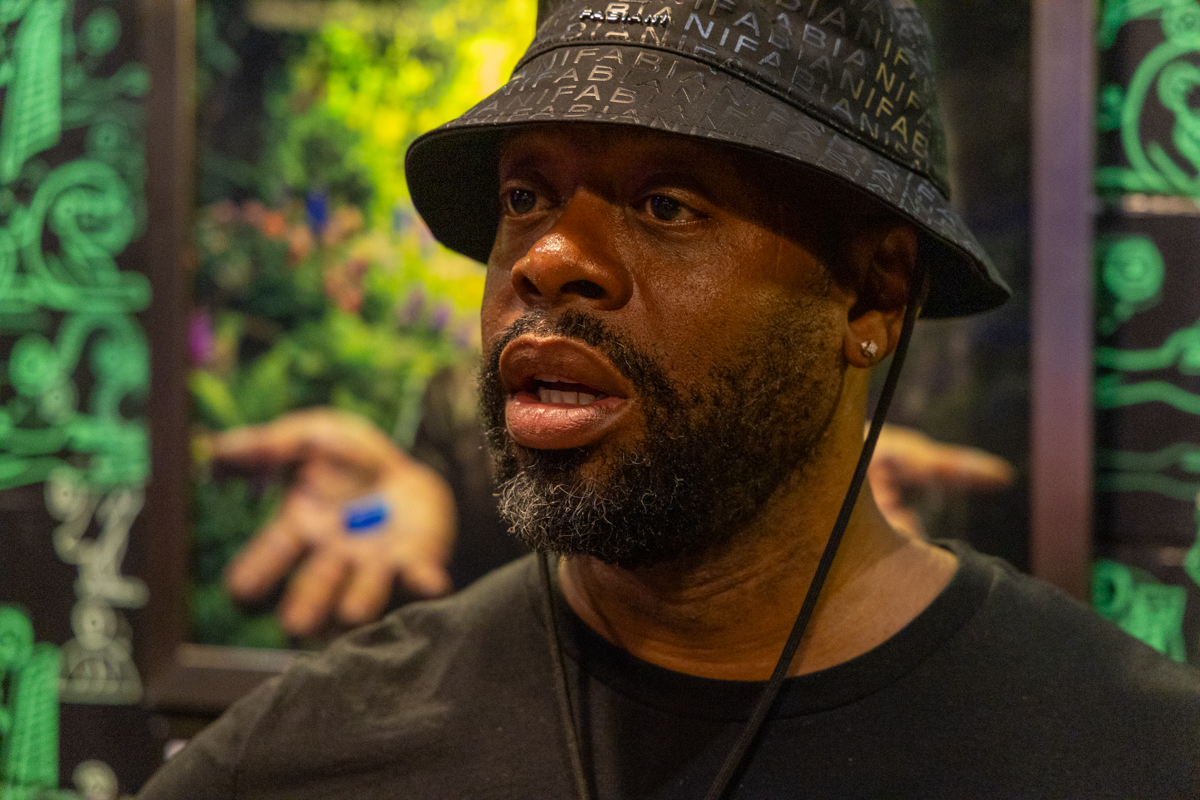
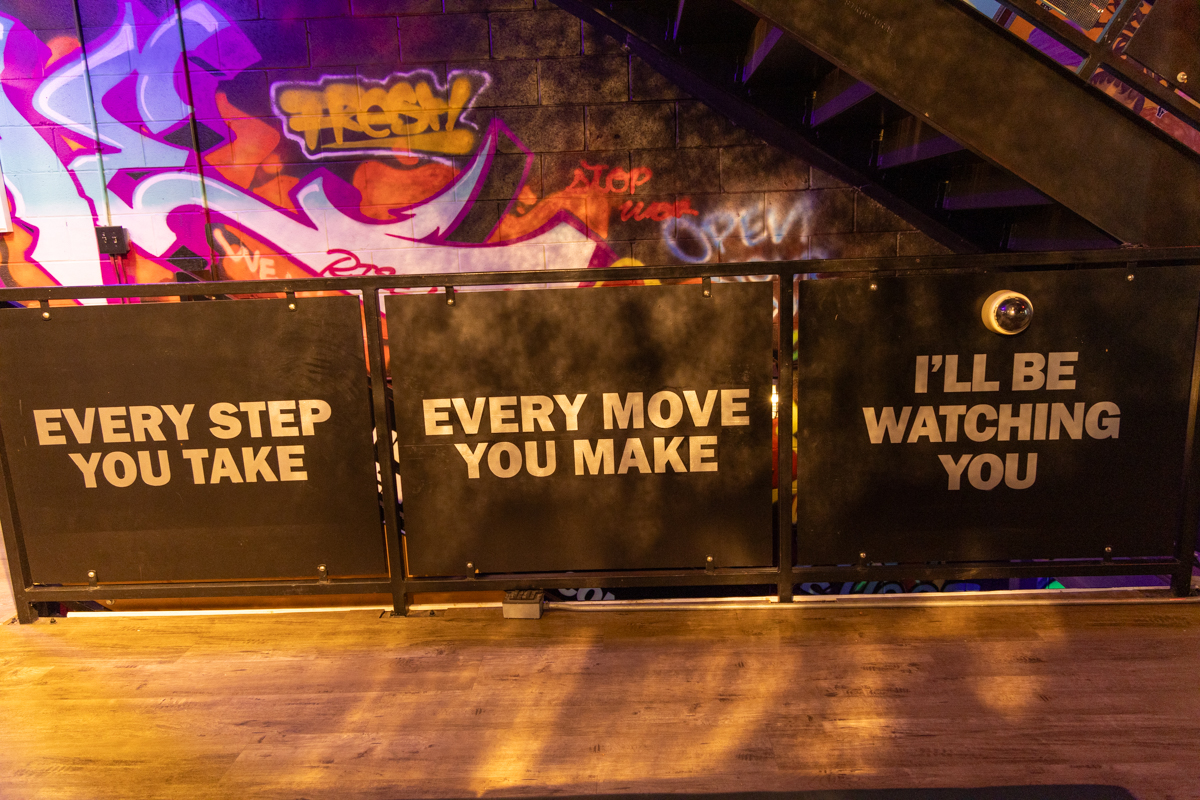
Mothership Sirius B: Atlanta’s Immersive Afrofuturist Art Exhibit Decodes The Past and Future for Black Americans

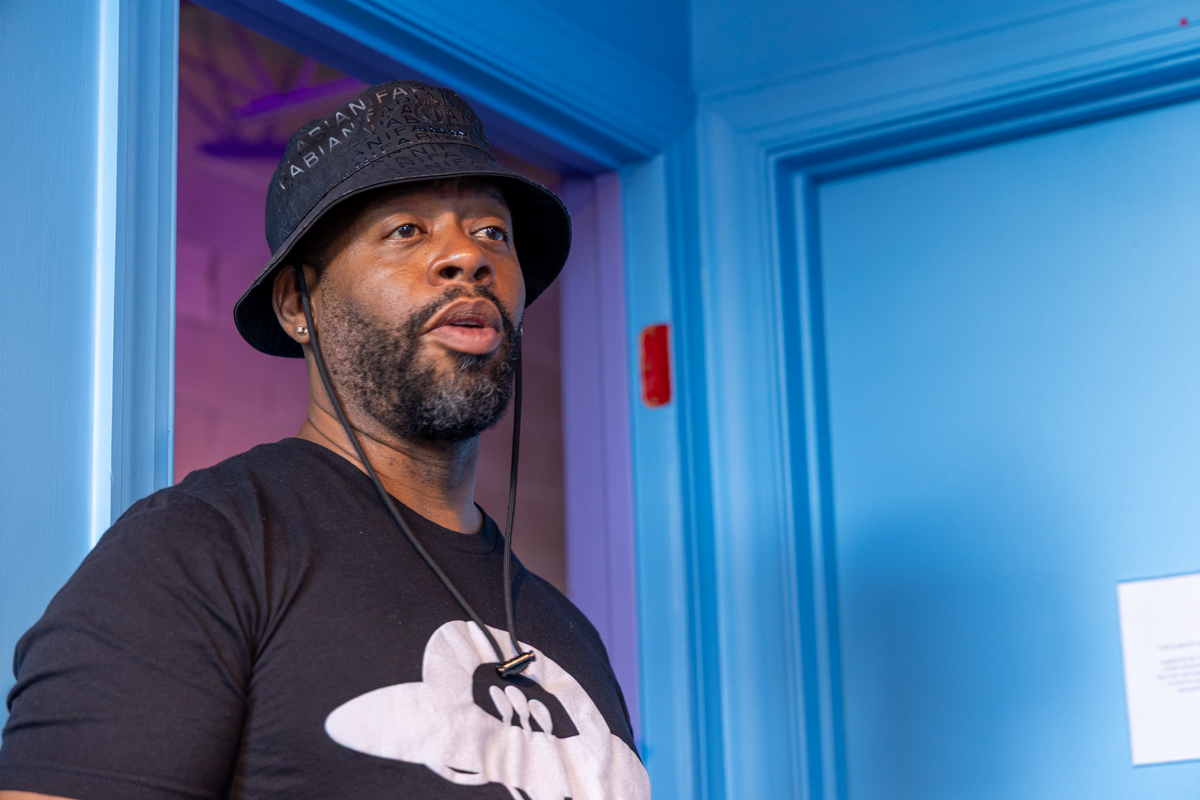
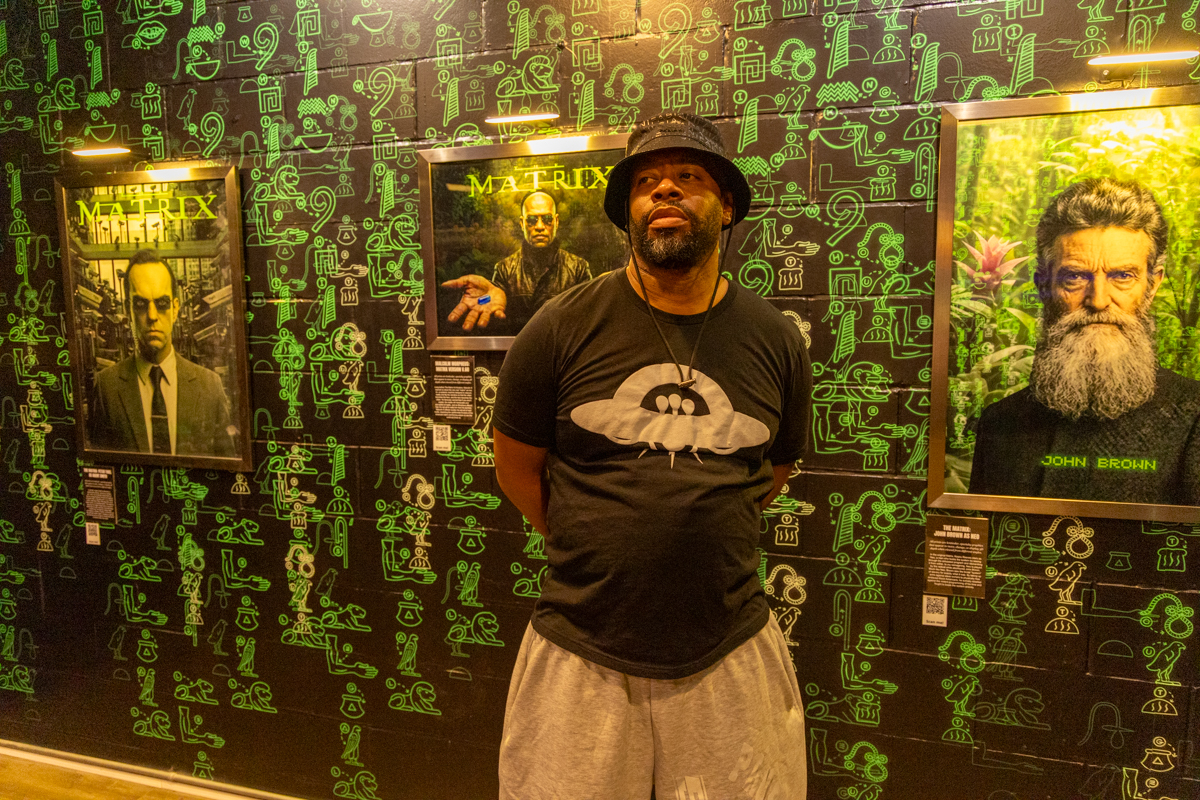
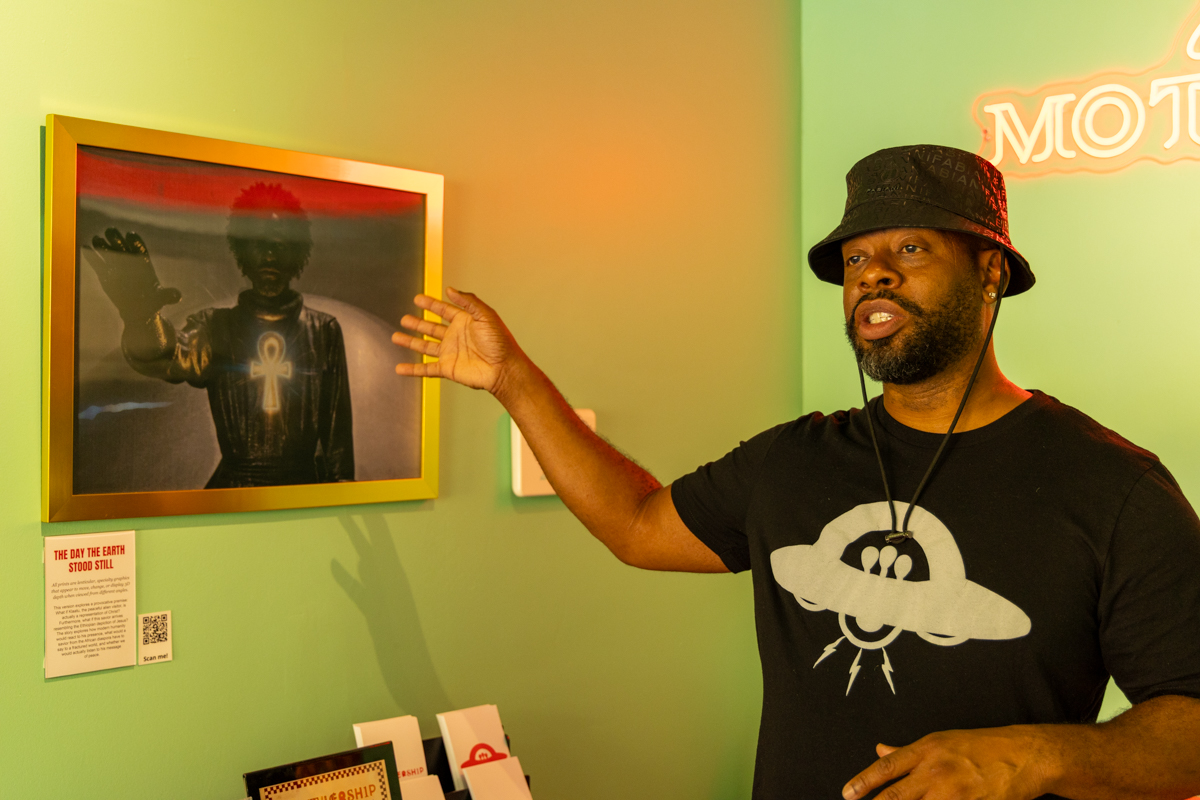
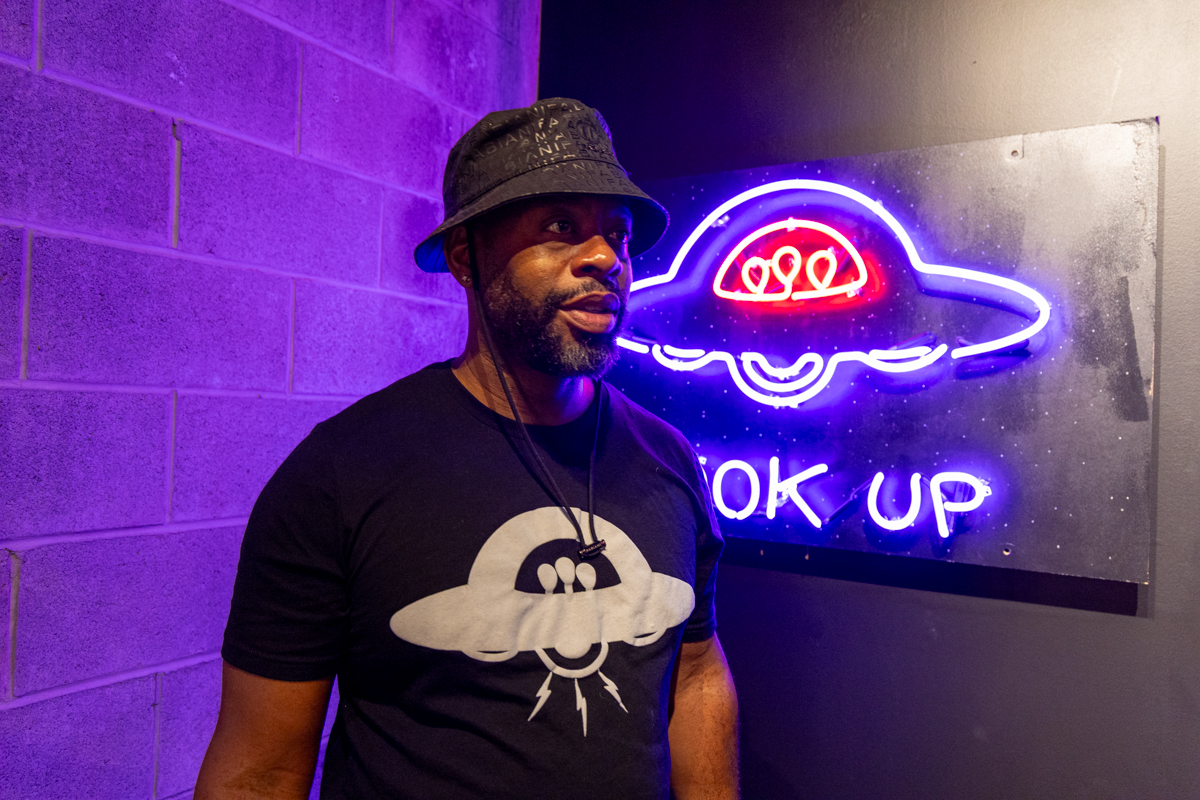
Who decides what the future looks like? For generations, science fiction and pop culture have handed us the answer. Artist Fabian Williams opened Mothership Sirius B, a three-story immersive art installation, to offer a different one.
Atlanta Students Help Shape the Exhibit
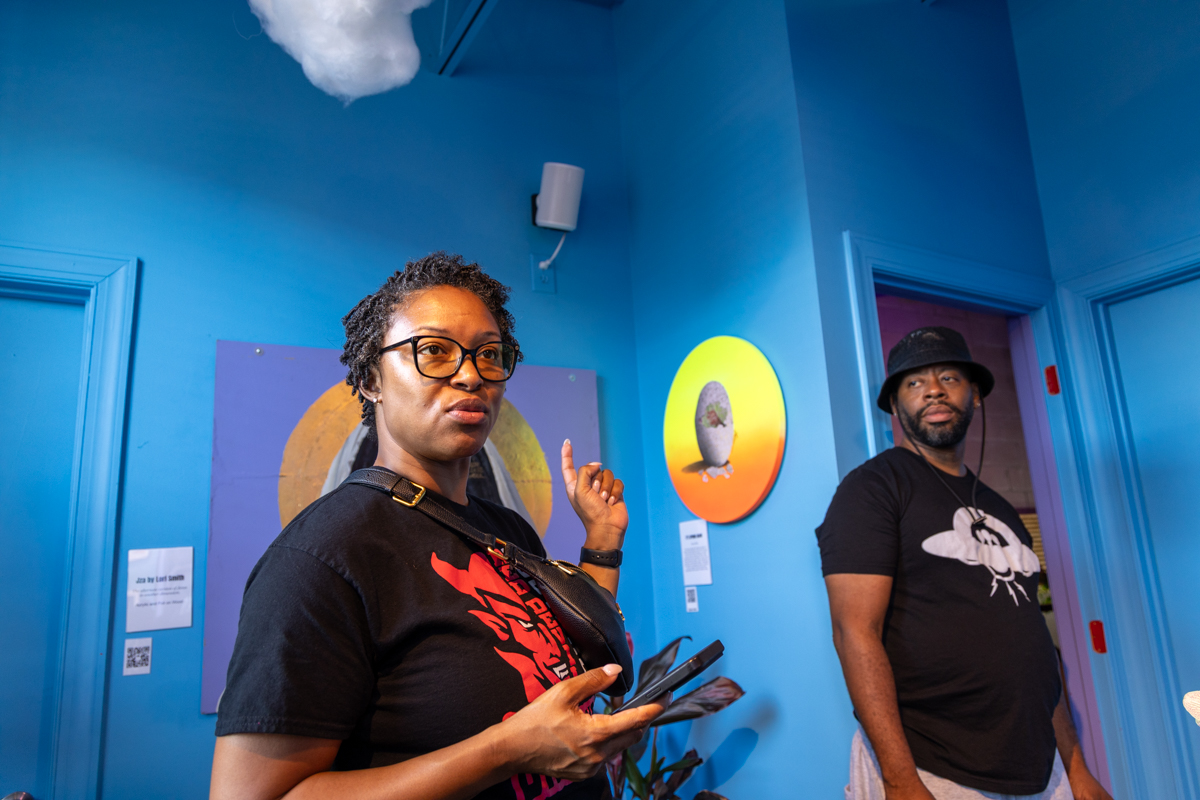
Inside the art installation at 12 Jackson St in Atlanta, the project’s community roots are what set it apart. Students from Morgan Oliver School, Maynard Jackson High School, and Georgia Tech created original artwork that runs through the whole show. It all leads to the Future Lab, a room built for conversation, creativity, and imagining what comes next together.
Williams also sat down with many of the students to ask what kind of future they want to build. Their answers give a real look at how Atlanta’s next generation pictures its city. The Mayor’s Office of Cultural Affairs, led by Adriane Jefferson, is a confirmed institutional partner.
What “Sirius B” Means
The exhibit covers six decades across its three floors, and the name carries the idea behind it. Sirius A and B form a double star system that can’t be seen with the naked eye. According to a story Afrofuturist thinkers often cite, the Dogon people of Mali knew of it centuries before Western astronomers confirmed it. For those thinkers, it shows that Black communities have always held knowledge about the future that mainstream culture was too narrow to notice. Williams puts it this way: the vessel “was always there.”
Pop Culture, Black Empowerment, and Political Commentary
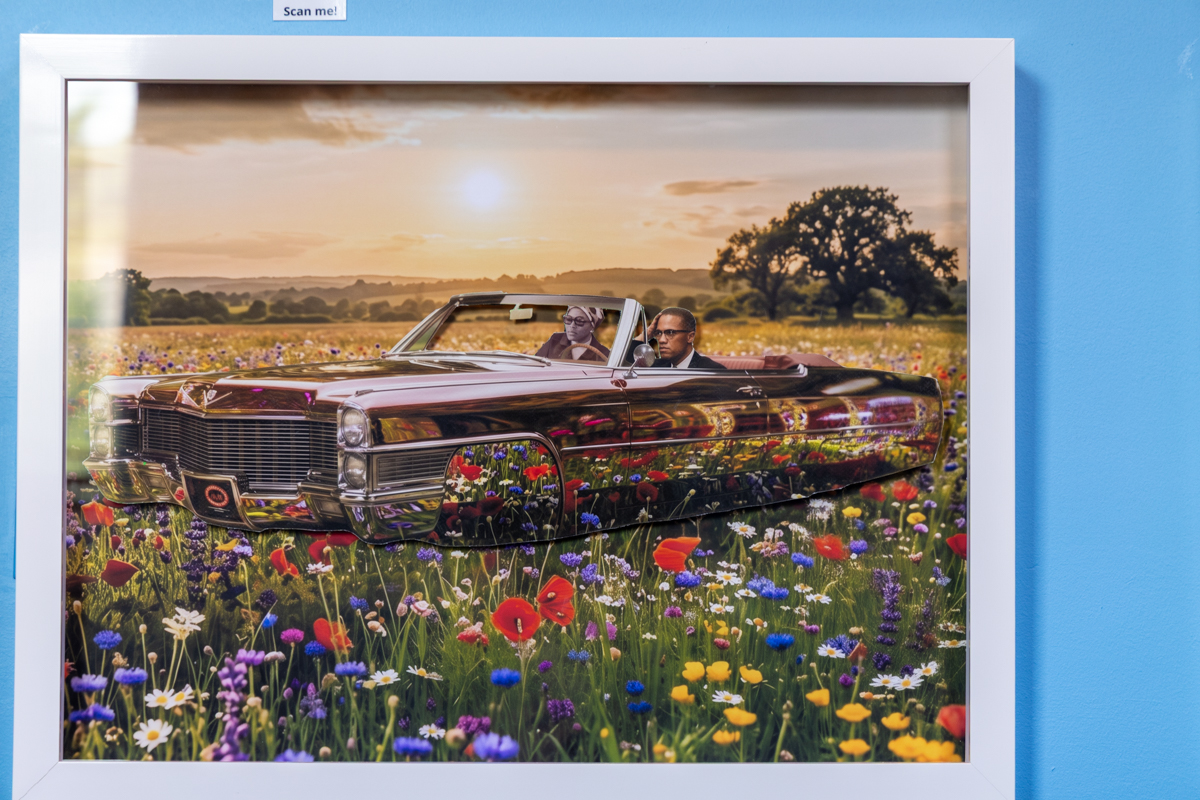
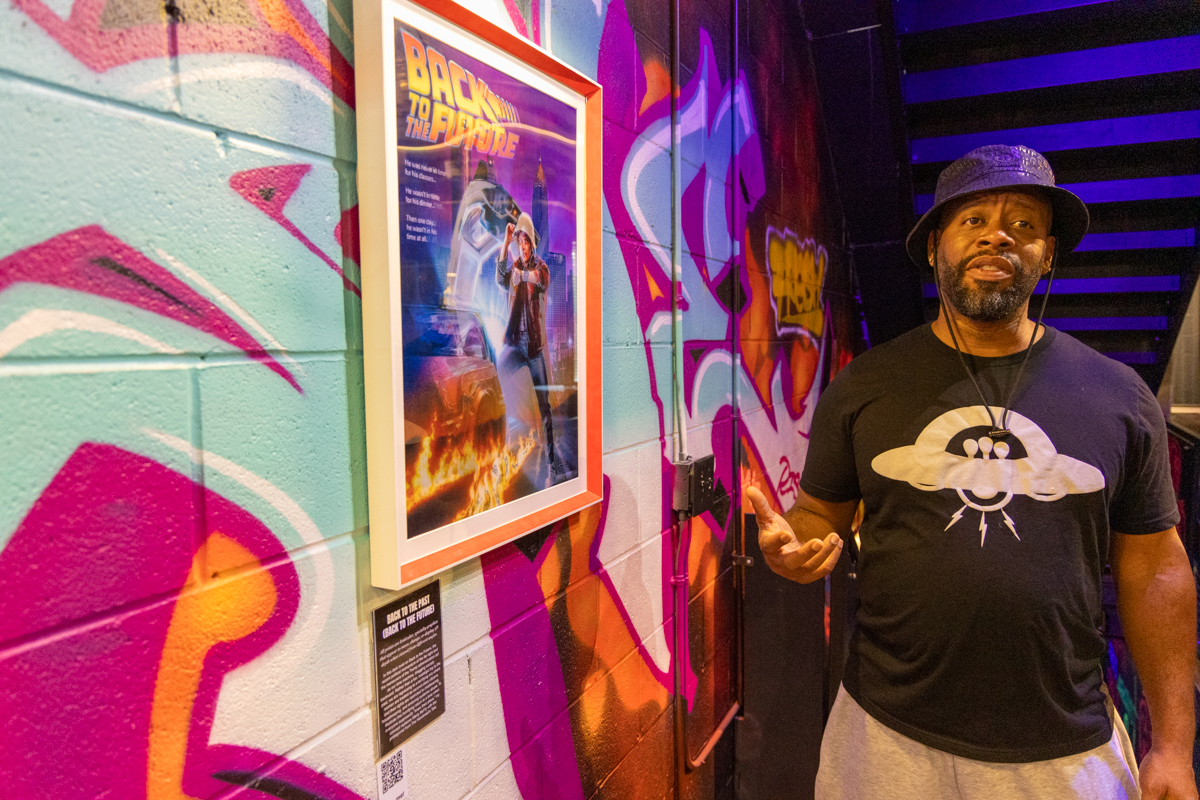
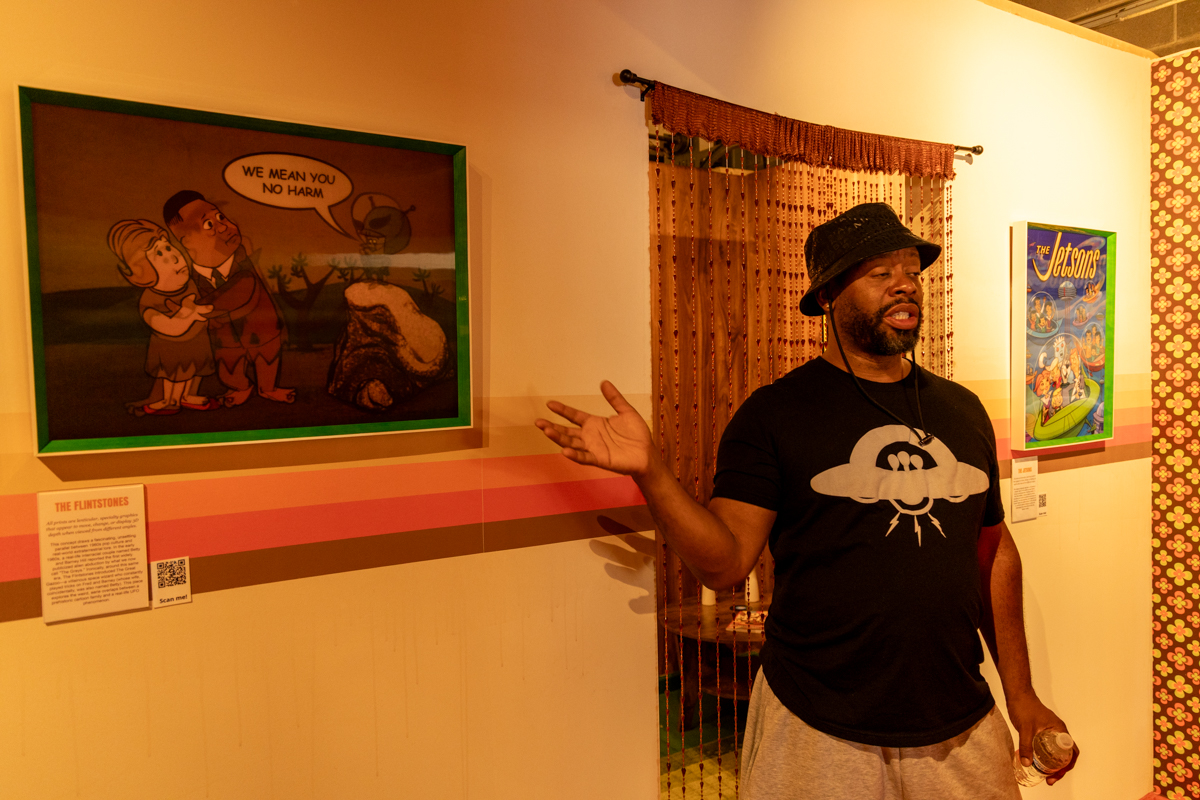
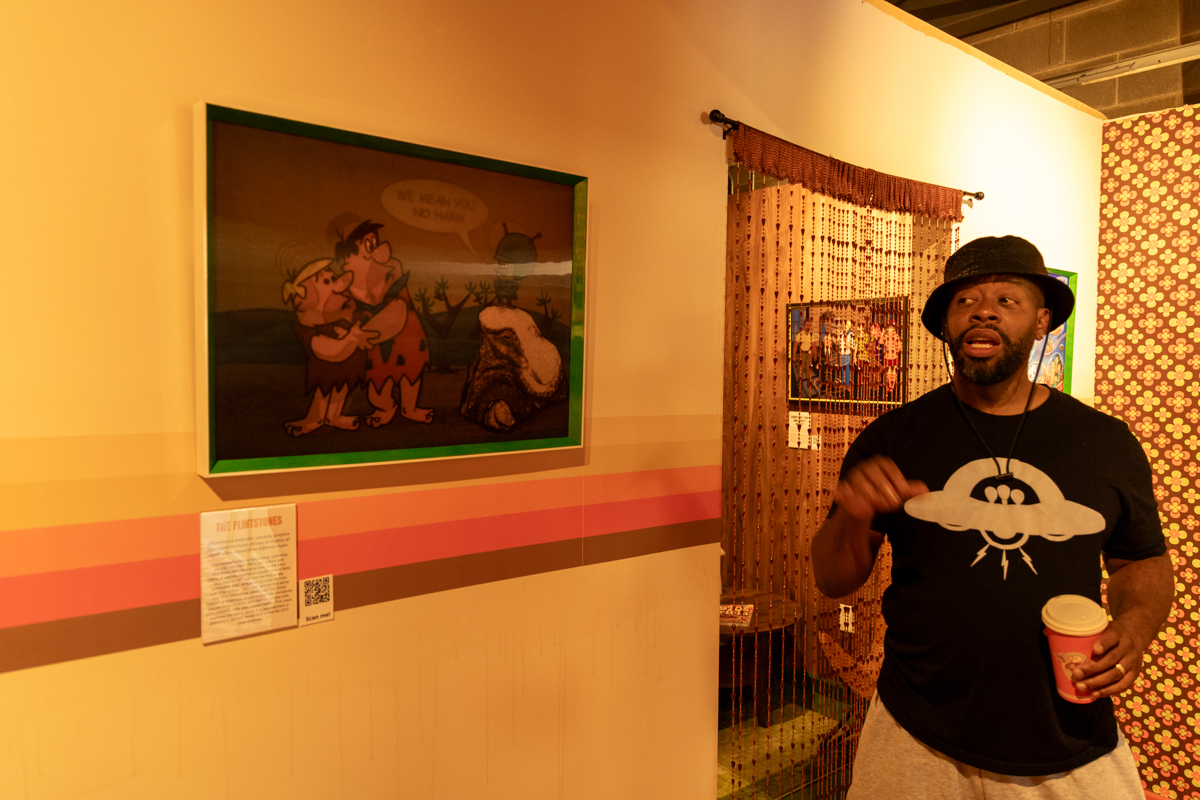
The work plays pop culture against themes of Black empowerment, and it doesn’t hide its disdain for President Donald J. Trump. Many pieces use lenticular printing, so the image changes as you move. A familiar original shifts into Williams’ own take.
Inside the Exhibit, Floor by Floor
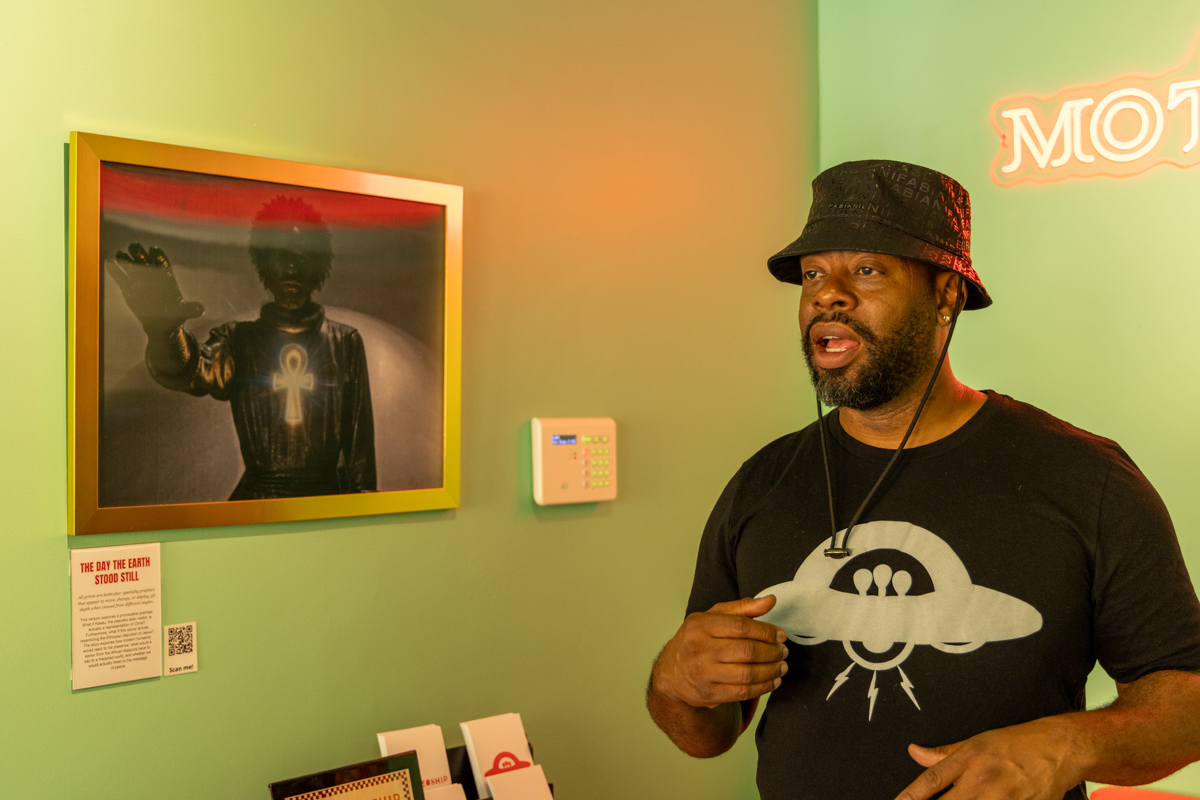
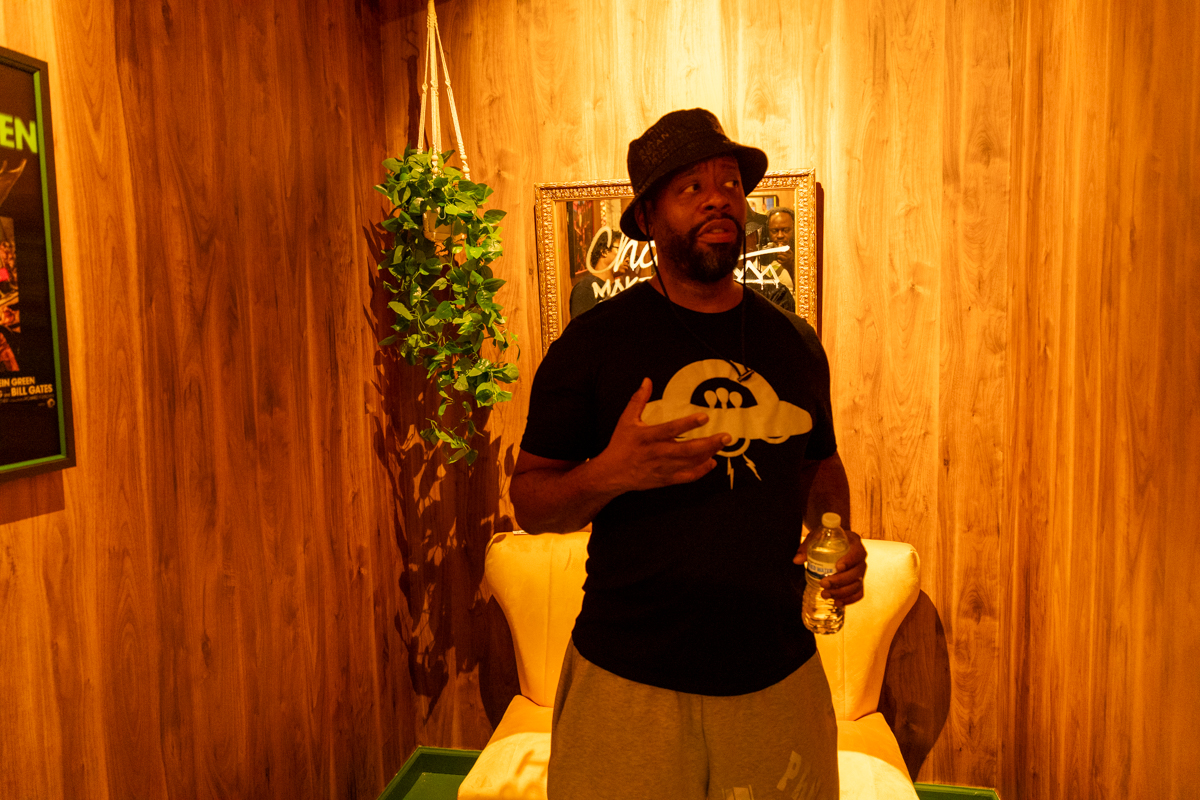
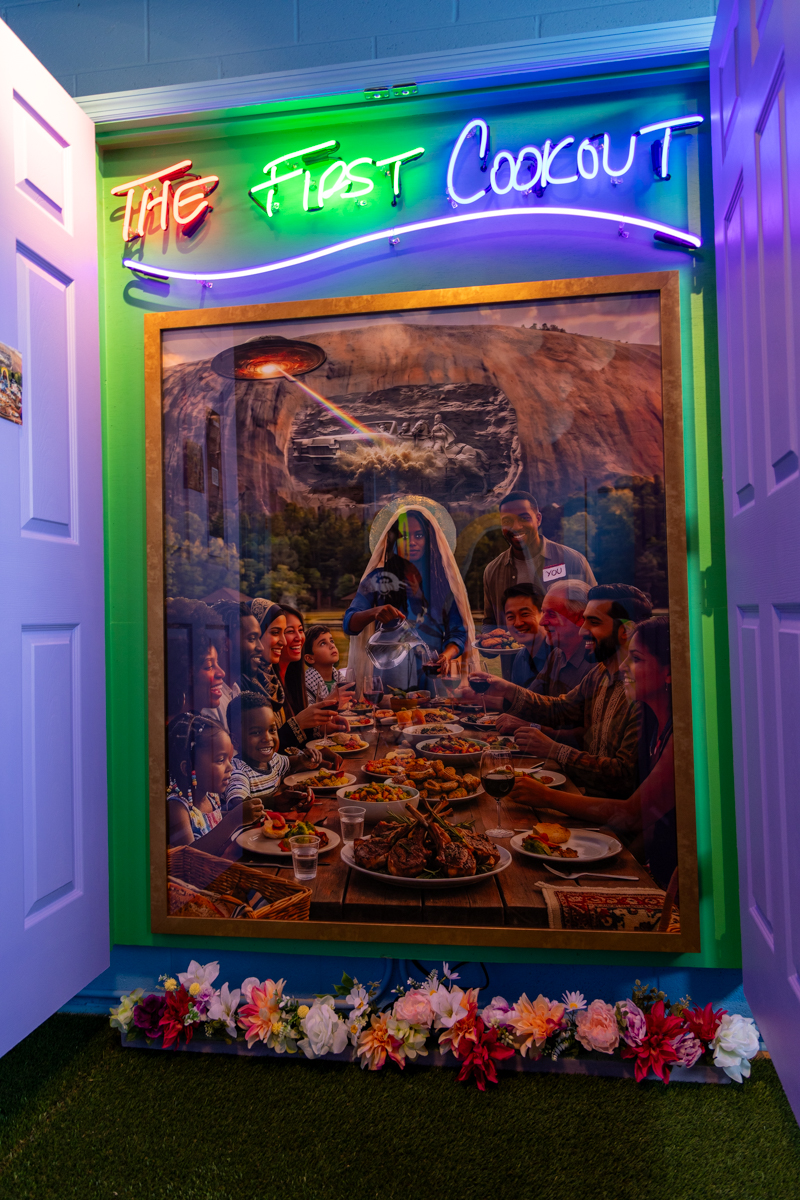
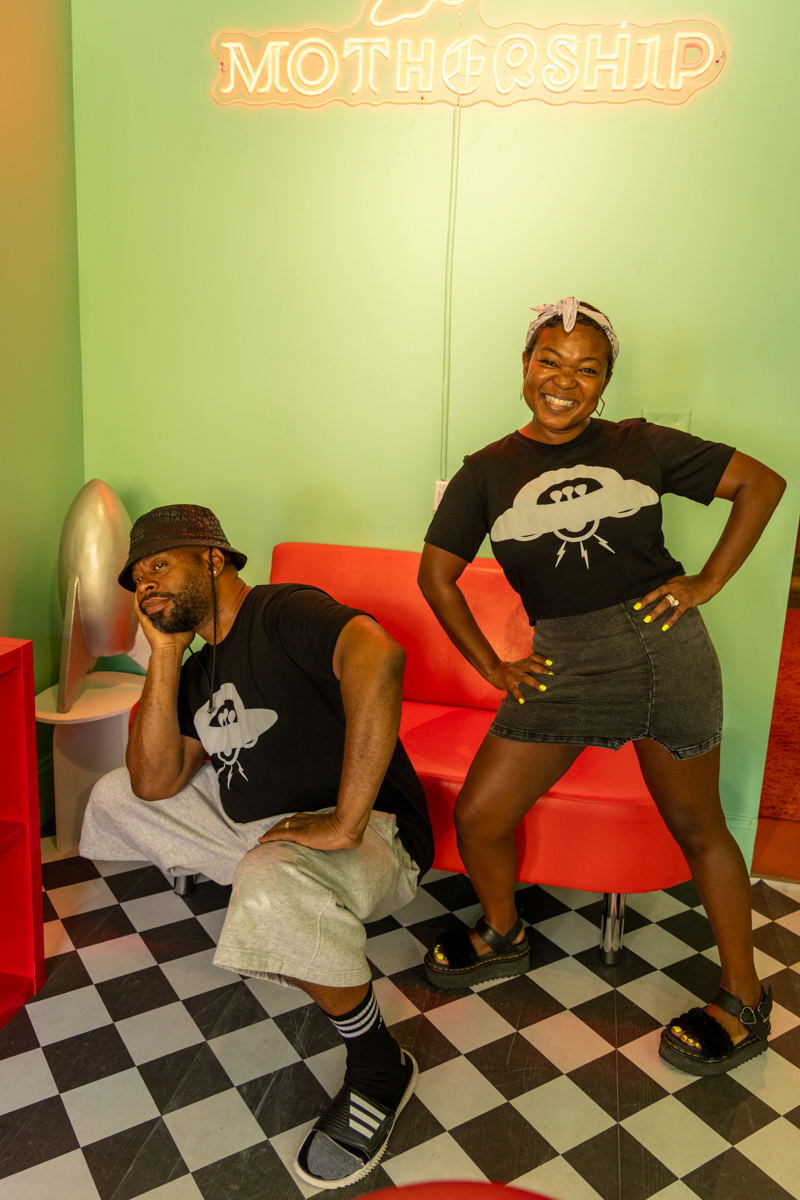
First floor: America in the 1950s. Mint green walls and checkerboard linoleum set the scene. The art draws on posters for “The Twilight Zone,” “Planet of the Apes,” and “Soylent Green,” which expose the fears and false assumptions white Americans held about Black Americans.
Second floor: the 1980s and 1990s. This level looks at the privatization of public life. The centerpiece of the 1990s section is “Malcolm Morpheus: Matrix Version v.68,” a lenticular print that flips between Morpheus from “The Matrix,” palms open with a red pill and a blue pill, and Malcolm X in the same pose. The wall text says Malcolm X “offered society the red pill of hard truths.”
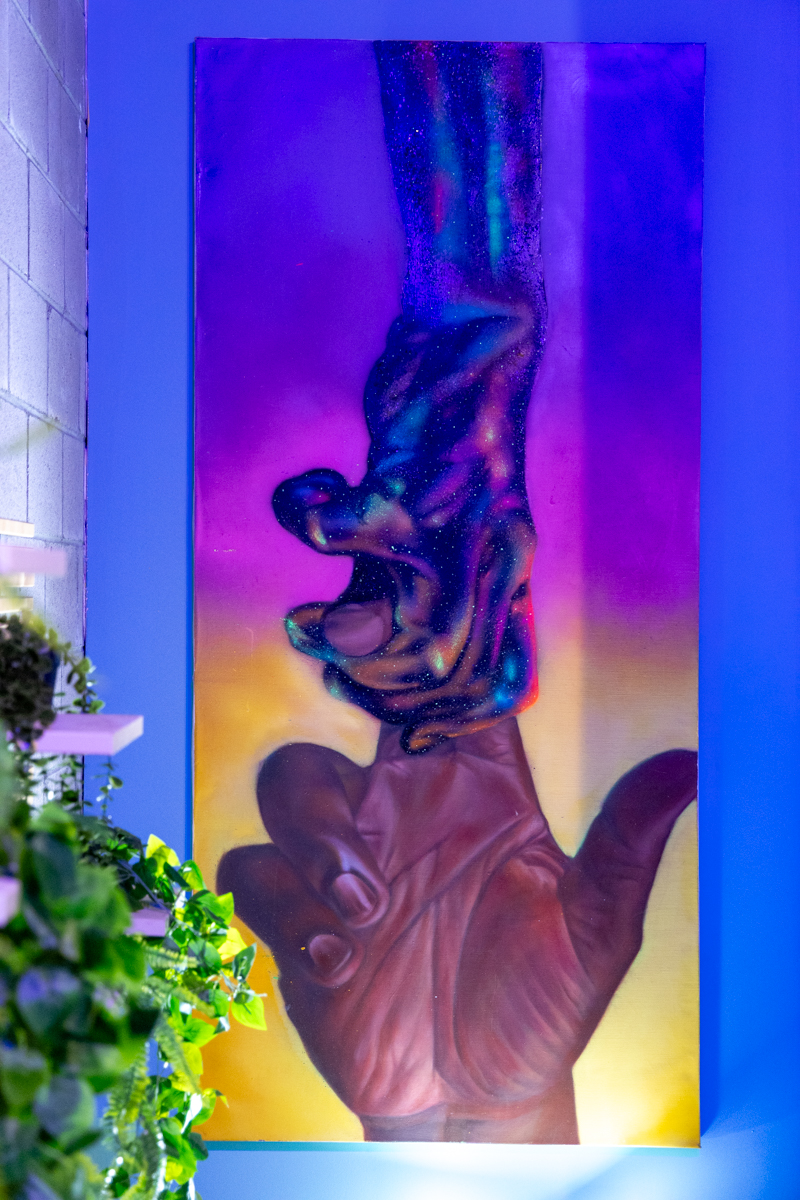
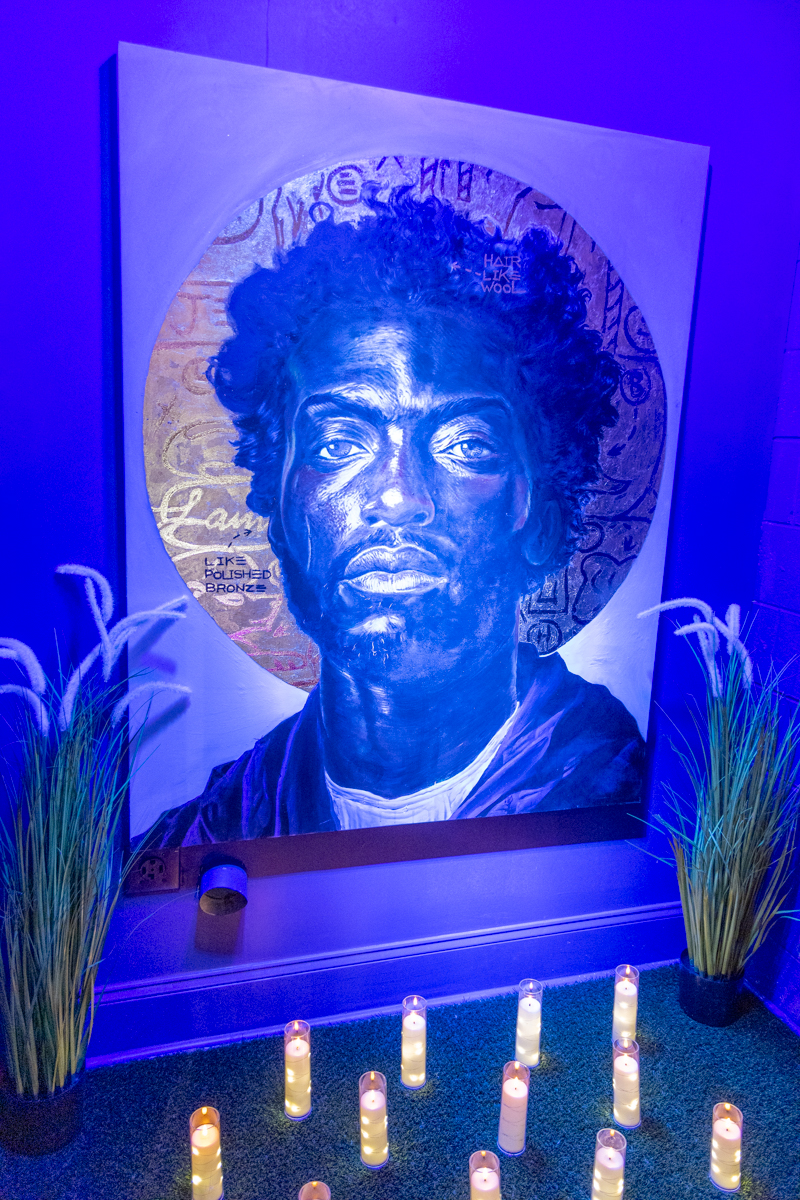
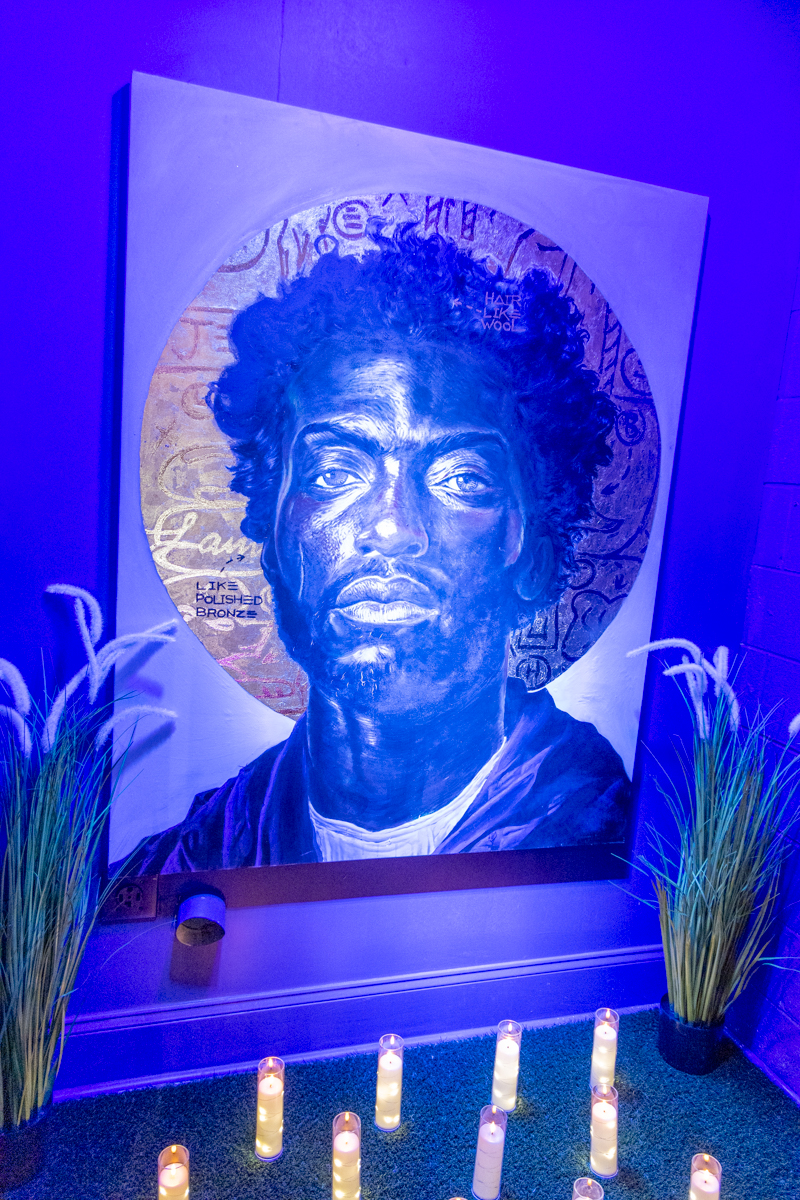
Third floor: Black Jesus and the Future Lab. A huge painting of Black Jesus greets you on arrival. The first room off the hallway, the Garden of Jza, breaks from Williams’ usual style. Its collages show civil rights figures, including Jimmy Carter, Martin Luther King Jr., and Malcolm X, alongside their spouses, drifting through peaceful landscapes in vintage cars.
The Future Lab is a lounge-style think tank with bean bag seating, curated music, and a black-lit “aether room.” Visitors are invited to write their hopes and prayers for the future on sticky notes and leave them behind.
Tickets and Admission
- General admission: $20 per person, includes one drink ticket
- RSVP without a drink: $15
- Children ages 5 to 16: $10
- Children under 5: $5
Buy tickets through Eventbrite at isawmothership.com. To support the exhibition, you can donate through Satellite Collective at secure.givelively.org/donate/satellite-collective-inc/mothership-atl.
-
- (Photo: Itoro N. Umontuen/Black Press USA)
-
- (Photo: Itoro N. Umontuen/Black Press USA)
-
- (Photo: Itoro N. Umontuen/Black Press USA)
-
- (Photo: Itoro N. Umontuen/Black Press USA)
-
- (Photo: Itoro N. Umontuen/Black Press USA)
-
- (Photo: Itoro N. Umontuen/Black Press USA)
-
- (Photo: Itoro N. Umontuen/Black Press USA)
-
- (Photo: Itoro N. Umontuen/Black Press USA)
-
- (Photo: Itoro N. Umontuen/Black Press USA)
-
- (Photo: Itoro N. Umontuen/Black Press USA)
-
- (Photo: Itoro N. Umontuen/Black Press USA)
-
- (Photo: Itoro N. Umontuen/Black Press USA)
-

- (Photo: Itoro N. Umontuen/Black Press USA)
-

- (Photo: Itoro N. Umontuen/Black Press USA)
-
- (Photo: Itoro N. Umontuen/Black Press USA)
-

- (Photo: Itoro N. Umontuen/Black Press USA)
-
- (Photo: Itoro N. Umontuen/Black Press USA)
-

- (Photo: Itoro N. Umontuen/Black Press USA)
-
- (Photo: Itoro N. Umontuen/Black Press USA)
-
- (Photo: Itoro N. Umontuen/Black Press USA)
-

- (Photo: Itoro N. Umontuen/Black Press USA)
-

- (Photo: Itoro N. Umontuen/Black Press USA)
-

- (Photo: Itoro N. Umontuen/Black Press USA)
-
- (Photo: Itoro N. Umontuen/Black Press USA)
-

- (Photo: Itoro N. Umontuen/Black Press USA)
-
- (Photo: Itoro N. Umontuen/Black Press USA)
-
- (Photo: Itoro N. Umontuen/Black Press USA)
-
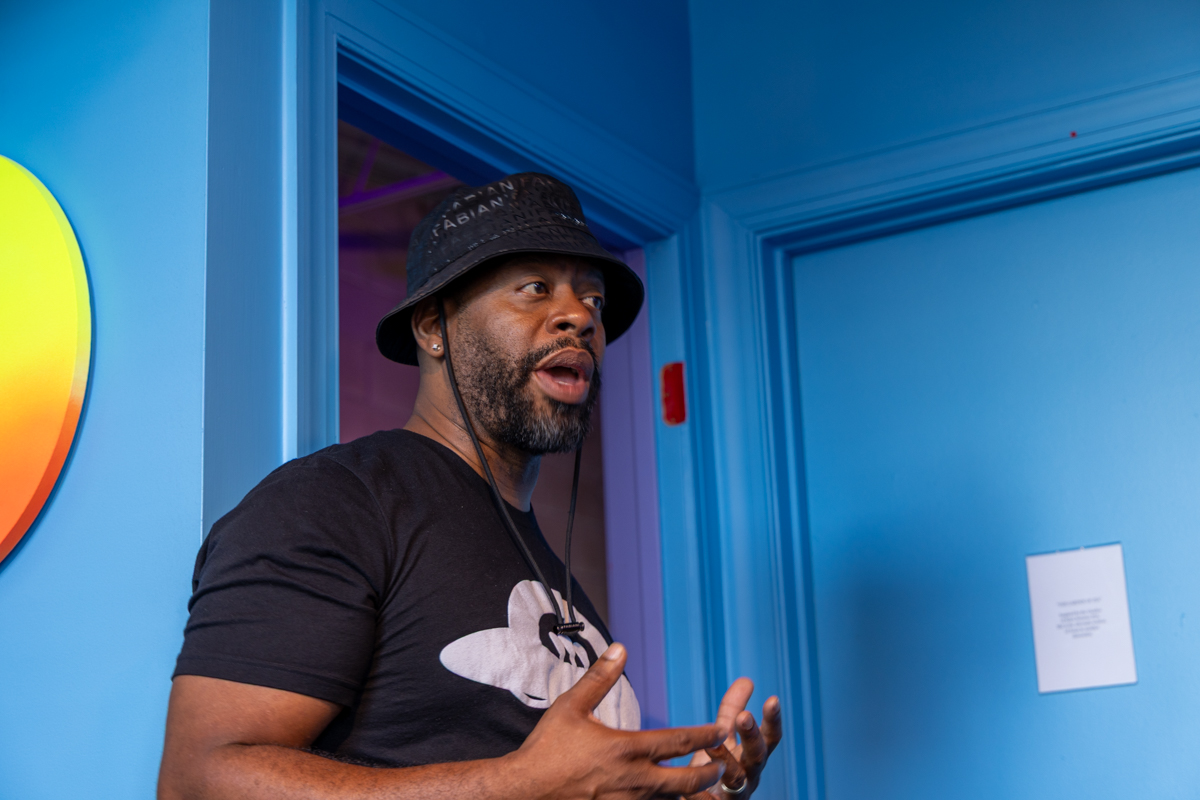
- Fabian Williams delivers a presentation inside his art installation, Mothership Sirius B in Atlanta, Georgia. (Photo: Itoro N. Umontuen/Black Press USA)
Black History
IN MEMORIAM: The Mighty Sparrow, King of Calypso, Dies at Age 91 in New York
NEW YORK CARIB NEWS — Slinger Francisco, widely known as the Mighty Sparrow, died on Sunday, September 27, in New York at the age of 91. The legendary calypso artist passed peacefully after a brief illness, surrounded by loved ones. Born in Grand Roy, Grenada, in 1935, he moved to Trinidad as a child, where he developed his distinctive style.
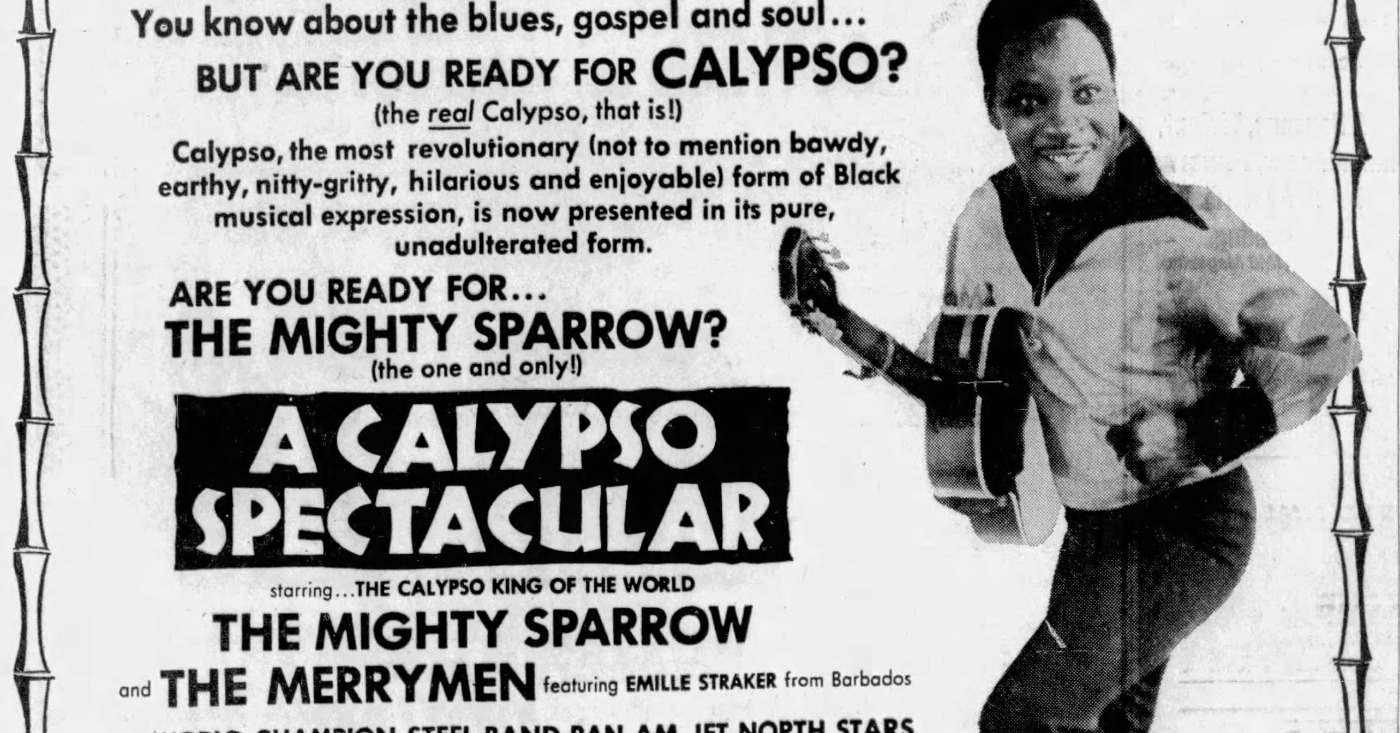
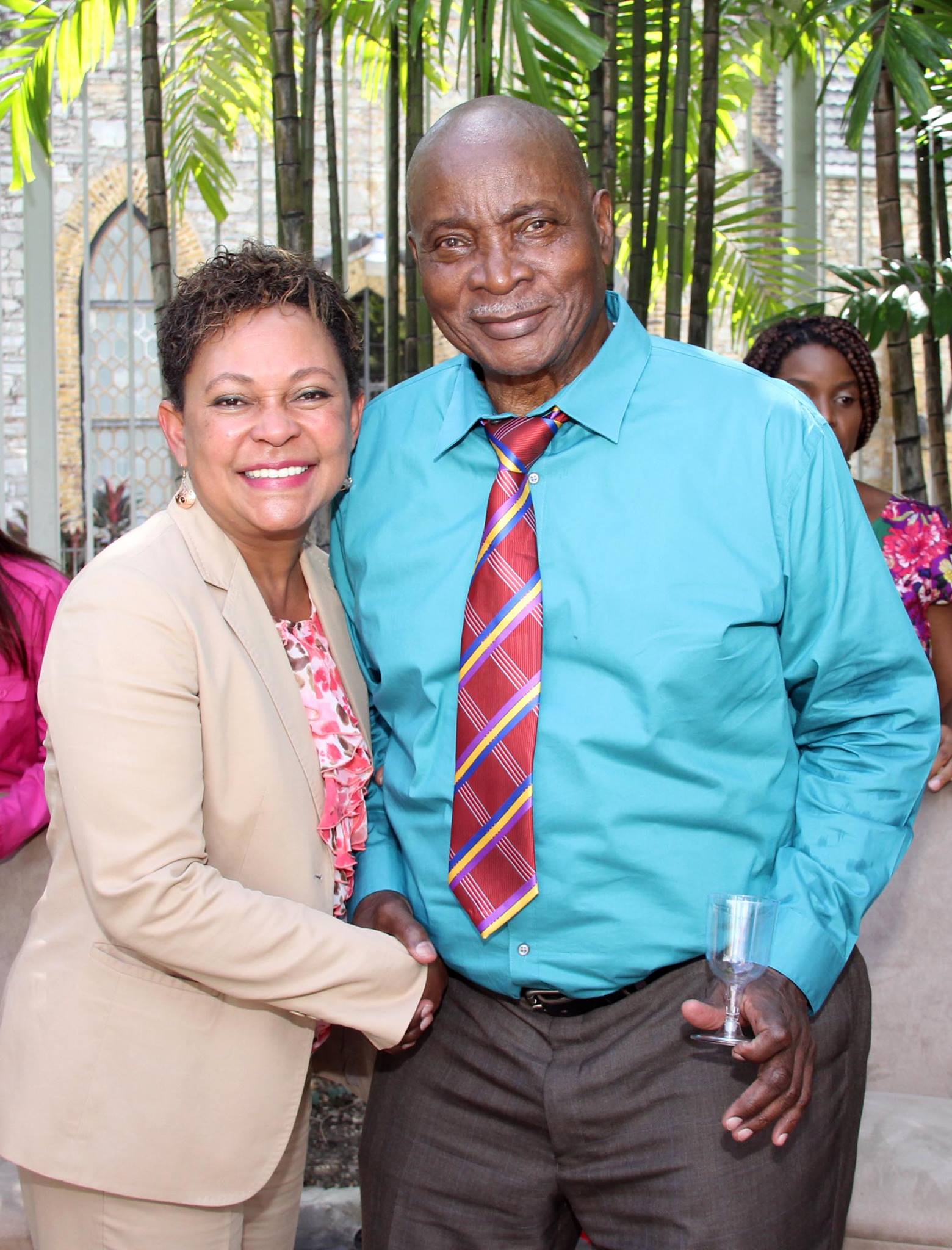
NEW YORK — For anyone raised in the Caribbean, or in a Brooklyn, Bronx, or Queens household where the radio stayed tuned to home, there was never a time without the Mighty Sparrow. His voice was simply part of the furniture of our lives: at Carnival, at weddings, at Sunday lunch, in the car on the way to JFK. On Sunday, that voice went quiet.
Slinger Francisco, known to the world as the Mighty Sparrow, died Sunday, September 27, in New York. He was 91. His family said he passed peacefully after a brief illness, with loved ones at his bedside.
He was born in Grand Roy, Grenada, in 1935, and was still a small child when his family moved to Trinidad. Port of Spain made him. Its yards, its rum shops and its calypso tents gave him his rhythm and his sharp tongue. He sang in a church choir as a boy, but the city had a louder music, and by his late teens he was performing under the name that would become a title.
The breakthrough came in 1956 with “Jean and Dinah,” his mischievous farewell to the American servicemen leaving Trinidad after the war years. The song swept Carnival, winning him both the Road March and the Calypso King crown. It introduced a young performer who could be funny and fearless at once, who could make an entire nation laugh at itself and then think hard about what it had just laughed at.
He was fearless offstage too. A year after that first crown, he refused to compete over the paltry prize money offered to calypsonians, a stand that helped push the art form toward the respect and the pay its practitioners deserved.
Over six decades, he recorded hundreds of songs. He could turn a love story, a boast or a bit of bedroom comedy into a hit, but he was just as formidable when the subject was power. “Dan Is the Man in the Van” took apart a colonial schooling that taught Caribbean children nonsense about themselves. “Congo Man,” “Mr. Walker,” “The Lizard” and “Both of Them” became standards sung by people who had never set foot in a calypso tent. Long before anyone printed it on a poster, audiences had already crowned him the Calypso King of the World.
For New York’s Caribbean community, Sparrow was never just a visiting star. He made this city his home for many years and played its biggest rooms, including Madison Square Garden, before crowds of immigrants who heard in his voice the islands they had left behind. A Sparrow show here was less a concert than a homecoming.
Trinidad and Tobago honored him with the Trinity Cross, then its highest national award, and generations of calypsonians and soca artists have named him as the standard they measured themselves against. Fans called him “Birdie,” and the affection in that nickname said everything.
Tributes are already pouring in from across the region and the diaspora, and they will keep coming for weeks. But perhaps the truest tribute is the simplest one: somewhere tonight, in Port of Spain, St. George’s, Flatbush and beyond, someone is putting on a Sparrow record, turning it up, and singing along.
Based on reporting by New York Carib News.
Black Press
From Historic Memories to New Possibilities: Oakland Celebrates Coliseum 60
More than 75 people gathered at Youth UpRising in East Oakland on Friday, September 18, for Coliseum 60, an event marking six decades of sports, entertainment, employment, and community memories at the Oakland-Alameda County Coliseum Complex. Held 60 years to the day after the Coliseum first opened, the celebration featured cultural performances and a mini-documentary highlighting its history. Speakers reflected on the venue’s significant role in the community and its future possibilities. Read more to learn about the individuals and stories honored during this special event.
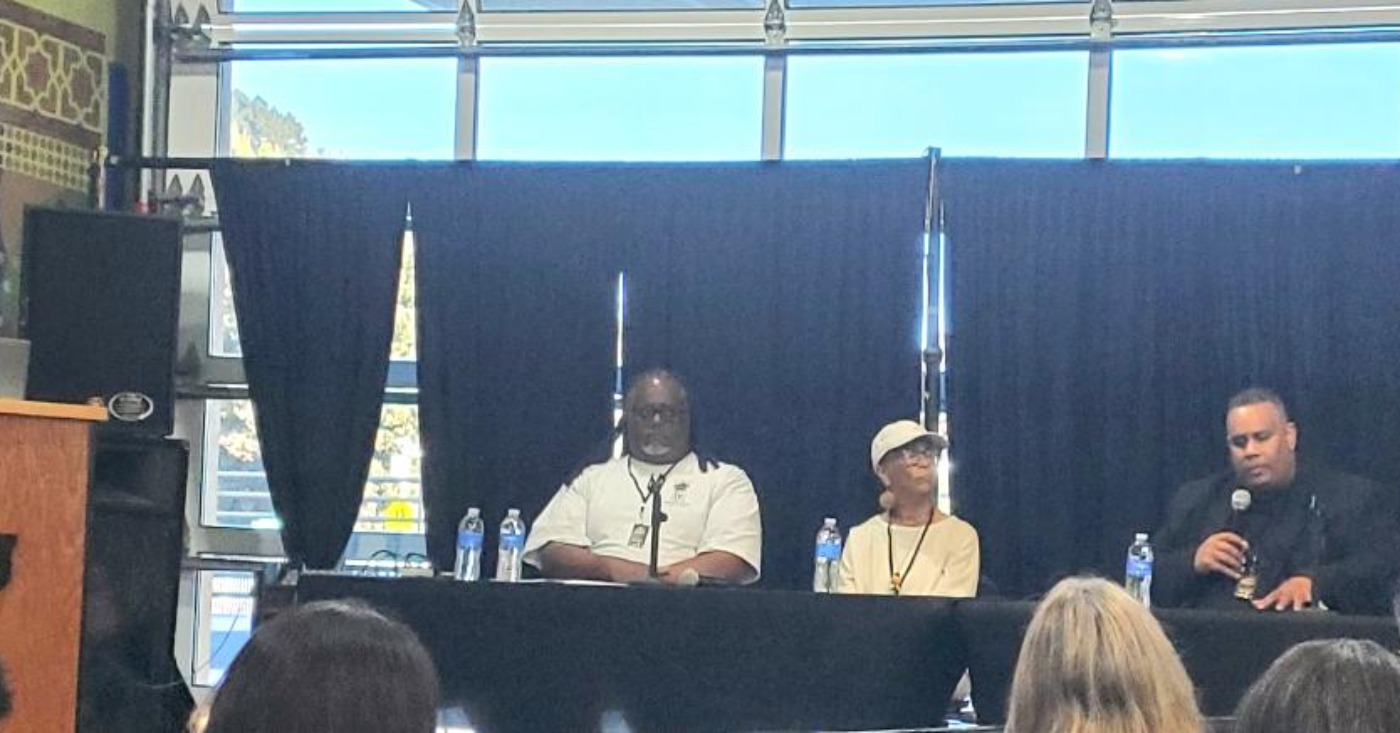
More than 75 people gathered at Youth UpRising in East Oakland on Friday, Sept. 18, for Coliseum 60, a celebration honoring six decades of sports, entertainment, employment and community memories connected to the Oakland-Alameda County Coliseum Complex.
Held 60 years to the day after the Coliseum opened, the event carried the theme, “One Community. One Legacy. One Future. Forward Together.”
The celebration opened with the national anthem performed by sisters Anese Jade, Amina Benjamin and Zaza Benjamin. Diamano Coura West African Dance Company contributed African dance and drumming, bringing movement, rhythm and cultural expression to the program.
A mini documentary highlighted the Coliseum’s sports history and its broader role as an entertainment destination. Archival material recalled performances by Prince and Tina Turner, along with memorable games featuring the Warriors, Oakland A’s and Raiders.
“The Coliseum 60 is about much more than celebrating a building or looking back at 60 years of history,” said event organizer Quixote Atkins of VillageGIVE.
“It’s about the people who made that history possible: the families, workers, athletes, artists, community leaders, fans and generations who gathered there and created memories together.”
A panel exploring that history featured author, historian and former Black Panther Party member Tareka Lewis; stagehand and union representative Keith Brown; and Ray Bobbitt, president of the African American Sports and Entertainment Group AASEG. Lewis described her family as fourth-generation Bay Area pioneers.
“My family and Black families who arrived even earlier helped build the Bay Area, grew businesses and established culture here,” Lewis said. “This should be taught in the public schools.”
Lewis recalled Oakland’s influence on sports, music and literature, from the Raiders’ beginnings at Laney College to stars such as The Pointer Sisters and Rickey Henderson who attended Oakland public schools. She also advocated for school museums, historical timelines, entrepreneurship training and investments benefiting corridors such as Bancroft Avenue and High Street.
Keith Brown, a member of Local 107 of the International Alliance of Theater and Stage Employees (IATSE) who began working at the Coliseum in 2011, remembered the Ringling Bros. and Barnum & Bailey Circus, the Ice Capades, baseball bat giveaways and Nelson Mandela’s 1990 appearance.
“The special events are amazing, but it’s the workers that make the memories real for everyone,” Brown said. “They make the magic happen at the Coliseum.”
The program recognized longtime workers, including beer-stand manager Robert Preston, who served for 40 years, and Kenyatta Gentry, who worked as a vendor for 24 years and used her earnings to purchase her first apartment. Union workers Jose Gonzales and Carmen Sandoval were also honored. Speakers emphasized that Coliseum employment provided generations of residents with union wages and benefits.
Dr. Denise Saddler, the superintendent of the Oakland Unified School District (OUSD) was also honored. Saddler shared her family’s history of working at the Coliseum.
District 7 Oakland City Councilmember Ken Houston discussed the complex ownership arrangements involving the city, county and private interests.
“This was the most complex deal of its kind in the country,” Houston said.
Prior to moving from the East Coast, Alameda County Supervisor and Coliseum Joint Powers Authority Chair Nate Miley recalled learning about Oakland through its three professional sports teams. As an elected official and public servant, Miley fought hard to keep the Golden State Warriors, Oakland As, and the Raiders, but he is hopeful for the future.
“The story is not over for the Coliseum,” Miley said. “We’re entering a new chapter.”
Bobbitt said the departure of three teams had once seemed unimaginable, but he maintained that Oakland’s future remains bright.
“Oakland is a cultural superpower worldwide,” Bobbitt said. “We’re going to write the future where we participate and drive the redevelopment.”
Bobbitt highlighted AASEG’s four-year partnership with Castlemont High School’s architecture program, which engages students in reimagining and creating redevelopment concepts for the Coliseum property. “The youth will always move us forward. They are the future.”
In closing, Atkins said, “September 18 is the celebration, but what we build together afterward is the legacy.”
Black History
At CBCF Conference, a Panel Asks What Black Public Figures Owe the People Who Follow Them
COLUMBUS TIMES — The Congressional Black Caucus Foundation’s Annual Legislative Conference featured a panel titled “Platforms & Purpose: A Conversation With Black Men Leveraging Their Reach.” Actor and activist Kendrick Sampson, Rep. Jasmine Crockett, media personality Jason Lee, singer Eric Benét, and rapper Yung Joc discussed how public figures can translate influence into real-world change.
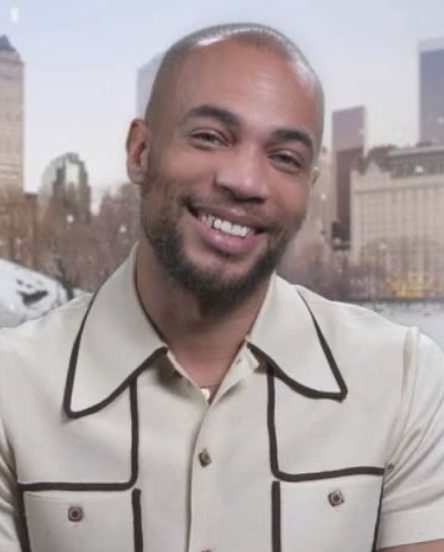
WASHINGTON — Among the more than 100 policy forums and brain trusts at this year’s Congressional Black Caucus Foundation Annual Legislative Conference was a conversation about influence itself: who has it, and what they do with it.
"Platforms & Purpose: A Conversation With Black Men Leveraging Their Reach" brought together actor and activist Kendrick Sampson, Rep. Jasmine Crockett, media personality Jason Lee, singer Eric Benét and rapper and radio host Yung Joc. The session looked at how entertainers, creators and elected officials can turn public attention into real-world change.
The panel took place at the 55th Annual Legislative Conference, a five-day event in Washington that began Wednesday. This year’s theme is "Rooted, Ready & Rising," and the conference coincides with the CBC Foundation’s 50th anniversary. CBCF President and CEO Nicole Austin-Hillery has said the gathering is meant to "combine celebration with purpose," while taking up issues including voting rights, economic opportunity, education, health disparities and criminal justice.
That mix of celebrity and policy is a long-running feature of the conference, which brings lawmakers, advocates, entrepreneurs, students and entertainers into the same rooms. The panel’s premise reflects a broader question as creators reach audiences that rival traditional media.
A career built on both stage and street
Sampson is a natural fit for that conversation. The Houston native is known for television and film work, including HBO’s Insecure, and for his activism off screen. He co-founded BLD PWR, a 501(c)(3) nonprofit that combines entertainment, education and activism.
The organization says its mission is to "reimagine and realize the liberated future we know our people deserve." It works to mobilize entertainment-industry figures and organize communities around racial, gender, immigration, economic and environmental justice, mental health and wellness, and opposition to state violence. BLD PWR emphasizes storytelling and community healing, and it centers the voices of Black, Indigenous and other marginalized communities.
What to watch
The conference runs through Sunday at the Walter E. Washington Convention Center. Details on sessions and registration are available through the CBC Foundation.
Based on reporting by Columbus Times.


Angel Reese Wins 2026 WNBA Defensive Player of the Year

What happens when purpose, leadership and resilience come together?

Car Dealer Add-Ons: What Protections Still STAND? #shorts

Defender Athlete Interview – John Rangel

Defender Athlete Interview – Elijah Eche

Inside a Century of Black Press Archives

The Defender Goes One on One with Congressman Christian Menefee

Demystifying the Retail Installment Sale Contract: Your Guide #shorts

CalAIM Helped Alfred Flores Rebuild His Life. Why Can’t More Californians Access Its Benefits?

Kia Seltos: Advanced Safety & Tech Features Explained #shorts

Latest Massacre in Haiti Reveals Cruelty U.S. Deportations

Black Americans Have Doubts About the U.S. Food System

When Praises Go Up: SUGC Nominated for Prestigious Stellar Award.

Booked and Unbound: The Legacy of Black Women’s Literary Circles

U.S. Sole Nation to Oppose U.N. Resolution Correcting Africa’s Size on World Maps

Prostate Cancer is Twice as Likely to Kill Black Men. Talking to Your Doctor Could Help Save Your Life

Outnumbered: Elbert Cox’s Equation for Greatness

COMMENTARY: Big Mama Said ‘Don’t Let Grief Break the Bank’

U.S. Open Influencers Spark Backlash over Ring Lights, Filming as Gauff and Osaka Speak Out

Passing for White, Fighting for Black America: The Courage of Walter White
What happens when purpose, leadership and resilience come together?
Car Dealer Add-Ons: What Protections Still STAND? #shorts
Defender Athlete Interview – John Rangel
Defender Athlete Interview – Elijah Eche
Inside a Century of Black Press Archives
The Defender Goes One on One with Congressman Christian Menefee
Demystifying the Retail Installment Sale Contract: Your Guide #shorts
Kia Seltos: Advanced Safety & Tech Features Explained #shorts

Carmen Meeks Turns Teachers’ Lessons Into a Legacy | 2026 Education Salute

2 Crucial Bolt EV Interior Details You MUST Inspect! #shorts
-
 Black History5 days ago
Remembering Chauncey Bailey as Student Journalists Face Threats to Truth-Telling
-

 Black Press2 days ago
OP-ED: Haiti TPS: Have We Lost Sense of Humanity?
-

 Black Press5 days ago
Poll: Becerra Widens His Lead Over Hilton; Californians Split on Wealth Tax
-

 Black History5 days ago
COMMENTARY: The Audacity of Joyce Beatty
-

 Featured1 week ago
Headlines and Hotlines 📱
-

 Black History4 days ago
Rulings Leave Questions Lingering in Nolan Wells Case