
Featured
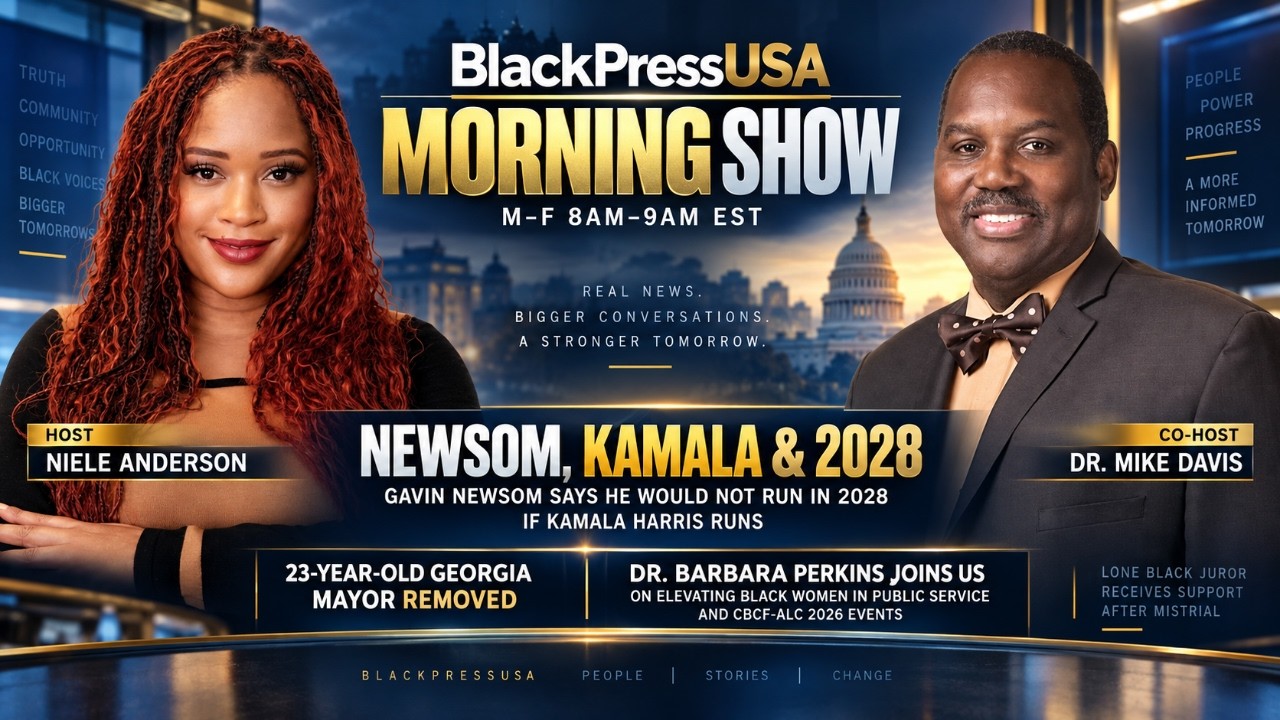
NEWSOM, KAMALA & 2028: THE POLITICAL CALCULUS BEGINS 📱
Newsom on 2028, a mayor’s ousting, and a juror in the spotlight. Plus, building the next generation of Black women leaders.

https://www.youtube.com/watch?v=4iqgJgKKOaQ
This morning on the BlackPressUSA Morning Show, Niele Anderson and Dr. Mike Davis break down the headlines everyone is talking about.
Gavin Newsom says he would stay out of the 2028 presidential race if Kamala Harris runs. A 23-year-old Georgia mayor has been removed from office after a controversy that quickly became national news. And the lone Black juror in the Lindsay Clancy mistrial is now at the center of a growing public debate.
Plus, Dr. Barbara Perkins joins the show to talk about building the next generation of Black women leaders, public service, and the International Black Women’s Public Policy Institute’s plans for CBCF-ALC 2026.
Watch the BlackPressUSA Morning Show, Monday through Friday from 8 to 9 a.m. ET.






Black Press
A Record 216 Firearms Collected at East Oakland Gun Buy-Back Event
The Oakland Police Department and community partners recently hosted the “Guns to Gardens” buyback event, collecting a record 216 firearms. This total marks the largest collection in more than a decade, surpassing the previous high of 130 guns set in 2022. Participants received a total of $18,000 in gift cards for surrendering weapons ranging from compact pistols to military-style assault rifles and ghost gun kits. Officials confirmed that every weapon collected will eventually be repurposed to serve a new community function. Read more.

Over the weekend, the Oakland Police Department (OPD) and community partners hosted “Guns to Gardens,” a gun buyback event with strong community participation. OPD collected a record 216 firearms, exceeding the previous high of more than 130 in 2022 and marking the largest collection in more than a decade.
“Thanks to the generosity of our faith-based coalition, the Kaiser Foundation, and local partners, we distributed $18,000 in gift cards to community members who turned in their firearms,” said Oakland Mayor Barbara Lee.
The buyback follows the graduation of the 197th academy of Oakland Police Department (OPD) cadets on Nov. 6. The nine cadets are already making their mark connecting with residents, honoring the department’s history, and supporting department events.
In their first month, the Cadets helped clean the Remember Them monument at Henry J. Kaiser Memorial Park. They learned about Oakland Police Officer John Grubensky, who died in the line of duty while guiding community members to safety during the Oakland Hills Fire and is honored on the monument.
The Cadets handed out candy at OPD’s annual Trunk or Treat celebration and helped with the 197th Police Academy graduation ceremony.
Most recently, the Cadets participated in an inspection and pinning ceremony, marking another milestone in their development and service to our community.
OPD thanks Kaiser Permanente and PG&E for their donations, which led to the reinstatement of the Cadet Program. This program offers young people ages 15½ to 20½ opportunities to engage with their community, gain experience, and explore careers in public safety.
But it was the veteran officers that handled the buyback at St. Benedict’s Catholic Church at 2245 82nd Ave.in East Oakland.
The weapons collected on Nov. 14 ranged from compact pistols to assault weapons. One participant also surrendered equipment used to create homemade firearms, commonly known as “ghost guns.”
“I was shocked to see the number of assault weapons, military-style firearms, and ghost guns turned in,” said Oakland Police Chief James Beere. “Every firearm removed from our streets is one less that could be used in a shooting or other act of violence. By choosing to turn in unwanted guns, we help protect our neighborhoods and ultimately save lives.”
OPD and Lee thanked the community partners, volunteers, and participants for their continued support in this effort.
“Every single gun collected will be transformed into garden tools and given back to the community at future events,” said Lee. “A huge thank you to everyone who participated, our dedicated partners, and OPD for making Oakland safer.”
Paul Chambers is the strategic communications manager for the Oakland Police Department.
Black Press
A Record 216 Firearms Collected at East Oakland Gun Buy-Back Event
The Oakland Police Department and community partners recently hosted the “Guns to Gardens” buyback event, collecting a record 216 firearms. This total marks the largest collection in more than a decade, surpassing the previous high of 130 guns set in 2022. Participants received a total of $18,000 in gift cards for surrendering weapons ranging from compact pistols to military-style assault rifles and ghost gun kits. Officials confirmed that every weapon collected will eventually be repurposed to serve a new community function. Read more.
Over the weekend, the Oakland Police Department (OPD) and community partners hosted “Guns to Gardens,” a gun buyback event with strong community participation. OPD collected a record 216 firearms, exceeding the previous high of more than 130 in 2022 and marking the largest collection in more than a decade.
“Thanks to the generosity of our faith-based coalition, the Kaiser Foundation, and local partners, we distributed $18,000 in gift cards to community members who turned in their firearms,” said Oakland Mayor Barbara Lee.
The buyback follows the graduation of the 197th academy of Oakland Police Department (OPD) cadets on Nov. 6. The nine cadets are already making their mark connecting with residents, honoring the department’s history, and supporting department events.
In their first month, the Cadets helped clean the Remember Them monument at Henry J. Kaiser Memorial Park. They learned about Oakland Police Officer John Grubensky, who died in the line of duty while guiding community members to safety during the Oakland Hills Fire and is honored on the monument.
The Cadets handed out candy at OPD’s annual Trunk or Treat celebration and helped with the 197th Police Academy graduation ceremony.
Most recently, the Cadets participated in an inspection and pinning ceremony, marking another milestone in their development and service to our community.
OPD thanks Kaiser Permanente and PG&E for their donations, which led to the reinstatement of the Cadet Program. This program offers young people ages 15½ to 20½ opportunities to engage with their community, gain experience, and explore careers in public safety.
But it was the veteran officers that handled the buyback at St. Benedict’s Catholic Church at 2245 82nd Ave.in East Oakland.
The weapons collected on Nov. 14 ranged from compact pistols to assault weapons. One participant also surrendered equipment used to create homemade firearms, commonly known as “ghost guns.”
“I was shocked to see the number of assault weapons, military-style firearms, and ghost guns turned in,” said Oakland Police Chief James Beere. “Every firearm removed from our streets is one less that could be used in a shooting or other act of violence. By choosing to turn in unwanted guns, we help protect our neighborhoods and ultimately save lives.”
OPD and Lee thanked the community partners, volunteers, and participants for their continued support in this effort.
“Every single gun collected will be transformed into garden tools and given back to the community at future events,” said Lee. “A huge thank you to everyone who participated, our dedicated partners, and OPD for making Oakland safer.”
Paul Chambers is the strategic communications manager for the Oakland Police Department.
Black Press
City Council Hearing Shines a Light on Failures of City’s Prompt Payment Policy
Oakland’s Finance and Management Committee recently held a hearing to address systemic failures in the city’s Prompt Payment Policy, which mandates that vendors be paid within 20 business days. Despite official reports claiming a 96% success rate, local business leaders and Councilmember Janani Ramachandran argue the data ignores the struggles of small firms and nonprofits. Many contractors reported waiting months or even a year for compensation, forcing some to take out loans to survive. Community leaders are now demanding greater accountability for department heads to ensure the city’s business community remains viable. Read more.
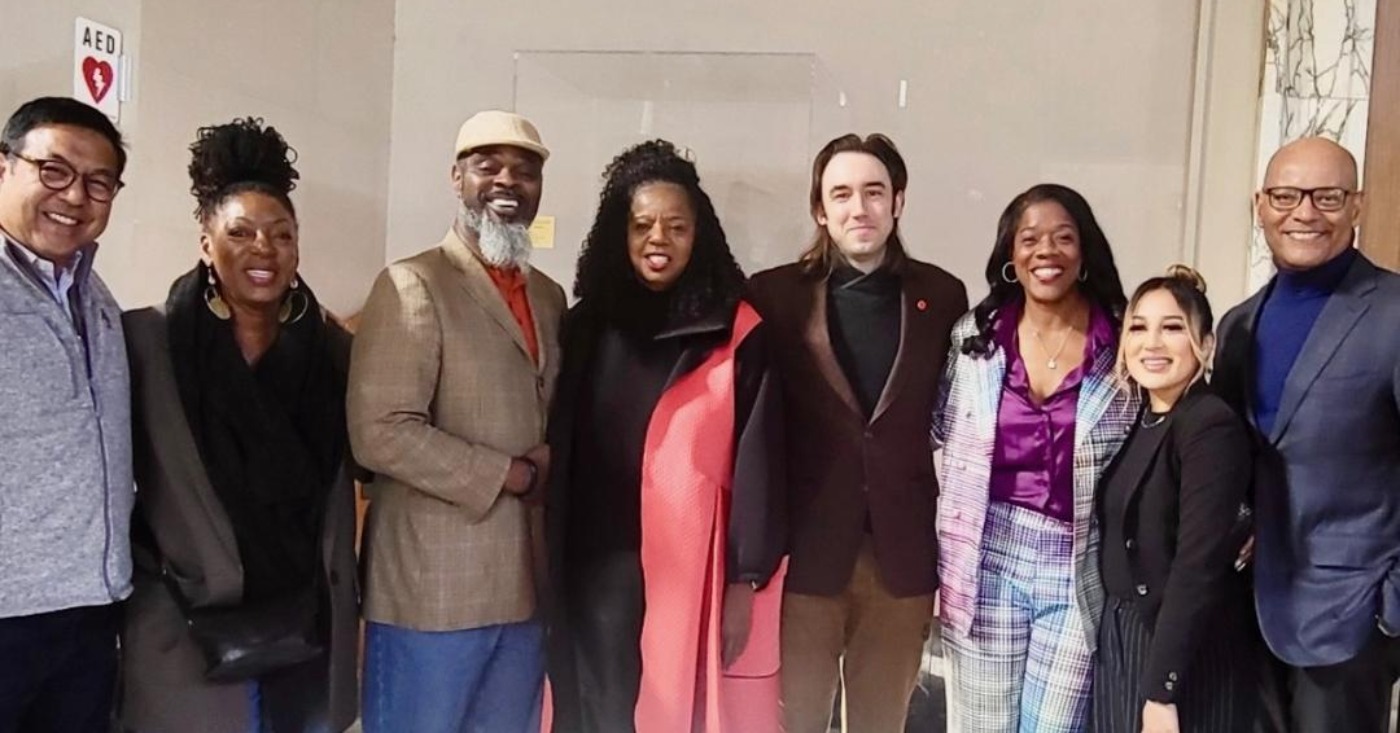
For years, many small businesses and nonprofits have not been paid on time
A City Council hearing this week shined a light on the shortcomings of the implementation of Oakland’s Prompt Payment Policy, which requires the city to pay vendors and consultants within 20 business days for work done for the city.
The hearing, led by Councilmember Janani Ramachandran at the City Council’s Finance and Management Committee on Tuesday, was a discussion of the track record of implementation of the Prompt Payment Policy, which was enacted in 2008 as part of the Oakland Municipal Code to ensure that local vendors are paid promptly and to “increase local business contracting opportunities with the city,” according to a city report.
In 2014, the ordinance was extended to cover local grant recipients.
Ensuring that this policy lives up to its promise is a crucial part of the city’s pledge in the wake of the findings of a Disparity Study in 2024 to end decades of discrimination preventing Black-owned, women-owned, and other small local businesses from obtaining contracts in their own hometown.
“Small businesses are the lifeblood of our city: timely payment is critical for small businesses and nonprofit organizations that provide direct services to our youth and young adults that are typically underfunded and rely on predictable cash flow to sustain operations,” said Ramachandran in a memo requesting a report from city staff on the implementation of the Prompt Payment Policy.
Many small businesses and nonprofits have complained loudly for years that they have not been paid on time. Though the city has produced a report that says over the past five years 96% of vendors were paid promptly, there are concerns that the report did not focus sufficiently on the treatment of small businesses and nonprofits.
In addition, the report did not cover whether subcontractors are paid promptly. A vast majority of the city’s contracts go to a handful of large “prime” contracts, and many small companies perform work as subcontractors of the larger firms.
Speakers at Tuesday’s hearing reported that small companies and nonprofits have not been paid for months or for as long as year, forcing them to take out loans or go out of business while waiting to be reimbursed for costs for employees and resources for work already completed.
City staff did acknowledge that at present the city does not track whether “prime” contactors pay their subcontractors on time.
Speaking at the hearing, Councilmember Ken Houston said that the failure to pay on time has been an issue in the city for at least 15 years.
Cathy Adams, president and CEO of the Oakland African American Chamber of Commerce and representing the Oakland Business Coalition and city’s multi-cultural chambers of commerce, said, “Our small businesses deserve to be paid on time for work they have already performed.”
“(The staff report) does not tell the whole story because the city does not track payment to subcontractors,” she said. “Our (small) businesses cannot operate on promises. They have employees to pay, insurance to maintain, suppliers to compensate, and families dependent on them. When payments are delayed, businesses suffer. Some may not survive.
“Accountability requires prime contractors to pay their subcontractors promptly with clear payment requirements written into every contract (with the city),” she said.
In a statement to the Oakland Post, Adams said, “The City must conduct a comprehensive audit of every department to identify operational failures, inadequate staffing performance, and breakdowns in management oversight.”
“Department heads must be held accountable, and employees who consistently fail to perform their responsibilities must face corrective action, including termination when warranted,” she continued. “Our businesses deserve to be paid promptly for work performed. We are not asking for special treatment; we are demanding fair treatment.”
“Under Mayor Barbara Lee’s leadership, Oakland is moving in the right direction, but we cannot allow bureaucratic failures to undermine our business community,” Adams said.
Black History
IN MEMORIAM: Claude T. Everhart, San Francisco’s First Black Deputy Mayor, Dies at 73
Claude T. Everhart, the first African American deputy mayor of San Francisco and a dedicated community advocate for five decades, passed away on October 27 at the age of 73. A former member of the Black Panther Party, Everhart rose from community organizing to serve as chief of staff for Mayor Art Agnos, where he helped lead the city through the aftermath of the 1989 Loma Prieta earthquake. His career spanned significant roles in youth development and municipal policy. Visit BlackPressUSA.com to read more.
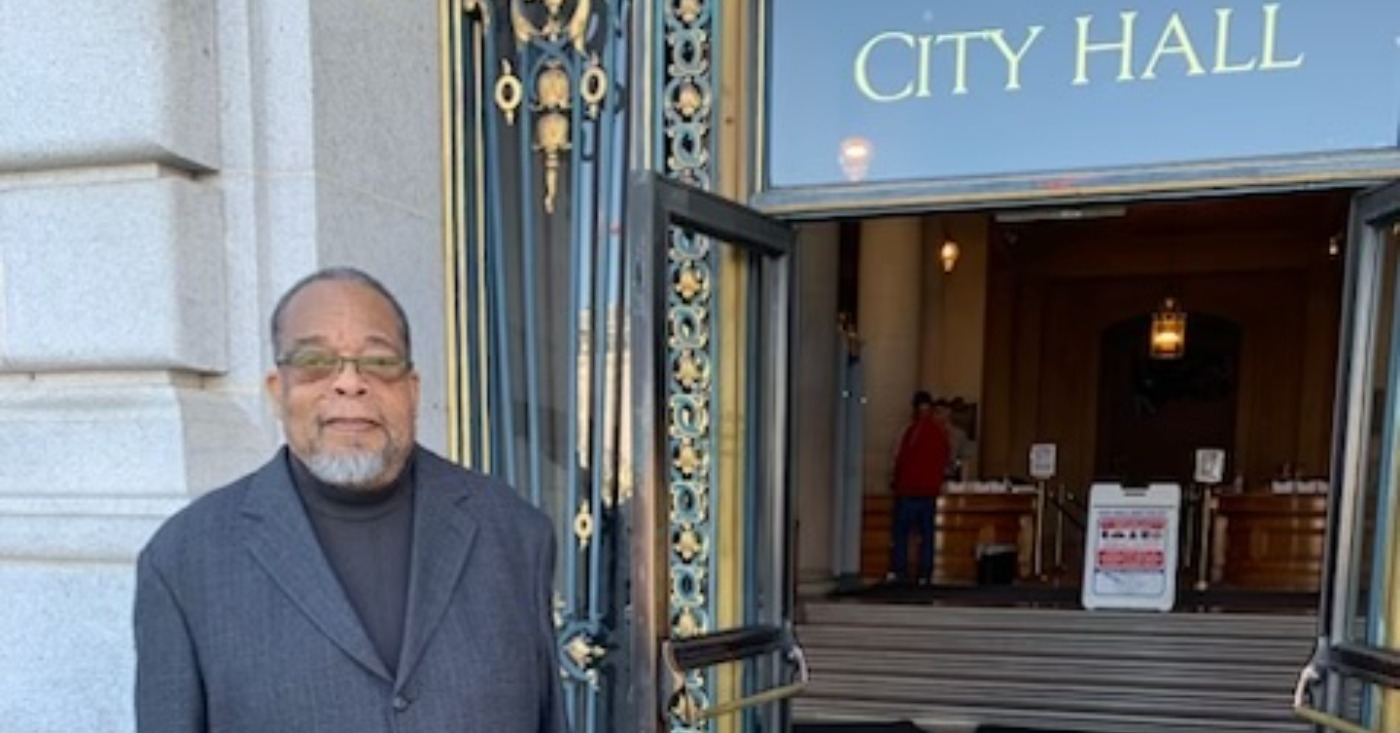
Claude T. Everhart, first African American deputy mayor and chief of staff to former San Francisco Mayor Art Agnos who served working families and communities of color for 50 years, died on Oct 27 in Oakland. He was 73.
“Claude Everhart was… He was the engine room of our administration’s most significant efforts to improve the lives of our city’s most underserved populations San Francisco has lost a true champion of the people, and I have lost a very dear friend and a trusted partner,” Agnos said in a statement.
Born in San Francisco in 1952, Everhart graduated from Lowell High in ’70. As a student, he was involved in the Black Panther Party, participating in various demonstrations, the San Francisco State College strike, and the Party’s Free Breakfast Program.
As a teen, he led the Oceanview–Merced–Ingleside Community Organization, created summer jobs for youth, and opened a group home as an alternative to incarceration.
In 1974, he became the first executive director of Young Community Developers (YCD) The program was founded by a group of young Black activists who pushed City Hall for funding to train residents for jobs at the Hunters Point Naval Shipyard.
More than 50 years later, YCD is still providing job readiness training, reentry services for formerly incarcerated adults, and youth programming, and Everhart remained on the board into recent years.
Everhart joined Agnos’ staff in 1976, became his chief of staff and then executive deputy mayor when Agnos was elected mayor in 1988.
In that role, he was part of the leadership team that led San Francisco through the October 17, 1989, Loma Prieta earthquake (the city’s worst since 1906). The administration rebuilt the damaged infrastructure and decided to take down the quake-damaged Embarcadero Freeway, thereby opening the waterfront. They would not move the unhoused people displaced from the damaged shelters until new housing was available, and they created “Beyond Shelter,” which became a nationally recognized network of multi-service centers for the unhoused.
He took a few unpopular stands on behalf of the disadvantaged. He fought against the homeporting of the USS Missouri at Hunters Point on grounds of gentrification, demanded a full clean-up of the yard, and pushed for investigations and redress in the wake of allegations of racial discrimination in both the Police and Fire Departments.
He was instrumental in setting up the Mayor’s Office of Youth and Children’s Services, helped to divest the city’s retirement system from South Africa, brought a supermarket to Hunters Point, and worked to increase city contracting with minority-owned businesses.
He later served as a VP at Waste Management of Alameda County and as a political consultant to several people, including former Oakland Mayor Elihu Harris and San Francisco Assessor Doris Ward.
His legacy lives on through Jelani House (the family recovery and counseling program named for his late son), of which he was a board member and at the Ella Hill Hutch Community Center in the Fillmore, a long-standing youth and community center with a mural on the building in his honor.
Everhart is predeceased by his son Jelani. He is survived by his wife of 51 years, Sandra, and daughter, Maisha.
A memorial service will be held on Nov 23 at 11 a.m. at Jones Memorial UMC, 1975 Post St., San Francisco, CA 94115. In lieu of flowers, the family asks that donations be made to Young Community Developers and Jelani House.
Darolyn Davis is the president and CEO of D&A Communications.

Black Press
UC Doctors, Nurses and Community Rally to Demand ICE Out of UC Hospitals
A coalition of University of California resident physicians and nurses rallied outside the Board of Regents meeting in San Francisco this week to demand the removal of immigration enforcement from UC hospitals. Supported by organizations including the California Nurses Association and SEIU, the protesters called for systemwide protocols to protect patient privacy and worker safety. Organizers argue that the presence of federal agents undermines medical trust and compromises care for vulnerable populations. The coalition is now urging university leadership to implement specific transparency measures and updated guidelines to read more.
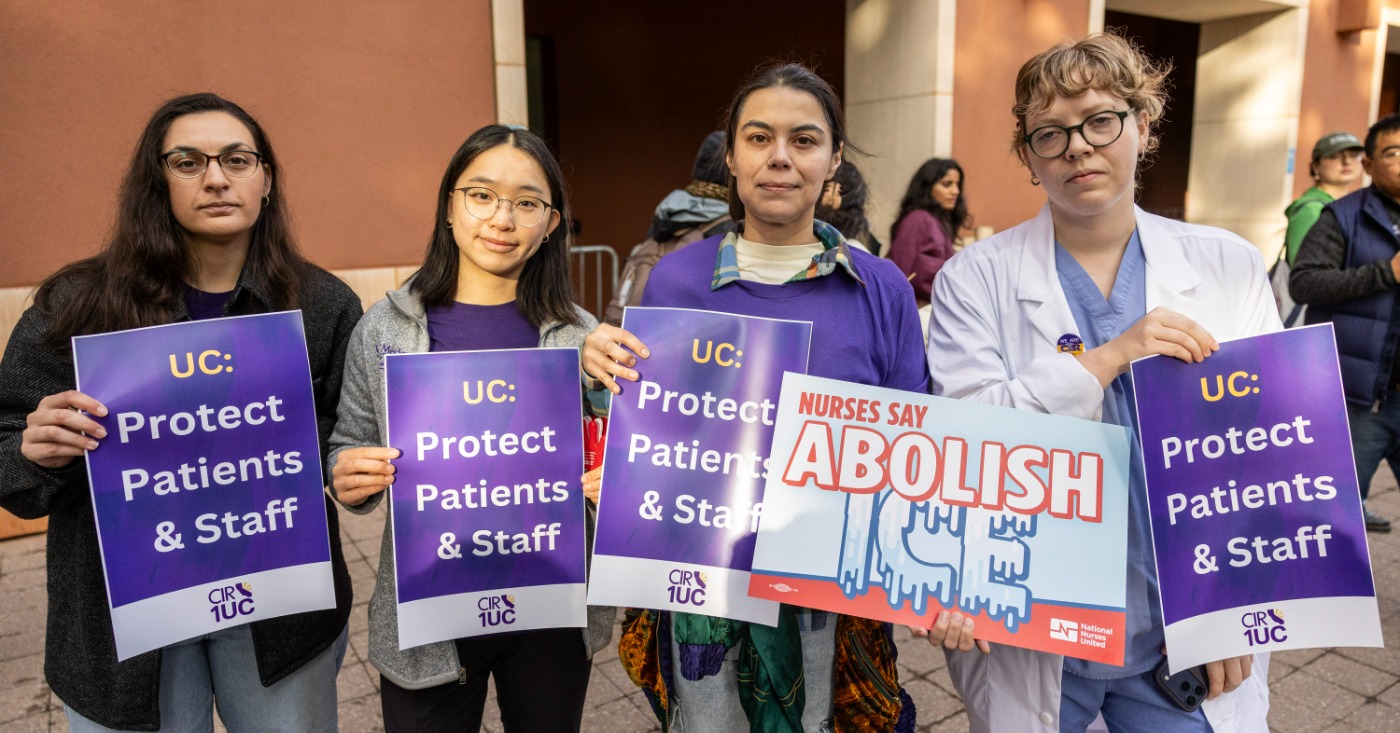
Alongside community members, a coalition of resident physicians and nurses from across the University of California rallied this week outside the Board of Regents meeting in San Francisco demanding that UC get ICE out of its hospitals and establish clear, systemwide protections for patients and healthcare workers.
Hundreds of emails have been sent to the Board of Regents and UC President James Milliken reiterating the need for a comprehensive policy and protocol. The email action is cosponsored by the Committee of Interns/Service Employees International Union (CIR/SEIU), the California Immigrant Policy Center, California Nurses Association, and United Auto Workers 4811, according to a press release issued by protest organizers.
These actions on Tuesday, Nov. 17, were part of a growing campaign to ensure UC hospitals remain places of healing, dignity, and confidential medical care for everyone, regardless of immigration or custody status, the press release said.
Currently, a lack of clear, consistent protocols and staff training for situations involving patients in immigration enforcement custody at UC Health facilities creates confusion, safety risks, and the potential for violations of patients’ rights. Healthcare workers need clear guidance to protect patient privacy, uphold legal rights, and provide appropriate medical care.
“As doctors, the well-being of the people we serve is our utmost priority. The presence of immigration enforcement in our hospitals undermines our ability to provide care and impedes patients from receiving proper, dignified treatment. UC must take action now to protect patients and staff,” said Dr. SatKartar Khalsa, CIR-SEIU regional vice president.
The presence of immigration enforcement officers in healthcare settings can interfere with medical examinations and treatment, compromise patient confidentiality, and undermine trust between patients and providers. Patients in immigration custody may face barriers to contacting family, accessing support services, and participating in decisions about their care. Healthcare workers also report fears of unsafe working conditions, racial profiling, and retaliation for advocating for their patients.
“Nurses demand that our hospitals must be places of healing and safety and completely off limits to any sort of ICE or federal immigration agent presence,” said Jamile Cabacungan, a medical-surgical-telemetry RN at UCSF Stanyan Hospital. “From the start of this cruel and unnecessary deportation program, nurses have been educating ourselves and our patients to know and exercise our rights, and we even sponsored state legislation to keep ICE out of our hospitals. Our employer UC must step up and proactively do everything possible to support us and our ability to provide safe care to our patients and communities.”
The coalition calls on UC leadership to:
- Protect patient privacy and dignity by limiting ICE access to patient care areas and safeguarding confidential patient communications.
- Uphold patients’ rights and continuity of care, including access to certified medical interpreters, family notification, surrogate decisionmakers, social services, legal support, and safe disposition planning.
- Protect healthcare workers from racial profiling and retaliation for advocating for immigrant patients.
- Establish clear protocols and staff training for responding to immigration enforcement activity in hospitals.
- Ensure transparency and accountability, including information about federal immigration agents’ visits to UC hospitals over the past year.
- Meet with union representatives to address healthcare workers’ concerns and develop effective protections.
The coalition is urging – at a minimum – for UC to adopt the updated California Attorney General guidelines, with stronger protections modeled on comprehensive immigrant rights policies. These protections must include practical protocols, staff training, clear lines of responsibility, and accountability for implementation.
Black Press
Hypertension and Heart Disease: Doctors, Advocates and Patients Are Tackling the Leading Cause of Death for Black Californians
Cardiovascular disease remains the leading cause of death for Black Californians, who experience stroke and hypertension at significantly higher rates than the state average. While personal lifestyle changes such as improved diet and exercise are vital, many patients find that individual efforts are not enough to manage the “silent killer.” Data from the 2026 California State of Public Health Report reveals that the cardiovascular death rate for Black residents is 1.6 times the statewide average, a disparity experts attribute to a combination of traditional risk factors and systemic medical challenges.
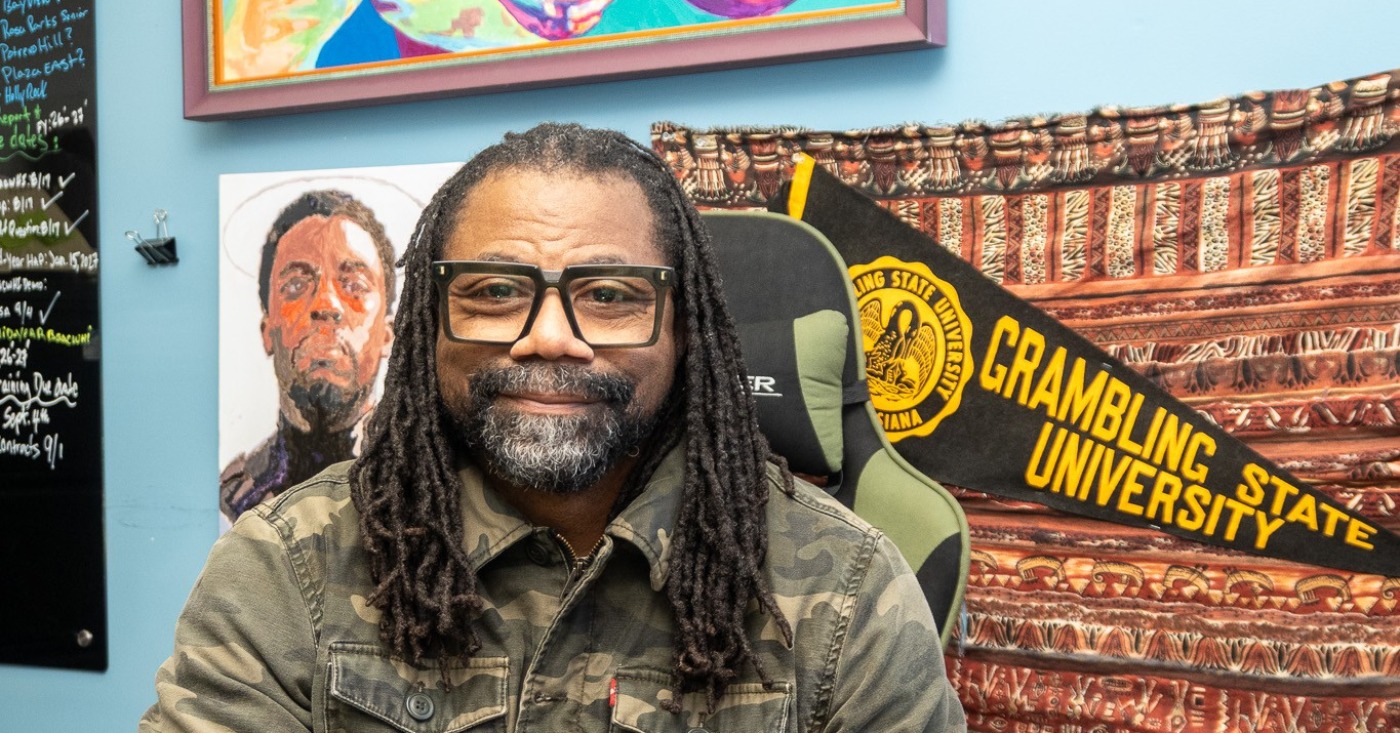
Andre Aikins, 55, serves as director of programs at the San Francisco-based Rafiki Coalition for Health and Wellness, an organization dedicated to improving health outcomes in the Black community.
For Aikins, that work is personal.
His father and older brother died from preventable illnesses in their late 50s, he said. So, when Aikins learned he had high blood pressure and borderline diabetes, the diagnosis came as a shock — especially since he took pride in his healthy and active lifestyle.
“For a while, I refused to believe it and tried to deal with it my own way,” recalled Aikins, a former math teacher and assistant principal. “After going to the doctor a couple of times, I was told it wasn’t getting better, so I had to take prescription drugs, and I had to eat differently.”
Those changes paid off, said Aikins.
“Blood pressure? Perfect. All my health indicators, including blood glucose, are below the range for diabetes.”
But for some Black Californians, taking medication and adopting healthier habits aren’t enough. Getting the right medical care can be just as critical.
Chris Goodloe, an Inland Empire resident, was doing everything right. He exercised, ate healthy foods and took his prescribed medications. Yet his blood pressure remained stubbornly high.
Frustrated with what he perceived as inadequate care at his local Kaiser Permanente facility, Goodloe sought help from a Black female doctor in Murrieta after experiencing a panic attack.
That decision, he said, made all the difference.
The doctor referred him to a specialist who prescribed a diuretic to help control his blood pressure. Goodloe credits that breakthrough to finding a physician who listened.
“I hate to make this about race, but if I hadn’t seen the Black lady in Murrieta I would have never gotten to a specialist,” he said.
Goodloe’s experience underscores how access to attentive, effective medical care can shape health outcomes, particularly for Black patients navigating a health care system in which disparities persist.
Those disparities are especially troubling when it comes to cardiovascular disease, a leading cause of death among Black Californians.
According to the2026 California State of Public Health Report, Black Californians have the highest reported stroke prevalence, and their cardiovascular disease death rate is 1.6 times the statewide average. Additionally, 2023 Centers for Disease Control and Prevention survey data show that Black Californians had the highest prevalence of hypertension among racial and ethnic groups in the state.
Dr. Powell Jose, a Northern California-based Sutter Health cardiologist and heart disease researcher, said high rates of hypertension remain a significant challenge in the Black community. A Sutter Health study found that Black patients under 50 had the highest rates of heart disease, stroke and heart failure compared with other groups, he said.
“When we dug into why that was the case, it was mostly related to traditional risk factors not being well controlled,” Jose explained.
Experts say those findings are particularly concerning because hypertension is a major contributor to cardiovascular disease. Left untreated, high blood pressure damages blood vessels over time, significantly increasing the risk of stroke, heart attack and heart failure.
Dr. Alexis Simpkins, a vascular neurologist at Cedars-Sinai Medical Center in Los Angeles who specializes in stroke care and cerebrovascular disease, said many people don’t know they have hypertension because they aren’t routinely screened.
“Hypertension is often called the ‘silent killer,’” she said. “High blood pressure is the number one preventable risk factor for heart disease and stroke. Hypertension is treatable. The goal is detecting it and managing it before a serious event happens.”
Aikins pointed to diet, lack of exercise and mental well-being as factors contributing to the disproportionate burden of cardiovascular disease among Black Californians. He also said reluctance to seek medical care can compound those risks.
“When you go to the doctor, most of the time we say, ‘I’m okay,’ unless we are on our deathbed,” Aikins said. “We don’t get regular checkups unless our arm is falling off.”
Simpkins, an American Heart Association (AHA) volunteer expert, said the exact cause of “essential hypertension” is unknown. Rather than focusing on a single cause, she encourages patients to follow the AHA’s Life’s Essential 8 framework, which emphasizes healthy eating, physical activity, quality sleep, avoiding tobacco, managing cholesterol and blood sugar, maintaining a healthy weight and controlling blood pressure.
But as Goodloe’s experience illustrates, personal responsibility is only part of the equation. How the health care system responds to patients with uncontrolled hypertension can be equally important.
Dr. Steven W. Chen, associate dean of clinical affairs and professor at the USC Mann School of Pharmacy and an AHA volunteer expert, said patients can struggle with uncontrolled hypertension and other chronic conditions even after months of visits with primary care providers.
Chen described a problem known as “treatment inertia,” in which patients repeatedly visit doctors with elevated blood pressure but leave without adjustments to their treatment.
“We have plenty of medications, all generic and inexpensive, widely available,” he said. “They’re just not being deployed well. That’s a fault of our system.”
To illustrate how more proactive care can improve outcomes, Chen pointed to a Los Angeles program led by the late Dr. Ronald Victor that brought pharmacists into Black barbershops to help patrons manage hypertension.
According to Chen, “About 90% of participants receiving the pharmacist-led intervention achieved blood pressure control, compared with 32% of those receiving usual care.”
Chen said Victor’s “secret sauce” was a poster featuring a patient’s photograph and testimonial that connected blood pressure management to personal goals and family milestones.
“It wasn’t medical,” Chen explained. “It was about things like, ‘I want to be there when my kids graduate from high school, when my daughter gets married. The things you don’t really think about so much, but when you start to put it together, it is what motivates you. That was remarkably effective at engaging participants.”
Other health systems are also exploring ways to improve hypertension treatment and eliminate gaps in care.
A March study led by the University of California, San Francisco, found that the UC health system’s use of the UC Way Hypertension Medication Algorithm helped thousands of patients achieve better blood pressure control.
Dr. Sandeep P. Kishore, an internist and associate professor of medicine at UCSF, said the program helped about 4,860 people control their blood pressure, with an estimated 72 strokes, 48 heart attacks and 38 deaths averted.
The tool provides clinicians with a step-by-step approach to medication adjustments and recommends closer patient follow-up. Between 2023 and 2025, blood pressure control among Black patients increased from 63.4% to 67.3%, while control across all patients rose from 68.5% to 73.9%.
“Nationally, we know Black patients are more likely to experience therapeutic inertia, where blood pressure stays high, but treatment isn’t intensified or changed,” Kishore said. “The UC algorithm gives clinicians a clear, science-backed next step and recommends faster follow-up, measurement, and clinical action, so patients reach their goals sooner.”
Jose said Sutter Health has expanded remote monitoring programs that equip patients with wireless blood pressure cuffs and connect them with pharmacists who review readings and can adjust medications remotely.
Another option for patients whose hypertension remains difficult to control is renal denervation, a procedure that targets nerves surrounding the arteries supplying the kidneys to help lower blood pressure.
“I’ve had Black patients go through this procedure successfully, cut back on their medications, and have better blood pressure control,” Jose said.
Jose also recommended that people have their lipoprotein(a), or Lp(a), levels checked at least once in their lifetime because elevated levels increase the risk of heart disease and stroke.
Simpkins emphasized that regular screening remains essential because patients cannot manage hypertension if they don’t know they have it.
“High blood pressure is one of the most important risk factors we can intervene on,” she said.
“Even if prevention isn’t possible, we know how to manage hypertension effectively. We need to make sure it doesn’t become a barrier to quality of life.”
At the community level, organizations such as the Rafiki Coalition are working to make prevention and early detection more accessible. The San Francisco nonprofit hosts events throughout the Bay Area to educate Black residents about health risks and encourage regular checkups.
This month, Aikins said, the organization plans to offer blood pressure screenings at a community event.
For Aikins, whose family history underscores the potentially devastating consequences of chronic illness, the message is simple: Take action before a health problem becomes a crisis.
“Don’t take your health for granted,” Aikins said. “Engage in preventive measures. When something doesn’t feel right, get it checked out. Don’t wait until you’re bedridden.”



A Record 216 Firearms Collected at East Oakland Gun Buy-Back Event

A Record 216 Firearms Collected at East Oakland Gun Buy-Back Event

City Council Hearing Shines a Light on Failures of City’s Prompt Payment Policy

IN MEMORIAM: Claude T. Everhart, San Francisco’s First Black Deputy Mayor, Dies at 73

UC Doctors, Nurses and Community Rally to Demand ICE Out of UC Hospitals

Hypertension and Heart Disease: Doctors, Advocates and Patients Are Tackling the Leading Cause of Death for Black Californians

Marin City Is Especially Vulnerable to El Niño High Tides, Strong Winds, Flooding and Power Outages

‘We’re Committed to Delivering the Change that the American People Deserve’

PRESS ROOM: Governor-Elect Byron Donalds Announces Leadership Team for 2027 One Florida Inauguration

COMMENTARY: Historic Elections Bring Joy to an Embattled Nation

HISTORY MADE: Keisha Lance Bottoms Becomes First Black Woman Elected Governor in American History

Secretary of State Shirley Weber Pushes Back Against DOJ Demands Over California Voter Rolls

Retirement Triggers Doctor to Pen Book for Young Audience

Capturing Black Life’s Beauty

Multi-Faith Leaders Representing 10 Million People Launch National Anti-Authoritarian Initiative

Christianity’s Racial History

Hundreds of Black Christian Leaders Arriving in Israel for Martin Luther King-Inspired Mission

Oakland Honors 60 Years of the Black Panther Party at the All Power to the People Gala

Message from the Associate Editor: Blindness, Hurts, Cops

Michael Shiner: The Enslaved Man Who Wrote His Way into American History

Delay Motherhood: What you need to know about egg freezing

Car Buying Tips: 5 Steps to Get a Better Deal #shorts

Massive Chevy Tahoe Interior Tour: The Cup Test Challenge #shorts

Scott Colom’s Nike Challenge Goes National, Freshman Democrats Get a Surprise 📱

Scott Colom’s Nike Challenge Goes National, Freshman Democrats Get a Surprise

MLGW offers up to $7,500 per home to help builders connect to the grid

San Diego Black Judges: A Historic Shift on the Bench

She’s Turning Her Ovarian Cancer Story Into a Lifesaving Mission #shorts

Tahoe 15-Inch Head-Up Display: Can You Read It in Sunlight? #shorts

MC Scat Cat: The Story Behind Paula Abdul’s No. 1 Hit #shorts
-
 Black Press1 week ago
OP-ED: Closing the Next Digital Divide — Communities of Color Must Have a Voice in the AI Future
-

 Black History1 week ago
New NAACP Report Warns AI Could Deepen Health Disparities in Black Communities
-

 Black Press7 days ago
COMMENTARY: Thank You, Trump, for Making America Great Again!
-

 Black History1 week ago
“Blue Tsunami” Sweeps Georgia, Bottoms Makes History
-

 Black Press6 days ago
Black Men Encouraged to Start Prostate Cancer Screening at 45
-

 Black Press1 week ago
OP-ED: And Then What?
