
Business
Women Are Changing the Face of the Once Male-Dominated Funeral Industry
NNPA NEWSWIRE — “It’s far more than a job, it’s all-day, it’s emotional and it’s far more than you just go to work and come home and that’s it,” said Alyssa George, who just finished her internship on her way to becoming a funeral director.


By Stacy M. Brown, NNPA Newswire Correspondent
@StacyBrownMedia
For many, when there’s mention of singer Monica Brown, her hit songs like “The Boy is Mine,” and “Miss Thang,” might come to mind first.
For others, her stellar acting career with small and big roles in “New York Undercover,” “Living Single,” and the 2018 reality television show “T.I. and Tiny Family and Friends Hustle,” also come to mind.
But, it’s Brown’s other profession that – until recently – received little fanfare.
“When I’m there, I’m not ‘Monica the artist,’” Brown said on a recent broadcast of her reality show. “I’m a mortician.”
The 38-year-old Grammy and Billboard Award winner is among a growing number of women who are beginning to overshadow the typical “man in the black suit” funeral director.
“It’s far more than a job, it’s all-day, it’s emotional and it’s far more than you just go to work and come home and that’s it,” said Alyssa George, who just finished her internship on her way to becoming a funeral director.
George works under Patricia Marchesani, the funeral director, owner and supervisor at McCausland, Garrity, Marchesani in Glenolden, Pennsylvania.
She’s one of several in Delaware County.
“I definitely think the profession is changing. It’s more female than it’s ever been, and I really can’t tell you why; maybe it’s because we didn’t have a way in earlier, but it seems like we’re doing a lot of good work now,” George said.
Funeral directors, also sometimes referred to as undertakers or morticians, help families plan funeral services. They then carry out those services, according to a job description on study.com.
Most funeral directors are practicing embalmers, which means that they prepare and preserve the body before internment.
Common duties of funeral directors include meeting with families, helping families plan services, embalming and preparing bodies, planning and organizing wakes and memorial services, placing obituary notices in newspapers and handling paperwork.
To become a funeral director, individuals need to complete a 2- or 4-year program in mortuary science. Typical courses in such a program include physiology, anatomy, embalming techniques, pathology, restorative art, accounting and client services.
All 50 states also require funeral directors to be licensed, which generally requires at least two years of education, one year of apprenticeship and a passing score on a state examination, according to study.com, which notes that the U.S. Bureau of Labor Statistics projects employment to grow in that field by 7 percent through 2024.
Because funeral directors, whose median income is $48,490 annually, interact with the families of the deceased, it’s important that they are compassionate and empathetic.
“You have to be able to put yourself out there and understand that you have to put other people’s needs before your own,” George said. “It’s not to be taken lightly where you can just jump into the profession just because it might be a steady career or a good job because there’s so much more.
“You have to understand your community and be a huge part of that community and you have to be giving by nature because that’s what you’re doing, giving.”
In a published interview earlier this year, Jan Smith, a funeral director in Indianapolis and a spokeswoman with the National Funeral Directors Association, said she’s been in the business 20 years and recalled that there were just a few women then.
“Today… more than 60 percent of students are female,” Smith said.
“Women bring a level of compassion. For me to sit down with a mother who lost her child, I can connect on a different level than a man can, just being a mother myself,” she said.
Elizabeth Fournier of Cornerstone Funeral Services in Boring, Oregon, has served as the one-woman funeral service in that town for 13 years although she started in the industry nearly 30 years ago.
“When I first stepped into this industry, I was a 22-year old woman and no one else in the place resembled me. It was very uncommon to find a young woman in this profession as it was primarily men or sons of funeral home owners who followed in the footsteps of their father,” Fournier said.
“As you are aware, this has changed throughout the years. Our local mortuary college had nearly every seat filled by a female student. And it is the females who are getting a hold of me to apprentice or to learn from a woman who has been in this industry since the old boy network,” she said.
The reason for the shift is because of where we are as a culture, Fournier continued.
“I happen to be in Oregon where the cremation rate is 80 percent. This means a woman doesn’t have to go to school to become an embalmer; she can just meet with families and stay in the funeral home,” she said.
“Also, a lot of funeral homes are no longer the large homes owned and ran by families. The business has morphed into small lease-owned spots inside strip malls, as well as licensed funeral directors working out of their own homes because they can outsource most items needed. This also allows a lot of women to be involved because this industry is no longer a business handed down from fathers to sons.
“It’s very rare to see that lineage in a funeral home any longer.”
Further, Baby Boomers are gravitating away from traditional funerals, favoring cremations and celebrations of life, said Alison Johnston, the CEO and co-founder of Ever Loved, a website where individuals can plan funerals and memorials.
“This shifts the role of the funeral directors away from body preparation tasks, like embalming, and more toward event planning and family support, two areas that women have traditionally gravitated toward,” Johnston said.
Women are also finding themselves drawn to this world as something that may at first seem natural to them, and finding that there is now space for them to get into it, said Amber Carvaly of Undertaking L.A., a funeral home in Los Angeles.
“They have taken care of children or parents and see funeral directing as something they may be good at because of their past experience. However, after running my own business I can tell you that the women that succeed do so because they are marvelous women of determination and are healthy whole humans with good boundaries and the ability to not take grief personally,” Carvaly said.
Finally, Funeral Celebrant Pam Vetter said the days of expensive cookie cutter rent-a-minister and insert-a-name funeral services are hopefully nearly over as families are demanding more personal, caring service from funeral homes.
“If funeral homes want to stay in business, they’ve realized that they need to diversify their staff. They’ve also realized that they’ve needed to diversify funeral service offerings by making the experience of saying farewell to a loved one both personal and honorable,” Vetter said.
Spending time with a family, listening to stories, playing favorite music, and adding an overall personal theme that connects to the deceased makes all the difference in the world to grieving families, she said.
“Families will remember a funeral service for decades to come because you never forget the day you say goodbye. The funeral service needs to be memorable and part of that effort is connecting with your families. That need is being met by bringing in and training a more diverse staff.”












Advertising
PRESS ROOM: AutoNetwork.com Launches a Free Auto Section for Newspapers, Credit Unions, Banks, Churches, Schools and Nonprofits
BLACKPRESSUSA NEWSWIRE — Right now, someone who reads your paper, banks with you, sits in your pews, or attends your school is signing a car deal. Too often, they leave with a high-cost loan, old trade-in debt rolled into a new one, add-ons they never asked for, or a repair bill they didn’t understand. Most of those losses happen because no one gave them the facts first.


One line of code puts free, sourced car-buying and car-repair lessons in front of the people you serve. No cost. No contract. No staff needed.
AutoNetwork.com, which has served car buyers since 1986, today launched the Auto Section: a free, ready-made car-money education section that any organization can add to its website by pasting one line of code. Its message is simple: Know Before You Go To A Dealer.
The people you serve are paying for what no one told them
Right now, someone who reads your paper, banks with you, sits in your pews, or attends your school is signing a car deal. Too often, they leave with a high-cost loan, old trade-in debt rolled into a new one, add-ons they never asked for, or a repair bill they didn’t understand. Most of those losses happen because no one gave them the facts first.
Every organization on this list exists to look out for its people. The facts are now free and take minutes to add. Not sharing them means letting the next family learn the hard way, at the dealer’s desk or the repair counter.
One Auto Section, five ways to serve
- Newspapers: a reader-service section you don’t have to staff, write or pay for. You keep 100% of the ad space around it and 100% of any sponsor line you sell, such as “Auto Section sponsored by…” on your own page.
- Credit unions and banks: member education that reaches people before they sit down in the dealer’s finance office, where the loan terms get decided.
- Churches: a stewardship and money ministry for families. A car is one of the biggest purchases most households make.
- HBCUs and schools: first-car, first-loan and first-repair lessons for students and their families.
- Nonprofits: a ready-made addition to financial-empowerment programs, with no added cost or staff.
- What your people learn
- Financing: leasing vs. buying, who should lease, mileage limits, wear charges and GAP coverage.
- Trade-in debt: how owing more than a car is worth happens, and how to get out.
- Depreciation: how fast a car can lose value, with a free calculator.
- Add-ons and fees: what to get in writing before signing.
- Warranties: what the factory covers, and when extended coverage may not pay off.
- Credit: rights and steps for buyers with low or no credit, plus a first-time buyer guide.
- Service costs: how to choose a repair shop, ask for a written estimate, know your rights and spot a padded bill, plus factory maintenance schedules and estimated ownership costs so routine service is never a surprise.
- Plus: Ask AI Roosevelt for answers to car questions, and new-model walkaround videos.
Every guide links to its sources. The Auto Section teaches what to ask and what is normal; it never quotes local shop prices or sells repairs.
Built to be safe, simple, and yours
- Easy: copy one line from the free setup page, paste it where you want the section, and you’re done. New guides and videos appear by themselves.
- Safe: it runs in a sealed frame that cannot read or change your site, your logins or your ad accounts. It collects no reader names or emails.
- Clean: only AutoNetwork.com education appears inside the section. No outside ads. Guides and videos open inside it, so readers stay on your page.
- No strings: no cost and no contract. Delete the line, and it’s gone.
A word from the founder
“For forty years I’ve watched good people pay too much for cars and repairs simply because nobody told them what to ask,” said Roosevelt Gist, founder of AutoNetwork.com. “The organizations people already trust are the best messengers. We built the Auto Section so they can share the facts without spending a dime or hiring anyone.”
The next car deal or repair bill in your community is happening now. Add the free Auto Section today and make sure your people walk in knowing the facts:
https://autonetwork.com/autosection?src=press-release
If you can paste a link into your website, you can install it. Questions? Email [email protected].
About AutoNetwork.com
AutoNetwork.com has served car buyers since 1986 with free, sourced consumer education, vehicle reviews, and the free AutoNetwork.com app. The Auto Section is general education, not legal or financial advice. Learn more at autonetwork.com.
Black History
Superb Woman: Destiny B. Sadler
TEXAS METRO NEWS — Destiny B. Sadler is a dynamic entrepreneur and empowerment coach who serves as a Top Executive with the global beauty brand LimeLife by Alcone. A graduate of Southern University, Sadler leverages her background in leadership and community impact to mentor others on the transformative power of confidence.
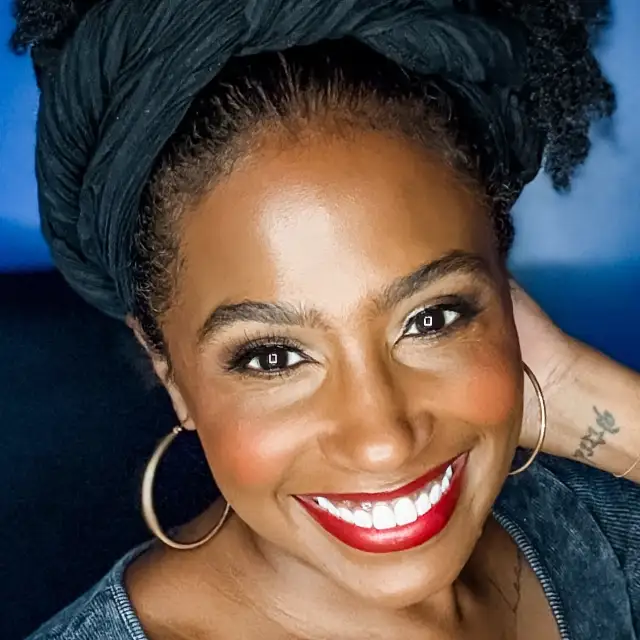
Destiny B. Sadler is a dynamic entrepreneur, digital creator, and empowerment coach dedicated to helping individuals look, feel, and live at their absolute best. With a background rooted in leadership and community impact, she serves as a Top Executive with the global beauty brand LimeLife by Alcone, where she mentors a growing network of beauty guides and champions the transformative power of confidence.
Driven by a passion for personal development and education, Destiny founded YSTBYOU and You’re Simply the Best Kids, an educational services organization focused on building foundational confidence and leadership skills in youth. She’s a graduate of Lamar High School and Southern University. Destiny’s life work centers on a simple, powerful philosophy: embracing who you are is the ultimate key to success.
Based on reporting by Texas Metro News.
Black History
Alabama HBCU Founders Win Nearly $20,000 at 2026 HBCU Business Pitch Competition
BIRMINGHAM TIMES — The Alabama Collective and Digitalundivided recently awarded $20,000 in cash prizes to student and alumni founders during the 2026 HBCU Business Pitch Competition. Held at Topgolf Birmingham during Magic City Classic week, the event featured 51 participants representing 10 different Alabama institutions.

Bryson Hannah celebrates his first-place finish in the 2026 HBCU Business Pitch Competition in Birmingham, earning $5,000 for Internably LLC, his networking platform connecting college interns across the country. (Alabama A&M) ” data-large-file=”https://www.birminghamtimes.com/wp-content/uploads/2026/11/pitchbryson1edit-1024×685.jpg” />
Special to the Times
The Alabama Collective and co-host Digitalundivided awarded $20,000 in cash prizes to HBCU student and alumni founders at the 2026 HBCU Business Pitch Competition, held Thursday, October 29, at Topgolf Birmingham as part of Magic City Classic week.
Fifty-one founders representing 10 Alabama institutions competed in a booth-style format, delivering three-minute pitches with no slides or audiovisual aids, followed by three minutes of questions from a panel of industry judges. Top scorers at each booth earned $1,000 and advanced to a live Pitch Finale.
Internably, LLC, founded by Bryson Hannah of Alabama A&M University, took first place and $4,000. Internably is a networking platform that connects college students, interns, and early career professionals by company, school, city, and career interests.
“I was blown away by these innovative business ideas and the go-to-market strategies,” says Modupe Rouse, Digitalundivided Chair and Pitch Finale Judge. “These student founders took the START program skills and leveled up. I cannot wait for the economic impact of their businesses in Alabama,” added Rouse.
“What we witnessed at this year’s competition was a powerful reminder of the incredible talent, creativity, and entrepreneurial potential emerging from Alabama’s HBCUs,” said Charisse Stokes, Executive Director of The Alabama Collective. “These 51 founders didn’t just show up with ideas — they showed up with vision, determination, and the confidence to turn those ideas into businesses. We’re especially proud that this year’s partnership with Digitalundivided allowed us to expand beyond the competition itself, equipping entrepreneurs with business skills to launch their businesses, coaching, and connections that will serve them long after the prizes are awarded. Our goal is not simply to celebrate great pitches, but to help build the next generation of successful entrepreneurs and business owners across Alabama.”
“Digitalundivided is delighted to partner with TAC in its work with Alabama HBCUs and in supporting the innovation and talent of students here,” says Leah D. Williams, CEO of Digitalundivided. “These student founders are the business leaders of tomorrow. We are excited to add the Digitalundivided network lifting them up as they climb towards their future achievements.”
2026 Pitch Finale Winners
First Place, $4,000: Internably, LLC — Alabama A&M University
Second Place, $3,000: FuelTrip — Alabama A&M University
Third Place, $2,000: NexU — Alabama A&M University
Top-Scoring Booth Winners, $1,000 each
• VARA — Talladega College
• Yardly — Alabama State University
• AccessBelt — Alabama State University
• Nightshift — Talladega College
• FuelTrip — Alabama A&M University
• NexU — Alabama A&M University
• Internably, LLC — Alabama A&M University
• Mobile Therapy Office/Unlimited Potential — Alabama State University
• BeVerified — Alabama State University
• The Vent Avengers — Trenholm State Community College
A New Path to the Stage
The 2026 competition introduced two entry tracks. Members of The Alabama Collective community were invited to apply to START, Digitalundivided’s flagship pre-revenue incubator, a three-week virtual program grounded in Lean Startup methodology. Selected participants built a working Business Model Canvas, earned an automatic slot in the Round 1 pitch booths, and received a $250 completion stipend on event day. Alabama HBCU students, recent graduates, faculty and staff filled the remaining booths and brought in founders new to the organization.
Alongside the competition, the day included entrepreneurship training, small group mentoring with industry leaders, and a Lunch and Learn fireside chat.
The 2026 competition was supported by JPMorgan Chase, HBCU CARES and NEBIUS.
About The Alabama Collective
The Alabama Collective is a statewide nonprofit organization dedicated to elevating tech talent and entrepreneurs across Alabama. Through partnerships with HBCUs, industry leaders, and innovation hubs, The Alabama Collective builds programs that expose, educate, engage, and empower underrepresented communities in tech, entrepreneurship, and innovation.
About Digitalundivided
For over a decade, Digitalundivided has increased visibility and access for founders. Beginning with groundbreaking research and expanding into founder-centric training programs, strategic partnerships, and a vibrant founder community, Digitalundivided champions an equitable entrepreneurial landscape and provides founders at every stage with the space to improvise and innovate.
Based on reporting by Birmingham Times.
Black History
COMMENTARY: Big Mama Said: Don’t Just Remember the Village When You Need Votes!
TEXAS METRO NEWS — With the conclusion of Election Day, political campaign signs have disappeared and the frequent visits from candidates to local churches, barbershops, and community centers have come to an abrupt halt.
Big Mama used to say, “Baby, don’t come knocking on my door only when you need something. Come see about me when you need something, too!” And if you knew my Big Mama, you knew that wasn’t a suggestion. That was a standard!
Well, Election Day has come and gone. The campaign signs are coming down, the political commercials have disappeared, and some politicians have already forgotten the roads leading into our neighborhoods. Isn’t it amazing how quickly folks can find our churches, barbershops, restaurants, and community centers when they need our votes? They shake hands, hug babies, take pictures, and some even learn a gospel song! But Big Mama would ask, “Baby, now that they’ve counted our votes, who’s counting our needs?”
Where are they when our schools need resources, seniors need assistance, Black-owned businesses need contracts, and young people need mentors and jobs? Big Mama would remind us, “You can’t eat a handshake, and a photograph won’t pay the light bill!”
But here’s where the village must accept some responsibility. We cannot keep building election machines that disappear after Election Day. We need an ecosystem, connecting our churches, businesses, nonprofits, fraternities, sororities, educators, and community leaders into a year-round network of opportunity, accountability, and collective progress.
Imagine turning voter mobilization into economic mobilization. Imagine churches connecting families to resources, businesses opening doors for young entrepreneurs, and elected officials reporting measurable results instead of delivering another campaign speech. That’s how we turn political influence into community investment.
And let’s stop measuring success by how many politicians attend our events. Let’s count jobs created, contracts awarded, young people mentored, and promises kept. Accountability isn’t partisan. It’s personal, and it belongs to the entire village.
Now, I’m asking you, my readers: Send me the name of an organization, business, or community initiative we should invest in and support. Let’s connect our resources and build an ecosystem that strengthens the entire village! I have two organizations I’d like to add to the conversation: Don’t Believe the Hype, which focuses on scholarships and educational opportunities, and City Men Cook, which provides mentoring, leadership development, and opportunities to invest in the next generation of young men. Both are about more than talking about change. They’re about putting resources, relationships, and opportunities into action.
Big Mama understood that relationships require reciprocity. You cannot keep withdrawing from a community without making deposits. So whether your candidate won or lost, our responsibility remains. The election determines who holds office, but the village determines what accountability looks like.
Big Mama said, “Baby, if they know the road to your house when they need your vote, make sure they know the road back when you need results!”
The election is over. Now let’s build something that outlives the campaign!
Based on reporting by Texas Metro News.
Black Press
The Jerk Man Partners with Top Chef Alum Nelson German for Thanksgiving Campaign
THE BALTIMORE TIMES — The campaign invites families to bring a new flavor to their Thanksgiving tables with The Jerk Man’s signature jerk turkey recipe, accompanied by Chef Nelson German’s cocktail and mocktail pairings. Balanced for heat, flavor, and spice, The Jerk Man offers a bold new take on a holiday classic.
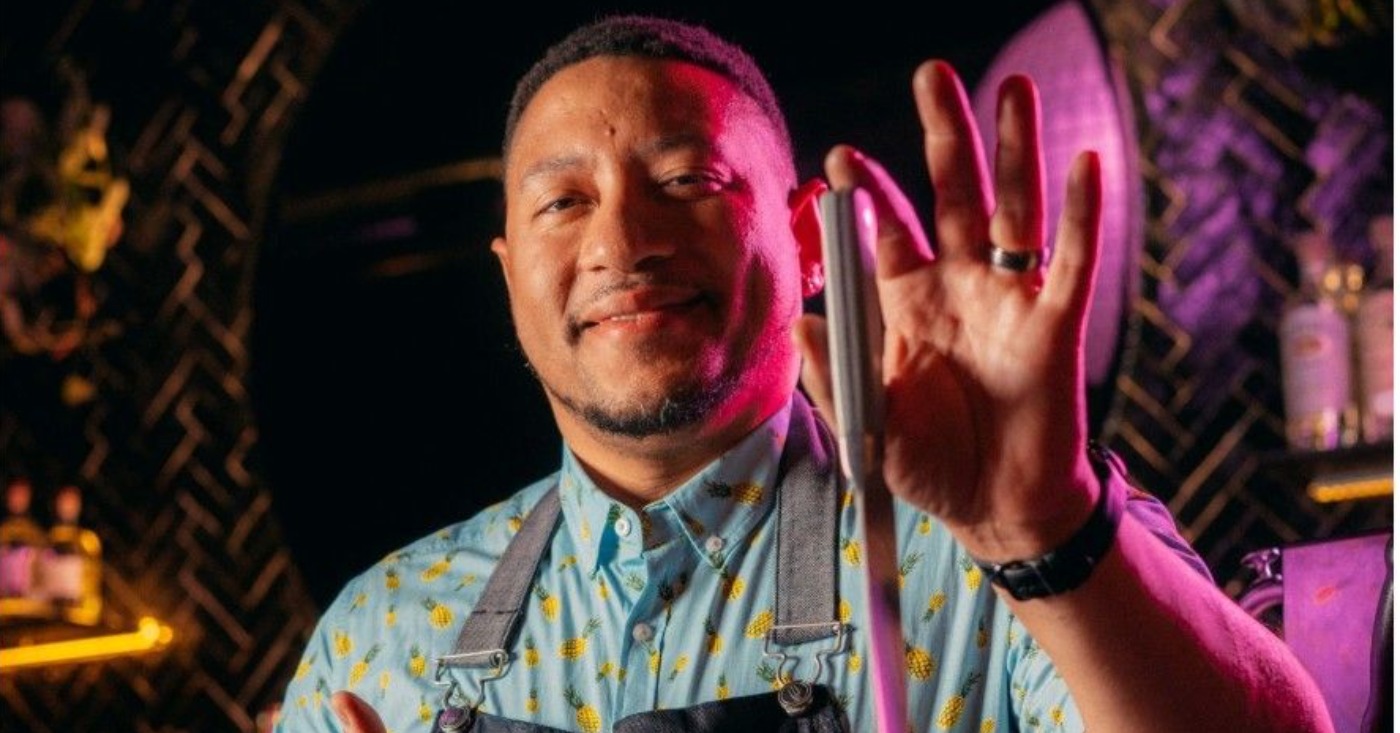
“Bring the Jerk to Thanksgiving” puts a real Jamaican spin on the holiday table with a signature jerk turkey recipe and cocktail and mocktail pairings.
Chicago, IL – The Jerk Man, a Jamaican jerk dry rub made in Jamaica, has partnered with Chef Nelson German, Top Chef alumnus, restaurateur, and author, for its first-ever “Bring the Jerk to Thanksgiving” campaign.
The campaign invites families to bring a new flavor to their Thanksgiving tables with The Jerk Man’s signature jerk turkey recipe, accompanied by Chef Nelson German’s cocktail and mocktail pairings. Balanced for heat, flavor, and spice, The Jerk Man offers a bold new take on a holiday classic.
Thanksgiving is about the people, stories, and traditions that bring families and friends together. “Bring the Jerk to Thanksgiving” celebrates that spirit, inviting home cooks to give the turkey its own place among the most-loved dishes on the table.
A Top Chef’s Guide to Thanksgiving with Flavor
Named one of TIME’s 2026 Latino Leaders, Chef Nelson German is known for his Afro-Latino culinary perspective and restaurants including alaMar Kitchen & Bar, Sobre Mesa, and Meski. He recently released the cookbook Caribbean Cocktails: Drinks and Bites from the Afro-Latino Diaspora.
“Food is how I bring people together and share a little of who I am,” said Chef German. “My Dominican roots and Caribbean heritage are always part of that, especially around the holidays. I love using Jerk Man Jerk Seasoning on my Thanksgiving turkey because it brings that authentic Jamaican flavor, with bold spices and beautiful heat that make every bite even more delicious than the last. It’s my way of bringing Island culture to a holiday classic and giving everybody at the table a reason to come back for more.”
The idea is simple: honor the traditions everyone loves, and give them another reason to ask for seconds.
Real Jamaican Jerk, Made in Jamaica. Your Way.
The Jerk Man Jamaican Jerk Dry Rub is made in Jamaica with allspice (pimento) and Scotch bonnet, the heart of real jerk, and balanced for heat, flavor, and spice so you taste the jerk, not just the burn. It comes in two heat levels, Spicy and Mild, and because it’s a dry rub, you’re in control: use a little for a gentle kick or more for full jerk. It’s made for the holiday table and stays by the stove all year.
Home cooks can use it to bring real Jamaican jerk to season:
The turkey: a real Jamaican jerk kick for the star of the holiday table.
Sweet potatoes: a savory, spice-filled makeover for a classic side.
Roasted vegetables: everyday vegetables turned into crowd-pleasers.
Holiday leftovers: a jerk twist on the day-after turkey sandwich.
The campaign also features “The Toast,” pairing jerk turkey with Caribbean-inspired holiday cocktails and mocktails, inspired by Chef German’s new book, Caribbean Cocktails: Drinks and Bites from the Afro-Latino Diaspora. Published by Ten Speed Press in June 2026 and written with Andréa Lawson Gray, a James Beard Award-winning author, Caribbean Cocktails includes more than 40 drink recipes and 20 food recipes.
Recipes for The Jerk Man 24-hour Jamaican Jerk Turkey and Two Signature cocktails below:
THE JERK MAN 24-HOUR JAMAICAN JERK TURKEY (For a 12–14 lb whole turkey)
3/4 cup The Jerk Man Spicy Dry Rub
6 scallions, roughly chopped
1 medium yellow onion, chopped
6 cloves garlic
2–3 Scotch bonnet peppers
1½ tablespoons fresh thyme leaves
1 tablespoon freshly grated ginger
2 tablespoons ground Jamaican pimento (allspice)
1 teaspoon ground cinnamon
1/2 teaspoon ground nutmeg
1 teaspoon freshly ground black pepper
2 tablespoons dark brown sugar
1/4 cup soy sauce
¼ cup fresh lime juice
1 tablespoon Jamaican Browning
2 tablespoons white vinegar
3 tablespoons neutral oil
2 tablespoons water, as needed for blending
JERK MAN SIGNATURE COCKTAILS BY CHEF NELSON GERMAN
Pineapple Old Fashioned
Doctor Bird pineapple rum, Pasión añejo t
Black History
Pop-Up Shops: Vendor Costs Can Shape Profits Before Opening Day
CONTENTMANAGERIO — The US pop-up shop industry has become a significant economic force, with revenues exceeding $15.6 billion in 2024. For Black-owned businesses and entrepreneurs who may face challenges securing traditional financing, these temporary retail spaces offer a vital way to test products and build brand loyalty without the burden of a permanent lease.
Vendor expenses determine profits before pop-up shops even open. Your success or the lack thereof is influenced by booth fees, suppliers, and advertising. Pop-ups bring new products to your customers, but they can also leave you out of pocket.
According to IBISWorld, the US pop-up shop industry revenue exceeded $15.6 billion in 2024. Pop-ups offer Black-owned businesses an easy way to try out their products, connect with customers, and build loyalty without the need for a permanent location. This can be particularly helpful for entrepreneurs who struggle to secure the financing needed to start a business.
Before you pay for a booth, look at the costs and work out how much you need to sell to break even. A little planning can help you decide whether an event is worth the investment. Just keep in mind that large crowds don’t always mean big profits.
What Do Pop-up Shops Really Cost?
A pop-up business pays for more than a table and a tent, and booth fees alone vary widely. A June 2026 fayVen study on U.S. vendor opportunities found a middle booth fee of about $55 for listings with confirmed prices. However, costs differed considerably by location, with some high-end markets charging much more.
Ask event organizers for a complete breakdown of costs. Some additional expenses to keep in mind include:
- Electricity
- Insurance
- Permits
- Equipment rental
- Additional display space
Don’t forget about any deposits or application fees, which may be non-refundable. That can be a big deal if bad weather keeps shoppers away and you end up paying the full amount. Before committing, make sure you understand the refund and cancellation policies.
A lower fee can make a first event less risky, but the pop-up still needs to meet your needs. A higher fee may be justified if the event attracts shoppers likely to buy your products.
Get the details in writing. Ask the organizer to confirm the price and what the fee covers. Check local rules on permits and sales restrictions, since these can differ by area and product.
How Do You Work Out Your Break-Even Point?
Before you book a market, work out how much you need to sell to cover your costs. That way, you can judge whether the booth is worth the price.
Add every cost, then divide by the profit on each item. Here is an example.
A candle maker books a 10×10 booth for $375 and pays a $25 application fee. Display supplies cost $60, travel and parking cost $45, and packaging plus card fees cost $70. Total spending is $575.
Each candle sells for $30 and costs $12 to make, so profit is $18 per candle. Divide $575 by $18, and you get 32 candles. Every sale after the 32nd is profit.
Now ask a hard question: can you sell 32 candles in one day? Check your results from past events and ask organizers about attendance.
If the number looks out of reach, don’t force it. Pick a smaller area or bring products with higher margins so the math works in your favor.
Compare prices with similar products, but do not assume you must be the cheapest vendor. Customers also weigh up quality, usefulness, and the experience of buying directly from the maker.
Remember to account for payment processing fees and any commission the organizer takes from sales. If the event requires a minimum inventory, consider how much money will be tied up in products that might not sell.
For many small business owners, especially first-time entrants, the challenge is balancing ambition with reality.
How Do You Get Your Pop-up Booth Noticed?
A good location matters, but so does the audience. A busy market doesn’t guarantee sales if the crowd isn’t interested in your products. Research events before committing so you know the visitors match your business.
Visibility is the lifeline of a pop-up shop. Make your booth easy to read at a glance. Clear pricing, a tidy display, and convenient payment options can make shopping a breeze.
Confusion and long delays can turn customers away to a competitor.
Branded materials can help customers remember your name and product. For example, a vendor could sell custom tote bags or use them to package purchases.
Lighting, signage, and layout matter, too. An inviting booth will draw people in even if they weren’t planning to stop. Step back and look at your setup from across the room.
If people can’t tell what you’re selling, adjust until your products speak for themselves.
Don’t forget the human touch. A warm greeting, a short story about why you started your pop-up business, or a quick demo can turn casual interest into a sale.
Shoppers who choose local businesses often want connection. Give them that, and your booth will stand out.
Frequently Asked Questions
How Do You Find Pop-up Shop Opportunities Near You?
Start with local business associations, community development organizations, neighborhood social media groups, and event calendars. Find markets that suit your product and reach out to those market managers directly.
Before applying, check the event’s audience, vendor selection process, fees, and rules.
What Licenses Do Pop-up Shop Vendors Need?
Requirements usually depend on the:
- Location
- Business activity
- Items sold
A vendor may need a local business license, a temporary seller permit, or additional approval for some types of merchandise. Food vendors face separate health and safety requirements. Check with the city or county where the event takes place before accepting a booking.
What Are Some Good Pop-Up Shop Marketing Ideas?
Start promoting well before the event. Use a mix of social media, local business advertising partnerships, and in-person promotion. Post your booth number, email your list, and tag the organizer so they can share your brand.
Early visibility builds anticipation and gives customers a reason to look for you once the doors open. Small business marketing works best when it’s personal. A quick video showing your setup or a behind-the-scenes look at your products can generate interest.
These moments remind people they’re supporting a real person, not just a logo.
Pop-up Shops Demand Careful Math
Pop-up shops bring energy, community, and a chance to connect with customers who value small-business credibility. Yet profits don’t start at the cash register. They start with decisions you make weeks before the event, including understanding vendor costs.
Is a pop-up shop in your future? Head to our website to learn more about small businesses and why shopping local matters.
Content provided through ContentManagerIO.


A Career Path That Took an Unexpected Turn #shorts

Black Families: Compare Auto Insurance Quotes Every Year #shorts

Black Media in Minnesota: The Community That Kept Us Going #shorts

The Conversation With Al McFarlane: (11/10/2026)

Don’t Pass the Torch. Expand the Circle.

Kids on Campus: Success in Learning Together

Nixon Unbought, Unbossed and Undeterred Following U.S. Senate Defeat – Free Press of Jacksonville

PRESS ROOM: AutoNetwork.com Launches a Free Auto Section for Newspapers, Credit Unions, Banks, Churches, Schools and Nonprofits
The Workforce Is Changing — Get Ready Now!

The Power of Transparency in Car Buying

All Skinfolk Ain’t Kinfolk

Practitioners of African Traditional Spirituality Offer Ancestral Reverence Ritual Oct. 31

Tamiko Armstead | 2026 Lifetime Achiever in Education

Oakland Awarded More than $14 Million in State Funding

HISTORY MADE: Keisha Lance Bottoms Becomes First Black Woman Elected Governor in American History

OP-ED: The Black Church Writes AI’s Next Chapter

Inside 820 S. Michigan: New Book Captures the Lost World of Ebony and Jet

Jendayi Arrest Raises Community Concerns Regarding Sheriff’s Chain of Command

OP-ED: If the ‘Cornell 7’ Were Black Men at an HBCU — America Wouldn’t Be This Sympathetic

Kickstarter CEO Everette Taylor Shares Tips on Creating and Growing a Business
A Career Path That Took an Unexpected Turn #shorts
Black Families: Compare Auto Insurance Quotes Every Year #shorts
Black Media in Minnesota: The Community That Kept Us Going #shorts
The Conversation With Al McFarlane: (11/10/2026)
The Power of Transparency in Car Buying

The Chevy Bolt Handles Rough Roads—But How Noisy Is the Cabin? #shorts

Democratic Leadership Under Fire, Maxine Waters Challenged & Tyler Perry’s New Political Role 📱

Democratic Leadership Under Fire, Maxine Waters Challenged & Tyler Perry’s New Political Role

San Diego Supervisors’ Power Grab & Discretionary Funds

How Restaurant Apprenticeships Taught Me to Run a Business #shorts
-
 Black History5 days ago
HISTORY MADE: Keisha Lance Bottoms Becomes First Black Woman Elected Governor in American History
-

 Featured1 week ago
Multi-Faith Leaders Representing 10 Million People Launch National Anti-Authoritarian Initiative
-
 Black History1 week ago
Christianity’s Racial History
-
 Black History1 week ago
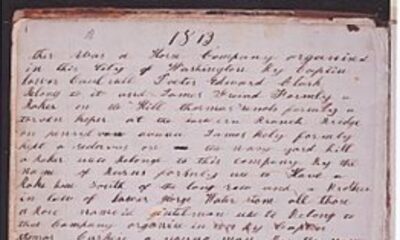
Michael Shiner: The Enslaved Man Who Wrote His Way into American History
-
 Black History1 week ago
Five Hospitals Said No! Who Will Help Annette Henry Recover?
-
 Black History6 days ago
Hundreds of Black Christian Leaders Arriving in Israel for Martin Luther King-Inspired Mission
