
Black History
‘Twenty Pearls’ AKA Documentary Shows the Vision and Impact of Black College Women
NNPA NEWSWIRE — Executive Producer and Alpha Kappa Alpha member Kimberly Esmond Adams believes anytime is the right time to tell this type of American story. “This story talks about the role that a group of college women, who were still finding their way in the world, yet were intelligent enough to understand that the world was bigger than them and they could do something concrete to make it better for everyone.”


By Nsenga K. Burton, Ph.D., NNPA Newswire Culture and Entertainment Editor
Alpha Kappa Alpha Sorority, Incorporated® is the nation’s first sorority for Black college women. Founded on the campus of Howard University in 1908, nine visionary women created a sisterhood committed to serving the African American community and elevating issues impacting women and girls. Forty-five years following emancipation and in the face of great racial and gender discrimination, these young women decided to become the change they wanted to see, creating an influential sisterhood and legacy that is culturally relevant today.
Critically acclaimed documentary filmmaker Deborah Riley Draper brings the complex story of the nation’s first Black Greek Letter sorority to the forefront in the documentary, Twenty Pearls: The Story of Alpha Kappa Alpha Sorority, Inc®. Twenty Pearls premieres Friday, March 26 at 8 p.m. EST on Xfinity Comcast’s Black Experience on Xfinity, becoming the first original film for the media company’s Black content hub. The Black Experience is led by Keesha Boyd, executive director for multicultural video and entertainment at Comcast NBCUniversal.
Produced by Coffee Bluff Pictures, Deborah Riley Draper’s production company, Twenty Pearls takes viewers on a journey into the lives of Black women creating change at a critical moment in American history. Draper, an award-winning documentarian who is also a member of the sorority, takes pleasure in being able to tell this universal story about the women who founded an organization that is still making change today.
“The reach of Alpha Kappa Alpha into American society is at every level,” says the NAACP Image Award nominee. “When you get a mammogram, get a scholarship to further your education, attend an HBCU among many other good things, the women of Alpha Kappa Alpha have had something to do with it,” says Draper, who pledged the sorority as an undergraduate at Florida State University. Draper considers it a privilege to make this documentary. “It’s an honor to elevate the stories of Black women who have influenced American society using the tools I know and love.”

Twenty Pearls tells the universal and historic stories that surround the founding of the sorority and also the intimate stories of some of its members.
While Twenty Pearls is clearly a passion project for Riley, it is also in line with the type of historical work the storyteller creates as a celebrated documentarian. In 2016, Variety Magazine named Draper to its “2016 Top 10 Documakers to Watch“ list. Draper’s 2016 documentary, Olympic Pride, American Prejudice, which tells the untold story of 18 African Americans who defied Hitler and Jim Crow in 1936, was a 2017 nominee for the NAACP Image Awards Outstanding Documentary Film and qualified for the 2017 Academy Awards.
Draper’s debut documentary film Versailles ’73: American Runway Revolution is the first intimate look at the infamous Palace of Versailles fashion show fundraiser, which catapulted the American ready-to-wear to global prominence. In the film, Draper centers the narrative on African American models like Pat Cleveland, Norma Jean Darden, Alva Chinn and Charlene Dash, who made fashion history while changing the industry simultaneously. Draper’s work goes beyond documentaries, with advertising campaigns for Lamborghini, Coca-Cola Classic, FedEx and Adidas. She has earned two regional Emmys, a Gold Effie award and several American Advertising Awards and is currently in pre-production on a number of fictional films. With all of the projects Riley could have done, particularly following the critical success of Olympic Pride, American Prejudice and Versailles ’73, the documentarian decided to tell the story of nine Black women at an HBCU whose vision helped uplift the Black community and make the world better for women and girls in the process.
“I chose to tell this story because it is an important story about this country,” says Draper. “In this documentary, we see the evidence of the 113 years of the impact of AKA in all aspects of American life and that is a story that needs to be told.”
The timing is right as America is in the midst of a contemporary civil rights movement that saw the rise of the nation’s first Black and South Asian woman to the Vice-Presidency, Kamala Harris, a member of Alpha Kappa Alpha Sorority, Inc. who pledged as an undergraduate at Howard University.
Executive Producer and Alpha Kappa Alpha member Kimberly Esmond Adams believes anytime is the right time to tell this type of American story. “This story talks about the role that a group of college women, who were still finding their way in the world, yet were intelligent enough to understand that the world was bigger than them and they could do something concrete to make it better for everyone.” “In many ways, the story is universal because any number of groups can relate to that challenge,” adds Adams. “This film teaches you about American history, the significance of the entire Divine Nine [historically Black fraternities and sororities] and HBCUs, the importance of community, the oneness of purpose and how you can leverage these connections to make life better for everyone.”
Narrated by Tony award-winning actress and Alpha Kappa Alpha member Phylicia Rashad, Twenty Pearls tells the story of this trailblazing organization founded to serve and uplift the African American community through narration, interviews and archival assets. The first-feature-length documentary on an African American sorority, shows viewers the impact of Alpha Kappa Alpha Sorority, Inc.® on the Harlem Renaissance, World War II, NASA, Civil Rights, Women’s Rights and HBCU endowments. Interviews include Alpha Kappa Alpha International President and CEO Dr. Glenda Glover, Vice President Kamala Harris, Miss Universe Ireland 2019 Fionnghuala O’Reilly, Smithsonian Secretary Lonnie Bunch III, Anna Eleanor Roosevelt Fierst and many more.
The coming together of the film was “fortuitous,” says Adams, who pledged as an undergraduate at Howard University. She remembers having a conversation with Dr. Glenda Glover, the national president of Alpha Kappa Alpha Sorority, Inc.® and current president of Tennessee State University, an HBCU in Nashville, about wanting to make a film that memorialized the importance of the sorority and HBCUs. “Thankfully we have a president who is a visionary and planted the seed for this project to tell our story and the story of HBCUs,” says Adams. Shortly thereafter, Adams was invited to attend a short film screening at BronzeLens film festival in Atlanta and was so moved by the film, she talked with the director afterwards. The director was Deborah Riley Draper. The rest you can say is history. “This film started with a seed planted by Dr. Glover. To see something go from an idea and crystallize into a film that is going to be distributed on every platform in the country is amazing. We made a movie,” chuckles Adams.
Twenty Pearls tells the universal and historic stories that surround the founding of the sorority and also the intimate stories of some of its members. Dr. DeRetta Rhodes, a member of Alpha Kappa Alpha, who is featured in the documentary, was excited to be included in the film because of the importance the sorority holds in her life and the community, says the HBCU alum. “I am a legacy member. I watched my mother pledge grad chapter when I was 15 and I knew I wanted that shared experience with her,” says the EVP/Chief Human Resources Officer for the Atlanta Braves Organization. “When you think about the impact our sorority has had in this country with various civil rights and social justice movements, the fact that many dynamic Black women are a part of that legacy of service is also powerful,” adds Rhodes.
Twenty Pearls endeavors to add the voices of Black women game changers to the national narrative, that are often suppressed. “In this film, we see the evidence of the 113 years of AKA in all aspects of our American society,” adds Draper. “In many of our classrooms, we are required to learn a version of American history that is presented to us. We are now well aware there are other parts of our history that have been omitted, minimized and in some cases completely eliminated from the narrative which does not serve us well,” says Adams.
“Until we learn to embrace the contributions that all of us have brought to this nation, we’ll never realize the fullness of who we can be as a country.”
Twenty Pearls premieres Friday, March 26, 2021, at 8:00 PM (EST) on Comcast Xfinity Black Experience and Comcast Xfinity platforms, xfinity.com, XfinityFlex internet and Xfinity Mobile. The premiere will be followed by a virtual conversation with the cast and crew. The documentary will be available nationwide On Demand, starting March 30 on all other cable systems. Check your local cable guide for channel information.
To learn more about “Twenty Pearls,” visit www.aka1908.com.
This article was written by Nsenga K. Burton, Ph.D., founder & editor-in-chief of The Burton Wire. Dr. Burton is a life member of Alpha Kappa Alpha Sorority, Incorporated® and appears in the documentary “Twenty Pearls: The Story of Alpha Kappa Alpha Sorority, Inc.® Follow Nsenga on Twitter @Ntellectual or @TheBurtonWire.




Black History
Five Hospitals Said No! Who Will Help Annette Henry Recover?
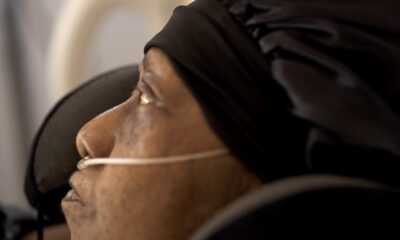
Annette Henry, a 67-year-old Oakland woman, is struggling to access essential medical care after a devastating stroke left her with a rare neuropathic pain syndrome. Despite medical documentation confirming her need for inpatient rehabilitation, five different Bay Area hospitals have denied her admission, often citing her inability to meet rigid therapy thresholds. Her family’s efforts to seek intervention from state and federal lawmakers have yielded no results, leaving Henry at home without a clear path to recovery. To see how these systemic failures are impacting her health, read more.

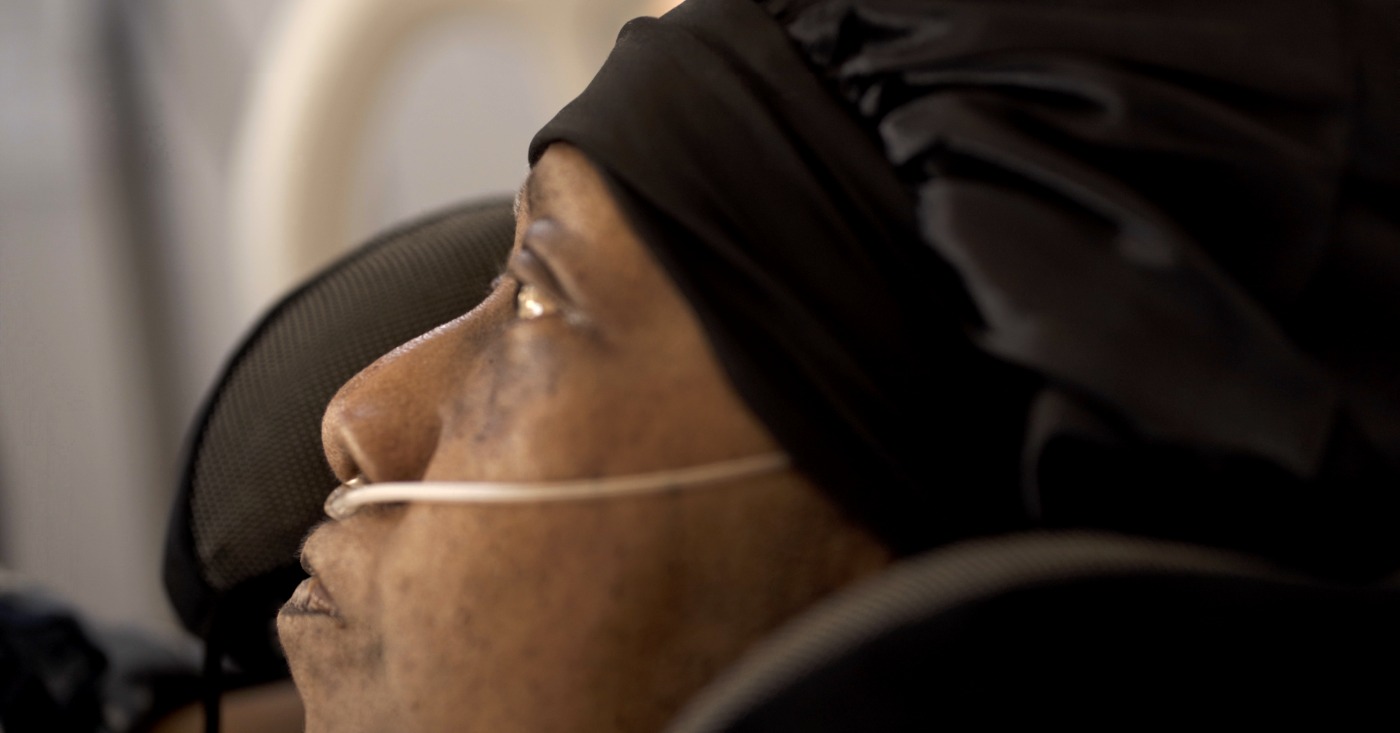
A tangle of red tape and contradictions between health providers and Medicare rules have impeded an Oakland woman’s ability to recover from a stroke she had last year.
Her family – who are her caretakers – have reached out to various professionals and state and federal lawmakers for help to no avail.
At 67, Annette Henry needs inpatient stroke rehabilitation after a devastating stroke in May 2025. Since then, multiple Bay Area hospitals have denied it. She was accepted into a rehabilitation facility in June 2025 but discharged prematurely in July, in essentially the same condition.
Three hospitals where she was a patient pushed skilled nursing over inpatient rehabilitation. Two more declined referrals.
Now at home, Henry is caught in a system that measures her need for treatment against the limitations treatment should address.
Medical professionals have documented her need for a higher level of care.
In August 2025, a Medicare Quality Improvement Organization (QIO) overturned Henry’s discharge from an inpatient rehabilitation facility (IRF).
The QIO’s independent physician reviewer found she had not received the “intensive therapy program outlined on admission,” according to the Aug. 30, 2025, determination letter. Yet the decision did not secure her readmission or guarantee continued rehabilitation.
Henry has central post-stroke pain, a rare neuropathic pain syndrome that can make movement and touch intensely painful. Her pain specialist recommended inpatient rehabilitation alongside pain management.
Nevertheless, facilities have cited her inability to tolerate three hours of daily therapy as a reason to deny inpatient rehabilitation.
That practice raises questions about Medicare coverage policy. In Hooper v. Sullivan, No. H-80-99 (D. Conn. 1989), the court recorded the parties’ agreement that denials based on numerical utilization screens, diagnostic screens, treatment norms, the “three-hour rule,” or other “rules of thumb” were not appropriate.
CMS subsequently cited Hooper in its Aug. 7, 2009, final rule (74 Fed. Reg. 39762, 39794). The policy is also addressed in the Medicare Benefit Policy Manual, Chapter 1, Section 110, and CMS’s June 1 Review Choice Demonstration for IRF Services: Operational Guide.
These authorities underscore the need for individualized assessments rather than rigid numerical thresholds.
The central contradiction is stark: the pain and disability that make rehabilitation necessary have been cited as reasons to deny it. UCSF Stanyan’s April 7 discharge summary for Henry states that acute rehabilitation unit (ARU) placement was declined for “inability to tolerate three hours of therapy daily.” Without appropriate treatment, Henry risks further decline.
Her records document complications associated with prolonged immobility.
Orthopedics documented flexion contractures of the small and ring fingers on March 19.
Chest imaging on April 1 showed bibasilar dependent atelectasis, a condition involving reduced inflation of the lower portions of both lungs. These concerns can be examined through her medical records and photographs.
“What does a ‘not reasonable’ discharge look like?” her family asks. For them, it looks like an appeal decision recognizing a problem without ensuring a remedy: repeated referrals, denials and a patient still without the rehabilitation her treating professionals have recommended.
The family has sought help from the California Department of Public Health and the federal Office for Civil Rights to no avail. They contacted U.S. Rep. Lateefah Simon in June 2025, while Henry was in rehabilitation; Senator Alex Padilla in May 2026; and Senator Adam Schiff in September 2026.
DeCuir says the family received no meaningful assistance and was redirected to the QIO or advised working with a social worker after Henry had already been discharged.
The consequences extend beyond rehabilitation. The family reports that Henry has struggled to attend in-person specialist or any appointments and needs in-person evaluation and treatment for complications, recommended evaluations, health screenings and preventive care.
Her mobility limitations have become barriers to broader medical care. Every office tells her their office is not set up to accommodate her. This has happened with specialty care, out-patient services, screenings and physical therapy.
Henry is a Black woman on Medicare, and her family believes her experience raises concerns about unequal access to intensive rehabilitation. Research has documented disparities in discharge to inpatient rehabilitation rather than skilled nursing, underscoring the importance of individualized review.
CMS, state regulators and healthcare providers should examine Henry’s records, assess her needs on their clinical merits and explain how the applicable coverage standards were applied, and whether they are being enforced.
Rehabilitation is not a reward for patients who can already tolerate treatment. It is care intended to help people recover function. Henry’s case asks whether a system designed to support recovery can leave a patient without a path to it.
Black History
From Backyard Grilling to Jack London Square: Jamale Carlyle’s Chicken Wing Success Story
Jamale Carlyle turned a backyard hobby into a flourishing business after using grilling to cope with the loss of his mother and sister. The former corporate executive and CPA transitioned from a twenty-year career in the power industry to selling chicken wings at farmers’ markets in Tracy and Oakland. Following immediate success and viral social media attention, Carlyle opened two permanent storefronts and established a charitable partnership to support local youth. His journey highlights a unique path from internal auditing to community entrepreneurship. Read more.
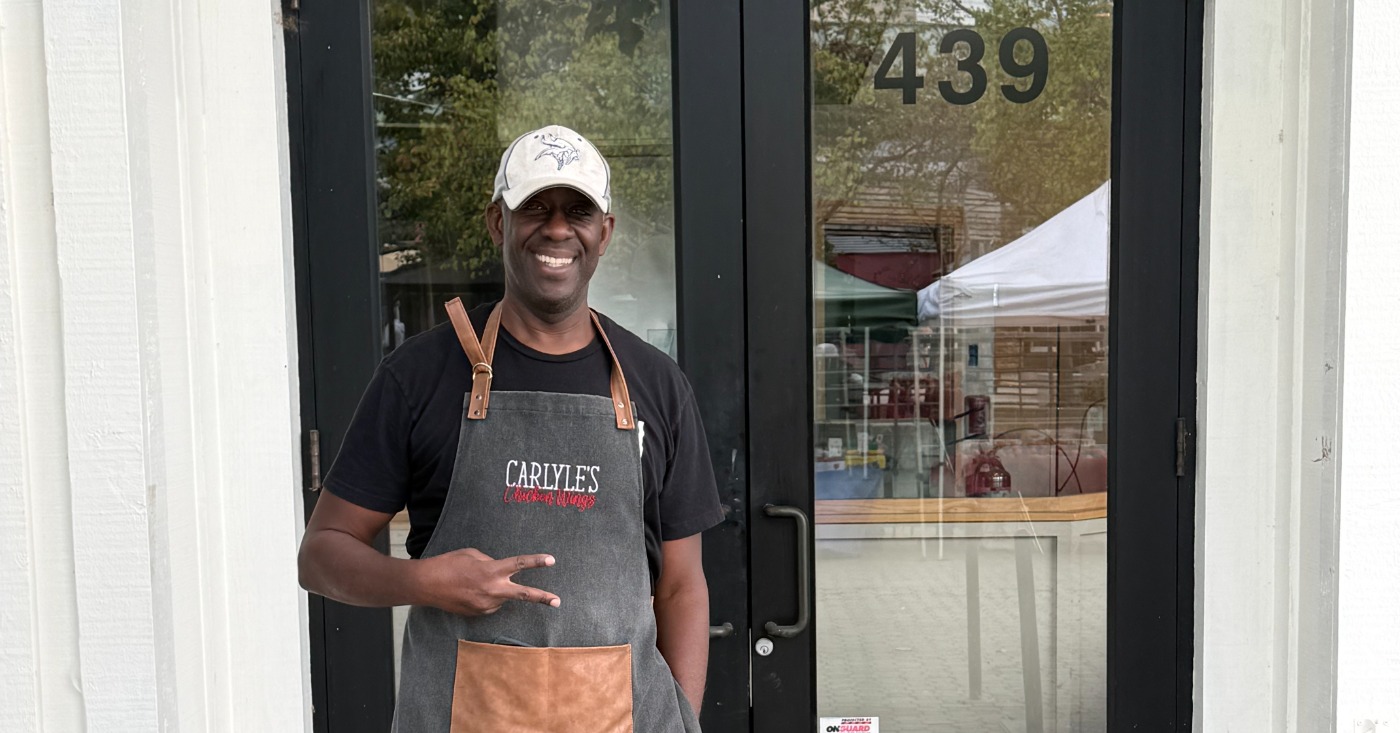
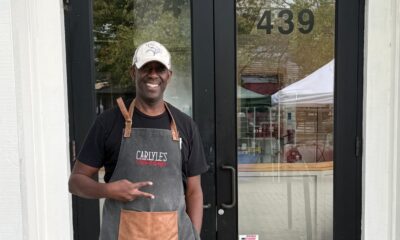
For Jamale Carlyle, what began as a way to cope with personal loss has grown into a thriving chicken wing business with locations in Tracy and Oakland’s Jack London Square.
Raised in Los Angeles, Carlyle remains a southern kid at heart, guided by the values and principles instilled in him growing up. In 2020, he lost his sister, and two months later, his mother passed away. The losses left him grieving half of his immediate family and searching for a way forward.
He turned to God, and to two favorite pastimes: grilling chicken wings and deep sea fishing. Friends who gathered in his backyard encouraged him to turn his chicken wings into a business.
Carlyle had built a successful corporate career before becoming an entrepreneur. An economics graduate of the University of California, Irvine, he earned a master’s degree in accounting from the University of Southern California and became a certified public accountant (CPA).
He spent more than 20 years in the power industry, including working for Edison International in Los Angeles and Boston. He later joined JP Energy Partners in Dallas, helping its team take the company public.
After moving to San Francisco in 2016, Carlyle spent 10 years with Pattern Energy, a wind energy company, where he served as vice president of Internal Audit and took on numerous corporate responsibilities.
But in 2025, grilling became more than a hobby. Carlyle began selling his wings at farmers’ markets, initially dedicating four hours every Saturday. Nervous about his first outing in Tracy, he wondered whether his friends had simply been encouraging. Instead, he sold out on opening day.
He later brought his business to Jack London Square’s Farmers Market, where he again sold out on his first day. As demand grew, he expanded into catering before opening his Tracy storefront in May 2026 and his Jack London Square location in July.
Social media helped fuel the momentum. In Tracy, enthusiastic reviews on the community’s Rants and Raves Facebook page brought customers through the door. His Jack London Square debut also gained traction online, generating approximately 100,000 views on social media on his on opening day.
Still processing the rapid growth, Carlyle describes the business as something that began in his backyard as a stress reliever and became an unexpected calling, and a way of giving back.
“Giving back” has led to a partnership with Mike Jenkins, owner of Oakland Strong, a nonprofit gym known for Olympic style weight lifting and developing national and international champions. After Jenkins visited Carlyle’s store with members of his team, Carlyle returned the visit, and the two began discussing ways to partner to support the community.
“I’m really big on charity. I believe in giving back to the community,” Carlyle said. “I knew before I opened my store, I’d be doing something like this, this is what God wants me to do.”
Their collaboration will introduce the “Oakland Strong Bowl,” featuring 10 dry-rub Cajun wings and a vegetable-rice bowl for $17.99, with $2 from each purchase donated to the Oakland Strong Foundation. The initiative is expected to launch in early November.
“This builds community in Oakland and Jack London Square,” Carlyle said.
Looking ahead, Carlyle plans to expand the menu with chicken thighs, chicken tacos and additional sides. He is also pursuing a liquor license to create a destination where customers can enjoy wings while watching sports.
For now, he is focused on growing his two locations. But with customers embracing his food and his commitment to giving back, Carlyle sees the possibility of bringing his chicken wings to more communities throughout the Bay Area.
Black History
Michael Shiner: The Enslaved Man Who Wrote His Way into American History
Born into slavery in 1805, Michael G. Shiner became an essential eyewitness to 19th-century America by documenting over five decades of history in a private journal. Working at the Washington Navy Yard, Shiner recorded monumental events ranging from the British invasion during the War of 1812 to the complexities of labor and racial discrimination. His writings offer a rare, first-person perspective on the nation’s transformation from the eyes of a man who navigated both bondage and liberty. Read more to learn how Shiner secured his legacy.
Long before African Americans could freely tell their stories, Michael G. Shiner was quietly documenting history.
Born into slavery in 1805 in Piscataway, Maryland, Shiner became one of the most remarkable eyewitness chroniclers of nineteenth-century America. His writings preserved more than five decades of Washington, D.C., history, providing an extraordinary perspective on slavery, freedom, labor, and the nation’s transformation.
He was born to William Pumphrey Jr., whose family owned property in Maryland and Washington, D.C. Around 1812, Shiner was brought to the nation’s capital, where he eventually worked at the Washington Navy Yard. Although denied the educational opportunities available to White Americans, he learned to read and write, likely through religious instruction at Washington’s First Presbyterian Church.
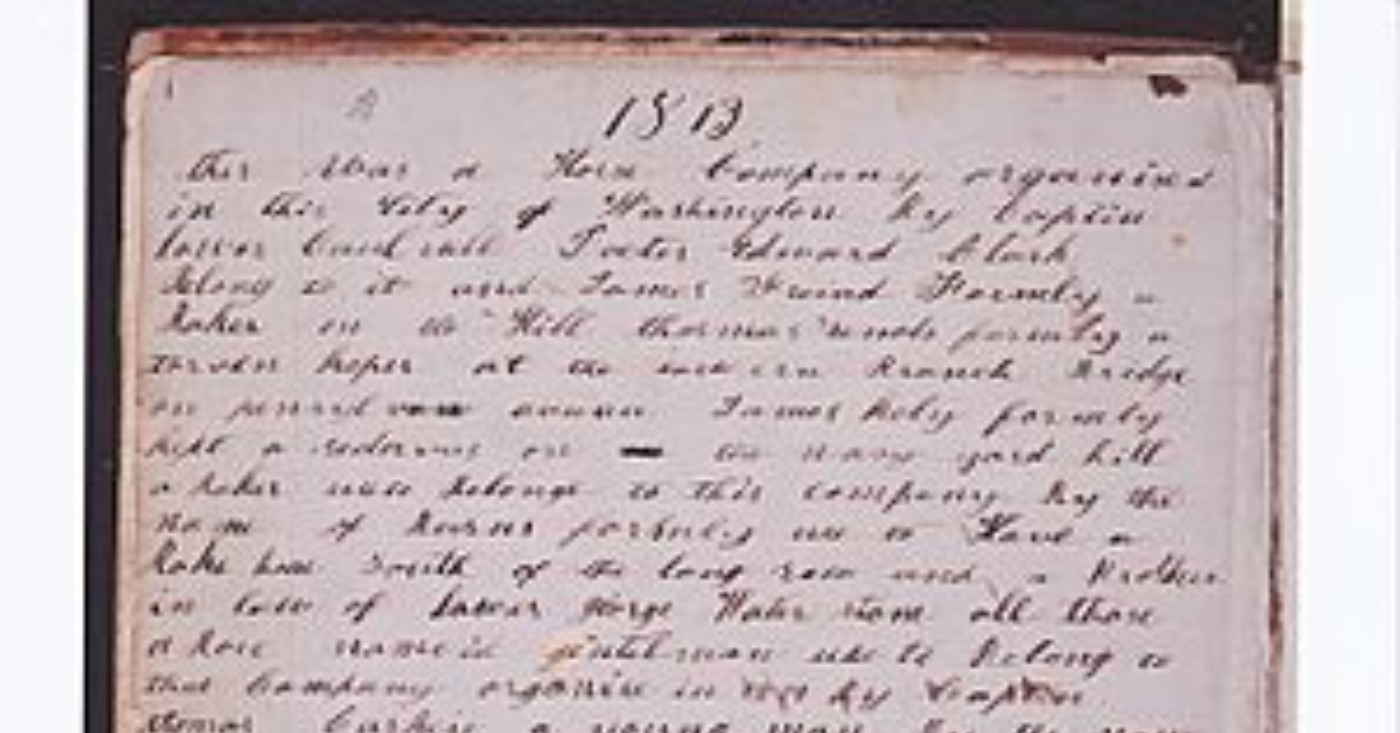
His literacy became a powerful instrument of historical preservation. Beginning with recollections of events in 1813, Shiner recorded significant happenings in a handwritten journal he called his “book.” His observations included the British invasion of Washington during the War of 1812, particularly the burning of the Capitol and other government buildings in August 1814. His descriptions captured the fear, destruction, and confusion surrounding one of America’s most devastating wartime attacks.
However, his writings extended far beyond military events.
In 1828, Thomas Howard, chief clerk of the Washington Navy Yard, acquired Shiner and hired out his labor. He worked in the Navy Yard’s paint shop, observing the everyday experiences of enslaved and free workers. His diary documented ship launches, workplace accidents, labor disputes, racial discrimination, and political developments.
One of his most heartbreaking experiences occurred in 1833 when slave traders threatened to separate his family. His wife, Phillis, and their children faced the possibility of being sold away. Through determined intervention and assistance from influential individuals, Shiner obtained their release from enslavement.
He petitioned for his own freedom in 1836 and subsequently lived as a free man. By 1850, census records identified him as free, living with his second wife, Jane, and their children.
His writings continued through the Civil War, documenting the changing political landscape and the struggle for African American freedom. His manuscript also revered the Emancipation Proclamation, demonstrating the importance of this historic declaration to someone who had personally experienced enslavement.
Following the Civil War, he became active in Republican politics and advocated for African American rights. His remarkable memory and detailed observations made him a respected figure throughout Washington.
Shiner died of smallpox on January 16, 1880, at approximately seventy-five years old.
Today, his 186-page manuscript, The Diary of Michael Shiner Relating to the History of the Washington Navy Yard, 1813–1869, is preserved at the Library of Congress.
What makes his achievement extraordinary is that an African American laborer, once considered property under American law, became an invaluable recorder of the nation’s history.
Shiner never achieved fame during his lifetime as a writer. Yet his determination to document the world around him ensured that future generations could understand American history through the eyes of someone who experienced both slavery and freedom.
Black History
Loop Capital’s James Reynolds Keynotes the OAACC 23rd Annual Business Awards Luncheon
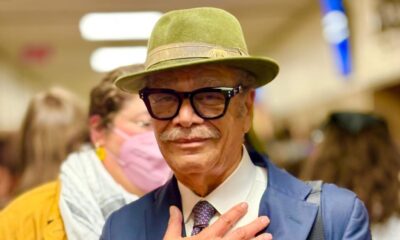
The Oakland African American Chamber of Commerce recently hosted its 23rd Annual Business Awards Luncheon, featuring James Reynolds Jr., founder and CEO of Loop Capital, as the keynote speaker. Addressing business and civic leaders, Reynolds discussed his firm’s partnership to redevelop the Oakland Coliseum site, a massive project expected to generate thousands of local jobs. The event also recognized four distinguished community leaders for their achievements in business, marketing, technology, and education. Discover the specific honors presented and the timeline for the upcoming Coliseum transformation by reading more.
The Oakland African American Chamber of Commerce (OAACC) celebrated community and business leaders at the 23rd Annual Business Awards Luncheon on Thursday, Oct. 22 at Scott’s Seafood Restaurant in Jack London Square. Held under the theme “Building a Stronger Oakland Through Innovation, Technology, and AI,” the event brought together business owners, elected officials, and civic leaders.
Oakland Mayor Barbara lee and U.S. Rep. Lateefah Simon were also present.
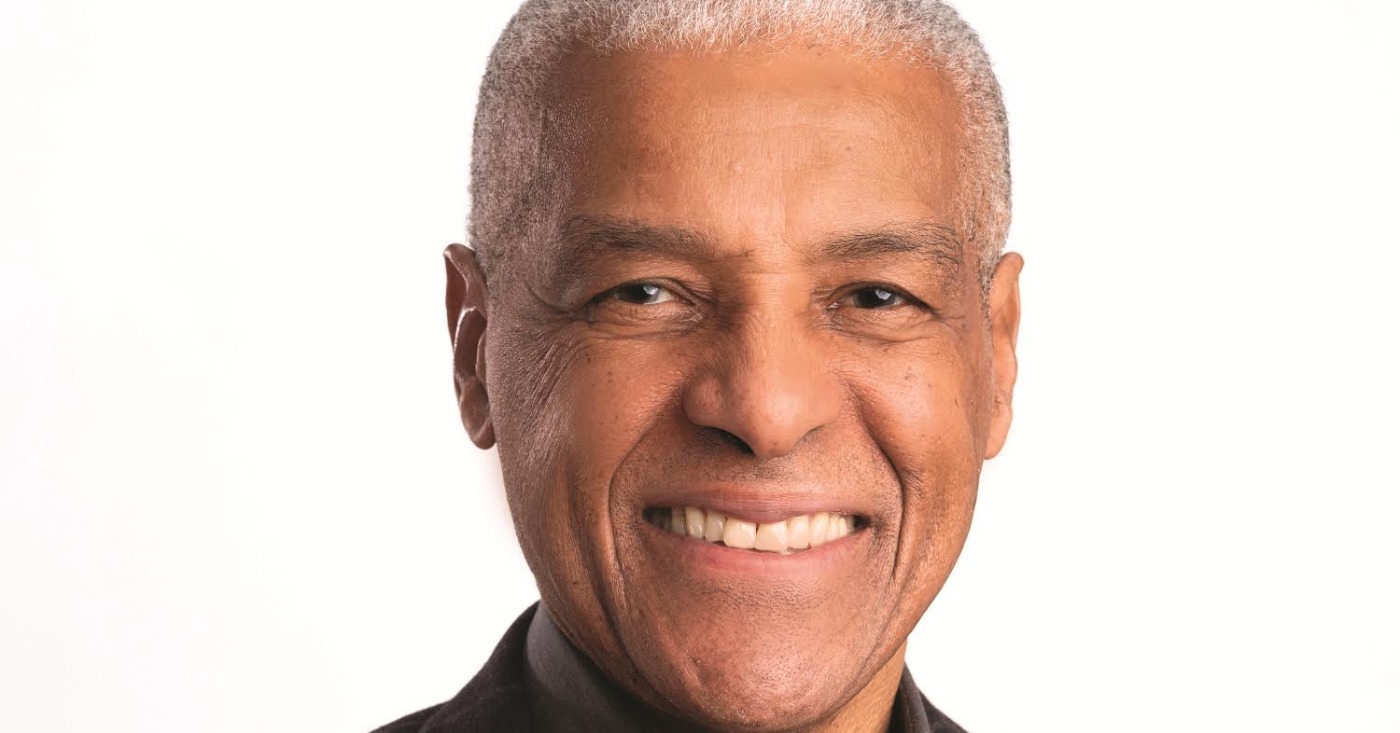
Keynote speaker James “Jim” Reynolds, Jr., founder, chairman, and CEO of Loop Capital, enthusiastically addressed the audience. Reynolds’ firm is backing the AASEG (African American Sports and Entertainment Group) and partners with funding to redevelop the Oakland Coliseum site in East Oakland.
Reynolds spoke of plans to provide thousands of employment and contracting opportunities to Oakland’s resilient residents.
“We expect to completely close the deal by Dec. 31 and in January we will begin digging,” he said of the six-year acquisition process.
“I want all small businesses, entrepreneurs, and contractors to prepare themselves for these opportunities,” Reynolds explained in the green room.
Reynolds has successfully completed multiple billion-dollar developments and projects including Los Angeles International Airport, LaGuardia International Airport, John F. Kennedy Airport, and now Queens, New York.
AASEG President Ray Bobbitt said the Coliseum Project will be the largest development in the country. Bobbitt stressed that Reynolds and his team took a chance on Oakland at a time when companies were abandoning the city.
“Mr. Reynolds is committed to the project and transforming the area,” said Bobbitt. “Mr. Reynolds sees Oakland as a great city with untapped potential. We are very grateful he believes in us.”
In 1997, Reynolds founded the Chicago-based municipal bond firm, growing it into one of the nation’s leading minority-owned financial services companies and among the largest privately held investment banks in the country.
Reynolds said he was very impressed with Oakland’s business community. “This community is really ready for something new and we plan to deliver.”
During the luncheon, OAACC presented awards to four honorees.
Derreck Johnson received the Lifetime Achievement Award. Johnson founded Home of Chicken and Waffles in Jack London Square in 2003, creating jobs for the formerly incarcerated and young people from Oakland’s inner-city communities.
Celessa Baker, vice president of Marketing Partnerships at Sephora, received the Visionary Leadership Award. A marketing executive with more than 20 years of experience, Baker served as retail marketing lead for the global launch of Fenty Beauty by Rihanna.
Angela Johnson, director and head of Global Delivery Partnerships at Uber Technologies, received the Business Excellence Award. She previously served as Uber’s chief of staff and founded the Coalition of Black Excellence.
Dr. Denise Saddler, superintendent of the Oakland Unified School District, received the Educational Recognition Award. Saddler has spent more than 40 years in the city’s education system, working as a teacher, principal, and district leader before becoming superintendent in 2025.
Lee announced that Oakland is listed in the Top 10 as best destinations. “Oakland is on the move,” said Lee. In agreement with Lee, Simon vowed to continue fighting for the resources needed to keep Oakland moving forward.
“The chamber is committed to strengthening Oakland’s economy and uplifting its Black business community,” said Cathy Adams, president and CEO of OAACC.
Black History
Oakland Strong: Building Champions and Healthier Generations
Entrepreneur Mike Jenkins is revitalizing youth wellness in Oakland through Oakland Strong, a world-class strength-training facility in Jack London Square. After providing a decade of free training in Fruitvale, the program moved and rebranded while continuing to produce national and international weightlifting champions. Jenkins aims to counter community health challenges by teaching Olympic-style lifting and nutrition to children ages 8 to 18. As the program seeks new ways to sustain its free services, local partnerships are forming to support these elite young athletes. Read more.
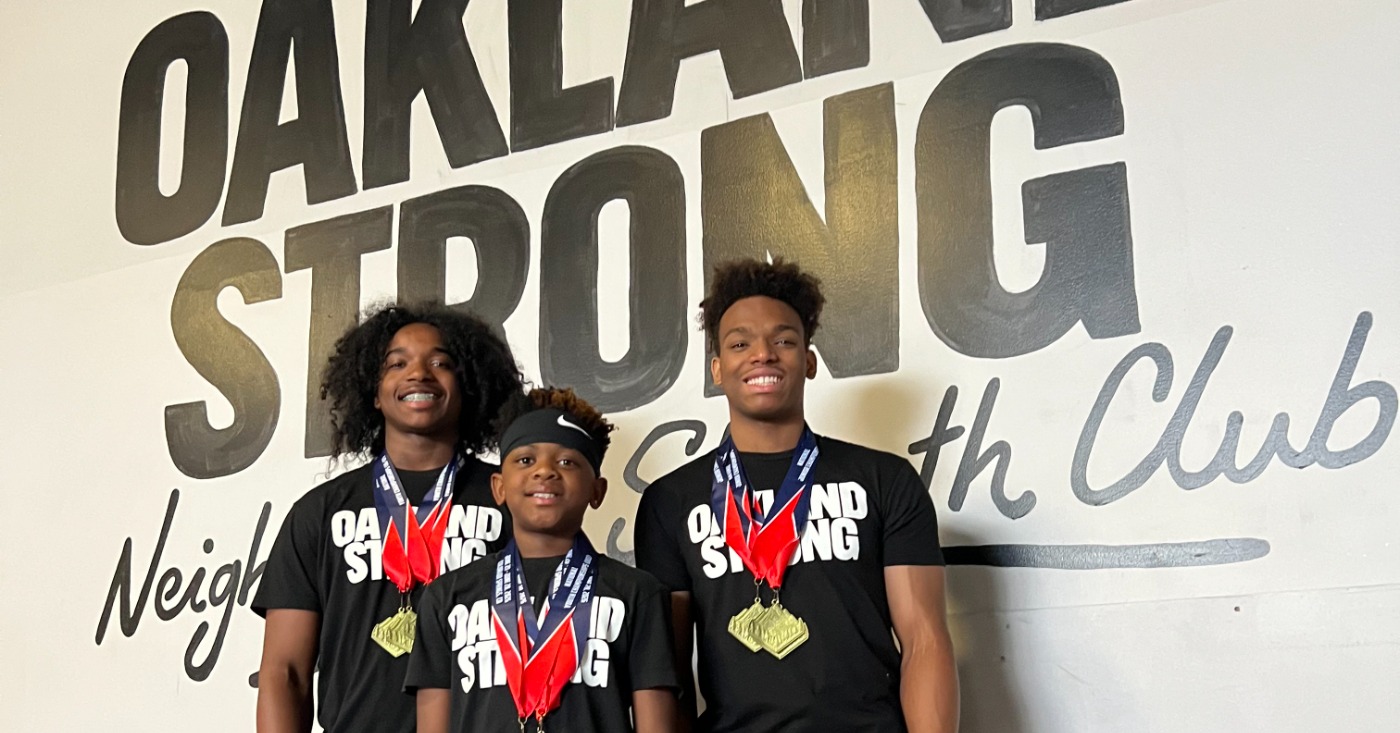
Mike Jenkins is a serial entrepreneur with a vision to make a lasting impact in Oakland.
Raised in a military family in the Pinole area, Jenkins played basketball at Merritt College before continuing his athletic career at Sacramento State.
His lifelong interest in health and wellness led him to consider a troubling reality: as members of the Black community age, health challenges often increase. Jenkins believes investing in health is an investment in wealth, and he has made it his mission to give Oakland’s youth a stronger foundation for life.
Years ago, Jenkins invested in young people by building Speed Power Strength, a world-class strength-training facility in the Fruitvale neighborhood. For 10 years, the facility served hundreds of children, providing training entirely free of charge. Displaced by gentrification, the program eventually found a new home in Jack London Square.
That move inspired a new name: Oakland Strong, reflecting both the program’s mission and its pride in the city it represents.
“When we found the new home, I needed to put a spotlight on what we were doing– producing the strongest kids in Oakland – so I named our new location Oakland Strong,” Jenkins explained. “We are known nationally and internationally, so when we compete, our city’s name is on our chest.”
Through Olympic weightlifting, governed nationally by USA Weightlifting, the program has developed an extraordinary record. Its athletes have earned 10 national championships, a team national championship, and international titles. Today, two Oakland Strong athletes are Olympic hopefuls.
This past summer, Oakland had three athletes at the Olympic Training Center in Colorado Springs at the same time. One was Olympic figure skating champion Alysa Liu. The other two were Oakland Strong’s Robert Whitlock and Rucker Johnson, there for a weightlifting camp for Olympic hopefuls.
Whitlock, an Oakland Technical High School student, began training at age 10. Now a three-time consecutive national champion, two-time Pan American champion, and Team USA representative, Whitlock also holds an American record while maintaining straight A’s in school.
“If Oakland can’t support these kinds of kids, then what are we doing?” Jenkins asks.
Oakland Strong continues offering free training in Jack London Square to young people ages 8-18. The program welcomes girls as well as boys, with approximately 12 kids currently participating with room for 20.
With limited city support for free youth programs, Jenkins must find other ways to sustain the work.
When Carlyle Chicken Wings opened nearby, he approached the owner with an idea connecting nutrition and community investment. Because Oakland Strong teaches healthy eating alongside athletic training, they developed the Oakland Strong Bowl, a protein-focused meal. Carlyle will contribute $2 from each bowl sold to support the program.
For Jenkins, the mission extends far beyond medals and records. He wants to create generational health by teaching young people habits they can carry into adulthood and share with their families.
The strongest legacy, he believes, is not simply producing champions, but building healthier generations who understand their worth, their potential, and the importance of investing in themselves.
Black History
IN MEMORIAM: United Farm Workers Union Icon Dolores Huerta, 96
Dolores Huerta, the legendary labor leader and co-founder of the United Farm Workers, has passed away at age 96 due to complications from cancer. A pioneering civil rights activist, Huerta was instrumental in securing collective bargaining rights for migrant workers and popularized the rallying cry “Si se puede.” From her early days as a community organizer in Stockton to receiving the Presidential Medal of Freedom, her decades of advocacy transformed the American labor movement and inspired generations of activists to fight for social justice. Learn more about her life and legacy.
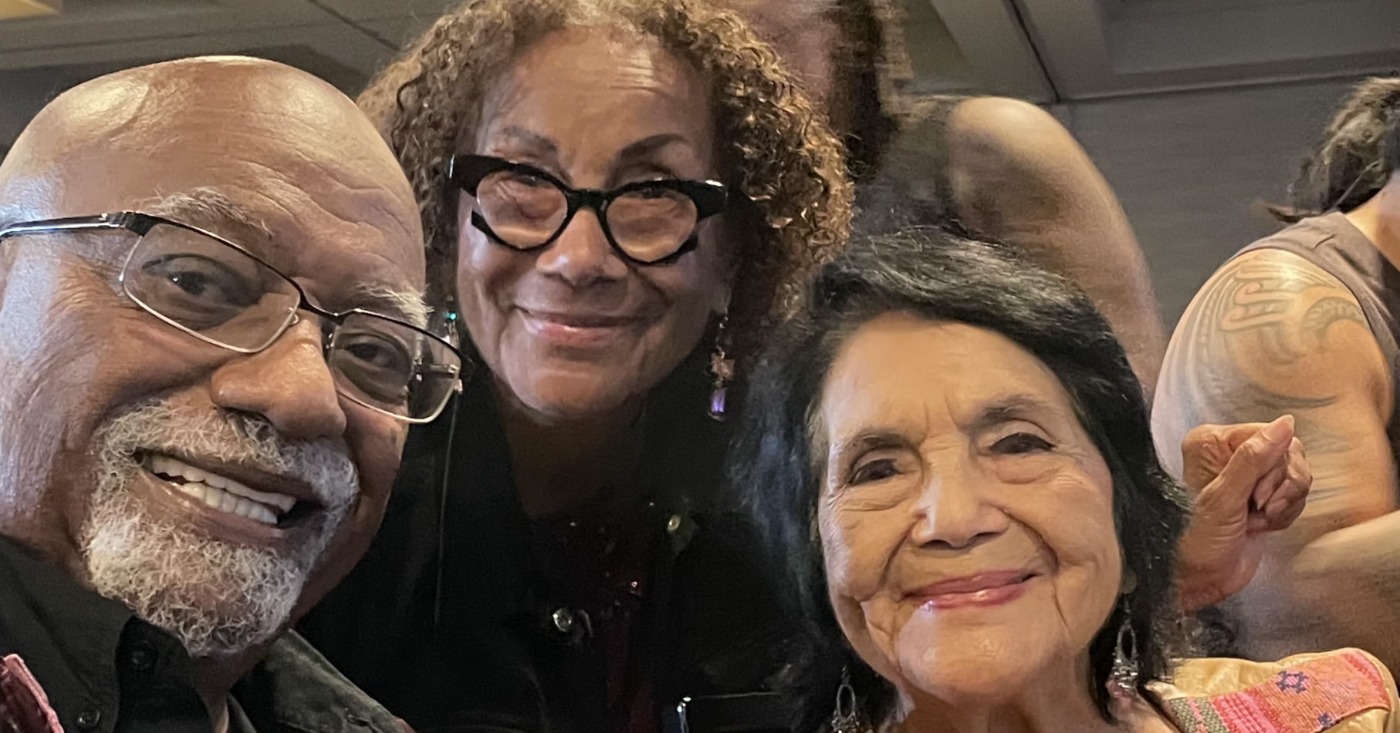
Dolores Huerta, a community organizer known most for her work to support fair wages and justice for migrant workers, passed away in her Bakersfield home on Wednesday from complications of cancer. She was 96.
Accolades poured in from across the nation.
“I cannot imagine a world without Dolores Huerta, and it is with deep sadness that I mourn the passing of my dear friend and legendary leader,” said Oakland Mayor Barbara Lee who met Huerta in the 1970s. “She understood how race, gender, poverty, and economic inequality intersect, pushing for a women’s movement inclusive of Black women and women of color. And she never separated the struggle for farmworkers from reproductive freedom and other civil rights and human rights.”
Former Berkeley mayor and current state assembly member Jesse Arreguin, who was mentored by Huerta said on Instagram that she was “always driven by a deep sense of justice and fairness, she transformed this state and this nation, changing the lives of farm workers and advancing the rights of all people.”
Former Vice President Kamala Harris called Huerta a “pioneering labor leader and legendary civil rights activist.
“Amidst the struggle of the movement, her rallying cry, ‘Si se puede,’ was a call to stay in the fight,” Harris wrote.
Organizing was a family trait. Born on April 10, 1930, in Dawson, New Mexico, Huerta was the daughter of a traveling coal miner whose reputation as a fiery union leader followed him to the New Mexico Legislature. After moving to Stockton, her mother held two jobs to support her children and went on strike with her cannery union in 1937.
After graduation from Stockton High School, Huerta attended University of the Pacific‘s Stockton College (later San Joaquin Delta College) where she received a teacher’s certificate.
But when the children of farm workers came to school hungry and needing shoes, she quit, believing she could do more for them organizing farm workers and joined the Community Service Organization (CSO).
By the late 1950s, she was organizing other CSO chapters and working as a lobbyist, speaking before the state Legislature, as well as teaching citizenship classes and supporting voter registration drives.
Over the next few years, she was part of several union efforts, co-founding the National Farm Workers’ Association (NFWA) with Cesar Chavez and Gilbert Padilla in 1962.
She became the UFW’s main negotiator, leading to favorable contract for grape workers in 1970. In the years that followed, there were successful boycotts of lettuce, wine and table grapes. In 1975, she helped ensure farm workers’ rights to collective bargaining with the California Agricultural Labor Relations Act.
In 1988, while protesting George H.W. Bush’s candidacy for president in San Francisco, Huerta was severely beaten by a police officer, leading a five-year leave of absence from UFW. She returned to work after Chavez’s death in 1993.
The recipient of numerous awards, Huerta used the $100,000 gift for receiving the Puffin/Nation Award for Creative Citizenship in 2002 to create the Dolores Huerta Foundation, which funds full-time organizers to go to neighborhoods and teach residents how to collaborate with government and community groups to exercise self-determination.
She received the Presidential Medal of Freedom in 2012 and was made a member of the Order of the Aztec Eagle, the highest award given to foreigners by the Republic of Mexico.
Huerta was married twice and is survived by seven children.
Wikipedia, the Associated Press and other online reports are the source of this story.


Five Hospitals Said No! Who Will Help Annette Henry Recover?

Oakland NAACP, BWOPA Speak Out Against Alleged Harassment of Black Women Political Leaders

COMMENTARY: Oakland’s Black Students Have Gained Ground: We Shouldn’t Stop Now

From Backyard Grilling to Jack London Square: Jamale Carlyle’s Chicken Wing Success Story

SEIU Local 1000 and State of California Will Continue to Negotiate New Labor Contract

OPINION: We Can Restore Checks and Balances on Trump

AG Bonta Announces Action on Cryptocurrency, Sextortion Fraud – Increasingly Targeting Gen-Z

21st Annual Taste of Soul: California’s Largest Black Street Festival Comes Alive With Culture, Music and Connections

Michael Shiner: The Enslaved Man Who Wrote His Way into American History

COMMENTARY: Your California Living Trust Could Be Next: When Evidence Isn’t Enough

All Skinfolk Ain’t Kinfolk

Practitioners of African Traditional Spirituality Offer Ancestral Reverence Ritual Oct. 31

Latinas Deserve Equal Pay. Unions Help Make It Happen.

A $2.1 Trillion Wellness Industry Never Built a Daily Practice for Black Children. So This Atlanta Family Did.

Zakiya Jendayi Arrested, Locked Out of Home by Sheriff’s Deputies

Oakland Awarded More than $14 Million in State Funding

Tamiko Armstead | 2026 Lifetime Achiever in Education

Montclair Brewery: Brewing Culture, Community, History

Should You Have to Pay to Hear the Gospel?

Listening as a Lifeline: A Doula’s Witness to Black Maternal Health

Test Buick’s Head-Up Display, Wireless Charger & Bose Audio #shorts

Maintenance As A Money Move

Buick Enclave Safety Tech: What It Can—and Can’t—Do #shorts

ELECTION DAY 2026: Black Voter Turnout, Trump’s Clemency Controversy & a $495M Prison Deal 📱

ELECTION DAY 2026: Black Voter Turnout, Trump’s Clemency Controversy & a $495M Prison Deal

Trump as a Distraction…Focus on the Ballot and 2028

Kids Escape City Chaos for Camp Paradise #shorts

Don’t Name Things After Me If I Can’t Enjoy Them! #shorts

EVs Cost Less Than Half as Much to Fuel—Check Your Local Savings #shorts

Unity is Power: Building Success Against All Odds! #shorts
-
 Black Press1 week ago
Secretary of State Shirley Weber Pushes Back Against DOJ Demands Over California Voter Rolls
-

 Art1 week ago
Capturing Black Life’s Beauty
-

 Black History7 days ago
Retirement Triggers Doctor to Pen Book for Young Audience
-
 Black History1 week ago
Oakland Honors 60 Years of the Black Panther Party at the All Power to the People Gala
-

 Black Press7 days ago
Fatigue, Bloating, and Inflammation: Spotting the Subtle Signs of MASLD
-

 Black Press1 week ago
When Your Faith Is Put to the Test
