
National
Tired of Black Men Getting Shot Down, Killed in Cold Blood

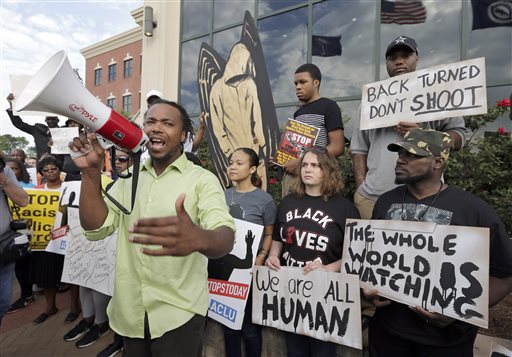
Muhiydin D’Baha leads a group protesting the shooting death of Walter Scott at city hall in North Charleston, S.C., Wednesday, April 8, 2015. (AP Photo/Chuck Burton)
by Brian E. Muhammad
Special to the NNPA from The Final Call
COLUMBIA, S.C. (FinalCall.com) – What began as a minor traffic stop apparently for a malfunctioning tail light ended with a homicide. Another Black man, another White cop and another video of a police officer killing an unarmed person.
The amateur recording showed Michael Slager, 33, a North Charleston, S.C., police officer calmly squeezing the trigger of his gun eight times—firing at the back of 50-year-old Walter Scott, a Black laborer, forklift operator and father of four.
“We’re tired of Black men getting shot down and killed in cold blood,” said DeAndre Muhammad, the Charleston representative of the Nation of Islam.
With the killing of Walter Scott, Trayvon Martin, Tanisha Anderson, Michael Brown, Tamir Rice, Eric Garner and others—men and women—shot down by police, we must recognize we are not in a post racial America, said Student Minister Muhammad. “This is an outright war and attack on Black people in general and Black males in particular.”
The Charleston County Coroner’s Office declared Mr. Scott died from multiple gunshot wounds to the back, and ruled his death a homicide. Coroner Rae Wooten said an autopsy was performed one day after the shooting, according to media reports.
Footage from Mr. Slager’s vehicle DashCam released by the South Carolina Law Enforcement Division (SLED)—the state agency that investigates police involved shootings—showed Mr. Scott exiting his car and running.
Mr. Scott was possibly concerned about an outstanding warrant related to back child support payments.
However an outraged community says being shot in the back as seen on the video is never justified.
The video from the camera phone recorded by Feidin Santana placed a spotlight on continued concern about police officers brutalizing, terrorizing and killing Black, Brown and poor people.
Using cell phone videos and swift online distribution has birthed a new tool for accountability independent of the criminal justice system, said social justice advocates.
“This technology in the hands of regular people is what alerts the citizenry of what’s going on,” saidThandisizwe Chimurenga, the Los Angeles-based author of “No Doubt: The Murder(s) of Oscar Grant.”
“It is a great tool in the hands of regular people to put a check on police officers’ actions and hold them accountable, but more is needed from a policy level,” she said.
Many also say without the video, the slaying of Walter Scott would have been logged as another justifiable homicide.
Originally Off. Slager told investigators he feared for his safety and Mr. Scott struggled to take his taser.
The video contradicted the Slager claim and showed him shooting Mr. Scott from a distance, as the man ran away.
The video caused authorities to change the story they initially circulated in the press. It resulted in Off. Slager’s arrest, said James Johnson of the National Action Network-North Charleston branch.
“The police chief defended the policeman for three days stating that we would see in evidence that Mr. Scott took the taser from the officer,” Mr. Johnson told The Final Call.
Only after receiving a copy of the tape did officials call a press conference “within an hour” announcing Off. Slager would be arrested and charged with murder, he explained.
The common practice in police incidents is to believe the word of the officer, said analysts.
Because of the video there are growing calls for to hold other officers involved in the Scott death accountable as initial versions of events appear false.
The National Bar Association, America’s largest Black lawyers group, is demanding the firing of some officers who showed up after the shooting.
“In light of the fabricated statements made by Officer Slager and the incomplete police report filed by Officer Clarence Harbersham, the National Bar Association is demanding the immediate termination and indictment of Officer Harbersham and any other North Charleston police officer who filed a false police report,” the group said April 13. Other media reports allege several officers, including officers Slager and Habersham, did not perform CPR on Mr. Scott.
Mr. Santana, who shot the video, told media outlets there were no attempts to provide medical care to Mr. Scott.
His video recorded Off. Slager handcuffing a mortally wounded Scott, leaving his body, and returning with an object he dropped next to Mr. Scott. Some believe the object to be a taser and an attempt to cover up a deadly crime.
According to a report of Columbia’s daily newspaper, The State, police in South Carolina fired their weapons at 209 people in the past five years. Few officers were accused of illegal shootings and none convicted of crimes, according to an analysis by The State.
The analysis also found at least 101 Blacks were shot resulting in 34 fatalities. In comparison 67 White suspects were shot at with 41 fatalities. Four other shooting victims were classified as Latino, Asian or Native American.
“I believe the police are part of the mechanism of control and containment, part of the record of terrorism and keeping certain populations in their place—people of color, immigrants, working class people.
“I believe they’re part of the hammer used to terrorize these types of populations,” said Ms. Chimurenga.
Mr. Johnson described North Charleston policing as suppressive with poor people regularly preyed upon. “(Police) are not immune to killing a Black person,” he remarked.
Unprecedented police arrests in S. Carolina?
Recently South Carolina authorities have arrested police officers for grave crimes—though none have been convicted yet. The state’s actions in charging and arresting officers runs counter to decisions other places to not charge officers or to pass the decision to charge or not grand juries—grand juries which refuse to come back with indictments.
What will happen with prosecutions of officers in South Carolina remains to be seen.
“We saw Oscar Grant in Oakland, Calif., being murdered and the convicted cop was given two years and actually did less than one year in prison. We all saw Eric Garner being murdered and the justice system didn’t bring forth an indictment on the police,” Ms. Chimurenga pointed out.
The South Carolina Law Enforcement Division said the agency is following the law—whether infractions by police or the public.
“Our position is that we follow the law, and when someone violates the law, they’re to be held accountable, said SLED spokesman Thom Berry, in a telephone inquiry with The Final Call.
SLED would not comment on the calls for the arrests of other officers involved in Mr. Scott’s case.
On the same day of Off. Slager’s April 7 arrest, SLED announced the re-arrest of Justin Craven, 25, a White police officer from North Augusta, S.C., who allegedly shot through a car window killing Earnest Satterwhite, in February 2014. According to a copy of the arrest warrant provided by SLED, Off. Craven is charged with a felony, “discharging a firearm into a vehicle while occupied,” which if convicted carries a penalty of up to 10 years in prison, a fine of up to $1,000 or both.
Media reports said the 68-year-old Black grandfather was killed after police followed him on a slow speed chase that ended in his driveway. Off. Craven fired into the closed car window and was outside his legal jurisdiction, according to accounts of other officers who picked up the pursuit after it crossed county lines. The arrest warrant also reveals the incident was recorded on video.
The new felony charge is stiffer than the “misconduct in office” charge meted from a grand jury that was significantly less than manslaughter charges initially sought by state prosecutors. Citing an active investigation, SLED spokesperson Berry declined to answer Final Call questions about the timing of the Craven arrest on the same day as Off. Slagen’s arrest and growing hostility stemming from the Scott killing.
Addressing the question of timing—in a defensive manner—Mr. Berry only said critics were “making an assumption.”
Asked if he was denying the Slagen charges had anything to do with timing in the other case, the spokesperson told this reporter, “you will have to talk to others about that.”
In another South Carolina case, former Highway Patrolman Sean Groubert, 31, released a barrage of bullets at Black motorist Lavar Jones at a Columbia, S.C., gas station during a traffic stop. Mr. Groubert was fired, arrested, and charged with assault and battery of a high and aggravated nature and released on bail last year.
Mr. Groubert’s case is currently going through the courts, said Gary Cross, a spokesman for South Carolina’s Fifth Circuit Court. Mr. Jones, the shooting victim, settled out of court with the state for $285,000. Scott family attorney Chris Stewart announced a wrongful death and civil rights violation lawsuit April 9.
But is the arrest of and murder charge Off. Slager faces enough?
“I think it’s a little too late,” said Charleston community activist and Pastor Thomas Ravenall. The relationship “has been horrible for years” between the police and the Black community, he said.
“Black people are fired up and angry,” said the pastor. Animosity has been brewing for a long time, he added.
According to the National Bar Association, just two percent of police officers are charged with use of excessive force and less than .002 percent are actually convicted.
Some advocates for justice in police brutality cases say stronger legislation is needed.
“Mr. Scott’s case is now the poster child for why there is an immediate need to pass legislation to establish a succinct definition and mandatory training for escalation of force,” said Pamela Meanes, president of the National Bar Association. Until Congress passes such laws “we will continue to see police officers murder African Americans and the ‘law’ deem it ‘justifiable’ or ‘self-defense,’ ” she said.
Other advocates are convinced that a new and revolutionary solution is needed.
“There is a climate of total dissatisfaction,” said Student Minister Muhammad, referring to the criminal justice system and law enforcement.
“We really need to start looking at these situations and see it as a wake-up call for us to do something for ourselves,” he said. “Because the justice system is corrupt to the core; it is racist to the core.”
In the aftermath of Walter Scott’s killing the state government released funds to equip North Charleston police officers with body cameras. Mayor Keith Summey announced the grant at an April 8 press conference.
The shooting accelerated the debate in South Carolina around body cameras and led to the grant for the equipment.
“It won’t make a difference,” predicted Student Minister Muhammad. “That was a move just to pacify Black people in North Charleston as if they are really doing something. It was a political move more than a sincere act to give justice or security to Black people.”
The system is corrupt and body cameras don’t address the attitude and mindset of Whites who control the city, he added.
For Ms. Chimurenga the structures that are supposed provide checks and balance deter civilians and protect law enforcement.
Black and Brown communities are capable of defending and protecting themselves and that kind of discussion needs to happen, she said.
“The police are a threat to Black and Brown public safety,” added Ms. Chimurenga.











Black Press
Oakland Probate Dispute Raises Questions About Court-Ordered Property Transfer and Missing Notice
A legal dispute over an Oakland property has intensified following a tentative ruling that favored occupant Zakiya Jendayi, who claimed she was not properly notified before a judge ordered the property transferred into an estate. After the ruling, the estate’s administrator successfully challenged the presiding judge and requested the case be returned to the judge who signed the original transfer order. The First District Court of Appeal has now intervened to review the disqualification process and recent changes to the court docket. Read more.

Opinion and documentary analysis | Part 2 of 2
A tentative ruling found that Oakland property occupant Zakiya Jendayi had not received notice before a judge ordered its transfer into an estate.
The ruling was not final. Attention shifted to the assigned judge.
The estate’s special administrator, Phillip Campbell, invoked California Code of Civil Procedure Section 170.6 to disqualify Judge Stephanie Sato. The trial court granted the challenge Sept. 9, 2026.
Five days later, Campbell requested reassignment specifically to Judge Sandra Bean, who had signed the property order Jendayi sought to overturn.
The sequence raises questions about procedural fairness.
A Challenge After an Unfavorable Ruling
Sato’s Sept. 8 tentative ruling concluded that California’s notice requirement protected Jendayi as an occupant, regardless of whether Jendayi held a valid ownership interest.
Her proposed decision would have vacated Bean’s Oct. 8, 2025, order.
Section 170.6 permits challenges under certain circumstances. Whether Campbell’s challenge was timely was disputed.
On Sept. 14, Campbell sought Bean’s reassignment, citing her familiarity with related trust litigation, judicial economy and consistency. Jendayi opposed the request the following day.
The timing invites serious public scrutiny but does not establish misconduct.
The Appellate Court Intervenes
In Kaiser Foundation Hospitals v. Superior Court (1987), a California appellate court examined the danger of allowing litigants to learn a judge’s likely decision before seeking disqualification.
The decision also recognized that changed assignments and insufficient notice can affect when a challenge is permissible.
On Sept. 17, 2026, the First District Court of Appeal stayed the order granting Campbell’s challenge and requested briefing addressing Kaiser.
That intervention did not vacate Bean’s property order, restore the invalidated trust or conclusively decide whether Campbell’s challenge was improper.
It did place the reassignment dispute under appellate review.
Questions in the Docket
Two versions of the court docket present another unresolved issue.
A printout preserved through Sept. 15 lacked reassignment entries that appeared in a later version. The later docket listed reassignment to Bean and a clerk’s notice under Sept. 9.
The difference warrants an explanation of when the entries were created, entered and made publicly accessible.
It does not establish deliberate backdating.
Accountability Beyond an Order
Judges generally enjoy immunity from damages claims arising from judicial acts, even when serious error is alleged. That protection does not make their decisions immune from review.
Appellate courts can correct legal errors; California’s Commission on Judicial Performance can investigate misconduct but cannot reverse judgments.
For Jendayi, the central concern remains practical: How much litigation must an occupant undertake to enforce a notice requirement intended to protect participation before property rights are adjudicated?
The U.S. Supreme Court’s decision in Mullane v. Central Hanover Bank & Trust Co. underscores the importance of meaningful notice and an opportunity to object.
The record establishes contested filings, a tentative ruling and appellate intervention, not anyone’s private motives.
The public deserves a transparent, documented explanation of this consequential judicial process.
A judge’s signature should resolve a lawful dispute, not silence legitimate questions about how the decision was reached.
The case is Estate of Laura Dean Head, Alameda County Superior Court case RP20066047. Records are available through the court’s eCourt Public Portal.
Featured
‘Raising a Child Shouldn’t Break the Bank’: California Is Helping Families Save on Childcare Costs
California has implemented new fee schedules and expanded programs to reduce the financial burden of childcare for families across the state. Under recent reforms, many households qualifying for subsidized care have seen their annual fees eliminated entirely. The state has also introduced universal transitional kindergarten and increased access to before- and after-school enrichment. Despite these investments in facilities and provider benefits, affordability remains a persistent challenge for many residents as the state works to bridge existing gaps in care. Read more.

California families are paying less for subsidized childcare under new fee schedules introduced since 2019, according to information from the Public Policy Institute of California (PPIC).
The state has expanded subsidized childcare, introduced free transitional kindergarten for 4-year-olds, and increased access to before- and after-school programs as part of broader efforts to reduce the financial burden of raising children. However, childcare affordability remains a challenge for many families.
According to a PPIC chart cited by the administration, a family of three earning $60,000 annually would have paid approximately $7,000 a year in fees for full-time subsidized childcare under the 2019-20 schedule. Under the 2025-26 schedule, the annual fee is zero. The figures are adjusted for inflation.
“Raising a child shouldn’t break the bank,” Newsom said. He added that the state has lowered costs, expanded access to affordable care, and increased educational opportunities to help parents and children thrive.
Since 2019, California has added approximately 149,000 subsidized childcare slots and awarded 3,800 grants to providers to improve facilities and expand capacity. The state has also expanded before-and after-school care and summer programs for students in transitional kindergarten through sixth grade, offering activities such as homework assistance, arts, music, and science enrichment.
Universal transitional kindergarten is another major component of the state’s strategy. The free program is available to all 4-year-olds in California, providing early education while helping families avoid some childcare expenses. California enrolled 213,313 children in transitional kindergarten during the 2025-26 school year. The Newsom administration says the state has invested $12.5 billion since 2019 to implement the program statewide.
Other initiatives include expanding paid family leave from six weeks to eight weeks and increasing wage replacement for eligible workers.
Those earning less than $65,000 annually can receive up to 90% of their regular wages while on leave.
California has also provided free meals to public school students and established the CalKIDS savings program, which provides eligible children with accounts to help cover future college and career training expenses.
The state has further supported childcare providers through collective bargaining, committing more than $800 million to health, retirement, and training benefits for members of Child Care Providers United.
While these initiatives have expanded support for families, the PPIC figures specifically illustrate changes in subsidized childcare fees, not the full cost of care for every household. Ensuring that affordable, accessible childcare is available to families across income levels remains an ongoing challenge for California.
Black Press
Secretary of State Shirley Weber Pushes Back Against DOJ Demands Over California Voter Rolls
California Secretary of State Shirley N. Weber is pushing back against U.S. Department of Justice demands to investigate voters suspected of being noncitizens shortly before the general election. Federal authorities are seeking to block mail-in ballots from approximately 20,000 registered voters, but Weber argues the request is an unlawful attempt to purge voter rolls and incite public distrust. Tensions have escalated further following a specific security dispute involving a thumb drive delivered to Los Angeles County officials. Read more for details on the state’s response.
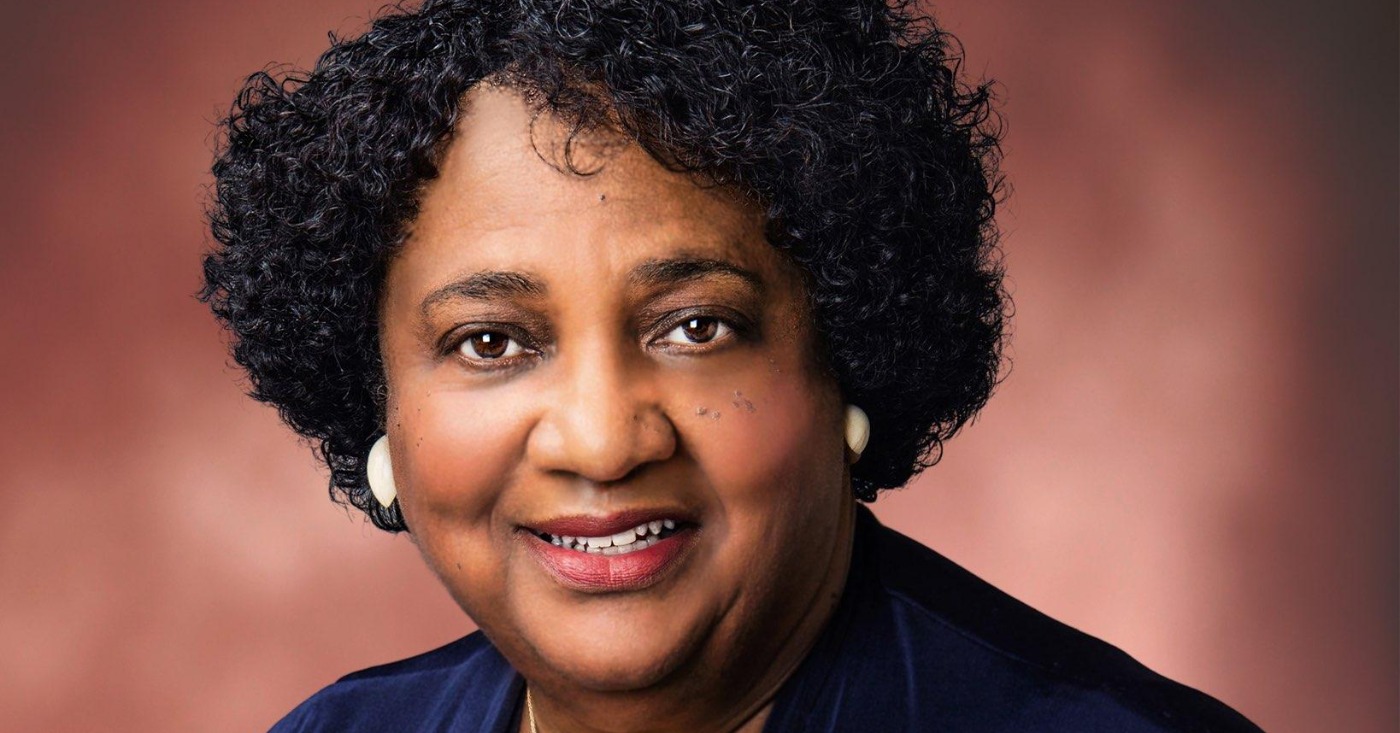
California Secretary of State Shirley N. Weber criticized the U.S. Department of Justice (DOJ)for demanding that state election officials investigate voters suspected of being noncitizens just weeks before the Nov. 3 general election.
“The U.S. DOJ’s relentless efforts to unlawfully gain access to states’ protected voter data and purge voter rolls serve only to cause chaos and fuel public distrust in our elections,” Weber said in an Oct. 14 statement.
Weber said her office received a demand to investigate an unspecified number of individuals the federal government believes are “likely noncitizens.” However, the DOJ did not provide her office with the list and gave California just 48 hours to obtain it, investigate and take action.
The demand comes as the DOJ, working with the Department of Homeland Security (DHS), seeks to block California from counting mail-in ballots from approximately 20,000 registered voters whose citizenship status the federal government has questioned.
“State-facilitated voter fraud is unacceptable in the United States of America,” said U.S. Attorney General Todd Blanche. “If found responsible in a court of law, the State of California will have seriously undermined confidence in our electoral system and violated laws that protect our nation’s representative system of government.”
According to Weber’s office, the Los Angeles County Registrar-Recorder/County Clerk received the federal government’s list on a password-protected thumb drive, with the password written on a sticky note.
Registrar-Recorder/County Clerk Dean C. Logan said his office declined to access the files because the device did not meet established security standards.
“We have not accessed the drive because doing so would conflict with established data privacy and information security protocols,” Logan said. “We do not consider the device a secure medium.”
Weber also challenged earlier federal allegations that California had 190,000 noncitizens on its voter rolls, saying the Trump administration had failed to provide evidence or explain its methodology despite requests from her office.
“California has robust state law requirements that only U.S. citizens can register to vote and that any non-eligible registrants are removed from the state’s voter rolls,” Weber said. “My office and California election officials remain committed – as always – to ensuring a fair and smooth 2026 general election.”
The DOJ’s letters to the California secretary of state and Los Angeles County election officialsoutline the federal government’s demands.
Black Press
Chase Launches Fraud & Scam Prevention Month
JPMorganChase is launching Chase Fraud & Scam Prevention Month this November to help consumers protect their personal information and finances. As the holiday season approaches, the nationwide initiative provides education on avoiding sophisticated tactics used by criminals, such as phishing and impersonation scams. The program features free workshops hosted by community managers across the lower 48 states and builds on existing financial wellness efforts that have reached over one million customers. Read more to learn how these new resources and technologies aim to stop financial crimes.

New initiative builds on Chase’s longstanding commitment to fraud and scam prevention education nationwide.
NEW YORK, Oct. 19, 2026 – Scams can happen to anyone. That’s why Chase is dedicating November to helping consumers protect themselves.
As consumers prepare for the holiday season, criminals are increasingly using sophisticated tactics to pressure people into sending money, sharing personal information and making decisions they’ll later regret.
This November, JPMorganChase is launching Chase Fraud & Scam Prevention Month, a nationwide consumer education initiative designed to help people recognize common scams, avoid in-the-moment mistakes and better protect their money and personal information during the holiday season.
The initiative builds on Chase’s longstanding efforts to help consumers navigate fraud and scams through education, awareness and community-based programming. Through its financial wellness initiatives, Chase has served more than 1 million customers and continues to host more than 1,000 fraud and scam prevention workshops annually across the country.
Throughout November, Chase Community Managers will host free educational workshops in all lower 48 states, as Chase continues to expand digital resources and consumer awareness efforts focused on helping people spot scams and take practical steps to protect themselves. Programming will address scams commonly seen during the holiday season, including impersonation scams, package delivery phishing attempts, gift card scams, fake online deals and fraudulent charity solicitations.
“Scammers are constantly adapting their tactics, making education and awareness more important than ever,” said Jennifer Roberts, CEO of Consumer Banking at Chase. “For years, JPMorganChase has invested in helping consumers recognize scams, understand warning signs and feel empowered to protect themselves. Chase Fraud & Scam Prevention Month builds on that commitment by providing practical guidance that can help people make safer decisions during the holiday season.”
Fraud and scam prevention remains a key component of Chase’s broader commitment to consumer financial wellness. Through educational workshops, local partnerships and community outreach, Chase helps communities build financial confidence and stay informed about evolving fraud and scam threats. The firm also works closely with law enforcement to share scam trends and insights and help drive more effective interventions as agencies work to combat financial crime.
Ongoing Fraud and Scam Prevention Efforts
Beyond consumer education, Chase continues to invest in technology, partnerships and customer protections designed to help prevent fraud and scams before they occur.
Scam prevention is embedded throughout the customer experience, from account opening and authentication to payments and customer service interactions. Chase continues to strengthen protections across the customer journey through targeted warnings, risk-based interventions, behavioral science-informed approaches and frontline employee training. These efforts help employees identify potential scams, recognize warning signs and better support customers who may be at risk of fraud or scams.
In addition, the firm continues to invest in next-generation security tools, including expanded use of passkeys and other authentication technologies designed to help defend against phishing, social engineering and account takeover attempts, as well as Trusted Contact Person, which allows customers to designate a trusted adult who may be notified of certain transactions to help guard against potential fraud or financial exploitation.
Earlier this year, JPMorganChase also announced nearly $14 million in philanthropic investments focused on consumer awareness, real-time prevention and victim support.
For more information about Chase’s fraud and scam prevention efforts and tips, visit Chase.com/security and attend a local fraud and scam prevention workshop.
About Chase
Chase is the U.S. consumer and commercial banking business of JPMorgan Chase & Co. (NYSE: JPM), a leading financial services firm based in the United States of America with operations worldwide, assets of $5 trillion and $375 billion in stockholders’ equity as of June 30, 2026. Chase serves more than 87 million consumers and 7.5 million small businesses with a broad range of financial services, including personal banking, credit cards, mortgages, auto financing, investment advice, small business loans and payment processing. Customers can choose how and where they want to bank: 5,100 branches in 48 states and the District of Columbia, 14,500 ATMs, mobile, online and by phone. For more information, go to chase.com.
Black Press
U.S. Rep. Simon Secures More Than $1 Million for Public Safety at Mills College at Northeastern University Oakland, Surrounding Neighborhood
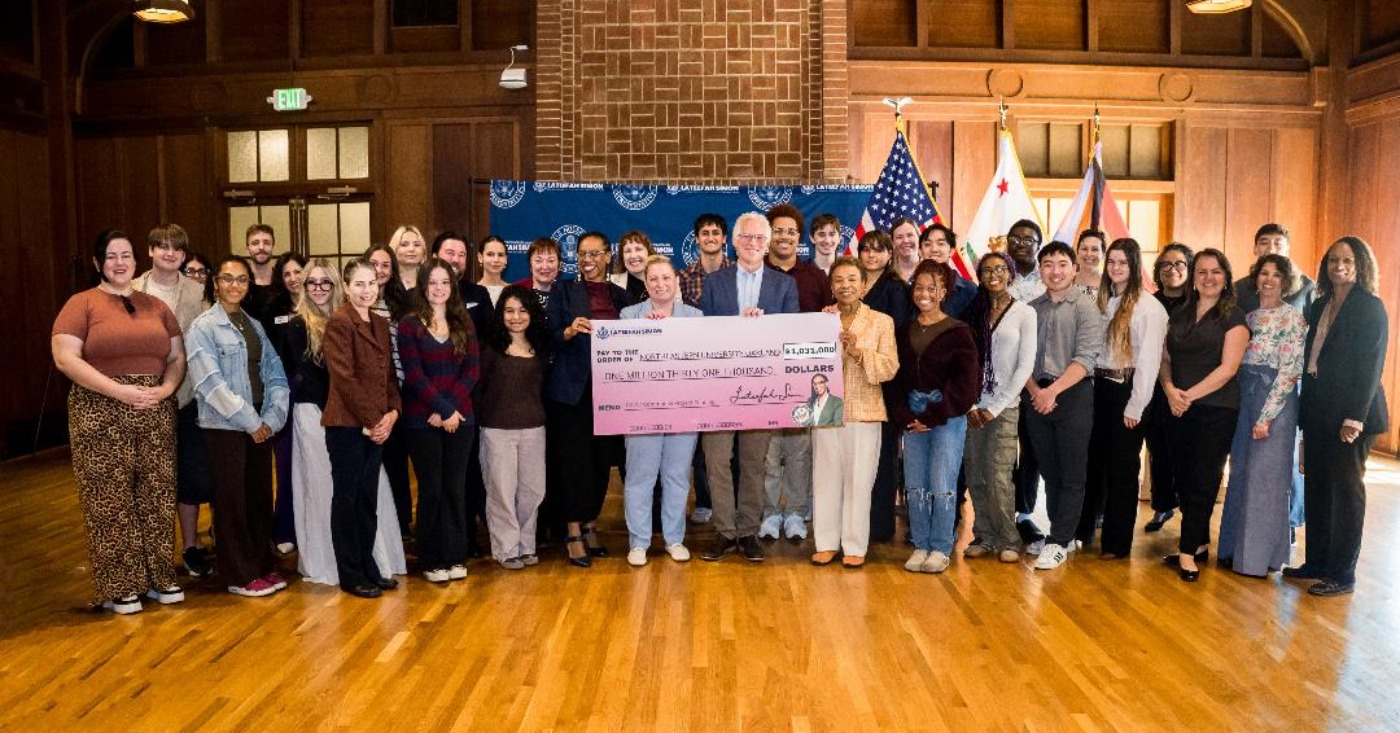
This week, Congresswoman Lateefah Simon (CA-12) announced $1,031,000 in Community Project Funding (CPF) for Mills College at Northeastern University Oakland (MCNUO). This federal funding will be used to purchase new emergency blue-light phone towers and security cameras that will help to improve public safety on campus and in the surrounding community.
Simon announced the funding alongside Oakland Mayor Barbara Lee, Dean of Northeastern University Oakland Dan Sachs, Associated Vice President for Global Site Security Regina Coppa, and other Northeastern University leadership. This federal investment is part of Simon’s commitment to bringing federal resources back to the East Bay and supporting students, educators, and educational institutions who are creating the next generation of leaders in the East Bay.
This Community Project Funding (CPF) is a part of the $11.2 million that Simon secured for 15 projects across the East Bay in Fiscal Year 2026. Each fiscal year, members of Congress can submit Community Project Funding requests for consideration with the House Committee on Appropriations.
“Mills College at Northeastern University is one of the jewels of Oakland. I came to this campus as a student and young, single mother and walked these paths with my child. I know this campus is home to far more than a university.
“It is home to the little ones at the preschool, the girls at Julia Morgan, the neighbors who swim in the pool and walk the trail, and the faculty and workers who keep it all running,” Simon said. “This funding invests in every one of them and in the simple things that make a place safe: light, open paths, updated equipment like call booths.
“NE’s leadership is committed to a campus that takes responsibility for its neighbors as much as its own. Safety is a public good, and that is exactly the kind of investment Oakland deserves. Thank you to Mayor Barbara Lee for her partnership on this funding.”
“This campus changed my life when I came here as a single mother on public assistance, and this million-dollar investment continues that legacy of support by keeping our students, families, and neighbors safe,” said Mayor Barbara Lee. “Before leaving Congress, I requested federal funding for this project, and I am deeply grateful to Congresswoman Lateefah Simon for carrying it forward so we can build the safe, thriving community Oakland deserves.”
“We’re grateful to Congresswoman Lateefah Simon for her leadership in securing this funding for our Oakland campus,” said Renee Jadushlever, vice president for Campus Administration and Strategic Initiatives at Northeastern University. “It’s a place where students learn, do research, build community, and gain real-world experience with our industry partners across the region. This investment will help maintain the safety of our campus community while we continue to welcome our neighbors and deepen our connections across Oakland.”
U.S. Rep. Lateefah Simon’s media relations office is the source of this story.
Black Press
COMMENTARY: Valarie Bachelor and Jennfier Brouhard are Excellent School Board Members and Deserve to Be Reelected
The Oakland Unified School District recently achieved a major milestone by escaping 22 years of state control and opening the school year with a teacher in every classroom. Incumbents Jennifer Brouhard and Valarie Bachelor are seeking reelection to the school board after overseeing balanced budgets, averting labor strikes, and reversing previous decisions to close local elementary schools. While the board now focuses on student-centered programs and school-based health facilities, a new wave of opposition candidates backed by wealthy tech donors has emerged. Read more about the shifting dynamics in this local election.
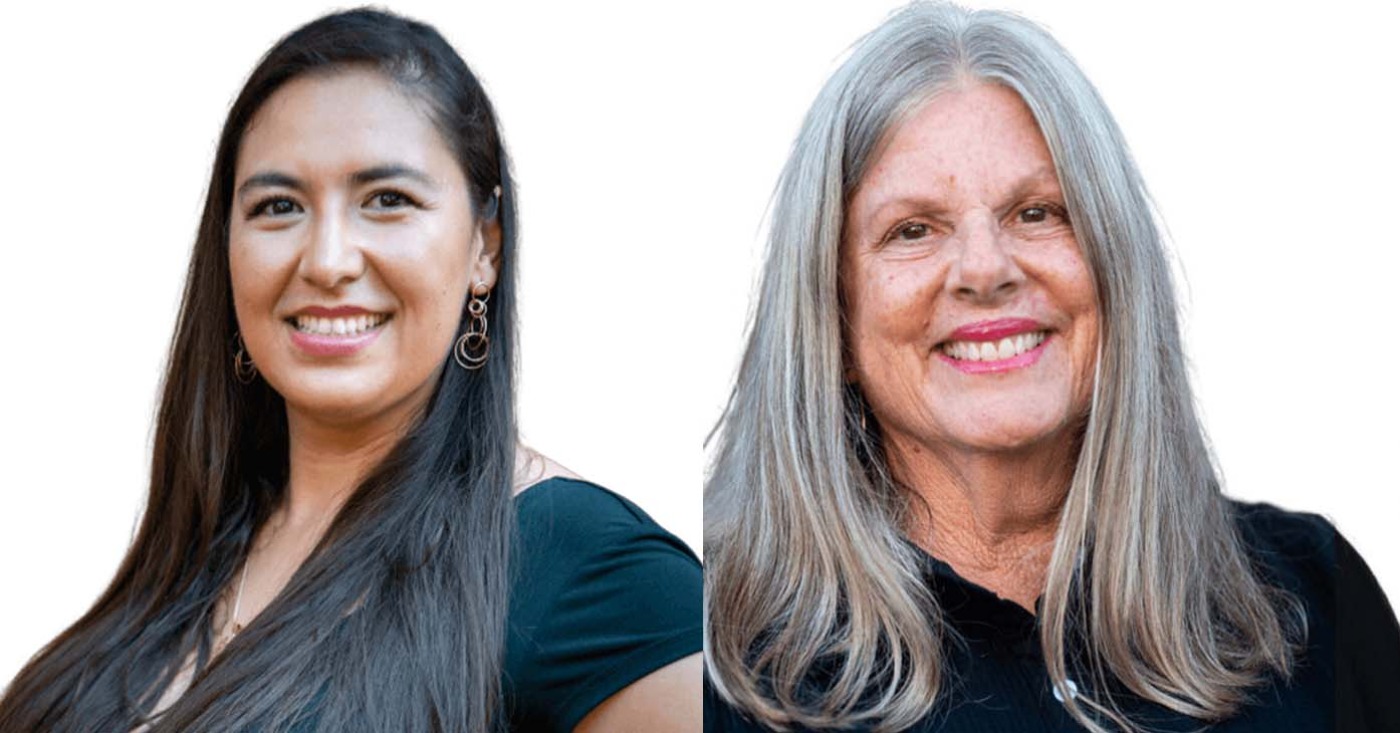
The Oakland schools have excellent leadership right now. I know it’s hard to believe – because there is so much wrong with the national education picture. But sometimes good things do happen locally.
This school year:
- The Oakland Unified School District escaped from state control after 22 years.
- Every classroom had a teacher at the beginning of the year, unlike past years when many classes started the year with day-to-day substitute teachers.
- Dr. Denise Saddler, an African American woman, is leading the district as superintendent now. She was an excellent choice with vast understanding of Oakland, of schools, and of educational systems locally and nationally.
- The school board and teachers managed to avert a teachers’ strike by some strategizing, listening and compromising.
- The school board does not plan to close more schools. For the first time in decades, those in charge of the district were not discussing closures.
The two women leading the school board are excellent educators themselves.
Board President Jennifer Brouhard (District 2) served as an Oakland teacher and was awarded a Fulbright Distinguished Award in Teaching and the U.C. Berkeley Social Science Project Teacher of the Year Award.
When Brouhard joined the board four years ago, she voted to reverse the decision of the previous board which had planned to close Brookfield, Carl B. Munck, Grass Valley, Fred T. Korematsu Discovery Academy and Horace Mann elementary. Half the students at Carl Munck and at least a third of the students at several others were African American.
In refusing to close schools, she pointed out that in Oakland and other districts it has been Black and Brown students who have been most affected and that closing schools does not save money.
Then, she focused funding on classrooms rather than paying outside consultants. For that, she and her colleagues have incurred the wrath of real estate developers and school privatizers who want to get their hands on public property.
Board Vice President Valerie Bachelor (District 6) has worked on important facilities projects. She helped to set up the first school-based dental project at Frick United Academy of Language, an Oakland middle school. She championed the Melrose Leadership Academy groundbreaking and the Skyline dining facilities.
Bachelor facilitated a balanced budget, which was pivotal in helping the district finally end state control. She also worked to direct funding toward student-centered programs like the Black Thriving Community Schools Program, instead of spending money on the never-ending. highly paid outside consultants.
The people financing the opposition candidates are Ryan Graciano, co-founder of Credit Karma, which made $ 2.7 billion last year; and Gagan Biyani, who says he became a millionaire at age 25.
The literature produced on behalf of the opposition supports closing schools, which harms students, and advocates expenditures that would put OUSD back under state control.
To read more, go to Education Week, “The Harm of School Closures Can Last a Lifetime, New Research Shows” (2024), www.edweek.org/leadership/the-harm-of-school-closures-can-last-a-lifetime-new-research-shows/2024/06
Dr. Kitty Kelly is a Professor of Education and Urban Studies. Dr. Kimberly Mayfield is Dean at Kalmanovitz School of Education, Saint Mary’s College of California.


Buying a Subaru WRX? Get the FULL Price Before You Sign #shorts

Houston Screenwriter Shannan E. Johnson on Making It in Hollywood

Golf Opportunities Beyond the Pros: Mentors, Scholarships & Mental Health #shorts

This Election Is Critical: Potecting Our Freedoms

Passion for Gopher Sports: The Podcast Origin Story! #shorts

Super Cruise: Hands-Free Driving on Your Routes #shorts

The People’s Revival GOTV 2026 Tour | Atlanta

Entrepreneurship: Make Your Big Vision Manageable #shorts

Hennepin County Attorney Debate 10/26
San Diego’s State Workers Demand Better Pay in Major Strike

OP-ED: Haiti TPS: Have We Lost Sense of Humanity?

Remembering Chauncey Bailey as Student Journalists Face Threats to Truth-Telling

All Skinfolk Ain’t Kinfolk

Poll: Becerra Widens His Lead Over Hilton; Californians Split on Wealth Tax

Rulings Leave Questions Lingering in Nolan Wells Case

Latinas Deserve Equal Pay. Unions Help Make It Happen.

Zakiya Jendayi Arrested, Locked Out of Home by Sheriff’s Deputies

Why Black Artists Struggle to Sell Tours

COMMENTARY: The Audacity of Joyce Beatty

A $2.1 Trillion Wellness Industry Never Built a Daily Practice for Black Children. So This Atlanta Family Did.
Buying a Subaru WRX? Get the FULL Price Before You Sign #shorts
Houston Screenwriter Shannan E. Johnson on Making It in Hollywood
Golf Opportunities Beyond the Pros: Mentors, Scholarships & Mental Health #shorts
This Election Is Critical: Potecting Our Freedoms
Passion for Gopher Sports: The Podcast Origin Story! #shorts
Super Cruise: Hands-Free Driving on Your Routes #shorts
The People’s Revival GOTV 2026 Tour | Atlanta
Entrepreneurship: Make Your Big Vision Manageable #shorts
Hennepin County Attorney Debate 10/26
San Diego’s State Workers Demand Better Pay in Major Strike
-

 Black History1 week ago
OP-ED: The Black Church Writes AI’s Next Chapter
-

 Featured7 days ago
Tamiko Armstead | 2026 Lifetime Achiever in Education
-

 Black History1 week ago
Practitioners of African Traditional Spirituality Offer Ancestral Reverence Ritual Oct. 31
-
 Art1 week ago
Kickstarter CEO Everette Taylor Shares Tips on Creating and Growing a Business
-

 Black History1 week ago
Columbus’s Oldest Businesses Still Open: 10 That Have Lasted 75+ Years
-

 Black History1 week ago
COMMENTARY: BIG MAMA SAID: Don’t Throw Away the Gift Just Because It Came Wrapped Wrong
