
Art
The ultimate review: 2018’s best hip-hop albums
ROLLINGOUT.COM — Through it all, hip-hop didn’t loosen its grip on dominating the charts and R&B bounced back into the discussion of relevance. You could sense something special was happening by the first quarter this year, as the pace of releases accelerated to the point that four or five projects were dropping every Friday. It was the year where veteran emcees returned to the charts, and a new generation cemented its position in the culture

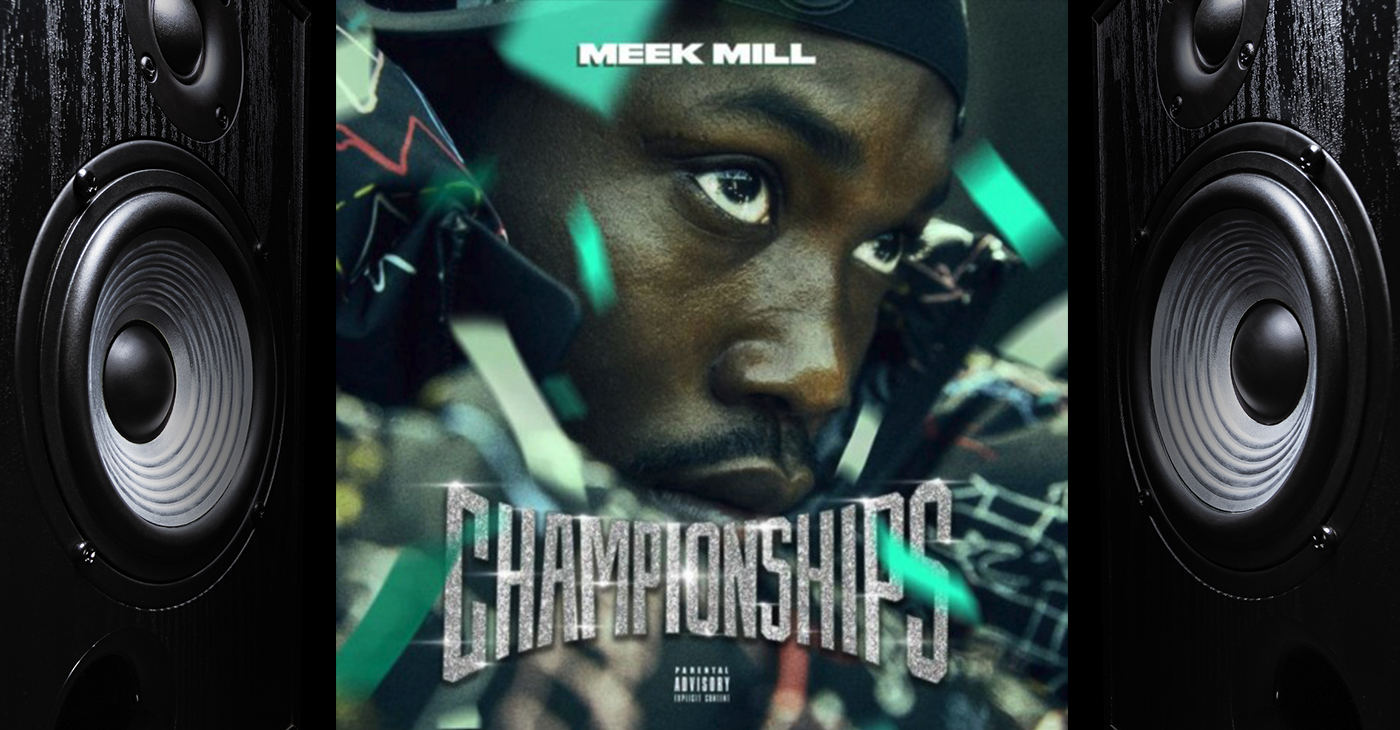

Meek Mill’s album CHAMPIONSHIPS (Photo courtesy of MMG/ Atlantic)
We experienced many memorable musical moments in 2018. For example, Kanye West produced five albums alone but overshadowed them all with his MAGA hat and White House visit; Childish Gambino’s “This is America” video created controversy and dialogue; 6ix9ine trolled his way into jail; Cardi B and Drake each had three No. 1 singles; and the culture lost several artists to death, including Mac Miller and XXXTentacion.
Through it all, hip-hop didn’t loosen its grip on dominating the charts and R&B bounced back into the discussion of relevance. You could sense something special was happening by the first quarter this year, as the pace of releases accelerated to the point that four or five projects were dropping every Friday. It was the year where veteran emcees returned to the charts, and a new generation cemented its position in the culture.
We had close to 100 albums that could have made our list of the year’s best and at least 50 that were really good, but we settled on 30 — that’s how much quality music was released this year.
Counting down from 30 to 1, here is our list of the best for 2018:
30. Jaden Smith – The Sunset Tapes: A Cool Tape Story
Album Releases: Third
City: Malibu, California
Vibe: Smith positioned himself in the artist-of-the-year conversation by releasing three stellar projects in 2018. The Sunset Tapes: A Cool Tape Story is the latest release and arguably the best of the trilogy. The ever-evolving artist delivers his most personal album addressing intimate moments, philosophical views and what some consider conspiracies. The production is beautifully woven together as he flexes bars one moment and harmonizes using Auto-Tune the next.
Standout tracks: “SOHO,” “A Calabasas Freestyle” and “Better Things”
This album is best appreciated while cruising along the coast or on the interstate as dusk approaches during an introspective moment.

Jaden Smith’s album The Sunset Tapes (Photo courtesy of MSTFS Music/Roc Nation)
29. DaniLeigh – The Plan
Album Releases: First
City: Miami, Florida
Vibe: You can dance, cruise or just spark up a blunt and appreciate the arrival of DaniLeigh’s debut album The Plan. The South Florida native is a Renaissance woman who’s been flexing her skills since she relocated to Los Angeles at 16 years old. Her years of dancing in music videos paid off once Prince reached out to her to direct his “Breakfast Can Wait” video. The Plan takes the listener through various moods from the signature West Coast G-Funk, to R&B, and trap music all within 33 minutes, leaving listeners motivated to persevere despite all obstacles.
Standout tracks: “Can’t Relate,” “Cruz” and “Family Only”
This album is best appreciated as the soundtrack to a beach party or cruising in your car reflecting on moments that’ll elicit a smile as dusk starts to settle on the day.

DaniLeigh’s album The Plan (Photo courtesy of Def Jam)
28. Cardi B – Invasion of Privacy
Album Releases: First
City: Bronx, New York
Vibe: Cardi B surprised the culture with her rise out of the exotic clubs to reality TV and to full-fledged rap star. Invasion of Privacy proves Cardi’s more than a one-hit wonder. She demonstrates her genre-hopping style throughout the album as she flips from aggressive hip-hop lyrics to a tender R&B vibe to Latin trap, capturing listeners around the globe.
Standout tracks: “Bodak Yellow,” “I Like It” and “Money Bag”
This album is best appreciated in building confidence to be yourself no matter how others judge you because your originality can lead you to success.

Cardi B’s album Invasion of Privacy (Photo courtesy of Atlantic/KSR)
27. Nicki Minaj – Queen
Album Releases: Fourth
City: Queens, New York
Vibe: After taking a four-year break between albums, Nicki Minaj is back to reign over her competition as she sits in her throne. Several female emcees have gathered in the courtyard to claim the crown, but Nicki will not relinquish it without a challenge. On Queen, every iteration of her career thus far is packaged into one project. Minaj once again rips microphones with the kind of rapid-fire tongue-twisted rhymes that made her famous on Kanye’s song “Monster.” Throughout the album, the rap diva expresses her independence using sexually charged lyrics that would make legendary emcee Roxanne Shante blush.
Standout tracks: “Barbie Dreams,” “Majesty” and “Coco Chanel”
This album is best appreciated by individuals facing adversity from challengers looking to take their position and how they respond from the top.

Nicki Minaj’s album Queen (Photo courtesy of Young Money/Cash Money/ Republic)
26. Drake – Scorpion
Album Releases: Fifth
City: Toronto, Ontario, Canada
Vibe: After years of fans requesting an album with more rhymes than singing from Drake, he delivers Scorpion, a double album — one side rap, and one side R&B. The singer inside Drake will not let the rapper stand out too much; he started signing three songs into the rap side and had a few rap tracks on the R&B side. It’s hard to deliver a subpar album with so many hits, but that’s what happened with Scorpion. The album had three No. 1 hits and a few other bangers separating him further from his peer group and ensuring he stays in the conversation for the throne.
Standout tracks: “Nonstop,” “God’s Plan” and “In My Feelings”
This album is best appreciated with your significant other or going to the hookah lounge.

Drake’s album Scorpion (Photo courtesy of Young Money Entertainment)
25. Teyana Taylor – K.T.S.E.
Album Releases: Second
City: Harlem, New York
Vibe: K.T.S.E. captivated listeners by pulling them into the inner workings of a married woman, who is not only expressing love to her family, daughter and husband but also her sexual freedom. This is the album that R&B listeners needed but didn’t know it. It feels nostalgic, like early Mary J. Blige, and liberating, like Rihanna, but fresh enough to be all Teyana.
Standout tracks: “Gonna Love Me,” “3Way” and “Rose in Harlem”
This album is best appreciated while baring your soul and connecting with someone you love.

Teyana Taylor’s album K.T.S.E. (Photo courtesy of Good Music/Def Jam)
24. Dave East & Styles P – Beloved
Album Releases: First
City: Harlem and Yonkers, New York
Vibe: Yonkers, New York, representer Styles P of The Lox and Harlem’s Dave East both released several projects in 2018 but still managed to surprise fans with a joint album to end the year. Beloved is a 13-track banger full of nostalgic boom-bap beats, quintessential East Coast rhymes, and dark tales with both emcees bouncing off one another effortlessly.
Standout tracks: “It’s Lit,” “For All My N—–” and “Cut From a Different Cloth”
This album is best appreciated by those seeking that East Coast energy from two lyrical beasts wrecking the mic.

Dave East x Styles P’s album Beloved (Photo courtesy of Def Jam)
23. J. Cole – KOD
Album Releases: Fifth
City: Raleigh, North Carolina
Vibe: J. Cole tackles the current rise of drug use promoted by the new generation of rappers. KOD is a warning to the culture that drugs will lead to a path of destruction along with people willing to do anything for money and Instagram likes.
Standout tracks: “Motiv8, “Kevin’s Heart” and “Windows Pain (outro)
This album is best appreciated as a deterrent to drug use and losing yourself in social media.

J. Cole’s album KOD (Photo courtesy of J. Cole/ P&D)
22. Royce Da 5’9″ – Book of Ryan
Album Releases: Ninth
City: Detroit, Michigan
Vibe: With Book of Ryan, Royce da 5’9″ is transforming his diary into rhymes and giving his fans the most personal album of his stellar career. He covers the challenges of his childhood in witnessing addiction, domestic abuse and the downfalls alcohol had on his life before getting clean and sober. Royce makes each rhyme count, weaving his flow with each beat. He sounds focused throughout the album while freeing himself from the burden of hardship and struggles that once hindered him.
Standout tracks: “Caterpillar,” “Cocaine” and “Boblo Boat”
This album is best-appreciated learning of the trials and tribulations of an elder statement offering insight to heed.

Royce da 5’9″‘s album Book of Ryan (Photo courtesy of Heaven Studios)
21. Phonte – No News Is Good News
Album Releases: Second
City: Greensboro, North Carolina
Vibe: Phonte is back with his grown man dialogue, navigating listeners through ups and downs of marriage, fatherhood and how your examples have more lasting effects on your children than your words. He also addresses issues facing African American communities by stressing the importance of proper diet, physical fitness, doctor visits and not being ashamed of seeking therapy to attain mental peace.
Standout tracks: “Pastor Tigallo,” “Cry One” and “Sweet You”
This album is best appreciated while relaxing after the daily grind and seeking a soothing introspective vibe.

Phonte’s album No News Is Good News (Photo courtesy of Foreign Exchange Music)
20. Rejjie Snow – Dear Annie
Album Releases: First
City: Dublin, Ireland
Vibe: This soft-spoken, laid-back Dublin rapper rhymes over jazzy samples and trip-hoppy beats, producing groovy tracks that resemble The Beach Boys’ stellar album Pet Sounds. Snow’s sound is reminiscent of Native Tongues, the rap collective that paved the way for free-spirited, Afrocentric and funk vibes in hip-hop.
Standout tracks: “Mon Amour,” “Oh” and “23”
This album is best appreciated while relaxing after the daily grind or if you’re seeking a soothing introspective vibe.

Rejjie Snow’s album Dear Annie (Photo courtesy of 300 Entertainment/Honeymoon)
19. Saba – Care For Me
Album Releases: First
City: Chicago, Illinois
Vibe: Care For Me exhibits Saba’s rhythmic flow and melancholy style, weaving together tales of love and loss that have deeply impacted the 24-year-old Midwest native. Saba warrants your attention, whether rapping or singing. Throughout this album, he reflects on his cousin’s death, strained relationships with women and navigating the terrain of his hometown Chicago.
Standout tracks: “Broken Girls,” “Smile” and “Logout”
This album is best appreciated for its insight into the struggles millennials face settling into adult life.

Saba’s album Care For Me (Photo courtesy of Saba Pivot, LLC)
18. Noname – Room 25
Album Releases: Second
City: Chicago, Illinois
Vibe: Noname returns with her second installment since departing her hometown of Chicago for Los Angeles. Room 25 chronicles the journey of an artist transitioning into adulthood, addressing love, heartbreak, racism and maneuvering through the world as a female emcee in 2018 during the Me Too era.
Standout tracks: “Blaxploitation,” “Window” and “I like Ace.
This album is best appreciated as a guide as you transition from one stage of life to the next.
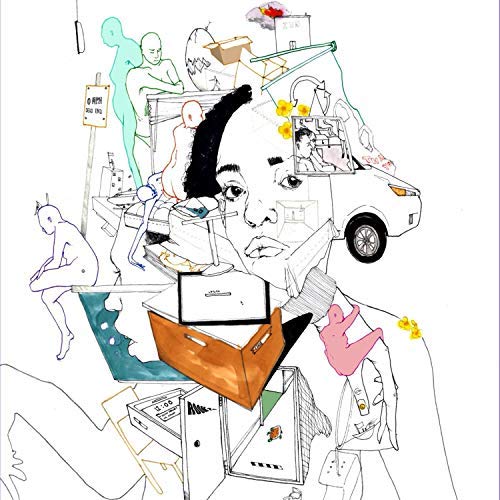
Noname’s album Room 25 (Photo courtesy of No/Name)
17. Black Milk – FEVER
Album Releases: Seventh
City: Detroit, Michigan
Vibe: Black Milk an elite producer and rapper who shines on his new album. He delivers the culture a new Black revolutionary soundtrack filled with jazz, funk and hip-hop to guide listeners through the struggles currently facing society.
Standout tracks: “But I Can Be,” “Laugh Now Cry Later,” and “Will Remain”
This album is best appreciated while reflecting on the current state of African Americans and how we should strive to seek stability as a people.
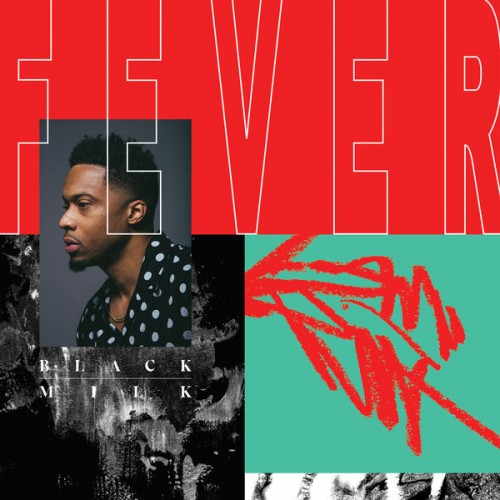
Black Milk’s album FEVER (Photo courtesy of Mass Appeal)
16. Janelle Monáe – Dirty Computer
Album Releases: Fourth
City: Kansas City, Kansas
Vibe: Monáe finally delivers her opus with Dirty Computer, an album addressing sexuality and all its intersections. There is a celebration of liberation taking place on the album, especially following Monaé’s public announcement that she is pansexual. Dirty Computer feels like an homage to Prince, Michael and Madonna, covering three decades of electric sound waves and freedom of expression.
Standout tracks: “Django Jane,” “Make Me Feel” and “I Like That”
This album is best appreciated for inspiring individuals to live their best life.
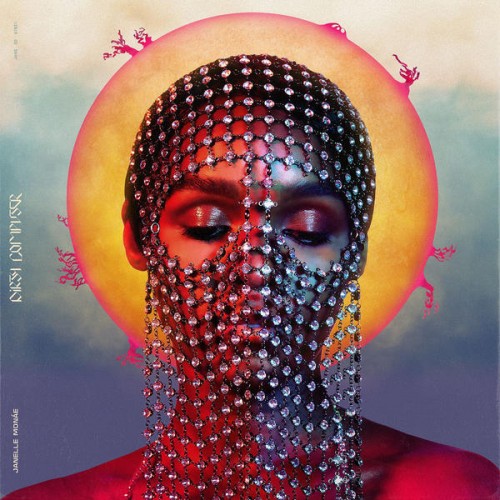
Janelle Monáe’s album Dirty Computer (Photo courtesy of Bad Boy Records)
15. Travis Scott – Astroworld
Album Releases: Third
City: Houston, Texas
Vibe: Astroworld is another a glimpse inside the mind of Houston’s eccentric rap star Travis Scott. This album pulls you slowly into the eclectic psychedelic carnival world, surprising and delighting listeners throughout the 60-minute experience. Scott smears textures of various sounds that become ear candy under his Auto-tuned vocals. He weaves back and forth between rapping and singing, covering dark several subjects, including drugs, heartbreak and the impact of loneliness.
Standout tracks: “Sickomode,” “5% Tint” and “Stop Trying To Be God”
This album is best appreciated while searching for moments of bliss during a mundane day.

Travis Scott’s album Astroworld (Photo courtesy of Epic/Grand Hustle/ Cactus Jack)
14. Black Thought – Streams of Thoughts Vol. 2
Album Releases: Second
City: Philadelphia, Pennsylvania
Vibe: The lyrical terror that is Black Thought and producer extraordinaire Salaam Remi deliver the Black soundtrack to wrap up 2018. Thought touches on the destruction that drugs are having on society and how youth have become heartless regarding life with senseless killings on the rise as if there are no consequences. He covers so much more in the album’s 24 minutes, touching on slavery, the lasting effects of PTSD, misogyny, generational rap beefs and love.
Standout tracks: Fentanyl,” “Soundtrack to Confusion” and “Conception”
This album is best appreciated as an inspirational guide to maneuver through the current state of society.

Black Thought’s album Streams of Thoughts Vol. 2 (Photo courtesy of Passyunk)
13. The Black Eyed Peas – Masters of the Sun Vol. 1
Album Releases: Seventh
City: Los Angeles, California
Vibe: Masters of the Sun Vol.1 is one of best albums in the Black Eyed Peas’ discography. The album is a complete body of work that speaks to the current climate of today’s society and still will get you to the dance floor but in a conscious state.
Standout tracks: “Back 2 Hiphop,” “All Around The World” and “Wings”
This album is best appreciated in a b-boy and b-girl state of mind and while getting ready for a night out on the weekend.
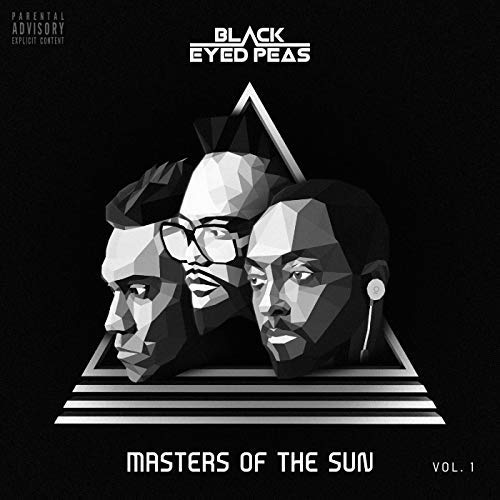
Black Eyed Peas’s album Masters of The Sun (Photo courtesy of UMGRI)
12. Vince Staples – FM!
Album Releases: Fourth
City: Long Beach, California
Vibe: FM! is a concept album with Staples spending a summer’s day at “Big Boy’s Neighborhood,” the long-running, nationally syndicated hip-hop radio show in Los Angeles. The 11-track, 22-minute project feels like the listener is roaming inside one of Staples’ dreams where he is finally having his music played over the airwaves after taking over the radio station.
Standout tracks: “Feels like Summer,” “Don’t Get Chipped” and “Fun!”
This album is best appreciated while cruising in your ride or chilling with the homies in the summertime.

Vince Staples’ album FM! (Photo courtesy of Def Jam Recordings)
11. J.I.D – DiCaprio 2
Album Releases: Second
City: Atlanta, Georgia
Vibe: J.I.D’s high-pitched flow is back on DiCaprio 2, showcasing his acrobatic lyrical abilities from start to finish. The album is narrated by mixtape legend DJ Drama. The tempo, beats and frantic determination of J.I.D fuels this album enough to keep ears perked to the speakers and fingers ready to hit rewind. He touches on the current rise and celebration of drug usage by the youth, domestic violence, abortions and how jealousy can lead to death. There is something for everyone on this album.
Standout tracks: “Slick Talk,” “Off Deez” and “Mounted Up”
This album is best appreciated with a focused state of mind to fully absorb the lyrical onslaught.

J.I.D’s album Dicaprio 2 (Photo courtesy of J. Cole/ DreamVille)
10. A$AP Rocky – Testing
Album Releases: Third
City: Harlem, New York
Vibe: There is an emotional ride of eclectic and psychedelic vibes transcending out of the speakers into listeners ears on Testing. Fans are often marveled at the range of A$AP imagination, the clashes of sounds being brought together, the depth of his lyrics and artists selected for collaborations. Rocky produces 70 percent of Testing and continues stepping away from the current trends of mainstream rap albums.
Standout tracks: “A$AP Forever,” “Fukk Sleep” and “Praise The Lord”
This album is best appreciated while relaxing in your house or chilling at your local coffee shop.

A$AP Rocky’s album Testing (Photo courtesy of A$AP Worldwide/Polo Grounds Music/RCA Records)
9. Kanye West and KidCudi – Kids See Ghost
Album Releases: First
City: Chicago, Illinois, and Cleveland, Ohio
Vibe: The beautiful mind of Kanye West and the introspective harmonizing wizard Kid Cudi finally deliver the long-awaited album Kids See Ghost to their legion of fans. Kids See Ghost arrived right as awareness about mental health was rising in communities, especially among African Americans. Kanye and Cudi are both struggling with mental health issues and alienation from others as they seek to find peace and balance in a judgmental society. Kids See Ghost sounds and feel like what you would expect when two of the greatest artists to emerge from hip-hop pair rock-and-hip-hop-infused production with insightful lyrics celebrating being free and at peace.
Standout tracks: “Feel the Love,” “Freeee” and “Reborn”
This album is best appreciated during a time of introspection or while simply rocking out.

Kanye West and Kid Cudi’s album Kids See Ghosts (Photo courtesy of GOOD and Def Jam)
8. Mac Miller – Swimming
Album Releases: Fifth
City: Pittsburgh, Pennsylvania
Vibe: Mac Miller had a lot to say during his short span on earth, releasing more than 15 projects, five of which were major releases. Swimming — the album released one month before his unexpected death — finds Mac at the steps of clarity regarding the artist and the man he was, struggling with substance abuse and a broken heart. The production and lyrics are a perfect blend, setting the perfect tone of the emotions Mac is expressing. Some may find this album heavy due to his passing, and others might find it darker and colder than previous projects. I see it as the final offering from a musical prodigy swimming and seeking to find a way out of his own head.
Standout tracks: “Come Back to Earth,” “Self Care,” and “Ladders”
This album is best appreciated while relaxing in your house or if you need an introspective soundtrack.

Mac Miller’s album Swimming (Photo courtesy of Warner Bros Records)
7. Nas – Nasir
Album Releases: Eleventh
City: Queens, New York
Vibe: Nasir continues the narrations, attempting to enlighten the youth by urging them to watch out for drugs, guns, social media and dire choices with lasting effects and concentrate on building wealth and knowledge and the rewards of working hard work at your craft can yield. Nas is as sharp as ever over Kanye’s soulful production and sample-filled wonderland.
Standout tracks: “Cops Shot the Kid,” “everything,” and “Adam and Eve”
This album is best appreciated as insight from an elder statement’s perspective offering wisdom of how to maintain and maneuver through the obstacles facing society.

Nas’s album NASIR (Photo courtesy of Mass Appeal and Def Jam)
6. Anderson .Paak – Oxnard
Album Releases: Fourth
City: Oxnard, California
Vibe: Anderson continues the theme of naming his albums after cities in California where he lived or somehow influenced him over the years. As a musician, singer and rapper, Paak’s joyous melodies and use of instrumentation and Dr. Dre’s mixing skills combine to deliver one of the best albums this year and what I feel is Anderson’s best album to date.
Standout tracks: “Tints,” “Mansa Musa,” and “Cheers.”
This album is best appreciated reminiscing on the days of when funk and soul dominated the sound waves and music felt like love.

Anderson .Paak’s album Oxnard (Photo courtesy of Aftermath/ 12 Tone Music, LLC)
5. Swizz Beats – Poison
Album Releases: Second
City: Bronx, New York
Vibe: Swizz delivered a cohesive project woven together so well that the listener forgets they’re listening to a compilation album with 10 tracks and 12 artists such as Lil Wayne, Young Thug, Kendrick, Pusha T and Nas. The production is truly the driving force throughout Poison, showing Swizz’s talent as a great arranger along with top-tier emcees delivering high-quality lyrics.
Standout tracks: “Preach,” “Echo,” and “Cold Blooded.”
This album is best appreciated as the score to an art, music and culinary fusion event.

Swizz Beatz’s album Poison (Photo courtesy of EPIC/Swizz Beatz Production, Inc.)
4. Black Panther: The Album
Album Releases: First
City: Compton, California
Vibe: Top Dawg Entertainment is gradually becoming the most talented label in hip-hop. Kendrick Lamar leads the charge on the Black Panther movie soundtrack, a project perfectly woven like Kente cloth for the entire diaspora of Africans around the globe.
Standout tracks: “All The Stars,” “Pray for Me,” and “King’s Dead”
This album is best appreciated while relaxing in your house or if you need a burst of inspiration to improve your day.

Black Panther: The Album (Photo courtesy of TDE)
3. Nipsey Hussle – Victory Lap
Album Releases: First
City: Los, California
Vibe: Nipsey Hussle followed through on his promise to deliver his debut album Victory Lap — albeit five years later than expected—but, oh boy, was it worth the wait. It’s filled with tales of getting your wealth up through entrepreneurial endeavors, the pits of street life and the journey into manhood coming up in Los Angeles.
Standout tracks: “Hussle and Motivate,” “Last time I Checc’d,” and “Grinding All My Life”
This album is best appreciated when cruising in your ride to your next hustle.

Nipsey Hussle’s album Victory Lap (Photo courtesy of Atlantic Records)
2. Jay Rock – Redemption
Album Releases: Third
City: Watts, California
Vibe: Jay Rock released an inspirational album for those who represent the grit. Redemption is full of gritty street tales with melodious, catchy hooks, and Eastside Johnny, aka Jay Rock, delivers his best hook to date.
Standout tracks: “Win,” “OSOM featuring J.Cole,” and “Wow Freestyle”
This is album is best appreciated for getting the adrenaline pumping.
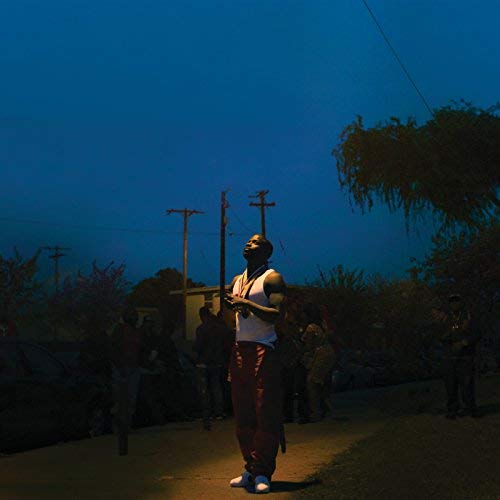
Jay Rock’s album Redemption (Photo courtesy of TDE)
1. Pusha – DAYTONA
Album Releases: Third
City: Virginia Beach, Virginia
Vibe: Pusha T delivers his opus magnum in DAYTONA. It’s a masterstroke of elevated drug tales from a former dealer reflecting on adventures. He also instigated the beef of the year with Drake by sending him the calm before the storm shot on “Infrared” prompting Drake to respond, only setting him up for the southpaw knockout with the second diss “Story of Adion” that silenced the back and forth. This album was made to push replay!
Standout tracks: “If You Know You Know,” “The Games We Play,” and “Infrared”
Produced by Kanye West, this album is best appreciated for its glimpse into the life and reflections of a hustler.

Pusha T’s album DAYTONA (Photo courtesy of GOOD and Def Jam)
Well, that’s it. But before we go, here’s one we had to add as a bonus, especially for all your Meek Mill fans.
Bonus: Meek Mill – Championship
Album Releases: Fourth
City: Philadelphia, Pennsylvania
Vibe: Meek Mill deserves applause for ending 2018 with the release of Championships, the strongest album of his career. He went from beefing with Drake, to watching his star gradually grow dimmer, to eventually landing back in jail for violating his probation due to popping a wheelie in New York City. Meek survived what would destroy most emcees in the midst of their ascension. This album finds the street champ busting wheelies back onto the charts, with songs that challenge the judicial system, speak out against the mental impact of incarceration, and call for prison reform.
Standout tracks: “What’s Free,” “Oodles O’Noodles Babies” and “Trauma”
This album is best appreciated as a warning that one criminal act committed in your teens can hinder you in your adult life and keep you from being free in mind, body and spirit.

Meek Mill’s album CHAMPIONSHIPS (Photo courtesy of MMG/ Atlantic)









Art
Brooklyn Roots and Artistic Genius
THE POSITIVE COMMUNITY — Jean-Michel Basquiat emerged from Brooklyn to become one of the most influential artists of the late twentieth century. Born in 1960 to a Haitian father and a mother of Puerto Rican descent, his upbringing was defined by a rich blend of Caribbean cultural traditions and the linguistic diversity of New York City.
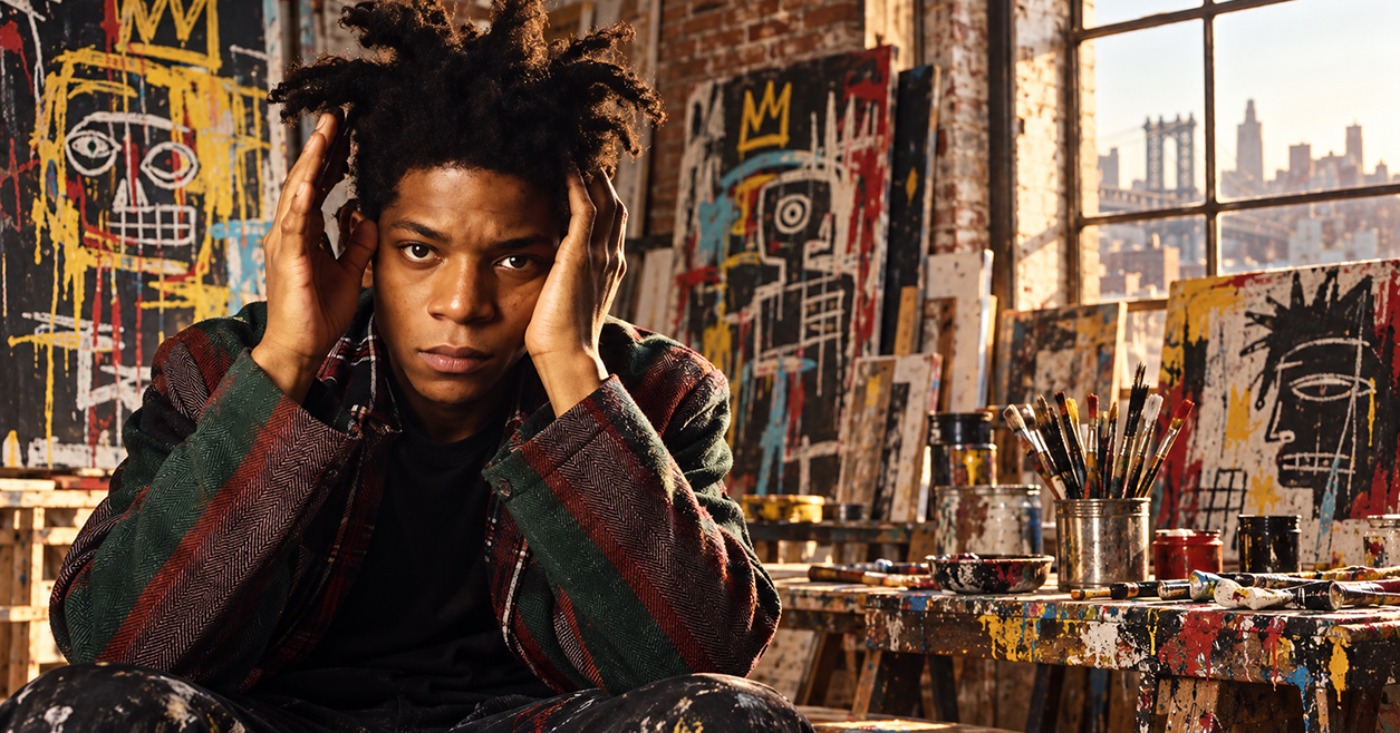
Jean-Michel Basquiat was one of the most influential artists to emerge from New York City during the late twentieth century. Born on December 22, 1960, in Brooklyn, New York, he transformed his experiences growing up in the city into a distinctive artistic language that combined painting, poetry, history, music, and social commentary. His work explored Black identity, racism, power, and the experiences of people whose stories had often been overlooked by mainstream institutions. Although his career lasted only a few years, Basquiat left a lasting mark on contemporary art.
Basquiat grew up in a family that exposed him to several cultural influences. His father, Gérard Basquiat, was born in Haiti, while his mother, Matilde Andrades, was born in New York to Puerto Rican parents. Through his parents, Jean-Michel was connected to Haitian, Puerto Rican, and broader Caribbean cultural traditions. Growing up in Brooklyn, he experienced the diversity of New York City, where different languages, communities, musical styles, and artistic expressions existed side by side. These influences would later become visible in his paintings, which frequently incorporated historical references, handwritten words, and symbols.
His mother played an important role in encouraging his early interest in art. Matilde recognized her son’s artistic ability and introduced him to museums, books, and cultural experiences. One important childhood event occurred when Basquiat was seven years old and was struck by a car while playing in the street. During his recovery, his mother gave him a copy of Gray’s Anatomy, a medical reference book that illustrated the human body in considerable detail. Its anatomical drawings influenced his lifelong interest in skeletons, skulls, and the internal structures of the human body. These images later became recurring features in his artwork.
Basquiat was one of four children born to Gérard and Matilde, although the family had experienced the loss of an older son before his birth. He had two younger sisters, Lisane and Jeanine, with whom he shared his early family life. His parents eventually separated, and his mother experienced periods of serious personal difficulties that affected the family. These circumstances formed part of a complicated childhood that included both encouragement and hardship. Although his family relationships were not always easy, his mother’s early support for his artistic interests remained an important influence on his development.
Basquiat’s upbringing was also shaped by language and cultural diversity. He grew up speaking English, French, and Spanish, reflecting the backgrounds of his parents and the environment in which he was raised. In 1974, his family moved to Puerto Rico for a period before returning to Brooklyn in 1976. These experiences exposed him to different cultural perspectives and helped establish the broad historical and cultural interests that later appeared in his work. His paintings often included words and references drawn from different languages, histories, and communities, creating a visual expression of his multicultural identity.
As a teenager, Basquiat became increasingly connected to Manhattan’s downtown art and music scenes. He eventually left home and supported himself through various activities, including selling handmade postcards and painted T-shirts. Along with his friend Al Diaz, he began creating cryptic graffiti under the name SAMO, short for “Same Old.” Their messages appeared on walls around Lower Manhattan and attracted attention for their wit, unusual phrasing, and criticism of established social and cultural conventions. This early work helped Basquiat develop a reputation as an original voice in New York’s underground creative community.
By the early 1980s, Basquiat had moved from street-based expression into the world of professional painting. His work attracted attention through exhibitions that introduced his distinctive style to collectors, critics, and fellow artists. His paintings combined bold colors, rough lines, repeated symbols, handwritten phrases, and images of human figures. Rather than following traditional expectations of polished painting, he created works that appeared energetic, fragmented, and emotionally direct. His artistic approach reflected the rhythms of New York City, where street culture, hip-hop’s emerging influence, punk music, and experimental art intersected.
A central theme in Basquiat’s work was the experience of Black people in a society shaped by racial inequality. He frequently portrayed historical figures, athletes, musicians, and other individuals whose achievements deserved recognition. Crowns appeared throughout his paintings as symbols that could suggest dignity, authority, and the importance of people who had been marginalized. His work also challenged colonialism, racism, and the unequal distribution of power. Rather than presenting history as a distant collection of events, Basquiat brought it into the present, encouraging viewers to consider whose stories were celebrated and whose were neglected.
Music was another important element of Basquiat’s creative life. He played in a band that eventually became known as Gray, exploring experimental sounds alongside his visual art. He was influenced by jazz and the broader musical culture of New York, and his paintings often possess a rhythm that resembles improvisation. Words, marks, and images seem to compete for attention while creating an overall composition. His artistic process shared something with jazz musicians who build a performance through experimentation, repetition, and unexpected changes. This connection between music and painting helped distinguish Basquiat from many of his contemporaries.
Basquiat also developed a significant relationship with Andy Warhol, one of the most recognizable artists of the twentieth century. The two artists collaborated on paintings during the 1980s, combining different approaches to imagery, color, and popular culture. Their relationship brought Basquiat into contact with an influential figure in the established art world, although it also highlighted the tensions between artistic creativity, celebrity, and commercial success. As his reputation grew, Basquiat had to navigate an industry that increasingly treated his identity and personal story as part of the appeal of his work. Nevertheless, he continued to produce paintings that expressed his individual perspective and challenged conventional ideas about art.
Despite his extraordinary success, Basquiat’s life was tragically short. He died in New York City on August 12, 1988, at just 27 years old, from an accidental drug overdose. His death ended a remarkably productive period in which he had moved from an underground artist in Brooklyn and Manhattan to an internationally recognized painter. His final years have also encouraged broader discussions about the pressures faced by young artists, the demands of celebrity, and the difficulties of maintaining personal well-being while working in a highly competitive industry. His death remains a painful reminder of the distance between public recognition and the private struggles a person may experience.
Today, Jean-Michel Basquiat’s legacy extends far beyond the galleries in which his paintings are displayed. His work is held by major museums, studied by scholars, and admired by artists across generations. His Brooklyn upbringing, Haitian and Puerto Rican heritage, family experiences, and encounters with New York’s streets all contributed to the development of an artistic vision that was unmistakably his own. Basquiat demonstrated that an artist did not need to follow traditional academic pathways to create work of lasting significance. His paintings continue to speak about identity, inequality, history, and the power of creative expression. From the streets of New York to the world’s leading museums, Basquiat remains a symbol of artistic independence and the enduring influence of Black creativity.
Based on reporting by The Positive Community.
Art
Capturing Black Life’s Beauty
THE POSITIVE COMMUNITY — Deana Lawson is an acclaimed American photographer and visual artist whose work explores Black identity, family, and spirituality through powerful portraiture. Born in Rochester, New York, in 1979, Lawson developed a distinctive aesthetic that blends carefully arranged compositions with emotionally compelling subjects.
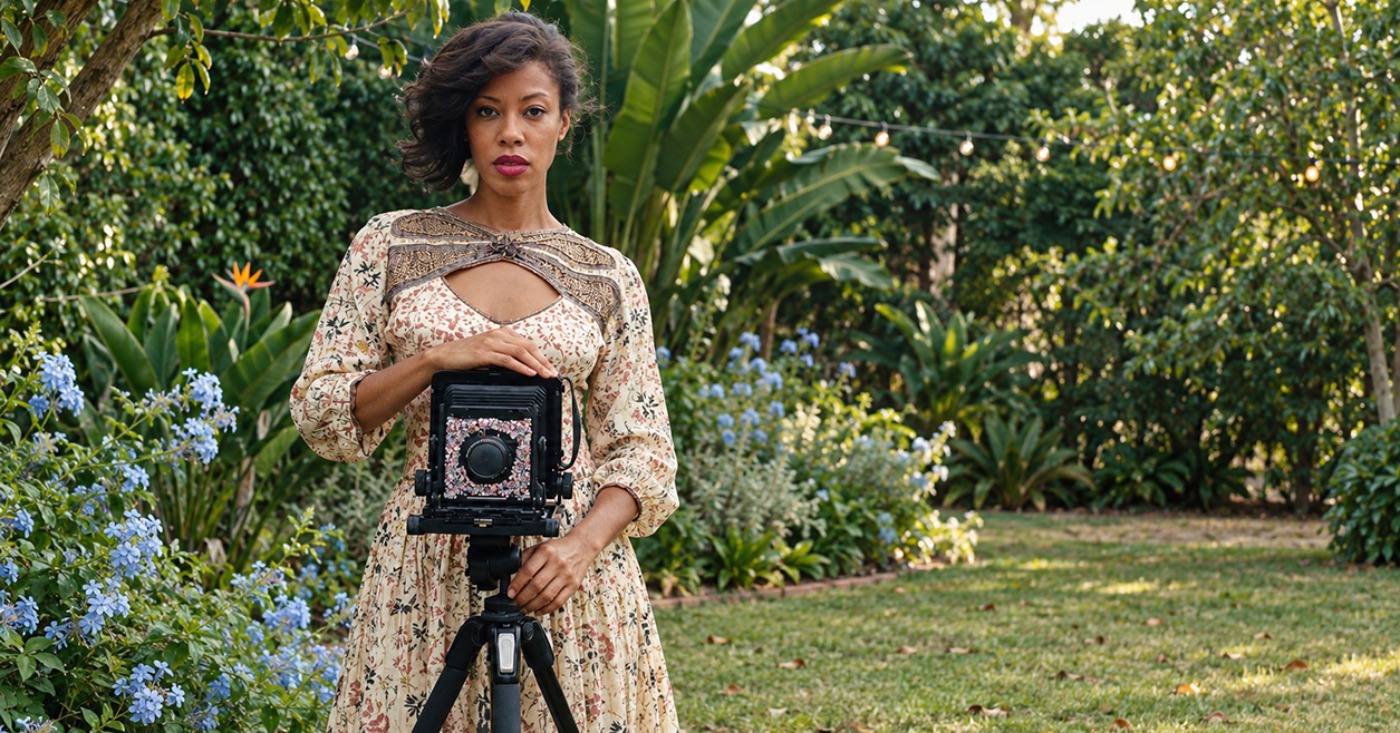
Deana Lawson is an acclaimed American photographer and visual artist whose powerful portraits explore Black identity, family, spirituality, intimacy, and the complexities of everyday life. Born in 1979 in Rochester, New York, Lawson has developed a distinctive approach to photography that combines carefully arranged compositions with emotionally compelling subjects. Her images often resemble scenes from family photo albums, yet they possess a theatrical quality that encourages viewers to look beyond the surface. Through her work, Lawson challenges conventional representations of Black people and presents images that celebrate their humanity, individuality, beauty, and cultural richness.
Lawson’s interest in photography developed partly through her family’s relationship with the medium. Her father was an enthusiastic family photographer, and the photographs he collected helped shape her understanding of how images preserve memories and communicate identity. Growing up surrounded by family pictures gave her an appreciation for the significance of documenting everyday experiences. She recognized that family photographs do more than record appearances; they capture relationships, traditions, aspirations, and moments that become part of a family’s history. These early influences would eventually become central to her artistic practice, inspiring her to examine how photographs shape our understanding of ourselves and the people around us.
Her formal education provided the foundation for a successful career in the visual arts. Lawson earned a Bachelor of Fine Arts degree in photography from Pennsylvania State University in 2001 before completing a Master of Fine Arts degree at the Rhode Island School of Design in 2004. During her studies, she developed the technical and conceptual skills necessary to create photographs that communicate complex ideas. Rather than concentrating exclusively on conventional documentary photography, Lawson explored the possibilities of staging, portraiture, lighting, and composition. Her work demonstrates that photography can occupy a space between reality and imagination, documenting actual people while constructing carefully considered scenes that communicate broader emotional and cultural truths.
One of the most recognizable characteristics of Lawson’s photography is her attention to detail. She carefully considers the positioning of her subjects, the arrangement of furniture, the colors within a room, and the relationship between people and their surroundings. Bedrooms, living rooms, and other domestic spaces frequently become important settings in her photographs. Everyday objects, including mirrors, religious items, toys, clothing, and household decorations, help establish a sense of personal history. These details give viewers the impression that they are entering an intimate environment, while the deliberate composition encourages them to consider what the image communicates about family, identity, and belonging.
Lawson frequently photographs Black individuals, couples, and families in poses that communicate dignity, confidence, vulnerability, and emotional complexity. Her subjects often look directly into the camera, establishing a powerful connection with the viewer. Their expressions may appear serious, mysterious, or quietly contemplative. This direct gaze gives the people in her photographs a strong visual presence, making it difficult to treat them as passive subjects. Instead, they appear self-possessed and fully aware of their place within the image. Lawson’s approach challenges stereotypes that have historically influenced the representation of Black people in photography and popular culture, replacing simplistic narratives with images that emphasize individuality and humanity.
Her photographs also explore spirituality, a theme that adds another dimension to her artistic vision. Religious imagery, symbolic objects, unusual gestures, and carefully controlled lighting sometimes give her compositions an almost sacred atmosphere. Lawson’s images may resemble familiar domestic scenes while simultaneously suggesting something mysterious or otherworldly. This combination encourages viewers to consider the spiritual dimensions of ordinary life and the ways people seek meaning through relationships, traditions, and personal beliefs. Her photographs do not always offer clear explanations, allowing ambiguity to become part of their emotional power. The viewer is invited to interpret the scene and consider how visible appearances may conceal deeper experiences.
Although Lawson is deeply interested in African American life, her artistic vision extends throughout the African diaspora. A Guggenheim Fellowship in 2013 supported travel that included destinations such as Haiti, Jamaica, Ethiopia, and the Democratic Republic of the Congo. These experiences expanded her perspective on the relationships connecting Black communities across different countries and cultural traditions. Her photographs explore similarities and differences in how people express identity, beauty, family, spirituality, and social belonging. Rather than suggesting that Black experiences are identical everywhere, Lawson’s work acknowledges the richness and diversity of Black life. Her international perspective places individual portraits within a broader conversation about history, migration, ancestry, and cultural connection.
Among her notable works is Roxie and Raquel, New Orleans, Louisiana (2010), a portrait featuring twin sisters positioned together on a bed. The carefully arranged composition emphasizes both their resemblance and their individuality, while the surrounding furnishings and colors contribute to the photograph’s visual balance. Another important work, Nation (2018), demonstrates Lawson’s interest in constructing images that carry symbolic and cultural significance. Her photographs often invite extended examination because their meaning emerges through the relationship between the subjects, their gestures, and the surrounding environment. These images illustrate her ability to transform seemingly ordinary moments into compositions that feel monumental, mysterious, and emotionally resonant.
Lawson’s achievements have brought her work to some of the most respected institutions in the art world. In 2020, she became the first photographer to receive the prestigious Hugo Boss Prize, an award recognizing significant contemporary artistic achievement. The recognition led to Centropy, an exhibition at the Solomon R. Guggenheim Museum in New York in 2021. Her work has also been presented at the Museum of Modern Art, MoMA PS1, the Institute of Contemporary Art in Boston, and the High Museum of Art in Atlanta. In 2022, she received the Deutsche Börse Photography Foundation Prize. Beyond her exhibitions, Lawson has contributed to art education through her work at Princeton University, where she serves as the inaugural Dorothy Krauklis ’78 Professor of Visual Arts.
Ultimately, Deana Lawson’s significance lies in her ability to make photography a powerful vehicle for cultural affirmation and artistic exploration. Her portraits challenge viewers to reconsider familiar assumptions about Black identity while celebrating the beauty, complexity, and emotional depth of Black communities. By combining elements of documentary photography, family albums, staged portraiture, and symbolic imagery, she has created a visual language that is unmistakably her own. Her work reminds audiences that photographs are never simply records of what appears before a camera; they can also express dreams, histories, relationships, and aspirations. Through her remarkable vision, Lawson continues to expand the possibilities of contemporary photography and ensure that the lives and experiences of Black people occupy a central place in the visual record of our time.
Based on reporting by The Positive Community.
Art
Statue of ‘La Catrina,’ a Beloved Symbol of Dia de Los Muertos, Visits Oakland
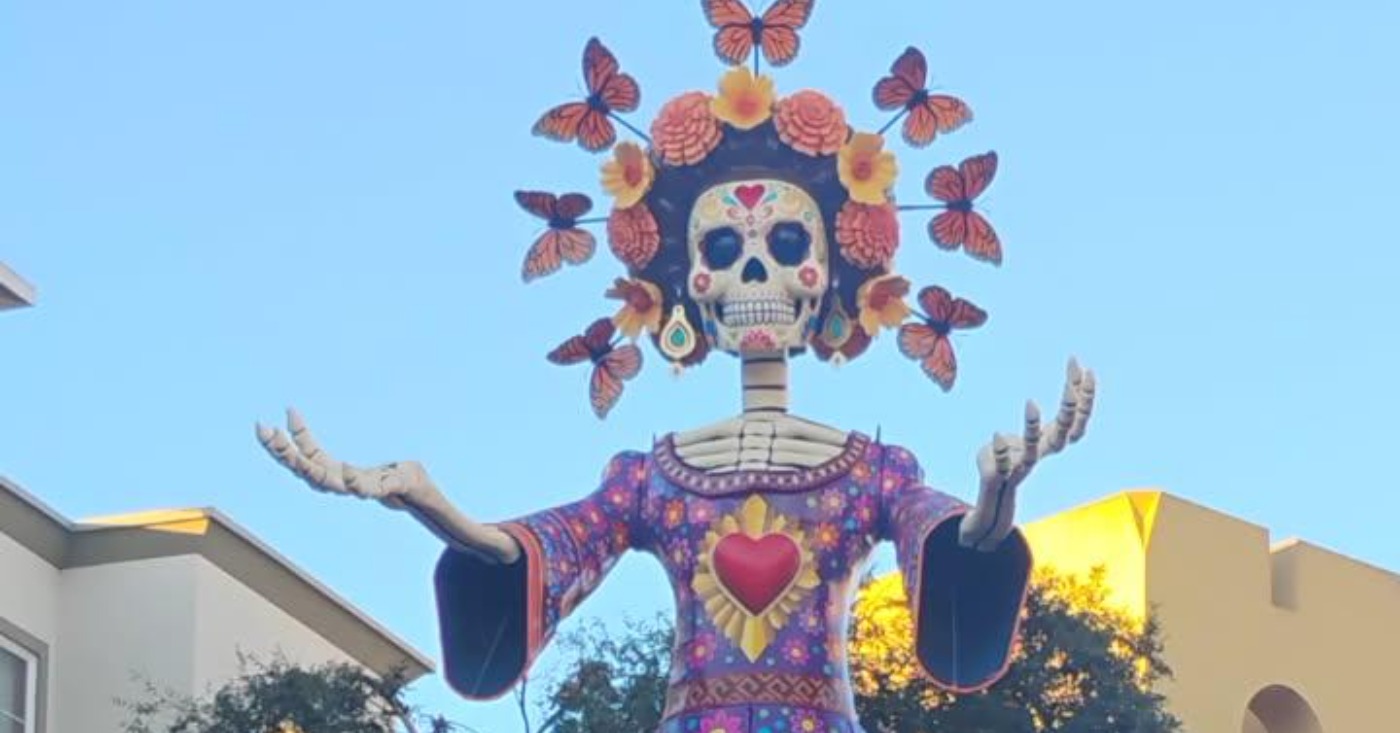
Oakland is hosting a monumental 34-foot-tall sculpture of La Catrina at the Fruitvale Transit Village to mark the 31st annual Día de Los Muertos Festival. Handcrafted by master artisans from Mexico City, the massive figure traveled 2,000 miles to serve as a centerpiece for the city’s cultural celebrations. The statue, adorned with marigolds and monarch butterflies, symbolizes the migrant experience and the enduring connections between generations. The installation will remain on public display through early November, offering visitors a unique opportunity to engage with this iconic symbol of remembrance. Read more.
Every year, the Día de Los Muertos Festival brings people together in Oakland to honor those who came before us and to celebrate the bonds that unite the living and the dead.
For the festival’s 31st observation, the Unity Council, Visit Oakland, the City of Oakland, the Consulate of Mexico, renowned artist Romain Greco of Artsumex, and cultural leaders from Mexico City, commissioned a monumental 34-foot-tall sculpture of ‘La Catrina,’ handcrafted by master artisans from the Mexican capital.
The statue that arrived in pieces was unveiled on Sept. 22 and stands at the Fruitvale Transit Village, where she rises as an impressive symbol of Mexican culture, art, and the connection between Oakland and Mexico.
She will remain on display until Nov. 5, welcoming visitors and community members during various events, before becoming one of the main attractions of the Día de Los Muertos Festival on Nov. 1.
What does La Catrina symbolize?
La Catrina is one of the most recognized symbols of Día de Los Muertos. She represents the remembrance of our loved ones, the celebration of life, and the lasting connection between generations. Wearing a crown of orange marigolds, poppies, and monarch butterflies, the Oakland sculpture has her arms outstretched, as if she wants to embrace everyone who approaches her. This gesture symbolizes a warm welcome to the migrants who arrive in the Fruitvale community and expresses shared values such as inclusion, care, a sense of belonging, and cultural pride.
La Catrina also represents another kind of journey. She reflects the experiences of many families who have traveled north to the United States in search of safety, opportunity, and a better future. Her 2,000-mile journey from Mexico City to Oakland becomes a powerful metaphor for these migration experiences. Across borders, the sculpture carries memories, culture, and identity with her.
This story is deeply connected to the history of immigration in the United States, where generations of newcomers have sought opportunity while also helping to build and sustain their communities.
In California, migrants work in the fields, care for our families, build our neighborhoods, and enrich the cultural and economic life of the region. Their contributions are an essential part of the society we live in.
That is why La Catrina is much more than an impressive work of art. She reminds us of the journeys people make, the sacrifices they make, and the lasting contributions they offer to their communities. Her presence in Oakland celebrates Mexican roots, recognizes the migrant experience, and invites us to reflect on the essential role we all play in building a shared future.
The theme for this year’s festival is “La Lucha Continúa: Aquí estamos y no nos vamos” (The Struggle Continues: We Are Here and We’re Not Leaving). The free, family friendly festival is from 10 a.m. to 5 p.m. Sunday Nov. 1 along International Boulevard between Fruitvale and 34th avenues.
Art
OP-ED: Is Creativity a Superpower in Early Education?
BLACKPRESSUSA NEWSWIRE — “This is not anything new, knowing that play is so critical to children, whether it’s dramatic play, building play, creative arts play or physical play,” said Hoisington, a STEM expert who taught preschool for decades. “But as soon as they hit kindergarten and first grade, there’s this dichotomy that sets in. Play is something you get to do after you do the learning when, in fact, we know that play is an incredible vehicle for learning.”
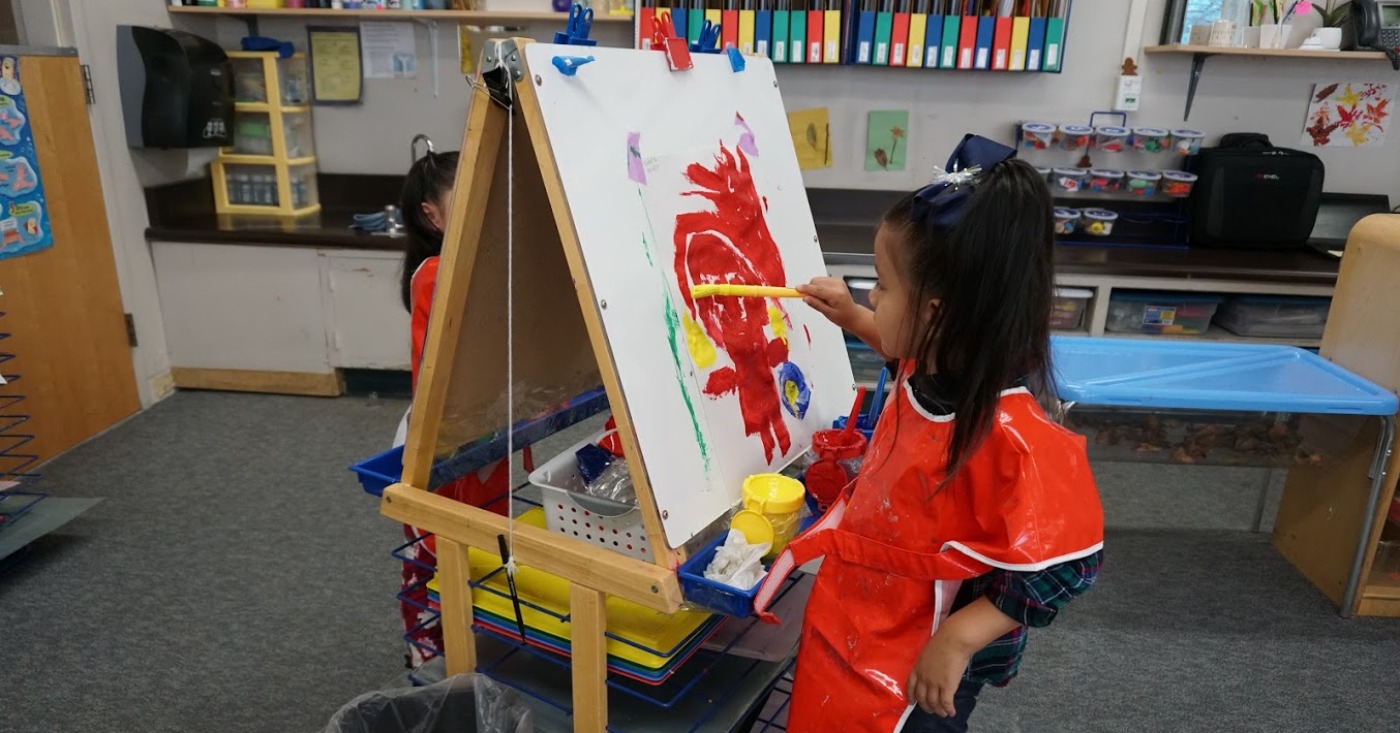
Singing the ABC song. Learning the days of the week from a nursery rhyme. Making a finger-painted collage of little handprints.
Arts education has always been center stage in early education because little children are naturally creative, filled with wonder and the burning desire to express themselves. Arts and crafts not only help nurture a child’s natural imagination, they also boost small motor skills, sharpen hand-eye coordination and feed the insatiable need to play.
“Children don’t just play, they learn fundamental skills through play,” said Daniel Mendoza, a California visual artist and specialist in early childhood education art practices. “Children are in a creative mindset all the time.”
While this may well be as true for teenagers as it is for toddlers, there is far more time and space allotted for playfulness in the early grades, when the crucial role of play in particular and creativity in general has long been a matter of common sense.
“Really, I’m just a common-sense professor, and somehow it became rogue,” said Kathryn Hirsh-Pasek, a professor of psychology at Temple University and an expert in the key role of play in learning. “What if we taught children the way we know the brain learns?”
Bringing joy back into the classroom is also what motivates Cindy Hoisington, an early childhood expert who specializes in reaching out to children from historically marginalized communities at the Education Development Center (EDC), a national education nonprofit.
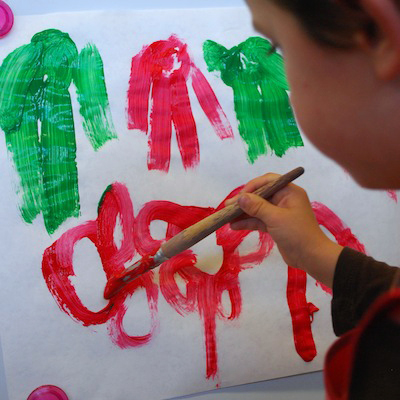
“This is not anything new, knowing that play is so critical to children, whether it’s dramatic play, building play, creative arts play or physical play,” said Hoisington, a STEM expert who taught preschool for decades. “But as soon as they hit kindergarten and first grade, there’s this dichotomy that sets in. Play is something you get to do after you do the learning when, in fact, we know that play is an incredible vehicle for learning.”
Play, some experts suggest, may be the superpower of the young. A growing body of research suggests that play may even be a way to help close achievement gaps. One report, analyzing 26 studies from 18 countries, found that in communities from Rwanda to Ethiopia, children got higher learning boosts in literacy, motor skills and social-emotional development when attending child care centers that use a mix of instruction and free play as opposed to those focused solely on academics.
“Children are so naturally, intuitively ready with their curiosity, their motivation to explore the world and everything in it, to the point where that’s why the twos are so terrible, because you’re constantly chasing after them,” said Hoisington, who helps evaluate digital media for PBS. “Science, for instance, tends to have a bad rap as this dry body of knowledge that we have to learn, but really it’s a process of exploration that is very much integral with play.”
Tapping into that spirit of discovery with hands-on experiences is often best, experts say. Curiosity burns brightest in the early years, so letting kids loose to investigate the world is part of building a rich, play-based learning environment.
“Where young children are free to investigate by observing, touching and acting on the objects in their world,” said Deborah Stipek, an expert in early childhood at Stanford University. “This is how they learn about the world — for example, that some objects float and some sink. Through their own experimentation and observation, they may even arrive at hypotheses about the qualities that differentiate the two.”
From “The Wheels on the Bus” to “Baby Shark,” kiddos love to sing and love to learn, so why not teach through music? Singing the “Old MacDonald had a Farm” song can be educational, experts say, as well as a ritual for community building. Children can take turns deciding on which animal to pick, which builds vocabulary as well as sharing skills.
“Young children learn best by doing,” said Stipek. “Counting objects is better than counting dots on a worksheet because they can move the objects to help them keep track of how many they have counted. Worksheets are not all bad. They can provide opportunities to practice and consolidate skills. But children don’t develop new skills doing worksheets, and they are typically not nearly as engaging and fun.”
Tracing the alphabet in shaving cream or making tin-foil sculptures may seem like basic exercises, but they often teach sophisticated concepts. Playing make-believe games can teach numerous skills at once. Pretend restaurants need someone to write a menu, calculate a bill and greet diners, fostering literacy, numeracy and special-emotional learning all in one game, Hoisington notes.
Songs are a clever way to remember stuff because they make memorization easy and fun for little ones. Melodies and rhymes make the most of our limited working memory to help children embed basic facts into their long-term memory, bolstering depth of cognition.
“I still sing the ABC song in my head sometimes, if I want to know which letter comes before which letter,” admits Hoisington.
What’s often missed in the discussion of the role of play is that older children also need time for creativity and free play, as well as the arts. While there is much talk about the need to engage students, there is little focus on low-hanging fruit like increasing time for arts, sports and recess. Putting too much emphasis on academic skills in isolation undercuts the love of learning, some warn.
“Kids try to buck it, but certainly by first grade we’ve started to ruin them,” said Hirsh-Pasek. “We pound the curiosity right out of kids.”
Mendoza firmly believes teachers should be guides to adventure instead of taskmasters.
“You don’t have to be a dictator,” as he puts it, “you can be a Sherpa.”
So, why doesn’t the role of play get more respect in education? Why do we emphasize test scores over deep learning?
“We got to this place because people are scared,” said Hirsh-Pasek. “They’re feeling like they’re losing control, and they want to make sure their kid is ahead. We push it younger and younger and younger, and as we do that, we’re creating a situation where our kids are anxious wrecks and the parents are anxious wrecks.”
Some experts suggest that children need more time for play and creativity in the wake of the pandemic, not less. Credit: Lillian Mongeau / EdSource
Too few teachers and parents are aware that play helps build the architecture of the growing brain, experts say.
“Play is not frivolous; it enhances brain structure and function and promotes executive function (i.e., the process of learning, rather than the content), which allow us to pursue goals and ignore distractions,” as an American Academy of Pediatrics report put it. “When play and safe, stable, nurturing relationships are missing in a child’s life, toxic stress can disrupt the development of executive function and the learning of prosocial behavior; in the presence of childhood adversity, play becomes even more important.”
Some experts fear that the laser focus on falling test scores in recent years has led to a decrease in playful learning. They suggest that children need more time for play in the wake of the pandemic, not less. Amid the crisis of chronic absenteeism, engaging students on a compelling level may be more vital than ever.
Creativity is the secret formula, experts say, in a world where machines will always compute faster than humans. Drill and kill won’t help children master high-level intellectual inquiry and conceptual analysis.
“You have to ask yourself, what’s it going to take to outsmart the robots?” as Hirsh-Pasek put it. “We need kids who don’t just memorize and take tests well, which AI will do better than our kids ever will. We need kids to be explorers and problem solvers.”
Art
Kickstarter CEO Everette Taylor Shares Tips on Creating and Growing a Business
HOWARD UNIVERSITY NEWS SERVICE — Everette Taylor, the CEO of the global crowdfunding platform Kickstarter, recently visited Howard University to serve as the inaugural guest for the Cathy Hughes School of Communications’ new speaker series. Addressing students at the Founders Library, Taylor emphasized that the future of business belongs to those who are bold enough to take risks.
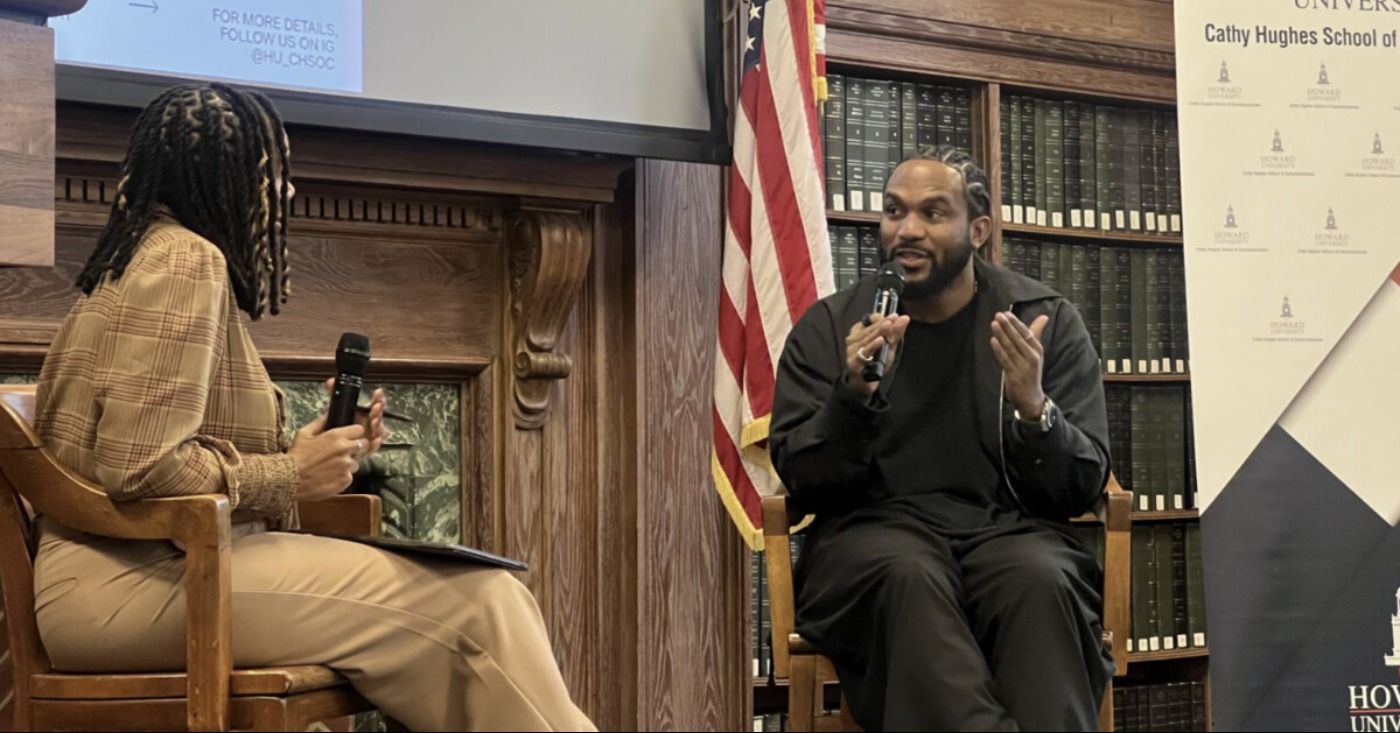
WASHINGTON (HUNS) — “The future belongs to creators who are bold,” Everette Taylor, CEO of crowdfunding platform Kickstarter, told students at Howard University during a recent visit.
As Taylor discussed his journey, he tested the boldness of students by inviting them to share their ideas during an impromptu pitch session at the Cathy Hughes School of Communications’ new speaker series in the Browsing Room of Founders Library. The inaugural speaker then shocked one group of students by pledging to invest in their thesis film, paying forward the opportunities that have lifted him as he struggled to pursue his dreams.
Taylor grew up in a low-income neighborhood in Richmond, Virginia, where he frequently encountered gang violence and drug dealing amid periods of homelessness.
Not feeling as if he conformed to conventional ideas of success, he eventually found inspiration in Jay-Z who balanced being an artist and an entrepreneur. Similarly, Taylor carved his own route, launching and growing various businesses.
He gained enough recognition to land on the 2018 Forbes’ 30 Under 30 list in marketing and advertising. In 2022, Forbes also named him as one of the top 50 most entrepreneurial CMOs when he was chief marketing officer of Artsy, an online art gallery and marketplace. That same year he took over Kickstarter, and the company reported a year-over-year revenue increase of 50% in the first quarter of 2026.
Taylor encouraged the audience through his story, but he also gave practical advice to help students who share his zeal to create and grow their business.
He explained that his mentor, Artsy CEO Mike Steib, helped him make the transition from being a CMO to becoming CEO at Kickstarter.
“These opportunities I don’t take for granted,” Taylor said, adding that Steib was “the first leader I had to take me under his wing.”
When he began his position at Kickstarter, Taylor said, “I had zero imposter syndrome, because I felt like I was ready for it, and it was because this person invested in me over the past few years.”
“A lot of my journey was me just hustling and being bold enough to ask for what I want, but I also need people to give me an opportunity.”
This idea of giving people opportunity impacts his business philosophy, as Taylor estimates that the number of African American employees grew exponentially since he’s been in leadership.
“Kickstarter was I think less than 2% Black, and at our peak I had gotten it to 20-something percent Black,” Taylor said.
Even then, Taylor also saw a need for representing other perspectives. “We still serve people globally, so we need people from different countries and cultures,” he said. “If you’re building a global company, it’s important to build a diverse base of people.”
“I always want to impact more lives, and that always leads to more results.”
Everette Taylor, CEO of Kickstarter
With the success Taylor had after becoming CEO of Kickstarter, he also found a need to prioritize his health.
“This is the first year that I’ve started the year with zero business goals,” he said. “For the first time, my goals have been centered around my health.”
He cites the illness of a friend who appeared to be healthy. Seeing his friend, who is also a successful entrepreneur, endure illness pushed him to prioritize his health.
“Business, I can do that in my sleep, but for me right now I’m so much more focused on setting goals for myself, and I know that’s going to impact the work that I do by feeling healthier and being a better version of myself.”
Samantha Housen, a sophomore public relations major and interior design minor from Harlem, attended the event to gain knowledge to grow her non-profit and for-profit businesses.
“I’m here because I want to explore more of the details of entrepreneurship from an actual professional,” Housen said, and to “see how his mindset could help me in my entrepreneurship.”
“My biggest takeaway is that I’m bold, and it’s OK to be bold,” she said. “I very much have the authority to do whatever I seek to do.”
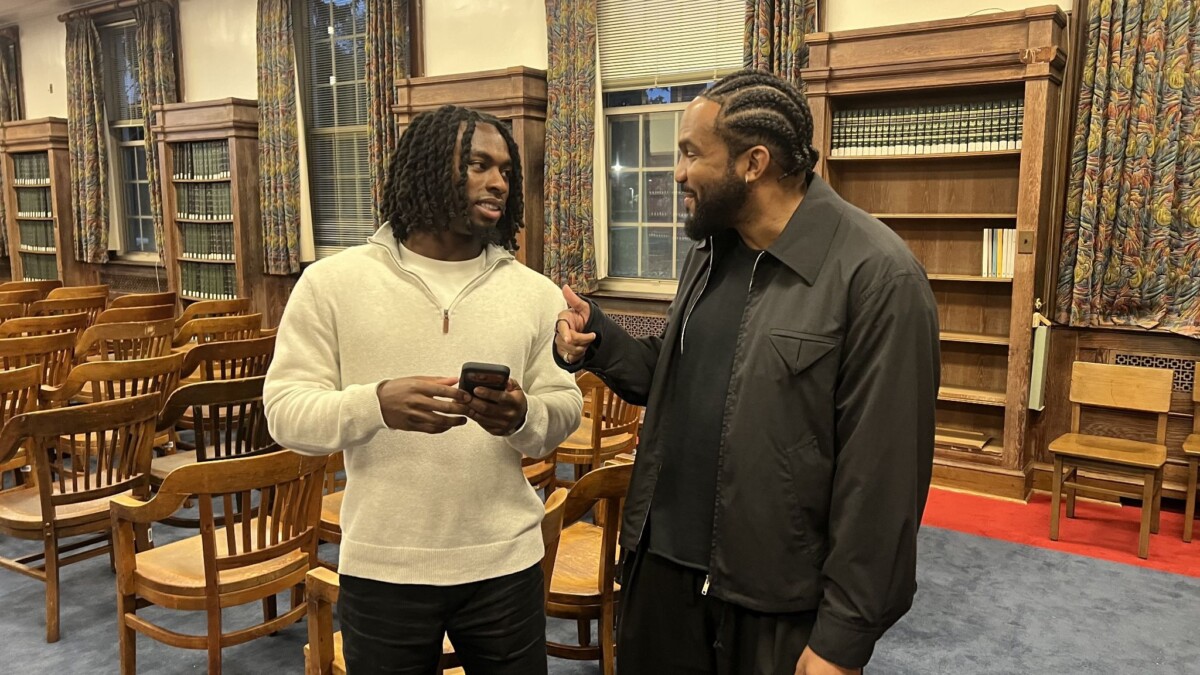
Kimberly Moffitt, Ph.D., dean of the Cathy Hughes School of Communications and host of the event, said she was excited about the speaker series.
“It’s because of students,” Moffitt said. “They felt like they weren’t hearing enough from people who are already post-graduation and successful. They wanted to hear those voices. So, this is an opportunity for me to bring folks to campus so they could reach out, talk and interact with folks that they aspire to be like or will be inspired by.”
Moffitt was excited for students to see someone who looked like them and carried themselves authentically in a position of high acclaim.
“He is showing you a different path, and letting you know that it’s OK to be who you are and show up in that space and not have to apologize,” Moffitt said of Taylor.
Moffitt also wants to encourage students to make the most of the speaker series. She gives details on upcoming speakers and the importance of hearing these people tell their stories.
“Those of you who want to be in TV and film, those jobs are different now,” she said. “You have to hustle in a different way.”
“I need our students to think about entrepreneurship in all that they do,” Moffitt added. “I want students to leave with that so that they have it in their back pocket should they need to draw on it.”
After the event. Taylor explained why boldness is essential to his success at Kickstarter.
“It’s for the grind and the ambition — not settling for status quo and mediocrity, and really going for it,” he said. “I always want to impact more lives, and that always leads to more results.”
Solomon Goins is a reporter for HUNewsService.com.
Based on reporting by Howard University News Service.
Art
Comedy and Loss Collide in Kevonstage’s ‘Grief Sucks’ at the Pageant
ST. LOUIS AMERICAN — Comedian KevOnStage brought his one-man show “Grief Sucks” to The Pageant, offering an experience that blended humor with the raw realities of loss. The show, rooted in his personal journey after the sudden death of his brother, manager, and business partner Jason Fredericks four years ago, gave the audience permission to laugh and cry, often at the same time.
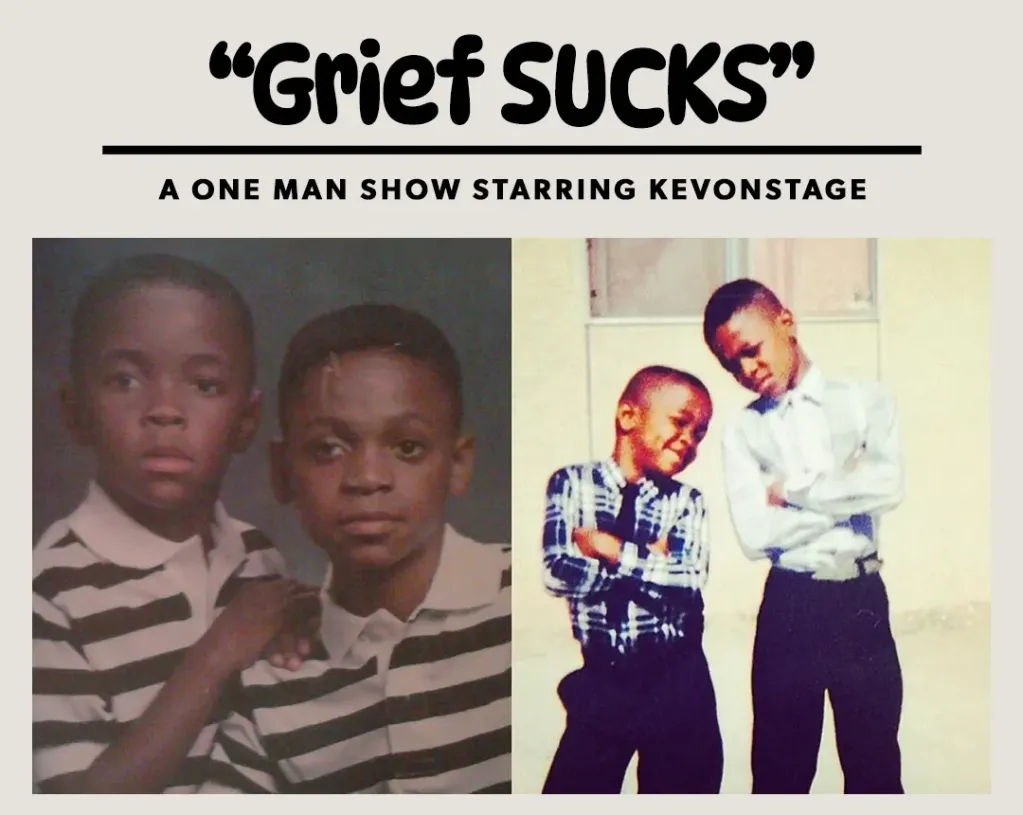
When KevOnStage took the stage at The Pageant Sunday night, his house rules let everyone know what they were in for with his one-man show “Grief Sucks.”
“Do not judge yourself. Do not judge the jokes. Just laugh,” he said.
Even within his directions, were jokes.
He gave the audience permission to cry, but quietly – because Black people have a tendency to do things at full volume.
The hour that followed provided plenty of laughter. But underneath the humor were truths that anyone who has ever lost someone could feel deep in their chest.
The show was based on his experience of losing his brother, best friend, manager and business partner Jason Fredericks. He died suddenly of a heart attack four years ago at the age of 42.
Kev warned the audience to be mindful of their social media — both the wild posts that could end up being someone’s last and the intrusive ones people make after a loved one dies. And he gave people permission to laugh at the moments that feel too outrageous to say out loud — the ones that become inside jokes for families trying to survive the worst days of their lives.
“Grief is dark humor,” he said as he walked through the story of his brother’s death — a story he jokingly blamed on Nia Long.
He found a way to give permission to laugh at the outlandish moments that often serve as inside jokes. Those who have lived through some of the worst moments of their lives and not only found a way to talk about it, but to steal a laugh in the midst.
“Grief is dark humor,” he said as he walked through the story of his brother’s death — a story he jokingly blamed on Nia Long.
“I know that sounds crazy,” he said. “It’s not her fault — but it is her responsibility.”
It was a jarring moment, but it let the audience know exactly what kind of honesty they were in for.
He said his brother’s death was “proof that she is drop‑dead gorgeous.”
“Sometimes things are funny — and sometimes things are funny because you should not be laughing,” he said.
The show moved through a series of points about grief, each one backed by a story that made the room nod in recognition. He talked about how grief can twist ordinary moments — how it can make you jealous of people with siblings or irritated by strangers having a good day.
He explained how grief can twist even the simplest moments, how it can make you jealous of people with siblings, or irritated by strangers having a good day. He brilliantly compared grief to a rock stuck in your shoe. Sometimes it’s small and manageable. Other times its jagged and unbearable – but always there.
He also talked about the unfairness of grief — how the world doesn’t stop when your loved one dies, how people still go to Raising Cane’s, still pick up their kids, still laugh. And he talked about the heartbreak of realizing his brother never got to see things he would have loved, from TV shows to cultural moments. And that he was robbed of the opportunity to engage with him about them.
“He would have loved Sinners,” Kev said. “But he never got to see it.”
At one point, he paused to show a video of his brother telling him how proud he was. The room went quiet. It wasn’t the polite kind of silence – but the kind where you can hear someone in the back sniff. The crowd assured him that it was okay for him to take a beat. His voice shook as he pushed through. Those pauses made the audience lean in even more.
Kev made grief feel communal. He made people laugh at things they didn’t think they were allowed to laugh at. And he reminded everyone in the room that grief doesn’t make sense, doesn’t follow rules, and doesn’t care about timing. And most importantly, he drove home the point that it also doesn’t have to be carried alone.
There were moments when his emotions got the best of him. There was the video he shared of his brother telling Kev how proud he was of him that compelled him to take a beat. His voice quivered as he powered through. Those pauses made the audience connect with the show all the more. Grief Sucks wasn’t just comedy. It was catharsis. It was storytelling. It was a room full of people realizing they weren’t the only ones trying to make sense of loss.
KevOnStage gave them permission to feel all of it — and to laugh anyway.
Internet personality and standup comedian KevOnStage used the sudden and unexpected loss of his brother as the foundation for a one-man show that was funny, honest and a little dark – often at the same time.
Sunday night, he brought “Grief Sucks” to The Pageant. His barometer check
KevOnStage walked onto The Pageant stage Sunday night with a promise: that the next hour would be funny, honest and a little dark. And he delivered all three — often at the same time.
His one‑man show, Grief Sucks, was as relatable as it was funny. It was the kind of performance where the audience laughed hard, then caught themselves nodding in recognition. Because beneath every punchline was a truth that anyone who has lost someone could feel in their chest.
He opened with the kind of humor that only comes from someone who has lived through the worst days of their life and somehow found a way to talk about it. He told the crowd they had permission to cry, laugh, sit still, or just breathe — but to “cry quietly,” because, as he joked, Black folks tend to do everything at full volume.
Then he went straight into the story of losing his brother — not with soft edges, but with the kind of raw honesty that made the room go still. He explained how grief can twist even the simplest moments, how it can make you jealous of people with siblings, or irritated by strangers having a good day. He compared grief to a rock stuck in your shoe: sometimes small and manageable, sometimes jagged and unbearable, but always there.
And he didn’t shy away from the intrusive thoughts that come with loss — the ones people rarely admit out loud. He shared the moment he realized he had lived longer than his older brother ever got to, and how that fact sits heavy no matter how much time passes.
Kev’s storytelling is built on the kind of humor that comes from real life — the funeral home upcharges, the family dynamics, the dark jokes that slip out at the worst possible moments. He told a story about previewing his brother’s body with his wife and grandmother, and how one unexpected comment turned into an inside joke that has carried them through four years of grief.
He also talked about the unfairness of grief — how the world doesn’t stop when your loved one dies, how people still go to Raising Cane’s, still pick up their kids, still laugh. And he talked about the heartbreak of realizing his brother never got to see things he would have loved, from TV shows to cultural moments.
The most emotional part of the night came when he recounted the day his brother died — the phone calls, the confusion, the hope, and finally the moment his nephew said, “He’s gone,” while Kev was sitting in a middle seat on a United flight. He told it plainly, without theatrics, and the room held its breath.
But even in that story, he found a way to make people laugh — not at the pain, but at the absurdity of life continuing around you when your world has just shattered.
By the end of the show, KevOnStage had done something rare: he made grief feel communal. He made people laugh at things they didn’t think they were allowed to laugh at. And he reminded everyone in the room that grief doesn’t make sense, doesn’t follow rules, and doesn’t care about timing — but it also doesn’t have to be carried alone.
Grief Sucks wasn’t just comedy. It was catharsis. It was storytelling. It was a room full of people realizing they weren’t the only ones trying to make sense of loss.
And on a Sunday night at The Pageant, KevOnStage gave them permission to feel all of it — and to laugh anyway.
Based on reporting by St. Louis American.


What was hidden under the First Baptist Church of Williamsburg #history #facts #americanhistory

Young Black voters in Houston defy labels

Black Banks Can Compete: Honest Truth About Their Offers #shorts

The Conversation With Al McFarlane (10/29)

Chevy Silverado: Huge Ride for the Week! #shorts

Black Houston turns out as Harris County early voting surges
Let’s Talk – Entrepreneurship and Mental Health
AutoNetwork Live Stream

OP-ED: Three Reasons Florida Is Ready For A Change Election Next Week

Before You Buy This Enclave SUV, Test It on the HIGHWAY #shorts

OP-ED: Haiti TPS: Have We Lost Sense of Humanity?

All Skinfolk Ain’t Kinfolk

Latinas Deserve Equal Pay. Unions Help Make It Happen.

Why Black Artists Struggle to Sell Tours

A $2.1 Trillion Wellness Industry Never Built a Daily Practice for Black Children. So This Atlanta Family Did.

Zakiya Jendayi Arrested, Locked Out of Home by Sheriff’s Deputies

Oakland Awarded More than $14 Million in State Funding

OP-ED: Washington Has a Chance to Save Veterans’ Lives

Consumers and States Awarded $694 Million After Predatory Auto Lender Settles Lawsuit

From Ma Rainey to AI: New Technology Amplifies an Old Fight over Artist Control
What was hidden under the First Baptist Church of Williamsburg #history #facts #americanhistory
Young Black voters in Houston defy labels
Black Banks Can Compete: Honest Truth About Their Offers #shorts
The Conversation With Al McFarlane (10/29)
Chevy Silverado: Huge Ride for the Week! #shorts
Black Houston turns out as Harris County early voting surges
Before You Buy This Enclave SUV, Test It on the HIGHWAY #shorts

RESILIENCE Dance Company brings “Entry Points” to COCA

Test Drive With the Radio Off—and Check Those Tires #shorts

Loyalty Could Be COSTING You on Car Insurance—Compare Rates Every Year #shorts
-

 Featured1 week ago
Tamiko Armstead | 2026 Lifetime Achiever in Education
-

 Featured1 week ago
BLACK MEN VOTE: Mobilizing 100,000 Black Men Ahead of the Midterms 📱
-
 Black Press4 days ago
Secretary of State Shirley Weber Pushes Back Against DOJ Demands Over California Voter Rolls
-
 Art2 days ago
Capturing Black Life’s Beauty
-

 Black Press1 week ago
OP-ED: For Us It’s Feel-a-Nomics
-
 Featured1 week ago
Yoji Senna: Inside Brazil’s social safety net — free health, transport, and perks
