Religion
THE RELIGION CORNER: The Difficulties of Life Should Make Us Better

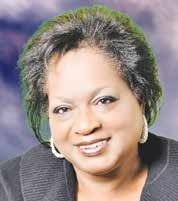
Lyndia Grant
For the sake of this column, my message today is simply, look for the good in every bad situation; see the glass half-full, not half-empty. When you focus on the negatives in life, you will attract more negatives.
So many of us are walking in negative energy, I thought it wise to give you some suggestions. Take a walk and look at the flowers. You’ve heard the saying, “Smell the roses!” Enjoy the leaves on the trees; there are leaves, even during the winter season. Enjoy the clouds in the sky; and when it rains, enjoy the feeling of the rain as it falls on your face, then thank God that He spared our country a drought.
When the snow comes, the good news is, it’s preparing the earth for spring. The minerals that come down in the snow are supplied by God, to slowly water the earth, and create what appear to be miracle flowers when spring does finally arrive!
The topic of this column, “The difficulties of life should make us better” gives us something to ponder when awful things happen; look for the message in this mess! There is one, you know; only those of us who look for the answers will benefit.
My mentor Les Brown, during his speaking engagements, often talks about learned helplessness and how it works. It is a feeling of powerlessness we experience when we cannot change the wrong that’s happening in our lives.
Brown tells the story of Mark Seligman and Steve Maier who conducted an experiment with groups of dogs; they placed the dogs in harnesses, paired them and tied their leashes together, and began to give them electrical shocks through the floor. Shocks came randomly, the dogs jumped around and yelped; which caused “learned helplessness.” Finally, the dogs, assumed nothing could be done about the shocks and they saw no way of escape, so they learned to live with their condition.
During the study, even when the dogs had an open door to leave the cage, they continued to remain inside. They had become accustomed to the pain, accepted it and decided to live with it. They never considered an end to their struggle.
This study helped researchers understand why people will live in poverty and simply learn to live with it without making any effort to get out. And though there is a way out, they merely exist thinking ‘This is the way it is, and there is nothing I can do about it.’
Recently, I had the opportunity to visit with a friend whose wife was receiving weekly acupuncture treatments for depression. Her sister had been murdered by her husband, and despite the fact that 25 years had passed and the killer was arrested, the strain of a trial and the recollection of the death of her sister caused to her become severely depressed.
She couldn’t get her sister back! She could have been delighted that they had finally caught the killer, and that her family would get justice! As I looked around her magnificent home, all I could see was the $3 million residence she lived in; and I saw how wonderful her husband was. My heart went out to her, during this time; if I could only trade places, the joy I would feel to own such a luxurious home as she and her husband had. These situations should make us stronger, that is, if we keep our minds positive; not negative. The Difficulties of Life Should Make Us Better, when we switch our focus.
Lyndia Grant is an author, inspirational/motivational speaker, radio talk-show host and columnist; visit her new website at www.lyndiagrant.com or call 202-263-4621. Tune in Fridays at 6 p.m. to the radio show on 1340 AM, WYCB, a Radio One Station; at 1250 Connecticut Avenue NW, Suite 200, Washington, DC 20036.









Black History
Hoodoo Heritage Month Celebrates Origins of African American Folk Medicine
BLACKPRESSUSA NEWSWIRE — Hoodoo has largely been demonized, misunderstood, and misrepresented as a “folk magic system” for trickery and harm. Hoodoo practices have often been hidden in places like the Black church and “old wives’ tales,’ abandoned as a form of separation from the racial trauma of the South, or simply forgotten because no one was able to pass them on to the next generation.
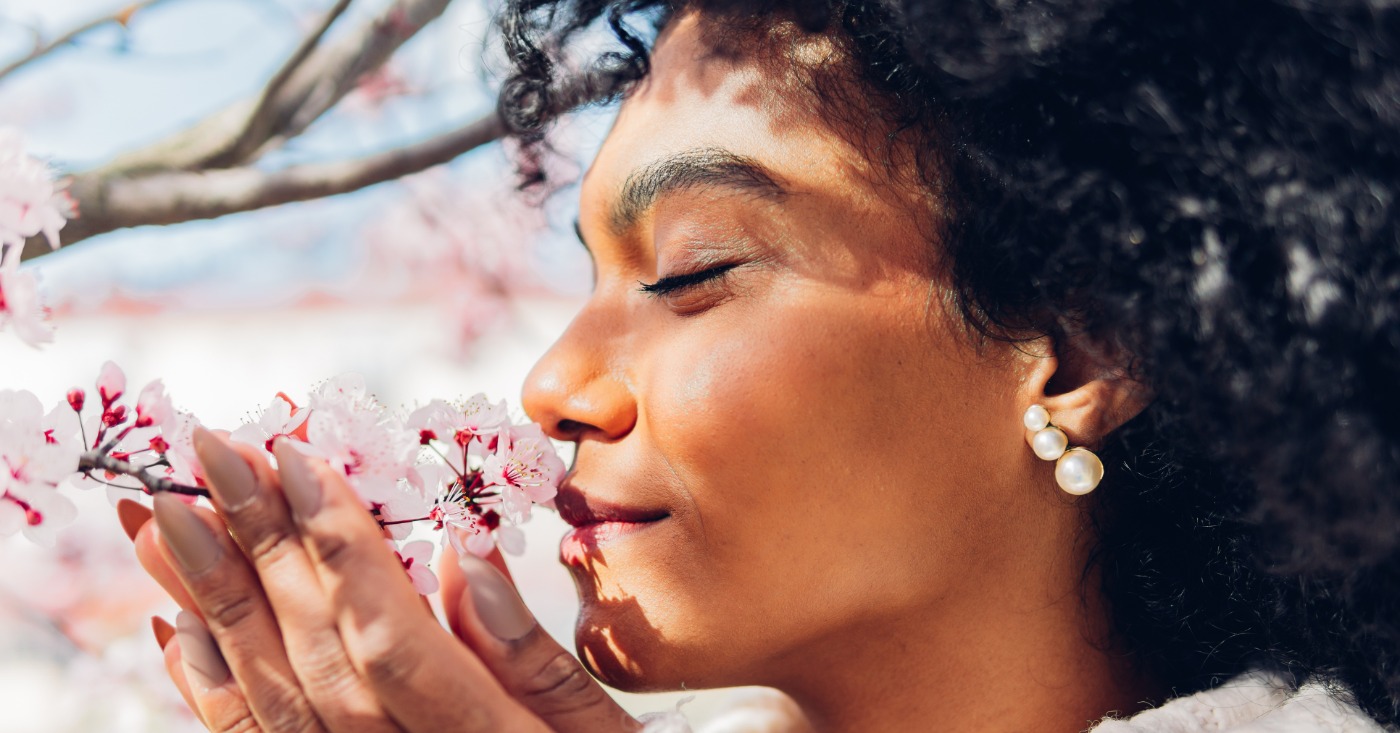
In Oakland, October is known for the Black Cowboy Association’s Annual Parade and Festival at the beginning of the month, the Life is Living Festival toward the middle, and the Día de los Muertos celebration in Fruitvale. In recent years, the month has also become known for a national observance of Hoodoo Heritage Month.
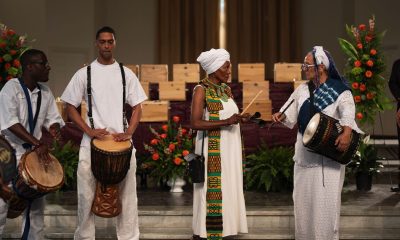
Hoodoo Heritage Month celebrates the history, legacy, and practices of Hoodoo. Hoodoo is a spiritual tradition and way of life formed by enslaved Africans in America. It encompasses plant medicines, healing herbs, rituals, prayers, ancestral reverence, protective talismans, and other practices passed down for generations.
Mama Rue and the Walking the Dikenga Collective officially founded the month in 2019 in Chicago, Illinois, to preserve the tradition and honor the endurance of our ancestors and the value of these practices.
Some practitioners created calendars that provided an activity or ancestor to honor each day. One notable example is Oct. 2, deemed Nat Turner Day to honor the birth of the leader of the 1831 uprising in Southampton County, Virginia.
This is also an encouraged time to read literary works by Black authors who helped revive interest in these spiritual practices. Among them are local authors Michele E. Lee and Luisah Teish, who wrote “Working the Roots: Over 400 Years of Traditional African American Healing” and “Jambalaya,” respectively.
Hoodoo has largely been demonized, misunderstood, and misrepresented as a “folk magic system” for trickery and harm. Hoodoo practices have often been hidden in places like the Black church and “old wives’ tales,’ abandoned as a form of separation from the racial trauma of the South, or simply forgotten because no one was able to pass them on to the next generation.
Within the last 10 to 15 years, there’s been a resurgence in African diasporic religion and spirituality as a means to navigate ongoing oppression and racial terror, just as our ancestors did.
As the veneer hiding American racism eroded with the election of President Donald Trump in 2016, Millennials and Gen Z began looking to our past to move forward.
For instance, it is becoming more widely understood that the justification for chattel slavery and European colonization led to the demonization of African diasporic worship systems, including what would eventually be termed Hoodoo.
For Jzov Stith, a young Black, Bay Area resident, observing Hoodoo Heritage Month was a time of deep reverence. “It means reconnecting with sacred traditions of storytelling, cooking, dancing, sharing, and grieving [and] being in thoughtful conversation and collaboration with my beloved dead.”
Through online and in-person workshops, events, and classes, Hoodoo practitioners are sharing history and current research from their own efforts. Bushmama Africa, an Oakland curator, artist, and initiate in the Cuban diasporan tradition known as Lucumi, teaches indigo dyeing and Hoodoo broom-making. (Indigo was one of the first crops cultivated by enslaved Africans who brought their skill to what would become South Carolina and Georgia in the 1600s.)
“Elder women in my life hailed from places where Hoodoo was worked. They were the midwives [and] the prayer warriors. It’s what I do, but it’s also who I am. It’s a deep-rooted spiritual practice of our culture that deserves to be preserved and contained within our communities.”
Other sources for information on African American ancestral practices are “Mojo Workin’” by Katrina Hazzard-Donald, “The Conjuring of America” by Lindsey Stewart, and “The Book of Juju” by Juju Bae.
Online sources were used for this article.
Art
BOO REVIEW: Upcoming Book Revisits Dr. King’s 1957 Visit to St. Paul
MINNESOTA SPOKESMAN-RECORDER — A new book by researcher Jeff Olson titled “Gathering at the Rivers: Martin Luther King Jr. and Civil Rights in Minnesota” will chronicle the historic first visit of Dr. King to the state.
New Book Will Tell the Story of Dr. King’s First Visit to Minnesota and St. Paul’s Civil Rights Pioneers
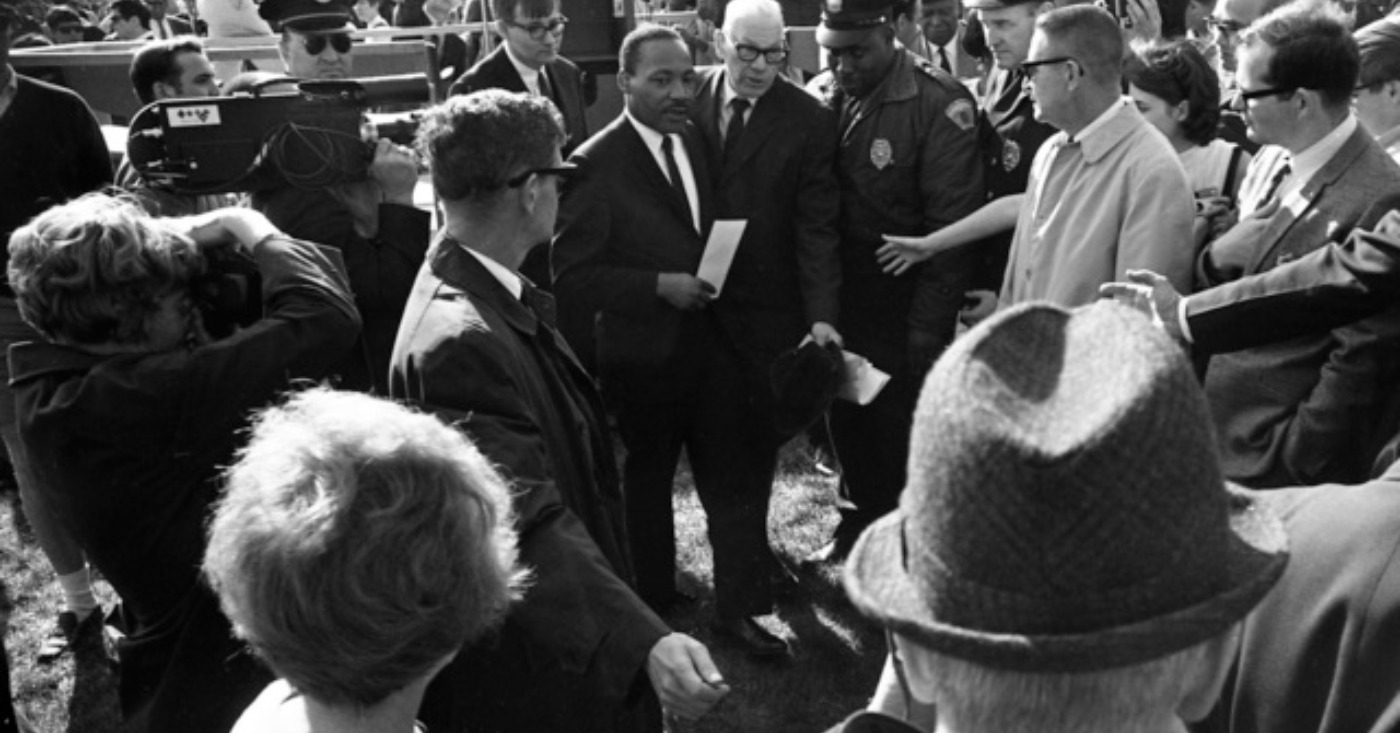
“Gathering at the Rivers: Martin Luther King Jr. and Civil Rights in Minnesota,” by researcher Jeff Olson, will chronicle King’s Jan. 21, 1957, sermon at Gloria Dei Lutheran Church in St. Paul, his first Minnesota visit, just after the Montgomery Bus Boycott. The Rev. Dr. Floyd Massey Jr. of Pilgrim Baptist Church helped bring King to the state and hosted a reception at his Rondo home. The book’s “Twenty Treasures” chapter profiles figures including Roy Wilkins, Dred Scott, Cap Wigington, Nellie Francis, Nellie Stone Johnson and MSR founder Cecil Newman. Afton Press plans a late 2027 or early 2028 release and is seeking donor support for the $100,000 project.
On Jan. 21, 1957, the Rev. Dr. Martin Luther King Jr. stepped into the pulpit at Gloria Dei Lutheran Church in St. Paul on his first visit to Minnesota. Nearly 70 years later, a book from Minnesota publisher Afton Press aims to tell the story of that night and of the people and places that shaped it.
“Gathering at the Rivers: Martin Luther King Jr. and Civil Rights in Minnesota,” by researcher and author Jeff Olson, is in the early stages of publishing, with a release planned for late 2027 or early 2028. Former St. Paul Mayor Melvin Carter III, the city’s first Black mayor, is writing the foreword.
The book frames the visit as a turning point. King, who had turned 28 just days earlier, was fresh off the Montgomery Bus Boycott and stepping into a national leadership role. In St. Paul, Olson writes, King found himself in the hometown roots of two of his biggest supporters: NAACP leader Roy Wilkins, who grew up in St. Paul’s Frogtown neighborhood, and Ralph Helstein, president of the United Packinghouse Workers of America. Both organizations gave major support to the boycott.

The visit itself came together through local clergy. According to the book, the Rev. Dr. Floyd Massey Jr., pastor of Pilgrim Baptist Church and program chair of the Minnesota Pastors Conference, played a central role in bringing King to the state. After King’s evening sermon at Gloria Dei, Massey and his wife, Ethel, hosted a reception for him at their home in the Rondo neighborhood.
At the heart of the book is a chapter Olson calls the “Twenty Treasures of Civil Rights in Saint Paul,” profiles of the people, places and institutions that made the city fertile ground for King’s message. The list stretches from Dred Scott, who married Harriet Robinson at Fort Snelling in 1837 and later took his fight for freedom to the U.S. Supreme Court, to Pilgrim Baptist Church, founded in 1863 as Minnesota’s first Black church.
It includes architect Clarence “Cap” Wigington, who Olson notes was the nation’s first Black municipal architect; Nellie Francis, who led the campaign for Minnesota’s 1921 anti-lynching law; attorney Frederick McGhee; labor and civil rights leader Nellie Stone Johnson; and Carl Rowan, whose civil rights reporting for the Minneapolis Tribune won national journalism honors in the 1950s. It also includes Cecil Newman, who founded the Minneapolis Spokesman and St. Paul Recorder in 1934 and led the papers until 1976.
Olson argues that these civil rights firsts are striking given Minnesota’s small Black population at the time, compared with states and cities whose Black communities were many times larger.
Olson said he became fascinated by the research because he kept uncovering stories that had gone untold.
Ian Graham Leask, Afton Press’ publisher, told the MSR the book matters at a time when literacy rates are declining. A book that shows readers from marginalized communities the history of the very streets they walk today could give schools and institutions a way to spark engagement, he said, especially because the story has never been told this way before.
Bringing the book to print is expected to cost about $100,000, Leask said, and Afton Press is open to support from donors.
Afton Press has a long record of publishing Minnesota stories about people, places and events, including “Overcoming: The Autobiography of W. Harry Davis” (2002), the memoir of the prominent Black civic leader from Minneapolis.
Olson is the author of several books on hockey history and of “Kindred Spirits,” about the conservation work of Theodore Roosevelt and John Muir.
For more information or to support the book, visit https://aftonpress.com/. You can also contact Afton directly at [email protected] or 651-436-8443.
Jasmine McBride welcomes reader responses at[email protected].
Jasmine McBride is an Editor at the Minnesota Spokesman-Recorder More by Jasmine McBride
Based on reporting by Minnesota Spokesman-Recorder.
Black History
COMMENTARY: We’ve Got Some Difficult Days Ahead
GARY CRUSADER — The present administration and those driving a malicious agenda of anti-human policies driven by greed will likely ratchet up the rhetoric of ruin against safety-net programs. These are the very programs that support the people who actually do the living and dying in this country.
On April 3, 1968, at Mason Temple in Memphis, Dr. Martin Luther King Jr. delivered his famous “I’ve Been to the Mountaintop” sermon.
As he prepared to close, he told the overflowing crowd: “We’ve got some difficult days ahead.”
Those words ring just as true today as they did nearly six decades ago. We, too, have some difficult days ahead.
By the time this article hits the newsstands (I’m dating myself), the midterm elections will be over. Regardless of the outcome, the fight for justice and humanity will continue with full force.
We’ve got some difficult days ahead.
The present administration and those driving a malicious agenda of anti-human policies driven by greed will likely ratchet up the rhetoric of ruin against safety-net programs. These are the very programs that support the people who actually do the living and dying in this country.
We’ve got some difficult days ahead.
Following the midterms, people who believe in the sacredness of humanity must turn their attention to holding elected officials accountable. Senators and representatives promised to protect the people’s agenda: health care for all, quality education for all, and ensuring billionaires pay their fair share of taxes to fund programs for “the least of these.”
If sober, principled leaders are not elected, and the hounds of hell break through the gates of Congress, then those who believe that every person has inherent dignity, regardless of race, ethnicity, gender, sexuality, age, or economic status, will have to redouble their efforts. We must resist the fanatical intent of those who believe one race is superior to others.
We’ve got some difficult days ahead.
Churches must stand in the tradition of the prophet Amos. They must declare to wannabe kings and sycophants who trade human principles for profit that God says: “Let justice roll down like waters, and righteousness like an ever-flowing stream.”
Black churches in particular must make a Sankofa move, reaching back to reclaim the lessons of ancestors who waged heroic battles against white supremacy and settler colonialism, forcing this country to make drastic changes for the better.
We’ve got some difficult days ahead.
Black churches and people of goodwill must reclaim the narrative. We must prevent the masses, often captivated by social media talking heads who lack the bandwidth for deep theology, ideology, or political literacy, from falling under the influence of rampant ignorance online.
We’ve got some difficult days ahead.
Those who have always wondered what they would have done during the Civil Rights Movement will soon confront a hard truth: what they are doing right now is exactly what they would have done back then. For many, that means doing nothing but talking. Others will realize they are the kind of people Harriet Tubman would have left behind, because they did nothing but get in the way.
We must answer the question Dr. King posed in the title of his final book: Where Do We Go from Here: Chaos or Community?
We’ve got some difficult days ahead.
That sentiment reflects the words Jesus left with His disciples, hours before He was executed by the Roman Empire on a cross. In John 16:33, Jesus told them: “I have told you these things, so that in me you may have peace. In this world you will have trouble. But take heart! I have overcome the world.”
Yes, we have difficult days ahead, but we have truth on our side. We have justice on our side. We have our ancestors on our side. We have history on our side.
And for those of us who follow that barefoot preacher from the northeast African region of biblical Palestine, Jesus of Nazareth, we know that victory ultimately triumphs over defeat, because resurrection is a living reality.
Be vigilant, be authentic, and stay woke. Uhuru Sasa!
The Rev. Dr. John E. Jackson, Sr. Senior Pastor of Trinity United Church of Christ-Gary, 1276 W. 20th Ave. Gary, IN. Contact the church at [email protected] or by phone at 219-944-0500.
Based on reporting by Gary Crusader.
Black History
THE RELIGION CORNER: We Stand on Their Shoulders — the Sacred Duty of the Ballot Box
WASHINGTON INFORMER — As millions of citizens reflect on the results of the recent election, the weight of history and the tension of a divided nation remain prevalent. For Black Americans and marginalized communities, the act of voting is far more than a political calculation; it is a sacred inheritance paid for through the blood and sacrifice of ancestors who refused to accept second-class citizenship.
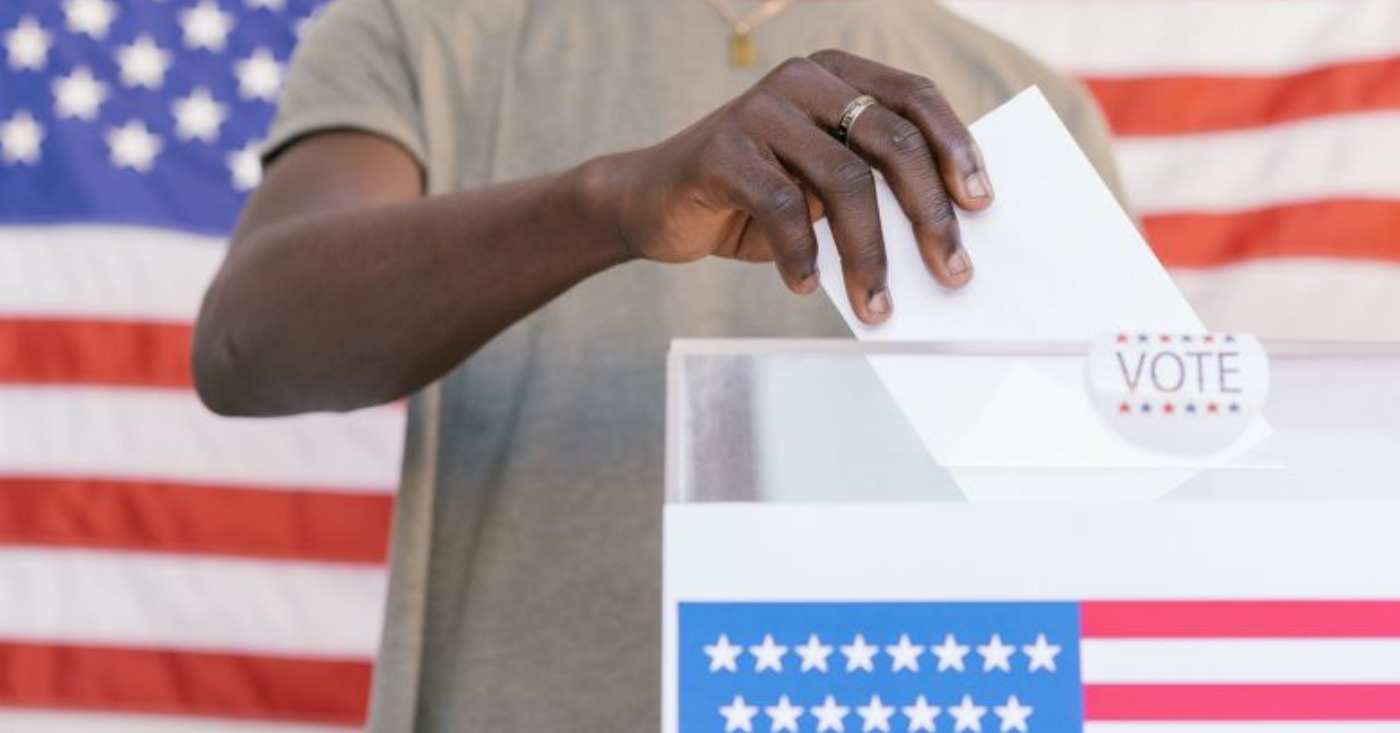
As this edition of The Washington Informer hits the stands, millions of citizens have cast their ballots, made their voices heard, and begun reflecting on the election’s outcome. The atmosphere this election season has been heavy. We feel the weight of history, the tension of a divided nation, and anxiety about tomorrow. In this issue, I remind Gen Z voters of the past struggles that secured this right.
I voted early, which reminded me that votingisn’t a mere political calculation. For people of faith, it is a profound act of stewardship, a tool for community survival and an expression of our deepest moral values.
For Black Americans, low-income families and marginalized communities, the ballot is a sacred inheritance. The right to vote was not a gift; it was paid for in blood, sacrifice, and the determination of people whorefused toaccept second-class citizenship. We must never forget that for decades, our ancestors faced systemic terror just to register. They were met with violent police dogs, high-pressure fire hoses, mandatory literacy tests designed to make them fail, and the constant threat of white supremacist violence.
Historians estimate that dozens of documented freedom fighters were murdered during the voting rights campaigns of the 1950s and 1960s, with countless other deaths unrecorded or unpunished. Millions more endured brutal beatings and dehumanizing jail cells. The protections we rely on today were forged in the heat of protest, through the 1961 Freedom Rides, the dangerous 1964 Freedom Summer registration drives, and the brutal crossing of the Edmund Pettus Bridge during the Selma-to-Montgomery march on “Bloody Sunday” in 1965.
Today, we stand on the broad shoulders of giants who put their lives on the line so we could walk into a voting booth with our heads held high.
We remember Fannie Lou Hamer, asharecropper’s daughter who was brutally beaten in a Mississippi jail for her voting rights activism and famously declared that she was “sick and tired of being sick and tired.”
We remember John Lewis, who, as a student leader, had his skull fractured by police batons in Selma and spent his life protecting what he called the most powerful nonviolent tool we have.”
We honor Jimmie Lee Jackson, a 26-year-old church deacon and veteran who was shotand killedby an Alabama state trooper while protecting his family during a peaceful march.
We honor Medgar Evers, the NAACP field secretary who was assassinated in his driveway for his civil rights and voter registration work.
Lastly, we honor Viola Liuzzo, a mother of five who traveled from Detroit to Alabama to shuttle Selma marchers before she was targeted and killed by Ku Klux Klan members.
When we view the ballot box through the lens of history and faith, the narrative shifts from partisan warfare to spiritual responsibility. Voting becomes a tangible way to love our neighbors as ourselves.
The policies shaped by our votes directly affect the vulnerable, the poor, and the stranger. InMicah6:8, we are asked: “What does the Lord require of you but to do justice, and to love kindness, and to walk humbly with your God?”Notice the action words. We are commanded to do justice. Castinga ballot with the collectivecommunity in mind helps fulfill that requirement. Similarly, Proverbs 29:2teaches, “When the righteous are in authority, the people rejoice.”Righteousness in public policy is about fairness, equity, and protecting human dignity.
No matter what the election results show, our assignment remains unchanged. If your candidate won, your job now is to hold them accountable to justice and mercy. If your candidate lost, your job is to remain resilient, keeping your hands on the plow to protect the vulnerable and speak truth to power. Our ultimate hope does not rest in any political party or elected official.
If you have already voted, I commend you for honoring the ancestors. If you did not cast your ballot,I urge you to reflect on this election not with fear or cynicism, but as a reminder of our ongoing sacred responsibility.
For information on local election results and future voting opportunities, consult your official local election authorities. Continue to engage in the democratic process with a heart centered on love for your community, carry the names of those who died for your right to be there, and let us resolve to bind up our nation’s wounds together.
Please do not think this inhumane treatment is over. Though this column reminds readers of the past, everything is not perfect yet.
According to civil rights groups and a report by the organization JULIAN, which documentedmore than70 cases of suspected modern-daylynchings across seven Southern states between2000 and 2025, systemic violence persists. Furthermore, independent tracking by groups such as Black Lives Matter of Atlanta reportedly recorded a recent uptick between March 2025and August 2026, finding at least22 Blackindividuals dead under suspicious or unusual hanging circumstances across the country.
Each vote helps bring about the necessary change, and that change begins at the ballot box. Make that change!
Lyndia Grant is a speaker/writer living in the D.C. area. Her radio show, “Think on These Things,” airs Fridays at 6 p.m. on 1340 AM (WYCB), a Radio One station. To reach Grant, go to her website, www.lyndiagrant.com, email [email protected] or call 240-602-6295. Follow her on X @LyndiaGrant and on Facebook.
Based on reporting by Washington Informer.
Black History
New Computer Lab Adds to MLK Catholic Student Center’s Sense of Home
SOUTHERN UNIVERSITY – SOUTHERNDIGEST — The Martin Luther King Jr. Catholic Student Center at Southern University has opened a new computer lab to provide students with essential academic resources and a sense of community. The project, which began in August 2023 and opened in October, was funded by an anonymous private benefactor.
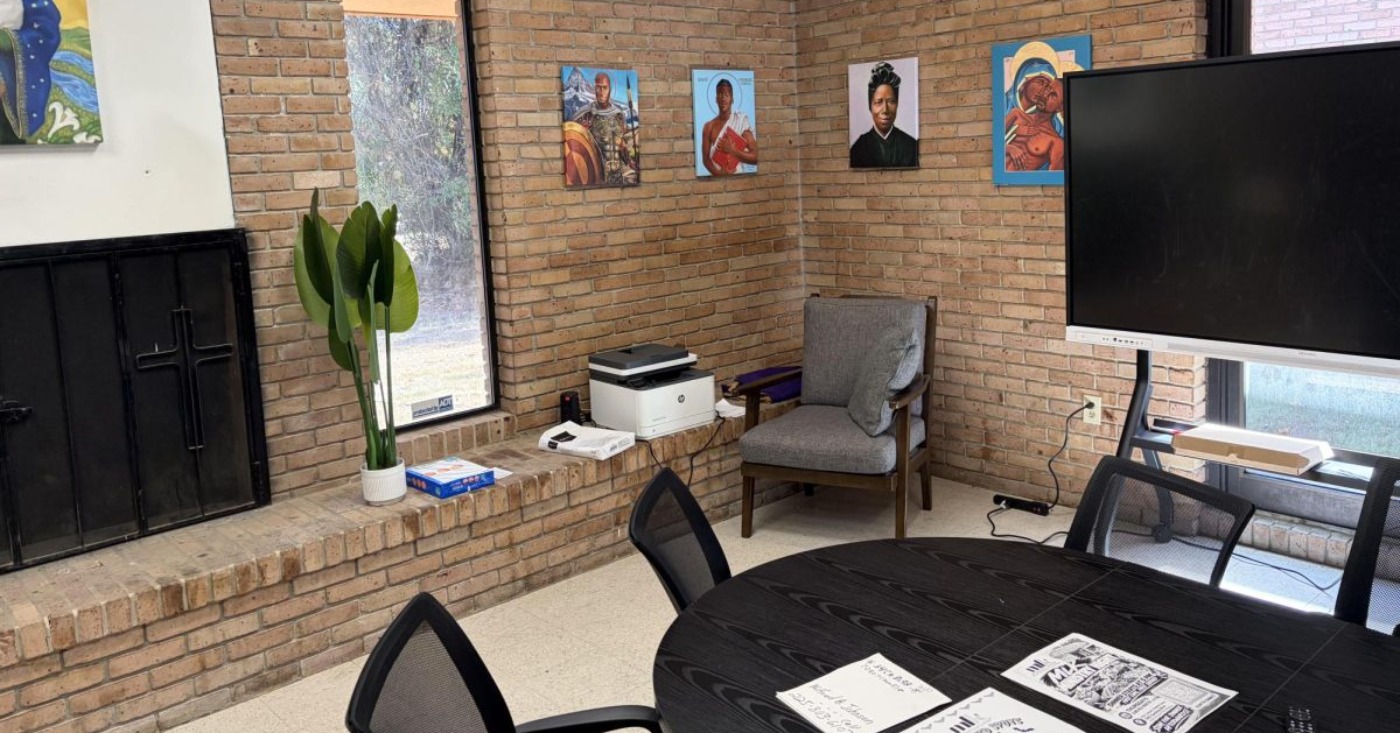
Madison Holmes wanted to leave Southern University. Now, she calls the Martin Luther King Jr. Catholic Student Center home.
The center’s new computer lab has become one of the places where Holmes feels calm, supported and connected to campus life. Holmes said she struggled with being away from her support system in Pass Christian, Mississippi, while also managing difficult classes. At the time, transferring closer to home seemed like a better option.
She recalled going to the library one day to print a lab report and finding a long line at the printer. “I was like, ‘Oh, wait. I know where I can go,’” Holmes said. “So, I came here and printed out my lab report, and then I took it to class.” Her experience is one example of how the center provides students with a place to turn when they need support.
The computer lab opened in October after the project began in August 2026. An anonymous private benefactor provided funding that helped pay for the lab and other improvements throughout the building.
The Rev. Thomas F. Clark, chaplain of the Martin Luther King Jr. Catholic Student Center, said the center aims to support students as they adjust to college life away from home. “You realize that when you’re away from home for the first time, you’re trying to make your way,” Clark said.
According to Clark, students often expressed the need for additional study space. Others shared concerns about unreliable laptops or computer crashes, concerns that ultimately helped shape the decision to add a computer lab.
The lab is one of several resources available to students. The center also provides Wi-Fi, study space and approximately 50 meals every Thursday at 5 p.m. Located across from Bethune Hall, the Martin Luther King Jr. Catholic Student Center has served Southern University students for decades.
According to the Roman Catholic Diocese of Baton Rouge, Father Rawlin B. Enette advocated for a stronger Catholic presence at Southern in the late 1960s. Construction on the center began in 1969 after land was donated by a university official.
Originally known as the Newman Center, the building was later renamed the Martin Luther King Jr. Catholic Student Center. Southern University art professor Frank Hayden also created religious artwork for the facility.
While the center provides practical resources, it also offers students a place to slow down, reflect and feel supported. For Holmes, Clark is part of that support system. “I do think that Father Clark is a safe space and a person I could go to,” Holmes said.
That sense of availability is intentional. Clark said students sometimes stop by with personal concerns or during times of stress. They talk and, in some cases, pray together as he helps students navigate the semester.
“We just feel that we can add to that support by being available and providing a warm and friendly place,” Clark said. As students navigate the challenges of college life, the Martin Luther King Jr. Catholic Student Center continues to offer a place of support, community and encouragement. For Holmes, it has become a home away from home.
Gallery • 3 Photos Brianna Meeks Interior shots of the newly create computer lab.
Based on reporting by Southern University – SouthernDIGEST.
Black History
Hundreds of Black Christian Leaders Arriving in Israel for Martin Luther King-Inspired Mission
Hundreds of African American and African Christian leaders are visiting Israel for the ‘Unfinished Business Pilgrimage,’ inspired by Dr. Martin Luther King’s plans for a pilgrimage in 1967 that was canceled due to the Six Day War. The event aims to promote pro-Israel sentiments amidst rising antisemitism and will expand to thousands of participants in 2027. Pastor Dumisani Washington emphasizes the importance of Black Americans recognizing their role in supporting Israel. Pilgrimage leaders are also delivering gifts to victims of recent violence, reiterating the historical bond between Jewish and Black communities in advocating for justice. Pastor Michael A. Stevens highlights the need for education against antisemitism while suggesting that Israel should be more attuned to issues affecting Black lives.
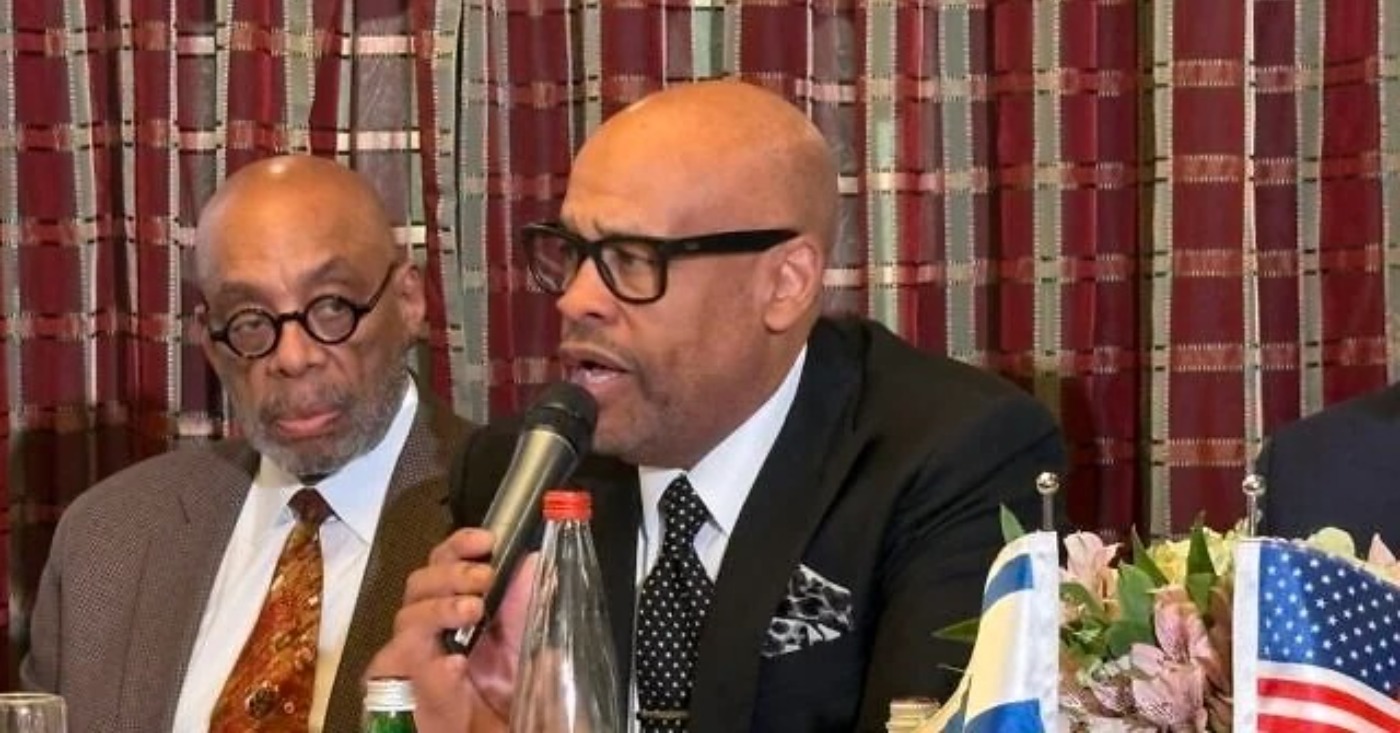
As support for Israel declines precipitously in the US, hundreds of African-American and African pastors and Christian leaders are arriving in Israel this week for a mission inspired by the slain US civil rights leader Rev. Dr. Martin Luther King.
King planned to bring thousands of pilgrims to Israel and Jordan in 1967, but that trip was postponed because of the Six Day War and the political implications of such a trip. He said he would look into coming the next year, but was assassinated in April 1968.
“There were no mass pilgrimages” back then, says Pastor Dumisani Washington, a pro-Israel activist, at a press conference in Jerusalem. “We as Black Americans recognize that Black Americans were about to start something that no one else was doing.”
The “Unfinished Business Pilgrimage” will expand to thousands of participants next year, say organizers, to mark 60 years since King’s planned visit.
“We felt a burden in our heart,” Washington continues. “We see the rising antisemitism on the right and on the left.”
There is a “mountain of support rising from the Black church,” says Pastor Michael A. Stevens, Sr.
The leaders of the pilgrimage present gifts to victims of the Hamas-led October 7, 2023, massacre, including freed hostage Elkana Bohbot; Hila Abir, whose brother Lotan was murdered at the Nova music festival; and Daniel Lischinsky, whose son Yaron was murdered alongside his fiancée Sarah Milgrim at an Israeli embassy event in Washington, DC.
Ther rest of the participants arrive tomorrow, and will visit biblical sites across the country, as well as the site of the Nova massacre.
Steven says that Jewish and Black Americans had a tradition of coming together to “establish what was right, and to set the tone for the nation and for the world.”
“If anyone should stand with our Jewish brothers and sisters, it ought to be African-Americans, it ought to be Africans,” he continues.
Though rates of antisemitism have risen among people of color, Stevens tells The Times of Israel, “I still think we are the lowest-hanging fruit to educate and to learn.” He says, “The African-American Church is still the most influential institution in all of America, in fact, at least in the Black community.”
Stevens says one of the objectives of the mission is to spread awareness that “we cannot have antisemitism in our culture, period.”
At the same time, he says that Israel could improve its approach to Black America: “I believe Israel could be more attentive to the fact that a lot of the loss of lives that we see looks like us. Whether it’s in Gaza, whether it’s Ethiopians and racism.”
Reverend Dr. Benjamin F. Chavis. Jr. is on this delegation representing the Black Press of America and Spill the Honey as a present-day fulfillment of the dream and prior plan of Reverend Dr. Martin Luther King, Jr in 1967 to lead a 5000 Black Clergy Pilgrimage to Israel.



5 Self-Care and Wellness Gift Ideas for the Women in Your Life

A Retail Space Won’t Bring Customers—Here’s What Will #shorts

MC Scat Cat Led to a Surprising Quincy Jones Moment #shorts

Native American Health Center Connects 140 Community Members to Career Opportunities During Native American Heritage Month

Oakland Chamber of Commerce Faces $42,000 Ethics Fine for Campaign Violation

Adrianna Willis on Mind the Crown, Boundaries and Choosing Yourself | On The Radar | MSR

Mind the Crown: Adrianna Willis on Rest, Boundaries and Choosing Yourself | On The Radar | MSR

Attorney General Bonta Serves Investigative Subpoena on Nvidia

A Record 216 Firearms Collected at East Oakland Gun Buy-Back Event

A Record 216 Firearms Collected at East Oakland Gun Buy-Back Event

HISTORY MADE: Keisha Lance Bottoms Becomes First Black Woman Elected Governor in American History

Secretary of State Shirley Weber Pushes Back Against DOJ Demands Over California Voter Rolls

Retirement Triggers Doctor to Pen Book for Young Audience

Capturing Black Life’s Beauty

Multi-Faith Leaders Representing 10 Million People Launch National Anti-Authoritarian Initiative

Christianity’s Racial History

Hundreds of Black Christian Leaders Arriving in Israel for Martin Luther King-Inspired Mission

Oakland Honors 60 Years of the Black Panther Party at the All Power to the People Gala

Message from the Associate Editor: Blindness, Hurts, Cops

Michael Shiner: The Enslaved Man Who Wrote His Way into American History
A Retail Space Won’t Bring Customers—Here’s What Will #shorts
MC Scat Cat Led to a Surprising Quincy Jones Moment #shorts
Adrianna Willis on Mind the Crown, Boundaries and Choosing Yourself | On The Radar | MSR
Mind the Crown: Adrianna Willis on Rest, Boundaries and Choosing Yourself | On The Radar | MSR

Delay Motherhood: What you need to know about egg freezing

Car Buying Tips: 5 Steps to Get a Better Deal #shorts

Massive Chevy Tahoe Interior Tour: The Cup Test Challenge #shorts

Scott Colom’s Nike Challenge Goes National, Freshman Democrats Get a Surprise 📱

Scott Colom’s Nike Challenge Goes National, Freshman Democrats Get a Surprise

MLGW offers up to $7,500 per home to help builders connect to the grid
-
 Black Press1 week ago
OP-ED: Closing the Next Digital Divide — Communities of Color Must Have a Voice in the AI Future
-

 Black Press1 week ago
COMMENTARY: Thank You, Trump, for Making America Great Again!
-

 Black History1 week ago
“Blue Tsunami” Sweeps Georgia, Bottoms Makes History
-

 Black Press6 days ago
Black Men Encouraged to Start Prostate Cancer Screening at 45
-
 Black Press1 week ago
OP-ED: And Then What?
-
 Black History1 week ago
Mississippi Congressman Bennie Thompson Congratulates Scott Colom on Historic Victory