
Black History
The Afro represents cultural change within Black Diaspora
NNPA NEWSWIRE — “There was some early blow-back resulting from the Afro. Beside the fact that many Black parents then frowned on the new expression of Black pride—and often prohibiting younger children from donning this haircut—White society was uncertain what to make of this outward and unapologetic show of African American pride and independence.”


A once ‘defiant’ hairstyle remains mired on controversy
By Merdies Hayes, Editor, Our Weekly News
“How ya doin’? Good to see ya. Have a seat.”
O.D. Threatt makes way for the barber chair. You feel at home as he affixes the bib over your chest. He takes your glasses. He asks the usual question: “Cut it short?” He hasn’t needed to boost the chair upward for at least 50 years.
Between the chit-chat about the Dodgers or Lakers—there’s very little political talk—the subject of the Afro (or “natural”) comes up, of which he is a font of knowledge. O.D., by his estimate, has probably given 50,000 haircuts over the past 60 years. Of those, there’s a good chance that half have been Afros since his days at the legendary Upright Barber Shop at 58th Street and Central Avenue in South Los Angeles. Back then, in the late 1960s, it was the place to go to wear that distinctive style that marked a new era of Black social consciousness.
Wanting to make a statement
“I was thinking about that just the other day,” he said. “You know, before the natural, Black teenagers generally kept their hair relatively short. Much more conservative, often with a “Kennedy part” on the left side. That all changed with the natural. The kids wanted to make a statement. They wanted a separate identity from White America.”
There was some early blow-back resulting from the Afro. Beside the fact that many Black parents then frowned on the new expression of Black pride—and often prohibiting younger children from donning this haircut—White society was uncertain what to make of this outward and unapologetic show of African American pride and independence.
“No, a good many parents would not let their little kids have a natural,” O.D. explained. “That was a little too daring—a little too ‘militant’—for the generation who moved from the South after World War II. It was different for the teenagers. They saw people like James Brown, Angela Davis or the Black Panthers wearing a natural, and this expression was part of new generation of kids who were exposed more to their history going back to slavery and further back to Africa.”
Turning tables on ‘nappy,’ ‘woolly’ hair
In the 1960s, Black people said, essentially, “to hell with that” and turned the tables on the familiar and unflattering tropes of “nappy,” “woolly” and “unruly” hair in liberating themselves from any and everything originally associated with White “acceptance.” After generations of subjecting themselves to European beauty standards, African Americans decided to take back their hair. This newfound acceptance was widely known as the “Black Is Beautiful” movement, which sprang from the Black Power movement.
With political activists such as Davis, Huey P. Newton and Jesse Jackson proudly rocking Afros while fighting oppression, the hairstyle quickly emerged as a symbol of Black beauty, liberation and pride.
Black activists were agitated by White supremacy and Jim Crow laws. As well, they wanted to show an outward sign of their frustration toward Dr. Martin Luther’s King Jr.’s philosophy of nonviolence. The Afro would become Black beauty personified—and done without White validation. The Afro did not care about critics. It did not care about
disapproving looks. For many Black men, it was about “cool pose” and, to a degree, about hyper-masculinity in the face of police brutality and constant oppression.
What may be most interesting about the Afro is its cultural trajectory. In the 1970s, for instance, the Afro was perceived as a major political statement that, beforehand, would have never appeared in the pages of a mainstream publication, or graced the motion picture or television screens. The Afro originated in both a political and emotional climate. The style would fit with a broader generational rejection of artifice but, more importantly, it expressed defiance of racist beauty norms, rejection of middle-class conventions (much like the hippie movement of the mid-60s) and demonstrated pride in Black beauty. The unstraightened hair of the Afro was simultaneously a way to celebrate the cultural and physical distinctiveness of the Black race, and to fully reject practices associated with any emulation of Whites.
An ‘in-your-face’ style for Black youth
“You didn’t see Black celebrities or athletes wearing the natural. Willie Mays didn’t have one. Neither did Jim Brown or Muhammad Ali in their early days,” O.D. said. He explained that the Martin Luther King generation would have said the Afro was a little too “in-your-face” and that it would do more to instigate White America rather than attracting them to the subject of Black equality.
“The young people saw it differently,” O.D. noted. “This was their time to speak. It was their time of self-expression. The Black teenagers wore the Afro with pride and distinction because it was theirs…and no White person could take it away from them.”
Black hair has been an integral feature of Black history, from African tribal styles to Caribbean dreadlocks. In early African civilizations, for instance, hairstyles could indicate a person’s family background, tribe and social status. As an example, when men from the Wolof tribe (in modern Senegal and Gambia) went to war, they wore a braided style, while women in mourning—in other words a widow—would either not “do” her hair or adopt a subdued style.
During the slave trade, these captives took many of their African customs with them to the New World, including their specially-designed combs—not terribly different from the ever-present Afro combs of the 1970s. During the 19th Century, when slavery was abolished throughout much of the world, many Black people felt pressure to “fit in” with mainstream White society and adjusted their hair accordingly.
Emancipation the ‘great oppressor’?
“Black people felt compelled to smooth their hair and [texture it] to fit in easier, and to move in society better (and in camouflage) almost,” said Aaryn Lynch who produced a London exhibition on the history of the Afro comb. “I’ve nicknamed the post-emancipation era ‘the great oppression’ because that’s when Black people had to go through really intensive methods to smooth their hair. Men and women would put their hair in a hot chemical mixture—that would almost burn their scalp—to make it look more European and silky.”
In the 1930s, Rastafari theology developed in Jamaica from the ideas of Marcus Garvey, the legendary political activist who worked to improve the status of Black people. Believers then and today are forbidden to cut their hair and instead twist it into dreadlocks.
While it is not clear when and where the style originated, there are references in the Old Testament. The Hindu deity Shiva is sometimes depicted wearing dreadlocks. Along with the Afro, dreadlocks remain the most distinctive Black hairstyle.
A tumultuous timeline
Black hair—specifically the Afro—can trace a centuries-old timeline:
- 1444: Europeans trading along the West African coast observe people wearing elaborate hairstyles, including Afros, locks, plaits and twists
- 1619: The first slaves are brought to Jamestown, VA, many of which have an Afro and/or plaits and twists
- 1700s: Calling Black hair “wool,” many Whites dehumanized slaves. The more elaborate African hairstyles could not be retained
- 1800s: Without the traditional combs and herbal treatments, slaves rely on bacon grease, butter and kerosene as hair conditioners and cleaners. Lighter-skinned, straight-haired Blacks would command a higher price than the more “kinky-haired” slaves
- 1865: Slavery ends, but Whites look upon Black women who adopt a Western coiffure as “well-adjusted” meaning that “good’ hair is a specific White attribute
- 1880: Metal hot combs, invented by the French in 1845, are used by Blacks to temporarily straighten kinky hair
- 1900s: Madame C.J. Walker develops a range of hair-care products for Black hair
- 1954: George E. Johnson launches the Johnson Products Co. with Ultra Wave Hair Culture to be used as a “permanent” hair straightener for both Black men and women
- 1963: Actress Cicely Tyson wears cornrows on the television drama “East Side/West Side”
- 1970: Angela Davis becomes an icon of the Black Power movement with her large Afro
- 1971: Melba Tolliver is fired from the ABC News affiliate in New York for wearing an Afro while covering the marriage of Tricia Nixon
- 1988: Director Spike Lee exposes the schism between “good-hair/bad-hair” among African Americans in the film “School Daze”
- 2006: Black hair care becomes a billion-dollar industry
- 2009: The movie “Good Hair” grosses $4 million
Celebrating Black beauty
At the peak of its popularity in the late 1960s and early 1970s, the Afro epitomized the “Black is Beautiful” movement. In those years, the style represented a celebration of Black beauty and repudiation of Eurocentric beauty standards. The Afro also created a sense of commonality among African Americans who saw the style as a mark of a
person who was willing to take a different stand against racial injustice.
Even today, the natural state of Black hair causes debate in the workforce. Because certain African hairstyles may leave White employers baffled and confused, many workplaces still do not tolerate locks or natural hair and require that Black men and women adhere to a style more suited with White fashion norms.
This debate has led to an historic bill introduced by California State Sen. Holly J. Mitchell (30th District) making California the first state in the country to ban racial discrimination based on natural hair. Known as the CROWN (“Creating a Respectful and Open Workplace for Natural Hair”), the bill was signed in early July by Gov. Gavin Newsom to amend the Fair Employment and Housing Act and the state Education Code to prohibit employers and schools from enforcing purportedly “race neutral” grooming policies that disproportionately impact people of color.
Sen. Holly J. Mitchell’s CROWN Act
“This law protects the right of Black Californians to choose to wear their hair in its natural form, without pressure to conform to Eurocentric norms,” Mitchell said. “I am so excited to see the culture change that will ensue from the law.” Similar legislation has been proposed in New York and in New Jersey, with New York in February banning any form of hair discrimination at school and in the workplace.
History, to an extent, is defined by a simple haircut not simply for one person, but for a generation who came of age during the Black Power Movement.
You see yourself in the hand mirror, just to check if your look remains normal for the times. Everything checks out.
“Everything okay?” O.D. asks. “Looks good O.D. Each time I stop in you seem to trim more gray hair.” “That’s father time for ya,” he replied.
And with that, the bib is removed, and any remaining hair is neatly brushed away until next time.
“Thanks O.D.” “Thank you,” he responds. “See ya next time.”





Black History
IN MEMORIAM: Marcia Ann Gillespie, Editor of Essence and Ms. Magazines, Dies at 82
Marcia Ann Gillespie, the trailblazing journalist who served as the first editor-in-chief of Essence magazine, has died at age 82. After joining the publication at its inception in 1970, Gillespie spent a decade elevating the beauty and voices of Black women during a pivotal era of self-love and cultural revolution. She later broke barriers as the first Black woman to lead Ms. magazine, further solidifying her status as a titan of the publishing industry. Her expansive career also included authorship and teaching, leaving a profound impact on American media. Read more.

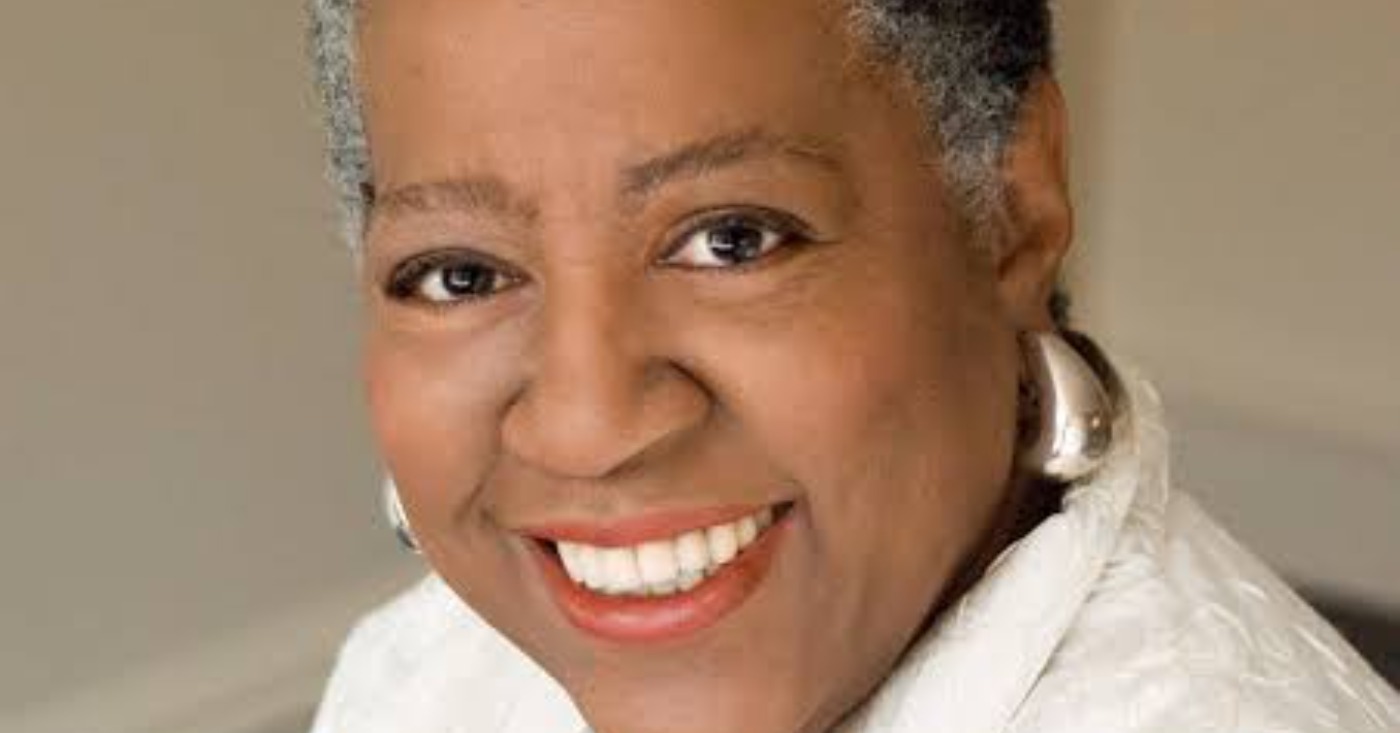
Marcia Anna Gillespie, the first editor in chief of Essence magazine, has died. She was 82.
Born in Rockville Centre, New York, in 1944. The daughter of a church sexton/small business owner and domestic worker/caterer, Gillespie parlayed her degree in American studies from Illinois’s Lake Forest College into a research job at Time-Life Books, Inc. in New York.
There she advocated for fairness and inclusion of Black life in its publications. When the owners of the standard bearer of Black life, Ebony magazine, ventured into creating a special publication for young, Black women, Gillespie was hired as managing editor in 1970, and became editor-in-chief a year later at the young age of 26.
At the time, the venture by the Johnson family – the owners of Ebony magazine and Jet – into creating a publication for young Black women met the growing revolution of self-love in the Black community.
In other words, the battle cry of the late 1960s, “Black is Beautiful,” had a place to be seen and not just heard.
Thousands of young women who had already abandoned straightening combs and European aesthetics learned more ways to wear their natural hair from Afros to cornrows. Young Black designers got a place in the spotlight not just in clothing but jewelry that expressed neo-African ideals. But one of the most important impacts was the magazine’s unapologetic elevation of the beauty of the dark-skinned Black female to the status she deserved.
Under Gillepie’s tenure, Essence championed storytelling that celebrated Black women’s identities, experiences, and contributions at a time when their voices were often overlooked in mainstream media,” Essence wrote in a statement posted to Instagram
For 10 years she steered the fledgling publication before joining Ms. Magazine as a contributor in 1980 later becoming the first Black woman to edit a mainstream American magazine when she took charge in 1992.
In 1998, she helped secure the publication’s future through a women-led ownership group. She stayed at Ms. In various capacities until 2001, during which time the magazine had the most diverse readership in its history.
She also mentored future Essence editor Susan L. Taylor and taught young journalists at SUNY Old Westbury.
Emmy-winning actor Sheryl Lee Ralph took to social media to honor Gillespie’s life.
“Rest in peace, dear Marcia Gillespie,” she wrote on Threads. “Your voice, your brilliance, and your commitment to lifting up Black women leaves a legacy that will continue to inspire me and so many others.”
A professor at SUNY Old Westbury and Bennett College, she also co-authored the authorized biography “Maya Angelou: A Glorious Celebration” in 2008.
According to Wikipedia, she also served on various boards as a director or advisor, including: “…the Arthur Ashe Institute of Urban Health, the Black & Jewish Women of New York, the Violence Policy Center in Washington, D.C., Aspen Institute, …and the Studio Museum of Harlem. Gillespie is a member of the National Council of Negro Women and the American Association of Magazine Editors.”
She was the recipient of several awards, including: the Lake Forest College Outstanding Alumni Award (1973), the New York Women in Communications Matrix Award (1978); a Lifetime Achievement Award from the New York Association of Black Journalists for print journalism (1982); a ‘Top Ten Outstanding Women in Magazine Publishing’ recognition by the March of Dimes.
In later years she was inducted into the American Society of Magazine Editors’ Hall of Fame (2002); the NAACP President’s Award (2006) and the Barbara Graves Legacy Award at the Black Enterprise Women of Power Summit in 2017.
The conclusion for her online obituary reads: “She leaves behind a legacy written not just in the pages she edited, but in every editor, journalist, and reader who found themselves — finally — in the stories she chose to tell.”
Online sources for this report include “The History Makers,” The Washington Informer, Wikipedia, Essence magazine, Ms. Magazine and her obituary.
Black History
U.S. Rep. John Garamendi Honors local ‘Women of the Year’ at Annual Awards Ceremony
Congressman John Garamendi recently honored 52 remarkable women during his 13th annual Women of the Year ceremony in Benicia. The event recognized leaders from California’s 8th District for their significant contributions to public service, education, business, and community life. The honorees, including 16 women from West Contra Costa County, were officially commemorated in the Congressional Record for their dedication to the region. The diverse group includes veterans, educators, and community advocates who have shaped the local landscape through decades of service. Read more about these influential leaders.
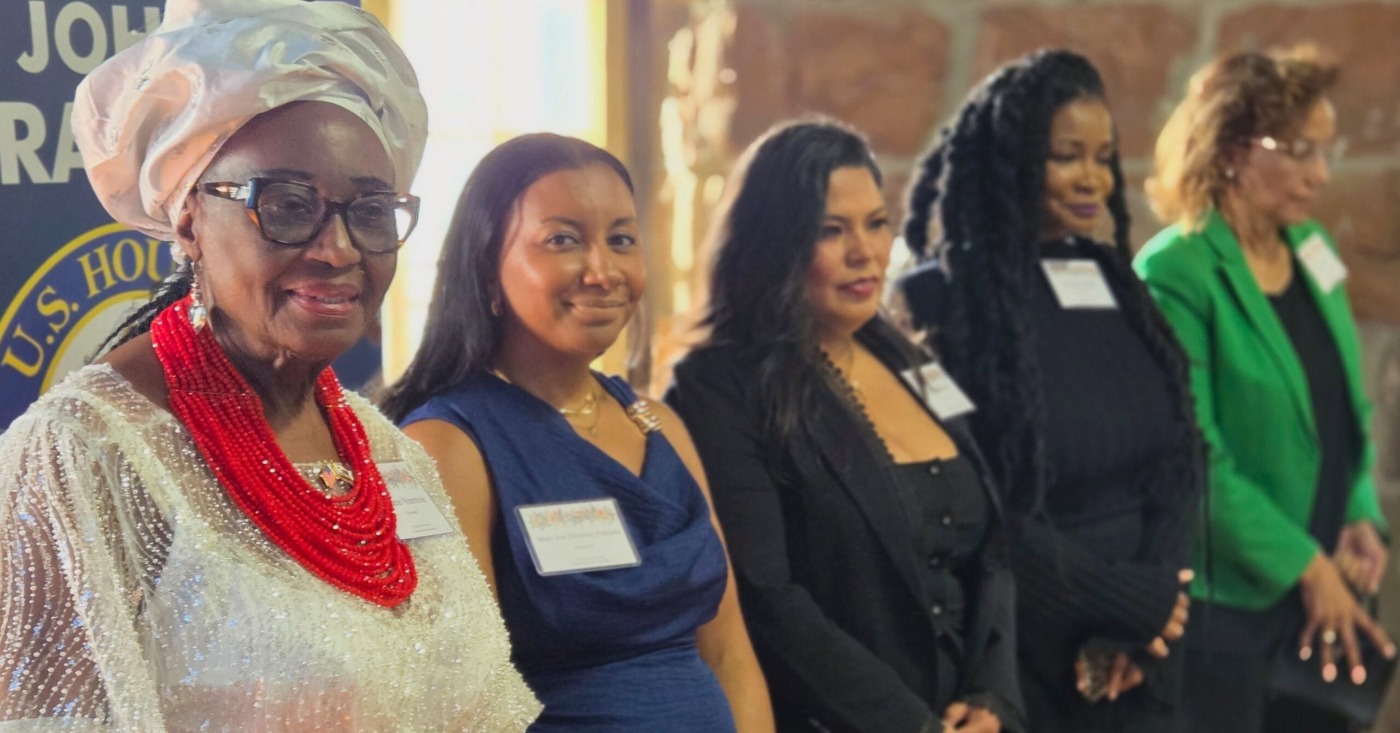
Sixteen women from West Contra Costa County were among 52 honorees recognized by Congressman John Garamendi (D-CA-08) at his 13th annual Women of the Year ceremony in Benicia on Oct. 23.
The 2026 honorees from Solano and Contra Costa counties were recognized for contributions to public service, education, business and community life.
“Every year, I’m honored to recognize the remarkable women of California’s Eighth District who serve as the backbone of our community,” Garamendi said.
Their contributions were also recognized in the Congressional Record. The following profiles summarize the ceremony remarks and supporting biographies.
Richmond
King-Meredith was honored for six decades of community service. An engineer and project manager whose professional career included defense-industry work, she has served organizations including the North Richmond Municipal Advisory Council and Shields-Reid Neighborhood Council. Her contributions also include environmental justice advocacy and artwork addressing social injustice.
Bolds was recognized for supporting Richmond youth and families and organizing community events. She established the annual “Put the Guns Down” event about 20 years ago in response to neighborhood violence. Through her organization, Visions of Hope, she brings together families, service providers, community leaders and public safety partners to address bullying and violence prevention.
Martinez Luna was honored for her work supporting businesses and families along Richmond’s 23rd Street corridor. Born in Guadalajara, Mexico, she became the first person in her family to graduate from high school. A longtime Rigo’s Auto Sales employee and secretary of the 23rd Street Merchants Association, she helps organize community events, supports immigration information forums and works with local partners on neighborhood concerns.
Dawkins-Padigela was recognized for her professional and community leadership. A U.S. Air Force veteran who served seven years as an aircraft mechanic, she later pursued graduate studies in marriage and family therapy and professional clinical counseling. As president of East Bay CAMFT, she supports professional education, networking and collaboration among mental health practitioners.
Padilla, a dean at Contra Costa College, was honored for advancing educational equity and student success. A Richmond High School graduate, she began her higher education at Contra Costa College before earning a bachelor’s degree in applied physics from UC Davis and a doctorate in neuroscience from UC Berkeley. She later returned to CCC to lead initiatives expanding opportunities for students pursuing STEM careers.
Milam was recognized for a public service career that began as a teenager with the East Bay Public Safety Corridor Partnership. As crime prevention manager for the Richmond Police Department, she has worked with government and community partners on violence prevention and homelessness response. Her congressional tribute credits her with helping secure nearly $30 million for outreach, shelter, treatment, encampment resolution and pathways to housing.
Nmereole was honored for supporting immigrant communities, young people and elderly residents throughout Contra Costa County and the greater Bay Area. Her volunteer work includes GED tutoring, vocational nursing exam preparation, computer instruction and youth mentorship. She also helps immigrants navigate services and assists elderly residents with transportation, prescriptions and groceries.
Curl was recognized for more than two decades of service to Richmond, beginning with the city’s redevelopment agency. She became interim city manager in November 2021 and permanent city manager in April 2022 before retiring in 2026. Garamendi credited her with helping secure more than $300 million in grants for infrastructure, housing and education, strengthening city finances and helping Richmond exit the state auditor’s high-risk designation.
Black History
HISTORY MADE: Keisha Lance Bottoms Becomes First Black Woman Elected Governor in American History
ATLANTA DAILY WORLD — History has been made in Georgia. Keisha Lance Bottoms, the former mayor of Atlanta, has been elected governor of Georgia, becoming the first Black woman in American history to win the highest executive office in any state.
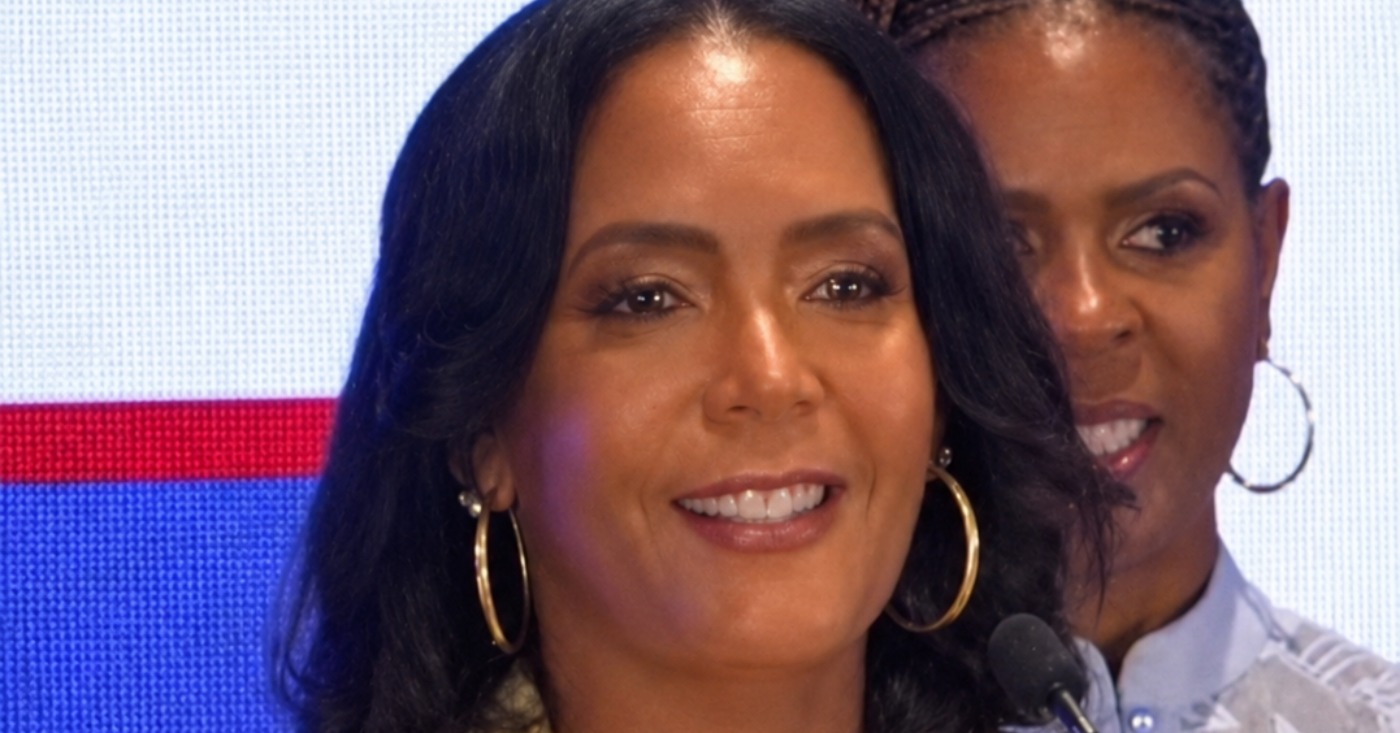
History has been made in Georgia. Keisha Lance Bottoms, the former mayor of Atlanta, has been elected governor of Georgia, becoming the first Black woman in American history to win the highest executive office in any state.
Bottoms’ victory over Republican businessman Rick Jackson represents a defining moment in American politics, breaking a barrier that has stood since the nation’s founding and placing Georgia at the center of a historic political transformation.
For generations, Black women have played a critical role in American democracy, organizing communities, leading movements, mobilizing voters and shaping public policy. Yet despite their contributions, no Black woman had ever been elected governor of a U.S. state.
Until now.
Bottoms’ election also makes her the first woman and first Black person elected governor of Georgia, a state whose political history has been deeply shaped by slavery, segregation, the civil rights movement and the long struggle for equal representation.
Her victory carries particular significance in a state where Black women have been among the most influential forces in voter registration, political organizing and Democratic electoral success.
A fifth-generation Georgian, Bottoms previously served as Atlanta’s 60th mayor from 2018 to 2022. During her administration, she led the city through the COVID-19 pandemic, nationwide protests over racial injustice and a period of significant economic and population growth.
Following her time as mayor, Bottoms served as a senior adviser in President Joe Biden’s administration before returning to Georgia politics to pursue the governorship.
Her campaign focused on expanding access to health care, strengthening public education, increasing wages and addressing the rising cost of living. She also advocated for expanding Medicaid, raising Georgia’s minimum wage to $15 an hour and increasing compensation for teachers and other public employees.
Bottoms faced Jackson, a wealthy health care executive who invested heavily in his campaign and positioned himself as a political outsider. The contest drew national attention as Democrats sought to reclaim the Georgia governor’s office after more than two decades of Republican control.
The historic nature of Bottoms’ victory extends well beyond party politics.
Georgia, once at the center of some of America’s most consequential civil rights battles, has now elected a Black woman to lead its state government. It is a milestone that reflects generations of political participation, organizing and leadership by Black Georgians.
For Atlanta, the moment is especially significant. A former mayor of the city that helped shape the modern civil rights movement will now lead the entire state.
Bottoms’ election opens a new chapter in Georgia’s political history and establishes a milestone that will be remembered far beyond the 2026 election.
For continuing election coverage and results, visit AtlantaDailyWorld.com/election26.
Black History
Hundreds of Black Christian Leaders Arriving in Israel for Martin Luther King-Inspired Mission
Hundreds of African American and African Christian leaders are visiting Israel for the ‘Unfinished Business Pilgrimage,’ inspired by Dr. Martin Luther King’s plans for a pilgrimage in 1967 that was canceled due to the Six Day War. The event aims to promote pro-Israel sentiments amidst rising antisemitism and will expand to thousands of participants in 2027. Pastor Dumisani Washington emphasizes the importance of Black Americans recognizing their role in supporting Israel. Pilgrimage leaders are also delivering gifts to victims of recent violence, reiterating the historical bond between Jewish and Black communities in advocating for justice. Pastor Michael A. Stevens highlights the need for education against antisemitism while suggesting that Israel should be more attuned to issues affecting Black lives.
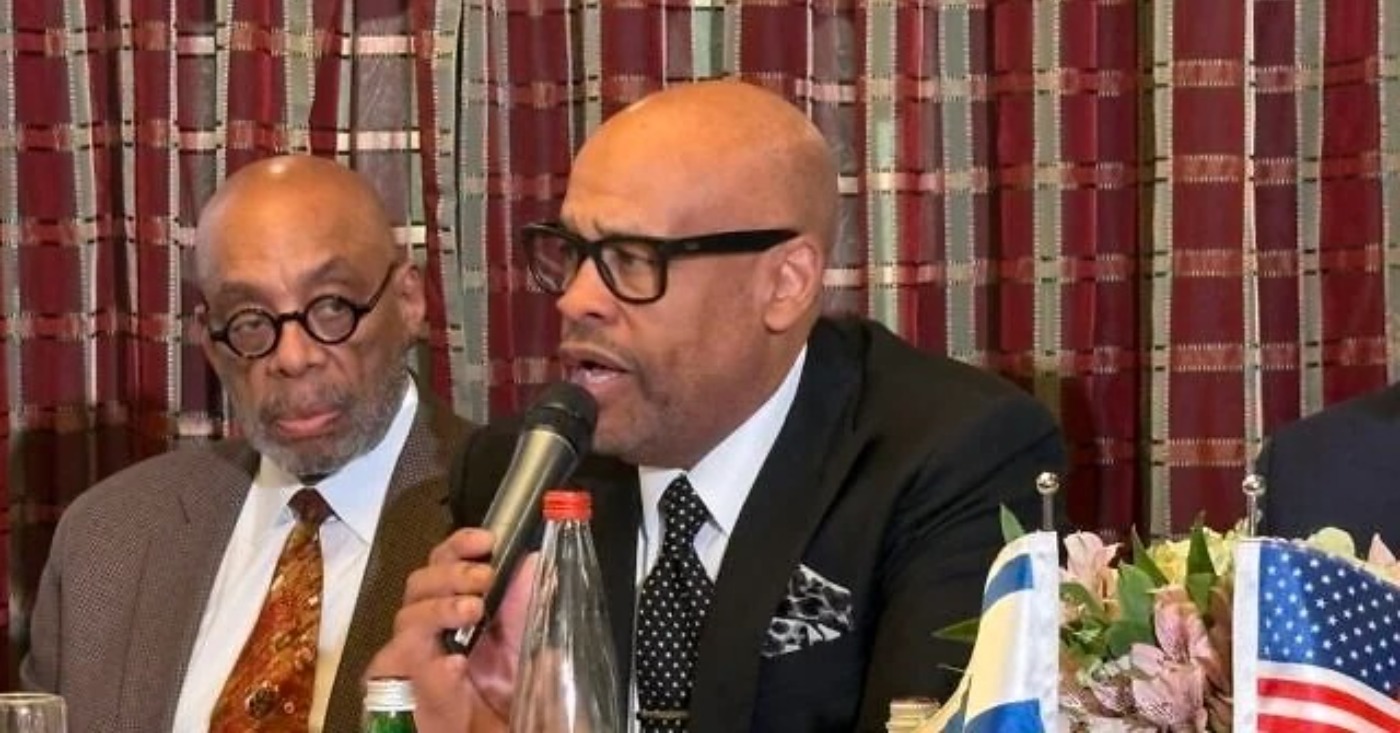
As support for Israel declines precipitously in the US, hundreds of African-American and African pastors and Christian leaders are arriving in Israel this week for a mission inspired by the slain US civil rights leader Rev. Dr. Martin Luther King.
King planned to bring thousands of pilgrims to Israel and Jordan in 1967, but that trip was postponed because of the Six Day War and the political implications of such a trip. He said he would look into coming the next year, but was assassinated in April 1968.
“There were no mass pilgrimages” back then, says Pastor Dumisani Washington, a pro-Israel activist, at a press conference in Jerusalem. “We as Black Americans recognize that Black Americans were about to start something that no one else was doing.”
The “Unfinished Business Pilgrimage” will expand to thousands of participants next year, say organizers, to mark 60 years since King’s planned visit.
“We felt a burden in our heart,” Washington continues. “We see the rising antisemitism on the right and on the left.”
There is a “mountain of support rising from the Black church,” says Pastor Michael A. Stevens, Sr.
The leaders of the pilgrimage present gifts to victims of the Hamas-led October 7, 2023, massacre, including freed hostage Elkana Bohbot; Hila Abir, whose brother Lotan was murdered at the Nova music festival; and Daniel Lischinsky, whose son Yaron was murdered alongside his fiancée Sarah Milgrim at an Israeli embassy event in Washington, DC.
Ther rest of the participants arrive tomorrow, and will visit biblical sites across the country, as well as the site of the Nova massacre.
Steven says that Jewish and Black Americans had a tradition of coming together to “establish what was right, and to set the tone for the nation and for the world.”
“If anyone should stand with our Jewish brothers and sisters, it ought to be African-Americans, it ought to be Africans,” he continues.
Though rates of antisemitism have risen among people of color, Stevens tells The Times of Israel, “I still think we are the lowest-hanging fruit to educate and to learn.” He says, “The African-American Church is still the most influential institution in all of America, in fact, at least in the Black community.”
Stevens says one of the objectives of the mission is to spread awareness that “we cannot have antisemitism in our culture, period.”
At the same time, he says that Israel could improve its approach to Black America: “I believe Israel could be more attentive to the fact that a lot of the loss of lives that we see looks like us. Whether it’s in Gaza, whether it’s Ethiopians and racism.”
Reverend Dr. Benjamin F. Chavis. Jr. is on this delegation representing the Black Press of America and Spill the Honey as a present-day fulfillment of the dream and prior plan of Reverend Dr. Martin Luther King, Jr in 1967 to lead a 5000 Black Clergy Pilgrimage to Israel.
Black History
Christianity’s Racial History
THE POSITIVE COMMUNITY — Historian and author Jemar Tisby is challenging the traditional narratives of American religious history through his acclaimed work, The Color of Compromise. His research provides a comprehensive examination of how Christian institutions have historically participated in, accommodated, or resisted racial injustice from the colonial era to the present day.
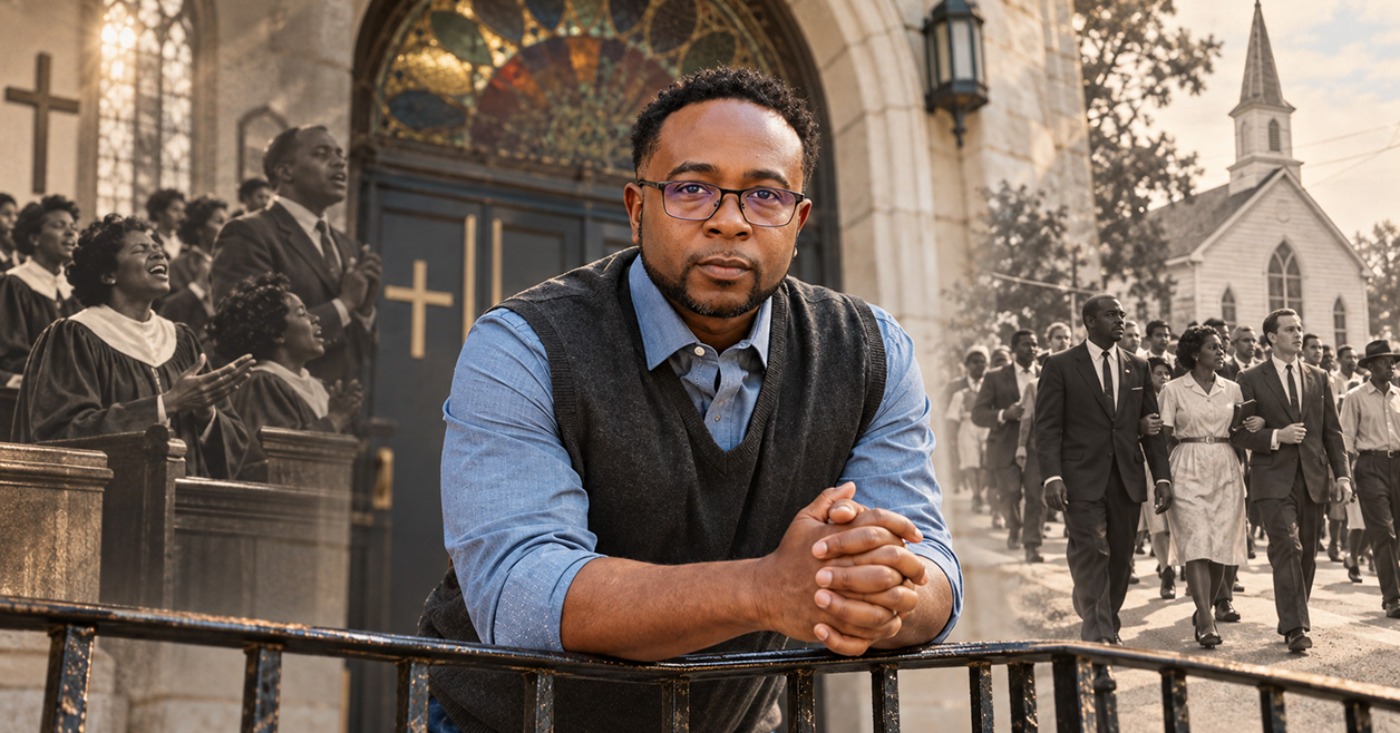
Jemar Tisby is a historian, author, and public speaker whose work examines the relationship between Christianity, racism, and American history. Through his writing, he challenges readers to reconsider the role religious institutions have played in shaping racial attitudes and social structures. His widely recognized book, The Color of Compromise: The Truth About the American Church’s Complicity in Racism, explores how Christian churches have participated in, accommodated, and sometimes resisted racial injustice throughout American history. Tisby’s work encourages readers to examine the past honestly and consider what meaningful change requires today.
One of the central arguments in The Color of Compromise is that racism in America cannot be understood without examining the influence of religious institutions. Christianity has often been associated with messages of love, justice, compassion, and equality. Yet churches and Christian leaders have sometimes supported systems that denied African Americans their freedom and dignity. Tisby examines this contradiction, demonstrating how religious beliefs and institutions could be used to justify racial oppression rather than challenge it.
The book takes readers back to the era of European colonization and slavery, when religious arguments were frequently used to defend the enslavement of Africans. Some Christian leaders claimed that slavery was compatible with biblical teachings, while others used Christianity to encourage resistance to the institution. Enslaved Africans developed their own spiritual traditions, drawing strength from their faith while enduring violence, separation from family, and the denial of basic human rights. Tisby highlights the importance of understanding how Christianity became intertwined with the development of American slavery.
Tisby also explores the role of churches during the Civil War and Reconstruction. Although emancipation ended legal slavery, it did not eliminate racial prejudice or the struggle for equal citizenship. Some religious communities supported efforts to educate formerly enslaved people and establish independent Black institutions. Others tolerated or defended segregation and white supremacy. The period demonstrates how Christian institutions faced a choice between challenging racial injustice and preserving existing social arrangements.
Another important subject in the book is the relationship between Christianity and Jim Crow segregation. During the late nineteenth and early twentieth centuries, racial segregation became deeply embedded in American society. Many churches reflected the same divisions, maintaining separate congregations and unequal opportunities for worship and leadership. Tisby argues that compromise occurred not only when Christians openly defended racism but also when they remained silent or accepted discriminatory practices to avoid conflict. This distinction is essential to understanding the book’s central message.
The civil rights movement provides another significant chapter in this history. Black churches played a vital role in organizing demonstrations, supporting community leadership, and providing spiritual encouragement to people fighting racial discrimination. Figures such as the Reverend Dr. Martin Luther King Jr. drew upon Christian teachings to challenge segregation and demand equal rights. However, not all white Christian congregations supported the movement. Tisby examines the difference between those who actively opposed racism and those who hesitated to challenge the racial status quo.
A major strength of Tisby’s writing is his attention to the difference between individual prejudice and institutional racism. A person may believe in treating others fairly while participating in organizations or traditions that produce unequal outcomes. Similarly, a church may preach love and acceptance while failing to confront discriminatory practices within its own community. Tisby encourages Christians to look beyond personal intentions and examine the consequences of their actions, their institutional policies, and their willingness to address injustice.
The book also challenges contemporary Christians to consider how the legacy of racial compromise continues to affect American religious life. Questions about church leadership, worship communities, racial representation, education, and public policy remain important. Tisby argues that acknowledging historical wrongdoing is not about assigning personal guilt to every modern Christian. Rather, it is about understanding how past decisions shaped the present and recognizing the responsibility to pursue greater fairness, accountability, and inclusion.
Tisby’s work has become an important contribution to conversations about race and religion because it asks readers to move beyond comfortable narratives about American Christianity. His historical approach encourages people to examine uncomfortable evidence, listen to the experiences of African Americans, and recognize the difference between professing moral principles and practicing them. The book also raises questions about what genuine reconciliation requires, emphasizing that meaningful progress involves more than expressions of goodwill. It requires a willingness to confront injustice and make changes that reflect the values Christians claim to uphold.
Ultimately, The Color of Compromise is a call for historical honesty, moral reflection, and meaningful action. Jemar Tisby challenges churches and individual believers to understand how Christianity has been used both to support oppression and to inspire resistance against it. His message is especially relevant in a society still wrestling with racial inequality and the consequences of its history. By examining the past with courage and integrity, readers can better understand the responsibilities of faith in the present. The book reminds us that the true test of religious conviction is not simply what people profess to believe, but whether their actions reflect justice, compassion, and respect for the dignity of every human being.
Based on reporting by The Positive Community.
Black History
Learn Black History and Win Your Next Game Night
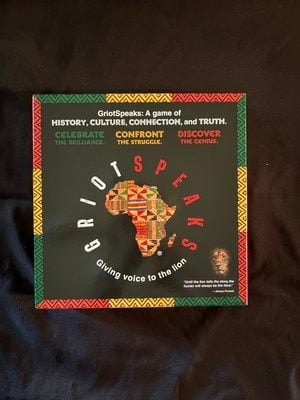
INDIANAPOLIS RECORDER — Dr. Maxine Bryant, a culture keeper and professor, is combatting book bans and historical inaccuracies through the launch of GriotSpeaks: The Game. The new board game is designed to celebrate the African diaspora by incorporating elements of geography, literature, music, and the Gullah Geechee culture.

Maxine Bryant, Ph.D., creator and founder GriotSpeaks, is sharing the history of the African diaspora through her new board game.
Bryant often quotes the African proverb: “Until the lion tells the story, the hunter will always be the hero.” She said for the hunter has been telling the story of the African diaspora for “far too long.”
The game is based in African culture. The spaces on the board feature the countries of the African diaspora and it uses gold bars and cowrie shells as currency while special game spaces showcase symbols such as the Sankofa bird, a pyramid and an Ankh.
Bryant, a culture keeper and educator, created the game to add a bit of fun to her ongoing mission of dispelling myths and sharing accurate history. She used the history lessons she taught over the years as the foundation for the game’s trivia questions. Bryant said she is even more motivated to correct the inaccurate narratives due to recent book bans and efforts to minimize or omit the contributions of Black people.
“We can’t tell our story if we don’t know our story,” Bryant said.
History buffs may start the game with a slight advantage, but even players with limited knowledge have a chance to win with some strategic play. During one game demonstration, she said, an 11-year-old beat her with the clever use of one of the game’s wild cards.
Bryant’s goal is for people to learn new information while having a good time with one another. She sat down with the Recorder to share her inspiration for the game and how she hopes it will influence the culture.
This interview has been edited for length and clarity.
What was the inspiration for creating a game?
Maxine Bryant: In all honesty, God gave me the vision for the game.
I put that board game together the way God showed me in in this vision, if you will, it was to be educational, informative, and entertaining. And so, I knew I wanted it to encompass all of the diaspora and with the educational part of it. Since I am a professor, it needed to encompass the critical areas of our history.
So, it’s geography; it’s the resistance, the protest — all of that. It’s … literature, music, the Gullah Geechee culture, storytelling, the whole gamut, and then Black people.
What are some of the things people are surprised to finally learn while playing the game?
Bryant: The genius of Black people.
Many people know Madam C.J. Walker, although I’m finding out that not everybody does. But one of the questions (asks about) who invented the hot comb? Everybody thinks Madam C.J. Walker, but no, that was not her thing. Her thing was hair care and strengthening hair. It was a man (Walter H. Sammons) who created the hot comb. So, people are amazed at what they’re learning.
How do you hope that this new knowledge helps people see the world?
Bryant: So, what I hope people learn is our true history, the history of our struggle, and our resistance, the history of our greatness, and information about our culture. That positions us then to be able to stand tall in knowledge of self.
One of the things I wholeheartedly believe in is that little Black boys and little Black girls who grow up with the message that you are nothing because you are Black … it’s easy for me to take you out. But if I look at you and I know that you’re great and I’m great, I may just have a different kind of level of respect for you.
I think that having a sense of self can impact how I look at myself and how I look at people who look like me.
Is there anything else you want to share?
Bryant: In my mind, this game is a must-have. It is so unique. Now, within the culture, we have trivia games and usually they’re trivia about sports or about entertainment and some about history, right? And usually, it pertains to people in the United States or events in the United States, culture in the United States.
This game contains movement around a physical board like Monopoly, but it also encompasses the entire African diaspora so it’s not just the United States. People who played this game tell me … they’ve never seen anything like it.
GriotSpeaks: The Game is best suited for players 17 and older. The game is available for purchase through Amazon or at the GriotSpeaks website.
Contact Editor-in-Chief Camike Jones at 317-762-7850.
The post Learn Black history and win your next game night appeared first on Indianapolis Recorder.
Based on reporting by Indianapolis Recorder.


Why the Sports Community Deserves Respect and Support #shorts

Tired Business Owner? How the Gym Helps Me Recharge #shorts

Federal EV Tax Credits Are Gone—But Buyers Can Still Save #shorts

Media Diversity: Why Every Community Deserves a Voice #shorts

EV Incentives End—but Savings and Community Opportunities Remain #shorts

Compare Insurance Quotes Every Year and Save #shorts

The Vicious Cycle of Poverty Explained

Congressional Leadership’s Priorities: Prices, Healthcare, and Trump Oversight

From The Desk of The Editor 11/04/26

Why a Hall of Fame Sports Writer Keeps Knocking #shorts

All Skinfolk Ain’t Kinfolk

Practitioners of African Traditional Spirituality Offer Ancestral Reverence Ritual Oct. 31

Tamiko Armstead | 2026 Lifetime Achiever in Education

Oakland Awarded More than $14 Million in State Funding

OP-ED: The Black Church Writes AI’s Next Chapter

Inside 820 S. Michigan: New Book Captures the Lost World of Ebony and Jet

Jendayi Arrest Raises Community Concerns Regarding Sheriff’s Chain of Command

2026 Voting Guide: Every Candidate and Proposition Explained!

HISTORY MADE: Keisha Lance Bottoms Becomes First Black Woman Elected Governor in American History

OP-ED: If the ‘Cornell 7’ Were Black Men at an HBCU — America Wouldn’t Be This Sympathetic
Why the Sports Community Deserves Respect and Support #shorts
Tired Business Owner? How the Gym Helps Me Recharge #shorts
Federal EV Tax Credits Are Gone—But Buyers Can Still Save #shorts
Media Diversity: Why Every Community Deserves a Voice #shorts
EV Incentives End—but Savings and Community Opportunities Remain #shorts
Compare Insurance Quotes Every Year and Save #shorts
The Vicious Cycle of Poverty Explained
Congressional Leadership’s Priorities: Prices, Healthcare, and Trump Oversight
From The Desk of The Editor 11/04/26
Why a Hall of Fame Sports Writer Keeps Knocking #shorts
-
 Black History2 days ago
HISTORY MADE: Keisha Lance Bottoms Becomes First Black Woman Elected Governor in American History
-

 Featured5 days ago
Multi-Faith Leaders Representing 10 Million People Launch National Anti-Authoritarian Initiative
-

 Black History4 days ago
Five Hospitals Said No! Who Will Help Annette Henry Recover?
-
 Black History4 days ago
Michael Shiner: The Enslaved Man Who Wrote His Way into American History
-
 Black History4 days ago
Christianity’s Racial History
-
 Featured1 week ago
Young Black voters in Houston defy labels

