
Health
Tardy Tax Filers Risk Loss of Health Care Subsidies


In this Aug. 21, 2014 file photo, a health care tax forms 8962 is seen in Washington. (AP Photo/Carolyn Kaster)
RICARDO ALONSO-ZALDIVAR, Associated Press
WASHINGTON (AP) — Sign-up season for President Barack Obama’s health care law doesn’t start for another couple of months, but the next few days are crucial for hundreds of thousands of customers at risk of losing financial aid when they renew coverage for 2016.
Call them tardy tax filers: an estimated 1.8 million households that got subsidies for their premiums last year but failed to file a 2014 tax return as required by the law, or left out key IRS paperwork.
Because of coordination issues between the IRS and marketplaces like HealthCare.gov, consumers who keep procrastinating into the fall are taking chances with their financial aid, according to insurers and the tax agency. That means, for example, that someone who’s been paying a monthly premium of $90 could suddenly get hit with a bill for $360.
Government officials say they have a backstop planned that should help many procrastinators. Nonetheless, insurers and advocacy groups say they’ve been told the best way returning customers can avoid hassles is to file their taxes correctly by Aug. 31.
“You don’t want to get to December and realize that your subsidy amount isn’t there,” said Clare Krusing, spokeswoman for the industry group America’s Health Insurance Plans. Sign-up season starts Nov. 1, and insurers typically send bills for January in mid-December.
The last thing insurers want is consumers blaming them. They’re particularly concerned that satisfied customers just waiting for their coverage to automatically renew might get a nasty surprise.
Hoping to stave off problems that could get amplified in an election year, the IRS started notifying tardy filers in mid-July. The form letters spell out in bold type that filing an electronic tax return within 30 days “will greatly reduce the risk of an interruption” in health care subsidies.
Obama’s health care law created tax credits to help people afford private insurance. Nationally that aid averages $272 a month, covering roughly three-fourths of the premium. By funneling dollars through the income tax system, Democrats were able to call the overhaul the largest middle-class tax cut for health care in history. But in doing so, they also spliced together two really complicated areas: health insurance and taxes.
That’s led to confusion for many consumers. For example, low-income people who weren’t previously required to file tax returns must do so now if they received health care tax credits, which means dealing with complex new forms. Although 2015 is the second year of the program’s coverage expansion, is the first year for tax implications.
The program is also complicated to administer for its two lead government agencies, the Centers for Medicare and Medicaid Services, which runs HealthCare.gov, and the IRS. Federal law imposes strict privacy safeguards for tax returns, and there are limits to information the IRS can provide to other agencies. Tax returns take time to process, and HealthCare.gov can’t get real-time updates.
So even if a procrastinator realizes his mistake and files a tax return in October, HealthCare.gov might not reflect that information until much later.
The administration says it has a backstop for consumers who get tripped up by the time lag. They will be able to attest that they filed their tax returns and continue to receive their subsidies in 2016. “We want to make sure they don’t have a gap in affordable coverage,” said Lori Lodes, communications director for HealthCare.gov.
HealthCare.gov will also recheck IRS data in late December.
But the backstop only works if the customer actually filed. If they did not, the system will catch up to them eventually. Those who lie about having filed a tax return would violate perjury laws.
Republican critics say the administration bends the rules to keep enrollment numbers up and are sure to find fault with the backstop.
As of the start of the summer, the IRS estimated that up to 1.8 million households were at risk of losing subsidies. Although some of those probably followed through, it’s still the latest official number. It breaks down as follows:
—About 760,000 households that got tax credits and filed their tax returns, but omitted a new form that is the key to accounting for the subsidies. Called Form 8962, it was new for this year’s tax filing season.
—About 710,000 households that did not file a 2014 return by the tax-filing deadline, although they were legally required to account for health insurance tax credits.
—Some 360,000 households that got tax credits and requested an extension to file their returns. Under tax law, they have until Oct. 15 to file and that would still be considered timely. But to avoid problems with their health insurance subsidies, they really need to act much sooner.
___
Online:
HealthCare.gov: https://www.healthcare.gov/taxes/marketplace-health-plan/
Copyright 2015 The Associated Press. All rights reserved. This material may not be published, broadcast, rewritten or redistributed.












Black Press
Do You Struggle with Cloudy Tub Water After Frequent Weekend Entertaining?
CONTENTMANAGERIO — Cloudy hot tub water is a frequent problem for homeowners following weekend gatherings. When friends and family use a spa, they often introduce sweat, sunscreens, body oils, and detergent residues into the water. These contaminants, combined with heavy use that quickly depletes sanitizer levels, can transform clear water into a milky or chalky haze by Monday morning.
Cloudy tub water after weekend gatherings often comes from body oils, very weak sanitizer levels, or overworked filters. Make sure to test the water, correct its chemistry, clean the filter, and use a suitable treatment before welcoming anyone back. Keep the hot tub closed until the water is very clear and safe test results are confirmed.
Weekend gatherings bring along very good food, easy conversation, and so many reasons to relax outdoors. Your hot tub may get much more attention than usual, especially when friends and family stay late. Come Monday, however, the water may have a very milky color instead of being inviting.
A super quick splash of chemicals might seem like the answer, yet guessing can make matters much worse. Clear water depends on balanced chemistry, working equipment, and very steady care. Knowing what to check first can help you restore your spa and avoid the same problem next weekend.
Now, let’s look a little bit closer at questions many may ask.
Why Does Hot Tub Water Get Very Cloudy After People Use It?
Every guest brings sweat, sunscreen, oils, or detergent residue into the water, reducing water clarity. Jets spread all of these contaminants throughout the spa.
Heavy use consumes sanitizer much faster. Clogged filters allow particles to keep circulating.
Dirty filters, organic matter, poor sanitation, and aging water are very common causes. Cloudiness deserves a great deal of attention before anyone else soaks again.
How Can You Clear Cloudy Hot Tub Water Very Fast?
Keep everyone out while you check the cause. Cloudiness may hide a sanitation problem.
Make sure to follow a simple recovery order:
- Test: Check sanitizer, pH, and total alkalinity.
- Balance: Make small chemical adjustments based on test results.
- Clean: Rinse or deep-clean the filter as directed.
- Treat: Apply a compatible shock treatment when needed.
- Circulate: Run the filtration cycle and test again.
Also, follow product labels for dosing and safe reentry. Never mix chemicals. Clear-looking water does not always mean it’s sanitary.
Check Sanitizer Levels Before Adding More Products
Good spa sanitization starts with reliable measurements. The Centers for Disease Control and Prevention recommends at least 3 parts per million (ppm) of free chlorine in hot tubs, or 4-8 ppm bromine. Its recommended pH range is 7.0-7.8.
High pH reduces chlorine’s effectiveness. Test with fresh strips or a liquid kit, then adjust as directed.
Chlorine shock can restore sanitizer. Non-chlorine oxidizing shock breaks down waste but does not replace sanitizer. More chemicals are not automatically better.
Make sure to retest before reopening the tub.
A white, chalky haze may also indicate mineral buildup. Consider checking calcium hardness if standard water treatments fail. Mineral imbalances can require different corrective steps.
Give Spa Filtration the Attention It Needs
Poor spa filtration leaves debris and oils suspended in the water. Crowded weekends clog filter cartridges faster.
Switch off equipment as directed. Rinse the cartridge pleats, use approved cleaner for oils, and replace damaged filters.
Check whether the pump moves water normally. Weak flow, unusual noises, or repeated error messages may point to a circulation problem. Homeowners sourcing hot tub parts in Edmonton should match replacement components to their spa’s model number.
Treat Foam Without Hiding the Cause
Foam is different from cloudiness. Detergents, lotions, and oils create lingering bubbles.
Effective foam removal begins with limiting those residues. Remove visible surface debris and clean the filter. A spa-safe defoamer may reduce bubbles temporarily, but it cannot correct poor water chemistry.
Persistent foam may call for a partial or complete water change. Consider addressing detergent residue and heavily loaded filters.
Make Weekend Entertaining Easier on Your Spa
Preparing your hot tub before guests arrive can help prevent contamination and reduce the need for extra cleaning afterward. A few pre-party habits reduce sanitizer demand:
- Ask guests to shower briefly before entering.
- Rinse swimwear to reduce laundry detergent residue.
- Respect the spa’s stated seating capacity.
- Test water before and after heavy use.
- Keep the cover clean and secure between gatherings.
Base filter care on actual use. Record test results to spot patterns after each gathering.
Know When Fresh Water Is the Better Choice
Water that stays cloudy despite proper care may contain too much accumulated waste.
Strong odors, slippery surfaces, or repeated sanitizer loss call for action. Follow the manufacturer’s cleaning instructions or seek professional help. Draining and refilling may be safer than repeated dosing.
Frequently Asked Questions
How Long Does Cloudy Hot Tub Water Take to Clear?
Recovery depends on the cause, filter condition, and sanitizer levels. Mild cloudiness may improve after several filtration cycles. Heavy contamination can require deeper cleaning or a refill.
Water temperature and the amount of suspended debris may also affect recovery time. Fine particles can remain visible longer when water circulation is weak.
Elapsed time does not prove safety. Check clarity, pH, and sanitizer before reentry. If haze persists after following the owner’s manual, seek professional guidance instead of adding chemicals without testing.
Can You Use a Hot Tub When the Water Looks Clear But Smells Strong?
Strong chemical odors may indicate contaminants reacting with disinfectant. Clear water can still contain harmful germs.
A very strong chemical smell does not always mean the water contains too much sanitizer. Chloramines can develop when chlorine reacts with sweat and other organic waste.
Use a fresh test kit before entering. Check the waterline for residue and the surfaces for slippery buildup.
Should You Empty Your Hot Tub After Every Party?
A complete refill is not necessary after every gathering. Water age, guest count, test results, and filter condition all matter.
Your spa’s water capacity and average number of bathers can help determine a suitable replacement schedule. Clean the empty shell with a manufacturer-approved product whenever a full water change is needed.
Log water changes, filter cleaning, and treatments, especially after a crowded gathering. Heavy use may require an earlier refill. Follow the manufacturer’s schedule and local disposal rules to avoid damaging plants or draining treated water improperly.
Keep Tub Water Clear for the Next Gathering
Clean tub water starts with testing, careful maintenance, and prompt attention to warning signs. Protecting your hot tub also protects the comfort and well-being of everyone who uses it.
Check out our other guides and articles for more practical advice on caring for your home and outdoor spaces.
Content provided through ContentManagerIO.
Black Press
Check out These Proven Ways to Protect Your Income Following a Serious Job Accident
CONTENTMANAGERIO — Safeguarding your financial stability after a workplace injury requires swift action and adherence to specific reporting protocols. National Safety Council data indicates that the average cost per medically consulted workplace injury reached $48,000 in 2024, a figure that encompasses medical bills, wage losses, and administrative expenses.

Protecting your income after a workplace injury involves immediately seeking medical help and reporting the incident to your superiors or employer. You should also follow your organization’s workers’ compensation claim filing guide and keep detailed records relating to your injury and health.
Following all these steps is crucial to your claim’s success, the benefits of which include serving as a medical security and financial safety net for your treatment and recovery. You shouldn’t carry the burden of paying for these expenses, as they can reach thousands of dollars.
Indeed, the “price” of workplace injuries goes beyond treatment fees; they come with many other costs, from wage losses and administrative expenses to medical bills and employer losses. The National Safety Council even points out that in 2024, the cost per medically consulted workplace injury amounted to $48,000.
What Qualifies as a Workplace Injury?
Workplace injuries are not just injuries that arise during or from one’s course of work.
If a worker’s job role or work environment causes, significantly aggravates, or contributes to any physical or mental harm, illness, damage, or abnormal condition, then it usually qualifies as a workplace injury. The Occupational Safety and Health Administration (OSHA) has guidelines for determining an injury’s or illness’s work-relatedness under OSHA Standard 29 CFR 1904.5.
The keyword to remember here is “work-relatedness.” Workers’ compensation coverage only applies to job injuries that satisfy this requirement.
Even if an employee sustains an injury at the workplace, if it occurred as a result of doing something not related to their work, then it likely won’t qualify for occupational loss recovery under workers’ comp.
What Are the Most Common Workplace Injuries?
The latest data from the Bureau of Labor Statistics shows that in 2024 alone, there were over 2.48 million recordable cases of nonfatal workplace injuries and illnesses in the private sector. It also provides other eye-opening statistics, including:
- 568,150 DAFW (Days Away From Work) cases involving sprains, strains, and tears (making these workplace injuries among the most common)
- 479,480 DAFW cases of slips, trips, and falls
- 248,180 cases of injuries to the exterior and musculoskeletal structures of the back
What Steps Should You Take to Protect Your Income After a Workplace Injury?
A workplace injury can put your income in jeopardy by forcing you to take time away from work to recover. If it’s a severe injury, it could even cause a long-term reduction in your earning capacity.
Considering the short- and long-term effects of work injuries, you’d want to do everything in your power to protect your personal and financial interests, which you can do by following these safety steps and injury documentation tips.
Seeking Authorized Professional Medical Care
In many states, injured workers need to seek medical care from a doctor, specialist, or healthcare facility approved and “authorized” by employers or their workers’ compensation insurance providers. If you’re in one of these states, adhere to the rules to ensure your employer’s policy will kick in and you won’t have to pay out of pocket.
An exception is if you’re in a “true emergency” scenario (e.g., you have a life-threatening injury). In this case, you can go to the nearest emergency department for life-saving care.
Reporting the Incident to Your Superior or Employer
One of the most crucial workers’ comp claim and wage replacement steps to adhere to is filing an incident report as soon as possible. While the length of time you have to report your injury to your supervisor or employer depends on your state, the best practice is to do so immediately after the incident.
The sooner you do, the sooner your employer can file a claim with their workers’ comp provider, and the sooner the insurer can begin their investigation and the claims process.
Keeping Detailed Injury Records
Maintaining detailed, well-organized records of anything related to your injury is crucial to protecting your income because it provides you with supporting evidence. You can use your records and documentation to:
- Establish proof of all your lost wages
- Demonstrate how your injury has resulted in reduced earning capacity
- Have a more accurate calculation of your losses
- Protect yourself from bad faith insurance practices (e.g., denying, disputing, or undervaluing a claim)
Seeking Legal Injury Claim Assistance
Many workplace injuries arise from simple causes (e.g., improper lifting or repetitive strain). Some, however, aren’t as straightforward, such as in cases in which employers aren’t the only ones at fault. Unsafe general contractors and faulty equipment may also be to blame, as pointed out by Thompson Law Phoenix injury lawyers.
If you believe your workplace injury is a result of a combination of these factors and negligent parties, reach out to a personal injury lawyer. They can help ascertain all parties that could share the blame, allowing you to pursue compensation beyond your workers’ comp benefits.
Frequently Asked Questions
Can You Lose Your Job Due to a Workplace Injury?
Yes. It’s possible to lose your job due to a workplace injury.
You can legally lose your job if your long-term injury is interfering with your job performance, and there isn’t any other position that your employer can transfer you to.
The same is true if your employer has already provided all reasonable accommodations (e.g., modifying your duties, reassigning you to a vacant position you qualify for, or giving you access to specialized equipment). If they’ve exhausted all these options and your injury still interferes with your ability to perform essential work functions, they can choose to let you go.
You should also know that workplace injuries resulting from a worker’s own negligence or recklessness can be grounds for termination.
Can Your Employer Fire You for Filing a Workers’ Comp Claim?
No. Your employer cannot fire you solely because you filed a workers’ compensation claim following an injury on the job. If they do this, they’re breaking the law, as it’s a form of retaliation.
Protect Your Interests After a Workplace Injury
A workplace injury can be devastating, forcing you to miss work, causing you pain and suffering, and draining your budget. Following all critical steps for filing a workers’ compensation claim is therefore crucial, as the benefits you receive can provide you with the medical and financial support you need to recover.
Stay connected and informed by exploring the rest of our news platform and reading our latest posts.
Content provided through ContentManagerIO.
Black History
Five Hospitals Said No! Who Will Help Annette Henry Recover?
Annette Henry, a 67-year-old Oakland woman, is struggling to access essential medical care after a devastating stroke left her with a rare neuropathic pain syndrome. Despite medical documentation confirming her need for inpatient rehabilitation, five different Bay Area hospitals have denied her admission, often citing her inability to meet rigid therapy thresholds. Her family’s efforts to seek intervention from state and federal lawmakers have yielded no results, leaving Henry at home without a clear path to recovery. To see how these systemic failures are impacting her health, read more.

A tangle of red tape and contradictions between health providers and Medicare rules have impeded an Oakland woman’s ability to recover from a stroke she had last year.
Her family – who are her caretakers – have reached out to various professionals and state and federal lawmakers for help to no avail.
At 67, Annette Henry needs inpatient stroke rehabilitation after a devastating stroke in May 2025. Since then, multiple Bay Area hospitals have denied it. She was accepted into a rehabilitation facility in June 2025 but discharged prematurely in July, in essentially the same condition.
Three hospitals where she was a patient pushed skilled nursing over inpatient rehabilitation. Two more declined referrals.
Now at home, Henry is caught in a system that measures her need for treatment against the limitations treatment should address.
Medical professionals have documented her need for a higher level of care.
In August 2025, a Medicare Quality Improvement Organization (QIO) overturned Henry’s discharge from an inpatient rehabilitation facility (IRF).
The QIO’s independent physician reviewer found she had not received the “intensive therapy program outlined on admission,” according to the Aug. 30, 2025, determination letter. Yet the decision did not secure her readmission or guarantee continued rehabilitation.
Henry has central post-stroke pain, a rare neuropathic pain syndrome that can make movement and touch intensely painful. Her pain specialist recommended inpatient rehabilitation alongside pain management.
Nevertheless, facilities have cited her inability to tolerate three hours of daily therapy as a reason to deny inpatient rehabilitation.
That practice raises questions about Medicare coverage policy. In Hooper v. Sullivan, No. H-80-99 (D. Conn. 1989), the court recorded the parties’ agreement that denials based on numerical utilization screens, diagnostic screens, treatment norms, the “three-hour rule,” or other “rules of thumb” were not appropriate.
CMS subsequently cited Hooper in its Aug. 7, 2009, final rule (74 Fed. Reg. 39762, 39794). The policy is also addressed in the Medicare Benefit Policy Manual, Chapter 1, Section 110, and CMS’s June 1 Review Choice Demonstration for IRF Services: Operational Guide.
These authorities underscore the need for individualized assessments rather than rigid numerical thresholds.
The central contradiction is stark: the pain and disability that make rehabilitation necessary have been cited as reasons to deny it. UCSF Stanyan’s April 7 discharge summary for Henry states that acute rehabilitation unit (ARU) placement was declined for “inability to tolerate three hours of therapy daily.” Without appropriate treatment, Henry risks further decline.
Her records document complications associated with prolonged immobility.
Orthopedics documented flexion contractures of the small and ring fingers on March 19.
Chest imaging on April 1 showed bibasilar dependent atelectasis, a condition involving reduced inflation of the lower portions of both lungs. These concerns can be examined through her medical records and photographs.
“What does a ‘not reasonable’ discharge look like?” her family asks. For them, it looks like an appeal decision recognizing a problem without ensuring a remedy: repeated referrals, denials and a patient still without the rehabilitation her treating professionals have recommended.
The family has sought help from the California Department of Public Health and the federal Office for Civil Rights to no avail. They contacted U.S. Rep. Lateefah Simon in June 2025, while Henry was in rehabilitation; Senator Alex Padilla in May 2026; and Senator Adam Schiff in September 2026.
DeCuir says the family received no meaningful assistance and was redirected to the QIO or advised working with a social worker after Henry had already been discharged.
The consequences extend beyond rehabilitation. The family reports that Henry has struggled to attend in-person specialist or any appointments and needs in-person evaluation and treatment for complications, recommended evaluations, health screenings and preventive care.
Her mobility limitations have become barriers to broader medical care. Every office tells her their office is not set up to accommodate her. This has happened with specialty care, out-patient services, screenings and physical therapy.
Henry is a Black woman on Medicare, and her family believes her experience raises concerns about unequal access to intensive rehabilitation. Research has documented disparities in discharge to inpatient rehabilitation rather than skilled nursing, underscoring the importance of individualized review.
CMS, state regulators and healthcare providers should examine Henry’s records, assess her needs on their clinical merits and explain how the applicable coverage standards were applied, and whether they are being enforced.
Rehabilitation is not a reward for patients who can already tolerate treatment. It is care intended to help people recover function. Henry’s case asks whether a system designed to support recovery can leave a patient without a path to it.
Black Press
SEIU Local 1000 and State of California Will Continue to Negotiate New Labor Contract
Thousands of California state employees represented by SEIU Local 1000 recently staged a one-day walkout to protest stalled contract negotiations with Governor Gavin Newsom’s administration. The union, which represents approximately 100,000 public workers, is demanding a 20% wage increase over three years and an end to mandatory four-day in-person work requirements. While the initial strike has concluded, union leadership warns that further demonstrations are likely if the state continues to reject their demands for better pay and telework flexibility. Negotiations are expected to continue as both sides seek a resolution. Read more.
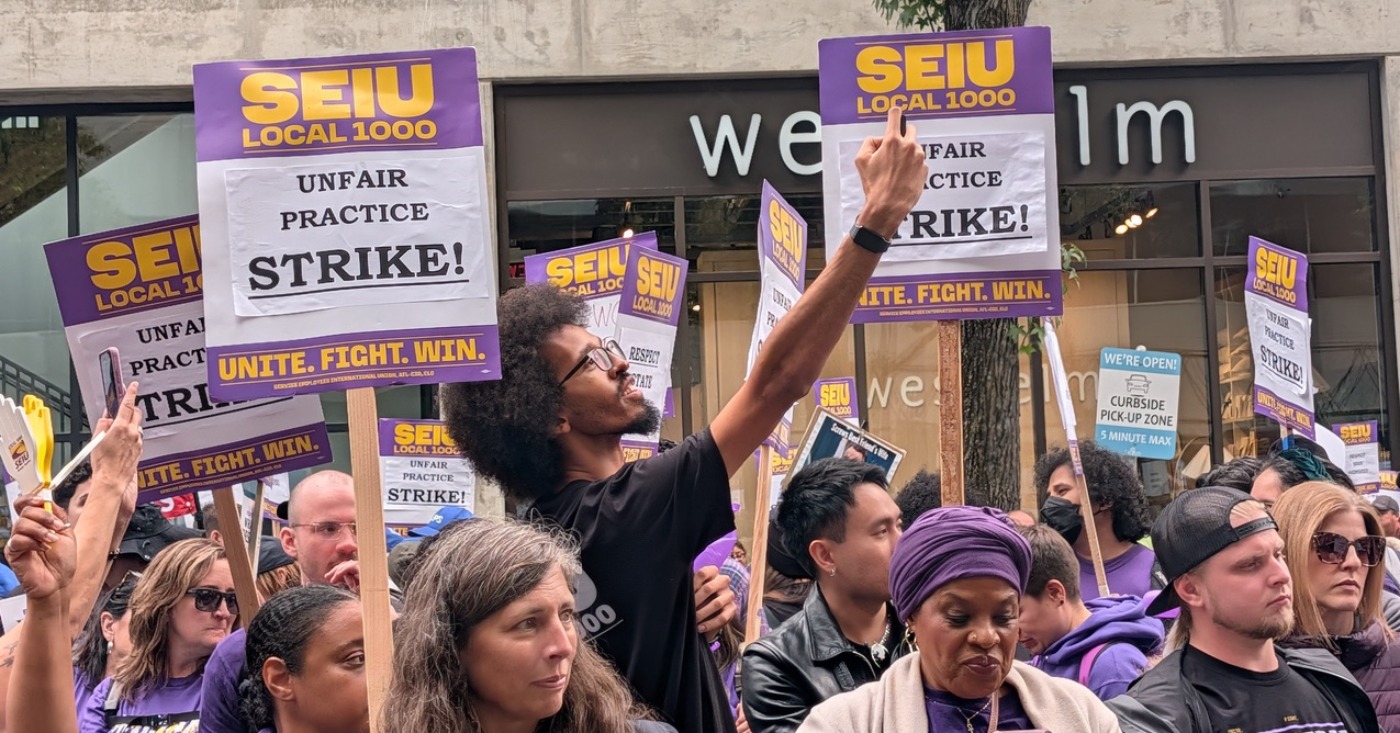
After the Service Employees International Union (SEIU) Local 1000 labor contract expired June 30 and talks with Gov. Gavin Newsom’s administration stalled, the union stepped up its efforts to secure a new agreement, saying its demands had gone unheeded.
On Oct. 21, thousands of state employees represented by SEIU Local 1000 staged a one-day walkout to protest alleged unfair labor practices during negotiations with Gov. Gavin Newsom’s administration.
Although the strike has ended, SEIU Local 1000 President Anica Walls said further demonstrations or an expanded strike are highly likely if contract negotiations remain stalled. The union represents approximately 100,000 public employees statewide.
“We are out here because our jobs matter,” Wells said. “If they continue to refuse to bargain with us in good faith, we are prepared to escalate.”
Sen. Lola Smallwood-Cuevas (D-Los Angeles) expressed support for SEIU Local 1000’s labor action in an Instagram post, emphasizing the importance of fair treatment for workers.
“I stand in complete solidarity with SEIU Local 1000,” Smallwood-Cuevas stated. “More than 100,000 state workers they represent are on strike today fighting for good-faith bargaining, fair treatment, and a contract that reflects the value of the essential public services they provide every day—all things that should be a given for the workers our state relies on the most.”
Smallwood-Cuevas, a member of the California Legislative Black Caucus (CLBC) added, “When California’s workers hold the line, the whole nation pays attention.”
According to union representatives, SEIU Local 1000 is seeking a contract that addresses rising living costs and provides greater workplace flexibility. The union is demanding a 20% wage increase over three years and an end to Gov. Gavin Newsom’s requirement that state employees work in person four days a week.
The union is also seeking increased state contributions toward employee health care benefits to reduce workers’ out-of-pocket costs.
On Sept. 18, Newsom vetoed Assembly Bill 1729, authored by Assemblymember Alex Lee (D-San Jose), which sought to expand telework opportunities for state employees.
The bill would have required state agencies to offer telework options or provide written justifications for requiring employees to work in person. Supporters argued that telework could save taxpayers approximately $225 million annually by reducing office space and parking costs while lowering vehicle emissions and improving employee retention.
Newsom said the legislation would limit state departments’ flexibility to manage their workforces and evaluate telework exemptions individually. He has also emphasized the benefits of in-person collaboration.
“I want people to come back to work, reengage, rediscover, collaborate, coordinate, develop relationships, friendships, and fall in love,” Newsom said in July. “You get three-day weekends. Four years ago, that would’ve been a triumph. Now it’s a burden.”
Union organizers described the Oct. 21 walkout as a one-day unfair labor practice strike, rather than an indefinite work stoppage. The action was intended to demonstrate solidarity and increase pressure on the state during negotiations.
SEIU Local 1000 has been without a contract since its previous three-year agreement expired June 30. Negotiations are expected to resume.
Responding to the statewide walkout, the California Department of Human Resources (CalHR) said it “remains focused on achieving a fair and responsible agreement with SEIU Local 1000 and continues to be available at the bargaining table.”
Black History
Oakland Strong: Building Champions and Healthier Generations
Entrepreneur Mike Jenkins is revitalizing youth wellness in Oakland through Oakland Strong, a world-class strength-training facility in Jack London Square. After providing a decade of free training in Fruitvale, the program moved and rebranded while continuing to produce national and international weightlifting champions. Jenkins aims to counter community health challenges by teaching Olympic-style lifting and nutrition to children ages 8 to 18. As the program seeks new ways to sustain its free services, local partnerships are forming to support these elite young athletes. Read more.

Mike Jenkins is a serial entrepreneur with a vision to make a lasting impact in Oakland.
Raised in a military family in the Pinole area, Jenkins played basketball at Merritt College before continuing his athletic career at Sacramento State.
His lifelong interest in health and wellness led him to consider a troubling reality: as members of the Black community age, health challenges often increase. Jenkins believes investing in health is an investment in wealth, and he has made it his mission to give Oakland’s youth a stronger foundation for life.
Years ago, Jenkins invested in young people by building Speed Power Strength, a world-class strength-training facility in the Fruitvale neighborhood. For 10 years, the facility served hundreds of children, providing training entirely free of charge. Displaced by gentrification, the program eventually found a new home in Jack London Square.
That move inspired a new name: Oakland Strong, reflecting both the program’s mission and its pride in the city it represents.
“When we found the new home, I needed to put a spotlight on what we were doing– producing the strongest kids in Oakland – so I named our new location Oakland Strong,” Jenkins explained. “We are known nationally and internationally, so when we compete, our city’s name is on our chest.”
Through Olympic weightlifting, governed nationally by USA Weightlifting, the program has developed an extraordinary record. Its athletes have earned 10 national championships, a team national championship, and international titles. Today, two Oakland Strong athletes are Olympic hopefuls.
This past summer, Oakland had three athletes at the Olympic Training Center in Colorado Springs at the same time. One was Olympic figure skating champion Alysa Liu. The other two were Oakland Strong’s Robert Whitlock and Rucker Johnson, there for a weightlifting camp for Olympic hopefuls.
Whitlock, an Oakland Technical High School student, began training at age 10. Now a three-time consecutive national champion, two-time Pan American champion, and Team USA representative, Whitlock also holds an American record while maintaining straight A’s in school.
“If Oakland can’t support these kinds of kids, then what are we doing?” Jenkins asks.
Oakland Strong continues offering free training in Jack London Square to young people ages 8-18. The program welcomes girls as well as boys, with approximately 12 kids currently participating with room for 20.
With limited city support for free youth programs, Jenkins must find other ways to sustain the work.
When Carlyle Chicken Wings opened nearby, he approached the owner with an idea connecting nutrition and community investment. Because Oakland Strong teaches healthy eating alongside athletic training, they developed the Oakland Strong Bowl, a protein-focused meal. Carlyle will contribute $2 from each bowl sold to support the program.
For Jenkins, the mission extends far beyond medals and records. He wants to create generational health by teaching young people habits they can carry into adulthood and share with their families.
The strongest legacy, he believes, is not simply producing champions, but building healthier generations who understand their worth, their potential, and the importance of investing in themselves.
Black Press
Home Nursing Visits Provide Wide-Ranging Benefits for Mothers, Young Children
Researchers at the University of Chicago led by Nobel Laureate James Heckman found that the Nurse-Family Partnership program significantly improves the lives of first-time mothers with limited incomes. By utilizing registered nurses for home visits from pregnancy until age 2, the program fosters stronger social, emotional, and academic development in children while reducing maternal anxiety. A long-term analysis of 1,138 participants reveals lasting cognitive benefits and healthier home environments for families. Discover how these early interventions impact specific developmental milestones as children reach adolescence and read more.
This story was originally published by EdSource.
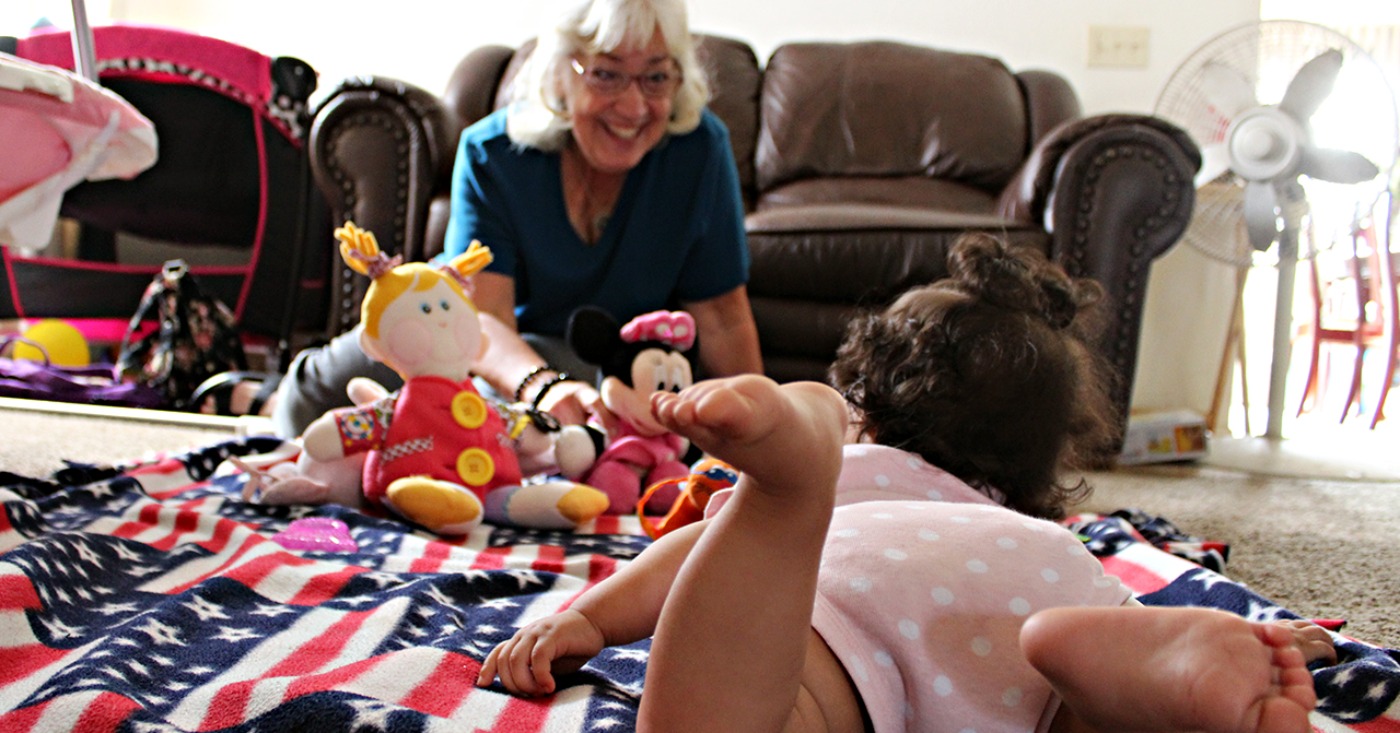
Children born to first-time mothers with limited incomes who received home nursing visits showed increased mental health, stronger social and emotional development and academic gains, according to researchers who analyzed the impact of the Nurse-Family Partnership program, one of the largest home visiting programs in the country.
Researchers also found the program reduces anxiety and improves the parenting skills of mothers. It also has a positive impact on home environments and behavior skills in children, researchers found. Researchers said the benefits of the program “warrant continued and increased investment.”
The Nurse-Family Partnership program utilizes trained registered nurses who work closely with families during pregnancy and up to age 2. The nurses teach them to maintain proper health, develop parenting skills and establish work and family goals.
The research team that conducted the analysis was led by James Heckman, a Nobel Laureate in economics and professor and director of the Center for Economics of Human Development at the University of Chicago. The study was titled “Nurse-Family Partnership: Parental education and early health result in better child outcomes.”
“This study of Nurse-Family Partnership (NFP) shows that parenting early in life very much matters, and that voluntary programs that work closely with parents to strengthen parenting skills and provide early health can make a difference,” the study states. Researchers analyzed information on the health and well-being of mothers and children from pregnancy up to age 12. The study includes a sample size of 1,138 participants. The study analyzed outcomes for children who participated in the program, compared to children who were not part of the program but received some services at the same ages.
A family’s participation in the Nurse-Family Partnership program ends when a child turns 2 but the study found long-term benefits. For instance, the study found that young boys who participated in the program scored higher than peers that did not participate in the program on reading and math assessments, as 12-year-olds, the age when they were last assessed. Researchers said this academic achievement could be attributed, in large part, to the program’s impact — seen as early as age 6 — on cognitive skills, such as a child’s ability to understand, reason, learn and remember.
While the study found the program improved cognitive skills for both boys and girls at age 6, it did not find any significant effect on reading and math achievement for 12-year-old girls who participated in the program. Researchers did not directly address reasons for this in the study.
During home visits, nurses help to promote healthy eating, prenatal care and eliminating the use of tobacco, alcohol and illegal drugs, the study states. After delivery, nurses help to foster strong parenting skills and show new moms how to interact with their children. For example, parents are encouraged to read to their children. Mothers are also given advice on goal setting in areas such as work, school and family planning.
The study divided its analysis into five categories: child health, family environments, child cognition (thinking, learning, understanding), social and emotional development (behaviors and attitudes) and achievement scores on math and reading. For example, The Peabody Picture Vocabulary Test, which measures what experts in the field call English receptive language skills. That refers to words young children can identify and understand when they hear them.
Other key findings in the study include:
- Improved birth weight for infant boys. Boys were healthier at the time of delivery. If left untreated, low birth weight is associated with developmental problems that can persist as a child grows.
- Healthier home environments, parenting attitudes and maternal mental health “significantly improved” among participating mothers for boys and girls by age 2. Mothers of young girls specifically experienced less anxiety, more self-control, higher self-esteem and greater emotional stability, the study states. Under the same categories for boys, results show “mixed.”
- Girls showed more improvement in social and emotional skills, the ability to manage and understand emotions. They specifically improved in areas such as warmth and sensitivity.
- By age 6, both boys and girls who participated in the program showed better cognitive skills, such as thinking, reading, memory and learning.
- Long-term benefits of the program were more evident for boys than girls. For example, by age 12 boys outperformed peers who were not a part of the program in reading and math achievement. Study states “much weaker long-term effects” for girls.
- Positive effects overall were associated with the program’s impact on mothers’ health and early investment in young children.


COMMENTARY: We’ve Got Some Difficult Days Ahead

Eight Black Women Win Georgia Statewide Offices

THE RELIGION CORNER: We Stand on Their Shoulders — the Sacred Duty of the Ballot Box

New Computer Lab Adds to MLK Catholic Student Center’s Sense of Home

Keisha Lance Bottoms to Govern State Where Her Great-Great-Grandfather Was Enslaved

A Command Through the Culture
Do You Struggle with Cloudy Tub Water After Frequent Weekend Entertaining?
Pop-Up Shops: Vendor Costs Can Shape Profits Before Opening Day

Why Recognizing Artists Matters More Than Awards #shorts

Check out These Smart Ways Tech Companies Can Speed up Project Timelines Today

All Skinfolk Ain’t Kinfolk

Practitioners of African Traditional Spirituality Offer Ancestral Reverence Ritual Oct. 31

Tamiko Armstead | 2026 Lifetime Achiever in Education

Oakland Awarded More than $14 Million in State Funding

OP-ED: The Black Church Writes AI’s Next Chapter

HISTORY MADE: Keisha Lance Bottoms Becomes First Black Woman Elected Governor in American History

Inside 820 S. Michigan: New Book Captures the Lost World of Ebony and Jet

Jendayi Arrest Raises Community Concerns Regarding Sheriff’s Chain of Command

Kickstarter CEO Everette Taylor Shares Tips on Creating and Growing a Business

OP-ED: If the ‘Cornell 7’ Were Black Men at an HBCU — America Wouldn’t Be This Sympathetic
Why Recognizing Artists Matters More Than Awards #shorts

Why I Created a Black-Centered Community Coffee Shop #shorts

How EVs Create Opportunity for Black Communities #shorts

Don’t Accept Your Auto Insurance Renewal Before Comparing Quotes #shorts

Pete Pioneered Cable Radio—The Story Behind His Breakthrough #shorts

How a Social Enterprise Café Invests in Young People #shorts

California Redistricting: Prop 50 & San Diego Seat Shakeup

Entrepreneurship Can Feel Lonely—Here’s How to Find Support #shorts

Why the Sports Community Deserves Respect and Support #shorts

Tired Business Owner? How the Gym Helps Me Recharge #shorts
-
 Black History3 days ago
HISTORY MADE: Keisha Lance Bottoms Becomes First Black Woman Elected Governor in American History
-

 Featured6 days ago
Multi-Faith Leaders Representing 10 Million People Launch National Anti-Authoritarian Initiative
-

 Black History5 days ago
Christianity’s Racial History
-

 Black History5 days ago
Michael Shiner: The Enslaved Man Who Wrote His Way into American History
-

 Black History5 days ago
Five Hospitals Said No! Who Will Help Annette Henry Recover?
-

 Black History4 days ago
Hundreds of Black Christian Leaders Arriving in Israel for Martin Luther King-Inspired Mission
