
Commentary
Supreme Court Shoots Down Trump’s Census Citizenship Question
NNPA NEWSWIRE — “In blocking Trump’s ability to add a citizenship question, the court has ensured that voting rights for people of color are protected, and that all communities – regardless of race, ethnicity, geographic location, religious views, political affiliation, and country of origin – are fairly represented,” said Rep. Maxine Waters (D-CA).


By Stacy M. Brown, NNPA Newswire Correspondent
@StacyBrownMedia
The U.S. Supreme Court’s sharp rebuke of the Trump Administration’s rationale for wanting the citizenship question in the 2020 census means the question is an artifact of the past, according to Southern Methodist University Professor Lolita Buckner Inniss.
“Though ultimately the Trump administration may prevail in having the citizenship question added, the Trump administration has to adequately explain how eliciting the citizenship question data will help them better enforce the Voting Rights Act,” said Inniss, who joined many others in celebrating the decision by the high court to strike down Trump’s request to add the question of citizenship on the 2020 Census.
In writing for the majority, Chief Justice John Roberts noted that the explanation for preferred federal policy must “not only be reasoned and genuine but also legible to both courts and interested public.”
The ruling marks a historic win for democracy, said Rep. Maxine Waters (D-CA).
“In blocking Trump’s ability to add a citizenship question, the court has ensured that voting rights for people of color are protected, and that all communities – regardless of race, ethnicity, geographic location, religious views, political affiliation, and country of origin – are fairly represented,” Waters said.
House Majority Whip James Clyburn (D-SC), said the future of the nation’s democracy was at the forefront of the ruling.
“The ruling in favor of partisan gerrymandering underscores the necessity of citizen participation in the electoral process. Stacking the deck for partisan gain is not ideal for democracy or the principle of one person, one vote,” Clyburn said in a statement.
“Most Americans believe in fairness and due process, but not enough are able to participate in the electoral process. This must change going forward or we will soon experience some backward lurches,” he said.
Sen. Chuck Schumer (D-NY) said the decision clearly is a rebuke of Trump.
“When even the conservative court determines that the Trump administration’s argument is odious and dishonest, you know the administration’s motivation behind adding the citizenship question in the first place was an abhorrent one,” Schumer said in an email.
“The lower court must, for the sake of our democracy and fair representation for all communities, ensure the misguided citizenship question remains out of the census,” he said.
“Today, the U.S. Supreme Court issued a ruling that prevents the government from asking U.S. residents on the 2020 census whether they are citizens,” Melanie Campbell, the president and CEO of the National Coalition on Black Civic Participation (NCBCP) and Convener of the Black Women’s Roundtable (BWR) said in a statement.
“For Civil Rights and Immigration Rights organizations, this is a major victory in an effort to ensure that all minorities in the nation are properly counted and represented in the 2020 Decennial Census,” Campbell said.
National Newspaper Publishers Association (NNPA) Chair Dorothy R. Leavell said she hadn’t yet reviewed the ruling but a decision opposing the citizenship question is important for all – particularly people of color.
“The Census is so important, it means funding for needed services and other things that are so important to our communities,” Leavell said.
NNPA President and CEO Dr. Benjamin F. Chavis echoed Leavell’s comments.
“The NNPA supports and agrees with the Supreme Court decision against Trump’s administration’s attempts to add language in the 2020 Census which is discriminatory and keeps millions of people from being counted,” Chavis said.
“We should have a Census campaign that practices the importance of including everybody rather than excluding certain people. The NNPA is also for equality, justice, and fairness so therefore the Supreme Court made the right decision,” he said.
The 2020 Decennial Census will be the most critical census count of our lifetime, she said.
Campbell noted that in 2010, African Americans and Black immigrants were undercounted by more than 800,000, leaving those communities with a shortage of government resources.
“We cannot let this happen again. We have to stay vigilant to ensure our people are counted and vote in . “It’s about money and political power and our future depends on it,” she said.
Trump has pledged to delay the 2020 Census and he said his administration still plans to include a question that inquiries about a person’s citizenship status.
“I have asked the lawyers if they can delay the Census, no matter how long, until the United States Supreme Court is given additional information from which it can make a final and decisive decision on this very critical matter,” Trump told Fox News.
However, NAACP President and CEO Derrick Johnson said justice must now be done and everyone must be counted. Johnson said the strength of America’s democracy depends on it.
“The court today rejected the Trump administration’s fraudulent justification for adding the citizenship question,” Johnson said.
“The highest court in the land – in an opinion authored by a Chief Justice appointed by a Republican President – has effectively ruled that the head of one federal government agency, the Department of Commerce, lied to the nation, aided and abetted by the head of another federal agency, the Department of Justice,” he said.









Black History
Don’t Pass the Torch. Expand the Circle.
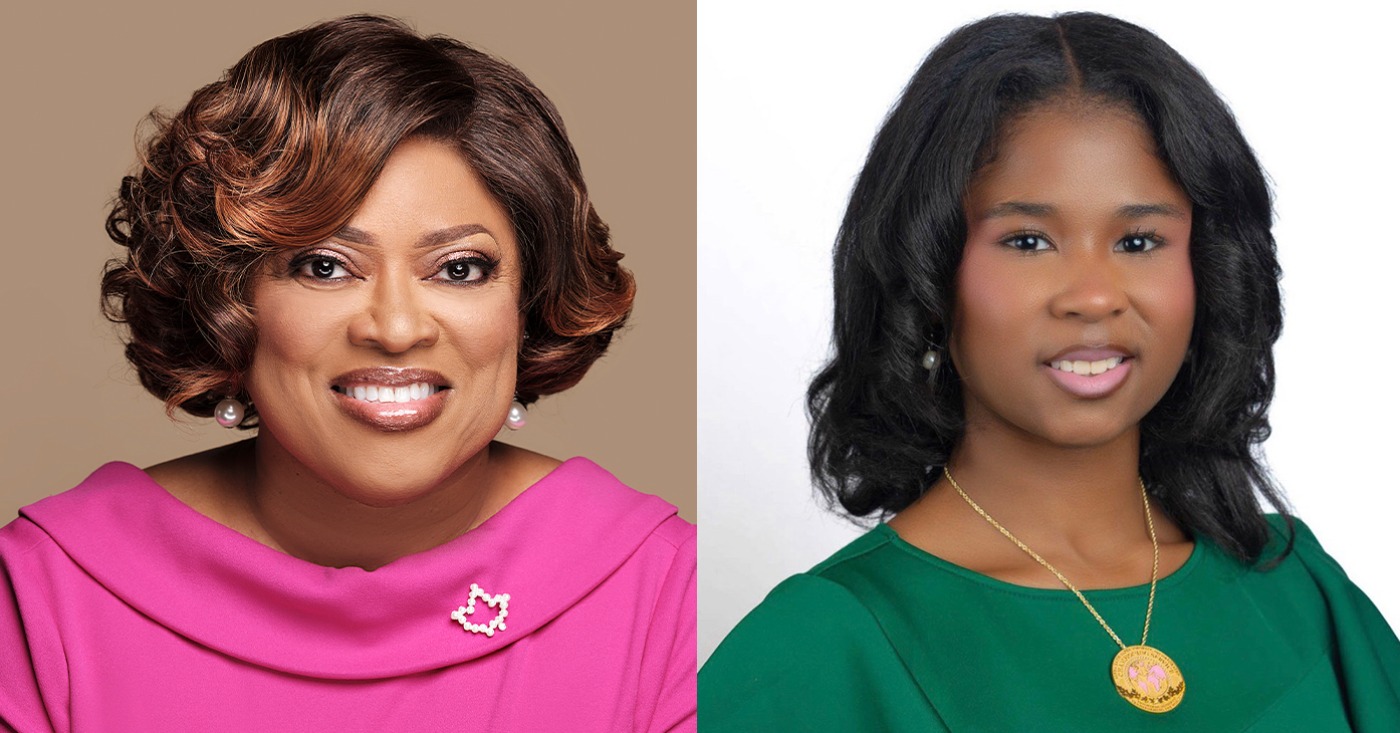
Alpha Kappa Alpha Sorority, Inc. is redefining mentorship by empowering undergraduate women to take active roles in high-level organizational governance. Instead of asking young leaders to wait their turn, the sorority is integrating students like Noah M.P. Harris into international boards and planning committees alongside seasoned veterans like Dr. Tonja L. Ringgold. This intergenerational model aims to combat professional burnout and systemic barriers by offering meaningful responsibility and guidance today, rather than in the distant future, to learn how this approach is transforming leadership. read more.

On Nov. 14, hundreds of undergraduate women gathering at Morgan State University in Baltimore for Alpha Kappa Alpha Sorority’s Undergraduate Leadership Institute will do more than listen to presentations. They will run the program. Graduate advisers will take seats in the back of the room.
This is intentional. Too many institutions invite young people to observe leadership without trusting them to exercise it. We believe the future of leadership depends not on one generation stepping aside for another, but on generations sharing responsibility now.
We have seen the difference from two vantage points.
For Dr. Ringgold, Morgan State is where that journey began. Initiated into Alpha Kappa Alpha’s Alpha Delta Chapter in 1982, she recently reunited with two sorority sisters who guided her as an undergraduate, including a former chapter president whose example still informs her leadership today. Forty-four years later, she returns as director of the sorority’s North Atlantic Region, keenly aware of what it means when someone invests in a young woman’s potential. The homecoming carries added significance: Alpha Delta, chartered in 1926, is celebrating its centennial; and the chapter that shaped her is still helping shape new leaders.
For Ms. Harris, leadership is not a distant destination. She is a Bowie State University senior and president of its Eta Chapter who, this summer, was elected Alpha Kappa Alpha’s International Second Vice President. As an undergraduate member of the sorority’s international governing board, she carries student perspectives into decisions affecting the organization. A 2025 Leadership Fellows experience encouraged her to seek that larger platform. To her, leadership is measured by the people she can serve, not simply the position she holds.
Our experiences challenge a familiar assumption: Young people must wait their turn. Founded in 1908 by Black college women, Alpha Kappa Alpha now counts more than 390,000 initiated members across more than 1,122 chapters. That reach brings a responsibility to open doors, not merely preserve tradition.
Deloitte’s 2026 global survey found that 76% of Gen Z respondents were interested in pursuing senior leadership roles eventually, although only 6% of surveyed Gen Z and millennials named leadership their primary career goal. Many cited burnout, excessive responsibility and work-life balance as concerns. Young people are not necessarily avoiding leadership. They are questioning the conditions under which it is exercised.
At a time when companies are pulling back on women’s advancement, Black women face persistent barriers. McKinsey and LeanIn.Org’s 2025 report found that among companies studied, only 60 Black women were promoted to manager for every 100 men. Telling young women to wait their turn cannot fix an unequal pathway to leadership.
Experience matters. Seasoned leaders carry institutional memory, hard-won judgment and relationships that take years to build. But experience cannot develop in a waiting room. Young leaders need meaningful assignments, honest guidance and room to make mistakes. Experienced leaders must also be prepared to reconsider familiar ways of doing things.
We see that exchange in our own relationship. Ms. Harris draws on Dr. Ringgold’s decades of sorority service and higher education experience. Dr. Ringgold listens when Ms. Harris speaks, recognizing that younger perspectives can challenge assumptions and reveal better approaches. Neither of us has all the answers. Both of us have something to contribute.
Our upcoming Undergraduate Leadership Institute will put that principle into practice. Undergraduate members will lead, with graduate members offering guidance and expertise. We’re taking the same approach in planning our 96th North Atlantic Regional Conference, scheduled for March 2027, where undergraduate counterparts will work alongside graduate vice chairs in operations, programming, social activities and logistics. They’ll help plan an event serving the entire region, not just their undergraduate peers.
That is the distinction between inclusion and influence. A seat at the table means little if the people invited cannot help determine what happens there.
Businesses, colleges, nonprofits and civic organizations can do the same. Pair mentorship with meaningful assignments. Involve emerging leaders in decisions before those decisions are final. Give them resources and room to grow. When they challenge a familiar practice, ask whether it still serves its purpose.
We should not ask experienced leaders to disappear or young leaders to wait. The goal isn’t to pass the torch and walk away. It’s to expand the circle of people empowered to lead and build stronger institutions together.
Dr. Tonja L. Ringgold is the North Atlantic Regional Director of Alpha Kappa Alpha Sorority, Incorporated. Noah M.P. Harris, a senior at Bowie State University, is the sorority’s International Second Vice President and president of its Eta Chapter.
Black History
Nixon Unbought, Unbossed and Undeterred Following U.S. Senate Defeat – Free Press of Jacksonville
Angie Nixon, who garnered over 3 million votes in her bid for the U.S. Senate, expressed disappointment after losing to Ashley Moody with a narrow margin of 50-48. Despite the defeat, she remains dedicated to holding elected officials accountable on healthcare and community issues and plans to challenge Moody again in 2028. Nixon highlighted the essential role of Black women in her campaign, noting their significant support and efforts to mobilize voters. Despite a lower voter turnout in Duval County compared to previous elections, grassroots efforts by local activists, particularly Black women, were notable. Nixon aims to inspire future generations of leaders and voters, emphasizing the importance of civic engagement.
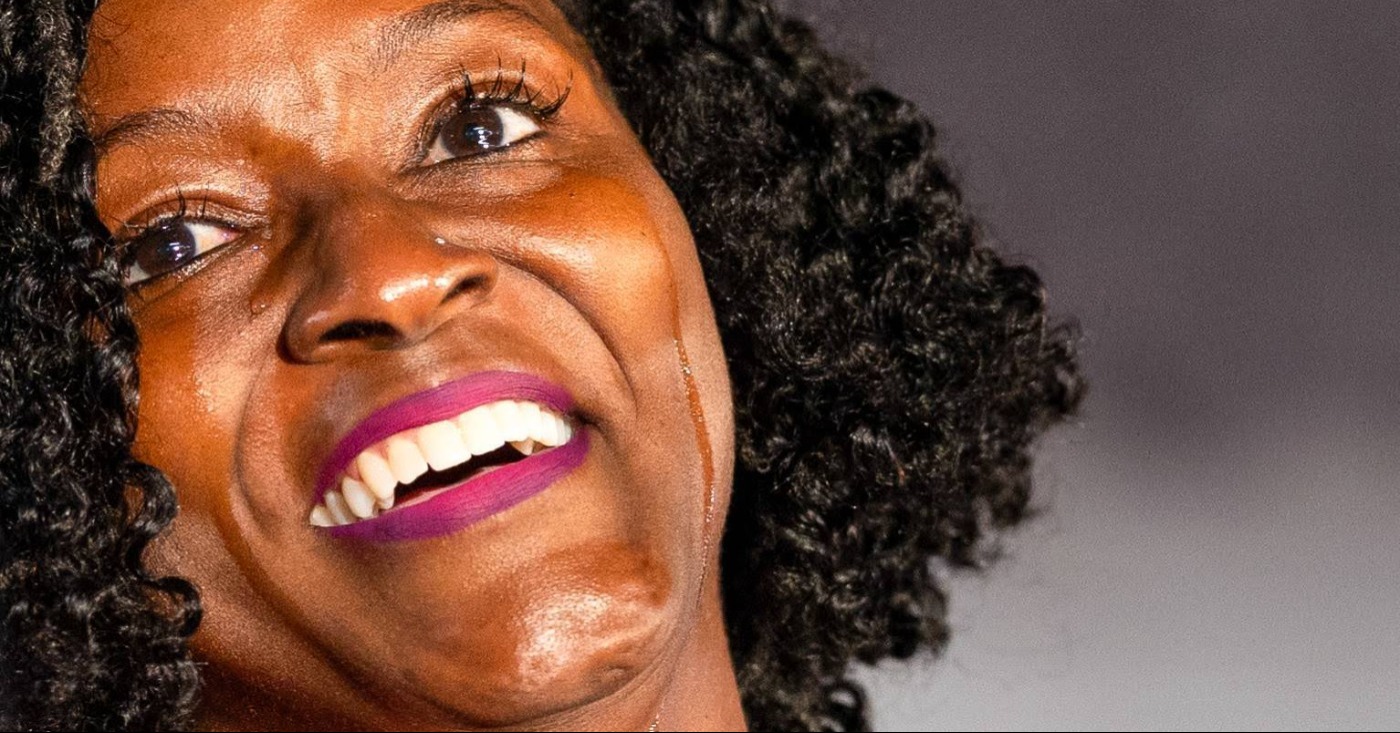
A Black woman from the heart of Moncrief earned the support of more than 3 million Floridians this election season.
Angie Nixon did not become the first Jacksonville resident to serve in the U.S. Senate since 1936.
At least not yet.
The 42-year-old organizer, small business owner, politician and mother says she will challenge Senator-elect Ashley Moody in 2028.
“I’m disappointed in the outcome, but I’m ready to get back to work – everyone is – because we’re going to make sure that Ashley Moody is held accountable for making sure that people have access to quality healthcare, a roof over their head, food on the table, and trying to lower these costs,” Nixon said on Tuesday night. “So, I’m OK. I’m not happy with the outcome, but I’m ready to get to work.”
That fact that Nixon came so close can only be attributed to the scores of Black women who supported her campaign.
Some were on staff, others volunteered, tens of thousands more voted for the former state representative who has used her bullhorn to bulldoze through staid situations in Tallahassee.
A Black woman has never won statewide office in Florida. Nixon’s 50-48 loss to Moody means it still hasn’t happened.
Not many politicians would walk onto a stage after losing a statewide race playing Bonecrusher’s “Never Scared”.
Nixon faced racist attacks from an advisor to President Donald Trump. Nazi rhetoric was used on Fox News to describe Nixon’s supporters. Yet, they traversed the state – from Marathon to Marianna; from Sarasota to South Florida – connecting with voters.
The forlorn, yet hopeful faces of so many Black women in the audience said more than their words could muster. Some were pastors, others were elected officials. One, Sandra Thompson, attended the March on Washington for Jobs and Freedom in 1963.
Thompson spent Election Day providing information to voters outside the Legends Center in Sherwood.
“It’s a very important election,” Thompson said. “We are electing our new leaders: the governor, a senator, and the House of Representatives. We need to get it right.”
If Thompson’s presence at Nixon’s campaign party was any indicator, people did not get it right.
Despite the chance to send a Jacksonville native to the U.S. Senate, hundreds of thousands of Duval County voters did not cast a ballot this year.
Preliminary data from the Duval County Supervisor of Elections shows only 55 percent of eligible voters participated this year.
Felicia Demps was not going to miss this election season. She brought five of her grandchildren with her inside the polling booth.
“They came home, and their teacher said, ‘We need to vote.’ I said, ‘Well, let’s go!”
Demps says she is a reliable Democrat who supported lowering property taxes, supported the 1-mil tax extension for Duval County Public Schools, and cares about community.
“Everyone needs to get together. Everyone wants the streets fixed until it’s time to vote,” Demps said. “The most important thing is: we want these things; but we won’t get out and vote.”
This year’s turnout is better than 2022, when Gov. Ron DeSantis won re-election for fun. But it’s lower than the 63 percent of Duval voters who turned out – many of whom hoped Andrew Gillum would become Florida’s first Black governor.
Black women were at the heart of the local effort to inform and motivate voters.
Cortina Floyd spent three hours waving signs along Moncrief Road ahead of the Northwest Classic football game between Raines and Ribault. Floyd and her Sigma Gamma Rho Sorority, Inc. sisters were among the nearly 50 people who sported Black Greek-letter organizations and informed voters last week.
“As a Black educator, I feel it’s important for me to do my civic duty,” Floyd said.
Exit polling indicates Black women in Jacksonville, in Florida and beyond, did their civic duty.
Afterward, girls of all ages danced on stage after the Associated Press called Florida’s Senate race in Moody’s favor. As they danced, they were unencumbered by the burdens and expectations that are placed on the bodies, minds, and souls of Black girls.
The organizer who lives on the Northside, in a household with multiple union members, says it was not her dream to run for the U.S. Senate. But the woman who openly invoked Shirley Chisholm and Fannie Lou Hamer on the campaign trail committed to doing what she could to help the next generation of girls.
“It’s not necessarily a dream personally. I just want to help people,” Nixon said on Tuesday night. “I wanted to make sure that we’re improving their lives. But the young people that came up to me tonight, they’re excited. They’re ready to continue to do the work and ready to, actually, build a better vision for their future. I’m all hands on deck with them, helping them grow as leaders and helping register more voters so that we can actually win.”
Advertising
PRESS ROOM: AutoNetwork.com Launches a Free Auto Section for Newspapers, Credit Unions, Banks, Churches, Schools and Nonprofits
BLACKPRESSUSA NEWSWIRE — Right now, someone who reads your paper, banks with you, sits in your pews, or attends your school is signing a car deal. Too often, they leave with a high-cost loan, old trade-in debt rolled into a new one, add-ons they never asked for, or a repair bill they didn’t understand. Most of those losses happen because no one gave them the facts first.

One line of code puts free, sourced car-buying and car-repair lessons in front of the people you serve. No cost. No contract. No staff needed.
AutoNetwork.com, which has served car buyers since 1986, today launched the Auto Section: a free, ready-made car-money education section that any organization can add to its website by pasting one line of code. Its message is simple: Know Before You Go To A Dealer.
The people you serve are paying for what no one told them
Right now, someone who reads your paper, banks with you, sits in your pews, or attends your school is signing a car deal. Too often, they leave with a high-cost loan, old trade-in debt rolled into a new one, add-ons they never asked for, or a repair bill they didn’t understand. Most of those losses happen because no one gave them the facts first.
Every organization on this list exists to look out for its people. The facts are now free and take minutes to add. Not sharing them means letting the next family learn the hard way, at the dealer’s desk or the repair counter.
One Auto Section, five ways to serve
- Newspapers: a reader-service section you don’t have to staff, write or pay for. You keep 100% of the ad space around it and 100% of any sponsor line you sell, such as “Auto Section sponsored by…” on your own page.
- Credit unions and banks: member education that reaches people before they sit down in the dealer’s finance office, where the loan terms get decided.
- Churches: a stewardship and money ministry for families. A car is one of the biggest purchases most households make.
- HBCUs and schools: first-car, first-loan and first-repair lessons for students and their families.
- Nonprofits: a ready-made addition to financial-empowerment programs, with no added cost or staff.
- What your people learn
- Financing: leasing vs. buying, who should lease, mileage limits, wear charges and GAP coverage.
- Trade-in debt: how owing more than a car is worth happens, and how to get out.
- Depreciation: how fast a car can lose value, with a free calculator.
- Add-ons and fees: what to get in writing before signing.
- Warranties: what the factory covers, and when extended coverage may not pay off.
- Credit: rights and steps for buyers with low or no credit, plus a first-time buyer guide.
- Service costs: how to choose a repair shop, ask for a written estimate, know your rights and spot a padded bill, plus factory maintenance schedules and estimated ownership costs so routine service is never a surprise.
- Plus: Ask AI Roosevelt for answers to car questions, and new-model walkaround videos.
Every guide links to its sources. The Auto Section teaches what to ask and what is normal; it never quotes local shop prices or sells repairs.
Built to be safe, simple, and yours
- Easy: copy one line from the free setup page, paste it where you want the section, and you’re done. New guides and videos appear by themselves.
- Safe: it runs in a sealed frame that cannot read or change your site, your logins or your ad accounts. It collects no reader names or emails.
- Clean: only AutoNetwork.com education appears inside the section. No outside ads. Guides and videos open inside it, so readers stay on your page.
- No strings: no cost and no contract. Delete the line, and it’s gone.
A word from the founder
“For forty years I’ve watched good people pay too much for cars and repairs simply because nobody told them what to ask,” said Roosevelt Gist, founder of AutoNetwork.com. “The organizations people already trust are the best messengers. We built the Auto Section so they can share the facts without spending a dime or hiring anyone.”
The next car deal or repair bill in your community is happening now. Add the free Auto Section today and make sure your people walk in knowing the facts:
https://autonetwork.com/autosection?src=press-release
If you can paste a link into your website, you can install it. Questions? Email [email protected].
About AutoNetwork.com
AutoNetwork.com has served car buyers since 1986 with free, sourced consumer education, vehicle reviews, and the free AutoNetwork.com app. The Auto Section is general education, not legal or financial advice. Learn more at autonetwork.com.
Black Press
Campus Accountability: Universities Must Do More to Address Sexual Assault
SOUTHERN UNIVERSITY – SOUTHERNDIGEST — Colleges and universities are meant to be safe environments for learning and personal growth, yet recurring reports of sexual assault continue to challenge the effectiveness of institutional protections.

College campuses are supposed to be places where students can learn, grow and feel safe. However, reports of sexual assault at universities across the country continue to raise questions about whether institutions are doing enough to protect their students and hold individuals accountable.
From Louisiana State University to Harvard University and Cornell University, campus sexual assault cases have brought renewed attention to how colleges investigate allegations, discipline students and support survivors. For many, the concern is not only the actions of students accused of sexual misconduct but also how university administrators respond when these situations occur.
At LSU, recent reporting has raised questions about the effectiveness of the university’s Title IX process. According to WBRZ, more than 300 sexual assault reports were made through LSU’s Title IX process between 2022 and 2025, with three resulting in disciplinary action. Although not every report results in a finding of responsibility, the numbers raise important questions about how institutions communicate outcomes and address reports of misconduct.
Cornell University has also faced scrutiny following allegations involving seven students and an alleged sexual assault at a fraternity house in 2024. The university’s investigation resulted in different disciplinary actions, including expulsions and suspensions. However, questions about one student’s return to campus and housing arrangements have continued to draw criticism.
These cases highlight a larger issue: University accountability cannot stop at having a Title IX office or publishing policies in a student handbook.
Title IX prohibits sex-based discrimination in federally funded education programs and addresses sexual harassment and sexual violence. Universities must have procedures for responding to complaints, conducting investigations and providing supportive measures. However, having policies in place means little if students do not understand them or believe reports will be handled appropriately.
Students who are found responsible for sexual misconduct should face consequences that reflect the seriousness of their actions. Universities should also examine whether their investigative procedures are timely, whether survivors receive adequate support and whether disciplinary decisions are consistently enforced.
Accountability must also include university administrators. Institutions should be transparent about their procedures, provide clear reporting options and regularly review whether their policies are working.
At the same time, every student involved in a disciplinary proceeding deserves a fair investigation and an opportunity to respond to allegations. Protecting survivors and respecting due process should not be treated as competing priorities.
Ultimately, universities have a responsibility that extends beyond academics and athletics. Students deserve to know that their safety matters and that misconduct will be taken seriously. A university’s commitment to student safety should be measured not only by the policies it publishes but also by the actions it takes when those policies are tested.
Based on reporting by Southern University – SouthernDIGEST.
Black History
COMMENTARY: Big Mama Said: Don’t Just Remember the Village When You Need Votes!
TEXAS METRO NEWS — With the conclusion of Election Day, political campaign signs have disappeared and the frequent visits from candidates to local churches, barbershops, and community centers have come to an abrupt halt.
Big Mama used to say, “Baby, don’t come knocking on my door only when you need something. Come see about me when you need something, too!” And if you knew my Big Mama, you knew that wasn’t a suggestion. That was a standard!
Well, Election Day has come and gone. The campaign signs are coming down, the political commercials have disappeared, and some politicians have already forgotten the roads leading into our neighborhoods. Isn’t it amazing how quickly folks can find our churches, barbershops, restaurants, and community centers when they need our votes? They shake hands, hug babies, take pictures, and some even learn a gospel song! But Big Mama would ask, “Baby, now that they’ve counted our votes, who’s counting our needs?”
Where are they when our schools need resources, seniors need assistance, Black-owned businesses need contracts, and young people need mentors and jobs? Big Mama would remind us, “You can’t eat a handshake, and a photograph won’t pay the light bill!”
But here’s where the village must accept some responsibility. We cannot keep building election machines that disappear after Election Day. We need an ecosystem, connecting our churches, businesses, nonprofits, fraternities, sororities, educators, and community leaders into a year-round network of opportunity, accountability, and collective progress.
Imagine turning voter mobilization into economic mobilization. Imagine churches connecting families to resources, businesses opening doors for young entrepreneurs, and elected officials reporting measurable results instead of delivering another campaign speech. That’s how we turn political influence into community investment.
And let’s stop measuring success by how many politicians attend our events. Let’s count jobs created, contracts awarded, young people mentored, and promises kept. Accountability isn’t partisan. It’s personal, and it belongs to the entire village.
Now, I’m asking you, my readers: Send me the name of an organization, business, or community initiative we should invest in and support. Let’s connect our resources and build an ecosystem that strengthens the entire village! I have two organizations I’d like to add to the conversation: Don’t Believe the Hype, which focuses on scholarships and educational opportunities, and City Men Cook, which provides mentoring, leadership development, and opportunities to invest in the next generation of young men. Both are about more than talking about change. They’re about putting resources, relationships, and opportunities into action.
Big Mama understood that relationships require reciprocity. You cannot keep withdrawing from a community without making deposits. So whether your candidate won or lost, our responsibility remains. The election determines who holds office, but the village determines what accountability looks like.
Big Mama said, “Baby, if they know the road to your house when they need your vote, make sure they know the road back when you need results!”
The election is over. Now let’s build something that outlives the campaign!
Based on reporting by Texas Metro News.
Black Press
The Jerk Man Partners with Top Chef Alum Nelson German for Thanksgiving Campaign
THE BALTIMORE TIMES — The campaign invites families to bring a new flavor to their Thanksgiving tables with The Jerk Man’s signature jerk turkey recipe, accompanied by Chef Nelson German’s cocktail and mocktail pairings. Balanced for heat, flavor, and spice, The Jerk Man offers a bold new take on a holiday classic.
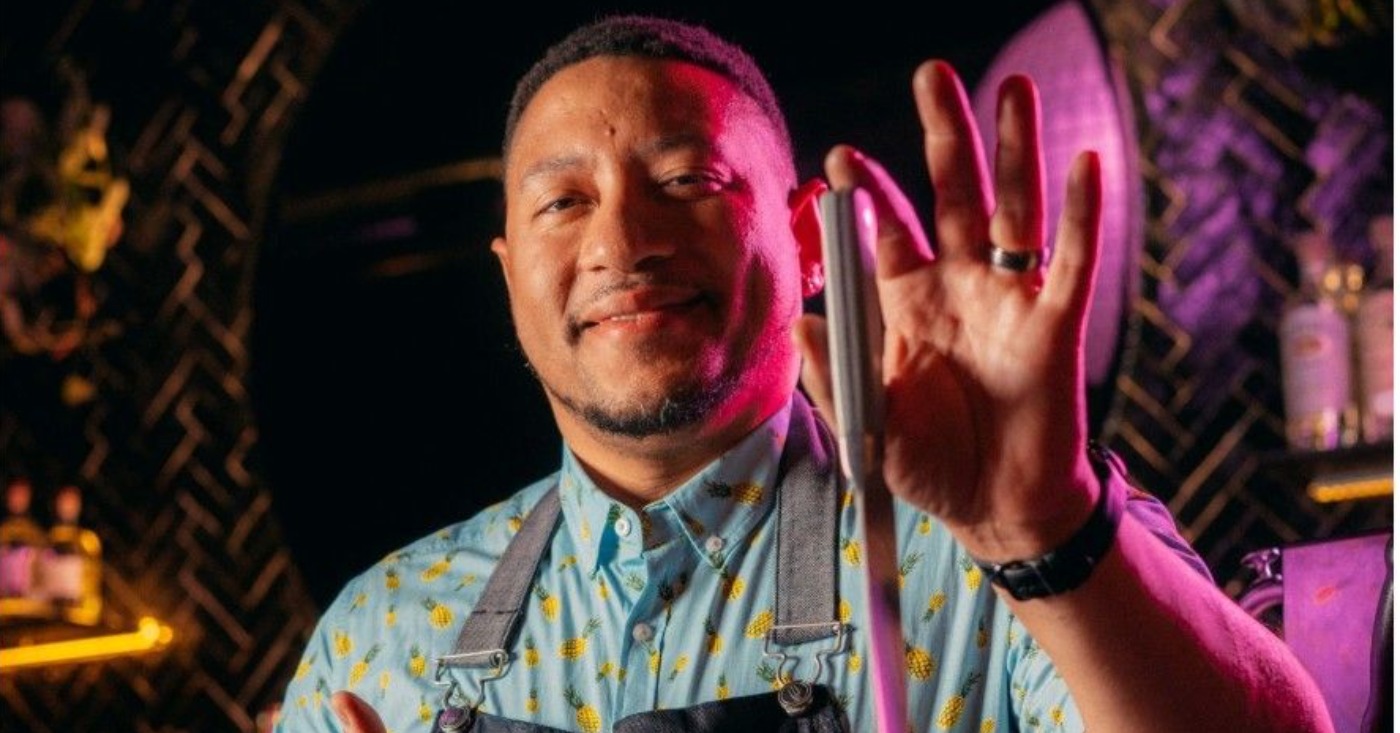
“Bring the Jerk to Thanksgiving” puts a real Jamaican spin on the holiday table with a signature jerk turkey recipe and cocktail and mocktail pairings.
Chicago, IL – The Jerk Man, a Jamaican jerk dry rub made in Jamaica, has partnered with Chef Nelson German, Top Chef alumnus, restaurateur, and author, for its first-ever “Bring the Jerk to Thanksgiving” campaign.
The campaign invites families to bring a new flavor to their Thanksgiving tables with The Jerk Man’s signature jerk turkey recipe, accompanied by Chef Nelson German’s cocktail and mocktail pairings. Balanced for heat, flavor, and spice, The Jerk Man offers a bold new take on a holiday classic.
Thanksgiving is about the people, stories, and traditions that bring families and friends together. “Bring the Jerk to Thanksgiving” celebrates that spirit, inviting home cooks to give the turkey its own place among the most-loved dishes on the table.
A Top Chef’s Guide to Thanksgiving with Flavor
Named one of TIME’s 2026 Latino Leaders, Chef Nelson German is known for his Afro-Latino culinary perspective and restaurants including alaMar Kitchen & Bar, Sobre Mesa, and Meski. He recently released the cookbook Caribbean Cocktails: Drinks and Bites from the Afro-Latino Diaspora.
“Food is how I bring people together and share a little of who I am,” said Chef German. “My Dominican roots and Caribbean heritage are always part of that, especially around the holidays. I love using Jerk Man Jerk Seasoning on my Thanksgiving turkey because it brings that authentic Jamaican flavor, with bold spices and beautiful heat that make every bite even more delicious than the last. It’s my way of bringing Island culture to a holiday classic and giving everybody at the table a reason to come back for more.”
The idea is simple: honor the traditions everyone loves, and give them another reason to ask for seconds.
Real Jamaican Jerk, Made in Jamaica. Your Way.
The Jerk Man Jamaican Jerk Dry Rub is made in Jamaica with allspice (pimento) and Scotch bonnet, the heart of real jerk, and balanced for heat, flavor, and spice so you taste the jerk, not just the burn. It comes in two heat levels, Spicy and Mild, and because it’s a dry rub, you’re in control: use a little for a gentle kick or more for full jerk. It’s made for the holiday table and stays by the stove all year.
Home cooks can use it to bring real Jamaican jerk to season:
The turkey: a real Jamaican jerk kick for the star of the holiday table.
Sweet potatoes: a savory, spice-filled makeover for a classic side.
Roasted vegetables: everyday vegetables turned into crowd-pleasers.
Holiday leftovers: a jerk twist on the day-after turkey sandwich.
The campaign also features “The Toast,” pairing jerk turkey with Caribbean-inspired holiday cocktails and mocktails, inspired by Chef German’s new book, Caribbean Cocktails: Drinks and Bites from the Afro-Latino Diaspora. Published by Ten Speed Press in June 2026 and written with Andréa Lawson Gray, a James Beard Award-winning author, Caribbean Cocktails includes more than 40 drink recipes and 20 food recipes.
Recipes for The Jerk Man 24-hour Jamaican Jerk Turkey and Two Signature cocktails below:
THE JERK MAN 24-HOUR JAMAICAN JERK TURKEY (For a 12–14 lb whole turkey)
3/4 cup The Jerk Man Spicy Dry Rub
6 scallions, roughly chopped
1 medium yellow onion, chopped
6 cloves garlic
2–3 Scotch bonnet peppers
1½ tablespoons fresh thyme leaves
1 tablespoon freshly grated ginger
2 tablespoons ground Jamaican pimento (allspice)
1 teaspoon ground cinnamon
1/2 teaspoon ground nutmeg
1 teaspoon freshly ground black pepper
2 tablespoons dark brown sugar
1/4 cup soy sauce
¼ cup fresh lime juice
1 tablespoon Jamaican Browning
2 tablespoons white vinegar
3 tablespoons neutral oil
2 tablespoons water, as needed for blending
JERK MAN SIGNATURE COCKTAILS BY CHEF NELSON GERMAN
Pineapple Old Fashioned
Doctor Bird pineapple rum, Pasión añejo t


A Career Path That Took an Unexpected Turn #shorts

Black Families: Compare Auto Insurance Quotes Every Year #shorts

Black Media in Minnesota: The Community That Kept Us Going #shorts

The Conversation With Al McFarlane: (11/10/2026)

Don’t Pass the Torch. Expand the Circle.

Kids on Campus: Success in Learning Together

Nixon Unbought, Unbossed and Undeterred Following U.S. Senate Defeat – Free Press of Jacksonville

PRESS ROOM: AutoNetwork.com Launches a Free Auto Section for Newspapers, Credit Unions, Banks, Churches, Schools and Nonprofits
The Workforce Is Changing — Get Ready Now!

The Power of Transparency in Car Buying

All Skinfolk Ain’t Kinfolk

Practitioners of African Traditional Spirituality Offer Ancestral Reverence Ritual Oct. 31

Tamiko Armstead | 2026 Lifetime Achiever in Education

Oakland Awarded More than $14 Million in State Funding

HISTORY MADE: Keisha Lance Bottoms Becomes First Black Woman Elected Governor in American History

OP-ED: The Black Church Writes AI’s Next Chapter

Inside 820 S. Michigan: New Book Captures the Lost World of Ebony and Jet

Jendayi Arrest Raises Community Concerns Regarding Sheriff’s Chain of Command

OP-ED: If the ‘Cornell 7’ Were Black Men at an HBCU — America Wouldn’t Be This Sympathetic

Kickstarter CEO Everette Taylor Shares Tips on Creating and Growing a Business
A Career Path That Took an Unexpected Turn #shorts
Black Families: Compare Auto Insurance Quotes Every Year #shorts
Black Media in Minnesota: The Community That Kept Us Going #shorts
The Conversation With Al McFarlane: (11/10/2026)
The Power of Transparency in Car Buying

The Chevy Bolt Handles Rough Roads—But How Noisy Is the Cabin? #shorts

Democratic Leadership Under Fire, Maxine Waters Challenged & Tyler Perry’s New Political Role 📱

Democratic Leadership Under Fire, Maxine Waters Challenged & Tyler Perry’s New Political Role

San Diego Supervisors’ Power Grab & Discretionary Funds

How Restaurant Apprenticeships Taught Me to Run a Business #shorts
-
 Black History5 days ago
HISTORY MADE: Keisha Lance Bottoms Becomes First Black Woman Elected Governor in American History
-

 Featured1 week ago
Multi-Faith Leaders Representing 10 Million People Launch National Anti-Authoritarian Initiative
-
 Black History1 week ago
Christianity’s Racial History
-
 Black History1 week ago
Michael Shiner: The Enslaved Man Who Wrote His Way into American History
-
 Black History1 week ago
Five Hospitals Said No! Who Will Help Annette Henry Recover?
-
 Black History6 days ago
Hundreds of Black Christian Leaders Arriving in Israel for Martin Luther King-Inspired Mission
