
Education
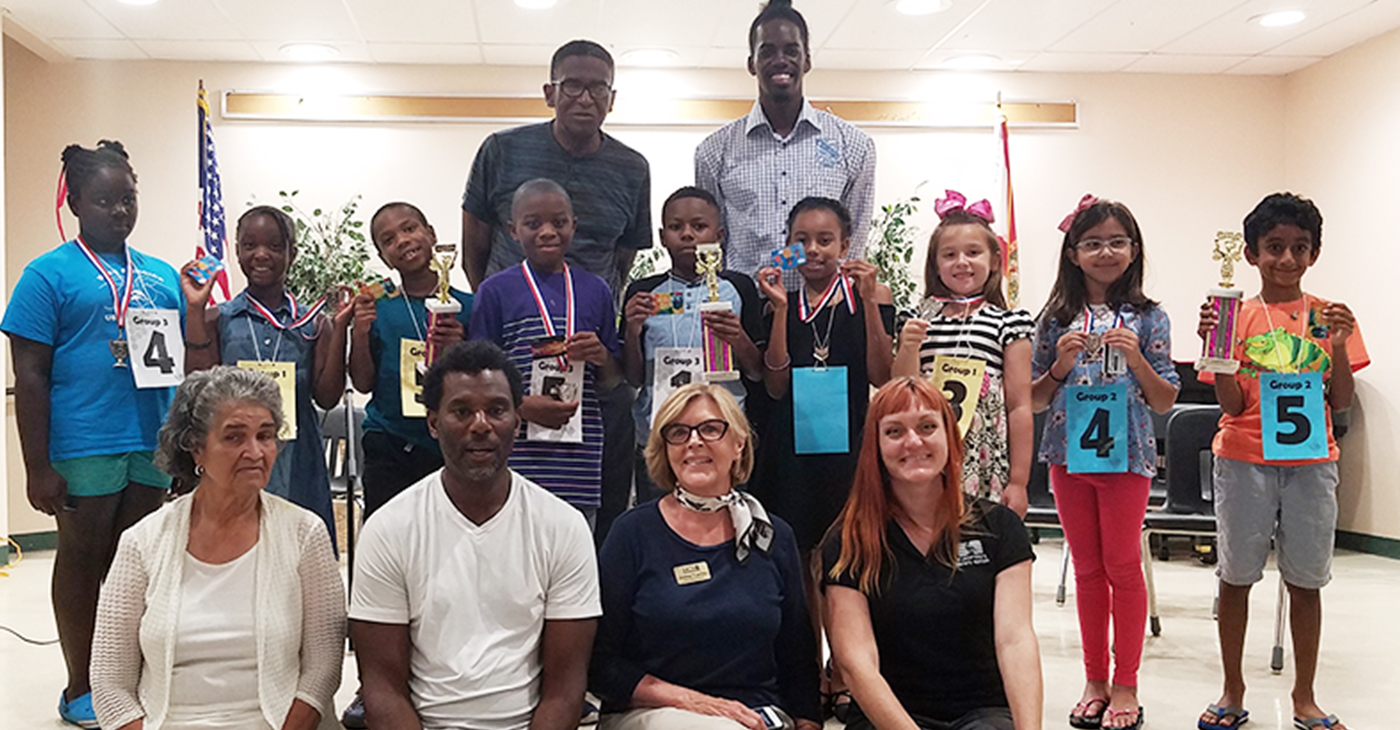
Summer Bee winners
THE WEEKLY CHALLENGER — Annually, the Friends of James Weldon Johnson Branch Library, Inc. sponsor Summer Bees in the month of July, and this year was no exception. Participants in the first through sixth grades competed in spelling, geography or math. These young people showed much eagerness, enthusiasm and seriousness as they set out to win in their particular category.

By The Weekly Challenger
ST. PETERSBURG – Annually, the Friends of James Weldon Johnson Branch Library, Inc. sponsor Summer Bees in the month of July, and this year was no exception.
Participants in the first through sixth grades competed in spelling, geography or math. These young people showed much eagerness, enthusiasm and seriousness as they set out to win in their particular category.
We appreciate the parents who made sure their child was ready to compete.
The winners were rewarded great prizes from either Phi Beta Sigma Fraternity, Inc. or the Friends of James Weldon Johnson Branch Library, Inc.
2019 winners
Spelling Bee winners:
Group 1 (1st & 2nd grade)
- 1st – Kelton Pryce
- 2nd – Andie Heil
- 3rd – Chrisiya Harris
Group 2 (3rd & 4th grade)
- 1st – Rohan Rudraraju
- 2nd – Sarvika Seth
- 3rd – Janiyah Madison
Group 3 (5th & 6th grade)
- 1st – Latrez Madison
- 2nd – Anthony Cuthbertson
- 3rd – Gabrielle Litterello
Geography Bee winners:
Group 1 (1st & 2nd grade)
- 1st – Elizabeth Montgomery
Group 2 (3rd & 4th grade)
- 1st – Rohan Rudraraju
- 2nd – Sarvika Seth
- 3rd – Gaurang Bhushan
Group 3 (5th & 6th grade)
- 1st – Sriram Mohan
- 2nd – Christopher Giblin
- 3rd – Anthony Cuthbertson
Math Bee winners:
Group 1 (1st & 2nd grade)
- 1st – Hailey Duvall
- 2nd – Lola Grace Lovett
- 3rd – Chrisiya Harris
Group 2 (3rd & 4th grade)
- 1st – Sawyer Hansen
- 2nd – Deshawyn Long
- 3rd – Rohan Rudraraju
Group 3 (5th & 6th grade)
- 1st – Sriram Mohan & Srinidhi Mohan (tied)
- 2nd – Anthony Cuthbertson
This article originally appeared in The Weekly Challenger.









Black History
Remembering Moses Newson and the Power of the Black Press During the Civil Rights Movement
ATLANTA DAILY WORLD — Moses J. Newson, a pioneering journalist who spent decades documenting the American Civil Rights Movement for the Black press, died on November 17 at his home in Baltimore at the age of 99. His daughter confirmed that he passed away from natural causes.

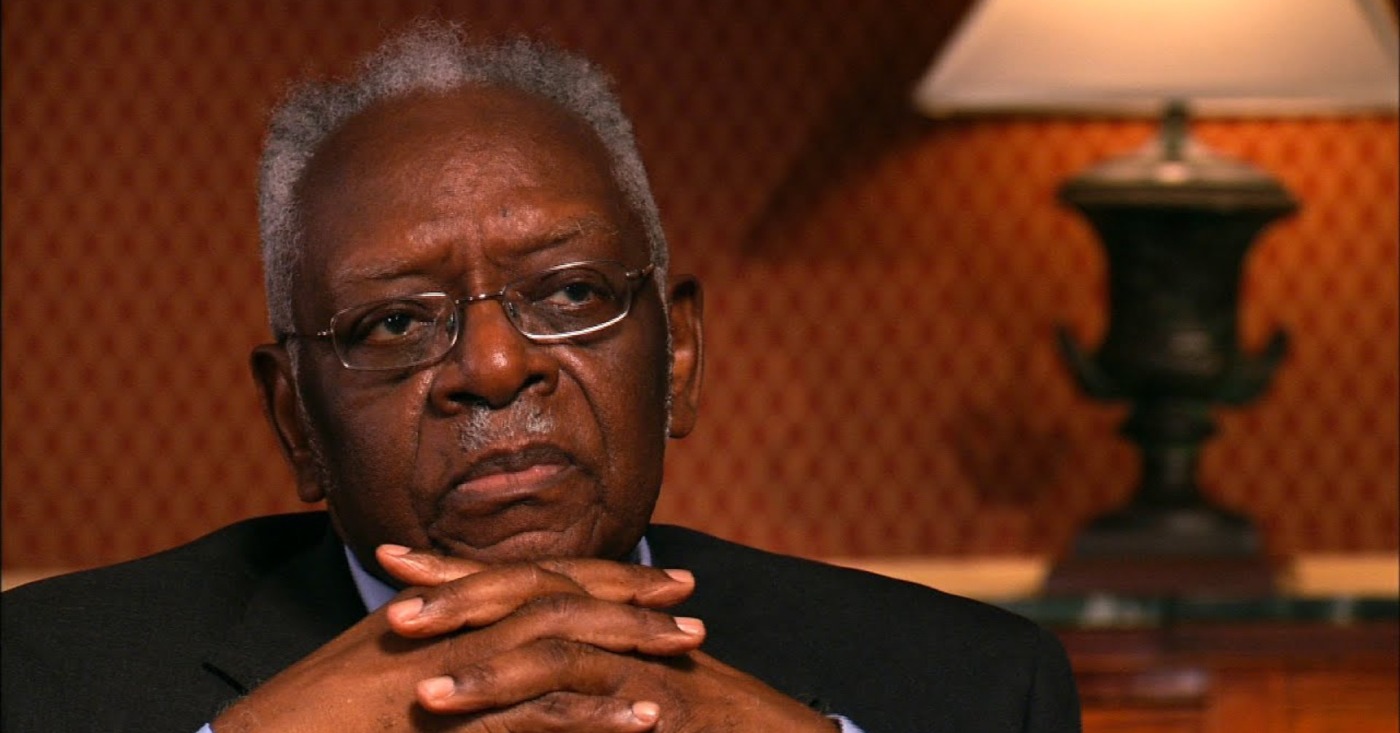
Moses J. Newson, a pioneering Black journalist whose reporting documented some of the most defining moments of the Civil Rights Movement, died November 17 at his Baltimore home. He was 99.
His daughter, Shawn Newson, confirmed to Journal-isms that he died of natural causes.
Throughout his career, Newson documented the struggle for racial equality from the front lines, bearing witness to events that challenged segregation and transformed American society. His work reflected the critical role of the Black press during an era when racial injustice frequently received inadequate coverage from mainstream news organizations.
Born February 5, 1927, in Fruitland Park, Florida, Newson pursued journalism after serving in the United States Navy. He studied at Storer College and Lincoln University in Missouri before beginning his newspaper career at the Tri-State Defender in Memphis in 1952.
His early assignments included coverage of school desegregation and the murder of Emmett Till in 1955, a case that helped galvanize the national Civil Rights Movement.
Newson joined the Baltimore Afro-American in 1957, covering the integration of Central High School in Little Rock, Arkansas, during his first assignment with the newspaper.
Four years later, he placed himself in considerable danger while covering the Freedom Rides, organized to challenge segregation in interstate transportation.
Newson survived the infamous attack on a Freedom Riders bus in Anniston, Alabama, in 1961. Despite the personal danger he encountered, he continued documenting the movement, providing readers with firsthand accounts of the resistance to racial integration.
His reporting also included the integration of the University of Mississippi in 1962 and the 1963 March on Washington. In 1968, he interviewed the Rev. Dr. Martin Luther King Jr. during preparations for the Poor People’s Campaign, shortly before King’s assassination.
Newson spent 21 years with the Baltimore Afro-American, rising from reporter to city editor and ultimately executive editor. He spent the final decade of his newspaper career overseeing editorial operations before transitioning into federal public affairs in 1978.
In 2014, the National Association of Black Journalists inducted Newson into its Hall of Fame, recognizing his contributions to journalism and his extraordinary record of civil rights coverage.
His experiences were also documented through the Civil Rights History Project, a collaboration between the Library of Congress and the Smithsonian Institution’s National Museum of African American History and Culture.
Newson’s family plans to honor his life with a private ceremony in February, when he would have celebrated his 100th birthday.
His death marks the loss of a journalist who witnessed history at extraordinary personal risk. His reporting remains part of the permanent record of America’s struggle for racial equality and a reminder of the indispensable role Black newspapers played in bringing that struggle to the nation’s attention.
The post Remembering Moses Newson and the Power of the Black Press During the Civil Rights Movement appeared first on Atlanta Daily World.
Based on reporting by Atlanta Daily World.
Black History
An HBCU Is Training Doulas to Help Combat Childbirth Risks
THE CAROLINIAN — North Carolina Central University is addressing the critical maternal health crisis in rural communities by training a new workforce of birth doulas. Through its Rural Health Hub in Enfield, the historically Black university is developing a network of trained birth workers to support mothers in Eastern North Carolina.
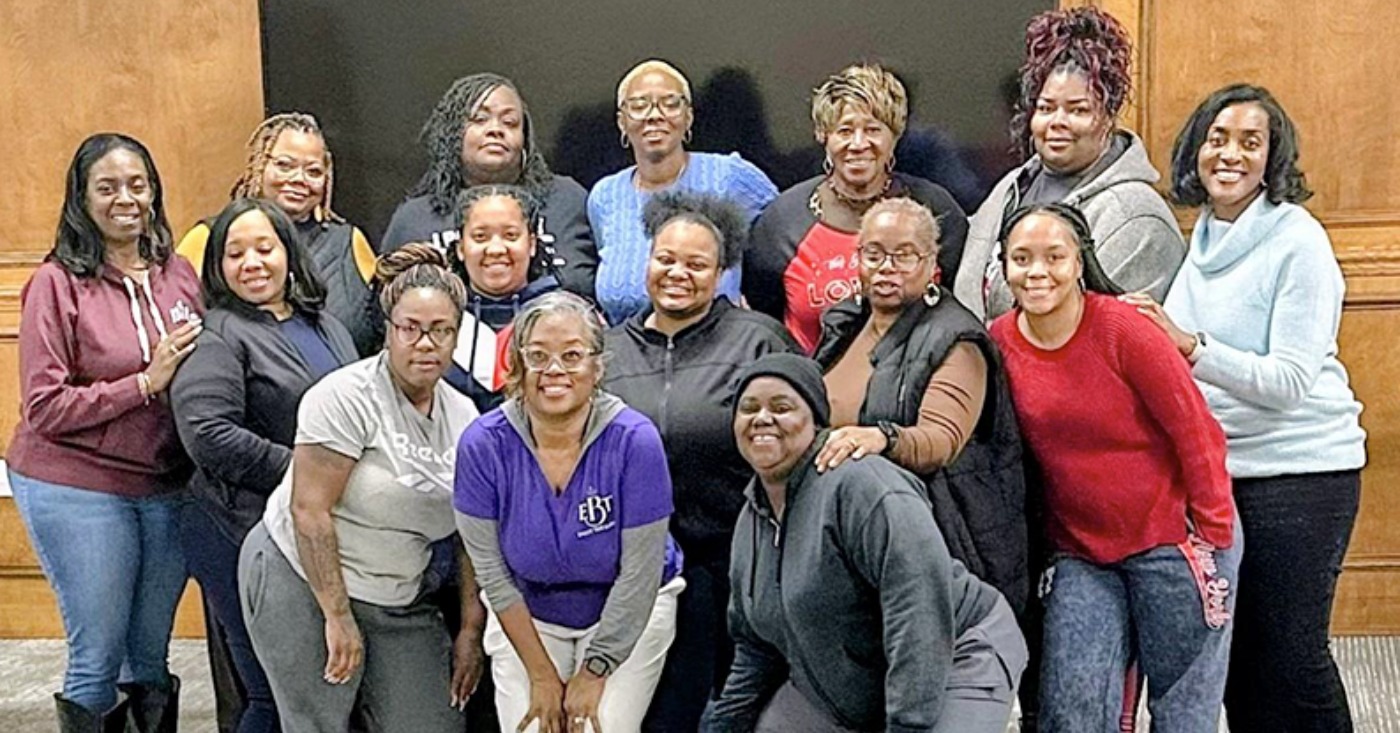
For many expectant mothers in rural communities, preparing for childbirth involves more than prenatal appointments and planning for a new baby. Limited access to maternity care, long travel distances, and unequal health outcomes can make pregnancy an especially difficult experience.
North Carolina Central University is working to address some of those challenges by training community-based birth doulas who can provide support to mothers before, during, and after childbirth.
Through its Rural Health Hub in Enfield, North Carolina, the historically Black university is developing a network of trained birth workers to improve maternal health outcomes in rural Eastern North Carolina, where access to maternity services remains limited.
The initiative comes at a time when Black women continue to experience disproportionately high rates of pregnancy-related deaths. According to North Carolina’s Maternal Mortality Review Committee, Black women in the state were 1.7 times more likely than white women to die from pregnancy-related causes between 2018 and 2021. The committee also found that nearly nine out of 10 pregnancy-related deaths reviewed were preventable.
The disparities are particularly concerning in rural communities, where some expectant mothers must travel an hour or more to reach hospitals offering labor and delivery services.
NCCU’s Community-Based Birth Doula Training Program, launched in December 2025, aims to address those gaps by preparing women who already live in underserved communities to support families navigating pregnancy and childbirth.
The program recruits participants from northeastern North Carolina counties, including Halifax, Northampton, Edgecombe, Nash, Bertie, Warren, and Martin.
Rather than bringing outside professionals into these communities, the university is investing in residents who understand the challenges families face and can build relationships with mothers in their own neighborhoods.
Dr. Undi Hoffler, director of the Community-Based Doula Program, emphasized the importance of developing a workforce rooted in the communities it serves.
“It’s important that our doulas come from these communities,” Hoffler said in an interview published by NCCU. “They’re building relationships with families they know. That’s how you build trust.”
The program’s first training cohort included 12 women who completed a three-day in-person training in December 2025. Participants received scholarships covering training, certification, and materials. The university also provides continued mentorship and assistance as trainees work toward professional certification through DONA International.
The initiative continued into 2026. A training workshop held in October brought together 14 women for three days of instruction at the Rural Health Hub in Enfield, according to NC Newsline’s Nov. 16 report.
During training, participants learn about pregnancy, anatomy, labor and delivery, postpartum recovery, and how to recognize situations that require medical attention. They also receive instruction on helping mothers communicate their concerns, understand available options, and advocate for themselves during medical appointments and childbirth.
A doula is a trained professional who provides emotional, physical, and informational support throughout pregnancy, labor, and the postpartum period. Unlike physicians, nurses, and midwives, doulas do not provide medical treatment or deliver babies. Instead, they serve as an additional source of support for mothers and their families.
That distinction is important in communities where mothers may have limited access to consistent support throughout their pregnancies.
For Rose Lewis, a member of the program’s first cohort, the decision to become a doula grew out of years of working with families and recognizing gaps in maternal support.
Lewis, a Nash County resident and community health worker, said she frequently encountered families who needed assistance accessing health services and other resources. Through that work, she began noticing how much support was available after a baby arrived compared with the resources offered during pregnancy.
“I kept seeing resources for after the baby gets here,” Lewis said in an interview with NCCU. “But what about the support leading up to birth?”
Her interest in the work also became personal after a woman connected to her extended family died during childbirth and her own daughter experienced a high-risk pregnancy.
Lewis now hopes to help other mothers feel informed and supported throughout their birthing experiences.
“When you’re informed, you can advocate for yourself,” she said.
Another trainee, Taya Partin of Edgecombe County, shared an experience involving a pregnant client who expressed fear that she might not survive childbirth. Partin recalled helping the woman manage her concerns and feel more prepared for the delivery process.
The experience illustrates the emotional support doulas can provide to mothers who may feel overwhelmed or uncertain during pregnancy.
Research has associated continuous labor support with positive childbirth outcomes, including fewer cesarean deliveries and improved birth experiences. However, doulas are not substitutes for medical professionals or emergency maternity care. Their role is to complement existing healthcare services by providing consistent support and helping mothers navigate the process.
For NCCU, the program represents an opportunity to connect higher education with a public health issue affecting communities throughout North Carolina.
The university’s Rural Health Hub is also working to strengthen relationships among healthcare providers, community organizations and local families. Its broader mission focuses on improving health access, workforce development and community-centered research in underserved areas.
The long-term vision for the doula initiative is to establish a stronger network of trained birth workers throughout rural Eastern North Carolina, helping ensure that mothers have access to support regardless of where they live.
As maternal health disparities continue to affect Black women across the state, NCCU’s work demonstrates how HBCUs can contribute to solutions beyond traditional classroom instruction.
Through community-based training, mentorship and partnerships, the university is preparing women to become advocates and support systems for mothers during one of the most important periods of their lives.
For the families these doulas serve, the goal is simple: no mother should have to navigate pregnancy and childbirth feeling alone, unheard or unsupported.
Based on reporting by The Carolinian.
Black Press
Experts Convene to Make the ‘Early Connections’ that Matter for Children’s Health, Learning
BLACKPRESSUSA NEWSWIRE — “Early Connections: Building Bridges for Brighter Futures,” was hosted by the Equity Research Action Coalition at UNC’s Frank Porter Graham (FPG) Child Development Institute, along with several partners, including the state Division of Child Development and Early Education and UNC’s Department of Maternal and Child Health.
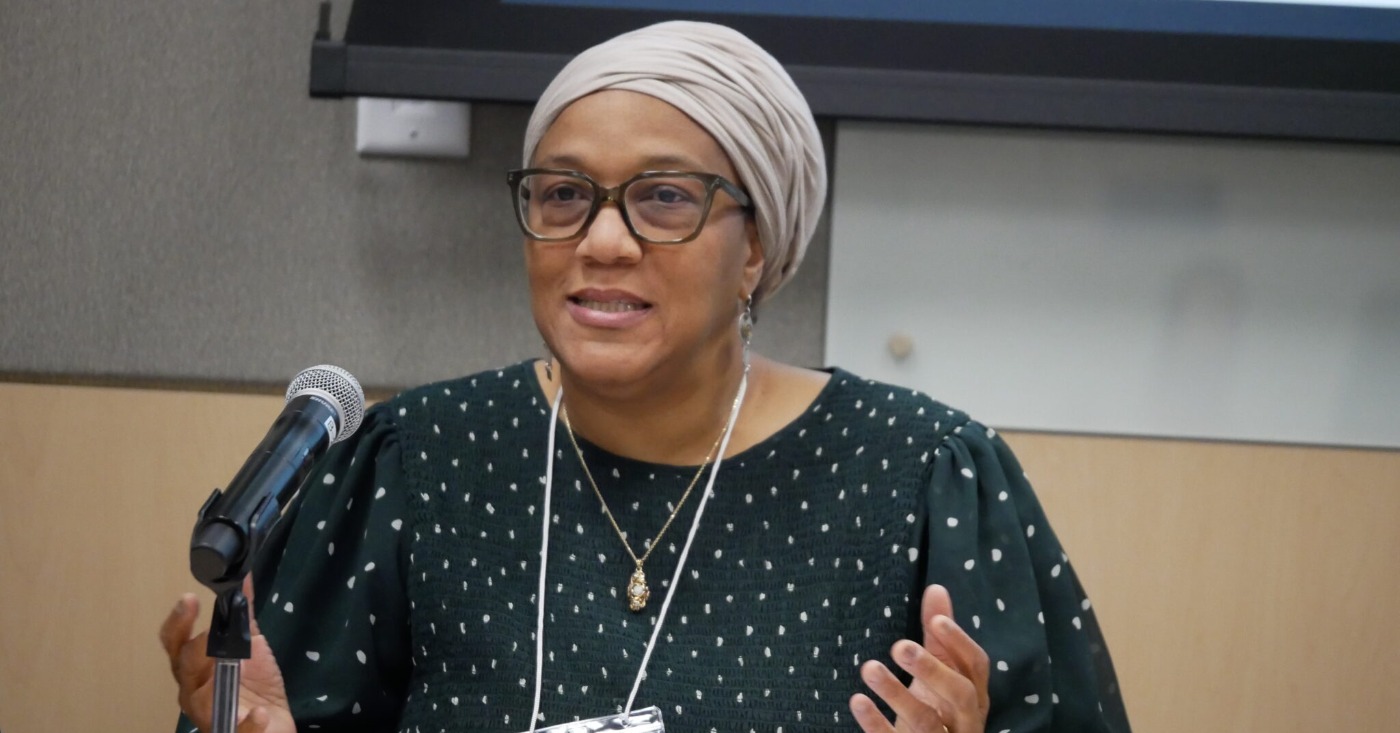
As children enter the world, research says the level of support babies, mothers, and families receive makes a lasting impact on children’s health and well-being.
“The bonds formed in the earliest years between caregivers and children, between families and communities, between systems and the people that they serve really shape a lifetime of well-being,” said Alessandra Bazzano, chair of University of North Carolina-Chapel Hill’s Department of Maternal and Child Health at a conference held at the university.
Yet too often, services during pregnancy and through the early years of life are fragmented — or nonexistent — advocates, researchers, and practitioners said at the event.
“Early Connections: Building Bridges for Brighter Futures,” was hosted by the Equity Research Action Coalition at UNC’s Frank Porter Graham (FPG) Child Development Institute, along with several partners, including the state Division of Child Development and Early Education and UNC’s Department of Maternal and Child Health. It convened leaders across policy, philanthropy, research, advocacy, and practice with the goal of creating new partnerships that better serve young children and families.
“We must ensure that there’s a through line from healthy pregnancies and births to infancy to entry into high-quality early childhood education settings, because we know that the first three years of life is essential and important for healthy brain development,” said Brian Boyd, director of the FPG Institute.
Iheoma Iruka, director of the Equity Research Action Coalition, planned the event to bring together individuals and agencies that are not often in conversation yet serve the same communities, including experts on early care and education and infant and maternal health.
Building authentic and new relationships matters now more than ever, Iruka said.
“We are living through a moment of profound change — from climate change and natural disasters, to the rapid rise of artificial intelligence, to shifting global relationships and increasingly complex interdependence across communities, institutions, and nations,” Iruka said. “These changes bring real opportunities for innovation, for collaboration, and for addressing longstanding inequities, but they also bring tension, uncertainty, and difficult questions and conversations.”
‘Prenatal care makes a difference’
During pregnancy, the services available to mothers and families vary widely.
Many mothers, especially in rural areas, struggle to access prenatal care and must drive far from their homes to reach hospitals to give birth. About 28% of mothers in 2024 did not receive prenatal care in the first trimester of their pregnancies, according to the North Carolina Maternal and Infant Health Dashboard.
“Prenatal care makes a difference — making sure that they are educated during those visits, that you talk about nutrition, that you talk about hydration and proper exercise, that you get into what kind of food do you have in your cabinet at the house,” said Tina Braimah, director of Aya Birth & Community Wellness in Durham and a panelist at the convening.
Thirteen counties in northeastern North Carolina have no hospital, according to an investigation published by Carolina Public Press on the “the desertification of women’s health care in rural counties.” The region experienced a net loss of 11 delivery rooms from 2013 to 2023. In the far western part of the state, five counties have no hospital, and the region had a net loss of 13 delivery rooms over the same period.
These gaps in access show up in babies’ birth outcomes, several experts at the convening said. North Carolina had the 18th highest infant morality rate in the country in 2024, and mortality rates are uneven across race.
Black babies were nearly three times more likely to die in the first year of life than white babies in 2024. Black mothers were 1.6 times more likely to die from a cause related to their pregnancies than white mothers in 2018 and 2019, according to a February 2024 report from the North Carolina Maternal Mortality Review Committee.
“That ought to be a great concern to all of us,” said Sen. Jim Burgin, R-Harnett, on the racial disparities in infant mortality. Burgin, a panelist at the convening, has advocated for maternal and infant health efforts at the state legislature.
“One of the goals I set was to reduce infant mortality in the Black community by half, and I don’t see that happening,” Burgin said. “So you all need to tell us what we need to do.”
Improving maternal and infant health requires ensuring families’ basic needs are met, Braimah said.
“The other part of it is making sure they have everything they need — that they’re not stressed out, that you have access to medicine … that you have access to food,” she said. “It’s about so much more than just the prenatal care and having a baby.”
Transforming rural maternal health
Researchers from North Carolina Central University’s Center for Health Disparities Research shared several efforts to link families, particularly those in marginalized communities, with research and services that improve their health.
For example, the university’s Rural Health Hub, based in Halifax County, launched a Community-Based Doula Program in 2025 that trains individuals from rural northeastern counties to work as doulas in their communities. The program has graduated 22 doulas, 18 of whom are focused in northeastern counties, with another cohort planned this year.
“Our goal is definitely to be able to utilize this program as a means and a way to help transform maternal health outcomes across rural North Carolina,” said Undi Hoffler, director for the Office of Research Compliance and Technology Transfer at NC Central. “We’re starting in the northeast, but we hopefully will be expanding widely.”
The hub provides scholarships for those who already live in the counties in which they will provide doula services.
“We are also establishing trust, because these are people that you see in the grocery store, you go to church with, you work with, and so there’s a relationship already there,” Hoffler said.
The researchers said their efforts are informed by the families and communities they serve.
“We don’t want to just work on the community, we want to work with the community, and that’s our role,” said Seronda Robinson, an epidemiologist. Robinson leads a “Community Engagement Core,” a team that “serves as the bridge between researchers and the communities most affected by health disparities,” according to its website. “The CEC ensures that community voices inform every stage of research.”
Professionals shaping policy and systems need to do a better job of listening to and learning from the experiences, needs, and assets of marginalized communities, several speakers said at the conference.
“We gain truth when we center families and their experiences,” said Devonya Govan-Hunt, executive director of Black Child Development Carolinas, an advocacy nonprofit.
Licensed child care programs are meeting about 55% of the potential need, according to a national analysis from Child Care Trust, and rural communities are particularly struggling.
Black History
PRESS ROOM: Delaware State University Certifies Record Fall 2026 Enrollment of 7,407 Students
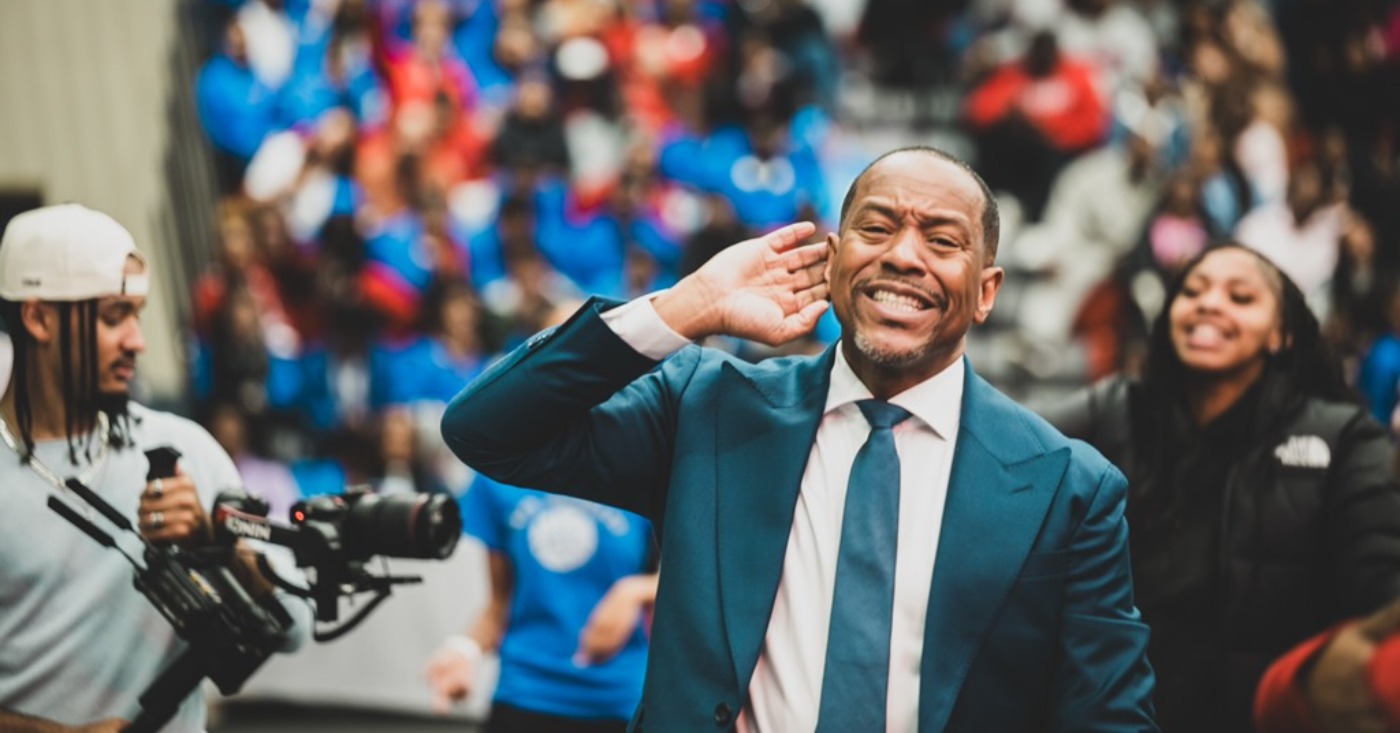
“This year’s growth came from a more intentional emphasis on students who were already here and decided to keep going, a central part of our work — and from a graduate school that working adults in Delaware and across the country are choosing in record numbers,” said Tony Allen, President of Delaware State University.
Returning students and graduate programs drive 12 percent growth
Incoming class stronger academically
In-state freshman class the largest in University history; INSPIRE Scholars make up more than 80 percent of new in-state freshmen
Dual enrollment up 56 percent, anchored by the newly named Williams School
Delaware State University has certified its Fall 2026 enrollment at 7,407 students, the largest in its 135-year history and an increase of 784 students, or 11.8 percent, over the 6,623 recorded at last fall’s census.
Of that total, 5,959 students are enrolled on the University’s two Dover campuses and in its online programs—up 7.8 percent from 5,528 a year ago and a record. The balance is enrolled through the University’s international partnership programs, a growing global portfolio that spans the Caribbean, Asia and Africa. Since 2020, when the University enrolled 5,027 students, enrollment has grown more than 47 percent.
In October, the University projected that it was approaching 7,000 students. The final count exceeded that projection, as additional online sessions and semester starts at international locations were added before the October 31 census. And in its first year, eHBCU, the online consortium for HBCUs led by Delaware State, has grown to include Alabama State University; the Southern University System, the only HBCU system in the country; and Pensole Lewis College of Business and Design, the Detroit HBCU for aspiring designers.
“This year’s growth came from a more intentional emphasis on students who were already here and decided to keep going, a central part of our work — and from a graduate school that working adults in Delaware and across the country are choosing in record numbers,” said Tony Allen, President of Delaware State University. “We have a continually growing number of students who concluded that Delaware State University is a force multiplier in their lives. Our work now is to be worthy of that decision every day.”
Delaware First.
In-state undergraduate enrollment rose 8.4 percent, and out-of-state undergraduate enrollment rose 4.5 percent. The new freshman class shows strong academic rigor, with an average high school GPA of 3.13. More than half of the University’s students are Delawareans, and this year’s in-state freshman class is the largest in University history. More than 80 percent of new in-state, full-time freshmen are INSPIRE Scholars — recipients of the four-year, full-tuition award for Delaware high school graduates who enroll in the fall after graduation, maintain a 2.75 grade point average, complete ten hours of community service each semester, and file the FAFSA each year. Sponsored in 2010 by Senator Brian Bushweller and later championed for expansion by Senator Trey Paradee and alumna Representative Stephanie Bolden, the program has brought more than 2,500 Delawareans to the University as INSPIRE Scholars.
“I came in as a freshman not sure I’d make it to a second year. What kept me here was that people noticed when I was struggling and didn’t let me drift. Two years later I’m on track to graduate on time, and I know exactly who to thank,” said Alana Carter Grimes, Senior, Accounting major from Wilmington, DE.
“You feel this in the classroom before you see it in a report. Students come in prepared, they stay, and they ask harder questions by sophomore year than they used to as juniors. That changes how we teach, and it should,” said Hakeem Lawal, Professor, Biology Department.
Graduate enrollment grew fastest.
Graduate enrollment increased 27.1 percent. Continuing graduate students were up 34.1 percent, and online graduate enrollment grew 46.1 percent — the highest in University history. “Graduate students are diligent with their time, for they understand the importance of it. They are choosing Delaware State because our programs are built for people who are working, raising families and serving their communities while they earn the credential that moves them forward,” said Dr. Gwendolyn Scott-Jones, Dean of the School of Graduate, Adult and Extended Studies. “A 27 percent increase in one year tells us the model is right. Our job is to keep every one of those students on a path to finish.”
The pipeline is widening. The number of high school students taking University courses for college credit rose 56 percent to 684, including 482 Delawareans and 199 students at the HBCU Early College Prep school in Queens, N.Y. The Williams School, the University’s early college school dedicated in September in honor of former President Harry L. Williams and Dr. Robin S. Williams, sends roughly two-thirds of its graduates to Delaware State.
Built to get students to the finish line.
The University’s growth is supported by a set of programs designed to take students from arrival to career. The Braven Accelerator, a three-credit sophomore-year career-readiness course, has been completed by more than 1,000 Delaware State students, and the University announced last month that it will expand the Braven partnership into a new Center for Economic Mobility that will reach every undergraduate. In October, the College of Business hosted its largest DEEP Day on record, with 720 students, and continues to lead the University’s Black Male Initiative in partnership with the Executive Leadership Council. The College of Agriculture, Science and Technology’s annual White Coat Ceremony on September 29, 2026, welcomed 213 first-year pre-health students into the health professions pathway.
“The road ahead is about meeting our students earlier in the educational experience, giving them real-world tools to be successful, knowing their highest aspirations and showcasing them to the world,” said Dr. Kareem McLemore, Head of Strategic Enrollment and International Affairs. “We pour in; they give back. That is the formula.”
Black Press
OP-ED: If Food Is Medicine, Teach Doctors How to Prescribe It
BLACKPRESSUSA NEWSWIRE — Since diet is first-line therapy for many of the most common chronic diseases afflicting Americans, physicians should be as comfortable evaluating nutrition evidence as they are interpreting the science behind the medications they prescribe. That starts with understanding how nutrition research differs from many other areas of medicine.

The Department of Health and Human Services recently announced an initiative to improve nutrition education across every stage of physician education and training. As part of the effort, dozens of medical schools have pledged to include 40 hours of nutrition training — or a competency-based equivalent — in their graduation requirements.
Those pledges target a longstanding gap. Medical schools currently devote less than 1% of lecture hours to nutrition, and until recently, roughly three-quarters of schools didn’t require a dedicated nutrition course.
As a cardiologist, I welcome this initiative.
But adding hours alone won’t be enough. More nutrition education won’t meaningfully improve our nation’s chronic disease crisis unless medical schools also rethink what they teach. For decades, medical and dietetic societies — even the government — have promoted similar dietary guidance, yet metabolic disease continues to rise.
Rather than repeat the same nutrition mantra, schools should focus on two priorities: teaching physicians how to evaluate nutrition evidence and translate it into individualized patient care.
Since diet is first-line therapy for many of the most common chronic diseases afflicting Americans, physicians should be as comfortable evaluating nutrition evidence as they are interpreting the science behind the medications they prescribe. That starts with understanding how nutrition research differs from many other areas of medicine.
A conventional drug trial can often isolate a single intervention and compare it with a placebo under tightly controlled conditions. Nutrition rarely fits that model.
Nutrition science therefore relies on observational studies, controlled feeding trials, mechanistic research, and clinical interventions.
Medical schools must teach future physicians how to weigh these different forms of evidence and understand what each study design can — and cannot — tell them.
Evaluating the evidence is only half the job — physicians also need to know how to apply it to the patient in front of them.
For decades, major medical groups have recommended a one-size-fits-all approach to healthy eating: reduce saturated fat, increase whole grains, eat less, and move more. But that conventional advice has failed to stem the rise of metabolic disease.
Today, approximately 90% of Americans show at least one sign of suboptimal metabolic health, while obesity and type 2 diabetes have steadily increased. It’s increasingly clear that a dietary strategy that works for a metabolically healthy patient may not be the best starting point for someone whose body is struggling to regulate glucose and insulin.
Future physicians need a toolkit that recognizes a range of evidence-based dietary approaches. For instance, research routinely shows that low-carbohydrate and ketogenic diets can improve glycemic control, weight, and other metabolic markers for many patients. Mediterranean-style or plant-based dietary patterns that emphasize whole, nutrient-dense foods can also offer benefits.
Medical schools must therefore teach future physicians how to match the right strategy to the right patient.
With this initiative, HHS has created an opportunity to rethink nutrition education for the next generation of physicians. Now it’s up to policymakers and accrediting bodies to ensure that the new requirements define competencies, not merely hours.
Get that right, and those 40 hours can produce better doctors — and healthier Americans.
Bret Scher, MD, is a board-certified cardiologist and lipidologist, and the founding medical director of the Coalition for Metabolic Health.
Black History
Black Barbershops Have Long Given Neighborhood Politics a Place to Unfold.
BLACKPRESSUSA NEWSWIRE — For generations, Black barbershops have served as more than just places for grooming; they have functioned as essential hubs for political debate, neighborhood news, and civic connection. During the era of segregation, these community-owned spaces provided a rare environment where Black residents could gather freely to discuss matters affecting their daily lives.
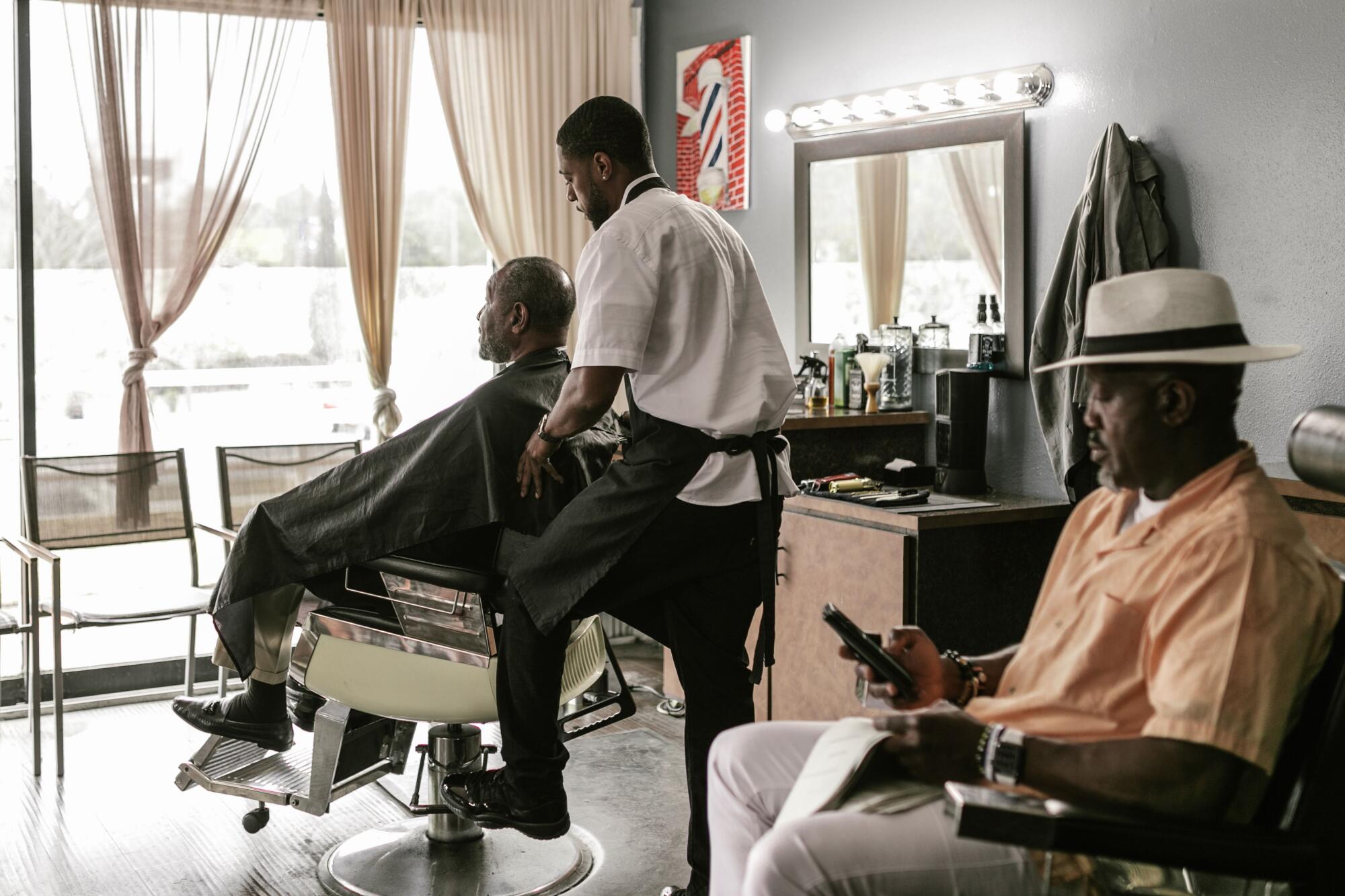
Black barbershops offer space for political debate, neighborhood news, and civic ties. The black barbershop also preserves local stories often missing from official records.
A haircut might bring you through the door. A conversation about a school closing, a city election, or a struggling business might keep you there. Inside a neighborhood shop, people can challenge opinions without needing a microphone.
A familiar storefront can hold decades of public life. Studying its past reveals people who earned a living, debated decisions, and helped neighbors interpret events.
Why Have Black Barbershops Been Important to Their Communities?
An African American barbershop has often combined a practical service with a gathering place. Under segregation, Black residents faced barriers in many public settings. Community-owned shops could offer more room for conversation and connection.
The National Museum of African American History and Culture describes barber and beauty shopsas places where customers discuss matters affecting their lives. Regular visits built relationships across generations.
Barbers often knew which families needed help or which businesses had opened. Waiting customers heard different viewpoints.
The importance of the shop came from trust built over many ordinary visits. A young customer might meet an older neighbor who understood the area’s past. Such relationships gave local conversations staying power and helped turn a routine appointment into a shared community experience.
How Did Black Barbershops Become Places for Political Discussion?
Politics often started with questions about rent, schools, jobs, or fair treatment. Customers connected those problems to elected leaders.
A University of Chicago report examined conversations inside a South Side Chicago shop. Researchers found that patrons debated:
- Political power
- Economic choices
- Leadership
They also disagreed with one another. A black barbershop did not require agreement. Customers could test ideas against those of neighbors.
Some shops supported voter registration and civic groups through personal relationships. Notices on counters or conversations with regulars could bring public issues into daily life. Yet lively debate was not the same as organized activism, and each shop had its own culture.
Black Barbers Built Businesses That Reached Beyond Haircuts
Enslaved and free Black men worked as barbers when many trades were restricted. Ownership later gave some black barbers a path toward greater financial independence, even under unfair laws.
Alonzo Herndon offers one example. According to the Georgia Historical Society, he operated Atlanta barbershops, including the Crystal Palace, and later built a major insurance business. His shops served white customers, reflecting segregation and unequal access.
Herndon’s success was unusual. Black business owners could still turn skilled work into jobs and property. Not all black companies grew large. Neighborhood shops kept commerce local.
Owners also faced rent, competition, and the challenge of building a steady customer base. Their business records can reveal how Black enterprise survived major shifts in the local economy.
Photographs and Newspapers Reveal Neighborhood History
Shop photos show storefront signs, neighboring businesses, clothing, and names painted on windows. Those clues help date images.
City directories can connect a shop name to an address, while maps show whether its block later changed. Each clue adds a piece to neighborhood history without requiring a famous owner or landmark.
Next, try the Library of Congress’s Chronicling America resources. Historic newspapers hold:
- Ads
- Openings
- Local events
- Owners’ names
Older records may use dated language. A useful starting checklist includes:
- Shop names and former street addresses
- Advertisements and business listings
- Photographs with dates or handwritten notes
- Local reporting about civic meetings
Compare records. An ad can confirm a shop’s address, not what customers discussed. Good neighborhood history separates documented facts from personal memories.
Customers’ Memories Fill Gaps in the Public Record
Customers may remember an owner’s nickname. Former barbers can explain busy hours or changes after a nearby factory closed.
Ask about routines and memorable events. Distinguish firsthand knowledge from secondhand stories.
When possible, interview more than one person. Different memories may show how workers and customers experienced the same event.
A recording can be useful, but permission comes first. Explain whether an interview will be shared publicly, kept privately, or donated to a library. Take note of:
- The date
- Place
- Speaker’s preferred name
Differences between memories are clues worth checking, not reasons to dismiss an account.
Modern Grooming Changes, but the Community Role Remains
Today’s African American barbershop operates amid appointment apps and new grooming services.
Some men also explore treatments beyond conventional haircuts. Many who are comparing long-term hair reduction with other grooming choices can learn more here.
A shop’s social value goes beyond its services. Many black barbers still:
- Listen to customers
- Pass along local information
- Create space for people of different generations to meet
The work of black business owners remains part of the wider story of black companies and community investment.
Frequently Asked Questions
How Can You Tell Whether an Old Barbershop Moved?
Start with city directories from several years. Match the owner’s name, phone number, and shop name at each address.
Property records or historical maps may show whether a street was renamed or a building was replaced. Moves may reflect development or shifting customers. Record each address and source.
Can You Share a Historic Barbershop Photo Online?
Owning a print does not guarantee copyright. Identify the:
- Photographer
- Date
- Source collection
A library may allow research access while limiting reuse. Copyright rules can vary by image and age, so avoid assuming that an old photo is free to publish.
Ask about permission when rights remain unclear. Credit the photographer and people pictured when their names are known. Respect requests from families who prefer sensitive images to remain private.
How Can You Preserve a Shop’s History After It Closes?
Collect photos, business cards, notices, and interviews. Label digital files and protect originals.
A local library, historical society, or community archive may help preserve the collection. Include the stories of workers and customers, not only the owner.
Public access can keep a vanished storefront connected to the people who remember it. A short exhibit or digital collection can help younger residents discover that history.
Keep the Black Barbershop Story Alive
A black barbershop can hold pieces of a town’s political, economic, and cultural history. Preserving those pieces starts with listening carefully and checking the record.
Continue exploring our other guides and articles for more stories about Black history, local businesses, and the communities they serve.
Content provided through ContentManagerIO.


Remembering Moses Newson and the Power of the Black Press During the Civil Rights Movement

An HBCU Is Training Doulas to Help Combat Childbirth Risks

The Afrikan Restoration Project Marks 60 Years of Kwanzaa With New Book and Expanded Focus

How EDUCATION Evolved Her Business Since 2020 #shorts

Jamal’s Take: Cowboys Send a Message With Dominating Win Over Tennessee Titans

Twin Cities Radio: Why I Finally Joined The Current #shorts

I Made Six Figures—But Lost Money Building My Business #shorts

How Hip-Hop’s Evolution Made Us Fall in Love Again #shorts

Conscious Hip Hop: Why Great MCs Still Go Unheard #shorts

Check These Driving Impressions Before Buying #shorts

HISTORY MADE: Keisha Lance Bottoms Becomes First Black Woman Elected Governor in American History

Retirement Triggers Doctor to Pen Book for Young Audience

Multi-Faith Leaders Representing 10 Million People Launch National Anti-Authoritarian Initiative

Capturing Black Life’s Beauty

Christianity’s Racial History

Hundreds of Black Christian Leaders Arriving in Israel for Martin Luther King-Inspired Mission

Message from the Associate Editor: Blindness, Hurts, Cops

Michael Shiner: The Enslaved Man Who Wrote His Way into American History

Keisha Lance Bottoms to Govern State Where Her Great-Great-Grandfather Was Enslaved

Don’t Pass the Torch. Expand the Circle.
How EDUCATION Evolved Her Business Since 2020 #shorts
Jamal’s Take: Cowboys Send a Message With Dominating Win Over Tennessee Titans
Twin Cities Radio: Why I Finally Joined The Current #shorts
I Made Six Figures—But Lost Money Building My Business #shorts
How Hip-Hop’s Evolution Made Us Fall in Love Again #shorts
Conscious Hip Hop: Why Great MCs Still Go Unheard #shorts
Check These Driving Impressions Before Buying #shorts

Car Buying Tips: 4 Steps to Avoid Costly Dealer Friction #shorts

Super Cruise or Rear Screens? Choose What Matters #shorts

This BOUNDARIES Bag Is Connecting Women Beyond the Purchase #shorts
-

 Black Press1 week ago
COMMENTARY: Thank You, Trump, for Making America Great Again!
-

 Black Press1 week ago
Black Men Encouraged to Start Prostate Cancer Screening at 45
-
 Black History1 week ago
Mississippi Congressman Bennie Thompson Congratulates Scott Colom on Historic Victory
-

 Black History5 days ago
Black Barbershops Have Long Given Neighborhood Politics a Place to Unfold.
-
 Black Press1 week ago
Computational Thinking and Young Children: It’s Not What You Might Think!
-
 Black Press1 week ago
Oakland City Council Extends AI Data Center Moratorium for 10 Months.
