
Religion
‘Sudden Shift’

“When things go wrong as they sometimes will; When the road you’re trudging seems all uphill;
When the funds are low, and the debts are high And you want to smile, but have to sigh;
When care is pressing you down a bit- Rest if you must, but do not quit.
Success is failure turned inside out; The silver tint of the clouds of doubt;
And you can never tell how close you are It may be near when it seems so far;
So stick to the fight when you’re hardest hit- It’s when things go wrong that you must not quit.”
– “Don’t Quit,” Author Unknown
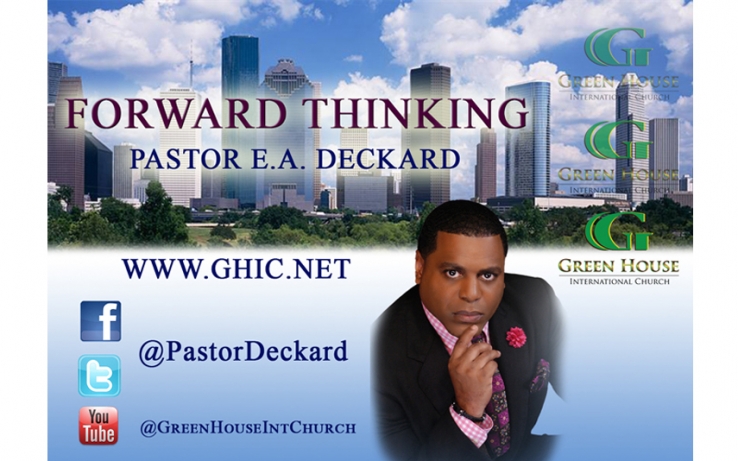
Forward Thinkers, today I will encourage you with the conclusion of my latest sermon series at the Green House International Church entitled “Sudden Shift”. Forward Thinkers, I closed out the Sudden Shift series with three sudden shift stories. Two of the stories came from the bible and one of the stories came from the pages of American history.
Forward Thinkers you’ve often heard me declare, “it’s not where you start but it’s where you finish” that matters the most. Forward Thinkers, one of my favorite poets Maya Angelou stated it best, “I wouldn’t take nothing for my journey now”.
Forward Thinkers, at the age of eight years old, Maya Angelou was raped by her mother’s boyfriend and somehow he spent only one day in jail. Forward Thinkers, four days after his release he was killed, supposedly he was killed by Maya Angelou uncles. Over the next five years she lost her ability to speak, thinking her voice had caused a man to be murdered.
Forward Thinkers, I believe this demonstrates the power of a thought. The bible says so as a man thinks so is he. Forward Thinkers, we must be very careful what we allow ourselves to think because our thoughts will ultimately frame our world.
Forward Thinkers, during the time of Maya Angelou’s silence she fell in love with literature and daily read Charles Dickens, William Shakespeare, and Edgar Allan Poe. Forward Thinkers, this reminds me of a previous article in Forward Thinking entitled “From Pain To Purpose”. Maya Angelou is another example of how God can use our pain to reveal to us our purpose. Mark Twain said it best when he declared, “the two most important dates of a person’s life are the day he was born and the day he discovered why he was born”.
1 Samuel 25:3 The man’s name was Nabal and his wife’s name was Abigail. The woman was intelligent and beautiful, while the man was harsh and wicked in his dealings.
Forward Thinkers, Abigail is described as being intelligent, beautiful, and a woman of good understanding but her husband Nabal was described as being mean, harsh, foolish, and evil.
Forward Thinkers, Abigail is connected to a dysfunctional situation. I wonder how many reading this article today can relate to Abigail being connected to a dysfunctional situation? Many are connected to dysfunctional situations in their families, careers, relationships, and some are even connected to dysfunctional situations at their place of worship.
Forward Thinkers, Abigail also means ‘joy to her father’ but how ironic is it that her father would release her to a man who would abuse the joy out of her. Forward Thinkers, let’s also take note that Nabal was a wealthy man proving dysfunction is not just for poor people to experience.
2 Samuel 4:4 (Jonathan son of Saul had a son who was lame in both feet. He was five years old when the news about Saul and Jonathan came from Jezreel. His nurse picked him up and fled, but as she hurried to leave, he fell and became disabled. His name was Mephibosheth.)
Forward Thinkers, Mephibosheth is in a negative situation and a negative location Lo Debar. Sometimes life will deal us a negative hand but, we must maintain the faith to play it all the way through. Forward Thinkers, we must continue to trust God even under unfair situations and circumstances. Mephibosheth had done nothing wrong to cause himself to become crippled but as mature believers we understand sometimes bad things happen to good people.
Forward Thinkers, I noticed something similar in the beginning of all three situations. The person responsible for committing irresponsible acts. Forward Thinkers, even when we are hurt by others we must resist the urge to become victims and continue to walk in the spirit of victory.
Forward Thinkers, Abigail’s husband, Nabal, made unwise decisions putting her family at risk. We must be careful who we are connected to because an irresponsible act of someone else can cause us to experience a series of negative consequences.
Forward Thinkers, Mephibosheth was dropped by his nurse at an early age crippling him in both feet. Forward Thinkers, there was nothing Mephibosheth could have done to prevent this hardship from occurring in his life but he had a choice of remaining positive or being overcome with a victim mentality.
Forward Thinkers, like Maya Angelou, they are put in harm’s way by the person responsible for protecting and providing for them. Forward Thinkers, we must realize that even when we are disappointed by others that God is still in control.
Forward Thinkers, at this point of their lives things look HOPELESS for Maya Angelou, Abigail, and Mephibosheth but today we can thank God for a “sudden shift” that took place in their situations; because He is the same God we serve. Forward Thinkers, therefore; no matter what things look like today I still believe in a sudden shift kind of God.
Henry Ward Beecher, a white preacher during the Civil War period who would buy slaves for the purpose of setting them free said, “We should not judge people by their peak of excellence; but by the distance they have traveled from the point where they started.”
Forward Thinkers, we must not make the mistake of pre-judging people because we never know how far they had to travel just to get to this point of life. Many have had to overcome the problems and pain of their past but today we can praise God that they never quit or gave up in the face of pain.
Let’s Trace Their Sudden Shift Journey
Forward Thinkers, we can trace Abigail in – 1 Samuel 25:32-35. 32 David said to Abigail, “Praise be to the Lord, the God of Israel, who has sent you today to meet me. 33 May you be blessed for your good judgment and for keeping me from bloodshed this day and from avenging myself with my own hands. 34 Otherwise, as surely as the Lord, the God of Israel, lives, who has kept me from harming you, if you had not come quickly to meet me, not one male belonging to Nabal would have been left alive by daybreak.”35 Then David accepted from her hand what she had brought him and said, “Go home in peace. I have heard your words and granted your request.”
Forward Thinkers all of Abigail’s family was about to be killed by King David because of a foolish decision made by Nabal but God saves them. Forward Thinkers Abigail arrives home to find a drunken husband and Nabal will get so drunk his heart fails. Ten days after heart failure he dies and King David marries Abigail moving her from the house of a fool to the King’s house.
Forward Thinkers, “sudden shift” happens here and somebody is going from a foolish dysfunctional place to a royal place.
Forward Thinkers we can trace Mephibosheth in – 2 Samuel 9:1-13 David asked, “Is there anyone still left of the house of Saul to whom I can show kindness for Jonathan’s sake?”
2 Now there was a servant of Saul’s household named Ziba. They summoned him to appear before David, and the king said to him, “Are you Ziba?” “At your service,” he replied.
3 The king asked, “Is there no one still alive from the house of Saul to whom I can show God’s kindness?” Ziba answered the king, “There is still a son of Jonathan; he is lame in both feet.”
4 “Where is he?” the king asked. Ziba answered, “He is at the house of Makir son of Ammiel in Lo Debar.” 5 So King David had him brought from Lo Debar, from the house of Makir son of Ammiel. 6 When Mephibosheth son of Jonathan, the son of Saul, came to David, he bowed down to pay him honor. David said, “Mephibosheth!” “At your service,” he replied. 7“Don’t be afraid,” David said to him, “for I will surely show you kindness for the sake of your father Jonathan. I will restore to you all the land that belonged to your grandfather Saul, and you will always eat at my table.” 8 Mephibosheth bowed down and said, “What is your servant, that you should notice a dead dog like me?” 9 Then the king summoned Ziba, Saul’s steward, and said to him, “I have given your master’s grandson everything that belonged to Saul and his family. 10 You and your sons and your servants are to farm the land for him and bring in the crops, so that your master’s grandson may be provided for. And Mephibosheth, grandson of your master, will always eat at my table.” (Now Ziba had fifteen sons and twenty servants.) 11 Then Ziba said to the king, “Your servant will do whatever my lord the king commands his servant to do.” So Mephibosheth ate at David’s[a] table like one of the king’s sons. 12 Mephibosheth had a young son named Mika, and all the members of Ziba’s household were servants of Mephibosheth. 13 And Mephibosheth lived in Jerusalem, because he always ate at the king’s table; he was lame in both feet.
Forward Thinkers King David restores Mephibosheth and moves him into the Kings house and for the rest of his life he will eat at the King’s table.
Forward Thinkers Mephibosheth went from Lo Debar, a low place of poverty, to the King’s place of prosperity.
Forward Thinkers sudden shift happens here and someone is going to go from the bottom to the top in this place.
Forward Thinkers in 1993 Maya Angelou stood tall at the White House reading her poem ‘On the Pulse of Morning’ for President Bill Clinton.
My final thought “I would not change anything I’ve been through because everything that occurred in my life good and bad got me to this place in life and the same Sudden Shift God I serve is waiting for you today.” Pastor E.A. Deckard
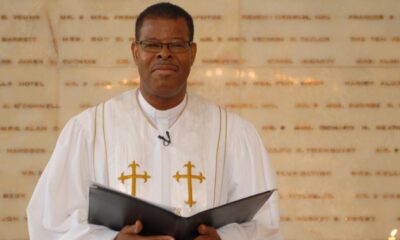
Pastor E. A. Deckard is the Senior Pastor/Founder of the Green House International Church located, 16711 Ella Blvd. Houston, Texas, 77090. To contact Pastor Deckard for speaking engagements contact him at [email protected] or the church website www.ghic.net









Art
BOO REVIEW: Upcoming Book Revisits Dr. King’s 1957 Visit to St. Paul
MINNESOTA SPOKESMAN-RECORDER — A new book by researcher Jeff Olson titled “Gathering at the Rivers: Martin Luther King Jr. and Civil Rights in Minnesota” will chronicle the historic first visit of Dr. King to the state.
New Book Will Tell the Story of Dr. King’s First Visit to Minnesota and St. Paul’s Civil Rights Pioneers
“Gathering at the Rivers: Martin Luther King Jr. and Civil Rights in Minnesota,” by researcher Jeff Olson, will chronicle King’s Jan. 21, 1957, sermon at Gloria Dei Lutheran Church in St. Paul, his first Minnesota visit, just after the Montgomery Bus Boycott. The Rev. Dr. Floyd Massey Jr. of Pilgrim Baptist Church helped bring King to the state and hosted a reception at his Rondo home. The book’s “Twenty Treasures” chapter profiles figures including Roy Wilkins, Dred Scott, Cap Wigington, Nellie Francis, Nellie Stone Johnson and MSR founder Cecil Newman. Afton Press plans a late 2027 or early 2028 release and is seeking donor support for the $100,000 project.
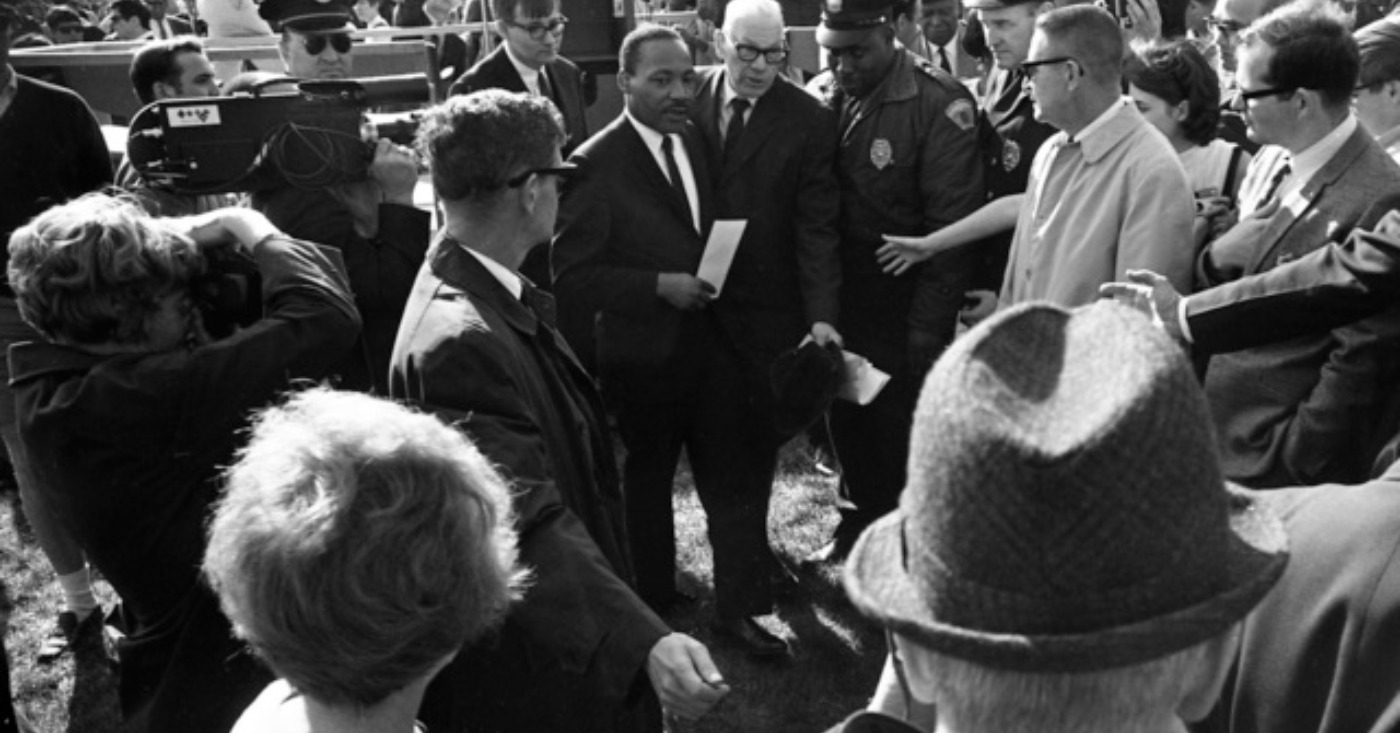
On Jan. 21, 1957, the Rev. Dr. Martin Luther King Jr. stepped into the pulpit at Gloria Dei Lutheran Church in St. Paul on his first visit to Minnesota. Nearly 70 years later, a book from Minnesota publisher Afton Press aims to tell the story of that night and of the people and places that shaped it.
“Gathering at the Rivers: Martin Luther King Jr. and Civil Rights in Minnesota,” by researcher and author Jeff Olson, is in the early stages of publishing, with a release planned for late 2027 or early 2028. Former St. Paul Mayor Melvin Carter III, the city’s first Black mayor, is writing the foreword.
The book frames the visit as a turning point. King, who had turned 28 just days earlier, was fresh off the Montgomery Bus Boycott and stepping into a national leadership role. In St. Paul, Olson writes, King found himself in the hometown roots of two of his biggest supporters: NAACP leader Roy Wilkins, who grew up in St. Paul’s Frogtown neighborhood, and Ralph Helstein, president of the United Packinghouse Workers of America. Both organizations gave major support to the boycott.

The visit itself came together through local clergy. According to the book, the Rev. Dr. Floyd Massey Jr., pastor of Pilgrim Baptist Church and program chair of the Minnesota Pastors Conference, played a central role in bringing King to the state. After King’s evening sermon at Gloria Dei, Massey and his wife, Ethel, hosted a reception for him at their home in the Rondo neighborhood.
At the heart of the book is a chapter Olson calls the “Twenty Treasures of Civil Rights in Saint Paul,” profiles of the people, places and institutions that made the city fertile ground for King’s message. The list stretches from Dred Scott, who married Harriet Robinson at Fort Snelling in 1837 and later took his fight for freedom to the U.S. Supreme Court, to Pilgrim Baptist Church, founded in 1863 as Minnesota’s first Black church.
It includes architect Clarence “Cap” Wigington, who Olson notes was the nation’s first Black municipal architect; Nellie Francis, who led the campaign for Minnesota’s 1921 anti-lynching law; attorney Frederick McGhee; labor and civil rights leader Nellie Stone Johnson; and Carl Rowan, whose civil rights reporting for the Minneapolis Tribune won national journalism honors in the 1950s. It also includes Cecil Newman, who founded the Minneapolis Spokesman and St. Paul Recorder in 1934 and led the papers until 1976.
Olson argues that these civil rights firsts are striking given Minnesota’s small Black population at the time, compared with states and cities whose Black communities were many times larger.
Olson said he became fascinated by the research because he kept uncovering stories that had gone untold.
Ian Graham Leask, Afton Press’ publisher, told the MSR the book matters at a time when literacy rates are declining. A book that shows readers from marginalized communities the history of the very streets they walk today could give schools and institutions a way to spark engagement, he said, especially because the story has never been told this way before.
Bringing the book to print is expected to cost about $100,000, Leask said, and Afton Press is open to support from donors.
Afton Press has a long record of publishing Minnesota stories about people, places and events, including “Overcoming: The Autobiography of W. Harry Davis” (2002), the memoir of the prominent Black civic leader from Minneapolis.
Olson is the author of several books on hockey history and of “Kindred Spirits,” about the conservation work of Theodore Roosevelt and John Muir.
For more information or to support the book, visit https://aftonpress.com/. You can also contact Afton directly at [email protected] or 651-436-8443.
Jasmine McBride welcomes reader responses at[email protected].
Jasmine McBride is an Editor at the Minnesota Spokesman-Recorder More by Jasmine McBride
Based on reporting by Minnesota Spokesman-Recorder.
Black History
COMMENTARY: We’ve Got Some Difficult Days Ahead
GARY CRUSADER — The present administration and those driving a malicious agenda of anti-human policies driven by greed will likely ratchet up the rhetoric of ruin against safety-net programs. These are the very programs that support the people who actually do the living and dying in this country.
On April 3, 1968, at Mason Temple in Memphis, Dr. Martin Luther King Jr. delivered his famous “I’ve Been to the Mountaintop” sermon.
As he prepared to close, he told the overflowing crowd: “We’ve got some difficult days ahead.”
Those words ring just as true today as they did nearly six decades ago. We, too, have some difficult days ahead.
By the time this article hits the newsstands (I’m dating myself), the midterm elections will be over. Regardless of the outcome, the fight for justice and humanity will continue with full force.
We’ve got some difficult days ahead.
The present administration and those driving a malicious agenda of anti-human policies driven by greed will likely ratchet up the rhetoric of ruin against safety-net programs. These are the very programs that support the people who actually do the living and dying in this country.
We’ve got some difficult days ahead.
Following the midterms, people who believe in the sacredness of humanity must turn their attention to holding elected officials accountable. Senators and representatives promised to protect the people’s agenda: health care for all, quality education for all, and ensuring billionaires pay their fair share of taxes to fund programs for “the least of these.”
If sober, principled leaders are not elected, and the hounds of hell break through the gates of Congress, then those who believe that every person has inherent dignity, regardless of race, ethnicity, gender, sexuality, age, or economic status, will have to redouble their efforts. We must resist the fanatical intent of those who believe one race is superior to others.
We’ve got some difficult days ahead.
Churches must stand in the tradition of the prophet Amos. They must declare to wannabe kings and sycophants who trade human principles for profit that God says: “Let justice roll down like waters, and righteousness like an ever-flowing stream.”
Black churches in particular must make a Sankofa move, reaching back to reclaim the lessons of ancestors who waged heroic battles against white supremacy and settler colonialism, forcing this country to make drastic changes for the better.
We’ve got some difficult days ahead.
Black churches and people of goodwill must reclaim the narrative. We must prevent the masses, often captivated by social media talking heads who lack the bandwidth for deep theology, ideology, or political literacy, from falling under the influence of rampant ignorance online.
We’ve got some difficult days ahead.
Those who have always wondered what they would have done during the Civil Rights Movement will soon confront a hard truth: what they are doing right now is exactly what they would have done back then. For many, that means doing nothing but talking. Others will realize they are the kind of people Harriet Tubman would have left behind, because they did nothing but get in the way.
We must answer the question Dr. King posed in the title of his final book: Where Do We Go from Here: Chaos or Community?
We’ve got some difficult days ahead.
That sentiment reflects the words Jesus left with His disciples, hours before He was executed by the Roman Empire on a cross. In John 16:33, Jesus told them: “I have told you these things, so that in me you may have peace. In this world you will have trouble. But take heart! I have overcome the world.”
Yes, we have difficult days ahead, but we have truth on our side. We have justice on our side. We have our ancestors on our side. We have history on our side.
And for those of us who follow that barefoot preacher from the northeast African region of biblical Palestine, Jesus of Nazareth, we know that victory ultimately triumphs over defeat, because resurrection is a living reality.
Be vigilant, be authentic, and stay woke. Uhuru Sasa!
The Rev. Dr. John E. Jackson, Sr. Senior Pastor of Trinity United Church of Christ-Gary, 1276 W. 20th Ave. Gary, IN. Contact the church at [email protected] or by phone at 219-944-0500.
Based on reporting by Gary Crusader.
Black History
THE RELIGION CORNER: We Stand on Their Shoulders — the Sacred Duty of the Ballot Box
WASHINGTON INFORMER — As millions of citizens reflect on the results of the recent election, the weight of history and the tension of a divided nation remain prevalent. For Black Americans and marginalized communities, the act of voting is far more than a political calculation; it is a sacred inheritance paid for through the blood and sacrifice of ancestors who refused to accept second-class citizenship.
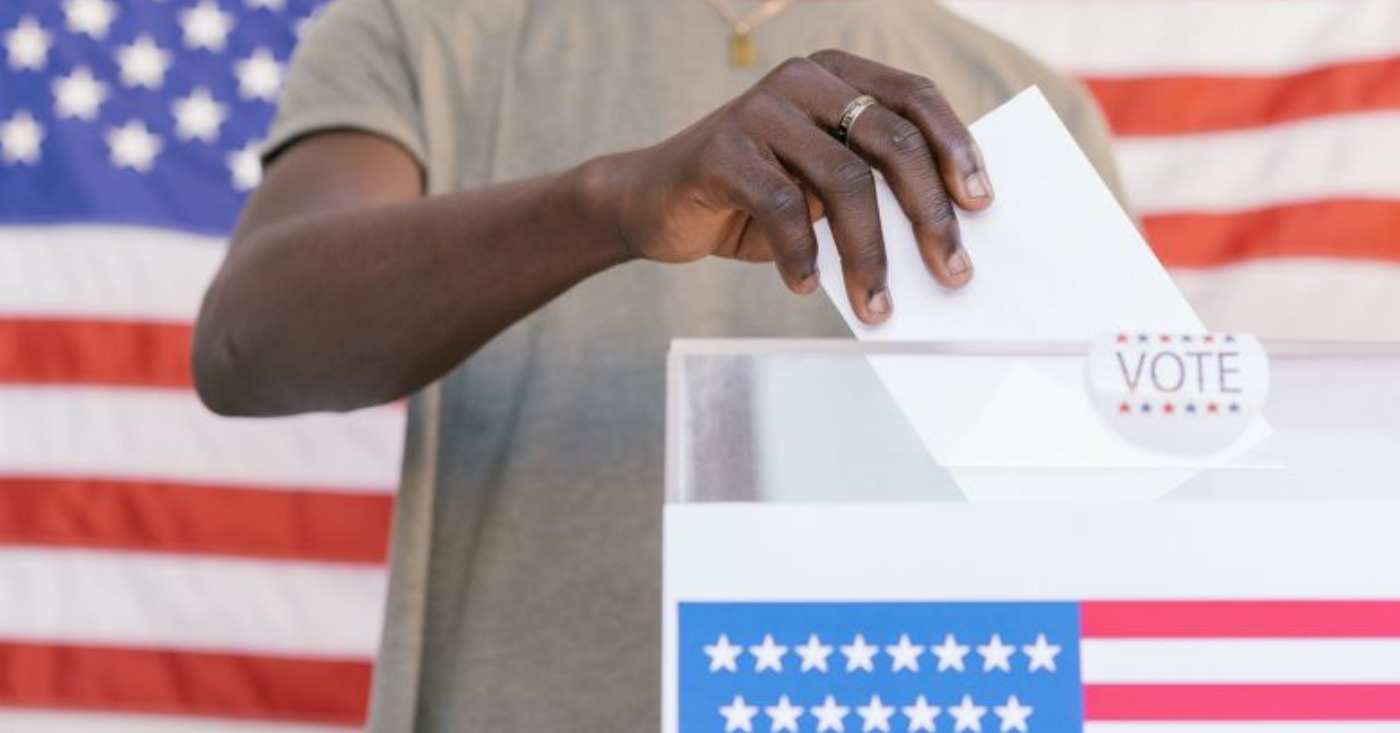
As this edition of The Washington Informer hits the stands, millions of citizens have cast their ballots, made their voices heard, and begun reflecting on the election’s outcome. The atmosphere this election season has been heavy. We feel the weight of history, the tension of a divided nation, and anxiety about tomorrow. In this issue, I remind Gen Z voters of the past struggles that secured this right.
I voted early, which reminded me that votingisn’t a mere political calculation. For people of faith, it is a profound act of stewardship, a tool for community survival and an expression of our deepest moral values.
For Black Americans, low-income families and marginalized communities, the ballot is a sacred inheritance. The right to vote was not a gift; it was paid for in blood, sacrifice, and the determination of people whorefused toaccept second-class citizenship. We must never forget that for decades, our ancestors faced systemic terror just to register. They were met with violent police dogs, high-pressure fire hoses, mandatory literacy tests designed to make them fail, and the constant threat of white supremacist violence.
Historians estimate that dozens of documented freedom fighters were murdered during the voting rights campaigns of the 1950s and 1960s, with countless other deaths unrecorded or unpunished. Millions more endured brutal beatings and dehumanizing jail cells. The protections we rely on today were forged in the heat of protest, through the 1961 Freedom Rides, the dangerous 1964 Freedom Summer registration drives, and the brutal crossing of the Edmund Pettus Bridge during the Selma-to-Montgomery march on “Bloody Sunday” in 1965.
Today, we stand on the broad shoulders of giants who put their lives on the line so we could walk into a voting booth with our heads held high.
We remember Fannie Lou Hamer, asharecropper’s daughter who was brutally beaten in a Mississippi jail for her voting rights activism and famously declared that she was “sick and tired of being sick and tired.”
We remember John Lewis, who, as a student leader, had his skull fractured by police batons in Selma and spent his life protecting what he called the most powerful nonviolent tool we have.”
We honor Jimmie Lee Jackson, a 26-year-old church deacon and veteran who was shotand killedby an Alabama state trooper while protecting his family during a peaceful march.
We honor Medgar Evers, the NAACP field secretary who was assassinated in his driveway for his civil rights and voter registration work.
Lastly, we honor Viola Liuzzo, a mother of five who traveled from Detroit to Alabama to shuttle Selma marchers before she was targeted and killed by Ku Klux Klan members.
When we view the ballot box through the lens of history and faith, the narrative shifts from partisan warfare to spiritual responsibility. Voting becomes a tangible way to love our neighbors as ourselves.
The policies shaped by our votes directly affect the vulnerable, the poor, and the stranger. InMicah6:8, we are asked: “What does the Lord require of you but to do justice, and to love kindness, and to walk humbly with your God?”Notice the action words. We are commanded to do justice. Castinga ballot with the collectivecommunity in mind helps fulfill that requirement. Similarly, Proverbs 29:2teaches, “When the righteous are in authority, the people rejoice.”Righteousness in public policy is about fairness, equity, and protecting human dignity.
No matter what the election results show, our assignment remains unchanged. If your candidate won, your job now is to hold them accountable to justice and mercy. If your candidate lost, your job is to remain resilient, keeping your hands on the plow to protect the vulnerable and speak truth to power. Our ultimate hope does not rest in any political party or elected official.
If you have already voted, I commend you for honoring the ancestors. If you did not cast your ballot,I urge you to reflect on this election not with fear or cynicism, but as a reminder of our ongoing sacred responsibility.
For information on local election results and future voting opportunities, consult your official local election authorities. Continue to engage in the democratic process with a heart centered on love for your community, carry the names of those who died for your right to be there, and let us resolve to bind up our nation’s wounds together.
Please do not think this inhumane treatment is over. Though this column reminds readers of the past, everything is not perfect yet.
According to civil rights groups and a report by the organization JULIAN, which documentedmore than70 cases of suspected modern-daylynchings across seven Southern states between2000 and 2025, systemic violence persists. Furthermore, independent tracking by groups such as Black Lives Matter of Atlanta reportedly recorded a recent uptick between March 2025and August 2026, finding at least22 Blackindividuals dead under suspicious or unusual hanging circumstances across the country.
Each vote helps bring about the necessary change, and that change begins at the ballot box. Make that change!
Lyndia Grant is a speaker/writer living in the D.C. area. Her radio show, “Think on These Things,” airs Fridays at 6 p.m. on 1340 AM (WYCB), a Radio One station. To reach Grant, go to her website, www.lyndiagrant.com, email [email protected] or call 240-602-6295. Follow her on X @LyndiaGrant and on Facebook.
Based on reporting by Washington Informer.
Black History
New Computer Lab Adds to MLK Catholic Student Center’s Sense of Home
SOUTHERN UNIVERSITY – SOUTHERNDIGEST — The Martin Luther King Jr. Catholic Student Center at Southern University has opened a new computer lab to provide students with essential academic resources and a sense of community. The project, which began in August 2023 and opened in October, was funded by an anonymous private benefactor.
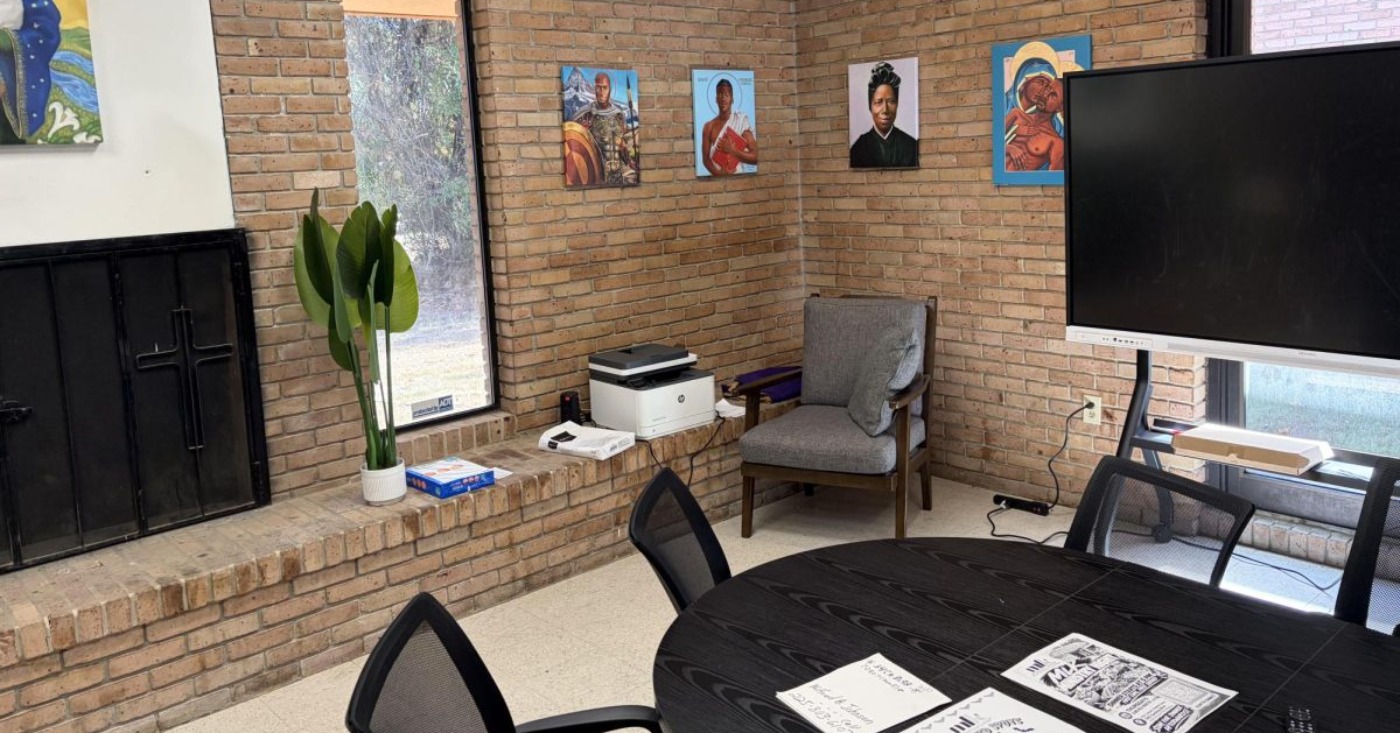
Madison Holmes wanted to leave Southern University. Now, she calls the Martin Luther King Jr. Catholic Student Center home.
The center’s new computer lab has become one of the places where Holmes feels calm, supported and connected to campus life. Holmes said she struggled with being away from her support system in Pass Christian, Mississippi, while also managing difficult classes. At the time, transferring closer to home seemed like a better option.
She recalled going to the library one day to print a lab report and finding a long line at the printer. “I was like, ‘Oh, wait. I know where I can go,’” Holmes said. “So, I came here and printed out my lab report, and then I took it to class.” Her experience is one example of how the center provides students with a place to turn when they need support.
The computer lab opened in October after the project began in August 2026. An anonymous private benefactor provided funding that helped pay for the lab and other improvements throughout the building.
The Rev. Thomas F. Clark, chaplain of the Martin Luther King Jr. Catholic Student Center, said the center aims to support students as they adjust to college life away from home. “You realize that when you’re away from home for the first time, you’re trying to make your way,” Clark said.
According to Clark, students often expressed the need for additional study space. Others shared concerns about unreliable laptops or computer crashes, concerns that ultimately helped shape the decision to add a computer lab.
The lab is one of several resources available to students. The center also provides Wi-Fi, study space and approximately 50 meals every Thursday at 5 p.m. Located across from Bethune Hall, the Martin Luther King Jr. Catholic Student Center has served Southern University students for decades.
According to the Roman Catholic Diocese of Baton Rouge, Father Rawlin B. Enette advocated for a stronger Catholic presence at Southern in the late 1960s. Construction on the center began in 1969 after land was donated by a university official.
Originally known as the Newman Center, the building was later renamed the Martin Luther King Jr. Catholic Student Center. Southern University art professor Frank Hayden also created religious artwork for the facility.
While the center provides practical resources, it also offers students a place to slow down, reflect and feel supported. For Holmes, Clark is part of that support system. “I do think that Father Clark is a safe space and a person I could go to,” Holmes said.
That sense of availability is intentional. Clark said students sometimes stop by with personal concerns or during times of stress. They talk and, in some cases, pray together as he helps students navigate the semester.
“We just feel that we can add to that support by being available and providing a warm and friendly place,” Clark said. As students navigate the challenges of college life, the Martin Luther King Jr. Catholic Student Center continues to offer a place of support, community and encouragement. For Holmes, it has become a home away from home.
Gallery • 3 Photos Brianna Meeks Interior shots of the newly create computer lab.
Based on reporting by Southern University – SouthernDIGEST.
Black History
Hundreds of Black Christian Leaders Arriving in Israel for Martin Luther King-Inspired Mission
Hundreds of African American and African Christian leaders are visiting Israel for the ‘Unfinished Business Pilgrimage,’ inspired by Dr. Martin Luther King’s plans for a pilgrimage in 1967 that was canceled due to the Six Day War. The event aims to promote pro-Israel sentiments amidst rising antisemitism and will expand to thousands of participants in 2027. Pastor Dumisani Washington emphasizes the importance of Black Americans recognizing their role in supporting Israel. Pilgrimage leaders are also delivering gifts to victims of recent violence, reiterating the historical bond between Jewish and Black communities in advocating for justice. Pastor Michael A. Stevens highlights the need for education against antisemitism while suggesting that Israel should be more attuned to issues affecting Black lives.
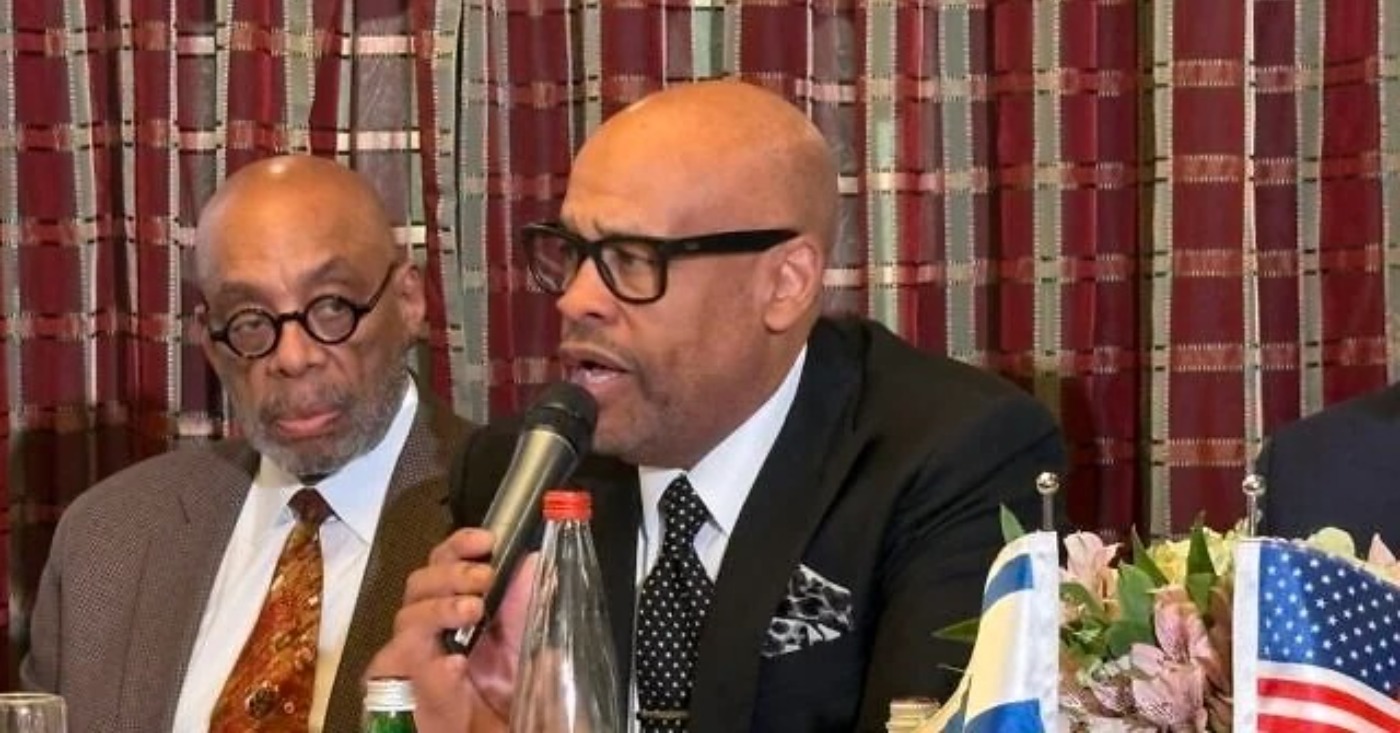
As support for Israel declines precipitously in the US, hundreds of African-American and African pastors and Christian leaders are arriving in Israel this week for a mission inspired by the slain US civil rights leader Rev. Dr. Martin Luther King.
King planned to bring thousands of pilgrims to Israel and Jordan in 1967, but that trip was postponed because of the Six Day War and the political implications of such a trip. He said he would look into coming the next year, but was assassinated in April 1968.
“There were no mass pilgrimages” back then, says Pastor Dumisani Washington, a pro-Israel activist, at a press conference in Jerusalem. “We as Black Americans recognize that Black Americans were about to start something that no one else was doing.”
The “Unfinished Business Pilgrimage” will expand to thousands of participants next year, say organizers, to mark 60 years since King’s planned visit.
“We felt a burden in our heart,” Washington continues. “We see the rising antisemitism on the right and on the left.”
There is a “mountain of support rising from the Black church,” says Pastor Michael A. Stevens, Sr.
The leaders of the pilgrimage present gifts to victims of the Hamas-led October 7, 2023, massacre, including freed hostage Elkana Bohbot; Hila Abir, whose brother Lotan was murdered at the Nova music festival; and Daniel Lischinsky, whose son Yaron was murdered alongside his fiancée Sarah Milgrim at an Israeli embassy event in Washington, DC.
Ther rest of the participants arrive tomorrow, and will visit biblical sites across the country, as well as the site of the Nova massacre.
Steven says that Jewish and Black Americans had a tradition of coming together to “establish what was right, and to set the tone for the nation and for the world.”
“If anyone should stand with our Jewish brothers and sisters, it ought to be African-Americans, it ought to be Africans,” he continues.
Though rates of antisemitism have risen among people of color, Stevens tells The Times of Israel, “I still think we are the lowest-hanging fruit to educate and to learn.” He says, “The African-American Church is still the most influential institution in all of America, in fact, at least in the Black community.”
Stevens says one of the objectives of the mission is to spread awareness that “we cannot have antisemitism in our culture, period.”
At the same time, he says that Israel could improve its approach to Black America: “I believe Israel could be more attentive to the fact that a lot of the loss of lives that we see looks like us. Whether it’s in Gaza, whether it’s Ethiopians and racism.”
Reverend Dr. Benjamin F. Chavis. Jr. is on this delegation representing the Black Press of America and Spill the Honey as a present-day fulfillment of the dream and prior plan of Reverend Dr. Martin Luther King, Jr in 1967 to lead a 5000 Black Clergy Pilgrimage to Israel.
Black History
Christianity’s Racial History
THE POSITIVE COMMUNITY — Historian and author Jemar Tisby is challenging the traditional narratives of American religious history through his acclaimed work, The Color of Compromise. His research provides a comprehensive examination of how Christian institutions have historically participated in, accommodated, or resisted racial injustice from the colonial era to the present day.
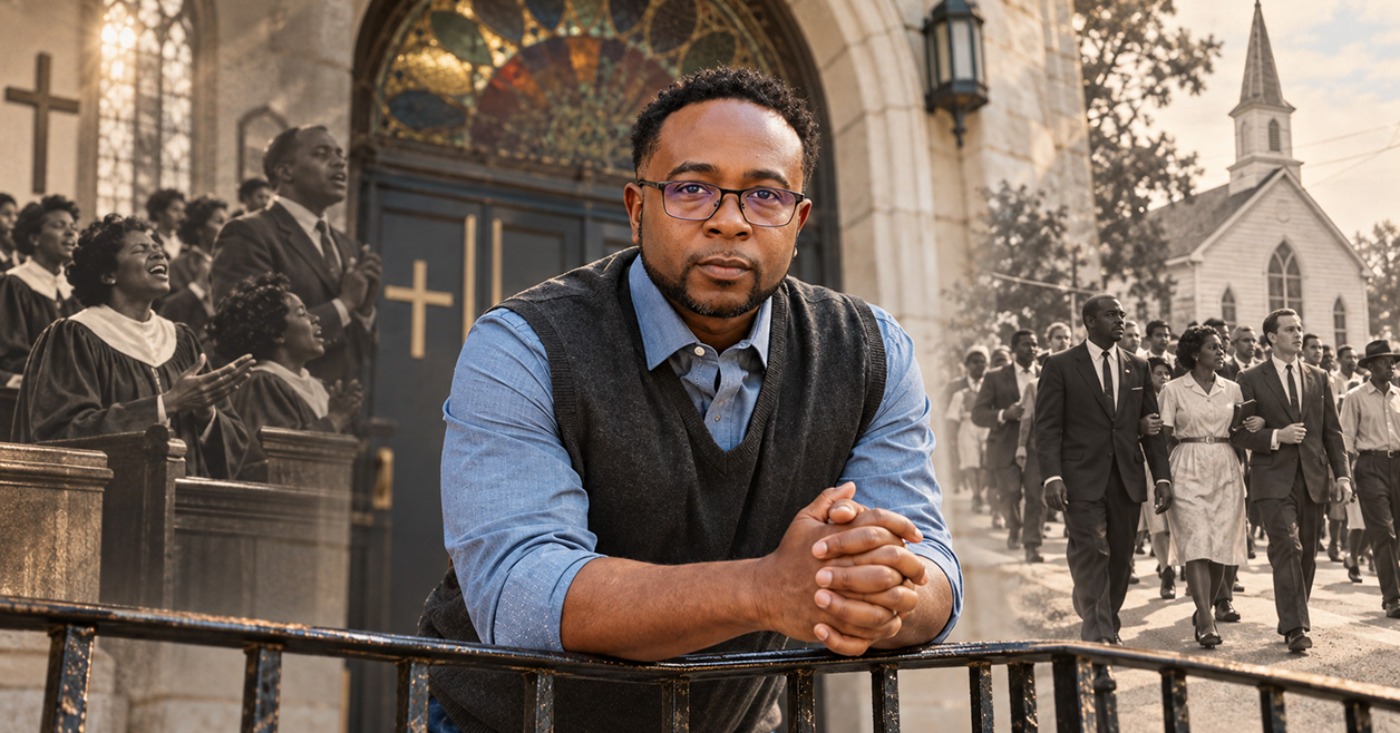
Jemar Tisby is a historian, author, and public speaker whose work examines the relationship between Christianity, racism, and American history. Through his writing, he challenges readers to reconsider the role religious institutions have played in shaping racial attitudes and social structures. His widely recognized book, The Color of Compromise: The Truth About the American Church’s Complicity in Racism, explores how Christian churches have participated in, accommodated, and sometimes resisted racial injustice throughout American history. Tisby’s work encourages readers to examine the past honestly and consider what meaningful change requires today.
One of the central arguments in The Color of Compromise is that racism in America cannot be understood without examining the influence of religious institutions. Christianity has often been associated with messages of love, justice, compassion, and equality. Yet churches and Christian leaders have sometimes supported systems that denied African Americans their freedom and dignity. Tisby examines this contradiction, demonstrating how religious beliefs and institutions could be used to justify racial oppression rather than challenge it.
The book takes readers back to the era of European colonization and slavery, when religious arguments were frequently used to defend the enslavement of Africans. Some Christian leaders claimed that slavery was compatible with biblical teachings, while others used Christianity to encourage resistance to the institution. Enslaved Africans developed their own spiritual traditions, drawing strength from their faith while enduring violence, separation from family, and the denial of basic human rights. Tisby highlights the importance of understanding how Christianity became intertwined with the development of American slavery.
Tisby also explores the role of churches during the Civil War and Reconstruction. Although emancipation ended legal slavery, it did not eliminate racial prejudice or the struggle for equal citizenship. Some religious communities supported efforts to educate formerly enslaved people and establish independent Black institutions. Others tolerated or defended segregation and white supremacy. The period demonstrates how Christian institutions faced a choice between challenging racial injustice and preserving existing social arrangements.
Another important subject in the book is the relationship between Christianity and Jim Crow segregation. During the late nineteenth and early twentieth centuries, racial segregation became deeply embedded in American society. Many churches reflected the same divisions, maintaining separate congregations and unequal opportunities for worship and leadership. Tisby argues that compromise occurred not only when Christians openly defended racism but also when they remained silent or accepted discriminatory practices to avoid conflict. This distinction is essential to understanding the book’s central message.
The civil rights movement provides another significant chapter in this history. Black churches played a vital role in organizing demonstrations, supporting community leadership, and providing spiritual encouragement to people fighting racial discrimination. Figures such as the Reverend Dr. Martin Luther King Jr. drew upon Christian teachings to challenge segregation and demand equal rights. However, not all white Christian congregations supported the movement. Tisby examines the difference between those who actively opposed racism and those who hesitated to challenge the racial status quo.
A major strength of Tisby’s writing is his attention to the difference between individual prejudice and institutional racism. A person may believe in treating others fairly while participating in organizations or traditions that produce unequal outcomes. Similarly, a church may preach love and acceptance while failing to confront discriminatory practices within its own community. Tisby encourages Christians to look beyond personal intentions and examine the consequences of their actions, their institutional policies, and their willingness to address injustice.
The book also challenges contemporary Christians to consider how the legacy of racial compromise continues to affect American religious life. Questions about church leadership, worship communities, racial representation, education, and public policy remain important. Tisby argues that acknowledging historical wrongdoing is not about assigning personal guilt to every modern Christian. Rather, it is about understanding how past decisions shaped the present and recognizing the responsibility to pursue greater fairness, accountability, and inclusion.
Tisby’s work has become an important contribution to conversations about race and religion because it asks readers to move beyond comfortable narratives about American Christianity. His historical approach encourages people to examine uncomfortable evidence, listen to the experiences of African Americans, and recognize the difference between professing moral principles and practicing them. The book also raises questions about what genuine reconciliation requires, emphasizing that meaningful progress involves more than expressions of goodwill. It requires a willingness to confront injustice and make changes that reflect the values Christians claim to uphold.
Ultimately, The Color of Compromise is a call for historical honesty, moral reflection, and meaningful action. Jemar Tisby challenges churches and individual believers to understand how Christianity has been used both to support oppression and to inspire resistance against it. His message is especially relevant in a society still wrestling with racial inequality and the consequences of its history. By examining the past with courage and integrity, readers can better understand the responsibilities of faith in the present. The book reminds us that the true test of religious conviction is not simply what people profess to believe, but whether their actions reflect justice, compassion, and respect for the dignity of every human being.
Based on reporting by The Positive Community.



Georgia Clinches 6th Straight SEC Championship Game Berth; 3 Teams Chase Final Spot

How to Rob a Bank

Healthcare Legend Dr. L. Natalie Carroll Continues to Shine

The African Cultural Film Festival Returns to Houston

Athlete of the Week – Gabe Sampson

NSA Hacked; A Wake Up Call About Intelligence Security

Derrick “Delite” Stevens on 40 Years in Radio, MC Skat Kat & Twin Cities Hip-Hop

Car Buying Checklist: 6 Steps to Shop Smarter #shorts

Chevy Tahoe Entry Test: Is the Driver’s Grab Handle Awkward? #shorts

Las Vegas GP: Ferrari Struggles During Qualifying; Verstappen Captures Pole

HISTORY MADE: Keisha Lance Bottoms Becomes First Black Woman Elected Governor in American History

Secretary of State Shirley Weber Pushes Back Against DOJ Demands Over California Voter Rolls

Retirement Triggers Doctor to Pen Book for Young Audience

Capturing Black Life’s Beauty

Multi-Faith Leaders Representing 10 Million People Launch National Anti-Authoritarian Initiative

Christianity’s Racial History

Hundreds of Black Christian Leaders Arriving in Israel for Martin Luther King-Inspired Mission

Oakland Honors 60 Years of the Black Panther Party at the All Power to the People Gala

Message from the Associate Editor: Blindness, Hurts, Cops

Michael Shiner: The Enslaved Man Who Wrote His Way into American History
Healthcare Legend Dr. L. Natalie Carroll Continues to Shine
The African Cultural Film Festival Returns to Houston
Athlete of the Week – Gabe Sampson
NSA Hacked; A Wake Up Call About Intelligence Security
Derrick “Delite” Stevens on 40 Years in Radio, MC Skat Kat & Twin Cities Hip-Hop
Car Buying Checklist: 6 Steps to Shop Smarter #shorts
Chevy Tahoe Entry Test: Is the Driver’s Grab Handle Awkward? #shorts

How Sick Must America Get Before Saying Enough to RFK

Tahoe 6.2L EcoTec3 V8: Surprising Acceleration in a Full-Size SUV #shorts

From The Desk of The Editor 11/18/26
-
 Black Press1 week ago
OP-ED: Closing the Next Digital Divide — Communities of Color Must Have a Voice in the AI Future
-

 Black History1 week ago
New NAACP Report Warns AI Could Deepen Health Disparities in Black Communities
-

 Black Press6 days ago
COMMENTARY: Thank You, Trump, for Making America Great Again!
-

 Black History1 week ago
“Blue Tsunami” Sweeps Georgia, Bottoms Makes History
-
 Black Press1 week ago
OP-ED: And Then What?
-

 Black Press5 days ago
Black Men Encouraged to Start Prostate Cancer Screening at 45

