
News
Save money on storm damage repairs by addressing your property hurricane risk early in the season

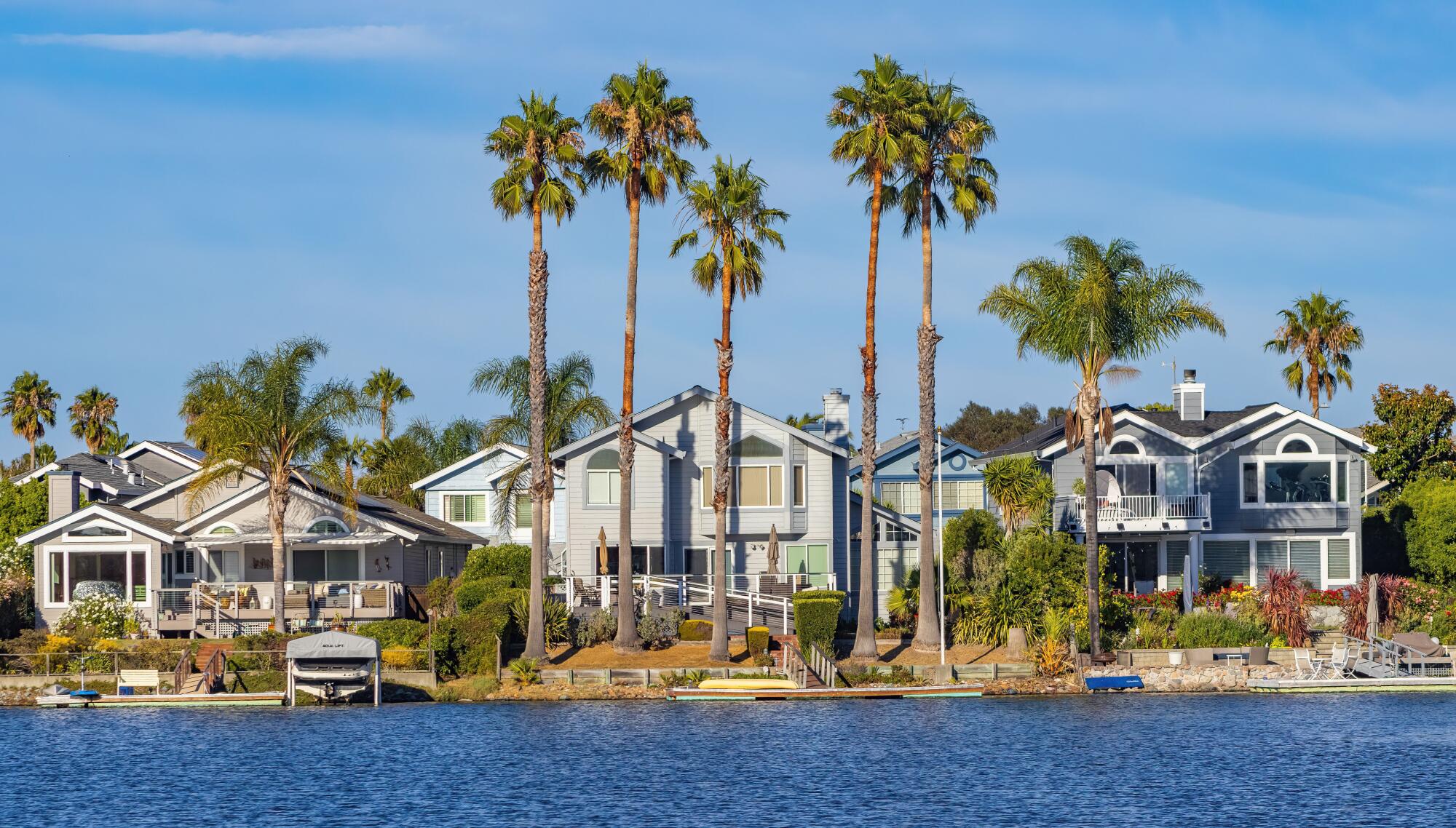
By staying on top of every hurricane risk before a storm rages through your area, you can prevent pricey damage and reduce emergency repair costs. Everything from far-sighted inspections and routine maintenance to insurance reviews and targeted upgrades can all lead to major storm cleanup savings when severe weather is on the horizon.
Waiting until a hurricane is already well on its way can make even minor property problems snowball into bank-breaking headaches. Contractors tend to be busier, and supplies can end up being harder to find. Also, insurance changes may not take effect right away.
Florida’s hurricane season starts in June, so you can use this as a reminder to get ready.
What Exactly Should I Do to Prepare My House for a Hurricane?
Start with a detailed inspection of the property’s exterior. You should especially keep an eye out for the following:
- Loose shingles
- Damaged flashing
- Cracked seals around windows and doors
- Deteriorating siding
- Unsecured gutters
- Any other weaknesses that could allow wind or water into the home
More often than not, small problems are easier and far less expensive to take care of before a major storm takes advantage of them.
The roof deserves particular attention because even a modest amount of damage to the roofing system can allow wind-driven rain into the structure. Water issues can lead to bigger problems inside the home. It’s a good idea to repair or, if necessary, replace an aging or damaged roof and consider related improvements like more solid roofing materials and roof-to-wall connections.
Don’t forget to give your windows, exterior doors, and garage doors a thorough once-over. The following can go a long way toward reducing the risk of openings that can invite wind and rain damage:
- Hurricane shutters
- Impact-resistant windows
- Properly secured protective coverings
A more substantial building envelope is a staple part of property damage defense, particularly for homes in areas that often see hurricane activity.
How Else Can I Protect My Home From Hurricane Damage?
Tried-and-true seasonal maintenance is the best way to solve the issue of most hazards before they escalate into major repair bills. Fully clear out gutters and downspouts of any leaves and other potential blockages.
That way, even the heaviest rainfall can flow away from your house. Never delay the need for repairing or securing loose gutters, especially if there’s been a forecast for high winds this season.
Trees deserve just as much attention. Everything from dead limbs and weak branches to trees growing too close to the house can become serious hazards during heightened wind speeds. Teaming up with a qualified professional to inspect and trim potentially dangerous trees can help shrink the chance of a branch or entire tree striking the following:
- Roofs
- Windows
- Cars
- Other important structures
Make no mistake, outdoor belongings can turn into destructive projectiles during hurricanes. Patio furniture, umbrellas, grills, even decorative items should be secured or taken indoors before a storm is nearby. Taking care of vulnerable items throughout the season makes any last-minute prep much easier.
Homeowners should also take the time to investigate structural improvements. The following can make a home more resistant to hurricanes and other kinds of dangerous weather:
- Roof-to-wall connectors
- Stronger garage doors
- Shutters
Certain mitigation improvements like this can not only reduce the chance of damage, but may also qualify homeowners for insurance discounts. It’s worth looking into the options in your area.
Other Vital Considerations
For coastal properties, preparation should account for both wind and water, because each can cause serious damage. Coastal home protection tends to involve a combination of strengthening openings, evaluating drainage, and elevating vulnerable equipment. Be sure to research the property’s general level of flood exposure.
Don’t neglect your insurance, either. Homeowners should review the following insurance aspects:
- Dwelling limits
- Deductibles
- Exclusions
- Wind coverage
- Coverage for personal belongings
It’s crucial to make policy changes well before a storm approaches because insurers may increase coverage once a hurricane threatens the state, or they might even stop accepting new applications altogether.
Flood coverage, in particular, deserves a second look. Standard homeowners insurance generally doesn’t cover flood damage, so homeowners should investigate flood insurance for Florida homes before they need it. It’s worth emphasizing that flooding can happen even outside the confines of designated flood zones, and many flood policies have waiting periods before coverage kicks in.
Being proactive can reduce both physical risk and financial uncertainty. A homeowner who discovers a deteriorating roof in May has time to do everything from getting estimates and comparing contractors to arranging repairs and beyond.
Frequently Asked Questions
Are All Improvements of the Same Importance?
Homeowners should also avoid treating every improvement as equally urgent. A professional inspection can help distinguish routine maintenance from projects that warrant immediate attention.
Spending money strategically on vulnerable areas can produce a greater storm repair reduction than making cosmetic improvements while leaving structural weaknesses unresolved.
Should I Replace My Garage Door Before Hurricane Season?
A garage door can end up being one of the most vulnerable openings on a home because of its sheer size. A weak or damaged door may break in strong winds, which can then let wind pressure enter the home and boost the risk of damage.
Homeowners should spend some time inspecting the following garage parts:
- The tracks
- Hardware
- Locking mechanisms
- The door itself
Replacing an older door with a wind-rated model or adding approved reinforcement is often a great way to get more protection.
Should I Document My Property Before Hurricane Season?
Of course. Photographing rooms, appliances, and more can create a nifty record of its pre-storm condition.
Homeowners should keep receipts and other documentation as well.
It’s Time to Reduce Your Hurricane Risk
While it’s not possible to bring a hurricane risk down to zero, you can do plenty to protect both your property and your family. From making crucial repairs to getting your insurance coverage in order, there’s no time like the present for thorough preparation.
From health and sports to entertainment and fashion, you can always stay informed when you follow our content. The best way to avoid missing out is to subscribe to our engaging newsletter.



Black owners who wish to grow their business sustainably should know the difference between good and bad debt, such as grants versus high-interest predatory loans. You can fund your business expansion through a range of alternative sources, from community-driven crowdsourcing to minority-focused venture capital funds or membership in the Small Business Administration’s Business Development Program for access to federal contracts.
The Small Business Administration Office of Advocacy reported in 2024 that Black founders own 3.5 million businesses and employ over 1.2 million people. However, traditional funding remains a challenge, with many owners using personal credit cards for business emergencies at a higher rate than non-Black peers.
What Is Good Vs Bad Business Debt?
Smart financing evaluates how good or bad that potential loan may be.
A good option should have:
- Low-rate terms
- Manageable and predictable fixed monthly payments
Bad business debt often comes with:
- Compounding fees
- Cash flow drain
- Low or no flexibility
A quick example is an SBA small business loan, which often has favorable terms and is part of a bigger supportive government ecosystem. However, a merchant cash advance comes with a very high APR that a business may use to cover an emergency.
Where does a Lending Partner Vs. Capital Provider fit? The capital provider is a rigid transactional loan provider with no deviation from your original loan agreement. This can quickly go from a good loan to bad debt if your company has a downturn.
Contrast this with a lending partner that actually develops a relationship with your business. Community banks or your local CDFI often fit this model. They’ll check in on your company’s operational health and offer more flexibility to restructure terms or temporarily adjust your payments.
How Can Black Entrepreneurs Practice Savvy Business Expansion?
Effective business expansion involves finding funding resources that protect potential revenue. Check out grants, community funding, and supportive ecosystems beyond prize money.
Grants
They may require lots of prep, but grants offer debt-free business growth since it’s funding you don’t have to pay back. If you’re approved for the Google for Startups black Founders Fund, you may get up to $150,000 in cash awards along with hands-on technical support.
The Black Ambition Initiative offers mentorship and prize capital for Black and Hispanic innovators across healthcare, tech, and AI.
Check out the IFundWomen of Color portal for opportunities such as the Caress Dreams Fund that awards $5,000 grants and several networking events.
Community Funding
Community Development Financial Institutions (CDFIs) are alternatives to commercial banks that disproportionately deny black business founders. In addition to flexible underwriting over rigid credit scores when considering your applications, they also help recipients preserve revenue by capping interest rates.
Crowdfunding platforms like Fund Black Founders or Kickstarter allow you to secure business funding without debt with cash up front from people who believe in your dream. Just like with a GoFundMe, you set a monetary goal on your profile, explain your company/project mission, and people can donate what they can.
Is Venture Capital Realistic for Minority Owner Business Expansion?
That answer depends on where you’re seeking your funding. Black founders still only receive about 1% or less of total traditional venture capital money. However, there has been a rise in more diversity-focused funds for those who may have a targeted subset of business interests.
Some include:
- Harlem Capital Partners
- Black Angel Tech Fund
- Serena Williams’ Starfire Ventures
The key to remember when you seek venture funding is that you will have to sign away a certain amount of your equity to your investor. You also must be targeting a large enough market that can realistically scale a project to return 10 to 100 times the investor’s capital.
What About Mentorship and Warm Leads?
Being part of a specialized ecosystem from incubators to structured programs provides direct access to mentors and other specialists who may not only award money but show you how to manage it. You may encounter warm leads through networking who may organically show interest in your business and provide private funding.
Frequently Asked Questions
What Are Some Ways to Support Black-Owned Businesses?
Practice intentional shopping by making an effort to get as many products as you can from a Black-owned business. If you’re unsure where some may be in your area, there are apps and platforms like Miiriya that can help you find both local and national establishments.
Many brands are also accessible through online shopping on their own websites and Amazon storefronts.
Use social media to amplify your favorite products by writing honest reviews and recommendations. From accounting to real estate sourcing to clothing, there are many services you can find under black ownership.
If you own or manage a business, include diverse vendors, whether it’s for corporate catering or handling your HVAC services.
Is There a Black-Owned Chick-fil-A?
Chick-fil-A operates on a franchise model, and some are owned or operated by black people. Easily get your classic sandwich or nuggets while supporting black entrepreneurship in many cities, from Atlanta to Washington, D.C., to San Diego.
Sereena Quick became the first Black woman to own them in three different states. Former Chick-fil-A intern Amber Thomas became the first Black owner of this franchise in San Diego.
What Is the Oldest Black-Owned Business in America?
E.E. Ward Moving & Storage Co. is the oldest continuously operating Black-owned business in the United States. It was established in 1881 in Columbus, Ohio, by John T. Ward and his son William S. Ward. The family’s transportation service began in the 1840s, doing stop-and-wagon transport on the Underground Railroad.
After the Civil War, they transitioned into formal horse and wagon transfer and storage service. Today it’s a multi-million dollar moving and storage company.
Black Businesses Are Getting Financially Savvy
Black-owned business expansion can be funded by industry-specific incubators, grants, or crowdfunding profiles. Taking this approach can avoid predatory high-interest debt that can eat profits despite a high gross. Learning these financial techniques can help Black innovators continue to build community and generational wealth.
If you learned something from this article, take a deeper dive into our website for more.
African News Digest
Sunset Loft – The Crystal
Experience breathtaking Camps Bay sunsets from this luxurious 3-bedroom loft. Enjoy stunning sea and mountain views, an open-plan living space, and prime security.


Supreme Secure Sunset View 3bed Sunset Loft is a thoughtfully decorated Camps Bay apartment with exceptional sea and mountain views. This three-bedroom apartment features unique artwork and combines open-plan living with a flow to a terrace, ideal for dining and sunset watching. The main suite features a king bed, sea views, and an ensuite, while two additional bedrooms enjoy mountain outlooks and shared access to a bathroom. The kitchen is fully equipped, complementing the lounge and dining areas. With building security, a doorman, and located near the Camps Bay Promenade and Table Mountain Cableway, Crystalline Bay provides a base in one of Cape Town’s most sought-after neighbourhoods.
More Info :
https://villasincapetown.com/listings/crystalline-bay
https://villasincapetown.com/
Featured
HISD takeover “diminished, degraded, destroyed” schools – Citizen commission report
A citizen commission report claims the HISD takeover has “diminished, degraded, destroyed” schools. Read more at defendernetwork.com.
Visit Our Website
Read more stories by our team
https://defendernetwork.com/category/news/opinion/
Sign-up for the Top 5 newsletter
Donate/ Support Our Work
Featured
Everything You Need to know before you Vote
Make informed decisions at the ballot box. Get the essential voting information you need to make your voice heard.

Visit Our Website
Read more stories by our team
https://defendernetwork.com/category/news/opinion/
Sign-up for the Top 5 newsletter
Donate/ Support Our Work
Featured
From Doubts to Calling: My Wife Saved My Career #shorts
Doubts plagued his career until his wife’s faith reignited his calling. She reminded him he was meant for this, fueling his perseverance.
He wanted to quit his job, feeling isolated and disconnected. His wife’s unwavering faith and reminder of his calling convinced him to stay. ‘You were called to do this,’ she declared, ‘and I will nourish this relationship so you can stay.’ #FaithJourney #MarriageGoals #Perseverance #Calling #NeverGiveUp
Featured
HBCU Homecoming: A never-miss annual tradition
Experience the vibrant energy of HBCU Homecoming, an unmissable annual tradition. Discover more at defendernetwork.com.
Visit Our Website
Read more stories by our team
https://defendernetwork.com/category/news/opinion/
Sign-up for the Top 5 newsletter
Donate/ Support Our Work

Secure growth by funding business expansion without taking on bad debt
Save money on storm damage repairs by addressing your property hurricane risk early in the season

Sunset Loft – The Crystal

HISD takeover “diminished, degraded, destroyed” schools – Citizen commission report

Everything You Need to know before you Vote

From Doubts to Calling: My Wife Saved My Career #shorts

HBCU Homecoming: A never-miss annual tradition

How Community Builds the Confidence to Start a Business #shorts

2026 Silverado High Country What $82,004 Gets Right—and Wrong

WCCUSD Joins Statewide Organic School Food Purchasing Cooperative

The Youngest American Killed in the Vietnam War

Passing for White, Fighting for Black America: The Courage of Walter White

OP-ED: Haiti TPS: Have We Lost Sense of Humanity?

OP-ED: If AI Is the New Language of Power, Then NAN Wants Black Communities Fluent

OP-ED: How Does Your State Rank for Pre-K?

Henry O. Flipper: A Trailblazer at West Point and Beyond

Asm. Smallwood-Cuevas’s Bill Repealing ‘Racist’ CalWORKs ‘Man-in-the-House’ Rule Clears Legislature

NFL: Week Two Recap | Jalen Hurts did not fold; Caleb Williams exits game with injury

Remembering Chauncey Bailey as Student Journalists Face Threats to Truth-Telling

California Legislature Sends Historic Native American Apology Bill to Gov. Newsom’s Desk
Sunset Loft – The Crystal
HISD takeover “diminished, degraded, destroyed” schools – Citizen commission report
Everything You Need to know before you Vote
From Doubts to Calling: My Wife Saved My Career #shorts
HBCU Homecoming: A never-miss annual tradition
How Community Builds the Confidence to Start a Business #shorts
2026 Silverado High Country What $82,004 Gets Right—and Wrong

Hennepin Commissioner Marion Greene: Three county programs helping Latino communities

DNC member Ron Harris: DHS raided Ilhan Omar’s home

Hennepin Commissioner Angela Conley: Eliminating disparities-reparative justice and homeownership
-

 Black Press1 week ago
Zakiya Jendayi Arrested, Locked Out of Home by Sheriff’s Deputies
-

 Black Press1 week ago
A $2.1 Trillion Wellness Industry Never Built a Daily Practice for Black Children. So This Atlanta Family Did.
-

 Art1 week ago
Montclair Brewery: Brewing Culture, Community, History
-

 BlackPressUSA6 days ago
Latinas Deserve Equal Pay. Unions Help Make It Happen.
-

 Black History1 week ago
Listening as a Lifeline: A Doula’s Witness to Black Maternal Health
-

 Black Press1 week ago
COMMENTARY: But God!
