
Community
Roundtable participants address challenges, opportunities
DEFENDER NEWS NETWORK — In preparation for the upcoming State of Black Women Summit, the Defender Network and the Barbara Jordan Institute at Texas Southern University hosted more than 100 Houston-area women. The goal of the State of Black Women Roundtable, held at the Federal Reserve Bank of Dallas-Houston Branch, was to develop a list of the most pressing issues for the summit,


In preparation for the upcoming State of Black Women Summit, the Defender Network and the Barbara Jordan Institute at Texas Southern University hosted more than 100 Houston-area women.
The goal of the State of Black Women Roundtable, held at the Federal Reserve Bank of Dallas-Houston Branch, was to develop a list of the most pressing issues for the summit, which will be held Friday, Sept. 20 and Saturday, Sept. 21 at TSU.
Education, family, finances, health, law and criminal justice and politics topped the list of issues shared by the group.
The Defender asked several SOBW Roundtable participants to discuss the greatest challenges and opportunities facing Black women today:
WANDA ADAMS, HISD trustee
“One of the greatest challenges affecting Black women is having the same equality as our male counterparts. We can do anything as Black women but people just don’t see us as equal. If they can begin to see that we can provide the same quality of work, the same standards, then we’ll all be on the same page. The greatest opportunity is being the best mothers, raising the best children and being able to set the bar high. I’m a member of Delta Sigma Theta Sorority and I am amazed knowing that we have eight powerful women who are Deltas and serve in Congress. We can accomplish anything as long as we put our mind to it.”
JUNE WILLIAMS COLMAN, M.D., Ob-Gyn
“The greatest challenge is that we are discounted every day. We are only as strong as the weakest among us. I desire to host a Mother-Daughter Initiative empowering all mothers with knowledge and wherewithal needed to raise successful, whole daughters who will not succumb to the pitfalls of life that can destroy or limit us, like unplanned pregnancies, educational failures and poor choices in our friends (both romantic and platonic). I feel we are obligated to help those who may not have had the benefit of the lessons that we were taught that helped us become successful. We have an opportunity to reach back and help others.”
TONI JACKSON, Attorney, Jones Walker
“We still have the challenges of dealing with the institutional racism that people think doesn’t exist anymore, but comes in micro-aggressive form. We have to recognize how to deal with that, always be 200 percent better than everyone else and not let the stress of all of that weigh us down when we’re trying to achieve in their world. The greatest opportunity for us lies in our strength, because we walk in knowing that we have been raised and groomed for those challenges by the women before us.”
JERALYNN MANOR, Attorney, the Manor Law Firm
“One of the greatest challenges if not the greatest, is division and the inability to come together for various reasons. I find that in our community we have one thing that is a big deal for us, which is competition as opposed to coming together, holding each other up, reaching back. Lately, I see a lot of colorism, and stigma with hair and that type of thing. I find that a lot of times we’re judging ourselves and each other based on a standard and perception that was set by someone else. I think the day we’re in now, is the day of the woman. We have more opportunities, especially in Harris County, open and available to us.”
GEORGIA PROVOST, Owner, Provost & Associates
“The challenge I see today is that we don’t share. We should have a sisterhood. We should share our plans and start networking with each other so we can be a more powerful force.
Everything is a good opportunity for Black women now and if we don’t take advantage of it, it’s going to be too late. First of all, society has recognized that we are here. Number two, they recognize that we are a force. Number three, they’re threatened. So, we have our opportunity if we just take advantage of it. My favorite word is l-o-v-e. If we love each other we automatically have unity, and if Black women fall in love with themselves, fall in love with the good Lord and their sisters, we will be an unstoppable force.”
This article originally appeared in the Defender News Network.








Black Press
COMMENTARY: Thank You, Trump, for Making America Great Again!
COURIER ECO LATINO — Mr. President, I never thought I would say these words, but here they are: Thank you, Donald Trump. Thank you for making America great again! You promised the American people you would do it. You traveled across this country wearing those red hats, standing before packed arenas, declaring that you alone could restore America’s greatness. And after the political earthquake of the 2026 midterm elections, I have to give you credit.

Thank You, Trump, for Making America Great Again!
Mr. President, I never thought I would say these words, but here they are: Thank you, Donald Trump. Thank you for making America great again!
You promised the American people you would do it. You traveled across this country wearing those red hats, standing before packed arenas, declaring that you alone could restore America’s greatness. And after the political earthquake of the 2026 midterm elections, I have to give you credit.
You said you would make America great again. You just never told us you were going to do it by waking up the very people you thought you could silence.
Mr. President, you may have accomplished what civil rights organizations, political strategists, voter registration campaigns and community activists have spent decades trying to achieve. You woke up Black America. You woke up young America. You woke up women across America. And perhaps most importantly, you reminded millions of Americans that democracy is not a spectator sport.
For years, we have begged our communities to understand the importance of voting. We organized marches, held rallies, registered voters, knocked on doors and pleaded with people to exercise the rights that our ancestors fought, bled and died to secure.
But then you came along.
You attacked diversity, equity and inclusion. You turned the word “woke” into a political insult. You challenged institutions that had worked to create opportunities for historically excluded communities. Your administration’s policies and rhetoric left many Americans wondering whether the progress of previous generations was being pushed backward.
And something remarkable happened.The people you underestimated decided they had heard enough. They didn’t just complain on social media. They didn’t just shake their heads at the evening news. They didn’t just talk about what needed to change. They went to the polls. And, Mr. President, they brought their receipts.
The Democratic victories in the House and Senate, along with the historic rise of Black elected leadership, represent something far greater than a political shift. They represent a powerful reminder that the American people still have the final word.
Consider Georgia. A state once synonymous with segregation, voter suppression and some of the most painful chapters of America’s racial history has witnessed a remarkable political transformation.
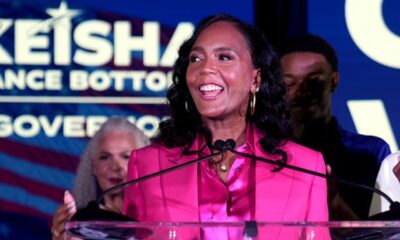
Keisha Lance Bottoms’ historic election as governor represents more than a victory for one candidate or one political party. As the first Black woman elected governor in American history, she represents generations of women who were told to wait their turn, stay in their place or lower their expectations.
And here in Columbus, state Rep. Carolyn Hugley stands poised to make history as the first Black woman to serve as speaker of the Georgia House of Representatives.
Think about that for a moment. Black women, whose political organizing, leadership and determination have so often been taken for granted, are now positioned to help shape the direction of government at its highest levels.
Across the country, Black candidates and other historically underrepresented leaders are demonstrating that political power does not belong exclusively to those who have traditionally held it.
And while you certainly cannot take credit for their qualifications, their sacrifices or their victories, Mr. President, you deserve recognition for helping create the political climate that motivated so many Americans to act.
You tried to make DEI a dirty word. The voters responded by making democracy a powerful one.
You said America needed to return to its greatness. But perhaps the greatest lesson of this election is that America’s greatness was never found in turning back the clock. It was never found in excluding people because of their race, gender, religion or background. It was never found in deciding whose history should be taught, whose voices should be heard or whose opportunities should be protected.
America’s greatness has always rested in its ability, however imperfectly, to move closer to the promise that all people are created equal. And sometimes, it takes a political backlash to remind us just how precious that promise is.
I am particularly proud of the role played by Black women, historically Black colleges and universities, the Black church and a new generation of voters who refused to allow frustration to become surrender.
They understood something that too many people had forgotten.You cannot change the direction of a country if you refuse to participate in determining who leads it.
But let me offer a word of caution. Winning an election is not the same as winning the future. The same energy that carried voters to the polls must now be directed toward holding elected officials accountable. Representation must translate into results. Historic firsts must produce meaningful progress.
We need affordable health care, quality education, economic opportunity, safe neighborhoods, fair housing and a justice system that treats every American with dignity.
We need elected officials who understand that making history is important, but improving people’s lives is even more important. And we must never confuse political victory with the completion of the struggle. The work continues.
Still, there is something wonderfully ironic about this moment in American history.
The man who built a political movement around the promise of making America great again may have helped inspire an entirely different movement — one determined to make America more inclusive, more representative and more accountable.
Mr. President, you told America you were going to bring about change. You did. You told America you were going to shake up Washington. You did. You told America you were going to make people pay attention to politics again. And, Lord knows, you did that too.
But perhaps your greatest political accomplishment was not what you intended to build. Perhaps it was the determination you awakened in those who refused to accept your vision of America.
You reminded us that elections have consequences. You reminded us that silence has a price. You reminded us that the power of the people is greater than the personality of any president. And you reminded Black America of something our ancestors have been telling us for generations:We do not have to beg for a seat at the table when we have the power to help determine who sits at the head of it.
So, Mr. President, from the bottom of my heart, thank you. Thank you for waking up the sleeping giant. Thank you for reminding us that our votes matter. Thank you for inspiring a generation that may have otherwise remained politically disengaged. And thank you for proving that no political movement, no administration and no individual is greater than the American people’s right to choose their own future.
You promised to make America great again. And in one of the greatest ironies of modern American politics, you may have helped do exactly that. Just not the way you planned.
Because, Mr. President, while you were busy trying to take America back, the American people were busy taking their country forward. And that, my friends, is what making America great really looks like.
Black Press
Alameda County Supervisor Miley to Propose Illegal Dumping Ordinance
POST NEWS GROUP — The proposed ordinance would add Chapter 6.121 to the County’s General Ordinance Code, establishing an administrative enforcement process that would allow the County to hold more parties accountable without relying solely on criminal prosecution.
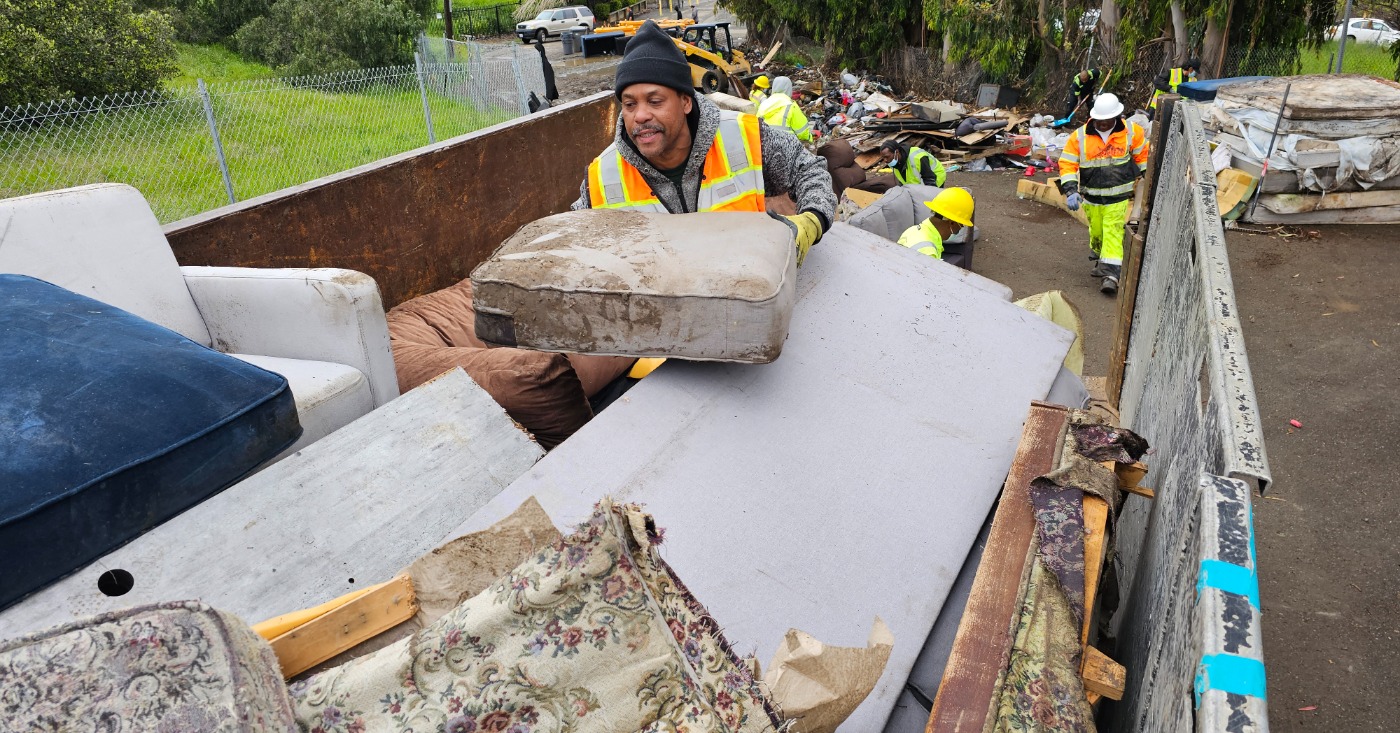
Proposal expands accountability, establishes administrative penalties, and ties fines to cleanup costs
On Tuesday, Nov. 17, the Alameda County Board of Supervisors is scheduled to consider the first reading of an ordinance proposed by Supervisor Nate Miley to strengthen enforcement against illegal dumping in unincorporated Alameda County, including Ashland, Cherryland, Castro Valley, San Lorenzo and Fairview.
Illegal dumping places a significant financial burden on residents and taxpayers. In 2024, Alameda County spent $3.8 million addressing 1,483 illegal dumping incidents, an average of approximately $2,562 per incident. Yet no illegal dumping cases from the unincorporated county were charged that year.
The proposed ordinance would add Chapter 6.121 to the County’s General Ordinance Code, establishing an administrative enforcement process that would allow the County to hold more parties accountable without relying solely on criminal prosecution.
Key provisions include:
- Expanded accountability: Penalties could apply to individuals who dump waste, those who provide waste to unlicensed haulers who illegally dispose of it, and vehicle owners who knowingly consent to their vehicles being used for illegal dumping.
- Administrative enforcement: Authorized County personnel could issue penalties and abatement orders, with opportunities for administrative hearings and judicial review.
- Penalties tied to cleanup costs: Fines would start at $2,500 for a first violation, increase to $5,000 for a second and $10,000 for a third. Enhanced penalties of up to $10,000 per violation could apply to large-scale dumping, hazardous waste, or dumping near sensitive locations such as creeks, schools and storm drains.
The ordinance includes safeguards for people acting in good faith. Residents and businesses using licensed haulers would be exempt from waste-generator liability, while vehicle owners whose vehicles were used without their consent and property owners unaware of dumping on their land would also be protected.
Cited individuals could request community service in lieu of penalties, with ability to pay among the factors considered. The proposal would also allow property owners, business improvement districts and community groups to pursue recovery of cleanup costs and authorize the Board to establish a reward fund for tips identifying illegal dumpers.
“Every mattress and every truckload of construction debris dumped in Ashland, Cherryland and Castro Valley gets paid for by the people who live there, and right now the people responsible almost never face a consequence,” Miley said. “This ordinance closes the loopholes that let people hand off their waste and walk away. It gives the County a fair and swift way to hold dumpers accountable, protects people who do the right thing, and makes the penalty match what it costs us to clean up after them.”
Modeled on Santa Cruz County’s illegal dumping ordinance, which took effect in July 2025, the proposal was recommended for approval by the Board’s Unincorporated Services Committee.
Miley is also urging cities and counties throughout the region to adopt similar standards. His office has released a Model Illegal Dumping Enforcement Ordinance developed through the Alameda County Illegal Dumping (ACID) Task Force to support coordinated regional enforcement.
If the Board conducts the first reading on Nov. 17, the ordinance will return for adoption at a subsequent meeting and take effect 30 days after adoption.
Paul Sanftner is the director of communications and special projects for the office of Alameda County Supervisor Nate Miley.
Black Press
On Veterans Day, U.S. Rep. Simon Demands Answers on Status of Veterans Affairs Clinic, Columbarium Project
POST NEWS GROUP — “Our veterans have served our nation with dignity and sacrificed so much for our nation – they deserve the best care and benefits possible, close to home. That’s why it is abhorrent that the Trump Administration has canceled the planned construction of a new clinic and columbarium at Alameda Point, despite years of planning and more than $395 million in federal funding already invested in the project.
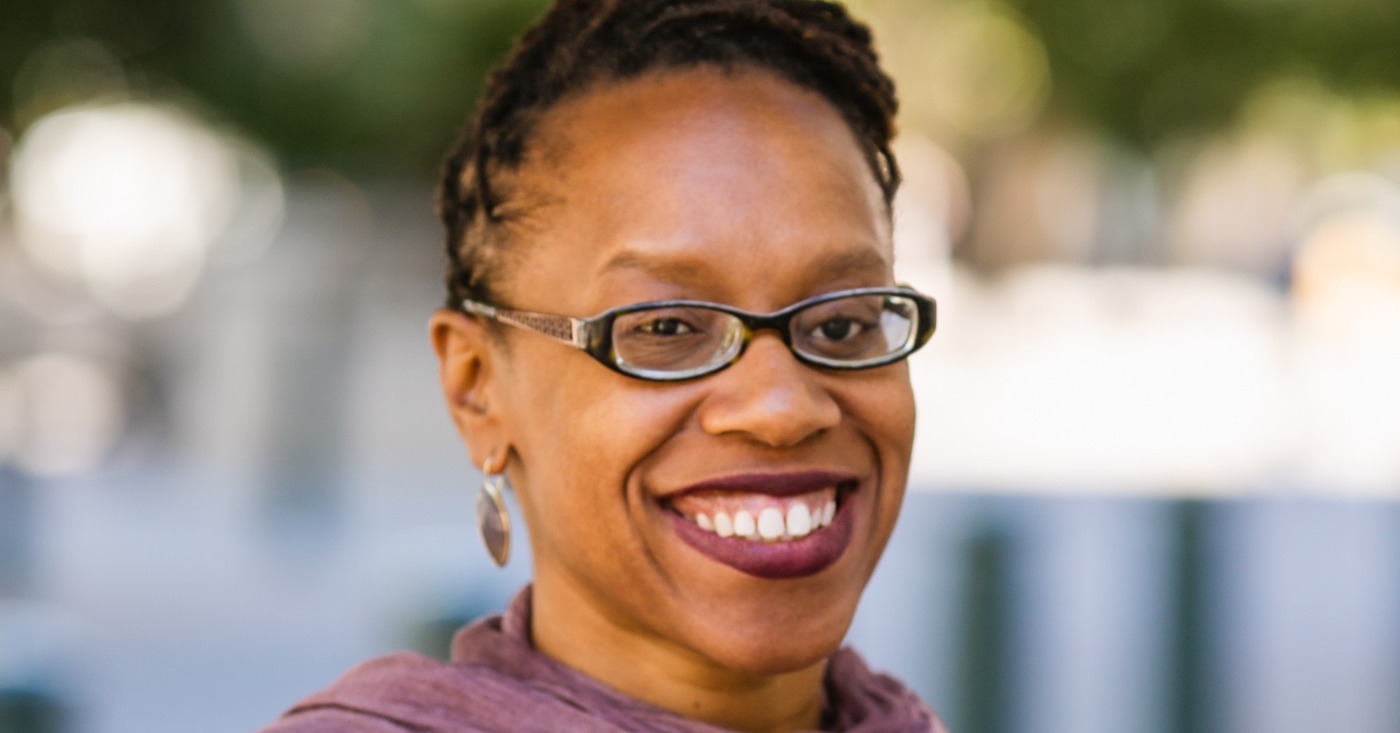
On Veterans Day, Congresswoman Lateefah Simon (D-CA-12) once again called on the Trump administration to provide answers on the status of the Alameda Point Veterans Affairs Clinic and Columbarium Project. Her statement is provided below.
“Our veterans have served our nation with dignity and sacrificed so much for our nation – they deserve the best care and benefits possible, close to home. That’s why it is abhorrent that the Trump Administration has canceled the planned construction of a new clinic and columbarium at Alameda Point, despite years of planning and more than $395 million in federal funding already invested in the project.
“Last year, I demanded answers from the Secretary of Veterans Affairs, Douglas Collins, about the decision and received no response.
That’s why, earlier this year, I worked with my colleagues Speaker Emerita Nancy Pelosi and Rep. Kevin Mullin to successfully fight for and secure report language in the Fiscal Year 2027 Military Construction, Veterans Affairs, and Related Agencies Appropriations bill that would require the Trump administration to provide answers on the status of the project.
“As the Senate considers the Fiscal Year 2027 Military Construction, Veterans Affairs (MilCon-VA), and Related Agencies Appropriations bill, the report language we secured in the House must be included in any final MilCon-VA appropriations bill, so that the 27,000 veterans in my district get the answers they deserve.
“I will not stand idly by as this administration unfairly reels back healthcare services and access for our veterans, and I will continue to hold this administration’s feet to the fire and fight for our district’s previously allocated resources.”
U.S. Rep. Lateefah Simon’s media relations office is the source of this report.
Black History
Mississippi Congressman Bennie Thompson Congratulates Scott Colom on Historic Victory
POST NEWS GROUP — “My relationship with Scott dates back to his participation in the Mississippi Black Leadership Institute, which I helped establish in partnership with the NAACP to develop the next generation of public servants. As one of the program’s first graduates, Scott demonstrated the leadership and commitment to public service that would later define his career.
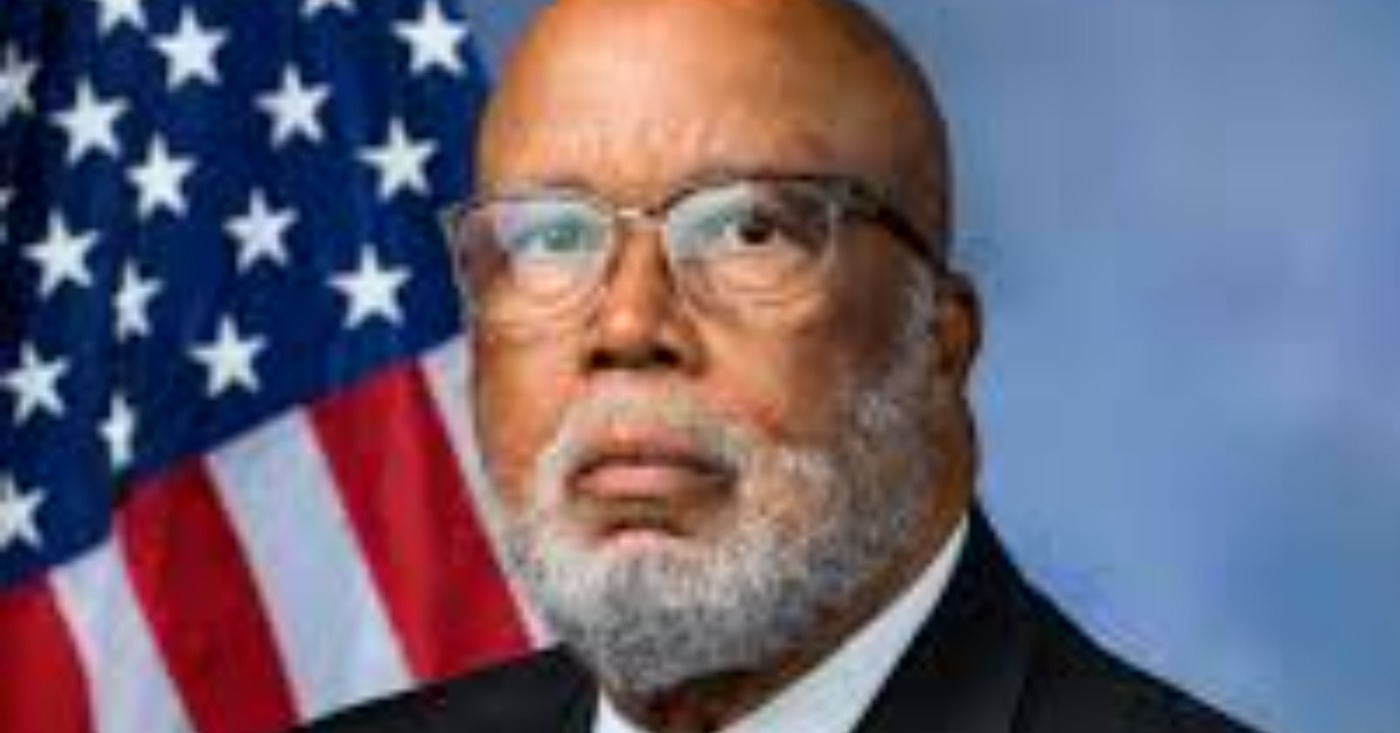
Today, Congressman Bennie G. Thompson (MS-02) issued the following statement on Mississippi Senator-elect Scott Colom’s historic election to the United States Senate:
“I am incredibly proud of Senator-elect Scott Colom and his historic victory. Having known Scott for many years, it has been a pleasure to watch him grow into the leader he is today. His campaign brought together Mississippians from every walk of life — young and old, Black and white, rural and urban —I n a way I have never witnessed in more than 50 years of public service. This victory demonstrates the power of grassroots organizing and what people can accomplish when they come together for a common purpose.
“My relationship with Scott dates back to his participation in the Mississippi Black Leadership Institute, which I helped establish in partnership with the NAACP to develop the next generation of public servants. As one of the program’s first graduates, Scott demonstrated the leadership and commitment to public service that would later define his career.
Recognizing that potential, I encouraged him to run for district attorney of Mississippi’s 16th Judicial District, where he defeated a 28-year incumbent and went on to serve three terms.
“Having witnessed Scott’s leadership firsthand, I had every confidence in his ability to serve as a federal judge when I recommended him to President Joe Biden for nomination in 2022. Former Senator Cindy Hyde-Smith’s decision to block his nomination by withholding her blue slip was disappointing, but it did not lessen my confidence in him or his commitment to serving Mississippi.
“To see him now elected to the very Senate where his nomination was blocked is especially meaningful and a testament to his perseverance and the trust Mississippians have placed in his leadership.”
“Scott has the experience, character, and determination to be an effective advocate for Mississippi. Throughout my career, I have fought to make sure those at the bottom have an opportunity to move up, and I know he shares that commitment.
Having another Mississippi Democrat alongside me in Congress who understands the needs of Mississippians means a great deal. Together, we will fight to improve access to health care, strengthen public education, expand economic opportunities, and ensure our rural and underserved communities are not left behind.
“I look forward to working with Senator-elect Colom and am pleased to welcome him to the Mississippi Congressional Delegation.”
Black Press
Farms to Grow, Inc. Hosts the 8th Annual Sweet Potato Pie Tasting Contest
POST NEWS GROUP — For years, one baker dominated the competition and proudly held the Best N’ West crown. Then, in 2024, a longtime friend rose to the challenge and snatched the title away. Not to be outdone, the former champion reclaimed the crown in 2025, setting the stage for an exciting showdown this year.
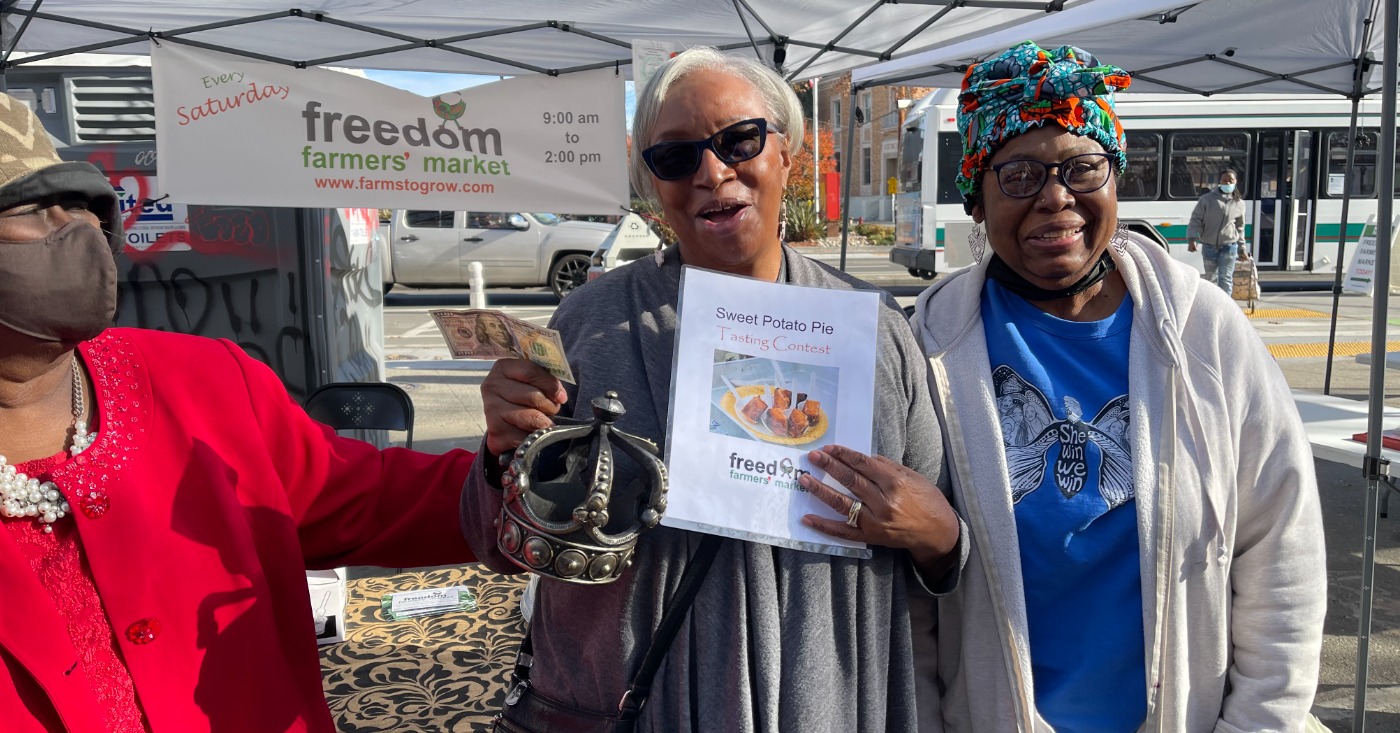
Community Invited to Crown the 2026 ‘Best N’ West’ Sweet Potato Pie Champion
Farms to Grow, Inc. invites sweet potato pie lovers, food enthusiasts, and friendly rivals to gather for the Eighth Annual Sweet Potato Pie Tasting Contest on Saturday, Nov.14, 10 a.m.–12 p.m. at the Freedom Farmers’ Market, 4521 Telegraph Ave., Oakland, CA.
Community members are encouraged to come hungry, cast their votes as official judges, and be part of the crowning of the next Best N’ West Sweet Potato Pie Champion.
Creating a championship-worthy sweet potato pie is no simple task. It takes the perfect blend of spices, carefully selected sweet potatoes, and a magical crust. Each year, contestants bring their best recipes to the table, competing for bragging rights, a beautiful crown, and a cash prize.
For years, one baker dominated the competition and proudly held the Best N’ West crown. Then, in 2024, a longtime friend rose to the challenge and snatched the title away. Not to be outdone, the former champion reclaimed the crown in 2025, setting the stage for an exciting showdown this year.
Now the question on everyone’s mind is: Who will take home the crown in 2026?
Will the reigning Best N’ West queen defend her title? Will her rival and friend reclaim the throne? Or will a newcomer surprise everyone and emerge victorious?
The Sweet Potato Pie Tasting Contest has become a beloved community tradition at the Freedom Farmers’ Market season, bringing on friendly competition. Beyond the delicious pies, attendees can purchase fresh sweet potatoes grown by black farmers, enjoy live music, and help decide who earns the title of Best N’ West Sweet Potato Pie Champion.
Farms to Grow, Inc. works to preserve Black agricultural heritage, strengthen local food systems, and support farmers through education, advocacy, market development, and community-based programs that increase access to fresh, locally grown food.
Black History
“Blue Tsunami” Sweeps Georgia, Bottoms Makes History
MOREHOUSE COLLEGE – THE MAROON TIGER — A political shift described as a “Blue Tsunami” has transformed the landscape of Georgia leadership following the recent election. Keisha Lance Bottoms made history when the race was called on Nov. 3, becoming the first woman and the first Black person elected as governor of Georgia.
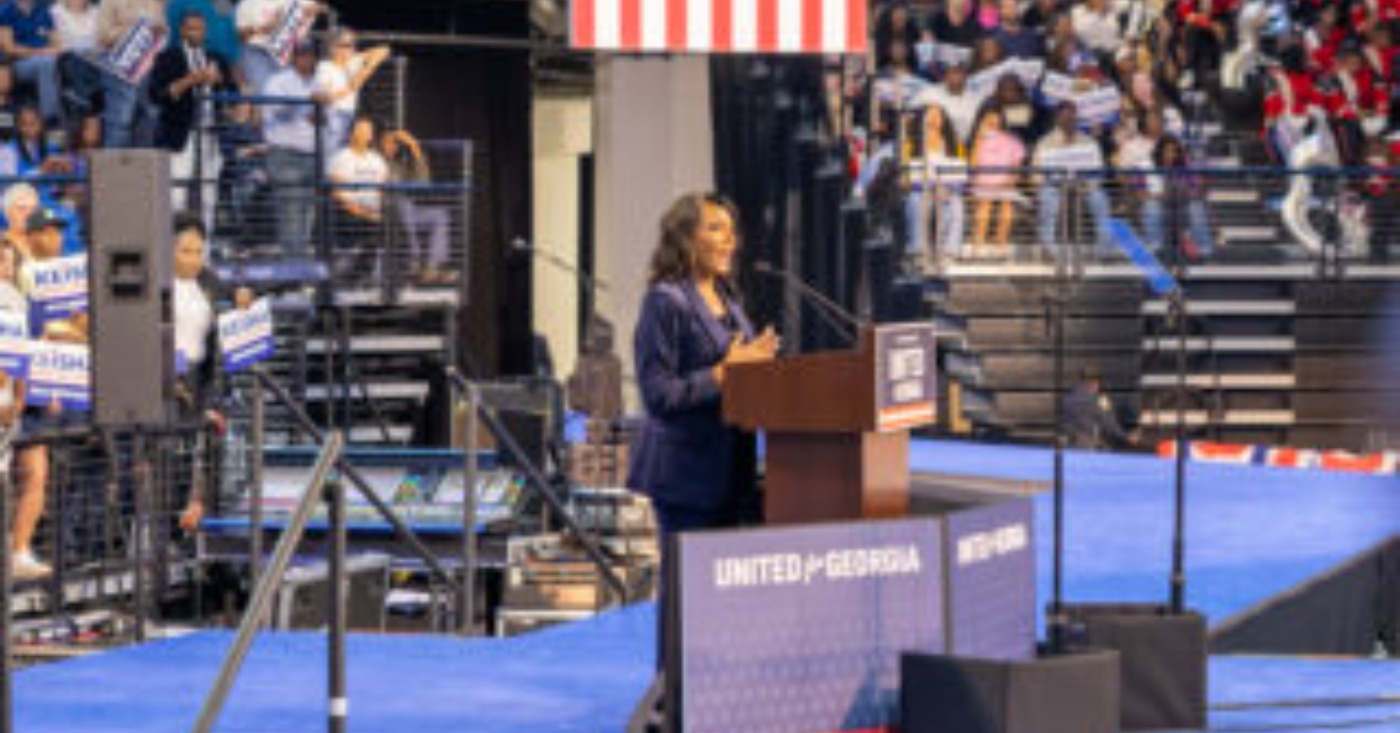
The race was called on Nov. 3 at 9:24 p.m., which is much earlier than most elections. The atmosphere of the Marriott Marquis located in downtown Atlanta was only a mere sample of the excitement statewide. The event hall could barely hold the guests as the line for access passes extended across the entire lobby floor. Everyone came in some of their best attire, sporting unmistakable blue diamond pins with the words, “Keisha Lance Bottoms for governor.”
Now, Bottoms will become Georgia’s first woman and first Black governor when she takes office in January, making her the first Black woman to serve as governor of any U.S. state.
She described her campaign as reaching every corner of the state, “from the red hills of Georgia to the Blue Ridge Mountains of the Piedmont,” as cameras crowded in to capture the moment.
Joining her onstage were her mother, her children and her husband, Derek Bottoms, whom she met while attending Georgia State University College of Law and married in October 1994.
Supporters who had campaigned alongside Bottoms for 578 days shed tears of joy at her election watch party. Among those near the stage were U.S. Sen. Raphael Warnock ‘91, D-Ga., the senior pastor of Ebenezer Baptist Church, and the Rev. Jamal Harrison Bryant ‘94, the senior pastor of New Birth Missionary Baptist Church.
Eight Black women, many firsts
In 2025, Black women experienced disproportionate employment losses as the Trump administration implemented federal workforce cuts and rolled back diversity, equity and inclusion initiatives.
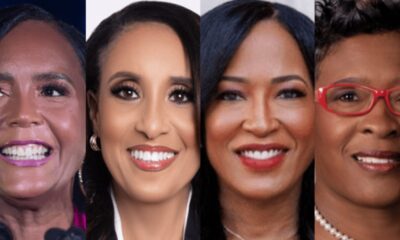
The losses disproportionately affected Black women across the country. In 2026, Georgia voters elected eight Black women to statewide office, marking a historic shift in the state’s political leadership. The South had something to say.
Georgia’s eight major statewide executive offices are the governor, lieutenant governor, attorney general, secretary of state, agriculture commissioner, insurance commissioner, labor commissioner and state school superintendent.
When the newly elected officials take office in January, Black women will hold seven of Georgia’s eight statewide executive offices, a first for the state, with Lt. Gov.-elect Josh McLaurin holding the eighth seat.
Several broke barriers of their own. Tanya Miller will become Georgia’s first elected woman attorney general. Penny Brown Reynolds, a former Fulton County judge, will become the first Black person elected Georgia secretary of state. Keisha Sean Waites, a former Atlanta City Council member, will become Georgia’s first Black woman insurance commissioner. Educator Lydia Powell will become its first Black woman state school superintendent, while Nikki Porcher will become its first Black woman labor commissioner.
Agriculture Commissioner-elect Katherine Juhan-Arnold founded Baby Katie’s Pharm & Kitchen, a nonprofit farm that provides fresh produce and agricultural education to underserved communities. Shelia Edwards, who won the District 5 race, will join Alicia Johnson as one of only two Black women on the Georgia Public Service Commission. Johnson became the first Black woman elected to a statewide partisan office outside the judiciary in Georgia after winning her commission seat in 2025.
“Georgia chose competence,” Brown Reynolds told The 19th. “We were not selected because we were Black women. I believe that we were selected because all of us bring something that Georgia desperately needs.”
Andra Gillespie, a political science professor at Emory University, told USA Today that the number of Black women elected to leadership positions in Georgia is unprecedented.
“Black women have definitely reached a point where they can not only run and be taken seriously for leadership positions in major parties,” she said.
The wins reached Congress too. State Rep. Jasmine Clark, D-Ga, became the first Black woman with a doctorate in science elected to Congress, winning Georgia’s 13th Congressional District seat, while U.S. Reps. Lucy McBath and Nikema Williams won reelection.
“Georgia has shown up”
Warnock said Georgia voters showed the power of organizing this election cycle and pledged to keep fighting for historically Black colleges and universities.
“I’m proud of Georgia. Georgia has shown up,” Warnock said. “Some 3 million of them early voted.”
He said churches played a key role in that turnout.
“What we saw, among other things, in this election cycle is the power of organizing, and the faith community has always been an important part of that,” he said.
When asked about the legislative priorities he plans to pursue with Keisha Lance Bottoms, Warnock highlighted his efforts to secure federal funding for historically Black colleges and universities.
Warnock pointed to a recent $97.1 million federal award supporting STEM programs at 10 historically Black colleges and universities and other minority-serving institutions, including Clark Atlanta University. His office has also reported securing more than $17 billion for HBCUs nationwide since he began his full Senate term.
With Governor-Elect Bottoms being an HBCU graduate of Florida A&M University, Georgia will have two HBCU alumni representing the people of the state.
“My own life is a testament to how these schools perform way above their weight,” he said. “And so I’ll continue to fight for them.”
His advice for current students was simple: “Morehouse gave me everything I needed to get ready,” he said. “I want the students to look at someone like me, and many others in various fields, and know that we sat in those same desks that they sit in. And so the sky is the limit.”
“Money doesn’t make you a success; character does”
Bryant said the win was personal, crediting Black men and Black churches for helping elect Bottoms.
“Super excited to know history was made, and to know that Black men supported a Black woman to get to this place,” he said.
The biggest hurdle, Bryant said, was getting Black churches involved and engaged, which he described as a return to the church’s tradition from the civil rights movement.
His advice for young men at Morehouse and across Georgia was direct.
“The takeaway lesson for all of us is money doesn’t make you a success,” Bryant said. “Character does.”
When the officials-elect take office in January, Black women will lead nearly every corner of Georgia’s executive branch. Bottoms announced her transition team Friday, Nov. 6. She and the seven other statewide officials-elect will be sworn in in January.
This site uses Akismet to reduce spam. Learn how your comment data is processed.
Based on reporting by Morehouse College – The Maroon Tiger.


69th Annual GRAMMYs: See the Full List of Nominees!

Kamasi Washington at City Winery

Can Level 1 Home Charging Keep Your Bolt RS Ready? #shorts

Can We Disrupt Systemic Racism? The Ruckus Has a Plan #shorts

COMMENTARY: Thank You, Trump, for Making America Great Again!

Athletics Are a Gift, Not an Identity #shorts
Giving Black Executives What They Need

Coach of the Week – Stephen Dixon

2027 Chevrolet Tahoe 4WD High Country Interior 360

Austin vs. Kashmere (9-10-26) | Houston High School Football

Practitioners of African Traditional Spirituality Offer Ancestral Reverence Ritual Oct. 31

Tamiko Armstead | 2026 Lifetime Achiever in Education

HISTORY MADE: Keisha Lance Bottoms Becomes First Black Woman Elected Governor in American History

OP-ED: The Black Church Writes AI’s Next Chapter

Kickstarter CEO Everette Taylor Shares Tips on Creating and Growing a Business

BLACK MEN VOTE: Mobilizing 100,000 Black Men Ahead of the Midterms 📱

NFN live presents 🎙️ THE ROAD TO BEYOND IWDM 50: WE CANNOT STOP NOW! 8-Week Podcast

Black Household Wealth Plummeted 25% in Three Years, New Data Shows

Secretary of State Shirley Weber Pushes Back Against DOJ Demands Over California Voter Rolls

Columbus’s Oldest Businesses Still Open: 10 That Have Lasted 75+ Years
Kamasi Washington at City Winery
Can Level 1 Home Charging Keep Your Bolt RS Ready? #shorts
Can We Disrupt Systemic Racism? The Ruckus Has a Plan #shorts
Athletics Are a Gift, Not an Identity #shorts
Coach of the Week – Stephen Dixon
2027 Chevrolet Tahoe 4WD High Country Interior 360
Austin vs. Kashmere (9-10-26) | Houston High School Football

Bellaire vs. Westside (9-18-26) | Houston High School Football

Lamar vs. Heights (9-17-26) | Houston High School Football

Madison vs. Austin (9-8-26) | Houston High School Volleyball
-
 Black History1 week ago
Keisha Lance Bottoms to Govern State Where Her Great-Great-Grandfather Was Enslaved
-
 Black History6 days ago
Don’t Pass the Torch. Expand the Circle.
-
 Black Press2 days ago
OP-ED: Closing the Next Digital Divide — Communities of Color Must Have a Voice in the AI Future
-
 Black History1 week ago
Meet Scott Colom, the Mississippi Democrat Leading Tight Mississippi Senate Race
-
 Black Press1 week ago
Eight Black Women Win Georgia Statewide Offices
-

 Featured6 days ago
Democratic Leadership Under Fire, Maxine Waters Challenged & Tyler Perry’s New Political Role 📱
