
Entertainment
Rihanna’s ‘American Oxygen’ is Only on Tidal


In this Sunday, March 29, 2015 file photo, Rihanna performs on stage at the iHeartRadio Music Awards at The Shrine Auditorium in Los Angeles. (AP Photo/iHeartRadio, John Shearer, File)
Patrick Ryan, USA TODAY
(USA Today)—A Tidal wave of exclusive releases have hit Jay Z’s streaming service, which relaunched with a star-studded event in New York last week.
Rihanna’s song American Oxygen, only teased during March Madness on TV until now, was released in full on Tidal this weekend. After performing the ballad at the March Madness festival in Indianapolis Saturday night, the pop star tweeted out a link to the track’s studio version, which can solely be played on Tidal for the time being:
###










Black History
Retirement Triggers Doctor to Pen Book for Young Audience
THE CHAMPION NEWSPAPER — After more than 35 years as a pediatric surgeon, Dr. Deborah Burton has transitioned from the operating room to the world of young adult literature. Writing under the pen name MD Burton, the retired Marietta physician recently released her debut sci-fi fantasy mystery novel, Invisible Cages: The Alynthia Quest.
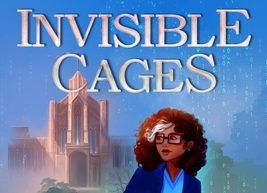
After more than 35 years as a pediatric surgeon, Deborah Burton retired but didn’t give up one of the most rewarding aspects of her career—connecting with young people.
Burton used writing and her imagination to create a young adult sci-fi fantasy mystery novel, Invisible Cages: The Alynthia Quest, under the pen name MD Burton. Her debut novel launched in early October, and Burton said she’s been delighted with the responses so far.
The novel follows Jade Babington who leads a team of resourceful friends as they join an elite organization to crack a spy network and embark on a high-tech adventure to find answers. Her quest is complicated by powers that surge through her body, and to be successful, she needs to understand her family roots, embrace her emerging talents, and step into her legacy, according to a press release.
Through the book, readers are introduced to a range of characters who work in STEM and healthcare careers which Burton hopes will inspire readers to consider pursuing careers in some of those areas.
Burton moved to Dunwoody in 1995 and ran a successful pediatric ear, nose, and throat practice in Marietta. She retired in 2021 but missed the educational moments she shared with her young patients.
“I talk to kids all the time,” said Burton, adding that she likes to share insight into the many career paths in healthcare. “I love to educate and empower.”
She said she worked on the book for five years, researching coding, microchips, and satellites.
“It was a learning journey,” she remarked.
The book explores themes of self-acceptance, girl empowerment through strong female characters, the importance of family, and STEM exposure, states the press release. Set on a fictional health complex, the novel introduces readers to healthcare careers, as well as engineering and computer science.
The author also had to delve into unique aspects of her main character.
“Jade has powers and sees auras,” she explained. “So I spent a good amount of time learning about auras, telepathy and magical realism.”
In addition, to providing insight to STEM and healthcare careers, Burton hopes the books help her teen female readers dealing with insecurities to better understand and appreciate what makes them unique and the power they possess. She also hopes it will build self-confidence.
“You have to accept who you are,” she said. “Whatever your differences are, everybody’s got them, embrace them.”
Burton said she originally planned the book to be a seven-part series but on the advice of her edit changed it to four parts.
“I know what my end goal is,” said Burton noting that she’s included Easter eggs in the first book to entice readers throughout the reading process and has a completed outline for the other books in the series. After completing an audiobook of Invisible Cages: The Alynthia Quest by the end of the year, Burton plans to start writing the next book in 2027.
On Nov. 15, a book signing is scheduled at the Politan Row food hall in Dunwoody.
The self-published book is available in eBook, paperback, and hardback formats, on Amazon, Barnes & Noble, and other online retailers.
3 total views
Based on reporting by The Champion Newspaper.
Black Press
Dallas Mavericks Unite Players, Legends and the Oak Cliff Community at 2026 Community Tip-Off
THE DALLAS WEEKLY — The Dallas Mavericks launched their 2026-27 season by bringing the annual Community Tip-Off directly to the residents of Southern Dallas. Held at Halperin Park in Oak Cliff, the free event attracted approximately 3,000 children and featured current stars alongside franchise legends.
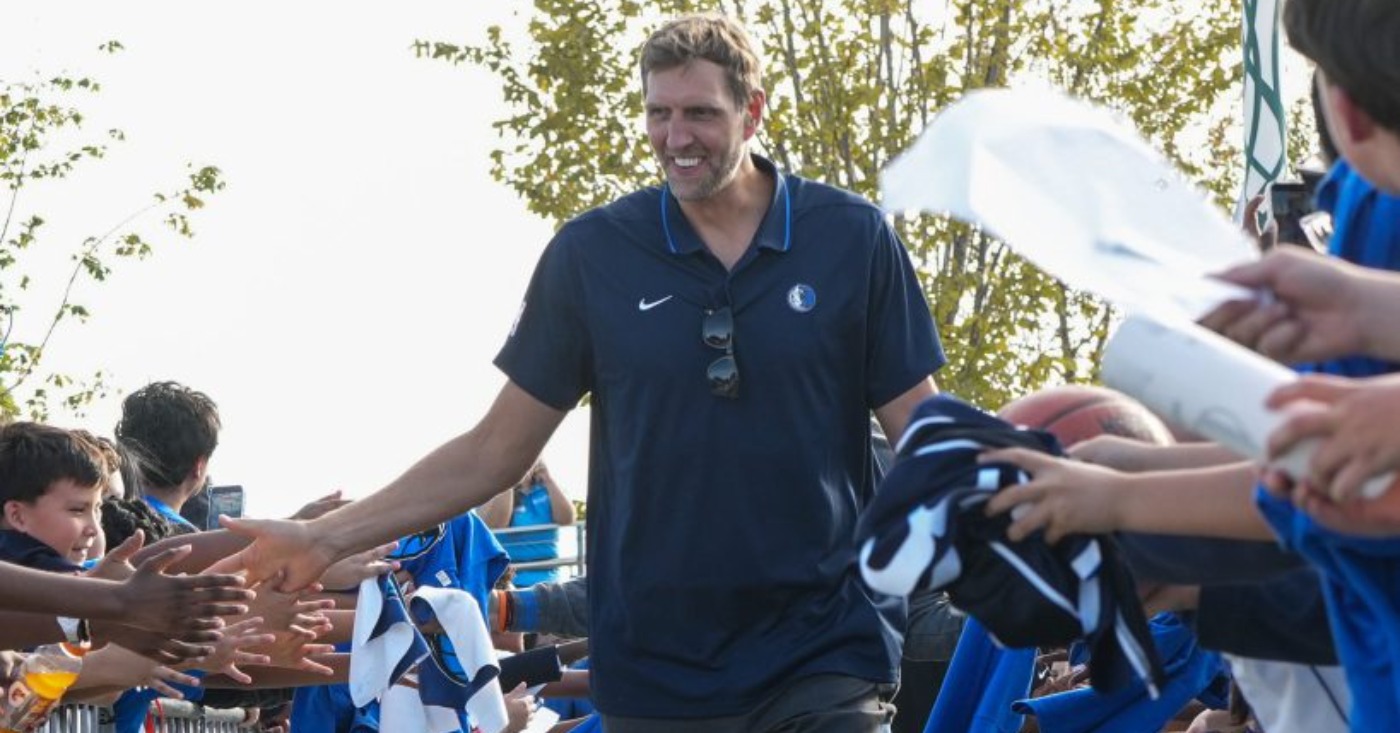
Dirk Nowitzki played 21 seasons for the Dallas Mavericks, becoming one of the most recognizable players in franchise history. However, some of the younger fans attending the team’s 2026 Community Tip-Off had a question for the Mavericks legend.
“I’m sure some of these kids didn’t know who I was because they asked,” Nowitzki said. “Some of them asked me, ‘Did you play for the Mavs?’ I think so, when your parents were around.”
It was one of many interactions that took place Monday afternoon as the Mavericks brought their 2026 Community Tip-Off directly to the people of Southern Dallas at Halperin Park in Oak Cliff.
Thousands of children had the opportunity to play basketball, enjoy festivities and spend time with their favorite Mavericks players and legends at the free community event, presented by Ticketmaster.

Mavericks president of business operations Ethan Casson spoke about the planning that went into bringing the celebration to Oak Cliff and the organization’s desire to create something different for the community.
“I think what we wanted to do for this season was really establish something that was about creating something more substantial, being very intentional with our efforts,” Casson said. “What if we showed up in a very grand way?”
That vision helped bring the Mavericks to Halperin Park, a bridge park constructed over Interstate 35E to reconnect Oak Cliff neighborhoods that had been separated by the highway for decades.
“We recognize what this park physically represents, which is connecting communities,” Casson said. “And when you’re able to visit, which we did with April and her team, the vision started to come to life.”
The park officially opened in May after years of planning, fundraising and community involvement. The Mavericks saw an opportunity to bring basketball and entertainment to a space created to strengthen relationships between neighborhoods.
April Allen, president and CEO of the Southern Gateway Public Green Foundation, appreciated the organization choosing Oak Cliff for its season-opening celebration.
“For the Mavs to come here to Oak Cliff, to spend the time, energy and resources that you see here is really a testament to their commitment to community,” Allen said. “We’re so grateful and honored that they chose us for this experience.”
The Mavs Foundation also presented a $50,000 grant to Halperin Park during the celebration, providing additional financial support for the community space.
Dallas City Manager Kimberly Bizor Tolbert attended the event and emphasized the importance of bringing celebrations and resources to Southern Dallas rather than leaving communities behind.
“We’ve got to continue to make sure that our community members are not left behind, and we’ve got to take things and be bold about going and being a part of community assets like Halperin Park,” Tolbert said.

(Roberto Hernandez/Dallas Mavericks)
The park represents an opportunity for neighborhoods to reconnect while creating a space where residents can gather and build relationships.
“I see that park as now a bridge that’s going to help us do that, even at a higher level,” Tolbert said.
Nowitzki also recognized the significance of the park and the investment that went into bringing the project to life.
“We all know what this park means to Dallas,” Nowitzki said. “Obviously, it’s been a project that’s been in the works for a long, long time.”
The Mavericks transformed Halperin Park into a gathering place filled with children playing basketball, visiting food vendors and interacting with players they had watched throughout the season.
Casson estimated approximately 3,000 children participated in the Community Tip-Off, including students from kindergarten through sixth-grade after-school programs.
Parents, teachers, local businesses and nonprofit organizations also attended, helping bring different parts of the Southern Dallas community together for the afternoon.
Approximately 200 Mavericks staff members helped organize the celebration, along with basketball operations personnel and corporate partners. Casson emphasized that bringing the entire organization together was an important part of making the event possible.
“When I say it was all hands on deck, it was all hands on deck,” Casson said. “It was really just one goal. How do we make it grand?”
Once the celebration began, the players had opportunities to interact with young fans and share messages about pursuing their dreams.
Mavericks forward Morez Johnson Jr. was among those who took the opportunity to encourage children to believe in themselves and work toward their goals.
“I think it means a lot, you know, to give these kids a lot to look up to,” Johnson said.
Johnson also reflected on messages shared with the children by his teammates, including P.J. Washington, Kyrie Irving and Cooper Flagg, about working hard and remaining focused on their dreams.
As one of the newer members of the Mavericks organization, Johnson appreciated the welcome he received and the chance to begin building relationships with the Dallas community.
“They welcomed me with open arms,” Johnson said. “I’m excited to get a chance to spend some time with these kids when I’m done with the interviews. I’m grateful to be here.”
For Casson, having players interact with children was one of the most meaningful parts of the celebration. He believes many athletes can relate to the experiences of young fans because of the coaches, teachers and mentors who helped shape their lives.
“To see your superheroes in person and know that those superheroes raised their hand and said they want to be here and be a part of it for this group is pretty special,” Casson said.
Nowitzki has experienced that relationship with Mavericks fans for more than two decades. Although some of the children were too young to remember his playing career, he appreciated the opportunity to connect with another generation.
“It’s cool to still get embraced by the city that I’ve played for for so long and now is my home,” Nowitzki said. “So definitely special. It means a lot.”
While the Community Tip-Off helped introduce the Mavericks to another generation of fans, the organization hopes to continue bringing similar celebrations to neighborhoods throughout Dallas.
Casson said the team plans to make the event an annual tradition, with future celebrations taking place in different communities.
“This is just the beginning,” Casson said. “This celebration we plan to bring to different communities, special communities throughout Dallas, year after year after year.”
The organization’s plans to visit other neighborhoods will not end its involvement in Southern Dallas. Casson emphasized that the Mavericks intend to continue supporting the community through additional programs, resources and investments.
Halperin Park was built to reconnect neighborhoods that had been separated for decades. On Monday, it also brought together generations of Mavericks fans, from those who watched Nowitzki throughout his career to children meeting him and the current team for the first time.
The Mavericks came to Oak Cliff to celebrate the beginning of the 2026-27 NBA season, but their goal extends beyond one afternoon of basketball and entertainment.
For Casson, the lasting impact of the celebration will depend on the organization’s willingness to continue showing up for the communities it serves.
“I think it’s important when you do any event, big or small, that it’s not a one-off,” Casson said. “This is about showing up again and again and again in different ways.”
The post Dallas Mavericks Unite Players, Legends and the Oak Cliff Community at 2026 Community Tip-Off appeared first on Dallas Weekly.
Based on reporting by The Dallas Weekly.
Art
Brooklyn Roots and Artistic Genius
THE POSITIVE COMMUNITY — Jean-Michel Basquiat emerged from Brooklyn to become one of the most influential artists of the late twentieth century. Born in 1960 to a Haitian father and a mother of Puerto Rican descent, his upbringing was defined by a rich blend of Caribbean cultural traditions and the linguistic diversity of New York City.

Jean-Michel Basquiat was one of the most influential artists to emerge from New York City during the late twentieth century. Born on December 22, 1960, in Brooklyn, New York, he transformed his experiences growing up in the city into a distinctive artistic language that combined painting, poetry, history, music, and social commentary. His work explored Black identity, racism, power, and the experiences of people whose stories had often been overlooked by mainstream institutions. Although his career lasted only a few years, Basquiat left a lasting mark on contemporary art.
Basquiat grew up in a family that exposed him to several cultural influences. His father, Gérard Basquiat, was born in Haiti, while his mother, Matilde Andrades, was born in New York to Puerto Rican parents. Through his parents, Jean-Michel was connected to Haitian, Puerto Rican, and broader Caribbean cultural traditions. Growing up in Brooklyn, he experienced the diversity of New York City, where different languages, communities, musical styles, and artistic expressions existed side by side. These influences would later become visible in his paintings, which frequently incorporated historical references, handwritten words, and symbols.
His mother played an important role in encouraging his early interest in art. Matilde recognized her son’s artistic ability and introduced him to museums, books, and cultural experiences. One important childhood event occurred when Basquiat was seven years old and was struck by a car while playing in the street. During his recovery, his mother gave him a copy of Gray’s Anatomy, a medical reference book that illustrated the human body in considerable detail. Its anatomical drawings influenced his lifelong interest in skeletons, skulls, and the internal structures of the human body. These images later became recurring features in his artwork.
Basquiat was one of four children born to Gérard and Matilde, although the family had experienced the loss of an older son before his birth. He had two younger sisters, Lisane and Jeanine, with whom he shared his early family life. His parents eventually separated, and his mother experienced periods of serious personal difficulties that affected the family. These circumstances formed part of a complicated childhood that included both encouragement and hardship. Although his family relationships were not always easy, his mother’s early support for his artistic interests remained an important influence on his development.
Basquiat’s upbringing was also shaped by language and cultural diversity. He grew up speaking English, French, and Spanish, reflecting the backgrounds of his parents and the environment in which he was raised. In 1974, his family moved to Puerto Rico for a period before returning to Brooklyn in 1976. These experiences exposed him to different cultural perspectives and helped establish the broad historical and cultural interests that later appeared in his work. His paintings often included words and references drawn from different languages, histories, and communities, creating a visual expression of his multicultural identity.
As a teenager, Basquiat became increasingly connected to Manhattan’s downtown art and music scenes. He eventually left home and supported himself through various activities, including selling handmade postcards and painted T-shirts. Along with his friend Al Diaz, he began creating cryptic graffiti under the name SAMO, short for “Same Old.” Their messages appeared on walls around Lower Manhattan and attracted attention for their wit, unusual phrasing, and criticism of established social and cultural conventions. This early work helped Basquiat develop a reputation as an original voice in New York’s underground creative community.
By the early 1980s, Basquiat had moved from street-based expression into the world of professional painting. His work attracted attention through exhibitions that introduced his distinctive style to collectors, critics, and fellow artists. His paintings combined bold colors, rough lines, repeated symbols, handwritten phrases, and images of human figures. Rather than following traditional expectations of polished painting, he created works that appeared energetic, fragmented, and emotionally direct. His artistic approach reflected the rhythms of New York City, where street culture, hip-hop’s emerging influence, punk music, and experimental art intersected.
A central theme in Basquiat’s work was the experience of Black people in a society shaped by racial inequality. He frequently portrayed historical figures, athletes, musicians, and other individuals whose achievements deserved recognition. Crowns appeared throughout his paintings as symbols that could suggest dignity, authority, and the importance of people who had been marginalized. His work also challenged colonialism, racism, and the unequal distribution of power. Rather than presenting history as a distant collection of events, Basquiat brought it into the present, encouraging viewers to consider whose stories were celebrated and whose were neglected.
Music was another important element of Basquiat’s creative life. He played in a band that eventually became known as Gray, exploring experimental sounds alongside his visual art. He was influenced by jazz and the broader musical culture of New York, and his paintings often possess a rhythm that resembles improvisation. Words, marks, and images seem to compete for attention while creating an overall composition. His artistic process shared something with jazz musicians who build a performance through experimentation, repetition, and unexpected changes. This connection between music and painting helped distinguish Basquiat from many of his contemporaries.
Basquiat also developed a significant relationship with Andy Warhol, one of the most recognizable artists of the twentieth century. The two artists collaborated on paintings during the 1980s, combining different approaches to imagery, color, and popular culture. Their relationship brought Basquiat into contact with an influential figure in the established art world, although it also highlighted the tensions between artistic creativity, celebrity, and commercial success. As his reputation grew, Basquiat had to navigate an industry that increasingly treated his identity and personal story as part of the appeal of his work. Nevertheless, he continued to produce paintings that expressed his individual perspective and challenged conventional ideas about art.
Despite his extraordinary success, Basquiat’s life was tragically short. He died in New York City on August 12, 1988, at just 27 years old, from an accidental drug overdose. His death ended a remarkably productive period in which he had moved from an underground artist in Brooklyn and Manhattan to an internationally recognized painter. His final years have also encouraged broader discussions about the pressures faced by young artists, the demands of celebrity, and the difficulties of maintaining personal well-being while working in a highly competitive industry. His death remains a painful reminder of the distance between public recognition and the private struggles a person may experience.
Today, Jean-Michel Basquiat’s legacy extends far beyond the galleries in which his paintings are displayed. His work is held by major museums, studied by scholars, and admired by artists across generations. His Brooklyn upbringing, Haitian and Puerto Rican heritage, family experiences, and encounters with New York’s streets all contributed to the development of an artistic vision that was unmistakably his own. Basquiat demonstrated that an artist did not need to follow traditional academic pathways to create work of lasting significance. His paintings continue to speak about identity, inequality, history, and the power of creative expression. From the streets of New York to the world’s leading museums, Basquiat remains a symbol of artistic independence and the enduring influence of Black creativity.
Based on reporting by The Positive Community.
Black Press
Roland Martin Brings Black Votes Matter to Tallahassee
FLORIDA SUN — Roland Martin brought his “Black Votes Matter 2026” live show to The Edison in Tallahassee as part of his “Roland on the Road” series, coinciding with Florida A&M University’s homecoming celebrations. The event drew a large crowd of Rattlers to the restaurant for a broadcast focused on the upcoming November general election.
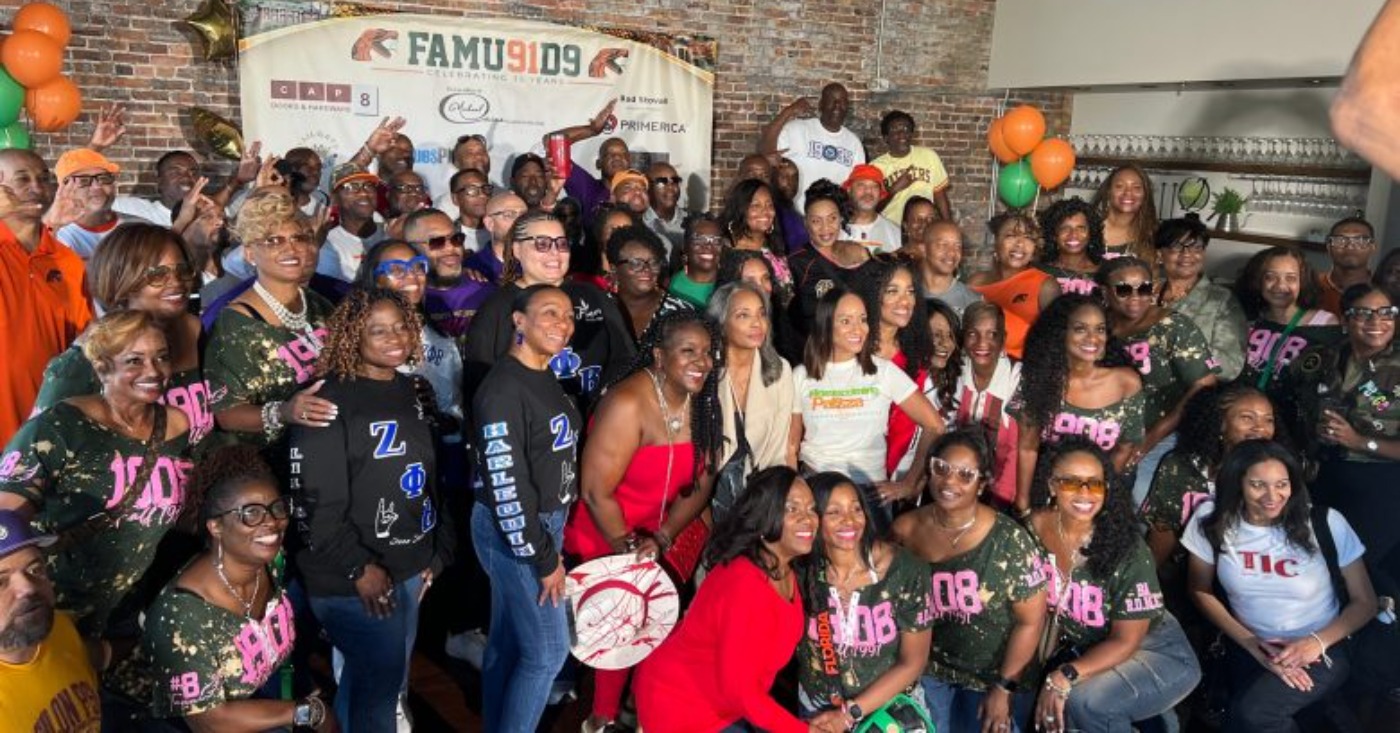
TALLAHASSEE — Roland Martin hosted his “Black Votes Matter 2026” live show at The Edison on Friday, Oct. 23, bringing an election-focused conversation to Florida A&M University’s homecoming celebrations.
Rattlers filled the restaurant to celebrate homecoming and watch the broadcast, according to event organizers. Democratic candidates, elected officials and entertainment figures joined the program as campaigns entered the final stretch before the Nov. 3 general election.
The Tallahassee stop was part of Martin’s “Roland on the Road” series. It focused on the role of Black voters in the 2026 election and issues affecting communities across Florida.
Candidates and elected officials on the program
The show’s published billing featured state Rep. Angie Nixon, Florida’s Democratic nominee for U.S. Senate; David Jolly, the Democratic nominee for governor; and film producer Will Packer.
Organizers’ confirmed guest list also included Joey Mendoza Atkins, the Democratic nominee for Florida agriculture commissioner, and state Reps. Gallop Franklin, Jervonte Edmonds and Rashon Young.
The event coincided with FAMU’s Oct. 18–25 homecoming week. The university’s schedule included Friday’s Homecoming Convocation and FAMFest marketplace, followed by Saturday’s parade and football game.
Affordability and voter participation
Briefing materials prepared for guests emphasized housing costs, property insurance, health care and voter participation. The planned interview format called for short conversations about lawmakers’ work and the issues facing Floridians.
The Florida Democratic Party framed its message around lowering household costs and supporting its candidates in November. Its briefing encouraged guests to discuss affordability and the importance of voting.
For Florida Black voters following the election, the program placed statewide campaigns alongside familiar figures from politics and entertainment. Holding the broadcast during homecoming also brought the election conversation into a gathering centered on Rattler traditions and reunions.
Florida’s general election is Tuesday, Nov. 3. Readers can find official election dates and contact information for their county elections office through the Florida Division of Elections.


TagsAngie NixonBlack Votes Matter 2026David JollyFAMU homecomingFlorida electionsFlorida legislatureJoey Mendoza Atkinsroland martinTallahasseeWill Packer
Based on reporting by Florida Sun.
Black History
Columbus’s Oldest Businesses Still Open: 10 That Have Lasted 75+ Years
COLUMBUS TIMES — Columbus, Georgia, traces its commercial roots to the early 19th century, when the Chattahoochee River and local cotton mills fueled a burgeoning regional economy. While the city has transformed into a modern hub for banking and manufacturing, a select group of businesses and institutions have managed to survive for more than 75 years.
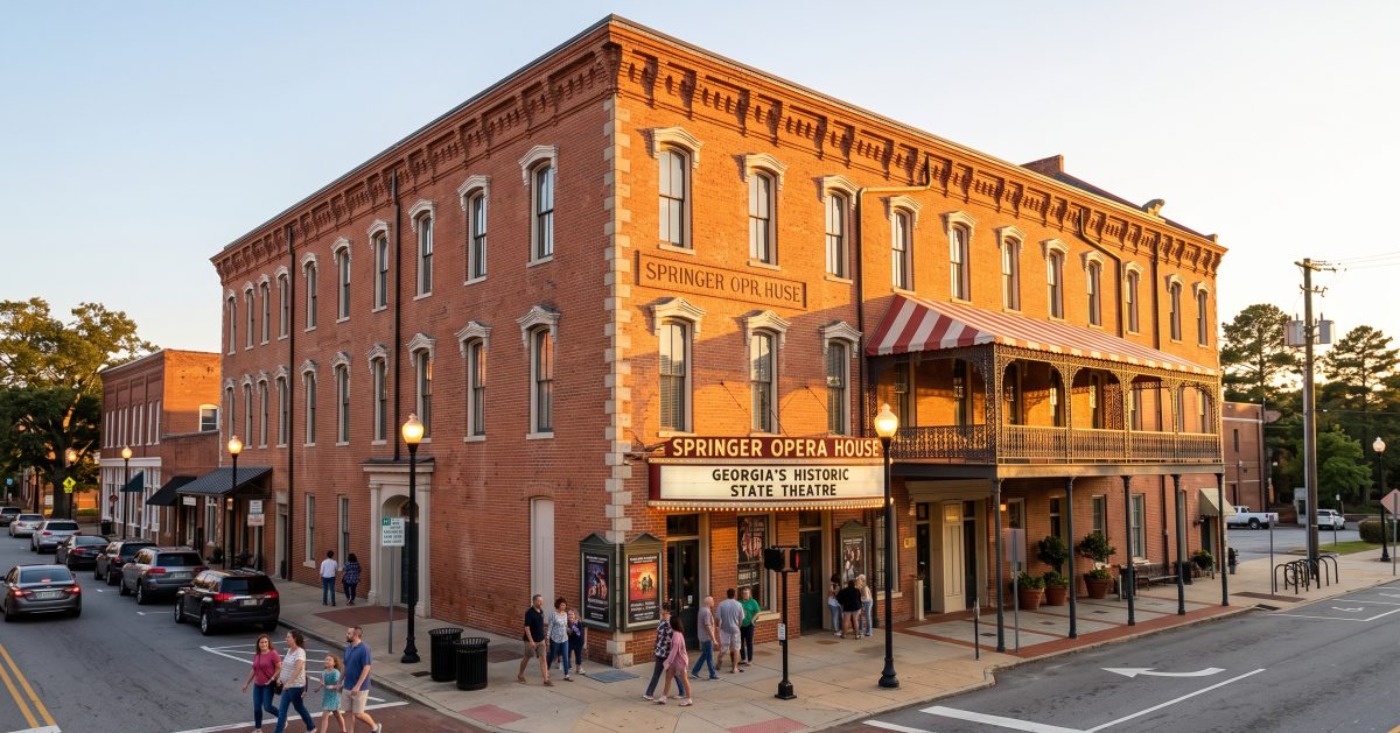
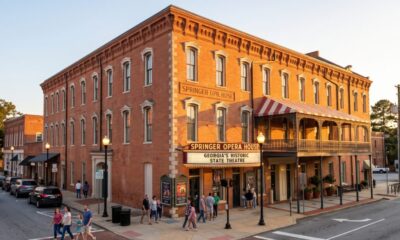
The historic Springer Opera House in downtown Columbus, Georgia, opened in 1871 and stands as one of the city’s oldest surviving cultural institutions.
Some Columbus businesses have been around longer than the automobiles, shopping centers and neighborhoods that now surround them. A handful date back to the 1800s, when cotton mills powered the local economy and the Chattahoochee River carried goods between communities. Others survived the Great Depression, two world wars, economic downturns and decades of changing consumer habits.
While hundreds of businesses have opened and closed across Columbus over the generations, these 10 have histories stretching back at least 75 years. Some remain family-owned, while others have survived mergers, ownership changes or major transformations. Together, their histories tell the story of how Columbus grew from a riverfront trading town into a regional center for banking, manufacturing, commerce and culture.
This list includes businesses, commercial institutions and their surviving successors with documented Columbus roots before 1951. It is not a definitive ranking of every surviving business, and several entries have changed ownership, names or operating models over time.
1. Columbus Ledger-Enquirer — 1828 (198 Years)
One of Columbus’s oldest surviving commercial institutions is its longtime newspaper, the Columbus Ledger-Enquirer. Its history began in 1828 with the founding of the Columbus Enquirer, the same year Columbus was established. The Columbus Ledger followed in 1886, and the two newspapers eventually became a single publication in 1988.
Over nearly two centuries, the newspaper has documented wars, elections, industrial expansion, economic downturns and major changes throughout the Chattahoochee Valley. Its ownership changed again in July 2026, when the Georgia Trust for Local News purchased the Ledger-Enquirer from McClatchy. The newspaper continues operating, although the modern publication is the product of mergers and transformations rather than an unchanged business established in 1828.
2. Willcox-Lumpkin Co. — 1848 (178 Years)
Insurance agency Willcox-Lumpkin traces its history to 1848, making it one of Columbus’s oldest documented commercial enterprises. Historical city directories identify the business as an insurance agency that protected homes, businesses and property long before automobiles became common. The company remained associated with generations of the Willcox and Lumpkin families.
Its history is supported by advertisements appearing in Columbus directories more than a century ago. Georgia Secretary of State records currently list Willcox-Lumpkin Co. as active and in compliance, with its corporate registration dating to December 1923. That distinction matters because the business’s claimed operating history is considerably older than its present corporate registration.
3. Springer Opera House — 1871 (155 Years)
The Springer Opera House opened in 1871 and became one of the city’s most important entertainment destinations. Built by businessman Francis Joseph Springer, the theater attracted nationally recognized performers and helped establish Columbus as a cultural center. Its ornate Victorian architecture remains one of downtown’s most recognizable landmarks.
The Springer nearly disappeared during the 1960s after declining attendance and years of deterioration. Preservationists rescued the building, and theatrical performances returned in 1965. Although it has not operated continuously in the same form, the Springer remains an active performing arts institution and an example of how historic properties can find new economic life.
4. Schomburg’s Jewelers — 1872 (154 Years)
Few Columbus retailers can claim a family history as long as Schomburg’s Jewelers. Carl Frederick Schomburg established the jewelry business in 1872 after working as a clockmaker, and the company gradually expanded into watches, jewelry and other luxury goods. Five generations of the family have been associated with the business.
Today, Schomburg’s operates on Rollins Way and identifies itself as Georgia’s oldest fifth-generation jeweler. Its longevity reflects a business model built around specialized craftsmanship, customer relationships and family continuity. While many traditional jewelry stores have disappeared or become part of national chains, Schomburg’s has maintained a recognizable local identity.
5. Goldens’ Foundry & Machine Co. — 1882 (144 Years)
Two brothers, Theodore and J. Poitevent Golden, established Goldens’ Foundry & Machine Co. in 1882. The company began as a small foundry and machine shop during an era when Columbus was expanding rapidly as a manufacturing center. Its products helped supply the machinery and industrial equipment needed by businesses throughout the region.
More than 140 years later, the business remains associated with descendants of its founders. Goldens’ continues manufacturing industrial castings while also developing consumer products through its Goldens’ Cast Iron brand. Its survival is especially significant because many of the textile mills and industrial operations that helped create its original market have long since closed.
6. W.C. Bradley Co. — 1885 (141 Years)
The W.C. Bradley Co. traces its origins to 1885, when William Clark Bradley entered the cotton business in Columbus. Over time, his growing enterprise expanded into groceries, fertilizer, transportation, manufacturing and financial services. The company eventually became one of the most influential business organizations in the Chattahoochee Valley.
Its business interests helped shape the development of modern Columbus, including the city’s banking and manufacturing sectors. The company also became closely associated with Char-Broil, the nationally recognized outdoor cooking brand. Today, W.C. Bradley Co. maintains its corporate headquarters near the Chattahoochee River, continuing a business legacy that began when cotton dominated the regional economy.
7. Synovus Banking Legacy — 1888 (138 Years)
The banking institution that became Synovus began in 1888 with the establishment of two Columbus banks. According to company history, the idea developed partly from the need to provide textile workers with a safe place to keep their earnings. Those early banking operations eventually evolved into Columbus Bank and Trust and later Synovus Financial Corporation.
A major change occurred in January 2026 when Synovus merged with Pinnacle Financial Partners, ending its existence as an independent corporation. The combined organization continues serving Columbus customers under the Synovus name during the transition to Pinnacle branding, which is scheduled for 2027. Pinnacle also announced plans in June to expand its downtown Columbus workspace, reinforcing the city’s continued importance to the banking operation.
8. Dinglewood Pharmacy — 1918 (108 Years)
Dinglewood Pharmacy opened on November 13, 1918, and became one of Columbus’s most recognizable neighborhood businesses. While generations of customers have visited for prescriptions and pharmacy services, the business is equally famous for its traditional lunch counter. Its signature scrambled dog has become closely associated with Columbus food culture.
The pharmacy celebrated its centennial in 2018, an achievement relatively few independent neighborhood businesses reach. Its ability to combine traditional pharmacy services with a popular local dining experience has helped preserve its reputation across generations. Dinglewood remains an especially visible example of a business whose appeal extends well beyond the original service it was established to provide.
9. Striffler-Hamby Mortuary — 1923 (103 Years)
Striffler-Hamby Mortuary traces its business history to 1923, when David Abraham Striffler opened his own funeral establishment in downtown Columbus. Striffler had entered the local funeral industry in 1908 before eventually establishing an independent operation. In 1930, he moved the business into a building constructed specifically for funeral services.
The mortuary became an established name as generations of Columbus families turned to it for funeral arrangements. Today, the business operates as part of the Dignity Memorial network, showing how a longstanding local institution can continue under different corporate ownership. Its history also offers a look at how funeral services evolved from small undertaking establishments into modern funeral homes.
10. WRCG Radio, Originally WRBL — 1928 (98 Years)
Columbus entered the broadcasting era on May 10, 1928, when WRBL began transmitting radio programs to local listeners. The station was established through the efforts of early radio pioneer Bill Lewis and became the city’s first radio broadcasting operation. Its original programming helped bring news, entertainment and live events into Columbus homes.
The station eventually changed ownership, frequencies and call letters, becoming WRCG in 1977. Historical research by Columbus State University and Historic Columbus confirms the connection between the original WRBL radio operation and its later identity. Today, WRCG represents a surviving broadcasting legacy that predates television’s arrival in Columbus by approximately 25 years.
What These Businesses Reveal About Columbus
The survival of these institutions reflects the major industries that shaped Columbus over nearly two centuries. Banking, manufacturing, retail, insurance, entertainment and communications all played important roles in the city’s economic development. Several businesses adapted to changing markets, while others survived by maintaining relationships with generations of local customers.
Their histories also demonstrate that longevity does not necessarily mean remaining unchanged. Some businesses were acquired by larger corporations, others moved into new industries, and several preserved their names despite major changes in ownership. For Columbus residents, these institutions provide a tangible connection to the city’s past while continuing to influence its economic and cultural identity.
Source: Historic Columbus Foundation; Columbus State University Archives and Special Collections; Georgia Historical Society; New Georgia Encyclopedia;
Based on reporting by Columbus Times.
Art
Comedy and Loss Collide in Kevonstage’s ‘Grief Sucks’ at the Pageant
ST. LOUIS AMERICAN — Comedian KevOnStage brought his one-man show “Grief Sucks” to The Pageant, offering an experience that blended humor with the raw realities of loss. The show, rooted in his personal journey after the sudden death of his brother, manager, and business partner Jason Fredericks four years ago, gave the audience permission to laugh and cry, often at the same time.
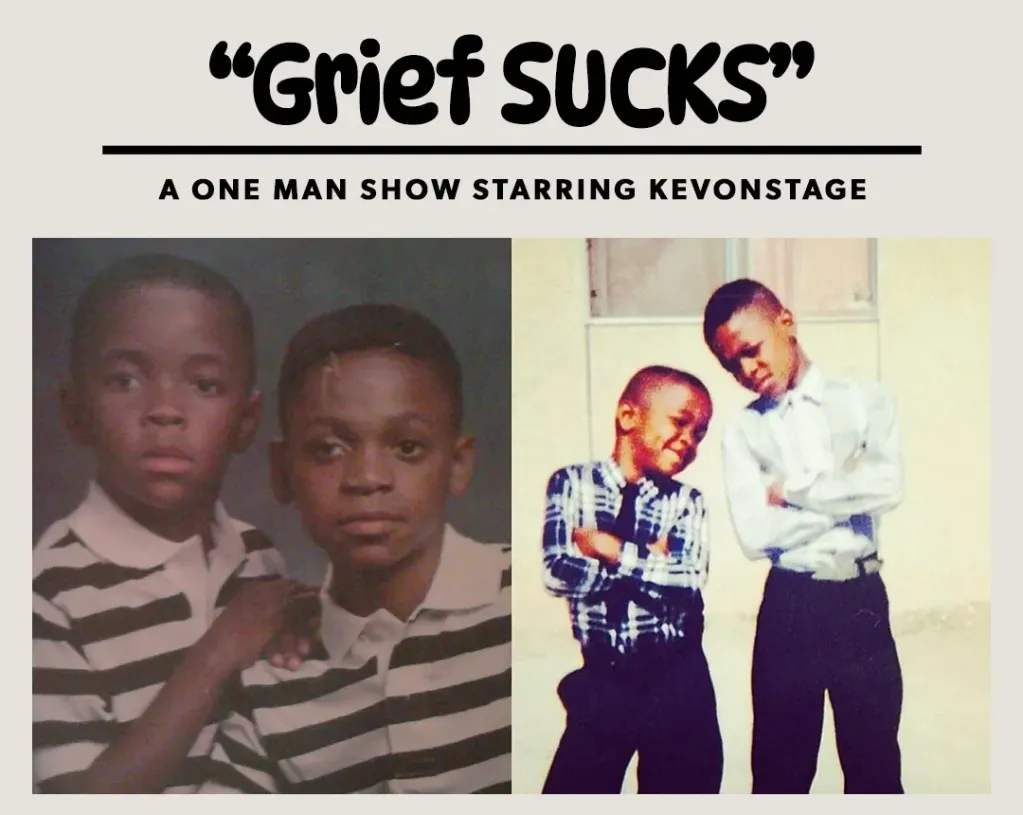
When KevOnStage took the stage at The Pageant Sunday night, his house rules let everyone know what they were in for with his one-man show “Grief Sucks.”
“Do not judge yourself. Do not judge the jokes. Just laugh,” he said.
Even within his directions, were jokes.
He gave the audience permission to cry, but quietly – because Black people have a tendency to do things at full volume.
The hour that followed provided plenty of laughter. But underneath the humor were truths that anyone who has ever lost someone could feel deep in their chest.
The show was based on his experience of losing his brother, best friend, manager and business partner Jason Fredericks. He died suddenly of a heart attack four years ago at the age of 42.
Kev warned the audience to be mindful of their social media — both the wild posts that could end up being someone’s last and the intrusive ones people make after a loved one dies. And he gave people permission to laugh at the moments that feel too outrageous to say out loud — the ones that become inside jokes for families trying to survive the worst days of their lives.
“Grief is dark humor,” he said as he walked through the story of his brother’s death — a story he jokingly blamed on Nia Long.
He found a way to give permission to laugh at the outlandish moments that often serve as inside jokes. Those who have lived through some of the worst moments of their lives and not only found a way to talk about it, but to steal a laugh in the midst.
“Grief is dark humor,” he said as he walked through the story of his brother’s death — a story he jokingly blamed on Nia Long.
“I know that sounds crazy,” he said. “It’s not her fault — but it is her responsibility.”
It was a jarring moment, but it let the audience know exactly what kind of honesty they were in for.
He said his brother’s death was “proof that she is drop‑dead gorgeous.”
“Sometimes things are funny — and sometimes things are funny because you should not be laughing,” he said.
The show moved through a series of points about grief, each one backed by a story that made the room nod in recognition. He talked about how grief can twist ordinary moments — how it can make you jealous of people with siblings or irritated by strangers having a good day.
He explained how grief can twist even the simplest moments, how it can make you jealous of people with siblings, or irritated by strangers having a good day. He brilliantly compared grief to a rock stuck in your shoe. Sometimes it’s small and manageable. Other times its jagged and unbearable – but always there.
He also talked about the unfairness of grief — how the world doesn’t stop when your loved one dies, how people still go to Raising Cane’s, still pick up their kids, still laugh. And he talked about the heartbreak of realizing his brother never got to see things he would have loved, from TV shows to cultural moments. And that he was robbed of the opportunity to engage with him about them.
“He would have loved Sinners,” Kev said. “But he never got to see it.”
At one point, he paused to show a video of his brother telling him how proud he was. The room went quiet. It wasn’t the polite kind of silence – but the kind where you can hear someone in the back sniff. The crowd assured him that it was okay for him to take a beat. His voice shook as he pushed through. Those pauses made the audience lean in even more.
Kev made grief feel communal. He made people laugh at things they didn’t think they were allowed to laugh at. And he reminded everyone in the room that grief doesn’t make sense, doesn’t follow rules, and doesn’t care about timing. And most importantly, he drove home the point that it also doesn’t have to be carried alone.
There were moments when his emotions got the best of him. There was the video he shared of his brother telling Kev how proud he was of him that compelled him to take a beat. His voice quivered as he powered through. Those pauses made the audience connect with the show all the more. Grief Sucks wasn’t just comedy. It was catharsis. It was storytelling. It was a room full of people realizing they weren’t the only ones trying to make sense of loss.
KevOnStage gave them permission to feel all of it — and to laugh anyway.
Internet personality and standup comedian KevOnStage used the sudden and unexpected loss of his brother as the foundation for a one-man show that was funny, honest and a little dark – often at the same time.
Sunday night, he brought “Grief Sucks” to The Pageant. His barometer check
KevOnStage walked onto The Pageant stage Sunday night with a promise: that the next hour would be funny, honest and a little dark. And he delivered all three — often at the same time.
His one‑man show, Grief Sucks, was as relatable as it was funny. It was the kind of performance where the audience laughed hard, then caught themselves nodding in recognition. Because beneath every punchline was a truth that anyone who has lost someone could feel in their chest.
He opened with the kind of humor that only comes from someone who has lived through the worst days of their life and somehow found a way to talk about it. He told the crowd they had permission to cry, laugh, sit still, or just breathe — but to “cry quietly,” because, as he joked, Black folks tend to do everything at full volume.
Then he went straight into the story of losing his brother — not with soft edges, but with the kind of raw honesty that made the room go still. He explained how grief can twist even the simplest moments, how it can make you jealous of people with siblings, or irritated by strangers having a good day. He compared grief to a rock stuck in your shoe: sometimes small and manageable, sometimes jagged and unbearable, but always there.
And he didn’t shy away from the intrusive thoughts that come with loss — the ones people rarely admit out loud. He shared the moment he realized he had lived longer than his older brother ever got to, and how that fact sits heavy no matter how much time passes.
Kev’s storytelling is built on the kind of humor that comes from real life — the funeral home upcharges, the family dynamics, the dark jokes that slip out at the worst possible moments. He told a story about previewing his brother’s body with his wife and grandmother, and how one unexpected comment turned into an inside joke that has carried them through four years of grief.
He also talked about the unfairness of grief — how the world doesn’t stop when your loved one dies, how people still go to Raising Cane’s, still pick up their kids, still laugh. And he talked about the heartbreak of realizing his brother never got to see things he would have loved, from TV shows to cultural moments.
The most emotional part of the night came when he recounted the day his brother died — the phone calls, the confusion, the hope, and finally the moment his nephew said, “He’s gone,” while Kev was sitting in a middle seat on a United flight. He told it plainly, without theatrics, and the room held its breath.
But even in that story, he found a way to make people laugh — not at the pain, but at the absurdity of life continuing around you when your world has just shattered.
By the end of the show, KevOnStage had done something rare: he made grief feel communal. He made people laugh at things they didn’t think they were allowed to laugh at. And he reminded everyone in the room that grief doesn’t make sense, doesn’t follow rules, and doesn’t care about timing — but it also doesn’t have to be carried alone.
Grief Sucks wasn’t just comedy. It was catharsis. It was storytelling. It was a room full of people realizing they weren’t the only ones trying to make sense of loss.
And on a Sunday night at The Pageant, KevOnStage gave them permission to feel all of it — and to laugh anyway.
Based on reporting by St. Louis American.


Together Building Back Better

Homecoming Ends in Gunfire Outside FAMU: 12 Hurt, Six of Them Children
COMMENTARY: Bring on the Positive Calvary

Retirement Triggers Doctor to Pen Book for Young Audience

Fatigue, Bloating, and Inflammation: Spotting the Subtle Signs of MASLD

Metro Detroit Faith Leaders Call out Islamophobia in Michigan Senate Race

Dallas Trinity FC Signs Kaiya Brewer to Academy Contract

Dallas Mavericks Unite Players, Legends and the Oak Cliff Community at 2026 Community Tip-Off

Brooklyn Roots and Artistic Genius

NCCU Snap Three – Game Losing Streak with Win over Delaware State University

OP-ED: Haiti TPS: Have We Lost Sense of Humanity?

Remembering Chauncey Bailey as Student Journalists Face Threats to Truth-Telling

All Skinfolk Ain’t Kinfolk

Poll: Becerra Widens His Lead Over Hilton; Californians Split on Wealth Tax

Rulings Leave Questions Lingering in Nolan Wells Case

Latinas Deserve Equal Pay. Unions Help Make It Happen.

Why Black Artists Struggle to Sell Tours

COMMENTARY: The Audacity of Joyce Beatty

Zakiya Jendayi Arrested, Locked Out of Home by Sheriff’s Deputies

A $2.1 Trillion Wellness Industry Never Built a Daily Practice for Black Children. So This Atlanta Family Did.

East Side Shoutout! Sports Talk & Guest Invite! #shorts

Black Girl Walk in the Rain at George Floyd Square | Protect Your Peace | MSR

Stop Overpaying for Car Insurance: Compare 3–5 Quotes #shorts

A $50K SUV Becomes $66K—Are the Options Worth It? #shorts

Dr. Charles Drew – Blood Banking and Preservation

15 Years Together: The Surprising Joy of Discovering Your Partner #shorts

Wala Blegay on the Future of Energy Grid Stability and Data Center Concerns

Gopher Football: Can They Rekindle 2019 Magic Or Are They Just Average? #shorts

The Conversation with Al McFarlane (10/27)

Citizen Savings Bank: Oldest Black-Owned Bank in US #shorts
-

 Featured1 week ago
Tamiko Armstead | 2026 Lifetime Achiever in Education
-

 Black History1 week ago
OP-ED: The Black Church Writes AI’s Next Chapter
-
 Black History1 week ago
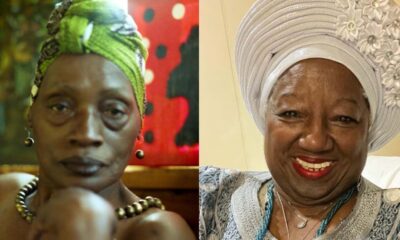
Practitioners of African Traditional Spirituality Offer Ancestral Reverence Ritual Oct. 31
-
 Art1 week ago
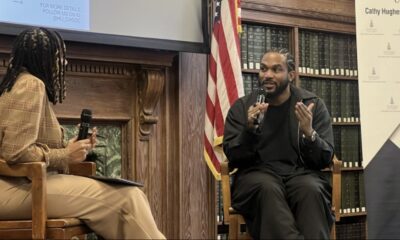
Kickstarter CEO Everette Taylor Shares Tips on Creating and Growing a Business
-
 Black History1 week ago
Columbus’s Oldest Businesses Still Open: 10 That Have Lasted 75+ Years
-

 Black History1 week ago
COMMENTARY: BIG MAMA SAID: Don’t Throw Away the Gift Just Because It Came Wrapped Wrong
