
Commentary
Republican Adam Kinzinger Endorses Biden-Harris Ahead of First Presidential Debate
NNPA NEWSWIRE — Kinzinger, a self-described Republican moderate, served as an Illinois congressman from 2011 until last year. He gained prominence for his opposition to his party’s direction, particularly after the January 6 Capitol attack. “This is what putting your country before your party looks like,” Biden said.


By Stacy M. Brown
NNPA Newswire Senior National Correspondent
@StacyBrownMedia
Former Republican Congressman Adam Kinzinger has announced his endorsement of President Joe Biden and Vice President Kamala Harris just ahead of the first presidential debate in Atlanta. Kinzinger, a self-described Republican moderate, served as an Illinois congressman from 2011 until last year. He gained prominence for his opposition to his party’s direction, particularly after the January 6 Capitol attack. “This is what putting your country before your party looks like,” Biden said.
Kinzinger was one of only two Republicans, alongside former Wyoming Congresswoman Liz Cheney, to serve on the House Select Committee to Investigate the January 6th Attack. He was also among the ten House Republicans who voted to impeach Trump in 2021, subsequently deciding not to seek reelection. In his recent book, “Renegade,” Kinzinger reflects on his political career, the challenges of working within a fractured political system, and his growing disillusionment with the Republican Party after Trump’s presidency and impeachment trials. Kinzinger, a vocal critic of former President Donald Trump, cited the “existential threat” Trump poses to American democracy as a critical reason for his endorsement. He referenced Trump’s role in the January 6 insurrection and praised President Biden’s steadfast commitment to protecting and strengthening democracy.
Kinzinger’s endorsement sets the stage for a stark contrast at tomorrow’s debate. Trump’s election denialism and support for political violence will be starkly juxtaposed against Biden’s unwavering advocacy for democracy, law, and order, a contrast that will be hard to miss. Conversely, Biden has fostered a sense of unity in his coalition, welcoming Republicans like Kinzinger. His campaign has invested millions in outreach efforts targeting Nikki Haley’s primary voters and organizing Republican outreach with resolute staff, demonstrating a commitment to inclusivity.
“I’m a proud conservative. I always have been. As a proud conservative, I’ve always put democracy and our Constitution above all else,” Kinzinger asserted. “And it’s because of my unwavering support for democracy, that today, as a proud conservative, I am endorsing Joe Biden for reelection.” The former congressman said his life has been guided by the conviction that America is a beacon of freedom, liberty, and democracy. “So, while I certainly don’t agree with President Biden on everything – and I never thought I’d be endorsing a Democrat for president – I know that he will always protect the very thing that makes America the best country in the world: our democracy,” he insisted. “Donald Trump poses a direct threat to every fundamental American value. He does not care about our country. He does not care about you. He only cares about himself, and he will hurt anyone or anything in pursuit of power. We saw that when he tried to overturn an election, he knew he lost in 2020.
“He attacked the foundation of this nation, encouraging a violent mob of his supporters to march on the Capitol to prevent the peaceful transition of power. Now, he has become even more dangerous. He’s called for the “termination” of the Constitution. He wants to be a dictator on day one, he actually said that. And he is continuing to stoke the flames of political violence. There is too much at stake to sit on the sidelines.”
Julie Chavez Rodriguez, Biden-Harris 2024 Campaign Manager, released a statement regarding Kinzinger’s endorsement:
“Our campaign is proud to earn the support of Congressman Kinzinger, a true public servant who is a model for putting our country and our democracy over party and blind concession to Trump. Congressman Kinzinger represents the countless Americans that Donald Trump’s Republican Party has left behind. Those Americans have a home in President Biden’s coalition, and our campaign knows we need to show up and earn their support.
“President Biden will always fight for American democracy, the rule of law, treating each other with decency, dignity, and respect, and working to find common ground—even when we disagree. Congressman Kinzinger’s endorsement does not just make our campaign stronger; it will better equip us to win the hearts and minds of voters committed to fighting for the future of our democracy and stopping Donald Trump.”







Black History
Christianity’s Racial History
THE POSITIVE COMMUNITY — Historian and author Jemar Tisby is challenging the traditional narratives of American religious history through his acclaimed work, The Color of Compromise. His research provides a comprehensive examination of how Christian institutions have historically participated in, accommodated, or resisted racial injustice from the colonial era to the present day.

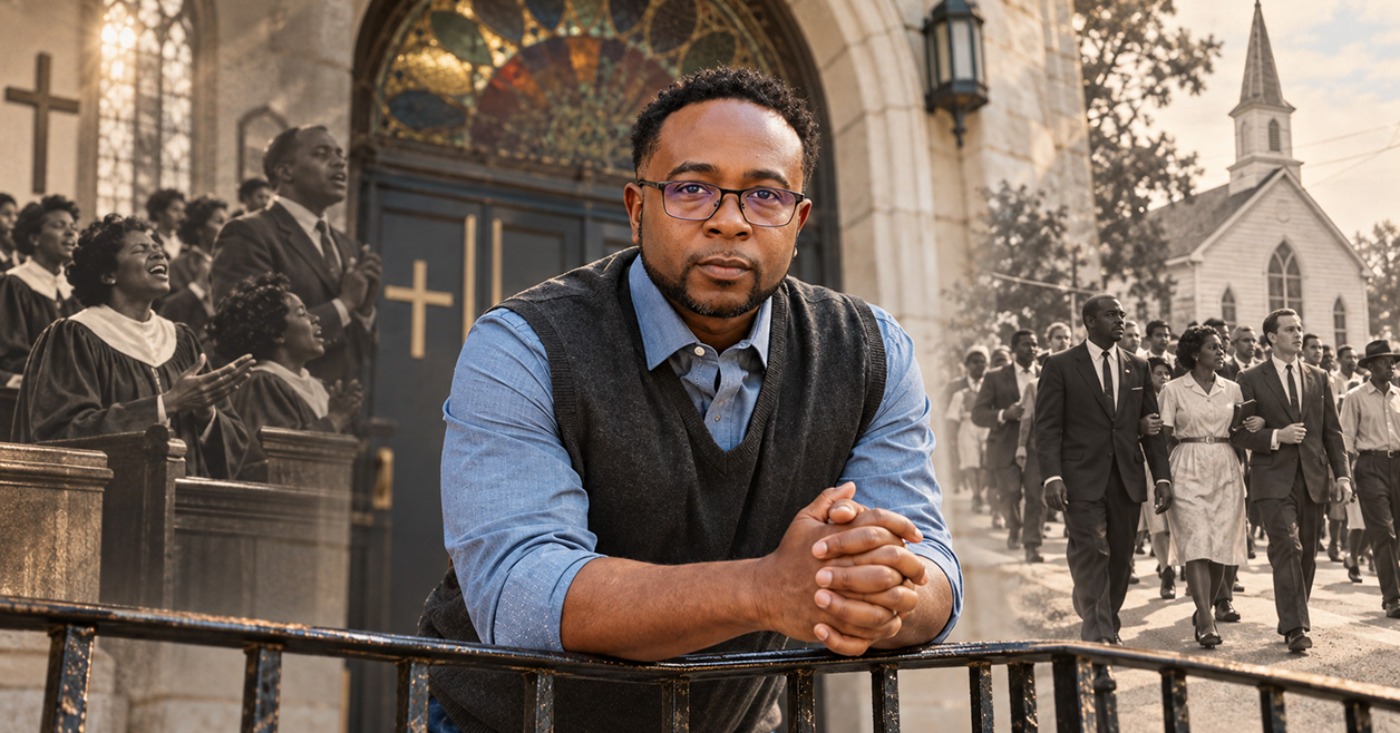
Jemar Tisby is a historian, author, and public speaker whose work examines the relationship between Christianity, racism, and American history. Through his writing, he challenges readers to reconsider the role religious institutions have played in shaping racial attitudes and social structures. His widely recognized book, The Color of Compromise: The Truth About the American Church’s Complicity in Racism, explores how Christian churches have participated in, accommodated, and sometimes resisted racial injustice throughout American history. Tisby’s work encourages readers to examine the past honestly and consider what meaningful change requires today.
One of the central arguments in The Color of Compromise is that racism in America cannot be understood without examining the influence of religious institutions. Christianity has often been associated with messages of love, justice, compassion, and equality. Yet churches and Christian leaders have sometimes supported systems that denied African Americans their freedom and dignity. Tisby examines this contradiction, demonstrating how religious beliefs and institutions could be used to justify racial oppression rather than challenge it.
The book takes readers back to the era of European colonization and slavery, when religious arguments were frequently used to defend the enslavement of Africans. Some Christian leaders claimed that slavery was compatible with biblical teachings, while others used Christianity to encourage resistance to the institution. Enslaved Africans developed their own spiritual traditions, drawing strength from their faith while enduring violence, separation from family, and the denial of basic human rights. Tisby highlights the importance of understanding how Christianity became intertwined with the development of American slavery.
Tisby also explores the role of churches during the Civil War and Reconstruction. Although emancipation ended legal slavery, it did not eliminate racial prejudice or the struggle for equal citizenship. Some religious communities supported efforts to educate formerly enslaved people and establish independent Black institutions. Others tolerated or defended segregation and white supremacy. The period demonstrates how Christian institutions faced a choice between challenging racial injustice and preserving existing social arrangements.
Another important subject in the book is the relationship between Christianity and Jim Crow segregation. During the late nineteenth and early twentieth centuries, racial segregation became deeply embedded in American society. Many churches reflected the same divisions, maintaining separate congregations and unequal opportunities for worship and leadership. Tisby argues that compromise occurred not only when Christians openly defended racism but also when they remained silent or accepted discriminatory practices to avoid conflict. This distinction is essential to understanding the book’s central message.
The civil rights movement provides another significant chapter in this history. Black churches played a vital role in organizing demonstrations, supporting community leadership, and providing spiritual encouragement to people fighting racial discrimination. Figures such as the Reverend Dr. Martin Luther King Jr. drew upon Christian teachings to challenge segregation and demand equal rights. However, not all white Christian congregations supported the movement. Tisby examines the difference between those who actively opposed racism and those who hesitated to challenge the racial status quo.
A major strength of Tisby’s writing is his attention to the difference between individual prejudice and institutional racism. A person may believe in treating others fairly while participating in organizations or traditions that produce unequal outcomes. Similarly, a church may preach love and acceptance while failing to confront discriminatory practices within its own community. Tisby encourages Christians to look beyond personal intentions and examine the consequences of their actions, their institutional policies, and their willingness to address injustice.
The book also challenges contemporary Christians to consider how the legacy of racial compromise continues to affect American religious life. Questions about church leadership, worship communities, racial representation, education, and public policy remain important. Tisby argues that acknowledging historical wrongdoing is not about assigning personal guilt to every modern Christian. Rather, it is about understanding how past decisions shaped the present and recognizing the responsibility to pursue greater fairness, accountability, and inclusion.
Tisby’s work has become an important contribution to conversations about race and religion because it asks readers to move beyond comfortable narratives about American Christianity. His historical approach encourages people to examine uncomfortable evidence, listen to the experiences of African Americans, and recognize the difference between professing moral principles and practicing them. The book also raises questions about what genuine reconciliation requires, emphasizing that meaningful progress involves more than expressions of goodwill. It requires a willingness to confront injustice and make changes that reflect the values Christians claim to uphold.
Ultimately, The Color of Compromise is a call for historical honesty, moral reflection, and meaningful action. Jemar Tisby challenges churches and individual believers to understand how Christianity has been used both to support oppression and to inspire resistance against it. His message is especially relevant in a society still wrestling with racial inequality and the consequences of its history. By examining the past with courage and integrity, readers can better understand the responsibilities of faith in the present. The book reminds us that the true test of religious conviction is not simply what people profess to believe, but whether their actions reflect justice, compassion, and respect for the dignity of every human being.
Based on reporting by The Positive Community.
Black Press
COMMENTARY: Oakland’s Black Students Have Gained Ground: We Shouldn’t Stop Now
New state data reveals that Black students in the Oakland Unified School District are making academic gains in reading and math at rates significantly faster than their peers statewide. These improvements follow a 2023 decision by board leadership to cancel school closures and instead invest in the Black Thriving Community Schools program. While the district continues to address budget challenges, proponents argue that maintaining these targeted resources is essential to narrowing long-standing achievement gaps. Read more about the specific policies driving these results.
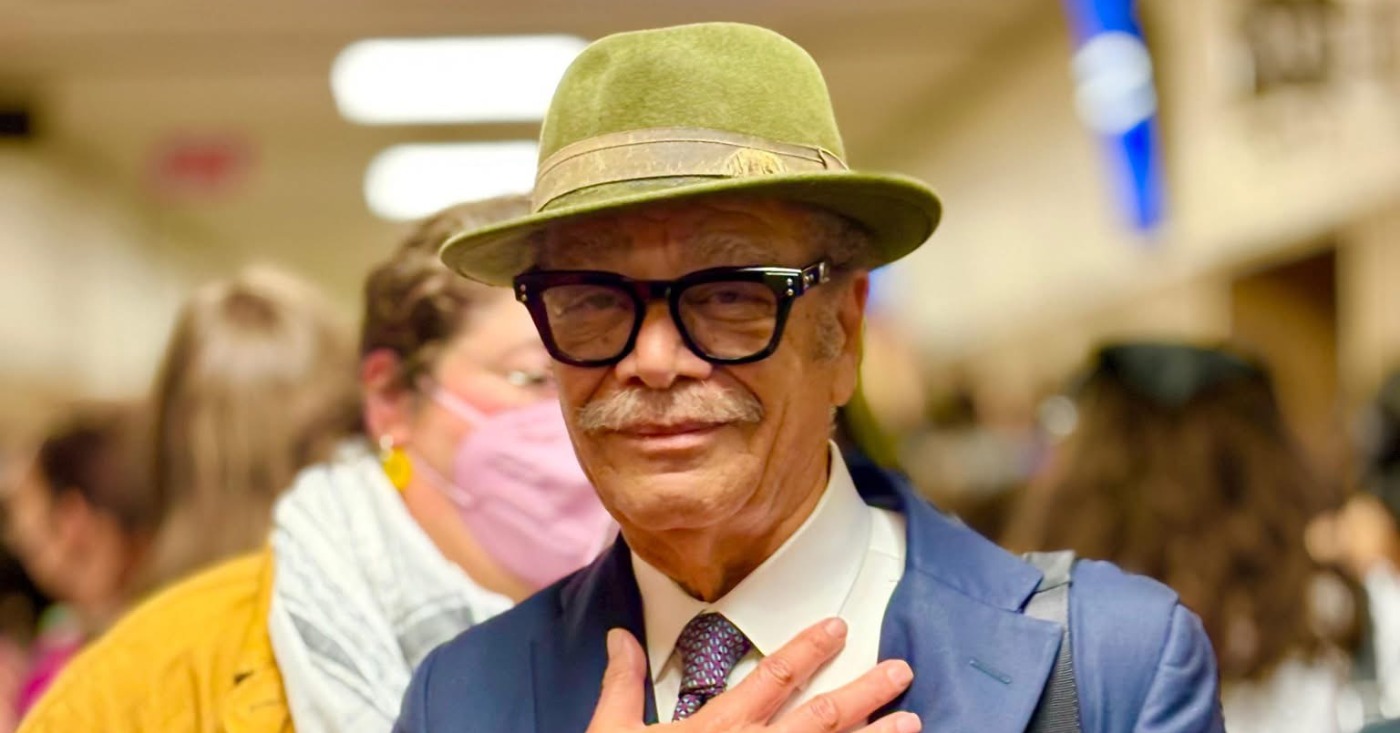
Oakland’s Black students are making faster gains in reading and math than Black students statewide, according to state data released Oct. 15.
Those gains followed decisions by school board President Jennifer Brouhard and Vice President Valarie Bachelor to keep schools open, invest in Black students and support teachers.
Since 2023, Black students in Oakland Unified School District have gained about 31 points in English and math on the California School Dashboard — roughly three times the statewide English gain and more than twice the math gain. Our students still trail their statewide peers, but they have narrowed that gap by about a third.
In 2022, the previous board voted to close or reduce grades at 11 schools, mostly serving Black and Brown families. A state civil rights investigation later found the plan would have unlawfully discriminated against Black, low-income and disabled students. Brouhard and Bachelor opposed those closures and, after winning election, voted to cancel remaining plans in January 2023.
The board then expanded support through Black Thriving Community Schools, providing additional resources where Black enrollment exceeds 40%, and funded teachers dedicated to Black students and families. Its reparations policy requires schools to develop plans for Black student achievement.
Meanwhile, the district reduced a $100 million budget shortfall to about $30 million without closing schools, cut central office positions and approved its first balanced budget in 22 years. More than 99% of teaching positions were filled when this school year began.
These investments must grow. Black Thriving Community Schools still reach only some students who need them. Every Oakland child deserves a safe, racially just neighborhood school staffed by qualified teachers who can afford to stay.
The opposing slate argues closures should remain an option to address budget pressures. But a Stanford study found closures do not improve district finances because departing families take student funding with them. Other research links closures to lower college attendance and adult earnings. Majority-Black schools nationally are more than three times as likely to close.
Oakland knows the consequences. There is another path. Brouhard and Bachelor have begun moving Oakland in that direction, protecting classroom investments while confronting financial pressures.
Progress deserves continued public support. We cannot afford to reverse course.
About the Author
Walter Riley is a civil rights attorney and longtime community organizer in Oakland.
Black History
From Backyard Grilling to Jack London Square: Jamale Carlyle’s Chicken Wing Success Story
Jamale Carlyle turned a backyard hobby into a flourishing business after using grilling to cope with the loss of his mother and sister. The former corporate executive and CPA transitioned from a twenty-year career in the power industry to selling chicken wings at farmers’ markets in Tracy and Oakland. Following immediate success and viral social media attention, Carlyle opened two permanent storefronts and established a charitable partnership to support local youth. His journey highlights a unique path from internal auditing to community entrepreneurship. Read more.
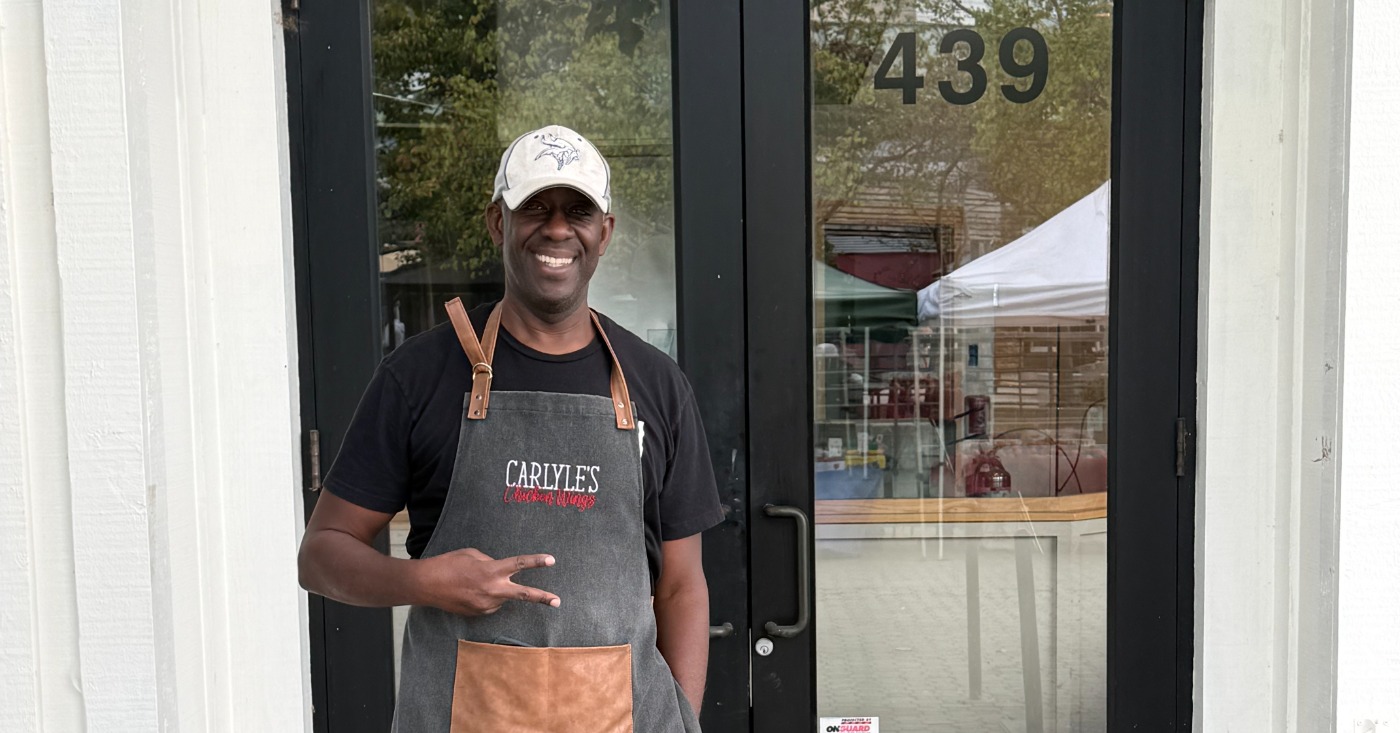
For Jamale Carlyle, what began as a way to cope with personal loss has grown into a thriving chicken wing business with locations in Tracy and Oakland’s Jack London Square.
Raised in Los Angeles, Carlyle remains a southern kid at heart, guided by the values and principles instilled in him growing up. In 2020, he lost his sister, and two months later, his mother passed away. The losses left him grieving half of his immediate family and searching for a way forward.
He turned to God, and to two favorite pastimes: grilling chicken wings and deep sea fishing. Friends who gathered in his backyard encouraged him to turn his chicken wings into a business.
Carlyle had built a successful corporate career before becoming an entrepreneur. An economics graduate of the University of California, Irvine, he earned a master’s degree in accounting from the University of Southern California and became a certified public accountant (CPA).
He spent more than 20 years in the power industry, including working for Edison International in Los Angeles and Boston. He later joined JP Energy Partners in Dallas, helping its team take the company public.
After moving to San Francisco in 2016, Carlyle spent 10 years with Pattern Energy, a wind energy company, where he served as vice president of Internal Audit and took on numerous corporate responsibilities.
But in 2025, grilling became more than a hobby. Carlyle began selling his wings at farmers’ markets, initially dedicating four hours every Saturday. Nervous about his first outing in Tracy, he wondered whether his friends had simply been encouraging. Instead, he sold out on opening day.
He later brought his business to Jack London Square’s Farmers Market, where he again sold out on his first day. As demand grew, he expanded into catering before opening his Tracy storefront in May 2026 and his Jack London Square location in July.
Social media helped fuel the momentum. In Tracy, enthusiastic reviews on the community’s Rants and Raves Facebook page brought customers through the door. His Jack London Square debut also gained traction online, generating approximately 100,000 views on social media on his on opening day.
Still processing the rapid growth, Carlyle describes the business as something that began in his backyard as a stress reliever and became an unexpected calling, and a way of giving back.
“Giving back” has led to a partnership with Mike Jenkins, owner of Oakland Strong, a nonprofit gym known for Olympic style weight lifting and developing national and international champions. After Jenkins visited Carlyle’s store with members of his team, Carlyle returned the visit, and the two began discussing ways to partner to support the community.
“I’m really big on charity. I believe in giving back to the community,” Carlyle said. “I knew before I opened my store, I’d be doing something like this, this is what God wants me to do.”
Their collaboration will introduce the “Oakland Strong Bowl,” featuring 10 dry-rub Cajun wings and a vegetable-rice bowl for $17.99, with $2 from each purchase donated to the Oakland Strong Foundation. The initiative is expected to launch in early November.
“This builds community in Oakland and Jack London Square,” Carlyle said.
Looking ahead, Carlyle plans to expand the menu with chicken thighs, chicken tacos and additional sides. He is also pursuing a liquor license to create a destination where customers can enjoy wings while watching sports.
For now, he is focused on growing his two locations. But with customers embracing his food and his commitment to giving back, Carlyle sees the possibility of bringing his chicken wings to more communities throughout the Bay Area.
Black Press
OPINION: We Can Restore Checks and Balances on Trump
With the presidential administration facing criticism over its handling of healthcare, inflation, and government spending, political observers are shifting their focus toward the upcoming congressional elections to restore institutional checks and balances. Recent data suggests Democrats are within reach of the 218 seats needed for a House majority, while specific Senate races in states like Texas and Michigan remain pivotal. The outcome of these contests will determine the legislative branch’s ability to challenge executive policies on tariffs, taxes, and military engagement. Click to read more.
Rapper Nikki Minaj is the latest high profile political tool of Donald Trump. The president recently remarked on the Afro-Trinidadian singer’s backside, praising her “beautiful ass.”
Is this what passes as an appeal for the Black vote? But Trump is an equal opportunity offender.
At recent rallies, Trump made homo-erotic comments about Republican men and their butts, like when he referred to Ohio Senator John Husted’s as a “pile of muscle.” But shouldn’t Trump be talking about the real issues?
Gas prices are now higher than they were under former President Joe Biden. Inflation is higher than when Trump took office, while he has redecorated the White House and already spent over $200 million on gold filigree. At least 3 million people have been kicked off of Medicaid or Obamacare because of Trump-backed legislation in Congress.
The country needs a change in how Trump does business. We need a strong independent Congress in both the House and Senate that will be our voice to stand up to ideas like a ‘forever war.’ Or tariffs against friend and foe.
This is the important math of the day: Democrats need 218 seats for a majority. Four more needed than their current 214. The latest Cook Report shows Democrats could gain 12-22 House seats.
But you still need the Senate, where Republicans have 53 members and the Dems have 47.
To have control, Dems would need to beat the tie breaker vote cast by VP J.D. Vance. Democrats need to get to 51 and that means four Senate victories on Nov. 3.
Of the key states politicos are watching, North Carolina and Georgia look blue. Can they get two more from toss-up states like Alaska (Mary Peltola?), Maine (Troy Jackson?), or Ohio (Sherrod Brown)? Observers are talking about two races in particular: Texas and Michigan.
In Texas the Talarico/Paxton race is fascinating. State legislator James Talarico is a choir boy compared to Texas Attorney General Ken Paxton—whose rhetoric and record suggest he would be more amoral than Trump.
Then there’s Michigan, where Abdul El-Sayed is running against Mike Rogers.
The Black vote has wavered there, with some high-level Black pols coming out against El-Sayed on Fox News. Trump has also called El-Sayed a “jihadist and a terrorist.”
Born in the U.S., El-Sayed is a highly educated Rhodes Scholar, and a physician. The “model minority” is a terrorist? But like all people of color, he gets othered. Assumptions get made. His skin color and his religion make him a terrorist.
What about local issues like the billionaire tax in California. Prop. 40? I hate direct legislation by propositions because the proposals are usually flawed and can’t be worked out easily—like if legislators actually did their job in the state house.
But taxing billionaires more has to happen on the state and federal level. Prop 40 is a start. Even if it’s one time and goes mostly to health care. It’s a start toward fairness.
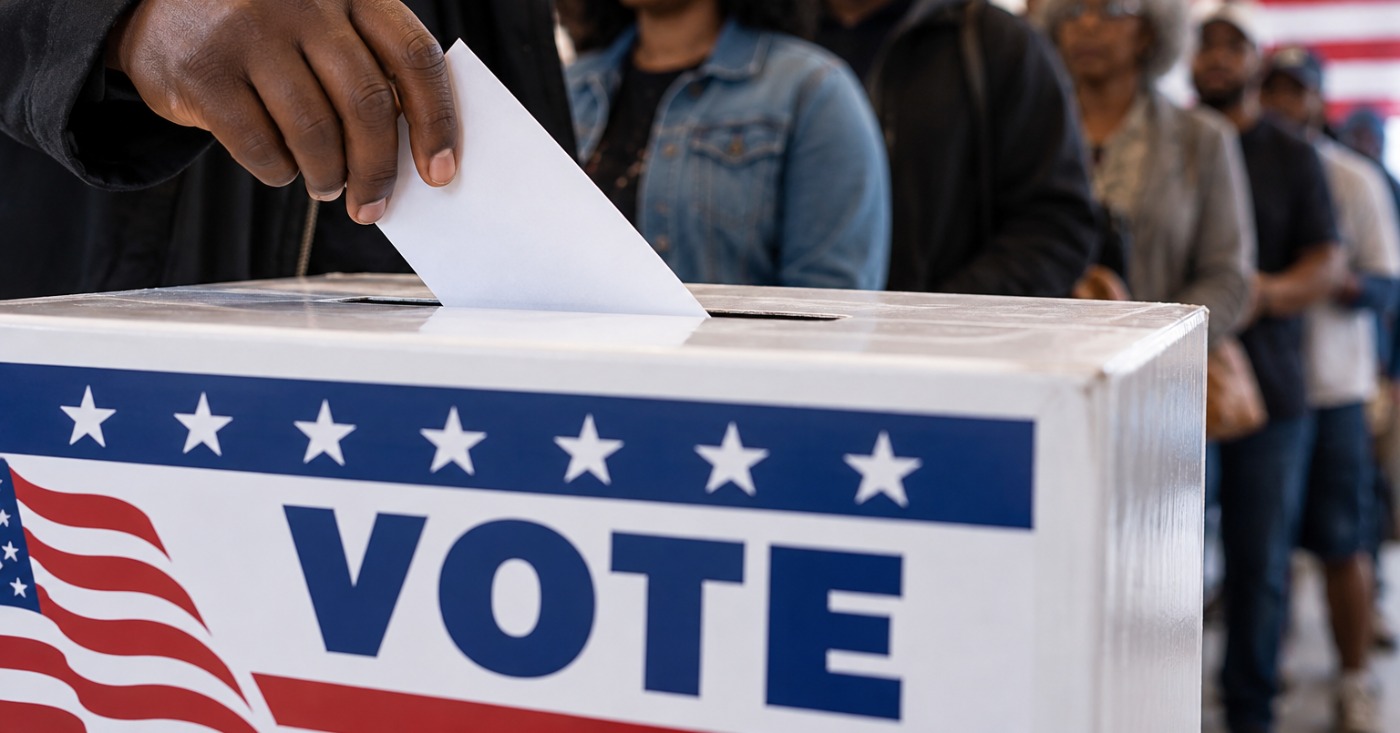
Whatever you say. Just vote. Now. Early. Don’t wait.
About the Author
Emil Amok Guillermo is a journalist, commentator and comic monologist. See him on his micro talk show: YouTube.com/@emilamok1
Black Press
COMMENTARY: Your California Living Trust Could Be Next: When Evidence Isn’t Enough
A recent California appellate ruling in the case of the Laura Dean Head Living Trust serves as a sobering warning for property owners relying on estate planning. Despite Dr. Head’s express written wishes to disinherit her estranged sisters and name a longtime friend as beneficiary, the court invalidated the trust based on undue influence. This decision highlights how documented intentions and supporting testimony from legal and medical professionals may still face successful legal challenges from disinherited relatives. Read more to see how this precedent impacts California homeowners.

You put your home in a living trust. You choose who inherits. You expressly disinherit relatives. An attorney prepares the documents. You expect your wishes to survive you.
Dr. Laura Dean Head’s trust did not.
California property owners should examine Laura Dean Head Living Trust, Alameda County Superior Court, Oakland, Case No. RP20061734, and Hamlin v. Jendayi, California Court of Appeal, First Appellate District, Division Three, Case No. A167695.
The case delivers a sobering warning: a living trust can face a successful challenge even when its chosen beneficiary presents evidence supporting the person’s stated wishes.
Head, a San Francisco State University professor, named Zakiya Jendayi as successor trustee and primary beneficiary. They had known each other for 28 years. Seven years after Dr. Head’s death, her estranged sisters contested the trust. Jendayi alleges that they consulted various probate attorneys while forum shopping before pursuing the challenge. Judge Sandra K. Bean in Dept. 103 invalidated the trust based on undue influence.
Jendayi’s compilation, “The Truth Is in the Transcriptions,” places disputed findings beside testimony and medical records. She argues that the evidence tells a different story.
Estate planning attorney Elaine Lee testified that she reviewed the trust privately with Head, behind a closed door. Lee’s testimony, reproduced in the compilation, attributes the beneficiary choices to Head and describes her insistence that her sisters receive nothing.
Hospice social worker Jenna Noe confirmed that Head told her she wanted to leave her belongings to Jendayi. Noe also testified that Head made her own decisions in their conversations.
The court described complete dependence on Jendayi. The compilation points to paid caregivers, hospice professionals and frequent visits from friends. When the judge asked nurse Dolly Woodson whether she had witnessed Jendayi abusing Head, Woodson answered no.
Jendayi also challenges the court’s treatment of her conditional power of attorney and alleges omissions and unequal treatment of evidence.
Yet the appellate court affirmed the judgment. It found substantial evidence supporting undue influence, rejected the judicial-bias claims and deemed any deficiencies in the statement of decision harmless. The published portion held that disinherited potential intestate heirs had standing to contest the trust.
That ruling endangers Californians who have properties held in a trust. Disinheritance did not prevent this challenge, and evidence supporting Head’s intentions did not secure the outcome Jendayi sought.
For homeowners relying on a living trust, the question is urgent: how well will your documented choices withstand a contested courtroom narrative?
Read the decision at https://law.justia.com/cases/california/court-of-appeal/2024/a167695m.html
Examine the testimony. Consider what happened when a woman’s written wishes and the evidence offered to defend them were still not enough.
Sources: Hamlin v. Jendayi (2024) 105 Cal.App.5th 1064, opinion filed Oct. 17, 2024, modified Nov. 12, 2024; Jendayi’s supplied compilation of transcript excerpts and exhibits. Claims of error reflect Jendayi’s position.
Black Press
Post News Group Nov. 3 Election Endorsements
The Post Newspaper Group has announced its official endorsements for the upcoming November 3 election, offering recommendations for a wide range of political candidates, local propositions, and regional measures. The selections cover key races in Oakland and Berkeley, including mayoral contests and city council seats, as well as critical positions for the Peralta Community College Board and AC Transit. The group also evaluated state offices and several high-profile ballot initiatives. Check the full list to see which specific candidates and measures earned the publication’s support.

Nov. 3 Election Endorsements
The Post Newspaper Group endorse the following political candidates, propositions and measures.
Oakland
Mayor
- Barbara Lee
City Council
- District 2: Charlene Wang
- District 4: Janani Ramachandran
- District 6: Kevin E. Jenkins
- City Auditor: Michael Houston
OUSD School Board
- District 2: Jennifer Brouhard
- District 6: Valarie Bachelor
Measure EE: Yes
Measure FF: Yes
Berkeley
Berkeley City Council
- District 1: Laura Babbitt
- District 4: No endorsement
- District 7: Syrak Micael
- District 8: No endorsement
Peralta Community College Board of Trustees
- Area 5: Sandra Weese
East Bay Municipal Utility District
- District 3: Marguerite Young
Bay Area Rapid Transit
- District 4: Robert Raburn
AC Transit
- District 3: Joel Young
City of Richmond
- Mayor: Ahmad Anderson
State Offices
- Governor: Xavier Becerra
- Lt. Governor: Fiona Ma
- Secretary of State: Shirley N. Weber
- Controller: Malia M. Cohen
- Attorney General: Rob Bonta
- State Assembly, 14th District: Buffy Wicks
- State Assembly, 18th District: Mia Bonta
Federal Offices
- U.S. Congress, 10th District: Mark De Saulnier
- U.S. Congress, 12th District: Lateefah Simon
- U.S. Congress, 14th District: Aisha Wahab
State Measures:
- Prop 1: Yes
- Prop 2: Yes
- Prop 3: Yes
- Prop 4: Yes
- Prop 5: Yes
- Prop 37: Yes
- Prop 38: No
- Prop 39: No
- Prop 40: No
- Prop 41: No
- Prop 42: No
- Prop 43: No
- Prop 44: No
- Prop 45: No
District Measures
- Regional Transit Measure: Yes


Together We Rise: Black Unity Demands Change! #shorts

Christianity’s Racial History

Darren Riley of JustAir Solutions on the Need for Hyper-Local Data in Detroit’s Fight for Clean Air

Learn Black History and Win Your Next Game Night

DOJ Fights to Keep Rep. Ilhan Omar’s Search Warrant Sealed: Report

Five Hospitals Said No! Who Will Help Annette Henry Recover?

Oakland NAACP, BWOPA Speak Out Against Alleged Harassment of Black Women Political Leaders

COMMENTARY: Oakland’s Black Students Have Gained Ground: We Shouldn’t Stop Now

From Backyard Grilling to Jack London Square: Jamale Carlyle’s Chicken Wing Success Story

SEIU Local 1000 and State of California Will Continue to Negotiate New Labor Contract

All Skinfolk Ain’t Kinfolk

Practitioners of African Traditional Spirituality Offer Ancestral Reverence Ritual Oct. 31

Latinas Deserve Equal Pay. Unions Help Make It Happen.

A $2.1 Trillion Wellness Industry Never Built a Daily Practice for Black Children. So This Atlanta Family Did.

Oakland Awarded More than $14 Million in State Funding

Tamiko Armstead | 2026 Lifetime Achiever in Education

Should You Have to Pay to Hear the Gospel?

Montclair Brewery: Brewing Culture, Community, History

Master P Encourages Norwood Elementary Students to Dream Big, Work Hard

OP-ED: The Black Church Writes AI’s Next Chapter
Together We Rise: Black Unity Demands Change! #shorts
Darren Riley of JustAir Solutions on the Need for Hyper-Local Data in Detroit’s Fight for Clean Air

TCWAM: Get Out And VOTE (11/03/2026)

Test Buick’s Head-Up Display, Wireless Charger & Bose Audio #shorts

Maintenance As A Money Move

Buick Enclave Safety Tech: What It Can—and Can’t—Do #shorts

ELECTION DAY 2026: Black Voter Turnout, Trump’s Clemency Controversy & a $495M Prison Deal 📱

ELECTION DAY 2026: Black Voter Turnout, Trump’s Clemency Controversy & a $495M Prison Deal

Trump as a Distraction…Focus on the Ballot and 2028

Kids Escape City Chaos for Camp Paradise #shorts
-
 Black Press1 week ago
Secretary of State Shirley Weber Pushes Back Against DOJ Demands Over California Voter Rolls
-

 Art1 week ago
Capturing Black Life’s Beauty
-

 Black History7 days ago
Retirement Triggers Doctor to Pen Book for Young Audience
-

 Black History1 week ago
Oakland Honors 60 Years of the Black Panther Party at the All Power to the People Gala
-

 Featured24 hours ago
Multi-Faith Leaders Representing 10 Million People Launch National Anti-Authoritarian Initiative
-

 Black Press7 days ago
Fatigue, Bloating, and Inflammation: Spotting the Subtle Signs of MASLD
