
Black Press
PRESS ROOM: Mothers Against Drunk Driving® (MADD) and Diageo North America Kick Off Partnership to Tackle Impaired Driving in the U.S.
NNPA NEWSWIRE — “We all need to work towards a future in which no one has to fear becoming the victim of an impaired driver.” added Mothers Against Drunk Driving (MADD) CEO Stacey D. Stewart. “The power of the MADD Network comes from each partner — whether a corporation, a foundation, or an individual — using their own platform to help educate their unique community about the dangers of impaired driving, the need for underage drinking education/prevention, and legislative efforts that will effect real change.”


The MADD-Diageo relationship will focus on education, awareness, and prevention campaigns to help end impaired driving.
(WASHINGTON, D.C.) — Mothers Against Drunk Driving® (MADD) and Diageo North America have agreed to a new partnership to collaborate on public awareness and education campaigns aimed at ending drunk driving.
In late 2023, MADD created the MADD Network, a first-of-its-kind campaign that aims to unite diverse supporters of MADD who share the commitment of creating a future of No More Victims. Diageo, which has a proven track record of effective programming to prevent impaired driving, is an inaugural member in the launch of the MADD Network.
Their first partnership initiative will be to jointly send a clear “don’t drink and drive” message to football fans throughout the U.S. and beyond as the big game approaches, encouraging everyone to celebrate and enjoy the game safely while refraining from drinking and driving.
“In recent years we have witnessed a surge in drunk driving. Just since 2019, alcohol- related traffic fatalities have increased by 31%. MADD and Diageo are acutely aware that lives are at stake,” said MADD CEO Stacey D. Stewart. “We all want to savor the big game, but no one should get behind the wheel after consuming alcohol, marijuana, or other drugs and substances that can impair driving. Our partnership will help carry this message far beyond what either of our organizations could reach alone.”
Having a great time before, during and after the big game is wonderful, say MADD and Diageo, but no one should put lives at risk by drinking and driving. Impaired driving deaths and injuries are a concern that affects Americans in both urban and rural area s and from all walks of life.
Impaired driving has increased by 14% two years in a row and has caused 13,000 deaths in a single year for the first time since 2007. Every 79 seconds, someone in the U.S. is killed or injured by a drunk driver — and that number does not include the deaths and injuries caused by drivers who were impaired by cannabis or other controlled substances.
MADD has helped save nearly 400,000 lives and served nearly 1 million victims in the last 43 years. MADD recently celebrated the greatest legislative victory in its history —the passage of the HALT Act which requires advanced impaired driving prevention technology in all new cars. The organization continues to pass lifesaving legislation, advocate for victims and survivors and change America’s culture around drinking and driving. Today, MADD is fiercely dedicated to a future in which drunk driving is eradicated.
“We are proud to join forces with MADD on the shared commitment to address impaired driving, and extremely honored to become the inaugural member of the MADD Network,” said Stephanie Childs, Executive Vice President, Corporate Relations, at Diageo North America. “With our combined expertise, networks and educational resources to address alcohol-related harm, together we are stronger to raise awareness and help save lives.”
Diageo has a record of implementing and supporting multi-agency drunk driving programs that address education and enforcement all over the world. In the U.S., the company has supported initiatives aimed at reducing traffic deaths and improving road safety through a range of interventions, including partnerships with the private sector, local authorities, law enforcement, and other agencies that support the enforcement of impaired driving laws. Some of these efforts include:
- Launching the ‘Wrong Side of the Road,’ an interactive experience aimed at educating people on the consequences of impaired driving.
- Providing educational resources available through its DRINKiQ platform, which provides information (in English and Spanish) about alcohol and its effects, empowering people to make responsible choices.
- Funding safe rides, designated drivers and free transportation to provide consumers with safe alternatives.
- Supporting the enforcement of drunk driving highly visible laws where they exist and the establishment of effective laws where they don’t.
- Diageo brands, dedicating advertising and activations toward promoting moderation and responsible drinking.
One of Diageo’s most recent initiatives, in 2022, was the creation of the Multicultural Consortium for Responsible Drinking (MCRD) in partnership with influential members of the Black, Latino and Native American communities to address alcohol-related harm. In the U.S., research has shown that alcohol consumption affects ethnic communities differently and through this hyperlocal community-focused effort, Diageo has provided educational resources to over 1.6 million people. MADD is proud to join the MCRD and looks forward to working with other members in our shared mission and vision.
“We all need to work towards a future in which no one has to fear becoming the victim of an impaired driver.” added Stewart. “The power of the MADD Network comes from each partner — whether a corporation, a foundation, or an individual — using their own platform to help educate their unique community about the dangers of impaired driving, the need for underage drinking education/prevention, and legislative efforts that will effect real change.”
MADD and Diageo North America will announce additional details about their partnership in the near future.
About Mothers Against Drunk Driving
Mothers Against Drunk Driving® (MADD) is the nonprofit leader in a movement to create a world where there are #NoMoreVictims of impaired driving. By working in collaboration with law enforcement to end underage drinking and all drunk and drugged driving, MADD has helped reduce drunk driving deaths by more than 50%, saving more than 400,000 lives. The organization is a vocal advocate for tougher sentencing, new laws and new technology, including implementation of the Halt Act. MADD also has provided supportive services to nearly one million victims of drunk and drugged driving at no charge through local victim advocates and its 24-Hour Victim Help Line 1-877- MADD-HELP. For more information or to make a donation, visit us at https://madd.org/and follow MADD on Facebook, Instagram, Twitter, TikTok, LinkedIn, and YouTube.
About Diageo
Diageo is a global leader in beverage alcohol with an outstanding collection of brands including Johnnie Walker, Crown Royal, Bulleit and Buchanan’s whiskies, Smirnoff, Cîroc and Ketel One vodkas, Casamigos, DeLeon and Don Julio tequilas, Captain Morgan, Baileys, Tanqueray and Guinness. Diageo is listed on both the New York Stock Exchange (NYSE: DEO) and the London Stock Exchange (LSE: DGE) and our products are sold in more than 180 countries around the world. For more information about Diageo, our people, our brands, and performance, visit us at www.diageo.com. Visit Diageo’s global responsible drinking resource, www.DRINKiQ.com, for information, initiatives, and ways to share best practice. Follow us on Twitter and Instagram for news and information about Diageo North America: @Diageo_NA.


Black History
Remembering Moses Newson and the Power of the Black Press During the Civil Rights Movement
ATLANTA DAILY WORLD — Moses J. Newson, a pioneering journalist who spent decades documenting the American Civil Rights Movement for the Black press, died on November 17 at his home in Baltimore at the age of 99. His daughter confirmed that he passed away from natural causes.

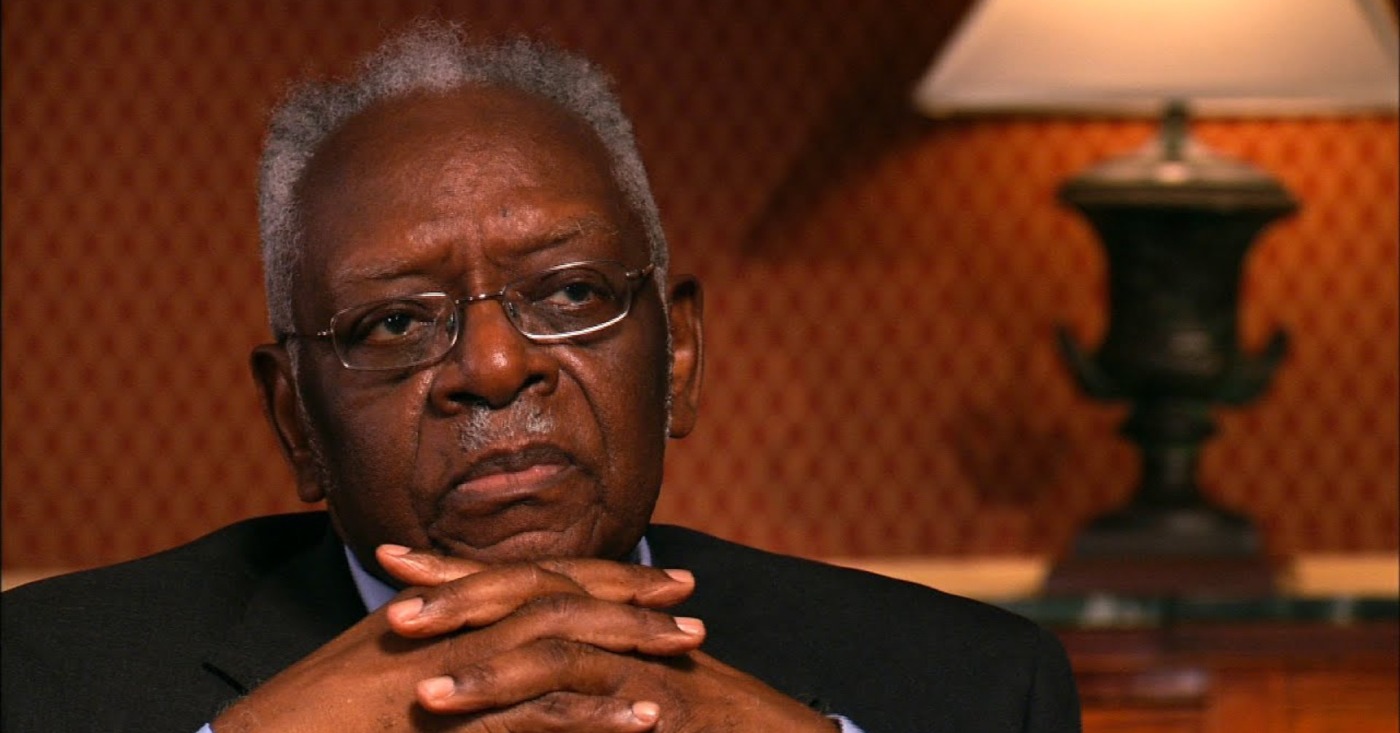
Moses J. Newson, a pioneering Black journalist whose reporting documented some of the most defining moments of the Civil Rights Movement, died November 17 at his Baltimore home. He was 99.
His daughter, Shawn Newson, confirmed to Journal-isms that he died of natural causes.
Throughout his career, Newson documented the struggle for racial equality from the front lines, bearing witness to events that challenged segregation and transformed American society. His work reflected the critical role of the Black press during an era when racial injustice frequently received inadequate coverage from mainstream news organizations.
Born February 5, 1927, in Fruitland Park, Florida, Newson pursued journalism after serving in the United States Navy. He studied at Storer College and Lincoln University in Missouri before beginning his newspaper career at the Tri-State Defender in Memphis in 1952.
His early assignments included coverage of school desegregation and the murder of Emmett Till in 1955, a case that helped galvanize the national Civil Rights Movement.
Newson joined the Baltimore Afro-American in 1957, covering the integration of Central High School in Little Rock, Arkansas, during his first assignment with the newspaper.
Four years later, he placed himself in considerable danger while covering the Freedom Rides, organized to challenge segregation in interstate transportation.
Newson survived the infamous attack on a Freedom Riders bus in Anniston, Alabama, in 1961. Despite the personal danger he encountered, he continued documenting the movement, providing readers with firsthand accounts of the resistance to racial integration.
His reporting also included the integration of the University of Mississippi in 1962 and the 1963 March on Washington. In 1968, he interviewed the Rev. Dr. Martin Luther King Jr. during preparations for the Poor People’s Campaign, shortly before King’s assassination.
Newson spent 21 years with the Baltimore Afro-American, rising from reporter to city editor and ultimately executive editor. He spent the final decade of his newspaper career overseeing editorial operations before transitioning into federal public affairs in 1978.
In 2014, the National Association of Black Journalists inducted Newson into its Hall of Fame, recognizing his contributions to journalism and his extraordinary record of civil rights coverage.
His experiences were also documented through the Civil Rights History Project, a collaboration between the Library of Congress and the Smithsonian Institution’s National Museum of African American History and Culture.
Newson’s family plans to honor his life with a private ceremony in February, when he would have celebrated his 100th birthday.
His death marks the loss of a journalist who witnessed history at extraordinary personal risk. His reporting remains part of the permanent record of America’s struggle for racial equality and a reminder of the indispensable role Black newspapers played in bringing that struggle to the nation’s attention.
The post Remembering Moses Newson and the Power of the Black Press During the Civil Rights Movement appeared first on Atlanta Daily World.
Based on reporting by Atlanta Daily World.
Black History
An HBCU Is Training Doulas to Help Combat Childbirth Risks
THE CAROLINIAN — North Carolina Central University is addressing the critical maternal health crisis in rural communities by training a new workforce of birth doulas. Through its Rural Health Hub in Enfield, the historically Black university is developing a network of trained birth workers to support mothers in Eastern North Carolina.
For many expectant mothers in rural communities, preparing for childbirth involves more than prenatal appointments and planning for a new baby. Limited access to maternity care, long travel distances, and unequal health outcomes can make pregnancy an especially difficult experience.
North Carolina Central University is working to address some of those challenges by training community-based birth doulas who can provide support to mothers before, during, and after childbirth.
Through its Rural Health Hub in Enfield, North Carolina, the historically Black university is developing a network of trained birth workers to improve maternal health outcomes in rural Eastern North Carolina, where access to maternity services remains limited.
The initiative comes at a time when Black women continue to experience disproportionately high rates of pregnancy-related deaths. According to North Carolina’s Maternal Mortality Review Committee, Black women in the state were 1.7 times more likely than white women to die from pregnancy-related causes between 2018 and 2021. The committee also found that nearly nine out of 10 pregnancy-related deaths reviewed were preventable.
The disparities are particularly concerning in rural communities, where some expectant mothers must travel an hour or more to reach hospitals offering labor and delivery services.
NCCU’s Community-Based Birth Doula Training Program, launched in December 2025, aims to address those gaps by preparing women who already live in underserved communities to support families navigating pregnancy and childbirth.
The program recruits participants from northeastern North Carolina counties, including Halifax, Northampton, Edgecombe, Nash, Bertie, Warren, and Martin.
Rather than bringing outside professionals into these communities, the university is investing in residents who understand the challenges families face and can build relationships with mothers in their own neighborhoods.
Dr. Undi Hoffler, director of the Community-Based Doula Program, emphasized the importance of developing a workforce rooted in the communities it serves.
“It’s important that our doulas come from these communities,” Hoffler said in an interview published by NCCU. “They’re building relationships with families they know. That’s how you build trust.”
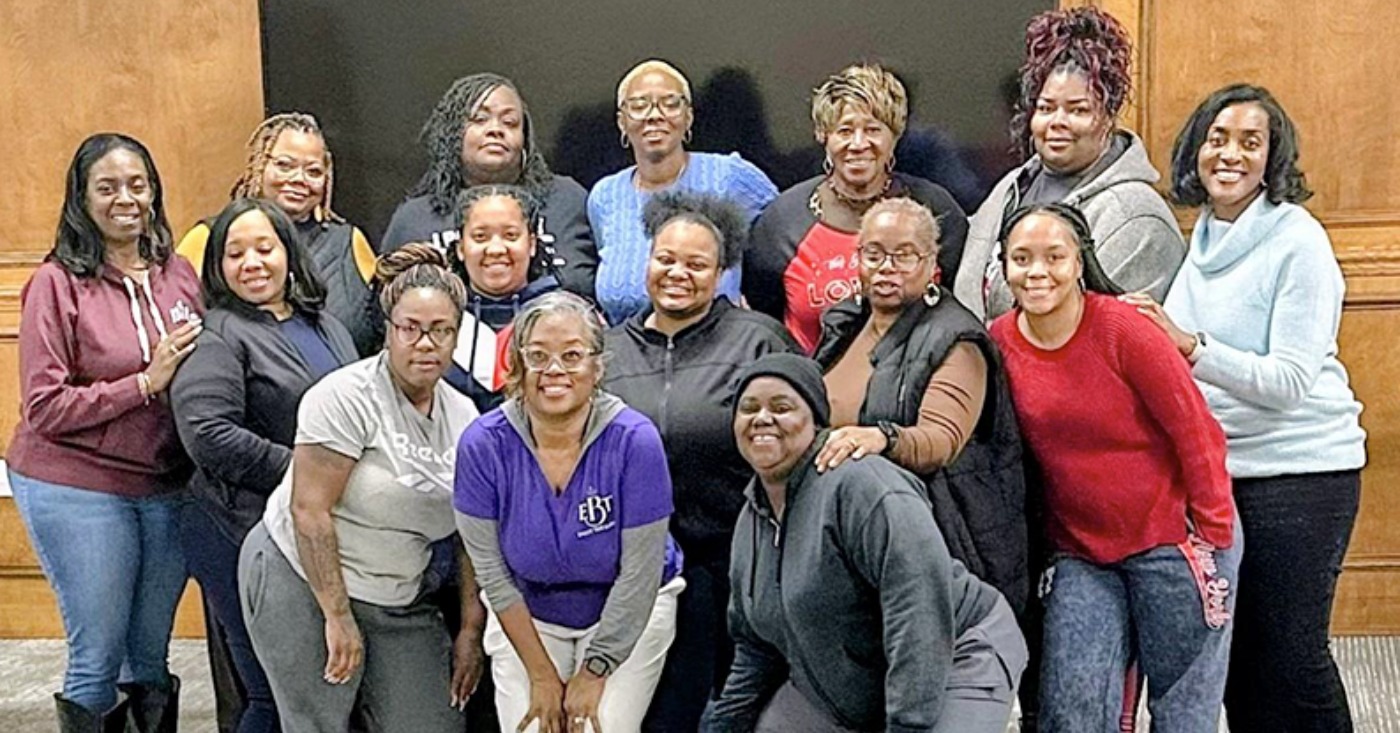
The program’s first training cohort included 12 women who completed a three-day in-person training in December 2025. Participants received scholarships covering training, certification, and materials. The university also provides continued mentorship and assistance as trainees work toward professional certification through DONA International.
The initiative continued into 2026. A training workshop held in October brought together 14 women for three days of instruction at the Rural Health Hub in Enfield, according to NC Newsline’s Nov. 16 report.
During training, participants learn about pregnancy, anatomy, labor and delivery, postpartum recovery, and how to recognize situations that require medical attention. They also receive instruction on helping mothers communicate their concerns, understand available options, and advocate for themselves during medical appointments and childbirth.
A doula is a trained professional who provides emotional, physical, and informational support throughout pregnancy, labor, and the postpartum period. Unlike physicians, nurses, and midwives, doulas do not provide medical treatment or deliver babies. Instead, they serve as an additional source of support for mothers and their families.
That distinction is important in communities where mothers may have limited access to consistent support throughout their pregnancies.
For Rose Lewis, a member of the program’s first cohort, the decision to become a doula grew out of years of working with families and recognizing gaps in maternal support.
Lewis, a Nash County resident and community health worker, said she frequently encountered families who needed assistance accessing health services and other resources. Through that work, she began noticing how much support was available after a baby arrived compared with the resources offered during pregnancy.
“I kept seeing resources for after the baby gets here,” Lewis said in an interview with NCCU. “But what about the support leading up to birth?”
Her interest in the work also became personal after a woman connected to her extended family died during childbirth and her own daughter experienced a high-risk pregnancy.
Lewis now hopes to help other mothers feel informed and supported throughout their birthing experiences.
“When you’re informed, you can advocate for yourself,” she said.
Another trainee, Taya Partin of Edgecombe County, shared an experience involving a pregnant client who expressed fear that she might not survive childbirth. Partin recalled helping the woman manage her concerns and feel more prepared for the delivery process.
The experience illustrates the emotional support doulas can provide to mothers who may feel overwhelmed or uncertain during pregnancy.
Research has associated continuous labor support with positive childbirth outcomes, including fewer cesarean deliveries and improved birth experiences. However, doulas are not substitutes for medical professionals or emergency maternity care. Their role is to complement existing healthcare services by providing consistent support and helping mothers navigate the process.
For NCCU, the program represents an opportunity to connect higher education with a public health issue affecting communities throughout North Carolina.
The university’s Rural Health Hub is also working to strengthen relationships among healthcare providers, community organizations and local families. Its broader mission focuses on improving health access, workforce development and community-centered research in underserved areas.
The long-term vision for the doula initiative is to establish a stronger network of trained birth workers throughout rural Eastern North Carolina, helping ensure that mothers have access to support regardless of where they live.
As maternal health disparities continue to affect Black women across the state, NCCU’s work demonstrates how HBCUs can contribute to solutions beyond traditional classroom instruction.
Through community-based training, mentorship and partnerships, the university is preparing women to become advocates and support systems for mothers during one of the most important periods of their lives.
For the families these doulas serve, the goal is simple: no mother should have to navigate pregnancy and childbirth feeling alone, unheard or unsupported.
Based on reporting by The Carolinian.
Art
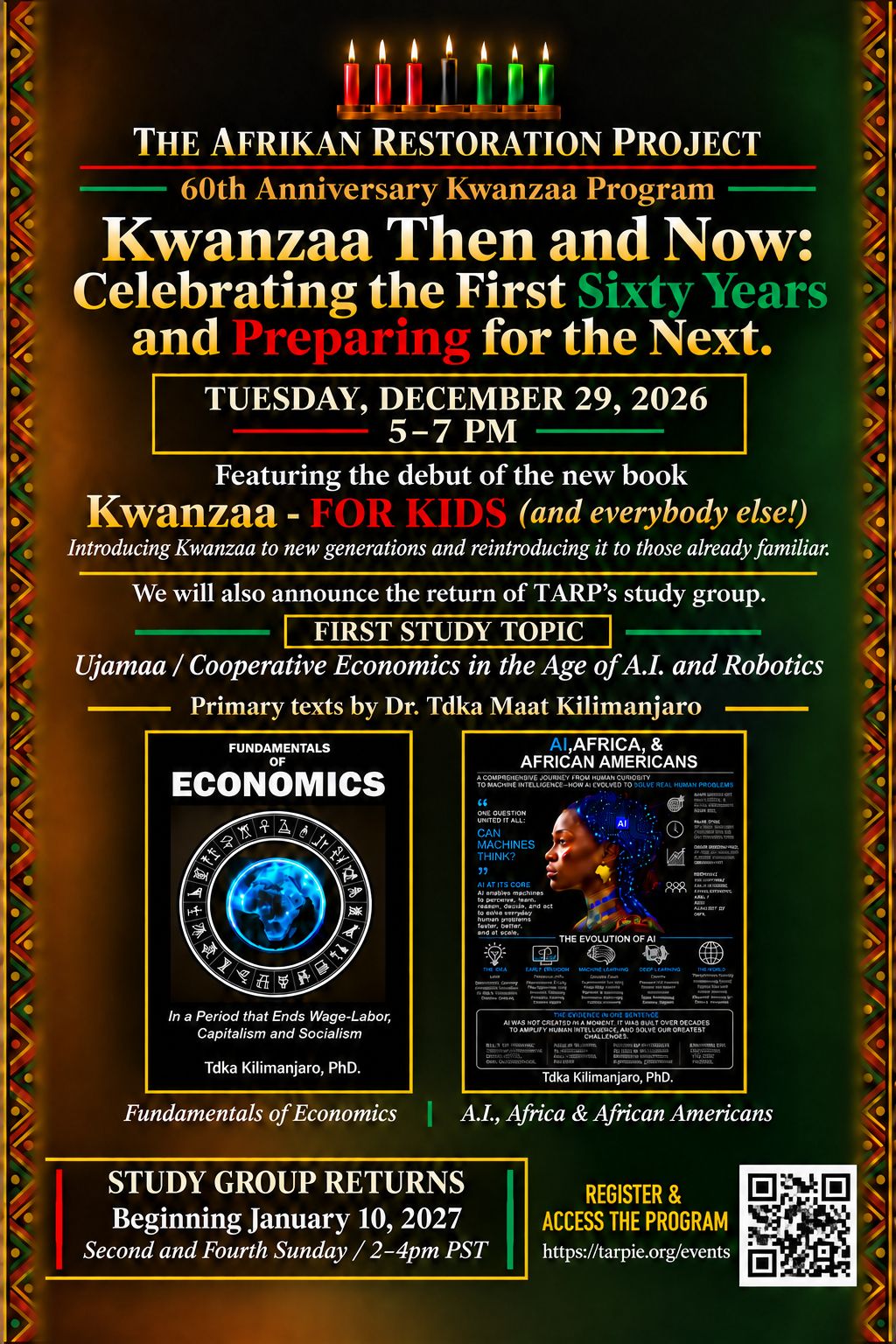
The Afrikan Restoration Project Marks 60 Years of Kwanzaa With New Book and Expanded Focus
THE AFRIKAN RESTORATION PROJECT FOR IMMEDIATE RELEASE | November 24, 2026 Media contact: Shujaa Baker | [email protected] | (949) 257-7133 | Media Kit – https://bit.ly/3X2tSlz The Afrikan Restoration Project Marks 60 Yea
The Afrikan Restoration Project Marks 60 Years of Kwanzaa With New Book and Expanded Focus
Events in San Diego, Detroit, and online will honor the holiday’s origins and prepare for the next sixty years of the Nguzo Saba.
The Afrikan Restoration Project (TARP) announces its 2026 Kwanzaa anniversary season, Dec. 26–Jan. 1, marking sixty years of the African American and Pan-African holiday first observed in Los Angeles in 1966. Under the theme “Celebrating the First Sixty Years of Kwanzaa… and the Next!” the programs share an expanded understanding of the Kwanzaa creation story and thoughtfully promote year-round practice of the Nguzo Saba (Seven Principles).
Central to the celebration is the worldwide debut of the new book titled “Kwanzaa – FOR KIDS (and everybody else!),” written by Shujaa Baker, illustrated by Thad Lavalais, and based on the firsthand accounts of Kinamo and Karama Damu about the first Kwanzaa. The book traces how ten-year-old Kinamo’s questions about African holidays in 1965 inspired the creation of Kwanzaa while recounting the children’s experiences leading up to the first celebrations in 1966. Learn more at kwanzaaforkids.org.
60th Anniversary Events
Dec. 26 | San Diego | 1–4:30 p.m. PT — WorldBeat Cultural Center, Balboa Park. The children’s Kwanzaa Camp celebration and book debut features Karama Damu, a participant in the first Children’s Kwanzaa, along with a Kwanzaa Essentials lesson and lessons from the new book, art, music, drumming, and dance. Instructional content by Imagiread.
Dec. 26 | San Diego | 6–9 p.m. PT — WorldBeat Cultural Center. Umoja (Unity) Night program celebrating the First Sixty Years of Kwanzaa… and the Next! recognizes the first sixty years of Kwanzaa and the work ahead to teach the Nguzo Saba more broadly
Dec. 27 | Detroit | 2–5 p.m. ET — Charles H. Wright Museum of African American History. The Kujichagulia (Self-Determination) program explores Kwanzaa’s past, present, and future, and the role of self-determination in Elevating Blackness.
Dec. 29 | Online | 5–7 p.m. PT — Kwanzaa Then and Now: Celebrating the First Sixty Years and Preparing for the Next. TARP introduces its new book and announces the return of its study group on Jan. 10, 2027 – examining Ujamaa (Cooperative Economics) in the age of AI and robotics.
TARP is merging our work to promote African culture, S.T.E.M., manufacturing, and principled daily practice into a new online program called The Elevating Blackness Online Academy. Launching on December 5th, this site offers educational resources that build character, including curricula for Kwanzaa – FOR KIDS, the STEM ’n ’Nem children’s book series, and partner content.
Visit https://elevatingblackness.com for more info. (For beta test access – TESTER / Innovationary2026!).
TARP also invites public discussion of three position statements on Kwanzaa’s origins, the responsibilities of the next sixty years, and the daily practice of the Seven Principles found here.
Event details and registration: https://kwanzaa.org/events.html and https://tarpie.org/events. Contact Shujaa Baker for interviews, the media kit, and high-resolution images. See tarpie.org for full details.
About The Afrikan Restoration Project
TARP is an African-centered educational and cultural development initiative advancing cultural knowledge, practical capabilities, and principled community development through publications, programming, and collaborative education.
Black Press
5 Self-Care and Wellness Gift Ideas for the Women in Your Life
This holiday season put her well-being on the gift list. Created with guidance from Black doctors and with the unique health needs of Black women of all ages in mind, Black Girl Vitamins brings a thoughtful perspective to wellness gifting.

Sponsored by Black Girl Vitamins.
5 Self-Care and Wellness Gift Ideas for the Women in Your Life

This holiday season put her well-being on the gift list. Created with guidance from Black doctors and with the unique health needs of Black women of all ages in mind, Black Girl Vitamins brings a thoughtful perspective to wellness gifting.
From the auntie who always checks in to the sister friend who makes sure you’re good, these gift ideas offer a little care for the women who show up with love. There’s something for you, too.
For the Beauty Lover
Elevate her cherished beauty ritual with the Beauty Bundle, featuring Hair, Skin & Nails, BGV Collagen Powder and Vitamin D3. Include a handwritten note celebrating her beauty beyond the mirror.
For the Woman on the Go
Between packed calendars and personal goals, her days fill up fast. Make her well-being—not just her to-do list—the priority with the Energy Bundle, which brings together Iron, Vitamin D3 and B12.
For the Wellness Girlie
Surprise the friend who loves curating her wellness shelf with Her Balance Gummies and Chlorophyll Drops. Wrap them together for a personalized gift that speaks to her interest in everyday self-care.
For Her Next Chapter
Recognize her changing wellness needs with Peri Meno-Chill for perimenopause or Meno-Chill for menopause. Add a cooling pillowcase for a thoughtful touch that makes this gift feel personal.
For Her Wind-Down Ritual
Build this gift around an evening that belongs to her. Pair Dream Girl Sleep and Calm Girl Ashwagandhawith a simple reminder: “The rest of the list can wait.”
Because a thoughtful gift doesn’t add another obligation. It reminds her she deserves care, too.
Black Press
Native American Health Center Connects 140 Community Members to Career Opportunities During Native American Heritage Month
The Native American Health Center recently hosted its Career Connect job fair at the Flicker Building and Cultural Center in Oakland, welcoming 140 community members in honor of Native American Heritage Month. Organized through the federally funded Strong Native Workforce Program, the event aimed to promote economic stability by connecting American Indian, Alaska Native, and Native Hawaiian residents with local career pathways. A diverse group of employers from the healthcare, technology, and government sectors attended to provide attendees with information regarding job openings and professional training programs. Read more.
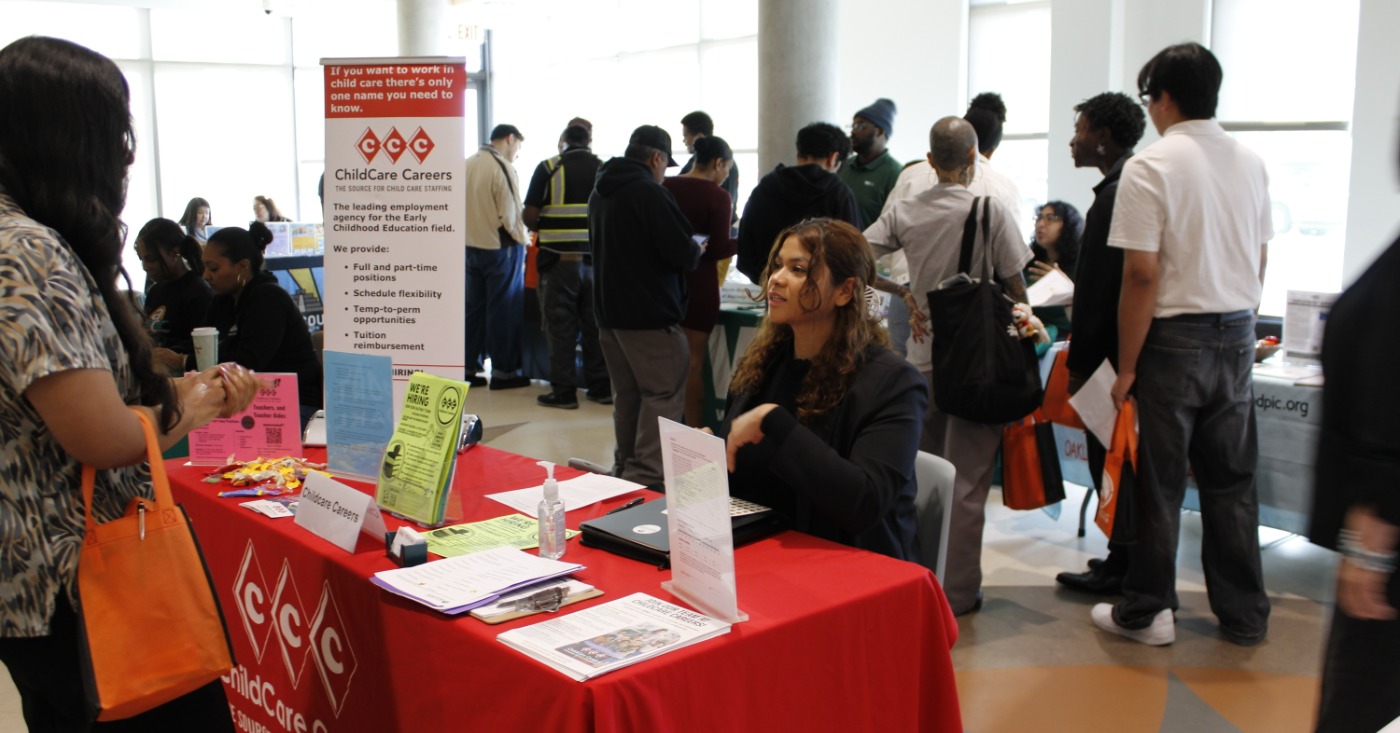
In celebration of Native American Heritage Month, the Native American Health Center (NAHC) welcomed 140 community members to its Career Connect: Community Job & Career Fair on Friday, Nov. 6.
Held at NAHC’s Flicker Building and Cultural Center in Oakland, the event connected American Indian, Alaska Native, Native Hawaiian, and other community members with employers, career pathways, workforce development programs, and family resources throughout the San Francisco Bay Area.
The event was organized through NAHC’s Strong Native Workforce Program, a federally funded initiative supported by the U.S. Department of Labor through the Workforce Innovation and Opportunity Act (WIOA). The program helps Native community members pursue meaningful employment and long-term economic stability through career counseling, job placement assistance, skills training, and supportive services.
The Career Connect Job Fair was coordinated with support from Gallo Advantage Consulting, a Native American woman-owned consulting firm specializing in strategic planning, community engagement, and workforce development. Working alongside NAHC, the firm supported employer outreach, event coordination, and partnerships with local businesses and community organizations.
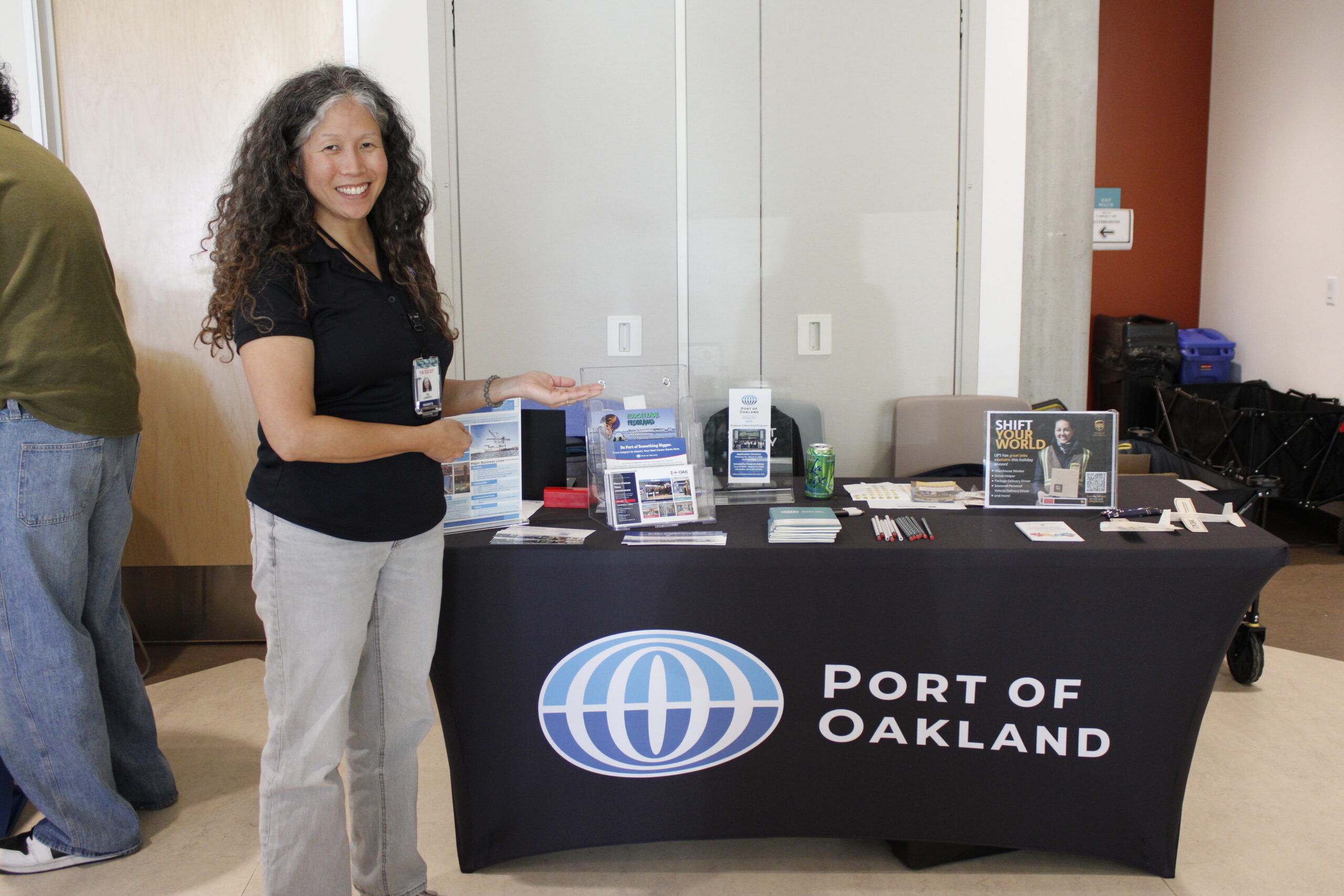
“Native American Heritage Month is an opportunity to celebrate the strength, resilience, and contributions of our communities while investing in their future,” said Natalie Aguilera, CEO of NAHC. “Employment is an important part of health and well-being, providing economic stability, purpose, and opportunities for individuals and families to thrive. Through our Strong Native Workforce Program and events like Career Connect, we are helping community members build meaningful careers and create stronger futures for generations to come. We are grateful to the employers and community partners who joined us in this effort.”
The job fair featured employers across healthcare, technology, government, transportation, education, and other industries. Participating organizations included Cisco Systems, the City of Oakland, East Bay Regional Park District, Kaiser Permanente, Port of Oakland, Sutter Health, Balance Staffing, MANOS Homecare, Inc., Childcare Careers, AC Transit, Samuel Merritt University, Waste Management of Alameda County, Inc., CareBuilders at Home – East Bay, East Bay Municipal Utility District, Patelco Credit Union, and Code Tenderloin.
Workforce development and community partners who shared their resources with participants included the Oakland Private Industry Council, Lao Family Community Development, The Unity Council, West Oakland Jobs Resource Center, Friendship House Association of American Indians of San Francisco, the Washoe Tribe of Nevada and California’s Alameda County Native TANF Program, as well as NAHC’s own Community Wellness Department.
Throughout the event, attendees connected with employers, explored job openings, and learned about apprenticeships, certification programs, training opportunities, and community resources.
Held during Native American Heritage Month, Career Connect highlighted the importance of investing in Native communities through education, employment, and economic opportunity. The event demonstrated the value of bringing employers and community organizations together to support career advancement and build a stronger Native workforce.
About Native American Health Center
Founded in 1972, the Native American Health Center (NAHC) is a nonprofit community health center serving American Indians, Alaska Natives, and surrounding communities throughout the San Francisco Bay Area. NAHC provides culturally responsive healthcare, behavioral health services, and community wellness programs, including workforce development initiatives that support employment and economic opportunity. All individuals are welcome at NAHC. NAHC provides care for 15,000 members annually. NAHC employs almost 300 staff across 17 sites in three counties: Alameda, San Francisco, Contra Costa.
For more information, visit www.nativehealth.org.
About Gallo Advantage Consulting
Gallo Advantage Consulting is a Native American woman-owned consulting firm specializing in strategic planning, community engagement, workforce development, and partnership development. The firm works with public agencies, nonprofits, and community organizations to strengthen programs, build partnerships, and expand opportunities for the communities they serve.
For more information, visit www.galloadvantage.com
Black Press
Oakland Chamber of Commerce Faces $42,000 Ethics Fine for Campaign Violation
The Oakland Public Ethics Commission has approved a $42,000 fine against the Oakland Metropolitan Chamber of Commerce and its leaders for campaign finance violations. Investigators found that the chamber’s political action committee acted as a conduit to hide the identities of wealthy donors who funded attack ads against former Councilmember Desley Brooks during the 2018 election. The settlement concludes an investigation into pass-through contributions that deprived voters of legally required information. Several other political entities and former city officials are also linked to the case. Read more.
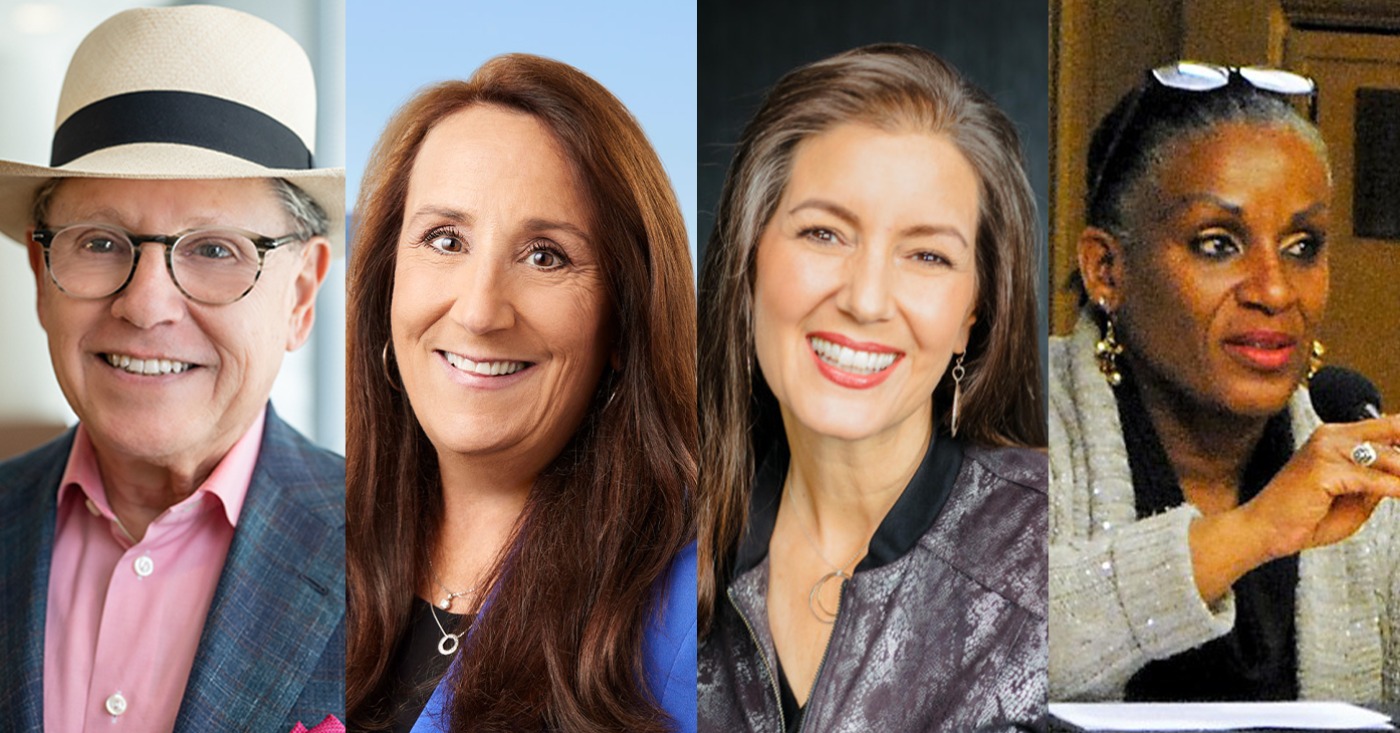
The political arm of the Oakland Metropolitan Chamber of Commerce and its leaders Barbara Leslie and Zack Wasserman were fined a total of $42,000 by the Public Ethics Commission for improper campaign spending and accusations of hiding campaign financial details for its efforts to oust City Councilmember Desley Brooks in 2018, as reported in The Oaklandside.
The commission approved the settlement, voting for it 5-2 at its meeting Tuesday evening.
The Chamber, utilizing its political action committee (PAC), “OakPAC,” acted as a conduit for money from more than a dozen large companies and wealthy individuals into an independent expenditure committee, “Oaklanders for Responsible Leadership,” which ran attack ads against Brooks during the 2018 election, according to the Public Ethics Commission.
According to Oaklandside,16 contributors donated nearly $90,000 to the campaign against then Brooks, and their names were kept hidden until months after the election when the Chamber submitted additional filings with regulators.
During her years in office, Brooks had been opposed by local groups because she led the creation of the city’s Department of Race and Equity and because of her consistent advocacy for ending the city’s longtime lack of attention to the needs and concerns of African American residents.
As a result, Brooks was often demonized, and former Mayor Libby Schaaf initiated several attempts to remove her from office.
The ethics commission, which has been investigating the case since 2022, is recommending a settlement requiring the Chamber’s PAC, the Chamber’s CEO Barbara Leslie, and the group’s board chair emeritus, Zack Wasserman, to pay a penalty of $42,000.
The accused have agreed to a “no contest” resolution, meaning they accept the penalty but do not admit wrongdoing.
The commission’s investigation was tied to a broader case involving Schaaf, who was accused of secretly leading three political committees in two different election years to attack political opponents and support a ballot measure.
The commission resolved most of the Schaaf investigation in October 2024 when the former mayor agreed to pay $21,000.
Two political committees, Committee for an Affordable East Bay and Oaklanders for Responsible Leadership, faced fines of $325,000 in penalties. But since those committees are no longer active, those penalties would be difficult to enforce, according to the commission.
In the proposed settlement of the Chamber of Commerce case, the ethics commission investigators said that the OakPAC’s use of pass-through contributions are “serious violations” of Oakland’s Campaign Reform Act.
“While the individual respondents have stated that they did not believe that the actions they took violated the law, the people involved in this arrangement were all sophisticated individuals who should have been familiar with campaign finance law,” investigators wrote. “[They] engaged in activity which deprived voters of donor information required by law.”
The investigators wrote that an internal accounting and tracking document of contributions planned for the anti-Brooks committee indicates “an intentional pattern of conduct to conceal the names of individuals whose contributions ended up going to [the committee], regardless of whether there was knowledge that these activities were illegal.”
Local observers have raised concerns that the ethics commission’s powers of enforcement are severely limited and do little to ensure fair political practices in local campaigns.
Oaklandside, Oakland Post file stories, and other online accounts are the sources of this report.



The Unisex Sweatshirt That Helps You Protect Your Peace #shorts

Killing Me Softly: The Story Sampling Should Remember #shorts

MC Scat Cat: Why Fans Still Remember the Iconic Character #shorts

How This Bag Business Turns Community Into Collaboration #shorts

Minnesota Hip-Hop in 1979: Finding Music on KMOJ #shorts

Set Boundaries, Choose Yourself: The Mind the Crown Lifestyle #shorts

Recording at Prince’s Paisley Park Led to a No. 1 Hit #shorts

The Green Book: How Black Families Traveled Safely #shorts
2027 Cadillac VISTIQ Is This $96,271 SUV Quiet Enough?

The Hidden Costs of Buying: Protect Your Budget and Peace of Mind #shorts

HISTORY MADE: Keisha Lance Bottoms Becomes First Black Woman Elected Governor in American History

Multi-Faith Leaders Representing 10 Million People Launch National Anti-Authoritarian Initiative

Christianity’s Racial History

Hundreds of Black Christian Leaders Arriving in Israel for Martin Luther King-Inspired Mission

Michael Shiner: The Enslaved Man Who Wrote His Way into American History

Keisha Lance Bottoms to Govern State Where Her Great-Great-Grandfather Was Enslaved

Don’t Pass the Torch. Expand the Circle.

DOJ Fights to Keep Rep. Ilhan Omar’s Search Warrant Sealed: Report

OP-ED: Closing the Next Digital Divide — Communities of Color Must Have a Voice in the AI Future

Five Hospitals Said No! Who Will Help Annette Henry Recover?
The Unisex Sweatshirt That Helps You Protect Your Peace #shorts
Killing Me Softly: The Story Sampling Should Remember #shorts
MC Scat Cat: Why Fans Still Remember the Iconic Character #shorts
How This Bag Business Turns Community Into Collaboration #shorts
Minnesota Hip-Hop in 1979: Finding Music on KMOJ #shorts
Set Boundaries, Choose Yourself: The Mind the Crown Lifestyle #shorts
Recording at Prince’s Paisley Park Led to a No. 1 Hit #shorts
The Green Book: How Black Families Traveled Safely #shorts
The Hidden Costs of Buying: Protect Your Budget and Peace of Mind #shorts

2027 Chevy Tahoe High Country: Is $96,575 Worth It? #shorts
-

 Black Press1 week ago
Black Men Encouraged to Start Prostate Cancer Screening at 45
-

 Black History7 days ago
Black Barbershops Have Long Given Neighborhood Politics a Place to Unfold.
-
 Black Press1 week ago
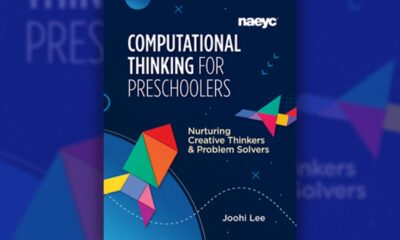
Computational Thinking and Young Children: It’s Not What You Might Think!
-

 Black Press1 week ago
Alonzo Mourning’s Affordable Senior Housing
-
 Black History1 week ago
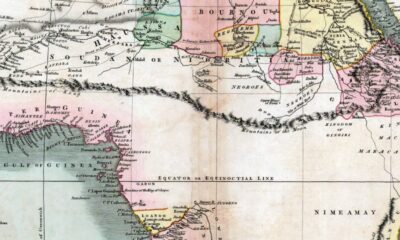
Debunking the Myth That Europeans Alone Plotted Africa
-
 Black History1 week ago
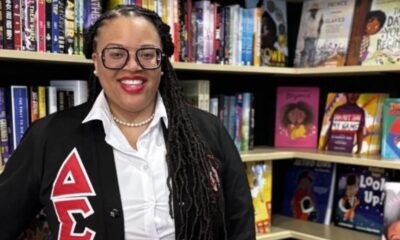
Wichita’s Only Black-Owned Bookstore Seeks $90,000 to Secure Its Future
