
Music
PRESS ROOM: Kaya Fest 2019
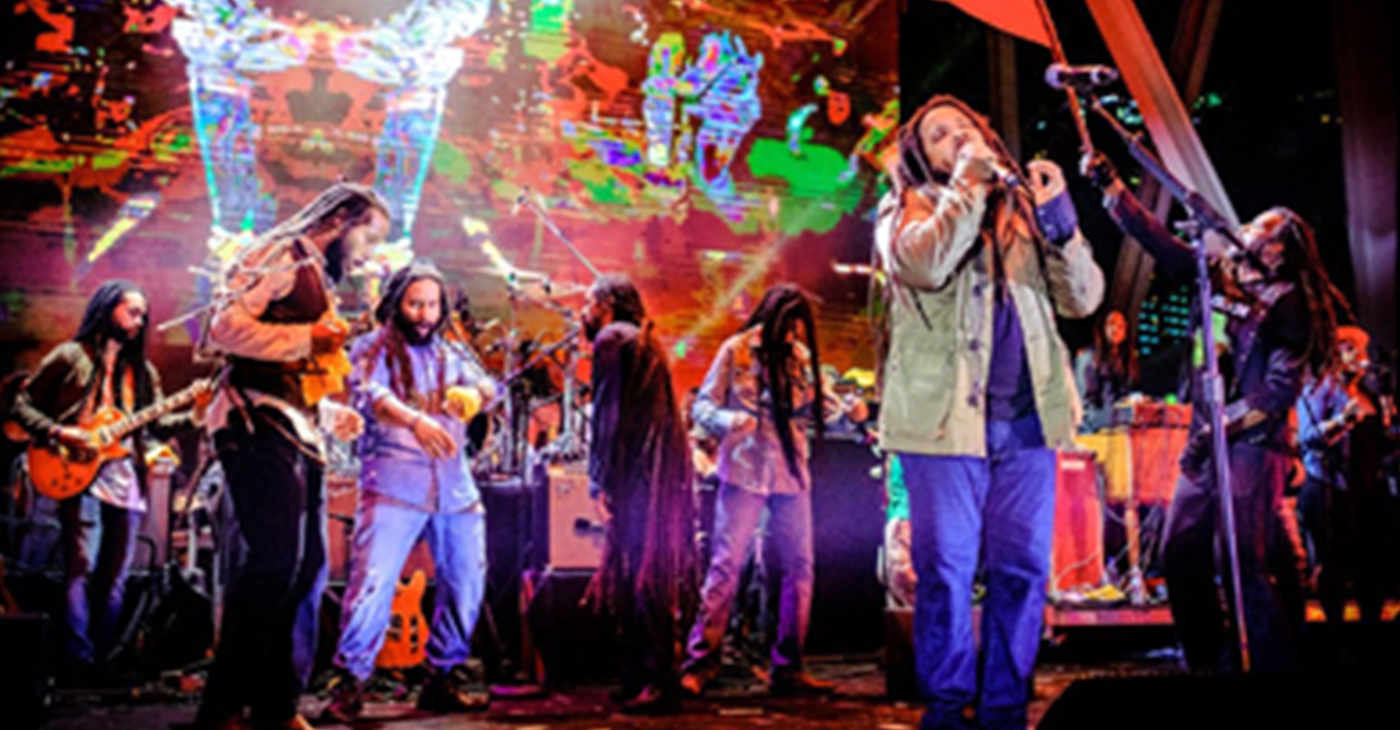
THE WESTSIDE GAZETTE — Kaya Fest is the creation of Stephen Marley, an eight-time Grammy Award winner, singer, songwriter, musician producer and son of the legend Bob Marley. It was named by the New Times as one of “Miami’s Ten Best Musical Moments of 2017!

By The Westside Gazette
“Education Before Recreation.” is The theme of Kaya Fest 2019; Kaya Fest overall.
Kaya Fest is the creation of Stephen Marley, an eight-time Grammy Award winner, singer, songwriter, musician producer and son of the legend Bob Marley. It was named by the New Times as one of “Miami’s Ten Best Musical Moments of 2017! Presented by Fruit of Life Productions and The Alacran Group it is scheduled to return Saturday, April 20th, 2019 / 1 p.m., at Bayfront Park Amphitheatre, 301 Biscayne Blvd. in downtown Miami after a triumphant 2018 Sell-Out in California!
One of the rare times the Marley brother get together on stage you do not want to miss this star-studded performance. The Marley Brothers; Ziggy, Stephen, Damian, Ky-Mani and Julian along with Busta Rhymes, Davido, Sean Paul, Kes the Band, Chi Ching Ching, Protoje, Walshy Fire (of Major Lazer) Third World, Koffee and special guest appearances by Farruko and Pitbull, will give on-lookers a show of a lifetime.
This is a show that marijuana/kaya/cannabis/hemp, Mary Jane, users don’t want to miss. While the education is delivered throughout the show, users of the substance freely enjoy the benefits of smoking without repercussions.
However, one of the main reasons people attend is to see the show.
The highly anticipated show on April 20th will no doubt have audience members their feet dancing to the sweet sounds of reggae music thought the day and enjoying great food. There is still time to get you tickets don’t be the only one is south Florida not attending please go to www.kayafestivals.com to get your tickets.
This article originally appeared in The Westside Gazette.










Black Press
Should You Have to Pay to Hear the Gospel?
ST. LOUIS AMERICAN — Pastor Philip Anthony Mitchell of Atlanta’s 2819 CHURCH and Tim Timberlake of Celebration Church in Jacksonville, Florida, are at the center of a social media debate. The controversy stems from ticket prices for their “Street Preachers” podcast tour, with general admission tickets reportedly costing around $60 and VIP options up to $200.

For generations, the Black church has passed the offering plate to keep the lights on, pay the preacher, help the poor and carry the Gospel beyond its walls. But what happens when the preacher leaves the sanctuary, takes a popular Christian podcast on tour — and charges admission?
That question has placed Pastor Philip Anthony Mitchell, founder and lead pastor of Atlanta’s fast-growing 2819 CHURCH, at the center of a heated social media debate.
Mitchell and Tim Timberlake, senior pastor of Celebration Church in Jacksonville, Florida, host “Street Preachers,” which its official website describes as a “raw, unfiltered podcast” committed to spreading the Gospel.
‘A brood of vipers’
The controversy began after ticket prices for the podcast’s 2026 tour circulated online. General admission tickets reportedly cost about $60 before fees, with premium options, including a VIP meet-and-greet package, priced at $200. Critics questioned whether ministers should charge people to hear the Gospel.
Others defended the pastors, arguing that Christian events require venues, transportation, security, equipment and staff.
Mitchell answered critics from the pulpit last month, calling them “a brood of vipers.” He said the podcast is a separate, personal project and that neither his church nor Timberlake’s is bankrolling it.
“Now we have decided to go on a tour to take the gospel to cities, and because that’s not funded by 2819, and it’s not funded by Celebration Church, Tim and I gotta do that with our own pockets,” Mitchell said. “It’s why there is tickets. We have to pay for venues and security and productions and staff from our own pockets.”
Mitchell called some critics “ignorant” and said they did not know that a child was healed through faith during one of the events.
“And you want to complain about a 60 ticket?” he said. “So hate on!”
Worship service vs. media event
Mitchell maintains that “Street Preachers” is an independently produced podcast tour, not a worship service, and that ticket revenue helps cover production costs.
Yet the presence of pastors, Scripture and Gospel language makes the distinction less clear to some believers.
The official tour website lists all eight 2026 stops as sold out. Promotional material announcing additional dates promised, “Better ticket options. Same Gospel. Same move of God.”
Corporate prayer gathering
The language gets to the heart of the dispute. Some Christians argue that no one should be kept outside because they cannot afford a ticket. Others say the Gospel remains free even when people pay for the venue and experience surrounding its presentation.
The paid podcast tour, however, is not Mitchell’s only large-scale gathering. On Oct. 10, 2819 CHURCH will host “ACCESS — That Powerful Hour of Prayer” at AT&T Stadium in Arlington, Texas. Admission is free.
2819 CHURCH has said 80,000 free tickets were claimed before registration reopened.
The contrast raises another question: What makes one Gospel-centered event a ministry supported by donors and another a production supported by customers?
Unfiltered preaching, youth appeal
Mitchell’s congregation, composed largely of young Black adults, grew from fewer than 200 weekly worshippers in 2023 to about 6,000, according to the church. Some worshippers arrive before sunrise to secure a place inside.
His appeal rests partly in an intense, vulnerable and raw preaching style.
“I’m preaching without watering that down, without filtering out things that we think might be too controversial,” Mitchell told The Associated Press.
That visibility has also brought scrutiny of his theology, associations, travel, security and the businesses surrounding his ministry.
But the controversy reaches beyond Mitchell and Timberlake. Christian music concerts charge admission. Seminaries charge tuition. Religious publishers sell Bibles, books and devotionals. Churches pay musicians, media teams and guest preachers. Money becomes particularly uncomfortable, however, when an event is presented simultaneously as ministry and entertainment.
Ministry vs. entertainment
Supporters should not assume every dollar collected becomes personal profit. Critics, however, question whether lower-cost seats, sponsored tickets or free admission for people who cannot pay should be part of a Gospel-centered event.
The Black church always has required resources for ministry. It also has carried a sacred responsibility to make room for people with little or nothing to give.
The sold-out “Street Preachers” tour shows people are willing to pay to attend. The free ACCESS gathering offers a different model. The challenge is preserving that open door as Christian ministry increasingly adopts the machinery — and economics — of popular entertainment.
The post Should you have to pay to hear the Gospel? appeared first on St. Louis American.
Based on reporting by St. Louis American.
Black Press
Master P Encourages Norwood Elementary Students to Dream Big, Work Hard
BIRMINGHAM TIMES — Music mogul Percy Miller, known as Master P, visited Norwood Elementary School on Friday alongside his mascot sidekick, Captain Ace. Teachers and students, dressed in school colors, welcomed Miller, who shared lessons on education, consistency, networking, and the importance of not letting circumstances define one’s future.
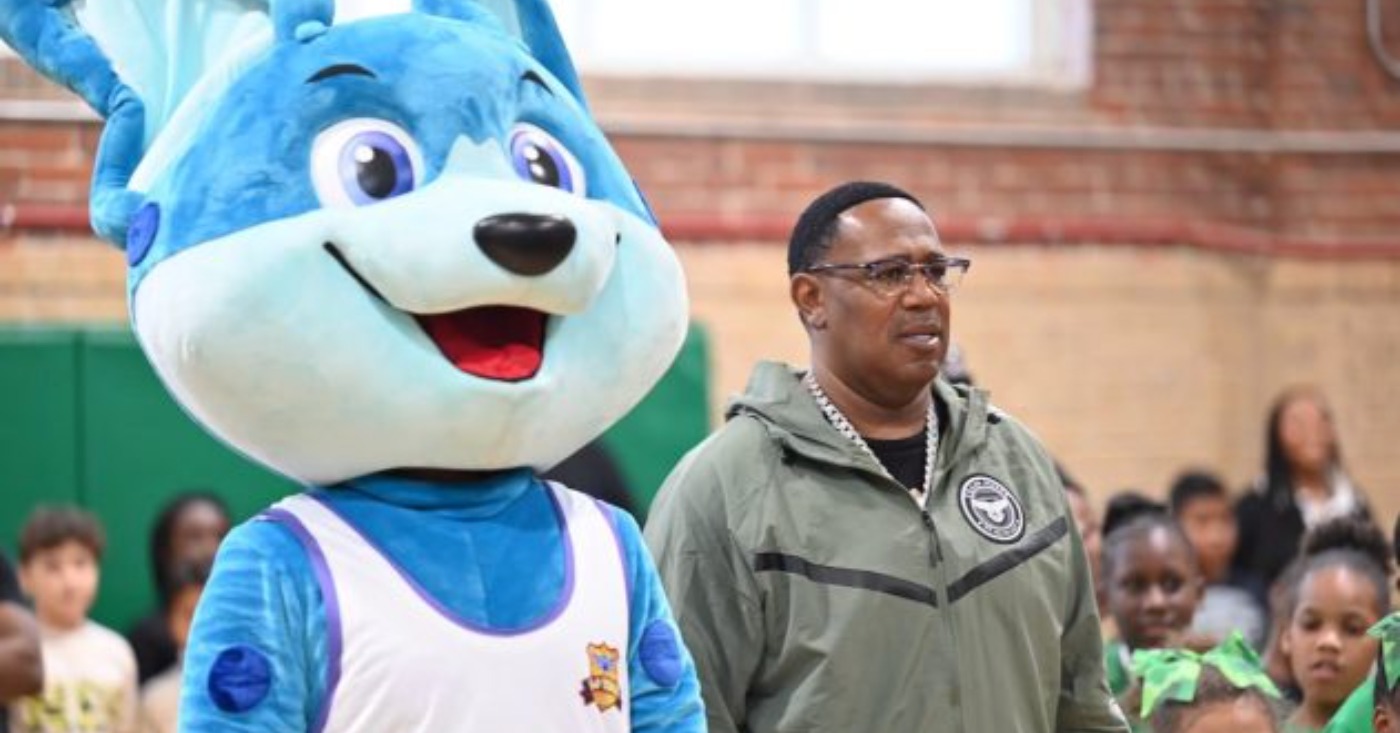
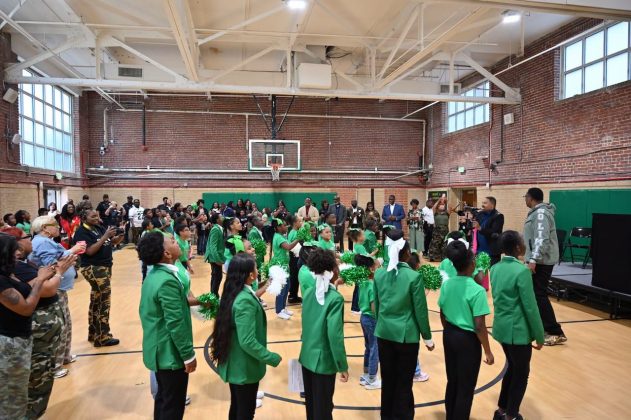
Music mogul Percy Miller, better known as Master P, visited Norwood Elementary School on Friday with his mascot sidekick, Captain Ace. (Birmingham City Schools) ”
The sounds of students singing filled Norwood Elementary School Friday morning as teachers dressed in camouflage and students wearing their school colors of green welcomed a special guest whose career has been built on music, entrepreneurship and perseverance.
Before taking the stage at the Birmingham-Jefferson Convention Complex (BJCC) Friday night, music mogul and entrepreneur Percy “Master P” Miller spent the morning with Birmingham students, sharing lessons about education, consistency, networking and the importance of refusing to let circumstances determine their futures.
Miller was joined by Captain Ace, the blue-dog mascot and educational character associated with his school visits and assemblies. Together, they turned the celebrity appearance into a lesson centered on positive choices, learning, and believing in one’s potential.
The visit also brought together Birmingham city and school leaders, including Mayor Randall L. Woodfin, Birmingham City Schools Superintendent Dr. Mark Sullivan and members of the school system’s staff and leadership.
At the conclusion of the assembly, Woodfin and Sullivan presented Miller with a proclamation honoring his visit to Norwood Elementary.
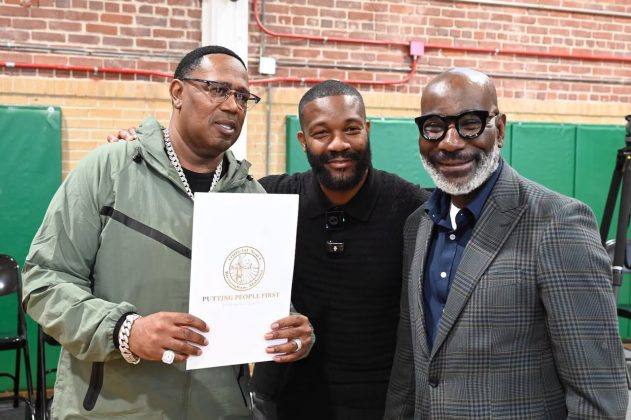
For Miller, however, the morning was less about recognition and more about the children sitting in front of him.
“I love the kids,” Miller told the students. “Even though I got a show, I’m like, no, I got to come and touch the kids because that’s the future.”
Miller said his focus is on what he described as “saving the next generation” and educating young people so they can recognize their potential.
“I want these kids to know that they can fly over all this negative,” he said.
That message became personal when Miller reflected on his own childhood.
He told students he grew up living with his grandparents, who had 12 children. His family lived in a three-bedroom housing project, but Miller said he refused to allow his circumstances to define what was possible for him.
“I didn’t let my condition stop me, and I don’t want you guys to let your condition stop you,” he told the students.
Miller repeatedly returned to the idea that dreams require action.
“There’s no limit to your dreams,” he said, emphasizing that success requires work and that students cannot “cheat the game of life.”
He then asked the students how many of them wanted to be successful. The room responded.
Miller used a familiar example to explain one of his central lessons: McDonald’s.
After asking students what the restaurant sells, he shifted the conversation from hamburgers to consistency.
“McDonald’s is selling consistency,” Miller said.
He explained that a Big Mac is expected to taste the same wherever it is purchased, using that familiarity as an analogy for persistence.
“Keep doing something, not giving up,” he told the students. “Keep chasing your dreams, doing something every day to get that, even when it don’t look like it’s gonna happen.”
“Somebody’s gonna make it big.”
Miller also challenged the students to think about the relationships they are building now. He asked whether they understood what networking means before explaining that the people sitting beside them today could become important figures in their lives tomorrow.
Miller shared a story about a girl he knew when he was in school — someone he said other people did not like or treated negatively. Years later, she became a bank president. When Miller needed a loan, he said, she remembered how kind he had been to her when they were younger.
“You never know who’s gonna be what in here,” Miller said.
He encouraged students to introduce themselves to others, learn their names and treat people well.
“That’s networking,” he said.
For Miller, the lesson went beyond professional connections. He encouraged students to recognize the possibility within one another.
“Who’s gonna be a doctor? Who’s gonna be a lawyer? Who gonna be a teacher?” he asked. “Who gonna be the president of the bank? Who gonna be the mayor? Who gonna be the superintendent?”
Miller said students cannot know where their classmates will end up, which makes how they treat one another today important.
“Somebody’s gonna make it big,” he said. “And it could be all you guys.”

Moments of Celebration
The visit was also filled with moments of celebration. Before Miller addressed the students, Norwood teachers and scholars welcomed him with a robust singalong to “The Affirmation Song,” creating an energetic introduction to the morning’s message.
The appearance of Captain Ace added another layer to the program. The character is part of Miller’s educational work with children, with school assemblies and musical programs addressing topics including anti-bullying, stranger danger and mental health awareness.
Miller said he has spent years making time for young people because he sees them as the future.
The message aligned with the presence of Birmingham’s education and civic leadership throughout the morning. Woodfin and Birmingham City Schools leadership have increasingly emphasized connecting children with educational, enrichment and career opportunities across the city. Earlier this year, the city announced its Children and Youth Commission’s Cradle-to-Career Roadmap, a strategy designed to connect the systems and resources influencing children from early education through adulthood.
For Norwood students, however, the morning offered a more immediate lesson: the opportunity to see someone who built a career from a childhood that did not necessarily predict the future he ultimately created.
As Miller prepared to leave, he encouraged students to keep working, keep learning and keep believing in themselves.
“I kept going,” he told them, reflecting on the people who once told him he would not succeed. “That’s what I want you guys to do. Keep going, no matter what your conditions is. No matter what your environment is.”
Based on reporting by Birmingham Times.
Black History
Why Black Artists Struggle to Sell Tours
HOUSTON DEFENDER — Recent industry reports and artist comments indicate that Black artists are struggling to sell concert tickets, highlighting a larger crisis in the touring business. This trend, dubbed “blue dot fever,” refers to empty seats at venues and has led to major touring acts canceling or postponing shows since spring 2026.
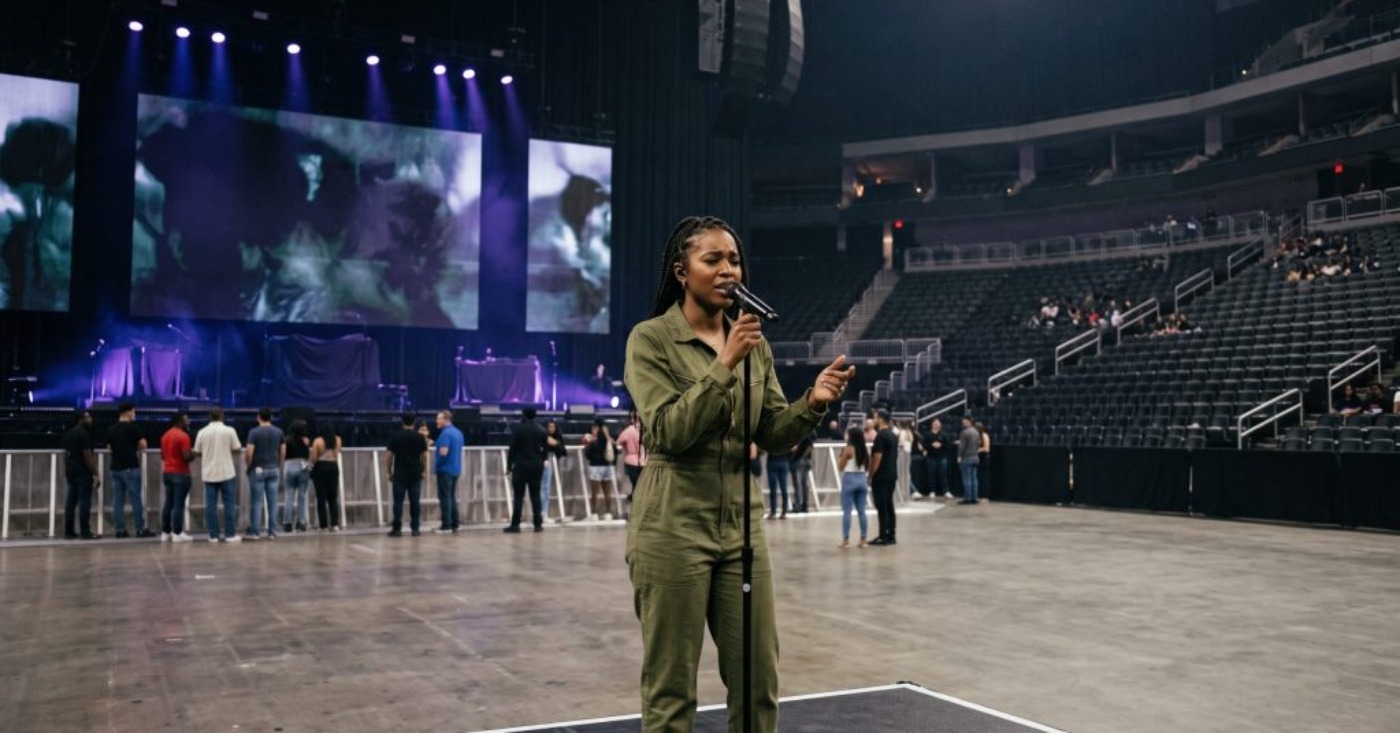
The internet chatter about Black artists struggling to sell concert tickets points to a much larger crisis reshaping the touring business, according to recent industry reporting and artists’ own comments.
Since spring 2026, a wave of major touring acts across genres have canceled or postponed shows due to sluggish ticket sales, a trend some in the industry have dubbed “blue dot fever,” a reference to the blue markers that indicate empty seats on Ticketmaster’s venue maps.
The phenomenon is not limited to Black performers, but several recent examples involving Black artists have fueled online conversation about whether Black touring acts face extra hurdles. For a market like Houston, home to a large hip-hop and R&B fan base and a steady stream of major tour stops, the debate carries added weight.
Here are five reasons the touring business has gotten tougher for artists trying to fill seats.
Blue dot fever is spreading industrywide
Black hip-hop megastars like Ludacris, T.I., Rick Ross, and BigXThaPlug felt the impact of Blue Dot Fever after struggling to sell tickets. Industry watchers say many artists are being booked into venues too large for their current draw, leaving sections visibly empty, discouraging last-minute buyers. The trend cuts across genres, but it has compounded challenges already facing some Black touring artists this year.
Fans keep comparing every artist to music’s biggest superstars
Grammy-winning singer Melanie Fiona recently weighed in on the online conversation about canceled shows and slow sales, explaining that most artists do not have the resources or reach of music’s top-tier headliners. The trade outlet Ticket News has made a similar point, noting that few artists can match the pricing structure or demand generated by superstar-level tours. When any artist falls short of that bar, fans and social media users are quick to call it a flop, even when the artist is still performing at a healthy level for their career stage.
Stadium bookings are outpacing actual demand
A hip-hop stadium concert set to take place in Louisville in October 2026, featuring Ludacris, T.I., Rick Ross, and BigXThaPlug, reportedly had nearly 47,000 seats still available as showtime approached. The example illustrates a broader booking problem. Venues sized for arena or stadium crowds do not always match the number of fans willing or able to buy tickets, regardless of an artist’s streaming numbers or name recognition. Some promoters are now facing pressure to book smaller, more intimate venues that better match an act’s current draw.
Rising costs are squeezing fans’ entertainment budgets
Housing, groceries, and everyday expenses have climbed for many households, and live music is often one of the first expenses fans cut. Older or legacy acts leaning on nostalgia appear to be hit hardest, since higher ticket and fee prices make attending a bigger financial decision than it once was. Newer or lower-profile Black artists competing for the same limited entertainment dollars face an uphill climb, especially when fans have to choose between one or two shows a year instead of several.
Social media shape who gets mainstream exposure
Does TikTok Dominate the music industry.
Black artists in hip-hop and R&B often compete for airplay and playlist placement within genre-specific categories rather than mainstream ones, which can limit the crossover exposure that turns streaming success into ticket sales. Artists working outside those two genres, including gospel, jazz, and Afrobeats-influenced acts, face a similar challenge in reaching audiences beyond their dedicated fan bases. Whether that structural gap is driving today’s sales slump remains an open question that industry analysts and artists are actively debating.
Based on reporting by Houston Defender.
Art
From Ma Rainey to AI: New Technology Amplifies an Old Fight over Artist Control
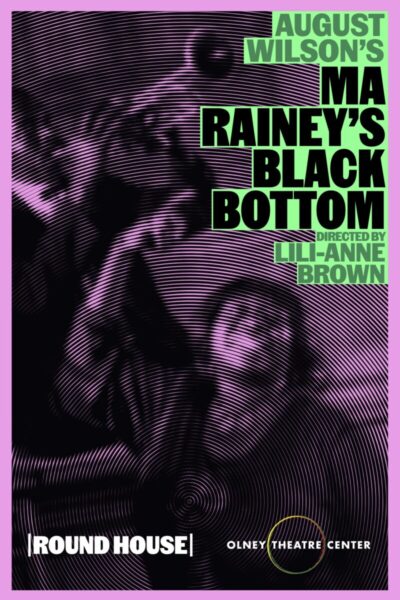
HOWARD UNIVERSITY NEWS SERVICE — August Wilson’s “Ma Rainey’s Black Bottom” explores Ma Rainey’s struggle for control over her music during a 1920s recording session, highlighting conflicts over art, money, and power dynamics between musicians and business interests. Round House Theatre’s production, running through October 18 in Bethesda, Maryland, stages this historical fight, drawing parallels to contemporary issues.
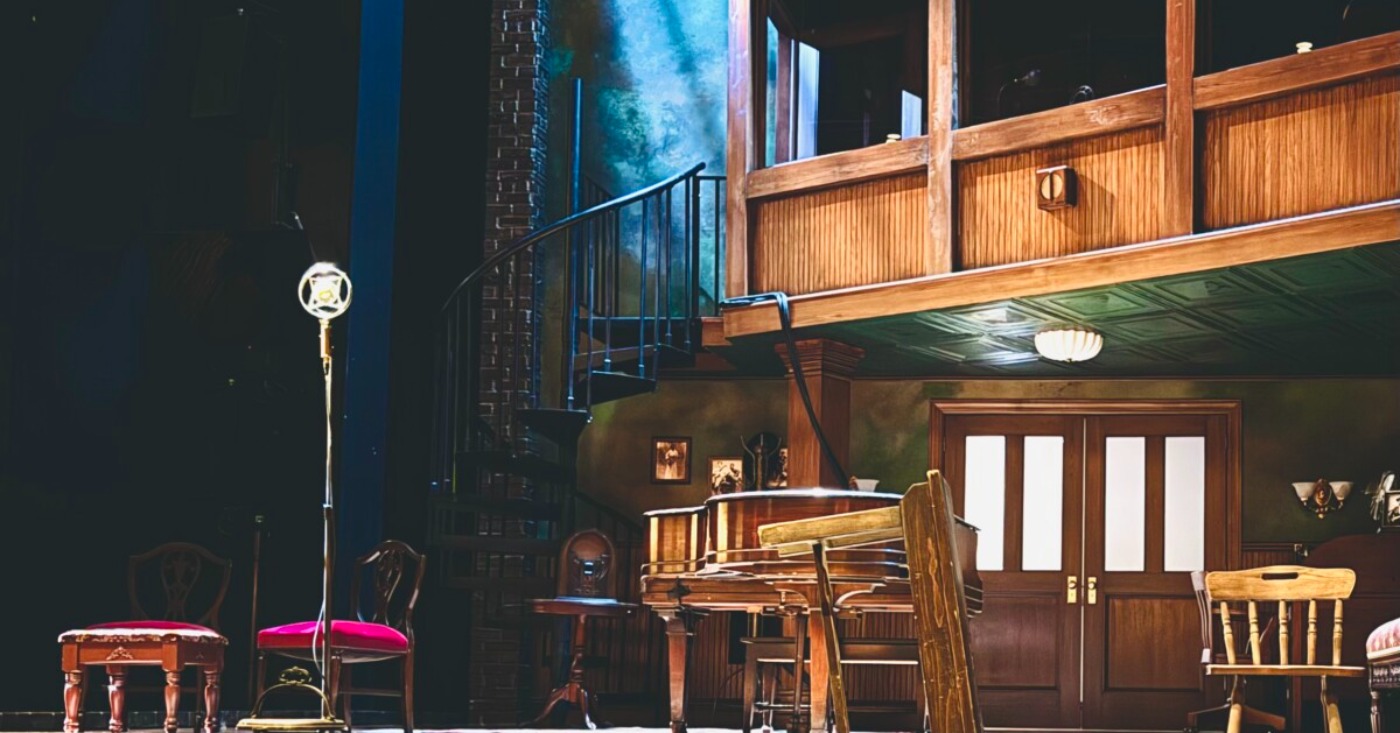
In August Wilson’s “Ma Rainey’s Black Bottom,” Ma Rainey fights to control what happens to her music once she enters the recording studio. Today, musicians are confronting a new question: What happens when artificial intelligence can profit from the identity attached to their music?
Round House Theatre’s production of “Ma Rainey’s Black Bottom,” which runs through Oct. 18 in Bethesda, Maryland, brings an older struggle over artistic control to the stage. Set during a recording session in 1920s Chicago, Wilson’s play follows Ma and her band as conflicts over art, money and control expose the imbalance between the musicians creating the work and the people conducting the business around it. That same question of who can profit from an artist’s value is now being tested in a very different setting nearly a century later.
Musicians Jason Isbell, David Lowery, Guy Forsyth and Eduardo Calle filed a class-action lawsuit on Aug. 31 against AI music company Suno. They allege that the company commercially exploits artists through an AI system capable of generating music imitating artists’ identities and styles without permission. Suno disputes the allegations.
The U.S. Copyright Office has also studied AI-generated digital replicas and recommended federal legislation to address gaps in protections against unauthorized replicas of a person’s voice or appearance. Its broader AI inquiry received more than 10,000 public comments.
For Nicole Michelle Haskins, who portrays Ma Rainey in the Round House production, the struggle over power begins with understanding Ma as more than a demanding recording star.
“She is the only advocate she has,” Haskins said. “The choices presented to her are to surrender or fight. Ma chooses to fight.”
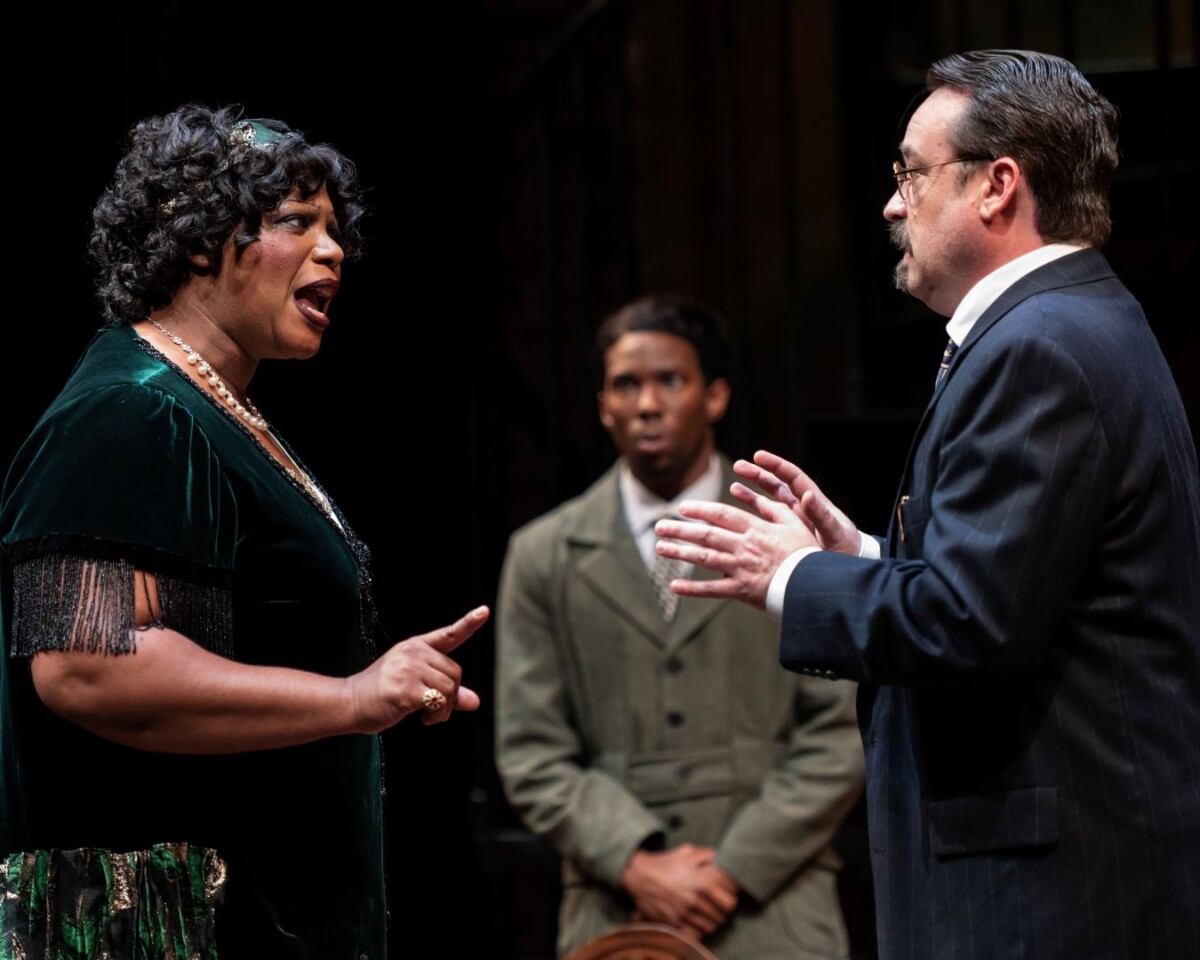
Haskins said Ma enters the recording studio knowing the value that she brings, even as the people around her repeatedly challenge her decisions. She exercises her leverage and pushes back when others attempt to dictate how the session will proceed.
The real Gertrude “Ma” Rainey was one of the earliest Black women to record blues commercially. Between 1923 and 1928, she made more than 100 recordings for Paramount Records, according to the Smithsonian.
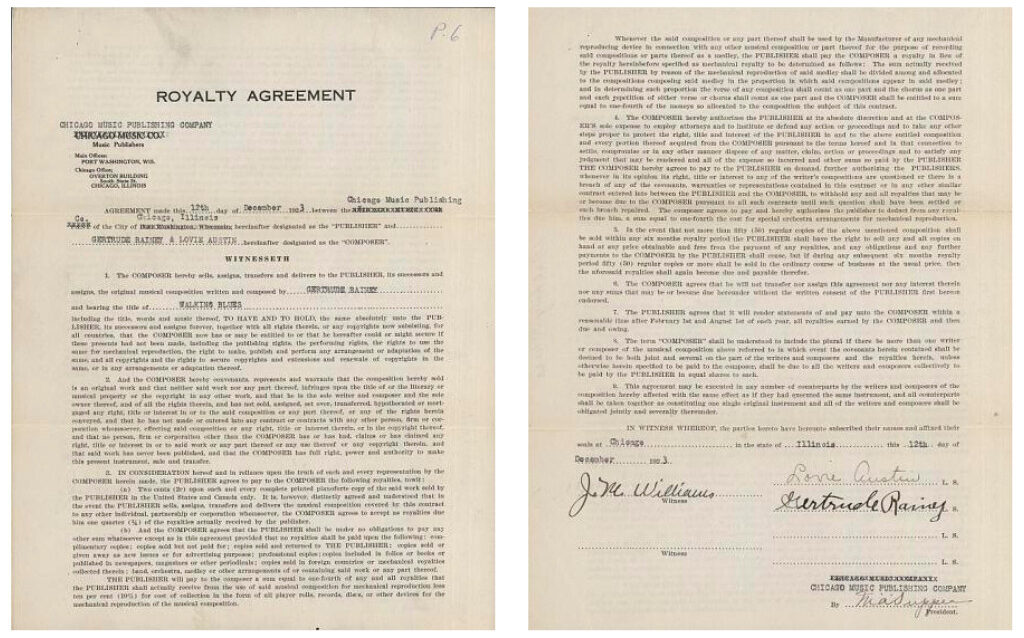
One surviving agreement shows how at least part of that business worked. A Dec. 12, 1923, royalty agreement for “Walking Blues,” signed by Rainey and composer Lovie Austin, provided them two cents for each printed piano copy sold in the United States and Canada. They were also entitled to one-fourth of the royalties the publisher received from mechanical reproductions, minus a 10% collection cost.
For Haskins, portraying a character negotiating those relationships does not feel entirely removed from being an artist today.
“The life that I live as an artist is not that dissimilar from the world that August Wilson has written,” Haskins said.
The technology surrounding artists, however, has changed dramatically.
The scale of AI-generated music has grown quickly. In July, streaming service Deezer said it was receiving about 90,000 fully AI-generated tracks a day, more than half of its daily uploads. Those tracks accounted for less than 3% of all streams.
The lawsuit against Suno is not primarily a traditional copyright case about whether an AI-generated song copied a particular recording. Instead, the musicians rely largely on state right-of-publicity laws, which concern the commercial use of a person’s identity.
According to the complaint, users can enter musicians’ names and use them as a retrieval key for AI-generated music drawing on characteristics associated with those artists. The plaintiffs argue that an output does not have to copy a specific song or perfectly reproduce an artist’s voice for the artist’s commercial identity to be exploited.
Suno disputes that characterization of its technology. The company has said it does not use artists’ names as training metadata and does not permit users to prompt its system for specific artists. Suno says references to artists are filtered and redirected toward descriptions of musical characteristics. Its own prompting guide, for example, encourages users to describe features such as tempo, vocals and instrumentation, using phrases like “bright pop track,” “110 BPM,” “female vocals” and a “big synth hook.”
The Suno dispute centers on more than ownership of a particular song or recording. It raises the question of whether an artist’s name, likeness and other identifying characteristics can be used commercially to generate new music without permission.
Haskins resists describing that underlying conflict as merely contemporary.
“I don’t think they feel contemporary,” Haskins said of Ma’s concerns. “I think they feel worldly.”
For Haskins, AI is one setting for a larger struggle over who has power over creative work. She said the problem of Black people being separated from control of things they created has existed far longer than the technology now raising those questions. The Library of Congress notes that early record companies sometimes used white performers to record music associated with Black artists rather than hire the Black performers themselves, while Black musicians remained rare on early commercial recordings.
“It just hasn’t stopped happening,” she said.
That interpretation shapes the way Haskins portrays Ma’s fight for control. She pointed to a brief moment in the second act when Ma’s manager attempts to steer her toward a different song. Ma refuses and proceeds with the recording she intends to make.
Haskins said the moment stands out precisely because Ma does not need a dramatic confrontation to establish who has the final say.
“She’s not demanding control. She’s not asserting control,” Haskins said. “She is simply positioning herself in correct order.”
La Tetra Metts-Owens is a reporter forHUNewsService.com. She covers Prince George’s County and theater.
Based on reporting by Howard University News Service.
Black History
IN MEMORIAM: The Mighty Sparrow, King of Calypso, Dies at Age 91 in New York
NEW YORK CARIB NEWS — Slinger Francisco, widely known as the Mighty Sparrow, died on Sunday, September 27, in New York at the age of 91. The legendary calypso artist passed peacefully after a brief illness, surrounded by loved ones. Born in Grand Roy, Grenada, in 1935, he moved to Trinidad as a child, where he developed his distinctive style.
NEW YORK — For anyone raised in the Caribbean, or in a Brooklyn, Bronx, or Queens household where the radio stayed tuned to home, there was never a time without the Mighty Sparrow. His voice was simply part of the furniture of our lives: at Carnival, at weddings, at Sunday lunch, in the car on the way to JFK. On Sunday, that voice went quiet.
Slinger Francisco, known to the world as the Mighty Sparrow, died Sunday, September 27, in New York. He was 91. His family said he passed peacefully after a brief illness, with loved ones at his bedside.
He was born in Grand Roy, Grenada, in 1935, and was still a small child when his family moved to Trinidad. Port of Spain made him. Its yards, its rum shops and its calypso tents gave him his rhythm and his sharp tongue. He sang in a church choir as a boy, but the city had a louder music, and by his late teens he was performing under the name that would become a title.
The breakthrough came in 1956 with “Jean and Dinah,” his mischievous farewell to the American servicemen leaving Trinidad after the war years. The song swept Carnival, winning him both the Road March and the Calypso King crown. It introduced a young performer who could be funny and fearless at once, who could make an entire nation laugh at itself and then think hard about what it had just laughed at.
He was fearless offstage too. A year after that first crown, he refused to compete over the paltry prize money offered to calypsonians, a stand that helped push the art form toward the respect and the pay its practitioners deserved.
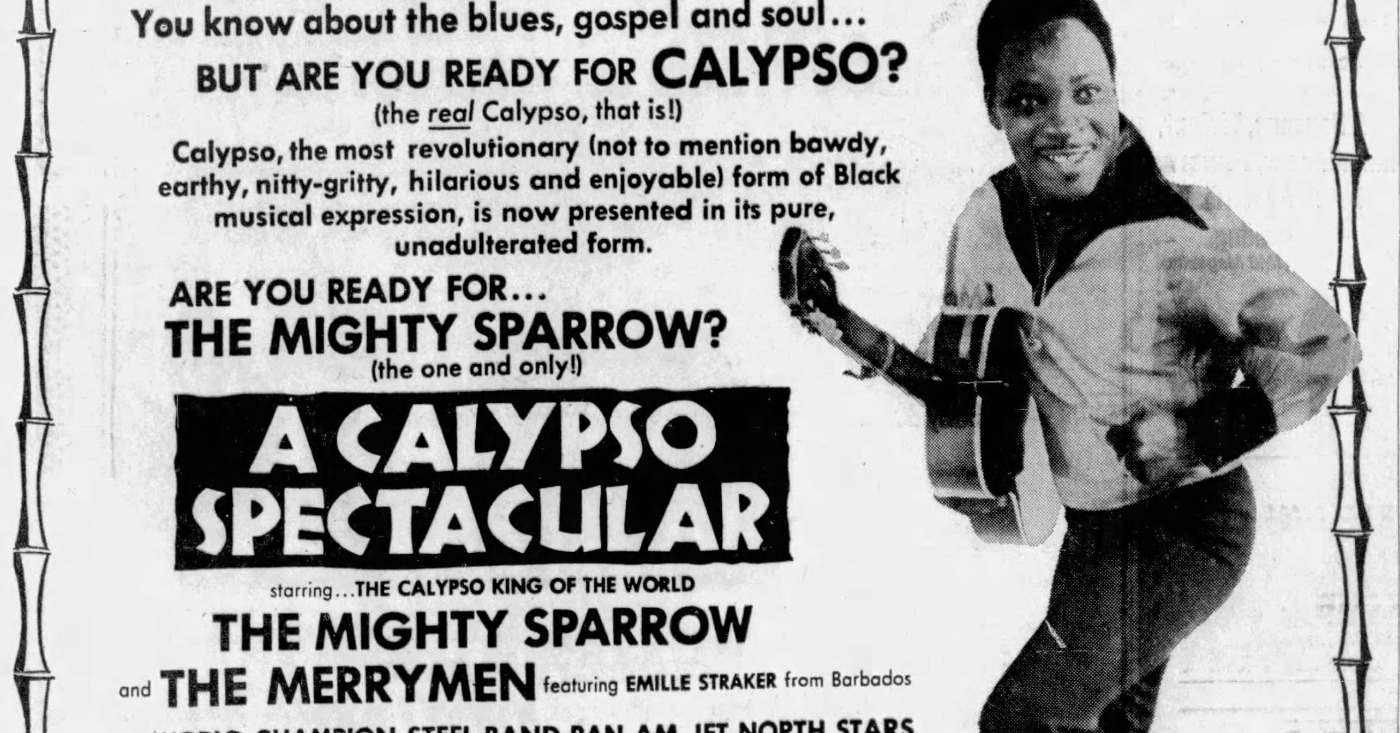
Over six decades, he recorded hundreds of songs. He could turn a love story, a boast or a bit of bedroom comedy into a hit, but he was just as formidable when the subject was power. “Dan Is the Man in the Van” took apart a colonial schooling that taught Caribbean children nonsense about themselves. “Congo Man,” “Mr. Walker,” “The Lizard” and “Both of Them” became standards sung by people who had never set foot in a calypso tent. Long before anyone printed it on a poster, audiences had already crowned him the Calypso King of the World.
For New York’s Caribbean community, Sparrow was never just a visiting star. He made this city his home for many years and played its biggest rooms, including Madison Square Garden, before crowds of immigrants who heard in his voice the islands they had left behind. A Sparrow show here was less a concert than a homecoming.
Trinidad and Tobago honored him with the Trinity Cross, then its highest national award, and generations of calypsonians and soca artists have named him as the standard they measured themselves against. Fans called him “Birdie,” and the affection in that nickname said everything.
Tributes are already pouring in from across the region and the diaspora, and they will keep coming for weeks. But perhaps the truest tribute is the simplest one: somewhere tonight, in Port of Spain, St. George’s, Flatbush and beyond, someone is putting on a Sparrow record, turning it up, and singing along.
Based on reporting by New York Carib News.
Black History
Tradition Comes to the Streets in 11th Annual Black-Eyed Pea Festival at the Freedom Farmers Market
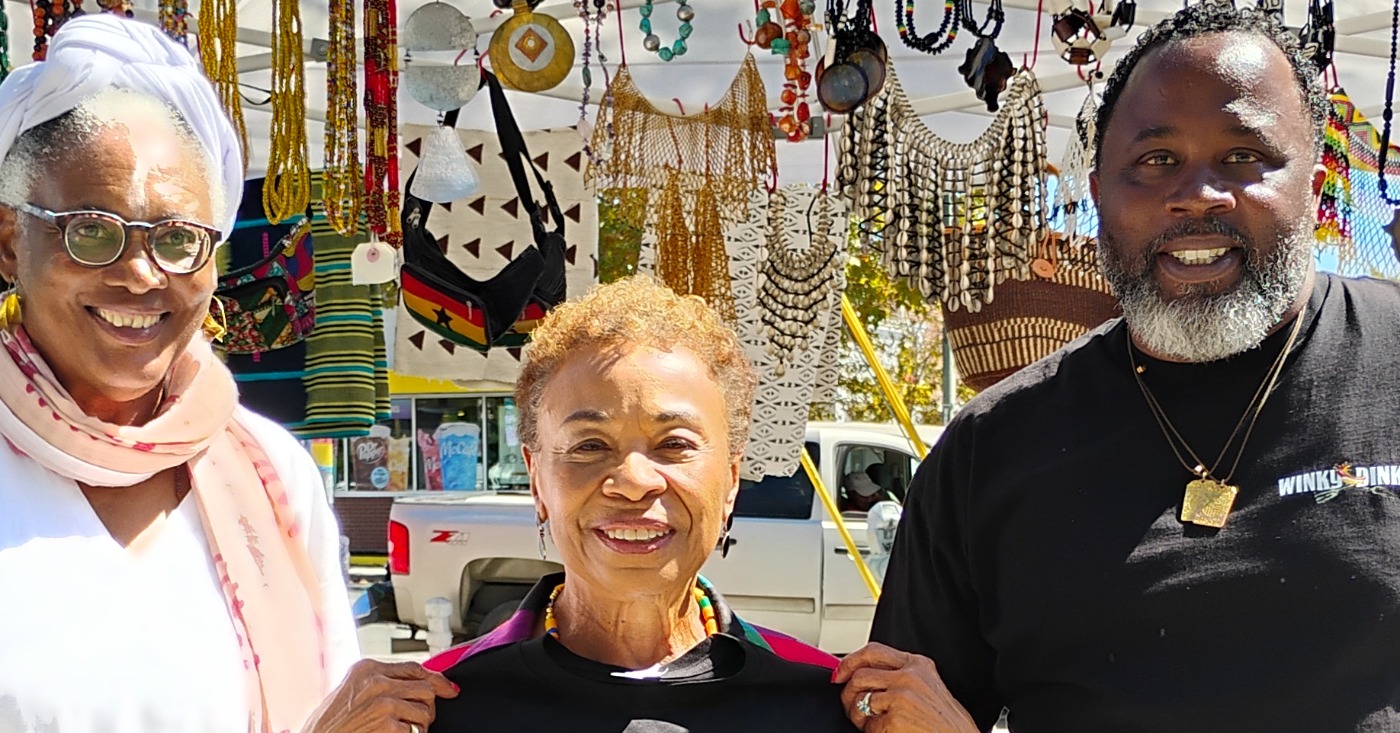
Mayor Barbara Lee stops by to support vendors, Winky Dinky Dogs owner Tyranny Allen
A streamlined Oakland Black-Eyed Pea Festival took place on Sat. Sept. 12 in the lower Temescal neighborhood on the blocked off street that connect Shattuck and Telegraph avenues.
An early start brought together vendor regulars from festival partner, the Freedom Farmers’ Market, and vendors who have supported the festival at its previous location at Marston Campbell Park.
Wanda Ravernell, the festival producer/director was on the verge of cancelling the festival because of funding limitations in May before reaching out to Elaine Smith, president of Farms to grow, Inc., which supervisors the market.
From its start in 2014, the festival has focused on the traditions of African American culture through music, food and art. That emphasis included fresh food vendors, particularly growers of African American legacy crops like black-eyed peas, yams, watermelon, collard greens and okra, which all originate in Africa.
To Fresno farmer Will Scott of Scott Family Farms, the Freedom Farmers’ Market allows him to bring those crops to the inner city – and support the nutrition of African Americans.
Shortly after the festival opened Saturday morning with prayers and salutes to the ancestors by Wakan Wiya Two-Spirit Drum and Awon Ohun Omnira, led M. Zamora and Otobaji Stewart respectively, 86-year-old Scott, the son of a sharecropper, announced that he will put other endeavors aside to dedicate the rest of his life to raise those foods.
Smith shared that Farms to Grow assists Black farmers in helping them overcome one of their main impediments to success – distribution – while creating alliances to help Black people maintain farmland and make it prosperous for younger generations to keep farming and farmland in the family.
As the morning progressed to afternoon, a steady stream of visitors drifted from booth to booth, chatting with vendors and each other.
Scott noted that a market day like this was what he was accustomed to in his youth, where the market was not just about buying things but also a place for valuable social exchange.
The social aspect became even pronounced shortly after midday when Oakland Mayor Barbara Lee stopped by to shop and visit with some of the vendors, including Ellen Bimpeh of Sankofa, and Ravernell who was selling T-shirts designed by Stewart.
Lee is also a fan of Winky Dinky Dogs, an eatery owned by Tyranny Allen whose second brick-and-mortar venture further anchors a hub of businesses at that corner.
As he has in previous years, Andre Thierry of Accordion Soul, closed the festival with a 90-minute set that brought young and the young-at-heart on their feet to dance in a line or as impromptu couples.
And, surprisingly, the man Allen refers to as the mayor of 45th Street, came out on cane and chair to sit by the curb in the sun and listen to music reminiscent of his Louisiana roots. His appearance seemed to echo Scott’s observance about the market: to bring people together.
The Freedom Farmers’ Market is located at 4521 Telegraph Avenue in Oakland and is open on the second and fourth Saturdays of each month until Nov. 14. For more information and to apply to be a vendor, go to https://www.farmstogrow.org/freedomfarmersmarket


Ballot Breakdown Your Vote Explained by Expert

All Skinfolk Ain’t Kinfolk

All Skinfolk Ain’t Kinfolk

Banking Black: A Smart Strategy for Your Money #shorts

All Skinfolk Ain’t Kinfolk

Car Seat Comfort: Rear Space vs. Front Seat Support #shorts

395 HP Turbo 6-Cyl: Smooth Power for Merging & Passing! #shorts

Nearly 1 in 4 Third Ward voters in ‘suspense.’ Here’s why you can still vote

HBCU Homecoming: A never-miss annual tradition

Jamika Phillips, Founder of Shades The Nail Bar

The Youngest American Killed in the Vietnam War

Latest Massacre in Haiti Reveals Cruelty U.S. Deportations

OPINION: Nolan Wells’ Death One of Several Signifying Racial Terror Lives on in U.S. South

Passing for White, Fighting for Black America: The Courage of Walter White

OP-ED: Haiti TPS: Have We Lost Sense of Humanity?

OP-ED: If AI Is the New Language of Power, Then NAN Wants Black Communities Fluent

OP-ED: How Does Your State Rank for Pre-K?

Henry O. Flipper: A Trailblazer at West Point and Beyond

Asm. Smallwood-Cuevas’s Bill Repealing ‘Racist’ CalWORKs ‘Man-in-the-House’ Rule Clears Legislature

NBA All-Star Damian Lillard Returns Home for 15th Annual Backpack Giveaway
Ballot Breakdown Your Vote Explained by Expert
Banking Black: A Smart Strategy for Your Money #shorts
Car Seat Comfort: Rear Space vs. Front Seat Support #shorts
395 HP Turbo 6-Cyl: Smooth Power for Merging & Passing! #shorts
Nearly 1 in 4 Third Ward voters in ‘suspense.’ Here’s why you can still vote
HBCU Homecoming: A never-miss annual tradition
Jamika Phillips, Founder of Shades The Nail Bar

What is up with the Black male vote?

Should Parents Charge their Children Rent?

Resilience & Opportunity: Banking Explained Simply #shorts
-

 Black Press1 week ago
Zakiya Jendayi Arrested, Locked Out of Home by Sheriff’s Deputies
-

 Black Press7 days ago
A $2.1 Trillion Wellness Industry Never Built a Daily Practice for Black Children. So This Atlanta Family Did.
-
 BlackPressUSA5 days ago
Latinas Deserve Equal Pay. Unions Help Make It Happen.
-

 Art7 days ago
Montclair Brewery: Brewing Culture, Community, History
-

 Black History1 week ago
Listening as a Lifeline: A Doula’s Witness to Black Maternal Health
-

 Black Press7 days ago
COMMENTARY: But God!
