
Business
PRESS ROOM: Disney Increases Contributions to Russell Center Programs for Black Entrepreneurs, Bringing Total Support to Over $1 Million
NNPA NEWSWIRE — Digital RICE will be a dynamic platform meticulously crafted to connect the community and provide comprehensive support for the growth and success of Black-owned businesses, offering tailored assistance, a plethora of resources, and personalized advice.


Disney’s sponsorship of RICE is part of its commitment to invest in entrepreneurs
and small business owners across the country
CLICK HERE FOR HIGH-RES VIDEO AND PHOTOS.
ATLANTA, Ga. (December 14, 2023) – The Russell Innovation Center for Entrepreneurs (RICE) announced today that Disney Experiences renewed, for the third consecutive year, its commitment to RICE’s Supply Chain Accelerator Program (SCAP), which prepares Black entrepreneurs to do business in the public and private sectors, including with Fortune 500 companies. Disney also expanded their support to sponsor the development of Digital RICE, a virtual platform that will help entrepreneurs nationwide. These newest investments bring Disney’s total contribution to more than $1 million, solidifying the company as the lead sponsor of both initiatives. “Disney’s commitment to fostering diversity within the business world is incredibly important,” stated Jay Bailey, President and CEO, of Russell Innovation Center for Entrepreneurs. “Disney’s sponsorship of RICE not only grants our entrepreneurs unique insights into the company’s operations but also facilitates the expansion of opportunities, at a time when achieving equitable access has never been more imperative.”
The company’s sponsorship of Digital RICE will expand the nonprofit’s reach beyond Atlanta, removing geographic barriers to accessing the knowledge and expertise offered by RICE programs. Digital RICE will be a dynamic platform meticulously crafted to connect the community and provide comprehensive support for the growth and success of Black-owned businesses, offering tailored assistance, a plethora of resources, and personalized advice. “In 2023, we built upon our ongoing support of small businesses and organizations like RICE to grow talent, economic impact in the areas we do business, and help develop the workforce of the future,” said Ralph Sagaille, Director of Supplier Diversity and Sustainability at The Walt Disney Company. “In 2024, we’ll continue to push towards our goal of spending $1 billion annually with diverse suppliers, benefiting from the fresh perspectives of the small businesses we work with, which helps us constantly evolve and expand the way we do business.”
In addition to its financial investments, Disney Experiences also provides enrichment opportunities for RICE throughout the year, including a 3-day immersive learning event at Walt Disney World Resort for SCAP businesses, 66% of which are women-led. Earlier this week, 48 Black-owned businesses visited Walt Disney World to take part in hands-on, experiential opportunities like workshops on pitching to investors and social media strategy, panel discussions on quality service, and executive networking sessions. Participants also had exclusive opportunities to experience the Candlelight Processional at EPCOT and the theme park’s all-new nighttime spectacular, “Luminous The Symphony of Us.” Since its launch in 2019, RICE has been actively leading initiatives like the Supply Chain Accelerator to foster economic empowerment opportunities for Black business owners. Additionally, RICE provides comprehensive wraparound resources to support the full lifecycle of the entrepreneurial journey.
Media Contact: Gabi Suzano: [email protected]
ABOUT RUSSELL INNOVATION CENTER FOR ENTREPRENEURS (RICE)
The Russell Innovation Center for Entrepreneurs (RICE) is Atlanta’s home for Black entrepreneurs. Positioned as a business generator, RICE serves as an economic mobility engine for the community: driving entrepreneurs and small business owners to innovate, grow, create jobs, and build wealth. Inspired by the legacy of Herman J. Russell, one of the most successful Black entrepreneurs and civic leaders in Atlanta, RICE remains dedicated to its mission to Build. Black. Business. and stands as the only initiative of its kind in the nation. For more information visit www.RussellCenter.org, download the RICE Report Volume 1, and follow @RICEAtlanta on Instagram and Twitter and @RussellCenterAtlanta on Facebook.
ABOUT DISNEY EXPERIENCES
Disney Experiences brings the magic of The Walt Disney Company’s powerful brands and franchises — including Disney, Pixar, Marvel, Star Wars, ESPN, 20th Century Fox and National Geographic — into the daily lives of families and fans around the world to create magical memories that last a lifetime.
When Walt Disney opened Disneyland in Anaheim, California, on July 17, 1955, he created a unique destination built around storytelling and immersive experiences, ushering in a new era of family entertainment. More than 65 years later, Disney has grown into one of the world’s leading providers of family travel and leisure experiences, with iconic businesses including six resort destinations with 12 theme parks and 55 resorts in the United States, Europe, and Asia; a top-rated cruise line with five ships and plans for three more; a luxurious family beach resort in Hawai‘i; a popular vacation ownership program; and an award-winning guided family adventure business. Disney’s global consumer products operations include the world’s leading licensing business; the world’s largest children’s publishing brands; one of the world’s largest licensors of games across all platforms; and the shopDisney e-commerce platform.
Disney Imagineers create these experiences, the creative force behind experiences found in Disney theme parks, resort hotels, cruise ships, and consumer products — including books, games, and merchandise.




Black Press
Native American Health Center Connects 140 Community Members to Career Opportunities During Native American Heritage Month
The Native American Health Center recently hosted its Career Connect job fair at the Flicker Building and Cultural Center in Oakland, welcoming 140 community members in honor of Native American Heritage Month. Organized through the federally funded Strong Native Workforce Program, the event aimed to promote economic stability by connecting American Indian, Alaska Native, and Native Hawaiian residents with local career pathways. A diverse group of employers from the healthcare, technology, and government sectors attended to provide attendees with information regarding job openings and professional training programs. Read more.

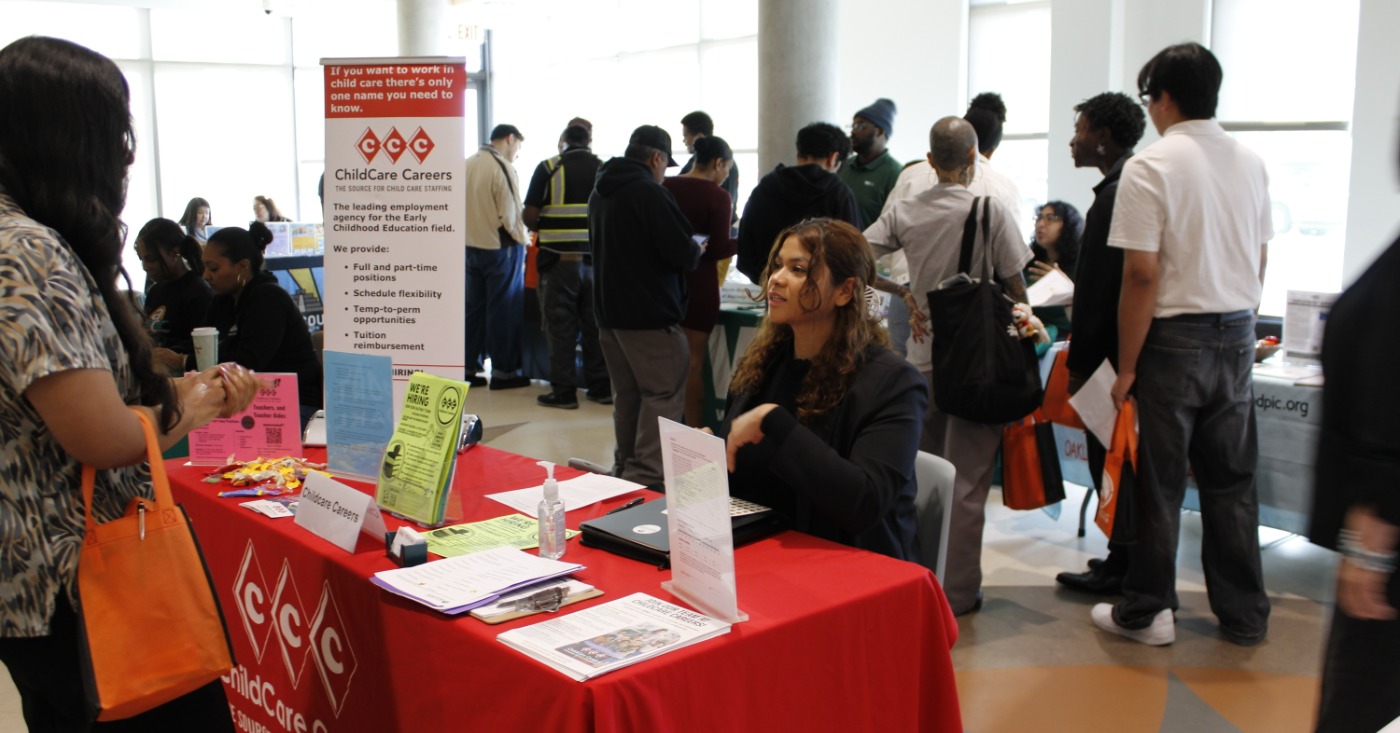
In celebration of Native American Heritage Month, the Native American Health Center (NAHC) welcomed 140 community members to its Career Connect: Community Job & Career Fair on Friday, Nov. 6.
Held at NAHC’s Flicker Building and Cultural Center in Oakland, the event connected American Indian, Alaska Native, Native Hawaiian, and other community members with employers, career pathways, workforce development programs, and family resources throughout the San Francisco Bay Area.
The event was organized through NAHC’s Strong Native Workforce Program, a federally funded initiative supported by the U.S. Department of Labor through the Workforce Innovation and Opportunity Act (WIOA). The program helps Native community members pursue meaningful employment and long-term economic stability through career counseling, job placement assistance, skills training, and supportive services.
The Career Connect Job Fair was coordinated with support from Gallo Advantage Consulting, a Native American woman-owned consulting firm specializing in strategic planning, community engagement, and workforce development. Working alongside NAHC, the firm supported employer outreach, event coordination, and partnerships with local businesses and community organizations.
“Native American Heritage Month is an opportunity to celebrate the strength, resilience, and contributions of our communities while investing in their future,” said Natalie Aguilera, CEO of NAHC. “Employment is an important part of health and well-being, providing economic stability, purpose, and opportunities for individuals and families to thrive. Through our Strong Native Workforce Program and events like Career Connect, we are helping community members build meaningful careers and create stronger futures for generations to come. We are grateful to the employers and community partners who joined us in this effort.”
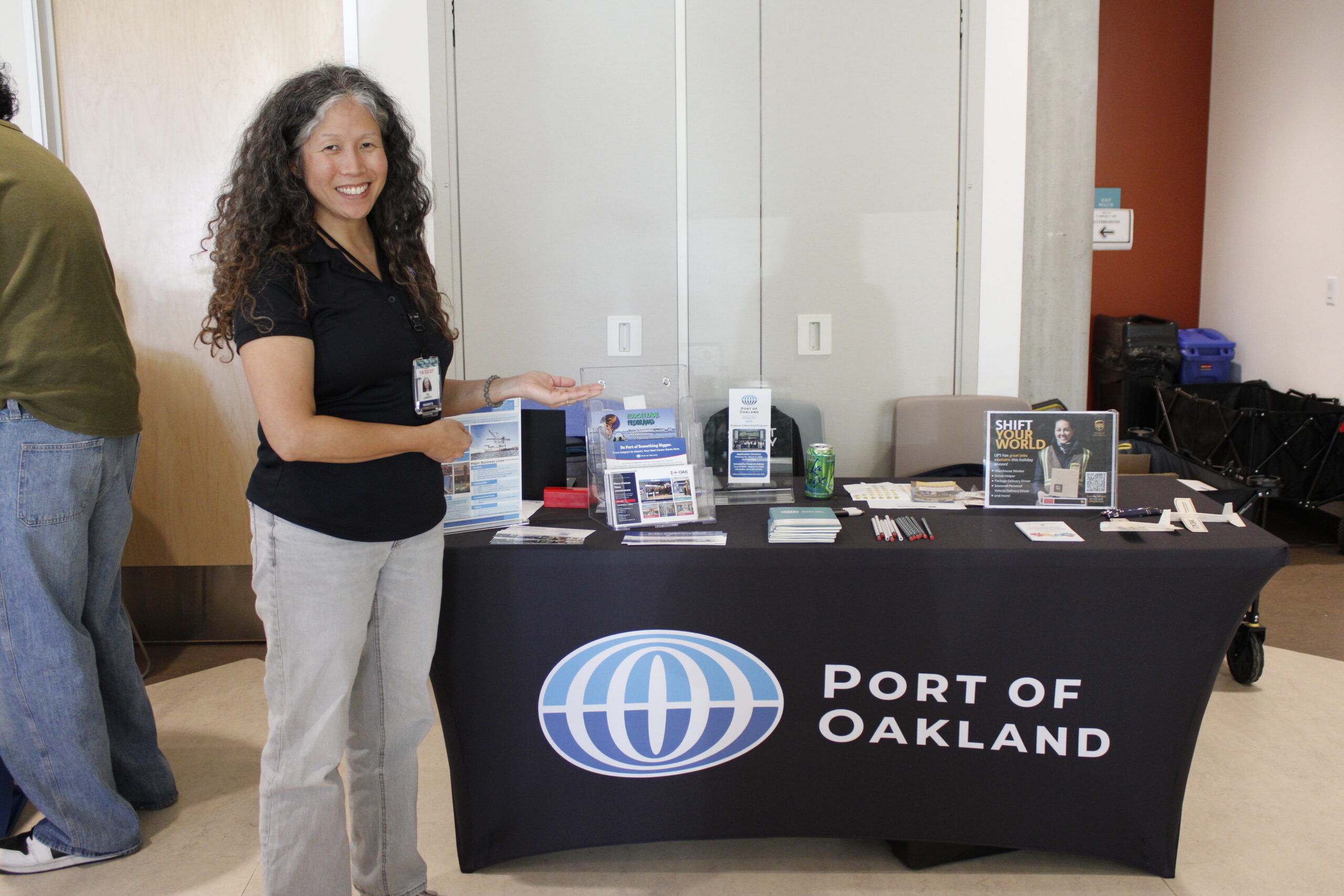
The job fair featured employers across healthcare, technology, government, transportation, education, and other industries. Participating organizations included Cisco Systems, the City of Oakland, East Bay Regional Park District, Kaiser Permanente, Port of Oakland, Sutter Health, Balance Staffing, MANOS Homecare, Inc., Childcare Careers, AC Transit, Samuel Merritt University, Waste Management of Alameda County, Inc., CareBuilders at Home – East Bay, East Bay Municipal Utility District, Patelco Credit Union, and Code Tenderloin.
Workforce development and community partners who shared their resources with participants included the Oakland Private Industry Council, Lao Family Community Development, The Unity Council, West Oakland Jobs Resource Center, Friendship House Association of American Indians of San Francisco, the Washoe Tribe of Nevada and California’s Alameda County Native TANF Program, as well as NAHC’s own Community Wellness Department.
Throughout the event, attendees connected with employers, explored job openings, and learned about apprenticeships, certification programs, training opportunities, and community resources.
Held during Native American Heritage Month, Career Connect highlighted the importance of investing in Native communities through education, employment, and economic opportunity. The event demonstrated the value of bringing employers and community organizations together to support career advancement and build a stronger Native workforce.
About Native American Health Center
Founded in 1972, the Native American Health Center (NAHC) is a nonprofit community health center serving American Indians, Alaska Natives, and surrounding communities throughout the San Francisco Bay Area. NAHC provides culturally responsive healthcare, behavioral health services, and community wellness programs, including workforce development initiatives that support employment and economic opportunity. All individuals are welcome at NAHC. NAHC provides care for 15,000 members annually. NAHC employs almost 300 staff across 17 sites in three counties: Alameda, San Francisco, Contra Costa.
For more information, visit www.nativehealth.org.
About Gallo Advantage Consulting
Gallo Advantage Consulting is a Native American woman-owned consulting firm specializing in strategic planning, community engagement, workforce development, and partnership development. The firm works with public agencies, nonprofits, and community organizations to strengthen programs, build partnerships, and expand opportunities for the communities they serve.
For more information, visit www.galloadvantage.com
Black Press
City Council Hearing Shines a Light on Failures of City’s Prompt Payment Policy
Oakland’s Finance and Management Committee recently held a hearing to address systemic failures in the city’s Prompt Payment Policy, which mandates that vendors be paid within 20 business days. Despite official reports claiming a 96% success rate, local business leaders and Councilmember Janani Ramachandran argue the data ignores the struggles of small firms and nonprofits. Many contractors reported waiting months or even a year for compensation, forcing some to take out loans to survive. Community leaders are now demanding greater accountability for department heads to ensure the city’s business community remains viable. Read more.
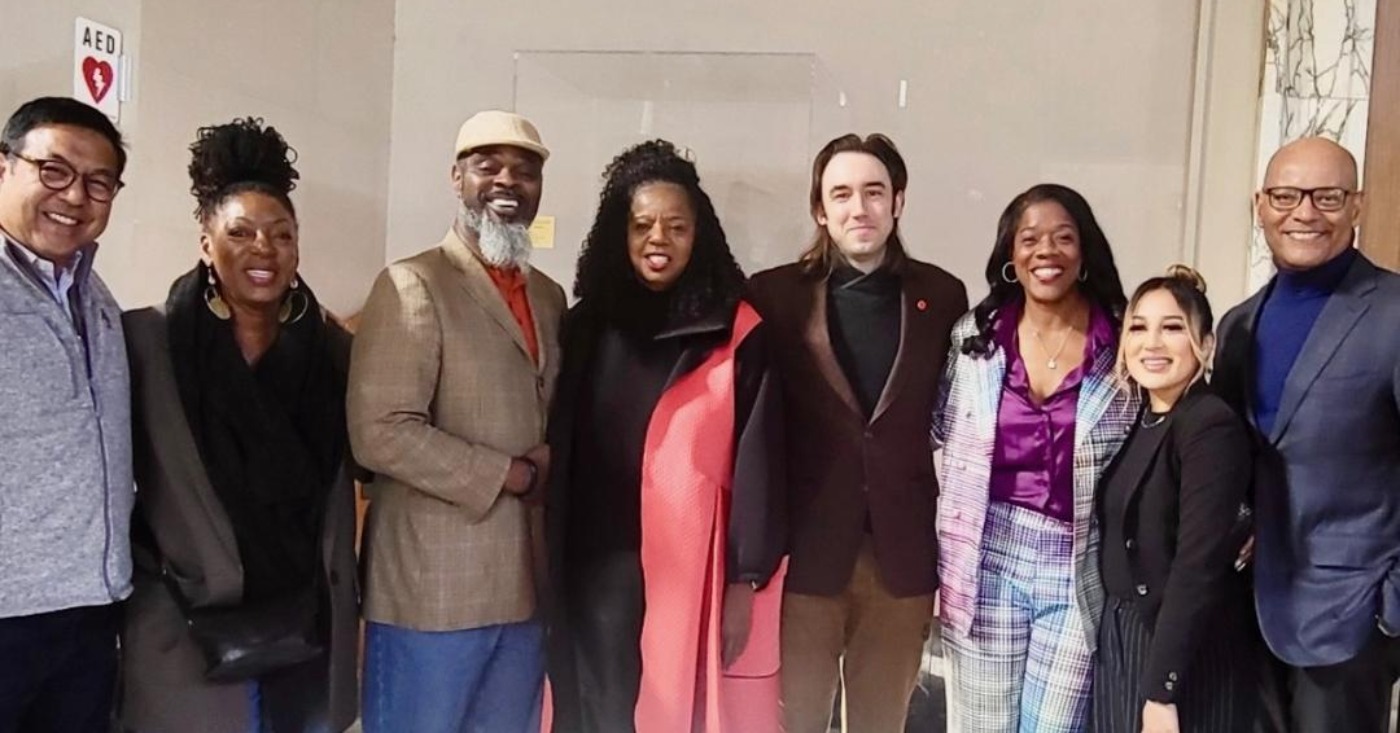
For years, many small businesses and nonprofits have not been paid on time
A City Council hearing this week shined a light on the shortcomings of the implementation of Oakland’s Prompt Payment Policy, which requires the city to pay vendors and consultants within 20 business days for work done for the city.
The hearing, led by Councilmember Janani Ramachandran at the City Council’s Finance and Management Committee on Tuesday, was a discussion of the track record of implementation of the Prompt Payment Policy, which was enacted in 2008 as part of the Oakland Municipal Code to ensure that local vendors are paid promptly and to “increase local business contracting opportunities with the city,” according to a city report.
In 2014, the ordinance was extended to cover local grant recipients.
Ensuring that this policy lives up to its promise is a crucial part of the city’s pledge in the wake of the findings of a Disparity Study in 2024 to end decades of discrimination preventing Black-owned, women-owned, and other small local businesses from obtaining contracts in their own hometown.
“Small businesses are the lifeblood of our city: timely payment is critical for small businesses and nonprofit organizations that provide direct services to our youth and young adults that are typically underfunded and rely on predictable cash flow to sustain operations,” said Ramachandran in a memo requesting a report from city staff on the implementation of the Prompt Payment Policy.
Many small businesses and nonprofits have complained loudly for years that they have not been paid on time. Though the city has produced a report that says over the past five years 96% of vendors were paid promptly, there are concerns that the report did not focus sufficiently on the treatment of small businesses and nonprofits.
In addition, the report did not cover whether subcontractors are paid promptly. A vast majority of the city’s contracts go to a handful of large “prime” contracts, and many small companies perform work as subcontractors of the larger firms.
Speakers at Tuesday’s hearing reported that small companies and nonprofits have not been paid for months or for as long as year, forcing them to take out loans or go out of business while waiting to be reimbursed for costs for employees and resources for work already completed.
City staff did acknowledge that at present the city does not track whether “prime” contactors pay their subcontractors on time.
Speaking at the hearing, Councilmember Ken Houston said that the failure to pay on time has been an issue in the city for at least 15 years.
Cathy Adams, president and CEO of the Oakland African American Chamber of Commerce and representing the Oakland Business Coalition and city’s multi-cultural chambers of commerce, said, “Our small businesses deserve to be paid on time for work they have already performed.”
“(The staff report) does not tell the whole story because the city does not track payment to subcontractors,” she said. “Our (small) businesses cannot operate on promises. They have employees to pay, insurance to maintain, suppliers to compensate, and families dependent on them. When payments are delayed, businesses suffer. Some may not survive.
“Accountability requires prime contractors to pay their subcontractors promptly with clear payment requirements written into every contract (with the city),” she said.
In a statement to the Oakland Post, Adams said, “The City must conduct a comprehensive audit of every department to identify operational failures, inadequate staffing performance, and breakdowns in management oversight.”
“Department heads must be held accountable, and employees who consistently fail to perform their responsibilities must face corrective action, including termination when warranted,” she continued. “Our businesses deserve to be paid promptly for work performed. We are not asking for special treatment; we are demanding fair treatment.”
“Under Mayor Barbara Lee’s leadership, Oakland is moving in the right direction, but we cannot allow bureaucratic failures to undermine our business community,” Adams said.
Black History
Black Barbershops Have Long Given Neighborhood Politics a Place to Unfold.
BLACKPRESSUSA NEWSWIRE — For generations, Black barbershops have served as more than just places for grooming; they have functioned as essential hubs for political debate, neighborhood news, and civic connection. During the era of segregation, these community-owned spaces provided a rare environment where Black residents could gather freely to discuss matters affecting their daily lives.
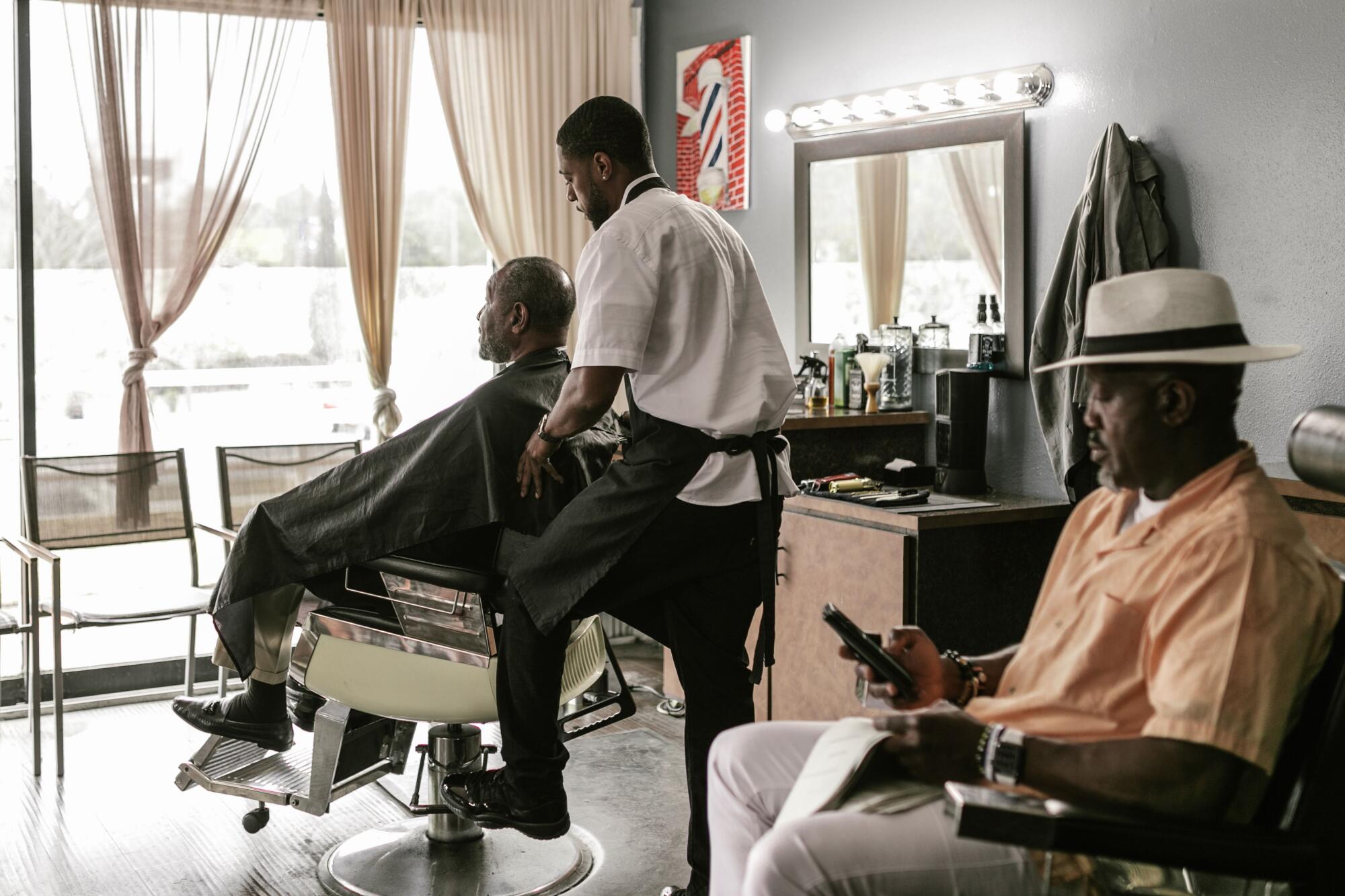
Black barbershops offer space for political debate, neighborhood news, and civic ties. The black barbershop also preserves local stories often missing from official records.
A haircut might bring you through the door. A conversation about a school closing, a city election, or a struggling business might keep you there. Inside a neighborhood shop, people can challenge opinions without needing a microphone.
A familiar storefront can hold decades of public life. Studying its past reveals people who earned a living, debated decisions, and helped neighbors interpret events.
Why Have Black Barbershops Been Important to Their Communities?
An African American barbershop has often combined a practical service with a gathering place. Under segregation, Black residents faced barriers in many public settings. Community-owned shops could offer more room for conversation and connection.
The National Museum of African American History and Culture describes barber and beauty shopsas places where customers discuss matters affecting their lives. Regular visits built relationships across generations.
Barbers often knew which families needed help or which businesses had opened. Waiting customers heard different viewpoints.
The importance of the shop came from trust built over many ordinary visits. A young customer might meet an older neighbor who understood the area’s past. Such relationships gave local conversations staying power and helped turn a routine appointment into a shared community experience.
How Did Black Barbershops Become Places for Political Discussion?
Politics often started with questions about rent, schools, jobs, or fair treatment. Customers connected those problems to elected leaders.
A University of Chicago report examined conversations inside a South Side Chicago shop. Researchers found that patrons debated:
- Political power
- Economic choices
- Leadership
They also disagreed with one another. A black barbershop did not require agreement. Customers could test ideas against those of neighbors.
Some shops supported voter registration and civic groups through personal relationships. Notices on counters or conversations with regulars could bring public issues into daily life. Yet lively debate was not the same as organized activism, and each shop had its own culture.
Black Barbers Built Businesses That Reached Beyond Haircuts
Enslaved and free Black men worked as barbers when many trades were restricted. Ownership later gave some black barbers a path toward greater financial independence, even under unfair laws.
Alonzo Herndon offers one example. According to the Georgia Historical Society, he operated Atlanta barbershops, including the Crystal Palace, and later built a major insurance business. His shops served white customers, reflecting segregation and unequal access.
Herndon’s success was unusual. Black business owners could still turn skilled work into jobs and property. Not all black companies grew large. Neighborhood shops kept commerce local.
Owners also faced rent, competition, and the challenge of building a steady customer base. Their business records can reveal how Black enterprise survived major shifts in the local economy.
Photographs and Newspapers Reveal Neighborhood History
Shop photos show storefront signs, neighboring businesses, clothing, and names painted on windows. Those clues help date images.
City directories can connect a shop name to an address, while maps show whether its block later changed. Each clue adds a piece to neighborhood history without requiring a famous owner or landmark.
Next, try the Library of Congress’s Chronicling America resources. Historic newspapers hold:
- Ads
- Openings
- Local events
- Owners’ names
Older records may use dated language. A useful starting checklist includes:
- Shop names and former street addresses
- Advertisements and business listings
- Photographs with dates or handwritten notes
- Local reporting about civic meetings
Compare records. An ad can confirm a shop’s address, not what customers discussed. Good neighborhood history separates documented facts from personal memories.
Customers’ Memories Fill Gaps in the Public Record
Customers may remember an owner’s nickname. Former barbers can explain busy hours or changes after a nearby factory closed.
Ask about routines and memorable events. Distinguish firsthand knowledge from secondhand stories.
When possible, interview more than one person. Different memories may show how workers and customers experienced the same event.
A recording can be useful, but permission comes first. Explain whether an interview will be shared publicly, kept privately, or donated to a library. Take note of:
- The date
- Place
- Speaker’s preferred name
Differences between memories are clues worth checking, not reasons to dismiss an account.
Modern Grooming Changes, but the Community Role Remains
Today’s African American barbershop operates amid appointment apps and new grooming services.
Some men also explore treatments beyond conventional haircuts. Many who are comparing long-term hair reduction with other grooming choices can learn more here.
A shop’s social value goes beyond its services. Many black barbers still:
- Listen to customers
- Pass along local information
- Create space for people of different generations to meet
The work of black business owners remains part of the wider story of black companies and community investment.
Frequently Asked Questions
How Can You Tell Whether an Old Barbershop Moved?
Start with city directories from several years. Match the owner’s name, phone number, and shop name at each address.
Property records or historical maps may show whether a street was renamed or a building was replaced. Moves may reflect development or shifting customers. Record each address and source.
Can You Share a Historic Barbershop Photo Online?
Owning a print does not guarantee copyright. Identify the:
- Photographer
- Date
- Source collection
A library may allow research access while limiting reuse. Copyright rules can vary by image and age, so avoid assuming that an old photo is free to publish.
Ask about permission when rights remain unclear. Credit the photographer and people pictured when their names are known. Respect requests from families who prefer sensitive images to remain private.
How Can You Preserve a Shop’s History After It Closes?
Collect photos, business cards, notices, and interviews. Label digital files and protect originals.
A local library, historical society, or community archive may help preserve the collection. Include the stories of workers and customers, not only the owner.
Public access can keep a vanished storefront connected to the people who remember it. A short exhibit or digital collection can help younger residents discover that history.
Keep the Black Barbershop Story Alive
A black barbershop can hold pieces of a town’s political, economic, and cultural history. Preserving those pieces starts with listening carefully and checking the record.
Continue exploring our other guides and articles for more stories about Black history, local businesses, and the communities they serve.
Content provided through ContentManagerIO.
Black Press
COMMENTARY: Money Matters — AI Can Help Your Small Business — But Is It Helping Your Bottom Line?
CHICAGO DEFENDER — Artificial intelligence has transitioned from a science fiction concept to a common resource for researching topics and developing content. While small businesses face increasing pressure to adopt these tools to save time and reduce expenses, experts warn that speed does not always guarantee accuracy.
Not long ago, most of us associated artificial intelligence with science fiction movies or technology companies in Silicon Valley. Today, its emergence in our everyday lives and business operations is impossible to ignore.
From organizing ideas and researching topics to developing content, AI has become an increasingly useful resource. But just because it can produce an answer in seconds doesn’t mean it’s always the right answer.
There’s growing pressure for small businesses to embrace AI. Everywhere you turn, another tool promises to save time, reduce expenses, attract customers or improve productivity, emerges.
But before jumping on the bandwagon, business owners should ask an important question:
Is this technology going to help my business make money, save money, or operate more efficiently?
After all, that’s what business decisions should ultimately come down to.
AI is rapidly becoming part of the small-business landscape in Michigan and across the country. A recent survey of 70 Michigan small businesses participating in Goldman Sachs’ 10,000 Small Businesses program found that 86% use AI, although many are still experimenting with its capabilities.
Clearly, interest is growing. But adoption doesn’t necessarily translate into profitability.
For small-business owners, every dollar counts. Whether investing in employees, marketing, equipment, or technology, you need to understand what you’re getting in return. AI should be no different.
Consider the possibilities. Small businesses can use AI to develop marketing campaigns, generate social media content, draft customer communications, conduct research, and streamline administrative tasks.
For an entrepreneur wearing multiple hats, those capabilities can be valuable.
Imagine reclaiming several hours each week that could instead be spent developing new business, strengthening customer relationships or pursuing sales opportunities.
Time is money, particularly when you’re running a small business.
However, purchasing an AI subscription doesn’t automatically improve your bottom line. Business owners need to evaluate its actual return on investment.
How much time is it saving? Is it reducing expenses? Helping generate sales? Improving customer retention? Making employees more productive?
Those are the measurements that matter.
A recent Federal Reserve survey found that while 46% of employer firms reported using AI, only 7% of those using it said the technology was fully integrated into their business processes. Many companies are still figuring out how to translate AI into measurable results.
My recommendation is to start small.
Identify one area where your business is spending too much time or money. Find an AI tool that might address the challenge. Test it, monitor the results and determine whether the investment makes financial sense.
You don’t need multiple subscriptions or an overhaul of your entire operation to get started.
There’s another consideration: AI is a tool, not a replacement for sound business judgment.
Accuracy, privacy and security matter. Be careful about sharing confidential customer information or proprietary business data. Always review AI-generated information before using it in customer communications or important business decisions.
A faster process isn’t necessarily better if it creates mistakes or damages customer relationships.
There’s also a competitive consideration.
Small businesses have traditionally distinguished themselves through personal service, flexibility, creativity and relationships. Those advantages shouldn’t be sacrificed in the pursuit of automation.
If every business uses AI to produce the same generic marketing messages, what makes one company stand out?
The answer should still be its people, its service and its ability to connect with customers.
AI can help develop the message, but you provide the personality. It can organize information, but you provide the judgment. It can make your operation more efficient, but you determine where the human touch remains essential.
Ultimately, AI could help level the playing field by giving smaller companies access to capabilities that once required larger budgets and bigger teams. That’s an opportunity worth exploring.
But don’t confuse keeping up with technology with running a better business.
Before investing in another AI platform, set clear objectives and decide how you’ll measure success. If it isn’t saving time, reducing costs, improving service, or contributing to revenue growth, reconsider whether you need it.
Artificial intelligence may be changing the way we do business, but the fundamentals haven’t changed. You still need customers, revenue, sound expense management, and smart investment decisions.
At the end of the day, the best technology isn’t necessarily the newest or most expensive. It’s the technology that delivers a measurable return on your investment.
That’s not just smart technology adoption. That’s smart business.
We invite readers, business owners and future entrepreneurs to follow along, ask questions and engage. If you have story ideas or questions, email Lee at [email protected] or visit leegroupinnovation.com.
The post Money Matters: AI Can Help Your Small Business—But Is It Helping Your Bottom Line? appeared first on Chicago Defender.
Based on reporting by Chicago Defender.
Black History
Wichita’s Only Black-Owned Bookstore Seeks $90,000 to Secure Its Future
COMMUNITY VOICE (KS) — Left on Read, believed to be the only Black-owned bookstore in Kansas, has launched a $90,000 fundraising campaign to secure its long-term future. Owner Dr. Latasha Eley Kelly initiated the “Support Left on Read: Books, Community, & Connection” appeal in October to address significant financial hurdles.
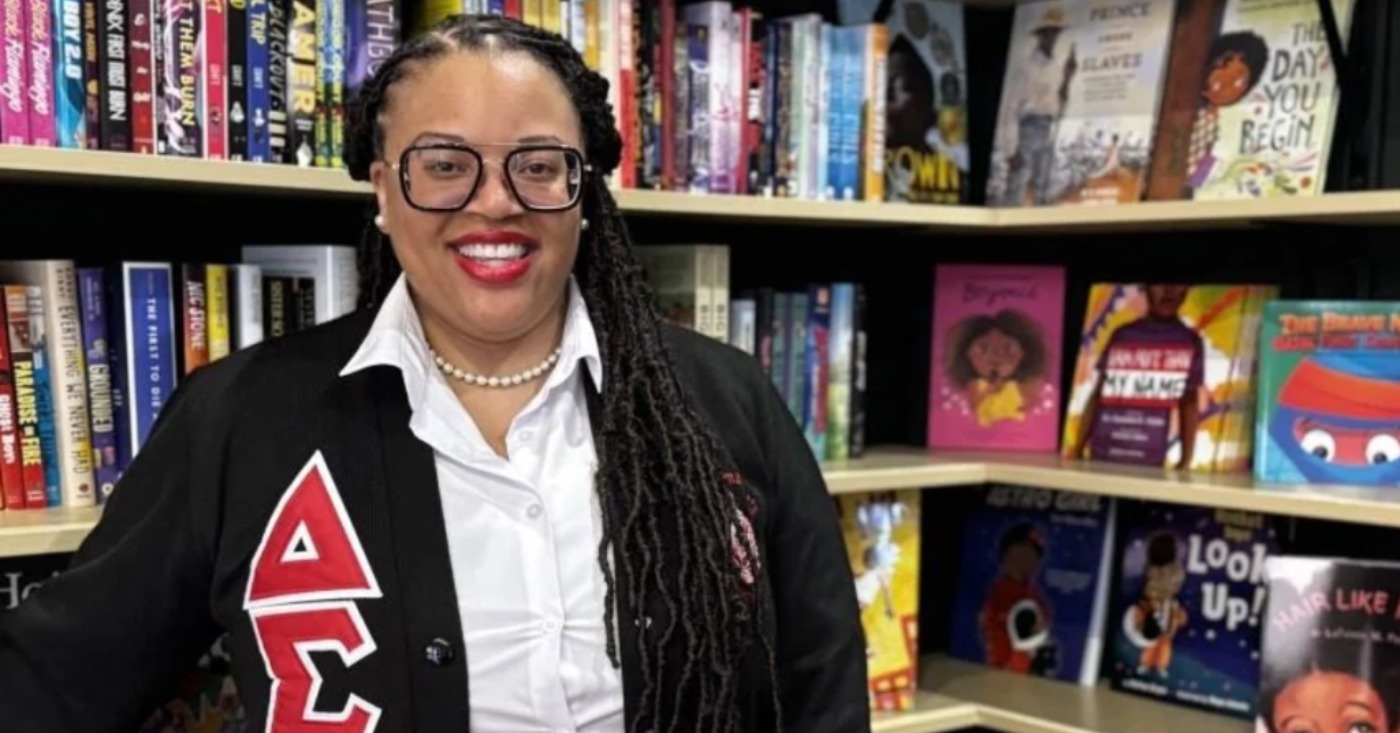
As Left on Read prepares to celebrate its second anniversary on Nov. 30, the bookstore is confronting financial challenges that have prompted owner Dr. Latasha Eley Kelly to launch a $90,000 fundraising campaign to sustain its operations.
The independent bookstore, believed to be the only Black-owned bookstore in Kansas, has become a destination for readers, authors and community gatherings since opening in 2024. But unexpected funding losses, rising operating expenses, and the costs of relocating have strained its finances.
Kelly launched the Support Left on Read: Books, Community, & Connection campaign in October, seeking contributions to cover operating expenses, staffing, inventory and community programming.
A recent snapshot of the GoFundMe campaign showed $14,410 raised from 183 donations, approximately 17% of the $90,000 goal.
Financial Setbacks Prompt Appeal
One of the bookstore’s financial challenges stems from the unexpected loss of grant funding supporting TMBP Media, one of Kelly’s interconnected business ventures. The media operation, The Millennial Black Professor and Left on Read share resources, making the funding loss significant for the bookstore.
In an October interview with KSNW-TV, Kelly also cited increasing operating and staffing costs and the need to establish more reliable revenue sources.
The bookstore relocated from its original downtown location at 612 E. Douglas Ave. to Revolutsia, a small-business development at 2721 E. Central Ave. Kelly described the move as unexpected and credited Mike Ramsey of Bokeh Development with helping facilitate the transition.
To help support the business, Kelly has continued teaching and pursuing consulting, speaking, and instructional opportunities.
The fundraising effort is designed to address immediate expenses while building a more sustainable financial structure. The bookstore has not announced plans to close, but the appeal underscores the financial pressures threatening its long-term viability.
More Than a Place to Buy Books

When Left on Read opened Nov. 30, 2024, Kelly envisioned a bookstore where African-American authors and other historically underrepresented writers would receive the visibility often missing from mainstream retail spaces.
Its selection includes fiction, nonfiction, children’s literature, poetry and history, with particular attention to Black authors and experiences.
Beyond book sales, Left on Read hosts author appearances, reading groups, cultural discussions and activities connecting local entrepreneurs with customers. The bookstore also provides space for The Blackprint, an initiative highlighting Black-owned businesses and their products.
Those activities have helped establish Left on Read as a cultural gathering place, but maintaining that role requires resources beyond revenue from book purchases alone.
Anniversary Campaign Focuses on Financial Stability
The bookstore’s annual 11.30 Campaign takes its name from its Nov. 30 opening date. While the first anniversary campaign encouraged smaller contributions to support the growing business, this year’s appeal focuses on strengthening its financial foundation.
Kelly is asking supporters to contribute financially, purchase books, recommend the store to others, and help spread awareness of the campaign.
The anniversary celebration will also feature several events intended to bring customers and community members into the bookstore.
Anniversary Celebration Events
Left on Read has scheduled the following activities from Nov. 20 through Nov. 22:
- Friday, Nov. 20, 6–7 p.m. — Malcolm Lynch’s Soulful Little Christmas Tour makes a stop at Left on Read.
- Saturday, Nov. 21, noon–1 p.m. — Launch of a free community library in partnership with a local service organization.
- Saturday, Nov. 21, noon–3 p.m. — Lemonade tasting featuring Tre’s Squeeze, presented in partnership with The Blackprint. Attendees can also purchase Squeeze Into Your Dreams by founder Tre Glasper.
- Saturday, Nov. 21, 2–4 p.m. — Public book club discussion of Children of Blood and Bone, covering chapters 1–28.
- Sunday, Nov. 22 — Ponder This at Build and Rebuild. Those purchasing tickets at Left on Read have a chance to win a Ponder This T-shirt and a bookstore gift card.
The events offer residents opportunities to experience the bookstore’s community programming while supporting a business working to overcome financial difficulties.
Community Support Could Determine What’s Next
For independent bookstores, balancing retail sales with the costs of staffing, inventory and community programming can be difficult. Left on Read faces those challenges while also working to maintain a space dedicated to Black literature, culture and entrepreneurship.
The fundraising campaign offers Wichita residents and businesses a chance to help preserve a locally owned institution that offers more than books.
Although the campaign’s outcome remains uncertain, the stakes extend beyond the bookstore’s balance sheet. Its future will determine whether Wichita continues to have a dedicated retail space where Black authors, readers and entrepreneurs are at the center of the experience.
How to Help: Supporters can donate through the 11.30 Campaign at bit.ly/supportleftonread, purchase books at leftonreadbookstore.com, or visit the store at 2721 E. Central Ave., Suite 121, Wichita.
The post Wichita’s Only Black-Owned Bookstore Seeks $90,000 to Secure Its Future appeared first on The Community Voice.
Based on reporting by Community Voice (KS).
Black Press
Mom Com & Co Is Building a Village for DFW Mothers, One Connection at a Time
THE DALLAS WEEKLY — Founder Jordan Thompson is transforming the landscape of motherhood in the Dallas-Fort Worth area through her new initiative, Mom Com & Co. Inspired by her own feelings of isolation during pregnancy, Thompson created the organization to provide “child-inclusive” spaces where mothers can connect without the fear of judgment or the need for childcare.

Founder Jordan Thompson’s launch social made room for babies, honest connection and the women navigating motherhood together.
During a doula-led stretch session at Mom Com & Co’s launch social, one mother paused to feed her baby. Founder Jordan Thompson held her own sleeping daughter in her arms. The gathering continued without anyone missing a beat.
For Thompson, that moment captured exactly what she wanted to create: a space where mothers could enjoy themselves with their children’s needs fully welcomed.
“That’s what child-inclusive means: no judgment, and no feeling embarrassed for bringing your baby along,” Thompson said to Dallas Weekly.

The launch introduced her vision for Mom Com & Co, a community connecting mothers across Dallas–Fort Worth through intentional gatherings and ongoing support. Its name carries the mission: “Com” stands for community. And while the social offered thoughtful touches, from grazing boxes to a signature mocktail, Thompson’s measure of success was more personal. According to the founder, every mother left with at least one new contact.
For someone who once searched for answers about pregnancy alone at 4 a.m., those connections represent the beginning of the village she had been looking for.
Thompson recalls attending some prenatal appointments by herself and spending early mornings online trying to understand what was happening inside her body. Early in her pregnancy, she did not have a connection to a doula and had to research how to find one.
Those experiences helped her recognize the kind of support she wanted: people willing to sit with a mother through difficult moments, along with knowledgeable guidance during pregnancy and recovery.
“Funny enough, the name Mom Com & Co came to me at 4 a.m. too,” Thompson said. “That hour used to be the loneliest part of my night. Now it’s where all of this began.”
Motherhood also brought an unexpected desire to heal and connect. The joy she found with her daughter made her want to bridge the distance between mothers whose circumstances might differ but whose need for dependable support could overlap.
“People assume that if you’re pregnant, you have a partner, and if you have a partner, you have a village,” she said. “There’s an assumption that everyone has a built-in support system. That’s a misconception. Even partnered moms can feel alone.”
Her background producing television and podcasts helped shape how she introduced the community. Thompson describes her career as finding meaningful ways to bring stories to the right audiences. Now, she applies that experience to Mom Com & Co’s marketing while putting particular emphasis on meeting women face to face.
“Marketing can introduce you to a mom. Real connection is what brings her back,” she said.
At the launch, that connection began with an intimate gathering where attendees could learn names, remember one another’s babies and discover whose children were close in age.

Thompson said the mothers arrived with different reasons for seeking community. Some did not have family nearby. One had friends but had entered motherhood later than they had and wanted to meet women raising babies. Another attended after encouragement from her lactation consultant. Another simply needed to get out of the house.
The event gave those different needs room to exist together. Alongside the stretch session, mothers enjoyed desserts and received goodie bags with custom bibs, tumblers and other items. Attendance was free for mothers and babies.
Thompson’s approach to an “elevated” experience is to treat the mother as the guest of honor while planning for her child. She said events are designed around specific age ranges so that babies’ needs are considered in advance.
Before attendees left, she gave them a challenge: exchange phone numbers and make an effort to get to know someone beyond social media.
“It’s kind of like dating, honestly,” Thompson said.
That invitation is central to what she hopes will happen after the gatherings end. A private Facebook group gives mothers a place to continue conversations between events, while future programming will include opportunities to bring their babies, spend time with other women and volunteer.
“A beautiful event opens the door, but the village is built in the follow-up,” she said.
Accessibility is also part of the plan. Thompson said future events will include both free and paid offerings, with partnerships and sponsorships helping support access. She is developing Mom Com Cares, the initiative’s giving arm, which she said has already delivered its first care box to a Texas mother.

Next, Thompson said, Mom Com & Co plans to host Sips & Storytime on Sunday, Dec. 6, at The COACH Coffee Shop in Allen. The shop will open early for the group, and mothers are encouraged to bring a new or gently used book to donate to local families for the holidays.
As the community grows, Thompson imagines its impact showing up in everyday life: two mothers grocery shopping together, an invitation to a baby’s birthday party or a phone call on an ordinary Tuesday.
“That’s success: when the village shows up in the ordinary days, not only the big ones,” she said.
For the mother who wants that connection but feels nervous about walking into a new space, Thompson offers an invitation with room to move at her own pace.
“So come when you’re ready. Come home when you’re ready.”
Learn more at momcomco.app, follow @momcomco on Instagram, Facebook and TikTok, or join the Mom Com & Co Facebook group.
The post Mom Com & Co Is Building a Village for DFW Mothers, One Connection at a Time appeared first on Dallas Weekly.
Based on reporting by The Dallas Weekly.



5 Self-Care and Wellness Gift Ideas for the Women in Your Life

A Retail Space Won’t Bring Customers—Here’s What Will #shorts

MC Scat Cat Led to a Surprising Quincy Jones Moment #shorts

Native American Health Center Connects 140 Community Members to Career Opportunities During Native American Heritage Month

Oakland Chamber of Commerce Faces $42,000 Ethics Fine for Campaign Violation

Adrianna Willis on Mind the Crown, Boundaries and Choosing Yourself | On The Radar | MSR

Mind the Crown: Adrianna Willis on Rest, Boundaries and Choosing Yourself | On The Radar | MSR

Attorney General Bonta Serves Investigative Subpoena on Nvidia

A Record 216 Firearms Collected at East Oakland Gun Buy-Back Event

A Record 216 Firearms Collected at East Oakland Gun Buy-Back Event

HISTORY MADE: Keisha Lance Bottoms Becomes First Black Woman Elected Governor in American History

Secretary of State Shirley Weber Pushes Back Against DOJ Demands Over California Voter Rolls

Retirement Triggers Doctor to Pen Book for Young Audience

Capturing Black Life’s Beauty

Multi-Faith Leaders Representing 10 Million People Launch National Anti-Authoritarian Initiative

Christianity’s Racial History

Hundreds of Black Christian Leaders Arriving in Israel for Martin Luther King-Inspired Mission

Oakland Honors 60 Years of the Black Panther Party at the All Power to the People Gala

Message from the Associate Editor: Blindness, Hurts, Cops

Michael Shiner: The Enslaved Man Who Wrote His Way into American History
A Retail Space Won’t Bring Customers—Here’s What Will #shorts
MC Scat Cat Led to a Surprising Quincy Jones Moment #shorts
Adrianna Willis on Mind the Crown, Boundaries and Choosing Yourself | On The Radar | MSR
Mind the Crown: Adrianna Willis on Rest, Boundaries and Choosing Yourself | On The Radar | MSR

Delay Motherhood: What you need to know about egg freezing

Car Buying Tips: 5 Steps to Get a Better Deal #shorts

Massive Chevy Tahoe Interior Tour: The Cup Test Challenge #shorts

Scott Colom’s Nike Challenge Goes National, Freshman Democrats Get a Surprise 📱

Scott Colom’s Nike Challenge Goes National, Freshman Democrats Get a Surprise

MLGW offers up to $7,500 per home to help builders connect to the grid
-

 Black Press1 week ago
OP-ED: Closing the Next Digital Divide — Communities of Color Must Have a Voice in the AI Future
-

 Black Press1 week ago
COMMENTARY: Thank You, Trump, for Making America Great Again!
-

 Black History1 week ago
“Blue Tsunami” Sweeps Georgia, Bottoms Makes History
-

 Black Press6 days ago
Black Men Encouraged to Start Prostate Cancer Screening at 45
-

 Black Press1 week ago
OP-ED: And Then What?
-

 Black History1 week ago
Mississippi Congressman Bennie Thompson Congratulates Scott Colom on Historic Victory
