
Politics
Police Struggle With Loss of Privileged Position


(Patrick Semansky/AP Photo)
WASHINGTON (New York Times) — Early this year, Megan E. Green, a St. Louis alderwoman, met with officials of a local police union to discuss a proposal for a civilian oversight board that would look into accusations of police misconduct. After Ms. Green refused to soften her support for the proposal, the union backed an aggressive mailing campaign against her.
But Ms. Green won her primary with over 70 percent of the vote, and the Board of Aldermen approved the oversight board by a large margin. “All that stuff backfired,” Ms. Green said. “The more they attacked me for it, the more people seemed to rally around me.”
During the urban crime epidemic of the 1970s and ’80s and the sharp decline in crime that began in the 1990s, the unions representing police officers in many cities enjoyed a nearly unassailable political position. Their opposition could cripple political candidates and kill police-reform proposals in gestation.
But amid a rash of high-profile encounters involving allegations of police overreach in New York, Baltimore, Cleveland, Ferguson, Mo., and North Charleston, S.C., the political context in which the police unions have enjoyed a privileged position is rapidly changing. And the unions are struggling to adapt.







Black Press
A Legacy of Service, a Future of Hope: North Carolina Juvenile Services Association Commemorates 60 Years of Empowering Youth
THE CAROLINIAN — The North Carolina Juvenile Services Association (NCJSA) recently celebrated its 60th anniversary at a diamond anniversary conference in Greensboro, marking six decades of transformation in the state’s approach to youth justice. Founded in 1966, the organization was established by dedicated practitioners who sought to move juvenile rehabilitation away from the adult correction system.
Greensboro, NC — When the North Carolina Juvenile Services Association (NCJSA) first organized in 1966, juvenile rehabilitation was largely indistinguishable from adult correction. Young offenders were often held in adult facilities, supervised by adult parole officers, and met with rigid punitive measures rather than developmental care. Six decades later, hundreds of frontline practitioners, community advocates, and statewide leaders gathered at the Embassy Suites in Greensboro from October 14–16, 2026, to celebrate sixty years of groundbreaking advocacy, service, and youth empowerment under the banner: “A Legacy of Service, A Future of Hope.”
The three-day diamond anniversary conference reflected both the historic evolution of juvenile justice across North Carolina and the urgent, modern challenges we face today. From youth mental health and social media exploitation to adult court transfer laws and systemic racial disparities, this important conference created a safe space for essential conversations.
Opening the historical retrospective, longtime leaders Pamela Stokes, Eastern Area Manager for the N.C. Department of Public Safety (NCDPS) Division of Juvenile Justice and Delinquency Prevention (DJJDP), and Johnny Wilson, President and CEO of Fayetteville Urban Ministry, walked attendees through the timeline of change.
Stokes detailed how juvenile justice advocates broke away from the adult probation system in 1966 to build specialized juvenile training, establish community youth homes, and eliminate the warehouse penal approach for minors. By 1997, NCJSA formally received its 501(c)(3) nonprofit status, continually expanding its network from court counselors to include clinicians, educators, and grassroots diversion specialists. “Rather than a single founding figure, the NCJSA was a group of dedicated people who collectively formed together to ask: What are we going to do to help our children?” Stokes noted, emphasizing that early pioneers recognized children needed rehabilitation, family support, and genuine guidance rather than adult incarceration.
The dialogue throughout the opening sessions remained uncompromisingly honest. Johnny Wilson challenged the room to recognize that what society often labels as “badness” in a child is frequently untreated trauma. Wilson, drawing on decades of community intervention, urged attendees to confront the blind spots in youth service, “Who is mentoring your child when the adults aren’t looking? Mentorship is repetition and consistent relationship. When one child is impacted by the justice system, the entire family is impacted. We have to be the voice for the voiceless and hope for the hopeless.”
Wilson pointed out that while nearly two-thirds of high school students report having an adult at school they can talk to, too many youth still feel unsafe at home and in their communities, leading them toward risky street influences and firearm possession as a misguided shield. He stressed that authentic diversion must bridge safety, accountability, and development before a child ever reaches a courtroom desk.
This protective sentiment was further echoed in a critical digital safety session on internet crimes against children. Law enforcement presenters highlighted the explosion of digital exploitation, online grooming, extortion, and non-consensual artificial intelligence imagery targeting minors, noting a 1,000% statewide increase in related investigations since 2019. Law enforcement and child protection experts urged workers to act swiftly in preserving evidence, report via the National Center for Missing & Exploited Children via MissingKids.org, CyberTipline, and the SBI, and remember above all else: “The child is the victim, not the offender.”
Another powerful keynote on policy and data briefing by Deputy Secretary William “Billy” Lassiter of the NCDPS Division of Juvenile Justice shared vital metrics shaping the state’s current juvenile justice landscape, alongside a recorded welcome address from Governor Josh Stein. Lassiter delivered welcome news: overall juvenile crime complaints across North Carolina experienced a significant decline over the past year—marking nearly 2,000 fewer youth entering the system. However, Lassiter and state analysts pointed to complex systemic dynamics beneath the topline numbers: There has been disproportionate minority contact. Deep racial disparities persist across North Carolina’s system. While African American youth make up approximately 21% of the state’s juvenile population, they accounted for over 21,000 of the complaints filed last year, compared to roughly 8,000 for white youth. Lassiter emphasized that disparities are most severe at the system’s entry and exit points (referrals and secure detention), urging practitioners and lawmakers to directly address these inequities with targeted community resources.
A major concern is the adult transfer burden. Following the implementation of recent statutory changes, including House Bill 834, which directs 16- and 17-year-olds facing Class A through E felonies into adult court, juvenile detention centers are increasingly filled with adult-transferred youth awaiting trial. Lassiter reported that these youths now make up 60% to 70% of daily detention beds, with an average length of stay reaching 276 days, compared to just 25 days for youth under juvenile jurisdiction. Strikingly, approximately 60% of transferred homicide/murder charges against juveniles are eventually dismissed due to accessory or bystander involvement rather than principal culpability.
As we know as a community, there are intensive mental health needs. More than 99% of youth held in Youth Development Centers (YDCs) have at least one mental health diagnosis, averaging nearly five distinct diagnoses per child. In response, NCDPS recently broke ground on a specialized, 10-bed juvenile crisis unit in partnership with New Hope Treatment Centers, set to open on November 1 to provide intensive stabilization and eliminate long, draining emergency room waits.
Finally, Lassiter highlighted North Carolina’s upcoming $451 million settlement from Meta, structured in $45 million annual distributions over nine years, intended to curb screen addiction, fund crisis lines like 988, and expand outdoor and community-based Juvenile Crime Prevention Council (JCPC) programs.
Celebration was central to the diamond anniversary and the overall mood of the conference. Despite such a serious subject matter, there was also a solid focus on fun and celebration. The association paid tribute to its founding and lifetime members, including pioneers like Jane Steinberg, Renee Walker, and Judy Juliet, whose early service paved the path for today’s statewide continuum.
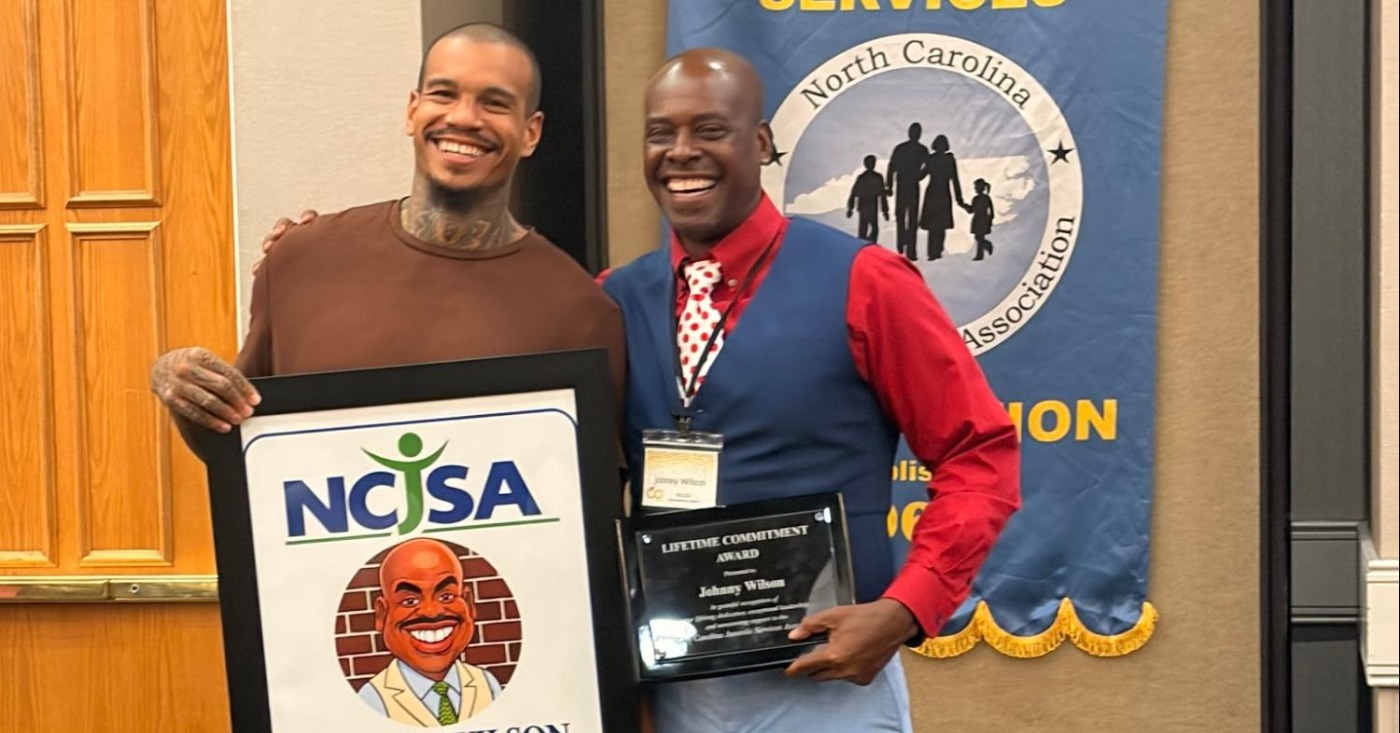
NCJSA presented several prestigious awards. In a special tribute, the NCJSA Board and Fayetteville Urban Ministry surprised Johnny Wilson with lifetime honors for his steadfast leadership, faith-driven advocacy, and deep commitment to North Carolina’s children and families since joining the association in 2006.
The conference closed with a resounding call to sustain both youth and the professionals who care for them. Keynote reflections framed the transition from mere bureaucratic compliance to genuine human connection, urging attendees to practice self-care and mutual support. Using the metaphor of an airplane’s oxygen mask, speakers reminded caseworkers, court counselors, and facility staff not to leave their own oxygen masks on the floor while rushing to save others, “We cannot serve our children and families effectively if we are operating on empty. To reach year 61 and beyond, we must see each other, celebrate our small victories, heal our own spirits, and remember our ‘why.’”
As attendees stood with linked arms across the ballroom, the message of NCJSA’s 60th anniversary was unmistakable: the past six decades prove that prevention, compassion, and community-centered intervention work. For North Carolina’s youth, the next sixty years will depend on sustaining the people and programs who refuse to give up on their promise.
Based on reporting by The Carolinian.
Black Press
Roland Martin Brings Black Votes Matter to Tallahassee
FLORIDA SUN — Roland Martin brought his “Black Votes Matter 2026” live show to The Edison in Tallahassee as part of his “Roland on the Road” series, coinciding with Florida A&M University’s homecoming celebrations. The event drew a large crowd of Rattlers to the restaurant for a broadcast focused on the upcoming November general election.
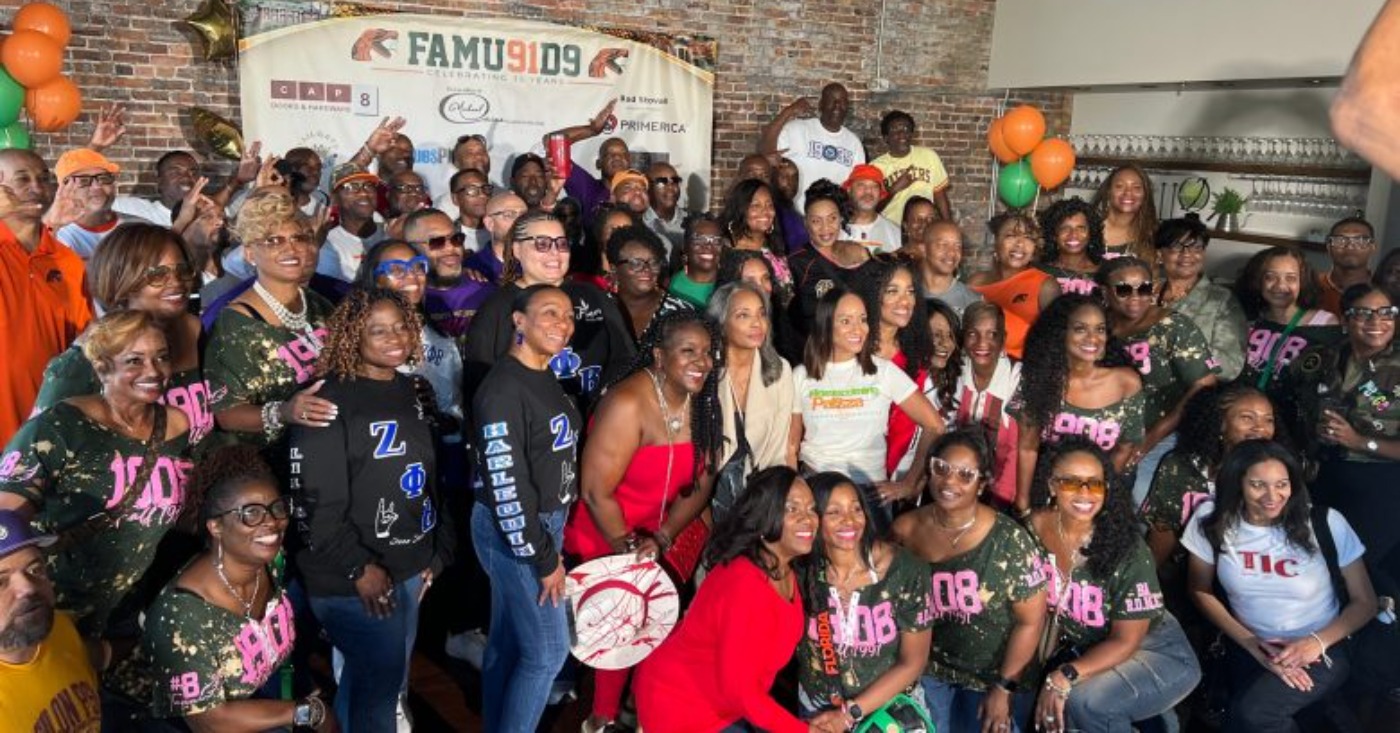
TALLAHASSEE — Roland Martin hosted his “Black Votes Matter 2026” live show at The Edison on Friday, Oct. 23, bringing an election-focused conversation to Florida A&M University’s homecoming celebrations.
Rattlers filled the restaurant to celebrate homecoming and watch the broadcast, according to event organizers. Democratic candidates, elected officials and entertainment figures joined the program as campaigns entered the final stretch before the Nov. 3 general election.
The Tallahassee stop was part of Martin’s “Roland on the Road” series. It focused on the role of Black voters in the 2026 election and issues affecting communities across Florida.
Candidates and elected officials on the program
The show’s published billing featured state Rep. Angie Nixon, Florida’s Democratic nominee for U.S. Senate; David Jolly, the Democratic nominee for governor; and film producer Will Packer.
Organizers’ confirmed guest list also included Joey Mendoza Atkins, the Democratic nominee for Florida agriculture commissioner, and state Reps. Gallop Franklin, Jervonte Edmonds and Rashon Young.
The event coincided with FAMU’s Oct. 18–25 homecoming week. The university’s schedule included Friday’s Homecoming Convocation and FAMFest marketplace, followed by Saturday’s parade and football game.
Affordability and voter participation
Briefing materials prepared for guests emphasized housing costs, property insurance, health care and voter participation. The planned interview format called for short conversations about lawmakers’ work and the issues facing Floridians.
The Florida Democratic Party framed its message around lowering household costs and supporting its candidates in November. Its briefing encouraged guests to discuss affordability and the importance of voting.
For Florida Black voters following the election, the program placed statewide campaigns alongside familiar figures from politics and entertainment. Holding the broadcast during homecoming also brought the election conversation into a gathering centered on Rattler traditions and reunions.
Florida’s general election is Tuesday, Nov. 3. Readers can find official election dates and contact information for their county elections office through the Florida Division of Elections.


TagsAngie NixonBlack Votes Matter 2026David JollyFAMU homecomingFlorida electionsFlorida legislatureJoey Mendoza Atkinsroland martinTallahasseeWill Packer
Based on reporting by Florida Sun.
Black Press
Secretary of State Shirley Weber Pushes Back Against DOJ Demands Over California Voter Rolls
California Secretary of State Shirley N. Weber is pushing back against U.S. Department of Justice demands to investigate voters suspected of being noncitizens shortly before the general election. Federal authorities are seeking to block mail-in ballots from approximately 20,000 registered voters, but Weber argues the request is an unlawful attempt to purge voter rolls and incite public distrust. Tensions have escalated further following a specific security dispute involving a thumb drive delivered to Los Angeles County officials. Read more for details on the state’s response.
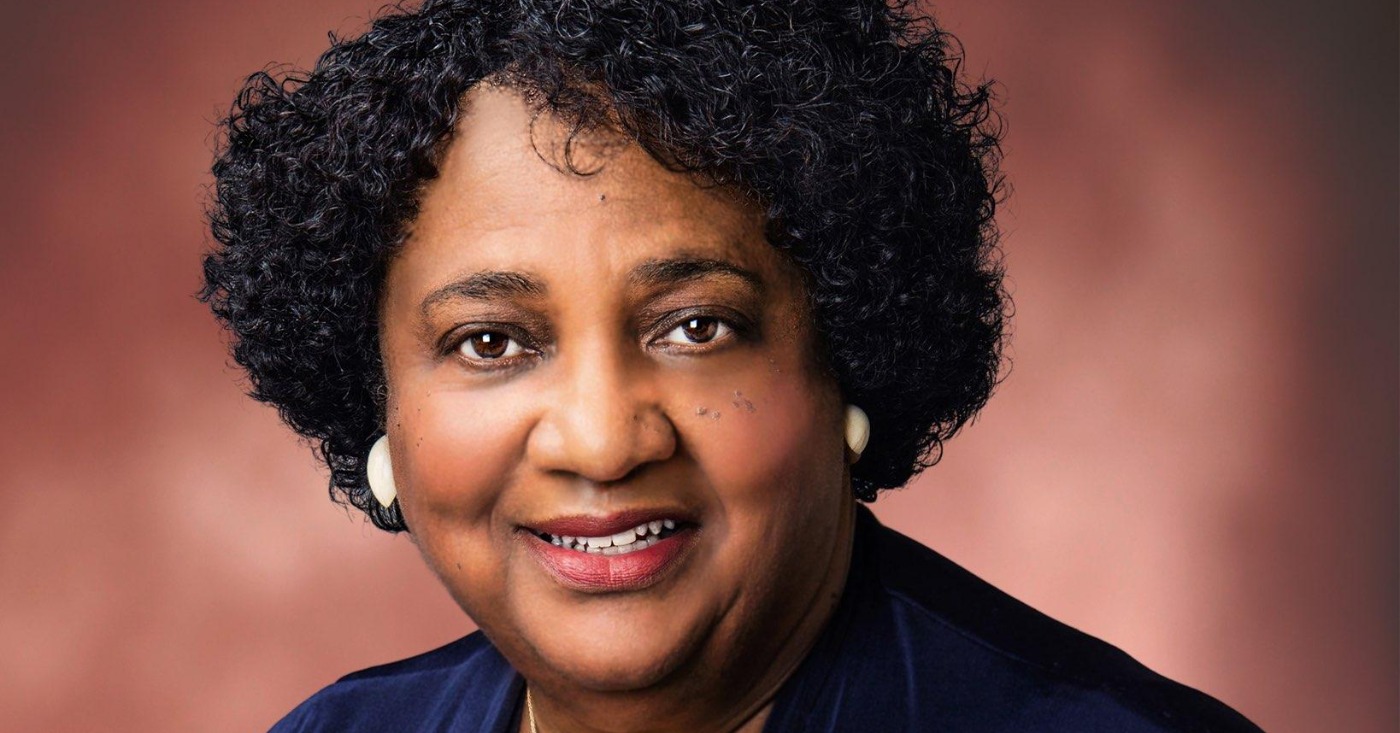
California Secretary of State Shirley N. Weber criticized the U.S. Department of Justice (DOJ)for demanding that state election officials investigate voters suspected of being noncitizens just weeks before the Nov. 3 general election.
“The U.S. DOJ’s relentless efforts to unlawfully gain access to states’ protected voter data and purge voter rolls serve only to cause chaos and fuel public distrust in our elections,” Weber said in an Oct. 14 statement.
Weber said her office received a demand to investigate an unspecified number of individuals the federal government believes are “likely noncitizens.” However, the DOJ did not provide her office with the list and gave California just 48 hours to obtain it, investigate and take action.
The demand comes as the DOJ, working with the Department of Homeland Security (DHS), seeks to block California from counting mail-in ballots from approximately 20,000 registered voters whose citizenship status the federal government has questioned.
“State-facilitated voter fraud is unacceptable in the United States of America,” said U.S. Attorney General Todd Blanche. “If found responsible in a court of law, the State of California will have seriously undermined confidence in our electoral system and violated laws that protect our nation’s representative system of government.”
According to Weber’s office, the Los Angeles County Registrar-Recorder/County Clerk received the federal government’s list on a password-protected thumb drive, with the password written on a sticky note.
Registrar-Recorder/County Clerk Dean C. Logan said his office declined to access the files because the device did not meet established security standards.
“We have not accessed the drive because doing so would conflict with established data privacy and information security protocols,” Logan said. “We do not consider the device a secure medium.”
Weber also challenged earlier federal allegations that California had 190,000 noncitizens on its voter rolls, saying the Trump administration had failed to provide evidence or explain its methodology despite requests from her office.
“California has robust state law requirements that only U.S. citizens can register to vote and that any non-eligible registrants are removed from the state’s voter rolls,” Weber said. “My office and California election officials remain committed – as always – to ensuring a fair and smooth 2026 general election.”
The DOJ’s letters to the California secretary of state and Los Angeles County election officialsoutline the federal government’s demands.
Black History
Oakland Honors 60 Years of the Black Panther Party at the All Power to the People Gala
Oakland recently gathered at the Scottish Rite Center for the All Power to the People gala, celebrating the 60th anniversary of the Black Panther Party. Presented by the Dr. Huey P. Newton Foundation, the event brought together movement veterans, community leaders, and elected officials to honor the organization’s history of radical love and community service. Attendees enjoyed performances by youth arts groups and heard testimonials regarding the Party’s enduring influence on local housing and healthcare. The evening featured a keynote address exploring the moral clarity required for activism, click to read more.
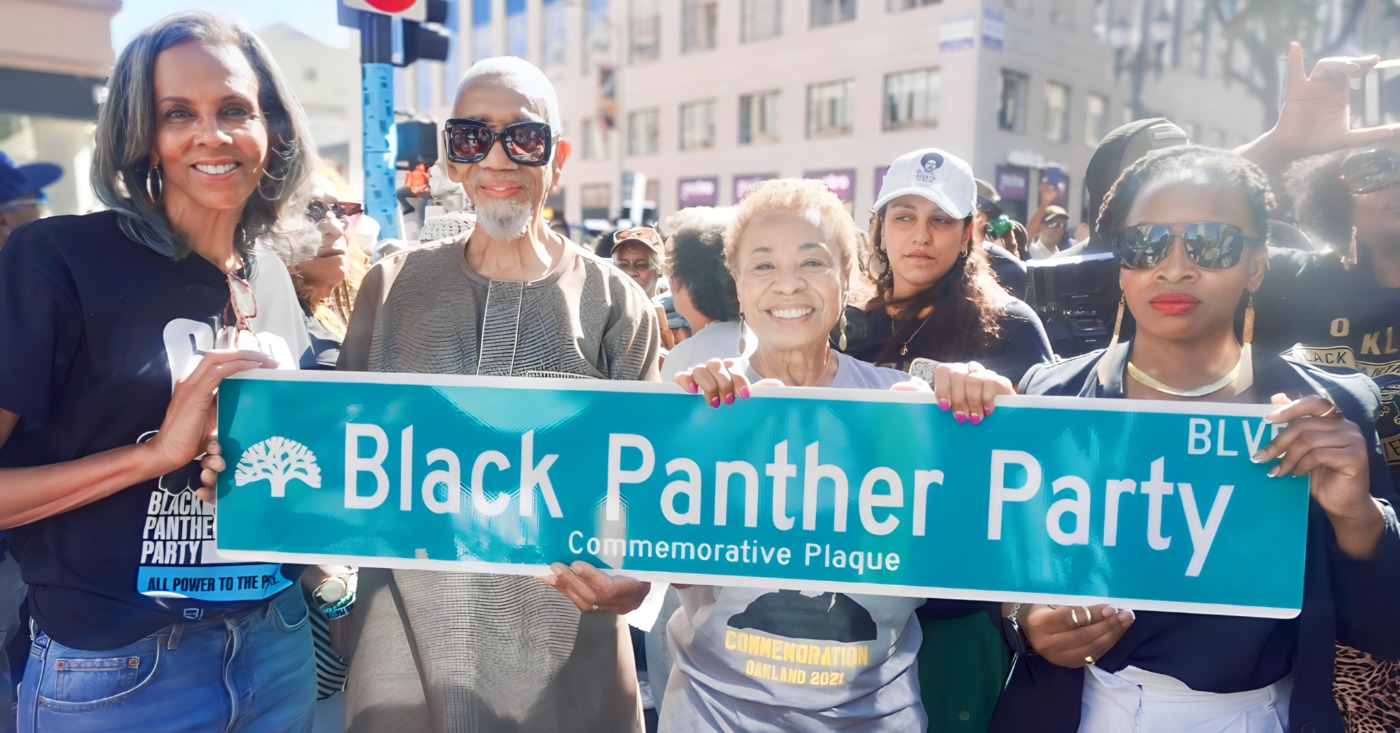
Oakland gathered on Oct. 17 to celebrate the 60th anniversary of the Black Panther Party (BPP), the movement Huey P. Newton and Bobby Seale founded in the city six decades ago.
The “All Power to the People” evening gala, at Oakland’s Scottish Rite Center, brought together Panther veterans, families, community leaders, and younger generations for a night of history, music, and recommitment.
The festivities, presented by the Dr. Huey P. Newton Foundation, began with a black carpet entrance up the staircase to the center. Each side was lined with servers holding trays of champagne for guests to retrieve while walking in.
An energetic U.S. Congresswoman Lateefah Simon opened the program as emcee. Charlotte Hill O’Neal offered libations, and 16-year-old Abayomi Lewis, a Haitian American high school junior from San Francisco, performed BBP’s anthem, “The Meeting.” Young Gifted & Black, a performing arts program that has served Bay Area youth since 2010, followed with an inspirational performance of stepping and speaking truth to power.
During dinner service by Chef Michele McQueen, Oakland Mayor Barbara Lee shared how instrumental the Black Panther Party was to her as a young single parent of two boys. “The Party provided food and lots of support and Fredrika Newton’s mother, a prominent real estate broker and housing rights activist, helped me navigate purchasing my very first home.”
Lee also shared lots of Panther history, including that she was the finance chair for Black Panther Party co-founder, Bobby Seale when he ran for Oakland mayor.
Dr. Xavier Buck, executive director of the Dr. Huey P. Newton Foundation, spoke of how being held at gunpoint by six New York City police officers in Jamaica Queens, reading the autobiography of Assata Shakur, and learning from Fredrika Newton inspired his life’s work.
“I’ve been poured into by Black Panther Party members throughout the country and what I’ve learned the most from them is “radical love.” The same love that created free breakfast programs, free ambulance services, and free sickle cell anemia testing for the Black community.”
Marvel’s Black Panther author and journalist Ta-Nehisi Coates delivered the keynote address.
“The legacy of the Black Panther Party lives on,” said Coates noting the presence of BPP veterans. He further remarked that people often focus narrowly on how to win, but real moral clarity comes from reflecting on what principles you are willing to stand for—and what you are willing to lose for—even in the face of steep odds.
Fredrika Newton, co-founder and president of the Dr. Huey P. Newton Foundation, thanked Panther veterans for “all you gave” and expressed hope that attendees would leave with a renewed commitment to the work that remains.
“Seeing Panther veterans, younger generations, and the community united to honor the Party, reminds me why this work has mattered so much,” said Newton.
Everyone in the room joined in song in tribute to Bobby Seale, wishing the 90-year-old well and took pictures with him.
Cyril Innis Jr., known as “Bullwhip,” addressed the issue of political prisoners and fighting for their freedom. The program booklet listed the dozens of imprisoned Panther members who passed away and honored the sacrifices of those still incarcerated.
A Legacy Award, was presented to Charlotte Hill O’Neal, known affectionately as “Mama C.”
“Mama C” has continued the Party’s work from Tanzania, where she and her husband, Pete O’Neal, founder of the Kansas City chapter, have lived in exile since 1970. Together they established the United African Alliance Community Center and the Leaders of Tomorrow Children’s Home which cares for orphans.
“Mama C” ceremoniously circled each table honoring the ancestors of the movement and encouraged guests to call out the names of loved ones who had passed away.
Marc Philpart of the Black Freedom Fund supported the anniversary and pledged to keep investing in the people and organizations carrying the work forward.
Trust for Public Land also marked the occasion, recalling its collaboration with the Panthers and Oakland residents who turned vacant lots into neighborhood gardens in the 1970s.
The Dr. Huey P. Newton Foundation opened the Black Panther Party Museum in January 2024, and the museum has since held multiple exhibitions and welcomes more than 30,000 visitors a year on the newly named Black Panther Party Boulevard in downtown Oakland. For more information, go to HueyPNewtonFoundation.org
Black Press
Fate of Bay Area Public Transit Hinges on Regional Transit Measure
Voters in five Bay Area counties will decide the fate of a regional sales tax measure on Nov. 3 that could determine the future of local public transportation. If approved, the Regional Transit Measure would implement new sales taxes in Alameda, Contra Costa, San Mateo, Santa Clara, and San Francisco counties starting in 2027. The funding aims to address massive financial deficits facing agencies like BART and Muni, providing nearly $1 billion annually to prevent station closures and service cuts. Read more.

On Nov. 3, voters in five Bay Area counties will vote on a regional sales tax measure that, if it fails, could prompt local transit agencies to close train stations and cut bus service.
If passed, the Regional Transit Measure, or RTM, will impose a half-cent sales tax in Alameda, Contra Costa, San Mateo, and Santa Clara counties as well as a one-cent sales tax in San Francisco starting April 2027.
The tax would raise an estimated $980 million annually for 14 years to fund the region’s public transit agencies, which are struggling with massive financial deficits. Revenue would go to BART, Muni, Caltrain, Alameda-Contra Costa Transit, the Santa Clara Valley Transportation Authority, the San Francisco Bay Ferry, Golden Gate Transit, and other transportation agencies operating in the five counties.
In California, a regional measure for a new sales tax would normally require a two-thirds majority approval if the state Legislature directly places it on a ballot. Transit advocates, however, chose to collect signatures to make the sales tax a citizen-initiated ballot measure that would lower the threshold to a simple majority of votes cast across the five counties.
The RTM received more than 241,000 signatures, exceeding the 186,000-signature threshold required to qualify for the ballot.
Black Press
Why AC Transit Director Joel Young is My Choice for AC Transit Board Ward 3
Former AC Transit Director Patrisha Piras is endorsing incumbent Joel Young for the AC Transit Board of Directors, Ward 3. Piras highlights Young’s tenure as the longest-serving member of the current board and his role in securing over $600 million in funding for the district. Young has previously served as board president and is credited with advancing clean-energy initiatives and workforce development programs. Piras cites his institutional knowledge as vital for navigating current financial challenges to ensure regional connectivity. Find out why Young is being recommended for another term.
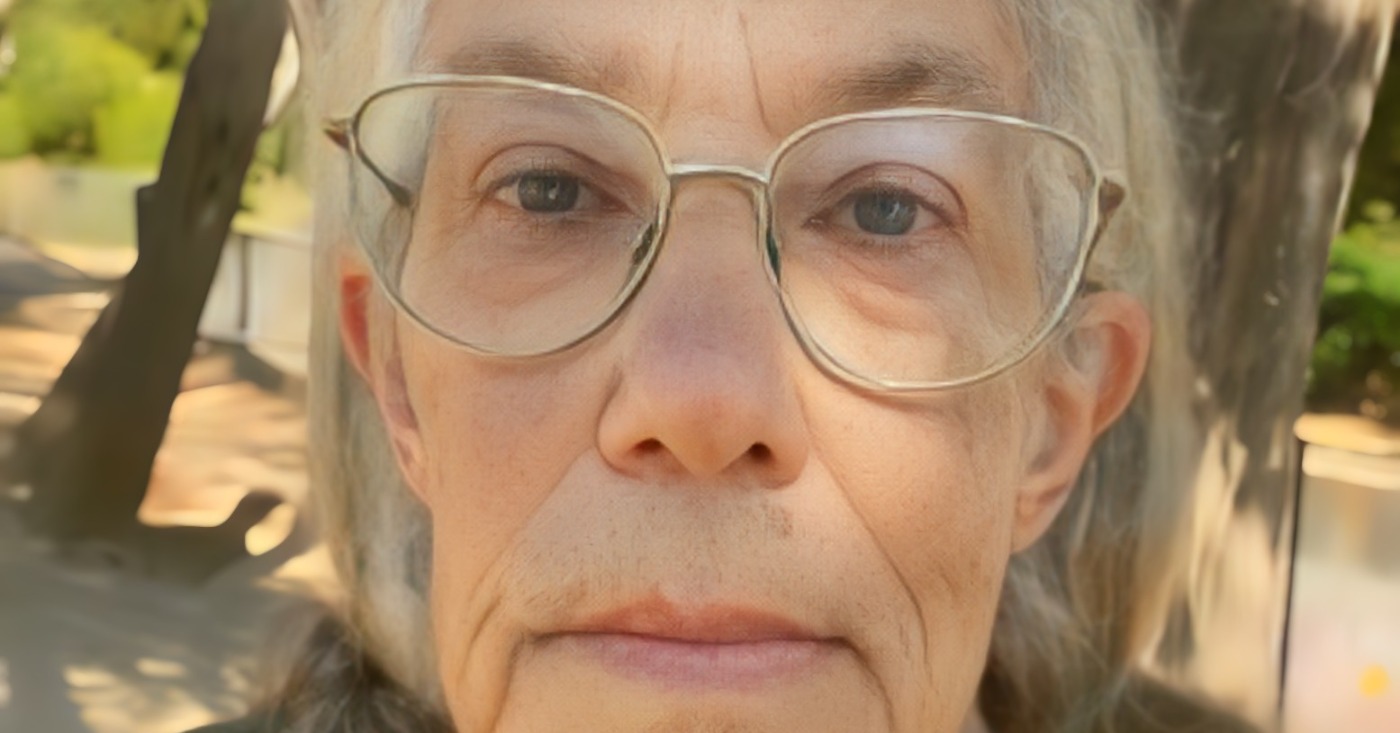
As a former AC Transit Director for more than a decade, I know firsthand what it takes to serve effectively on the AC Transit Board. That is why I am proud to endorse Joel Young for election to the AC Transit Board of Directors, Ward 3.
Joel’s dedication to AC Transit and the communities they serve has been unmatched. Throughout his years on the Board, he has been a tireless advocate for riders, employees, and residents who depend on reliable, affordable public transportation every day. The majority of his colleagues have shown their trust, respect, and confidence in him by electing him as Board president.
As the longest-serving member of AC Transit’s current Board, Joel has played a pivotal role in securing more than $600 million in funding for the District, advancing clean-energy transit initiatives, strengthening workforce development programs, and helping position AC Transit as a national leader in innovation and sustainability. His leadership has extended beyond the Bay Area, representing AC Transit on the national stage and advocating successfully for investments that strengthen public transportation across the country, even with the current federal administration.
At a time when transit agencies face significant financial and operational challenges, Joel brings the experience, institutional knowledge, and steady leadership needed to help guide AC Transit forward. He understands that public transportation is about more than buses and infrastructure. It is about connecting people to jobs, schools, health care, and opportunity while ensuring that our communities remain accessible and economically vibrant.
Joel Young has a proven record of working with others to deliver results, protect transit service, and fight for the resources needed to meet the evolving needs of our region. His dedication, leadership, and commitment to public service make him exceptionally qualified to represent AC Transit Ward 3.
I strongly endorse Joel Young for the AC Transit Board of Directors and encourage Ward 3 voters to support his election by Nov. 3.
Patrisha “Pat” Piras is a former AC Transit director.


Capturing Black Life’s Beauty

A Legacy of Service, a Future of Hope: North Carolina Juvenile Services Association Commemorates 60 Years of Empowering Youth

Roland Martin Brings Black Votes Matter to Tallahassee

When Your Faith Is Put to the Test

2027 Buick Enclave Sport Touring Interior 360 Video

FAMU Shooting Arrest, New Trump and ICE Activity Near Florida Polling Site 📱

FAMU Shooting Arrest, New Trump and ICE Activity Near Florida Polling Site

Buying a Subaru WRX? Get the FULL Price Before You Sign #shorts

Houston Screenwriter Shannan E. Johnson on Making It in Hollywood

Golf Opportunities Beyond the Pros: Mentors, Scholarships & Mental Health #shorts

OP-ED: Haiti TPS: Have We Lost Sense of Humanity?

Remembering Chauncey Bailey as Student Journalists Face Threats to Truth-Telling

All Skinfolk Ain’t Kinfolk

Poll: Becerra Widens His Lead Over Hilton; Californians Split on Wealth Tax

Rulings Leave Questions Lingering in Nolan Wells Case

Latinas Deserve Equal Pay. Unions Help Make It Happen.

Why Black Artists Struggle to Sell Tours

Zakiya Jendayi Arrested, Locked Out of Home by Sheriff’s Deputies

COMMENTARY: The Audacity of Joyce Beatty

A $2.1 Trillion Wellness Industry Never Built a Daily Practice for Black Children. So This Atlanta Family Did.
2027 Buick Enclave Sport Touring Interior 360 Video
FAMU Shooting Arrest, New Trump and ICE Activity Near Florida Polling Site
FAMU Shooting Arrest, New Trump and ICE Activity Near Florida Polling Site 📱
Buying a Subaru WRX? Get the FULL Price Before You Sign #shorts
Houston Screenwriter Shannan E. Johnson on Making It in Hollywood
Golf Opportunities Beyond the Pros: Mentors, Scholarships & Mental Health #shorts

This Election Is Critical: Potecting Our Freedoms

Passion for Gopher Sports: The Podcast Origin Story! #shorts

Super Cruise: Hands-Free Driving on Your Routes #shorts

The People’s Revival GOTV 2026 Tour | Atlanta
-

 Black History1 week ago
OP-ED: The Black Church Writes AI’s Next Chapter
-

 Featured1 week ago
Tamiko Armstead | 2026 Lifetime Achiever in Education
-

 Black History1 week ago
Practitioners of African Traditional Spirituality Offer Ancestral Reverence Ritual Oct. 31
-
 Art1 week ago
Kickstarter CEO Everette Taylor Shares Tips on Creating and Growing a Business
-

 Black History1 week ago
Columbus’s Oldest Businesses Still Open: 10 That Have Lasted 75+ Years
-

 Black History1 week ago
COMMENTARY: BIG MAMA SAID: Don’t Throw Away the Gift Just Because It Came Wrapped Wrong
