
Politics
Obama’s Record Budget: Tax the Rich, Help Middle Class


ANDREW TAYLOR, Associated Press
WASHINGTON (AP) — Promising to help America’s middle class, President Barack Obama on Monday sent Congress a record $4 trillion budget that would hammer corporate profits overseas and raise taxes on the wealthy while boosting tax credits for families and the working poor.
Obama’s budget also would steer hundreds of billions of dollars to the nation’s crumbling infrastructure of roads and bridges, help provide two years of free community college and reverse the across-the-board, automatic budget cuts that have slammed the Pentagon and nearly every government department.
In the face of certain opposition from Republicans, an optimistic Obama hailed a “breakthrough year for America” of new jobs, lower unemployment and shrinking deficits after the great recession of 2008, and he called for moving past years of “mindless austerity.” The blueprint for the 2016 budget year that begins Oct. 1 represents a 6.4 percent increase over estimated spending this year, projecting that the deficit will decline to $474 billion.
However, Obama’s plan ignores the new balance of power in Washington, with Republicans running both the House and Senate. The GOP found plenty to criticize in his proposed tax hikes that would total about $1.5 trillion.
Republicans cited the nation’s $18 trillion debt and assailed what they call Obama’s tax-and-spend policies for failing to address the spiraling growth of benefit programs such as Social Security and Medicare.
“Today President Obama laid out a plan for more taxes, more spending, and more of the Washington gridlock that has failed middle class families,” said House Speaker John Boehner, R-Ohio. “This plan never balances — ever.”
Republicans aren’t offering specifics yet but will respond this spring with their own plan, a balanced-budget outline promising to get rid of “Obamacare,” ease the burdens of the national debt on future generations, curb the explosive growth of expensive benefit programs and reform a loophole-cluttered tax code in hopes of promoting economic growth.
While Obama’s plan was rejected out of hand on budget day, proposals to ease automatic cuts and boost transportation funding are likely to return later in the year and require extensive negotiation.
“These proposals are practical, not partisan,” Obama said of his overall plans. “They’ll help working families feel more secure with paychecks that go further, help American workers upgrade their skills so they can compete for higher-paying jobs, and help create the conditions for our businesses to keep generating good new jobs for our workers to fill.”
Some people would pay more. Many wealthy Americans would only be able to take tax deductions at a 28 percent rate even though their incomes were taxed at 39.6 percent, and some would also see an increase in their maximum capital gains rate.
However, a couple earning up to $120,000 a year would qualify for a new “second earner” tax credit of up to $500 as well as a maximum $3,000 per-child tax credit for child care for up to two children, triple the current credit of $1,000.
Obama’s initiatives to tax the wealthy and to welcome an influx of immigrants into the United States are going nowhere in the new GOP-run Congress.
But there is a bipartisan desire to ease automatic spending cuts that are the product of Washington’s failures to cut deficits beyond an initial round in 2011. Both Republicans and Democrats are howling that such broad cuts savage the Pentagon. Obama said he won’t give more money to the Pentagon without receiving domestic funds he wants.
“It would be bad for our security and bad for our growth,” Obama said Monday at the Department of Homeland Security.
The centerpiece of the president’s tax plan is an increase in the capital gains rate on couples making more than $500,000 per year. The rate would climb from 24.2 percent to the Reagan-era top rate of 28 percent. Obama also wants to require estates to pay capital gains taxes that reflect the increase in value of assets like homes and stocks prior to death instead of after inheritance. And he is trying to impose a 0.07 percent fee on the roughly 100 U.S. financial companies with assets of more than $50 billion, raising $112 billion over 10 years.
All told, Obama proposes higher receipts of about $2 trillion though his budget: about $1.5 trillion from tax increases and almost $500 billion from fresh revenue as immigration reform lifts the economy and provides new workers.
His proposals would boost federal spending by $74 billion — divided between the military and domestic programs — and would result in a spending increase of $362 billion over the remaining six years the spending caps were to have been in place.
The deficit would remain under $500 billion a year through 2018, but would rise to $687 billion by 2025, according to administration projections — though levels of red ink could still be considered manageable when measured against the size of the economy.
But the cost of financing the government’s debt would spiral as the debt grows to more than $25 trillion by 2025 and interest rates rise. According to the projections. Interest costs would jump from $229 billion this year to $785 billion in 2025.
A principal theme this year is infrastructure — the budget books’ cover photo is the deteriorating Tappan Zee bridge over the Hudson River — and the plan includes a six-year, $478 billion transportation and infrastructure plan. Gasoline tax revenues would cover only half the cost, so Obama proposes a 14 percent tax on overseas corporate profits to bring in $238 billion. The combination would permit about a one-third increase in spending, with transit programs being the biggest winners.
Obama’s plan contains a lengthy roster of proposals that have been repeatedly rejected by lawmakers: $600 billion in additional revenue over a decade by limiting tax deductions for upper bracket earners; $95 billion from nearly doubling the cigarette tax to $1.95 a pack, and $35 billion through a minimum 30 percent tax rate on million-dollar incomes.
He wants to increase the security fee paid on air travel from $5.60 to $7.50 per one-way ticket. And there’s a new 10-year, $2.5 billion proposal to limit the deductibility of gifts that boosters of college teams give to earn the right to buy basketball and football tickets.
The White House claims $1.8 trillion in deficit savings over 10 years but does so by taking liberties such as ignoring the cost of preventing Medicare cuts to doctors’ fees and extending refundable tax credits for the working poor and couples with children that expire in 2017.
___
Associated Press writers Martin Crutsinger and Jim Kuhnhenn contributed to this report.
Copyright 2015 The Associated Press. All rights reserved. This material may not be published, broadcast, rewritten or redistributed.














Black History
Nixon Unbought, Unbossed and Undeterred Following U.S. Senate Defeat – Free Press of Jacksonville
Angie Nixon, who garnered over 3 million votes in her bid for the U.S. Senate, expressed disappointment after losing to Ashley Moody with a narrow margin of 50-48. Despite the defeat, she remains dedicated to holding elected officials accountable on healthcare and community issues and plans to challenge Moody again in 2028. Nixon highlighted the essential role of Black women in her campaign, noting their significant support and efforts to mobilize voters. Despite a lower voter turnout in Duval County compared to previous elections, grassroots efforts by local activists, particularly Black women, were notable. Nixon aims to inspire future generations of leaders and voters, emphasizing the importance of civic engagement.
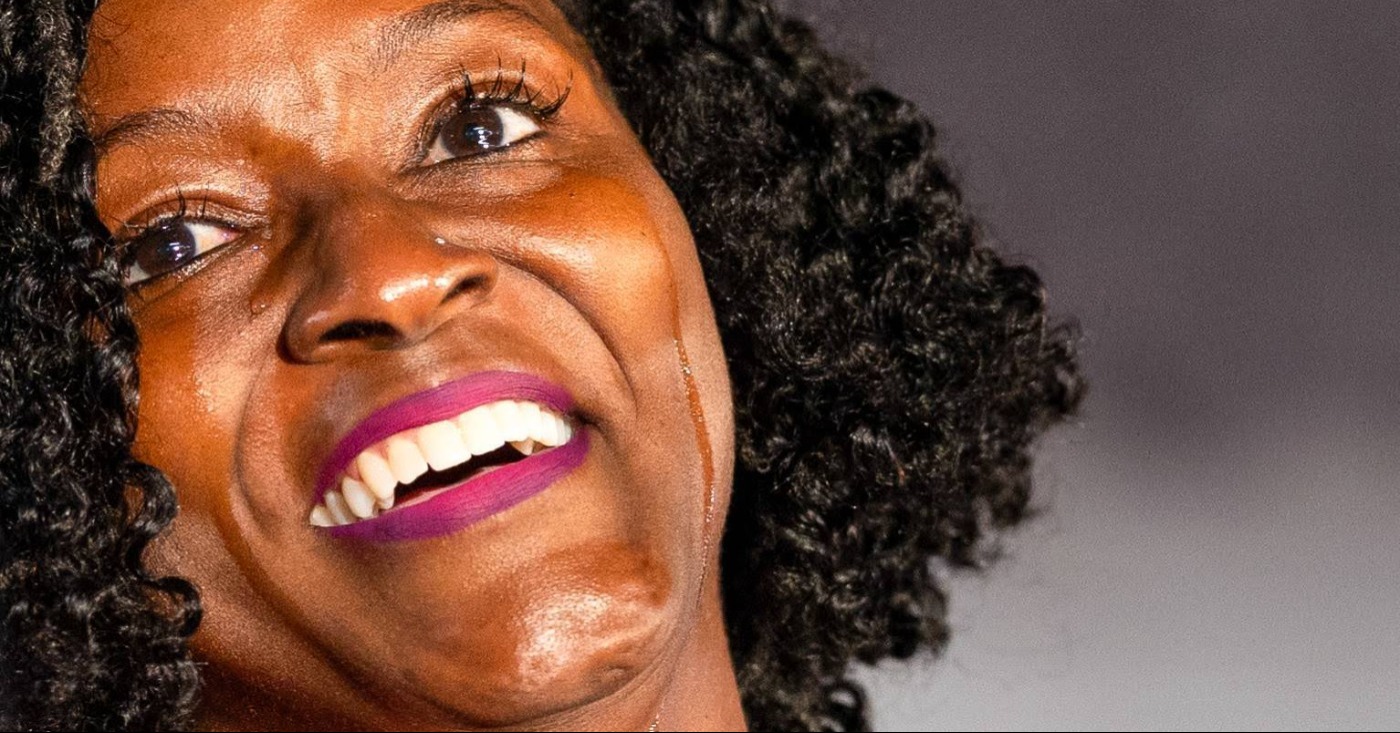
A Black woman from the heart of Moncrief earned the support of more than 3 million Floridians this election season.
Angie Nixon did not become the first Jacksonville resident to serve in the U.S. Senate since 1936.
At least not yet.
The 42-year-old organizer, small business owner, politician and mother says she will challenge Senator-elect Ashley Moody in 2028.
“I’m disappointed in the outcome, but I’m ready to get back to work – everyone is – because we’re going to make sure that Ashley Moody is held accountable for making sure that people have access to quality healthcare, a roof over their head, food on the table, and trying to lower these costs,” Nixon said on Tuesday night. “So, I’m OK. I’m not happy with the outcome, but I’m ready to get to work.”
That fact that Nixon came so close can only be attributed to the scores of Black women who supported her campaign.
Some were on staff, others volunteered, tens of thousands more voted for the former state representative who has used her bullhorn to bulldoze through staid situations in Tallahassee.
A Black woman has never won statewide office in Florida. Nixon’s 50-48 loss to Moody means it still hasn’t happened.
Not many politicians would walk onto a stage after losing a statewide race playing Bonecrusher’s “Never Scared”.
Nixon faced racist attacks from an advisor to President Donald Trump. Nazi rhetoric was used on Fox News to describe Nixon’s supporters. Yet, they traversed the state – from Marathon to Marianna; from Sarasota to South Florida – connecting with voters.
The forlorn, yet hopeful faces of so many Black women in the audience said more than their words could muster. Some were pastors, others were elected officials. One, Sandra Thompson, attended the March on Washington for Jobs and Freedom in 1963.
Thompson spent Election Day providing information to voters outside the Legends Center in Sherwood.
“It’s a very important election,” Thompson said. “We are electing our new leaders: the governor, a senator, and the House of Representatives. We need to get it right.”
If Thompson’s presence at Nixon’s campaign party was any indicator, people did not get it right.
Despite the chance to send a Jacksonville native to the U.S. Senate, hundreds of thousands of Duval County voters did not cast a ballot this year.
Preliminary data from the Duval County Supervisor of Elections shows only 55 percent of eligible voters participated this year.
Felicia Demps was not going to miss this election season. She brought five of her grandchildren with her inside the polling booth.
“They came home, and their teacher said, ‘We need to vote.’ I said, ‘Well, let’s go!”
Demps says she is a reliable Democrat who supported lowering property taxes, supported the 1-mil tax extension for Duval County Public Schools, and cares about community.
“Everyone needs to get together. Everyone wants the streets fixed until it’s time to vote,” Demps said. “The most important thing is: we want these things; but we won’t get out and vote.”
This year’s turnout is better than 2022, when Gov. Ron DeSantis won re-election for fun. But it’s lower than the 63 percent of Duval voters who turned out – many of whom hoped Andrew Gillum would become Florida’s first Black governor.
Black women were at the heart of the local effort to inform and motivate voters.
Cortina Floyd spent three hours waving signs along Moncrief Road ahead of the Northwest Classic football game between Raines and Ribault. Floyd and her Sigma Gamma Rho Sorority, Inc. sisters were among the nearly 50 people who sported Black Greek-letter organizations and informed voters last week.
“As a Black educator, I feel it’s important for me to do my civic duty,” Floyd said.
Exit polling indicates Black women in Jacksonville, in Florida and beyond, did their civic duty.
Afterward, girls of all ages danced on stage after the Associated Press called Florida’s Senate race in Moody’s favor. As they danced, they were unencumbered by the burdens and expectations that are placed on the bodies, minds, and souls of Black girls.
The organizer who lives on the Northside, in a household with multiple union members, says it was not her dream to run for the U.S. Senate. But the woman who openly invoked Shirley Chisholm and Fannie Lou Hamer on the campaign trail committed to doing what she could to help the next generation of girls.
“It’s not necessarily a dream personally. I just want to help people,” Nixon said on Tuesday night. “I wanted to make sure that we’re improving their lives. But the young people that came up to me tonight, they’re excited. They’re ready to continue to do the work and ready to, actually, build a better vision for their future. I’m all hands on deck with them, helping them grow as leaders and helping register more voters so that we can actually win.”
Black History
MHU Commemorates ASCORE and Anniversary of Desegregation
THE URBAN NEWS — UNC Asheville and Mars Hill University are collaborating to host a series of commemorative events marking the 65th anniversary of their desegregation. The programming honors Etta Mae Whitner Patterson and Oralene Anderson Graves Simmons, two former members of the Asheville Student Committee on Racial Equality (ASCORE) who became the first Black students at their respective institutions in 1961.
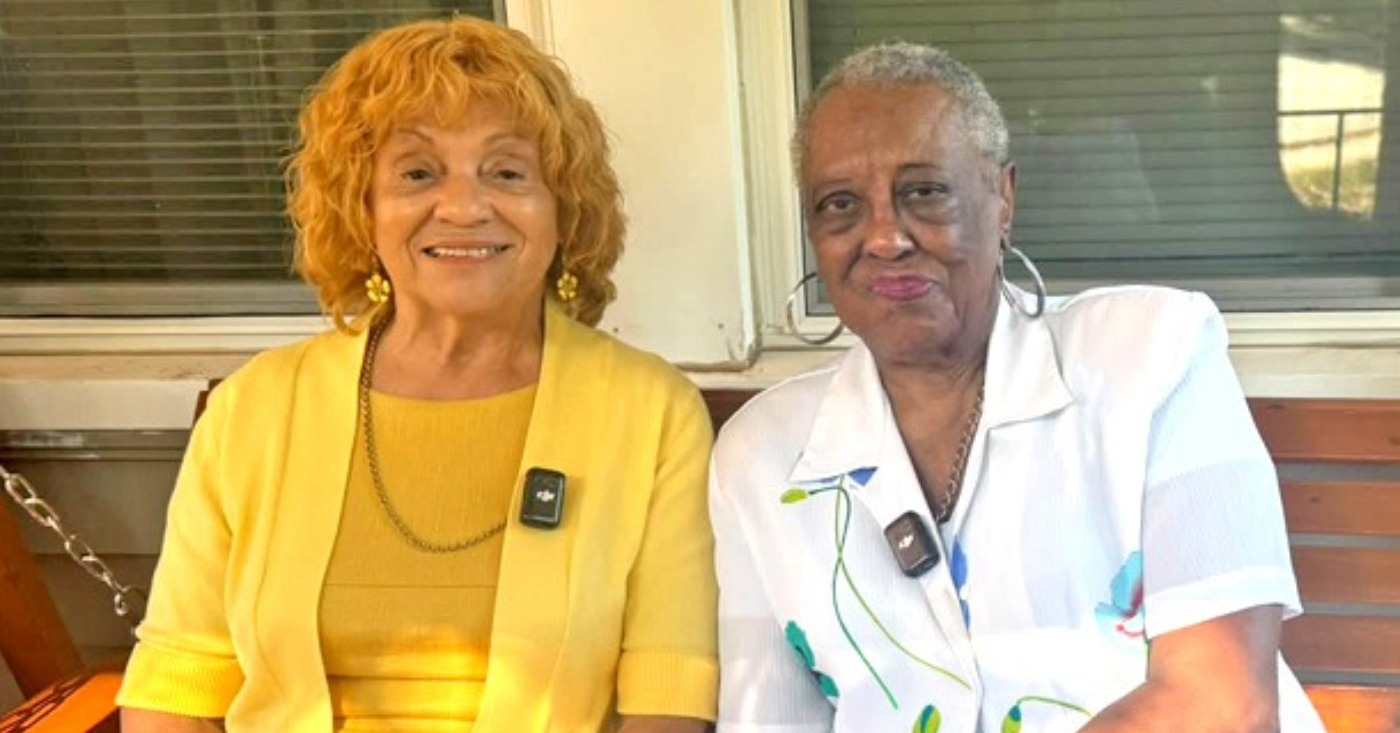
A week of events at UNC Asheville, Mars Hill University, and downtown Asheville.
In 1961, two young women broke the color barrier to become the first African American students at two Western North Carolina colleges: Etta Mae Whitner Patterson at UNC Asheville and Oralene Anderson Graves Simmons at Mars Hill University (then Mars Hill College).
Both women were students at Asheville’s Stephens-Lee High School, where they were members of the Asheville Student Committee on Racial Equality (ASCORE). Through nonviolent protest, ASCORE led efforts to desegregate many Asheville stores and businesses.
Patterson and Simmons, who later founded the Martin Luther King Jr. Association of Asheville and Buncombe County, have since received honorary doctorates from their alma maters in recognition of their achievements and lifelong service to their communities.
To commemorate ASCORE, honor the leadership of Etta Patterson and Oralene Simmons, and mark the 65th anniversary of the desegregation of UNC Asheville and Mars Hill University, UNC Asheville’s Department of History and Mars Hill University’s Liston B. Ramsey Center for Appalachian Studies invite the public to attend “Stories of ASCORE: Lessons in Courage, Desegregation, and Community Activism.”
The program will feature two panel discussions with Drs. Patterson and Simmons, along with other former members of ASCORE. Panelists will discuss how their experiences integrating Asheville’s businesses and institutions prepared them for their college careers, professional lives, and continued community activism.
The first panel discussion will take place at 6 p.m. on Tuesday, November 10, 2026, in the Blue Ridge Room of Highsmith Union at UNC Asheville. The event will feature a presentation by Dr. Patterson and a panel discussion with Dr. Simmons, Marvin Chambers, Jesse Ray, and Al Whitesides. The panel will be moderated by Deborah Miles, retired director of the former UNC Asheville Center for Diversity Education.
This event is sponsored by UNC Asheville’s Department of History and Africana Studies Program, with generous support from King and Pam Prather. A free visitor parking permit is required for the UNC Asheville event. Please visit the university’s parking website for instructions on obtaining a permit for the evening’s program.
The second panel discussion will take place at 5 p.m. on Thursday, November 12, 2026, in the Tony and Terry Floyd Conference Center in the Mars Hill University Campus Center. The event will feature Dr. Simmons, Annette Coleman, and Elizabeth Colton. The panel will be moderated by Jonathan McCoy, professor of history at Mars Hill University.
This event is sponsored by the Liston B. Ramsey Center for Appalachian Studies, with generous support from the university’s Provost’s Office.
In addition, at 12 noon on Wednesday, November 11, 2026, in Pack Square in downtown Asheville, Mayor Esther Manheimer and the Buncombe County Commission Chair will proclaim ASCORE Day and present honors to Etta Patterson and Oralene Simmons. Holly Jones of the North Carolina Governor’s Office will also participate in the ceremony.
For more information, contact Leila Weinstein at Mars Hill University ([email protected]) or Ellen Holmes Pearson at UNC Asheville ([email protected]).
Based on reporting by The Urban News.
Black History
HBCU Love: Spelman’s Dr. Letitia Plummer Makes History as Harris County’s First Black Elected County Judge
TEXAS METRO NEWS — Former Houston City Council member Dr. Letitia Plummer has made history as the first Black person elected to serve as the Harris County Judge. The Spelman College alumna defeated Republican Orlando Sanchez in the general election for Texas’ most populous county, receiving approximately 62% of the vote.
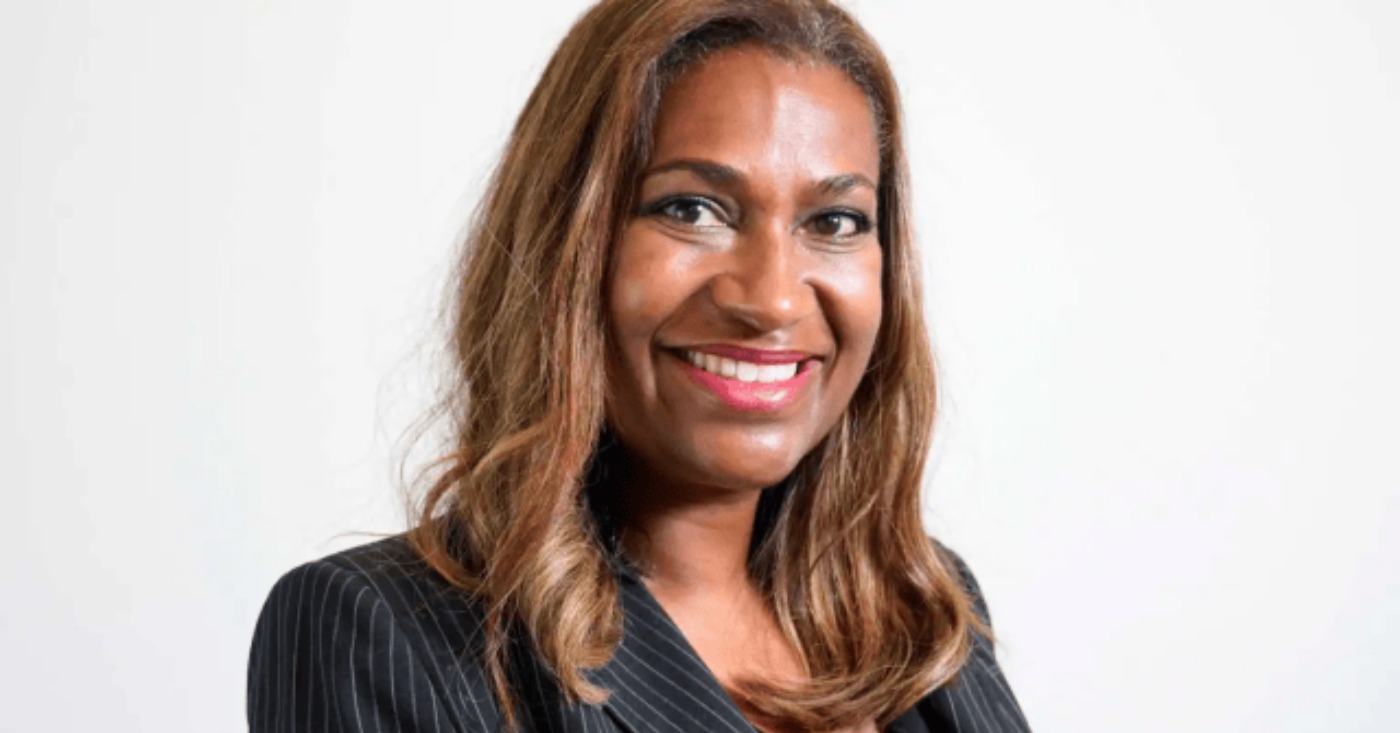
Letitia Plummer is the next Harris County judge, and the Spelman College alumna made history in Texas’ most populous county. On Tuesday night, the former Houston City Council member defeated Republican Orlando Sanchez. As a result, she becomes the first African American elected to lead Harris County.
Early unofficial results showed Plummer with about 62% of the vote to Sanchez’s 38%. Shortly after 9 p.m., Sanchez called Plummer to concede. He then asked his supporters to back her once she takes office.
The win also makes her the first Muslim elected to the post. According to the Houston Chronicle, that makes her the highest-ranking Muslim executive official in Texas history.
A Historic Night in Houston
Plummer succeeds Lina Hidalgo, who chose not to seek another term. Now, a Spelman woman takes over the top job in a county of nearly 5 million people.
ADVERTISEMENT
In Texas, the county judge is not a courtroom role. Instead, the job leads the Commissioners Court, which runs the county’s budget, roads, flood control and public health. So the seat carries real power over daily life in the Houston region.
The general election was never especially close. However, the road to November was brutal. In the March 3 primary, Plummer finished second behind former Houston Mayor Annise Parker. Parker took about 47% to Plummer’s 37%, sending the race to a runoff.
Then Plummer flipped the script. On May 26, she beat Parker in the runoff with about 51% of the vote. From there, she turned to Sanchez and never looked back. Houston Public Media has full coverage of election night.
Letitia Plummer’s Road From Linkwood to Harris County Judge
Plummer grew up in Linkwood, a neighborhood south of Brays Bayou near Buffalo Speedway. Her family history runs deep in Houston. Her grandfather was a Tuskegee Airman flight instructor. After the war, he became the first African American investigator for the Harris County district attorney.
ADVERTISEMENT
Her father, Matthew Plummer Jr., studied dentistry at Harvard. Later, he served in the Peace Corps, where he met her mother in Africa. Her mother brought Yemeni and Indian roots to the family. As a result, Plummer grew up in a multicultural household that shaped her outlook.
As a teen, she attended what is now DeBakey High School for Health Professions. Then she headed to Atlanta for Spelman. There, she joined Alpha Kappa Alpha Sorority, Inc.
After Spelman, she came home to Texas for dental school at Baylor College of Dentistry. Like her father, she became a dentist. She went on to own dental practices in the Houston area, including in Pearland.
From Dental Chair to City Hall
Plummer’s political career started with a 2018 run for Congress. She made the Democratic runoff in Texas’ 22nd District but lost to Sri Preston Kulkarni. Still, the campaign put her on the map.
A year later, she won Houston City Council At-Large Position 4. She took office in January 2020. In doing so, she became the first Muslim woman elected to the Council.
On the Council, she focused on police reform, food deserts and apartment inspections. She also chaired the Government Operations Committee. Notably, fellow Spelman alumna Carolyn Evans-Shabazz served alongside her on the Council.
In 2025, she launched her campaign for county judge. Then she timed her exit from the Council so the city could fill her seat during a regular election. That move saved Houston the cost of a standalone special election.
What She Ran On
Plummer pitched herself as a unifier for a Commissioners Court that has often split along party lines. She promised to build stronger working relationships among its members.
She also called for better county services and changes to the county’s Flock camera contract. In addition, she pushed back on state leaders for exerting authority over Harris County.
On election night, she spoke about her personal struggles with surrogacy. She said that experience helped inspire her decision to run.
Why Letitia Plummer’s Win Matters for Spelman
Spelman women had a big night across the country Tuesday. In New York, alumna Adrienne Adams won the lieutenant governor’s race. Now Plummer will run one of the largest counties in America.
Together, the wins show how far the Spelman network reaches in politics. Both women built careers outside government before winning office. And both broke barriers on the way up. For more on the school, check out our Spelman College coverage. You can also follow our Keisha Lance Bottoms coverage for more HBCU wins from election night.
What Comes Next
Plummer will take office in January. Between now and then, she will build her team and prepare for the county budget fight. For more on her path, the Houston Chronicle tracked her rise through a political roller coaster year.
Stay with HBCU Buzz for continued coverage of Harris County Judge-elect Letitia Plummer as she prepares to take office.
In this article:HBCU LOVE, Letitia Plummer, Spelman’s Dr. Letitia Plummer Makes History as Harris County’s First Black Elected County Judge
Based on reporting by Texas Metro News.
Black History
Meet Scott Colom, the Mississippi Democrat Leading Tight Mississippi Senate Race
ATLANTA DAILY WORLD — Mississippi Democrat Scott Colom holds a narrow lead over Republican incumbent Cindy Hyde-Smith in a high-stakes U.S. Senate race that remains too close to call. A longtime prosecutor from Columbus, Colom seeks to become the first Black person to represent Mississippi in the Senate since Reconstruction.
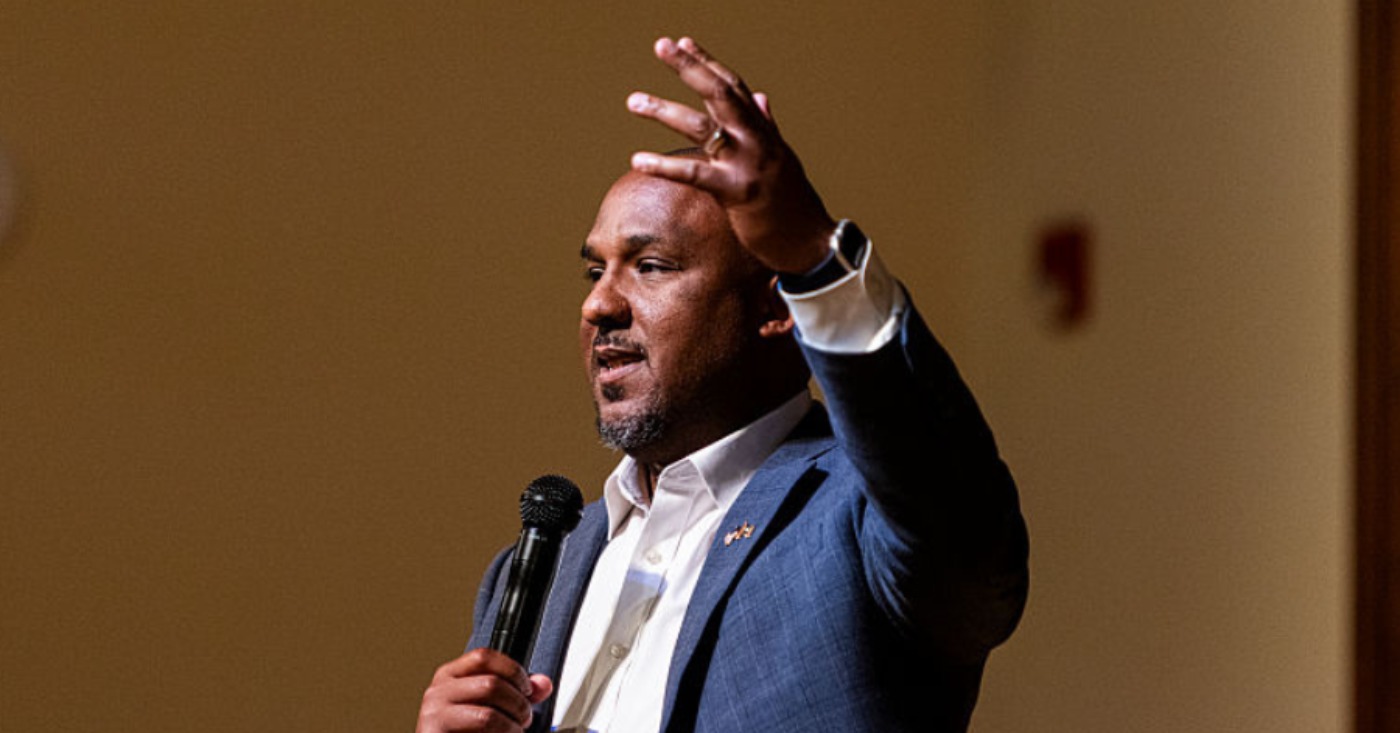
Scott Colom, a Mississippi Democrat challenging Republican Sen. Cindy Hyde-Smith, could become the first Black person elected to represent the state in the U.S. Senate since Reconstruction.
As of Thursday afternoon (November 5), unofficial results showed Colom leading Hyde-Smith by 1,138 votes, with 96% of estimated votes counted, according to Associated Press election results. The race has not been called.
If Colom wins, the longtime prosecutor would become the first Democrat elected to the U.S. Senate from Mississippi since John C. Stennis won reelection in 1982. A seventh-generation Mississippian raised in Columbus, Colom comes from a family with deep legal and political ties.His mother, retired Judge Dorothy Colom, was the first Black person elected to serve on her region’s Chancery Court. His father, Wilbur Colom, is an attorney and former Republican who worked for President Ronald Reagan.
In 2015, Colom defeated 27-year incumbent Forrest Allgood to become district attorney for Mississippi’s 16th Circuit District at age 32, making him the first Black person to hold the position, Mississippi Public Broadcasting reported. His campaign says his office has won 94% of its trials and secured convictions in more than 15 high-profile murder cases.
Colom’s history with Hyde-Smith dates back to 2023 when she blocked his nomination to a federal judgeship despite support from Republican Sen. Roger Wicker, according to CNN.
Colom told CNN, “I’m a Christian. I forgive her,” adding that the blocked nomination was not motivating his Senate campaign.
His campaign website outlines priorities that include raising the federal minimum wage, lowering costs for families, protecting rural hospitals and restoring Affordable Care Act tax credits. He also wants to require data center companies to cover their own electricity and water costs.
Mississippi’s last two Black U.S. senators were Hiram Revels, who was elected in 1870 and became the first Black senator in the country, and Blanche K. Bruce, who was elected in 1875 and served until 1881, according to the U.S. Senate Historical Office.
The Black Information Network is your source for Black News! Get the latest news 24/7 on The Black Information Network. Listen now on the iHeartRadio app or click HEREto tune in live.
The post Meet Scott Colom, The Mississippi Democrat Leading Tight Mississippi Senate Race appeared first on Atlanta Daily World.
Based on reporting by Atlanta Daily World.
Black History
COMMENTARY: Big Mama Said: Don’t Just Remember the Village When You Need Votes!
TEXAS METRO NEWS — With the conclusion of Election Day, political campaign signs have disappeared and the frequent visits from candidates to local churches, barbershops, and community centers have come to an abrupt halt.
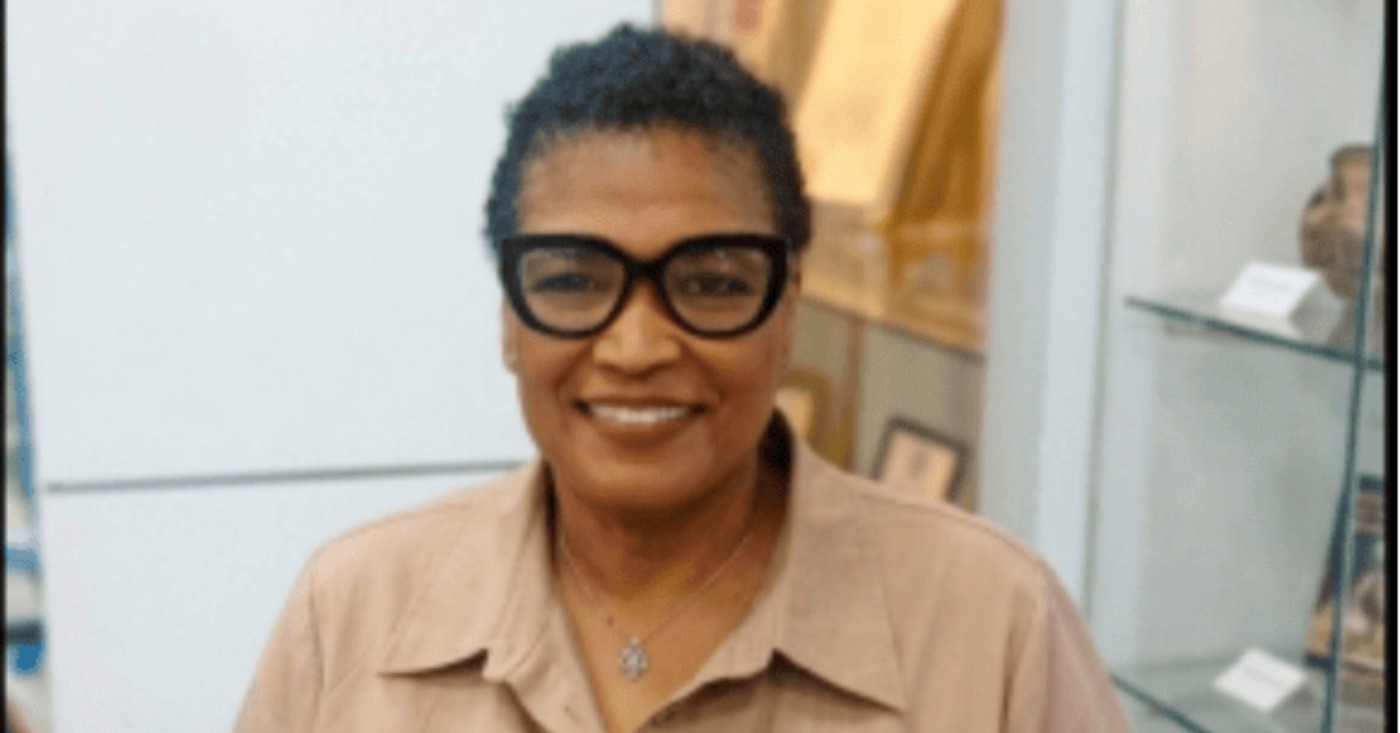
Big Mama used to say, “Baby, don’t come knocking on my door only when you need something. Come see about me when you need something, too!” And if you knew my Big Mama, you knew that wasn’t a suggestion. That was a standard!
Well, Election Day has come and gone. The campaign signs are coming down, the political commercials have disappeared, and some politicians have already forgotten the roads leading into our neighborhoods. Isn’t it amazing how quickly folks can find our churches, barbershops, restaurants, and community centers when they need our votes? They shake hands, hug babies, take pictures, and some even learn a gospel song! But Big Mama would ask, “Baby, now that they’ve counted our votes, who’s counting our needs?”
Where are they when our schools need resources, seniors need assistance, Black-owned businesses need contracts, and young people need mentors and jobs? Big Mama would remind us, “You can’t eat a handshake, and a photograph won’t pay the light bill!”
But here’s where the village must accept some responsibility. We cannot keep building election machines that disappear after Election Day. We need an ecosystem, connecting our churches, businesses, nonprofits, fraternities, sororities, educators, and community leaders into a year-round network of opportunity, accountability, and collective progress.
Imagine turning voter mobilization into economic mobilization. Imagine churches connecting families to resources, businesses opening doors for young entrepreneurs, and elected officials reporting measurable results instead of delivering another campaign speech. That’s how we turn political influence into community investment.
And let’s stop measuring success by how many politicians attend our events. Let’s count jobs created, contracts awarded, young people mentored, and promises kept. Accountability isn’t partisan. It’s personal, and it belongs to the entire village.
Now, I’m asking you, my readers: Send me the name of an organization, business, or community initiative we should invest in and support. Let’s connect our resources and build an ecosystem that strengthens the entire village! I have two organizations I’d like to add to the conversation: Don’t Believe the Hype, which focuses on scholarships and educational opportunities, and City Men Cook, which provides mentoring, leadership development, and opportunities to invest in the next generation of young men. Both are about more than talking about change. They’re about putting resources, relationships, and opportunities into action.
Big Mama understood that relationships require reciprocity. You cannot keep withdrawing from a community without making deposits. So whether your candidate won or lost, our responsibility remains. The election determines who holds office, but the village determines what accountability looks like.
Big Mama said, “Baby, if they know the road to your house when they need your vote, make sure they know the road back when you need results!”
The election is over. Now let’s build something that outlives the campaign!
Based on reporting by Texas Metro News.
Black Press
Gov. Gavin Newsom to Commute All 548 California Death Row Sentences
ATLANTA DAILY WORLD — Governor Gavin Newsom has initiated the process to commute the death sentences of all 548 inmates on California’s death row to life in prison without parole. This historic move would empty the largest death row in the United States, representing more than a quarter of the nation’s condemned population.

California Gov. Gavin Newsom has begun the process of commuting the death sentences of all 548 people on the state’s death row to life in prison without the possibility of parole, The Washington Post reported.
If completed, the move would empty the nation’s largest death row, affecting more than a quarter of the country’s death-sentenced population.
However, the commutations will not be automatic for everyone. Approximately 70% of the inmates have multiple felony convictions and will need approval from at least four of the California Supreme Court’s seven justices before their sentences can be changed.
Newsom defended his decision in an open letter to Californians, arguing that he believes capital punishment is incompatible with California’s values and undermines the justice system.
“I take this action because I firmly believe that state-sanctioned killing is incompatible with California’s values, undermines the foundations of our legal system, and diminishes each of us,” Newsom wrote.
He also acknowledged that his decision could reopen painful memories for victims’ families, writing that the announcement “may surface excruciating memories for victims’ families.”
California voters previously rejected a ballot measure to repeal the death penalty in 2016, but Newsom argued that the state Constitution gives the authority to grant clemency.
“California voters have voted to keep the death penalty on the books and I respect that,” he wrote. “But the Constitution also gave every governor clemency authority, and that power exists for moments when law as applied cannot be squared with justice. For me, this is that moment.”
The Washington Post reported that California has not executed anyone since 2006. Newsom previously imposed a moratorium on executions in 2019, dismantled the state’s death chamber, and repealed its lethal injection protocol.
The Black Information Network is your source for Black News! Get the latest news 24/7 on The Black Information Network. Listen now on the iHeartRadio app or click HEREto tune in live.
The post Gov. Gavin Newsom To Commute All 548 California Death Row Sentences appeared first on Atlanta Daily World.
Based on reporting by Atlanta Daily World.


Your Car Insurance Could Be Costing You More Than You Think #shorts

A Career Path That Took an Unexpected Turn #shorts

Black Families: Compare Auto Insurance Quotes Every Year #shorts

Black Media in Minnesota: The Community That Kept Us Going #shorts

The Conversation With Al McFarlane: (11/10/2026)

Don’t Pass the Torch. Expand the Circle.

Kids on Campus: Success in Learning Together

Nixon Unbought, Unbossed and Undeterred Following U.S. Senate Defeat – Free Press of Jacksonville

PRESS ROOM: AutoNetwork.com Launches a Free Auto Section for Newspapers, Credit Unions, Banks, Churches, Schools and Nonprofits
The Workforce Is Changing — Get Ready Now!

All Skinfolk Ain’t Kinfolk

Practitioners of African Traditional Spirituality Offer Ancestral Reverence Ritual Oct. 31

Tamiko Armstead | 2026 Lifetime Achiever in Education

Oakland Awarded More than $14 Million in State Funding

HISTORY MADE: Keisha Lance Bottoms Becomes First Black Woman Elected Governor in American History

OP-ED: The Black Church Writes AI’s Next Chapter

Inside 820 S. Michigan: New Book Captures the Lost World of Ebony and Jet

OP-ED: If the ‘Cornell 7’ Were Black Men at an HBCU — America Wouldn’t Be This Sympathetic

Jendayi Arrest Raises Community Concerns Regarding Sheriff’s Chain of Command

Kickstarter CEO Everette Taylor Shares Tips on Creating and Growing a Business
Your Car Insurance Could Be Costing You More Than You Think #shorts
A Career Path That Took an Unexpected Turn #shorts
Black Families: Compare Auto Insurance Quotes Every Year #shorts
Black Media in Minnesota: The Community That Kept Us Going #shorts
The Conversation With Al McFarlane: (11/10/2026)

The Power of Transparency in Car Buying

The Chevy Bolt Handles Rough Roads—But How Noisy Is the Cabin? #shorts

Democratic Leadership Under Fire, Maxine Waters Challenged & Tyler Perry’s New Political Role 📱

Democratic Leadership Under Fire, Maxine Waters Challenged & Tyler Perry’s New Political Role

San Diego Supervisors’ Power Grab & Discretionary Funds
-
 Black History6 days ago
HISTORY MADE: Keisha Lance Bottoms Becomes First Black Woman Elected Governor in American History
-
 Featured1 week ago
Multi-Faith Leaders Representing 10 Million People Launch National Anti-Authoritarian Initiative
-
 Black History1 week ago
Christianity’s Racial History
-
 Black History1 week ago
Michael Shiner: The Enslaved Man Who Wrote His Way into American History
-

 Black History1 week ago
Five Hospitals Said No! Who Will Help Annette Henry Recover?
-
 Black History6 days ago
Hundreds of Black Christian Leaders Arriving in Israel for Martin Luther King-Inspired Mission
