
Ask Dr. Kevin
NBA Legend Don Chaney Takes Shot at Rare Heart Disease Primarily Affecting African Americans
NNPA NEWSWIRE — Chaney, who won an NBA title with the Boston Celtics and earned Coach of the Year honors with the Houston Rockets, wants African Americans to know that they are more likely than anyone else to have heart disease, including heart failure.


By Stacy M. Brown, NNPA Newswire Senior National Correspondent
@StacyBrownMedia
Legendary former NBA player and coach Don Chaney has something important on his mind that he wishes to share, particularly with the Black community.
Chaney, who won an NBA title with the Boston Celtics and earned Coach of the Year honors with the Houston Rockets, wants African Americans to know that they are more likely than anyone else to have heart disease, including heart failure.
They are also prone to a rare, life-threatening disease associated with heart failure known as Transthyretin Amyloid Cardiomyopathy – or ATTR-CM.
Chaney, 74, has teamed with Pfizer Rare Disease to spread the message about ATTR-CM and how it disproportionately affects African Americans.
“We can’t just be silent,” the Baton Rouge, Louisiana, native declared in a special interview with the National Newspaper Publishers Association (NNPA).
“We have to get the message out there about this disease that’s rare and mostly unknown. Even some doctors are not familiar with the disease and how it affects African Americans.”
Although ATTR-CM is rare in general, it is believed to be especially underdiagnosed or overlooked in African Americans.
Through his involvement with Pfizer, Chaney encourages African Americans who have heart failure or experience unresolved symptoms like irregular heartbeat, fatigue, shortness of breath, and carpal tunnel syndrome and have a family history of heart disease to talk to a cardiologist about ATTR-CM.
He’s even established a website to help individuals learn more and find tools for talking to a physician about ATTR-CM.
The NNPA and Pfizer have an ongoing partnership to raise awareness in the Black community to ATTR-CM.
Chaney received his diagnosis in 2019.
His cardiologist told him that he had the hereditary form of ATTR-CM, which meant that it was passed down to him from a relative and could pass it down to his children.
The other form of the disease is Wild-type ATTR – also known as senile amyloidosis – that is not caused by mutation and develops in older adults, usually 65 and over.
“I started seeing a cardiologist for some heart-related symptoms, like fatigue, palpitations, and shortness of breath,” Chaney recalled.
“I was taking medicine for my palpitations as prescribed, but it was only making me feel worse. And because my mom and grandmother both passed away from heart disease, I was worried that I might be facing the same issues as them.”
Chaney underwent several tests and procedures, and doctors discovered he had heart failure.
Initially the symptoms, significantly swollen knees, ankles, and feet, all were brushed off.
After all, Chaney had played about a dozen years of pro basketball.
“I didn’t think to mention them as part of my medical history when I started having heart problems, but I wish I had,” Chaney recounted.
“It turns out; some were early signs and symptoms of this rare heart condition called ATTR-CM.”
Chaney said he learned that some symptoms of ATTR-CM are similar to those of more common causes of heart failure, while others are not typically associated with the heart at all.
“In my case, and for many others, this lack of awareness about ATTR-CM can lead to a delayed or incorrect diagnosis. And because ATTR-CM can get worse over time, early diagnosis is key to establishing a timely treatment plan,” Chaney remarked.
He is now pushing the life-saving message that, if you are African American, over 50 years old, have a family history of heart failure, and are experiencing unresolved symptoms like Chaney’s, you could be at risk for hereditary ATTR-CM.
“We have to talk to our doctors, tell them everything even if we don’t think it’s important,” Chaney proclaimed.
“There is a history of distrust in medicine as African Americans, but this is so important that we ask questions and be open with our doctors. You want to separate yourself. I am not just a person with heart disease, but rare heart disease.”
He continued:
“This is a rare disease that mimics heart failure and, if it goes unattended or undiagnosed, it can be fatal. It can affect the heart, nerves, and different tissues in the body. You have to get treatment and medication as soon as possible, and I speak with my cardiologist all of the time.”
Chaney also noted the importance of closely following a treatment plan and having a trusted family member or companion assisting.
“I have a great caregiver in my wife Jackie,” Chaney added. “I realize my symptoms change all of the time, so she writes down and tracks them. When we meet with the cardiologist, we have everything. We cannot hold back. We, as African Americans, must start trusting again. It’s the only way to stay on top of this.”
Click here for more information about Chaney’s battle with ATTR-CM and to learn more about the disease.
Click here for more information about Pfizer and ATTR-CM.
Heart-related ATTR-CM symptoms:
- Irregular heartbeat
- Fatigue
- Shortness of breath
- Swelling in lower legs and feet
Other ATTR-CM signs and symptoms:
- Bilateral carpal tunnel syndrome
- Pain or numbness in lower back or legs
- Eye disorders, such as glaucoma








Advice
Town hall sheds light on silent killer in Black community
LOUISIANA WEEKLY — In the latest town hall in the series, Dr. Russell Ledet of Docs on Da Block discussed ATTR-CM on December 15. Ledet said ATTR-CM is often undiagnosed and misdiagnosed. The symptoms of the disease are often mistaken for other issues. For example, carpal tunnel syndrome can be a symptom of ATTR-CM. ATTR-CM is also not a rapid onset disease. The symptoms slowly appear and build over time.


By Fritz Esker, Contributing Writer | Louisiana Weekly
Pharmaceutical giant Pfizer has become famous during the COVID-19 pandemic for their vaccines, but they have also been spreading awareness about a lesser-known-but-still-fatal condition called transthyretin amyloid cardiomyopathy (ATTR-CM). It’s a condition in which 90 percent of the victims are Black.
As part of the effort to spread awareness about ATTR-CM, Pfizer awarded $46,500 in sponsorship funding to the Minority Health Institute, Inc. (mhinst.org) to hold a town hall program called Voices for the Heart. According to data from the MHI, ATTR-CM affects four percent of the Black population in the United States, about 1.5 million people.
In the latest town hall in the series, Dr. Russell Ledet of Docs on Da Block discussed ATTR-CM on December 15. Ledet said ATTR-CM is often undiagnosed and misdiagnosed. The symptoms of the disease are often mistaken for other issues. For example, carpal tunnel syndrome can be a symptom of ATTR-CM.
ATTR-CM is also not a rapid onset disease. The symptoms slowly appear and build over time.
The website Your Heart’s Message (yourheartsmess-age.com) is a resource on ATTR-CM information. According to the website, some ATTR-CM patients report seeing up to five doctors before getting an accurate diagnosis. Dr. Selim Krim, a transplant cardiologist with the cardiomyopathy and heart transplant section of Ochsner’s Heart and Vascular Institute, said part of the reason for this is that the disease was a mystery even to doctors for a long time.
“This is a condition we did not know very much about 20-25 years ago,” Dr. Krim said.
What is ATTR-CM? The protein transthyretin travels through the bloodstream. In a patient with ATTR-CM due to aging or heredity, that protein misfolds. The misfiled proteins accumulate and drift into different parts of the bloodstream. It can cause the heart muscle to thicken and stiffen, leading to heart failure. The proteins can also travel all over the body, which is why some patients experience carpal tunnel syndrome. Aside from carpal tunnel syndrome, symptoms can also include the following: fatigue, tendon rupture, gastrointestinal issues, joint pain, swelling in the lower legs, eye disorders like glaucoma, shortness of breath, irregular heartbeat, pain or numbness in the lower back, and decreased sensation or a tingling sensation in the toes and feet.
Age-related ATTR-CM primarily affects white men, but the genetic version almost exclusively targets Black people. In extreme cases, a patient may require a heart transplant and a liver transplant since the protein is produced in the liver.
Ledet said the first step is to seek professional advice and assistance. The earlier it is diagnosed, the sooner it can be managed and treated. Treatments can both prolong life and improve the quality of life. When the disease progresses far enough, patients can neither lie flat nor exert themselves.
“Visiting your cardiologist is extremely important, especially if you’re between the ages of 50 and 60,” Ledet said.
For people unsure whether or not they should see a specialist about it, Ledet said they should mention it to their primary care doctor. A doctor will be able to refer a patient to a cardiologist if necessary.
“This is something you should be bringing up with your doctor when you visit the office,” Ledet said.
Ledet added that ATTR-CM is something Black people should be bringing up with their family members, especially if they receive an ATTR-CM diagnosis. Since there is a strong genetic component to ATTR-CM, doctors will do genetic testing to determine if someone has the gene mutation associated with hereditary ATTR-CM. So it’s important for those diagnosed with ATTR-CM to encourage their family members to get genetic testing.
Once diagnosed, patients will receive lifestyle modification plans similar to those used by patients with congestive heart failure. Dr. Krim said patients will go on a low sodium diet of less than 2000 mg of sodium a day (a challenge in a seafood-heavy city like New Orleans). They will also limit fluid intake to 50-60 ounces of fluid a day. This is also challenging because ATTR-CM patients will feel thirsty, but the reality is their bodies are over-hydrated so they need to resist that urge.
Dr. Krim said one important area where ATTR-CM treatments differ from those for other cardiomyopathies is in medication. The medicines used to treat the types of heart failure ATTR-CM can be mistaken for will lower the blood pressure. This is a problem since ATTR-CM causes low blood pressure. If the patient receives that medication, they will be prone to fainting at passing out. This is why proper diagnosis is so important. But there are specific medications that will effectively stabilize production of the faulty protein. For patients who are also experiencing nerve issues like carpal tunnel syndrome, there is a medication that will stop production of that protein altogether.
“We have great tools and medicines to help (people with ATTR-CM),” said Dr. Krim.
This article originally appeared in The Louisiana Weekly.
Advice
Ask Dr. Kevin: Heart Failure and ATTR-CM Among African Americans: A Community Disproportionately Impacted By This Rare Disease
NNPA NEWSWIRE — In the U.S., African Americans experience disproportionate rates of cardiovascular disease, including heart failure and stroke ix,x and according to one study, were 45 percent more likely to die as a result of heart failure-related hospitalization than Caucasian populations in the United States.[xi] Poor cardiovascular outcomes in the African American community have been linked to a variety of factors, such as lower levels of health literacy and education, an overall lack of insurance coverage and access to quality healthcare.

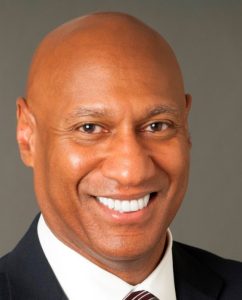
Dr. Kevin Williams, the Chief Medical Officer for Rare Disease at Pfizer
The “Ask Dr. Kevin” series is brought to you by Pfizer Rare Disease in collaboration with the National Newspaper Publishers Association (NNPA) to increase understanding of transthyretin amyloid cardiomyopathy (ATTR-CM) and the risk it poses to African Americans.
ATTR-CM is a rare and life-threatening condition that is associated with heart failure.[i],[ii] Awareness of this rare disease is low, even among healthcare providers, and symptoms of ATTR-CM often mimic other types of heart failure. As a result, ATTR-CM is significantly underdiagnosed.ii,[iii],[iv],[v]
It’s important to understand the two sub-types of ATTR-CM, wild-type and hereditary. Wild-type ATTR-CM, the most common form, is usually associated with men over the age of 60 and is not caused by a genetic mutation. Most wild-type patients are White. The second type, hereditary ATTR-CM, is inherited from a relative and is due to genetics.[vi],[vii],[viii], Hereditary ATTR-CM disproportionately affects the African American community because the most common mutation associated with hereditary ATTR-CM in the U.S. is V122I and is found almost exclusively in African Americans.ii,[ix],[x] This series will take a closer look at the signs and symptoms of hereditary ATTR-CM, while exploring the often-complicated journey to diagnosis for patients living with this condition.
The Burden of Heart Failure in the African American Community
In the U.S., African Americans experience disproportionate rates of cardiovascular disease, including heart failure and stroke ix,x and according to one study, were 45 percent more likely to die as a result of heart failure-related hospitalization than Caucasian populations in the United States.[xi] Poor cardiovascular outcomes in the African American community have been linked to a variety of factors, such as lower levels of health literacy and education, an overall lack of insurance coverage and access to quality healthcare.v,[xii] ,[xiii],[xiv]
While ATTR-CM is generally underdiagnosed in all patients, this is especially the case among African Americans with the hereditary subtype. With the disproportionate rates of heart failure, heart attacks, and other serious heart conditions in the African American community, it’s important to fully explore the underlying cause of these conditions with the help of a cardiologist.ix,x
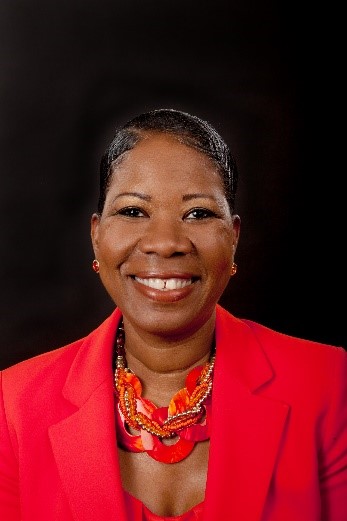
Dara Richardson-Heron, M.D. Chief Patient Officer, Pfizer
As someone who has dedicated herself to addressing patient health disparities and access to care, including those that affect African Americans, I asked Dr. Dara Richardson-Heron, Pfizer’s Chief Patient Officer, for her perspective on the ATTR-CM patient burden in the Black community. “While African Americans are more likely to experience heart failure relative to other ethnic and racial groups, there is still a gap in understanding the underlying cause,” said Dr. Richardson-Heron. “Because awareness of hereditary ATTR-CM as a cause of heart failure is so low, many patients may never have their condition accurately diagnosed and treated, and cases continue to go undetected in the community.”
Understanding the Symptoms and Risk Factors for Hereditary ATTR-CM
Hereditary ATTR-CM is caused by a mutation in the gene that produces the transthyretin protein. As noted above, the most common mutation associated with hereditary ATTR-CM in the U.S. is V122I and is found almost exclusively in African Americans with a prevalence of roughly 3 percent.i,vi,vii,viii,iv,[xv]
Symptom onset can occur in men and women as early as their 50s or 60s although people who have the mutation may never develop symptoms of the disease. Hereditary ATTR-CM is a serious disease that can affect many parts of the body, including the nerves, heart, GI tract, liver, and kidneys. As a result, symptoms can manifest in a wide array of clinical presentations, often leading to misdiagnosis and delays in diagnosis.xiii,[xvi],[xvii],[xviii]
Since ATTR-CM often presents with symptoms that are similar to other more common heart conditions, the possibility of ATTR-CM may not be considered initially or there may be a lack of understanding of how the disease affects African Americans. Symptoms of ATTR-CM may also include non-cardiac related symptoms such as carpal tunnel syndrome (numbness, tingling and pain in the fingers), biceps tendon rupture, and pain or numbness in the lower back and legs due to narrowing of the lower spine (known as lumbar spinal stenosis). Referral to a cardiologist can help patients receive an appropriate diagnosis earlier for their condition. Understanding symptoms and having knowledge of their family’s health history can help empower patients to have more proactive conversations with their primary care physician or cardiologist about ATTR-CM.
If you’d like to learn more about ATTR-CM, including common signs and symptoms, visit: www.YourHeartsMessage.com.
*Dr. Kevin Williams is the Chief Medical Officer for Rare Disease at Pfizer. He pursued medicine after being inspired by his father’s work as a general practitioner in his hometown of Baton Rouge, Louisiana. Dr. Kevin is passionate about raising awareness and increasing understanding of ATTR-CM in the African American community. You can follow Pfizer on Facebook and Twitter.
[i] Maurer MS, Elliott P, Comenzo R, Semigran M, Rapezzi C. Addressing common questions encountered in the diagnosis and management of cardiac amyloidosis. Circulation. 2017;135(14):1357-1377.
[iii] Rapezzi C, Lorenzini M, Longhi S, et al. Cardiac amyloidosis: the great pretender. Heart Fail Rev. 2015;20(2):117-124.
[v] Shah KB, Mankad AK, Castano A, et al. Transthyretin Cardiac Amyloidosis in Black Americans. Circulation: Heart Failure. 2016;9(6). doi:10.1161/circheartfailure.115.002558.
[vi] Brunjes D., Castano A., Clemons A. 2016. Transthyretin Cardiac Amyloidosis in Older Americans. J Card Fail. 22(12): 996-1003. DOI:10.1016/j.cardfail.2016.10.008
[vii] Connors L., Sam F., Skinner M. Heart Failure Resulting from Age-Related Cardiac Amyloid Disease Associated with Wild-Type Transthyretin. Circulation. 2016, 133:282-290 DOI:10.1161/CIRCULATIONAHA.115.018852
[viii] Ruberg FL, Berk JL. Transthyretin (TTR) cardiac amyloidosis. Circulation. 2012;126(10):1286-1300
[ix] Bonow RO, Grant AO, Jacobs AK. The cardiovascular state of the union: confronting healthcare disparities. Circulation 2005; 111(10): 1205-7.
[x] Graham G. Disparities in Cardiovascular Disease Risk in the United States. Current Cardiology Reviews, 2015, 11, 238-245
[xi] Sharma A., Colvin-Adams M., Yancy C. Heart Failure in African Americans: Disparities Can be Overcome 2014. Cleveland Clinic Journal of Medicine. Vol 81. No. 5. DOI:10.3949/ccjm.81a.1304
[xii] Ayanian JZ, Weissman JS, Chasan-Taber S, Epstein AM. Quality of care by race and gender for congestive heart failure and pneumonia. Med Care. 1999; 37:1260–1269. [PubMed: 10599607]
[xv] Buxbaum JN, Ruberg FL. Transthyretin V122I (pV142I)* cardiac amyloidosis: an age-dependent autosomal dominant cardiomyopathy too common to be overlooked as a cause of significant heart disease in elderly African Americans. Genet Med. 2017;19(7):733-742. doi:10.1038/gim.2016.200
[xvi] Gertz M. Hereditary ATTR amyloidosis: burden of illness and diagnostic challenges. 2017. American Journal of Managed Care.
[xvii] Castano A., Drachman B., Judge D. Natural history and therapy of TTR-cardiac amyloidosis: emerging disease-modifying therapies from organ transplantation to stabilizer and silencer drugs. Heart Fail Rev. 2015. 20(2): 163-178. doi:10.1007/s10741-014-9462-7
[xviii] Nativi-Nicolau J., Maurer M. Amyloidosis cardiomyopathy: update in the diagnosis and treatment of the most common types. 201 Current Opinion. 2018. doi:10.1097/HCO.0000000000000547
Ask Dr. Kevin
Ask Dr. Kevin: The Challenges of Diagnosing Hereditary ATTR-CM, a Rare Heart Disease – A Patient’s Journey
NNPA NEWSWIRE — Following Randy’s diagnosis, he and his wife, Priscilla, quickly realized their daily lives would be changed drastically. Priscilla started to pick up even more responsibilities around the house, while also helping Randy manage his ATTR-CM. Priscilla shared, “When Randy was first diagnosed, I was surprised because he had always been very healthy. Overall, I would say my reaction was shock.”

By Dr. Kevin Williams, Chief Medical Officer for Rare Disease at Pfizer
The “Ask Dr. Kevin” series is brought to you by Pfizer Rare Disease in collaboration with the National Newspaper Publishers Association (NNPA) to increase understanding of hereditary ATTR-CM, or transthyretin amyloid cardiomyopathy, and the risk to African Americans.
There are two sub-types of ATTR-CM, wild-type and hereditary. Wild-type ATTR-CM is thought to be the most common form of ATTR-CM, is mostly associated with men over the age of 60 and is not caused by a mutation in a person’s genes. Most wild-type patients are white. Hereditary ATTR-CM is inherited from a relative and is due to genetics, affecting both men and women. In the United States, the most common genetic mutation associated with hereditary ATTR-CM is found almost exclusively in people of African or Afro-Caribbean descent. Symptom onset can occur in people as early as their 50s or 60s; however, people who have the mutation may never develop symptoms of the disease.
As I continue this series, I’d like to share with you the personal experience of one person living with hereditary ATTR-CM, Randy, and his wife and caregiver, Priscilla.
Randy is a 75-year-old man, originally from Trinidad and Tobago, now living in New Orleans. In 2018, he was officially diagnosed with hereditary ATTR-CM, a rare, life-threatening disease that’s associated with heart failure, but Randy actually began experiencing symptoms four years earlier. Unfortunately, Randy’s long road to diagnosis and his struggle to find information about the condition is common for patients with ATTR-CM. Awareness among patients, and even primary care physicians and cardiologists remains low, which results in ATTR-CM being significantly underdiagnosed.
Randy’s Journey to Diagnosis
In 2014, Randy was diagnosed with carpal tunnel syndrome (numbness, tingling, and pain in the fingers), which at first seemed to be associated with his former job as a college professor, a profession that forced him to spend many workdays connected to his computer keyboard. Around this time, during his routine jogs, he also started to notice tingling in his extremities and shortness of breath but did not think the symptoms could be related.
For patients with ATTR-CM, the disease often presents with symptoms of heart failure, such as fatigue, shortness of breath and peripheral edema (swelling in the lower legs), but may also include other symptoms such as carpal tunnel syndrome, gastrointestinal issues (constipation, nausea, diarrhea), peripheral neuropathy (decreased or strange tingling sensation or pain in feet or toes), or lumbar spinal stenosis (narrowing of the spine that can cause pain or numbness in the lower back and legs).
As Randy’s symptoms continued to progress, he realized something was wrong, prompting him to follow up with his doctor. Randy’s doctor initially credited his shortness of breath to chronic obstructive pulmonary disease brought on by heavy smoking during his youth and the poor air quality in New Orleans. However, the other symptoms he was experiencing still didn’t quite add up.
Randy’s Diagnosis
Then, one day, Randy was visibly struggling to climb the stairs at his daughter’s townhouse. His daughter, who is a healthcare professional, immediately knew he was in cardiac distress and rushed Randy to the ER for testing.
After receiving multiple diagnostic tests, he learned that he had congestive heart failure and the walls of his heart were stiff. His cardiologist also had Randy undergo genetic testing, which helped inform his diagnosis of hereditary ATTR-CM, the type of ATTR-CM that is inherited from a relative.
Randy’s Life with ATTR-CM
Following Randy’s diagnosis, he and his wife, Priscilla, quickly realized their daily lives would be changed drastically. Priscilla started to pick up even more responsibilities around the house, while also helping Randy manage his ATTR-CM. Priscilla shared, “When Randy was first diagnosed, I was surprised because he had always been very healthy. Overall, I would say my reaction was shock.”
“I was going to my primary care doctor about my shortness of breath, but the connection to ATTR-CM was not made,” Randy recalled. “Once I got the diagnosis, my cardiologist was the main source of information, but even so, I did a lot of research on my own. We really had to inform ourselves.”
Despite the challenges of life with ATTR-CM, Randy and Priscilla are now advocating to bring attention to the disease, as they believe there is not nearly enough education and awareness about ATTR-CM and the importance of early testing, especially within the African American community. With the disproportionate rates of heart disease and heart failure in this population, it’s important to find the primary cause of heart conditions with the help of a cardiologist.
If you’d like to learn more about hereditary ATTR-CM, including signs and symptoms, visit www.YourHeartsMessage.com.
*Dr. Kevin Williams is the Chief Medical Officer for Rare Disease at Pfizer. He pursued medicine after being inspired by his father’s work as a general practitioner in his hometown of Baton Rouge, Louisiana. Dr. Kevin is passionate about raising awareness and increasing understanding of ATTR-CM in the African American community. You can follow Pfizer on Facebook and Twitter.
Advice
New Parents and a Newborn with Sickle Cell Disease: What Now?
NNPA NEWSWIRE — In this article, I’d like to introduce you to TaLana Hughes, a mother of three who is also the executive director of the Sickle Cell Disease Association of Illinois (SCDAI). TaLana has one child with Sickle Cell Disease and two children with the sickle cell trait.

Ask Dr. Kevin
By Dr. Kevin Williams , Chief Medical Officer for Rare Disease at Pfizer
The “Ask Dr. Kevin” series is brought to you by Pfizer Rare Disease in collaboration with the National Newspaper Publishers Association (NNPA) to increase understanding of sickle cell disease.
Dr. Kevin Williams is the Chief Medical Officer for Rare Disease at Pfizer where he leads a Medical Affairs organization of approximately 150 medical colleagues around the globe. He pursued medicine after being inspired by his father’s work as a general practitioner in his hometown of Baton Rouge, Louisiana. Dr. Kevin is passionate about raising awareness and increasing understanding of rare diseases, such as sickle cell disease, in the African American community.

For the last two years, I’ve been honored to talk with you about sickle cell disease (SCD) through this column, sharing important information and my perspectives as a medical professional. Now, as the “Ask Dr. Kevin” series enters its third year, I wanted to change things a bit by letting you also hear directly from those who matter most—people living with SCD and their caregivers.
In this article, I’d like to introduce you to TaLana Hughes, a mother of three who is also the executive director of the Sickle Cell Disease Association of Illinois (SCDAI). TaLana has one child with SCD and two children with the sickle cell trait.
As TaLana knows from both personal experience and through her work with SCDAI, learning that your child has SCD can feel overwhelming and scary. While family and friends can be an important source of support, they may not always know the best way to help—and parents may find it hard to explain what they need.
In order to help people better understand what it’s like to be a parent of a newborn with SCD, and how family and friends can be most helpful, TaLana and I share our thoughts below on some of the most common questions we’ve been asked about the topic.
What are the biggest fears and challenges parents face upon learning their child has SCD?
TaLana: Immediately after my child received the diagnosis, my husband and I experienced an initial wave of shock and fear. It became suddenly apparent that both of us have the sickle cell trait which we passed down to our child. After the initial shock wore off, a million questions started to run through our minds, and we wondered what this would ultimately mean for our daughter.
Dr. Kevin: I know that for many parents, an SCD diagnosis can certainly be overwhelming, and I see how parents may fear the worst. However, it’s important to know that in recent years we’ve seen advances in understanding and scientific breakthroughs that are potentially paving the way for better care of people with SCD.
I also can’t stress enough to new parents the importance of setting up a healthcare team for their child as soon as possible. Receiving care early and often can help reduce the impacts and complications of the disease. SCD takes a toll on all systems of the body, so having a team made up of a pediatric hematologist, primary care doctor, and other specialists, such as an eye doctor, pulmonologist, cardiologist, and dentist, is key to the health of the child.
What are some tips for helping parents cope with the news?
TaLana: I know that I needed time to digest the news to really understand how the diagnosis would impact our child and family. Once I had a stronger understanding of the disease and how it would manifest over time as my child grew, I started to have a better idea of the support needed from my family and our local community.
Dr. Kevin: I’ve seen incredible connections and support systems form when parents of a child with SCD talk with other parents going through the same thing. There’s a certain comfort that comes from talking to those who have “been there, done that.” Parents can meet other families through local community groups, online platforms like oneSCDvoice*, which includes curated content and a wealth of information for those in the SCD community, and the Sickle Cell Disease Association of America (SCDAA), which publishes a calendar of local SCD events around the country.
How can family and friends offer support?
TaLana: I tell parents of children with SCD to educate their loved ones about the disease and to communicate how it affects your child. Teaching others about the condition gives me the opportunity to explain what kind of specific support I need. It also allows my family and friends to figure out how to best provide support—whether it be a ride to an appointment, a change of clothes for an overnight stay in the hospital, or help with small chores at home.
Dr. Kevin: I also encourage family members and friends to learn as much as they can on their own, because there are still a number of misperceptions about the disease. For example, the belief that a baby born with SCD will die before reaching adulthood. As I mentioned in a previous article, this is a myth! The majority of children with SCD live to adulthood, thanks to advances in SCD care. However, the life expectancy of someone with SCD in the US is only between 40 and 60 years, compared to average US life expectancy of 78.8 years. By understanding the truths about SCD, family and friends are in a better position to provide meaningful support and be allies.
What tools are most helpful for new parents caring for their child with SCD?
TaLana: I always carry a notebook with me so I can take notes and keep track of my child’s “baseline” and SCD history to see how the disease manifests over time. I have an overnight bag in my trunk that includes a change of clothes and snacks. I carry a thermometer in my purse to take my child’s temperature and an incentive spirometer to help facilitate stronger breathing. I’ve also joined a group chat with other parents who have children with SCD, and this has been one of my most important tools for connecting with and learning from other parents who share this experience.
Dr. Kevin: These are great suggestions. I would also encourage parents to connect with their local SCD organization, like an SCDAA local chapter. With a disease like SCD, which is rare in the US and often misunderstood, connecting with others who have similar experiences and challenges is so important for building your support system.
Do infants experience pain crises? What are the warning signs? What is your best advice for new parents when it comes to handling a newborn having a crisis?
TaLana: Yes, infants can have pain crises. However, because they can’t communicate with words and explain any pain they are experiencing, recognizing pain crises can be difficult. In my own experience, the first warning signs are usually dactylitis, where the hands and feet begin to swell, and a fever. However, because new parents usually pay attention to anything out of the ordinary seen in their newborn, they often are able to notice how their own child displays warning signs.
When it comes to noticing something out of the ordinary in my child, I always play it safe. I also find it really beneficial to speak with other parents with children who have SCD and to learn about what they see in their own children and discuss how they’ve handled episodes of pain.
Dr. Kevin: It’s also important for parents to understand that pain crises are unfortunately a universal experience for people with SCD. Crises typically manifest in infants aged six months and older, and they are often unpredictable and can occur up to several times a year. So, to TaLana’s point, learning to recognize what a pain crisis looks like in their child will help parents know when to seek help.
What do babysitters or other caregivers need to know?
TaLana: I make sure other caregivers and babysitters know about my child’s personal regimens and what to do in case of an emergency. I share important pointers, like to make sure my child is hydrated and never around smoke, which can increase the risk of Acute Chest Syndrome (ACS), a bout of pneumonia or a serious lung condition due to the sickling of red blood cells, in people with SCD.
Lastly, I make sure they know how special my child is and all the wonderful qualities she has. I tell them her likes and dislikes, hobbies and interests, and what makes her laugh. Having SCD may be a normal part of my child’s life, but I make sure she is not defined by her condition.
Dr. Kevin: I agree wholeheartedly. Children with SCD are children first and foremost. While the disease affects them, it certainly does not define them—nor should SCD or any disease define the person who has it.
For more information about parenting a child with SCD, check out “A Parents Handbook for Sickle Cell Disease” and the CDC’s “5 Facts You Should Know about SCD.”
Keep up to date on Pfizer’s SCD efforts by visiting our page here. You can also follow Pfizer on Facebook and Twitter.
*Supported by Pfizer
About Dr. Kevin Williams
Dr. Kevin Williams is the Chief Medical Officer (CMO) for Pfizer Rare Disease. In this role, he leads a Medical Affairs organization of approximately 150 medical colleagues around the globe supporting Pfizer’s efforts and portfolio in Rare Disease. Dr. Kevin joined Pfizer in January 2004 as a Director of Regional Medical & Research Specialist working in the HIV disease area. After moving into a Team Leader position in July 2005, he served in various leadership roles during his career at Pfizer. Dr. Kevin moved into his current Rare Disease CMO position in May 2016.
Dr. Kevin received his medical degree from the UCLA School of Medicine and is board certified in Internal Medicine. Following a 2-year fellowship in Health Services Research at UCLA and a brief academic career as an Instructor of Medicine at the UCLA School of Medicine, he spent 8 years in private practice caring for HIV-positive patients while maintaining an academic appointment at the UCLA School of Medicine as an Assistant Clinical Professor of Medicine. In addition to his medical degree, Dr. Kevin has a Master’s in Public Health from the UCLA School of Public Health and a Juris Doctorate from Harvard Law School.
Ask Dr. Kevin
Diving into the Genetics of Sickle Cell Disease
NNPA NEWSWIRE — Research indicates that as many as 3 million Americans carry the sickle cell trait, primarily impacting African Americans. In fact, nearly 1 in 12 African Americans have the sickle cell trait.
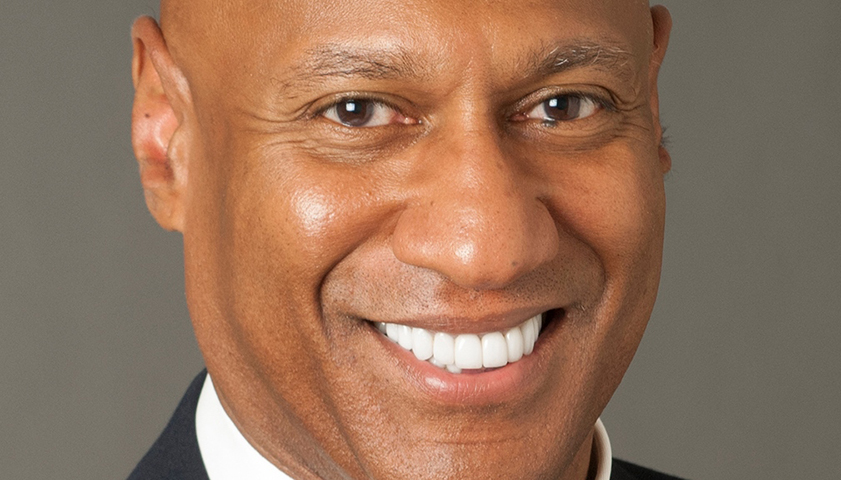
The “Ask Dr. Kevin” series is brought to you by Pfizer Rare Disease in collaboration with the National Newspaper Publishers Association (NNPA) to increase understanding of sickle cell disease.
Dr. Kevin Williams is the Chief Medical Officer for Rare Disease at Pfizer. He pursued medicine after being inspired by his father’s work as a general practitioner in his hometown of Baton Rouge, Louisiana. Dr. Kevin is passionate about raising awareness and increasing understanding of rare diseases, such as sickle cell disease, in the African American community.
In recent years, genetics has become a hot topic in popular culture, frequently making news headlines and serving as a key theme in movies and TV shows—and for good reason: our genes are what make us unique.
Genes not only help to shape our tastes and preferences, but they also can influence our health. In some cases, our genes play silent roles within our bodies. In others, genes take on a more prominent role, even determining our likelihood of having specific diseases.
This brings me to sickle cell disease (SCD), a topic I am passionate about and have discussed in previous articles. In this article, I’d like to focus on the often under-recognized fact that SCD is a genetic disease and is inherited from the passing of the sickle cell gene from parent to child.
Not everyone who inherits the sickle cell gene has SCD. Only people who inherit the gene from both parents develop this condition. This is an important distinction, as a person who inherits the sickle cell gene from only one parent while inheriting a normal gene from the other will have sickle cell trait, and typically will live a relatively normal life. However, people with sickle cell trait have a 50% chance of passing the gene to their children.[1]
I’m here to answer some of the most common questions that I’m asked about the sickle cell trait and suggest available resources for additional information.
How prevalent is the sickle cell trait?
Research indicates that as many as 3 million Americans carry the sickle cell trait, primarily impacting African Americans. In fact, nearly 1 in 12 African Americans have the sickle cell trait.1
Worldwide, more than 100 million people carry the sickle cell trait.[2] It is most prevalent among sub-Saharan Africans, Hispanics, South Asians, Caucasians from southern Europe, and people from the Middle East.1
Are there complications with having the sickle cell trait?
The majority of people who carry the sickle cell trait do not experience complications. However, that is not to say that everyone with the trait remains symptom-free. Though rare, extreme conditions such as severe dehydration, high-intensity physical activity, and low oxygen environments (e.g.: high-altitude locations) can lead to serious health issues or even sudden death for individuals with the sickle cell trait.1
How do you know if you have the sickle cell trait?
All it takes is a simple blood test to learn if you have the sickle cell trait. You can talk with your doctor or a health clinic about getting the test.
In the US, all newborns are screened for the sickle cell trait before they leave the hospital. The results are usually available at the child’s one-month appointment. I strongly encourage older children and adults who weren’t tested as newborns to consider getting the test.
Why is it important to know your sickle cell trait status?
Getting screened is extremely important. If you know you have the trait, you will be more likely to take precautions to avoid those extreme conditions I mentioned earlier, like severe dehydration, high-intensity physical activity, and low-oxygen environments (eg, high-altitude locations), which could potentially trigger the onset of symptoms.1
For those considering having children, consulting a genetic counselor, who can help them better understand what it means to be a carrier of the gene and the chances of having a child with SCD or the trait, should be considered.
It is important for everyone, particularly African Americans, to know their status. I always say that knowledge is power when it comes to your health.
Where can you go to learn more?
- I encourage you to speak with your doctor about any concerns related to SCD and the sickle cell trait. There are also great resources out there to learn more: Head to com to find information and advice for patients and caregivers, search for healthcare professionals, and access community support and other resources.
- Review the US Centers for Disease Control and Prevention’s “Get Screened to Know Your Sickle Cell Status” to learn more about sickle cell testing.
- Contact national and/or local advocacy groups to learn more about genetic screenings that are offered in your area.

About Dr. Kevin Williams
Dr. Kevin Williams is the Chief Medical Officer (CMO) for Pfizer Rare Disease. In this role, he leads a Medical Affairs organization of approximately 150 medical colleagues around the globe supporting Pfizer’s efforts and portfolio in Rare Disease. Dr. Kevin joined Pfizer in January 2004 as a Director of Regional Medical & Research Specialist working in the HIV disease area. After moving into a Team Leader position in July 2005, he served in various leadership roles during his career at Pfizer. Dr. Kevin moved into his current Rare Disease CMO position in May 2016.
Dr. Kevin received his medical degree from the UCLA School of Medicine and is board certified in Internal Medicine. Following a 2-year fellowship in Health Services Research at UCLA and a brief academic career as an Instructor of Medicine at the UCLA School of Medicine, he spent 8 years in private practice caring for HIV-positive patients while maintaining an academic appointment at the UCLA School of Medicine as an Assistant Clinical Professor of Medicine. In addition to his medical degree, Dr. Kevin has a Masters in Public Health from the UCLA School of Public Health and a Juris Doctorate from Harvard Law School.
Keep up to date on Pfizer’s SCD efforts by visiting our page here. You can also follow Pfizer on Facebook and Twitter.
[1] Centers for Disease Control and Prevention. What you should know about sickle cell trait. https://www.cdc.gov/ncbddd/sicklecell/documents/SCD%20factsheet_Sickle%20Cell%20Trait.pdf. Accessed November 13, 2018.
[2] American Society of Hematology. Sickle cell trait. https://www.hematology.org/Patients/Anemia/Sickle-Cell-Trait.aspx. Published September 8, 2017. Accessed November 18, 2018.


NFN Live ON BEYOND IWDM50 PODCAST: FEATURING IMAM OMAR SHAKIR! Join us TONIGHT for Week 6

Uncle Luke Joins BlackPressUSA | Trump Responds to Nolan Wells Case 📱

Uncle Luke Joins BlackPressUSA | Trump Responds to Nolan Wells Case

Second Row Fold: Cargo Space Impact Explained #shorts

Planting seeds of economic mobility for St. Louis students

Revitalizing Civics: Reclaiming Our Constitution

FDIC Study: Minority Banks & Lending for Communities #shorts

Car Seat Access: Test Your Third Row Layout! #shorts

CeCe Winans and friends turn Chaifetz Arena into a house of praise

Unitarian Universalist Congregation of Montclair | Preacher: Rev. Mark Thompson 10.11.26

The Youngest American Killed in the Vietnam War

Latest Massacre in Haiti Reveals Cruelty U.S. Deportations

OPINION: Nolan Wells’ Death One of Several Signifying Racial Terror Lives on in U.S. South

Passing for White, Fighting for Black America: The Courage of Walter White

OP-ED: Haiti TPS: Have We Lost Sense of Humanity?

OP-ED: If AI Is the New Language of Power, Then NAN Wants Black Communities Fluent

OP-ED: How Does Your State Rank for Pre-K?

Henry O. Flipper: A Trailblazer at West Point and Beyond

Asm. Smallwood-Cuevas’s Bill Repealing ‘Racist’ CalWORKs ‘Man-in-the-House’ Rule Clears Legislature

NBA All-Star Damian Lillard Returns Home for 15th Annual Backpack Giveaway
NFN Live ON BEYOND IWDM50 PODCAST: FEATURING IMAM OMAR SHAKIR! Join us TONIGHT for Week 6
Uncle Luke Joins BlackPressUSA | Trump Responds to Nolan Wells Case 📱
Uncle Luke Joins BlackPressUSA | Trump Responds to Nolan Wells Case
Second Row Fold: Cargo Space Impact Explained #shorts
Planting seeds of economic mobility for St. Louis students
Revitalizing Civics: Reclaiming Our Constitution
FDIC Study: Minority Banks & Lending for Communities #shorts
Car Seat Access: Test Your Third Row Layout! #shorts
CeCe Winans and friends turn Chaifetz Arena into a house of praise
Unitarian Universalist Congregation of Montclair | Preacher: Rev. Mark Thompson 10.11.26
-

 Black Press1 week ago
Zakiya Jendayi Arrested, Locked Out of Home by Sheriff’s Deputies
-

 Black Press6 days ago
A $2.1 Trillion Wellness Industry Never Built a Daily Practice for Black Children. So This Atlanta Family Did.
-

 Art6 days ago
Montclair Brewery: Brewing Culture, Community, History
-

 BlackPressUSA4 days ago
Latinas Deserve Equal Pay. Unions Help Make It Happen.
-

 Black History1 week ago
Listening as a Lifeline: A Doula’s Witness to Black Maternal Health
-

 Black Press6 days ago
COMMENTARY: But God!
