
Health
Mysterious Vaping Lung Injuries May Have Flown Under Regulatory Radar
LOS ANGELES SENTINEL — It was the arrival of the second man in his early 20s gasping for air that alarmed Dr. Dixie Harris. Young patients rarely get so sick, so fast, with a severe lung illness, and this was her second case in a matter of days. Then she saw three more patients at her Utah telehealth clinic with similar symptoms. They did not have infections, but all had been vaping. When Harris heard several teenagers in Wisconsin had been hospitalized in similar cases, she quickly alerted her state health department.


By Sydney Lupkin and Anna Maria Barry-Jester
It was the arrival of the second man in his early 20s gasping for air that alarmed Dr. Dixie Harris. Young patients rarely get so sick, so fast, with a severe lung illness, and this was her second case in a matter of days.
Then she saw three more patients at her Utah telehealth clinic with similar symptoms. They did not have infections, but all had been vaping. When Harris heard several teenagers in Wisconsin had been hospitalized in similar cases, she quickly alerted her state health department.
As patients in hospitals across the country combat a mysterious illness linked to e-cigarettes, federal and state investigators are frantically trying to trace the outbreaks to specific vaping products that, until recently, were virtually unregulated.
As of Aug. 22, 193 potential vaping-related illnesses in 22 states had been reported to the Centers for Disease Control and Prevention. California is investigating 22 cases. Wisconsin, which first put out an alert in July, has at least 16 confirmed and 15 suspected cases. Illinois has reported 34 patients, one of whom has died. Indiana is investigating 24.
Lung doctors said they had seen warning signs for years that vaping could be hazardous, as they treated patients. Medically it seemed problematic, since it often involved inhaling chemicals not normally inhaled into the lungs. Despite that, assessing the safety of a new product storming the market fell between regulatory cracks, leaving doctors unsure where to register concerns before the outbreak. The Food and Drug Administration took years to regulate e-cigarettes once a court determined it had the authority to do so.
“You don’t know what you’re putting into your lungs when you vape,” said Harris, a critical care pulmonologist at Intermountain Healthcare in Salt Lake City. “It’s purported to be safe, but how do you know if it’s safe? To me, it’s a very dangerous thing.”
Dr. Laura Crotty Alexander, a pulmonologist and researcher with the University of California-San Diego, said she saw her first case about two years ago. A young man had been vaping for months with the same device but developed acute lung injury when he switched flavors. She strongly suspected a link but did not report the illness anywhere.
“It wasn’t that I didn’t want to report it, it’s that there’s no pathway” to do so, Alexander said.
She said she’s concerned that many physicians haven’t been asking patients about e-cigarette use and that there’s no way to document a case like this in the medical coding system.
Off The Radar
When electronic cigarettes came to market about a decade ago, they fell into a regulatory no man’s land. They are not a food, not a drug and not a medical device, any of which would have put them immediately in the FDA’s purview. And, until a few years ago, they weren’t even lumped in with tobacco products.
As a result, billions of dollars of vaping products have been sold online, at big-box retailers and in corner stores without going through the FDA’s rigorous review process to assess their safety. Companies like Blu, NJoy and Juul, which is based in San Francisco, quickly established their brands of devices and cartridges, or pods. And thousands of related products are sold, sometimes on the black market over the internet or beyond.
“It makes it really tough because we don’t know what we’re looking for,” said Dr. Ruth Lynfield, the state epidemiologist for Minnesota, where several patients were admitted to the intensive care unit as a result of the illness. She added that if it turns out that the products in question were sold by unregistered retailers and manufacturers “on the street,” outbreak sleuths will have a harder time figuring out exactly what is in them.
With e-cigarettes, people can vape — or smoke — nicotine products, selecting flavorings like mint, mango, blueberry crème brûlée or cookies and milk. They can also inhale cannabis products. Many are hopeful that e-cigarettes might be useful smoking cessation tools, but some research has called that into question.
The mysterious pulmonary disease cases have been linked to vaping, but it’s unclear whether there is a common device or chemical. In some states, including California and Utah, all of the patients had vaped cannabis products. One or more substances could be involved, health officials have said. The products used by several victims are being tested to see what they contained.
Because e-cigarettes aren’t classified as drugs or medical devices, which have well-established FDA databases to track adverse events, doctors say there has been no clear way to report and track health problems related to vaping products.
And this has apparently been the case for years.
Multiple doctors described seeing earlier cases of severe lung problems linked to vaping that were not officially reported or included in the current CDC count.
Dr. John E. Parker of West Virginia University said he saw his first patient with pneumonia tied to vaping in 2015. Doctors there were intrigued enough to report on the case at the annual meeting of the American College of Chest Physicians. Parker and his team didn’t contact a federal agency, and Parker said it was unclear whom to call.
Numerous other cases have been reported in medical journals and at professional conferences in the years since. The FDA’s voluntary system for reporting tobacco-related health problems included 96 seizures and only one lung ailment tied to e-cigarettes from April through June of this year. The system appears to be utilized most by concerned citizens, rather than manufacturers or health care professionals.
But several lung specialists said that due to the patchwork nature of regulatory oversight over the years, the true scope of the problem is yet to be identified.
“We do know that e-cigarettes do not emit a harmless aerosol,” said Brian King, a deputy director in the Office on Smoking and Health at the CDC in a call with media on Aug. 23 about the outbreak. “It is possible that some of these cases were already occurring but we were not picking them up.”
Regulatory Limits
The FDA has had limited authority to regulate e-cigarettes over the years.
In 2009, Congress passed the Family Smoking Prevention and Tobacco Control Act, empowering the FDA to oversee the safety and sale of tobacco products. But e-cigarettes, still new, were not top of mind.
Later that year, the FDA tried to block imports of e-cigarettes, saying the combination drug-device products were unapproved and therefore illegal for sale in the United States. Two vaping companies, Smoking Everywhere and NJoy, sued, and a federal judge ruled in 2010 that the FDA should regulate e-cigarettes as tobacco products.
It took the agency six years to finalize what’s become known as the “deeming rule,” in which it formally began regulating e-cigarettes and e-liquids.
By then, it was May 2016. The e-cigarette market had swelled to an estimated $4.1 billion, Wells Fargo Securities analyst Bonnie Herzog said at the time. Market researchers now project that the global industry could reach $48 billion by 2023.
Critics say the FDA took too long to act.
“I think the fact that FDA has been dillydallying [has made] figuring out what’s going on [with this outbreak] much harder,” said Stanton Glantz, a University of California-San Francisco professor in its Center for Tobacco Control Research and Education. “No question.”
The agency began by banning e-cigarette sales to minors and requiring all new vaping products to submit applications for authorization before they could come to market. Companies and retailers with thousands of products already on the market were granted two years to submit applications, and the FDA would get an additional year to evaluate the applications. Meanwhile, existing products could still be sold.
But when Dr. Scott Gottlieb arrived as the new FDA commissioner in 2017, the rule hadn’t been implemented and there was no formal guidance for companies to file applications, he said. As a result, he pushed the deadline back to 2022, drawing ire from public health advocates, who called foul over his previous ties to an e-cigarette retailer called Kure.
“I thought e-cigarettes at the time — and I still believe — that they represent an opportunity for currently addicted adult smokers to transition off of combustible tobacco,” he said in an interview, adding that other parts of the deeming rule went into effect as planned. “All I did was delay the application deadline.”
Gottlieb’s thinking changed the following year, when a national survey showed a sharp rise in teen vaping, which he called an “epidemic.” He announced that the agency would rethink the extended deadline and weigh whether to take flavors that appeal to kids off the market.
A judge ruled last month that e-cigarette makers would have only 10 more months to submit applications to the FDA. They’re now due in May 2020.
Asked about the lung injuries appearing now, Gottlieb, who left the FDA in April, said he suspected counterfeit pods are to blame, given the geographic clustering of cases and the fact that, overall, the FDA is inspecting registered e-cigarette makers and retailers to make sure they’re complying with existing regulations.
“I think the manufacturers are culpable if their products are being used, whether the liquids are counterfeit or real,” he said. “Ultimately, they’re responsible for keeping their products out of the hands of kids.”
Juul, the leading e-cigarette maker, agreed that children shouldn’t be able to vape its products, and said curtailing access should be done “through significant regulation” and “enforcement.”
“When people say ‘Why aren’t these being regulated?’ They actually are all being regulated,” Gottlieb said.
For example, companies are required to label their products as potentially addictive, sell only to adults and comply with manufacturing standards. The agency has conducted thousands of inspections of e-cigarette manufacturers and retailers and taken enforcement actions against companies selling e-cigarettes that look like juice boxes, and a company that was putting the ingredients found in erectile dysfunction drugs into its vape liquid.
Health departments investigating the outbreak told Kaiser Health News that e-cigarettes’ niche as a tobacco product instead of a drug has presented challenges. Most weren’t aware that adverse events could be reported to a database that tracks problems with tobacco products. And, because e-cigarettes never went through the FDA’s “gold standard” approval process for drugs, doctors can’t readily look up a detailed list of known side effects.
But like other arms of the FDA, the tobacco office has tools and a team to investigate a public health threat just as the teams for drugs and devices do, Gottlieb said. It may even be better equipped because of its funding.
“I don’t think FDA is operating in any way with hands tied behind its back because of the way that the statute is set up,” he said.
Teen vaping has exploded during this regulatory tussle. In 2011, 1.5% of high school students reported vaping. By 2018, it was 20.8%, according to a CDC report.
Unknown Components
Still, doctors and researchers are concerned about the ingredients in e-cigarettes, and how little the public knows about the risks of vaping.
In Juul’s terms and conditions, posted on its website, it says, “We encourage consumers to do their own research regarding vapor products and what is right for them.” Many ingredients in e-cigarette products, however, are protected as trade secrets.
Since at least 2013, the flavor industry has expressed concern about the use of flavoring chemicals in vaping products.
The vast majority of the chemicals have been tested only by ingesting them in small quantities, as they’re encountered in foods. For most of these chemicals, there have been no tests to determine whether it is safe to inhale them, as happens daily by millions when they use e-cigarettes.
“Many of the ingredients of vaping products, including flavoring substances, have not been tested for … the exposure one would get from using a vaping device,” said John Hallagan, a senior adviser to the Flavor and Extract Manufacturers Association. The group has sent cease-and-desist letters to e-cigarette companies in previous years for using the food safety certification of the flavor industry to imply that the chemicals are also safe in e-cigarettes.
Some flavor chemicals are thought to be harmful when inhaled in high doses. Research suggests that cinnamaldehyde, the main component of many cinnamon flavors, may impair lung function when inhaled. Sven-Eric Jordt, a professor at Kaiser Health News, says he presented evidence of its dangers at an FDA meeting in 2015 — and its relative abundance in many e-cigarette vaping liquids. In response, one major e-cigarette liquid seller, Tasty Vapor, voluntarily took its cinnamon-flavored liquid off the shelves.
In 2017, when Gottlieb delayed the FDA application deadline, the product was back. A company email to its customers put it this way:
“Two years ago, Tasty Vapor allowed itself to be intimidated by scaremongering tactics. … We lost a lot of sales as well as a good number of long time customers. We no long see reason to disappoint our customers hostage for these shady tactics.”
At the time of publication, Tasty Vapor’s owner did not reply to a request for comment.
Jordt said he is frustrated by the delays in the regulatory approval process.
“As a parent, I would say that the government has not acted on this,” he said. “You’re basically left to act alone with your addicted kid. It’s kind of terrifying that this was allowed to happen. The industry needs to be held to account.”
Kaiser Health News correspondents Cara Anthony, Markian Hawryluk and Lauren Weber and reporter Victoria Knight contributed to this report.
This story was produced by Kaiser Health News, an editorially independent program of the Kaiser Family Foundation.
This article originally appeared in The Los Angeles Sentinel.














Black Press
Black Men Encouraged to Start Prostate Cancer Screening at 45
ATLANTA DAILY WORLD — The American Cancer Society has released updated guidelines for prostate cancer screening, emphasizing the need for earlier detection among populations at higher risk. The new recommendations follow a comprehensive modeling study conducted by clinicians, epidemiologists, and patient representatives to evaluate the benefits and harms of PSA-based screening.


Health should be a concern of the highest priority for anyone, and our Black brothers have a special obligation to take care of themselves against prostate cancer.
The American Cancer Society recently made updates to its guidelines for prostate cancer screening in efforts to detect the disease before it spreads. Among the key changes is a recommendation for annual PSA-based screening beginning at 45 years old for Black men due to a culturally recognized high risk.
RELATED:Doctors Need To Talk Through Treatment Options Better For Black Men With Prostate Cancer
Here’s What You Need To Know Now About Prostate Cancer
ACS put together a modeling study to accurately evaluate the benefits and harms of PSA-based screening strategies, made possible through the combined efforts of clinicians, epidemiologists, biostatisticians, and patient representatives.
Take a look below at the core updates made by ACS, via the official press release:
- PSA-based screening every two years for average-risk men aged 50 to 69 years.
- Men at high risk, including Black men and non-Black men with a strong family history of prostate cancer (either a first-degree relative diagnosed before age 65, or multiple first-degree relatives diagnosed at any age), should undergo annual PSA-based screening from age 45 to 69 years.
- Non-Black men with a single first-degree relative diagnosed at age 65 or older should be screened every two years from ages 45 to 69.
- Individualized decision-making on continuing screening is recommended for men aged 70 to 74 years, as the balance of benefits and harms remains uncertain.
- Men with elevated PSA levels (3.0 ng/mL or higher for men aged 45 to 69 years, and 6.5 ng/mL or higher for men aged 70 to 74 years) should undergo repeat PSA testing between two weeks and three months.
- Men with a confirmed elevated PSA should be offered testing by magnetic resonance imaging (MRI) and/or a validated biomarker to guide biopsy decisions.
- Screening is not recommended for men aged 75 years and older. Some men aged 75 to 79 who are very healthy may want to continue screening, especially if their PSA has been rising on previous tests. But this should be discussed with a healthcare provider.
- Screening is not recommended for men aged 80 and older, and for men who are not expected to live another ten years.
- Men diagnosed with prostate cancer that has a low risk of growing or spreading should be offered active surveillance as the initial management option.
The updates were made following contemporary evidence gathered so far in the fight to reduce prostate cancer deaths and diagnoses of advanced-stage disease. According to Dr. William Dahut, chief scientific officer at the American Cancer Society and one of the authors in the study, it all goes back to easing the disease burden, going on to state, “Black men experience a 67% higher incidence and nearly double the mortality rate compared with White men, an inequity that needs immediate reversal.”
Stay educated out here, fellas. Find out more information on screening for prostate cancer by clicking here.
The post Black Men Encouraged To Start Prostate Cancer Screening At 45 appeared first on Atlanta Daily World.
Based on reporting by Atlanta Daily World.
Black History
New NAACP Report Warns AI Could Deepen Health Disparities in Black Communities
The NAACP and Sanofi’s ACE Your Health StoryMap was released during AfroTech 2026, finding that healthcare deserts, broadband gaps, and distrust could keep Black Americans from benefiting from the AI boom in medicine. Read more.

Every day, Americans put about 50 million health questions to Microsoft’s Copilot and Bing. More than eight in 10 physicians say they already use AI in their work and believe that proof of safety for these tools is essential. According to a new NAACP report, the emerging technology has quietly become part of how healthcare gets delivered in this country. But the nation’s largest civil rights organization is warning that Black communities may be at risk of being left behind or even harmed by it.
The NAACP and the pharmaceutical company Sanofi released “AI Fluency is a Challenge on Both Sides of the Exam Room” during the AfroTech Conference 2026 in Houston. It is the third installment of the groups’ ACE Your Health StoryMap series, an interactive, data-driven look at how AI, internet access and long-standing healthcare inequities are shaping the future of health in Black America.
The report warns that new technology does not instantly erase old gaps on its own.
“Too many Black communities continue to face healthcare deserts, provider shortages, clinic closures, inadequate internet access, and concerns about racial bias,” said Dr. Chris T. Pernell, Director of the NAACP Center for Health Equity. “If these gaps remain unaddressed, AI could inadvertently widen existing healthcare disparities instead of helping close them. Equity and fairness must be intentionally designed into the future of healthcare AI from the very beginning, not as patchwork fixes.”
The numbers show why. Nineteen percent of people who use AI for health information say they turned to it because they could not afford to see a provider, according to the report. Black adults are significantly more likely than White adults to use AI for mental health advice.
Meanwhile, the report finds, the health system many Black Americans rely on remains hard to reach. One in three Americans lives in a healthcare desert. In the Mississippi Delta, all 154,000 Black residents live more than 25 miles from a hospital rated four or five stars. About 3.8 million Black Americans live in homes without a broadband subscription, which limits their access to digital health tools and AI-enabled resources. Safety-net providers are likewise concerned about having access to these tools due to limited funding and training in their systems.
Trust may be the toughest barrier, says the NAACP. Nearly two-thirds of Black adults believe racial bias remains a major problem in healthcare, the report found, and one-third expect AI to make that bias worse.
The findings draw on the ACE Your Health initiative, national datasets and input from nearly 23,000 community members across 47 states, the District of Columbia and Puerto Rico. The initiative launched in 2024 as a collaboration between the NAACP and Sanofi, which describes itself as an R&D driven, AI-powered biopharma company. The StoryMap follows the NAACP’s AI White Paper on designing AI for health equity and its Policy Framework for Equitable Health AI.
“Scientific innovation is transforming healthcare in ways that were unimaginable just a few years ago, but innovation must be matched by intentional efforts to expand access, build trust, and address barriers that prevent communities from fully benefiting from these advances,” said Tanisha M. Sullivan, Head of External Engagement & Health Equity Strategy at Sanofi.
She added that pharmaceutical companies should do more than develop breakthrough medicines and technologies. “Pharmaceutical companies have an important role to play, not only in developing breakthrough medicines and technologies, but also in partnering with community organizations, healthcare providers, and policymakers to ensure those innovations reach the people who need them most, ensuring no community gets left behind.”
The report also lays out steps communities can take, including expanding broadband adoption, building AI fluency and digital skills, strengthening community-based health education and advocating for equitable technology policies. It also invites community members to add their voices to the StoryMap.
The full report and other ACE Your Health resources are available at naacp.org.
Black Press
Do You Struggle with Cloudy Tub Water After Frequent Weekend Entertaining?
CONTENTMANAGERIO — Cloudy hot tub water is a frequent problem for homeowners following weekend gatherings. When friends and family use a spa, they often introduce sweat, sunscreens, body oils, and detergent residues into the water. These contaminants, combined with heavy use that quickly depletes sanitizer levels, can transform clear water into a milky or chalky haze by Monday morning.
Cloudy tub water after weekend gatherings often comes from body oils, very weak sanitizer levels, or overworked filters. Make sure to test the water, correct its chemistry, clean the filter, and use a suitable treatment before welcoming anyone back. Keep the hot tub closed until the water is very clear and safe test results are confirmed.
Weekend gatherings bring along very good food, easy conversation, and so many reasons to relax outdoors. Your hot tub may get much more attention than usual, especially when friends and family stay late. Come Monday, however, the water may have a very milky color instead of being inviting.
A super quick splash of chemicals might seem like the answer, yet guessing can make matters much worse. Clear water depends on balanced chemistry, working equipment, and very steady care. Knowing what to check first can help you restore your spa and avoid the same problem next weekend.
Now, let’s look a little bit closer at questions many may ask.
Why Does Hot Tub Water Get Very Cloudy After People Use It?
Every guest brings sweat, sunscreen, oils, or detergent residue into the water, reducing water clarity. Jets spread all of these contaminants throughout the spa.
Heavy use consumes sanitizer much faster. Clogged filters allow particles to keep circulating.
Dirty filters, organic matter, poor sanitation, and aging water are very common causes. Cloudiness deserves a great deal of attention before anyone else soaks again.
How Can You Clear Cloudy Hot Tub Water Very Fast?
Keep everyone out while you check the cause. Cloudiness may hide a sanitation problem.
Make sure to follow a simple recovery order:
- Test: Check sanitizer, pH, and total alkalinity.
- Balance: Make small chemical adjustments based on test results.
- Clean: Rinse or deep-clean the filter as directed.
- Treat: Apply a compatible shock treatment when needed.
- Circulate: Run the filtration cycle and test again.
Also, follow product labels for dosing and safe reentry. Never mix chemicals. Clear-looking water does not always mean it’s sanitary.
Check Sanitizer Levels Before Adding More Products
Good spa sanitization starts with reliable measurements. The Centers for Disease Control and Prevention recommends at least 3 parts per million (ppm) of free chlorine in hot tubs, or 4-8 ppm bromine. Its recommended pH range is 7.0-7.8.
High pH reduces chlorine’s effectiveness. Test with fresh strips or a liquid kit, then adjust as directed.
Chlorine shock can restore sanitizer. Non-chlorine oxidizing shock breaks down waste but does not replace sanitizer. More chemicals are not automatically better.
Make sure to retest before reopening the tub.
A white, chalky haze may also indicate mineral buildup. Consider checking calcium hardness if standard water treatments fail. Mineral imbalances can require different corrective steps.
Give Spa Filtration the Attention It Needs
Poor spa filtration leaves debris and oils suspended in the water. Crowded weekends clog filter cartridges faster.
Switch off equipment as directed. Rinse the cartridge pleats, use approved cleaner for oils, and replace damaged filters.
Check whether the pump moves water normally. Weak flow, unusual noises, or repeated error messages may point to a circulation problem. Homeowners sourcing hot tub parts in Edmonton should match replacement components to their spa’s model number.
Treat Foam Without Hiding the Cause
Foam is different from cloudiness. Detergents, lotions, and oils create lingering bubbles.
Effective foam removal begins with limiting those residues. Remove visible surface debris and clean the filter. A spa-safe defoamer may reduce bubbles temporarily, but it cannot correct poor water chemistry.
Persistent foam may call for a partial or complete water change. Consider addressing detergent residue and heavily loaded filters.
Make Weekend Entertaining Easier on Your Spa
Preparing your hot tub before guests arrive can help prevent contamination and reduce the need for extra cleaning afterward. A few pre-party habits reduce sanitizer demand:
- Ask guests to shower briefly before entering.
- Rinse swimwear to reduce laundry detergent residue.
- Respect the spa’s stated seating capacity.
- Test water before and after heavy use.
- Keep the cover clean and secure between gatherings.
Base filter care on actual use. Record test results to spot patterns after each gathering.
Know When Fresh Water Is the Better Choice
Water that stays cloudy despite proper care may contain too much accumulated waste.
Strong odors, slippery surfaces, or repeated sanitizer loss call for action. Follow the manufacturer’s cleaning instructions or seek professional help. Draining and refilling may be safer than repeated dosing.
Frequently Asked Questions
How Long Does Cloudy Hot Tub Water Take to Clear?
Recovery depends on the cause, filter condition, and sanitizer levels. Mild cloudiness may improve after several filtration cycles. Heavy contamination can require deeper cleaning or a refill.
Water temperature and the amount of suspended debris may also affect recovery time. Fine particles can remain visible longer when water circulation is weak.
Elapsed time does not prove safety. Check clarity, pH, and sanitizer before reentry. If haze persists after following the owner’s manual, seek professional guidance instead of adding chemicals without testing.
Can You Use a Hot Tub When the Water Looks Clear But Smells Strong?
Strong chemical odors may indicate contaminants reacting with disinfectant. Clear water can still contain harmful germs.
A very strong chemical smell does not always mean the water contains too much sanitizer. Chloramines can develop when chlorine reacts with sweat and other organic waste.
Use a fresh test kit before entering. Check the waterline for residue and the surfaces for slippery buildup.
Should You Empty Your Hot Tub After Every Party?
A complete refill is not necessary after every gathering. Water age, guest count, test results, and filter condition all matter.
Your spa’s water capacity and average number of bathers can help determine a suitable replacement schedule. Clean the empty shell with a manufacturer-approved product whenever a full water change is needed.
Log water changes, filter cleaning, and treatments, especially after a crowded gathering. Heavy use may require an earlier refill. Follow the manufacturer’s schedule and local disposal rules to avoid damaging plants or draining treated water improperly.
Keep Tub Water Clear for the Next Gathering
Clean tub water starts with testing, careful maintenance, and prompt attention to warning signs. Protecting your hot tub also protects the comfort and well-being of everyone who uses it.
Check out our other guides and articles for more practical advice on caring for your home and outdoor spaces.
Content provided through ContentManagerIO.
Black Press
Check out These Proven Ways to Protect Your Income Following a Serious Job Accident
CONTENTMANAGERIO — Safeguarding your financial stability after a workplace injury requires swift action and adherence to specific reporting protocols. National Safety Council data indicates that the average cost per medically consulted workplace injury reached $48,000 in 2024, a figure that encompasses medical bills, wage losses, and administrative expenses.

Protecting your income after a workplace injury involves immediately seeking medical help and reporting the incident to your superiors or employer. You should also follow your organization’s workers’ compensation claim filing guide and keep detailed records relating to your injury and health.
Following all these steps is crucial to your claim’s success, the benefits of which include serving as a medical security and financial safety net for your treatment and recovery. You shouldn’t carry the burden of paying for these expenses, as they can reach thousands of dollars.
Indeed, the “price” of workplace injuries goes beyond treatment fees; they come with many other costs, from wage losses and administrative expenses to medical bills and employer losses. The National Safety Council even points out that in 2024, the cost per medically consulted workplace injury amounted to $48,000.
What Qualifies as a Workplace Injury?
Workplace injuries are not just injuries that arise during or from one’s course of work.
If a worker’s job role or work environment causes, significantly aggravates, or contributes to any physical or mental harm, illness, damage, or abnormal condition, then it usually qualifies as a workplace injury. The Occupational Safety and Health Administration (OSHA) has guidelines for determining an injury’s or illness’s work-relatedness under OSHA Standard 29 CFR 1904.5.
The keyword to remember here is “work-relatedness.” Workers’ compensation coverage only applies to job injuries that satisfy this requirement.
Even if an employee sustains an injury at the workplace, if it occurred as a result of doing something not related to their work, then it likely won’t qualify for occupational loss recovery under workers’ comp.
What Are the Most Common Workplace Injuries?
The latest data from the Bureau of Labor Statistics shows that in 2024 alone, there were over 2.48 million recordable cases of nonfatal workplace injuries and illnesses in the private sector. It also provides other eye-opening statistics, including:
- 568,150 DAFW (Days Away From Work) cases involving sprains, strains, and tears (making these workplace injuries among the most common)
- 479,480 DAFW cases of slips, trips, and falls
- 248,180 cases of injuries to the exterior and musculoskeletal structures of the back
What Steps Should You Take to Protect Your Income After a Workplace Injury?
A workplace injury can put your income in jeopardy by forcing you to take time away from work to recover. If it’s a severe injury, it could even cause a long-term reduction in your earning capacity.
Considering the short- and long-term effects of work injuries, you’d want to do everything in your power to protect your personal and financial interests, which you can do by following these safety steps and injury documentation tips.
Seeking Authorized Professional Medical Care
In many states, injured workers need to seek medical care from a doctor, specialist, or healthcare facility approved and “authorized” by employers or their workers’ compensation insurance providers. If you’re in one of these states, adhere to the rules to ensure your employer’s policy will kick in and you won’t have to pay out of pocket.
An exception is if you’re in a “true emergency” scenario (e.g., you have a life-threatening injury). In this case, you can go to the nearest emergency department for life-saving care.
Reporting the Incident to Your Superior or Employer
One of the most crucial workers’ comp claim and wage replacement steps to adhere to is filing an incident report as soon as possible. While the length of time you have to report your injury to your supervisor or employer depends on your state, the best practice is to do so immediately after the incident.
The sooner you do, the sooner your employer can file a claim with their workers’ comp provider, and the sooner the insurer can begin their investigation and the claims process.
Keeping Detailed Injury Records
Maintaining detailed, well-organized records of anything related to your injury is crucial to protecting your income because it provides you with supporting evidence. You can use your records and documentation to:
- Establish proof of all your lost wages
- Demonstrate how your injury has resulted in reduced earning capacity
- Have a more accurate calculation of your losses
- Protect yourself from bad faith insurance practices (e.g., denying, disputing, or undervaluing a claim)
Seeking Legal Injury Claim Assistance
Many workplace injuries arise from simple causes (e.g., improper lifting or repetitive strain). Some, however, aren’t as straightforward, such as in cases in which employers aren’t the only ones at fault. Unsafe general contractors and faulty equipment may also be to blame, as pointed out by Thompson Law Phoenix injury lawyers.
If you believe your workplace injury is a result of a combination of these factors and negligent parties, reach out to a personal injury lawyer. They can help ascertain all parties that could share the blame, allowing you to pursue compensation beyond your workers’ comp benefits.
Frequently Asked Questions
Can You Lose Your Job Due to a Workplace Injury?
Yes. It’s possible to lose your job due to a workplace injury.
You can legally lose your job if your long-term injury is interfering with your job performance, and there isn’t any other position that your employer can transfer you to.
The same is true if your employer has already provided all reasonable accommodations (e.g., modifying your duties, reassigning you to a vacant position you qualify for, or giving you access to specialized equipment). If they’ve exhausted all these options and your injury still interferes with your ability to perform essential work functions, they can choose to let you go.
You should also know that workplace injuries resulting from a worker’s own negligence or recklessness can be grounds for termination.
Can Your Employer Fire You for Filing a Workers’ Comp Claim?
No. Your employer cannot fire you solely because you filed a workers’ compensation claim following an injury on the job. If they do this, they’re breaking the law, as it’s a form of retaliation.
Protect Your Interests After a Workplace Injury
A workplace injury can be devastating, forcing you to miss work, causing you pain and suffering, and draining your budget. Following all critical steps for filing a workers’ compensation claim is therefore crucial, as the benefits you receive can provide you with the medical and financial support you need to recover.
Stay connected and informed by exploring the rest of our news platform and reading our latest posts.
Content provided through ContentManagerIO.
Black History
Five Hospitals Said No! Who Will Help Annette Henry Recover?
Annette Henry, a 67-year-old Oakland woman, is struggling to access essential medical care after a devastating stroke left her with a rare neuropathic pain syndrome. Despite medical documentation confirming her need for inpatient rehabilitation, five different Bay Area hospitals have denied her admission, often citing her inability to meet rigid therapy thresholds. Her family’s efforts to seek intervention from state and federal lawmakers have yielded no results, leaving Henry at home without a clear path to recovery. To see how these systemic failures are impacting her health, read more.

A tangle of red tape and contradictions between health providers and Medicare rules have impeded an Oakland woman’s ability to recover from a stroke she had last year.
Her family – who are her caretakers – have reached out to various professionals and state and federal lawmakers for help to no avail.
At 67, Annette Henry needs inpatient stroke rehabilitation after a devastating stroke in May 2025. Since then, multiple Bay Area hospitals have denied it. She was accepted into a rehabilitation facility in June 2025 but discharged prematurely in July, in essentially the same condition.
Three hospitals where she was a patient pushed skilled nursing over inpatient rehabilitation. Two more declined referrals.
Now at home, Henry is caught in a system that measures her need for treatment against the limitations treatment should address.
Medical professionals have documented her need for a higher level of care.
In August 2025, a Medicare Quality Improvement Organization (QIO) overturned Henry’s discharge from an inpatient rehabilitation facility (IRF).
The QIO’s independent physician reviewer found she had not received the “intensive therapy program outlined on admission,” according to the Aug. 30, 2025, determination letter. Yet the decision did not secure her readmission or guarantee continued rehabilitation.
Henry has central post-stroke pain, a rare neuropathic pain syndrome that can make movement and touch intensely painful. Her pain specialist recommended inpatient rehabilitation alongside pain management.
Nevertheless, facilities have cited her inability to tolerate three hours of daily therapy as a reason to deny inpatient rehabilitation.
That practice raises questions about Medicare coverage policy. In Hooper v. Sullivan, No. H-80-99 (D. Conn. 1989), the court recorded the parties’ agreement that denials based on numerical utilization screens, diagnostic screens, treatment norms, the “three-hour rule,” or other “rules of thumb” were not appropriate.
CMS subsequently cited Hooper in its Aug. 7, 2009, final rule (74 Fed. Reg. 39762, 39794). The policy is also addressed in the Medicare Benefit Policy Manual, Chapter 1, Section 110, and CMS’s June 1 Review Choice Demonstration for IRF Services: Operational Guide.
These authorities underscore the need for individualized assessments rather than rigid numerical thresholds.
The central contradiction is stark: the pain and disability that make rehabilitation necessary have been cited as reasons to deny it. UCSF Stanyan’s April 7 discharge summary for Henry states that acute rehabilitation unit (ARU) placement was declined for “inability to tolerate three hours of therapy daily.” Without appropriate treatment, Henry risks further decline.
Her records document complications associated with prolonged immobility.
Orthopedics documented flexion contractures of the small and ring fingers on March 19.
Chest imaging on April 1 showed bibasilar dependent atelectasis, a condition involving reduced inflation of the lower portions of both lungs. These concerns can be examined through her medical records and photographs.
“What does a ‘not reasonable’ discharge look like?” her family asks. For them, it looks like an appeal decision recognizing a problem without ensuring a remedy: repeated referrals, denials and a patient still without the rehabilitation her treating professionals have recommended.
The family has sought help from the California Department of Public Health and the federal Office for Civil Rights to no avail. They contacted U.S. Rep. Lateefah Simon in June 2025, while Henry was in rehabilitation; Senator Alex Padilla in May 2026; and Senator Adam Schiff in September 2026.
DeCuir says the family received no meaningful assistance and was redirected to the QIO or advised working with a social worker after Henry had already been discharged.
The consequences extend beyond rehabilitation. The family reports that Henry has struggled to attend in-person specialist or any appointments and needs in-person evaluation and treatment for complications, recommended evaluations, health screenings and preventive care.
Her mobility limitations have become barriers to broader medical care. Every office tells her their office is not set up to accommodate her. This has happened with specialty care, out-patient services, screenings and physical therapy.
Henry is a Black woman on Medicare, and her family believes her experience raises concerns about unequal access to intensive rehabilitation. Research has documented disparities in discharge to inpatient rehabilitation rather than skilled nursing, underscoring the importance of individualized review.
CMS, state regulators and healthcare providers should examine Henry’s records, assess her needs on their clinical merits and explain how the applicable coverage standards were applied, and whether they are being enforced.
Rehabilitation is not a reward for patients who can already tolerate treatment. It is care intended to help people recover function. Henry’s case asks whether a system designed to support recovery can leave a patient without a path to it.
Black Press
SEIU Local 1000 and State of California Will Continue to Negotiate New Labor Contract
Thousands of California state employees represented by SEIU Local 1000 recently staged a one-day walkout to protest stalled contract negotiations with Governor Gavin Newsom’s administration. The union, which represents approximately 100,000 public workers, is demanding a 20% wage increase over three years and an end to mandatory four-day in-person work requirements. While the initial strike has concluded, union leadership warns that further demonstrations are likely if the state continues to reject their demands for better pay and telework flexibility. Negotiations are expected to continue as both sides seek a resolution. Read more.
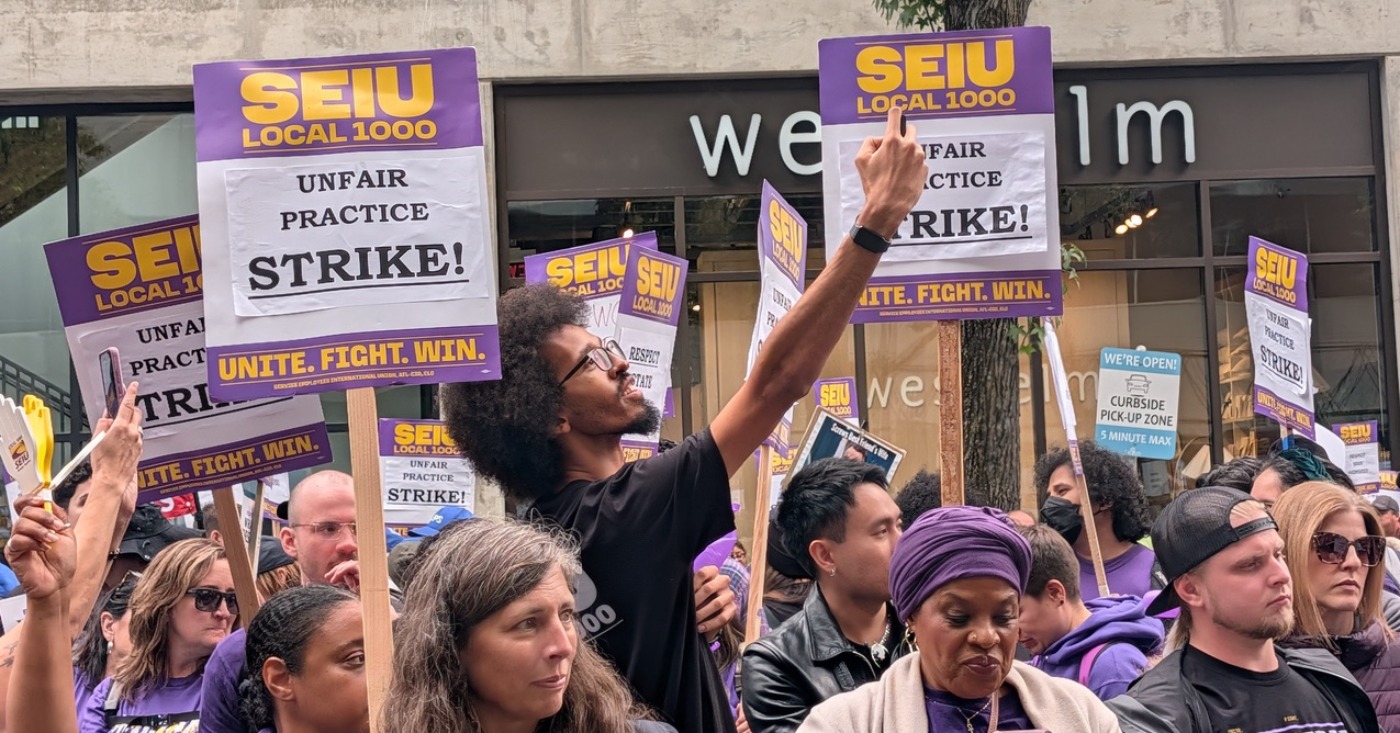
After the Service Employees International Union (SEIU) Local 1000 labor contract expired June 30 and talks with Gov. Gavin Newsom’s administration stalled, the union stepped up its efforts to secure a new agreement, saying its demands had gone unheeded.
On Oct. 21, thousands of state employees represented by SEIU Local 1000 staged a one-day walkout to protest alleged unfair labor practices during negotiations with Gov. Gavin Newsom’s administration.
Although the strike has ended, SEIU Local 1000 President Anica Walls said further demonstrations or an expanded strike are highly likely if contract negotiations remain stalled. The union represents approximately 100,000 public employees statewide.
“We are out here because our jobs matter,” Wells said. “If they continue to refuse to bargain with us in good faith, we are prepared to escalate.”
Sen. Lola Smallwood-Cuevas (D-Los Angeles) expressed support for SEIU Local 1000’s labor action in an Instagram post, emphasizing the importance of fair treatment for workers.
“I stand in complete solidarity with SEIU Local 1000,” Smallwood-Cuevas stated. “More than 100,000 state workers they represent are on strike today fighting for good-faith bargaining, fair treatment, and a contract that reflects the value of the essential public services they provide every day—all things that should be a given for the workers our state relies on the most.”
Smallwood-Cuevas, a member of the California Legislative Black Caucus (CLBC) added, “When California’s workers hold the line, the whole nation pays attention.”
According to union representatives, SEIU Local 1000 is seeking a contract that addresses rising living costs and provides greater workplace flexibility. The union is demanding a 20% wage increase over three years and an end to Gov. Gavin Newsom’s requirement that state employees work in person four days a week.
The union is also seeking increased state contributions toward employee health care benefits to reduce workers’ out-of-pocket costs.
On Sept. 18, Newsom vetoed Assembly Bill 1729, authored by Assemblymember Alex Lee (D-San Jose), which sought to expand telework opportunities for state employees.
The bill would have required state agencies to offer telework options or provide written justifications for requiring employees to work in person. Supporters argued that telework could save taxpayers approximately $225 million annually by reducing office space and parking costs while lowering vehicle emissions and improving employee retention.
Newsom said the legislation would limit state departments’ flexibility to manage their workforces and evaluate telework exemptions individually. He has also emphasized the benefits of in-person collaboration.
“I want people to come back to work, reengage, rediscover, collaborate, coordinate, develop relationships, friendships, and fall in love,” Newsom said in July. “You get three-day weekends. Four years ago, that would’ve been a triumph. Now it’s a burden.”
Union organizers described the Oct. 21 walkout as a one-day unfair labor practice strike, rather than an indefinite work stoppage. The action was intended to demonstrate solidarity and increase pressure on the state during negotiations.
SEIU Local 1000 has been without a contract since its previous three-year agreement expired June 30. Negotiations are expected to resume.
Responding to the statewide walkout, the California Department of Human Resources (CalHR) said it “remains focused on achieving a fair and responsible agreement with SEIU Local 1000 and continues to be available at the bargaining table.”


Black Men Encouraged to Start Prostate Cancer Screening at 45

Computational Thinking and Young Children: It’s Not What You Might Think!

Inside Chevron’s Fifth Annual “Hug a Pup” Salute to Veterans

Filmmaker Joy Adenike brings Nollywood romance to Houston

Filmmaker Joy Adenike brings Nollywood romance to Houston

2026 Best of Black Business Awards Recap: Meet the Winners

LIVE! — ASK ALMA — TUES. 11.24.26 7PM EST

Charles Cave turns community service into Houston legacy

Houston ISD board: Transition to local control can start ‘mid-January’

400 days – Fifth Ward awaits cancer cluster EPA report

Practitioners of African Traditional Spirituality Offer Ancestral Reverence Ritual Oct. 31

HISTORY MADE: Keisha Lance Bottoms Becomes First Black Woman Elected Governor in American History

Tamiko Armstead | 2026 Lifetime Achiever in Education

Kickstarter CEO Everette Taylor Shares Tips on Creating and Growing a Business

BLACK MEN VOTE: Mobilizing 100,000 Black Men Ahead of the Midterms 📱

NFN live presents 🎙️ THE ROAD TO BEYOND IWDM 50: WE CANNOT STOP NOW! 8-Week Podcast

Black Household Wealth Plummeted 25% in Three Years, New Data Shows

Secretary of State Shirley Weber Pushes Back Against DOJ Demands Over California Voter Rolls

COMMENTARY: BIG MAMA SAID: Don’t Throw Away the Gift Just Because It Came Wrapped Wrong

Columbus’s Oldest Businesses Still Open: 10 That Have Lasted 75+ Years
Filmmaker Joy Adenike brings Nollywood romance to Houston
Filmmaker Joy Adenike brings Nollywood romance to Houston
2026 Best of Black Business Awards Recap: Meet the Winners
LIVE! — ASK ALMA — TUES. 11.24.26 7PM EST
Charles Cave turns community service into Houston legacy
Houston ISD board: Transition to local control can start ‘mid-January’
400 days – Fifth Ward awaits cancer cluster EPA report

The Hidden Cost of Friction in Car Buying

Truck Test Drive: Is Heavy Steering a Warning Sign? #shorts

Nationwide Flight Chaos, Democratic Leadership Battles 📱
-

 Black History1 week ago
Keisha Lance Bottoms to Govern State Where Her Great-Great-Grandfather Was Enslaved
-

 Black History1 week ago
Don’t Pass the Torch. Expand the Circle.
-

 Black Press3 days ago
OP-ED: Closing the Next Digital Divide — Communities of Color Must Have a Voice in the AI Future
-

 Black History1 week ago
Meet Scott Colom, the Mississippi Democrat Leading Tight Mississippi Senate Race
-

 Black Press1 week ago
Eight Black Women Win Georgia Statewide Offices
-

 Featured1 week ago
Democratic Leadership Under Fire, Maxine Waters Challenged & Tyler Perry’s New Political Role 📱
