
Commentary
‘Mission Possible’ welcomes Dr. Charlie Nelms, renowned scholar
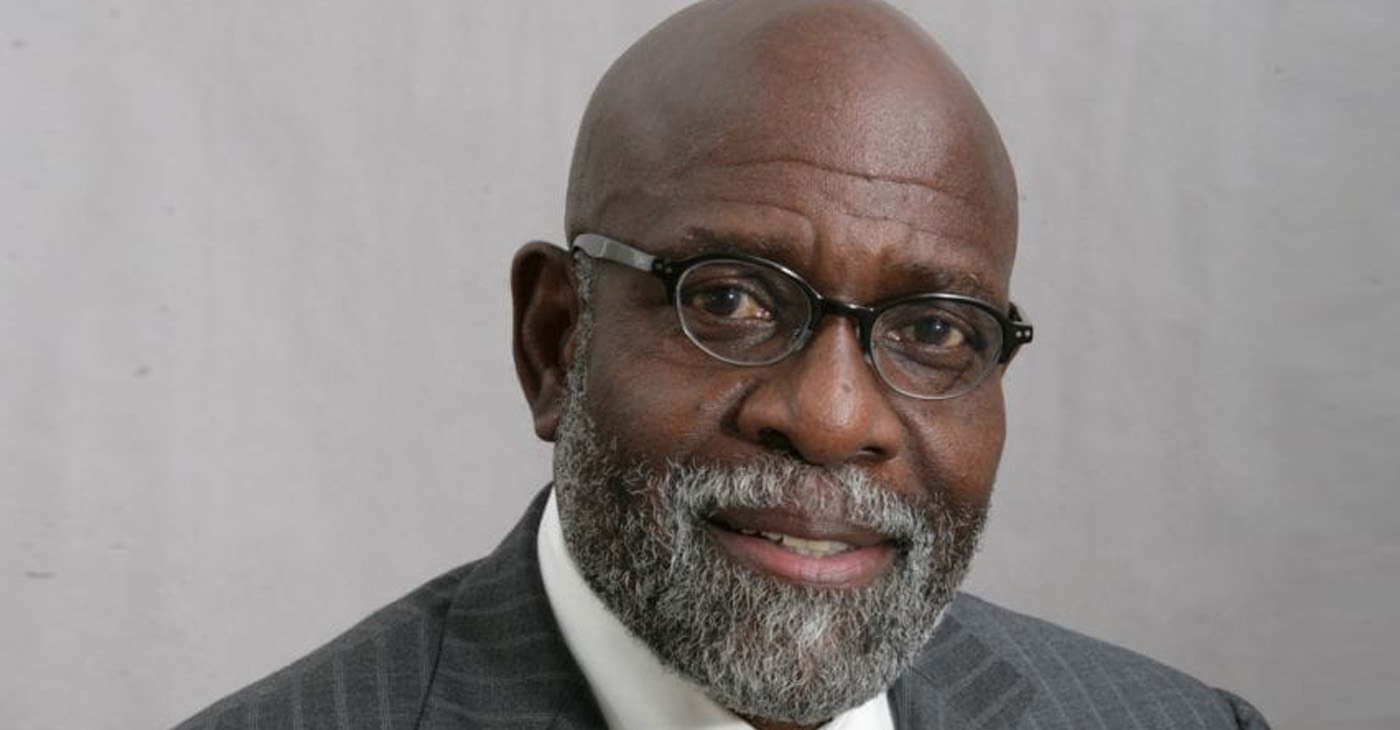
THE NEW TRI-STATE DEFENDER — “My message will be one of hope,” said Dr. Nelms. “I will extol the power of education. Mama told me, ‘If you get a good education, no one can take it away.’ Education makes a positive impact on our lives and the lives of others. Education is transformative for individuals as well as the community.”

By Dr. Sybil C. Mitchell, The New Tri-State Defender
A series of events that began on Sunday (November 11) ushered in the 40th anniversary celebration for Mission Possible: COSM, which provides counseling services for individuals and families of all faiths and ethnic backgrounds.
Founded by Thelma Nelson, Mission Possible: COSM (Christian Outreach Service Ministry) hosted two events at renowned Downtown venues. A program honoring veterans and federal employees at the Historic First Baptist Church, 379 Beale St., and a second celebration at The Orpheum Theatre, 203 S. Main St.
Nationally acclaimed author and higher learning administrator, Dr. Charlie Nelms, provided the keynote address for both events. Dr. Nelms earned an undergraduate degree from the University of Arkansas at Pine Bluff. He obtained his masters and doctorate degrees from Indiana University, with which he has nearly half a century of affiliation.
The brother of Mission Possible: COSM Founder Thelma Nelms, Dr. Nelms was the first African American appointed chancellor of an IU campus and vice president of the University. In 2012, President Obama honored him with the MLK Drum Major for Service Award.
“My message will be one of hope,” said Dr. Nelms. “I will extol the power of education. Mama told me, ‘If you get a good education, no one can take it away.’ Education makes a positive impact on our lives and the lives of others. Education is transformative for individuals as well as the community.”
Taking note of what many perceive as a diminished value for education among younger generations, Nelms said, “We had the village when we were growing up. There was the church, our neighbors, there were our schools – black principals and teachers who nurtured the dreams of our generation. We lost the power of encouragement.
“We have let the television and technology raise our children. We have relied on others to do what we should have been doing. We stopped attending to the needs of each other.”
While some thought “integration would make us better,” said Nelms, “the only thing that made us better was ourselves. There was an extraordinarily high level of confidence placed in integration. We lost something all our own.”
He posed a rhetorical question: “Where do we go from here?”
“We must all get back to rebuilding the village. Parents work two and three jobs to give children things. But our children don’t need more things, they need our time. They need us.
“We must encourage our children to dream big. Motivate them. Teach them about the work ethic, and tell them to be persistent and don’t give up. We’ve had some setbacks, yes. Now, let us get ready for the comeback.”
Theme for the events: “Promoting Kindness: Combating Anger.”
(The Combined Federal Campaign/United Way Donor Choice Program is the major vehicle of support for Mission Possible: COSM. Since it is not a United Way Agency, the nonprofit only receives funds designated to the organization based on its 501 (c) 3 status.)
This article originally appeared in the New Tri-State Defender










Black Press
Message from the Associate Editor: Blindness, Hurts, Cops
HOUSTON DEFENDER — Reports regarding Philadelphia Eagles quarterback Jalen Hurts have raised serious concerns about the treatment of Black athletes after it was revealed he played through a medical emergency. According to team reports, Hurts was hospitalized until 4 a.m. with a blood clot prior to a Week 5 game in London, yet he was allowed to play the entire game and endure international flights.


The Jalen Hurts saga hurts
The disturbing reports surrounding Philadelphia Eagles quarterback, Houston-born Jalen Hurts, raise a troubling question: How much is a Black athlete’s life worth when winning is on the line? According to reports, the Eagles knew Hurts had a blood clot after he was hospitalized until 4 a.m. before the team’s Week 5 game against Jacksonville in London. Nevertheless, he played the entire game and endured international flights before doctors discovered the clot had progressed to deep vein thrombosis and bilateral pulmonary emboli. He was placed on blood thinners and injured reserve (out for the season). Sports medicine physician Jesse Morse warned that migrating clots could cause a fatal pulmonary blockage, heart attack, or stroke. Pulmonologist Matthew Gordon acknowledged that blood clots can be catastrophic or fatal. Beyond the medical questions, this episode reflects a disturbing American tradition: Treating Black bodies as expendable commodities. From slavery to exploitative labor practices and generations of dangerous sports, Black people have repeatedly been expected to sacrifice their well-being for others’ profits. The NFL’s predominantly Black workforce is literally “fieldhands” making their wealthy “owners” wealthier, giving serious plantation vibes. What’s crazy is, Hurts could have died. And if he had, the Eagles would have simply put another Black body to work and kept it moving.
Blind by choice
Recently, a Black woman conservative social media influencer was physically removed from a Ken Paxton voter event. And as she fought back tears, after being “dog-walked” out of the building, she kept asking, “Why?” She told her followers that she has been a faithful supporter of Donald Trump and the entire Republican ticket. She said she not only voted for Trump and crew, but also organized and volunteered for them on various campaigns. Before she got to the event, she went live on social media, bubbling with excitement about supporting Paxton, which is crazy, because no one is excited about supporting Paxton. But her MAGA-fest was abruptly ended as her live-stream followers saw her suddenly teary-eyed, being led out of the event space. “And there’s no one I can talk to about this,” she asked her exit escort, dumbfounded. She then shared with her MAGA followers, “Someone just came up to me and said Ken Paxton’s campaign manager wanted me to leave… I drove two hours to get here, and I have done nothing but support everyone on the Republican side. And this is how I get treated? I cannot believe the disrespect that I was just given.” Blackfolk in the comments section couldn’t believe that soul sister couldn’t understand what was happening. But you, if she’s been willing to play blind and support one of the most anti-Black regimes in history, and organize for a party that has gone out of its way to disrespect every ounce of Black existence, then I can understand why she couldn’t see their disrespect of her Blackness. But since she’s already given her soul to anti-Blackness, you best believe she’s still voting for Paxton. In fact, she literally said so.
Mecklenburg racist police competitions
It’s old news by now that several Charlotte-Mecklenburg cops sent text messages to each other, degrading Black people with the N-word and racist jokes, celebrating their open competition to see which racist-ass officer could pull over, harass, and even inflict the most bodily harm on Black motorists. Their Klan-ish fun and games had zero to do with Black people breaking the law. It was just white cops making a sport out of terrorizing Black people, using the authority of the state and their literal license to kill to torture Black people emotionally and physically. And they used Flock cameras to help them with their fun and games. But what’s older news is the fact that these are the very actions Blackfolk have been pointing out from cops for centuries. These six cops got caught via text messages. But police in every city and state routinely take this same approach to law enforcement.
Based on reporting by Houston Defender.
Black Press
When Your Faith Is Put to the Test
THE POSITIVE COMMUNITY — Reverend J. Loren Russell explores the profound challenges of maintaining faith during seasons of unexpected adversity through the biblical narrative of Job. Despite being a man of integrity who feared God, Job suffered the sudden loss of his wealth, his ten children, and his physical health.

Scripture: Job 1:20–22; Job 42:5 (NKJV)
Job 1:20–22: Then Job arose, tore his robe, and shaved his head; and he fell to the ground and worshiped. 21 And he said: “Naked I came from my mother’s womb, And naked shall I return there. The Lord gave, and the Lord has taken away; Blessed be the name of the Lord.” 22 In all this Job did not sin nor charge God with wrong.
Job 42:5: “I have heard of You by the hearing of the ear, but now my eye sees You.”
Have you ever experienced a season when everything seemed to go wrong, even though you were doing your best to live faithfully before God? Have you ever prayed, served, sacrificed, and trusted God, only to find yourself facing circumstances you could not understand? If so, you are not alone. The story of Job reminds us that faithfulness to God does not exempt us from adversity, but adversity does not have to destroy our faith.
Job was a man of integrity who feared God and turned away from evil. He was blessed with a large family, great wealth, and an excellent reputation. Yet, in a series of devastating events, he lost his possessions, his servants, and all ten of his children. Then his own health deteriorated, leaving him physically and emotionally broken.
How could such tragedy happen to a man who was faithful to God?
Job’s story challenges the assumption that good people will never experience hardship. Sometimes we mistakenly believe that if we pray enough, obey enough, and live right, we can avoid life’s painful seasons. But Scripture never promises that believers will be spared every trial.
Faith is not measured only by how loudly we praise God when life is good, but also by whether we continue to trust Him when life becomes difficult. Job grieved deeply. He tore his robe, shaved his head, and fell to the ground in worship. His grief did not cancel his faith, and his worship did not mean he was free from pain. He brought his brokenness before God while acknowledging God’s sovereignty.
We can learn from Job that faith does not require us to pretend we are not hurting. We can cry, ask questions, and seek understanding without abandoning our relationship with God.
Job’s friends made matters worse by assuming his suffering must have resulted from personal sin. Their mistake reminds us not to judge people by their circumstances. When others are hurting, they may need our compassion more than our explanations.
Eventually, God spoke to Job out of the whirlwind. God did not provide a detailed explanation for every tragedy Job had experienced. Instead, He revealed the greatness of His wisdom and the limitations of human understanding. Job responded, “I have heard of You by the hearing of the ear, but now my eye sees You” (Job 42:5).
His encounter with God changed his perspective. He came to recognize more deeply the greatness of the One he served. He was then prepared to pray for his friends and God promised He would answer.
Sometimes God changes our understanding before He changes our circumstances. We may not receive every answer we seek, but we can continue to grow in humility, trust, and compassion.
When your faith is tested, keep praying, keep trusting, keep serving, and remember that your suffering does not define the limits of God’s greatness.
Your faith may be tested by adversity, but you can continue trusting the God whose wisdom is greater than your understanding.
Be Blessed!
Rev. J. Loren Russell is an associate minister at Goodwill Baptist Church and is the clergy officiant of the Evangelical Church of God, all in the Bronx, President/CEO of The JLR Company for Church Financial & Strategic Consulting (718-328-8096), and hosts “Matters of Faith – The Radio Show” on Monday nights from 8:00–10:00 PM on Facebook Live. Be sure to Friend “Matters of Faith” on YouTube and email us at [email protected]. Order your copy of Matters of Faith: The eBook at www.smashwords.com/books/view/993177.
Based on reporting by The Positive Community.
Black Press
Oakland Probate Dispute Raises Questions About Court-Ordered Property Transfer and Missing Notice
A legal dispute over an Oakland property has intensified following a tentative ruling that favored occupant Zakiya Jendayi, who claimed she was not properly notified before a judge ordered the property transferred into an estate. After the ruling, the estate’s administrator successfully challenged the presiding judge and requested the case be returned to the judge who signed the original transfer order. The First District Court of Appeal has now intervened to review the disqualification process and recent changes to the court docket. Read more.

Opinion and documentary analysis | Part 2 of 2
A tentative ruling found that Oakland property occupant Zakiya Jendayi had not received notice before a judge ordered its transfer into an estate.
The ruling was not final. Attention shifted to the assigned judge.
The estate’s special administrator, Phillip Campbell, invoked California Code of Civil Procedure Section 170.6 to disqualify Judge Stephanie Sato. The trial court granted the challenge Sept. 9, 2026.
Five days later, Campbell requested reassignment specifically to Judge Sandra Bean, who had signed the property order Jendayi sought to overturn.
The sequence raises questions about procedural fairness.
A Challenge After an Unfavorable Ruling
Sato’s Sept. 8 tentative ruling concluded that California’s notice requirement protected Jendayi as an occupant, regardless of whether Jendayi held a valid ownership interest.
Her proposed decision would have vacated Bean’s Oct. 8, 2025, order.
Section 170.6 permits challenges under certain circumstances. Whether Campbell’s challenge was timely was disputed.
On Sept. 14, Campbell sought Bean’s reassignment, citing her familiarity with related trust litigation, judicial economy and consistency. Jendayi opposed the request the following day.
The timing invites serious public scrutiny but does not establish misconduct.
The Appellate Court Intervenes
In Kaiser Foundation Hospitals v. Superior Court (1987), a California appellate court examined the danger of allowing litigants to learn a judge’s likely decision before seeking disqualification.
The decision also recognized that changed assignments and insufficient notice can affect when a challenge is permissible.
On Sept. 17, 2026, the First District Court of Appeal stayed the order granting Campbell’s challenge and requested briefing addressing Kaiser.
That intervention did not vacate Bean’s property order, restore the invalidated trust or conclusively decide whether Campbell’s challenge was improper.
It did place the reassignment dispute under appellate review.
Questions in the Docket
Two versions of the court docket present another unresolved issue.
A printout preserved through Sept. 15 lacked reassignment entries that appeared in a later version. The later docket listed reassignment to Bean and a clerk’s notice under Sept. 9.
The difference warrants an explanation of when the entries were created, entered and made publicly accessible.
It does not establish deliberate backdating.
Accountability Beyond an Order
Judges generally enjoy immunity from damages claims arising from judicial acts, even when serious error is alleged. That protection does not make their decisions immune from review.
Appellate courts can correct legal errors; California’s Commission on Judicial Performance can investigate misconduct but cannot reverse judgments.
For Jendayi, the central concern remains practical: How much litigation must an occupant undertake to enforce a notice requirement intended to protect participation before property rights are adjudicated?
The U.S. Supreme Court’s decision in Mullane v. Central Hanover Bank & Trust Co. underscores the importance of meaningful notice and an opportunity to object.
The record establishes contested filings, a tentative ruling and appellate intervention, not anyone’s private motives.
The public deserves a transparent, documented explanation of this consequential judicial process.
A judge’s signature should resolve a lawful dispute, not silence legitimate questions about how the decision was reached.
The case is Estate of Laura Dean Head, Alameda County Superior Court case RP20066047. Records are available through the court’s eCourt Public Portal.
Black Press
Chase Launches Fraud & Scam Prevention Month
JPMorganChase is launching Chase Fraud & Scam Prevention Month this November to help consumers protect their personal information and finances. As the holiday season approaches, the nationwide initiative provides education on avoiding sophisticated tactics used by criminals, such as phishing and impersonation scams. The program features free workshops hosted by community managers across the lower 48 states and builds on existing financial wellness efforts that have reached over one million customers. Read more to learn how these new resources and technologies aim to stop financial crimes.

New initiative builds on Chase’s longstanding commitment to fraud and scam prevention education nationwide.
NEW YORK, Oct. 19, 2026 – Scams can happen to anyone. That’s why Chase is dedicating November to helping consumers protect themselves.
As consumers prepare for the holiday season, criminals are increasingly using sophisticated tactics to pressure people into sending money, sharing personal information and making decisions they’ll later regret.
This November, JPMorganChase is launching Chase Fraud & Scam Prevention Month, a nationwide consumer education initiative designed to help people recognize common scams, avoid in-the-moment mistakes and better protect their money and personal information during the holiday season.
The initiative builds on Chase’s longstanding efforts to help consumers navigate fraud and scams through education, awareness and community-based programming. Through its financial wellness initiatives, Chase has served more than 1 million customers and continues to host more than 1,000 fraud and scam prevention workshops annually across the country.
Throughout November, Chase Community Managers will host free educational workshops in all lower 48 states, as Chase continues to expand digital resources and consumer awareness efforts focused on helping people spot scams and take practical steps to protect themselves. Programming will address scams commonly seen during the holiday season, including impersonation scams, package delivery phishing attempts, gift card scams, fake online deals and fraudulent charity solicitations.
“Scammers are constantly adapting their tactics, making education and awareness more important than ever,” said Jennifer Roberts, CEO of Consumer Banking at Chase. “For years, JPMorganChase has invested in helping consumers recognize scams, understand warning signs and feel empowered to protect themselves. Chase Fraud & Scam Prevention Month builds on that commitment by providing practical guidance that can help people make safer decisions during the holiday season.”
Fraud and scam prevention remains a key component of Chase’s broader commitment to consumer financial wellness. Through educational workshops, local partnerships and community outreach, Chase helps communities build financial confidence and stay informed about evolving fraud and scam threats. The firm also works closely with law enforcement to share scam trends and insights and help drive more effective interventions as agencies work to combat financial crime.
Ongoing Fraud and Scam Prevention Efforts
Beyond consumer education, Chase continues to invest in technology, partnerships and customer protections designed to help prevent fraud and scams before they occur.
Scam prevention is embedded throughout the customer experience, from account opening and authentication to payments and customer service interactions. Chase continues to strengthen protections across the customer journey through targeted warnings, risk-based interventions, behavioral science-informed approaches and frontline employee training. These efforts help employees identify potential scams, recognize warning signs and better support customers who may be at risk of fraud or scams.
In addition, the firm continues to invest in next-generation security tools, including expanded use of passkeys and other authentication technologies designed to help defend against phishing, social engineering and account takeover attempts, as well as Trusted Contact Person, which allows customers to designate a trusted adult who may be notified of certain transactions to help guard against potential fraud or financial exploitation.
Earlier this year, JPMorganChase also announced nearly $14 million in philanthropic investments focused on consumer awareness, real-time prevention and victim support.
For more information about Chase’s fraud and scam prevention efforts and tips, visit Chase.com/security and attend a local fraud and scam prevention workshop.
About Chase
Chase is the U.S. consumer and commercial banking business of JPMorgan Chase & Co. (NYSE: JPM), a leading financial services firm based in the United States of America with operations worldwide, assets of $5 trillion and $375 billion in stockholders’ equity as of June 30, 2026. Chase serves more than 87 million consumers and 7.5 million small businesses with a broad range of financial services, including personal banking, credit cards, mortgages, auto financing, investment advice, small business loans and payment processing. Customers can choose how and where they want to bank: 5,100 branches in 48 states and the District of Columbia, 14,500 ATMs, mobile, online and by phone. For more information, go to chase.com.
Black Press
COMMENTARY: Valarie Bachelor and Jennfier Brouhard are Excellent School Board Members and Deserve to Be Reelected
The Oakland Unified School District recently achieved a major milestone by escaping 22 years of state control and opening the school year with a teacher in every classroom. Incumbents Jennifer Brouhard and Valarie Bachelor are seeking reelection to the school board after overseeing balanced budgets, averting labor strikes, and reversing previous decisions to close local elementary schools. While the board now focuses on student-centered programs and school-based health facilities, a new wave of opposition candidates backed by wealthy tech donors has emerged. Read more about the shifting dynamics in this local election.

The Oakland schools have excellent leadership right now. I know it’s hard to believe – because there is so much wrong with the national education picture. But sometimes good things do happen locally.
This school year:
- The Oakland Unified School District escaped from state control after 22 years.
- Every classroom had a teacher at the beginning of the year, unlike past years when many classes started the year with day-to-day substitute teachers.
- Dr. Denise Saddler, an African American woman, is leading the district as superintendent now. She was an excellent choice with vast understanding of Oakland, of schools, and of educational systems locally and nationally.
- The school board and teachers managed to avert a teachers’ strike by some strategizing, listening and compromising.
- The school board does not plan to close more schools. For the first time in decades, those in charge of the district were not discussing closures.
The two women leading the school board are excellent educators themselves.
Board President Jennifer Brouhard (District 2) served as an Oakland teacher and was awarded a Fulbright Distinguished Award in Teaching and the U.C. Berkeley Social Science Project Teacher of the Year Award.
When Brouhard joined the board four years ago, she voted to reverse the decision of the previous board which had planned to close Brookfield, Carl B. Munck, Grass Valley, Fred T. Korematsu Discovery Academy and Horace Mann elementary. Half the students at Carl Munck and at least a third of the students at several others were African American.
In refusing to close schools, she pointed out that in Oakland and other districts it has been Black and Brown students who have been most affected and that closing schools does not save money.
Then, she focused funding on classrooms rather than paying outside consultants. For that, she and her colleagues have incurred the wrath of real estate developers and school privatizers who want to get their hands on public property.
Board Vice President Valerie Bachelor (District 6) has worked on important facilities projects. She helped to set up the first school-based dental project at Frick United Academy of Language, an Oakland middle school. She championed the Melrose Leadership Academy groundbreaking and the Skyline dining facilities.
Bachelor facilitated a balanced budget, which was pivotal in helping the district finally end state control. She also worked to direct funding toward student-centered programs like the Black Thriving Community Schools Program, instead of spending money on the never-ending. highly paid outside consultants.
The people financing the opposition candidates are Ryan Graciano, co-founder of Credit Karma, which made $ 2.7 billion last year; and Gagan Biyani, who says he became a millionaire at age 25.
The literature produced on behalf of the opposition supports closing schools, which harms students, and advocates expenditures that would put OUSD back under state control.
To read more, go to Education Week, “The Harm of School Closures Can Last a Lifetime, New Research Shows” (2024), www.edweek.org/leadership/the-harm-of-school-closures-can-last-a-lifetime-new-research-shows/2024/06
Dr. Kitty Kelly is a Professor of Education and Urban Studies. Dr. Kimberly Mayfield is Dean at Kalmanovitz School of Education, Saint Mary’s College of California.
Black History
Oakland Honors 60 Years of the Black Panther Party at the All Power to the People Gala
Oakland recently gathered at the Scottish Rite Center for the All Power to the People gala, celebrating the 60th anniversary of the Black Panther Party. Presented by the Dr. Huey P. Newton Foundation, the event brought together movement veterans, community leaders, and elected officials to honor the organization’s history of radical love and community service. Attendees enjoyed performances by youth arts groups and heard testimonials regarding the Party’s enduring influence on local housing and healthcare. The evening featured a keynote address exploring the moral clarity required for activism, click to read more.

Oakland gathered on Oct. 17 to celebrate the 60th anniversary of the Black Panther Party (BPP), the movement Huey P. Newton and Bobby Seale founded in the city six decades ago.
The “All Power to the People” evening gala, at Oakland’s Scottish Rite Center, brought together Panther veterans, families, community leaders, and younger generations for a night of history, music, and recommitment.
The festivities, presented by the Dr. Huey P. Newton Foundation, began with a black carpet entrance up the staircase to the center. Each side was lined with servers holding trays of champagne for guests to retrieve while walking in.
An energetic U.S. Congresswoman Lateefah Simon opened the program as emcee. Charlotte Hill O’Neal offered libations, and 16-year-old Abayomi Lewis, a Haitian American high school junior from San Francisco, performed BBP’s anthem, “The Meeting.” Young Gifted & Black, a performing arts program that has served Bay Area youth since 2010, followed with an inspirational performance of stepping and speaking truth to power.
During dinner service by Chef Michele McQueen, Oakland Mayor Barbara Lee shared how instrumental the Black Panther Party was to her as a young single parent of two boys. “The Party provided food and lots of support and Fredrika Newton’s mother, a prominent real estate broker and housing rights activist, helped me navigate purchasing my very first home.”
Lee also shared lots of Panther history, including that she was the finance chair for Black Panther Party co-founder, Bobby Seale when he ran for Oakland mayor.
Dr. Xavier Buck, executive director of the Dr. Huey P. Newton Foundation, spoke of how being held at gunpoint by six New York City police officers in Jamaica Queens, reading the autobiography of Assata Shakur, and learning from Fredrika Newton inspired his life’s work.
“I’ve been poured into by Black Panther Party members throughout the country and what I’ve learned the most from them is “radical love.” The same love that created free breakfast programs, free ambulance services, and free sickle cell anemia testing for the Black community.”
Marvel’s Black Panther author and journalist Ta-Nehisi Coates delivered the keynote address.
“The legacy of the Black Panther Party lives on,” said Coates noting the presence of BPP veterans. He further remarked that people often focus narrowly on how to win, but real moral clarity comes from reflecting on what principles you are willing to stand for—and what you are willing to lose for—even in the face of steep odds.
Fredrika Newton, co-founder and president of the Dr. Huey P. Newton Foundation, thanked Panther veterans for “all you gave” and expressed hope that attendees would leave with a renewed commitment to the work that remains.
“Seeing Panther veterans, younger generations, and the community united to honor the Party, reminds me why this work has mattered so much,” said Newton.
Everyone in the room joined in song in tribute to Bobby Seale, wishing the 90-year-old well and took pictures with him.
Cyril Innis Jr., known as “Bullwhip,” addressed the issue of political prisoners and fighting for their freedom. The program booklet listed the dozens of imprisoned Panther members who passed away and honored the sacrifices of those still incarcerated.
A Legacy Award, was presented to Charlotte Hill O’Neal, known affectionately as “Mama C.”
“Mama C” has continued the Party’s work from Tanzania, where she and her husband, Pete O’Neal, founder of the Kansas City chapter, have lived in exile since 1970. Together they established the United African Alliance Community Center and the Leaders of Tomorrow Children’s Home which cares for orphans.
“Mama C” ceremoniously circled each table honoring the ancestors of the movement and encouraged guests to call out the names of loved ones who had passed away.
Marc Philpart of the Black Freedom Fund supported the anniversary and pledged to keep investing in the people and organizations carrying the work forward.
Trust for Public Land also marked the occasion, recalling its collaboration with the Panthers and Oakland residents who turned vacant lots into neighborhood gardens in the 1970s.
The Dr. Huey P. Newton Foundation opened the Black Panther Party Museum in January 2024, and the museum has since held multiple exhibitions and welcomes more than 30,000 visitors a year on the newly named Black Panther Party Boulevard in downtown Oakland. For more information, go to HueyPNewtonFoundation.org


The Conversation with Al McFarlane (10/27)

Lawmakers Back Push Against Military Sexual Assault

Running a Business With Your Partner: What 15 Years Taught Us #shorts

Virginia State Dominates Shaw 76-13 Behind Explosive Second-Quarter Surge

Message from the Associate Editor: Blindness, Hurts, Cops

Capturing Black Life’s Beauty

A Legacy of Service, a Future of Hope: North Carolina Juvenile Services Association Commemorates 60 Years of Empowering Youth

Roland Martin Brings Black Votes Matter to Tallahassee

State Workers Strike

When Your Faith Is Put to the Test

OP-ED: Haiti TPS: Have We Lost Sense of Humanity?

Remembering Chauncey Bailey as Student Journalists Face Threats to Truth-Telling

All Skinfolk Ain’t Kinfolk

Poll: Becerra Widens His Lead Over Hilton; Californians Split on Wealth Tax

Rulings Leave Questions Lingering in Nolan Wells Case

Latinas Deserve Equal Pay. Unions Help Make It Happen.

Zakiya Jendayi Arrested, Locked Out of Home by Sheriff’s Deputies

Why Black Artists Struggle to Sell Tours

COMMENTARY: The Audacity of Joyce Beatty

A $2.1 Trillion Wellness Industry Never Built a Daily Practice for Black Children. So This Atlanta Family Did.
The Conversation with Al McFarlane (10/27)
Running a Business With Your Partner: What 15 Years Taught Us #shorts
State Workers Strike

2027 Buick Enclave Sport Touring worth $66,550?

2027 Buick Enclave Sport Touring Interior 360 Video

FAMU Shooting Arrest, New Trump and ICE Activity Near Florida Polling Site

FAMU Shooting Arrest, New Trump and ICE Activity Near Florida Polling Site 📱

Buying a Subaru WRX? Get the FULL Price Before You Sign #shorts

Houston Screenwriter Shannan E. Johnson on Making It in Hollywood

Golf Opportunities Beyond the Pros: Mentors, Scholarships & Mental Health #shorts
-

 Black History1 week ago
OP-ED: The Black Church Writes AI’s Next Chapter
-

 Featured1 week ago
Tamiko Armstead | 2026 Lifetime Achiever in Education
-

 Black History1 week ago
Practitioners of African Traditional Spirituality Offer Ancestral Reverence Ritual Oct. 31
-
 Art1 week ago
Kickstarter CEO Everette Taylor Shares Tips on Creating and Growing a Business
-

 Black History1 week ago
Columbus’s Oldest Businesses Still Open: 10 That Have Lasted 75+ Years
-

 Black History1 week ago
COMMENTARY: BIG MAMA SAID: Don’t Throw Away the Gift Just Because It Came Wrapped Wrong
