
Fashion
Halle Berry shares the secret to her youthful appearance
ROLLINGOUT.COM — Halle Berry shares her beauty secrets. The 52-year-old actress – who is mother to Nahla, 11, and Maceo, 5, from previous relationships – believes the bargain home-made concoction is the best anti-aging product she can consume because it is “full” of collagen.


By Rollingout.com
Halle Berry shares her beauty secrets.
The 52-year-old actress – who is mother to Nahla, 11, and Maceo, 5, from previous relationships – believes the bargain home-made concoction is the best anti-aging product she can consume because it is “full” of collagen.
When asked her best anti-aging tip, she told Closer magazine said: “Bone broth! You can go to the butcher and pick up all of the bones they’re going to throw away – they give them to you for free.
“Then you boil them for 24 hours and drink the broth. It’s full of collagen.”
The John Wick 3: Parabellum actress admitted she puts in a lot of effort when it comes to looking after her body.
She said, “I do so many things to take care of my body.
“The most important thing I can think of is that I eat well. I have a really good lifestyle and eating plan.
“I won’t say diet because it’s not a diet – it’s a lifestyle.”
Berry is delighted to be able to share her fitness, diet and fashion tips on her own website, Hallewood.
She said: “My health, wellness, and fitness have always been a huge part of my life.
“I’ve just never shared it before.
“Now, because of the internet, and how the world is now, I get to share it with others.”
Meanwhile, the X-Men actress doesn’t think she could be more proud of anything than she is of her children.
She said: “I have two children so I have to keep it together for them.
“I had two in my 40s. I managed to have two beautiful, healthy children. That’s the best I think I could ever do in my life.
“My kids are the thing I’m most proud of.”










Art
Event Preview: ‘Fashion v. Fascism’ – A Runway Revolution Is Coming to the Bay Area
“Every piece on this runway translates what is happening under fascism into a feeling,” explains Erica Furlong, the FVF creative director. “One designer’s trench coat is covered in pockets stamped ‘TRUTH,’ ‘MEMORY,’ ‘HOPE,’ ‘VOTE,’ ‘FUTURE,’ because that’s literally what gets seized first, pocket by pocket, under fascist decline. Fashion can hold grief and hope in the same silhouette, and that tension is exactly what this moment needs.”

“Fashion vs. Fascism” (FVF) is a visually immersive evening of fashion, music and political theater exposing the rise of fascism in the U.S. and the need to resist. Democracy is under siege, and culture is one of our most potent defenses, organizers say.
Called a live “runway revolution,” FvF premieres Oct. 3 at The Rotunda, 300 Frank Ogawa Plaza in downtown Oakland.
A play that is part fashion show, part protest, part performance art, FvF stages five runway collections spotlighting the pillars of contemporary fascist politics and the urgent need to resist: the myth of a “glorious past,” the manufactured emergencies used to justify surveillance and crackdowns, and the oligarchs and grifters profiting from it all. Runway fashion shares the stage with political theater and live music, with a closing call to action.
“We need lawsuits, ballots and mass protests, but none of it lands if we’re not also fighting for people’s imagination,” says Linda Burnham, co-producer of the show. “People are exhausted and scared. FvF will expose the absurdities of fascist mythology and ideology in ways a news headline cannot and spark new ideas about how to resist.”
“Fascism doesn’t win by policy alone. It wins by telling a story. A myth about a ‘Golden Age.’ A permanent emergency that makes cruelty seem necessary. That’s not an accident, it’s a strategy, and it works on the same terrain as culture: image, spectacle, emotion,” says Aya De León, the show’s playwright.
“Every piece on this runway translates what is happening under fascism into a feeling,” explains Erica Furlong, the FVF creative director. “One designer’s trench coat is covered in pockets stamped ‘TRUTH,’ ‘MEMORY,’ ‘HOPE,’ ‘VOTE,’ ‘FUTURE,’ because that’s literally what gets seized first, pocket by pocket, under fascist decline. Fashion can hold grief and hope in the same silhouette, and that tension is exactly what this moment needs.”
At its best, fashion is about creativity, diversity, innovation, experimentation and the free exchange of ideas. Fascism, by contrast, demands conformity and control, while suppressing dissent.
FVF was created, organizers say, because democracy should always be in style.
Featured designers include Erica Varize, Rickie Lee, Tianna Charity, Julie Wong, and Maria Flores. The evening features a script by lead playwright Aya De León, musical performances by Mindeullae Project and DJ Emancipation, and other special guests.
FvF is designed to travel. Following the Oakland premiere, FvF will extend its reach through a documentary short, a curriculum on contemporary fascism in the U.S., and a full replication playbook — design templates, script, and curriculum — so organizers in other cities can stage their own version of the show.
Get more details at www.fashionvfascism.org.
Art
Event Preview: ‘Fashion v. Fascism’ – A Runway Revolution Is Coming to the Bay Area
“Every piece on this runway translates what is happening under fascism into a feeling,” explains Erica Furlong, the FVF creative director. “One designer’s trench coat is covered in pockets stamped ‘TRUTH,’ ‘MEMORY,’ ‘HOPE,’ ‘VOTE,’ ‘FUTURE,’ because that’s literally what gets seized first, pocket by pocket, under fascist decline. Fashion can hold grief and hope in the same silhouette, and that tension is exactly what this moment needs.”

“Fashion vs. Fascism” (FVF) is a visually immersive evening of fashion, music and political theater exposing the rise of fascism in the U.S. and the need to resist. Democracy is under siege, and culture is one of our most potent defenses, organizers say.
Called a live “runway revolution,” FvF premieres Oct. 3 at The Rotunda, 300 Frank Ogawa Plaza in downtown Oakland.
A play that is part fashion show, part protest, part performance art, FvF stages five runway collections spotlighting the pillars of contemporary fascist politics and the urgent need to resist: the myth of a “glorious past,” the manufactured emergencies used to justify surveillance and crackdowns, and the oligarchs and grifters profiting from it all. Runway fashion shares the stage with political theater and live music, with a closing call to action.
“We need lawsuits, ballots and mass protests, but none of it lands if we’re not also fighting for people’s imagination,” says Linda Burnham, co-producer of the show. “People are exhausted and scared. FvF will expose the absurdities of fascist mythology and ideology in ways a news headline cannot and spark new ideas about how to resist.”
“Fascism doesn’t win by policy alone. It wins by telling a story. A myth about a ‘Golden Age.’ A permanent emergency that makes cruelty seem necessary. That’s not an accident, it’s a strategy, and it works on the same terrain as culture: image, spectacle, emotion,” says Aya De León, the show’s playwright.
“Every piece on this runway translates what is happening under fascism into a feeling,” explains Erica Furlong, the FVF creative director. “One designer’s trench coat is covered in pockets stamped ‘TRUTH,’ ‘MEMORY,’ ‘HOPE,’ ‘VOTE,’ ‘FUTURE,’ because that’s literally what gets seized first, pocket by pocket, under fascist decline. Fashion can hold grief and hope in the same silhouette, and that tension is exactly what this moment needs.”
At its best, fashion is about creativity, diversity, innovation, experimentation and the free exchange of ideas. Fascism, by contrast, demands conformity and control, while suppressing dissent.
FVF was created, organizers say, because democracy should always be in style.
Featured designers include Erica Varize, Rickie Lee, Tianna Charity, Julie Wong, and Maria Flores. The evening features a script by lead playwright Aya De León, musical performances by Mindeullae Project and DJ Emancipation, and other special guests.
FvF is designed to travel. Following the Oakland premiere, FvF will extend its reach through a documentary short, a curriculum on contemporary fascism in the U.S., and a full replication playbook — design templates, script, and curriculum — so organizers in other cities can stage their own version of the show.
Get more details at www.fashionvfascism.org.
Black Press
Event Preview: ‘Fashion v. Fascism’ – A Runway Revolution Is Coming to the Bay Area
“Fashion v. Fascism” (FVF) is an upcoming visually immersive event combining fashion, music, and political theater to expose the rise of fascism in the U.S. and advocate for resistance. Described as a live “runway revolution,” FVF premieres October 3 at The Rotunda in downtown Oakland. The event will feature five runway collections spotlighting elements of contemporary fascist politics, accompanied by political theater and live music, culminating in a call to action. Organizers state that culture is a potent defense when democracy is under siege. Read more to learn about this unique event.

“Fashion vs. Fascism” (FVF) is a visually immersive evening of fashion, music and political theater exposing the rise of fascism in the U.S. and the need to resist. Democracy is under siege, and culture is one of our most potent defenses, organizers say.
Called a live “runway revolution,” FvF premieres Oct. 3 at The Rotunda, 300 Frank Ogawa Plaza in downtown Oakland.
A play that is part fashion show, part protest, part performance art, FvF stages five runway collections spotlighting the pillars of contemporary fascist politics and the urgent need to resist: the myth of a “glorious past,” the manufactured emergencies used to justify surveillance and crackdowns, and the oligarchs and grifters profiting from it all. Runway fashion shares the stage with political theater and live music, with a closing call to action.
“We need lawsuits, ballots and mass protests, but none of it lands if we’re not also fighting for people’s imagination,” says Linda Burnham, co-producer of the show. “People are exhausted and scared. FvF will expose the absurdities of fascist mythology and ideology in ways a news headline cannot and spark new ideas about how to resist.”
“Fascism doesn’t win by policy alone. It wins by telling a story. A myth about a ‘Golden Age.’ A permanent emergency that makes cruelty seem necessary. That’s not an accident, it’s a strategy, and it works on the same terrain as culture: image, spectacle, emotion,” says Aya De León, the show’s playwright.
“Every piece on this runway translates what is happening under fascism into a feeling,” explains Erica Furlong, the FVF creative director. “One designer’s trench coat is covered in pockets stamped ‘TRUTH,’ ‘MEMORY,’ ‘HOPE,’ ‘VOTE,’ ‘FUTURE,’ because that’s literally what gets seized first, pocket by pocket, under fascist decline. Fashion can hold grief and hope in the same silhouette, and that tension is exactly what this moment needs.”
At its best, fashion is about creativity, diversity, innovation, experimentation and the free exchange of ideas. Fascism, by contrast, demands conformity and control, while suppressing dissent.
FVF was created, organizers say, because democracy should always be in style.
Featured designers include Erica Varize, Rickie Lee, Tianna Charity, Julie Wong, and Maria Flores. The evening features a script by lead playwright Aya De León, musical performances by Mindeullae Project and DJ Emancipation, and other special guests.
FvF is designed to travel. Following the Oakland premiere, FvF will extend its reach through a documentary short, a curriculum on contemporary fascism in the U.S., and a full replication playbook — design templates, script, and curriculum — so organizers in other cities can stage their own version of the show.
Get more details at www.fashionvfascism.org.
Black Press
How Oakland’s Courtsmith is Scaling its Business and Local Impact
OAKLAND POST — “As Courtsmith grew, scaling wasn’t just about selling more—it was about building the infrastructure to deliver consistently, with a strong supply chain and production process,” said Courtney Smith, founder of Courtsmith. “We needed the right kind of capital and partners to help us expand without losing the Oakland authenticity that made us who we are.”
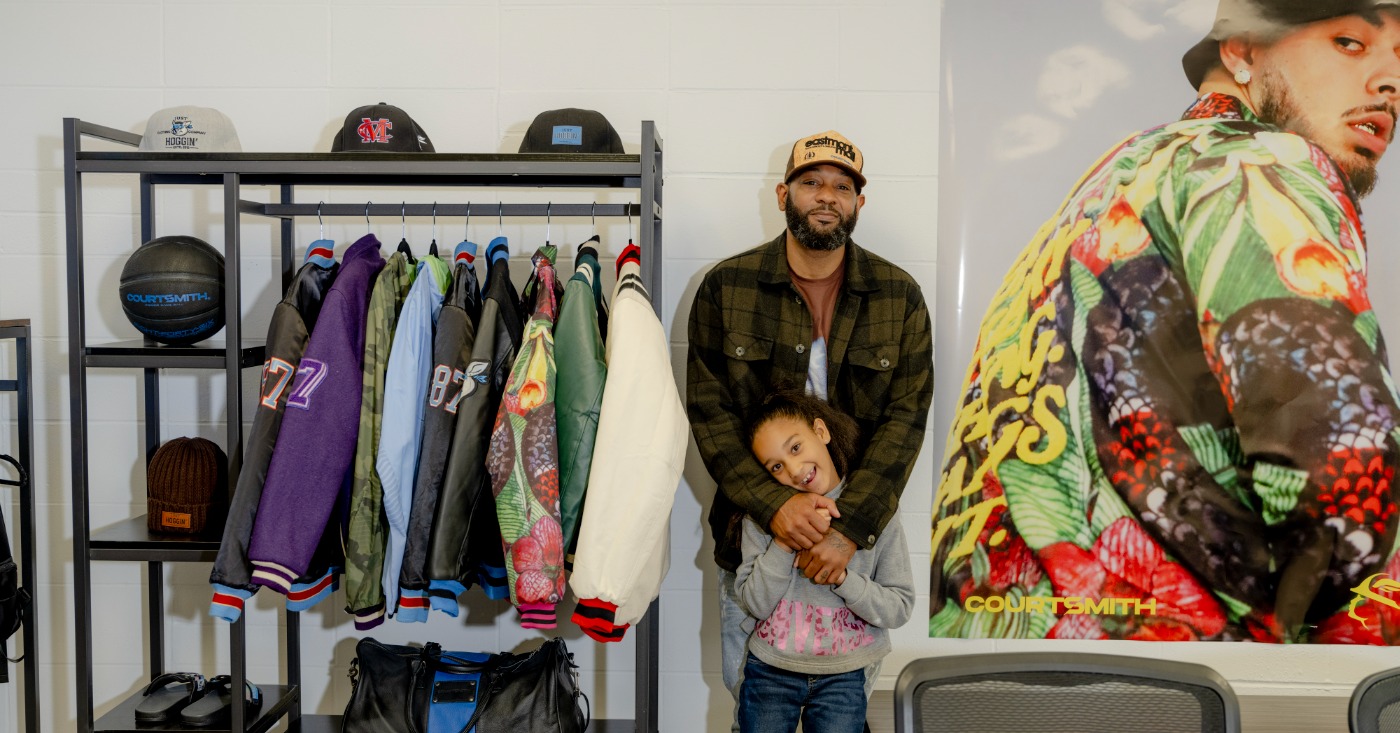
With support from ICA Fund and JPMorganChase, founder Courtney Smith is strengthening his supply chain, creating jobs and expanding local production, and positioning the Oakland-born brand for long-term growth
When Courtney Smith founded Courtsmith in Oakland in 2014, he was building more than an athletic apparel company. A lifelong basketball enthusiast, Smith saw an opportunity to create performance wear that reflected the culture of the game—its style, community and sense of belonging.
From the beginning, Courtsmith was rooted in the idea that basketball is not just a sport, but a lifestyle and a community. The brand set out to make athletes look and feel good on and off the court while building partnerships that give athletes a stake in the products and stories they help shape.
“As Courtsmith grew, scaling wasn’t just about selling more—it was about building the infrastructure to deliver consistently, with a strong supply chain and production process,” said Courtney Smith, founder of Courtsmith. “We needed the right kind of capital and partners to help us expand without losing the Oakland authenticity that made us who we are.”
As the company grew, Smith faced a common challenge for small businesses: maintaining quality, reliability and authenticity of products while scaling—and having the resources to do so. The next move was not simply about expansion; it was about building the infrastructure to last.
That is where ICA Fund—a Bay Area impact investor, small business support organization and long-time partner to Courtsmith—came in. ICA’s relationship with Smith began in 2017 through its Growth Strategies advising program, and over time, the organization paired mentorship, technical assistance and capital to help the company grow with intention. More recently, philanthropic support from JPMorganChase helped ICA expand the range of capital products it can offer entrepreneurs like Smith, including options designed for companies that are ready to scale but may not be a fit for traditional debt products or equity investments.
“Too many great businesses stay stuck small without access to fair and flexible capital— ICA Fund’s role is to change that,” said Allison Kelly, CEO of ICA Fund. “With support from JPMorganChase, we’re able to provide founder-friendly financing alongside long-term partnership, giving entrepreneurs the tools they need to grow stronger businesses that create opportunity in their communities.”
The right kind of capital for a new stage of growth
ICA recently provided Courtsmith with a loan to help it buy a local manufacturing business, a major step toward bringing more of its production process closer to home, strengthening its supply chain, reducing costs, continuing its growth and creating local jobs.
The transaction also marked a milestone for ICA: the first time the organization approved capital for a merger-and-acquisition transaction. It reflects a broader expansion of the financing options it offers, supported by JPMorganChase’s American Dream Initiative, which aims, in part, to help power 10 million small businesses—up from seven million today—over the next several years with the capital, coaching, tools and practical policy support they need to thrive. It’s also an example of the kind of tailored support—delivered through trusted local pathways and the firm’s own relationships—that JPMorganChase provides to small businesses in the Bay Area, including our more than 295,000 small business clients.
“Small businesses are the backbone of our economy, and Courtsmith’s story shows how access to the right capital at the right time can unlock growth,” said Gwyneth Galbraith, Vice President for Global Philanthropy at JPMorganChase. “By supporting organizations like ICA Fund, we’re helping expand access to the kinds of financing and guidance entrepreneurs need to strengthen operations, create jobs and build lasting businesses across the Bay Area.”
Building with staying power
For small businesses, access to financing that fits their stage of growth can determine whether expansion is sustainable. A one-size-fits-all approach does not always work for companies with distinct cash-flow cycles, customer demand and operational needs. In Courtsmith’s case, the ICA loan gave the company a path to invest in its future while preserving the founder’s vision and control—and reflected the kind of flexible financing JPMorganChase is helping expand through its support of local community and mission-driven lenders.
Courtsmith’s trajectory reflects that momentum. The company reports that revenue grew 259% from 2021 to 2025, while its workforce expanded from four employees in 2017 to 13 in 2025, including growth in full-time roles from one to 11.
Behind those numbers is a company deepening its roots in Oakland through local partnerships, community presence and a model built to last.
“Courtsmith is about Oakland, representing the culture that raised us and creating opportunity for the next generation,” said Smith. “With ICA Fund and JPMorganChase in our corner, we can keep turning that mission into something people can see and feel in our community.”
Courtsmith’s next chapter is still being written, but the path is clearer: a founder-led brand with deeper local production capacity, a stronger supply chain, and a larger role in Oakland’s small business economy.
Art
National Museum of African American History and Culture Opens Two Exhibitions Exploring the Power of Abstraction Across Art and Design
AFRICAN AMERICAN NEWS & ISSUES — “Revelation” explores the profound range and depth of abstract art created by African American artists from the mid‑20th century to the present. The exhibition features 41 works by 38 artists from the museum’s permanent collection, highlighting abstraction as a language of cultural memory, protest, identity, and transformation. Organized into five thematic sections: The Natural World Refracted, The Shape of Sound, Colored Surfaces, Dreams Deferred and Transcendent Visions, the exhibition reintroduces key works and debuts new acquisitions that expand established narratives of American abstraction.

The Smithsonian’s National Museum of African American History and Culture (NMAAHC) will open two companion exhibitions, “Revelation: A Journey into Abstraction” and “Reset: Abstraction Embodied in Design,” in The Rhimes Family Foundation Visual Arts Gallery. Together, the exhibitions explore how abstraction has shaped African American artistic expression across painting, sculpture, printmaking, furniture, textiles, and lighting. The range of media encourages audiences to consider how abstraction shapes their own environments and emotional experiences. Visit https://nmaahc.si.edu/reset and https://nmaahc.si.edu/revelation for more information.
“Abstraction has long been a powerful tool for African American artists to express memory, resistance and imagination beyond constraint,” said Shanita Brackett, acting director of NMAAHC. These exhibitions show how that language continues to evolve across canvas, clay and contemporary design.”
“Revelation” explores the profound range and depth of abstract art created by African American artists from the mid‑20th century to the present. The exhibition features 41 works by 38 artists from the museum’s permanent collection, highlighting abstraction as a language of cultural memory, protest, identity, and transformation. Organized into five thematic sections: The Natural World Refracted, The Shape of Sound, Colored Surfaces, Dreams Deferred and Transcendent Visions, the exhibition reintroduces key works and debuts new acquisitions that expand established narratives of American abstraction.
Artists represented in the exhibition include Theaster Gates, Sam Gilliam, Simone Leigh, Julie Mehretu, Gordon Parks, Howardena Pindell, Alma Thomas, and many others. A musical soundtrack curated by participating artists will play throughout the galleries.
As a companion exhibition, “Reset” shifts the focus from canvas to the body, presenting abstract design objects—chairs, rugs, and lighting—that transform everyday space into sites of reflection and renewal. The exhibition explores themes such as African diasporic influences on modern design, emotional engagement with materials, and the ways in which functional objects can offer respite, grounding, or transformation. Works by Ini Archibong, Simone Brewster, Mark Grattan, Little Wing Lee, Naudline Pierre, Michael Puryear, Peter L. Robinson Jr., Norman Teague, Jomo Tariku, Folayemi Wilson and Hadiya Williams illuminate the breadth of abstraction in contemporary art and design. Custom visitor benches designed in consultation with Cheryl R. Riley, an artist and furniture designer, provide restful spaces for reflection.
A fully illustrated catalog, “Revelation: A Journey into Abstraction,” published by Rizzoli Electa, reveals the profound range and depth of abstract art created by African American artists, from the 20th century to the present day. The companion book is now available for purchase in the NMAAHC store and online.
The “Revelation” exhibition was made possible by the Terra Foundation for American Art, NMAAHC’s Advisory Council and its Corporate Leadership Council with additional support from the Sunny Morning Fund.
About the National Museum of African American History and Culture
Since opening Sept. 24, 2016, the National Museum of African American History and Culture has welcomed more than 13 million in-person visitors and millions more through its digital presence. Occupying a prominent location next to the Washington Monument on the National Mall in Washington, D.C., the nearly 400,000-square-foot museum is the nation’s largest and most comprehensive cultural destination devoted exclusively to exploring, documenting and showcasing the African American story and its impact on American and world history. The museum has also launched and continues to expand its reach through the Searchable Museum portal and other efforts to bring African American history into the world’s hands and homes. For more information about the museum, visit nmaahc.si.edu, follow @NMAAHC on X, Facebook, and Instagram, or call the Smithsonian Information at (202) 633-1000.
Art
BOOK REVIEW: Never Tell a Black Girl How to Black Girl: Essays
Growing up in North Carolina, she Black Girled her hair her entire life. Her grandma made her sit for box braids when she was small, telling Brown that she was “tenderheaded.” Later, Brown had relaxed hair until she “went broke” and couldn’t afford the process anymore. That was when she got acquainted with her natural hair – although she returned to box braids at least once, and loved them all over again.
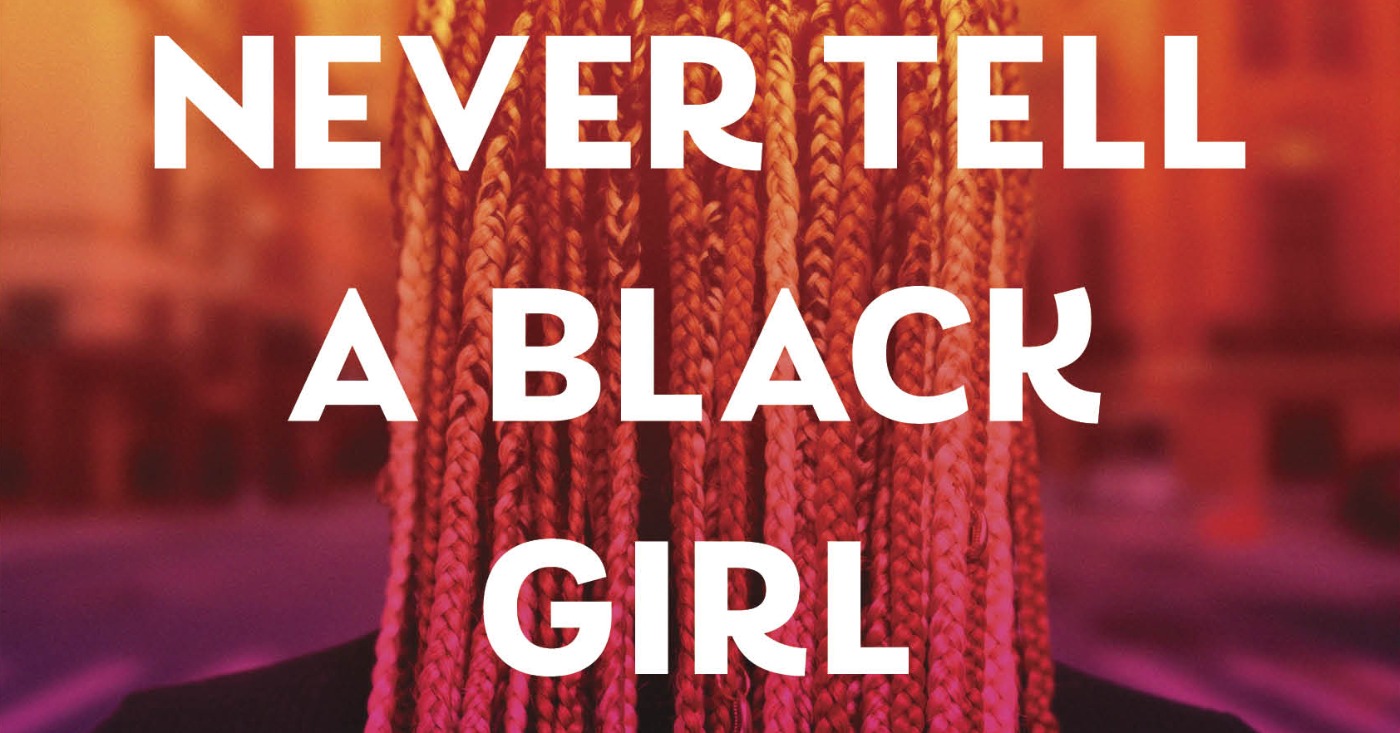
Author: Amena Brown, Copyright: c.2026, Publisher: Tiny Rep Books, SRP: $30.00, Page Count: 320 pages
Some things can really make you cross.
People telling you your business, for instance. People asking questions they have no reason to know the answers to. Folks who criticize your hair or clothes or life. These things would set anyone off; they’d be the last straw for anybody. As in the new book, “Never Tell a Black Girl How to Black Girl” by Amena Brown, some folks just cross the line.
In a way, it’s a matter of grammar.
Depending on how you say it, “Black Girl is a noun and a verb,” says Brown. A Black Girl can be a Black Girl… and she can Black Girl. Brown herself has done it “in six countries.”

Growing up in North Carolina, she Black Girled her hair her entire life. Her grandma made her sit for box braids when she was small, telling Brown that she was “tenderheaded.” Later, Brown had relaxed hair until she “went broke” and couldn’t afford the process anymore. That was when she got acquainted with her natural hair – although she returned to box braids at least once, and loved them all over again.
As the child of a strict Pentecostal mother, Brown was a “late bloomer.” She didn’t drink alcohol until she was in her twenties. She was chaste while dating and a better church girl than a party girl. After she left the church, she began experimenting with wine first, then cocktails. She learned to cook, reasoning that the path to finding love started in a kitchen, one that happened to be her grandmother’s. And yes, love did eventually come in the form of a red-headed White man who was her friend before he became her boyfriend — and before he became her mother-sanctioned, grandma-approved husband.
Overall, says Brown, there is no single right method for doing this.
“There are so many ways to Black Girl, which means the way you Black Girl is beautiful, and the way I Black Girl is beautiful too.”
Looking for a collection of addictive, can’t-read-just-one essays that’ll make you laugh but that also feel like author Amena Brown is peeking at your life? Want a book that speaks to every corner of your existence?
Yeah, then you want “Never Tell a Black Girl How to Black Girl.”
You know how it is when you spot something so profound, so right, that you just have to call your friends and read it out loud to them? That’s what you’ll find here: truth told with humor that’s also oozing with warmth. Add honesty that’s smart and bold and practically begging for a “Heck, YES!” and you’ve got your new favorite book.
The essays here are short enough to read in a few minutes, but compelling enough to make you want more, so give yourself room.
This is a book for twenty- and thirty-somethings, but also for their mothers and grandmas who can handle respectful irreverence and surefooted playfulness. Can men enjoy “Never Tell a Black Girl How to Black Girl”? Sure, but it’s more for women, cross your heart.


Mastering the Used Car Market ep11

2026 Defender 130 X Is It Worth $110,110 for Your Family?

“Money, Power, and Respect,” (SEIU) President April Verrett

Car Takeoff Hesitation? Daylight Test Drive Guide #shorts

Your Vote Matters…Protect Your Freedoms!

The Black Bank That Survived the 1893 Panic #shorts

Why A Black Bank Started From A House #shorts

Defender ONE-on-ONE: U.S. Rep. Christian Menefee

How To Manage Conflict at Work

How To Overcome Financial Setbacks and Win

Latest Massacre in Haiti Reveals Cruelty U.S. Deportations

The Youngest American Killed in the Vietnam War

Booked and Unbound: The Legacy of Black Women’s Literary Circles

Passing for White, Fighting for Black America: The Courage of Walter White

OPINION: Nolan Wells’ Death One of Several Signifying Racial Terror Lives on in U.S. South

OP-ED: Haiti TPS: Have We Lost Sense of Humanity?

OP-ED: If AI Is the New Language of Power, Then NAN Wants Black Communities Fluent

OP-ED: How Does Your State Rank for Pre-K?

Henry O. Flipper: A Trailblazer at West Point and Beyond

NFL: NFC Preview | The Rams will NOT make the Super Bowl
Mastering the Used Car Market ep11
2026 Defender 130 X Is It Worth $110,110 for Your Family?
“Money, Power, and Respect,” (SEIU) President April Verrett
Car Takeoff Hesitation? Daylight Test Drive Guide #shorts
Your Vote Matters…Protect Your Freedoms!
The Black Bank That Survived the 1893 Panic #shorts
Why A Black Bank Started From A House #shorts
Defender ONE-on-ONE: U.S. Rep. Christian Menefee
How To Manage Conflict at Work
How To Overcome Financial Setbacks and Win
-
 Black Press1 week ago
OP-ED: Haiti TPS: Have We Lost Sense of Humanity?
-

 Black Press5 days ago
A $2.1 Trillion Wellness Industry Never Built a Daily Practice for Black Children. So This Atlanta Family Did.
-

 Black Press7 days ago
Zakiya Jendayi Arrested, Locked Out of Home by Sheriff’s Deputies
-

 Black History7 days ago
Listening as a Lifeline: A Doula’s Witness to Black Maternal Health
-

 Black Press5 days ago
COMMENTARY: But God!
-
 BlackPressUSA3 days ago
Latinas Deserve Equal Pay. Unions Help Make It Happen.
