
Featured
EXCLUSIVE: President Trump to Deliver Keynote at Benedict College Criminal Justice Reform Event
NNPA NEWSWIRE — “The Trump Administration’s support for HBCUs in South Carolina and across the Nation has been unprecedented and makes states more economically competitive,” a White House official told NNPA Newswire.

By Stacy M. Brown, NNPA Newswire Correspondent
@StacyBrownMedia
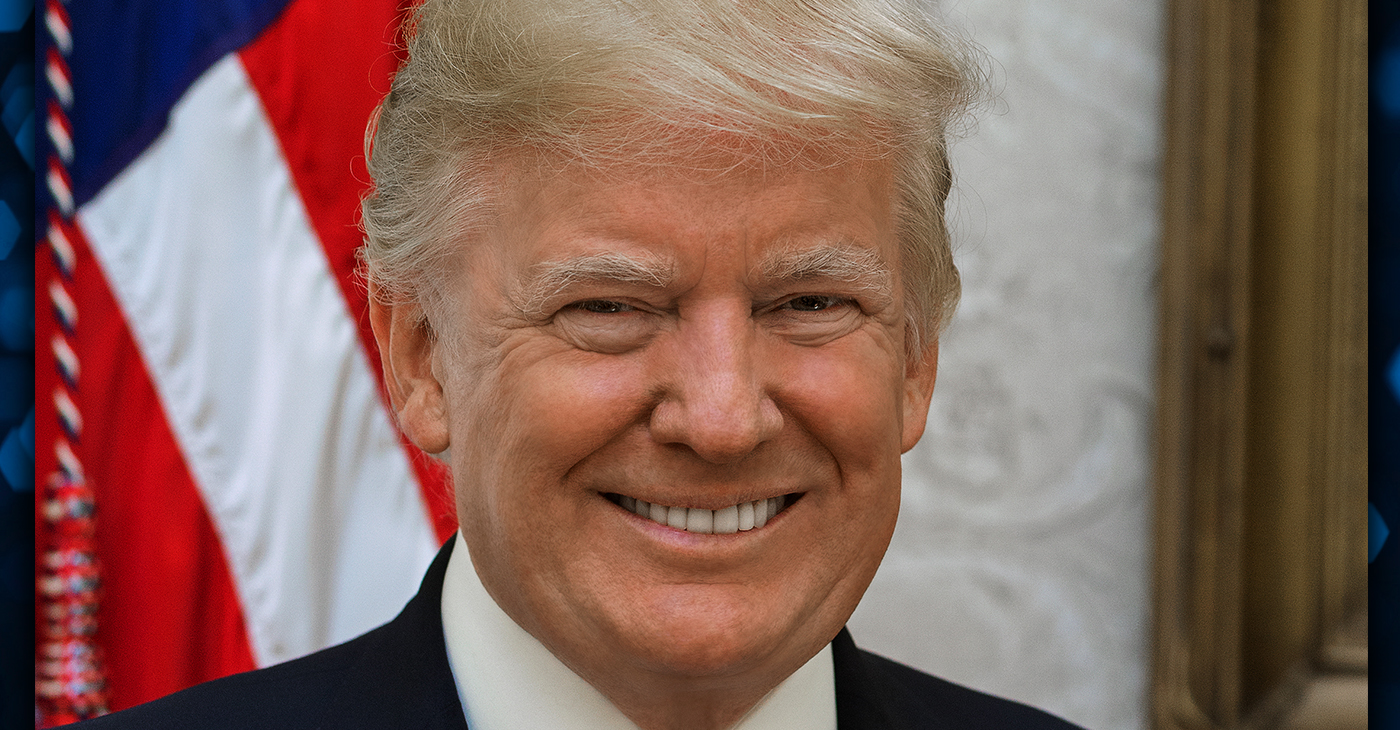
President Donald Trump will travel to Columbia, S.C., on Friday, October 25, to deliver the keynote address at the 2019 Second Step Presidential Justice Forum, NNPA Newswire has learned exclusively.
Hosted by the 20/20 Bipartisan Justice Center, a nonprofit founded by a bipartisan group of African American leaders from across the country who advocate for criminal justice reform, the event will be held at Benedict College, one of South Carolina’s historically black colleges and universities (HBCUs), which is located in an opportunity zone.
“The Trump Administration’s support for HBCUs in South Carolina and across the Nation has been unprecedented and makes states more economically competitive,” a White House official told NNPA Newswire.
“President Trump championed and then signed the most significant bipartisan criminal justice reform legislation in a generation – the First Step Act of 2018 – with support of police, prosecutors, and prominent civic and religious organizations,” the official said.
“This landmark legislation enacted commonsense criminal justice reform that is helping prisoners gain a new lease on life while making America safer,” the official said.
“The positive effects of this revolutionary legislation will be long-lasting. President Trump remains committed to building on this tremendous success and continuing the great work achieved by this legislation, and his remarks at the forum will offer a glimpse into his vision for the second step of criminal justice reform his Administration will support.”
The historic First Step Act is providing prisoners with a second chance through rehabilitative programs, fair sentencing, and smart confinement.
President Trump has said he’s working to ensure that Americans have opportunities to get training while they are incarcerated and to succeed when they leave prison.
The White House said departments and agencies across the federal government are taking action to help in this effort.
Among the efforts:
The Department of Justice, Bureau of Prisons (BOP) has launched its new “Ready to Work” initiative to connect employers directly to inmates, many of whom have been trained in skilled trades such as carpentry and plumbing, to improve reentry outcomes.
- The Department of Labor has awarded over $2 million to states for “fidelity bonds” that underwrite companies that hire individuals with criminal records.
- The Department of Education has expanded an experiment that allows Pell Grants to help individuals who are in prison (prohibited under the 1994 Crime Bill).
- The Department of Energy launched a six-city roadshow on jobs in the energy sector, including opportunities to hire individuals with criminal records.
- The Department of Housing & Urban Development is investigating options to address prohibitions on residents with criminal backgrounds in Section 8 housing.
- The Office of Personnel Management is working to make USAJOBS available to those in federal prison.


Black History
Remembering Moses Newson and the Power of the Black Press During the Civil Rights Movement
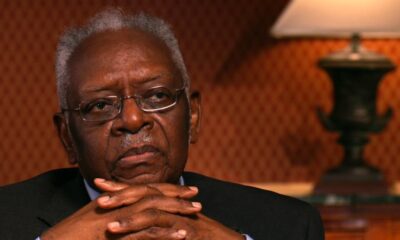
ATLANTA DAILY WORLD — Moses J. Newson, a pioneering journalist who spent decades documenting the American Civil Rights Movement for the Black press, died on November 17 at his home in Baltimore at the age of 99. His daughter confirmed that he passed away from natural causes.

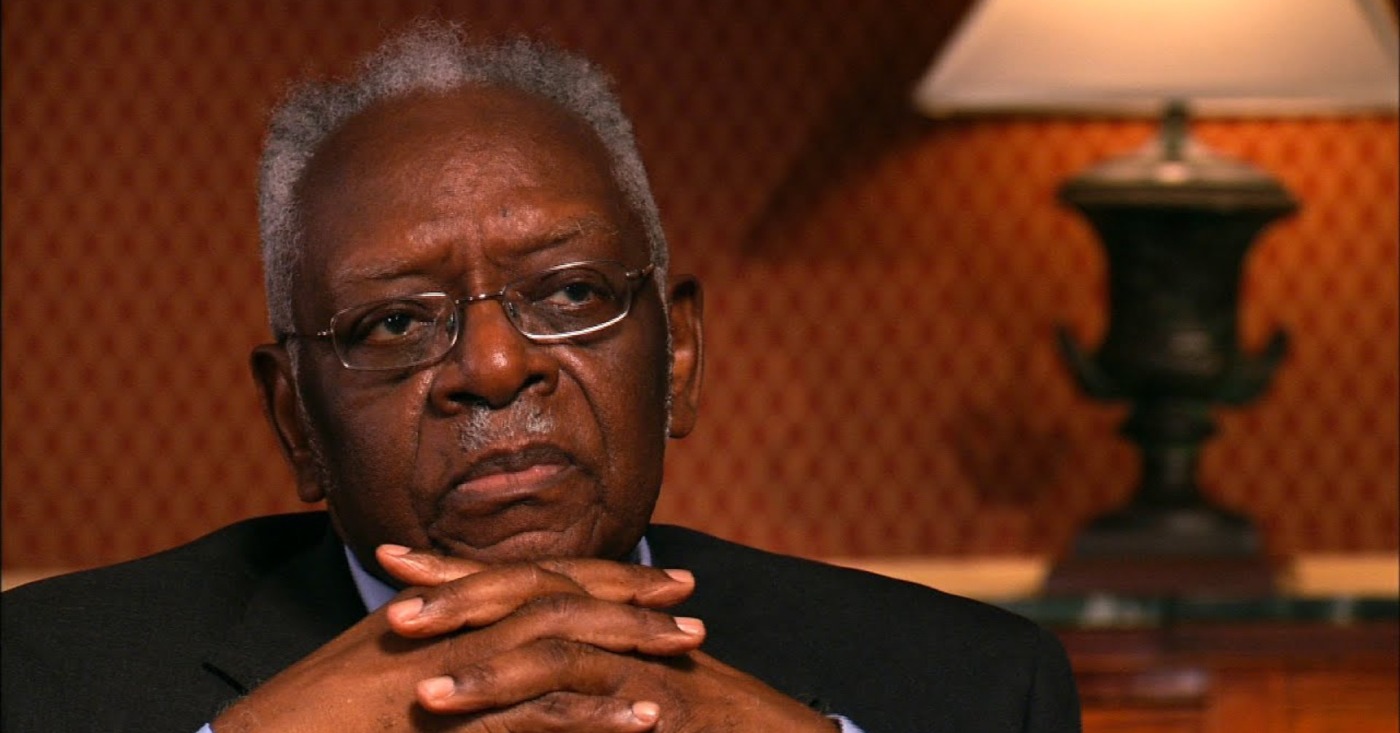
Moses J. Newson, a pioneering Black journalist whose reporting documented some of the most defining moments of the Civil Rights Movement, died November 17 at his Baltimore home. He was 99.
His daughter, Shawn Newson, confirmed to Journal-isms that he died of natural causes.
Throughout his career, Newson documented the struggle for racial equality from the front lines, bearing witness to events that challenged segregation and transformed American society. His work reflected the critical role of the Black press during an era when racial injustice frequently received inadequate coverage from mainstream news organizations.
Born February 5, 1927, in Fruitland Park, Florida, Newson pursued journalism after serving in the United States Navy. He studied at Storer College and Lincoln University in Missouri before beginning his newspaper career at the Tri-State Defender in Memphis in 1952.
His early assignments included coverage of school desegregation and the murder of Emmett Till in 1955, a case that helped galvanize the national Civil Rights Movement.
Newson joined the Baltimore Afro-American in 1957, covering the integration of Central High School in Little Rock, Arkansas, during his first assignment with the newspaper.
Four years later, he placed himself in considerable danger while covering the Freedom Rides, organized to challenge segregation in interstate transportation.
Newson survived the infamous attack on a Freedom Riders bus in Anniston, Alabama, in 1961. Despite the personal danger he encountered, he continued documenting the movement, providing readers with firsthand accounts of the resistance to racial integration.
His reporting also included the integration of the University of Mississippi in 1962 and the 1963 March on Washington. In 1968, he interviewed the Rev. Dr. Martin Luther King Jr. during preparations for the Poor People’s Campaign, shortly before King’s assassination.
Newson spent 21 years with the Baltimore Afro-American, rising from reporter to city editor and ultimately executive editor. He spent the final decade of his newspaper career overseeing editorial operations before transitioning into federal public affairs in 1978.
In 2014, the National Association of Black Journalists inducted Newson into its Hall of Fame, recognizing his contributions to journalism and his extraordinary record of civil rights coverage.
His experiences were also documented through the Civil Rights History Project, a collaboration between the Library of Congress and the Smithsonian Institution’s National Museum of African American History and Culture.
Newson’s family plans to honor his life with a private ceremony in February, when he would have celebrated his 100th birthday.
His death marks the loss of a journalist who witnessed history at extraordinary personal risk. His reporting remains part of the permanent record of America’s struggle for racial equality and a reminder of the indispensable role Black newspapers played in bringing that struggle to the nation’s attention.
The post Remembering Moses Newson and the Power of the Black Press During the Civil Rights Movement appeared first on Atlanta Daily World.
Based on reporting by Atlanta Daily World.
Black History
An HBCU Is Training Doulas to Help Combat Childbirth Risks
THE CAROLINIAN — North Carolina Central University is addressing the critical maternal health crisis in rural communities by training a new workforce of birth doulas. Through its Rural Health Hub in Enfield, the historically Black university is developing a network of trained birth workers to support mothers in Eastern North Carolina.
For many expectant mothers in rural communities, preparing for childbirth involves more than prenatal appointments and planning for a new baby. Limited access to maternity care, long travel distances, and unequal health outcomes can make pregnancy an especially difficult experience.
North Carolina Central University is working to address some of those challenges by training community-based birth doulas who can provide support to mothers before, during, and after childbirth.
Through its Rural Health Hub in Enfield, North Carolina, the historically Black university is developing a network of trained birth workers to improve maternal health outcomes in rural Eastern North Carolina, where access to maternity services remains limited.
The initiative comes at a time when Black women continue to experience disproportionately high rates of pregnancy-related deaths. According to North Carolina’s Maternal Mortality Review Committee, Black women in the state were 1.7 times more likely than white women to die from pregnancy-related causes between 2018 and 2021. The committee also found that nearly nine out of 10 pregnancy-related deaths reviewed were preventable.
The disparities are particularly concerning in rural communities, where some expectant mothers must travel an hour or more to reach hospitals offering labor and delivery services.
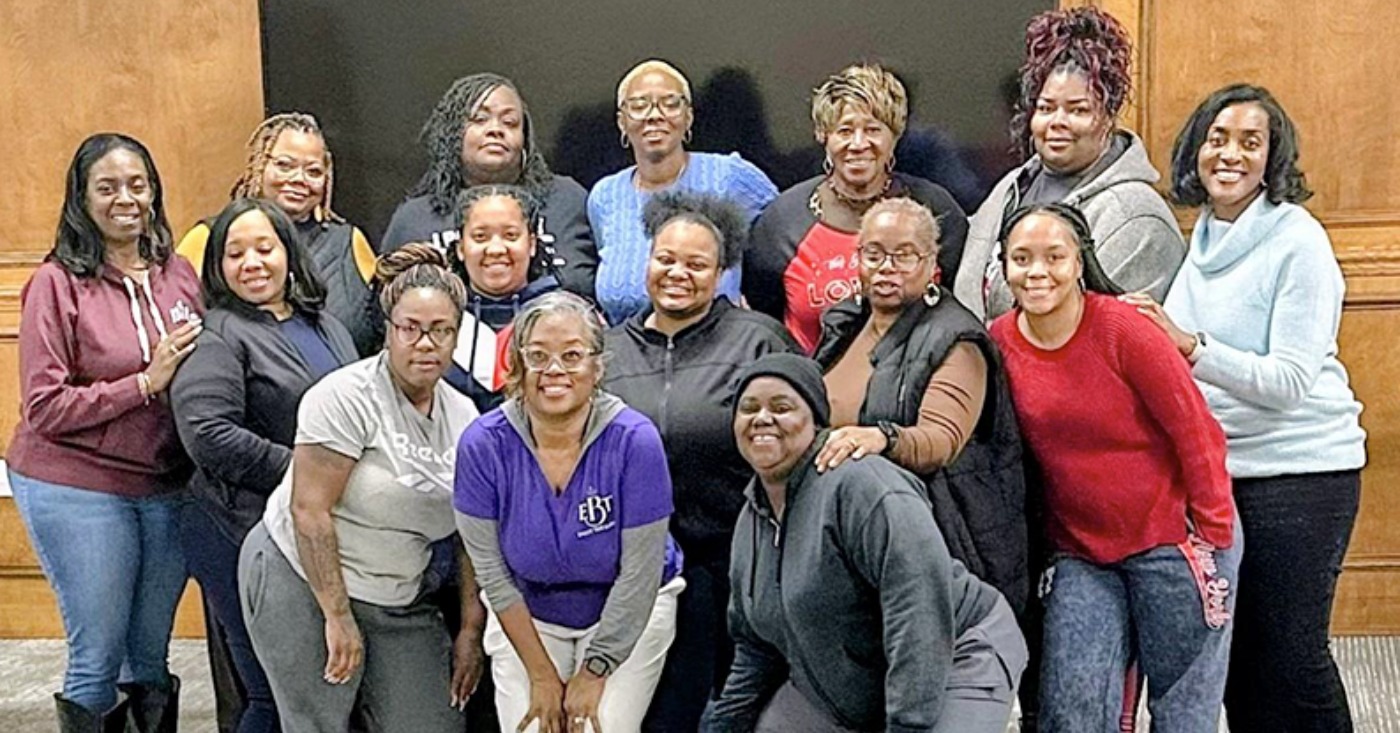
NCCU’s Community-Based Birth Doula Training Program, launched in December 2025, aims to address those gaps by preparing women who already live in underserved communities to support families navigating pregnancy and childbirth.
The program recruits participants from northeastern North Carolina counties, including Halifax, Northampton, Edgecombe, Nash, Bertie, Warren, and Martin.
Rather than bringing outside professionals into these communities, the university is investing in residents who understand the challenges families face and can build relationships with mothers in their own neighborhoods.
Dr. Undi Hoffler, director of the Community-Based Doula Program, emphasized the importance of developing a workforce rooted in the communities it serves.
“It’s important that our doulas come from these communities,” Hoffler said in an interview published by NCCU. “They’re building relationships with families they know. That’s how you build trust.”
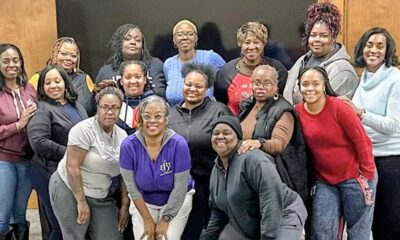
The program’s first training cohort included 12 women who completed a three-day in-person training in December 2025. Participants received scholarships covering training, certification, and materials. The university also provides continued mentorship and assistance as trainees work toward professional certification through DONA International.
The initiative continued into 2026. A training workshop held in October brought together 14 women for three days of instruction at the Rural Health Hub in Enfield, according to NC Newsline’s Nov. 16 report.
During training, participants learn about pregnancy, anatomy, labor and delivery, postpartum recovery, and how to recognize situations that require medical attention. They also receive instruction on helping mothers communicate their concerns, understand available options, and advocate for themselves during medical appointments and childbirth.
A doula is a trained professional who provides emotional, physical, and informational support throughout pregnancy, labor, and the postpartum period. Unlike physicians, nurses, and midwives, doulas do not provide medical treatment or deliver babies. Instead, they serve as an additional source of support for mothers and their families.
That distinction is important in communities where mothers may have limited access to consistent support throughout their pregnancies.
For Rose Lewis, a member of the program’s first cohort, the decision to become a doula grew out of years of working with families and recognizing gaps in maternal support.
Lewis, a Nash County resident and community health worker, said she frequently encountered families who needed assistance accessing health services and other resources. Through that work, she began noticing how much support was available after a baby arrived compared with the resources offered during pregnancy.
“I kept seeing resources for after the baby gets here,” Lewis said in an interview with NCCU. “But what about the support leading up to birth?”
Her interest in the work also became personal after a woman connected to her extended family died during childbirth and her own daughter experienced a high-risk pregnancy.
Lewis now hopes to help other mothers feel informed and supported throughout their birthing experiences.
“When you’re informed, you can advocate for yourself,” she said.
Another trainee, Taya Partin of Edgecombe County, shared an experience involving a pregnant client who expressed fear that she might not survive childbirth. Partin recalled helping the woman manage her concerns and feel more prepared for the delivery process.
The experience illustrates the emotional support doulas can provide to mothers who may feel overwhelmed or uncertain during pregnancy.
Research has associated continuous labor support with positive childbirth outcomes, including fewer cesarean deliveries and improved birth experiences. However, doulas are not substitutes for medical professionals or emergency maternity care. Their role is to complement existing healthcare services by providing consistent support and helping mothers navigate the process.
For NCCU, the program represents an opportunity to connect higher education with a public health issue affecting communities throughout North Carolina.
The university’s Rural Health Hub is also working to strengthen relationships among healthcare providers, community organizations and local families. Its broader mission focuses on improving health access, workforce development and community-centered research in underserved areas.
The long-term vision for the doula initiative is to establish a stronger network of trained birth workers throughout rural Eastern North Carolina, helping ensure that mothers have access to support regardless of where they live.
As maternal health disparities continue to affect Black women across the state, NCCU’s work demonstrates how HBCUs can contribute to solutions beyond traditional classroom instruction.
Through community-based training, mentorship and partnerships, the university is preparing women to become advocates and support systems for mothers during one of the most important periods of their lives.
For the families these doulas serve, the goal is simple: no mother should have to navigate pregnancy and childbirth feeling alone, unheard or unsupported.
Based on reporting by The Carolinian.
Art
The Afrikan Restoration Project Marks 60 Years of Kwanzaa With New Book and Expanded Focus
THE AFRIKAN RESTORATION PROJECT FOR IMMEDIATE RELEASE | November 24, 2026 Media contact: Shujaa Baker | [email protected] | (949) 257-7133 | Media Kit – https://bit.ly/3X2tSlz The Afrikan Restoration Project Marks 60 Yea
The Afrikan Restoration Project Marks 60 Years of Kwanzaa With New Book and Expanded Focus
Events in San Diego, Detroit, and online will honor the holiday’s origins and prepare for the next sixty years of the Nguzo Saba.
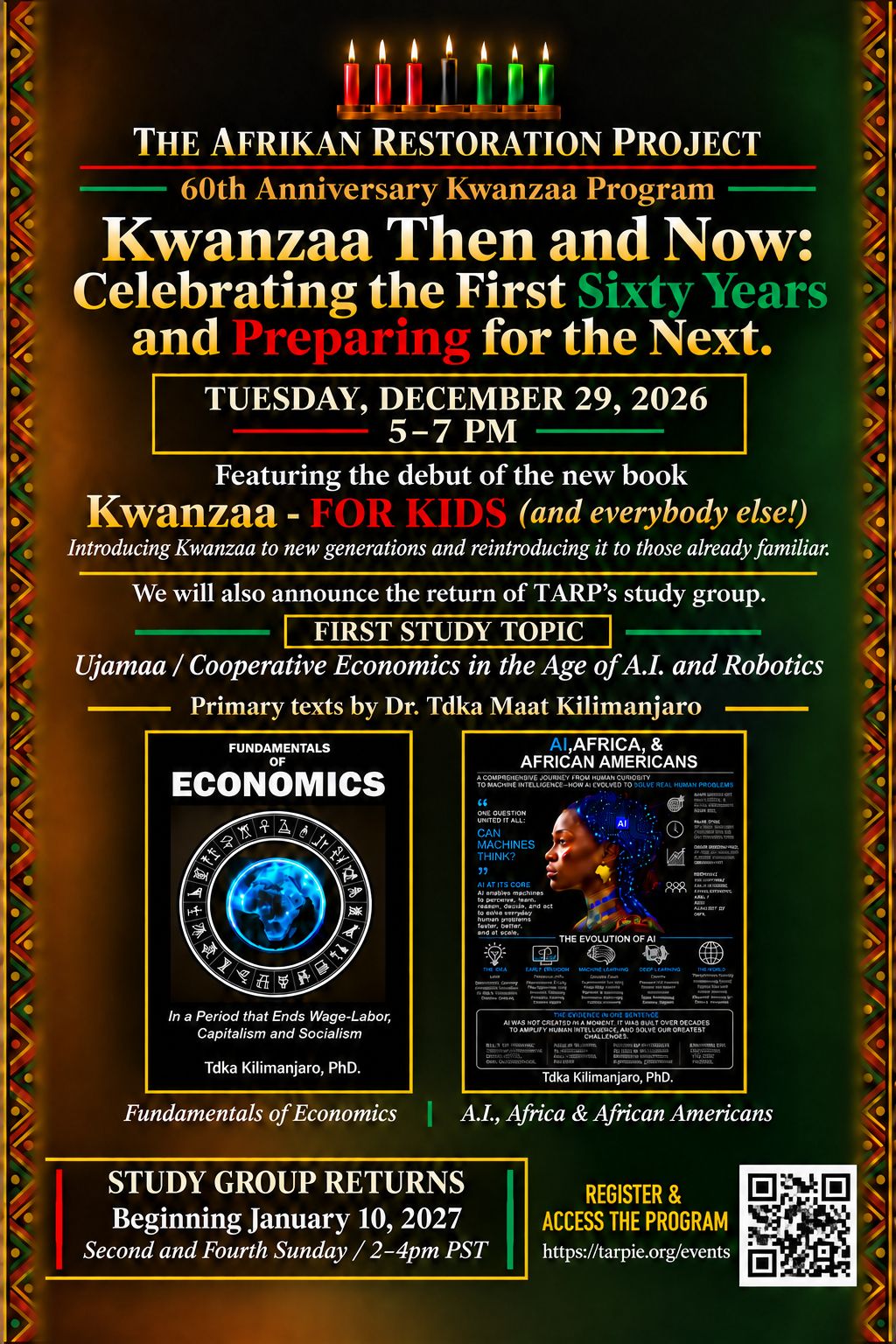
The Afrikan Restoration Project (TARP) announces its 2026 Kwanzaa anniversary season, Dec. 26–Jan. 1, marking sixty years of the African American and Pan-African holiday first observed in Los Angeles in 1966. Under the theme “Celebrating the First Sixty Years of Kwanzaa… and the Next!” the programs share an expanded understanding of the Kwanzaa creation story and thoughtfully promote year-round practice of the Nguzo Saba (Seven Principles).
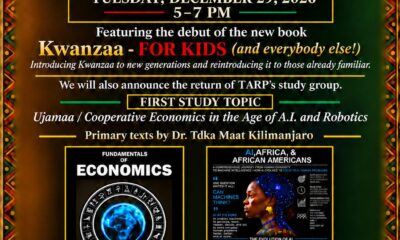
Central to the celebration is the worldwide debut of the new book titled “Kwanzaa – FOR KIDS (and everybody else!),” written by Shujaa Baker, illustrated by Thad Lavalais, and based on the firsthand accounts of Kinamo and Karama Damu about the first Kwanzaa. The book traces how ten-year-old Kinamo’s questions about African holidays in 1965 inspired the creation of Kwanzaa while recounting the children’s experiences leading up to the first celebrations in 1966. Learn more at kwanzaaforkids.org.
60th Anniversary Events
Dec. 26 | San Diego | 1–4:30 p.m. PT — WorldBeat Cultural Center, Balboa Park. The children’s Kwanzaa Camp celebration and book debut features Karama Damu, a participant in the first Children’s Kwanzaa, along with a Kwanzaa Essentials lesson and lessons from the new book, art, music, drumming, and dance. Instructional content by Imagiread.
Dec. 26 | San Diego | 6–9 p.m. PT — WorldBeat Cultural Center. Umoja (Unity) Night program celebrating the First Sixty Years of Kwanzaa… and the Next! recognizes the first sixty years of Kwanzaa and the work ahead to teach the Nguzo Saba more broadly
Dec. 27 | Detroit | 2–5 p.m. ET — Charles H. Wright Museum of African American History. The Kujichagulia (Self-Determination) program explores Kwanzaa’s past, present, and future, and the role of self-determination in Elevating Blackness.
Dec. 29 | Online | 5–7 p.m. PT — Kwanzaa Then and Now: Celebrating the First Sixty Years and Preparing for the Next. TARP introduces its new book and announces the return of its study group on Jan. 10, 2027 – examining Ujamaa (Cooperative Economics) in the age of AI and robotics.
TARP is merging our work to promote African culture, S.T.E.M., manufacturing, and principled daily practice into a new online program called The Elevating Blackness Online Academy. Launching on December 5th, this site offers educational resources that build character, including curricula for Kwanzaa – FOR KIDS, the STEM ’n ’Nem children’s book series, and partner content.
Visit https://elevatingblackness.com for more info. (For beta test access – TESTER / Innovationary2026!).
TARP also invites public discussion of three position statements on Kwanzaa’s origins, the responsibilities of the next sixty years, and the daily practice of the Seven Principles found here.
Event details and registration: https://kwanzaa.org/events.html and https://tarpie.org/events. Contact Shujaa Baker for interviews, the media kit, and high-resolution images. See tarpie.org for full details.
About The Afrikan Restoration Project
TARP is an African-centered educational and cultural development initiative advancing cultural knowledge, practical capabilities, and principled community development through publications, programming, and collaborative education.
Featured
How EDUCATION Evolved Her Business Since 2020 #shorts
Discover how strategic education transformed her business model, services, and approach to professional speaking since 2020.

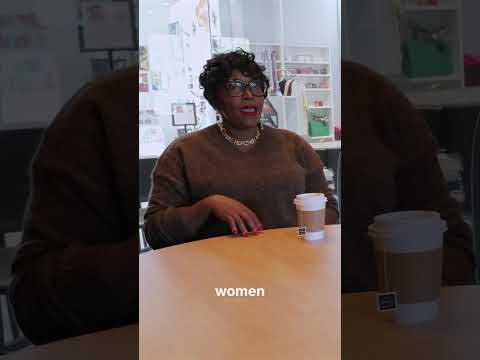
Education helped her business evolve since 2020—shaping who it serves, what it offers, and how she shares her expertise through keynotes and workshops. #MN #Minnesota #Mpls #Minneapolis #StPaul #HennepinCounty #RamseyCounty #BusinessGrowth #Entrepreneurship #BusinessEducation #KeynoteSpeaking #Workshops #SmallBusiness
Featured
Jamal’s Take: Cowboys Send a Message With Dominating Win Over Tennessee Titans
The Cowboys delivered a statement win against the Titans behind Dak Prescott’s leadership and CeeDee Lamb’s record-breaking night. Watch Jamal’s full breakdown here.
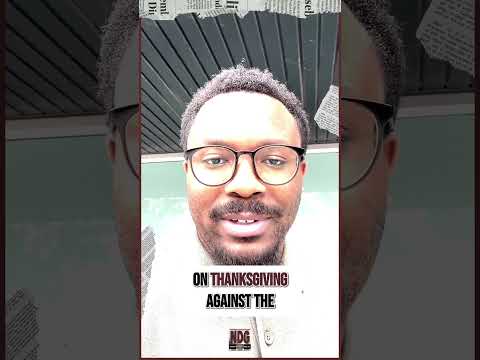
Jamal talks about the Cowboys big win over Tennessee, Dak Prescott’s standout performance and a record-setting night for CeeDee Lamb.
Keep up with the lates at http://www.northdallasgazette.com
Cowboys Offense Sends a Message With Dominant Titans Win
Featured
Twin Cities Radio: Why I Finally Joined The Current #shorts
After being told his voice was “too Black” for radio, he hesitated to join another station. Discover why he finally decided to embrace his authenticity at The Current.
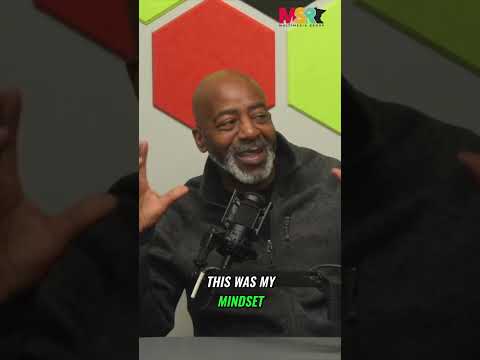
After being told his authentic voice was “too Black” for one station, he hesitated to join another—until he reconsidered. #MN #Minnesota #Mpls #Minneapolis #StPaul #HennepinCounty #RamseyCounty #Radio #NPR #TwinCities #Authenticity #Representation


Remembering Moses Newson and the Power of the Black Press During the Civil Rights Movement

An HBCU Is Training Doulas to Help Combat Childbirth Risks

The Afrikan Restoration Project Marks 60 Years of Kwanzaa With New Book and Expanded Focus

How EDUCATION Evolved Her Business Since 2020 #shorts

Jamal’s Take: Cowboys Send a Message With Dominating Win Over Tennessee Titans

Twin Cities Radio: Why I Finally Joined The Current #shorts

I Made Six Figures—But Lost Money Building My Business #shorts

How Hip-Hop’s Evolution Made Us Fall in Love Again #shorts

Conscious Hip Hop: Why Great MCs Still Go Unheard #shorts

Check These Driving Impressions Before Buying #shorts

HISTORY MADE: Keisha Lance Bottoms Becomes First Black Woman Elected Governor in American History

Retirement Triggers Doctor to Pen Book for Young Audience

Multi-Faith Leaders Representing 10 Million People Launch National Anti-Authoritarian Initiative

Capturing Black Life’s Beauty

Christianity’s Racial History

Hundreds of Black Christian Leaders Arriving in Israel for Martin Luther King-Inspired Mission

Michael Shiner: The Enslaved Man Who Wrote His Way into American History

Message from the Associate Editor: Blindness, Hurts, Cops

Keisha Lance Bottoms to Govern State Where Her Great-Great-Grandfather Was Enslaved

Don’t Pass the Torch. Expand the Circle.
How EDUCATION Evolved Her Business Since 2020 #shorts
Jamal’s Take: Cowboys Send a Message With Dominating Win Over Tennessee Titans
Twin Cities Radio: Why I Finally Joined The Current #shorts
I Made Six Figures—But Lost Money Building My Business #shorts
How Hip-Hop’s Evolution Made Us Fall in Love Again #shorts
Conscious Hip Hop: Why Great MCs Still Go Unheard #shorts
Check These Driving Impressions Before Buying #shorts

Car Buying Tips: 4 Steps to Avoid Costly Dealer Friction #shorts

Super Cruise or Rear Screens? Choose What Matters #shorts

This BOUNDARIES Bag Is Connecting Women Beyond the Purchase #shorts
-

 Black Press1 week ago
COMMENTARY: Thank You, Trump, for Making America Great Again!
-

 Black Press1 week ago
Black Men Encouraged to Start Prostate Cancer Screening at 45
-
 Black History1 week ago
Mississippi Congressman Bennie Thompson Congratulates Scott Colom on Historic Victory
-
 Black Press1 week ago
Computational Thinking and Young Children: It’s Not What You Might Think!
-

 Black History5 days ago
Black Barbershops Have Long Given Neighborhood Politics a Place to Unfold.
-
 Black Press1 week ago
Oakland City Council Extends AI Data Center Moratorium for 10 Months.
