
Politics
Exclusive: Dean Smith’s Pardon Letter for Wilmington Ten Revealed


Former University of North Carolina basketball coach Dean Smith
by Cash Michaels
Special to the NNPA from The Carolinian Newspaper
This week, as the world mourns the passing of legendary UNC Tar Heel Head Basketball Coach Dean Smith, he is being remembered as a trailblazer not only for his championship winning hardwood strategy, but also for standing strong for social justice, and against racial discrimination.
“He pushed forward the Civil Rights movement, recruiting the first black scholarship athlete to North Carolina and helping to integrate a restaurant and a neighborhood in Chapel Hill,” said Pres. Barack Obama of Smith in tribute.
But while many know of how Coach Smith recruited Charlie Scott as the first African-American to play Atlantic Coast Conference basketball in the ‘60’s, and how he supported former Chapel Hill Mayor Howard Lee when the black man tried against all odds to purchase a home in an all-white Chapel Hill neighborhood, it has never been revealed, until now, that Dean Smith also tried to use his considerable influence with then Gov. James B. Hunt in 1977 to secure pardons for ten wrongly convicted civil rights activists known as “the Wilmington Ten.”
In July 2013, while doing research for the documentary, “Pardons of Innocence: The Wilmington Ten” at the NC Archives, a Carolinian reporter discovered a previously unknown missive from Coach Smith to Gov. Hunt. Dated July 25, 1977 on “University of North Carolina” letterhead from Smith’s “Basketball Office,” a copy of the extraordinary letter was made for possible use in the film. However it was never used in the production, so the letter copy was held until this week, after Smith, at age 83, died at his home in Chapel Hill Saturday evening.
When Gov. Hunt first took office in 1977, the Wilmington Ten – nine young black males and one white female led by the fiery Rev. Benjamin Chavis – had already been tried, convicted and sentenced to a combined 282 years in prison in 1972. Defense attorneys were unsuccessful appealing those convictions to state courts, and an appeal to the US Fourth Circuit Court of Appeals was pending.
Upon taking office, Hunt indicated that he wanted to review the historic case, and once all of the state appeals ran out, he would step in if needed.
It was during this time that letters from literally all over the country and the world began pouring in to Gov. Hunt’s office, both pro and con.
One of them was from Dean Smith.
Addressed to “The Honorable James B. Hunt, Jr. – Governor,” Coach Smith wrote:
“Lee Upperman, our former basketball manager and now one of the attorneys for the Wilmington 10, has allowed me to read the Petition for Pardon of these ten people,” Coach Smith wrote to Hunt. “Without knowing the full details, other than what I have carefully examined in the Petition for Pardon, I would still urge you as a citizen to truly pardon these ten who have already served what many would consider a just sentence for what they had been determined guilty.”
Smith continued, “Apparently there is no chance for a new trial and for them to serve the number of years given them in a rather strange way, would seem to be excessive.”
Coach Smith concluded his letter to the governor with, “As a citizen who supported you for Governor in the November election, I would urge you to pardon the Wilmington 10 if you do have that right.”
“Most sincerely, Dean E. Smith.” The coach signed it simply “Dean.”
But the letter didn’t finish there.
In what apparently was Dean Smith’s handwriting, he adds a postscript:
“Bob Seymour has provided me with some additional material on these 10 people which would lead one to believe injustice was done.”
Smith then initialed the handwritten notation.
The significance of Smith’s July 1977 letter is the fact that he marked the envelope “PERSONAL & CONFIDENTIAL” meaning that he wanted his request to be seen, and considered, only by the governor, and not be made public.
Given the raging national and worldwide controversy about the Wilmington Ten case, and how they were falsely convicted for the arson destruction of a white-owned grocery store in Wilmington during the height of racial tensions there in February 1971, Smith would have found himself in the crossfire between civil rights and law enforcement groups who were bitterly divided.
While African-Americans and white liberals would have welcomed someone of Coach Smith’s stature and high profile in support of their worldwide movement to free the “freedom fighters” Wilmington Ten, Smith would have been instantly vilified by members of the NC judiciary, North Carolina’s business community, and even conservative US Sen. Jesse Helms – all of whom who considered the Ten to be dangerous radicals – and wrote numerous letters to Gov. Hunt opposing freeing them.
His controversial involvement would have undoubtedly put an unwanted cloud over his basketball program at UNC if word ever leaked at that time, and his judgement on race would have once again been questioned.
Because of a recent change in policy, letters sent to the Governor’s Office of Executive Clemency in the past ten years to be considered during pardons cases are no longer considered public record, in an effort to protect those who communicate with the governor, who has the sole discretion in issuing pardons.
In the State Archives, an unsigned drafted letter dated Sept. 1, 1977 apparently from Gov. James Hunt, responds to Coach Smith, thanking him for his missive, and telling Smith that until all of the state courts considering appeals in the case have decided, he will abide by a policy of not stepping in.
“If, at some time in the future, we consider any action for any of the individuals involved, we will give your thoughts due consideration,” wrote Hunt to Coach Smith. “ I thank you for sharing your ideas with me on this case.”
History shows that a few months later, on January 23, 1978, Gov. Hunt went on statewide television, and announced that he would not pardon the Wilmington Ten, but would reduce their harsh sentences. However in December 1980, after all of them had been released from prison, the US Fourth Circuit Court of Appeals in Virginia overturned the Wilmington Ten’s convictions citing “gross prosecutorial misconduct,” and ordered North Carolina to either drop the charges, or conduct a new trial.
The state did nothing for 32 years, thus leaving the Ten in legal limbo. Not until the National Newspaper Publishers Association, led by the Wilmington Journal, defense attorneys Irving Joyner and James Ferguson, and the NCNAACP, mounted a successful national campaign in 2012 to secure ten pardons of innocence from then Gov. Beverly Perdue, were they finally legally exonerated.
Calling the Ten victims of “naked racism” and “political prisoners,” Gov. Perdue said she granted the pardons of innocence because she couldn’t find any evidence of their guilt, but did agree with the US Fourth Circuit Court of Appeals that prosecutors in the case indeed broke the law in framing the ten activists.
Dean Smith was right in 1977 when he wrote, “…injustice was done.”
This week was the first time anyone associated with the Wilmington Ten case were told or shown anything about Coach Smith’s bid to gain their freedom.
After reading the letter, Rev. Dr. Benjamin Chavis, now president of the National Newspaper Publishers Association, said in an exclusive statement to The Carolinian and Wilmington Journal newspapers, “Dean Smith was a bold leader who stood for racial equality when it was not the popular thing to do. Smith’s courage made him more than one of the greatest basketball coaches in the world. He triumphed off the court as well and won progress for all humanity. Long live the legacy and spirit of Dean Smith.”
Another Wilmington Ten member, Wayne Moore, also paid tribute to the great coach and leader.
“I have known for a long time that Dean Smith was not only a champion as a coach, but that he was also a champion for social justice,” Moore, who now lives in Michigan, wrote. “Being the first coach to grant a scholarship to a black player at UNC at a point where Jim Crow and Civil Rights were clashing on the doorsteps of justice, took a great deal of courage. There were immediate calls for him to be fired, but he stood his ground and went on to become one of the greatest coaches in the history of basketball.”
“Still, his greatest legacy might rightfully be the passion he openly displayed for racial justice and equality. The fact that this letter is written on UNC stationery is a testimony in and of itself to his bold approach he often took.”
Attorney Irving Joyner, professor of law at North Carolina Central University School of Law in Durham, and one of the defense attorneys for the Wilmington Ten, wrote, “I have always been an admirer of the courage that Dean Smith exhibited in his coaching and community affairs.”
“His decision to bring Charlie Scott from New York to desegregate the UNC-Chapel Hill basketball team changed the complexion of NCAA basketball at a time that he was not forced to it. At the time, Dean Smith knew that desegregating that basketball team and the campus was the right thing to do. For him, it was a matter of principle,” Prof. Irving wrote.
“Likewise, I treasure and appreciate his championing of the early efforts to pardon the Wilmington 10 in 1977 and since that time because he personally knew that it was the right thing to do,” Joyner continued. “I deeply regret that Governor Jim Hunt did not accept his advice. Those and other equally courageous acts endeared Smith to his community, his school, and to the many people who were engaged in the struggle for equal rights and racial justice.”
Prof. Joyner concluded, “We pray that these lessons of racial harmony and racial justice will serve as an inspiration, and guide to others who find themselves in positions of power and influence.”







Black Press
Roland Martin Brings Black Votes Matter to Tallahassee
FLORIDA SUN — Roland Martin brought his “Black Votes Matter 2026” live show to The Edison in Tallahassee as part of his “Roland on the Road” series, coinciding with Florida A&M University’s homecoming celebrations. The event drew a large crowd of Rattlers to the restaurant for a broadcast focused on the upcoming November general election.
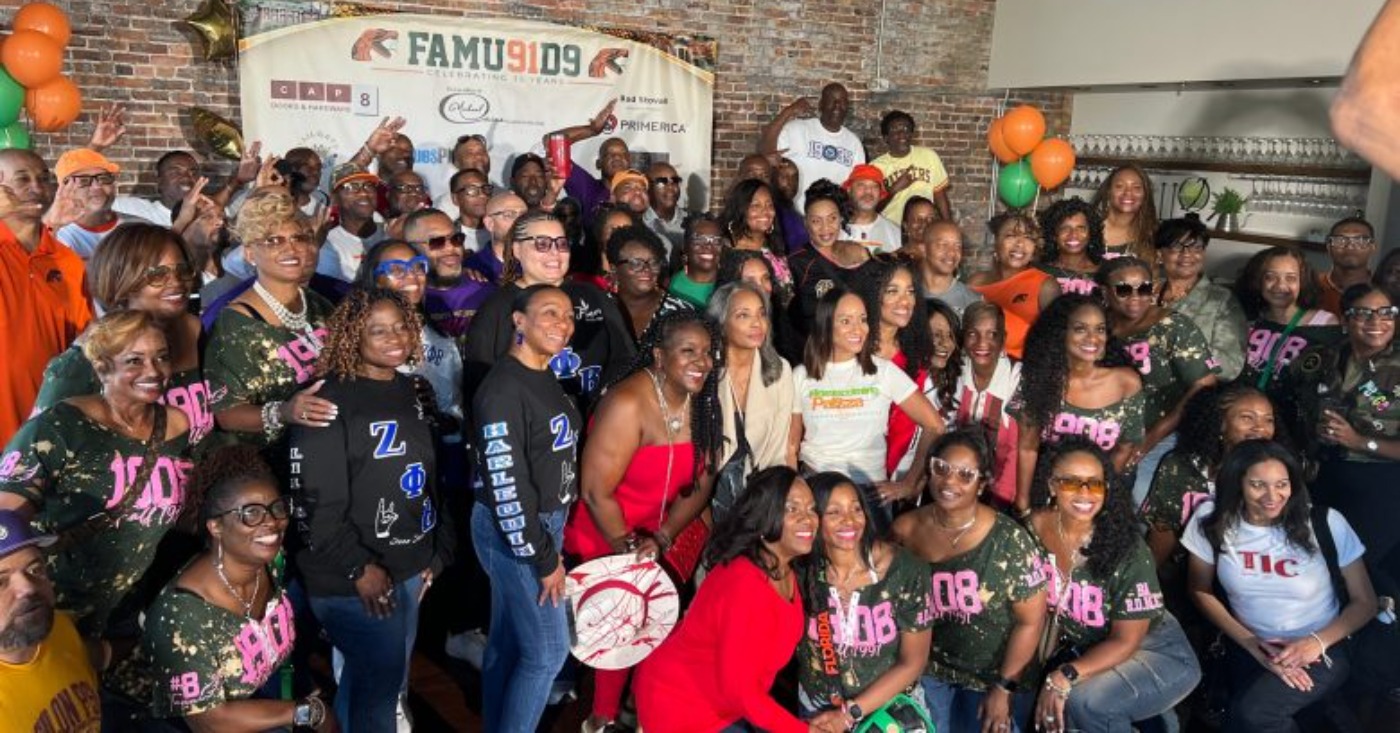
TALLAHASSEE — Roland Martin hosted his “Black Votes Matter 2026” live show at The Edison on Friday, Oct. 23, bringing an election-focused conversation to Florida A&M University’s homecoming celebrations.
Rattlers filled the restaurant to celebrate homecoming and watch the broadcast, according to event organizers. Democratic candidates, elected officials and entertainment figures joined the program as campaigns entered the final stretch before the Nov. 3 general election.
The Tallahassee stop was part of Martin’s “Roland on the Road” series. It focused on the role of Black voters in the 2026 election and issues affecting communities across Florida.
Candidates and elected officials on the program
The show’s published billing featured state Rep. Angie Nixon, Florida’s Democratic nominee for U.S. Senate; David Jolly, the Democratic nominee for governor; and film producer Will Packer.
Organizers’ confirmed guest list also included Joey Mendoza Atkins, the Democratic nominee for Florida agriculture commissioner, and state Reps. Gallop Franklin, Jervonte Edmonds and Rashon Young.
The event coincided with FAMU’s Oct. 18–25 homecoming week. The university’s schedule included Friday’s Homecoming Convocation and FAMFest marketplace, followed by Saturday’s parade and football game.
Affordability and voter participation
Briefing materials prepared for guests emphasized housing costs, property insurance, health care and voter participation. The planned interview format called for short conversations about lawmakers’ work and the issues facing Floridians.
The Florida Democratic Party framed its message around lowering household costs and supporting its candidates in November. Its briefing encouraged guests to discuss affordability and the importance of voting.
For Florida Black voters following the election, the program placed statewide campaigns alongside familiar figures from politics and entertainment. Holding the broadcast during homecoming also brought the election conversation into a gathering centered on Rattler traditions and reunions.
Florida’s general election is Tuesday, Nov. 3. Readers can find official election dates and contact information for their county elections office through the Florida Division of Elections.


TagsAngie NixonBlack Votes Matter 2026David JollyFAMU homecomingFlorida electionsFlorida legislatureJoey Mendoza Atkinsroland martinTallahasseeWill Packer
Based on reporting by Florida Sun.
Black Press
Secretary of State Shirley Weber Pushes Back Against DOJ Demands Over California Voter Rolls
California Secretary of State Shirley N. Weber is pushing back against U.S. Department of Justice demands to investigate voters suspected of being noncitizens shortly before the general election. Federal authorities are seeking to block mail-in ballots from approximately 20,000 registered voters, but Weber argues the request is an unlawful attempt to purge voter rolls and incite public distrust. Tensions have escalated further following a specific security dispute involving a thumb drive delivered to Los Angeles County officials. Read more for details on the state’s response.
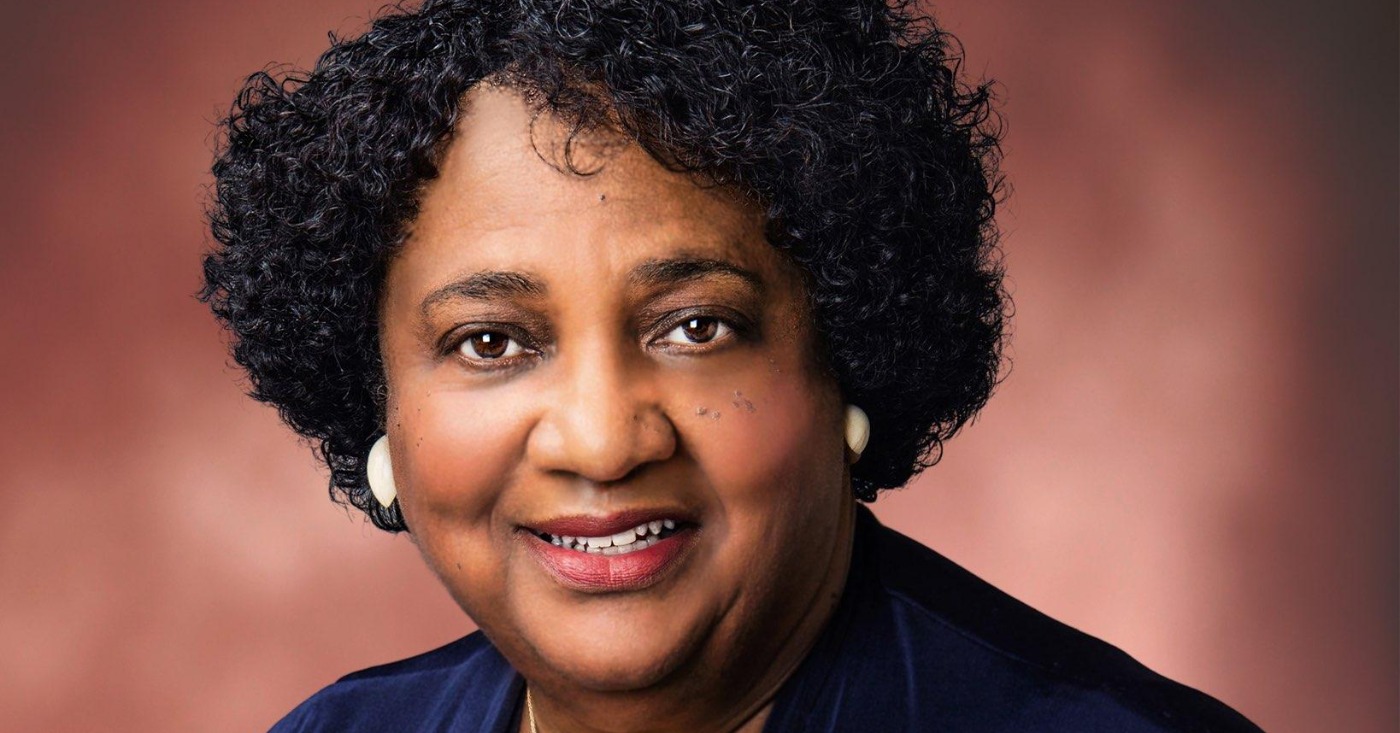
California Secretary of State Shirley N. Weber criticized the U.S. Department of Justice (DOJ)for demanding that state election officials investigate voters suspected of being noncitizens just weeks before the Nov. 3 general election.
“The U.S. DOJ’s relentless efforts to unlawfully gain access to states’ protected voter data and purge voter rolls serve only to cause chaos and fuel public distrust in our elections,” Weber said in an Oct. 14 statement.
Weber said her office received a demand to investigate an unspecified number of individuals the federal government believes are “likely noncitizens.” However, the DOJ did not provide her office with the list and gave California just 48 hours to obtain it, investigate and take action.
The demand comes as the DOJ, working with the Department of Homeland Security (DHS), seeks to block California from counting mail-in ballots from approximately 20,000 registered voters whose citizenship status the federal government has questioned.
“State-facilitated voter fraud is unacceptable in the United States of America,” said U.S. Attorney General Todd Blanche. “If found responsible in a court of law, the State of California will have seriously undermined confidence in our electoral system and violated laws that protect our nation’s representative system of government.”
According to Weber’s office, the Los Angeles County Registrar-Recorder/County Clerk received the federal government’s list on a password-protected thumb drive, with the password written on a sticky note.
Registrar-Recorder/County Clerk Dean C. Logan said his office declined to access the files because the device did not meet established security standards.
“We have not accessed the drive because doing so would conflict with established data privacy and information security protocols,” Logan said. “We do not consider the device a secure medium.”
Weber also challenged earlier federal allegations that California had 190,000 noncitizens on its voter rolls, saying the Trump administration had failed to provide evidence or explain its methodology despite requests from her office.
“California has robust state law requirements that only U.S. citizens can register to vote and that any non-eligible registrants are removed from the state’s voter rolls,” Weber said. “My office and California election officials remain committed – as always – to ensuring a fair and smooth 2026 general election.”
The DOJ’s letters to the California secretary of state and Los Angeles County election officialsoutline the federal government’s demands.
Black History
Oakland Honors 60 Years of the Black Panther Party at the All Power to the People Gala
Oakland recently gathered at the Scottish Rite Center for the All Power to the People gala, celebrating the 60th anniversary of the Black Panther Party. Presented by the Dr. Huey P. Newton Foundation, the event brought together movement veterans, community leaders, and elected officials to honor the organization’s history of radical love and community service. Attendees enjoyed performances by youth arts groups and heard testimonials regarding the Party’s enduring influence on local housing and healthcare. The evening featured a keynote address exploring the moral clarity required for activism, click to read more.
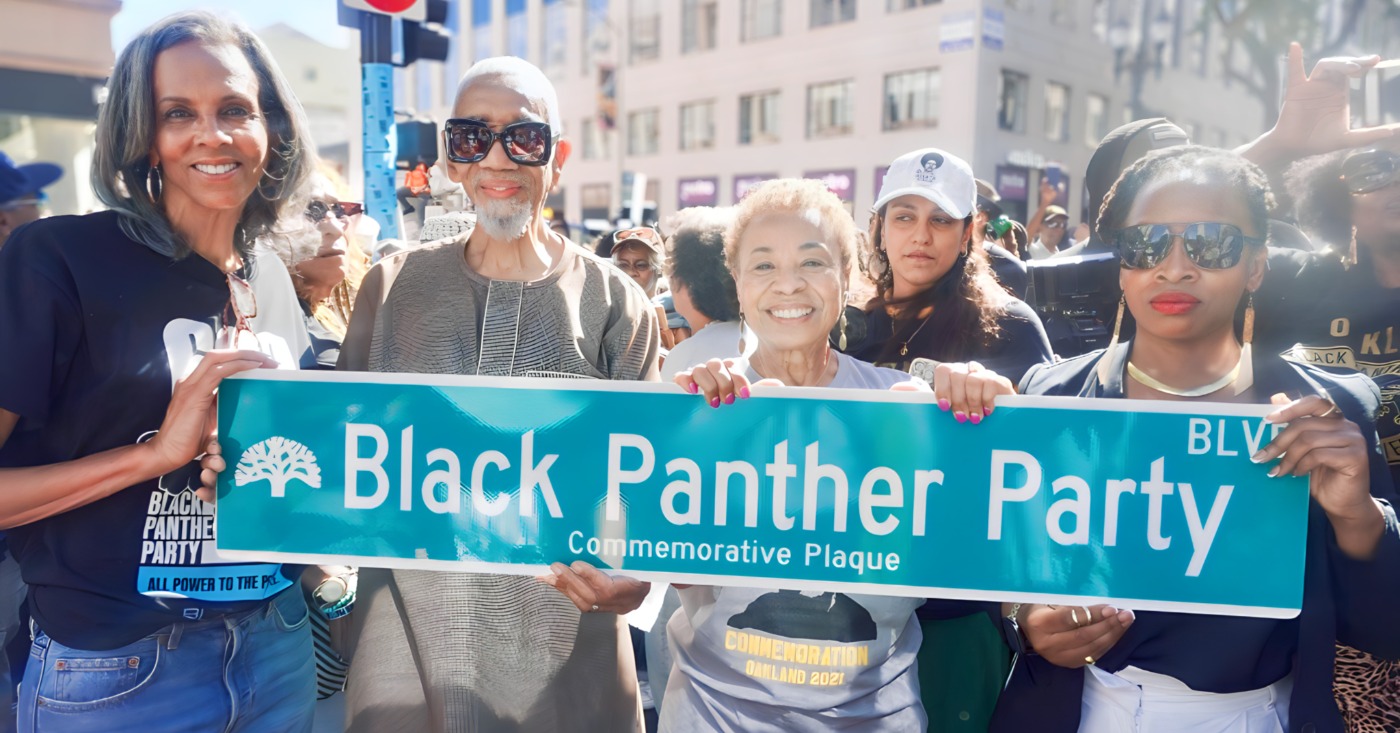
Oakland gathered on Oct. 17 to celebrate the 60th anniversary of the Black Panther Party (BPP), the movement Huey P. Newton and Bobby Seale founded in the city six decades ago.
The “All Power to the People” evening gala, at Oakland’s Scottish Rite Center, brought together Panther veterans, families, community leaders, and younger generations for a night of history, music, and recommitment.
The festivities, presented by the Dr. Huey P. Newton Foundation, began with a black carpet entrance up the staircase to the center. Each side was lined with servers holding trays of champagne for guests to retrieve while walking in.
An energetic U.S. Congresswoman Lateefah Simon opened the program as emcee. Charlotte Hill O’Neal offered libations, and 16-year-old Abayomi Lewis, a Haitian American high school junior from San Francisco, performed BBP’s anthem, “The Meeting.” Young Gifted & Black, a performing arts program that has served Bay Area youth since 2010, followed with an inspirational performance of stepping and speaking truth to power.
During dinner service by Chef Michele McQueen, Oakland Mayor Barbara Lee shared how instrumental the Black Panther Party was to her as a young single parent of two boys. “The Party provided food and lots of support and Fredrika Newton’s mother, a prominent real estate broker and housing rights activist, helped me navigate purchasing my very first home.”
Lee also shared lots of Panther history, including that she was the finance chair for Black Panther Party co-founder, Bobby Seale when he ran for Oakland mayor.
Dr. Xavier Buck, executive director of the Dr. Huey P. Newton Foundation, spoke of how being held at gunpoint by six New York City police officers in Jamaica Queens, reading the autobiography of Assata Shakur, and learning from Fredrika Newton inspired his life’s work.
“I’ve been poured into by Black Panther Party members throughout the country and what I’ve learned the most from them is “radical love.” The same love that created free breakfast programs, free ambulance services, and free sickle cell anemia testing for the Black community.”
Marvel’s Black Panther author and journalist Ta-Nehisi Coates delivered the keynote address.
“The legacy of the Black Panther Party lives on,” said Coates noting the presence of BPP veterans. He further remarked that people often focus narrowly on how to win, but real moral clarity comes from reflecting on what principles you are willing to stand for—and what you are willing to lose for—even in the face of steep odds.
Fredrika Newton, co-founder and president of the Dr. Huey P. Newton Foundation, thanked Panther veterans for “all you gave” and expressed hope that attendees would leave with a renewed commitment to the work that remains.
“Seeing Panther veterans, younger generations, and the community united to honor the Party, reminds me why this work has mattered so much,” said Newton.
Everyone in the room joined in song in tribute to Bobby Seale, wishing the 90-year-old well and took pictures with him.
Cyril Innis Jr., known as “Bullwhip,” addressed the issue of political prisoners and fighting for their freedom. The program booklet listed the dozens of imprisoned Panther members who passed away and honored the sacrifices of those still incarcerated.
A Legacy Award, was presented to Charlotte Hill O’Neal, known affectionately as “Mama C.”
“Mama C” has continued the Party’s work from Tanzania, where she and her husband, Pete O’Neal, founder of the Kansas City chapter, have lived in exile since 1970. Together they established the United African Alliance Community Center and the Leaders of Tomorrow Children’s Home which cares for orphans.
“Mama C” ceremoniously circled each table honoring the ancestors of the movement and encouraged guests to call out the names of loved ones who had passed away.
Marc Philpart of the Black Freedom Fund supported the anniversary and pledged to keep investing in the people and organizations carrying the work forward.
Trust for Public Land also marked the occasion, recalling its collaboration with the Panthers and Oakland residents who turned vacant lots into neighborhood gardens in the 1970s.
The Dr. Huey P. Newton Foundation opened the Black Panther Party Museum in January 2024, and the museum has since held multiple exhibitions and welcomes more than 30,000 visitors a year on the newly named Black Panther Party Boulevard in downtown Oakland. For more information, go to HueyPNewtonFoundation.org
Black Press
Fate of Bay Area Public Transit Hinges on Regional Transit Measure
Voters in five Bay Area counties will decide the fate of a regional sales tax measure on Nov. 3 that could determine the future of local public transportation. If approved, the Regional Transit Measure would implement new sales taxes in Alameda, Contra Costa, San Mateo, Santa Clara, and San Francisco counties starting in 2027. The funding aims to address massive financial deficits facing agencies like BART and Muni, providing nearly $1 billion annually to prevent station closures and service cuts. Read more.
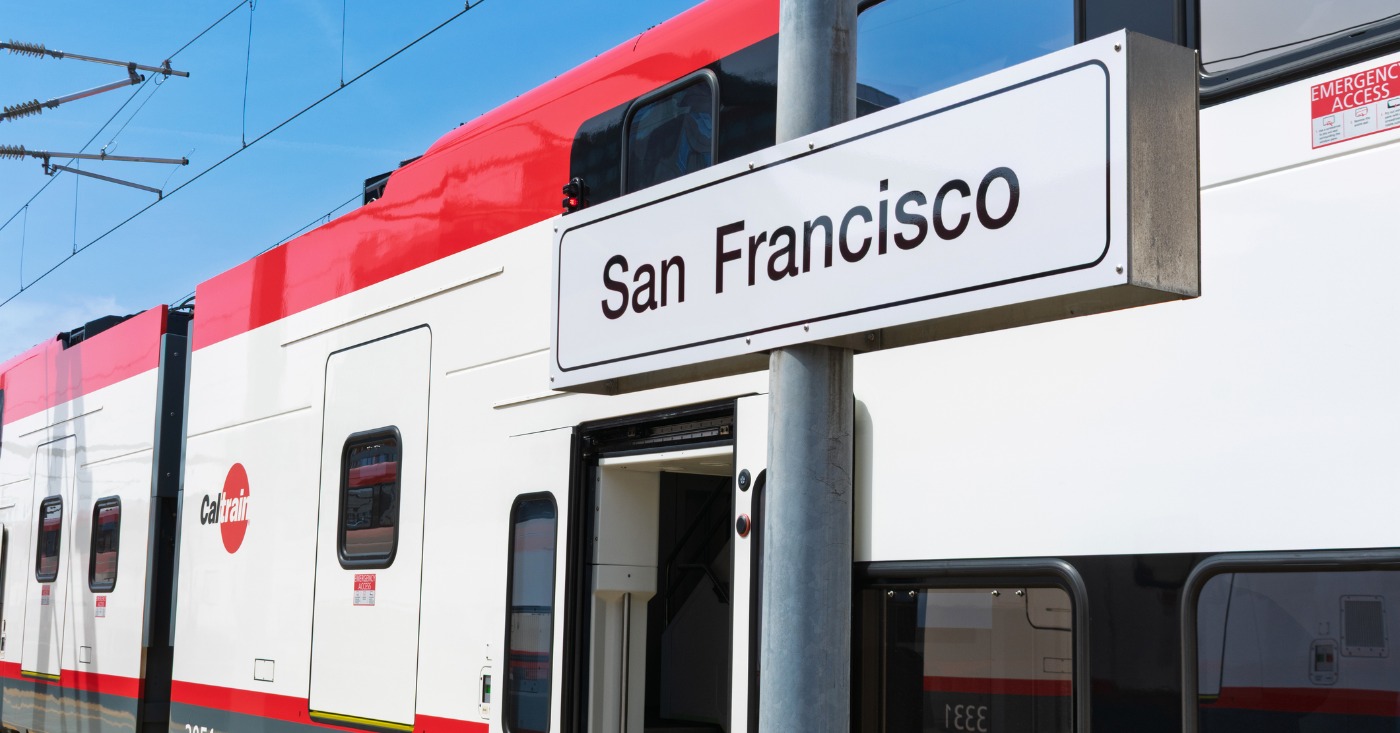
On Nov. 3, voters in five Bay Area counties will vote on a regional sales tax measure that, if it fails, could prompt local transit agencies to close train stations and cut bus service.
If passed, the Regional Transit Measure, or RTM, will impose a half-cent sales tax in Alameda, Contra Costa, San Mateo, and Santa Clara counties as well as a one-cent sales tax in San Francisco starting April 2027.
The tax would raise an estimated $980 million annually for 14 years to fund the region’s public transit agencies, which are struggling with massive financial deficits. Revenue would go to BART, Muni, Caltrain, Alameda-Contra Costa Transit, the Santa Clara Valley Transportation Authority, the San Francisco Bay Ferry, Golden Gate Transit, and other transportation agencies operating in the five counties.
In California, a regional measure for a new sales tax would normally require a two-thirds majority approval if the state Legislature directly places it on a ballot. Transit advocates, however, chose to collect signatures to make the sales tax a citizen-initiated ballot measure that would lower the threshold to a simple majority of votes cast across the five counties.
The RTM received more than 241,000 signatures, exceeding the 186,000-signature threshold required to qualify for the ballot.
Black Press
Why AC Transit Director Joel Young is My Choice for AC Transit Board Ward 3
Former AC Transit Director Patrisha Piras is endorsing incumbent Joel Young for the AC Transit Board of Directors, Ward 3. Piras highlights Young’s tenure as the longest-serving member of the current board and his role in securing over $600 million in funding for the district. Young has previously served as board president and is credited with advancing clean-energy initiatives and workforce development programs. Piras cites his institutional knowledge as vital for navigating current financial challenges to ensure regional connectivity. Find out why Young is being recommended for another term.
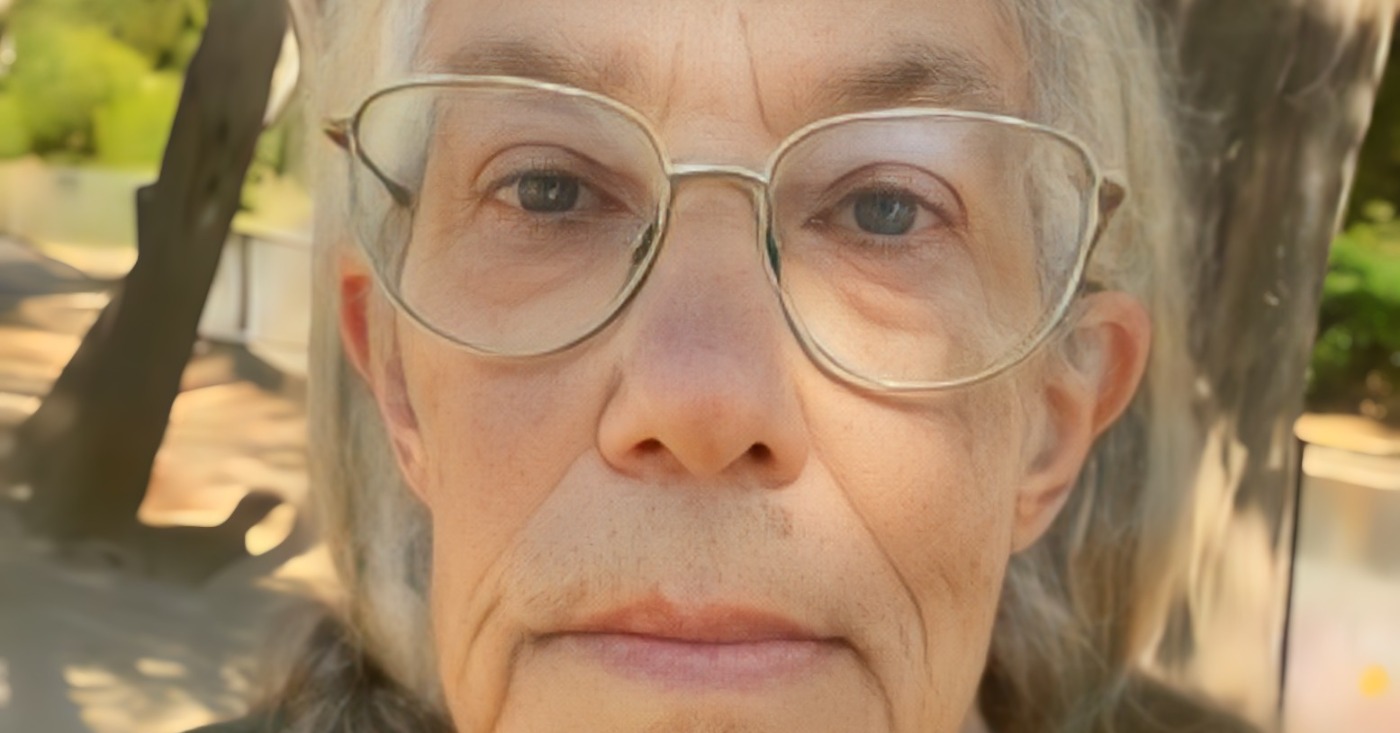
As a former AC Transit Director for more than a decade, I know firsthand what it takes to serve effectively on the AC Transit Board. That is why I am proud to endorse Joel Young for election to the AC Transit Board of Directors, Ward 3.
Joel’s dedication to AC Transit and the communities they serve has been unmatched. Throughout his years on the Board, he has been a tireless advocate for riders, employees, and residents who depend on reliable, affordable public transportation every day. The majority of his colleagues have shown their trust, respect, and confidence in him by electing him as Board president.
As the longest-serving member of AC Transit’s current Board, Joel has played a pivotal role in securing more than $600 million in funding for the District, advancing clean-energy transit initiatives, strengthening workforce development programs, and helping position AC Transit as a national leader in innovation and sustainability. His leadership has extended beyond the Bay Area, representing AC Transit on the national stage and advocating successfully for investments that strengthen public transportation across the country, even with the current federal administration.
At a time when transit agencies face significant financial and operational challenges, Joel brings the experience, institutional knowledge, and steady leadership needed to help guide AC Transit forward. He understands that public transportation is about more than buses and infrastructure. It is about connecting people to jobs, schools, health care, and opportunity while ensuring that our communities remain accessible and economically vibrant.
Joel Young has a proven record of working with others to deliver results, protect transit service, and fight for the resources needed to meet the evolving needs of our region. His dedication, leadership, and commitment to public service make him exceptionally qualified to represent AC Transit Ward 3.
I strongly endorse Joel Young for the AC Transit Board of Directors and encourage Ward 3 voters to support his election by Nov. 3.
Patrisha “Pat” Piras is a former AC Transit director.
Black Press
OP-ED: For Us It’s Feel-a-Nomics
BLACKPRESSUSA NEWSWIRE — Consumer confidence is at its lowest level since 2014. The median household income in America is $87,460 but it takes a median income of $150,000 to buy a home. Affordable housing is sitting vacant because folks still can’t afford it particularly with the dramatic cuts to SNAP and Medicaid we saw in Trump’s “Big Ugly Bill.”

I often refer to the economic conditions we see in our Black community is Black-a-nomics. But that description is truly rooted in Feel-a-nomics: the economy that you can feel.
Feel-a-Nomics gets past the philosophical abstractions you hear about so much on the news that politicians use to paint a rosier picture than the reality you’re facing. Feel-a-Nomics doesn’t care about corporate profits or dividend projections because those earnings don’t trickle down to your wallet. It doesn’t pay any attention to inflated job numbers when we know that it takes at least two of those jobs to earn a living wage.
Feel-a-Nomics is the economy that affects every day of your life.
Foreclosure rates are skyrocketing up 21% for the first half of 2026 and car repossessions were up 43% as of January. That’s Feel-a-Nomics because it’s your home on the chopping block and that’s the car you need to get to and from your job.
Credit card debt is surging as more than half of Americans are forced to rely on credit cards to pay for basic needs like groceries, rent and utilities. Student debt has jumped since the Trump administration reversed course on Biden repayment and forgiveness plans. This unconstitutional war has brought us record high diesel prices and fertilizer costs along with 16 unnecessary American deaths with a Feel-a-Nomics impact of higher prices at the pump and the grocery store as it costs our farmers more not just to grow our food, but to send it to us too.
Consumer confidence is at its lowest level since 2014. The median household income in America is $87,460 but it takes a median income of $150,000 to buy a home. Affordable housing is sitting vacant because folks still can’t afford it particularly with the dramatic cuts to SNAP and Medicaid we saw in Trump’s “Big Ugly Bill.”
The MAGA healthcare cuts are piling on new premiums and high deductibles. High inflation, particularly at the gas pump and the grocery store, is cutting our legs from under us. The value of our dollar is shrinking at every turn and it doesn’t matter anymore if you want to get a second or third job because, according to another piss poor jobs report, the work just isn’t out there.
According to the Federal Reserve, the net worth of Black households is down 25%. That’s our home. That’s our community. Those are our families! That’s Feel-a-Nomics and, here in the Black community, it hurts. So let’s turn that pain into progress.
After gutting the Voting Rights Act and more, President Trump and the MAGA Congress has done everything they can to cripple Black progress and Black communities. They’ve picked our pockets and our bodies to the bone. But there’s something we can do about it.
The economics of voting are undeniable and, try as they might, they can’t keep us out of the voting booth. That’s why we have groups like State Voices, Repairers of the Breach, Common Cause, No Kings and more coming together to drive voter mobilization and participation. That’s why Repairers of the Breach is organizing 1,000 marches to the polls across the South and battleground states like North Carolina where 201,609 voters cast their ballots on Thursday’s first of early voting.
That’s a 46.7% increase in early voting from 2022. That’s huge! But it’s just the start.
We need a generational, Presidential year-type turnout if we’re going to turn this ship around and find the Feel-a-Nomics relief we need in our communities. That means we all have to do our part from the streets to the suites.
We need everyone from the PhDs to folks who don’t have a GED. We need the farmers and forklift drivers, college students to life students, front line workers for everyone who works on the line.
We need everyone.
We’ve all felt the impact of MAGAnomics and Trumpism. We’ve all felt the pain whether it’s that empty feeling looking at bills you just can’t pay no matter what you cut or the cramp in your stomach because you’re skipping meals trying to keep the lights on.
We’ve all felt the pain of these Feel-a-Nomics. But the good news is that we have an opportunity right now to do something about it. We have the opportunity to make a change at the ballot box.
But it’s going to take all of us to make it happen. It’s going to take every shoulder against the wheel to push back on the big money holding us down. It’s going to take all of us but we’ve done it before.
Are you ready to do it again?


Roland Martin Brings Black Votes Matter to Tallahassee

When Your Faith Is Put to the Test

2027 Buick Enclave Sport Touring Interior 360 Video

FAMU Shooting Arrest, New Trump and ICE Activity Near Florida Polling Site 📱

FAMU Shooting Arrest, New Trump and ICE Activity Near Florida Polling Site

Buying a Subaru WRX? Get the FULL Price Before You Sign #shorts

Houston Screenwriter Shannan E. Johnson on Making It in Hollywood

Golf Opportunities Beyond the Pros: Mentors, Scholarships & Mental Health #shorts

This Election Is Critical: Potecting Our Freedoms

Passion for Gopher Sports: The Podcast Origin Story! #shorts

OP-ED: Haiti TPS: Have We Lost Sense of Humanity?

Remembering Chauncey Bailey as Student Journalists Face Threats to Truth-Telling

All Skinfolk Ain’t Kinfolk

Poll: Becerra Widens His Lead Over Hilton; Californians Split on Wealth Tax

Rulings Leave Questions Lingering in Nolan Wells Case

Latinas Deserve Equal Pay. Unions Help Make It Happen.

Zakiya Jendayi Arrested, Locked Out of Home by Sheriff’s Deputies

Why Black Artists Struggle to Sell Tours

COMMENTARY: The Audacity of Joyce Beatty

A $2.1 Trillion Wellness Industry Never Built a Daily Practice for Black Children. So This Atlanta Family Did.
2027 Buick Enclave Sport Touring Interior 360 Video
FAMU Shooting Arrest, New Trump and ICE Activity Near Florida Polling Site
FAMU Shooting Arrest, New Trump and ICE Activity Near Florida Polling Site 📱
Buying a Subaru WRX? Get the FULL Price Before You Sign #shorts
Houston Screenwriter Shannan E. Johnson on Making It in Hollywood
Golf Opportunities Beyond the Pros: Mentors, Scholarships & Mental Health #shorts
This Election Is Critical: Potecting Our Freedoms
Passion for Gopher Sports: The Podcast Origin Story! #shorts

Super Cruise: Hands-Free Driving on Your Routes #shorts

The People’s Revival GOTV 2026 Tour | Atlanta
-

 Black History1 week ago
OP-ED: The Black Church Writes AI’s Next Chapter
-

 Featured1 week ago
Tamiko Armstead | 2026 Lifetime Achiever in Education
-
 Black History1 week ago
Practitioners of African Traditional Spirituality Offer Ancestral Reverence Ritual Oct. 31
-
 Art1 week ago
Kickstarter CEO Everette Taylor Shares Tips on Creating and Growing a Business
-
 Black History1 week ago
Columbus’s Oldest Businesses Still Open: 10 That Have Lasted 75+ Years
-
 Black History1 week ago
COMMENTARY: BIG MAMA SAID: Don’t Throw Away the Gift Just Because It Came Wrapped Wrong
