
BlackPressUSA
EDSOURCE: California Schools Face ‘Deep Trouble’ as Flooding Danger Looms

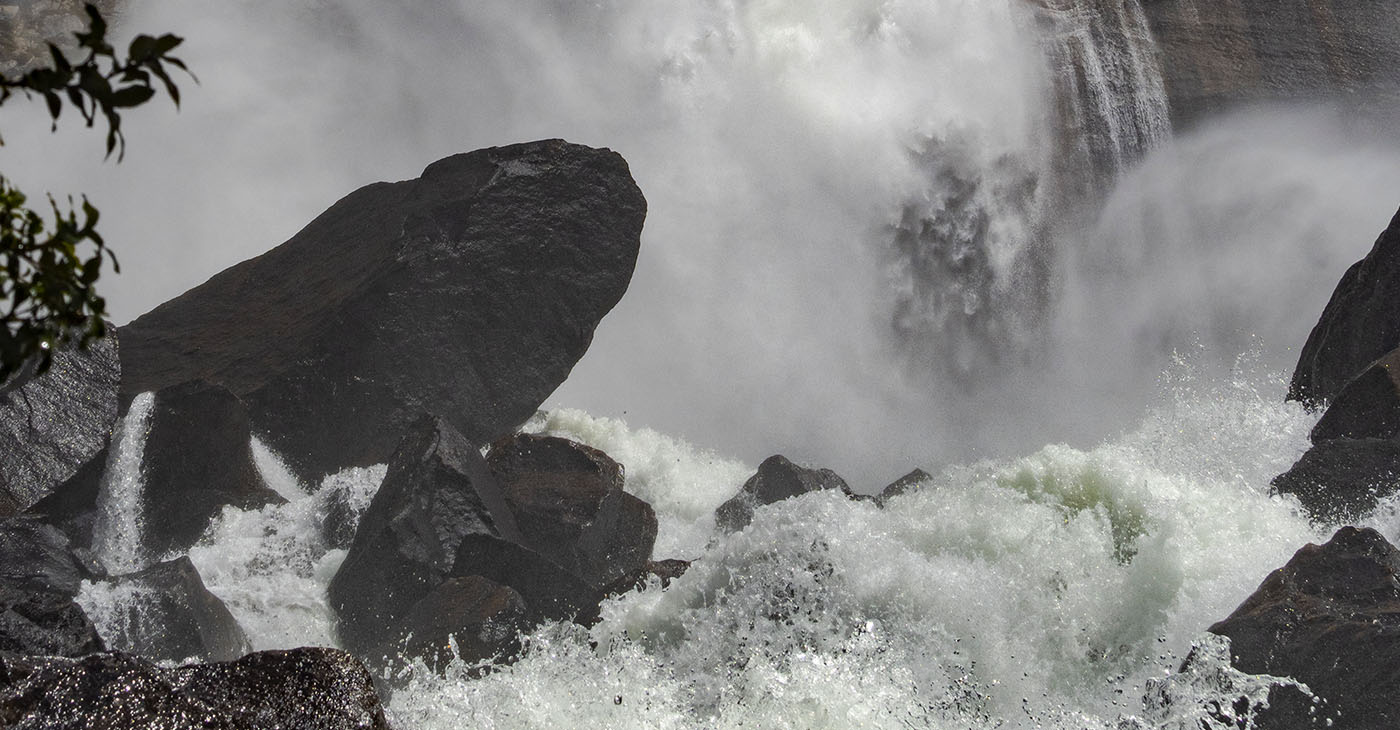
By Thomas Peele, Emma Gallegos and Daniel J. Willis
EdSource
As heavy storms keep pounding California with torrential rains and a record Sierra snowpack is poised to melt and send rivers surging over their banks, more than a fifth of the state’s 10,000 K-12 schools are at a high or moderate risk of flooding, an analysis of federal data by EdSource shows.
Schools in flood-prone areas, in some cases protected by aging, weakened levees with poor safety ratings, face possible floods similar to those that have already swept through schools in Alameda, Merced and Monterey counties this year, causing millions of dollars in damages, Federal Emergency Management Agency data shows.
Flooding in the Tulare and the San Joaquin basins in the Central Valley in the months ahead “is inevitable,” Jeffrey Mount, a geomorphologist and senior fellow at the Public Policy Institute of California who studies flood and water management, told EdSource in an interview.
“We’re looking at a pretty epic spring in those places. We’re really going to see some considerable hardship in these small rural communities once this snow begins to melt,” he said. He urged local communities and public agencies like school districts to start planning now.
The snowpack in the southern Sierra measured Monday at more than 300% of what it normally is on April 1 of a given year, according to the state Department of Water Resources. The statewide average came in at 237% of normal.
So much snow has piled atop Alpine County Unified School District’s Bear Valley Elementary School, which sits at 7,000 feet elevation, that it’s been closed over fears the roof may cave in. Its seven students are attending classes at a local library.
“The fact is there is quite a lot of water in the water cannon that is pointed west in the Sierra. And these storms just keep loading it up,” Mount said.
Tulare County in the southern Central Valley, where flooding caused by breached levees soaked the unincorporated towns of Allensworth and Alpaugh last month, has the most schools in the state classified at high flood risk — 35 — according to FEMA data that was last updated in 2009.
Mount specifically singled out the cities of Visalia in Tulare County and Firebaugh and Mendota in western Fresno County as places that should expect to be hit hard.
“Mendota, Firebaugh, places like that are on the San Joaquin River and have schools within them, they’re in deep trouble,” Mount said.
Data show all six schools in the Firebaugh-Las Deltas Unified School District are at high risk of flooding. Levees in the area have a safety rating of unsatisfactory, State Department of Water Resources records show. Those levees, built to prevent the overflow of rivers, are “in pretty bad shape. They’ve been severely neglected over the last 100 years, certainly in the last 50 years,” Mount said.
The school district is preparing staff, students and their families for the serious possibility of a flood. Superintendent Roy Mendiola has encouraged families and staff to prepare a “go bag” with their most important documents. In the event of an evacuation, students will be shuttled to a produce warehouse on high ground on the other side of town. The school district has the largest fleet of buses and vans in the region, so it also plans to help evacuate local residents.
Local agencies, including the city of Firebaugh and its police department, have been key partners in preparing for a potential disaster. Mendiola is getting more guidance from officials at Planada Elementary School District across the valley, which was recently damaged by flooding. But the state hasn’t stepped up with any sort of guidance about how to prepare, said Mendiola. Rather, he’s gotten emails about how to deal with damage in the aftermath of storms. “It wasn’t so much, ‘Here’s what you could do to prepare a plan for an emergency like that,’” said Mendiola.
In Tulare County on the eastern side of the valley, Visalia Unified School District, 38 of 42 schools are at high or moderate flooding danger, data show. Ten are at high risk. A district spokesperson, Cristina Gutierrez, declined to make officials available for an interview. In an email, she wrote that the district is in “constant touch” with Visalia city officials and the U.S. Army Corps of Engineers, which monitors river levels.
Tulare County Superintendent of Schools Tim Hire said school officials in the county are “carefully watching and making decisions day by day” about how to proceed. “They all want students in the classroom, but only if it is safe.”
There is no question that floods will come, said Carlos Molina, a meteorologist for the National Weather Service in Hanford.
Melting snow will create double the amount of water leaving the mountains than reservoirs from Yosemite in the north to Lake Isabella in the south can hold at one time, he said.
Which rivers will flood? “Take your pick,” Molina said, rattling off names: The Kern. The King. The San Joaquin.
“They will be having problems from now until later this summer.”
The Pajaro flood
When a 75-year-old levee holding back the Pajaro River from the unincorporated northern Monterey County community of Pajaro ruptured March 11, floodwater poured into the center of the farming town. Homes, businesses, and Pajaro Middle School stood in its path. Water entered the school’s classrooms and submerged its grounds.
When State Superintendent of Public Instruction Tony Thurmond visited the school on March 24 some classrooms remained wet. Mud caked walkways inside and out.
Members of Thurmond’s staff wore knee boots as they toured the building. Pajaro Unified School District Superintendent Michelle Rodriguez said cleanup hadn’t started because insurance adjusters hadn’t completed their work. At that point, it was nearly two weeks since the flood and there were concerns mold would worsen the damage. Thurmond, standing before television cameras, called an executive of the school’s insurance company and left a voicemail urging the claim be expedited.
While praising relief workers and expressing concern for displaced families, at one point making a recorded statement to them in Spanish, Thurmond, a former member of the state Assembly, appeared to lack basic knowledge about the situation.
Asked at a news conference how many other schools in the state were prone to similar flooding as Pajaro Middle, he didn’t provide a number. Thurmond responded by describing the many threats schools face. “Before we were talking about floods, we were talking about wildfires, power-safety shut-offs and, of course, we’re still overcoming the impacts of a pandemic. Sadly, it’s become the new normal for there to be school disruption.”
In an email, Scott Roark, spokesperson, said the state Department of Education is in regular communication with other state agencies and the National Weather Service about school flooding risks.
The department recently alerted 500 districts on preparing for and dealing with flood hazards based on models developed by the state’s Department of Water Resources. The information was distributed through local county offices of education, said Abel Guillen, deputy superintendent of public instruction. Many schools on that list are in the Tulare Basin, which includes both Tulare and Kings counties. Schools on those lists are encouraged to update their emergency plans, check to see that they have flood insurance, inventory and photograph costly equipment, move computers from low-lying areas, begin sandbagging and strengthen contact with local emergency operations.
Overall, the FEMA data shows flood ratings for 10,628 California schools, some of them in shared buildings. Of those, 2,230 are identified with high or moderate flood risk. Of those, 398 are high risk of flooding. Another 383 are listed as having a possible flood risk, but there is not enough information to make a more exact estimate.
The risk to another 56 schools is listed as unknown because they are not covered in FEMA flood maps. All are in Alpine, Sutter and Yuma Counties. There are 7,958 schools identified as low-risk. In only three of the state’s 58 counties are all schools listed as low risk— Amador, Calaveras and San Francisco.
Data shows that some of the schools rated as high risk were built in floodways, or floodplains, or in locations where floodwaters are likely to pool. Others were built where floodwater is expected to flow across school grounds.
Of schools rated at moderate or high risk, data show 602 are marked as being at reduced risk because levees protect them. Most are in urban areas — nearly half are in Los Angeles and Orange counties.
In Pajaro, the middle school is listed by FEMA as being at high risk for flooding and being in a sheeting area where water would flow over the school property. That’s what happened when the nearby levee, which was built in 1949, breached March 11.
The flood was the fourth time the town flooded since then and local officials are bitterly complaining about a lack of maintenance on the levee. The river divides Monterey and Santa Cruz counties. The Mercury News reported March 26 that Santa Cruz County spent five times more money than Monterey County did on maintaining the levee on its side of the river over the past three years. The levee breached when the river was below flood stage.
When the record snowmelt hits rivers in the months ahead the state’s levees will be severely tested, said Farshid Vahedifard, a Mississippi State University engineering professor who has extensively studied California’s system of more than 21,000 kilometers of urban and nonurban levees. Many, he said, are aging earthen berms not meant to serve as critical infrastructure.
“I won’t be surprised if I see more failures,” he told EdSource.
Mount put it succinctly: “There are only two kinds of levees,” he said. “Those that have failed and those that will fail.”
They will be severely tested around Memorial Day, Mount said, as snowmelt overwhelms the water systems just when schools are letting out at the end of the academic year and preparing for summer sessions. The ability to use schools as emergency shelters and rally points could be impeded.
In the Southern Sierra, Mount predicted, the looming disaster is “going to last months and, it may take years to recover from.”
The filthiest water imaginable
When heavy rains on Jan. 9 caused a stream to flood and a levee to break in Planada, an unincorporated Merced County community, water naturally ran to the lowest points in town — including the grounds of Planada Elementary School built in 1955 below flood level. FEMA lists the school as a high flood risk and a “special flood hazard area” where water will pond with nowhere to go.
“The filthiest water imaginable” flooded the school, said Jose Gonzalez, superintendent of the Planada Elementary School District. “There were porta-potties floating throughout the community. There were dead rodents.”
Twenty-six first- through fifth-grade classrooms were lost. So were 4,000 books. Rebuild costs, including raising the site above the floodplain, is roughly $12 million. There’s no date for work to start.
School was closed for eight days until students could attend classes in another school in town that didn’t flood.
The floodwaters came fast, Gonzalez said. But it happened when school was closed. Had the same conditions occurred on a school day, “It would have been complete chaos,” he said.
The disaster wasn’t new for Gonzalez. The school also flooded during a 2018 storm.
“They said (2018) was a 100-year flood,” Gonzalez said. Federal and state officials told him,’”Don’t worry, it’s not going to happen again,”‘ he said. “Five years later here we are.”
In 2018 the district didn’t have flood insurance. But it was able to join a joint-powers authority of other small districts to buy insurance that covered the January damage. Litigation over the levee breach is likely, he said.
The district has a soccer field and track nearby. Gonzalez said it may be lowered “with the field at the bottom with the track around the top” to serve as a “ponding basin” where floodwater could be diverted. He’s had to learn about water rights, hydraulics and meteorology — things “they don’t teach you in superintendents’ school.”
“Any time there’s a light rain I drive out to check the creek,” he said. “It’s just part of the routine.”
For decades schools in California could be built anywhere where a local district could find and afford land. If that means in the floodplain of the Pajaro River or the lowlands of Planada, then that’s where they were built.
“Finding land for new schools isn’t easy. It’s only getting harder as the cost of land increases,” said Jeffrey Vincent, of UC Berkeley’s Center for Cities & Schools. “It’s not like they get the pick of the litter.”
School boards can override other local agencies on land use decisions, putting schools wherever they can acquire land.
But one district in 2018 decided not to build in a floodplain.
The Kern High School District declined to build a new school in a floodplain to serve the unincorporated town of Lamont, said Jack “Woody” Colvard, a facilities management consultant for the Kern County superintendent of schools. He previously worked for the Kern High School District, which considered several options that would allow the school to be built in Lamont, but none of them were practical.
One idea was to buy 180 acres for a 120-acre campus — the other 60 acres would provide dirt that would allow the campus to be raised above the floodplain. Just the grading alone on a project like that would run $5 million. It also considered building canals that would allow floodwaters to move around the school, Colvard said.
These options would turn the school into an “island.” That’s a problem because schools shouldn’t merely be safe in an emergency, Colvard said, they should also be accessible places for the community to find food, water and other crucial resources at such times.
Assemblymember Al Muratsuchi, D-Torrance, notes that the state treats schools as the “backbone” of emergency response efforts in the event of an earthquake. As the Legislature crafts another state bond measure for school facilities, there have been discussions about how California can also prepare school facilities for the effects of climate changes that have increased the risk of wildfires, heat waves and flooding.
“We’ve been having ongoing discussions about how the bond should acknowledge the realities of climate change,” he said.
One provision that may be added to the bond measure would authorize the state to acquire portable classrooms so that schools can have them quickly in the event of a disaster.
But even a school labeled by FEMA to be a low flooding risk has suffered from a recent major flood.
The tiny Sunol Glenn Unified School District nestled in the hills of eastern Alameda County has one school. A stream, Sinbad Creek runs behind it. Superintendent Molleen Barnes said she never really gave the creek much thought, other than asking local officials to clear out some branches that had gotten stuck under a nearby bridge that passed over it.
The creek usually “ran at a trickle” at a depth of 15 to 17 inches, she said.
Then the night of Dec. 31 and into New Year’s Day, Barnes started getting texts from parents telling her the school grounds were flooding. As an atmospheric river unleashed torrential rains, Sinbad Creek had jumped its banks, surging to 24 feet. The branches under the bridge hadn’t been cleaned out.
“Of course, we’d been in a drought and this hadn’t been on our radar,” Barnes told EdSource. When the water receded the school grounds were covered in 18 inches of mud. Three modular classrooms were knocked off their foundations. Fences toppled. A classroom and an office were damaged. The entire building had to be assessed for mold.
The district didn’t have flood insurance. The damage was estimated at about $1.8 million, Barnes said.
“The school’s 100 years old and it never flooded, “Barnes said. “This isn’t something we’d even thought about.
“Until now.”
The post EDSOURCE: California Schools Face ‘Deep Trouble’ as Flooding Danger Looms first appeared on Post News Group. This article originally appeared in Post News Group.






Black Press
OP-ED: For Us It’s Feel-a-Nomics
BLACKPRESSUSA NEWSWIRE — Consumer confidence is at its lowest level since 2014. The median household income in America is $87,460 but it takes a median income of $150,000 to buy a home. Affordable housing is sitting vacant because folks still can’t afford it particularly with the dramatic cuts to SNAP and Medicaid we saw in Trump’s “Big Ugly Bill.”

I often refer to the economic conditions we see in our Black community is Black-a-nomics. But that description is truly rooted in Feel-a-nomics: the economy that you can feel.
Feel-a-Nomics gets past the philosophical abstractions you hear about so much on the news that politicians use to paint a rosier picture than the reality you’re facing. Feel-a-Nomics doesn’t care about corporate profits or dividend projections because those earnings don’t trickle down to your wallet. It doesn’t pay any attention to inflated job numbers when we know that it takes at least two of those jobs to earn a living wage.
Feel-a-Nomics is the economy that affects every day of your life.
Foreclosure rates are skyrocketing up 21% for the first half of 2026 and car repossessions were up 43% as of January. That’s Feel-a-Nomics because it’s your home on the chopping block and that’s the car you need to get to and from your job.
Credit card debt is surging as more than half of Americans are forced to rely on credit cards to pay for basic needs like groceries, rent and utilities. Student debt has jumped since the Trump administration reversed course on Biden repayment and forgiveness plans. This unconstitutional war has brought us record high diesel prices and fertilizer costs along with 16 unnecessary American deaths with a Feel-a-Nomics impact of higher prices at the pump and the grocery store as it costs our farmers more not just to grow our food, but to send it to us too.
Consumer confidence is at its lowest level since 2014. The median household income in America is $87,460 but it takes a median income of $150,000 to buy a home. Affordable housing is sitting vacant because folks still can’t afford it particularly with the dramatic cuts to SNAP and Medicaid we saw in Trump’s “Big Ugly Bill.”
The MAGA healthcare cuts are piling on new premiums and high deductibles. High inflation, particularly at the gas pump and the grocery store, is cutting our legs from under us. The value of our dollar is shrinking at every turn and it doesn’t matter anymore if you want to get a second or third job because, according to another piss poor jobs report, the work just isn’t out there.
According to the Federal Reserve, the net worth of Black households is down 25%. That’s our home. That’s our community. Those are our families! That’s Feel-a-Nomics and, here in the Black community, it hurts. So let’s turn that pain into progress.
After gutting the Voting Rights Act and more, President Trump and the MAGA Congress has done everything they can to cripple Black progress and Black communities. They’ve picked our pockets and our bodies to the bone. But there’s something we can do about it.
The economics of voting are undeniable and, try as they might, they can’t keep us out of the voting booth. That’s why we have groups like State Voices, Repairers of the Breach, Common Cause, No Kings and more coming together to drive voter mobilization and participation. That’s why Repairers of the Breach is organizing 1,000 marches to the polls across the South and battleground states like North Carolina where 201,609 voters cast their ballots on Thursday’s first of early voting.
That’s a 46.7% increase in early voting from 2022. That’s huge! But it’s just the start.
We need a generational, Presidential year-type turnout if we’re going to turn this ship around and find the Feel-a-Nomics relief we need in our communities. That means we all have to do our part from the streets to the suites.
We need everyone from the PhDs to folks who don’t have a GED. We need the farmers and forklift drivers, college students to life students, front line workers for everyone who works on the line.
We need everyone.
We’ve all felt the impact of MAGAnomics and Trumpism. We’ve all felt the pain whether it’s that empty feeling looking at bills you just can’t pay no matter what you cut or the cramp in your stomach because you’re skipping meals trying to keep the lights on.
We’ve all felt the pain of these Feel-a-Nomics. But the good news is that we have an opportunity right now to do something about it. We have the opportunity to make a change at the ballot box.
But it’s going to take all of us to make it happen. It’s going to take every shoulder against the wheel to push back on the big money holding us down. It’s going to take all of us but we’ve done it before.
Are you ready to do it again?
Art
OP-ED: Is Creativity a Superpower in Early Education?
BLACKPRESSUSA NEWSWIRE — “This is not anything new, knowing that play is so critical to children, whether it’s dramatic play, building play, creative arts play or physical play,” said Hoisington, a STEM expert who taught preschool for decades. “But as soon as they hit kindergarten and first grade, there’s this dichotomy that sets in. Play is something you get to do after you do the learning when, in fact, we know that play is an incredible vehicle for learning.”
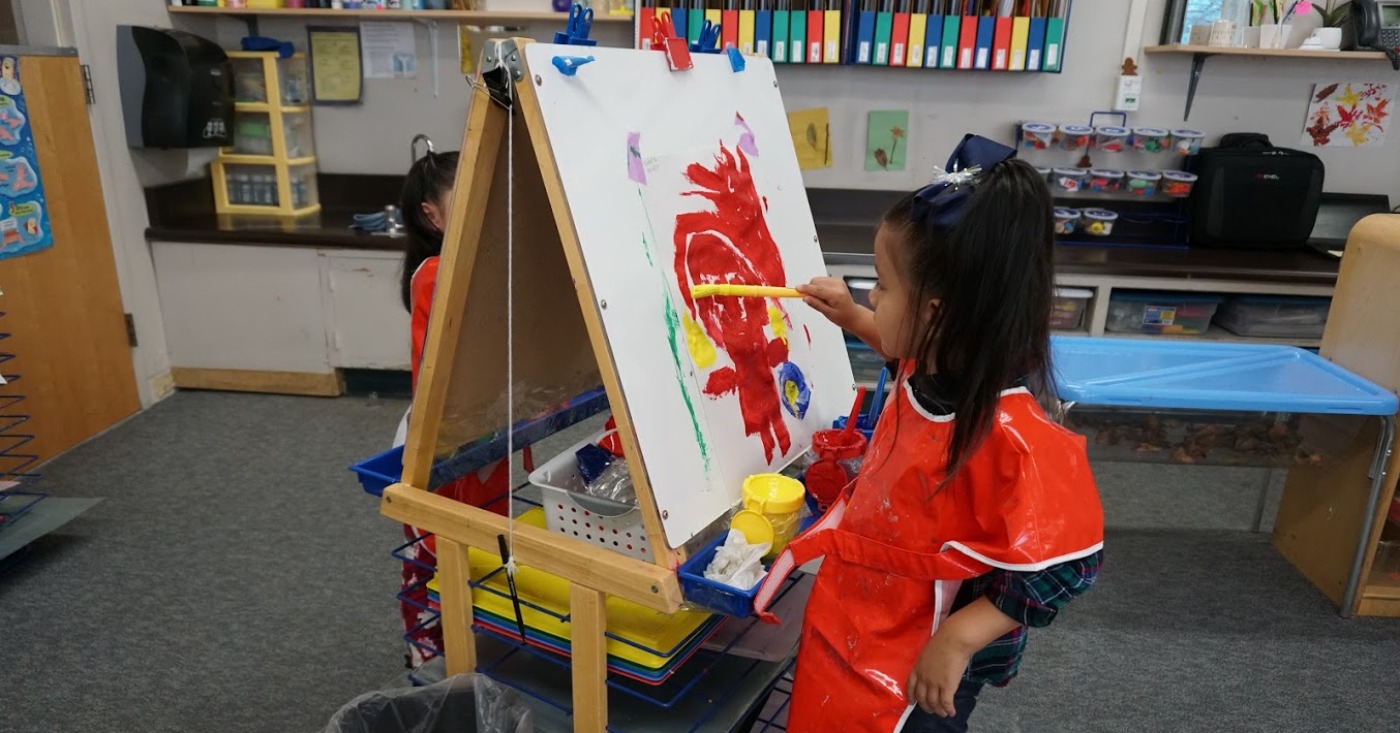
Singing the ABC song. Learning the days of the week from a nursery rhyme. Making a finger-painted collage of little handprints.
Arts education has always been center stage in early education because little children are naturally creative, filled with wonder and the burning desire to express themselves. Arts and crafts not only help nurture a child’s natural imagination, they also boost small motor skills, sharpen hand-eye coordination and feed the insatiable need to play.
“Children don’t just play, they learn fundamental skills through play,” said Daniel Mendoza, a California visual artist and specialist in early childhood education art practices. “Children are in a creative mindset all the time.”
While this may well be as true for teenagers as it is for toddlers, there is far more time and space allotted for playfulness in the early grades, when the crucial role of play in particular and creativity in general has long been a matter of common sense.
“Really, I’m just a common-sense professor, and somehow it became rogue,” said Kathryn Hirsh-Pasek, a professor of psychology at Temple University and an expert in the key role of play in learning. “What if we taught children the way we know the brain learns?”
Bringing joy back into the classroom is also what motivates Cindy Hoisington, an early childhood expert who specializes in reaching out to children from historically marginalized communities at the Education Development Center (EDC), a national education nonprofit.

“This is not anything new, knowing that play is so critical to children, whether it’s dramatic play, building play, creative arts play or physical play,” said Hoisington, a STEM expert who taught preschool for decades. “But as soon as they hit kindergarten and first grade, there’s this dichotomy that sets in. Play is something you get to do after you do the learning when, in fact, we know that play is an incredible vehicle for learning.”
Play, some experts suggest, may be the superpower of the young. A growing body of research suggests that play may even be a way to help close achievement gaps. One report, analyzing 26 studies from 18 countries, found that in communities from Rwanda to Ethiopia, children got higher learning boosts in literacy, motor skills and social-emotional development when attending child care centers that use a mix of instruction and free play as opposed to those focused solely on academics.
“Children are so naturally, intuitively ready with their curiosity, their motivation to explore the world and everything in it, to the point where that’s why the twos are so terrible, because you’re constantly chasing after them,” said Hoisington, who helps evaluate digital media for PBS. “Science, for instance, tends to have a bad rap as this dry body of knowledge that we have to learn, but really it’s a process of exploration that is very much integral with play.”
Tapping into that spirit of discovery with hands-on experiences is often best, experts say. Curiosity burns brightest in the early years, so letting kids loose to investigate the world is part of building a rich, play-based learning environment.
“Where young children are free to investigate by observing, touching and acting on the objects in their world,” said Deborah Stipek, an expert in early childhood at Stanford University. “This is how they learn about the world — for example, that some objects float and some sink. Through their own experimentation and observation, they may even arrive at hypotheses about the qualities that differentiate the two.”
From “The Wheels on the Bus” to “Baby Shark,” kiddos love to sing and love to learn, so why not teach through music? Singing the “Old MacDonald had a Farm” song can be educational, experts say, as well as a ritual for community building. Children can take turns deciding on which animal to pick, which builds vocabulary as well as sharing skills.
“Young children learn best by doing,” said Stipek. “Counting objects is better than counting dots on a worksheet because they can move the objects to help them keep track of how many they have counted. Worksheets are not all bad. They can provide opportunities to practice and consolidate skills. But children don’t develop new skills doing worksheets, and they are typically not nearly as engaging and fun.”
Tracing the alphabet in shaving cream or making tin-foil sculptures may seem like basic exercises, but they often teach sophisticated concepts. Playing make-believe games can teach numerous skills at once. Pretend restaurants need someone to write a menu, calculate a bill and greet diners, fostering literacy, numeracy and special-emotional learning all in one game, Hoisington notes.
Songs are a clever way to remember stuff because they make memorization easy and fun for little ones. Melodies and rhymes make the most of our limited working memory to help children embed basic facts into their long-term memory, bolstering depth of cognition.
“I still sing the ABC song in my head sometimes, if I want to know which letter comes before which letter,” admits Hoisington.
What’s often missed in the discussion of the role of play is that older children also need time for creativity and free play, as well as the arts. While there is much talk about the need to engage students, there is little focus on low-hanging fruit like increasing time for arts, sports and recess. Putting too much emphasis on academic skills in isolation undercuts the love of learning, some warn.
“Kids try to buck it, but certainly by first grade we’ve started to ruin them,” said Hirsh-Pasek. “We pound the curiosity right out of kids.”
Mendoza firmly believes teachers should be guides to adventure instead of taskmasters.
“You don’t have to be a dictator,” as he puts it, “you can be a Sherpa.”
So, why doesn’t the role of play get more respect in education? Why do we emphasize test scores over deep learning?
“We got to this place because people are scared,” said Hirsh-Pasek. “They’re feeling like they’re losing control, and they want to make sure their kid is ahead. We push it younger and younger and younger, and as we do that, we’re creating a situation where our kids are anxious wrecks and the parents are anxious wrecks.”
Some experts suggest that children need more time for play and creativity in the wake of the pandemic, not less. Credit: Lillian Mongeau / EdSource
Too few teachers and parents are aware that play helps build the architecture of the growing brain, experts say.
“Play is not frivolous; it enhances brain structure and function and promotes executive function (i.e., the process of learning, rather than the content), which allow us to pursue goals and ignore distractions,” as an American Academy of Pediatrics report put it. “When play and safe, stable, nurturing relationships are missing in a child’s life, toxic stress can disrupt the development of executive function and the learning of prosocial behavior; in the presence of childhood adversity, play becomes even more important.”
Some experts fear that the laser focus on falling test scores in recent years has led to a decrease in playful learning. They suggest that children need more time for play in the wake of the pandemic, not less. Amid the crisis of chronic absenteeism, engaging students on a compelling level may be more vital than ever.
Creativity is the secret formula, experts say, in a world where machines will always compute faster than humans. Drill and kill won’t help children master high-level intellectual inquiry and conceptual analysis.
“You have to ask yourself, what’s it going to take to outsmart the robots?” as Hirsh-Pasek put it. “We need kids who don’t just memorize and take tests well, which AI will do better than our kids ever will. We need kids to be explorers and problem solvers.”
BlackPressUSA
Mathew Knowles Shares Breast Cancer Survival Story at Houston’s Inaugural Pearl’s Pink Promise Gala
Breast cancer survivor Dr. Mathew Knowles shared his journey of early detection and self-advocacy at Houston’s inaugural Pearl’s Pink Promise Gala, hosted by Dr. Ashley LaRue to honor her grandmother and raise awareness about breast cancer.


On Friday, October 16, Houston-based therapist and television personality Dr. Ashley LaRue hosted the inaugural Pearl’s Pink Promise Gala at the Omni Hotel—turning personal grief into an urgent public health movement.
The gala honored the memory of LaRue’s grandmother, Pearline, who passed away from breast cancer in 2025. What began as a granddaughter’s tribute became an all-pink, curated experience with a pink-carpet arrival, a cocktail reception, and a room packed with advocates, survivors, and civic leaders.

Dr. LaRue, founder of Pearl’s Pink Promise Photo: TotallyRandie

Pink Promise Event. Photo: TotallyRandie
Throughout the evening, 15 distinguished honorees were recognized for their resilience and service. But the night’s emotional centerpiece was the guest of honor: global music executive, author, and breast cancer survivor Dr. Mathew Knowles.
In 2019, Dr. Knowles publicly revealed his diagnosis, shattering cultural taboos around male breast cancer. During an intimate 30-minute fireside chat moderated by Dr. LaRue, Knowles delivered a candid, masterclass-level lesson on self-advocacy. He recounted the exact moment he knew something was wrong after noticing blood on his shirt—a warning sign that prompted him to immediately request comprehensive testing.
Knowles reflected on the difficult conversations that followed with his daughters and family, emphasizing that early detection and understanding personal genetic risk saved his life. The conversation quickly shifted into an open exchange with the room, leaving several attendees moved to tears as audience members shared their own experiences with diagnosis and caregiving.
“This experience has made me so proud, and my heart is filled with joy,” Dr. LaRue shared.
For LaRue, Pearl’s Pink Promise isn’t a one-and-done October event. Moving forward, she plans to expand the initiative to include year-round safe spaces, community resources, and educational programs tailored to both men and women navigating complex medical diagnoses.
To learn more about Pearls Pink Promise, visit: https://www.pearlspinkpromise.com
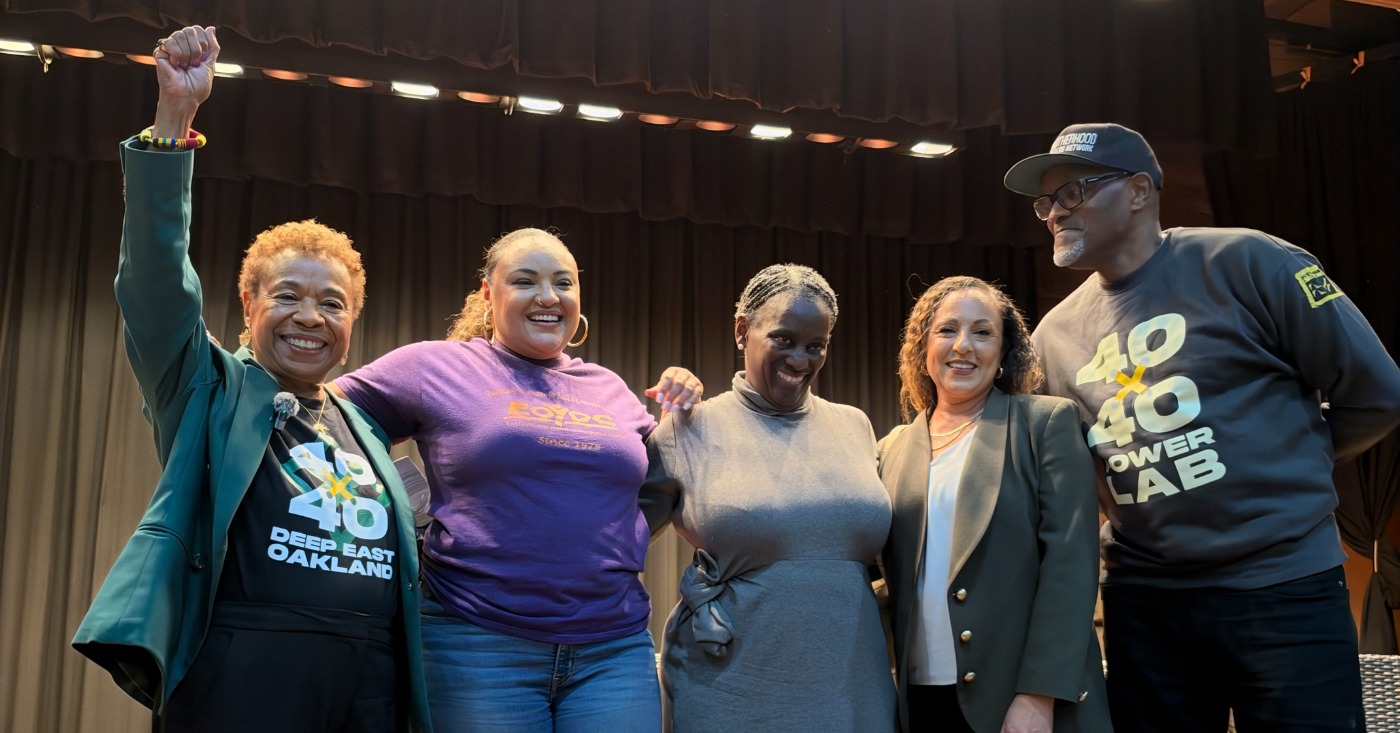
In partnership with Rise East and the 40×40 Council, Oakland Mayor Barbara Lee held a special 2026 State of the City East Oakland community conversation on Oct. 14.
The purpose of bringing a State of the City address directly to the community was to celebrate East Oakland, highlight the work underway, and look ahead to what neighbors, local businesses, youth, funders, community organizations, and partners can accomplish together.
Held at the Roots Community Health/Parker Elementary School Campus at 7929 Ney Ave., the event was emceed by special guest Mark Curry, Oakland native, comedian, and actor.
Lee shared how Rise East and the 40×40 Council have brought together the knowledge, relationships, and resources of people and organizations committed to East Oakland.
Residents bring lived experience, community organizations bring trusted relationships and philanthropy, and businesses bring resources and opportunity, she said, then turned to the government’s role: public investment, services and policy.
But, Lee intoned, City Hall has a responsibility to help connect those efforts.
“I am committed to listening to residents, working across departments and sectors, and helping open doors to opportunity. We must connect neighborhood priorities to the decisions we make about housing, economic development, safety, health and our young people.
City Hall “must be accountable for the results,” Lee said. “The measure of success is what families experience: greater stability, more opportunity and a stronger sense that they belong and have a future here.
“Tonight is an opportunity to listen to the leaders doing this work, learn what is making a difference and identify where we can do more together,” the mayor said.
Lee went on to moderate a ‘fireside chat’ on the theme: Building Oakland’s Future Together — From Neighborhood Investment to Community Empowerment with:
- Selena Wilson, CEO, East Oakland Youth Development Center
- Greg Hodge, CEO, Brotherhood of Elders
- Carolyn “CJ” Johnson, CEO, Black Cultural Zone
- Dr. Noha Aboelata, CEO, Roots Health Center
Mayor Barbara Lee’s media relations department provided this report.
Black History
Practitioners of African Traditional Spirituality Offer Ancestral Reverence Ritual Oct. 31
The Council for Global Ancestral Reverence will host “Ancestral Souls Rising” from Oct. 31 to Nov. 2, featuring a three-day gathering of prayer and discussion. Led by elders and priests across the African diaspora, the seventh annual ritual honors those lost without traditional rites while addressing current social challenges. This year’s event connects ancestral wisdom with contemporary issues, including a two-day conversation inspired by Afro-Beat music focused on Black community solidarity and the sacred importance of voting. Read more for details on the ritual schedule and participants.
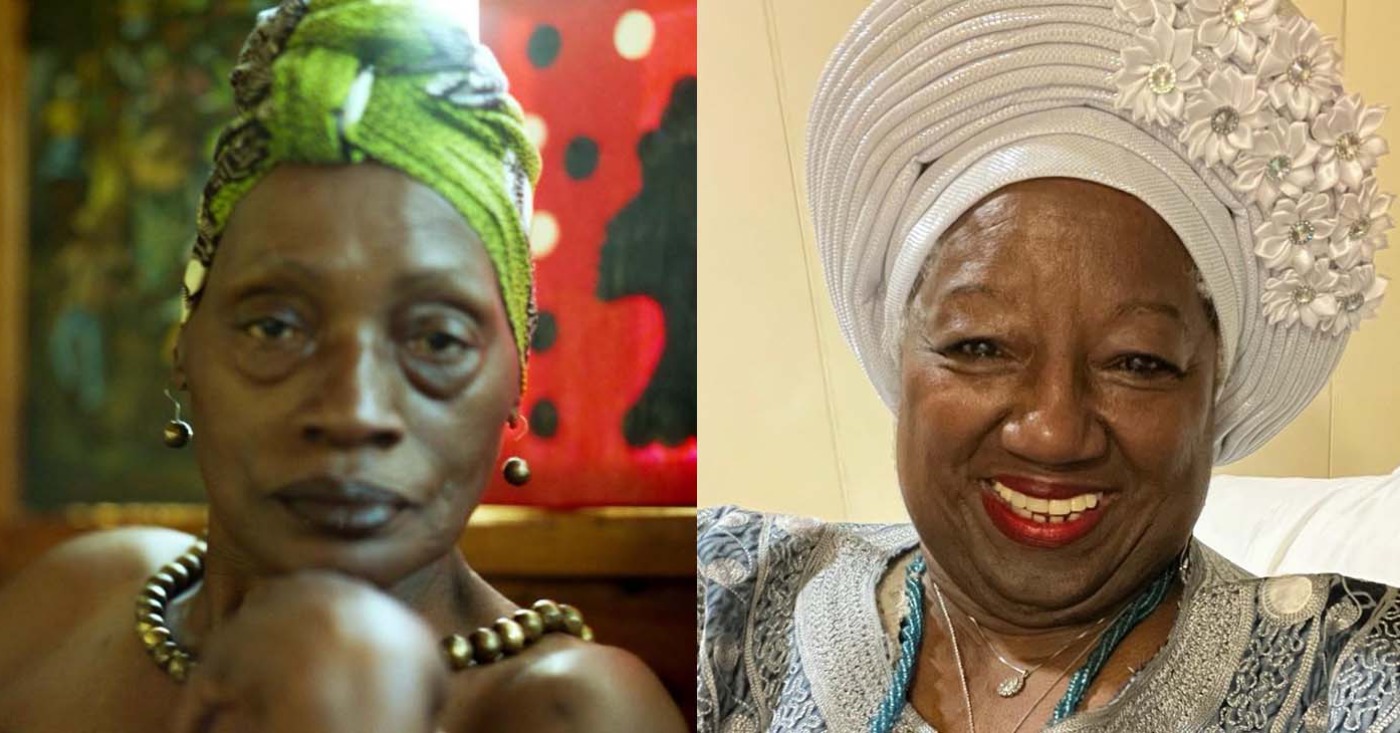
The Council for Global Ancestral Reverence (C4GAR), a group of elders who practice African traditional spirituality, will lead a three-day gathering of prayer and discussion from Oct. 31-Nov. 2.
Called ‘Ancestral Souls Rising,’ the council members and 21 priests will lead the prayers from many parts of the African diaspora: Africa, Portugal, and across the U.S. from Maryland to the Bay Area.
Now in its seventh year, the annual ritual began during the 2020 pandemic when hundreds of thousands of people died alone and were buried in mass graves without rites and rituals according to loved ones’ traditions.
This prayer event was and is intended to give peace to the departed and comfort for the living who still mourn. Each year, we gather names of new ancestors from living elders to elevate them into the “Great Hall of the Titans.”
In ensuing years, C4GAR added themes to the prayer gathering that referenced current events. In 2024, before the consequential presidential election, C4GAR called on people to vote, invoking the memory of Civil Rights Movement heroes and heroines like John Lewis, who urged “Good Trouble,” and Fannie Lou Hamer, who famously declared that she was “sick and tired of being sick and tired.”
The day of global Prayer on Oct. 31 will be followed by a two-day conversation inspired by “The Blueprint,” an Afro-Beat song by UyiosaEl, to write our new blueprint that supports solidarity and action in the Black community.
“Our elders have, for many generations, known the power of prayer, ritual and breath,” the council said in a statement.
It was and is their intention, then, to use the cultural wisdom, the gift of prayer “and the most sacred thing we have, our breath, to send energy into the world that invokes and honors our ancestors,” the council statement continued.
“Doing this creates a vibration that protects us and employs their ancient wisdom for the well-being of our communities,” the elders said.
The councilmembers, all over the age of 60, recognize that what is now history for so many was once their lived experience. And that history, those joys and sorrows, are now in their bodies.
To them, the uttered prayer and the sacred breath are oaths to an unfolding future that people can still shape.
The council members are Dr. Iyabeji Cathy Royal, Iyalocha Jennifer Dillard, Manbo Charlene Desir (Florida), Nana Sula Spirit (Louisiana), Baba Obafemi Feyemi, Ohen Nedra T. Williams, and Iyalocha Wanda Ravernell-Stewart Emeritus (Oakland).
This year, they also encourage everyone within their reach to VOTE because it is not only a secular and political act, but a sacred one. Remember, the ancestors were denied that right and died for it.
For tickets, go to:
Black Press
It’s Time to Lose Weight Before the Holidays
Licensed internist Dr. H. Geoffrey Watson has joined gastroenterologist Dr. Ralph Peterson at Oakland’s MacArthur GI to address the rising obesity epidemic. With U.S. obesity rates reaching 42.4%, the clinic offers supervised weight-loss programs and screenings for fatty liver disease. Treatments include dietary counseling and various medications, such as GLP-1 receptor agonists, which regulate digestion and appetite. As certain populations continue to be disproportionately affected by chronic health conditions, medical experts are highlighting new tools available to help patients reach their goals before the holiday season. Read more.
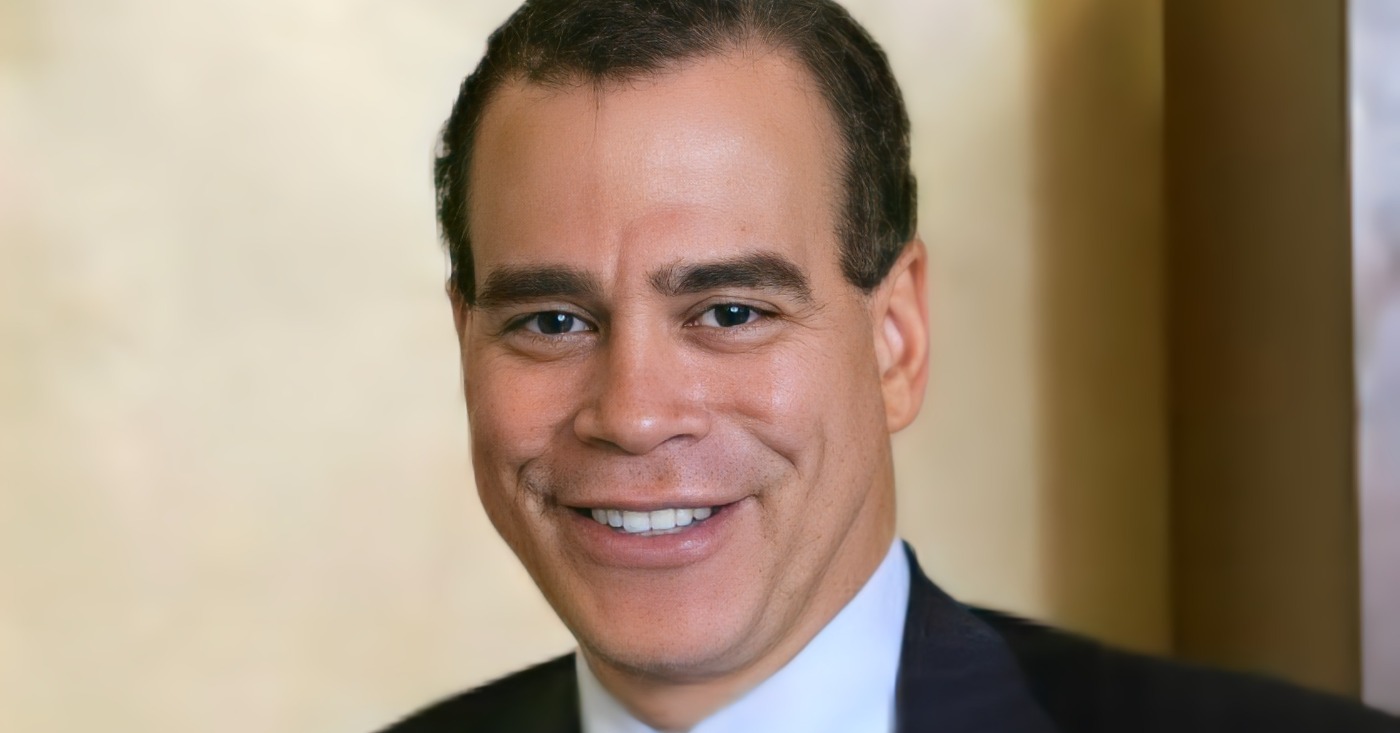
Dr. H. Geoffrey Watson, a licensed internist, has joined renowned gastroenterologist Dr. Ralph Peterson at MacArthur GI in Oakland to address obesity, provide supervised weight-loss programs including GLP-1 therapy, and screen for and treat fatty liver disease.
The Obesity Epidemic
Obesity is associated with numerous chronic health problems, including hypertension, diabetes, heart disease, sleep apnea, asthma, depression, joint disorders, fatty liver disease, and high cholesterol. Its causes include genetics, environment, stress, medication side effects, hormonal imbalances, and other factors.
Since 1999, the prevalence of obesity in the United States has risen from 30.5% to 42.4%. Childhood obesity rates are also climbing, with approximately 19.3% of children and adolescents now affected.
Measuring Obesity: Body Mass Index
Obesity is measured using a formula called the Body Mass Index (BMI). You can calculate your own BMI on most smartphones by searching “BMI calculator” and entering your height and weight. A BMI of 25 to 29.9 is classified as overweight, and a BMI of 30 or greater is classified as obese.
Populations Disproportionately Affected
Obesity affects certain populations at higher rates. Among U.S. adults, obesity prevalence is 49.9% in Black adults, 45.6% in Hispanic adults, 41.4% in White adults, and 16.1% in Asian adults.
Treatment Options
A variety of treatments are available for obesity, including dietary counseling, exercise programs, bariatric surgery, and anti-obesity medications.
Common oral medications include:
• Adipex (phentermine): A stimulant that works by suppressing appetite.
• Contrave (bupropion/naltrexone): A combination of an antidepressant and an anti-addiction medication that helps control appetite and cravings.
• Qsymia (phentermine/topiramate): A combination of a stimulant and an anti-seizure medication that reduces appetite and cravings.
GLP-1 Receptor Agonist Therapy
Glucagon-like peptide-1 (GLP-1) receptor agonists were originally approved to treat type 2 diabetes. GLP-1 is a hormone produced naturally by the body that regulates digestion, blood sugar, and appetite by communicating with GLP-1 receptor cells throughout the digestive tract. These medications reduce cravings, appetite, and food intake by influencing the hunger hormones ghrelin, which stimulates hunger, and leptin, which signals fullness.
What We Offer
Drs. Peterson and Watson provide FDA-approved tirzepatide injections, a GLP-1 receptor agonist medication indicated for weight management. Each patient receives a comprehensive history and physical examination to ensure the safety and appropriateness of the medication as part of an overall weight-loss protocol. Dr. Peterson also offers ultrasound screening for fatty liver disease.
We look forward to helping you reach your weight-loss goals and feel your best this holiday season.
H. Geoffrey Watson, M.D., runs the MacArthur GI Clinic at 10520 MacArthur Blvd., Oakland, CA. He can be reached at (510) 562-7467.


Tamra Nicole redefines dress for successDefender Network

What’s On Your News Feed? How to Spot Election Misinformation

Yolanda Green Barnes – You’re Not Starting Over

Serve First: B3’s Founding Principle for Success #shorts

Rakim at City Winery STL

Minneapolis Community Demands Better: A Call to Action #shorts

Terresa Hardaway-Blackbird Revolt, Black Garnet Books-Putting Black Liberation Into Daily Practice

Terresa Hardaway on Blackbird Revolt, Black Garnet Books and Design Justice | On The Radar | MSR

Can You See Clearly in Bright Sunlight? Check These 2 Reflections #shorts

Master Your State: 5 Keys to Well-being #shorts

The Youngest American Killed in the Vietnam War

OP-ED: Haiti TPS: Have We Lost Sense of Humanity?

Remembering Chauncey Bailey as Student Journalists Face Threats to Truth-Telling

Peter Magubane: a Camera Against Apartheid

All Skinfolk Ain’t Kinfolk

Poll: Becerra Widens His Lead Over Hilton; Californians Split on Wealth Tax

Rulings Leave Questions Lingering in Nolan Wells Case

Latinas Deserve Equal Pay. Unions Help Make It Happen.

Zakiya Jendayi Arrested, Locked Out of Home by Sheriff’s Deputies

At CBCF Conference, a Panel Asks What Black Public Figures Owe the People Who Follow Them
Tamra Nicole redefines dress for successDefender Network
What’s On Your News Feed? How to Spot Election Misinformation
Yolanda Green Barnes – You’re Not Starting Over
Serve First: B3’s Founding Principle for Success #shorts
Rakim at City Winery STL
Minneapolis Community Demands Better: A Call to Action #shorts
Terresa Hardaway-Blackbird Revolt, Black Garnet Books-Putting Black Liberation Into Daily Practice
Terresa Hardaway on Blackbird Revolt, Black Garnet Books and Design Justice | On The Radar | MSR
Can You See Clearly in Bright Sunlight? Check These 2 Reflections #shorts
Master Your State: 5 Keys to Well-being #shorts
-

 Black Press1 week ago
Oakland Awarded More than $14 Million in State Funding
-
 Black Press1 week ago
Jendayi Arrest Raises Community Concerns Regarding Sheriff’s Chain of Command
-
 African American News and Issues1 week ago
Black History: Gladys West Mathematics Helped Make GPS Possible
-

 Black History5 days ago
OP-ED: The Black Church Writes AI’s Next Chapter
-

 Featured2 days ago
Tamiko Armstead | 2026 Lifetime Achiever in Education
-
 Black Press1 week ago
Democrats, Community Groups Back Measure EE to Change How Oakland Is Governed
