
Health
Crunch Time Again for Health Insurance Sign-Ups


This March 1, 2014 file photo shows part of the website for HealthCare.gov, photographed in Washington. (AP Photo/Jon Elswick, File)
RICARDO ALONSO-ZALDIVAR, Associated Press
WASHINGTON (AP) — President Barack Obama’s push to cover America’s uninsured faces another big test Monday.
This time, it’s not only how the website functions, but how well the program itself works for millions who are starting to count on it.
Midnight Monday, Pacific time is the deadline for new customers to pick a health plan that will take effect Jan. 1, and for current enrollees to make changes that could reduce premium increases ahead of the new year.
HealthCare.gov and state insurance websites are preparing for heavy online traffic before the deadline, which gives consumers in the East three hours into Tuesday to enroll.
Wait times at the federal call center started creeping up around the middle of last week, mainly due to a surge of current customers with questions about their coverage for next year. Many will face higher premiums, although they could ease the hit by shopping online for a better deal. Counselors reported hold times of 20 minutes or longer for the telephone help line.
About 6.7 million people now have coverage through Obama’s signature law, which offers subsidized private insurance. The administration wants to increase that to 9.1 million in 2015. To do that, the program will have to keep most of its current enrollees while signing up more than 2 million new paying customers.
People no longer can be turned down because of health problems, but picking insurance still is daunting for many consumers. They also have to navigate the process of applying for or updating federal subsidies, which can be complex for certain people, including immigrants. Many returning customers are contending with premium increases generally in the mid-to-high single digits, but much more in some cases.
Consumers “understand it’s complicated but they appreciate the ability to get health insurance,” said Elizabeth Colvin of Foundation Communities, an Austin, Texas, nonprofit that is helping sign up low-income residents. “People who haven’t gone through the process don’t understand how complicated it is.”
Last year’s open enrollment season turned into a race to salvage the reputation of the White House by fixing numerous technical bugs that crippled HealthCare.gov from its first day. With the website now working fairly well, sign-up season this year is a test of whether the program itself is practical for the people it is intended to serve.
New wrinkles have kept popping up, even with seemingly simple features of the Affordable Care Act.
For example, most current customers who do nothing will be automatically renewed Jan. 1 in the plan they now are in. At this point, it looks like that is what a majority intends to do.
While that may sound straightforward, it’s not.
By staying in their current plans, people can get locked into a premium increase and miss out on lower-priced plans for 2015. Not only that, they also will keep their 2014 subsidies, which may be less than what they legally would be entitled to for next year.
Doing nothing appears to be a particularly bad idea for people who turned 21 this year, according to the Center on Budget and Policy Priorities, a Washington group that advocates for low-income people.
Researchers at the center estimate that 21-year-olds will see a 58 percent increase in the sticker price for their premiums just because they’re a year older. An age-adjustment factor used to compute premiums jumps substantially when a person turns 21. A 20-year-old whose premium was $130 per month in 2014 will see the premium climb to $205 a month in 2015, solely because of that year’s difference.
Tax-credit subsidies can cancel out much or even all of the impact. But if consumers default to automatic renewal, their tax credits will not be updated and they will get the same subsidy as this year.
“Even in the best possible scenario of how many people we can expect to come in, we will still see a substantial number of people defaulting,” said Judy Solomon, a health care policy expert at the center. She worries that some young adults may get discouraged and drop out.
Reviews of HealthCare.gov and state health insurance exchanges are mixed.
An Associated Press-GfK poll this month found that 11 percent of Americans said they or someone else in their household tried to sign up since open enrollment began Nov. 15. Overall, 9 percent said the insurance markets are working extremely well or very well. Twenty-six percent said the exchanges are working somewhat well, and 39 percent said they were not working well. The remaining 24 percent said they didn’t know enough to rate performance.
So far it has been a frustrating experience for Marie Bagot, of Fort Lauderdale, Florida. She and her husband are in their 60s, but not yet old enough for Medicare. The husband, who works as a chef, will turn 65 around the middle of next year and qualify for Medicare. Bagot said they were happy with their insurance this year under Obama’s law.
“As you get older, you worry about your health,” she said. “I was very pleased with the price we got.”
But Bagot said she received a notice from her insurer that her current plan will not be available next year in her community. The closest alternative would involve a premium increase of more than $350 a month, even with their tax credit subsidy. After days of trying to find a comparable plan through the federal call center and after visiting a counselor, Bagot said she opted to keep their current coverage, while hoping costs go down after her husband joins Medicare.
“I cannot afford it, but I’m going to try to,” she said.
Monday is not the last chance for consumers like Bagot. Open enrollment doesn’t end until Feb. 15.
___
Associated Press Director of Polling Jennifer Agiesta contributed to this report.
Copyright 2014 The Associated Press. All rights reserved. This material may not be published, broadcast, rewritten or redistributed.


BlackPressUSA
Mathew Knowles Shares Breast Cancer Survival Story at Houston’s Inaugural Pearl’s Pink Promise Gala
Breast cancer survivor Dr. Mathew Knowles shared his journey of early detection and self-advocacy at Houston’s inaugural Pearl’s Pink Promise Gala, hosted by Dr. Ashley LaRue to honor her grandmother and raise awareness about breast cancer.


On Friday, October 16, Houston-based therapist and television personality Dr. Ashley LaRue hosted the inaugural Pearl’s Pink Promise Gala at the Omni Hotel—turning personal grief into an urgent public health movement.
The gala honored the memory of LaRue’s grandmother, Pearline, who passed away from breast cancer in 2025. What began as a granddaughter’s tribute became an all-pink, curated experience with a pink-carpet arrival, a cocktail reception, and a room packed with advocates, survivors, and civic leaders.

Dr. LaRue, founder of Pearl’s Pink Promise Photo: TotallyRandie

Pink Promise Event. Photo: TotallyRandie
Throughout the evening, 15 distinguished honorees were recognized for their resilience and service. But the night’s emotional centerpiece was the guest of honor: global music executive, author, and breast cancer survivor Dr. Mathew Knowles.
In 2019, Dr. Knowles publicly revealed his diagnosis, shattering cultural taboos around male breast cancer. During an intimate 30-minute fireside chat moderated by Dr. LaRue, Knowles delivered a candid, masterclass-level lesson on self-advocacy. He recounted the exact moment he knew something was wrong after noticing blood on his shirt—a warning sign that prompted him to immediately request comprehensive testing.
Knowles reflected on the difficult conversations that followed with his daughters and family, emphasizing that early detection and understanding personal genetic risk saved his life. The conversation quickly shifted into an open exchange with the room, leaving several attendees moved to tears as audience members shared their own experiences with diagnosis and caregiving.
“This experience has made me so proud, and my heart is filled with joy,” Dr. LaRue shared.
For LaRue, Pearl’s Pink Promise isn’t a one-and-done October event. Moving forward, she plans to expand the initiative to include year-round safe spaces, community resources, and educational programs tailored to both men and women navigating complex medical diagnoses.
To learn more about Pearls Pink Promise, visit: https://www.pearlspinkpromise.com
Black Press
It’s Time to Lose Weight Before the Holidays
Licensed internist Dr. H. Geoffrey Watson has joined gastroenterologist Dr. Ralph Peterson at Oakland’s MacArthur GI to address the rising obesity epidemic. With U.S. obesity rates reaching 42.4%, the clinic offers supervised weight-loss programs and screenings for fatty liver disease. Treatments include dietary counseling and various medications, such as GLP-1 receptor agonists, which regulate digestion and appetite. As certain populations continue to be disproportionately affected by chronic health conditions, medical experts are highlighting new tools available to help patients reach their goals before the holiday season. Read more.
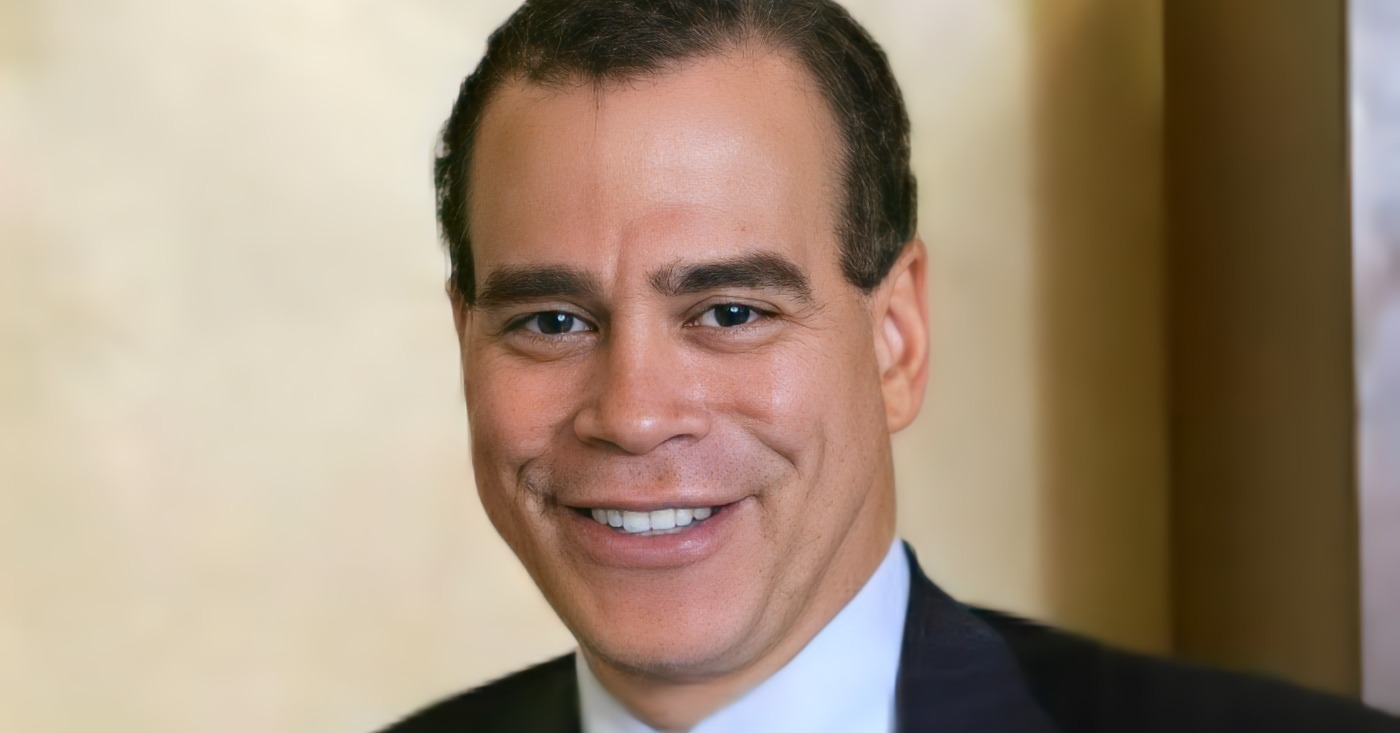
Dr. H. Geoffrey Watson, a licensed internist, has joined renowned gastroenterologist Dr. Ralph Peterson at MacArthur GI in Oakland to address obesity, provide supervised weight-loss programs including GLP-1 therapy, and screen for and treat fatty liver disease.
The Obesity Epidemic
Obesity is associated with numerous chronic health problems, including hypertension, diabetes, heart disease, sleep apnea, asthma, depression, joint disorders, fatty liver disease, and high cholesterol. Its causes include genetics, environment, stress, medication side effects, hormonal imbalances, and other factors.
Since 1999, the prevalence of obesity in the United States has risen from 30.5% to 42.4%. Childhood obesity rates are also climbing, with approximately 19.3% of children and adolescents now affected.
Measuring Obesity: Body Mass Index
Obesity is measured using a formula called the Body Mass Index (BMI). You can calculate your own BMI on most smartphones by searching “BMI calculator” and entering your height and weight. A BMI of 25 to 29.9 is classified as overweight, and a BMI of 30 or greater is classified as obese.
Populations Disproportionately Affected
Obesity affects certain populations at higher rates. Among U.S. adults, obesity prevalence is 49.9% in Black adults, 45.6% in Hispanic adults, 41.4% in White adults, and 16.1% in Asian adults.
Treatment Options
A variety of treatments are available for obesity, including dietary counseling, exercise programs, bariatric surgery, and anti-obesity medications.
Common oral medications include:
• Adipex (phentermine): A stimulant that works by suppressing appetite.
• Contrave (bupropion/naltrexone): A combination of an antidepressant and an anti-addiction medication that helps control appetite and cravings.
• Qsymia (phentermine/topiramate): A combination of a stimulant and an anti-seizure medication that reduces appetite and cravings.
GLP-1 Receptor Agonist Therapy
Glucagon-like peptide-1 (GLP-1) receptor agonists were originally approved to treat type 2 diabetes. GLP-1 is a hormone produced naturally by the body that regulates digestion, blood sugar, and appetite by communicating with GLP-1 receptor cells throughout the digestive tract. These medications reduce cravings, appetite, and food intake by influencing the hunger hormones ghrelin, which stimulates hunger, and leptin, which signals fullness.
What We Offer
Drs. Peterson and Watson provide FDA-approved tirzepatide injections, a GLP-1 receptor agonist medication indicated for weight management. Each patient receives a comprehensive history and physical examination to ensure the safety and appropriateness of the medication as part of an overall weight-loss protocol. Dr. Peterson also offers ultrasound screening for fatty liver disease.
We look forward to helping you reach your weight-loss goals and feel your best this holiday season.
H. Geoffrey Watson, M.D., runs the MacArthur GI Clinic at 10520 MacArthur Blvd., Oakland, CA. He can be reached at (510) 562-7467.
Black Press
OP-ED: She’s Not Non-Compliant, She’s Hungry: Addressing Food Justice to Improve Breast Cancer Outcomes
CHICAGO DEFENDER — Food insecurity in Chicago’s South Side and surrounding suburbs disproportionately affects Black women with breast cancer, impacting their treatment and recovery.

Here’s a transformational idea: everyone should have access to safe, healthy and affordable food.
If this idea doesn’t feel radical to you, then perhaps you haven’t spent much time in the Southside of Chicago and its adjoining suburbs.
Food insecurity is rampant in our neighborhoods. If you live in Washington Heights, you are practically guaranteed to experience lower food access than the average Chicagoan – with similar circumstances in the South Shore, West Englewood or West Pullman.
It has been clearly documented that “Food is Medicine.” In fact, according to countless scientific studies, good nutrition is critical during cancer treatment. It empowers your body to maintain muscle, rebuild damaged tissues and better withstand aggressive radiation or chemotherapy. A patient with access to nutritious food will experience fewer side effects, like fatigue and nausea, and will have less need for extra medicines. In short, good food improves a patient’s daily life.
Instead, though, a Black woman with breast cancer in our South Side neighborhoods or suburbs has the opposite experience. In fact, if “food is medicine,” then we are inarguably in a crisis, and it is disproportionately affecting Black women with breast cancer.
As co-authors of the Pinkprint and members of the Chicago Better Together Breast Cancer Disparities Think Tank, an initiative launched to address the disproportionate impact of breast cancer mortality on Black women in Chicago’s South Side and South Suburbs, we know that by combining data-informed strategies with community-driven advocacy and leadership, we will create equitable, sustainable outcomes for those most affected by breast cancer and the lack of access to nutritious foods in their communities.
Solutions start as local initiatives. We must pilot community-driven solutions in areas with the highest breast cancer mortality rates and limited access to nutritious food.
Existing local programs – food pantries, community fridges and even hospital-run delivery systems – are a critical piece of this local infrastructure. They are just a component, though, of the robust nutrition infrastructure the South Side lacks. In the long-term, our neighborhoods need clean, well-stocked grocery stores – and we must demand that our elected officials do everything they can to attract and retain these food corporations to invest in our communities.
This is just one item on their to-do list. Long-term solutions will include policy changes and targeted incentives at the city, state and federal levels. Just this spring, over 150,000 people in Illinois lost SNAP benefits, a devastating cut with ripple effects across families into entire neighborhoods. These cuts disproportionately affect people in the South Side of Chicago – not to mention, overwhelm food banks and other centers that serve as part of our social safety net. The Families Receiving Emergency Support for Hunger (FRESH) program in Illinois provides a one-time, automatic $400 cash payment per eligible household member to residents who lost their SNAP food benefits. This will help ease the immediate negative effects of these cuts and is much appreciated. But it is not a long-term solution.
When we started conversations in work groups about this project, we started with the idea that Black women deserve equitable access to quality breast cancer care. Any conversation about breast cancer care and goals for improved outcomes, must include a conversation about nutrition justice.
Nutrition justice is not just a transformational ideal: it is an idea that will literally transform our neighborhoods and the quality of life of every single person living in them. It will put grocery stores in empty storefronts; it will deliver food to a breast cancer patient going through chemotherapy.
Nutrition justice will help improve breast cancer outcomes for Black women on Chicago’s South Side. And Black women should not have to wait.
This op-ed is the second in a series focusing on eliminating breast cancer mortality in Black women on Chicago’s Southside. The authors are part of the Chicago Better Together Breast Cancer Disparities Think Tank, an initiative launched to address the disproportionate impact of breast cancer mortality on Black women in Chicago’s Southside and South Suburbs. Together with other community leaders, they have co-authored the Pinkprint, a strategic multistep plan and call-to-action on this critical issue.
The post She’s Not Non-compliant, She’s Hungry: Addressing Food Justice to Improve Breast Cancer Outcomes appeared first on Chicago Defender.
Based on reporting by Chicago Defender.
Black History
Cash for Moms: As Medicaid Cuts Loom, Cities Test a New Approach to Black Maternal Health
LOUISIANA WEEKLY — WORD IN BLACK — A maternal health crisis continues to disproportionately impact the Black community, with Black mothers experiencing significantly higher mortality rates during childbirth and their infants facing increased risks of prematurity and death. Data indicates Black moms die at three times the rate of white moms, and Black infants are about twice as likely to die as white infants in some states.

By now, there’s little question that a maternal health crisis is rocking the Black community. The data tells the story: Black moms are dying during childbirth at three times the rate of white moms, a disproportionately high percentage of Black children are born prematurely, and Black infants are about twice as likely to die as white infants in states like Louisiana.
But new data from a handful of pilot projects also suggests a potential solution that could significantly improve outcomes for Black mothers and their babies: cash payments, no strings attached.
Studies show the unrestricted money led to fewer preterm births, higher newborn birth weights, and fewer critical-care infant hospitalizations. It also reduced stress among new moms who would otherwise struggle to attend prenatal check-ups, pay for food and formula, or keep a roof over their heads.
“This makes so much sense to me,” says Tamara Mason, an official with the nonprofit March of Dimes who worked on an Atlanta project distributing money to low-income pregnant women. “Why isn’t everyone doing this?”
Sen. Cory Booker, a New Jersey Democrat, is among several sponsors of legislation that would provide direct financial aid to new mothers, similar to the expanded child tax credit in 2021. The credit sent monthly payments of up to $300 per child straight to most families’ bank accounts; experts credit it with lifting millions of children out of poverty.
When it expired, child poverty rose again.
“I believe that we need to, for moms, flood resources to them through things like the child tax credit,” Booker said during an August press briefing on the Black Maternal Health Momnibus Act. “We were able to cut child poverty virtually in half for our communities, and that actually does affect child outcomes.”
Those positive outcomes in part spurred the March of Dimes to launch trial programs providing universal basic income, or UBI, to pregnant women and new moms in two cities: Atlanta, which Bloomberg ranked as the most economically unequal large city in the country, and New Orleans, which March of Dimes gave an F grade.
No strings attached
In Atlanta, the Guaranteed Basic Income Program gave each participant $1,000 a month during pregnancy and her baby’s first year. Women most likely to live in poverty in that city are Black women of reproductive age; 25 pregnant women in two of the area’s highest-need ZIP codes received the cash.
March of Dimes ran the pilot through an Atlanta collective-impact partnership known as the collaborative. It is modeled on San Francisco’s Abundant Birth Project and, organizers say, rooted in an idea the Rev. Martin Luther King Jr. championed decades ago.
Funders Skeptical at First – Then All In
Mason said she spent months pitching foundations on the idea, which some considered outside her organization’s lane.
“I was honestly surprised that a couple of foundations,” Mason says. “Funders were like, ‘Why is March of Dimes in this space? You all are the birth defects people. You’re the preterm birth people.’”
The Community Foundation for Greater Atlanta signed on as the primary funder. The Liz Blake Giving Fund and the Jesse Parker Williams Foundation funded data gathering and evaluation Emory University conducted.
The nonprofit Center for Black Women’s Wellness handled recruitment, and more than 110 women applied for the 25 spots, Mason said. Applicants had to live in one of the two ZIP codes, earn no more than 200 percent of the federal poverty level, and be 12 to 28 weeks pregnant.
Cash, Diapers and a Network
Stipends were paid through a prepaid card, letting evaluators track spending without restricting it. Helping Mamas, a nonprofit focused on diaper insecurity, supplied 300 diapers and eight packs of wipes a month, plus a car seat and other essentials. The Georgia Black Doula Network encouraged, but didn’t require, participants to hire doulas.
Early results from Emory’s evaluation, as described by Mason, show a 20 percent decrease in financial stress and a 66 percent decrease in hopelessness, a figure she called striking. Prenatal outcomes trended better than average.
Mason was careful not to oversell what $1,000 a month can fix. Several participants lost housing; one or two dealt with domestic violence.
Even though GBI reduced financial stress, “it still is one piece of the puzzle,” Mason said.
New Orleans: Overcoming Crisis
March of Dimes runs a similar program in New Orleans, GBI Rx, offering pregnant patients in their first or second trimester $12,000, as a lump sum or $1,000 a month. Two partner medical clinics enroll patients for healthcare, and the payment card blocks cash withdrawals and spending on liquor and gambling.
In Louisiana, “we have a maternal and infant health crisis – specifically, a Black maternal and infant health crisis,” said Robin Gruenfeld, director of collective impact for March of Dimes in New Orleans. ”And it’s been that way for a long time.”
Black infants there died at about twice the rate of white infants from 2021 to 2023. Gruenfeld said Orleans Parish has the state’s lowest prenatal care utilization rate.
Gruenfeld said the program’s city seed money, federal pandemic relief funds, and foundation funding were “zeroed out” without notice. Most funds were later restored at a lower level, forcing organizers to scale down to 94 participants instead of the 100 planned. They also enrolled on a first-come, first-served basis.
Recipients spent lump sums on housing, cars and insurance. But spending priorities for the participants changed when the federal government stopped paying out SNAP food benefits during last fall’s federal shutdown.
“During that time, more than a quarter of the funds that we gave folks was going to groceries,” Gruenfeld said.
Several New Orleans city government officials are now weighing a program modeled on Michigan’s Rx Kids, which a study credits with nearly halving neonatal deaths in Flint, one of the poorest cities in the state.
“We are seeing policies pushed by the political will of predominantly Black women come into effect, and then also the backlash,” says Danielle Atkinson of Mothering Justice Action Fund, a nonprofit advocacy organization. “In Michigan, we have Rx Kids, which is extremely popular [and] the data on the impact is undeniable.”
But recent changes are endangering the success of such programs, particularly amid President Donald Trump’s hostility towards programs focused on diversity, equity and inclusion.
“We’re getting this pushback around identifying race and parental status as systemic areas of oppression,” Atkinson says. It remains to be seen, she says, “whether or not we are going to be able to prevail with the political power and the popular will of these issues, or the rhetoric and the history of racism in our country.”
Washington Looks Elsewhere
That includes the Republican-controlled Congress, which has shown little appetite for cash aid tied to pregnancy.
The Black Maternal Health Momnibus Act, which Booker reintroduced along with Democratic Reps. Lauren Underwood of Illinois and Alma Adams of North Carolina, bundles 14 bills on housing, nutrition, WIC and the perinatal workforce, but not direct cash.
Still, signs suggest the issue – providing cash aid to low-income mothers and their babies – may stay on the front burner as the midterm elections approach in November.
This month, former Vice President Kamala Harris and Michigan Senate nominee Abdul El-Sayed, both Democrats, hosted a Black maternal health roundtable in Detroit. Danielle Atkinson of Mothering Justice took part.
“Black mamas deserve access to quality healthcare that sees us, listens to us, and understands us at every step of the way,” Atkinson said afterward. “The responsibilities we carry do not end at pregnancy, nor do they disappear when we give birth and want to spend time with our newborn. They stay with us throughout all that we experience.”
Based on reporting by Louisiana Weekly.
Black Press
More Families to Benefit from Evidence-Based Home Visiting
BLACKPRESSUSA NEWSWIRE — The MIECHV program reaches families where services are needed most, including those who are rural, low-income, and at greater risk of poor health outcomes. Trained home visitors meet regularly with expecting mothers and families with young children. Decades of gold-standard scientific research show that voluntary home visits during pregnancy and early childhood can help prevent chronic disease and child abuse and neglect.

The Maternal, Infant, and Early Childhood Home Visiting (MIECHV) program supports voluntary, evidence-based home visiting for expectant parents and families with young children, particularly in communities facing greater barriers to positive maternal and child health outcomes.
The U.S Department of Health and Human Services’ agency Health Resources and Services Administration (HRSA) recently announced more than $525 million in fiscal year (FY) 2026 Maternal, Infant, and Early Childhood Home Visiting (MIECHV) Program awards to 56 state and jurisdiction recipients — the largest federal investment in the program’s history.
There are examples of the program success across the country. For instance, in Florida, Tracy says she gained the confidence and support to overcome challenges and achieve her goals. With the guidance of her home visitor, she strengthened her parenting skills, prioritized her well-being, and advanced her career. Today, Tracy continues to set goals for herself and her family and says, “This program has provided me with the tools to not just survive but to thrive.”
In California, Faraha said “I became pregnant and…I knew I wanted to make a difference in my life and that of my child. The home visiting program not only helped me as a mom, but also with my growth to….better myself, and now I’m in a position that I’ve always wanted to be in.” Faraha is currently employed and pursuing a master’s degree to become a licensed counselor.
HRSA Administrator Tom Engels announced the new awards in Columbus, Ohio, on Child Health Day. The awards will expand access to evidence-based home visiting services that improve maternal and child health, promote healthy child development, and connect families with the support they need during pregnancy and early childhood.
“MIECHV reflects a simple idea: supporting parents early gives children a stronger start. Parents are a child’s first and most important teacher, and by giving them the tools and support they need, we help create a strong foundation for children to thrive,” said Administrator Engels.
The MIECHV program reaches families where services are needed most, including those who are rural, low-income, and at greater risk of poor health outcomes. Trained home visitors meet regularly with expecting mothers and families with young children. Decades of gold-standard scientific research show that voluntary home visits during pregnancy and early childhood can help prevent chronic disease and child abuse and neglect, promote school readiness, and boost families’ economic self-sufficiency.
These awards include both base and matching grants. Base grants provide foundational support for evidence-based home visiting programs in every eligible state and jurisdiction, while matching grants help recipients expand services and reach more eligible families. In FY 2026, 55 of the 56 award recipients applied for and received matching grant awards, reflecting the continued commitment of our state partners to expand evidence-based home visiting services in communities across the country.
Since its reauthorization in 2022, the MIECHV program has served 15 percent more parents and children and delivered 23 percent more home visits. In FY 2025, the program provided more than 1 million home visits to more than 158,000 parents and children across one-third of all U.S. counties, helping connect families with services that support healthy pregnancies, positive parenting, child development, and family economic well-being.
As home visiting services expand, a strong and well-supported workforce is essential to meeting the needs of more families.
Black Press
Allen Temple Baptist Church Hosts Free Prostate Cancer Screenings on Oct. 17
The summit’s mission is to reduce the impact of prostate cancer through education, early detection, research, and support. It is presented in partnership with The Oakland Institute of Health, Inc., SCAN, Brotherhood of Elders Network, UCSF Helen Diller Family Comprehensive Cancer Center, Alameda County Public Health Department, Stanford Medicine Cancer Center, Impact Oakland Now, Bay Area Umoja Health, Bay Area Black Nurses Association, Inc., and 100 Black Men of the Bay Area, Inc.
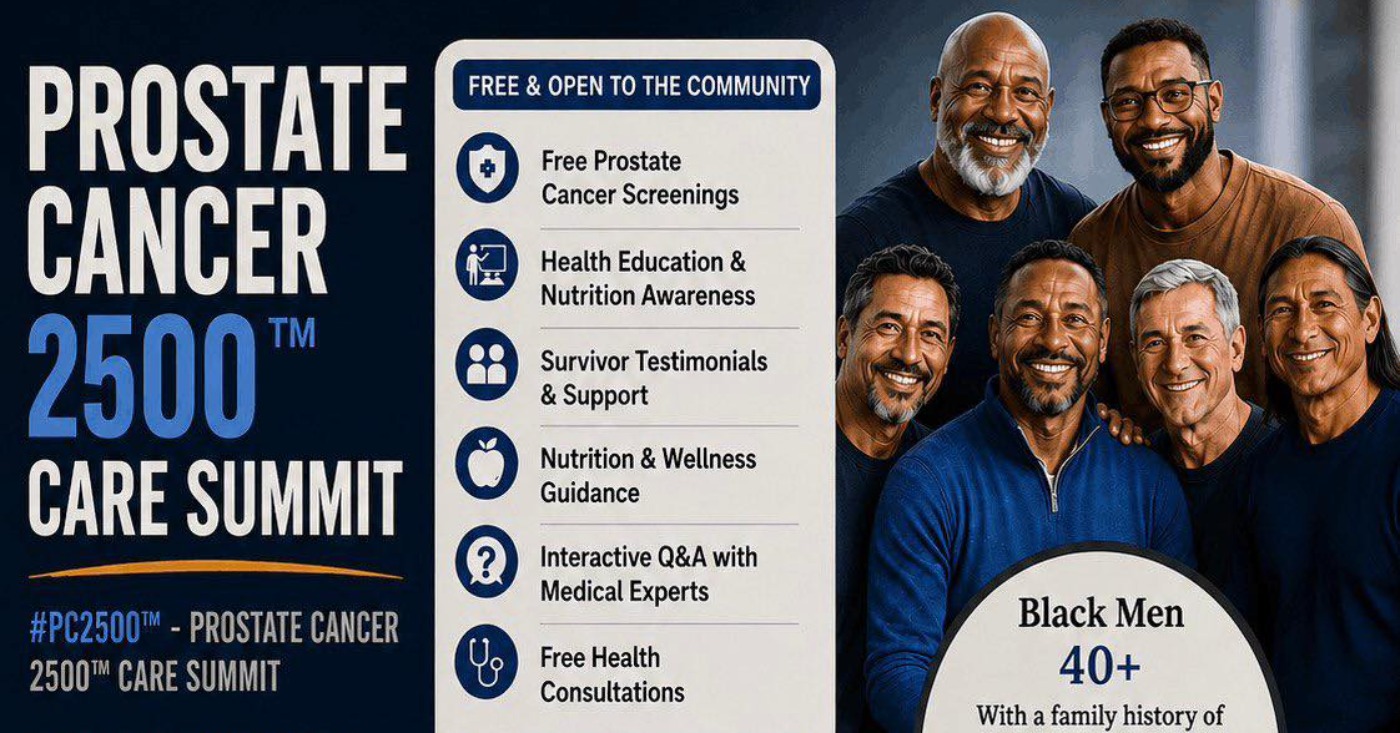
The Prostate Cancer 2500™ Care Summit brings together health systems, community organizations, and survivors to put early detection within reach
Black men in America are diagnosed with prostate cancer more often than other men and are about twice as likely to die from it. Early detection changes that outcome.
On Saturday, Oct. 17 from 10 a.m. to 2 p.m., Allen Temple Baptist Church will host the Prostate Cancer 2500™ Care Summit (#PC2500), a free event open to the entire community.
. Attendees can receive prostate cancer screenings and health consultations on site, learn about prevention and nutrition, ask medical experts questions in an interactive Q&A, and hear from survivors who will share their stories and offer support.
Screening is recommended beginning at age 45, and at age 40 for Black men with a family history of prostate cancer. All men are welcome, and families are encouraged to attend.
The summit’s mission is to reduce the impact of prostate cancer through education, early detection, research, and support. It is presented in partnership with The Oakland Institute of Health, Inc., SCAN, Brotherhood of Elders Network, UCSF Helen Diller Family Comprehensive Cancer Center, Alameda County Public Health Department, Stanford Medicine Cancer Center, Impact Oakland Now, Bay Area Umoja Health, Bay Area Black Nurses Association, Inc., and 100 Black Men of the Bay Area, Inc.
For more information prior to the event, reach out to Rev. Charlotte Y. Williams at (510) 604-5242 | [email protected]
For more information on the day of the event, reach out to Deacon Dwight Williams (510) 501-1650 [email protected]. The church is located at 8501 International Blvd., Oakland, CA 94621 The service is free and free parking and refreshments will be provided. The site is accessible to persons with disabilities. To pre-register, go to Allen-Temple.org
Allen Temple Baptist Church was organized in 1919 in Oakland. For 107 years, ATBC has served as a bright beacon of faith, hope, and love beyond its’ four walls. Allen Temple is committed to sharing the love of God and the message of Good News throughout the world. We welcome people of all ages and cultural backgrounds as we joyfully celebrate worship and fellowship, and carry out ministries of evangelism, discipleship, education, community outreach, and global missions. Allen Temple’s holistic, prophetic and social justice ministries address the needs of the whole person as well as the whole community. Dr. Jacqueline A. Thompson.
Rev. Charlotte Y. Williams is the minister and director of Communications at Allen Temple Baptist Church.

San Diego’s State Workers Demand Better Pay in Major Strike

Unscripted Sports Talk: Featuring Local Media Stars! #shorts

Par 365: Making Indoor Golf More Accessible in Minnesota #shorts

Honoring Clem Haskins: A Basketball Legend’s Legacy at UMN #shorts
NFN live presents Beyond IWDM 50 Podcast
The Hidden Cost of Insurance Loyalty

Retrospectro Talks Viral Videos, Lean Squad, Music & More | Interview

CBCF’s ALC 55 Recap | September 2026

The Washington Informer Celebrates 62 Years | Recap

Heated Seats & Sliding Window: Ultimate Truck Comfort #shorts

OP-ED: Haiti TPS: Have We Lost Sense of Humanity?

Remembering Chauncey Bailey as Student Journalists Face Threats to Truth-Telling

All Skinfolk Ain’t Kinfolk

Poll: Becerra Widens His Lead Over Hilton; Californians Split on Wealth Tax

Rulings Leave Questions Lingering in Nolan Wells Case

Latinas Deserve Equal Pay. Unions Help Make It Happen.

Zakiya Jendayi Arrested, Locked Out of Home by Sheriff’s Deputies

Why Black Artists Struggle to Sell Tours

COMMENTARY: The Audacity of Joyce Beatty

A $2.1 Trillion Wellness Industry Never Built a Daily Practice for Black Children. So This Atlanta Family Did.
San Diego’s State Workers Demand Better Pay in Major Strike
Unscripted Sports Talk: Featuring Local Media Stars! #shorts
Par 365: Making Indoor Golf More Accessible in Minnesota #shorts
Honoring Clem Haskins: A Basketball Legend’s Legacy at UMN #shorts
Retrospectro Talks Viral Videos, Lean Squad, Music & More | Interview
CBCF’s ALC 55 Recap | September 2026
The Washington Informer Celebrates 62 Years | Recap
Heated Seats & Sliding Window: Ultimate Truck Comfort #shorts

Test Subaru’s 11.6-Inch Screen in REAL Daylight #shorts

EV Range Anxiety? Your Daily Commute Needs Just One Overnight Charge #shorts
-

 Black History1 week ago
OP-ED: The Black Church Writes AI’s Next Chapter
-

 Featured6 days ago
Tamiko Armstead | 2026 Lifetime Achiever in Education
-

 Black History1 week ago
Practitioners of African Traditional Spirituality Offer Ancestral Reverence Ritual Oct. 31
-
 Art1 week ago
Kickstarter CEO Everette Taylor Shares Tips on Creating and Growing a Business
-

 Black History1 week ago
Columbus’s Oldest Businesses Still Open: 10 That Have Lasted 75+ Years
-

 Black History1 week ago
COMMENTARY: BIG MAMA SAID: Don’t Throw Away the Gift Just Because It Came Wrapped Wrong
