
Minnesota Spokesman-Recorder
COMMENTARY: What is the significance of Friday prayers in Islam?
MINNESOTA SPOKESMAN-RECORDER — Following the terror attack on two New Zealand mosques last week, many Muslim communities across the world gathered as usual for their most important weekly ritual – Friday prayers.

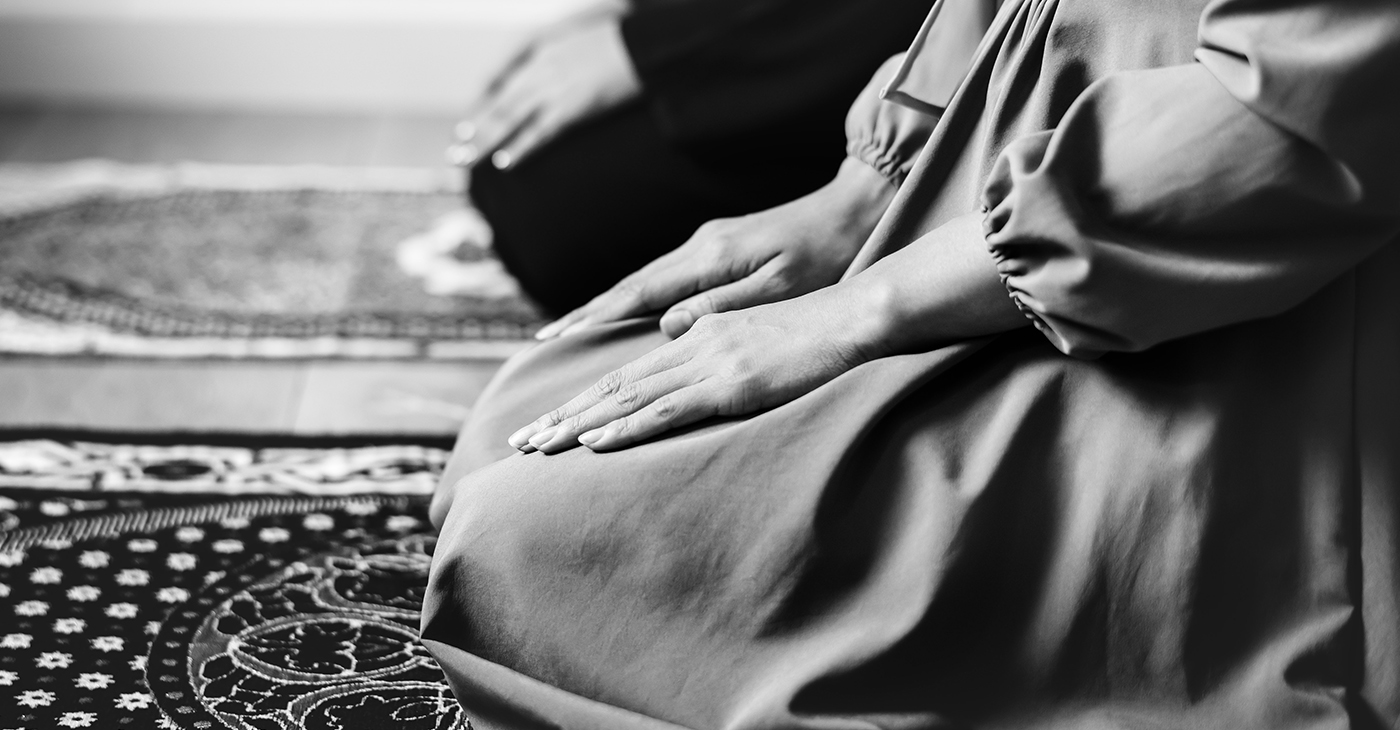
Following the terror attack on two New Zealand mosques last week, many Muslim communities across the world gathered as usual for their most important weekly ritual – Friday prayers.
In the past few years, Muslims have been attacked and killed while praying, many times on a Friday. Worshippers have been targeted in countries such as Nigeria, Pakistan, Egypt, Afghanistan, Saudi Arabia, Libya, Iraq and Kuwait.
Muslims pray five times a day every day, but the most important prayer of the week is “jumah,” or the day of gathering, on Friday.
So why are Friday prayers so central to the Islamic faith?
The religious significance
I’m a scholar of Islam who researches and writes about Muslim ritual practices. The Qur’an invokes the importance of Friday as a sacred day of worship in a chapter called “Al-Jumah,” meaning the day of congregation, which is also the word for Friday in Arabic.
It states, “O you who believe! When you are called to congregational (Friday) prayer, hasten to the remembrance of God and leave off trade. That is better for you, if you but knew.”
Muslims believe Friday was chosen by God as a dedicated day of worship. In addition to the prayer itself, which is shorter than the usual midday prayers, Friday services include a sermon, usually given by a professional male Muslim clergy member in Muslim majority countries, but in the West, they are also given by a male lay community member.
Muslim men are required to attend Friday prayers as long as they not traveling, while women are given the option to attend, given their traditional role in the household when Islam was established.
In some countries, such as India, Pakistan and Tajikistan, women are not usually permitted to pray in mosques whereas in countries like Iran and Kenya, they attend in larger numbers. In almost all mosques, men and women pray separately. In some places women are behind the men in the same room and in others, women are in a different room or behind a barrier.
In the West, many women choose to attend prayer if they can get time away from work or other duties. In Los Angeles and elsewhere in North America and Europe, women lead their own Friday prayer services.
To prepare for prayers, Muslims bathe, apply perfume and brush their teeth to make their appearance pleasant to their fellow worshippers.
The Prophet Muhammad spoke of the value of praying in congregation rather than individually, promising spiritual rewards, such as answered prayers and forgiveness for one’s sins. Attending Friday prayers, the Prophet said, is equivalent to one entire year of praying and fasting alone.
A song by U.S. Muslim singer Raef Haggag describes how Muslims prepare and perform jumah prayers and their benefits. It provides a light but serious message about the significance of Friday prayers, especially for Western Muslims.
Song on Friday prayers.
The tradition of prayer
Some Muslim majority countries, such as Egypt, Iran and Pakistan, include Friday as part of the weekend, with Saturday sometimes being a holiday, and Sunday being a regular workday.
On this day, many Muslims spend the day with their families, attend the prayer and also relax, although practices can vary. Commercial activities always continue after Friday prayers, but in Muslim-majority countries, most people get the day off.
Many people who do not have time to attend the mosque during the week will make a special effort to attend during Friday prayers.
In countries where the call to prayer is projected from loudspeakers, entire cities will be saturated with their sounds. Sermons too are often publicly broadcast, and in many cities, including in Western countries such as France, congregants overflow into the streets around mosques.
Crowded cities are often empty and quiet, up until the prayers, after which they are full of people enjoying their day off.
Friday prayer practice in Cairo.
In the United States, Muslims have to receive special accommodation from their workplace to visit a nearby mosque. Some workplaces such as universities, hospitals or corporate offices, allow employees to organize their own Friday prayer on site.
As a religious ritual that goes back to the practice of the Prophet, Friday prayers hold a special place for Muslims.
Rose S. Aslan is an assistant professor of Religion at California Lutheran University
This article is republished by permission from The Conversation.
This article originally appeared in the Minnesota Spokesman-Recorder.







Featured
Terresa Hardaway on Blackbird Revolt and Black Garnet Books – MSR On the Radar
Terresa Hardaway merges design for justice with Black liberation storytelling. Learn about Blackbird Revolt, Black Garnet Books, and her entrepreneurial journey.


Terresa Hardaway says her favorite part of being a business owner is the chance to intentionally build community. In 2017, she co-founded Blackbird Revolt, a design studio focused on social justice, anti-racism and abolition. In 2024, she acquired Black Garnet Books.
Blackbird Revolt helps government agencies, nonprofits and grassroots organizations with branding, animation, video and audio production, fabrication and other creative work. At Black Garnet Books, Hardaway uses storytelling to show what Black liberation looks like, curating Black and Brown authors and hosting events that center community.
She also shares how she adapted her bookstore during Operation Metro Surge, how her network gave her the confidence to become an entrepreneur, and her advice for anyone starting a business: have a plan, know who you are, and surround yourself with people who will remind you when you forget.
Hardaway is an associate professor of graphic design and director of design justice at the University of Minnesota’s College of Design.
Featured
Serena Williams: The Beast Narrative & Black Womanhood #shorts
Serena Williams’ power was unfairly labeled a “beast” due to race and gender bias. This video unpacks the damaging roots of that narrative.
The narrative surrounding Serena Williams’ power was unfairly tainted by race and gender bias, labeling her a ‘beast’ to undermine her femininity. This discussion unpacks the complex roots of that damaging portrayal. #SerenaWilliams #GenderBias #RacialInjustice #SportsCommentary #Femininity
Featured
Black Men Shattering Stereotypes: Intelligence Beyond Assumptions #shorts
See a brilliant Black man defy assumptions and shatter stereotypes. Prepare to have your perspective challenged by this incredible display of #BlackExcellence.
Witness a brilliant Black man who shatters expectations and defies assumptions. Prepare to have your perspective challenged. #BlackExcellence #StereotypeChallenge #Inspiration #Mindset
Featured
Vegetarian Switch: My Brother’s Fasting Journey Inspired Me #shorts
My brother’s fasting journey inspired me to go vegetarian, and I haven’t looked back! See how his challenge sparked my own healthy living transformation.
My journey to vegetarianism started with a challenge from my baby brother, Javon Nesby. Inspired by his fasting and self-challenge, I decided to try it and haven’t looked back. #Vegetarian #Inspiration #Family #HealthyLiving
Featured
Serena Williams: The Beast Narrative & Black Women’s Burden #shorts
Serena Williams defied the “beast” narrative, proving Black women can be powerful and feminine athletes. She redefined what it means to win.
Black women face unique challenges and stereotypes. Serena Williams shattered norms, redefining athleticism, femininity, and power on and off the court. #SerenaWilliams #BlackWomen #Athleticism #Femininity #Power
Featured
Giving Back: 100 Book Bags for Twin Cities Youth #shorts
100 book bags brought to Twin Cities youth at Ujamaa Place! See the confidence and community spirit in action. #CommunityGiveback #YouthEmpowerment
Giving back at Ujamaa Place! 100 book bags distributed to the kings and queens. Witnessing the community’s high standards and confident spirit. #CommunityGiveback #UjamaaPlace #YouthEmpowerment #BookBags


Car Warranty Explained: Battery, Maintenance & Roadside #shorts

Social Media Success through Songs

2026 Voting Guide: Every Candidate and Proposition Explained!

From The Desk of The Editor 10/07/26

Antoine x Mya Interview @ALC55

History of Black-Owned Banks: Why They Were Needed #shorts

Terresa Hardaway on Blackbird Revolt and Black Garnet Books – MSR On the Radar

Black History Fun Fact: Dr. Patricia Bath invented a laser device that helped improve cataract

Building Wealth, Inspiring Hope & Celebrating Our Legacy

Style Takes Center Stage at the 39th Annual Salute to Excellence in Education

Latest Massacre in Haiti Reveals Cruelty U.S. Deportations

The Youngest American Killed in the Vietnam War

Booked and Unbound: The Legacy of Black Women’s Literary Circles

Passing for White, Fighting for Black America: The Courage of Walter White

OPINION: Nolan Wells’ Death One of Several Signifying Racial Terror Lives on in U.S. South

Prostate Cancer is Twice as Likely to Kill Black Men. Talking to Your Doctor Could Help Save Your Life

OP-ED: Haiti TPS: Have We Lost Sense of Humanity?

OP-ED: If AI Is the New Language of Power, Then NAN Wants Black Communities Fluent

OP-ED: How Does Your State Rank for Pre-K?

Henry O. Flipper: A Trailblazer at West Point and Beyond
Car Warranty Explained: Battery, Maintenance & Roadside #shorts
Social Media Success through Songs
2026 Voting Guide: Every Candidate and Proposition Explained!
From The Desk of The Editor 10/07/26
Antoine x Mya Interview @ALC55
History of Black-Owned Banks: Why They Were Needed #shorts
Terresa Hardaway on Blackbird Revolt and Black Garnet Books – MSR On the Radar
Black History Fun Fact: Dr. Patricia Bath invented a laser device that helped improve cataract
Building Wealth, Inspiring Hope & Celebrating Our Legacy
Style Takes Center Stage at the 39th Annual Salute to Excellence in Education
-
 Black Press1 week ago
OP-ED: Haiti TPS: Have We Lost Sense of Humanity?
-

 Black History1 week ago
Why Black Artists Struggle to Sell Tours
-

 Auto1 week ago
Consumers and States Awarded $694 Million After Predatory Auto Lender Settles Lawsuit
-

 Black Press1 week ago
TILGHMAN: Why Parents of Children with IEPs Should Know Their School Bus Driver
-

 Art1 week ago
From Ma Rainey to AI: New Technology Amplifies an Old Fight over Artist Control
-

 Black Press1 week ago
COMMENTARY: Property Is Power! What Is a Gift of Equity and What Could It Mean for Black America?
