
Black History
COMMENTARY: The Basis of Freedom: Reclaiming Land as an Act of Liberation
AFRO-AMERICAN – WASHINGTON — Rev. Dr. Heber Brown III discusses the importance of land ownership for the Black community, drawing on the teachings of Malcolm X and Queen Mother Audley Moore.


By Rev. Dr. Heber Brown III
I often look to our Ancestors to guide my service to the Black community today. They connect me to the movement that has been and is ongoing. Recently, I have been reflecting on two such inspiring Ancestors: Malcolm X and Queen Mother Audley Moore.
These two leaders at the vanguard of Pan-Africanism and the reparations movement understood the importance of securing land to build power. As Malcolm X said, “Revolution is based on land. Land is the basis of all independence. Land is the basis of freedom, justice and equality.” Queen Mother Moore, in a 1975 speech, declared, “We believe African captives in the USA will not have freedom until they have land of their own.”
Through their wisdom and the examples of so many others, we see how Black-owned land is a source of cultural memory and spiritual grounding. When we hold land, we find freedom.
I learned this firsthand through my great-grandparents’ lives “down the country” in rural Virginia. That land was a respite of sorts from the ravages of racial capitalism found in the city. It was an oasis amid a society that burdens Black people in so many ways. The whole family benefited from having significant landholdings to care for themselves. There was pride in self-sufficiency.
Economic sovereignty joins these attributes that land gives us. Since Black people have lost land — due to racial violence, the discriminatory impact of “heirs’ property” and exclusion from banking and farm programs — our overall wealth has decreased. According to the Federation of Southern Cooperatives, Black people owned 16 to 19 million acres of rural land in 1910, compared to less than 3 million acres today.
This is partly why I founded The Black Church Food Security Network. Pairing Black farmers with churches who own land ties together food justice, community and freedom. While food pantries and food drives are necessary efforts to fulfill an immediate need for those who experience food insecurity, they are not enough. Securing land, infrastructure and the means of production is the key to overcoming food apartheid in our communities. It must also be a primary component of reparations.
African leaders, led by President John Dramani Mahama of Ghana, recently coordinated a United Nations resolution that finally declared that the trafficking of enslaved Africans was the “gravest crime against humanity,” urging the need for reparations as the next step. There is no peace in the world, leaders said, without healing and reparative justice for Africans across the diaspora.
This closely echoes the words of Brother Malcolm; he said our redress should be seen as a violation of human rights, and now the global record acknowledges it as such.
Though further support and action is still required, the UN resolution marks an important step towards the goals of our Ancestors. Queen Mother Moore long advocated for “the long overdue debt of forty acres and two mules, repay in land.” Malcolm X similarly strongly advocated for reparations for land for Black Americans, as the U.S. government has shown is possible.
Both of these leaders sought to bring the issues of land and justice in front of the UN. Now that those issues are there, we hold the hope of progress.
As Queen Mother Moore asserted, our spirits were never removed from Africa. We are still connected to that land and heritage. We have achieved much, but reparations — through land and other means — are required to be truly free from exploitation.
All roads lead back to land ownership. Colonizers erroneously see land as a portal to access resources, from precious minerals, to oil, timber and even people. For the rest of us, land signals security and communal self-reliance.
So, farmers, churches and communities continue working hand-in-hand. This is the unfinished work of our Ancestors. It is up to us to continue their legacy of liberation through collective land ownership.
The opinions expressed in this commentary are those of the writer and not necessarily those of the AFRO.
The post The basis of freedom: Reclaiming land as an act of liberation appeared first on AFRO American Newspapers.
Based on reporting by Afro-American – Washington.


Black History
Remembering Moses Newson and the Power of the Black Press During the Civil Rights Movement
ATLANTA DAILY WORLD — Moses J. Newson, a pioneering journalist who spent decades documenting the American Civil Rights Movement for the Black press, died on November 17 at his home in Baltimore at the age of 99. His daughter confirmed that he passed away from natural causes.
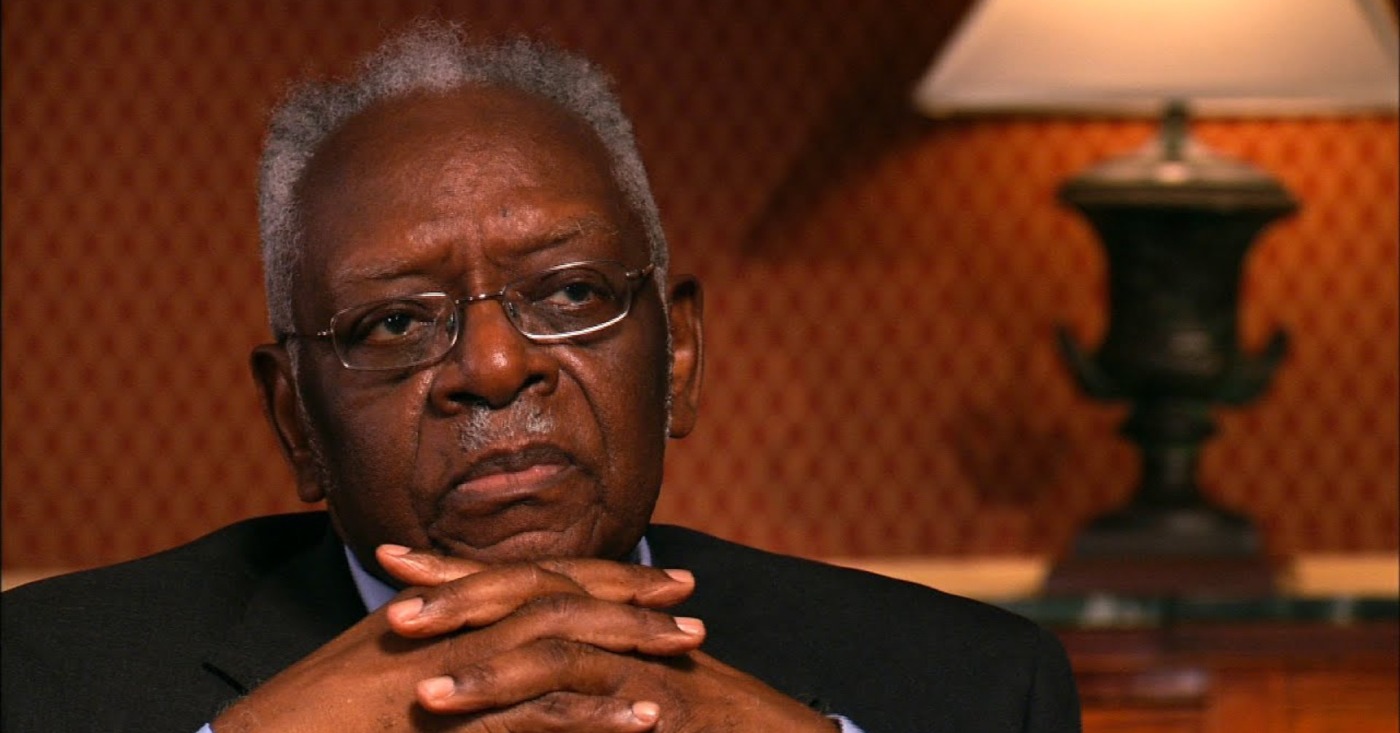
Moses J. Newson, a pioneering Black journalist whose reporting documented some of the most defining moments of the Civil Rights Movement, died November 17 at his Baltimore home. He was 99.
His daughter, Shawn Newson, confirmed to Journal-isms that he died of natural causes.
Throughout his career, Newson documented the struggle for racial equality from the front lines, bearing witness to events that challenged segregation and transformed American society. His work reflected the critical role of the Black press during an era when racial injustice frequently received inadequate coverage from mainstream news organizations.
Born February 5, 1927, in Fruitland Park, Florida, Newson pursued journalism after serving in the United States Navy. He studied at Storer College and Lincoln University in Missouri before beginning his newspaper career at the Tri-State Defender in Memphis in 1952.
His early assignments included coverage of school desegregation and the murder of Emmett Till in 1955, a case that helped galvanize the national Civil Rights Movement.
Newson joined the Baltimore Afro-American in 1957, covering the integration of Central High School in Little Rock, Arkansas, during his first assignment with the newspaper.
Four years later, he placed himself in considerable danger while covering the Freedom Rides, organized to challenge segregation in interstate transportation.
Newson survived the infamous attack on a Freedom Riders bus in Anniston, Alabama, in 1961. Despite the personal danger he encountered, he continued documenting the movement, providing readers with firsthand accounts of the resistance to racial integration.
His reporting also included the integration of the University of Mississippi in 1962 and the 1963 March on Washington. In 1968, he interviewed the Rev. Dr. Martin Luther King Jr. during preparations for the Poor People’s Campaign, shortly before King’s assassination.
Newson spent 21 years with the Baltimore Afro-American, rising from reporter to city editor and ultimately executive editor. He spent the final decade of his newspaper career overseeing editorial operations before transitioning into federal public affairs in 1978.
In 2014, the National Association of Black Journalists inducted Newson into its Hall of Fame, recognizing his contributions to journalism and his extraordinary record of civil rights coverage.
His experiences were also documented through the Civil Rights History Project, a collaboration between the Library of Congress and the Smithsonian Institution’s National Museum of African American History and Culture.
Newson’s family plans to honor his life with a private ceremony in February, when he would have celebrated his 100th birthday.
His death marks the loss of a journalist who witnessed history at extraordinary personal risk. His reporting remains part of the permanent record of America’s struggle for racial equality and a reminder of the indispensable role Black newspapers played in bringing that struggle to the nation’s attention.
The post Remembering Moses Newson and the Power of the Black Press During the Civil Rights Movement appeared first on Atlanta Daily World.
Based on reporting by Atlanta Daily World.
Black History
An HBCU Is Training Doulas to Help Combat Childbirth Risks
THE CAROLINIAN — North Carolina Central University is addressing the critical maternal health crisis in rural communities by training a new workforce of birth doulas. Through its Rural Health Hub in Enfield, the historically Black university is developing a network of trained birth workers to support mothers in Eastern North Carolina.
For many expectant mothers in rural communities, preparing for childbirth involves more than prenatal appointments and planning for a new baby. Limited access to maternity care, long travel distances, and unequal health outcomes can make pregnancy an especially difficult experience.
North Carolina Central University is working to address some of those challenges by training community-based birth doulas who can provide support to mothers before, during, and after childbirth.
Through its Rural Health Hub in Enfield, North Carolina, the historically Black university is developing a network of trained birth workers to improve maternal health outcomes in rural Eastern North Carolina, where access to maternity services remains limited.
The initiative comes at a time when Black women continue to experience disproportionately high rates of pregnancy-related deaths. According to North Carolina’s Maternal Mortality Review Committee, Black women in the state were 1.7 times more likely than white women to die from pregnancy-related causes between 2018 and 2021. The committee also found that nearly nine out of 10 pregnancy-related deaths reviewed were preventable.
The disparities are particularly concerning in rural communities, where some expectant mothers must travel an hour or more to reach hospitals offering labor and delivery services.
NCCU’s Community-Based Birth Doula Training Program, launched in December 2025, aims to address those gaps by preparing women who already live in underserved communities to support families navigating pregnancy and childbirth.
The program recruits participants from northeastern North Carolina counties, including Halifax, Northampton, Edgecombe, Nash, Bertie, Warren, and Martin.
Rather than bringing outside professionals into these communities, the university is investing in residents who understand the challenges families face and can build relationships with mothers in their own neighborhoods.
Dr. Undi Hoffler, director of the Community-Based Doula Program, emphasized the importance of developing a workforce rooted in the communities it serves.
“It’s important that our doulas come from these communities,” Hoffler said in an interview published by NCCU. “They’re building relationships with families they know. That’s how you build trust.”
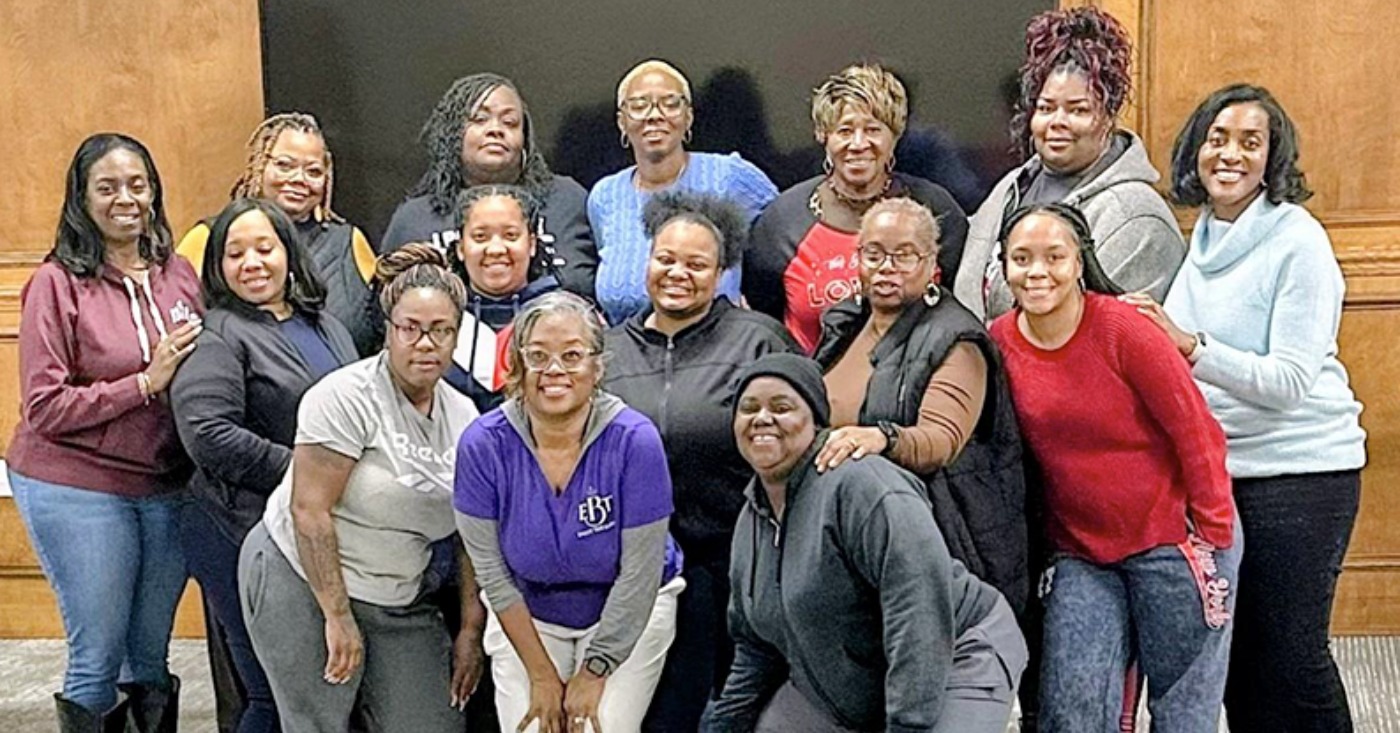
The program’s first training cohort included 12 women who completed a three-day in-person training in December 2025. Participants received scholarships covering training, certification, and materials. The university also provides continued mentorship and assistance as trainees work toward professional certification through DONA International.
The initiative continued into 2026. A training workshop held in October brought together 14 women for three days of instruction at the Rural Health Hub in Enfield, according to NC Newsline’s Nov. 16 report.
During training, participants learn about pregnancy, anatomy, labor and delivery, postpartum recovery, and how to recognize situations that require medical attention. They also receive instruction on helping mothers communicate their concerns, understand available options, and advocate for themselves during medical appointments and childbirth.
A doula is a trained professional who provides emotional, physical, and informational support throughout pregnancy, labor, and the postpartum period. Unlike physicians, nurses, and midwives, doulas do not provide medical treatment or deliver babies. Instead, they serve as an additional source of support for mothers and their families.
That distinction is important in communities where mothers may have limited access to consistent support throughout their pregnancies.
For Rose Lewis, a member of the program’s first cohort, the decision to become a doula grew out of years of working with families and recognizing gaps in maternal support.
Lewis, a Nash County resident and community health worker, said she frequently encountered families who needed assistance accessing health services and other resources. Through that work, she began noticing how much support was available after a baby arrived compared with the resources offered during pregnancy.
“I kept seeing resources for after the baby gets here,” Lewis said in an interview with NCCU. “But what about the support leading up to birth?”
Her interest in the work also became personal after a woman connected to her extended family died during childbirth and her own daughter experienced a high-risk pregnancy.
Lewis now hopes to help other mothers feel informed and supported throughout their birthing experiences.
“When you’re informed, you can advocate for yourself,” she said.
Another trainee, Taya Partin of Edgecombe County, shared an experience involving a pregnant client who expressed fear that she might not survive childbirth. Partin recalled helping the woman manage her concerns and feel more prepared for the delivery process.
The experience illustrates the emotional support doulas can provide to mothers who may feel overwhelmed or uncertain during pregnancy.
Research has associated continuous labor support with positive childbirth outcomes, including fewer cesarean deliveries and improved birth experiences. However, doulas are not substitutes for medical professionals or emergency maternity care. Their role is to complement existing healthcare services by providing consistent support and helping mothers navigate the process.
For NCCU, the program represents an opportunity to connect higher education with a public health issue affecting communities throughout North Carolina.
The university’s Rural Health Hub is also working to strengthen relationships among healthcare providers, community organizations and local families. Its broader mission focuses on improving health access, workforce development and community-centered research in underserved areas.
The long-term vision for the doula initiative is to establish a stronger network of trained birth workers throughout rural Eastern North Carolina, helping ensure that mothers have access to support regardless of where they live.
As maternal health disparities continue to affect Black women across the state, NCCU’s work demonstrates how HBCUs can contribute to solutions beyond traditional classroom instruction.
Through community-based training, mentorship and partnerships, the university is preparing women to become advocates and support systems for mothers during one of the most important periods of their lives.
For the families these doulas serve, the goal is simple: no mother should have to navigate pregnancy and childbirth feeling alone, unheard or unsupported.
Based on reporting by The Carolinian.
Art
The Afrikan Restoration Project Marks 60 Years of Kwanzaa With New Book and Expanded Focus
THE AFRIKAN RESTORATION PROJECT FOR IMMEDIATE RELEASE | November 24, 2026 Media contact: Shujaa Baker | [email protected] | (949) 257-7133 | Media Kit – https://bit.ly/3X2tSlz The Afrikan Restoration Project Marks 60 Yea
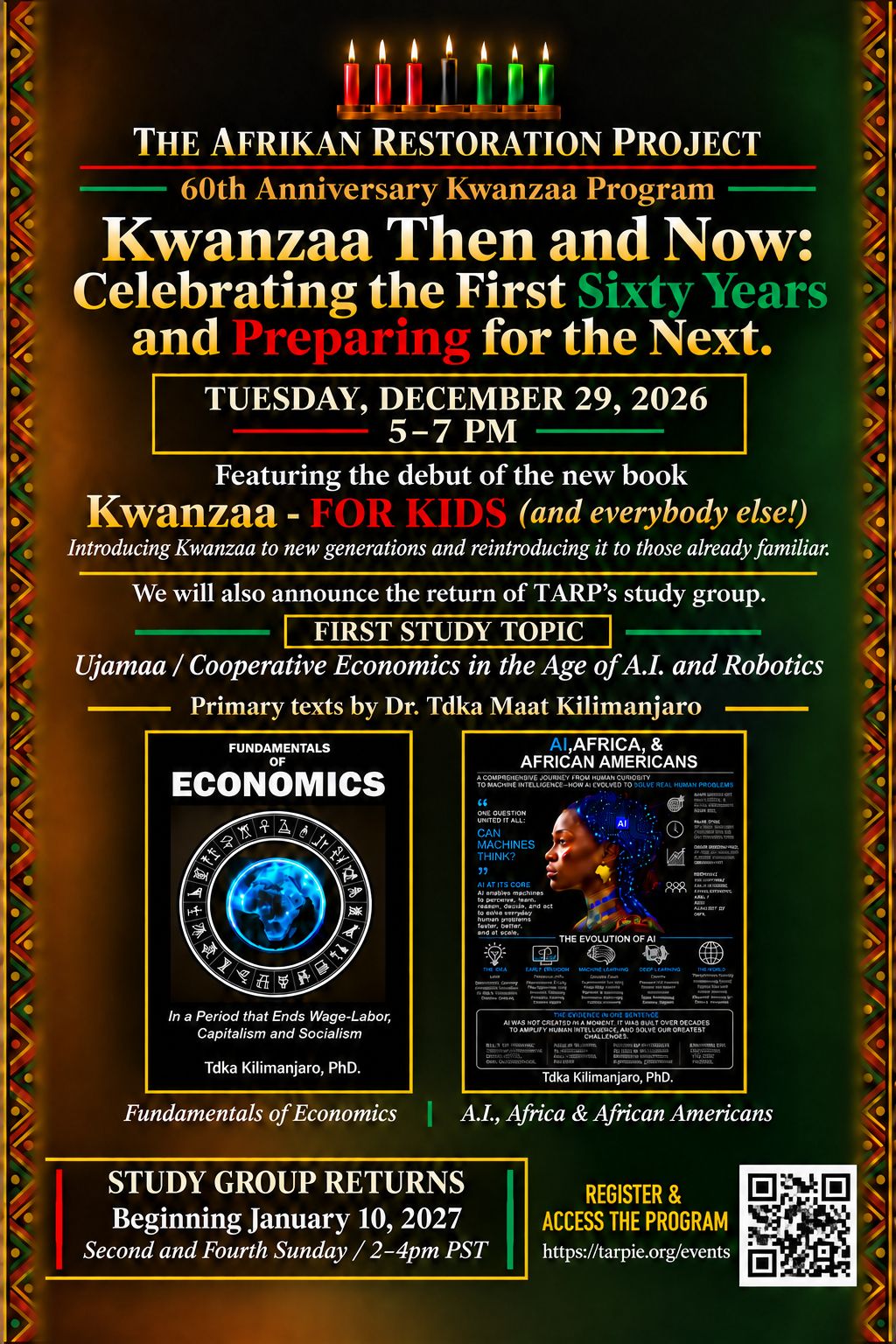
The Afrikan Restoration Project Marks 60 Years of Kwanzaa With New Book and Expanded Focus
Events in San Diego, Detroit, and online will honor the holiday’s origins and prepare for the next sixty years of the Nguzo Saba.
The Afrikan Restoration Project (TARP) announces its 2026 Kwanzaa anniversary season, Dec. 26–Jan. 1, marking sixty years of the African American and Pan-African holiday first observed in Los Angeles in 1966. Under the theme “Celebrating the First Sixty Years of Kwanzaa… and the Next!” the programs share an expanded understanding of the Kwanzaa creation story and thoughtfully promote year-round practice of the Nguzo Saba (Seven Principles).
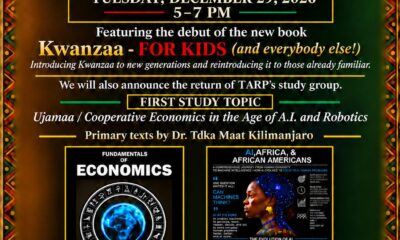
Central to the celebration is the worldwide debut of the new book titled “Kwanzaa – FOR KIDS (and everybody else!),” written by Shujaa Baker, illustrated by Thad Lavalais, and based on the firsthand accounts of Kinamo and Karama Damu about the first Kwanzaa. The book traces how ten-year-old Kinamo’s questions about African holidays in 1965 inspired the creation of Kwanzaa while recounting the children’s experiences leading up to the first celebrations in 1966. Learn more at kwanzaaforkids.org.
60th Anniversary Events
Dec. 26 | San Diego | 1–4:30 p.m. PT — WorldBeat Cultural Center, Balboa Park. The children’s Kwanzaa Camp celebration and book debut features Karama Damu, a participant in the first Children’s Kwanzaa, along with a Kwanzaa Essentials lesson and lessons from the new book, art, music, drumming, and dance. Instructional content by Imagiread.
Dec. 26 | San Diego | 6–9 p.m. PT — WorldBeat Cultural Center. Umoja (Unity) Night program celebrating the First Sixty Years of Kwanzaa… and the Next! recognizes the first sixty years of Kwanzaa and the work ahead to teach the Nguzo Saba more broadly
Dec. 27 | Detroit | 2–5 p.m. ET — Charles H. Wright Museum of African American History. The Kujichagulia (Self-Determination) program explores Kwanzaa’s past, present, and future, and the role of self-determination in Elevating Blackness.
Dec. 29 | Online | 5–7 p.m. PT — Kwanzaa Then and Now: Celebrating the First Sixty Years and Preparing for the Next. TARP introduces its new book and announces the return of its study group on Jan. 10, 2027 – examining Ujamaa (Cooperative Economics) in the age of AI and robotics.
TARP is merging our work to promote African culture, S.T.E.M., manufacturing, and principled daily practice into a new online program called The Elevating Blackness Online Academy. Launching on December 5th, this site offers educational resources that build character, including curricula for Kwanzaa – FOR KIDS, the STEM ’n ’Nem children’s book series, and partner content.
Visit https://elevatingblackness.com for more info. (For beta test access – TESTER / Innovationary2026!).
TARP also invites public discussion of three position statements on Kwanzaa’s origins, the responsibilities of the next sixty years, and the daily practice of the Seven Principles found here.
Event details and registration: https://kwanzaa.org/events.html and https://tarpie.org/events. Contact Shujaa Baker for interviews, the media kit, and high-resolution images. See tarpie.org for full details.
About The Afrikan Restoration Project
TARP is an African-centered educational and cultural development initiative advancing cultural knowledge, practical capabilities, and principled community development through publications, programming, and collaborative education.
Black History
IN MEMORIAM: Claude T. Everhart, San Francisco’s First Black Deputy Mayor, Dies at 73
Claude T. Everhart, the first African American deputy mayor of San Francisco and a dedicated community advocate for five decades, passed away on October 27 at the age of 73. A former member of the Black Panther Party, Everhart rose from community organizing to serve as chief of staff for Mayor Art Agnos, where he helped lead the city through the aftermath of the 1989 Loma Prieta earthquake. His career spanned significant roles in youth development and municipal policy. Visit BlackPressUSA.com to read more.
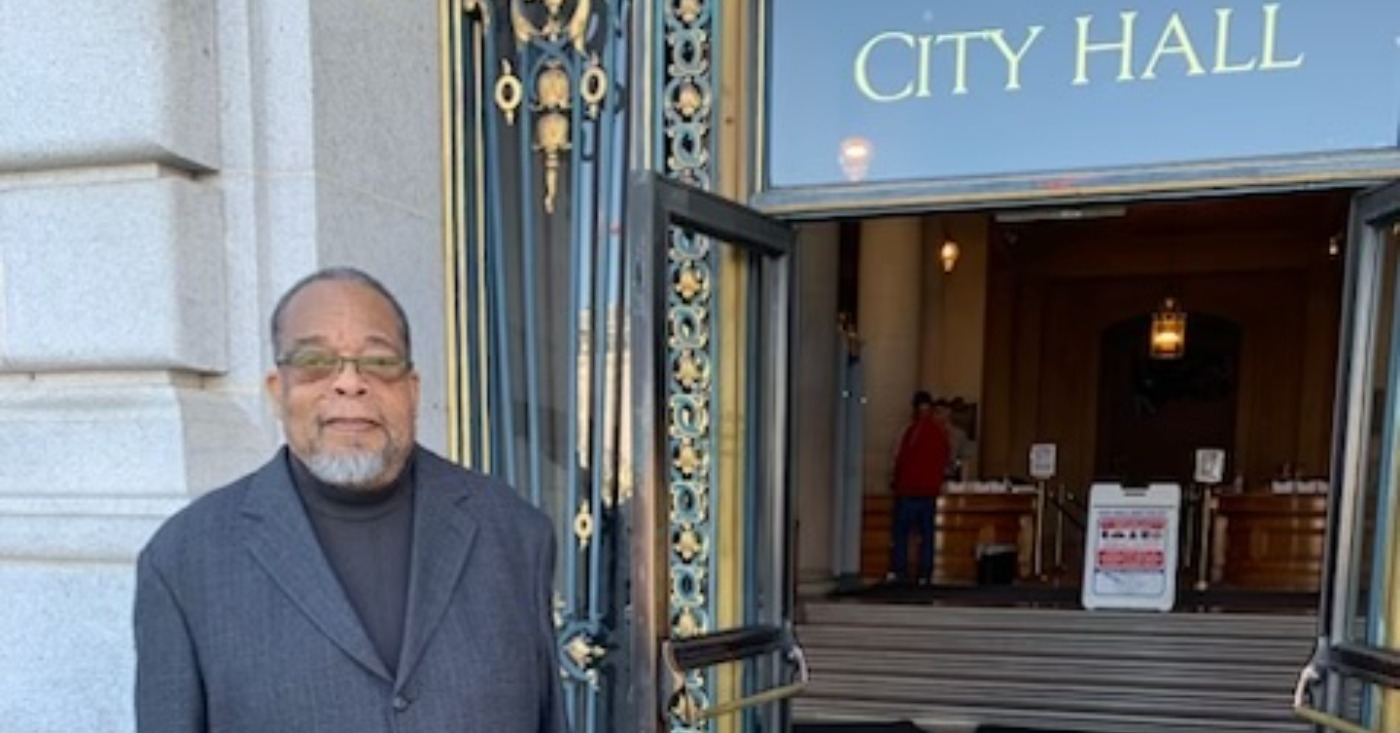
Claude T. Everhart, first African American deputy mayor and chief of staff to former San Francisco Mayor Art Agnos who served working families and communities of color for 50 years, died on Oct 27 in Oakland. He was 73.
“Claude Everhart was… He was the engine room of our administration’s most significant efforts to improve the lives of our city’s most underserved populations San Francisco has lost a true champion of the people, and I have lost a very dear friend and a trusted partner,” Agnos said in a statement.
Born in San Francisco in 1952, Everhart graduated from Lowell High in ’70. As a student, he was involved in the Black Panther Party, participating in various demonstrations, the San Francisco State College strike, and the Party’s Free Breakfast Program.
As a teen, he led the Oceanview–Merced–Ingleside Community Organization, created summer jobs for youth, and opened a group home as an alternative to incarceration.
In 1974, he became the first executive director of Young Community Developers (YCD) The program was founded by a group of young Black activists who pushed City Hall for funding to train residents for jobs at the Hunters Point Naval Shipyard.
More than 50 years later, YCD is still providing job readiness training, reentry services for formerly incarcerated adults, and youth programming, and Everhart remained on the board into recent years.
Everhart joined Agnos’ staff in 1976, became his chief of staff and then executive deputy mayor when Agnos was elected mayor in 1988.
In that role, he was part of the leadership team that led San Francisco through the October 17, 1989, Loma Prieta earthquake (the city’s worst since 1906). The administration rebuilt the damaged infrastructure and decided to take down the quake-damaged Embarcadero Freeway, thereby opening the waterfront. They would not move the unhoused people displaced from the damaged shelters until new housing was available, and they created “Beyond Shelter,” which became a nationally recognized network of multi-service centers for the unhoused.
He took a few unpopular stands on behalf of the disadvantaged. He fought against the homeporting of the USS Missouri at Hunters Point on grounds of gentrification, demanded a full clean-up of the yard, and pushed for investigations and redress in the wake of allegations of racial discrimination in both the Police and Fire Departments.
He was instrumental in setting up the Mayor’s Office of Youth and Children’s Services, helped to divest the city’s retirement system from South Africa, brought a supermarket to Hunters Point, and worked to increase city contracting with minority-owned businesses.
He later served as a VP at Waste Management of Alameda County and as a political consultant to several people, including former Oakland Mayor Elihu Harris and San Francisco Assessor Doris Ward.
His legacy lives on through Jelani House (the family recovery and counseling program named for his late son), of which he was a board member and at the Ella Hill Hutch Community Center in the Fillmore, a long-standing youth and community center with a mural on the building in his honor.
Everhart is predeceased by his son Jelani. He is survived by his wife of 51 years, Sandra, and daughter, Maisha.
A memorial service will be held on Nov 23 at 11 a.m. at Jones Memorial UMC, 1975 Post St., San Francisco, CA 94115. In lieu of flowers, the family asks that donations be made to Young Community Developers and Jelani House.
Darolyn Davis is the president and CEO of D&A Communications.

Black History
‘We’re Committed to Delivering the Change that the American People Deserve’
House Speaker-designate Hakeem Jeffries recently outlined a legislative vision for the 120th Congress, emphasizing a commitment to affordability and government accountability. As the first Black congressman set to take up the Speaker’s gavel, Jeffries appeared alongside historic leadership selections Katherine Clark and Pete Aguilar to address the economic struggles facing American families. The Democratic nominee pledged to combat rising costs for groceries, housing, and healthcare while promising to address systemic corruption. Jeffries further detailed his strategy for representing diverse communities across the nation. Read more.
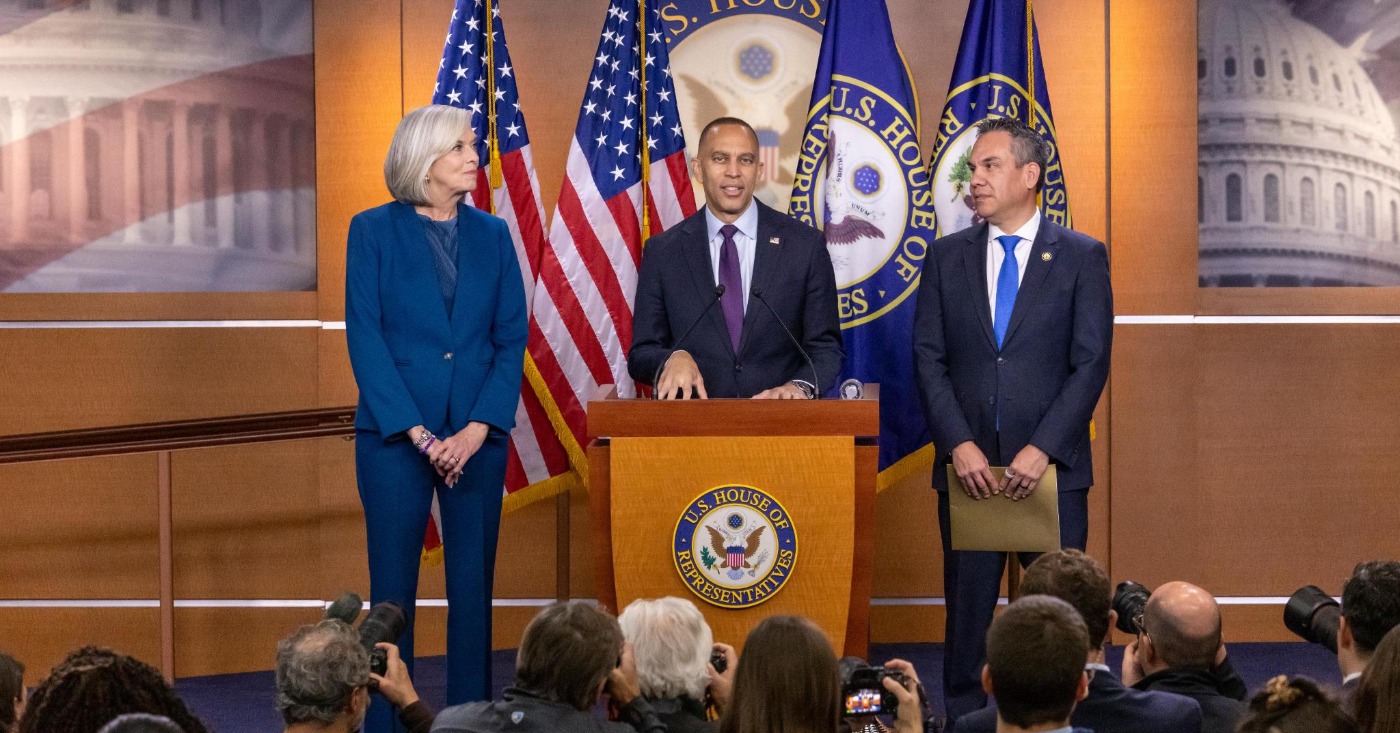
Hakeem Jeffriesto become the first Black congressman to take up the Speaker’s gavel
House Speaker-designate Hakeem Jeffries held a press conference where he emphasized that House Democrats are committed to delivering on their vision of affordability and accountability for the American people in the 120th Congress.
His remarks are shared below.
“It’s a high honor and a distinct privilege to stand before the American people today as the Democratic nominee to be the next Speaker of the United States House of Representatives. It’s a particular honor to stand with two amazing leaders, patriots, colleagues and friends. Katherine Clark, the Democratic Leader, the Majority Leader in the 120th Congress, a historic elevation, and Pete Aguilar, the next Majority Whip of the 120th Congress, also a historic elevation.
“We collectively know as House Democrats that life is way too expensive here in the United States of America. There are far too many people in this country who are working hard, they’re playing by the rules, but they can’t thrive and they can barely survive. That’s not acceptable here in this great country, the wealthiest country in the history of the world. We know the American people are struggling. We know millions of people are drowning in this failed Republican economy, and House Democrats are committed to turning things around.
“Our message to the American people who are struggling in this failed economy is a simple one. We hear you. We see you. We feel you. And House Democrats are committed to making life better for you. We’re going to fight for an affordable America. We’re going to fight to lower the high cost of groceries and gas and housing.
We’re going to fight to make healthcare affordable for every single American. And we’re going to fight to make sure that, in the face of the unprecedented corruption, chaos and cruelty visited upon the American people, that House Democrats will hold the crooks accountable, not for partisan reasons, but for patriotic ones, because the American people deserve better.
The 120th Congress is going to be the most diverse in America’s history. And we know that what brings people together are the challenges that Americans of every walk of life are experiencing. Our commitment is that we’re going to fight hard to make life better for everyone.
We’re going to fight for small-town America. We’re going to fight for urban America. We’re going to fight for rural America. We’re going to fight for the heartland of America. We’re going to fight for Black and brown communities all across America.
The people of this country are demanding bold, dramatic and transformational change. The status quo is unacceptable. And we’re committed to delivering, in a meaningful way, the type of change that the American people deserve so that everyone in this country can live an affordable life, a comfortable life and a good life.
U.S. Rep. Hakeem Jeffries’ media relations office is the source of this report.
Black History
PRESS ROOM: Governor-Elect Byron Donalds Announces Leadership Team for 2027 One Florida Inauguration
BLACKPRESSUSA NEWSWIRE — Under the theme “One Florida: A Celebration of the Florida Dream,” the inauguration will honor Florida’s rich history, celebrate the people and communities that make our state extraordinary, and look ahead to a future of opportunity for every Floridian.
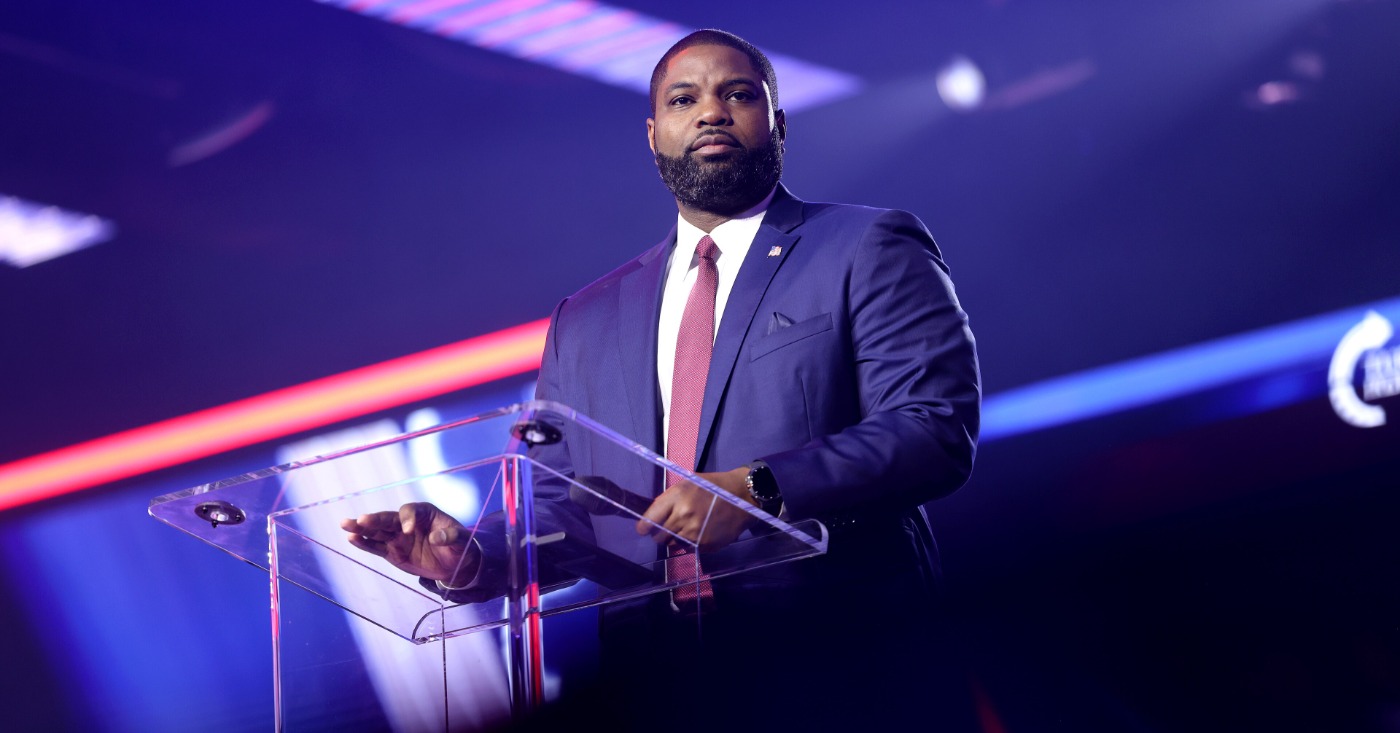
Erika Donalds to Serve as Inaugural Chair; Cindy Gil-Avila Named Honorary Co-Chair
Governor-elect Byron Donalds today announced the leadership team for the 2027 Florida Inauguration, which will mark the swearing-in of Governor-elect Donalds and Lieutenant Governor-elect Bryan Ávila on January 5, 2027.
Under the theme “One Florida: A Celebration of the Florida Dream,” the inauguration will honor Florida’s rich history, celebrate the people and communities that make our state extraordinary, and look ahead to a future of opportunity for every Floridian.
Erika Donalds will serve as Inaugural Chair, Cindy Gil-Avila as Honorary Co-Chair, and Ed Miyagishima as Executive Director. They will be joined by an experienced leadership team responsible for planning inaugural events, coordinating statewide outreach, and creating meaningful opportunities for Floridians to participate in this special moment in our state’s history.
Reflecting the spirit of One Florida, the leadership team brings together individuals with different backgrounds, experiences, and political perspectives, united by a shared commitment to Florida and its future.
Governor-elect Byron Donalds said:
“The opportunity to serve the people of Florida is an extraordinary honor, and one I will never take for granted. This inauguration isn’t just about a new administration. It’s about celebrating the people, communities, and shared aspirations that make Florida such a special place to call home. I’m grateful to Erika, Cindy, and this outstanding team for helping us create a celebration that reflects the spirit of One Florida and welcomes Floridians from every corner of our great state.”
Lieutenant Governor-elect Bryan Ávila said:
“I’m grateful to everyone who has stepped forward to help make this occasion meaningful for Floridians across our state. As we prepare for this new chapter, I look forward to celebrating the traditions that unite us, the communities that strengthen us, and the opportunities we can create together for the next generation.”
Inaugural Chair Erika Donalds said:
“I’m deeply honored to help bring this celebration to life. Florida is a remarkable place, not simply because of its beauty or opportunity, but because of its people — hardworking families, entrepreneurs, educators, first responders, and neighbors who make our communities strong. We want this inauguration to reflect the very best of Florida: the traditions we cherish, the communities we call home, and the hope we share for our children and grandchildren. Above all, we want every Floridian to feel that this is their celebration, because the Florida Dream belongs to all of us.”
2027 One Florida Inaugural Leadership Team
- Erika Donalds — Inaugural Chair
- Cindy Gil-Avila — Honorary Co-Chair
- Ed Miyagishima — Executive Director
- Danielle Alvarez — Senior Advisor
- Bobby DuBose — Senior Advisor
- Brad Herold — Senior Advisor
- Amanda Emmons — Deputy Executive Director, Donor Operations
- Julia Friedland — Deputy Executive Director, Communications
- Yen Le — Deputy Executive Director, External Outreach
- Megan McKinley — Deputy Executive Director, Donor Relations
About the Inaugural Leadership Team
Erika Donalds — Inaugural Chair
Erika Donalds is an education entrepreneur, nonprofit founder, and former elected school board member with a longstanding commitment to expanding educational opportunity for Florida families. She founded the Education Freedom Foundation and OptimaEd and has helped establish six classical charter schools. Her public service includes the Collier County School Board, the Florida Constitution Revision Commission, and the Florida Gulf Coast University Board of Trustees.
Cindy Gil-Avila — Honorary Co-Chair
Cindy Gil-Avila is an entrepreneur and leadership development professional with more than 15 years of experience helping individuals and organizations thrive. She founded Capability Growth Associates, where she focuses on developing leaders, strengthening workplace cultures, and helping organizations reach their potential. Originally from Bogotá, Colombia, she lives in Miami Springs with her husband, Lieutenant Governor-elect Bryan Ávila, and their two children. She brings a passion for family, community, and service to her role as Honorary Co-Chair of the 2027 One Florida Inauguration.
Ed Miyagishima — Executive Director
Ed Miyagishima brings extensive experience in government operations, protocol, and major event planning. His federal service spans three presidential administrations and includes coordinating official visits and major events. He previously served as Florida’s Director of Protocol and International Affairs under Governor Rick Scott and as Senior Advisor for Campaign Operations for Byron Donalds for Governor.
Danielle Alvarez — Senior Advisor
Danielle Alvarez will serve as Senior Advisor to Governor-elect Byron Donalds’ Inauguration, having advised his campaign since its launch. A Partner at Mercury, Alvarez most recently served as Senior Advisor to President Trump at the White House and on his winning 2024 campaign. She previously served as RNC Communications Director, and served in Governor Rick Scott’s administration.
Bobby DuBose — Senior Advisor
Bobby DuBose is a former Florida House Democratic Leader and longtime public servant from Fort Lauderdale. He represented his community in the Florida House of Representatives from 2014 to 2022, serving as Democratic Leader from 2020 to 2022. He previously served as a Fort Lauderdale city commissioner and vice mayor and is a graduate of the University of Florida.
Brad Herold — Senior Advisor
Brad Herold is a partner at Something Else Strategies and an experienced political and communications strategist. He served as Senior Advisor to Governor-elect Donalds’ 2026 campaign, managed Ron DeSantis’ 2018 gubernatorial campaign, and previously served as Executive Director of the Republican Party of Florida.
Amanda Emmons — Deputy Executive Director, Donor Operations
Amanda Emmons brings experience in fundraising operations and organizational management. She helped lead the finance team for Byron Donalds for Governor and previously served as Finance Director for U.S. Senator Kelly Loeffler’s Senate campaign. She is President of ANE Strategies LLC and resides in Jupiter, Florida.
Julia Friedland — Deputy Executive Director, Communications
Julia Friedland is a Vice President at Mercury with extensive experience in government, public affairs, and strategic communications. She previously served in Governor Ron DeSantis’ press office, as Director of Development and Partnerships for SelectFlorida, and in communications leadership roles with the Republican Party of Florida and Republican National Committee.
Yen Le — Deputy Executive Director, External Outreach
Yen Le brings experience in statewide outreach, coalition engagement, and organizational leadership. She served as Political Director for Byron Donalds’ gubernatorial campaign and previously held leadership roles with Senator Marco Rubio’s campaign, the Republican National Committee, and the Republican Party of Florida. She also worked with the Florida Senate and in the private sector.
Megan McKinley — Deputy Executive Director, Donor Relations
Megan McKinley is a Tallahassee native with extensive experience in fundraising and political finance. She served as Finance Director for Byron Donalds for Governor and previously held finance roles for Senator Marco Rubio, Senator Tim Scott, and the National Republican Senatorial Committee. She is a graduate of the University of Georgia.
One Florida: A Celebration of the Florida Dream
One Florida is a tribute to the people who have built this state and the generations who will shape its future.
From the Panhandle to the Keys, from our largest cities to our smallest towns, every community and every Floridian has a place in the story of our state.
The 2027 inauguration will celebrate the people, traditions, and opportunities that make Florida extraordinary, while honoring the responsibility of public service and looking ahead with gratitude, optimism, and a renewed commitment to the Florida Dream.
Additional announcements, including the members of the One Florida Inaugural Committee, event details, and opportunities for public participation, will be shared in the coming weeks.
For updates, visit onefloridainauguration.com.


AI Music Is Changing How We Discover Artists #shorts

Before You Rent Retail Space, Know Your Break-Even Sales #shorts

Buying Friction: The Hidden Cost Beyond the Price #shorts

Heated Steering Wheel & Seat Comfort: Find Your Perfect Driving Position #shorts

News Observer Weekly — November 25, 2026 | Top 5 Stories of the Week

Remembering Moses Newson and the Power of the Black Press During the Civil Rights Movement

An HBCU Is Training Doulas to Help Combat Childbirth Risks

The Afrikan Restoration Project Marks 60 Years of Kwanzaa With New Book and Expanded Focus

How EDUCATION Evolved Her Business Since 2020 #shorts

Jamal’s Take: Cowboys Send a Message With Dominating Win Over Tennessee Titans

HISTORY MADE: Keisha Lance Bottoms Becomes First Black Woman Elected Governor in American History

Retirement Triggers Doctor to Pen Book for Young Audience

Multi-Faith Leaders Representing 10 Million People Launch National Anti-Authoritarian Initiative

Capturing Black Life’s Beauty

Christianity’s Racial History

Hundreds of Black Christian Leaders Arriving in Israel for Martin Luther King-Inspired Mission

Message from the Associate Editor: Blindness, Hurts, Cops

Michael Shiner: The Enslaved Man Who Wrote His Way into American History

Keisha Lance Bottoms to Govern State Where Her Great-Great-Grandfather Was Enslaved

Don’t Pass the Torch. Expand the Circle.
AI Music Is Changing How We Discover Artists #shorts
Before You Rent Retail Space, Know Your Break-Even Sales #shorts
Buying Friction: The Hidden Cost Beyond the Price #shorts
Heated Steering Wheel & Seat Comfort: Find Your Perfect Driving Position #shorts
News Observer Weekly — November 25, 2026 | Top 5 Stories of the Week
How EDUCATION Evolved Her Business Since 2020 #shorts
Jamal’s Take: Cowboys Send a Message With Dominating Win Over Tennessee Titans

Twin Cities Radio: Why I Finally Joined The Current #shorts

I Made Six Figures—But Lost Money Building My Business #shorts

How Hip-Hop’s Evolution Made Us Fall in Love Again #shorts
-

 Black Press1 week ago
COMMENTARY: Thank You, Trump, for Making America Great Again!
-

 Black Press1 week ago
Black Men Encouraged to Start Prostate Cancer Screening at 45
-
 Black History1 week ago
Mississippi Congressman Bennie Thompson Congratulates Scott Colom on Historic Victory
-
 Black Press1 week ago
Oakland City Council Extends AI Data Center Moratorium for 10 Months.
-

 Black History5 days ago
Black Barbershops Have Long Given Neighborhood Politics a Place to Unfold.
-
 Black Press1 week ago
Computational Thinking and Young Children: It’s Not What You Might Think!
