
Black Press
COMMENTARY: Property Is Power! the Last Generation to Start from Zero
MICHIGAN CHRONICLE — The article explores the concept of becoming the last generation to start from zero, challenging traditional American definitions of achievement that focus on individual progress within a single lifetime.

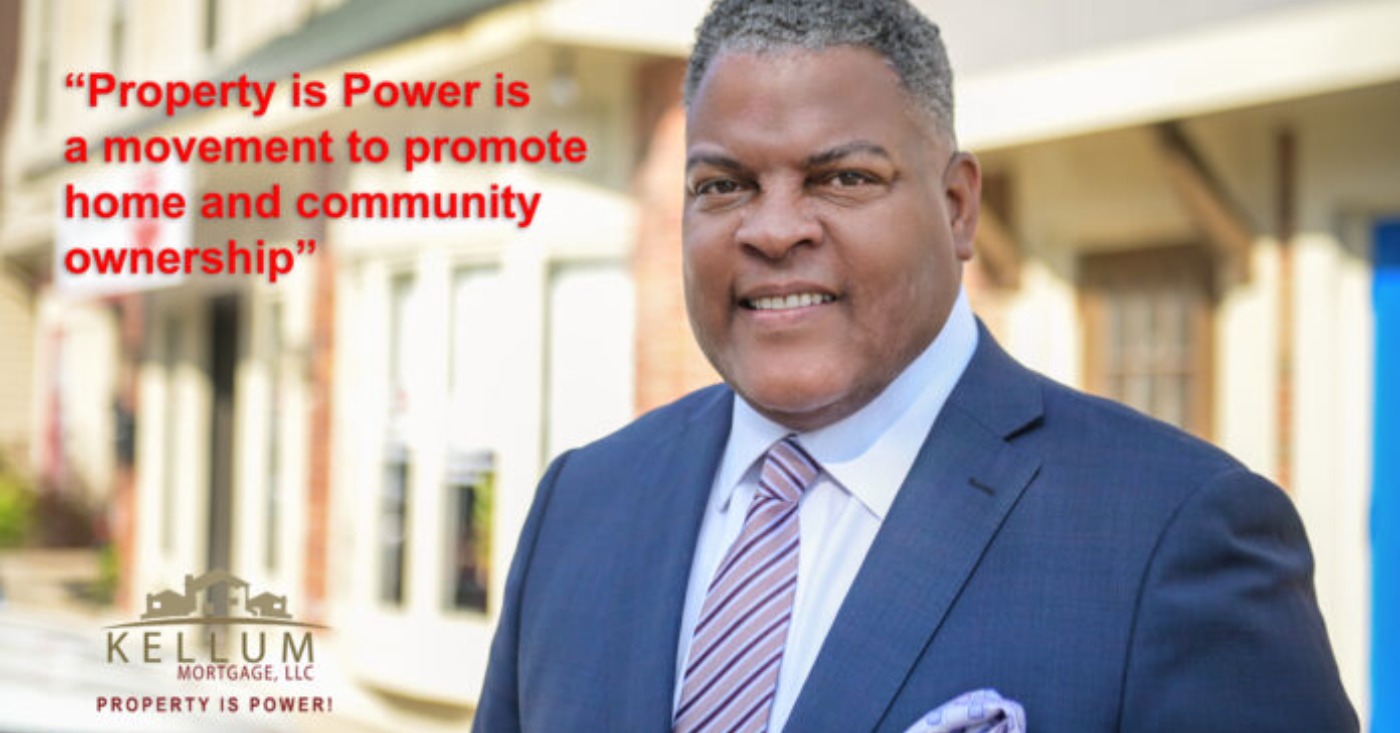
Perhaps success is becoming the last generation that has to start from zero.
I have been thinking about that idea lately because it challenges something deeply embedded in the American definition of achievement. We tend to measure progress by how far a person travels in a single lifetime, the neighborhood they escaped, the degree they earned, the profession they entered, the income they eventually commanded. For Black Americans especially, there is understandable pride attached to being first the first in the family to graduate from college, to become a doctor, to own a business, to buy a home, to reach the executive suite.
But what happens after the first?
That question interests me more than the achievement itself.
Because there is another form of success that receives considerably less attention: creating a family in which being first eventually becomes unnecessary.
A child who inherits a stable home does not begin where their parents began. A young entrepreneur whose family owns a commercial building approaches risk differently from one whose first obligation is paying rent. A college graduate who leaves school without having to financially rescue the generation before him has choices that another equally talented graduate may not have. A family that owns land, businesses, investments, or income-producing property possesses something more consequential than money. They possess a different starting point.
We like to imagine America primarily as a meritocracy of finish lines. Work hard enough, become educated enough, make the correct decisions, and eventually you will arrive. There is truth in that, but wealth operates according to another logic; wealth is deeply influenced by where the race begins.
An inheritance does not have to arrive as a million-dollar check; sometimes, inheritance is simply the absence of a burden.
It is graduating without debt, it is living in a family-owned property while starting a business, it is receiving $30,000 toward a first home, it is having parents who can help rather than parents who require help, it is inheriting a duplex with a mortgage nearly paid off, a piece of land purchased decades earlier, shares in a family business, or simply the knowledge of how money works. None of those advantages guarantees success, but they create room for it.
We talk about wealth as though its principal benefit is a larger house, a better automobile, better vacations, and a more comfortable retirement. But the deeper value of wealth is optionality. Wealth gives people the ability to make decisions based on opportunity rather than immediate necessity.
A person with assets can sometimes afford to wait; they can turn down the wrong job; they can survive a business failure; they can relocate for an opportunity; they can help a child with a down payment; they can think in decades because not every decision has to be solved by Friday.
The Federal Reserve’s most recent comprehensive Survey of Consumer Finances found that the typical White family held roughly six times the wealth of the typical Black family in 2022. There was encouraging movement beneath that number: Black ownership of homes, stocks, and businesses increased, but the underlying disparity remained enormous.
There is another number that helps explain why these gaps can be so stubborn. Federal Reserve research found that nearly 30 percent of White families had received an inheritance or substantial gift, compared with about 10 percent of Black families, and among families receiving inheritance, White families tended to receive larger amounts.
That difference is not merely about what one generation receives. It affects what that generation is capable of leaving; this is where the mathematics of legacy becomes unforgiving.
A family that inherits capital can invest sooner. A family that invests sooner benefits from more years of appreciation and compounding. Those assets can then become collateral for additional assets. A house can produce equity that helps purchase another property. A business can finance another enterprise. Land acquired before development arrives can become valuable decades later. Capital creates the possibility of additional capital.
Meanwhile, the family, beginning with nothing, may be doing everything right and still spend its most productive years building the foundation another family will inherit. That is why income alone cannot tell us whether a family is becoming wealthy.
There are Black households today earning incomes their grandparents could scarcely have imagined. That is genuine progress. But a household earning $200,000 while building few transferable assets may ultimately leave less economic power behind than a household earning considerably less, spending 30 years acquiring property, investments and businesses.
The distinction becomes especially important now because America is approaching an extraordinary economic transition. Cerulli Associates now estimates that roughly $124 trillion could transfer between generations and to charities between 2024 and 2048, an increase from its earlier $84 trillion projection. Rising values of financial assets and real estate are major reasons the estimate has grown so dramatically.
Think about what that actually means.
While much of America is discussing wages, inflation, interest rates, and affordability and understandably so another economy is operating quietly underneath it. Houses purchased in 1987 are becoming inheritances. Businesses started in 1994 are changing hands. Stock portfolios accumulated over 40 years are being transferred to children. Land purchased when nobody wanted it now sits in the path of development.
It changes how we think about the family home. Perhaps the first instinct should not always be to sell Grandma’s house and divide the proceeds. Sometimes the more important question is whether that property can remain an asset. It changes how entrepreneurs think about real estate. If you operate the same business in the same neighborhood for twenty years, should the next generation inherit only the business or the building beneath it?
It changes how we think about land. Some property does not need to produce an immediate return to have strategic value. Sometimes patience itself is the investment. It even changes how we think about lifestyle. There is nothing inherently wrong with enjoying the fruits of one’s labor. Wealth without living is merely accumulation. But there is a difference between enjoying success and consuming all evidence that success ever occurred.
An abundance mindset is sometimes misunderstood as simply believing there is enough opportunity for everyone. I think it requires something more demanding: believing that my economic decisions should extend beyond my own lifetime.
That means replacing some short-term questions with longer ones.
Not merely, can I afford this, but what will this become?
Not merely, how much do I make, but how much of what I make becomes ownership?
Not merely, what can I buy, but what can I build that remains after me?
Property belongs at the center of that philosophy, but property should be understood broadly. A home matters. So does a rental property, a business, land, intellectual property, equities, and ownership in enterprises that can appreciate and transfer. The objective is not to worship real estate. The objective is to understand the difference between earning money and converting a portion of that money into things that can outlive the person who earned it.
At roughly half a percent of Black America’s population, we are talking about hundreds of thousands of people. If those households began accumulating even one additional meaningful asset – a home, rental property, parcel of land, business interest or investment portfolio – the immediate effect would matter, but the more interesting effect would not appear on next year’s balance sheet.
It would appear 20 or 30 years from now.
Children would inherit property instead of merely photographs of the house where their grandparents once lived. Young entrepreneurs would inherit capital along with ambition. Families would enter difficult economic periods with assets they could borrow against, rather than with the desperation they had to borrow through. Some children would still fail; others would squander opportunities; there are no guarantees in capitalism or in families.
For generations, Black America understandably celebrated how far we had traveled from where history placed us. There is another stage of economic maturity, however, in which progress is measured not only by distance traveled but by how much of that distance the next generation does not have to travel again.
That is legacy.
Legacy is not the amount of money people remember you having. It is the amount of struggle your decisions made unnecessary for someone who came after you. The goal is not to raise children who never have to work. Work has dignity, discipline, and purpose. The goal is to raise generations whose work can begin at a higher level because someone before them has laid the foundation.
Maybe your grandparents couldn’t do it.
Maybe your parents didn’t know how.
Maybe circumstances required that everything they earned simply be used to survive.
But somebody eventually has to interrupt the pattern.
Somebody buys the first property.
Somebody keeps the land.
Somebody starts the company.
Somebody creates the estate plan.
To live well, certainly. To accomplish something meaningful, absolutely. But also to reach the end of one’s economic life knowing that the people coming behind us will have problems of their own to solve just not all of ours.
Perhaps success is becoming the last generation that has to start from zero, and perhaps Property is Power is ultimately about making certain that once a family finally builds something worth keeping, it never has to start from nothing again.
Property is Power!
Property is Power! is a movement to promote home and community ownership. Studies indicate homeownership leads to higher graduation rates, family wealth, and community involvement.
Based on reporting by Michigan Chronicle.







Black History
MHU Commemorates ASCORE and Anniversary of Desegregation
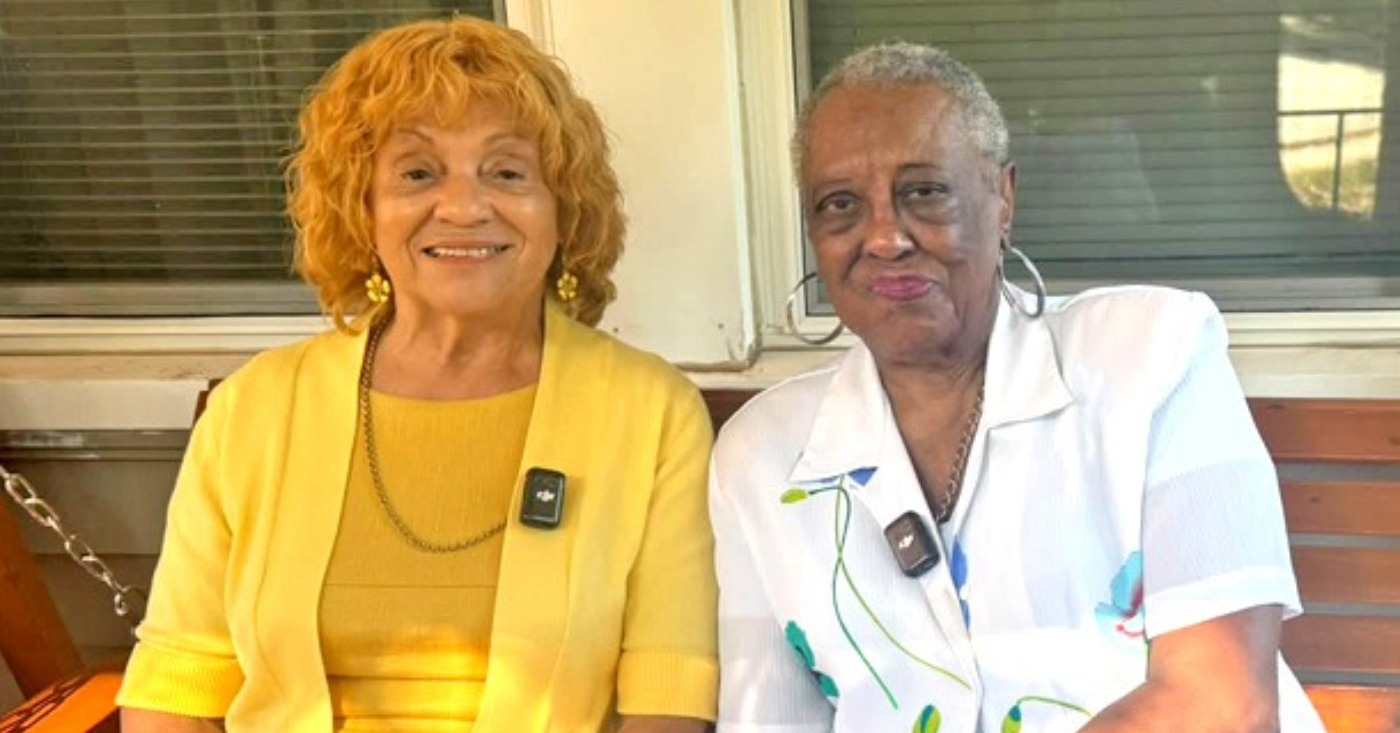
THE URBAN NEWS — UNC Asheville and Mars Hill University are collaborating to host a series of commemorative events marking the 65th anniversary of their desegregation. The programming honors Etta Mae Whitner Patterson and Oralene Anderson Graves Simmons, two former members of the Asheville Student Committee on Racial Equality (ASCORE) who became the first Black students at their respective institutions in 1961.
A week of events at UNC Asheville, Mars Hill University, and downtown Asheville.
In 1961, two young women broke the color barrier to become the first African American students at two Western North Carolina colleges: Etta Mae Whitner Patterson at UNC Asheville and Oralene Anderson Graves Simmons at Mars Hill University (then Mars Hill College).
Both women were students at Asheville’s Stephens-Lee High School, where they were members of the Asheville Student Committee on Racial Equality (ASCORE). Through nonviolent protest, ASCORE led efforts to desegregate many Asheville stores and businesses.
Patterson and Simmons, who later founded the Martin Luther King Jr. Association of Asheville and Buncombe County, have since received honorary doctorates from their alma maters in recognition of their achievements and lifelong service to their communities.
To commemorate ASCORE, honor the leadership of Etta Patterson and Oralene Simmons, and mark the 65th anniversary of the desegregation of UNC Asheville and Mars Hill University, UNC Asheville’s Department of History and Mars Hill University’s Liston B. Ramsey Center for Appalachian Studies invite the public to attend “Stories of ASCORE: Lessons in Courage, Desegregation, and Community Activism.”
The program will feature two panel discussions with Drs. Patterson and Simmons, along with other former members of ASCORE. Panelists will discuss how their experiences integrating Asheville’s businesses and institutions prepared them for their college careers, professional lives, and continued community activism.
The first panel discussion will take place at 6 p.m. on Tuesday, November 10, 2026, in the Blue Ridge Room of Highsmith Union at UNC Asheville. The event will feature a presentation by Dr. Patterson and a panel discussion with Dr. Simmons, Marvin Chambers, Jesse Ray, and Al Whitesides. The panel will be moderated by Deborah Miles, retired director of the former UNC Asheville Center for Diversity Education.
This event is sponsored by UNC Asheville’s Department of History and Africana Studies Program, with generous support from King and Pam Prather. A free visitor parking permit is required for the UNC Asheville event. Please visit the university’s parking website for instructions on obtaining a permit for the evening’s program.
The second panel discussion will take place at 5 p.m. on Thursday, November 12, 2026, in the Tony and Terry Floyd Conference Center in the Mars Hill University Campus Center. The event will feature Dr. Simmons, Annette Coleman, and Elizabeth Colton. The panel will be moderated by Jonathan McCoy, professor of history at Mars Hill University.
This event is sponsored by the Liston B. Ramsey Center for Appalachian Studies, with generous support from the university’s Provost’s Office.
In addition, at 12 noon on Wednesday, November 11, 2026, in Pack Square in downtown Asheville, Mayor Esther Manheimer and the Buncombe County Commission Chair will proclaim ASCORE Day and present honors to Etta Patterson and Oralene Simmons. Holly Jones of the North Carolina Governor’s Office will also participate in the ceremony.
For more information, contact Leila Weinstein at Mars Hill University ([email protected]) or Ellen Holmes Pearson at UNC Asheville ([email protected]).
Based on reporting by The Urban News.
Black History
HBCU Love: Spelman’s Dr. Letitia Plummer Makes History as Harris County’s First Black Elected County Judge
TEXAS METRO NEWS — Former Houston City Council member Dr. Letitia Plummer has made history as the first Black person elected to serve as the Harris County Judge. The Spelman College alumna defeated Republican Orlando Sanchez in the general election for Texas’ most populous county, receiving approximately 62% of the vote.
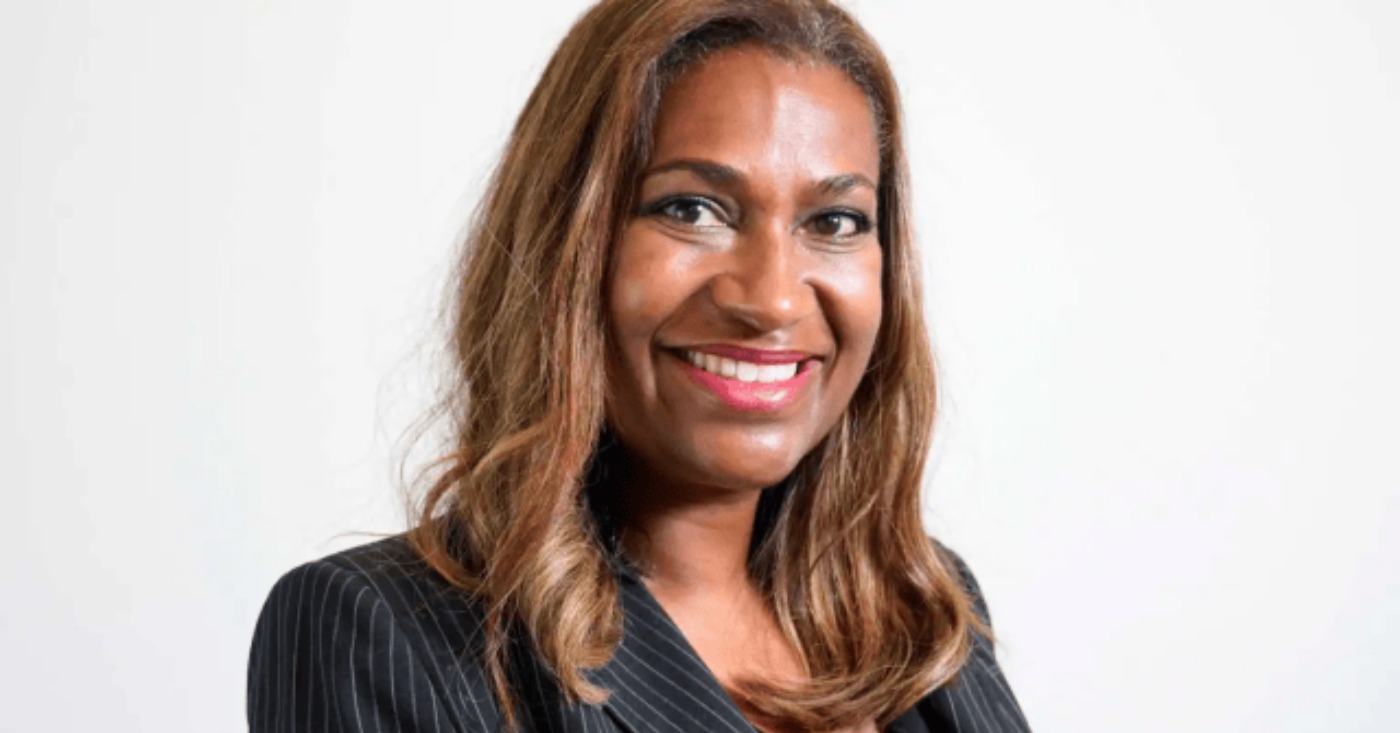
Letitia Plummer is the next Harris County judge, and the Spelman College alumna made history in Texas’ most populous county. On Tuesday night, the former Houston City Council member defeated Republican Orlando Sanchez. As a result, she becomes the first African American elected to lead Harris County.
Early unofficial results showed Plummer with about 62% of the vote to Sanchez’s 38%. Shortly after 9 p.m., Sanchez called Plummer to concede. He then asked his supporters to back her once she takes office.
The win also makes her the first Muslim elected to the post. According to the Houston Chronicle, that makes her the highest-ranking Muslim executive official in Texas history.
A Historic Night in Houston
Plummer succeeds Lina Hidalgo, who chose not to seek another term. Now, a Spelman woman takes over the top job in a county of nearly 5 million people.
ADVERTISEMENT
In Texas, the county judge is not a courtroom role. Instead, the job leads the Commissioners Court, which runs the county’s budget, roads, flood control and public health. So the seat carries real power over daily life in the Houston region.
The general election was never especially close. However, the road to November was brutal. In the March 3 primary, Plummer finished second behind former Houston Mayor Annise Parker. Parker took about 47% to Plummer’s 37%, sending the race to a runoff.
Then Plummer flipped the script. On May 26, she beat Parker in the runoff with about 51% of the vote. From there, she turned to Sanchez and never looked back. Houston Public Media has full coverage of election night.
Letitia Plummer’s Road From Linkwood to Harris County Judge
Plummer grew up in Linkwood, a neighborhood south of Brays Bayou near Buffalo Speedway. Her family history runs deep in Houston. Her grandfather was a Tuskegee Airman flight instructor. After the war, he became the first African American investigator for the Harris County district attorney.
ADVERTISEMENT
Her father, Matthew Plummer Jr., studied dentistry at Harvard. Later, he served in the Peace Corps, where he met her mother in Africa. Her mother brought Yemeni and Indian roots to the family. As a result, Plummer grew up in a multicultural household that shaped her outlook.
As a teen, she attended what is now DeBakey High School for Health Professions. Then she headed to Atlanta for Spelman. There, she joined Alpha Kappa Alpha Sorority, Inc.
After Spelman, she came home to Texas for dental school at Baylor College of Dentistry. Like her father, she became a dentist. She went on to own dental practices in the Houston area, including in Pearland.
From Dental Chair to City Hall
Plummer’s political career started with a 2018 run for Congress. She made the Democratic runoff in Texas’ 22nd District but lost to Sri Preston Kulkarni. Still, the campaign put her on the map.
A year later, she won Houston City Council At-Large Position 4. She took office in January 2020. In doing so, she became the first Muslim woman elected to the Council.
On the Council, she focused on police reform, food deserts and apartment inspections. She also chaired the Government Operations Committee. Notably, fellow Spelman alumna Carolyn Evans-Shabazz served alongside her on the Council.
In 2025, she launched her campaign for county judge. Then she timed her exit from the Council so the city could fill her seat during a regular election. That move saved Houston the cost of a standalone special election.
What She Ran On
Plummer pitched herself as a unifier for a Commissioners Court that has often split along party lines. She promised to build stronger working relationships among its members.
She also called for better county services and changes to the county’s Flock camera contract. In addition, she pushed back on state leaders for exerting authority over Harris County.
On election night, she spoke about her personal struggles with surrogacy. She said that experience helped inspire her decision to run.
Why Letitia Plummer’s Win Matters for Spelman
Spelman women had a big night across the country Tuesday. In New York, alumna Adrienne Adams won the lieutenant governor’s race. Now Plummer will run one of the largest counties in America.
Together, the wins show how far the Spelman network reaches in politics. Both women built careers outside government before winning office. And both broke barriers on the way up. For more on the school, check out our Spelman College coverage. You can also follow our Keisha Lance Bottoms coverage for more HBCU wins from election night.
What Comes Next
Plummer will take office in January. Between now and then, she will build her team and prepare for the county budget fight. For more on her path, the Houston Chronicle tracked her rise through a political roller coaster year.
Stay with HBCU Buzz for continued coverage of Harris County Judge-elect Letitia Plummer as she prepares to take office.
In this article:HBCU LOVE, Letitia Plummer, Spelman’s Dr. Letitia Plummer Makes History as Harris County’s First Black Elected County Judge
Based on reporting by Texas Metro News.
Black History
Jason Driver Named St. Louis Public Library CEO
ST. LOUIS AMERICAN — The St. Louis Public Library has appointed Jason Driver as its next chief executive officer following a national search. Driver, a veteran administrator with 27 years of experience, currently leads the Kitsap Regional Library in Washington and previously served in several roles at the Chicago Public Library. He is scheduled to take over the 15-location system on January 4, succeeding longtime leader Waller McGuire. The appointment follows a period of notable activity for the system and recent management discussions in Driver’s current role. Read more.
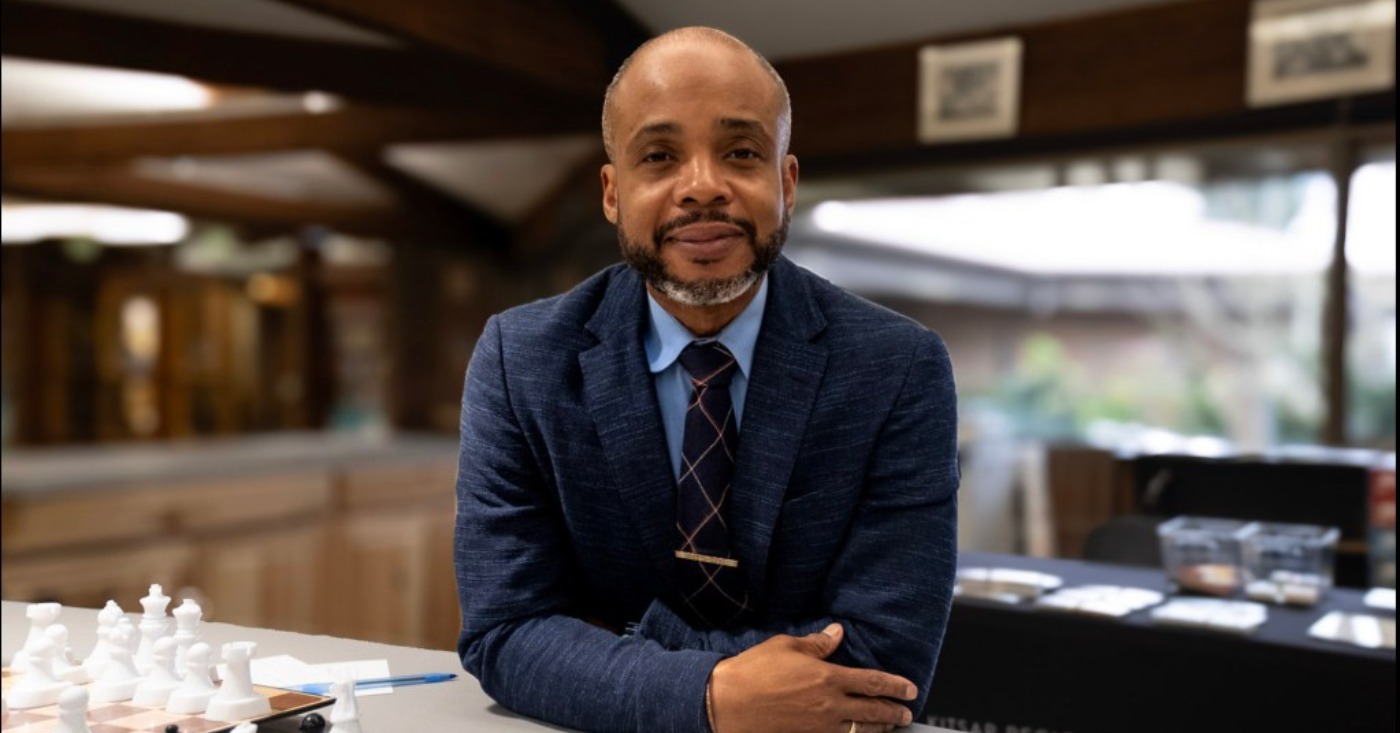
Jason Driver, a veteran library administrator with more than 27 years of experience, has been named the next chief executive officer of the St. Louis Public Library, taking over a 15-location system that serves more than 135,000 active cardholders.
Driver, who has led Kitsap Regional Library in the state of Washington since 2022, will begin his new position Jan. 4, succeeding Waller McGuire, who retired in October after 37 years with the St. Louis library system, including 22 years as its leader.
The appointment follows a national search and comes after the St. Louis system was named Missouri’s 2026 Library of the Year, in part for its response to the devastating May 2025 tornado. The library helped residents during the recovery, including through a tool-lending program established to assist with home repairs.
Driver told Sarah Fenske of St. Louis Magazine that he has no immediate plans to overhaul the system, which he described as a “well-oiled machine.”
“I’m a firm believer in one needing to follow before they can lead,” he said.
He plans to spend time learning from employees and the library board before deciding what changes might be needed.
Driver, a Chicago native, began his career working with young people in foster care through the Illinois Department of Children and Family Services. He later joined the Chicago Public Library, where he held positions ranging from children’s librarian and early literacy specialist to branch manager, regional director and district chief.
At Kitsap, Driver has overseen strategic planning, finances, communications and public services for a nine-branch system.
His selection follows several months of workplace controversy there, where union-represented employees questioned his management practices.
The Washington Public Employees Association raised concerns in May about communication, personnel decisions and branch closures. Union members later voted no confidence in Driver and called for his removal, according to reporting by Kitsap News Group.
A three-month independent investigation did not substantiate allegations of unlawful gender discrimination, retaliation or misconduct violating library policies. The Kitsap library board supported Driver’s continued leadership but acknowledged that communication, trust and workplace relationships needed improvement.
The board also said some employee concerns involving labor relations, collective bargaining and working conditions fell outside the investigation’s scope.
Driver told St. Louis Magazine he respected the union’s right to raise concerns and viewed the experience as an opportunity to improve communication.
“I definitely embrace the union to be able to have that pathway to speak out when there are things that they don’t agree with,” he said.
The St. Louis Public Library board independently confirmed the investigation’s findings with Kitsap trustees before hiring Driver, according to the St. Louis Business Journal.
“After a national search, the Board of Directors believes we have found in Jason an outstanding leader with the vision and experience to lead SLPL forward,” board President Nina North-Murphy said in a statement.
Driver will receive an annual salary of $240,000, the Business Journal reported.
Driver said returning to an urban library system was among the attractions of the St. Louis position. His background in social services, he said, helped prepare him to work with people from a wide range of circumstances.
“I felt like the background I had in social services really helped me to deal with some of the things we deal with in urban libraries,” he told Fenske.
He said libraries offer opportunities to serve people who might otherwise face barriers to accessing community resources.
“St. Louis is a wonderful city, it has a strong library core, and it certainly has a number of opportunities to dig in and help advance the mission and help the people of St. Louis,” Driver said.
The post Jason Driver named St. Louis Public Library CEO appeared first on St. Louis American.
Based on reporting by St. Louis American.
Black History
Superb Woman: Destiny B. Sadler
TEXAS METRO NEWS — Destiny B. Sadler is a dynamic entrepreneur and empowerment coach who serves as a Top Executive with the global beauty brand LimeLife by Alcone. A graduate of Southern University, Sadler leverages her background in leadership and community impact to mentor others on the transformative power of confidence.
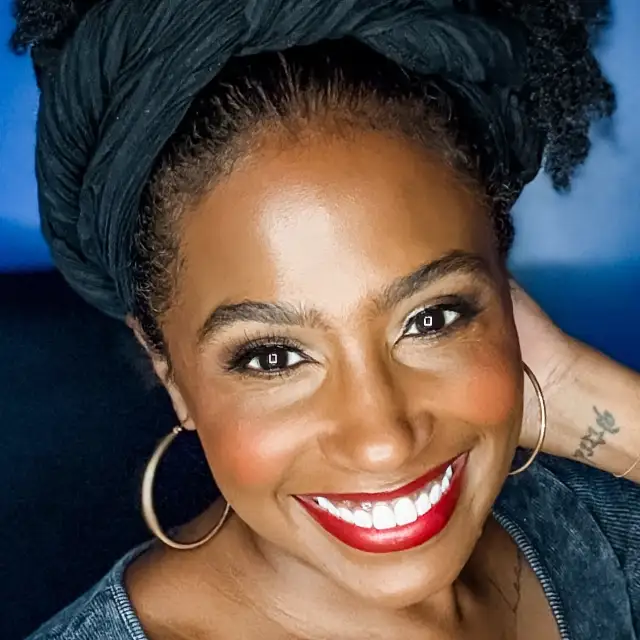
Destiny B. Sadler is a dynamic entrepreneur, digital creator, and empowerment coach dedicated to helping individuals look, feel, and live at their absolute best. With a background rooted in leadership and community impact, she serves as a Top Executive with the global beauty brand LimeLife by Alcone, where she mentors a growing network of beauty guides and champions the transformative power of confidence.
Driven by a passion for personal development and education, Destiny founded YSTBYOU and You’re Simply the Best Kids, an educational services organization focused on building foundational confidence and leadership skills in youth. She’s a graduate of Lamar High School and Southern University. Destiny’s life work centers on a simple, powerful philosophy: embracing who you are is the ultimate key to success.
Based on reporting by Texas Metro News.
Black Press
Campus Accountability: Universities Must Do More to Address Sexual Assault
SOUTHERN UNIVERSITY – SOUTHERNDIGEST — Colleges and universities are meant to be safe environments for learning and personal growth, yet recurring reports of sexual assault continue to challenge the effectiveness of institutional protections.

College campuses are supposed to be places where students can learn, grow and feel safe. However, reports of sexual assault at universities across the country continue to raise questions about whether institutions are doing enough to protect their students and hold individuals accountable.
From Louisiana State University to Harvard University and Cornell University, campus sexual assault cases have brought renewed attention to how colleges investigate allegations, discipline students and support survivors. For many, the concern is not only the actions of students accused of sexual misconduct but also how university administrators respond when these situations occur.
At LSU, recent reporting has raised questions about the effectiveness of the university’s Title IX process. According to WBRZ, more than 300 sexual assault reports were made through LSU’s Title IX process between 2022 and 2025, with three resulting in disciplinary action. Although not every report results in a finding of responsibility, the numbers raise important questions about how institutions communicate outcomes and address reports of misconduct.
Cornell University has also faced scrutiny following allegations involving seven students and an alleged sexual assault at a fraternity house in 2024. The university’s investigation resulted in different disciplinary actions, including expulsions and suspensions. However, questions about one student’s return to campus and housing arrangements have continued to draw criticism.
These cases highlight a larger issue: University accountability cannot stop at having a Title IX office or publishing policies in a student handbook.
Title IX prohibits sex-based discrimination in federally funded education programs and addresses sexual harassment and sexual violence. Universities must have procedures for responding to complaints, conducting investigations and providing supportive measures. However, having policies in place means little if students do not understand them or believe reports will be handled appropriately.
Students who are found responsible for sexual misconduct should face consequences that reflect the seriousness of their actions. Universities should also examine whether their investigative procedures are timely, whether survivors receive adequate support and whether disciplinary decisions are consistently enforced.
Accountability must also include university administrators. Institutions should be transparent about their procedures, provide clear reporting options and regularly review whether their policies are working.
At the same time, every student involved in a disciplinary proceeding deserves a fair investigation and an opportunity to respond to allegations. Protecting survivors and respecting due process should not be treated as competing priorities.
Ultimately, universities have a responsibility that extends beyond academics and athletics. Students deserve to know that their safety matters and that misconduct will be taken seriously. A university’s commitment to student safety should be measured not only by the policies it publishes but also by the actions it takes when those policies are tested.
Based on reporting by Southern University – SouthernDIGEST.
Black History
Alabama HBCU Founders Win Nearly $20,000 at 2026 HBCU Business Pitch Competition
BIRMINGHAM TIMES — The Alabama Collective and Digitalundivided recently awarded $20,000 in cash prizes to student and alumni founders during the 2026 HBCU Business Pitch Competition. Held at Topgolf Birmingham during Magic City Classic week, the event featured 51 participants representing 10 different Alabama institutions.

Bryson Hannah celebrates his first-place finish in the 2026 HBCU Business Pitch Competition in Birmingham, earning $5,000 for Internably LLC, his networking platform connecting college interns across the country. (Alabama A&M) ” data-large-file=”https://www.birminghamtimes.com/wp-content/uploads/2026/11/pitchbryson1edit-1024×685.jpg” />
Special to the Times
The Alabama Collective and co-host Digitalundivided awarded $20,000 in cash prizes to HBCU student and alumni founders at the 2026 HBCU Business Pitch Competition, held Thursday, October 29, at Topgolf Birmingham as part of Magic City Classic week.
Fifty-one founders representing 10 Alabama institutions competed in a booth-style format, delivering three-minute pitches with no slides or audiovisual aids, followed by three minutes of questions from a panel of industry judges. Top scorers at each booth earned $1,000 and advanced to a live Pitch Finale.
Internably, LLC, founded by Bryson Hannah of Alabama A&M University, took first place and $4,000. Internably is a networking platform that connects college students, interns, and early career professionals by company, school, city, and career interests.
“I was blown away by these innovative business ideas and the go-to-market strategies,” says Modupe Rouse, Digitalundivided Chair and Pitch Finale Judge. “These student founders took the START program skills and leveled up. I cannot wait for the economic impact of their businesses in Alabama,” added Rouse.
“What we witnessed at this year’s competition was a powerful reminder of the incredible talent, creativity, and entrepreneurial potential emerging from Alabama’s HBCUs,” said Charisse Stokes, Executive Director of The Alabama Collective. “These 51 founders didn’t just show up with ideas — they showed up with vision, determination, and the confidence to turn those ideas into businesses. We’re especially proud that this year’s partnership with Digitalundivided allowed us to expand beyond the competition itself, equipping entrepreneurs with business skills to launch their businesses, coaching, and connections that will serve them long after the prizes are awarded. Our goal is not simply to celebrate great pitches, but to help build the next generation of successful entrepreneurs and business owners across Alabama.”
“Digitalundivided is delighted to partner with TAC in its work with Alabama HBCUs and in supporting the innovation and talent of students here,” says Leah D. Williams, CEO of Digitalundivided. “These student founders are the business leaders of tomorrow. We are excited to add the Digitalundivided network lifting them up as they climb towards their future achievements.”
2026 Pitch Finale Winners
First Place, $4,000: Internably, LLC — Alabama A&M University
Second Place, $3,000: FuelTrip — Alabama A&M University
Third Place, $2,000: NexU — Alabama A&M University
Top-Scoring Booth Winners, $1,000 each
• VARA — Talladega College
• Yardly — Alabama State University
• AccessBelt — Alabama State University
• Nightshift — Talladega College
• FuelTrip — Alabama A&M University
• NexU — Alabama A&M University
• Internably, LLC — Alabama A&M University
• Mobile Therapy Office/Unlimited Potential — Alabama State University
• BeVerified — Alabama State University
• The Vent Avengers — Trenholm State Community College
A New Path to the Stage
The 2026 competition introduced two entry tracks. Members of The Alabama Collective community were invited to apply to START, Digitalundivided’s flagship pre-revenue incubator, a three-week virtual program grounded in Lean Startup methodology. Selected participants built a working Business Model Canvas, earned an automatic slot in the Round 1 pitch booths, and received a $250 completion stipend on event day. Alabama HBCU students, recent graduates, faculty and staff filled the remaining booths and brought in founders new to the organization.
Alongside the competition, the day included entrepreneurship training, small group mentoring with industry leaders, and a Lunch and Learn fireside chat.
The 2026 competition was supported by JPMorgan Chase, HBCU CARES and NEBIUS.
About The Alabama Collective
The Alabama Collective is a statewide nonprofit organization dedicated to elevating tech talent and entrepreneurs across Alabama. Through partnerships with HBCUs, industry leaders, and innovation hubs, The Alabama Collective builds programs that expose, educate, engage, and empower underrepresented communities in tech, entrepreneurship, and innovation.
About Digitalundivided
For over a decade, Digitalundivided has increased visibility and access for founders. Beginning with groundbreaking research and expanding into founder-centric training programs, strategic partnerships, and a vibrant founder community, Digitalundivided champions an equitable entrepreneurial landscape and provides founders at every stage with the space to improvise and innovate.
Based on reporting by Birmingham Times.


San Diego Supervisors’ Power Grab & Discretionary Funds

How Restaurant Apprenticeships Taught Me to Run a Business #shorts

Documenting History: Why Today’s Stories Matter Tomorrow #shorts

Planning to Buy an EV? Check Charging Before You Buy #shorts

A Black Culture Café Rooted in Community and Connection #shorts
The Mission to Cultivate Black Leadership

Black Music Awards: The Fight to Recognize Prince and Black Artists #shorts

The Black Entrepreneurs Building the EV Green Book #shorts

Shaunie Grigsby on Building Flava Cafe, a Social Enterprise in St. Paul | On The Radar | MSR

Chevy Bolt RS Charging Specs: 65 kWh Battery and 150 kW Fast Charging #shorts

All Skinfolk Ain’t Kinfolk

Practitioners of African Traditional Spirituality Offer Ancestral Reverence Ritual Oct. 31

Tamiko Armstead | 2026 Lifetime Achiever in Education

Oakland Awarded More than $14 Million in State Funding

HISTORY MADE: Keisha Lance Bottoms Becomes First Black Woman Elected Governor in American History

OP-ED: The Black Church Writes AI’s Next Chapter

Inside 820 S. Michigan: New Book Captures the Lost World of Ebony and Jet

Jendayi Arrest Raises Community Concerns Regarding Sheriff’s Chain of Command

OP-ED: If the ‘Cornell 7’ Were Black Men at an HBCU — America Wouldn’t Be This Sympathetic

Kickstarter CEO Everette Taylor Shares Tips on Creating and Growing a Business
San Diego Supervisors’ Power Grab & Discretionary Funds
How Restaurant Apprenticeships Taught Me to Run a Business #shorts
Documenting History: Why Today’s Stories Matter Tomorrow #shorts
Planning to Buy an EV? Check Charging Before You Buy #shorts
A Black Culture Café Rooted in Community and Connection #shorts
Black Music Awards: The Fight to Recognize Prince and Black Artists #shorts
The Black Entrepreneurs Building the EV Green Book #shorts
Shaunie Grigsby on Building Flava Cafe, a Social Enterprise in St. Paul | On The Radar | MSR
Chevy Bolt RS Charging Specs: 65 kWh Battery and 150 kW Fast Charging #shorts

L I V E | Mississippi Senate Race UPDATE
-
 Black History5 days ago
HISTORY MADE: Keisha Lance Bottoms Becomes First Black Woman Elected Governor in American History
-

 Featured1 week ago
Multi-Faith Leaders Representing 10 Million People Launch National Anti-Authoritarian Initiative
-
 Black History6 days ago
Christianity’s Racial History
-

 Black History7 days ago
Michael Shiner: The Enslaved Man Who Wrote His Way into American History
-

 Black History7 days ago
Five Hospitals Said No! Who Will Help Annette Henry Recover?
-

 Black History5 days ago
Hundreds of Black Christian Leaders Arriving in Israel for Martin Luther King-Inspired Mission
