
Education
COMMENTARY: Overcoming Tragedy and Celebrating Life Again
WESTSIDE GAZETTE — Of the more than 330,000 U.S. students studying abroad, only 6.1 percent are African American.


By Peire Wilson, LaGuardia Community College
NATIONWIDE — Born in Norfolk, Va., and raised by a single mother, I felt a special responsibility to go to college but, at first, I failed at it – quite literally. But I turned my life around and saw a pathway to success.
Studying in London as a Frederick Douglass Global Fellow was instrumental in healing my wounds and making me whole again.
First enrolled as a college student at Liberty University in Lynchburg, Va., I left school my freshman year because it wasn’t a good fit for me. A year later, I transferred near home to a historically Black college, Norfolk State University, but I abruptly left during my second semester when tragedy struck in a way that I could have never imagined.
In a scuffle on campus, one of my friends, Sean Williams, was tragically stabbed to death. Like me, Sean was a classically trained vocalist. I was in such shock from his murder, I left school and didn’t even tell my teachers why.
I moved to Florida, where I fell in love and was blessed to have a son. I wanted to make a positive future for my son, but I really didn’t know how. I thought about it long and hard and decided I wanted to be a lawyer in arts and entertainment. I knew I needed to be in New York City. I knew I had to go back to school.
I got my transcripts. I put myself in a suit and put myself on a bus and, transcripts in hand, I went to the headquarters of City University of New York, CUNY.
The admissions counselor opened up my transcripts and said, “Uhhhh…”
I said, “I know.”
I had a 1.0 GPA.
“These are the grades I have,” I told him.
“I’m willing to start completely over.”
He said, “It’s going to be competitive,” but handed me a list of schools and I returned to Florida.
But I came back and wanted to attend the first school on the list, LaGuardia Community College in Queens, N.Y.
I met with a counselor. She said, “These grades…”
I told her, “If I had known when I was just young what I know now, I would have done things differently. I just didn’t know.
Unfortunately, this is what happened. I plan on being a lawyer.”
She asked: “You want to be a lawyer?” I responded, “I will be a lawyer.”
She arched her eyebrows and said, “I like the way that you said that.”
She told me what I needed to do to be admitted: take a math and English entrance exam. I passed English, but failed math by two points. I took a remedial math course, passed and was admitted. I learned I loved math and started tutoring other students. I earned my associate’s degree in legal studies and received an invitation to join the President’s Society for students with excellent academic records. That’s right, I was invited. When I received the Frederick Douglass Fellowship, I called my mother to share the good news.
In London, though, as a Frederick Douglass Fellow, I felt like an outsider. I was older than the other students. I was a father. I came from a single-family household. But I realized something profound in London. During a workshop, a videographer asked us, “Tell us a time when you had to face your privilege?”
The image of my friend, Sean, came to me. He was the motivating factor in my life. When my turn to speak arrived, I told the Fellows around me, “I lost a friend who never got to see his full potential. The biggest privilege I have is just being alive. My friend died when he was 18.”
I broke down in tears. That was one of the first moments that my friend’s murder hit me. I told the Fellows: “You all just need to appreciate just being here. Just having breath in your lungs.”
We were all crying together. We were all celebrating life together. In that moment, I realized something beautiful and profound: our common humanity.
Of the more than 330,000 U.S. students studying abroad, only 6.1 percent are African American and 10.1 percent are Latino. This is one in a series of articles by students of color who are breaking down barriers by studying abroad thanks to the Frederick Douglass Global Fellows program, which awards 10 full scholarships a year to students at Minority Serving Institutions. These students will periodically share their stories, hopefully inspiring others to apply. Join our social media campaign, #CIEEmpowered #MSInspirational #FrederickDouglassGlobalFellows that is celebrating these extraordinary students and thier experiences studying abroad. Please view and share Peire’s video story at https://bit.ly/PeireWilson
This article originally appeared in The Westside Gazette.













Black Press
As Progressive Democrats Celebrate ‘Blue Tsunami,’ Oakland Counts Victories
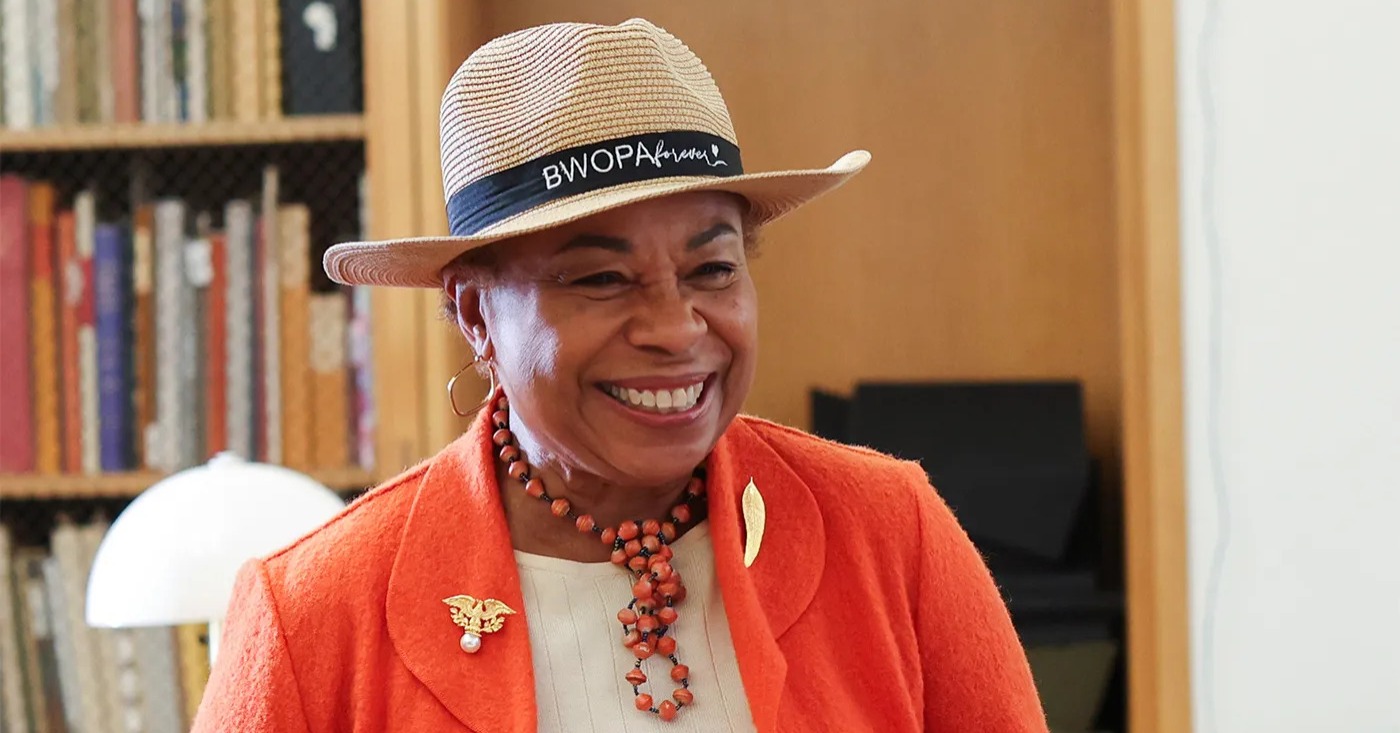
As national Democrats celebrate a significant shift in the midterm elections, local leaders in Oakland are tracking early results from the Alameda County Registrar of Voters. While Mayor Barbara Lee and several City Council incumbents have secured decisive victories, attention remains fixed on high-stakes school board contests. Progressive candidates currently face strong challenges from opponents backed by corporate funding and local political organizations. With many ballots still uncounted, the final composition of the board and several regional transit measures remain in the balance. Read more.
Concerns remain over school board races as ‘moderates’ lead progressives
The Alameda County Registrar of Voters has released the first round of election results, though many ballots remain uncounted and results are still incomplete.
Nationally, Democrats, liberals and progressives celebrated Tuesday evening as President Donald Trump was dealt a devastating blow in the midterm election. The Republican Party lost control of the Senate and the House as “Maga” candidates were swept away not just by a ‘blue wave,’ but a ‘blue tsunami.’
In Oakland, incumbent Mayor Barbara Lee, who served two years and ran for a full four-year term, won decisively.
A proposal backed by Lee, Measure EE, also won. The Charter amendment will create a strong mayor system of government while providing the City Council with new checks and balances on mayoral power.
District 2 Councilmember Charlene Wang is leading with 65.62% of the vote. Opponent Nate Adams trails with 34.38%.
District 4 Councilmember Janani Ramachandran, ran unopposed for reelection, receiving 14,029 votes.
District 6 Councilmember Kevin Jenkins bested opponent Nancy Sidebotham and District 2’s Charlene Wang also won reelection.
City Auditor Michael Houston is running unopposed for reelection and won 60,773 votes.
Progressive school board members, Jennifer Brouhard (D2) and Valarie Bachelor (D6), supported by teachers and school activists, face serious challenges from candidates backed by pro-corporate funders and the political organization, Empower Oakland.
Arielle Fleisher leads Brouhard 53.49% to 46.51%.
In District 6 with three contending candidates, Alexandra Williams leads with 38.06% of the vote. Incumbent Bachelor has 36.89%, and Leana Powell is trailing with 25.04%.
In District 4, incumbent Mike Hutchinson is narrowly leading a field of three candidates. He received 40.87% of the vote, while Kathryn Camp has 39.92%, and Sylvia Pfeiffer Williams has 19.21%.
In the races for AC Transit Board, Director Joel Young (Ward 3) leads with 53.11% of the vote, Sarah Syed (Ward 4) is ahead with 78.37% of the vote, and Murphy McCalley (Ward 5) leads with 63.07%.
Regional Transit Measure RTM, which would increase sales taxes in five Bay Area counties to shore up BART and other regional transit, was leading in five counties by a combined 62% of the vote.
Black History
Christianity’s Racial History
THE POSITIVE COMMUNITY — Historian and author Jemar Tisby is challenging the traditional narratives of American religious history through his acclaimed work, The Color of Compromise. His research provides a comprehensive examination of how Christian institutions have historically participated in, accommodated, or resisted racial injustice from the colonial era to the present day.
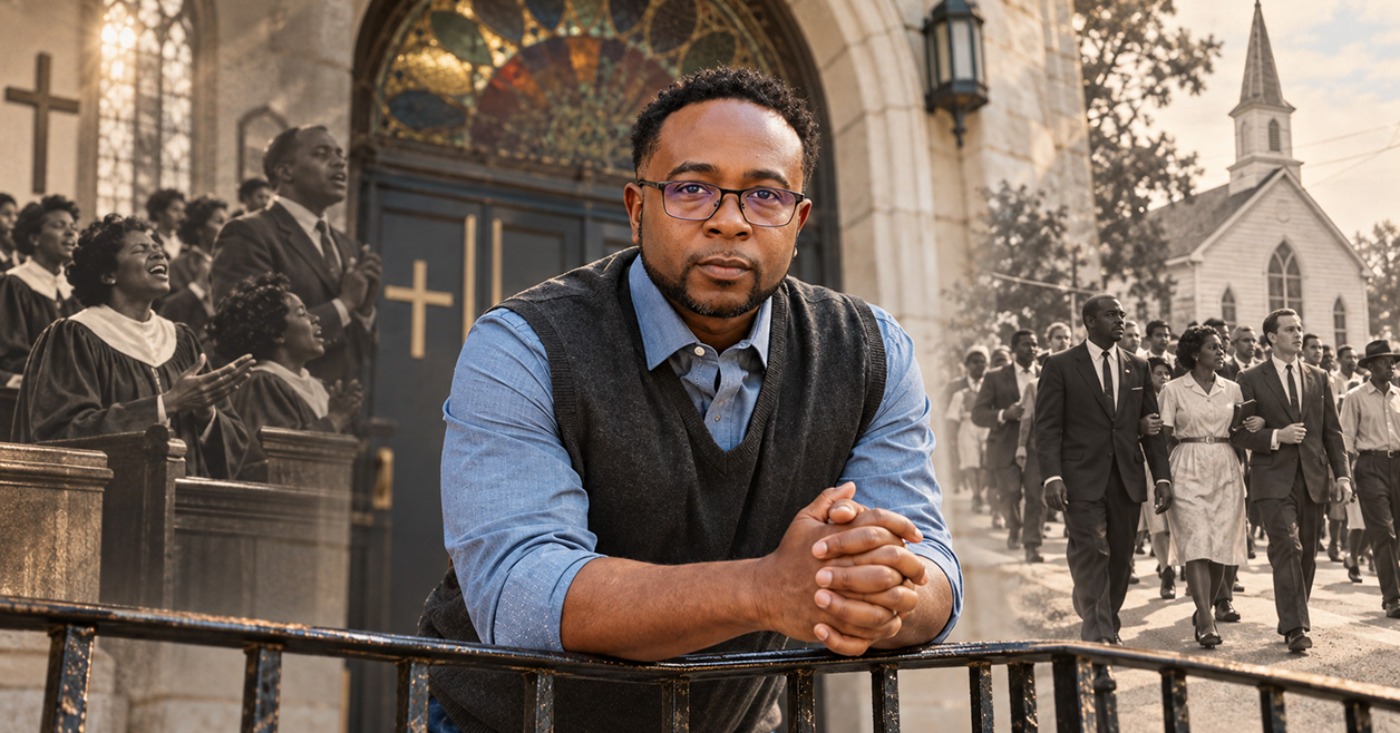
Jemar Tisby is a historian, author, and public speaker whose work examines the relationship between Christianity, racism, and American history. Through his writing, he challenges readers to reconsider the role religious institutions have played in shaping racial attitudes and social structures. His widely recognized book, The Color of Compromise: The Truth About the American Church’s Complicity in Racism, explores how Christian churches have participated in, accommodated, and sometimes resisted racial injustice throughout American history. Tisby’s work encourages readers to examine the past honestly and consider what meaningful change requires today.
One of the central arguments in The Color of Compromise is that racism in America cannot be understood without examining the influence of religious institutions. Christianity has often been associated with messages of love, justice, compassion, and equality. Yet churches and Christian leaders have sometimes supported systems that denied African Americans their freedom and dignity. Tisby examines this contradiction, demonstrating how religious beliefs and institutions could be used to justify racial oppression rather than challenge it.
The book takes readers back to the era of European colonization and slavery, when religious arguments were frequently used to defend the enslavement of Africans. Some Christian leaders claimed that slavery was compatible with biblical teachings, while others used Christianity to encourage resistance to the institution. Enslaved Africans developed their own spiritual traditions, drawing strength from their faith while enduring violence, separation from family, and the denial of basic human rights. Tisby highlights the importance of understanding how Christianity became intertwined with the development of American slavery.
Tisby also explores the role of churches during the Civil War and Reconstruction. Although emancipation ended legal slavery, it did not eliminate racial prejudice or the struggle for equal citizenship. Some religious communities supported efforts to educate formerly enslaved people and establish independent Black institutions. Others tolerated or defended segregation and white supremacy. The period demonstrates how Christian institutions faced a choice between challenging racial injustice and preserving existing social arrangements.
Another important subject in the book is the relationship between Christianity and Jim Crow segregation. During the late nineteenth and early twentieth centuries, racial segregation became deeply embedded in American society. Many churches reflected the same divisions, maintaining separate congregations and unequal opportunities for worship and leadership. Tisby argues that compromise occurred not only when Christians openly defended racism but also when they remained silent or accepted discriminatory practices to avoid conflict. This distinction is essential to understanding the book’s central message.
The civil rights movement provides another significant chapter in this history. Black churches played a vital role in organizing demonstrations, supporting community leadership, and providing spiritual encouragement to people fighting racial discrimination. Figures such as the Reverend Dr. Martin Luther King Jr. drew upon Christian teachings to challenge segregation and demand equal rights. However, not all white Christian congregations supported the movement. Tisby examines the difference between those who actively opposed racism and those who hesitated to challenge the racial status quo.
A major strength of Tisby’s writing is his attention to the difference between individual prejudice and institutional racism. A person may believe in treating others fairly while participating in organizations or traditions that produce unequal outcomes. Similarly, a church may preach love and acceptance while failing to confront discriminatory practices within its own community. Tisby encourages Christians to look beyond personal intentions and examine the consequences of their actions, their institutional policies, and their willingness to address injustice.
The book also challenges contemporary Christians to consider how the legacy of racial compromise continues to affect American religious life. Questions about church leadership, worship communities, racial representation, education, and public policy remain important. Tisby argues that acknowledging historical wrongdoing is not about assigning personal guilt to every modern Christian. Rather, it is about understanding how past decisions shaped the present and recognizing the responsibility to pursue greater fairness, accountability, and inclusion.
Tisby’s work has become an important contribution to conversations about race and religion because it asks readers to move beyond comfortable narratives about American Christianity. His historical approach encourages people to examine uncomfortable evidence, listen to the experiences of African Americans, and recognize the difference between professing moral principles and practicing them. The book also raises questions about what genuine reconciliation requires, emphasizing that meaningful progress involves more than expressions of goodwill. It requires a willingness to confront injustice and make changes that reflect the values Christians claim to uphold.
Ultimately, The Color of Compromise is a call for historical honesty, moral reflection, and meaningful action. Jemar Tisby challenges churches and individual believers to understand how Christianity has been used both to support oppression and to inspire resistance against it. His message is especially relevant in a society still wrestling with racial inequality and the consequences of its history. By examining the past with courage and integrity, readers can better understand the responsibilities of faith in the present. The book reminds us that the true test of religious conviction is not simply what people profess to believe, but whether their actions reflect justice, compassion, and respect for the dignity of every human being.
Based on reporting by The Positive Community.
Black History
Learn Black History and Win Your Next Game Night
INDIANAPOLIS RECORDER — Dr. Maxine Bryant, a culture keeper and professor, is combatting book bans and historical inaccuracies through the launch of GriotSpeaks: The Game. The new board game is designed to celebrate the African diaspora by incorporating elements of geography, literature, music, and the Gullah Geechee culture.

Maxine Bryant, Ph.D., creator and founder GriotSpeaks, is sharing the history of the African diaspora through her new board game.
Bryant often quotes the African proverb: “Until the lion tells the story, the hunter will always be the hero.” She said for the hunter has been telling the story of the African diaspora for “far too long.”
The game is based in African culture. The spaces on the board feature the countries of the African diaspora and it uses gold bars and cowrie shells as currency while special game spaces showcase symbols such as the Sankofa bird, a pyramid and an Ankh.
Bryant, a culture keeper and educator, created the game to add a bit of fun to her ongoing mission of dispelling myths and sharing accurate history. She used the history lessons she taught over the years as the foundation for the game’s trivia questions. Bryant said she is even more motivated to correct the inaccurate narratives due to recent book bans and efforts to minimize or omit the contributions of Black people.
“We can’t tell our story if we don’t know our story,” Bryant said.
History buffs may start the game with a slight advantage, but even players with limited knowledge have a chance to win with some strategic play. During one game demonstration, she said, an 11-year-old beat her with the clever use of one of the game’s wild cards.
Bryant’s goal is for people to learn new information while having a good time with one another. She sat down with the Recorder to share her inspiration for the game and how she hopes it will influence the culture.
This interview has been edited for length and clarity.
What was the inspiration for creating a game?
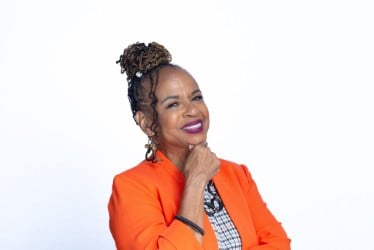
Maxine Bryant: In all honesty, God gave me the vision for the game.
I put that board game together the way God showed me in in this vision, if you will, it was to be educational, informative, and entertaining. And so, I knew I wanted it to encompass all of the diaspora and with the educational part of it. Since I am a professor, it needed to encompass the critical areas of our history.
So, it’s geography; it’s the resistance, the protest — all of that. It’s … literature, music, the Gullah Geechee culture, storytelling, the whole gamut, and then Black people.
What are some of the things people are surprised to finally learn while playing the game?
Bryant: The genius of Black people.
Many people know Madam C.J. Walker, although I’m finding out that not everybody does. But one of the questions (asks about) who invented the hot comb? Everybody thinks Madam C.J. Walker, but no, that was not her thing. Her thing was hair care and strengthening hair. It was a man (Walter H. Sammons) who created the hot comb. So, people are amazed at what they’re learning.
How do you hope that this new knowledge helps people see the world?
Bryant: So, what I hope people learn is our true history, the history of our struggle, and our resistance, the history of our greatness, and information about our culture. That positions us then to be able to stand tall in knowledge of self.

One of the things I wholeheartedly believe in is that little Black boys and little Black girls who grow up with the message that you are nothing because you are Black … it’s easy for me to take you out. But if I look at you and I know that you’re great and I’m great, I may just have a different kind of level of respect for you.
I think that having a sense of self can impact how I look at myself and how I look at people who look like me.
Is there anything else you want to share?
Bryant: In my mind, this game is a must-have. It is so unique. Now, within the culture, we have trivia games and usually they’re trivia about sports or about entertainment and some about history, right? And usually, it pertains to people in the United States or events in the United States, culture in the United States.
This game contains movement around a physical board like Monopoly, but it also encompasses the entire African diaspora so it’s not just the United States. People who played this game tell me … they’ve never seen anything like it.
GriotSpeaks: The Game is best suited for players 17 and older. The game is available for purchase through Amazon or at the GriotSpeaks website.
Contact Editor-in-Chief Camike Jones at 317-762-7850.
The post Learn Black history and win your next game night appeared first on Indianapolis Recorder.
Based on reporting by Indianapolis Recorder.
Black Press
COMMENTARY: Oakland’s Black Students Have Gained Ground: We Shouldn’t Stop Now
New state data reveals that Black students in the Oakland Unified School District are making academic gains in reading and math at rates significantly faster than their peers statewide. These improvements follow a 2023 decision by board leadership to cancel school closures and instead invest in the Black Thriving Community Schools program. While the district continues to address budget challenges, proponents argue that maintaining these targeted resources is essential to narrowing long-standing achievement gaps. Read more about the specific policies driving these results.
Oakland’s Black students are making faster gains in reading and math than Black students statewide, according to state data released Oct. 15.
Those gains followed decisions by school board President Jennifer Brouhard and Vice President Valarie Bachelor to keep schools open, invest in Black students and support teachers.
Since 2023, Black students in Oakland Unified School District have gained about 31 points in English and math on the California School Dashboard — roughly three times the statewide English gain and more than twice the math gain. Our students still trail their statewide peers, but they have narrowed that gap by about a third.
In 2022, the previous board voted to close or reduce grades at 11 schools, mostly serving Black and Brown families. A state civil rights investigation later found the plan would have unlawfully discriminated against Black, low-income and disabled students. Brouhard and Bachelor opposed those closures and, after winning election, voted to cancel remaining plans in January 2023.
The board then expanded support through Black Thriving Community Schools, providing additional resources where Black enrollment exceeds 40%, and funded teachers dedicated to Black students and families. Its reparations policy requires schools to develop plans for Black student achievement.
Meanwhile, the district reduced a $100 million budget shortfall to about $30 million without closing schools, cut central office positions and approved its first balanced budget in 22 years. More than 99% of teaching positions were filled when this school year began.
These investments must grow. Black Thriving Community Schools still reach only some students who need them. Every Oakland child deserves a safe, racially just neighborhood school staffed by qualified teachers who can afford to stay.
The opposing slate argues closures should remain an option to address budget pressures. But a Stanford study found closures do not improve district finances because departing families take student funding with them. Other research links closures to lower college attendance and adult earnings. Majority-Black schools nationally are more than three times as likely to close.
Oakland knows the consequences. There is another path. Brouhard and Bachelor have begun moving Oakland in that direction, protecting classroom investments while confronting financial pressures.
Progress deserves continued public support. We cannot afford to reverse course.
About the Author
Walter Riley is a civil rights attorney and longtime community organizer in Oakland.
Black Press
OPINION: OUSD Kids Are Eager to Learn. Our Board Is Holding Them Back
Oakland Unified School District students are facing a literacy crisis, with fewer than one in three reading at grade level. Despite receiving significant per-pupil funding, the district is struggling with what county officials describe as a decision-making problem rather than a lack of revenue. Oakland Parents for Quality Education and the local NAACP are now sounding the alarm over fiscal instability, alleging that board leadership has failed to identify necessary budget cuts while ignoring warnings from school principals. To understand how these leadership decisions are impacting campus resources and student equity, read more.
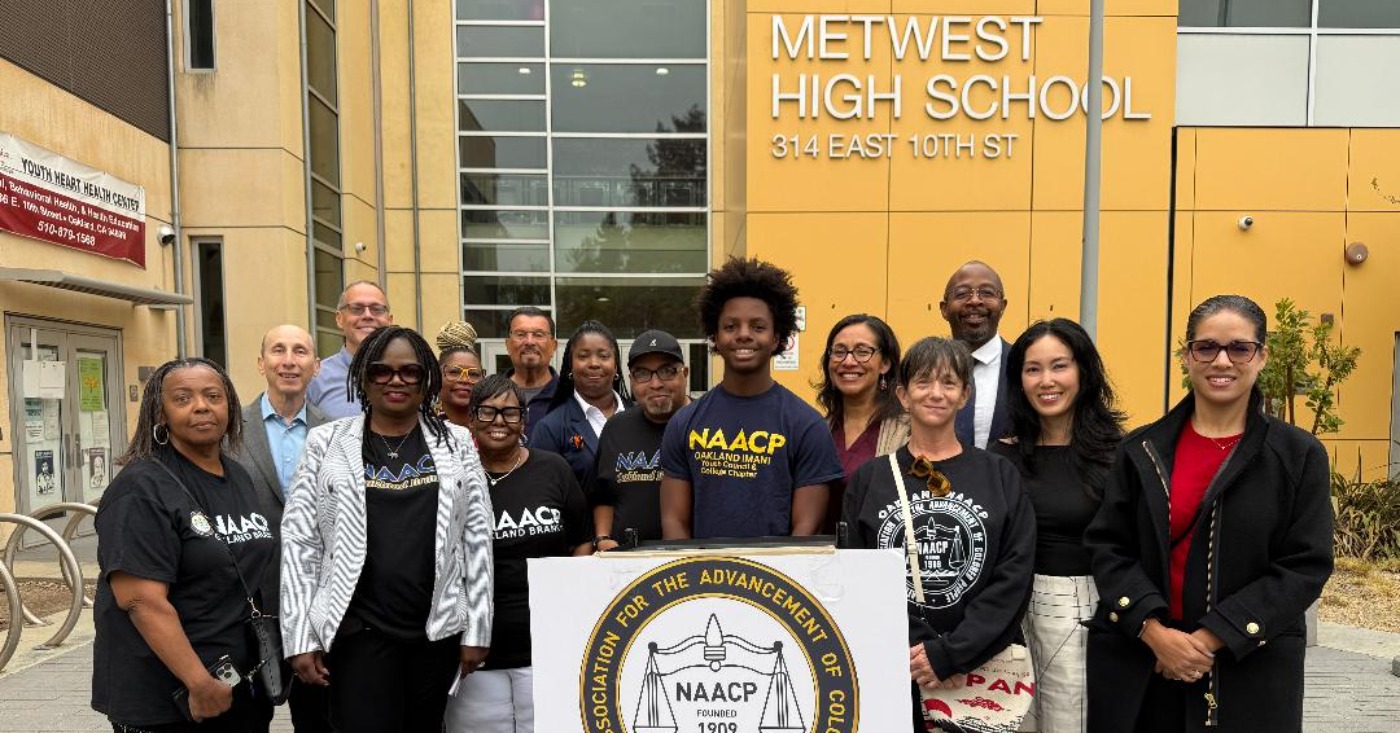
Oakland Unified students are falling behind: fewer than 1 in 3 read at grade level, and the numbers are worse for Black and Latino students. This is happening in a district that has received more per student than even the highest-funded states. As Alameda County Superintendent of Schools Alysse Castro has said, “OUSD’s biggest problem isn’t a revenue problem. It’s a decision-making problem.”
That is why Grace Park-Bradbury and I, two OUSD parents, started Oakland Parents for Quality Education, the ParentPAC. We believe our kids deserve a school board that faces hard decisions honestly. This board has not.
The county has warned them repeatedly. Earlier this year Castro said the new teachers’ contract “endangers” the district’s fiscal stability. That wasn’t because of the raises, but because the district was counting on cuts it had not identified.
Days later the board passed a budget that assumed $30 million in still-unnamed reductions. Board President Jennifer Brouhard and Vice President Valarie Bachelor voted yes. Director Mike Hutchinson voted no. The plan to name those cuts isn’t scheduled until mid-December, after the election.
The Oakland NAACP called for public forums and honest answers about the management of public funds. This fall Castro approved the budget only conditionally, noting that “a budget can be balanced but not be good for kids.”
Principals have spoken out as well. In January, 30 school leaders wrote that asking schools to do more with less “erodes the dignity of our profession” and “unconscionably compromises the quality of education our students receive.”
In April, 60 principals raised concerns that “have diminished our confidence in our current leadership,” warning that district decisions had produced “a structural deficit and cash-strapped schools.”
In June, all 15 high school principals objected to using voter-approved Measure N and H reserves for expenses already in the budget. The district did it anyway. The measures’ citizen oversight commission has demanded the money back. Auditors found the board had the legal authority, but as Castro observed, legality does not settle whether it was what voters thought they were approving.
Opponents claim we want to close schools. Our candidates do not all agree on consolidation. Hutchinson has fought closures for years, yet he also wrote the 3Rs proposal examining how many schools the district should operate.
What our candidates share is a willingness to weigh every option openly. This board told the superintendent not to even consider consolidation, and every school is being cut instead. As principals representing two-thirds of OUSD schools wrote, “the gradual starvation of our schools is also an equity issue.” Closures disrupt families, especially in Black and Brown neighborhoods. So does starving every campus.
You may have seen ads calling us a front for out-of-town billionaires. Every contribution is publicly reported, and 140 Oakland families have given. The people sounding the alarm are principals, citizen commissioners, the county superintendent, and the NAACP. None of them are billionaires. They are the people who see our schools up close.
Oakland schools are staffed by excellent principals and teachers. Our kids are like kids everywhere: eager to learn if given a real chance. They are being held back by a board that will not make hard choices.
In District 2, vote for Arielle Fleisher. In District 4, rank Kathryn Camp and Mike Hutchinson first and second. In District 6, rank Alexandra Williams and LeAna Powell first and second. Leave your third choice blank.
Vote like our children’s future depends on it. Because it does.
Edmund Chun co-founded Oakland Parents for Quality Education and is an OUSD parent.
Black Press
COMMENTARY: Valarie Bachelor and Jennifer Brouhard are Excellent School Board Members and Deserve to Be Reelected
For the first time in 22 years, the Oakland Unified School District has successfully exited state control, marking a significant shift in local educational leadership. Board President Jennifer Brouhard and Vice President Valarie Bachelor are credited with stabilizing the district by averting teacher strikes, ensuring full classroom staffing, and prioritizing funding for student-centered programs like the Black Thriving Community Schools initiative. While the incumbents focus on preventing further school closures and improving student math and reading proficiency, wealthy opposition donors are funding a different vision for the district. Read more.
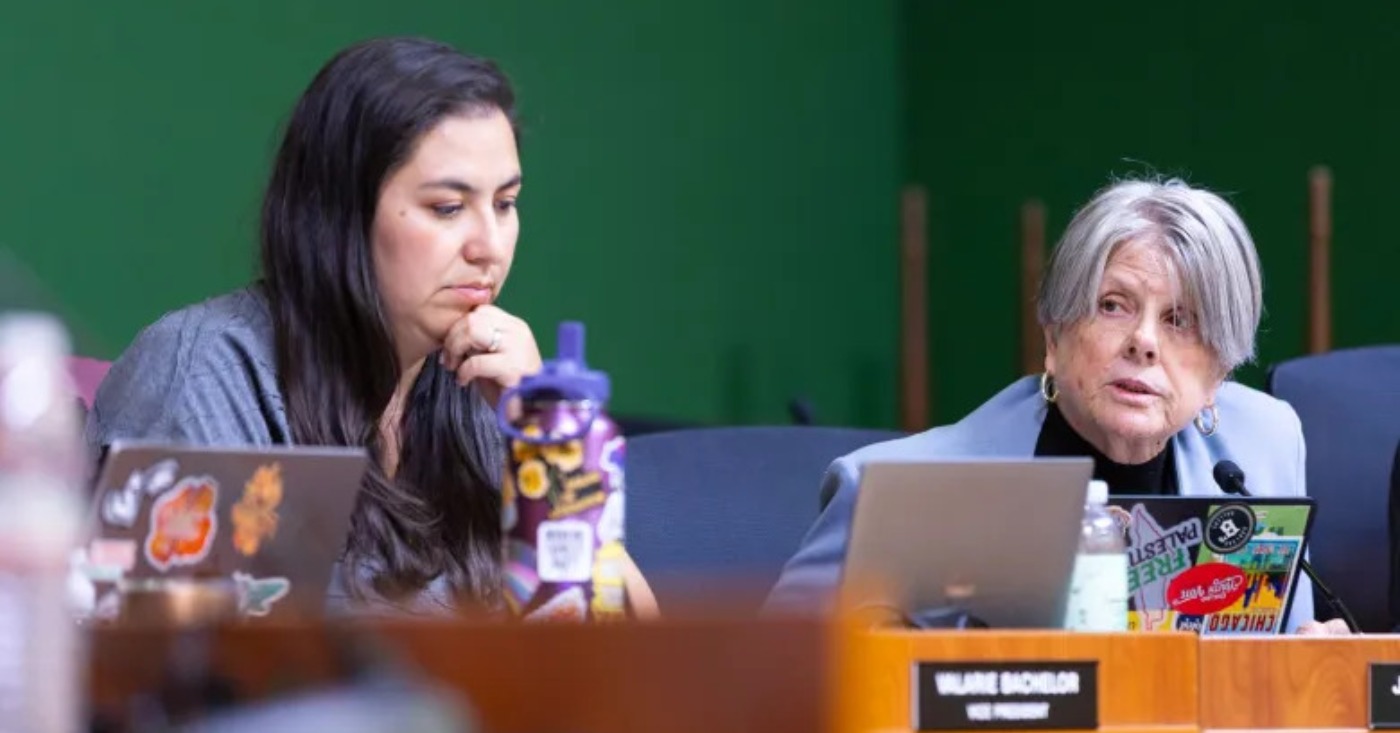
Oakland schools have excellent leadership right now. I know it’s hard to believe – because there is so much wrong with the national education picture.
This school year:
- The Oakland Unified School District escaped from state control after 22 years.
- Every classroom had a teacher at the beginning of the year, unlike past years when many classes started the year with day-to-day substitute teachers.
- Dr. Denise Saddler, an African American woman, is leading the district as Superintendent. She was an excellent choice with vast understanding of Oakland, of schools, and of educational systems.
- The school board and teachers managed to avert a teachers’ strike by strategizing, listening and compromising.
- The school board does not plan to close more schools for the first time in decades.
The two women leading the school board are excellent educators.
Board President Jennifer Brouhard (District 2) served as an Oakland teacher and was awarded a Fulbright Distinguished Award in Teaching and the U.C. Berkeley Social Science Project Teacher of the Year Award.
When Brouhard joined the board four years ago, she voted to reverse the vote of the previous board which had planned to close Brookfield, Carl B. Munck, Grass Valley, Fred T. Korematsu Discovery Academy and Horace Mann elementary. Half the students at Carl Munck and at least a third of the students at several others were African American.
She focused funding on classrooms rather than paying outside consultants. For that, she and her colleagues have incurred the wrath of real estate developers and school privatizers who want to get their hands on public property.
Board Vice President Valerie Bachelor (District 6) has worked on important facilities projects. She helped to set up the first school-based dental project at Frick United Academy of Language. She championed the Melrose Leadership Academy groundbreaking and the Skyline dining facilities.
Bachelor facilitated a balanced budget, which was pivotal in helping the district finally end state control. She also has worked to direct funding toward student-centered programs like the Black Thriving Community Schools Program.
The people financing the opposition candidates are Ryan Graciano, co-founder of Credit Karma, which made $ 2.7 billion last year; and Gagan Biyani, who says he became a millionaire at age 25.
The literature produced on behalf of the opposition supports closing schools, which harms student and could put us back under state control.
Looking at past school years, parents and educators can see how far the district has come. Oakland students and families have seen 25%-30% of educators leave their classrooms for districts with more competitive salaries.
But this year, we saw a change in those trends.
Since Jennifer and Valarie have taken office, Oakland Black student progress in reading and math is outpacing California’s state average. California School Dashboard data show that from 2023 to 2026, Black students in OUSD made greater progress toward proficiency than Black students statewide overall in both English Language Arts and math.
To read more, go to Education Week, “The Harm of School Closures Can Last a Lifetime, New Research Shows” (2024), www.edweek.org/leadership/the-harm-of-school-closures-can-last-a-lifetime-new-research-shows/2024/06
About the Authors
Dr. Kitty Kelly is a Professor of Education and Urban Studies. Dr. Kimberly Mayfield is Dean at Kalmanovitz School of Education, Saint Mary’s College of California.
Oakland Post Publisher Paul Cobb, a former Oakland school board member, contributed to this article.


The Vicious Cycle of Poverty Explained

Congressional Leadership’s Priorities: Prices, Healthcare, and Trump Oversight

From The Desk of The Editor 11/04/26

Why a Hall of Fame Sports Writer Keeps Knocking #shorts

Moving or Adding a Driver? Your Insurance Rate Could Change #shorts

Black Music Awards: The Story Behind Minnesota’s Music Recognition #shorts

The Election Isn’t Over Yet! Vote for Best of The DMV 2026

A Black-Owned Coffee Shop Built for Culture and Community #shorts

EV Tax Credits Ended—But These Savings Still Put Money Back #shorts

Black Media in 2026: Why Representation Still Matters #shorts

All Skinfolk Ain’t Kinfolk

Practitioners of African Traditional Spirituality Offer Ancestral Reverence Ritual Oct. 31

Tamiko Armstead | 2026 Lifetime Achiever in Education

Oakland Awarded More than $14 Million in State Funding

OP-ED: The Black Church Writes AI’s Next Chapter

Inside 820 S. Michigan: New Book Captures the Lost World of Ebony and Jet

2026 Voting Guide: Every Candidate and Proposition Explained!

Jendayi Arrest Raises Community Concerns Regarding Sheriff’s Chain of Command

OP-ED: If the ‘Cornell 7’ Were Black Men at an HBCU — America Wouldn’t Be This Sympathetic

While Black Families Pay More for Power, Some Attorneys General Fight to Save High-Cost Coal
The Vicious Cycle of Poverty Explained
Congressional Leadership’s Priorities: Prices, Healthcare, and Trump Oversight
From The Desk of The Editor 11/04/26
Why a Hall of Fame Sports Writer Keeps Knocking #shorts
Moving or Adding a Driver? Your Insurance Rate Could Change #shorts
Black Music Awards: The Story Behind Minnesota’s Music Recognition #shorts
The Election Isn’t Over Yet! Vote for Best of The DMV 2026
A Black-Owned Coffee Shop Built for Culture and Community #shorts
EV Tax Credits Ended—But These Savings Still Put Money Back #shorts
Black Media in 2026: Why Representation Still Matters #shorts
-
 Black History2 days ago
HISTORY MADE: Keisha Lance Bottoms Becomes First Black Woman Elected Governor in American History
-

 Featured5 days ago
Multi-Faith Leaders Representing 10 Million People Launch National Anti-Authoritarian Initiative
-

 Black History4 days ago
Michael Shiner: The Enslaved Man Who Wrote His Way into American History
-

 Black History4 days ago
Five Hospitals Said No! Who Will Help Annette Henry Recover?
-

 Featured1 week ago
Young Black voters in Houston defy labels
-

 BlackPressUSA1 week ago
OP-ED: Three Reasons Florida Is Ready For A Change Election Next Week
