
Black History
COMMENTARY: Old, Sick and Incarcerated
NNPA NEWSWIRE — Older people don’t commit violent crimes (although they commit financial crimes and perjury). Releasing those over 65 who were convicted of drug crimes and other nonviolent crimes saves money and has little social cost. But incarceration is an economic driver for some communities.
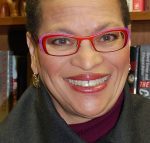

By Julianne Malveaux, NNPA Newswire Contributor
There were 4623 incarcerated people over 65 in federal prisons during the first week of May. Until May 12, Paul Manafort, Mr. Trump’s one-time campaign manager, was one of them. The 71-year-old petitioned the court for release to home confinement because of his age, heart condition, and “fear of coronavirus.” Yet the federal correctional institution that housed Manafort had no coronavirus cases, and Manafort had served fewer than two years of his more than seven-year sentence. Recently developed federal guidelines suggest at-home confinement for those at risk who have served more than half of their sentence or have less than eighteen months of jail time left to serve. Manafort meets none of these criteria, but he apparently had enough high-priced lawyers to push his case aggressively.
I’m not as outraged at Manafort’s early release as I am disturbed about the other 4622 elderly inmates, most who lack the resources and access that Manafort had. Nearly forty percent of those incarcerated in federal prisons are African American, many serving very long sentences for drug-related crimes. Many have some of the same underlying medical conditions and “fear of coronavirus” that Manafort had. How many of them will get an early release and the relative luxury of home confinement? The treatment of a wealthy, older white man and a poor, older Black man is vastly different.
Prisons are a breeding ground for the coronavirus. Prisons are overcrowded with social distancing an impossibility since an average cell, about five feet by five, does not allow six feet of distancing. Recent studies show that the COVID-19 germs from a loud conversation or a cough linger for minutes, sufficient time to infect another person. The notorious Riker’s Island prison has eight times the COVID-19 infection rate of the New York City rate. Infection is not a possibility, but a near-certainty. Prison infections are so widespread that some activists describe them as “death camps.”
Older people don’t commit violent crimes (although they commit financial crimes and perjury). Releasing those over 65 who were convicted of drug crimes and other nonviolent crimes saves money and has little social cost. But incarceration is an economic driver for some communities. Federal prisons employ tens of thousands of people. In some isolated communities, these prisons are a significant source of employment. Releasing prisoners early may cause layoffs. Is this why we insist on keeping so many people locked up for such long periods?
Parole was eliminated in federal prison in the mid-1980s, allowing “good behavior ” only after 85 percent of a sentence has been served. But Manafort, citing “fear of coronavirus,” ended up serving less than a quarter of his sentence. Can an old Black man get the Manafort treatment and serve the rest of his sentence in a cushy condo in Northern Virginia? Manafort had a lot less to fear, at his minimum-security prison, than a Black inmate might.
Other countries have reacted to coronavirus crowding by releasing inmates in the tens of thousands. According to David Anderson of the International Legal Foundation, Iran released more than half of its prisoners – 100,000 of 189,000. Palestine is holding emergency court sessions to allow inmates to petition for release. Other countries seem to understand that COVID-19 and crowding don’t work and are releasing prisoners.
Meanwhile, our country, in Anderson’s words, is “addicted to punishment.” In keeping nonviolent inmates incarcerated, we are “prioritizing punishment over public health.” The inmates aren’t the only ones at risk. Correctional officers, lawyers, and visiting family members are also vulnerable. We are so committed to getting a “pound of flesh” from those incarcerated that we refuse to consider the high costs of incarceration.
Consider the case of former Detroit Mayor Kwame Kilpatrick. Convicted of perjury, obstruction of justice, and other crimes, Kilpatrick was sentenced to 28 years for his crimes. He is not scheduled to be released until 2037! While Kilpatrick certainly deserved to be convicted, a 28-year sentence is excessive. Recently an inmate at his Oakdale, Louisiana prison died from the coronavirus. I’m sure Kilpatrick is as frightened of the coronavirus as Manafort is. He is not likely to be allowed home confinement.
Unless there is intervention, Kilpatrick will be eligible for Social Security before he is released! What is the purpose of such a long sentence? How much does it cost to incarcerate someone for 28 years? Is it worth it?
The coronavirus magnified our nation’s inequality. Manafort is out after less than two years’ incarceration. Thousands who are old and poor remain incarcerated and vulnerable to coronavirus. Our criminal injustice system is in dire need of reform.






Black History
IN MEMORIAM: Claude T. Everhart, San Francisco’s First Black Deputy Mayor, Dies at 73
Claude T. Everhart, the first African American deputy mayor of San Francisco and a dedicated community advocate for five decades, passed away on October 27 at the age of 73. A former member of the Black Panther Party, Everhart rose from community organizing to serve as chief of staff for Mayor Art Agnos, where he helped lead the city through the aftermath of the 1989 Loma Prieta earthquake. His career spanned significant roles in youth development and municipal policy. Visit BlackPressUSA.com to read more.

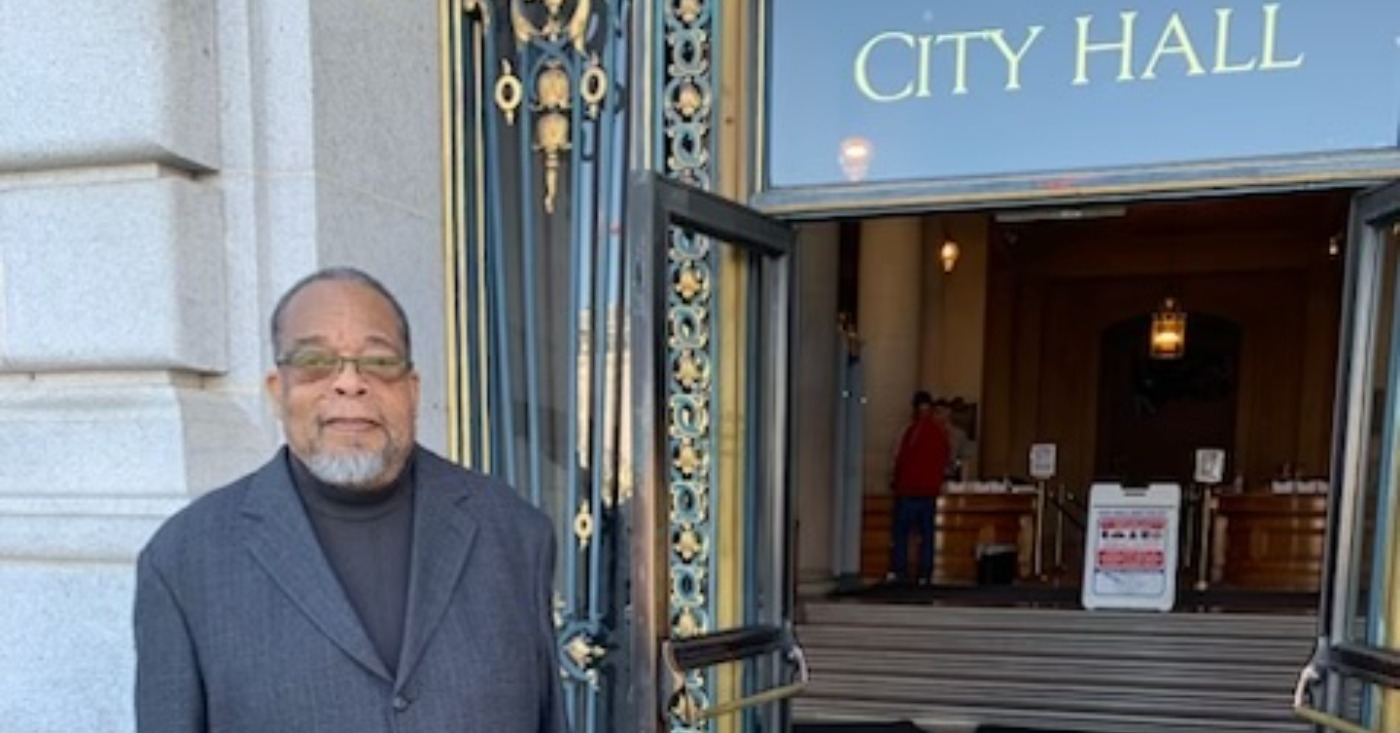
Claude T. Everhart, first African American deputy mayor and chief of staff to former San Francisco Mayor Art Agnos who served working families and communities of color for 50 years, died on Oct 27 in Oakland. He was 73.
“Claude Everhart was… He was the engine room of our administration’s most significant efforts to improve the lives of our city’s most underserved populations San Francisco has lost a true champion of the people, and I have lost a very dear friend and a trusted partner,” Agnos said in a statement.
Born in San Francisco in 1952, Everhart graduated from Lowell High in ’70. As a student, he was involved in the Black Panther Party, participating in various demonstrations, the San Francisco State College strike, and the Party’s Free Breakfast Program.
As a teen, he led the Oceanview–Merced–Ingleside Community Organization, created summer jobs for youth, and opened a group home as an alternative to incarceration.
In 1974, he became the first executive director of Young Community Developers (YCD) The program was founded by a group of young Black activists who pushed City Hall for funding to train residents for jobs at the Hunters Point Naval Shipyard.
More than 50 years later, YCD is still providing job readiness training, reentry services for formerly incarcerated adults, and youth programming, and Everhart remained on the board into recent years.
Everhart joined Agnos’ staff in 1976, became his chief of staff and then executive deputy mayor when Agnos was elected mayor in 1988.
In that role, he was part of the leadership team that led San Francisco through the October 17, 1989, Loma Prieta earthquake (the city’s worst since 1906). The administration rebuilt the damaged infrastructure and decided to take down the quake-damaged Embarcadero Freeway, thereby opening the waterfront. They would not move the unhoused people displaced from the damaged shelters until new housing was available, and they created “Beyond Shelter,” which became a nationally recognized network of multi-service centers for the unhoused.
He took a few unpopular stands on behalf of the disadvantaged. He fought against the homeporting of the USS Missouri at Hunters Point on grounds of gentrification, demanded a full clean-up of the yard, and pushed for investigations and redress in the wake of allegations of racial discrimination in both the Police and Fire Departments.
He was instrumental in setting up the Mayor’s Office of Youth and Children’s Services, helped to divest the city’s retirement system from South Africa, brought a supermarket to Hunters Point, and worked to increase city contracting with minority-owned businesses.
He later served as a VP at Waste Management of Alameda County and as a political consultant to several people, including former Oakland Mayor Elihu Harris and San Francisco Assessor Doris Ward.
His legacy lives on through Jelani House (the family recovery and counseling program named for his late son), of which he was a board member and at the Ella Hill Hutch Community Center in the Fillmore, a long-standing youth and community center with a mural on the building in his honor.
Everhart is predeceased by his son Jelani. He is survived by his wife of 51 years, Sandra, and daughter, Maisha.
A memorial service will be held on Nov 23 at 11 a.m. at Jones Memorial UMC, 1975 Post St., San Francisco, CA 94115. In lieu of flowers, the family asks that donations be made to Young Community Developers and Jelani House.
Darolyn Davis is the president and CEO of D&A Communications.

Black History
‘We’re Committed to Delivering the Change that the American People Deserve’
House Speaker-designate Hakeem Jeffries recently outlined a legislative vision for the 120th Congress, emphasizing a commitment to affordability and government accountability. As the first Black congressman set to take up the Speaker’s gavel, Jeffries appeared alongside historic leadership selections Katherine Clark and Pete Aguilar to address the economic struggles facing American families. The Democratic nominee pledged to combat rising costs for groceries, housing, and healthcare while promising to address systemic corruption. Jeffries further detailed his strategy for representing diverse communities across the nation. Read more.
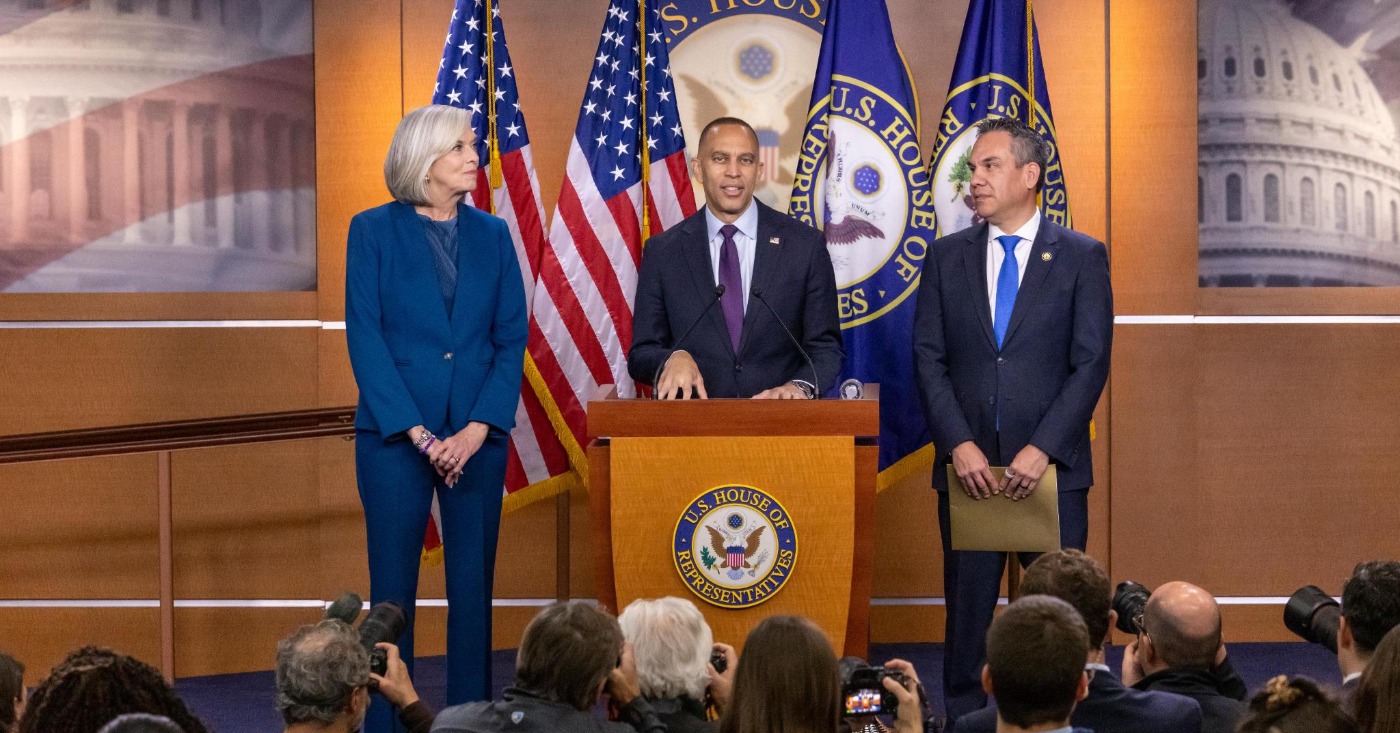
Hakeem Jeffriesto become the first Black congressman to take up the Speaker’s gavel
House Speaker-designate Hakeem Jeffries held a press conference where he emphasized that House Democrats are committed to delivering on their vision of affordability and accountability for the American people in the 120th Congress.
His remarks are shared below.
“It’s a high honor and a distinct privilege to stand before the American people today as the Democratic nominee to be the next Speaker of the United States House of Representatives. It’s a particular honor to stand with two amazing leaders, patriots, colleagues and friends. Katherine Clark, the Democratic Leader, the Majority Leader in the 120th Congress, a historic elevation, and Pete Aguilar, the next Majority Whip of the 120th Congress, also a historic elevation.
“We collectively know as House Democrats that life is way too expensive here in the United States of America. There are far too many people in this country who are working hard, they’re playing by the rules, but they can’t thrive and they can barely survive. That’s not acceptable here in this great country, the wealthiest country in the history of the world. We know the American people are struggling. We know millions of people are drowning in this failed Republican economy, and House Democrats are committed to turning things around.
“Our message to the American people who are struggling in this failed economy is a simple one. We hear you. We see you. We feel you. And House Democrats are committed to making life better for you. We’re going to fight for an affordable America. We’re going to fight to lower the high cost of groceries and gas and housing.
We’re going to fight to make healthcare affordable for every single American. And we’re going to fight to make sure that, in the face of the unprecedented corruption, chaos and cruelty visited upon the American people, that House Democrats will hold the crooks accountable, not for partisan reasons, but for patriotic ones, because the American people deserve better.
The 120th Congress is going to be the most diverse in America’s history. And we know that what brings people together are the challenges that Americans of every walk of life are experiencing. Our commitment is that we’re going to fight hard to make life better for everyone.
We’re going to fight for small-town America. We’re going to fight for urban America. We’re going to fight for rural America. We’re going to fight for the heartland of America. We’re going to fight for Black and brown communities all across America.
The people of this country are demanding bold, dramatic and transformational change. The status quo is unacceptable. And we’re committed to delivering, in a meaningful way, the type of change that the American people deserve so that everyone in this country can live an affordable life, a comfortable life and a good life.
U.S. Rep. Hakeem Jeffries’ media relations office is the source of this report.
Black History
PRESS ROOM: Governor-Elect Byron Donalds Announces Leadership Team for 2027 One Florida Inauguration
BLACKPRESSUSA NEWSWIRE — Under the theme “One Florida: A Celebration of the Florida Dream,” the inauguration will honor Florida’s rich history, celebrate the people and communities that make our state extraordinary, and look ahead to a future of opportunity for every Floridian.
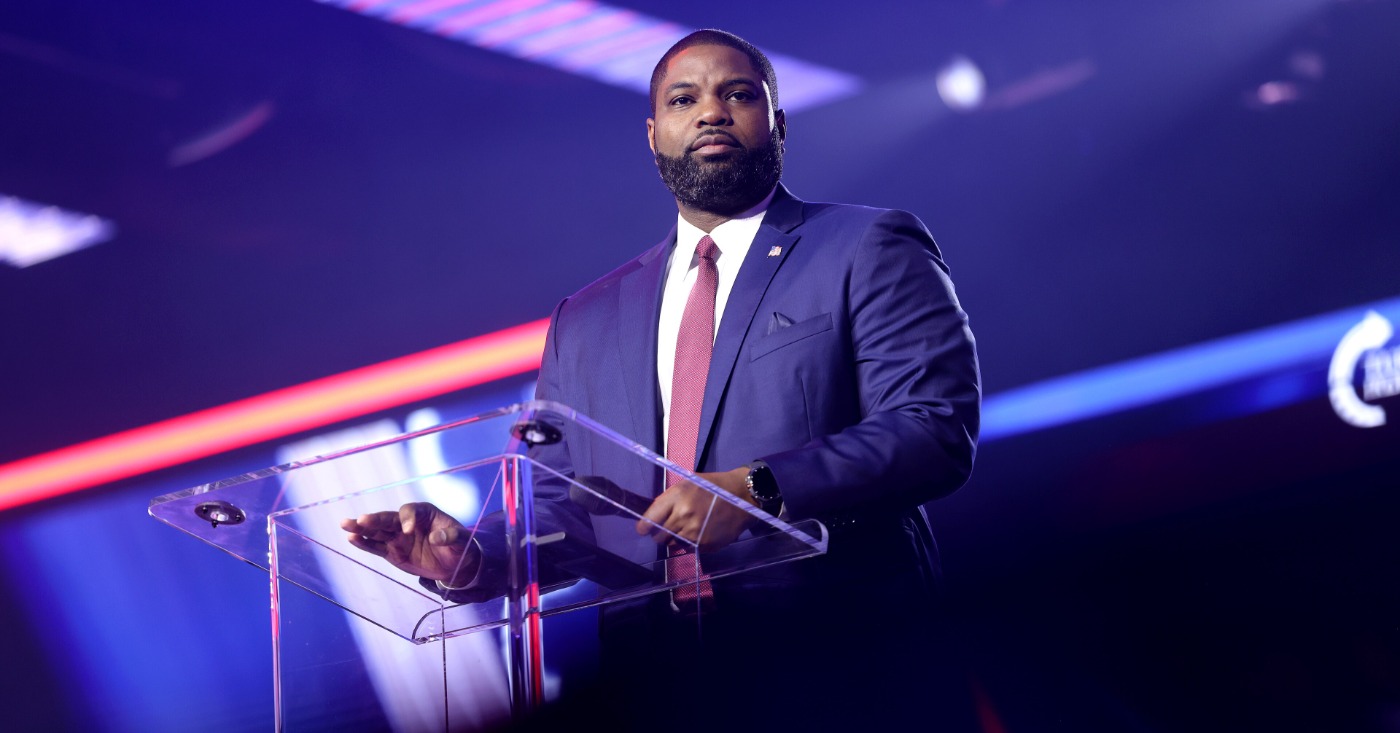
Erika Donalds to Serve as Inaugural Chair; Cindy Gil-Avila Named Honorary Co-Chair
Governor-elect Byron Donalds today announced the leadership team for the 2027 Florida Inauguration, which will mark the swearing-in of Governor-elect Donalds and Lieutenant Governor-elect Bryan Ávila on January 5, 2027.
Under the theme “One Florida: A Celebration of the Florida Dream,” the inauguration will honor Florida’s rich history, celebrate the people and communities that make our state extraordinary, and look ahead to a future of opportunity for every Floridian.
Erika Donalds will serve as Inaugural Chair, Cindy Gil-Avila as Honorary Co-Chair, and Ed Miyagishima as Executive Director. They will be joined by an experienced leadership team responsible for planning inaugural events, coordinating statewide outreach, and creating meaningful opportunities for Floridians to participate in this special moment in our state’s history.
Reflecting the spirit of One Florida, the leadership team brings together individuals with different backgrounds, experiences, and political perspectives, united by a shared commitment to Florida and its future.
Governor-elect Byron Donalds said:
“The opportunity to serve the people of Florida is an extraordinary honor, and one I will never take for granted. This inauguration isn’t just about a new administration. It’s about celebrating the people, communities, and shared aspirations that make Florida such a special place to call home. I’m grateful to Erika, Cindy, and this outstanding team for helping us create a celebration that reflects the spirit of One Florida and welcomes Floridians from every corner of our great state.”
Lieutenant Governor-elect Bryan Ávila said:
“I’m grateful to everyone who has stepped forward to help make this occasion meaningful for Floridians across our state. As we prepare for this new chapter, I look forward to celebrating the traditions that unite us, the communities that strengthen us, and the opportunities we can create together for the next generation.”
Inaugural Chair Erika Donalds said:
“I’m deeply honored to help bring this celebration to life. Florida is a remarkable place, not simply because of its beauty or opportunity, but because of its people — hardworking families, entrepreneurs, educators, first responders, and neighbors who make our communities strong. We want this inauguration to reflect the very best of Florida: the traditions we cherish, the communities we call home, and the hope we share for our children and grandchildren. Above all, we want every Floridian to feel that this is their celebration, because the Florida Dream belongs to all of us.”
2027 One Florida Inaugural Leadership Team
- Erika Donalds — Inaugural Chair
- Cindy Gil-Avila — Honorary Co-Chair
- Ed Miyagishima — Executive Director
- Danielle Alvarez — Senior Advisor
- Bobby DuBose — Senior Advisor
- Brad Herold — Senior Advisor
- Amanda Emmons — Deputy Executive Director, Donor Operations
- Julia Friedland — Deputy Executive Director, Communications
- Yen Le — Deputy Executive Director, External Outreach
- Megan McKinley — Deputy Executive Director, Donor Relations
About the Inaugural Leadership Team
Erika Donalds — Inaugural Chair
Erika Donalds is an education entrepreneur, nonprofit founder, and former elected school board member with a longstanding commitment to expanding educational opportunity for Florida families. She founded the Education Freedom Foundation and OptimaEd and has helped establish six classical charter schools. Her public service includes the Collier County School Board, the Florida Constitution Revision Commission, and the Florida Gulf Coast University Board of Trustees.
Cindy Gil-Avila — Honorary Co-Chair
Cindy Gil-Avila is an entrepreneur and leadership development professional with more than 15 years of experience helping individuals and organizations thrive. She founded Capability Growth Associates, where she focuses on developing leaders, strengthening workplace cultures, and helping organizations reach their potential. Originally from Bogotá, Colombia, she lives in Miami Springs with her husband, Lieutenant Governor-elect Bryan Ávila, and their two children. She brings a passion for family, community, and service to her role as Honorary Co-Chair of the 2027 One Florida Inauguration.
Ed Miyagishima — Executive Director
Ed Miyagishima brings extensive experience in government operations, protocol, and major event planning. His federal service spans three presidential administrations and includes coordinating official visits and major events. He previously served as Florida’s Director of Protocol and International Affairs under Governor Rick Scott and as Senior Advisor for Campaign Operations for Byron Donalds for Governor.
Danielle Alvarez — Senior Advisor
Danielle Alvarez will serve as Senior Advisor to Governor-elect Byron Donalds’ Inauguration, having advised his campaign since its launch. A Partner at Mercury, Alvarez most recently served as Senior Advisor to President Trump at the White House and on his winning 2024 campaign. She previously served as RNC Communications Director, and served in Governor Rick Scott’s administration.
Bobby DuBose — Senior Advisor
Bobby DuBose is a former Florida House Democratic Leader and longtime public servant from Fort Lauderdale. He represented his community in the Florida House of Representatives from 2014 to 2022, serving as Democratic Leader from 2020 to 2022. He previously served as a Fort Lauderdale city commissioner and vice mayor and is a graduate of the University of Florida.
Brad Herold — Senior Advisor
Brad Herold is a partner at Something Else Strategies and an experienced political and communications strategist. He served as Senior Advisor to Governor-elect Donalds’ 2026 campaign, managed Ron DeSantis’ 2018 gubernatorial campaign, and previously served as Executive Director of the Republican Party of Florida.
Amanda Emmons — Deputy Executive Director, Donor Operations
Amanda Emmons brings experience in fundraising operations and organizational management. She helped lead the finance team for Byron Donalds for Governor and previously served as Finance Director for U.S. Senator Kelly Loeffler’s Senate campaign. She is President of ANE Strategies LLC and resides in Jupiter, Florida.
Julia Friedland — Deputy Executive Director, Communications
Julia Friedland is a Vice President at Mercury with extensive experience in government, public affairs, and strategic communications. She previously served in Governor Ron DeSantis’ press office, as Director of Development and Partnerships for SelectFlorida, and in communications leadership roles with the Republican Party of Florida and Republican National Committee.
Yen Le — Deputy Executive Director, External Outreach
Yen Le brings experience in statewide outreach, coalition engagement, and organizational leadership. She served as Political Director for Byron Donalds’ gubernatorial campaign and previously held leadership roles with Senator Marco Rubio’s campaign, the Republican National Committee, and the Republican Party of Florida. She also worked with the Florida Senate and in the private sector.
Megan McKinley — Deputy Executive Director, Donor Relations
Megan McKinley is a Tallahassee native with extensive experience in fundraising and political finance. She served as Finance Director for Byron Donalds for Governor and previously held finance roles for Senator Marco Rubio, Senator Tim Scott, and the National Republican Senatorial Committee. She is a graduate of the University of Georgia.
One Florida: A Celebration of the Florida Dream
One Florida is a tribute to the people who have built this state and the generations who will shape its future.
From the Panhandle to the Keys, from our largest cities to our smallest towns, every community and every Floridian has a place in the story of our state.
The 2027 inauguration will celebrate the people, traditions, and opportunities that make Florida extraordinary, while honoring the responsibility of public service and looking ahead with gratitude, optimism, and a renewed commitment to the Florida Dream.
Additional announcements, including the members of the One Florida Inaugural Committee, event details, and opportunities for public participation, will be shared in the coming weeks.
For updates, visit onefloridainauguration.com.
Black History
Black Women’s Roundtable Unveils Its First 100 Days Federal Policy Agenda Priorities & Congratulates Congressman Hakeem Jeffries on Historic House Speaker Nomination
BLACKPRESSUSA NEWSWIRE — Developed under Campbell’s leadership, the BWR’s Policy Priorities draw from the Black Women’s Roundtable 2027 Federal Policy Agenda. They translate Black women voters’ concerns into specific legislative demands and a clear standard for holding newly elected members and returning lawmakers accountable.
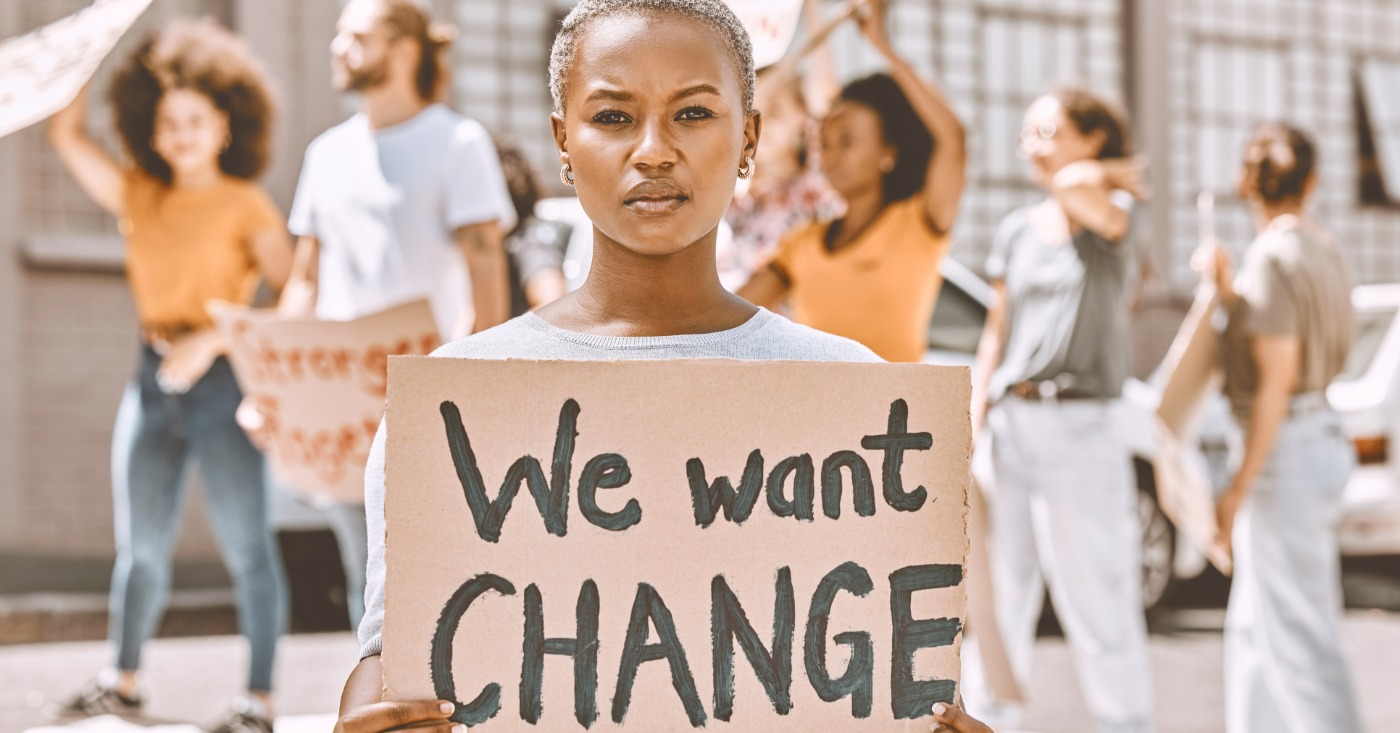
“Black Women Didn’t Just Mobilize to Change Who Holds Office. We Organized to Change What Government Delivers”
Grounded in the 2026 Power of the Sister Vote Poll, BWR Outlines Seven Congressional Priorities Addressing Black Women Voters’ Concerns About Economic Security, Health Care, Voting Rights and Opportunities
Following the House Democratic Caucus’s nomination of Hakeem Jeffries for speaker, bringing him one step closer to becoming the first Black American to lead the U.S. The House of Representatives, the Black Women’s Roundtable today released its sevenpriorities for the first 100 days of the 120th Congress. The full House will elect its speaker when the new Congress convenes in January 2027. The BWR is the women and girls’ empowerment arm of the National Coalition on Black Civic Participation (NCBCP).
“For Black women who organized, mobilized their communities and helped elect the incoming Congress, the prospect of the nation’s first Black speaker carries profound historical significance, and an opportunity to turn representation into results,” states Melanie L. Campbell, NCBCP president and CEO and National Convener of the Black Women’s Roundtable.
Developed under Campbell’s leadership, the BWR’s Policy Priorities draw from the Black Women’s Roundtable 2027 Federal Policy Agenda. They translate Black women voters’ concerns into specific legislative demands and a clear standard for holding newly elected members and returning lawmakers accountable.
Working alongside state affiliates and coalition partners, NCBCP and the Black Women’s Roundtable led a multigenerational GOTV & Democracy Defense Campaign to engage and mobilize thousands of Black voters and protect access to the ballot across The South and in key states including: AL, FL, GA, MI, MS, NC, OH, PA, and SC (see www.UnityCampaign.org).
Black women helped mobilize voters and shape the outcome of the 2026 Midterm Elections. Now, they are sending a clear message to elected officials on a national, state and local level: Deliver on the issues that matter to our families and communities or answer to the voters who put you there.
The BWR Policy Priorities are informed by the The 2026 BWR Power of the Sister Vote Poll, a national survey of 1,000 registered Black women voters conducted during the 2026 midterm cycle. The findings underscore the urgency: 47% identified protecting the social safety net as a top federal priority, 43% cited rising prices, and 31% prioritized lowering health care and prescription drug costs.
Building on its nationwide voter mobilization and democracy protection efforts, NCBCP and BWR are now turning that organizing power toward holding elected officials accountable.
“Today’s vote brings Hakeem Jeffries one step closer to becoming the first Black speaker of the House – a historic milestone built on generations of struggle for representation and the organizing that Black women carried into this election,” said Melanie L. Campbell, NCBCP president and CEO and national convener of the Black Women’s Roundtable. “We recognize the significance of this moment, and we intend to build on it. Black women didn’t just mobilize to change who holds office. We organized to change what the government delivers.”
THE SEVEN PRIORITIES: WHAT BLACK WOMEN EXPECT FROM CONGRESS
NCBCP and BWR are calling on the 120th Congress to:
- Protect the Social Safety Net: Reverse Medicaid and SNAP cuts and protect Social Security and Medicare.
- Lower the Cost of Living: Expand the Child Tax Credit, increase affordable housing opportunities and address policies driving up family costs.
- Make Health Care Affordable and Save Black Mothers and Babies: Restore ACA tax credits, lower prescription drug costs, expand postpartum Medicaid coverage and protect maternity care.
- Create Jobs, Raise Wages & Expand Business Opportunities: Invest in job creation and apprenticeships, establish a $25 federal minimum wage, end the subminimum wage for tipped workers, advance paid family leave and expand access to entrepreneurship, small business development capital and federal contracting and procurement opportunities.
- Protect Voting Rights and Defend Democracy: Pass the John R. Lewis Voting Rights Advancement Act and the Freedom to Vote Act, protect ballot access and reject legislation that threatens voting rights.
- Reduce Gun Violence and Keep Communities Safe: Advance common-sense gun safety legislation, police accountability and protections for survivors of domestic violence.
- Combat Racism and Protect Equal Opportunity: Protect Black women and girls, defend civil rights and lawful diversity, equity and inclusion initiatives, and advance equal opportunity.
The broader federal policy agenda also calls for repealing the One Big Beautiful Bill Act, reversing cuts to federal programs and services, protecting federal workers and advancing economic, environmental and racial justice.
On immigration, Congress should provide no additional funding for U.S. Immigration and Customs
Enforcement (ICE). It should instead redirect the $75 billion the Department of Homeland Security received for ICE through 2029 toward addressing the affordability crisis and require the Department of Homeland Security to enforce civil rights protections.
The message to Congress is unmistakable: Black women did not mobilize simply to change who holds office. They mobilized to change what the government delivers.
Read the full Black Women’s Roundtable 2027 Federal Policy Agenda:HERE
About NCBCP: The National Coalition on Black Civic Participation (NCBCP) is a nonpartisan, nonprofit organization that, for 50 years, has worked to increase civic engagement and political participation in Black communities. Through its national network of organizations and grassroots partners, NCBCP strengthens civic leadership, promotes voter participation and advances policies that support equity and opportunity.
About the Black Women’s Roundtable: The Black Women’s Roundtable (BWR) is the women and girls’ empowerment arm of NCBCP. BWR brings together Black women leaders and organizations to advance civic engagement, economic security, leadership development and public policy priorities impacting Black women, girls and their families.
Black History
PRESS ROOM: Donalds Transition Website Now Open to All Floridians Who Want to Serve
BLACKPRESSUSA NEWSWIRE — Governor-elect Byron Donalds and Lieutenant Governor-elect Bryan Avila are looking for talented, mission-driven people from every corner of Florida to help carry out the agenda voters approved this month.
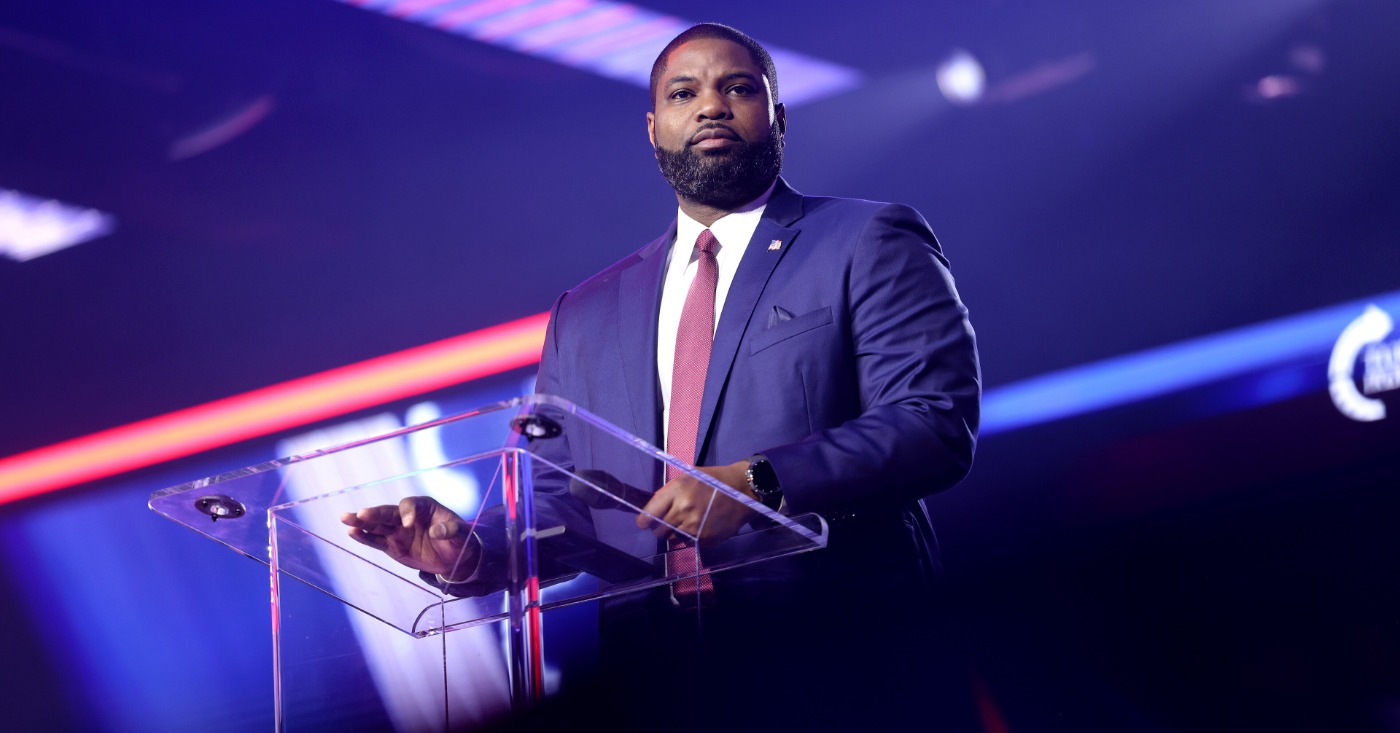
The Donalds-Avila Transition Team has announced that its official transition website is now open for anyone who wants to apply to serve in the incoming administration.
Governor-elect Byron Donalds and Lieutenant Governor-elect Bryan Avila are looking for talented, mission-driven people from every corner of Florida to help carry out the agenda voters approved this month.
Through the website, Floridians can:
Apply for positions across state agencies and the Executive Office of the Governor
Volunteer for boards and commissions
Share ideas on how to keep Florida the freest, safest, and most affordable state in the nation
“Florida’s best days are ahead, and building this administration starts with our greatest strength: our people,” said Governor-elect Byron Donalds. “We want the hardest-working, most committed people in this state on our team. If you’re ready to serve, we want to hear from you.”
Applications are being accepted on a rolling basis. Interested applicants are encouraged to apply early at DonaldsTransition2026.com
Black History
PRESS ROOM: Delaware State University Certifies Record Fall 2026 Enrollment of 7,407 Students
“This year’s growth came from a more intentional emphasis on students who were already here and decided to keep going, a central part of our work — and from a graduate school that working adults in Delaware and across the country are choosing in record numbers,” said Tony Allen, President of Delaware State University.
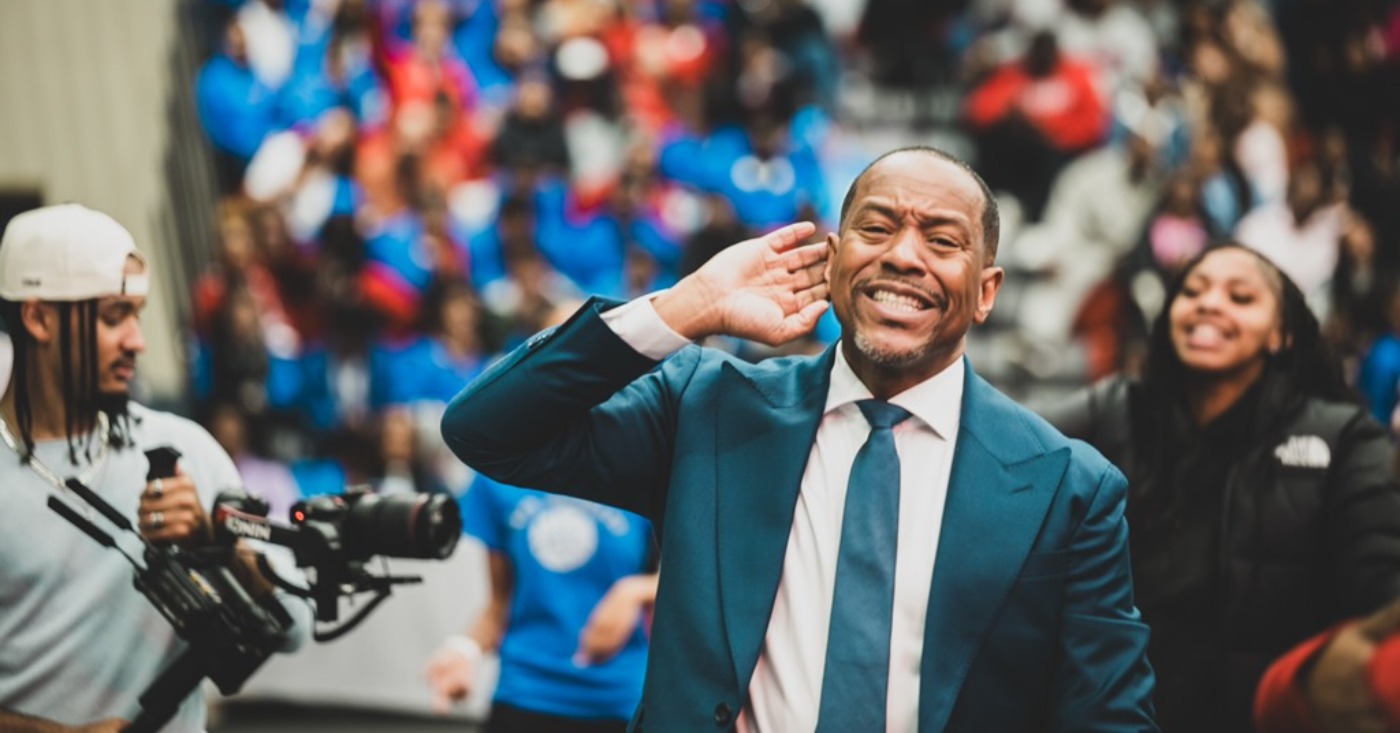
Returning students and graduate programs drive 12 percent growth
Incoming class stronger academically
In-state freshman class the largest in University history; INSPIRE Scholars make up more than 80 percent of new in-state freshmen
Dual enrollment up 56 percent, anchored by the newly named Williams School
Delaware State University has certified its Fall 2026 enrollment at 7,407 students, the largest in its 135-year history and an increase of 784 students, or 11.8 percent, over the 6,623 recorded at last fall’s census.
Of that total, 5,959 students are enrolled on the University’s two Dover campuses and in its online programs—up 7.8 percent from 5,528 a year ago and a record. The balance is enrolled through the University’s international partnership programs, a growing global portfolio that spans the Caribbean, Asia and Africa. Since 2020, when the University enrolled 5,027 students, enrollment has grown more than 47 percent.
In October, the University projected that it was approaching 7,000 students. The final count exceeded that projection, as additional online sessions and semester starts at international locations were added before the October 31 census. And in its first year, eHBCU, the online consortium for HBCUs led by Delaware State, has grown to include Alabama State University; the Southern University System, the only HBCU system in the country; and Pensole Lewis College of Business and Design, the Detroit HBCU for aspiring designers.
“This year’s growth came from a more intentional emphasis on students who were already here and decided to keep going, a central part of our work — and from a graduate school that working adults in Delaware and across the country are choosing in record numbers,” said Tony Allen, President of Delaware State University. “We have a continually growing number of students who concluded that Delaware State University is a force multiplier in their lives. Our work now is to be worthy of that decision every day.”
Delaware First.
In-state undergraduate enrollment rose 8.4 percent, and out-of-state undergraduate enrollment rose 4.5 percent. The new freshman class shows strong academic rigor, with an average high school GPA of 3.13. More than half of the University’s students are Delawareans, and this year’s in-state freshman class is the largest in University history. More than 80 percent of new in-state, full-time freshmen are INSPIRE Scholars — recipients of the four-year, full-tuition award for Delaware high school graduates who enroll in the fall after graduation, maintain a 2.75 grade point average, complete ten hours of community service each semester, and file the FAFSA each year. Sponsored in 2010 by Senator Brian Bushweller and later championed for expansion by Senator Trey Paradee and alumna Representative Stephanie Bolden, the program has brought more than 2,500 Delawareans to the University as INSPIRE Scholars.
“I came in as a freshman not sure I’d make it to a second year. What kept me here was that people noticed when I was struggling and didn’t let me drift. Two years later I’m on track to graduate on time, and I know exactly who to thank,” said Alana Carter Grimes, Senior, Accounting major from Wilmington, DE.
“You feel this in the classroom before you see it in a report. Students come in prepared, they stay, and they ask harder questions by sophomore year than they used to as juniors. That changes how we teach, and it should,” said Hakeem Lawal, Professor, Biology Department.
Graduate enrollment grew fastest.
Graduate enrollment increased 27.1 percent. Continuing graduate students were up 34.1 percent, and online graduate enrollment grew 46.1 percent — the highest in University history. “Graduate students are diligent with their time, for they understand the importance of it. They are choosing Delaware State because our programs are built for people who are working, raising families and serving their communities while they earn the credential that moves them forward,” said Dr. Gwendolyn Scott-Jones, Dean of the School of Graduate, Adult and Extended Studies. “A 27 percent increase in one year tells us the model is right. Our job is to keep every one of those students on a path to finish.”
The pipeline is widening. The number of high school students taking University courses for college credit rose 56 percent to 684, including 482 Delawareans and 199 students at the HBCU Early College Prep school in Queens, N.Y. The Williams School, the University’s early college school dedicated in September in honor of former President Harry L. Williams and Dr. Robin S. Williams, sends roughly two-thirds of its graduates to Delaware State.
Built to get students to the finish line.
The University’s growth is supported by a set of programs designed to take students from arrival to career. The Braven Accelerator, a three-credit sophomore-year career-readiness course, has been completed by more than 1,000 Delaware State students, and the University announced last month that it will expand the Braven partnership into a new Center for Economic Mobility that will reach every undergraduate. In October, the College of Business hosted its largest DEEP Day on record, with 720 students, and continues to lead the University’s Black Male Initiative in partnership with the Executive Leadership Council. The College of Agriculture, Science and Technology’s annual White Coat Ceremony on September 29, 2026, welcomed 213 first-year pre-health students into the health professions pathway.
“The road ahead is about meeting our students earlier in the educational experience, giving them real-world tools to be successful, knowing their highest aspirations and showcasing them to the world,” said Dr. Kareem McLemore, Head of Strategic Enrollment and International Affairs. “We pour in; they give back. That is the formula.”



5 Self-Care and Wellness Gift Ideas for the Women in Your Life

Native American Health Center Connects 140 Community Members to Career Opportunities During Native American Heritage Month

Oakland Chamber of Commerce Faces $42,000 Ethics Fine for Campaign Violation

Adrianna Willis on Mind the Crown, Boundaries and Choosing Yourself | On The Radar | MSR

Mind the Crown: Adrianna Willis on Rest, Boundaries and Choosing Yourself | On The Radar | MSR

Attorney General Bonta Serves Investigative Subpoena on Nvidia

A Record 216 Firearms Collected at East Oakland Gun Buy-Back Event

A Record 216 Firearms Collected at East Oakland Gun Buy-Back Event

City Council Hearing Shines a Light on Failures of City’s Prompt Payment Policy

IN MEMORIAM: Claude T. Everhart, San Francisco’s First Black Deputy Mayor, Dies at 73

HISTORY MADE: Keisha Lance Bottoms Becomes First Black Woman Elected Governor in American History

Secretary of State Shirley Weber Pushes Back Against DOJ Demands Over California Voter Rolls

Retirement Triggers Doctor to Pen Book for Young Audience

Capturing Black Life’s Beauty

Multi-Faith Leaders Representing 10 Million People Launch National Anti-Authoritarian Initiative

Christianity’s Racial History

Hundreds of Black Christian Leaders Arriving in Israel for Martin Luther King-Inspired Mission

Oakland Honors 60 Years of the Black Panther Party at the All Power to the People Gala

Message from the Associate Editor: Blindness, Hurts, Cops

Michael Shiner: The Enslaved Man Who Wrote His Way into American History
Adrianna Willis on Mind the Crown, Boundaries and Choosing Yourself | On The Radar | MSR
Mind the Crown: Adrianna Willis on Rest, Boundaries and Choosing Yourself | On The Radar | MSR

Delay Motherhood: What you need to know about egg freezing

Car Buying Tips: 5 Steps to Get a Better Deal #shorts

Massive Chevy Tahoe Interior Tour: The Cup Test Challenge #shorts

Scott Colom’s Nike Challenge Goes National, Freshman Democrats Get a Surprise 📱

Scott Colom’s Nike Challenge Goes National, Freshman Democrats Get a Surprise

MLGW offers up to $7,500 per home to help builders connect to the grid

San Diego Black Judges: A Historic Shift on the Bench

She’s Turning Her Ovarian Cancer Story Into a Lifesaving Mission #shorts
-
 Black Press1 week ago
OP-ED: Closing the Next Digital Divide — Communities of Color Must Have a Voice in the AI Future
-

 Black Press1 week ago
COMMENTARY: Thank You, Trump, for Making America Great Again!
-

 Black History1 week ago
“Blue Tsunami” Sweeps Georgia, Bottoms Makes History
-

 Black Press6 days ago
Black Men Encouraged to Start Prostate Cancer Screening at 45
-

 Black Press1 week ago
OP-ED: And Then What?
-
 Black History1 week ago
Mississippi Congressman Bennie Thompson Congratulates Scott Colom on Historic Victory
