
Commentary
COMMENTARY: Don’t Go Out That Door Unarmed
NNPA NEWSWIRE — Spiritual warfare as my bible says (for believers), is fought in the mind, in the emotions and in the will. It is in these areas that we do battle and most times we think we’re struggling with ourselves, our own weaknesses of flesh and blood, and discipline and integrity, pride and envy. When in actuality, we’re really struggling against “the devil’s schemes.”

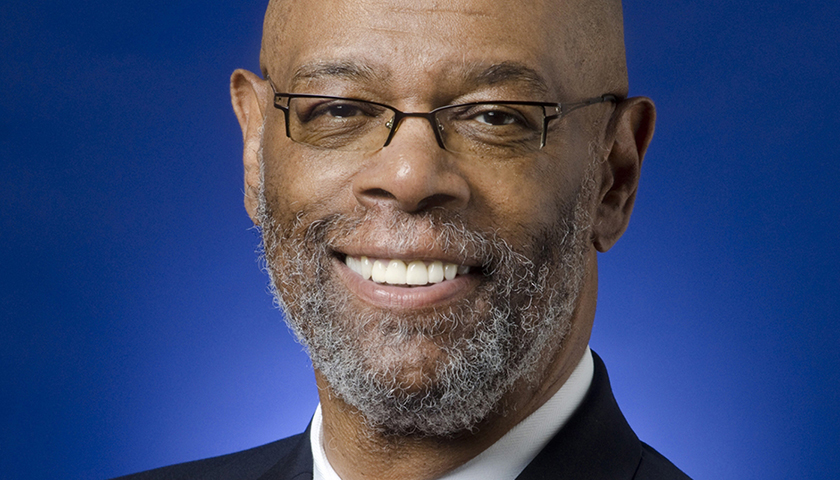
By James A. Washington, Publisher of the Dallas Weekly News, NNPA Newswire Contributor
Okay. The question for today is how does one put on the full armor of God?
The bible says, “Put on the full armor of God so that you can take your stand against the devil’s schemes.” Ephesians 6:11. This passage may not tell you how to put on the armor, but it certainly lets you know why you need it. That’s kind of why I pose the question.
I wish I could say most of this is original but it’s not. I’m paraphrasing most of it, but I think it’s important to understand when people talk about warfare, Satan’s power in the physical world or, just plain battling against sin, this is what they’re talking about.
Spiritual warfare as my bible says (for believers), is fought in the mind, in the emotions and in the will. It is in these areas that we do battle and most times we think we’re struggling with ourselves, our own weaknesses of flesh and blood, and discipline and integrity, pride and envy. When in actuality, we’re really struggling against “the devil’s schemes.”
At these rather intense times, we sometimes lose sight of the fact that Satan and his forces have already been defeated and to a large extent disarmed. We give him power when we forget this simple little fact.
I’ve said on many occasions that the fight for our salvation has been fixed in our favor. We do, however, have to go through the reality of test and testimony, as we navigate what some believers term a temporary existence called ‘life.’
Here is something that sums it up pretty well straight out of my bible: How do we put on spiritual armor? We do so by daily absorbing scripture as truth, living in obedience to God, sharing the gospel and trusting Christ. That’s how to put armor on. Study the Word, live according to biblical principles and believe that we live in truth due to Jesus’ protection.
That will protect us as we come under spiritual attack. It doesn’t protect us from spiritual attack. But it does it makes us less vulnerable, less susceptible to the ‘devil’s schemes.’
You see, in this world Satan is free to tempt, deceive and entice, but he has no authority over you.
My bible says when we overcome temptation in the spiritual sense, we play out Christ’s victory in the physical world. We win emotionally. We win physically. We win psychologically. Pure and simple, we win.
The point here is you’ve got to recognize that a lot of what you’re going through is the direct result of coming under attack and not because of some great flaw within yourself When you put on the armor of which I speak, you know this. It’s like knowing that it’s going to rain and taking an umbrella.
But you have to pay attention to the signs of bad weather in order to be prepared. You can’t be prepared for the devil properly unless you know Jesus Christ personally. He is your and my umbrella so to speak. And please don’t take my word for it. Just read the bible.
May God bless and keep you always.







Black History
COMMENTARY: My Truth — We Can Realize the Dream Together
GARLAND JOURNAL — The 2027 Healthy Living Expo is scheduled for Monday, January 18, 2027, following the City of Dallas’ Dr. Martin Luther King, Jr. Parade.

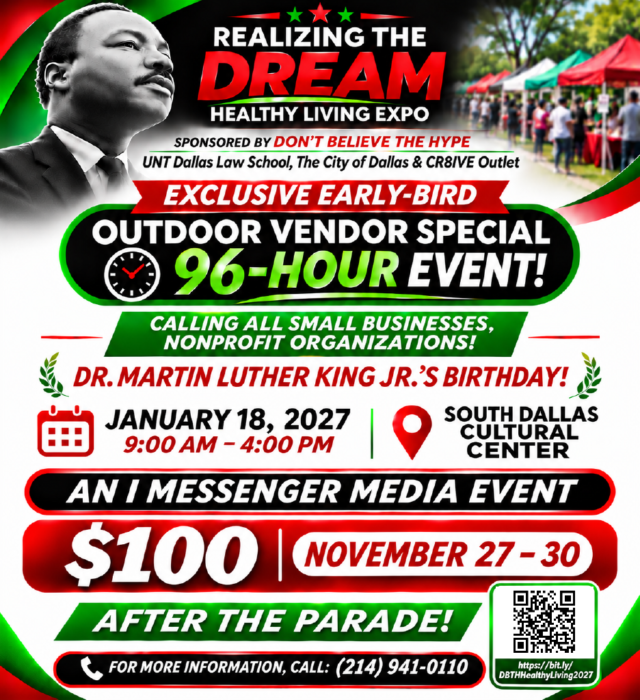
Get ready. The 2027 Healthy Living Expo is a good way to start the new year. Complete with the Red Cross Blood Drive, workshops, health screenings, the Chitterling Cook-off and more, it’s a family affair!
The Realizing The Dream Healthy Living Expo is scheduled in observance of Dr. Martin Luther King Jr. Day and to follow the ‘City of Dallas’ Dr. Martin Luther King, Jr. Parade on Monday, January 18, 2027. The Expo is 9:00 am to 4:00 pm at the South Dallas Cultural Center.
Building on the well-attended 2026 Expo, the excitement is mounting for another day of community engagement and service. This year’s Expo, in partnership with the City of Dallas, Cr8ive Outlet, and the University of North Texas at Dallas College of Law, will continue to honor Dr. King’s vision of equality, opportunity, and improved quality of life.
The UNT Dallas College of Law is the first college or university in North Texas and the only law school in the nation to join the King family in its global campaign to use volunteer and civic engagement to bridge divides and strengthen communities.
The goal of Realize the Dream is to encourage public (and private) service and generate 100 million volunteer hours by MLK’s 100th birthday in 2029.
The Realizing the Dream Healthy Living Expo includes helping individuals and families access the knowledge, resources, and opportunities needed to lead healthier, more productive, and financially secure lives.
We realize that these are some challenging times and hopefully the 96-HOUR SPECIAL will be an incentive for those looking to join in for a wonderful day of Love as we educate, inform, inspire, challenge and entertain. The 96 hours, from November 27–30, 2026, are especially designed to help small businesses and encourage support of a worthy program. Outdoor booths for small businesses, nonprofits, and political vendors are $100 (After November 30 regular price $150).
Call 214 941 0110 so you can get in on the special.
This event is for the entire family, and the entire community. It’s an opportunity, after enjoying the parade, to continue the celebration as we remember someone who left this world in a better place.
Now, it’s up to us to do all we can. In this article:My Truth
Based on reporting by Garland Journal.
Black Press
COMMENTARY: Who Can Afford to Be Generous Anymore?
CHICAGO DEFENDER — Generosity has long been a cornerstone of life for Black Chicagoans, serving as a vital support system when traditional resources are scarce. From neighbors shoveling snow for the elderly to grandmothers stretching grocery budgets to feed grandchildren, these acts of kindness are ingrained in the city’s culture.
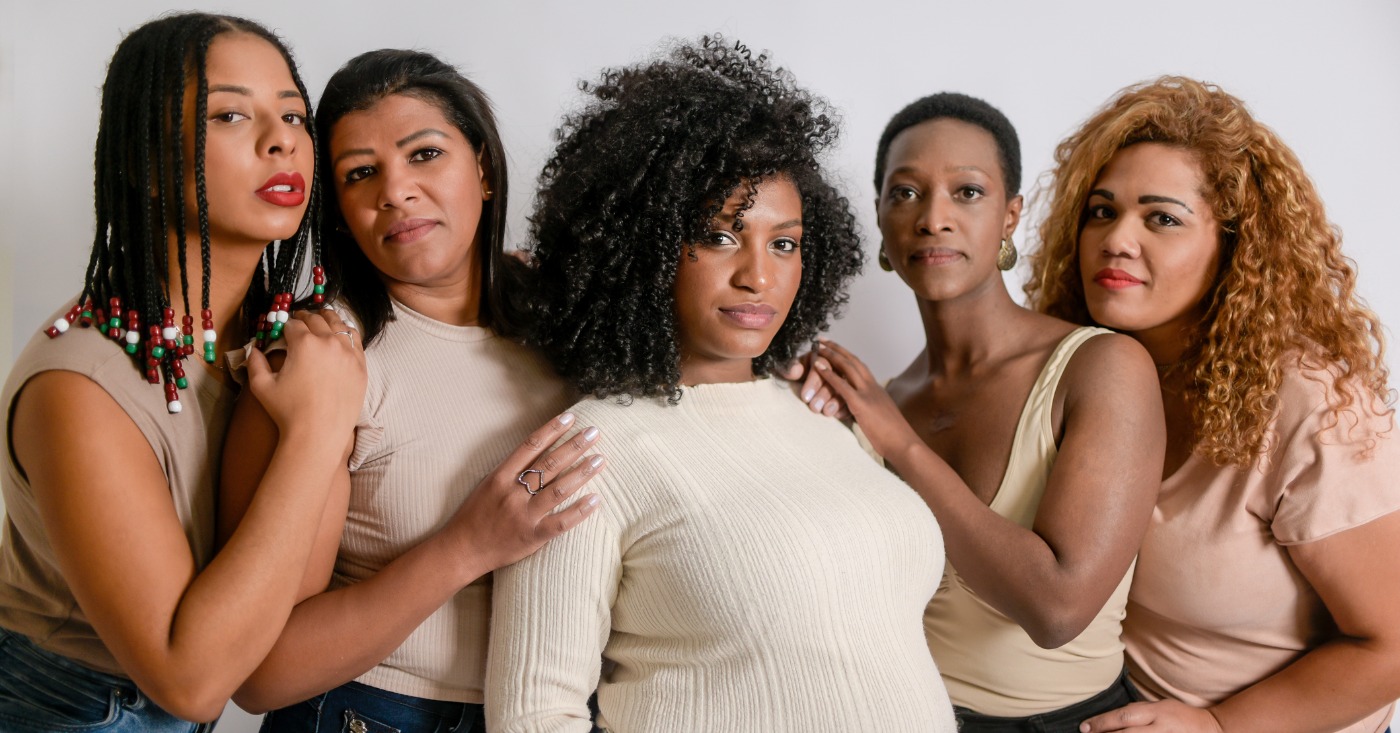
As Chicagoans struggle to make ends meet, those who have always shown up for others are wondering who will show up for them.
Monique Newburn, a special education teacher in Chicago, had been paying someone else’s rent and utilities to help them get back on their feet.
Eventually, the person returned to work. But the requests for money didn’t stop. Three months later, Newburn was still being asked to help.
By then, she had begun looking at her own bank account differently. She was giving away money she needed to cover her rent, car payment and insurance. If something happened to her income, she wouldn’t have enough saved to get through two months.
Then came another call.
“Absolutely not,” she told the person.
Newburn had spent years being the person people could depend on. Helping wasn’t something she thought twice about. Her family had always cooked for others, opened their doors and shown up when someone needed something.
But what happens when the person everyone calls for help needs some herself?
In Chicago, generosity shows up as love.
It’s supporting a Black-owned business, even if it means driving farther or paying a little more.
It’s a parent sharing information about getting a child into one of the city’s top-performing schools.
It’s the barber giving a young man a free haircut before a job interview, the neighbor shoveling an elderly resident’s sidewalk after a snowstorm or the grandmother stretching her grocery budget to make sure her grandchildren have something to eat. It’s somebody slipping a friend $20 to get through the week, knowing they might be a little short themselves.
For generations, Black Chicagoans have leaned on one another, sharing what they had and finding ways to make things work when resources were scarce.
That practice is reflected in research from the Financial Health Network. Its 2022 Financial Health Pulse Chicago Report found that approximately 56% of Black households in Cook County had provided financial assistance to friends or family members outside their household in the preceding 12 months.
The 2025 Financial Health Pulse Chicago Trends Report found that 33% of Black Cook County residents were financially vulnerable, down from 39% in 2022.
There’s a difference between wanting to help someone and feeling responsible for them. And sometimes the person being asked to give is barely getting by, too.
When Being Helpful Becomes Who You Are
La’Keisha Gray-Sewell, an author, community liberator and founder of the Girls Like Me Project NFP, has spent years connecting people with resources and responding when she sees a need.
“Seeing a need and responding to it, making sure things are in order. That’s my superpower,” she said.
She remembers discovering that ability as a little girl. Helping others brought her attention, affection and a sense of being appreciated. Without it, she sometimes questioned whether she mattered.
“I became a person who got used to giving as a way to receive love, affection, attention, recognition,” Gray-Sewell said.
Her desire to help was genuine, but giving also became a way for her to connect with people.
She compares it to a lighthouse: When you keep signaling that you’re available, people come toward you. And when you make it look easy, they may not see the effort involved.
“Generosity has a price tag,” she said.
“Generosity is not free for anyone.”
Sometimes the cost is obvious: money for someone’s bills, groceries or a donation.
Other times, it’s gas to drive across town, time spent coordinating resources or showing up for an event when you’ve already got a full day of responsibilities.
Gray-Sewell said people don’t always consider what it costs someone to give, particularly when that person has always been available.
“You just cannot show up. You just cannot hit that link anymore. You cannot be the answer and the solution,” she said.
When that happens, she said, people sometimes become resentful or move on to the next person who can help.
“Very, very seldom do people take the time to say, ‘How can I give to you? What do you need?’” she said.
Jennifer Beckham understands the pressure of being the dependable one. A licensed clinical social worker and therapist, Beckham has spent much of her life helping others. There was a time when she struggled to tell people no, even when saying yes meant putting her own needs aside.
She’s learned to set boundaries. But being the strong friend can still be lonely.
“Sometimes I don’t want to be the strong, reliable friend. Sometimes, I want to be the friend who can come to them in my time of need,” Beckham said.
She’s also learned that stepping away from people doesn’t necessarily mean there’s a problem between them. Sometimes she just needs space.
“My silence isn’t anger; it’s self-preservation,” she said.
And she has a request for the people who reach out when they need something.
“Before asking me for something, check on me!”
The People Who Didn’t Show Up
Newburn knows what that feels like.
Her mother died three years ago. In their family, cooking for people and bringing everyone together had been part of life. Her mother was the best cook, Newburn said.
After her mother died, Newburn found herself needing the kind of support she had given others.
She made calls, sent text messages and asked for help. Some people never responded. Others attended the funeral services but left before the repast.
She remembers that period as the point when her willingness to say no began to change.
Then, earlier this year, her house caught fire.
People she’d helped over the years didn’t offer her a coat, socks or shoes, she said. Some directed her to her insurance instead. One friend she’d known for more than 40 years took nine days to call.
When Newburn didn’t want to share every detail of what had happened, the friend accused her of acting differently, she recalled.
“Now I’m not acting weird. I’m acting accordingly. You’re just not my person,” she said.
Months later, some tried calling again with the same kinds of requests.
She let the calls go to voicemail. Her phone doesn’t ring as much these days.
“My peace is priceless,” she said.
Newburn said she has developed stronger relationships with people who showed up for her after the fire.
Still, she hasn’t stopped believing in generosity.
“It will never change my heart posture to be a giver,” she said.
What has changed is whom she chooses to help.
A Different Way to Say No
For Iya Pilar Audain, setting boundaries doesn’t mean abandoning the responsibility to look out for one another.
A Chicago community organizer, wellness coach and executive director of Truth, Racial Healing and Transformation (TRHT Greater Chicago), Audain has spent years creating spaces for women to gather.
She grew up in a West Indian family where giving was simply part of life. Her grandmother always had food for people. They didn’t have a lot of money, Audain remembers, but they made sure there was something to share.
That example still shapes how she lives. Audain gives financially when she can. She helps connect people with resources. She’s organized gatherings for women for more than two decades, sometimes without having a budget dedicated to the work.
Over the years, people have come to expect those things from her. When she’s had to miss gatherings or couldn’t provide what people expected, some expressed disappointment.
“I can be a help to you. I just can’t do it all,” she said.
Audain said she could use stronger boundaries herself. But she doesn’t believe every no has to end the conversation. Sometimes, she says, the answer is to find another way to help.
She remembers a man who used to come into a shop she owned. He would stand around without buying anything, making some customers uncomfortable. Other business owners in the area were frustrated by similar visits.
Audain decided to talk to him. She asked what he was looking for.
Incense, he told her. He wanted some but didn’t always have the money. So Audain offered him a deal. Every Monday, he could come in for a dollar’s worth of incense.
For months, he’d knock on the glass, collect his incense and leave. Audain could keep her business operating without turning the man away empty-handed.
“Sometimes we have to teach people how to treat us. We have to teach people what we’re able to do,” she said.
Audain believes that even when people need boundaries, they still have a responsibility to contribute what they can. She has given when she wanted to. She’s also given because people expect it. Sometimes, she admits, it’s both.
What Happens After the Turkey Giveaway?
With Thanksgiving approaching, the familiar efforts are underway across Chicago. Churches are collecting donations. Community organizations are preparing meals. Families are planning to feed relatives, friends and anyone else who might need a plate.
Beckham plans to spend Friday morning volunteering to serve people experiencing homelessness.
According to the Greater Chicago Food Depository’s 2026 Hunger in Chicago report, released in September, an estimated 36% of Chicago households were experiencing food insecurity as of June 2026.
For Gray-Sewell, the holiday brings another concern.
“What will be here long after the turkey giveaway?” she asked.
She isn’t criticizing the people or organizations providing meals. She understands the need. She’s participated in mutual aid efforts herself. But she wants people to consider what happens after the food is gone.
“What happens next Thursday?” she asked.
For Gray-Sewell, the concerns extend beyond whether a family will have enough food the following week. There are also needs involving clothing, transportation, utilities and mental health services.
She believes organizations could do more by working together instead of responding to one need at a time.
She remembers Thanksgiving 2020, when she, her sister and a neighbor helped a family whose circumstances went far beyond not having enough food. The mother was unemployed and the family was struggling with basic household needs. The home lacked essential furniture.
The women visited the family and asked the mother what she needed. She gave them a list.
Within days, they helped furnish the home, obtain groceries and laptops, arrange personal care for the family, and connect them with employment and educational resources. They also made sure the family had a Thanksgiving meal.
Gray-Sewell had always planned to return to school, but that Thanksgiving experience helped her decide what she wanted to study: social work.
The family needed dinner. But the problems they were facing wouldn’t disappear after Thanksgiving.
Gray-Sewell remembers a time when someone could go next door for a cup of sugar or turn to a church, a school or a neighbor for support. Now, she sees people facing financial hardship alongside isolation and mental health struggles.
“When we have to depend on the generosity for our basic needs, it becomes complicated,” she said.
She would like to see more room for another kind of giving: bringing someone flowers because they crossed your mind, offering a compliment or sitting down for tea.
Spending time with somebody without needing to solve a problem.
The post Who Can Afford to Be Generous Anymore? appeared first on Chicago Defender.
Based on reporting by Chicago Defender.
Black History
A Brief History of the San Francisco Bay View National Black Newspaper
SF BAY VIEW — Founded in 1976 by Muhammad Al-Kareem, the San Francisco Bay View National Black Newspaper began as a local effort to promote Black self-improvement and small businesses in the Bayview Hunters Point neighborhood. Originally titled The New Bay View, the publication was modeled after the Nation of Islam’s Muhammad Speaks but focused on secular community news.
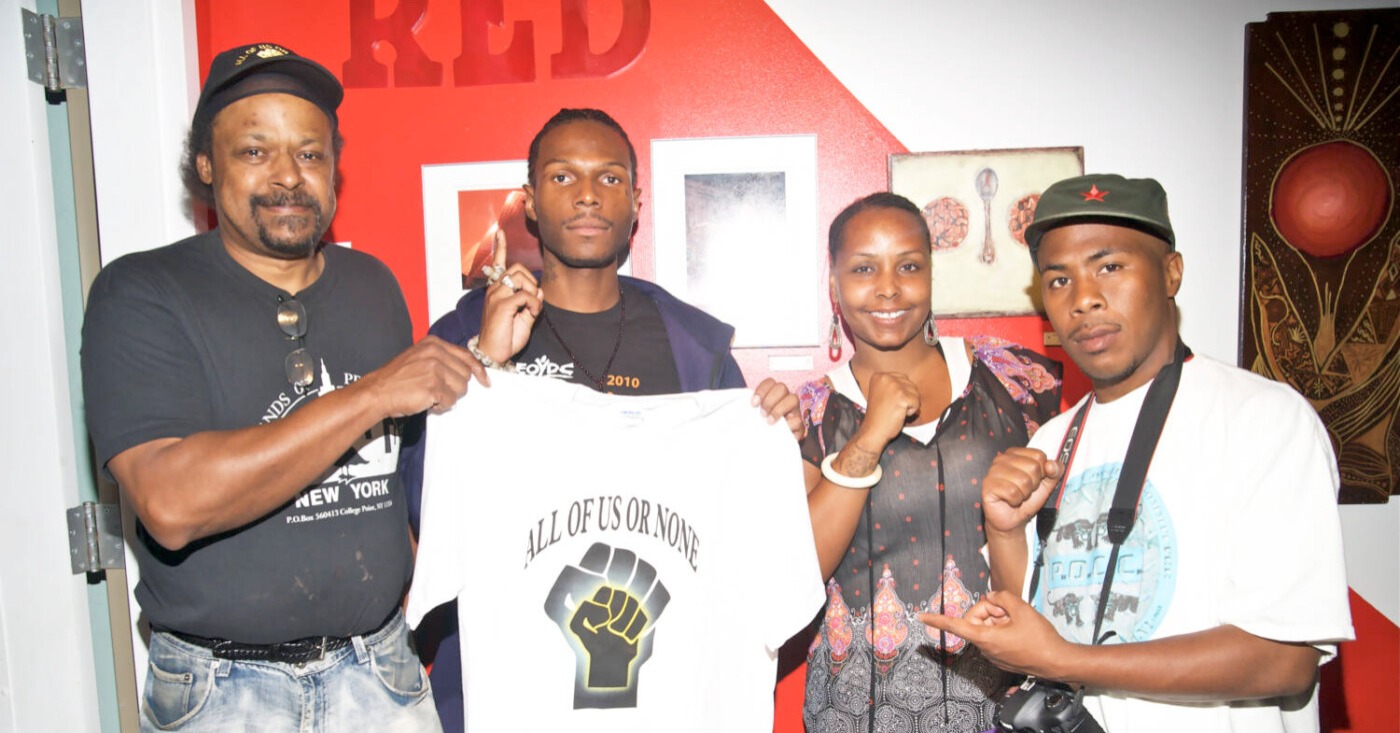
“I tell everybody that the Bay View is the successor to the Black Panther Party’s newspaper” – veteran Black Panther member and BPP archivist Billy X, aka Bill Jennings.
I’m sure that when Muhammad Al-Kareem founded The New Bay View Newspaper in 1976, he did not think that it would be celebrating its birthday a half-century later.
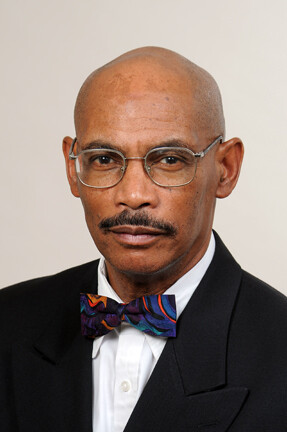
A member of the Nation of Islam and a resident of Bayview Hunters Point, Al-Kareem wanted to create a local version of Muhammad Speaks, which later became The Final Call. He wanted his newspaper to be a local, Black, self-improvement-driven publication without the spirituality.
He produced it sporadically, mostly covering small Black businesses up and down Third Street. In 1991, Muhammad Al-Kareem approached a biracial couple from Alaska, who had recently moved to the area, to query their interest in acquiring the newspaper.
That couple consisted of Dr. Willie and Mary Ratcliff, who had a construction company and were constantly fighting the racist, decades-old San Francisco policy of refusing to give city contracts for construction projects to Black construction companies. So when Al-Kareem offered to sell them The New Bay View, the multibillion-dollar construction industry in San Francisco and the Bay Area was at the top of their hit list.
Al-Kareem sold them the newspaper for $2,000. They changed The New Bay View’s name to The San Francisco Bay View National Black Newspaper. At this time, the paper was black, white and red. In this era, Willie Ratcliff oversaw the distribution of the newspaper, which included distributing 10,000 of the 20,000 newspapers by hand, door to door, in San Francisco.
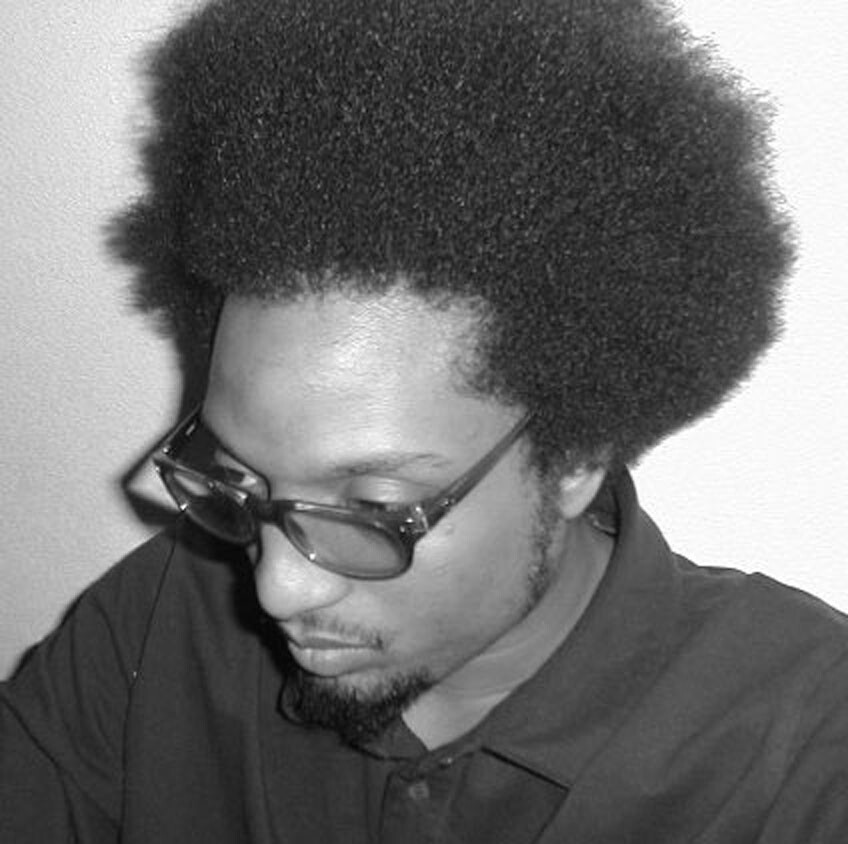
In 1998-99, young veteran Black writers Kevin Weston and Malcolm Marshall approached the SF Bay View about getting a full page regularly for political poetry. They were in their mid-20s, yet I was being mentored by them in a San Francisco-based youth journalism program called Youth Outlook. I was intrigued by the idea of a local Black newspaper because at that time I had only seen The Final Call, the official newspaper of the Nation of Islam.
I watched what Kevin and Malcolm were doing, and I soon jumped into the fray. When I arrived, the newspaper was bustling with the writings of veteran activists like Marie Harrison, who was leading the fight against PG&E’s policy of polluting Hunters Point, and Dr. Ahimsa Sumchai, who was leading the fight against the Navy, which has refused to clean up the radioactive pollution, in Hunter’s Point, created when it participated in building, testing and disposing of material related to the atomic bombs dropped on Nagasaki and Hiroshima, Japan, in World War II. This conscious neglect effectively made the area a super-fund site, a designation as one of the most poisonous places in the country. I met Pierre Labossiere, co-founder of the Haiti Action Committee and a passionate leader in the fight to end the U.S., U.N. and other foreign occupations in Haiti, his beloved homeland.
I had already known Kiilu from working in the community, but I ran into the writings of the late Black Panther Kiilu Nyasha, who had dedicated her life to the movement to free political prisoners. She corresponded regularly with political prisoners and prisoners of war like Mumia Abu-Jamal, Hugo “Yogi” Pinell, Warren Wells, Romaine “Chip” Fitzgerald and Ruchell Magee.
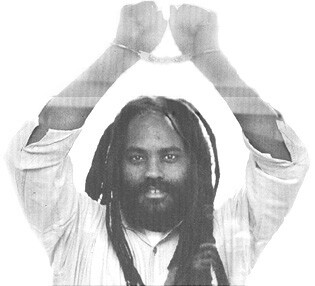
Through the pages of the Bay View, I quickly learned that being a conscious writer who shared my progressive opinion was acceptable at a beginner’s level, but the top level of “freedom-fighter reporting” required the writer to be a direct part of the organizing. The writers that I respect the most were involved in the fight, like El Hajj Malik el Shabazz aka Malcolm X, Mumia Abu Jamal, Huey P. Newton, George Jackson, Steven Biko and Winnie Mandela. The alternative form of reporting is “spectator journalism,” which colleges and universities teach and the mainstream media practices. This is where the reporter creates distance from the subject, supposedly to remain “objective.” While there is a war on Black people, remaining “objective” while our people are being murdered, enslaved, tortured and done unjustly is selling out. It is important for a journalist to understand the political, social and emotional nuance that comes with being engaged in organizing and becoming vulnerable to losing and winning battles with the people being reported on. The Bay View has always been full of freedom fighter writers since I have been around.
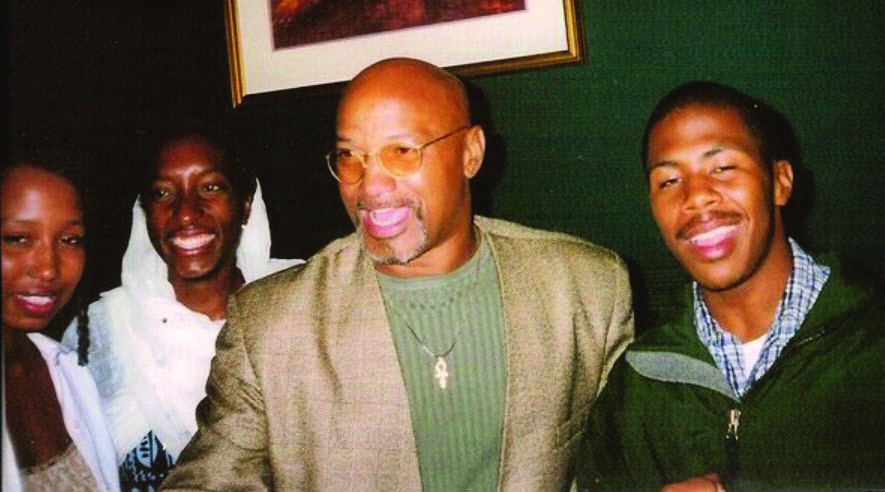
In 2003, graphic designer Terone Ward came aboard and became the creative spine of the paper. At Willie Ratcliff’s suggestion, we added the rising sun from the Black national anthem to the logo, and Terone changed the newspaper’s colors to green and yellow. This was the year that the Behind Enemy Lines section was added to the newspaper, giving incarcerated writers a section to write about their movement, struggles and lives.
This was also the year when Pierre Labossiere and the Haiti Action Committee invited me on a trip to Haiti. I had never met such a determined and resolute group of Black people who were surviving and living in crushing poverty solely because they desired to be free. That week or so I spent in Haiti that year, changed my worldview profoundly. I hadn’t been shaken up mentally like that since I had been to Cuba five years earlier. This was in 2003, and it happened to be approximately six months prior to the U.S. overthrow of the first democratically elected president, Jean-Bertrand Aristide.
Locally, I was becoming a reporter who specialized in police terrorism. Mary and Willie encouraged the hard-hitting, detail-laden, traumatic stories about Black life in the U.S. Over my career at the Bay View, I wrote about police terrorism cases like Idriss Stelley, Terrance Mearis, Laronte Studdesville, Gary King, Oscar Grant, Casper Banjo, Anita Gaye, Nadra Foster, Lovelle Mixon, Kenneth Harding, Mario Woods, Raheim Brown, Aiyana Jones, Sahleem Tindle, Mike Brown, Tamir Rice, Banko Brown and more. In the early 2000s, we were the only newspaper in the Bay Area writing from our people’s perspective – the victims’ – on this topic. And we are still the only publication consistently publishing stories about police terrorism and murder in the Black community. We have recently expanded that coverage to include ICE agents kidnapping Black immigrants and unwarranted government sponsored AI surveillance tools such as flock and axiom cameras, police drones, and data centers.
Back in this time, the internet was starting to really take off. We were the first Black newspaper in the Bay to have a website. The back cover was filled with local activists, artists and community people; we played the part in the society of social media, before social media was even invented. At one point around 2006, we were getting 2.3 million hits a month. Then we were targeted and hacked, and our internet archive up to that point was destroyed.
In 2006, I won an ethnic media award at the New America Media Awards for my coverage of refugee families migrating from Katrina affected areas to San Francisco. The Bay View was the only newspaper in the Bay to appoint a Katrina editor, who lived in the affected zone, allowing us regular access to accurate information.
In 2007, a woman in the community called me to hear how the Oakland Police were exploiting club owners in downtown Oakland. When I was leaving after interviewing her, reporter Chauncey Bailey walked in to interview her for the Oakland Post. The next day, Chauncey Bailey was dead. The Chauncey Bailey Project formed. It was a consortium of journalists from all walks of life who came together to investigate Chauncey Bailey’s murder. I was invited to the first couple of meetings, then I discovered that some of this journalism work was being used by the police to build a case. I wanted to investigate police involvement prior to the murders, which was not a road that the Chauncey Bailey Project was interested in pursuing.
Because I knew one of the suspects and the victim, the Chauncey Bailey Project editors from The Center for Investigative Journalism asked me to be an informant for them. I refused. They then utilized one of their well-known mainstream Black muppet reporters to write a hit piece on me in the Oakland Tribune. Then shortly after, a cover-story hit piece in the East Bay Express soon followed. The newspapers’ writers lied by inferring that I was somehow involved in setting Chauncey Bailey up, and they were attempting to damage my reputation and character. These two hit pieces were retaliation for refusing to play ball.
In August 2008, longtime Black KPFA broadcaster Nadra Foster got into a shouting match with a white manager at KPFA named Lois Withers. Flustered, Withers called and lied to the Berkeley police, saying that Nadra was a crazy woman who had run into the KPFA studios and refused to leave. This was a total lie; Nadra had been a broadcaster at KPFA for over a decade at that point. She was viciously beaten to the ground, kicked in the head, had her arm and vagina stomped on by police, then she was hogtied and taken to jail. Certain broadcasters saw it happen. I was not there, but within hours I received the call that the broadcasters who witnessed the ordeal were waiting on me to break the story because they feared for their jobs. I broke the story by interviewing the witnesses on air at KPFA and, days later, in the San Francisco Bay View.
KPFA tried in every way to get me off covering Nadra’s police beating at KPFA, from passive-aggressive tactics all the way down to direct peer pressure. When that did not work, Pacifica staff and the infamous and dead KPFA lawyer Dan Siegel engineered an internal complaint against me for “intimidating staff.” My real crime was not letting KPFA listeners forget how Nadra Foster was lied about, beaten, hogtied, incarcerated and how she lost her lawsuit. For years, I reported on the minute developments in Nadra’s case in the SF Bay View. The white liberals running KPFA repaid me with a lifetime ban from the station. Despite that, throughout 2024, I was part of the radio show staff and produced news pieces weekly on the Pacifica Radio network, which includes KPFA, on “Capitalism, Race, and Democracy.” They voted me off the show in my absence, after I argued against the non-Black producers wanting to put a white reporter over reporting on the Pan Afrikan revolution in Africa, being led by the Sahel States.
To my knowledge, the widely known case of Nadra Foster, a local Black woman being beaten by Berkeley police after a KPFA white liberal manager lied on her, was not reported anywhere else in the print media.
On New Year’s Day in 2009, BART police murdered Oscar Grant at a BART station in East Oakland, and rebellions followed, week after week, in downtown Oakland. I was initially involved with the street organizing, then I started reporting on the story for the SF Bay View and KPFA. I soon became a defendant after being swept up by police during the initial rebellion. I became one of over 100 defendants, known as the Oakland 100, who were arrested after fighting for the indictment of the policemen involved in murdering Grant. During my arrest, I was stripped of my camera that I used for newspaper photography. OPD refused to return it after I went to court and received a court order. The person responsible for helping me, at the police station, was “sick” or “out for an unspecified amount of time” every time I tried to retrieve my belongings. The Oakland Police Department essentially stole my camera. That was a very small price to pay, during this era, for all of the people who were awakened to police terrorism in the Black community and the lack of police accountability, because of our embedded coverage. The arson charge I faced from the rebellion was dismissed after a 13-month legal fight. The SF Bay View covered the Oscar Grant rebellions, the cases of the Oakland 100, the murder trial of Johannes Mehserle, and the police execution of Lovelle Mixon, extensively within our pages.
Around the time my case ended, I connected with the Haiti Action Committee and Walter Riley of the Haiti Emergency Relief Fund and was on a flight to Port-au-Prince for a second time. This time, Anhk Marketing, run by longtime friends of mine Kamel Bell and Tom Flannery, talked to rappers Yasiin Bey and Jay Electronica about donating $6,000 to a delegation that consisted of doctors, nurses and journalists whose job would be to document the Haitian earthquake of 2010 from the ground, as well as offer free health care to the survivors and people in general. We brought over 35 boxes of medicine donated by the medical community in the Bay Area. When we got to Haiti, the despair was on another level, almost beyond comprehension. There was rubble from fallen buildings everywhere littering the capital, and you could smell the stench of people who were crushed beneath the rubble, whose corpses could not be reached without heavy machinery. You saw armies of rats and flies infesting those areas.
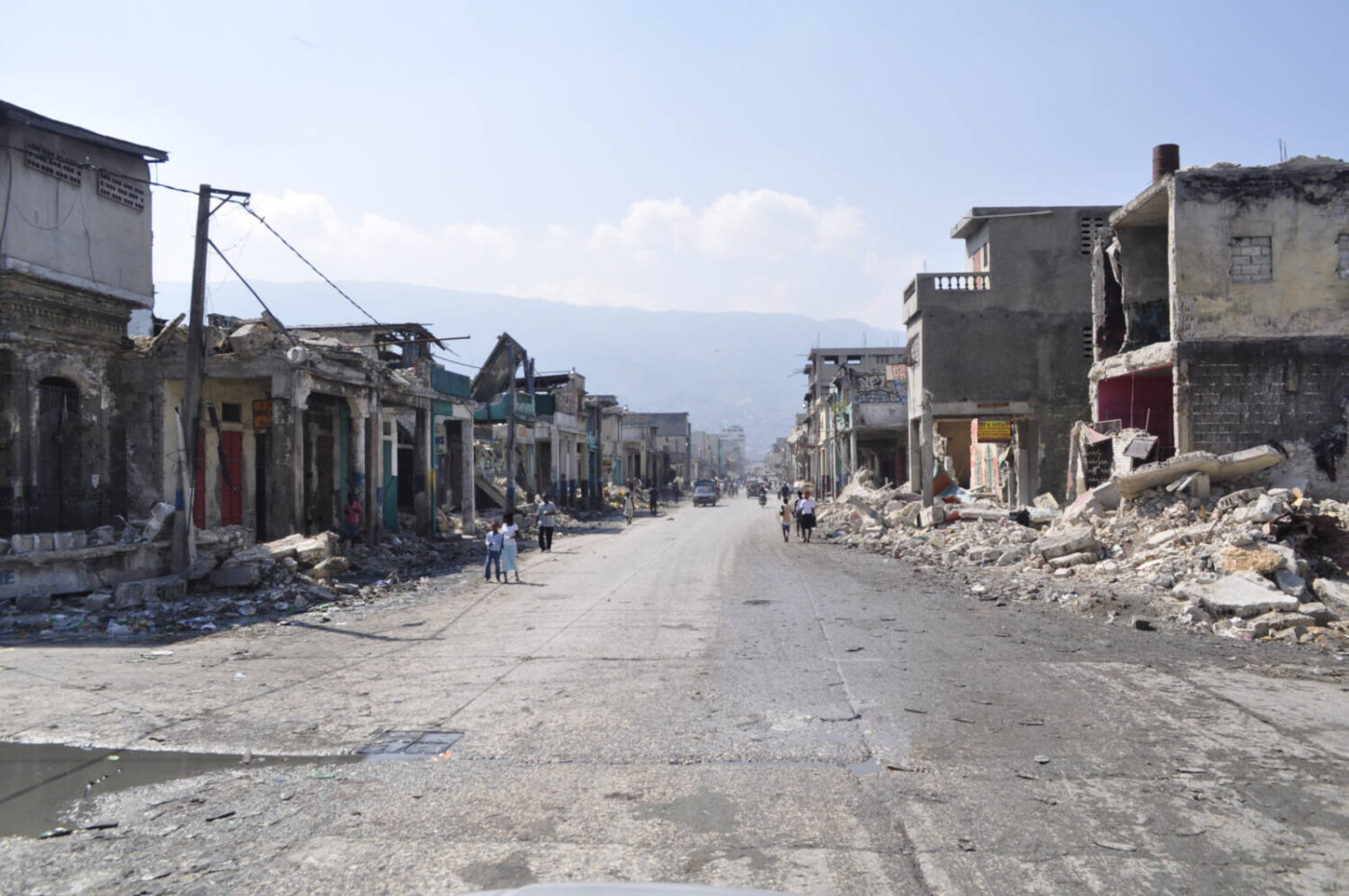
We had the opportunity to work with legendary Haitian freedom fighters and community workers like Rhea Doll and the late Jean Ristil, whom the journalists in the delegation assisted in water distribution throughout Cité Soleil, a prominent neighborhood in Port-au-Prince. We saw the unbearable desperation in the eyes of a people who are/were being robbed of everything through imperialist means. Haiti was once called the jewel of the Antilles by its French colonizers because it was the most profitable colony that France ever had. Now Haiti is considered the poorest country in the Western Hemisphere and one of the poorest in the world.
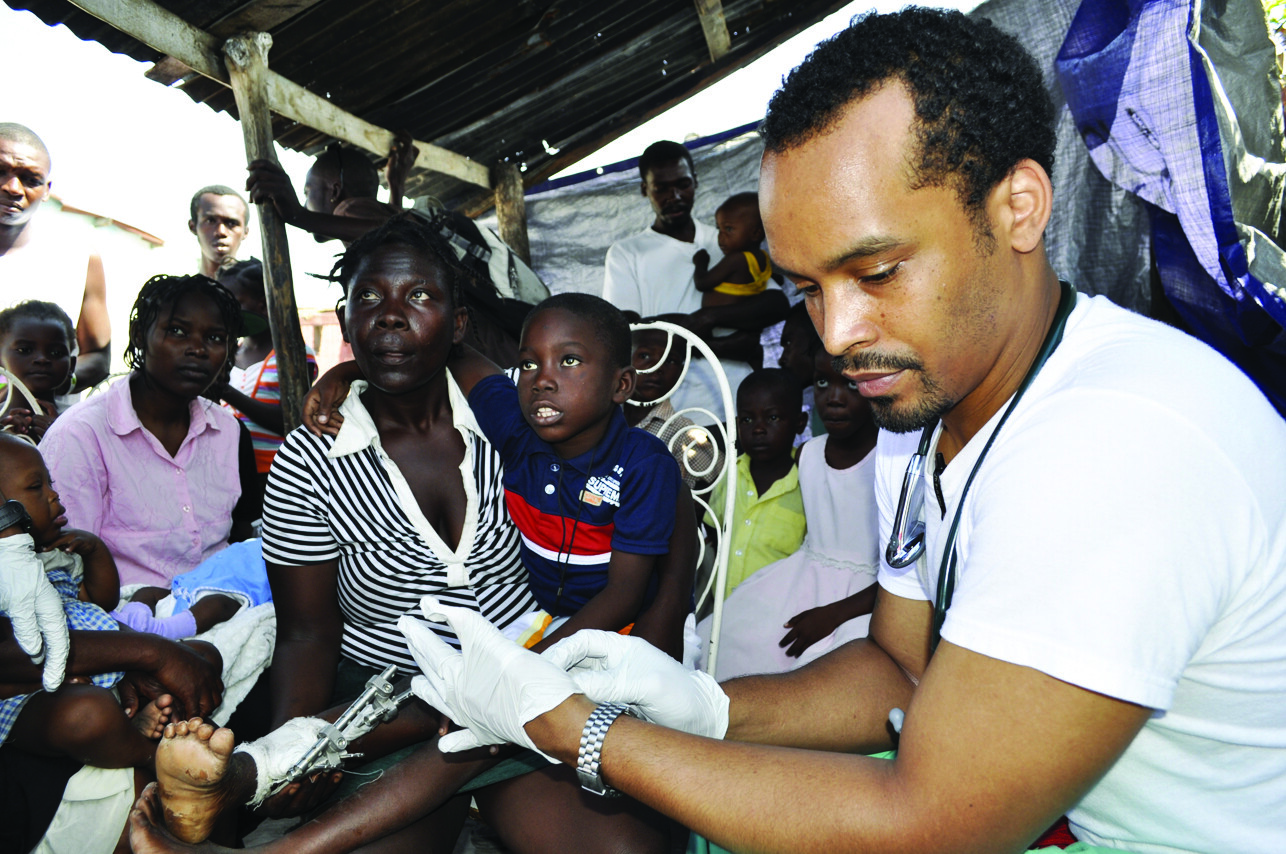
The medical half of our delegation set up a makeshift tent in the middle of a block and started offering free health care. Led by Dr. Chris Zamani, they worked on people hurt by the earthquake as well as people suffering from the physical conditions that imperialism and extreme poverty create.
It seemed as if they worked a taxing eight hours straight a day in the beaming, tropical, Caribbean sun. When it was time to leave the land of the Haitian Revolution, we all had tears in our eyes because it was difficult to say goodbye to people who had become our family and desperately needed what we could offer. Haiti for me is what Africa is for a lot of people. I felt a strong kinship with the people I met, and many times I saw my own reflection in their spirits.
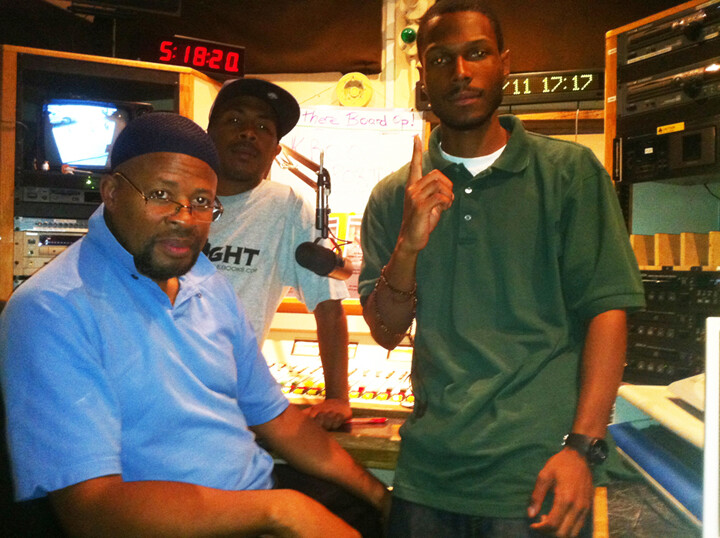
In 2006, Malcolm Shabazz, the grandson of Malcolm X, was introduced to me by the legendary Japanese activist Yuri Kochiyama. Initially, she asked me to help publish Young Malcolm’s words in the Bay View while he was incarcerated. I agreed. He ended up thanking me, then in 2010, followed up by coming to the Bay to meet my comrade Rashida and me in person. Soon after we met, he made the Bay home and never left for an extended period. While based in the Bay, Malcolm spoke at a number of masjids and community centers locally and around the nation while developing his politics and his speaking style. His work was covered extensively in the Bay View. One of the most memorable people that we met together was the late prisoner of war, veteran Panther and member of the Black Liberation Army Sekou Odinga, who was being held captive in New York for his role in liberating Assata Shakur. Our trip was made possible by community organizer and WBAI veteran radio broadcaster Dequi Kioni-Sadiki. Another memorable person we met was veteran Black Panther, political prisoner, award-winning journalist and author Mumia Abu-Jamal, who is still being held captive to this day in a concentration camp in Pennsylvania. Both of these encounters were documented in the Bay View.
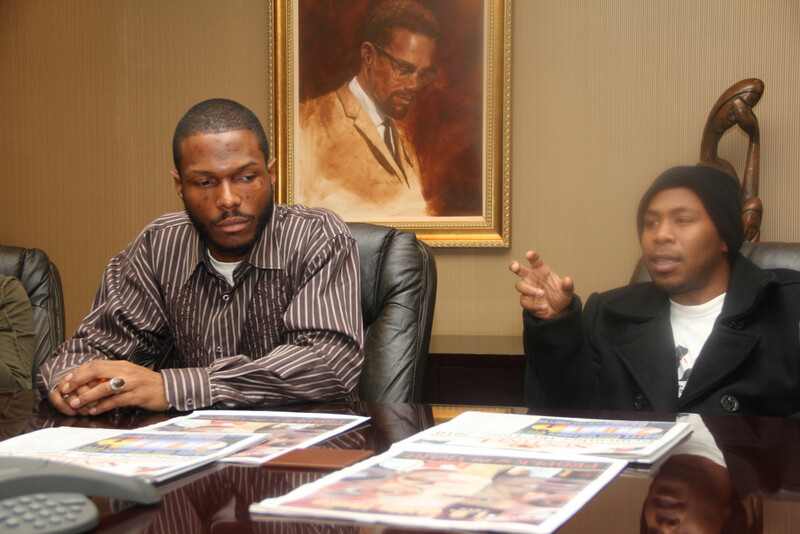
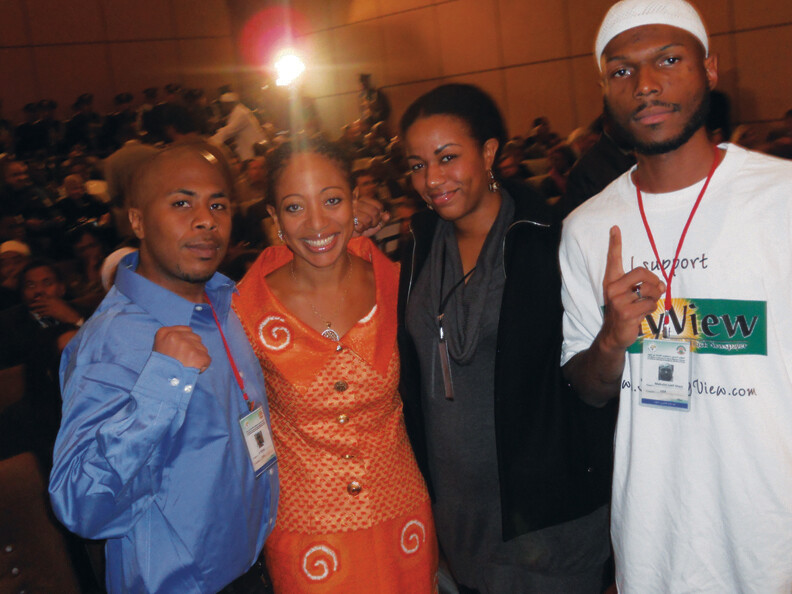
Malcolm’s Hajj to Mecca, as well as our trip with former Congresswoman and presidential candidate Dr. Cynthia McKinney to Tripoli, Libya, were major milestones in our lives, and the details were all intricately recorded in the San Francisco Bay View. When El Hajj Malcolm Latif Shabazz was assassinated in Mexico City under mysterious circumstances in 2013, the Bay View connected with Afro-Mexican activists looking for answers.
In 2015, prisoner of war Hugo “Yogi” Pinell of the San Quentin 6 was assassinated in the California concentration camp system, after more than 40 years in solitary confinement. The Bay View covered this event and the memorials that followed. No other media platform covered this event as thoroughly or as promptly as the Bay View did.
We are definitely proud to have played a part in the California Prison Strikes of 2011 and 2013, where all organized formations united to protest the hellish conditions of indefinite solitary confinement in California’s SHU program. We wrote supporting stories that included the voices of elected officials, nonprofit leaders and activists, while we also published stories from prisoners describing how important and historic these strikes were.
In 2012, I got shot in East Oakland after getting into an argument in the streets. I was down for about four to six months. After that, occasionally I would write for the newspaper, primarily for money because I was unemployed, although I was given some help from my family. For a long time, I had lost the fire to be a reporter.
In 2023, I returned to the San Francisco Bay View after a few years’ hiatus from writing. I applied for several grants with the help of Lateefah Simon, who later became the East Bay congresswoman. The Bay View received funding to create the Mumia Abu-Jamal School of Journalism, which notably included students who became staff writers like Zaire Saunders, Robbie and Leah Harmony. I was also able to hire the very talented graphic designer Tasin Sabir, who was one of my early journalistic colleagues at Youth Radio. One of the highlights of this era for me was that my daughter Xion joined the journalism school and the staff. This was also when attorney Allyssa Victory joined the staff as our legal editor.
After six months at the head, I disagreed with the Ratcliffs on some key issues regarding the newspaper and left. Kevin Epps became the executive editor and served in that role for about a year and a half. After he was convicted in a case stemming from a 2016 incident, I returned. I was given back the job of editor in chief and started working alongside Leah Harmony and Tabari Morris, the other two components of the executive staff.
At this point, the San Francisco Bay View is rich in culture, politics and, as you read in this historical piece, experience; but advertisements are not making enough money to pay the bills. We appreciate donations, but we truly need benefactors and community sponsors who can financially help to foot the bills involved in producing a monthly community print newspaper that is free. During the most fascist period of our lives up until now, we have to decide if we will do our part to ensure that Black people have an unbought and unfiltered voice to educate ourselves and to fight the power. In the words of the late Black Panther and Black Liberation Army veteran Assata Shakur, “we don’t have nothing to lose but our chains.”
Please consider donating generously to the SF Bay View during Black Friday, Giving Tuesday and during this holiday season. Also the community is invited to attend the 50th Anniversary Party of the San Francisco Bay View Newspaper on Saturday, Dec. 5, at 6 p.m. at the Black Panther Party Museum in downtown Oakland. Don’t meet us there, beat us there. All Power to the People!
JR Valrey is a veteran journalist and Editor in Chief at the San Francisco Bay View. He can be reached at [email protected]
The post A Brief History of the San Francisco Bay View National Black Newspaper appeared first on San Francisco Bay View.
Based on reporting by SF Bay View.
Black Press
COMMENTARY: The Judicial System Silenced Jendayi by Using the Penal Codes and Locking Her Up in Jail
POST NEWS GROUP — Jendayi describes Laura Dean Head as a dear friend she had known for more than 28 years. Under Head’s 2013 estate plan, Jendayi was the beneficiary who expected to receive the home and other assets. She says she began living at the Randolph Avenue property in June 2013. Head’s sisters, whom Jendayi describes as estranged, later challenged the trust and prevailed.
Part 1 of 4
On Oct. 1, 2026, Zakiya Jendayi drove to an Oakland courthouse seeking emergency relief in her fight over a home.
She never reached the filing counter.
According to her sworn declaration, Alameda County sheriff’s personnel met her as she opened her car door. They arrested her at approximately 2:55 p.m. and took her to Santa Rita Jail.
Hours later, she was released. But the home she had been fighting to keep was no longer accessible to her. While she was detained, possession had been delivered to the estate, and the house had been boarded up with her belongings inside, she says.
The next day, the attorney serving as the estate’s special administrator told the Court of Appeal that her eviction made the underlying motion moot. One day, she was arrested. The next day, her removal became an argument against continuing her fight.
That sequence is at the heart of Jendayi’s allegation: that opposing attorney Phillip Campbell coordinated the use of criminal enforcement and sheriff’s personnel to accomplish what years of civil litigation had not persuaded her to accept.
Her filings document the arrest, the loss of possession, and Campbell’s subsequent mootness argument. They do not establish who requested the warrant or prove an improper agreement. Those unanswered questions are part of what makes this story so troubling.
The records bringing these events together include Jendayi’s sworn arrest declaration, the sheriff’s release paperwork, and Campbell’s October 2, 2026 opposition. Jendayi’s RJN.
Before the Handcuffs, There Was a Friendship
Jendayi describes Laura Dean Head as a dear friend she had known for more than 28 years. Under Head’s 2013 estate plan, Jendayi was the beneficiary who expected to receive the home and other assets.
She says she began living at the Randolph Avenue property in June 2013. Head’s sisters, whom Jendayi describes as estranged, later challenged the trust and prevailed.
That history includes an important fact: Judge Sandra K. Bean invalidated the trust after finding undue influence, and the resulting order was affirmed on appeal. Jendayi disputes the outcome and has continued pursuing relief, but the adverse judgment is part of the record.
The documents also show that the sisters’ involvement with attorneys began years before the 2020 proceedings. A May 2013 attorney letter requested powers of attorney and an accounting; later correspondence concerned obtaining Head’s estate planning documents.
For Jendayi, the March 2023 decision became the beginning of another chapter: motions, appeals, and an increasingly urgent struggle over possession of the home. If you would like a copy of the trial transcripts direct message the legal writer and she will provide you with copies.
Then she learned about a separate property order, one she says she discovered too late. According to Jendayi, testimony during the June 2026 civil trial alerted her to Campbell’s use of a Probate Code section
850 petition concerning the property.
For readers unfamiliar with probate litigation, a section 850 petition is a way to ask a court to resolve certain property claims involving an estate or trust. Here, Campbell sought an order determining that the Randolph Avenue home belonged to Head’s probate estate rather than the trust.
Read Part II next week.
Black Press
OP-ED: More Sleep and Lower Blood Pressure — An Overlooked Connection
POST NEWS GROUP — High blood pressure often produces no noticeable symptoms, even while increasing the risk of heart disease and stroke. The absence of symptoms became even clearer to me at a local festival where free blood pressure screenings were offered. I spoke with a woman whose systolic pressure — the top number — was 198. She said she felt fine.

Essay: More Sleep and Lower Blood Pressure — An Overlooked Connection
Photo Caption:
By
Lack of sleep can contribute to high blood pressure, yet sleep often receives less attention than medication, diet and exercise in discussions about heart health. During sleep, blood pressure normally declines, reducing the demands placed on the heart and blood vessels. When sleep is insufficient or frequently interrupted, blood pressure can remain higher for longer periods.
For Black Americans, the connection deserves particular attention. Nearly 58% of Black adults have high blood pressure, according to the Centers for Disease Control and Prevention. A National Center for Health Statistics report found that 40.2% of Black adults experienced short sleep, compared with 28.9% of White adults.
The figures do not prove that inadequate sleep explains why Black adults have higher rates of hypertension. They do show why sleep belongs in the discussion about Black cardiovascular health.
That connection became personal for me during a routine visit to my cardiologist. My blood pressure was 143/90. I was already taking blood pressure medication, but I had not been monitoring my pressure at home. I had no warning that the reading had changed.
High blood pressure often produces no noticeable symptoms, even while increasing the risk of heart disease and stroke.
The absence of symptoms became even clearer to me at a local festival where free blood pressure screenings were offered. I spoke with a woman whose systolic pressure — the top number — was 198. She said she felt fine.
A systolic reading above 180 is considered severe hypertension and requires prompt medical attention, even without symptoms. Her reading reinforced what I had learned from my own experience: Feeling fine does not mean that blood pressure is normal.
After my cardiology appointment, I began looking at possible reasons for my elevated reading. I considered what I ate, how much I exercised and whether I was taking my medication as prescribed. Then I thought about my sleep.
I was sleeping four to five hours a night. I was not deliberately choosing to sleep less. I would become busy in the evening, move from one activity to another and go to bed later than I intended. Over time, that pattern became routine.
After researching the relationship between sleep and high blood pressure, I began going to bed earlier. I increased my sleep to seven or eight hours a night and continued monitoring my pressure. My medication remained the same.
Within weeks, my blood pressure readings moved into the normal range. One recent reading was 114/68.
I know that one change in my routine does not prove cause and effect. I had no home readings from before the cardiologist visit, so I do not know when my pressure started rising. Blood pressure also changes with stress, activity, time of day and how it is measured.
Still, my medication remained the same while I slept longer and my blood pressure readings improved.
Research has linked inadequate sleep to hypertension.
“When a person doesn’t sleep enough or doesn’t get quality sleep, it can increase their risk of hypertension,” Dr. Chandra Jackson, a senior investigator at the National Institute of Environmental Health Sciences, said in an interview published by the institute.
The American Heart Association added sleep to its Life’s Essential 8 measures of cardiovascular health in 2022. The association recommends seven to nine hours of sleep a night for most adults, which is the amount I now get.
Getting more sleep is also not simply a matter of personal discipline. Work schedules, multiple jobs, caregiving responsibilities, neighborhood noise, housing conditions and concerns about safety can make regular sleep difficult.
Dr. Girardin Jean-Louis, director of the Center on Translational Sleep and Circadian Sciences at the University of Miami, has studied racial disparities in sleep.
“Black and Latino people in the U.S. sleep around 30 to 60 minutes less per night than White people,” Jean-Louis said in an article published by the university.
Racism and discrimination also contribute to stress that can interfere with sleep.
“Things like racism and discrimination, these affect our sleep,” Dr. Dayna Johnson, a sleep epidemiologist at Emory University, said in an interview with North Carolina Public Radio.
Sleep quality matters, too. A person can spend seven or eight hours in bed and still not get restorative sleep. Sleep apnea causes breathing to stop and restart during the night and increases the risk of high blood pressure, heart attack and stroke. Warning signs include loud snoring, gasping during sleep, morning headaches and excessive daytime sleepiness. The condition is more common among Black adults than White adults.
The lesson from my experience is not that sleeping longer cured my high blood pressure. Sleeping longer does not replace medication, medical care or regular monitoring. I told my cardiologist about the change in my sleep schedule, and his concern remained whether my readings were under control.
What changed was my understanding of sleep as part of protecting my heart. I had treated sleep as the time left after I finished everything else. Going to bed earlier was a change I could make, and monitoring my pressure allowed me to see what was happening.
For me, inadequate sleep was a risk factor I had overlooked. Getting enough sleep is now part of how I manage my heart health. I did not know it mattered. Now I do.
About the Author
Joe W. Bowers Jr. is a contributing editor for California Black Media who reports on health, education and public policy. He is a graduate of Stanford University.
Art
The Afrikan Restoration Project Marks 60 Years of Kwanzaa With New Book and Expanded Focus
THE AFRIKAN RESTORATION PROJECT FOR IMMEDIATE RELEASE | November 24, 2026 Media contact: Shujaa Baker | [email protected] | (949) 257-7133 | Media Kit – https://bit.ly/3X2tSlz The Afrikan Restoration Project Marks 60 Yea

The Afrikan Restoration Project Marks 60 Years of Kwanzaa With New Book and Expanded Focus
Events in San Diego, Detroit, and online will honor the holiday’s origins and prepare for the next sixty years of the Nguzo Saba.
The Afrikan Restoration Project (TARP) announces its 2026 Kwanzaa anniversary season, Dec. 26–Jan. 1, marking sixty years of the African American and Pan-African holiday first observed in Los Angeles in 1966. Under the theme “Celebrating the First Sixty Years of Kwanzaa… and the Next!” the programs share an expanded understanding of the Kwanzaa creation story and thoughtfully promote year-round practice of the Nguzo Saba (Seven Principles).
Central to the celebration is the worldwide debut of the new book titled “Kwanzaa – FOR KIDS (and everybody else!),” written by Shujaa Baker, illustrated by Thad Lavalais, and based on the firsthand accounts of Kinamo and Karama Damu about the first Kwanzaa. The book traces how ten-year-old Kinamo’s questions about African holidays in 1965 inspired the creation of Kwanzaa while recounting the children’s experiences leading up to the first celebrations in 1966. Learn more at kwanzaaforkids.org.
60th Anniversary Events
Dec. 26 | San Diego | 1–4:30 p.m. PT — WorldBeat Cultural Center, Balboa Park. The children’s Kwanzaa Camp celebration and book debut features Karama Damu, a participant in the first Children’s Kwanzaa, along with a Kwanzaa Essentials lesson and lessons from the new book, art, music, drumming, and dance. Instructional content by Imagiread.
Dec. 26 | San Diego | 6–9 p.m. PT — WorldBeat Cultural Center. Umoja (Unity) Night program celebrating the First Sixty Years of Kwanzaa… and the Next! recognizes the first sixty years of Kwanzaa and the work ahead to teach the Nguzo Saba more broadly
Dec. 27 | Detroit | 2–5 p.m. ET — Charles H. Wright Museum of African American History. The Kujichagulia (Self-Determination) program explores Kwanzaa’s past, present, and future, and the role of self-determination in Elevating Blackness.
Dec. 29 | Online | 5–7 p.m. PT — Kwanzaa Then and Now: Celebrating the First Sixty Years and Preparing for the Next. TARP introduces its new book and announces the return of its study group on Jan. 10, 2027 – examining Ujamaa (Cooperative Economics) in the age of AI and robotics.
TARP is merging our work to promote African culture, S.T.E.M., manufacturing, and principled daily practice into a new online program called The Elevating Blackness Online Academy. Launching on December 5th, this site offers educational resources that build character, including curricula for Kwanzaa – FOR KIDS, the STEM ’n ’Nem children’s book series, and partner content.
Visit https://elevatingblackness.com for more info. (For beta test access – TESTER / Innovationary2026!).
TARP also invites public discussion of three position statements on Kwanzaa’s origins, the responsibilities of the next sixty years, and the daily practice of the Seven Principles found here.
Event details and registration: https://kwanzaa.org/events.html and https://tarpie.org/events. Contact Shujaa Baker for interviews, the media kit, and high-resolution images. See tarpie.org for full details.
About The Afrikan Restoration Project
TARP is an African-centered educational and cultural development initiative advancing cultural knowledge, practical capabilities, and principled community development through publications, programming, and collaborative education.



Cardinal Ritter is headed back to the state championship!

COMMENTARY: My Truth — We Can Realize the Dream Together

‘i Hope It Makes People Want to Be 100 Percent Themselves’

COMMENTARY: What’s the Best Meal Served During Thanksgiving?

Queen Latifah Turns Affordable Housing Mission into New Doc

Three Black Physicians Lead Women’s Health Care

COMMENTARY: Who Can Afford to Be Generous Anymore?

A Brief History of the San Francisco Bay View National Black Newspaper

Bennett College Pockets $12 Million for Aaron Douglass Harriet Tubman Painting Sale at Sotheby’s

IN MEMORIAM: Andrea Stewart-Cousins, New York’s First Woman Senate Leader, Dies at 76

HISTORY MADE: Keisha Lance Bottoms Becomes First Black Woman Elected Governor in American History

Multi-Faith Leaders Representing 10 Million People Launch National Anti-Authoritarian Initiative

Christianity’s Racial History

Hundreds of Black Christian Leaders Arriving in Israel for Martin Luther King-Inspired Mission

Michael Shiner: The Enslaved Man Who Wrote His Way into American History

Keisha Lance Bottoms to Govern State Where Her Great-Great-Grandfather Was Enslaved

Don’t Pass the Torch. Expand the Circle.

Superb Woman: Destiny B. Sadler

DOJ Fights to Keep Rep. Ilhan Omar’s Search Warrant Sealed: Report

COMMENTARY: Thank You, Trump, for Making America Great Again!
Cardinal Ritter is headed back to the state championship!

How We’ve Kept Our Events Fresh Since 2009 #shorts

How Mentorship Made Sustainable Real Estate Development Possible #shorts

The Missing Link That Brought Playprofessionals Together #shorts

Preparation: The Key to Sustaining Success #shorts

Why Strong Connections Matter in the Black Business Ecosystem #shorts

Life After Football: How I Rediscovered the Joy of Learning #shorts

Chevy Tahoe: What’s Worth Keeping—and What Isn’t? #shorts

Car Buying Takes 14 Hours—What’s Your Time Worth? #shorts

Cadillac VISTIQ Road Noise: Test This Before You Buy #shorts
-
 Black History1 week ago
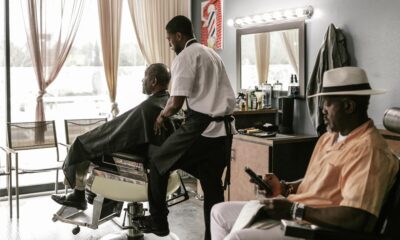
Black Barbershops Have Long Given Neighborhood Politics a Place to Unfold.
-
 Featured1 week ago
How Sick Must America Get Before Saying Enough to RFK
-
 Black History6 days ago
Hoodoo Heritage Month Celebrates Origins of African American Folk Medicine
-
 Black History6 days ago
PRESS ROOM: Donalds Transition Website Now Open to All Floridians Who Want to Serve
-
 Featured6 days ago
Scott Colom’s Nike Challenge Goes National, Freshman Democrats Get a Surprise 📱
-

 Featured1 week ago
How to Rob a Bank
